Laser Marking

Laser marking is a precise, non-contact process that creates permanent marks on materials using a focused laser beam. It is widely used for product identification, traceability, barcodes, logos, and industrial labeling.
Home » Laser Marking

Introduction

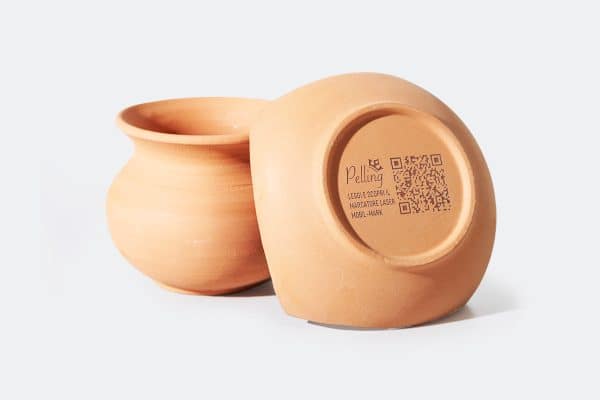
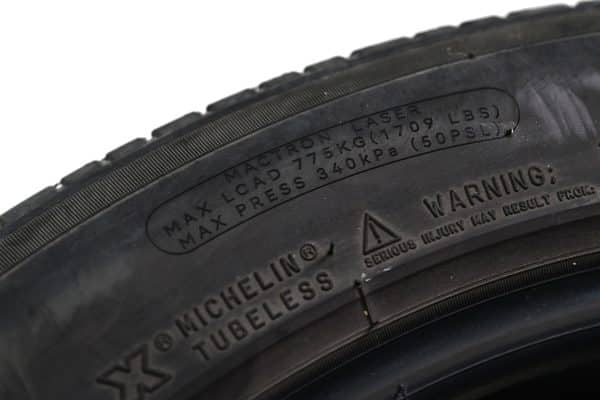
Laser marking is a non-contact process used to create permanent marks on the surface of materials using a focused laser beam. It is widely used in modern manufacturing for identification, traceability, branding, and decorative purposes. Unlike traditional marking methods such as ink printing, engraving, or mechanical stamping, laser marking modifies the surface of a material through controlled heat and energy, producing precise, durable, and high-contrast marks without physically touching the workpiece. The process works by directing a high-intensity laser beam onto a specific area of a material. The energy from the laser interacts with the material surface, causing localized heating, oxidation, discoloration, or slight surface removal depending on the marking technique used. This interaction creates clear and permanent marks such as serial numbers, barcodes, QR codes, logos, and text. Because the process is digitally controlled, laser marking systems can produce extremely fine details and maintain consistent quality across high-volume production runs.
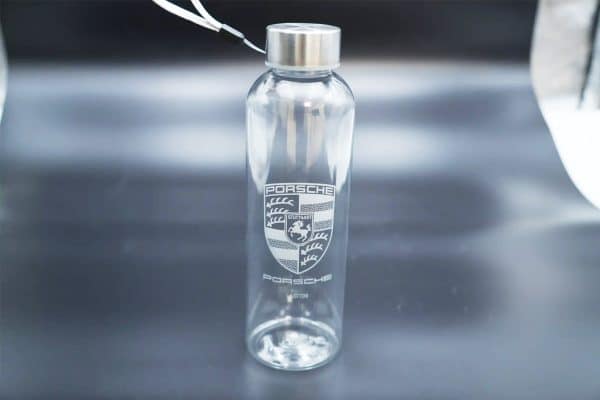
Laser marking is compatible with a wide variety of materials, including metals (such as stainless steel, aluminum, and titanium), plastics, ceramics, glass, and coated materials. Different types of lasers—such as fiber lasers, CO2 lasers, and UV lasers—are selected depending on the material and the desired marking result. For example, fiber lasers are commonly used for metal marking, while CO2 lasers are often used for organic materials and certain plastics. One of the major advantages of laser marking is its efficiency and reliability. The process is fast, environmentally friendly, and requires minimal maintenance because it does not rely on inks, chemicals, or consumable tools. As a result, industries such as automotive, electronics, medical devices, aerospace, and packaging widely adopt laser marking technology to meet strict traceability and quality control requirements.

Key Advantages of Laser Marking

High Precision and Detail

Laser marking provides extremely precise and detailed markings, making it ideal for small components and intricate designs. The focused laser beam can produce fine lines, micro text, complex logos, barcodes, and QR codes with exceptional clarity and accuracy.

Permanent and Durable Marks

Laser marks are highly durable and resistant to wear, heat, chemicals, and environmental exposure. Because the laser alters the material surface itself, the markings remain permanent and legible throughout the product’s lifecycle without fading or peeling.

Non-Contact Process

Laser marking is a non-contact method, meaning the laser beam does not physically touch the material. This eliminates mechanical stress, deformation, or damage to delicate components, making it suitable for fragile parts and precision manufacturing applications.

Wide Material Compatibility

Laser marking systems can mark a wide range of materials, including metals, plastics, ceramics, glass, and coated surfaces. Different laser types, such as fiber, CO2, and UV lasers, allow manufacturers to achieve optimal results on various materials.

High Speed and Efficiency

Laser marking systems operate at high speeds and can easily integrate into automated production lines. The process requires minimal setup time and can quickly mark large quantities of products, significantly improving manufacturing productivity and efficiency.

Environmentally Friendly Operation

Unlike traditional marking methods that rely on inks, solvents, or chemicals, laser marking is a clean process. It generates minimal waste and eliminates consumables, helping manufacturers reduce environmental impact and maintain cleaner production environments.

Applications of Laser Marking

Laser marking is widely used across many industries because it provides precise, permanent, and high-contrast markings on a variety of materials. Its ability to produce detailed codes, text, and graphics makes it essential for product identification, traceability, branding, and regulatory compliance in modern manufacturing.
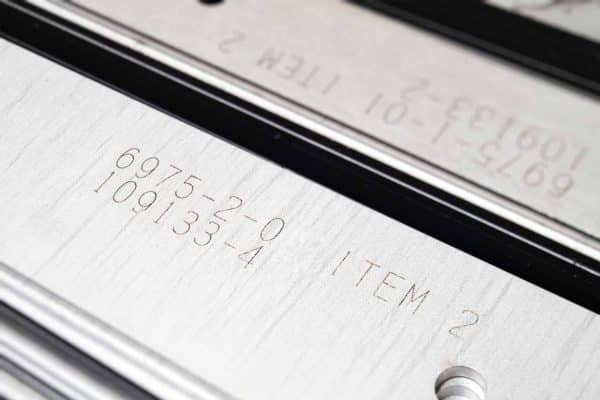
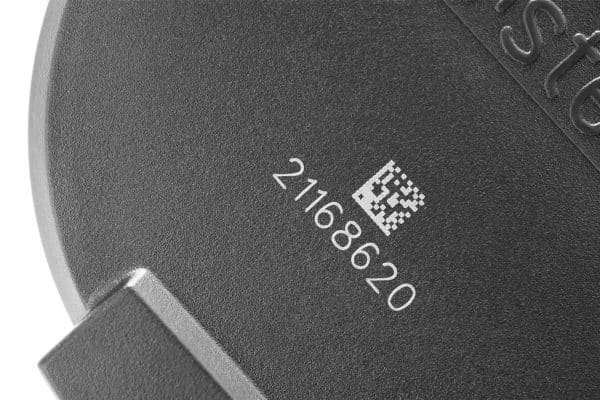
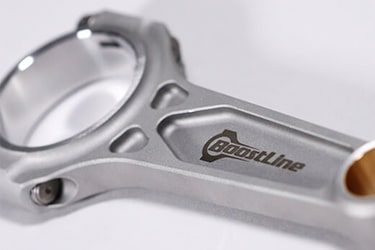
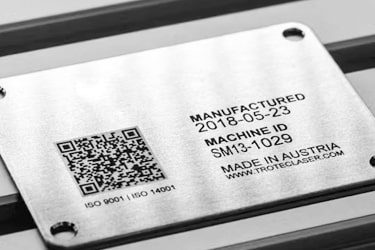
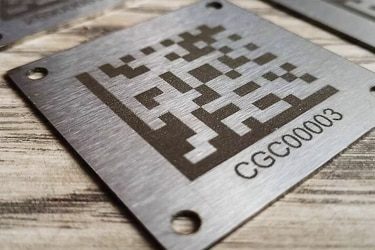
One of the most common applications is industrial product identification. Manufacturers use laser marking to apply serial numbers, batch numbers, date codes, barcodes, and QR codes directly onto components and finished products. These markings help track products throughout the supply chain, improve inventory management, and support quality control processes. In the automotive industry, laser marking is used to mark engine components, metal parts, VINs, and safety labels. The durability of laser marks ensures that important identification information remains readable even under extreme conditions such as heat, friction, and exposure to chemicals. The electronics industry also relies heavily on laser marking for labeling small and delicate components such as circuit boards, microchips, connectors, and semiconductor devices. Laser systems can produce extremely fine and precise markings without damaging sensitive electronic parts. In the medical device industry, laser marking plays a critical role in meeting strict regulatory requirements. Surgical tools, implants, and medical instruments are often marked with unique device identifiers (UDI), serial numbers, and manufacturer information. Because laser marking is permanent and biocompatible, it ensures traceability and patient safety.
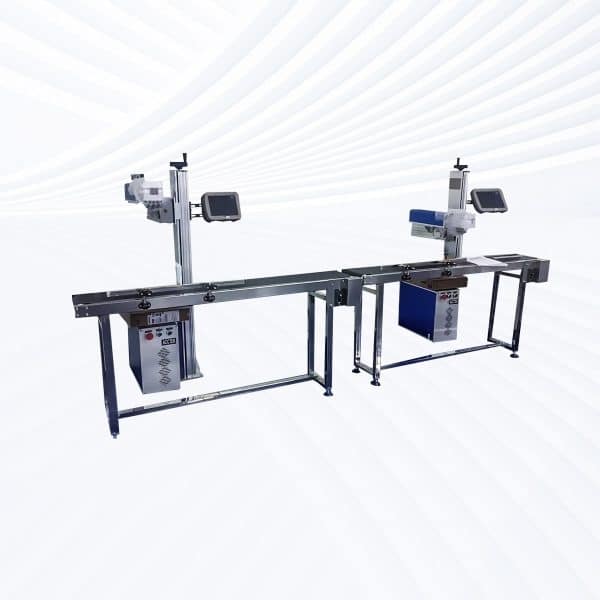
Laser marking is also commonly used in consumer products and branding. Companies use it to engrave logos, decorative patterns, and product information on items such as electronics, jewelry, watches, and promotional products. Additionally, industries such as aerospace, packaging, and tooling rely on laser marking for durable identification and compliance labeling. Laser marking has become a key technology for modern production environments that require accuracy, durability, and reliable product traceability.
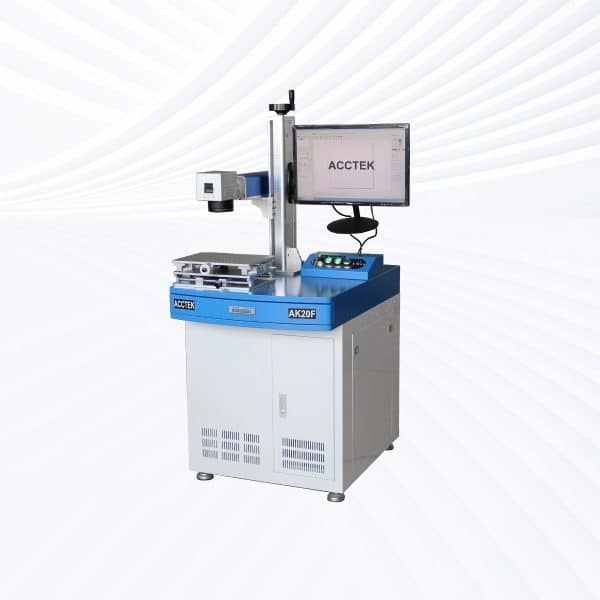
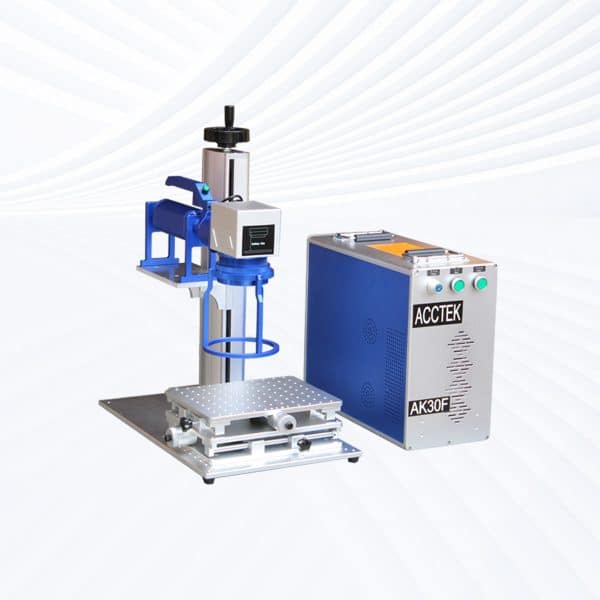
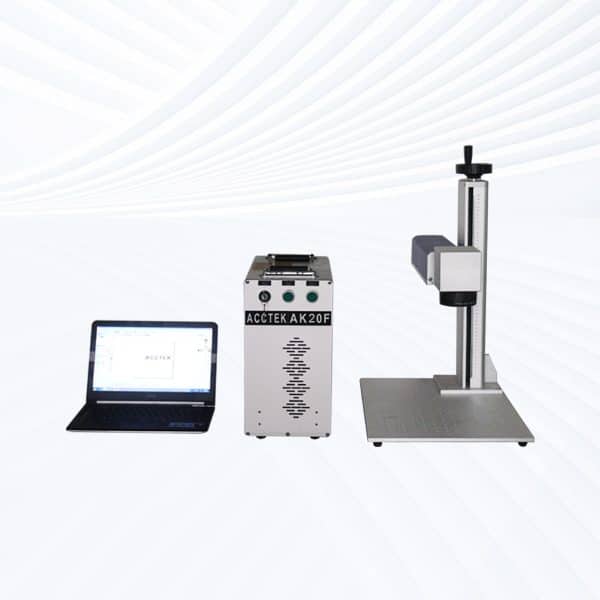
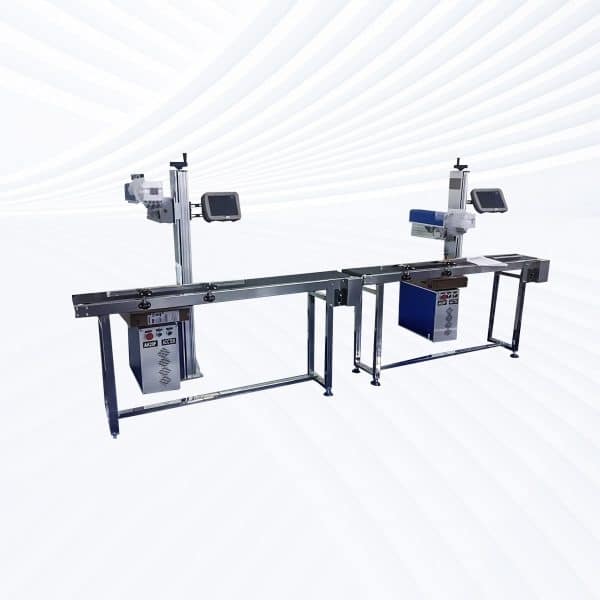
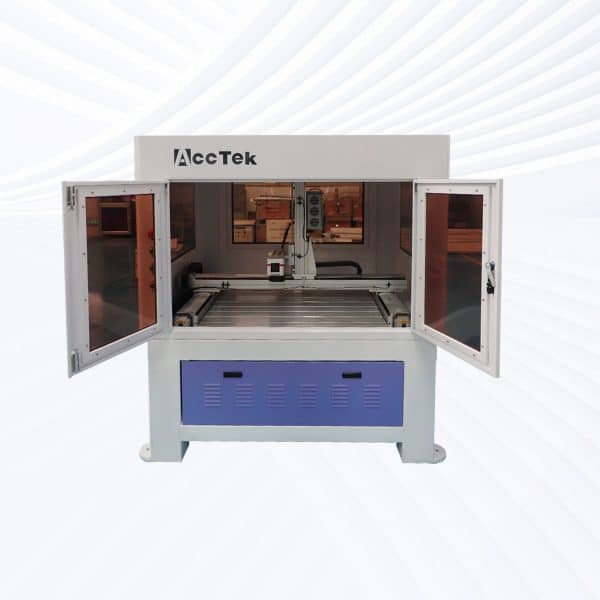
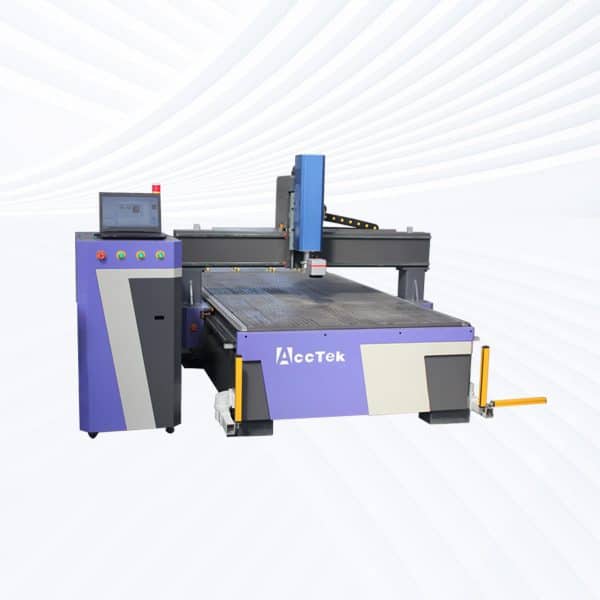
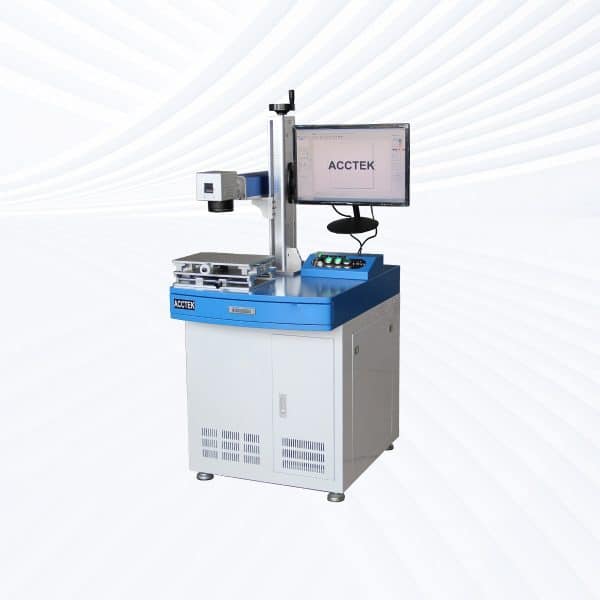
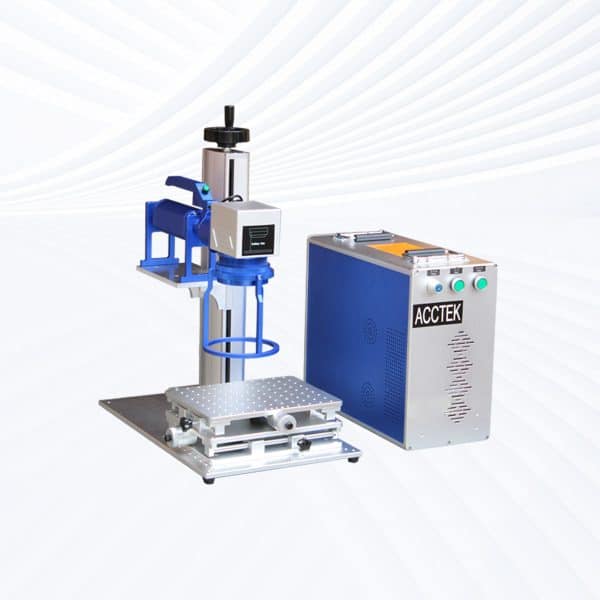
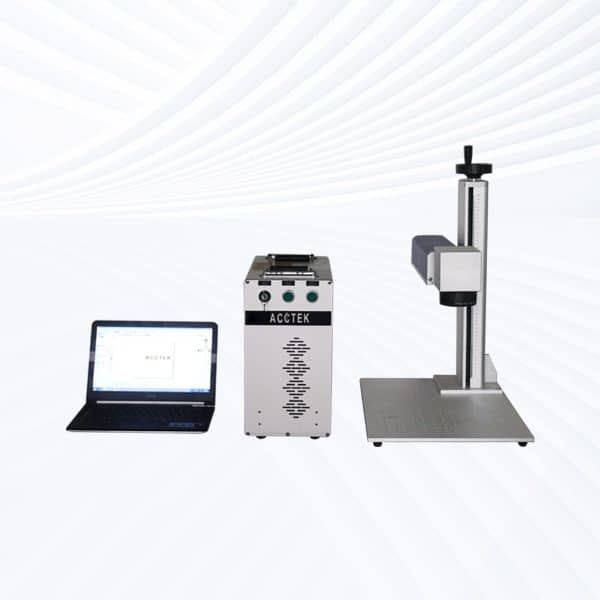
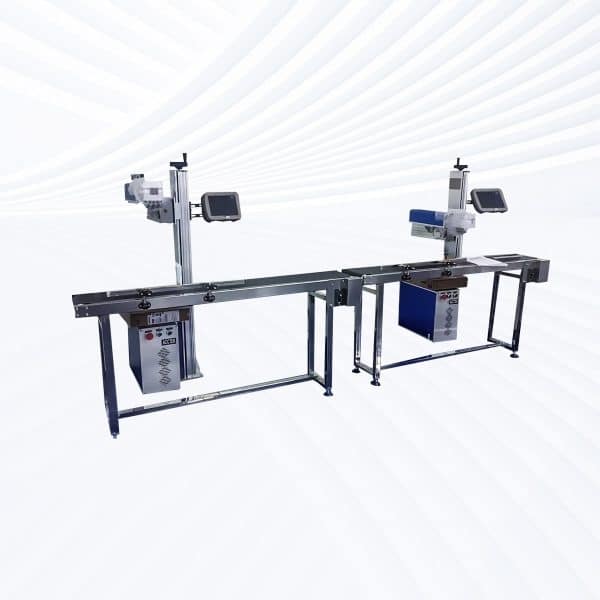
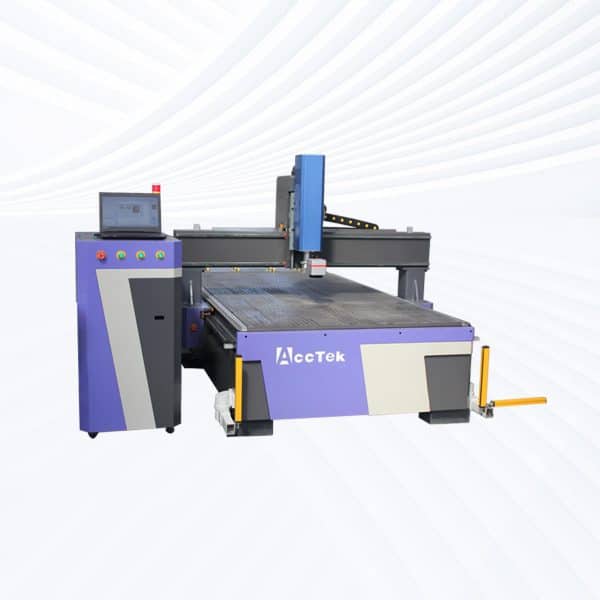
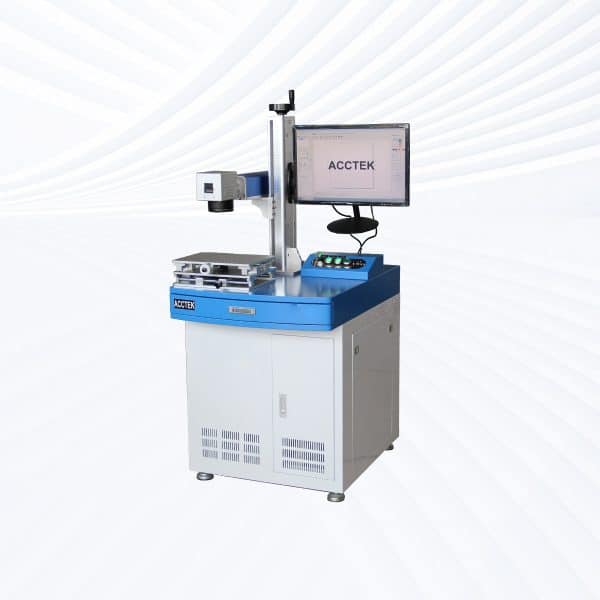
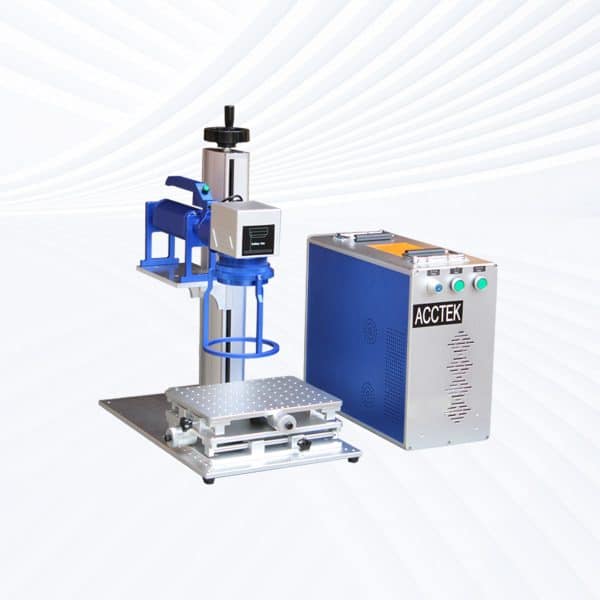
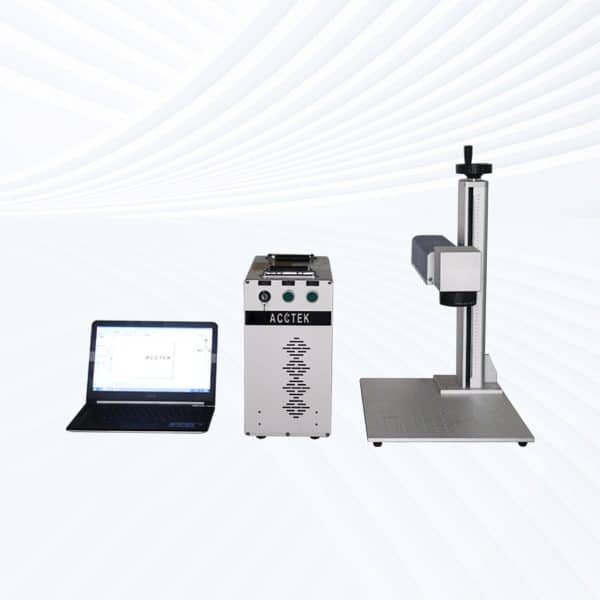
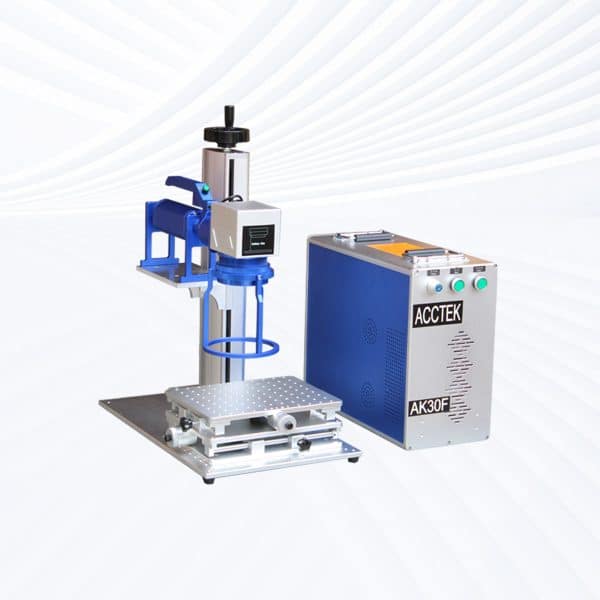
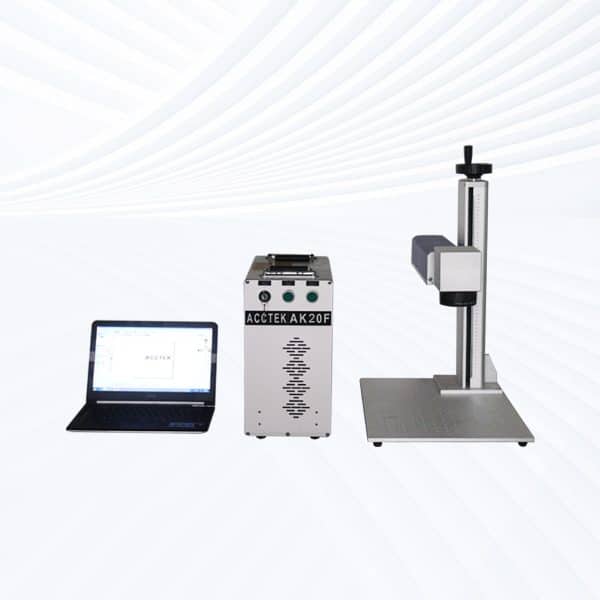
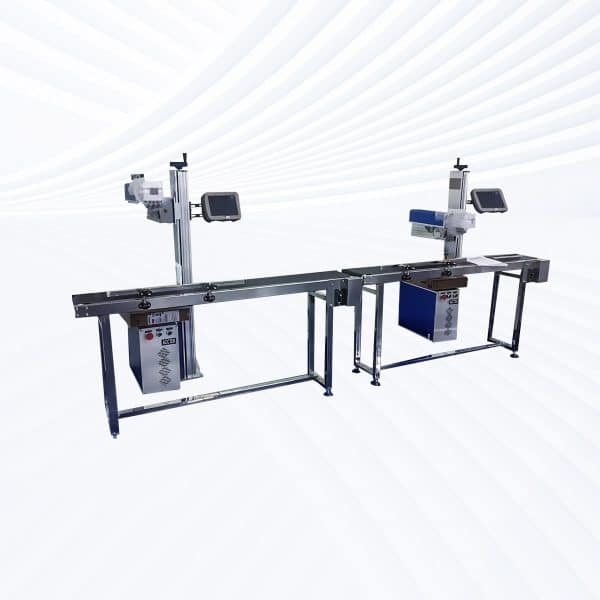
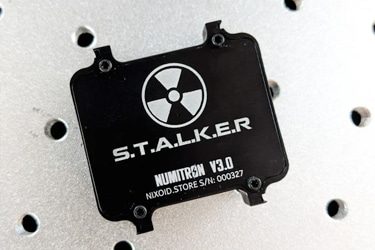
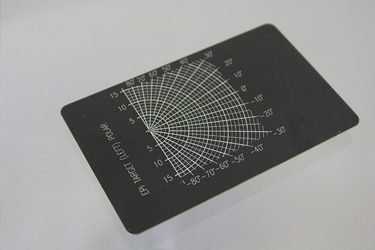
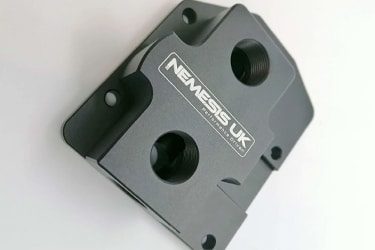
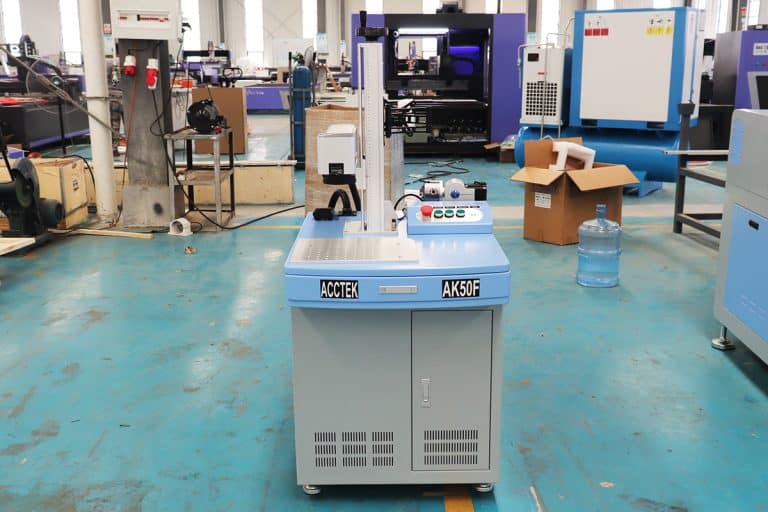
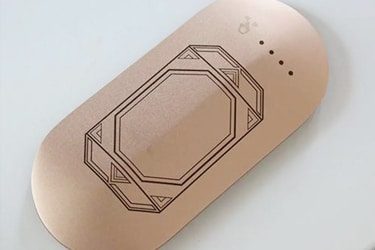
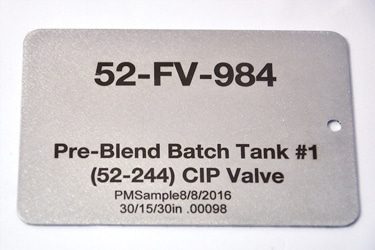
Laser Marking Machine Sample

Why Choose Us

AccTek Group is a professional manufacturer of laser marking machines, delivering precise, fast, and permanent marking solutions for a wide range of materials and industries. Our machines are designed to meet the growing demand for high-speed, high-contrast marking in sectors such as electronics, automotive, tools, medical devices, and packaging. With a focus on innovation, performance, and reliability, we provide laser marking systems that offer excellent beam quality, low maintenance, and long service life. Whether you need to mark logos, serial numbers, barcodes, or graphics, AccTek Group’s solutions ensure clean, accurate results that meet industrial standards. We’re committed to helping customers improve traceability, product identification, and branding through cutting-edge laser technology.

High Precision

Our machines deliver sharp, detailed markings with excellent contrast, suitable for complex patterns and small components across metal, plastic, and other materials.

Fast Processing

Designed for speed and efficiency, our systems complete marking tasks quickly without compromising quality, making them ideal for high-volume production environments.

Low Maintenance

With durable components and minimal consumables, our machines offer stable long-term performance, reducing downtime and keeping operating costs low.

Flexible Solutions

We provide a variety of models and customization options to suit different materials, marking needs, and production setups, ensuring the right fit for your business.

Related Resources

What Are The Design Limitations Of Laser Marking

What Are The Design Limitations Of Laser Marking

This article explores the key design limitations of laser marking, including material compatibility, resolution, durability, cost, and integration challenges, with insights on optimizing performance in real-world applications.

What Is The Cost Of Laser Marking Machines

What Is The Cost Of Laser Marking Machines

This article explores what determines the cost of laser marking machines, including laser type, power, automation, accessories, hidden expenses, and total cost of ownership factors.

What Types of Laser Marking Machines Are There

What Types of Laser Marking Machines Are There

This article explains the main types of laser marking machines, covering laser sources, marking methods, materials, applications, and how to choose the right system for production needs.

Frequently Asked Questions

How Does Laser Marking Work?
Laser marking is a process that uses a focused laser beam to alter the surface of a material, creating permanent marks such as text, logos, barcodes, or patterns. Unlike laser cutting, it does not remove large amounts of material or cut through the workpiece. Instead, it changes the material’s appearance or structure through heat, producing precise and durable results.

  • How the Process Works: Laser marking machines generate a concentrated beam of light that is directed onto the material’s surface using mirrors or a galvanometer system. When the beam contacts the material, it transfers energy in the form of heat. This heat causes a localized reaction, which can vary depending on the material and laser settings. The machine is controlled by software that guides the laser path, ensuring accuracy and repeatability.
  • Types of Laser Marking Effects: Different marking methods are used depending on the desired result. Annealing heats the material (commonly metals like stainless steel) to create a color change without removing material. Engraving removes a thin layer of the surface to create depth. Etching is similar but shallower and faster. Foaming is used on plastics, where the heat creates raised, lighter-colored marks. Color marking can also be achieved on certain metals by carefully controlling oxidation.
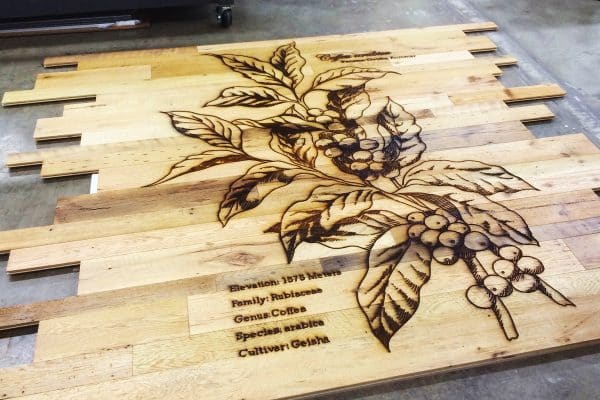
  • Materials Suitable for Laser Marking: Laser marking works on a wide range of materials. Metals such as stainless steel, aluminum, brass, and titanium respond well, especially with fiber lasers. Plastics can also be marked, though results vary based on composition. Organic materials like wood, leather, and paper can be marked, often producing darker, burned contrasts. Glass and ceramics can be surface-marked with specialized settings, though the results are typically frosted rather than deep.

Laser marking works by using controlled heat from a focused beam to create lasting surface changes, offering a fast, accurate, and versatile way to label or decorate materials.
Laser marking can be permanent, and in most industrial and commercial applications, it is specifically chosen for that reason. The permanence of a laser mark depends on the material, the marking method, and how the laser interacts with the surface.

  • How Permanence is Achieved: Laser marking creates permanent marks by physically or chemically altering the surface of a material. The laser beam delivers concentrated heat that either removes a thin layer (engraving), changes the material’s color (annealing), or modifies its structure (etching or foaming). Because these changes occur within the material itself rather than being applied on top like ink or paint, the marks are highly resistant to wear and fading.
  • Material-Based Durability: Metals tend to produce the most durable marks. For example, annealed markings on stainless steel create oxidation beneath the surface, which resists corrosion and abrasion. Engraved marks on metals are even more permanent because material is removed, leaving a physical indentation. Plastics can also hold permanent marks, though the durability varies depending on the polymer composition and exposure to heat, UV light, or chemicals. Organic materials like wood and leather produce darkened marks that are generally long-lasting but may fade over time if exposed to heavy wear or environmental conditions.
  • Resistance to Environmental Factors: Laser marks are typically resistant to heat, moisture, chemicals, and UV exposure. This makes them suitable for demanding environments such as automotive, aerospace, medical devices, and electronics. For example, serial numbers or barcodes marked on metal parts remain readable even after years of use. However, extreme abrasion or surface damage can still affect visibility, especially for shallow markings.

Laser marking is widely regarded as a permanent marking method because it alters the material itself rather than adding a temporary layer. When properly applied, it produces durable, high-contrast marks that can withstand harsh conditions, making it ideal for identification, traceability, and long-term labeling.
Laser power plays a central role in determining marking quality, as it directly controls how much energy is delivered to the material’s surface. The right balance of power is essential for achieving clear, consistent, and durable marks without damaging the material.

  • Low Power Settings: At lower power levels, the laser delivers less energy, resulting in lighter or more subtle marks. This is useful for applications where surface contrast is needed without deep penetration, such as annealing on metals or marking delicate materials like thin plastics, paper, or coated surfaces. However, if the power is too low, the mark may appear faint, uneven, or incomplete, reducing readability and durability.
  • High Power Settings: Increasing laser power raises the energy applied to the material, producing deeper and more visible marks. This is beneficial for engraving, where material removal is required, or when marking hard surfaces like metals. Higher power can improve contrast and speed, but excessive power often leads to problems such as burning, melting, or distortion. For example, wood may char excessively, plastics may warp, and fine details can be lost due to overexposure.
  • Impact on Different Materials: Each material reacts differently to laser power. Metals typically require higher power or concentrated energy (such as from fiber lasers) to achieve strong, permanent marks. Plastics need more controlled power to avoid melting or discoloration beyond the intended mark. Organic materials like wood or leather are more sensitive and can quickly burn if the power is too high, making precise adjustments critical.
  • Interaction with Other Settings: Laser power does not work in isolation. It must be balanced with speed, frequency, and focus. For instance, high power combined with fast speed may produce similar results to lower power at a slower speed. Adjusting these parameters together allows operators to fine-tune the depth, contrast, and overall appearance of the mark.
  • Quality and Precision Considerations: Proper power settings ensure sharp edges, consistent line widths, and uniform marking depth. Too much power can blur details or create rough edges, while too little can result in weak marks that fade over time. Achieving optimal marking quality often requires testing and calibration for each material and application.

Laser power directly affects marking depth, contrast, and clarity. Careful control of power, combined with other parameters, ensures high-quality results while preventing material damage.
Laser marking depth is controlled by adjusting how much energy the laser delivers to a material and how that energy is applied over time. Unlike cutting, where the goal is to pass completely through a material, marking focuses on removing or altering only a controlled surface layer.

  • Laser Power and Energy Input: Power is one of the primary factors affecting depth. Higher power increases the amount of energy delivered, allowing the laser to penetrate deeper into the material. Lower power produces shallower marks. However, depth is not simply about using maximum power. Excessive energy can damage the material, causing melting, burning, or loss of detail. The goal is to apply just enough power to achieve the desired depth without compromising quality.
  • Marking Speed: Speed determines how long the laser stays on a specific point. Slower speeds allow the laser to dwell longer, increasing heat buildup and resulting in deeper marks. Faster speeds reduce exposure time, producing lighter, more superficial markings. Adjusting speed alongside power is one of the most effective ways to fine-tune depth.
  • Number of Passes: Depth can also be increased by running the laser over the same area multiple times. Instead of using very high power in a single pass, operators often use multiple lower-power passes to gradually build depth. This approach improves control, reduces thermal damage, and maintains cleaner edges.
  • Frequency and Pulse Settings: For pulsed lasers, frequency (pulse repetition rate) affects how energy is distributed. Lower frequencies typically produce higher peak energy per pulse, which can increase material removal and depth. Higher frequencies spread the energy more evenly, often resulting in smoother but shallower marks.
  • Focus Position: The focal point of the laser beam also influences depth. When the laser is precisely focused on the surface, energy concentration is at its highest, enabling efficient material removal. Slightly defocusing the beam spreads the energy over a larger area, reducing penetration and creating shallower marks.
  • Material Properties: Different materials respond differently to the same settings. Metals generally require more energy for deeper engraving, while softer materials like wood or plastic reach depth more quickly. Thermal conductivity, density, and surface coatings all affect how depth develops.

Laser marking depth is controlled through a combination of power, speed, passes, frequency, and focus. By carefully balancing these parameters, operators can achieve precise, consistent depths tailored to the material and application.
Contrast in laser marking refers to how clearly a mark stands out from the surrounding material. Optimizing contrast is essential for readability, especially for barcodes, serial numbers, and logos. It is achieved by carefully controlling how the laser interacts with the material’s surface.

  • Laser Power and Speed Balance: The combination of power and speed is one of the most important factors in contrast. Higher power or slower speeds increase heat input, which can darken marks on materials like wood, plastics, or anodized metals. However, too much energy can burn or over-process the surface, reducing clarity. Lower power or faster speeds may produce faint marks with poor visibility. The key is finding a balance where the mark is dark or bright enough without damaging detail.
  • Material-Specific Reactions: Different materials produce contrast in different ways. Metals often rely on oxidation (annealing) to create dark marks, while plastics may foam or change color when heated. Wood and leather naturally darken as they burn slightly. Understanding how each material reacts allows operators to adjust settings to maximize contrast without unwanted side effects like charring or melting.
  • Frequency and Pulse Control: For pulsed lasers, frequency affects how energy is delivered. Lower frequencies can create stronger, more pronounced marks, while higher frequencies produce smoother finishes. Adjusting pulse duration and spacing helps refine how light or dark the mark appears, especially on sensitive materials.
  • Focus and Beam Quality: A properly focused laser beam produces sharper, more defined marks, which improves perceived contrast. If the beam is out of focus, the mark may appear blurry or washed out. Fine-tuning focus ensures clean edges and consistent marking.
  • Surface Condition and Coatings: The starting surface plays a major role. Polished or reflective metals may need pre-treatment, such as coatings or oxidation layers, to enhance contrast. Anodized aluminum, for example, produces high-contrast marks when the top layer is removed. Similarly, coated materials often yield clearer results than untreated surfaces.
  • Multiple Passes and Layering: Running multiple passes can deepen or darken a mark, improving visibility. This is especially useful when a single pass does not produce enough contrast. Gradual layering allows better control compared to using excessive power in one pass.

Optimizing contrast in laser marking involves balancing power, speed, frequency, focus, and material properties. By adjusting these factors carefully, operators can produce sharp, high-visibility marks that remain clear and durable over time.
Edge sharpness in laser marking refers to how clean, crisp, and well-defined the boundaries of a mark appear. It is a key factor in achieving professional, high-quality results, especially for fine text, detailed graphics, and machine-readable codes.

  • Laser Focus and Spot Size: One of the most important factors is proper focus. Well-focused laser beams produce the smallest possible spot size, concentrating energy precisely at the surface. This results in sharp, clean edges. If the laser is out of focus, the beam spreads, causing blurred lines and reduced definition. Regular calibration of the focal distance is essential for consistent sharpness.
  • Power and Speed Balance: Excessive power can cause material to melt, burn, or spread beyond the intended marking area, leading to rough or widened edges. On the other hand, too little power may produce incomplete or faint lines. Similarly, slower speeds increase heat buildup, which can soften edges, while faster speeds help limit heat diffusion. Finding the right balance ensures precise energy application without over-processing.
  • Pulse Frequency and Duration: For pulsed lasers, shorter pulse durations and appropriate frequency settings help control how energy is delivered. High peak energy in short pulses reduces heat spread, which improves edge definition. Poorly adjusted pulse settings can lead to excessive thermal effects, causing jagged or uneven edges.
  • Beam Quality (Mode and Stability): The quality of the laser beam itself plays a major role. A high-quality beam with a consistent mode (such as TEM00) produces a uniform energy distribution, resulting in cleaner lines. Variations in beam stability can lead to inconsistent marking and irregular edges.
  • Material Response: Different materials react differently to laser energy. Metals tend to produce cleaner edges when properly marked, while softer materials like plastics, wood, or rubber may melt or char, affecting sharpness. Choosing the right settings for each material helps minimize unwanted spreading or deformation.
  • Use of Multiple Passes: Instead of applying high energy in a single pass, using multiple lower-energy passes can improve edge quality. This method reduces thermal stress and allows for gradual material removal, resulting in smoother and more defined edges.
  • Assist Systems and Environment: Air assist or fume extraction can also improve edge sharpness by removing debris and reducing heat buildup around the marking area. This prevents residue from affecting line clarity.

Edge sharpness in laser marking is controlled through precise focus, balanced power and speed, optimized pulse settings, and an understanding of material behavior. Careful adjustment of these factors ensures clean, accurate, and high-quality marks.
The heat-affected zone (HAZ) in laser marking refers to the area surrounding the mark where unintended thermal changes occur. Minimizing this zone is important for maintaining material integrity, appearance, and precision, especially in sensitive or high-performance applications.

  • Optimizing Laser Power and Energy Input: Using the lowest effective laser power is one of the most important ways to reduce the HAZ. Excessive power introduces unnecessary heat, which spreads beyond the marking area and enlarges the affected zone. By carefully selecting power levels that are just sufficient to create the mark, operators can limit thermal impact while maintaining quality.
  • Increasing Marking Speed: Faster marking speeds reduce the amount of time the laser interacts with a specific point on the material. Shorter exposure times limit heat buildup and prevent it from spreading into surrounding areas. This helps keep the mark precise while minimizing unwanted thermal effects.
  • Pulse Duration and Frequency Control: Short pulse durations are highly effective in minimizing the HAZ. Delivering energy in brief, high-intensity pulses reduces the time heat has to conduct into adjacent material. Lower frequencies with higher peak energy can also help concentrate the effect within a smaller area. Advanced laser marking systems, such as ultrafast or picosecond lasers, are particularly effective because they limit heat diffusion almost entirely.
  • Proper Focus and Beam Quality: A tightly focused beam ensures that energy is concentrated exactly where it is needed. When the beam is well-focused, less excess heat spreads outward, resulting in a smaller HAZ. High beam quality also ensures uniform energy distribution, reducing irregular thermal effects.
  • Use of Multiple Passes: Instead of applying high energy in a single pass, using multiple low-energy passes allows gradual material modification. This approach reduces peak temperatures and prevents excessive heat buildup, helping to control the size of the affected zone.
  • Cooling and Assist Techniques: Air assist, gas flow, or external cooling methods can help dissipate heat during marking. These systems remove debris and reduce localized temperatures, limiting heat spread. In some cases, specialized cooling setups are used for heat-sensitive materials.
  • Material Considerations: Different materials conduct and retain heat differently. Metals with high thermal conductivity may spread heat quickly, while plastics may melt easily. Adjusting parameters based on material properties is essential for minimizing the HAZ.

Minimizing the heat-affected zone in laser marking requires careful control of power, speed, pulse settings, and focus, along with proper cooling and material-specific adjustments. This ensures precise marks with minimal impact on surrounding material.
Personal protective equipment (PPE) is essential in laser marking to protect operators from hazards such as laser radiation, fumes, heat, and debris. The specific PPE required depends on the type of laser, materials being marked, and the working environment, but several core items are commonly recommended.

  • Laser Safety Eyewear: Protective glasses are one of the most critical PPE items. Laser safety eyewear is designed to filter specific wavelengths emitted by the laser marking system, preventing eye damage from direct or reflected beams. The eyewear must match the laser type (such as CO2 or fiber) and its wavelength. Even brief exposure to an unprotected beam can cause serious eye injury, so proper eyewear should always be worn when there is any risk of exposure.
  • Respiratory Protection: Laser marking can produce fumes, smoke, and fine particles depending on the material. For example, plastics, coatings, or treated surfaces may release harmful gases. Proper ventilation systems are the first line of defense, but in some cases, respirators or masks with appropriate filters are needed to protect against inhalation of hazardous substances.
  • Protective Clothing and Gloves: Operators should wear non-flammable, close-fitting clothing to reduce the risk of burns or fire hazards. Loose clothing should be avoided, as it can catch debris or interfere with equipment. Heat-resistant gloves may be required when handling recently marked materials, as surfaces can remain hot immediately after processing.
  • Face Shields and Eye Protection (Additional): In certain setups, especially open or non-enclosed systems, additional face protection may be used to guard against debris, sparks, or accidental exposure. This is particularly relevant when marking materials that may fragment or produce particles.
  • Hearing Protection (If Needed): While most laser marking systems are relatively quiet, associated equipment such as extraction systems or industrial setups may generate noise. In such environments, hearing protection may be recommended.
  • Workplace Safety Measures: Beyond personal PPE, safety enclosures, interlock systems, and proper training are critical. Enclosed laser marking systems often reduce the need for extensive PPE by containing the beam and fumes. However, operators should still follow safety protocols and use PPE as required.

PPE for laser marking includes laser-specific safety eyewear, respiratory protection, protective clothing, gloves, and sometimes additional face or hearing protection. Combined with proper ventilation and machine safeguards, these measures ensure a safe working environment and reduce the risk of injury.

Get Laser Marking Solutions

Choosing the right laser marking solution is essential for achieving high-quality, reliable, and efficient marking results. Modern laser marking systems are designed to handle a wide range of materials, production speeds, and marking requirements. Whether you need to mark serial numbers, barcodes, QR codes, logos, or product identification information, selecting the appropriate laser technology can greatly improve production efficiency and traceability.
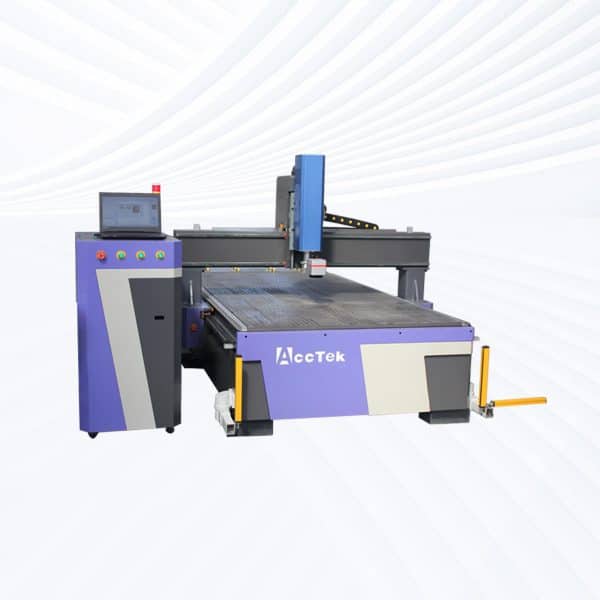
When selecting laser marking solutions, several factors should be considered, including the type of material, marking depth and contrast requirements, production volume, and integration with existing manufacturing lines. Different laser sources—such as fiber lasers, CO2 lasers, and UV lasers—are optimized for different materials and applications, ensuring precise and consistent results.
Professional laser marking providers can help evaluate your specific application and recommend the most suitable equipment and system configuration. With the right solution, businesses can benefit from fast, permanent, and environmentally friendly marking that meets both industrial standards and regulatory requirements.
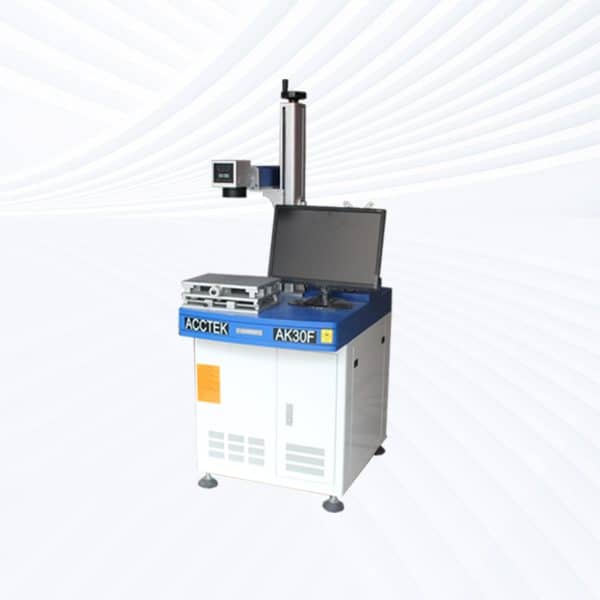
* We value your privacy. AccTek Group is committed to protecting your personal information. Any details you provide when submitting the form will be kept strictly confidential and used only to assist with your inquiry. We do not share, sell, or disclose your information to third parties. Your data is securely stored and handled by our privacy policy.
AccTek Logo
Privacy Overview

This website uses cookies so that we can provide you with the best user experience possible. Cookie information is stored in your browser and performs functions such as recognising you when you return to our website and helping our team to understand which sections of the website you find most interesting and useful.