

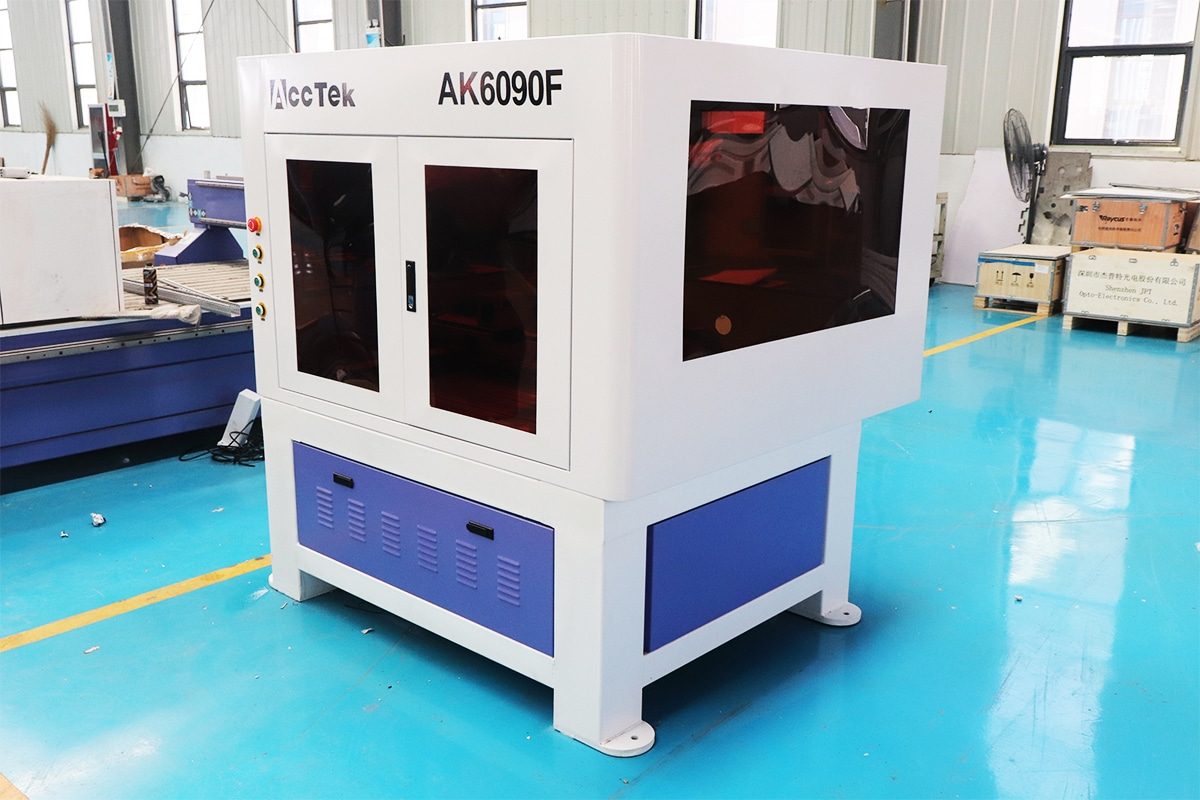
What Are The Design Limitations Of Laser Marking
Laser marking has become a go-to solution for adding permanent, high-precision markings on materials ranging from metals and plastics to ceramics and glass. Industries such as automotive, electronics, medical devices, and aerospace rely on this technology for everything from serial numbers and barcodes to logos and traceability data. Its appeal lies in its speed, accuracy, and non-contact nature, which minimizes wear and reduces the need for consumables like inks or chemicals. As manufacturing continues to push toward automation and tighter quality control, laser marking is often seen as a reliable and scalable solution.
However, despite its advantages, laser marking is not without design limitations. These constraints often emerge during the early stages of product development, when engineers and designers must balance aesthetics, functionality, and manufacturability. Factors such as material compatibility, surface geometry, marking depth, and contrast can significantly affect the final result. For example, certain plastics may discolor unevenly under laser exposure, while highly reflective metals can reduce marking efficiency or require specialized laser types.
Design limitations also extend to the complexity and size of the marking area. Fine details, intricate patterns, or very small text may not always reproduce clearly, depending on the laser marking system‘s resolution and the material’s response. Similarly, curved or irregular surfaces can introduce distortion, making it difficult to maintain consistency across batches. Heat-affected zones, though often minimal, can still alter material properties in sensitive applications.
Understanding these limitations early on is essential for making informed design decisions. By recognizing how laser parameters interact with material and geometry, designers can avoid costly revisions and ensure that markings meet both functional and regulatory requirements.
Table of Contents
Overview of Laser Marking Technology
Laser marking is a versatile and highly controlled process used to create permanent marks on a wide range of materials by directing a focused beam of light onto a surface. Unlike traditional marking techniques such as ink-based printing, stamping, or mechanical engraving, laser marking is a non-contact method that relies on thermal or photochemical interactions rather than physical force. This distinction not only reduces tool wear and maintenance but also enables exceptional precision and consistency, even in high-speed production environments. As a result, laser marking has become a foundational technology in industries that require durable identification, traceability, and high-quality surface finishing.
At its core, laser marking works by delivering concentrated energy to a very small area, causing localized changes in the material. These changes can manifest in several ways depending on the material properties and the laser parameters used. For example, in annealing, the laser heats the մակerial below its melting point, triggering oxidation that produces a visible color change without removing material. This is especially valuable for stainless steel components where surface integrity must be preserved. In contrast, engraving and etching involve partial removal of material through vaporization or melting, creating recessed marks that can be felt and are highly resistant to wear. Another important mechanism is foaming, often used with plastics, where the laser creates gas bubbles within the material to produce a raised, lighter-colored mark. Additionally, carbonization is used on organic materials such as wood or leather, where the laser darkens the surface by converting it into carbon.
The effectiveness of these processes depends heavily on the type of laser source employed. Fiber lasers are widely favored for marking metals due to their high beam quality, energy efficiency, and long operational life. CO2 lasers, operating at longer wavelengths, are better suited for non-metallic and organic materials, offering excellent absorption characteristics for substances like wood, glass, paper, and many polymers. UV lasers provide shorter wavelengths that enable “cold marking,” minimizing thermal damage and making them ideal for sensitive materials, including medical plastics and electronic components. More advanced systems, such as green lasers and ultrafast pulsed lasers (picosecond and femtosecond), further extend the technology’s capabilities by allowing extremely fine detail and reduced heat-affected zones, which are critical for microfabrication and high-precision applications.
Complete laser marking systems typically include several integrated components: the laser source, beam delivery optics, a scanning system (often galvanometer-based), a workholding or motion platform, and sophisticated control software. The scanning head rapidly steers the laser beam across the target surface, enabling the creation of complex geometries, fine text, and high-density machine-readable codes such as QR codes and Data Matrix symbols. Modern software platforms allow users to adjust parameters in real time, manage variable data, and integrate marking operations into automated production lines. Features like vision systems for alignment, autofocus capabilities, and environmental monitoring further enhance repeatability and quality control, especially in high-volume manufacturing.
Beyond its technical operation, laser marking is valued for its adaptability across different industries and use cases. It can be applied to flat, curved, or irregular surfaces, and it supports a wide range of marking depths and contrasts. This flexibility makes it suitable for applications ranging from decorative branding to critical part identification in regulated sectors like aerospace and medical devices. However, achieving optimal results requires a deep understanding of the interplay between material properties, laser parameters, and system configuration.
Laser marking technology provides a precise, efficient, and highly adaptable method for permanent surface marking. Its strength lies in the ability to tailor marking processes through different laser types and parameter settings to meet specific application needs. At the same time, this complexity introduces important considerations in design and implementation. A thorough understanding of how the technology operates forms the foundation for recognizing its practical limitations, which ultimately influence design decisions, material selection, and overall product performance.
Material-Related Design Limitations
Material-related constraints are among the most critical and far-reaching design limitations in laser marking because the process is inherently governed by the interaction between laser energy and material properties. Unlike conventional marking methods that can rely on external media such as inks or mechanical force, laser marking depends almost entirely on how a material absorbs, transforms, and dissipates energy at a microscopic level. This means that even the most advanced laser marking system cannot fully overcome the inherent limitations of an unsuitable material. As a result, material selection is not just a supporting consideration but a primary design driver that directly influences marking feasibility, visual quality, durability, and production consistency. Designers must therefore evaluate materials not only for their mechanical or aesthetic performance but also for their compatibility with laser-based processes.
Material Compatibility
Material compatibility is the foundational constraint that determines whether a material can be marked effectively and efficiently. This compatibility is largely dictated by the relationship between the laser wavelength and the material’s optical characteristics, including absorption, reflectivity, and thermal conductivity. Metals such as stainless steel, carbon steel, and anodized aluminum are generally well suited to laser marking, particularly with fiber lasers, because they absorb sufficient energy to produce clear, stable marks. However, highly reflective metals such as copper, brass, silver, and gold present significant challenges. Their tendency to reflect laser energy reduces process efficiency and can lead to inconsistent marking unless higher power levels, specialized wavelengths, or surface treatments are used.
Plastics exhibit even greater variability. While engineering plastics like ABS, polycarbonate, and nylon are often compatible, their behavior can differ widely depending on additives and processing conditions. Materials such as polyethylene and polypropylene are typically more difficult to mark due to low absorption and a tendency to melt or deform before achieving visible contrast. Transparent materials, including glass and clear polymers, are particularly problematic because they allow the laser beam to pass through with minimal interaction. In such cases, specialized lasers, coatings, or additives may be required, adding complexity and cost. Consequently, compatibility must be verified through empirical testing rather than assumed based on material classification.
Variability in Material Composition
Even when a material is specified according to a standard grade, its actual composition can vary due to differences in suppliers, formulations, or production batches. This variability introduces a significant limitation in achieving consistent laser marking results. In plastics, the presence of pigments, fillers, reinforcing agents, stabilizers, and flame retardants can dramatically influence how the material absorbs and reacts to laser energy. For instance, carbon black pigments tend to enhance absorption and produce strong contrast. In contrast, alternative pigments may lead to weak, inconsistent, or discolored markings despite similar visual appearance before processing.
Metals are also subject to compositional variation. Small differences in alloying elements or surface preparation can affect oxidation behavior, which is particularly important in marking processes like annealing, where color formation depends on controlled surface chemistry. These subtle variations can result in noticeable differences in marking tone, depth, or edge definition across batches. For industries that rely on precise visual standards or machine-readable codes, such inconsistencies can lead to quality issues, reduced readability, or even product rejection.
Surface Coatings and Finishes
Surface coatings and finishes add another layer of complexity by modifying how the laser interacts with the material. Many components undergo treatments such as painting, anodizing, electroplating, or powder coating for functional or aesthetic purposes before marking. These surface layers can either enhance or hinder marking performance depending on their composition and thickness. For example, anodized aluminum often produces excellent contrast because the laser selectively removes or alters the oxide layer, revealing the underlying substrate.
However, not all coatings behave predictably. Painted or powder-coated surfaces may blister, burn, or delaminate under laser exposure, resulting in poor visual quality and potential contamination of surrounding areas. Some coatings can also emit fumes when heated, introducing safety and environmental concerns that must be managed. In addition, variations in coating thickness or uniformity can lead to inconsistent marking results, particularly when precise depth or contrast is required. Designers must decide whether to mark before or after coating, and whether the laser should interact only with the surface layer or penetrate to the base material. Each approach introduces trade-offs in durability, appearance, and process control.
Thermal Sensitivity of Materials
Thermal sensitivity is a critical limitation because laser marking relies on localized heating to create marks. Different materials respond to heat in different ways, and excessive or poorly controlled energy input can lead to unintended damage. Plastics are especially vulnerable due to their relatively low melting points and thermal stability. They may warp, shrink, or develop internal stresses, particularly when marking fine details or dense patterns that concentrate heat. Unintended discoloration or surface deformation outside the marking area can further reduce quality.
Organic materials such as wood, leather, and paper present additional challenges, as they can char or burn unevenly depending on grain structure, moisture content, and composition. Even metals, though generally more heat-resistant, are not immune to thermal effects. Excessive heat can alter surface microstructure, reduce corrosion resistance, or introduce residual stresses that may affect long-term performance. For precision components such as thin-walled parts, coated surfaces, or electronic assemblies, controlling the heat-affected zone is essential to prevent functional degradation.
Material-related design limitations in laser marking arise from a complex and interdependent set of factors, including compatibility, composition variability, surface condition, and thermal behavior. Compatibility establishes whether a material can effectively absorb laser energy, while variability in composition introduces challenges in maintaining consistent marking quality across different batches or suppliers. Surface coatings and finishes further complicate the process by altering energy interaction and introducing potential defects or safety concerns. At the same time, thermal sensitivity imposes strict limits on the amount of energy that can be applied without causing deformation, discoloration, or structural changes.
In practice, these limitations highlight the necessity of a material-centric design approach. Early-stage testing, strict control over material sourcing, and close alignment between material properties and marking requirements are essential for achieving reliable and repeatable results. By fully understanding these constraints, designers and manufacturers can make informed decisions that reduce risk, improve efficiency, and ensure that laser marking meets both functional and aesthetic expectations in demanding industrial applications.
Geometric and Structural Constraints
Geometric and structural constraints are a central source of design limitations in laser marking because they directly influence how, where, and how well a laser beam can interact with a physical part. While laser marking systems are capable of extremely fine detail and repeatability, they still depend on basic optical and mechanical conditions such as line-of-sight access, focal distance, beam orientation, and stable positioning. In real manufacturing environments, parts are rarely simple or uniform. They often include complex shapes, tight spaces, varying wall thicknesses, and functional features that restrict marking placement. These realities mean that even when a material is fully compatible with laser marking, the geometry of the part itself can limit achievable quality, consistency, and efficiency. For this reason, geometric and structural considerations must be addressed early in the design stage, not after the marking process has been defined.
Accessibility of Marking Areas
Accessibility is the first and often most restrictive constraint. A laser beam must reach the target surface directly, without obstruction, and within a defined working distance. Features such as deep pockets, narrow grooves, internal channels, or overlapping components can block or partially shadow the beam, making certain areas difficult or impossible to mark. Even when access is theoretically possible, the angle at which the beam reaches the surface becomes critical. Laser marking performs best when the beam is perpendicular to the surface. As this angle deviates, energy distribution becomes uneven, which can lead to distortion, reduced contrast, or inconsistent marking depth.
Accessibility also has practical implications for production. Parts must be fixtured and aligned consistently within the marking system. If the desired marking area is difficult to reach, it may require repositioning, multi-step processes, or more advanced multi-axis systems. These adjustments increase setup complexity, extend cycle time, and raise overall manufacturing costs. In many cases, designers must compromise by relocating markings to more accessible surfaces while still meeting identification or regulatory requirements.
Surface Curvature and Irregular Shapes
Surface geometry plays a major role in determining marking accuracy and visual quality. Laser marking systems are typically optimized for flat surfaces, where the focal point of the beam remains constant across the marking area. On curved or uneven surfaces, the distance between the laser and the material changes continuously, causing the beam to move out of optimal focus. This results in variations in line width, contrast, and edge sharpness.
Cylindrical, spherical, and other curved geometries introduce additional distortion effects. Without compensation, markings can appear stretched, compressed, or warped when viewed on the curved surface. Technologies such as rotary axes, 3D scanning heads, or dynamic focus control can help maintain consistent marking by adjusting the beam in real time. However, these solutions add cost, require more complex programming, and may not be suitable for all production volumes. Irregular or freeform surfaces present even greater challenges because there is no uniform geometry to follow, making it difficult to maintain consistent focus and alignment across the entire marking area. In such cases, designers may need to simplify the marking design or limit it to specific areas of the part.
Size Constraints
Size constraints affect both the smallest and largest features that can be marked effectively. At the small scale, the laser’s spot size and beam quality define the minimum achievable detail. Very fine features, such as micro text, intricate logos, or dense data codes, can become blurred or indistinct if they approach the system’s resolution limits. Material behavior also plays a role, as heat diffusion or material response can cause edges to expand or lose definition, further reducing clarity. This is particularly important for machine-readable codes, where even minor loss of precision can affect scanning reliability.
At the large scale, maintaining uniform marking quality becomes more difficult. Larger marking areas require consistent energy distribution and focus across the entire surface, which can be challenging if the part is not perfectly flat or if the system’s field of view is limited. Large markings also increase processing time, which may conflict with production efficiency targets. In some cases, large designs must be divided into multiple segments and processed sequentially. This can introduce alignment errors, visible seams, or variations in contrast between sections. Designers must therefore balance the desired size of the marking with the practical limits of the laser marking system and production throughput.
Structural Integrity
Structural integrity is a critical consideration, particularly for functional or load-bearing components. Although laser marking is generally less invasive than mechanical methods, it still introduces localized heat and, in some cases, removes material. For thin-walled parts, delicate features, or components with tight tolerances, this can lead to deformation, warping, or the development of internal stresses. These effects may not always be visible immediately, but can impact long-term performance or dimensional stability.
Processes such as engraving or deep etching amplify these risks because they physically remove material from the surface. This reduction in thickness can weaken the part, especially if the marking is placed in a high-stress area. In addition, sharp edges or recessed regions created during marking can act as stress concentrators, increasing the likelihood of fatigue or failure under repeated loading. For applications in aerospace, medical devices, or precision engineering, maintaining structural integrity often takes precedence over achieving deep or highly visible markings. Careful control of marking depth, location, and pattern is therefore essential.
Geometric and structural constraints in laser marking arise from the interaction between the laser marking system’s physical limitations and the complexity of real-world part designs. Accessibility determines whether a marking location can be reached efficiently and at the correct angle, while surface curvature and irregular shapes affect focus, accuracy, and visual consistency. Size constraints limit both the minimum detail that can be achieved and the maximum area that can be marked without compromising uniformity or production speed. At the same time, structural integrity considerations restrict how much energy can be applied and where material can be modified without weakening the component or altering its performance.
Taken together, these factors highlight the need for a design-for-marketing approach. By considering geometry, scale, and structural sensitivity early in the design process, engineers can avoid costly redesigns, reduce production inefficiencies, and ensure that laser marking delivers reliable, high-quality results without compromising the function or durability of the final product.
Resolution and Detail Limitations
Resolution and detail limitations define the practical ceiling of how much information laser marking systems can reproduce with clarity, consistency, and functional reliability. While modern laser marking systems are capable of extremely fine beam control, real-world performance is constrained by a combination of optical limits, motion system accuracy, and the way materials respond to concentrated energy. Parameters such as spot size, beam quality, pulse duration, scanning precision, and focal stability all influence the outcome. At the same time, material effects such as heat diffusion, material softening, or surface changes can reduce edge sharpness and blur fine features. These limitations become especially critical in applications that demand high-density information, such as microtext or machine-readable codes, where even small deviations can affect readability or functionality. As a result, achieving high resolution in laser marking is not simply a matter of using advanced equipment, but of aligning design intent with process capability and material behavior.
Minimum Feature Size
Minimum feature size represents the smallest line width, dot, or gap that can be produced and remain distinguishable after marking. This limit is primarily defined by the laser’s spot diameter and beam quality, but it is also strongly influenced by thermal interaction with the material. When laser energy is applied, heat spreads beyond the immediate point of contact, causing edges to expand slightly and reducing sharpness. This phenomenon can cause very fine lines to merge or small gaps to close, particularly in materials with low thermal stability, such as plastics.
In metals, finer features are generally achievable due to more controlled heat distribution, but even here, excessive energy input can lead to macro-scale effects such as slight edge rounding or reduced contrast. Process parameters play a critical role. High power or slow scanning speeds can enlarge features, while insufficient energy may produce incomplete or faint marks. Mechanical factors such as vibration, galvanometer precision, and focal drift further influence consistency. For this reason, designers must work within practical limits rather than theoretical ones, ensuring that feature sizes include a sufficient margin to remain stable across variations in production conditions.
Text and Typography Constraints
Text marking introduces additional constraints because it must remain legible to human users under varying conditions. Unlike simple geometric shapes, text relies on consistent stroke width, spacing, and contrast to be readable. As text size decreases, these factors become increasingly sensitive to resolution limits. Thin strokes may disappear, and closely spaced characters may blend, especially on materials that do not produce sharp, high-contrast marks.
Font selection is therefore a key design consideration. Clean, sans-serif fonts with uniform stroke widths are generally more reliable for laser marking, particularly at smaller sizes. Decorative or serif fonts often include fine details that cannot be reproduced accurately, leading to distorted or incomplete characters. Spacing between characters and lines must also be increased as the size decreases to prevent visual merging. In addition, the perceived readability of text depends on contrast and surface finish. On reflective or low-contrast materials, even well-designed text may be difficult to read without adjusting marking parameters or increasing size. Environmental factors, such as lighting conditions and viewing angles, can further influence how clearly text is perceived in its final application.
QR Codes and Data Matrix Codes
QR codes and data matrix codes impose the most stringent resolution requirements because they must be read accurately by optical scanning systems. These codes consist of a grid of small modules, and their readability depends on precise geometry, consistent contrast, and well-defined edges. As the amount of encoded information increases, the size of each module decreases, pushing the limits of what the laser marking system and material can reliably reproduce.
If module size approaches the minimum feature threshold, several issues can arise. Adjacent modules may merge, edges may become irregular, and contrast may vary across the code. These imperfections can lead to reduced grading scores or complete scanning failure. Industry standards often define strict quality criteria for these codes, including parameters such as edge contrast, modulation, cell uniformity, and axial non-uniformity. External factors, such as surface curvature, reflectivity, contamination, or wear, can further degrade readability. For example, codes marked on curved or polished surfaces may produce glare or distortion that interferes with scanning.
To ensure reliable performance, designers must carefully select code size, module dimensions, and error correction levels. In many cases, increasing the overall size of the code or reducing data density provides a more robust solution than attempting to push resolution limits. The goal is not to maximize information density, but to ensure consistent readability across all expected operating conditions.
Resolution and detail limitations in laser marking arise from the combined influence of laser optics, system stability, and material behavior. Minimum feature size establishes a practical lower boundary for fine details, but this boundary is shaped by heat diffusion, process parameters, and mechanical precision. Text and typography constraints highlight the importance of balancing size, stroke width, and spacing to maintain human readability, particularly on challenging surfaces or low-contrast materials. Machine-readable codes introduce even stricter requirements, as they depend on precise geometry and consistent contrast to function reliably in automated systems.
Ultimately, effective laser marking design is not about achieving the smallest possible features, but about ensuring that all details remain clear, repeatable, and functional in real-world conditions. By understanding these resolution-related limitations and incorporating appropriate design margins, engineers can reduce marking defects, improve readability, and ensure consistent performance across high-volume production environments.
Contrast and Visibility Constraints
Contrast and visibility constraints represent a critical layer of design limitations in laser marking because they determine whether a mark can actually fulfill its intended purpose in real-world use. A marking may be permanent, precisely located, and geometrically accurate, yet still fail if it cannot be clearly seen or reliably interpreted. Unlike dimensional precision, which is largely controlled by the laser marking system, visibility depends on a broader and more variable set of factors, including material behavior, surface condition, lighting environment, viewing distance, and user interaction. These constraints are particularly important in applications such as product identification, regulatory labeling, branding, and machine-readable coding, where legibility is essential for safety, compliance, and traceability. As a result, contrast and visibility must be treated as functional performance requirements that are validated under realistic conditions, not just as visual outcomes observed during initial production.
Material-Dependent Contrast
The achievable contrast in laser marking is fundamentally governed by how a material reacts to laser energy at both a physical and chemical level. When a laser interacts with a surface, it may cause oxidation, discoloration, melting, foaming, or material removal, each producing a different visual effect. Metals, for example, can produce dark oxide layers through annealing or lighter marks through engraving. However, the degree of contrast varies widely depending on the material’s composition and surface finish. Polished or highly reflective metals can reduce perceived contrast by reflecting ambient light, making marks appear faint or inconsistent from different viewing angles.
Plastics present even greater variability. Some plastics are engineered to produce high-contrast marks through controlled chemical changes, while others exhibit only subtle surface modification that is difficult to detect. Additives such as pigments, fillers, and stabilizers can significantly influence the outcome. Two parts made from nominally the same plastic may produce noticeably different contrast if their formulations differ slightly. In some cases, achieving acceptable contrast may require selecting specialized materials, incorporating laser-sensitive additives, or adjusting laser parameters to enhance the visual effect. This variability makes it essential to validate contrast performance for each specific material and application rather than relying on general assumptions.
Environmental Visibility
Even when a strong contrast is achieved initially, visibility can change significantly depending on the environment in which the product is used. Lighting conditions are one of the most influential factors. Marks that appear clear under controlled factory lighting may become difficult to read in low-light conditions, under direct sunlight, or in environments with strong glare. Reflective surfaces are particularly sensitive to lighting angle, as glare can obscure markings entirely from certain viewpoints.
In addition to lighting, environmental exposure over time can degrade visibility. Industrial components may accumulate dust, oil, grease, or chemical residues that reduce contrast and obscure fine details. Outdoor products may be exposed to ultraviolet radiation, moisture, temperature fluctuations, and abrasion, all of which can alter the appearance of both the base material and the mark. Even routine handling can gradually wear down markings, especially on frequently touched surfaces. For machine-readable codes, these effects can reduce scanning reliability and lead to errors in automated systems. Designers must therefore consider the full lifecycle of the product and ensure that markings remain visible and functional not only immediately after production but also after prolonged use in real conditions.
Orientation and Placement
The placement and orientation of a laser mark are critical factors that directly affect its usability. A mark with excellent contrast and resolution can still be ineffective if it is positioned in a location that is difficult to see, access, or interpret. Placement on curved surfaces, recessed areas, or near structural features can limit visibility depending on the viewing angle. Marks located in areas prone to wear, such as edges or high-contact zones, may degrade more quickly, reducing long-term readability.
Orientation relative to the user or scanning system is equally important. Text that is rotated, inverted, or inconsistently aligned can slow down reading and increase the likelihood of errors. In automated environments, inconsistent orientation can complicate scanning processes, requiring additional handling or repositioning of parts. For machine-readable codes, improper orientation or placement can lead to scanning failures, especially when combined with other factors such as low contrast or surface curvature. Designers must therefore ensure that markings are consistently oriented and placed in accessible, visible locations that align with how the product will be used, inspected, and maintained.
Contrast and visibility limitations in laser marking arise from the complex interaction between material properties, environmental conditions, and design decisions related to placement and orientation. Material-dependent contrast determines the inherent visual distinction between marked and unmarked areas, but this can vary widely depending on composition, surface finish, and process parameters. Environmental factors such as lighting, contamination, wear, and exposure can significantly alter how a mark is perceived over time, often reducing its clarity and effectiveness. Orientation and placement add another layer of constraint, as even a well-executed mark can become ineffective if it is not positioned for easy viewing or reliable scanning.
Taken together, these factors demonstrate that visibility is not guaranteed by the marking process alone. It must be designed, tested, and validated as part of the overall product system. A successful laser marking design considers not only how the mark is created, but also how it will be seen, used, and maintained throughout its lifecycle. By addressing contrast, environmental exposure, and placement early in the design phase, engineers can ensure that markings remain clear, durable, and functional, ultimately supporting both human readability and automated identification in demanding real-world applications.
Depth and Durability Limitations
Depth and durability limitations are fundamental to understanding the real-world performance of laser marking. Although laser marking is widely regarded as a permanent and robust identification method, the term “permanent” is relative and highly dependent on how the mark is created and the conditions it encounters over time. The durability of a mark is influenced by its depth, the marking mechanism (such as surface discoloration versus material removal), the properties of the substrate, and the operational environment. In many industrial applications, markings must remain legible and functional for years, often under demanding mechanical and environmental conditions. This creates an inherent design tension: deeper and more aggressive marking can improve durability but may compromise material integrity, while shallow marking preserves the part but reduces resistance to wear. Designers must navigate this trade-off carefully to ensure that markings meet both performance and reliability requirements throughout the product lifecycle.
Shallow Marking Depth
A key limitation of many laser marking processes is their inherently shallow depth. Techniques such as annealing, oxidation-based marking, and surface discoloration modify only a thin surface layer of the material, often without removing any material at all. These methods are highly advantageous in applications where maintaining surface finish, corrosion resistance, or mechanical properties is critical. For example, annealed marks on stainless steel can preserve the protective oxide layer while still producing visible contrast.
However, the lack of physical depth makes these marks more vulnerable to external influences. Any process that alters or removes the surface layer—such as polishing, blasting, coating, or even routine cleaning—can reduce or eliminate the visibility of the mark. In contrast, engraving or deep etching creates recessed features that are more resistant to surface wear. Yet, increasing depth is not without consequences. Deeper marking requires higher energy input, longer processing times, and may introduce thermal effects such as microstructural changes or residual stress. In thin or precision components, excessive depth can weaken the structure or affect dimensional tolerances. Therefore, the choice of marking depth must balance durability requirements with material and design constraints.
Wear and Degradation
Laser-marked surfaces are subject to a wide range of wear mechanisms and environmental influences that can degrade their appearance over time. Mechanical wear is one of the most common factors. Repeated handling, friction, or contact with other components can gradually erode the marked surface, especially if the mark is shallow. This can lead to reduced contrast, blurred edges, and eventual loss of readability.
Environmental exposure further complicates durability. Industrial environments may expose parts to oils, solvents, cleaning agents, and particulate contamination, all of which can obscure or chemically alter the marked area. Outdoor applications introduce additional challenges, including ultraviolet radiation, humidity, temperature cycling, and corrosion. For example, UV exposure can cause certain plastics to fade or change color, reducing contrast between the mark and the surrounding material. Similarly, corrosion or oxidation on metals can either enhance or obscure markings depending on the conditions.
Another important consideration is cumulative degradation. A mark may remain acceptable for a short period but gradually deteriorate beyond acceptable limits over extended use. This is particularly critical in applications where markings are inspected or scanned repeatedly. Designers must therefore evaluate not only immediate marking quality but also how the mark will evolve under realistic operating conditions.
Long-Term Traceability
Long-term traceability represents one of the most demanding requirements for laser marking durability. In sectors such as automotive, aerospace, electronics, and medical devices, markings are used to track parts throughout their lifecycle, often for many years. These markings must remain both visually legible and machine-readable despite exposure to wear, environmental conditions, and aging.
For human-readable information, degradation may manifest as fading, partial loss of characters, or reduced contrast, making identification difficult. For machine-readable codes such as QR codes and Data Matrix codes, the requirements are even more stringent. These codes depend on precise geometry, consistent module definition, and high contrast to be scanned reliably. Even minor degradation—such as edge rounding, reduced contrast, or contamination—can result in scanning errors or complete failure. This can disrupt production processes, maintenance tracking, or regulatory compliance.
To ensure long-term traceability, designers must adopt a conservative and robust approach. This may include increasing marking depth where possible, selecting marking methods that produce stable contrast, enlarging code size to provide tolerance against degradation, and choosing materials with predictable long-term behavior. In some cases, protective strategies such as marking in low-wear areas or applying transparent protective layers may be used, though these must be carefully evaluated to avoid introducing new limitations.
Depth and durability limitations in laser marking arise from the need to balance permanence with material integrity and process efficiency. Shallow marking methods offer minimal impact on the material and high surface quality, but they are inherently more susceptible to wear, post-processing, and environmental degradation. Over time, mechanical interaction, chemical exposure, and environmental conditions can reduce the visibility and functionality of markings, especially in demanding applications. Long-term traceability imposes even stricter requirements, as markings must remain readable and scannable over extended periods despite these challenges.
Ultimately, durability in laser marking is not guaranteed by the process alone; it must be designed and validated as part of the overall product strategy. By carefully considering marking depth, expected wear conditions, and lifecycle requirements during the design phase, engineers can develop marking solutions that remain reliable and effective throughout the product’s intended lifespan.
Production and Throughput Constraints
Production and throughput constraints define the operational boundaries within which laser marking must function in a manufacturing environment. While laser marking is often valued for its precision, flexibility, and permanence, these advantages must be balanced against the realities of cycle time, line efficiency, and cost per part. In high-volume production, even small inefficiencies in marking can create significant bottlenecks, affecting overall equipment effectiveness (OEE) and delivery timelines. At the same time, aggressively optimizing for speed can compromise marking quality, readability, or durability. This creates a fundamental trade-off between performance and productivity. Designers and process engineers must therefore consider not only how a mark looks, but how quickly and consistently it can be produced at scale, ensuring that the marking process aligns with broader manufacturing requirements.
Marking Speed
Marking speed is one of the most critical factors influencing throughput, and it is shaped by a complex interaction of laser parameters, system capabilities, and design characteristics. Variables such as laser power, pulse frequency, pulse duration, scanning speed, and hatch spacing all determine how quickly energy can be delivered to the material. In addition, the marking strategy—whether vector-based, raster-based, or a combination—affects how efficiently the laser path is executed.
Simple markings, such as short serial numbers or basic identifiers, can typically be applied very quickly with minimal impact on cycle time. However, as the design becomes more complex, processing time increases significantly. High-resolution graphics, intricate logos, deep engravings, or dense machine-readable codes require finer beam control, multiple passes, and tighter parameter optimization. Each additional pass or refinement step adds to the total marking time.
A key limitation arises from the trade-off between speed and quality. Increasing scanning speed or reducing energy input can improve throughput, but may result in lower contrast, insufficient depth, or incomplete marking. Conversely, slowing down the process to enhance clarity, edge definition, or durability increases cycle time and may create bottlenecks, particularly in automated production lines. Material behavior further complicates this balance. Some materials require slower processing to prevent melting, burning, or thermal distortion, while others demand higher energy input to achieve acceptable contrast or depth.
Another often overlooked factor is system overhead, including part loading, positioning, focusing, and data transfer. Even if the marking itself is fast, these auxiliary steps can limit overall throughput. Designers can help mitigate speed constraints by simplifying marking designs, reducing unnecessary detail, and avoiding excessive marking depth or density, thereby enabling faster processing without sacrificing essential functionality.
Batch Consistency
Batch consistency is equally critical, particularly in high-volume manufacturing where thousands or millions of parts must meet the same quality standard. Maintaining consistent marking results across large production runs is challenging because it depends on the stability of multiple interacting variables. Even when process parameters are carefully optimized, small variations can accumulate and lead to noticeable differences in marking quality.
Material variability is one of the primary sources of inconsistency. Differences in composition, surface finish, coating thickness, or even color can affect how a material absorbs and responds to laser energy. As a result, parts from different batches—or even within the same batch—may exhibit variations in contrast, color, or marking depth.
Equipment stability is another important factor. Over time, laser output may fluctuate slightly, optical components may degrade or shift, and scanning systems may drift from their calibrated state. Environmental conditions such as temperature, humidity, and airborne contamination can also influence system performance. In automated systems, inconsistencies in part positioning, fixturing accuracy, or focal distance can further contribute to variability. These effects may be subtle individually, but they can become significant when scaled across large production volumes.
To maintain consistency, manufacturers often rely on process controls such as regular calibration, parameter monitoring, and in-line inspection systems. Vision systems are frequently used to verify marking quality, especially for machine-readable codes that must meet strict grading standards. However, these solutions increase system complexity, cost, and maintenance requirements. From a design standpoint, reducing sensitivity to variation is key. This can be achieved by selecting stable materials, avoiding designs that push resolution limits, and allowing sufficient tolerance in feature size and contrast.
Production and throughput constraints in laser marking arise from the need to balance speed, quality, and consistency within a demanding manufacturing context. Marking speed directly influences cycle time and production capacity, but increasing speed often introduces trade-offs in contrast, depth, and overall marking quality. At the same time, achieving batch consistency across large volumes is challenged by variations in materials, equipment performance, and environmental conditions, all of which can affect marking outcomes.
These constraints highlight that laser marking is not an isolated process but an integral part of the production system. Effective design must account for both process capability and operational efficiency, ensuring that markings can be produced quickly without sacrificing reliability or consistency. By simplifying designs, selecting appropriate materials, and incorporating tolerance for variation, engineers can create marking solutions that support stable, high-throughput manufacturing while maintaining the required quality standards.
Environmental and Operational Constraints
Environmental and operational constraints represent a crucial but often underappreciated category of design limitations in laser marking. While much attention is typically given to material compatibility, geometry, and resolution, the real-world success of a laser marking process depends heavily on the conditions in which the system operates and how well it is maintained over time. In controlled laboratory settings, laser marking systems can deliver highly consistent results, but in industrial environments, variables such as temperature fluctuations, humidity, airborne contaminants, and production intensity introduce additional complexity. At the same time, laser marking systems are not entirely maintenance-free; their performance depends on the condition of optical, mechanical, and thermal management components. These constraints directly influence marking quality, repeatability, uptime, and overall cost of operation. For designers and engineers, this means that environmental and operational factors must be considered as integral parts of the design process, not as secondary concerns.
Operating Environment
The operating environment has a direct and multifaceted impact on both the laser marking system and the marking outcome. Temperature is one of the most influential variables. Laser sources, optical assemblies, and electronic components are sensitive to temperature variations, which can cause thermal drift in beam alignment, focal position, and output stability. In high-temperature environments, prolonged heat exposure can reduce component lifespan and lead to gradual degradation in marking consistency. Conversely, low-temperature conditions may affect electronic performance and can alter the way certain materials respond to laser energy, particularly in processes that rely on controlled heating or chemical reactions.
Humidity introduces another layer of complexity. High humidity can lead to condensation on optical components such as lenses and mirrors, which degrades beam quality and increases the risk of damage. Moisture can also affect certain materials, especially polymers or coated surfaces, by influencing how they react during marking. On the other hand, very low humidity levels can promote static electricity buildup, which may interfere with sensitive electronics or attract dust particles to optical surfaces.
Airborne contamination is one of the most common challenges in industrial environments. Dust, oil mist, smoke, and fine particulates can accumulate on optical components, reducing laser efficiency and causing variability in marking results. In addition, the laser marking process itself can generate fumes and debris, particularly when processing plastics, coated materials, or painted surfaces. Without proper extraction and filtration systems, these byproducts can settle within the system, leading to performance degradation and increased maintenance frequency. Over time, contamination can result in reduced contrast, inconsistent marking depth, and even damage to critical components.
Lighting conditions also influence how markings are evaluated during production. Poor or inconsistent lighting can make it difficult for operators or vision systems to assess contrast, clarity, and completeness, increasing the risk of undetected defects. This is especially important for low-contrast marks or fine details, where visibility is already limited.
Maintenance Requirements
Laser marking systems require structured and ongoing maintenance to sustain performance, even though they are often perceived as low-maintenance compared to traditional marking methods. The precision of the process depends on the condition of several key subsystems, including optics, scanning mechanisms, cooling systems, and control electronics. Over time, these components are subject to wear, contamination, and gradual performance drift, all of which can affect marking quality.
Optical components are among the most sensitive elements of the system. Lenses, mirrors, and protective windows must remain clean and properly aligned to ensure efficient energy delivery. Even minor contamination can scatter or absorb the laser beam, leading to reduced contrast, uneven marking, or distortion of fine features. Regular cleaning, inspection, and replacement of protective elements are essential to maintain consistent performance.
The stability of the beam delivery and scanning system is equally important. Galvanometer scanners and focusing systems must maintain precise positioning to ensure accurate marking. Over time, mechanical wear or calibration drift can introduce small deviations that affect feature placement, resolution, and repeatability. Periodic calibration and verification are necessary to keep the system within acceptable tolerances.
Thermal management is another critical aspect of maintenance. Laser sources generate significant heat during operation, and effective cooling—whether through air or liquid systems—is essential to maintain stable output. Inadequate cooling can lead to overheating, reduced efficiency, or unexpected system shutdowns. Regular monitoring of cooling performance, including airflow, coolant levels, and heat exchanger condition, is therefore required.
In addition to physical maintenance, operational tasks such as parameter verification, software updates, and process monitoring play an important role. Over time, slight changes in system behavior may require adjustments to maintain marking quality. Advanced systems may incorporate sensors and feedback mechanisms to detect deviations, but these add complexity and require proper management. Maintenance activities also introduce considerations such as planned downtime, labor requirements, spare parts management, and operator training, all of which impact overall productivity.
Environmental and operational constraints in laser marking arise from the need to maintain consistent performance under variable and often challenging real-world conditions. The operating environment—encompassing temperature, humidity, contamination, and lighting—can significantly influence both the behavior of the laser marking system and the quality of the resulting marks. Fluctuations in these conditions can lead to reduced precision, inconsistent contrast, and increased variability across production runs.
At the same time, ongoing maintenance is essential to preserve system performance and prevent gradual degradation. Optical cleanliness, system calibration, thermal management, and process monitoring all play a role in ensuring stable and repeatable marking results. However, these requirements introduce additional complexity, cost, and potential downtime that must be accounted for in production planning.
Together, these factors highlight that laser marking is not an isolated or self-sustaining process. Its success depends on a controlled operating environment and disciplined maintenance practices. By incorporating environmental considerations and maintenance strategies into the design phase, engineers can improve system reliability, reduce variability, and ensure that laser marking delivers consistent, high-quality results throughout its operational lifespan.
Safety and Compliance Limitations
Safety and compliance limitations are a critical dimension of laser marking design because they define the boundaries within which the process must operate to ensure human safety, environmental protection, and legal conformity. Although laser marking is often promoted as a clean, precise, and low-contact technology, it still involves high-energy radiation, localized heating, and material transformation. These factors introduce potential hazards that must be carefully controlled through engineering design and operational procedures. In parallel, manufacturers must comply with a wide range of standards governing workplace safety, product identification, traceability, and environmental impact. These requirements can significantly influence system architecture, material selection, marking parameters, and even product design itself. As a result, safety and compliance are not peripheral concerns but core constraints that shape how laser marking is implemented in real-world production environments.
Hazardous Emissions
A primary safety limitation in laser marking arises from the generation of hazardous emissions during the interaction between the laser beam and the material. When the laser heats, melts, or vaporizes a surface, it can release a complex mixture of fumes, ultrafine particles, and gases. The composition and severity of these emissions depend strongly on the material being processed. For example, certain polymers may emit volatile organic compounds (VOCs) or decomposition byproducts, while painted, coated, or chemically treated materials can produce potentially toxic or corrosive fumes when exposed to high temperatures.
These emissions present multiple layers of risk. From a health perspective, inhalation of fine particulates or chemical vapors can pose respiratory and long-term exposure hazards for operators. From an equipment standpoint, airborne contaminants can settle on optical components such as lenses and mirrors, reducing laser transmission efficiency and leading to inconsistent marking results. In some cases, corrosive byproducts may accelerate the degradation of internal system components, increasing maintenance frequency and reducing system lifespan.
To mitigate these risks, laser marking systems must incorporate appropriate emission control measures. These typically include localized fume extraction, multi-stage filtration systems (such as particulate and activated carbon filters), and enclosed marking chambers to contain and manage emissions at the source. However, these solutions introduce additional design and operational constraints. They increase system complexity, require regular maintenance and filter replacement, and add to the overall cost and footprint of the equipment. In some applications, the need to control emissions may also limit the range of materials that can be safely processed, reducing design flexibility. Engineers must therefore evaluate emission characteristics early in the design phase to ensure that appropriate controls can be implemented without compromising efficiency or safety.
Regulatory Requirements
Regulatory requirements impose a second major layer of constraints, governing both how laser marking systems are designed and how markings must be applied to products. On the equipment side, laser marking systems are classified according to their output power and associated hazard level, and these classifications dictate mandatory safety features. These may include protective enclosures, interlock systems that disable the laser when access points are opened, warning indicators, and prescribed safe operating procedures. Compliance with these requirements is essential not only for operator safety but also for legal authorization to operate the equipment.
Beyond equipment safety, many industries are subject to strict regulations regarding product marking and traceability. Standards may specify the content, size, location, contrast, and durability of markings, particularly for serial numbers, batch codes, and machine-readable identifiers. In sectors such as aerospace, automotive, and medical devices, traceability requirements are often rigorous, requiring that markings remain legible and scannable throughout the product’s lifecycle. This can impose constraints on design choices, such as minimum marking size, allowable locations, and required contrast levels, which may conflict with aesthetic or geometric preferences.
Environmental regulations further extend these constraints by limiting emissions, waste generation, and the use of certain materials. Manufacturers may be required to implement emission control systems, monitor air quality, and ensure proper disposal of filtered contaminants. For organizations operating globally, regulatory requirements can vary by region, adding complexity to system design and process standardization. Ensuring compliance across multiple jurisdictions may require additional validation, documentation, and system modifications.
Failure to meet regulatory requirements can have significant consequences, including fines, production shutdowns, product recalls, and reputational damage. Therefore, compliance must be integrated into both system design and operational planning from the earliest stages.
Safety and compliance limitations in laser marking arise from the need to manage the inherent risks of high-energy material processing while adhering to strict regulatory frameworks. Hazardous emissions generated during marking require effective containment, extraction, and filtration systems to protect both operators and equipment, introducing additional complexity, cost, and maintenance requirements. At the same time, regulatory standards govern not only system safety but also the characteristics of the markings themselves, including their content, quality, and durability.
Together, these constraints highlight that laser marking is not solely a technical process but one that operates within a broader framework of safety, health, and legal responsibility. Successful implementation requires a proactive approach that integrates emission control, operator protection, and regulatory compliance into the design and production process. By addressing these factors early and comprehensively, engineers can ensure that laser marking systems are both safe and compliant while maintaining the performance and reliability required in modern manufacturing environments.
Cost Constraints in Design
Cost constraints are a defining factor in laser marking design because they determine whether a technically feasible solution can be implemented and sustained in a real production environment. Although laser marking is often perceived as cost-efficient due to its non-contact nature and lack of consumables, the full economic picture is more complex. The total cost of ownership includes not only the initial investment in equipment and system integration, but also ongoing operational expenses such as energy consumption, maintenance, labor, and production efficiency losses. In addition, design decisions—such as marking size, resolution, depth, complexity, and material compatibility—directly influence both capital and recurring costs. In high-volume manufacturing, even minor inefficiencies can accumulate into a substantial financial impact over time. Therefore, cost is not simply a budgeting concern; it is a design constraint that must be carefully balanced against performance, quality, and throughput requirements.
Equipment and Setup Costs
The upfront investment required for laser marking systems represents one of the most significant barriers to adoption. The cost varies widely depending on the type of laser technology, system configuration, and performance requirements. Fiber lasers, CO2 lasers, and UV lasers each have different cost structures, with higher precision, higher power, or specialized wavelength systems typically commanding higher prices. In addition to the laser source, a complete system includes scanning optics, motion control systems, control software, operator interfaces, and safety enclosures. These components collectively contribute to a substantial initial expenditure.
Setup and integration costs further increase the financial burden. In many production environments, laser marking systems must be integrated into automated lines, requiring custom fixtures, conveyors, robotic handling systems, or indexing mechanisms to ensure consistent positioning and throughput. Safety systems—such as enclosures, interlocks, and fume extraction units—are often mandatory and add both cost and complexity. Installation, commissioning, calibration, and operator training also contribute to the total setup expense.
Design decisions play a crucial role in determining these costs. For example, marking on complex geometries or non-planar surfaces may require multi-axis systems, dynamic focusing, or vision alignment systems, all of which increase system sophistication and cost. Similarly, applications requiring extremely fine detail, high contrast, or processing of difficult materials may necessitate advanced laser sources or higher power levels. On the other hand, simplifying marking layouts, reducing resolution requirements, or selecting materials that respond well to standard laser marking systems can significantly reduce capital investment. Early alignment between design requirements and system capabilities is essential to avoid unnecessary overinvestment.
Operational Costs
While laser marking eliminates many consumable-related expenses, it introduces a range of ongoing operational costs that must be considered over the system’s lifetime. Energy consumption is one such factor. Although modern laser marking systems are relatively efficient, continuous operation in high-throughput environments can lead to significant cumulative energy usage, particularly for higher-power systems or processes requiring multiple passes.
Maintenance is another major contributor to operational cost. Optical components such as lenses and protective windows must be kept clean and periodically replaced to maintain beam quality. Fume extraction and filtration systems require regular maintenance, including filter replacement and system checks. Cooling systems, whether air- or water-based, must be monitored and maintained to prevent overheating and ensure stable operation. Over time, mechanical and electronic components may also require servicing or replacement, adding to the overall cost of ownership.
Labor and expertise also factor into operational costs. Even automated systems require skilled personnel for setup, monitoring, troubleshooting, and quality assurance. Process optimization—particularly when introducing new materials or complex designs—may require engineering support and iterative testing.
Design complexity has a direct impact on operational efficiency. Marks that require deep engraving, high resolution, or multiple processing passes increase cycle time, reducing throughput and raising the cost per part. Designs that push the limits of resolution or contrast may also increase the risk of defects, leading to rework or scrap. Material selection further influences operational cost, as some materials require slower processing speeds or higher energy input to achieve acceptable results.
Indirect costs, such as downtime for maintenance, calibration, or process adjustments, can also be significant. In high-volume production, even short interruptions can disrupt workflow and reduce overall productivity, amplifying the financial impact.
Cost constraints in laser marking design arise from the combined influence of capital investment and ongoing operational expenses. Equipment and setup costs can be substantial, particularly when advanced capabilities, automation, and safety systems are required. Operational costs—including energy consumption, maintenance, labor, and production efficiency—continue to shape the economic viability of the process over time. Design decisions play a central role in determining both types of costs, influencing everything from system complexity to cycle time and defect rates.
These constraints underscore the importance of a cost-aware design approach. Rather than pursuing maximum technical performance in isolation, designers must consider how marking requirements affect both initial investment and long-term operating costs. By simplifying designs, selecting compatible materials, and aligning marking specifications with production capabilities, it is possible to achieve a balance between quality and cost. This ensures that laser marking solutions are not only technically effective but also economically sustainable in practical manufacturing environments.
Software and Design File Constraints
Software and design file constraints are a critical yet frequently underestimated category of limitations in laser marking because they directly influence how a digital design is translated into a physical mark. While laser marking is often discussed in terms of optics, materials, and mechanical precision, the entire process is ultimately driven by software instructions derived from design files. The quality, structure, and compatibility of these files determine how accurately, efficiently, and consistently the laser marking system can execute a marking task. In many practical situations, issues such as distorted geometry, inconsistent contrast, excessive cycle time, or even marking failure can be traced back to file preparation or software limitations rather than hardware capability.
These constraints are particularly important in modern manufacturing environments where designs may include variable data, complex graphics, or machine-readable codes, and where integration with automation systems and databases is required. Designers must therefore consider not only how a marking looks visually, but also how it is constructed digitally and how it will be processed by the laser control system. This introduces two key areas of limitation: file compatibility and path optimization.
File Compatibility
File compatibility is a foundational constraint because it determines whether a design can be correctly interpreted by the laser marking software without loss of information or unintended modification. Most laser marking systems are optimized for vector-based formats such as DXF, AI, or SVG, where geometry is defined mathematically and can be translated directly into laser paths. These formats allow precise control over line positions, curves, and shapes, which is essential for maintaining accuracy and repeatability.
However, not all design files are inherently compatible with laser marking systems. Raster formats such as JPEG, PNG, or BMP rely on pixel data and must be converted into engraving patterns or grayscale mappings, which can introduce limitations in resolution, edge sharpness, and processing speed. This conversion process may also increase cycle time, particularly for high-resolution images or large marking areas.
Compatibility issues also arise from complex or unsupported design elements. Features such as gradients, transparency effects, clipping masks, embedded images, or layered structures may not be interpreted correctly by laser software. Text is another common source of error. If fonts are not embedded or available on the marking system, they may be substituted or rendered incorrectly unless converted into vector outlines. Differences in units, scaling factors, or coordinate systems between design software and laser software can also lead to dimensional inaccuracies or distorted layouts.
Cross-platform inconsistencies further complicate file compatibility. A file created in one design application may not behave identically when imported into another due to differences in file standards or rendering engines. This can result in subtle but critical changes in spacing, alignment, or line thickness. To mitigate these issues, designers must adopt standardized workflows, simplify file structures, remove unnecessary elements, and verify designs within the target laser software before production. Proper file preparation is essential to ensure that the intended design is faithfully reproduced.
Path Optimization
Path optimization is the process by which laser marking software converts a design file into a sequence of controlled movements for the laser beam, and it has a direct impact on marking efficiency, quality, and thermal behavior. Even when a design is visually correct and fully compatible, the way it is executed by the laser depends on how efficiently the toolpath is generated.
Inefficient toolpaths can significantly reduce throughput. For example, if the laser head frequently moves between distant points rather than following a logical sequence, cycle time increases unnecessarily. Excessive travel movements, poor path ordering, or fragmented geometry can all contribute to inefficiency. In high-volume production, these inefficiencies can accumulate into substantial productivity losses.
Path optimization also affects marking quality. Overlapping paths or redundant passes can lead to excessive energy deposition in certain areas, causing overheating, discoloration, or material distortion. Conversely, poorly distributed paths may result in uneven contrast or incomplete marking. The sequencing of hatch patterns, fill strategies, and vector paths must be carefully controlled to ensure uniform energy distribution and consistent visual results.
Design complexity is a major factor influencing path optimization. Files with excessive node counts, unnecessary details, or poorly constructed vector paths make it more difficult for the software to generate efficient and stable toolpaths. Simplifying geometry, reducing node density, and ensuring clean, continuous paths can greatly improve both speed and quality. Advanced software features such as path sorting algorithms, acceleration control, and adaptive scanning can help optimize performance, but they cannot fully compensate for poorly prepared input files.
In addition, path optimization becomes more challenging when dealing with variable data, such as serial numbers or dynamically generated codes. The system must generate new toolpaths for each part in real time, which can introduce processing delays if the design is overly complex. Designers must therefore consider not only static designs but also how dynamic content will affect execution speed and consistency.
Software and design file constraints in laser marking arise from the need to accurately and efficiently convert digital designs into executable laser paths. File compatibility determines whether a design can be interpreted correctly without errors or loss of detail, while path optimization governs how efficiently and consistently the design is executed during marking. Issues such as unsupported file elements, complex geometries, inefficient toolpaths, and cross-platform inconsistencies can lead to reduced quality, increased cycle time, and operational inefficiencies.
These constraints highlight that laser marking is not purely a hardware-driven process but one that depends heavily on digital preparation and software integration. A well-designed marking must be both visually appropriate and digitally optimized for processing. By adopting standardized file formats, simplifying design structures, and considering toolpath efficiency during the design phase, engineers can ensure that laser marking operations achieve the desired balance of accuracy, speed, and reliability in real production environments.
Automation and Integration Challenges
Automation and integration challenges represent a substantial and often decisive set of limitations in laser marking design, particularly in modern manufacturing environments where high throughput, traceability, and system interoperability are required. While laser marking as a standalone process offers precision and flexibility, integrating it into automated production systems introduces a layer of complexity that extends beyond the marking process itself. In these environments, laser marking must operate as part of a synchronized system that includes material handling, inspection, data management, and upstream and downstream processes.
This integration imposes strict requirements on positioning accuracy, timing coordination, data communication, and system robustness. Any deviation—whether mechanical, software-related, or data-driven—can compromise marking quality or disrupt the entire production flow. Furthermore, as production systems become more interconnected and reliant on real-time data, laser marking must adapt to dynamic conditions such as variable part positioning, changing data inputs, and fluctuating cycle times. These challenges mean that automation is not simply an enhancement but a defining constraint that shapes how laser marking systems are designed, implemented, and optimized.
Fixturing and Positioning
Fixturing and positioning are among the most critical challenges in automated laser marking because the accuracy of the marking process depends entirely on the precise alignment between the laser beam and the target surface. In automated systems, there is little to no opportunity for manual correction, so positioning must be inherently reliable and repeatable. Even minor deviations in part location, orientation, or focal distance can result in misaligned markings, inconsistent depth, or loss of resolution.
Designing fixtures that consistently position parts within tight tolerances is often complex. Parts may exhibit variability due to manufacturing tolerances, thermal expansion, or deformation from prior processing steps. Fixtures must accommodate these variations while still ensuring precise alignment. For parts with complex geometries or multiple marking locations, fixture design becomes even more challenging, often requiring custom solutions that balance accessibility, stability, and repeatability.
In high-speed production environments, positioning must also be achieved rapidly without sacrificing accuracy. This often necessitates the use of automated handling systems such as conveyors, indexing tables, or robotic arms. These systems must be precisely synchronized with the laser marking operation to ensure that each part is correctly positioned at the moment of marking.
Vision systems are frequently employed to enhance positioning accuracy by detecting part location and orientation in real time. These systems can compensate for variability by adjusting the marking position dynamically. However, they introduce additional complexity, including calibration requirements, sensitivity to lighting conditions, and potential processing delays. Designers must carefully evaluate whether the added accuracy justifies the increased system complexity and cost.
Another important consideration is focal consistency. Variations in part height or surface curvature can affect the laser’s focal point, leading to inconsistent marking quality. Maintaining a consistent focal distance may require adjustable fixtures or dynamic focusing systems, further increasing system complexity.
Production Line Integration
Integrating laser marking into a production line requires seamless coordination between mechanical systems, control software, and data infrastructure. The marking process must be synchronized with the overall production cycle, ensuring that each part is marked at the correct time without interrupting the flow of materials. This synchronization is often challenging because laser marking has its own process time, which must align with the takt time of the production line.
If the marking process is too slow, it becomes a bottleneck that reduces overall throughput. If it is too fast or poorly synchronized, parts may be missed, marked incorrectly, or processed out of sequence. Achieving the correct balance requires careful optimization of both marking parameters and system timing, often involving iterative testing and adjustment.
Data integration is a critical component of modern laser marking systems. Many applications require variable data marking, such as serial numbers, barcodes, or QR codes that change for each part. This requires real-time communication between the laser marking system and external databases, manufacturing execution systems (MES), or enterprise resource planning (ERP) systems. The system must generate, validate, and apply the correct data for each part without delay. Any disruption in data flow—such as communication errors, latency, or incorrect data mapping—can result in marking errors that compromise traceability and product quality.
System reliability and fault tolerance are also major concerns. In automated production lines, the laser marking system must operate continuously with minimal downtime. Failures in hardware, software, or data communication can halt the entire production process, leading to significant productivity losses. To mitigate these risks, systems often include sensors, feedback mechanisms, error detection protocols, and redundancy features. However, these additions increase system complexity and require careful design and maintenance.
Physical integration presents additional constraints. The laser marking system must fit within the available space on the production line while accommodating safety enclosures, fume extraction units, and material handling equipment. Layout limitations may restrict system configuration or require compromises in accessibility and efficiency.
Automation and integration challenges in laser marking arise from the need to incorporate a high-precision process into complex, high-speed production systems. Fixturing and positioning constraints affect the accuracy and repeatability of marking, particularly when dealing with part variability and rapid handling. Production line integration introduces further challenges related to timing synchronization, data communication, system reliability, and physical layout.
These constraints demonstrate that successful laser marking in automated environments requires a holistic design approach that considers not only the marking process but also the broader production system. Effective solutions must integrate mechanical design, control systems, and data management to ensure consistent performance. By addressing these challenges early in the design phase, engineers can develop laser marking systems that maintain high quality while supporting efficient, reliable, and scalable manufacturing operations.
Wear and Longevity Considerations
Wear and longevity considerations are a critical dimension of laser marking design because they determine whether a mark can remain functional, legible, and reliable throughout the full lifecycle of a product. Although laser marking is widely regarded as a permanent marking solution, its long-term effectiveness is highly dependent on how the mark interacts with the material surface and how that surface evolves under real operating conditions. In practice, components are exposed to a combination of mechanical wear, environmental stress, chemical exposure, and repeated handling, all of which can gradually degrade the marking.
This makes durability not simply a byproduct of the marking process, but a core design requirement. A mark that appears sharp and high-contrast immediately after production may become faint, distorted, or unreadable after extended use if wear mechanisms are not properly considered. In industries where markings support traceability, safety identification, or regulatory compliance, such degradation can lead to operational risks, product rejection, or loss of critical information. Therefore, designers must evaluate both the resistance of the marked surface to wear and the ability of the marking to retain readability over time, taking into account the full range of conditions the product will encounter.
Surface Wear
Surface wear is one of the most direct and influential factors affecting the durability of laser markings. In many real-world applications, components are subjected to continuous or intermittent physical interaction, including friction, abrasion, vibration, impact, and cleaning processes. These interactions gradually remove or alter the surface layer of the material, which can significantly reduce the visibility and definition of the marking.
The vulnerability of a laser mark to wear depends strongly on the marking technique used. Surface-level marking methods—such as annealing, oxidation, or color change—modify only a thin outer layer of the material. These methods are advantageous because they preserve surface integrity and avoid introducing structural stress, but they inherently lack depth. As a result, even relatively mild abrasion, polishing, or repeated handling can diminish contrast or completely erase the mark over time.
In contrast, engraving or deep etching creates recessed features by physically removing material. These marks are more resistant to wear because they remain visible even if the surrounding surface is partially worn away. However, increasing marking depth introduces several trade-offs. Deeper marking requires higher energy input, longer processing time, and may affect surface finish or introduce localized thermal effects. In thin-walled or precision components, excessive depth can compromise dimensional accuracy or mechanical strength. Designers must therefore carefully balance the need for durability with the limitations imposed by material properties and functional requirements.
Material selection is equally important in determining wear resistance. Harder materials, such as certain metals, generally offer better resistance to abrasion, while softer materials, including many plastics, are more susceptible to surface degradation. Surface treatments and coatings add another layer of complexity. A mark applied only to a coating may be lost if the coating wears off, while marking through the coating may alter its protective properties, such as corrosion resistance or chemical stability. In addition, the interaction between the laser and the coating may produce different marking results compared to the base material. Designers must therefore consider the entire material system, including coatings and surface finishes, when evaluating wear behavior.
Long-Term Readability
Long-term readability refers to the ability of a marking to remain clearly interpretable—both visually and by automated systems—over extended periods of use. This is particularly critical in applications where markings serve as identifiers, safety labels, or traceability links. A marking that cannot be reliably read at any point in the product’s lifecycle effectively fails its intended purpose, regardless of its initial quality.
Over time, multiple factors contribute to the degradation of readability. Mechanical wear can soften edges, reduce contrast, and blur fine details, making text or symbols harder to distinguish. Environmental exposure further accelerates this process. Ultraviolet (UV) radiation can cause fading or discoloration, particularly in polymers. Moisture and temperature fluctuations can lead to corrosion, oxidation, or material expansion and contraction, all of which can alter the appearance of the mark. Chemical exposure from oils, solvents, cleaning agents, or industrial contaminants can also affect both the marked area and the surrounding surface, reducing contrast or obscuring details.
For machine-readable codes such as QR codes and Data Matrix codes, long-term readability imposes even stricter requirements. These codes depend on precise geometry, consistent module definition, and sufficient contrast to be decoded accurately. Even minor degradation—such as edge rounding, partial obstruction, or uneven contrast—can lead to scanning errors or complete failure. In automated systems, such failures can disrupt production tracking, inventory management, and maintenance records.
To improve long-term readability, designers may adopt several strategies, including increasing feature size, enhancing contrast, selecting marking methods that produce stable and durable changes, and placing markings in areas that are less exposed to wear and environmental stress. However, these strategies often involve trade-offs. Larger markings require more space, higher contrast may require additional processing time or energy, and protected placement may reduce accessibility for inspection or scanning. Achieving the right balance requires a clear understanding of both functional requirements and environmental conditions.
Wear and longevity considerations in laser marking arise from the need to ensure that markings remain visible, accurate, and functional throughout the entire lifecycle of a product. Surface wear can progressively degrade markings, particularly those that rely on shallow, surface-level modifications, while deeper markings offer improved durability but introduce trade-offs in processing, material impact, and design flexibility. Long-term readability is influenced by a combination of mechanical wear, environmental exposure, and material behavior, and is especially critical for machine-readable codes that require precise geometry and consistent contrast.
These constraints demonstrate that the permanence of laser marking is not absolute but conditional. It depends on how effectively the marking method, material selection, and design strategy are aligned with the expected operating environment. A robust laser marking design must therefore consider not only the initial appearance of the mark but also how it will age, wear, and perform over time. By addressing wear resistance and readability early in the design process, engineers can ensure that laser markings continue to meet functional and regulatory requirements long after production, supporting reliable identification and traceability throughout the product’s lifespan.
Strategies to Mitigate Design Limitations
Strategies to mitigate design limitations in laser marking require a holistic, system-level approach that bridges design, materials engineering, process control, and production integration. While earlier sections identify constraints related to materials, geometry, resolution, durability, cost, software, and automation, effective mitigation lies in understanding how these constraints interact and how trade-offs can be managed rather than eliminated. In practice, laser marking performance is the result of a tightly coupled system: the material defines how energy is absorbed, the laser defines how energy is delivered, the design defines how that energy is distributed, and the production environment defines how consistently the process can be executed.
Therefore, successful mitigation begins with a shift in mindset—from treating laser marking as a downstream operation to integrating it into the early stages of product and process design. This “design for laser marking” approach allows engineers to anticipate limitations, validate assumptions, and optimize decisions before they become costly constraints in production. It also encourages cross-functional collaboration between design engineers, manufacturing specialists, and quality teams, ensuring that marking requirements are aligned with real-world conditions.
A foundational strategy is optimizing material–laser compatibility. The interaction between laser energy and material is central to almost every limitation discussed. Selecting materials that respond predictably and efficiently to a given laser wavelength can significantly improve contrast, resolution, and durability while reducing energy consumption and cycle time. For instance, metals that form stable oxide layers under controlled heating can produce high-contrast marks without material removal, while certain engineered plastics can be formulated with additives that enhance laser absorption. Equally important is selecting the appropriate laser type—fiber, CO2, or UV—based on the material’s optical and thermal properties. Early-stage material testing under realistic process conditions is essential, as even small variations in composition or surface finish can lead to significant differences in marking performance.
Design optimization plays a central role in mitigating multiple limitations simultaneously. Rather than maximizing detail or minimizing feature size, effective designs prioritize clarity, robustness, and manufacturability. Simplifying geometry, reducing unnecessary detail, and avoiding features that approach the system’s resolution limits can improve both marking quality and process stability. For text and symbols, using clean, uniform fonts with adequate stroke width and spacing ensures readability across different materials and lighting conditions. For machine-readable codes, increasing module size, incorporating sufficient quiet zones, and using appropriate error correction levels can greatly enhance scanning reliability, even in the presence of wear or environmental degradation. Placement decisions are equally important. Positioning marks on flat, accessible, and low-wear surfaces reduces geometric constraints, improves marking consistency, and enhances long-term durability.
Process parameter optimization provides a powerful means of fine-tuning performance without altering the design itself. Laser parameters such as power, pulse duration, frequency, scanning speed, and focus position can be adjusted to balance competing requirements such as contrast, depth, thermal impact, and cycle time. For example, distributing energy across multiple lower-energy passes can reduce heat accumulation and improve edge definition compared to a single high-energy pass. Advanced techniques—such as pulse shaping, hatch pattern optimization, and dynamic focusing—can further enhance control over energy distribution, particularly for complex geometries or sensitive materials. However, these techniques require careful validation and process control to ensure repeatability in production.
Improving fixturing, alignment, and system calibration is essential for mitigating geometric and integration-related limitations. Precision fixtures that ensure repeatable positioning reduce variability and improve marking accuracy. Where part variability cannot be fully controlled, vision-based alignment systems can dynamically adjust marking position to compensate for deviations. Maintaining consistent focal distance is particularly important for preserving resolution and contrast, especially on non-planar surfaces. Solutions such as auto-focus systems or adaptive fixturing can help address this challenge, though they introduce additional complexity that must be justified by the application.
Durability and longevity can be enhanced through targeted design and process strategies. Increasing marking depth where appropriate, improving contrast, and selecting marking mechanisms that produce stable and permanent surface changes can extend the life of a mark. For applications requiring long-term traceability, enlarging features and incorporating redundancy—such as higher error correction levels in codes—can improve resilience to wear and environmental exposure. Strategic placement of markings in protected areas can further reduce exposure to abrasion, chemicals, and environmental stress. In some cases, combining marking techniques or applying protective coatings may provide additional durability, but these approaches must be carefully evaluated to ensure they do not compromise visibility or introduce new limitations.
From a software and data perspective, mitigating limitations requires disciplined file preparation and path optimization. Using standardized vector formats, simplifying geometry, and eliminating unnecessary nodes or overlaps ensures that designs can be accurately interpreted by the laser marking system. Efficient toolpath generation—through logical path sequencing, optimized hatch strategies, and minimized non-productive movement—reduces cycle time and improves consistency. For applications involving variable data, robust integration with databases and control systems is essential to ensure accurate and timely marking without introducing delays or errors.
Production and integration challenges can be mitigated by aligning marking processes with overall manufacturing workflows. Synchronizing marking cycle time with production takt time prevents bottlenecks, while modular system design allows for flexibility and scalability. Implementing in-line inspection systems, such as vision-based verification, enables early detection of defects and reduces scrap rates. Preventive maintenance strategies and process monitoring further enhance system reliability, minimizing downtime and ensuring consistent performance over long production runs.
Cost mitigation requires a balanced approach that considers both initial investment and long-term operational efficiency. Avoiding over-specification—such as unnecessarily high resolution, excessive marking depth, or overly complex designs—can significantly reduce both equipment and operating costs. Designing for efficient processing, minimizing cycle time, and reducing variability all contribute to lower cost per part. Evaluating the total cost of ownership, rather than focusing solely on upfront cost, helps ensure that the chosen solution remains economically viable over its lifecycle.
Mitigating design limitations in laser marking requires a comprehensive, integrated strategy that addresses material compatibility, design optimization, process control, system integration, and cost management. By selecting appropriate materials and laser technologies, simplifying and standardizing designs, and optimizing process parameters, many technical constraints related to resolution, contrast, and efficiency can be effectively reduced. Improvements in fixturing, alignment, and software preparation further enhance consistency and reliability, while targeted strategies for durability and placement ensure long-term performance in real-world conditions.
Ultimately, the goal is not to eliminate limitations but to manage them intelligently through informed design and engineering decisions. Successful laser marking solutions balance technical performance with practical constraints, ensuring that markings are clear, durable, efficient, and cost-effective. By adopting a proactive and system-oriented approach, engineers can transform potential limitations into manageable design considerations, enabling reliable and scalable laser marking across a wide range of applications.
Summary
Laser marking is a powerful and versatile technology, but its effectiveness is shaped by a wide range of design limitations that must be carefully considered throughout the product development and manufacturing process. These limitations span multiple dimensions, including material compatibility, geometric constraints, resolution and detail, contrast and visibility, durability, production efficiency, environmental conditions, safety requirements, cost factors, software constraints, and system integration challenges. Each of these factors influences not only how a mark is created, but also how well it performs over time in real-world applications.
One of the key insights is that laser marking is not a purely technical process driven by equipment capability alone. Instead, it is the result of complex interactions between material properties, laser parameters, design choices, and operational conditions. For example, achieving high resolution may conflict with production speed, while improving durability through deeper marking may impact material integrity or cost. Similarly, ensuring long-term readability may require trade-offs in design size, placement, or contrast. These interdependencies mean that design decisions must be made with a clear understanding of their broader implications.
Another important takeaway is that many limitations can be mitigated, but not eliminated. Strategies such as selecting compatible materials, simplifying designs, optimizing process parameters, and improving system integration can significantly enhance marking performance. However, these solutions often involve trade-offs, requiring designers to balance competing priorities such as quality, efficiency, cost, and reliability.
Ultimately, successful laser marking design requires a holistic and proactive approach. By considering limitations early in the design phase and aligning laser marking requirements with production capabilities and lifecycle conditions, engineers can create solutions that are not only technically effective but also practical and sustainable. In this way, understanding design limitations is not a barrier, but a critical step toward achieving consistent, high-quality, and reliable laser marking results in modern manufacturing environments.
Get Laser Marking Solutions
When navigating the design limitations of laser marking, choosing the right partner is just as important as selecting the right technology. AccTek Group, as a professional manufacturer of intelligent laser equipment, provides comprehensive laser marking solutions tailored to meet diverse industrial needs. Rather than offering one-size-fits-all systems, AccTek Group focuses on aligning equipment capabilities with real-world design, material, and production requirements.
A key advantage of working with AccTek Group is its ability to provide application-specific solutions. Whether you are marking metals, plastics, ceramics, or coated materials, AccTek Group offers a range of laser marking systems—including fiber, CO2, and UV lasers—designed to optimize compatibility, contrast, and durability. Their engineering team works closely with customers to evaluate material properties, marking requirements, and environmental conditions, ensuring that the selected solution delivers consistent and high-quality results.
In addition to hardware, AccTek Group emphasizes process optimization and system integration. From parameter tuning and sample testing to fixture design and automation support, the company helps customers overcome common challenges such as resolution limits, positioning accuracy, and production throughput. This is particularly valuable in high-volume manufacturing environments, where efficiency and consistency are critical.
AccTek Group also supports advanced features such as variable data marking, software integration, and intelligent control systems, enabling seamless connection with production lines, MES systems, and quality inspection processes. These capabilities ensure that laser marking is not only precise but also scalable and adaptable to modern manufacturing demands.
Furthermore, AccTek Group provides ongoing technical support, training, and maintenance services to help customers maintain optimal performance over time. By combining reliable equipment with expert guidance, AccTek Group enables manufacturers to effectively manage design limitations and achieve durable, high-quality marking solutions.