

Introduction
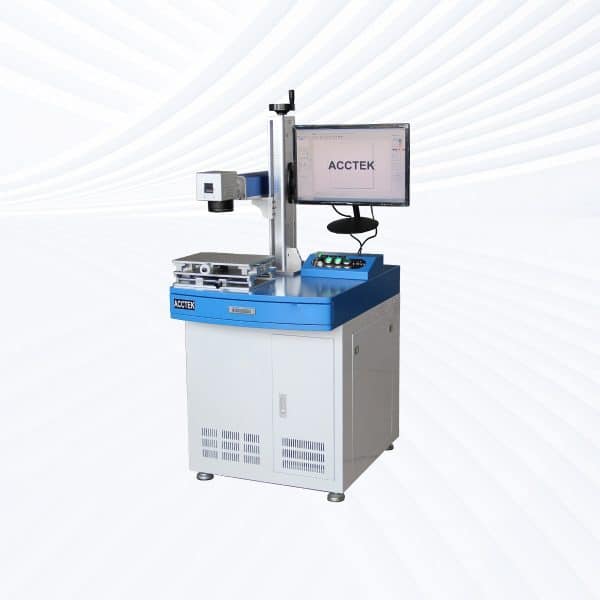
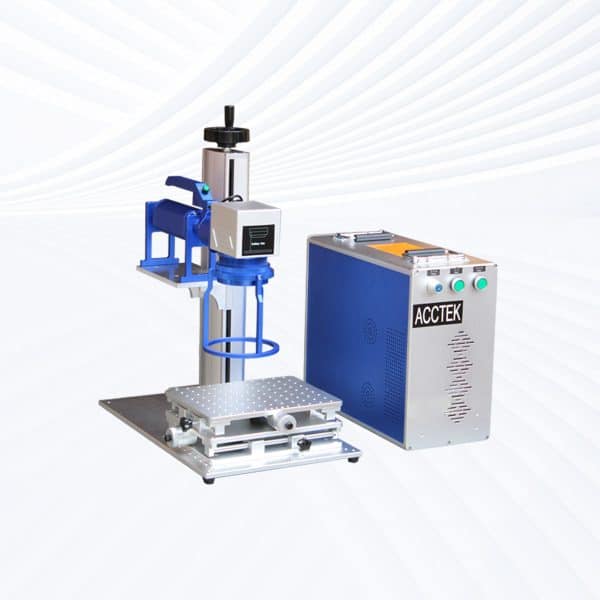
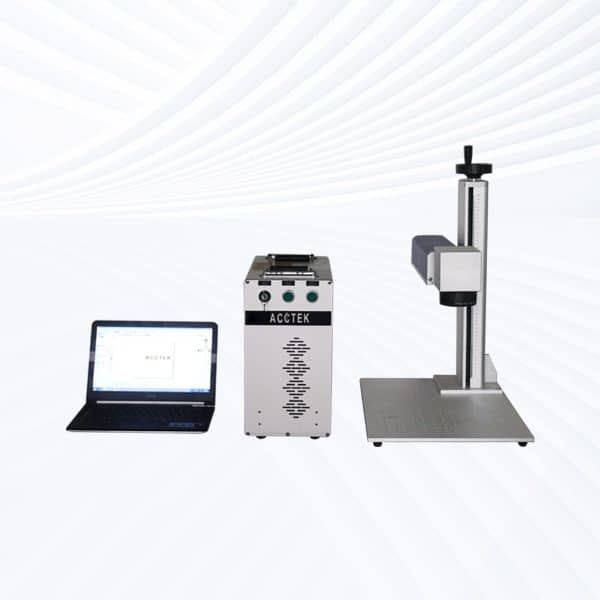

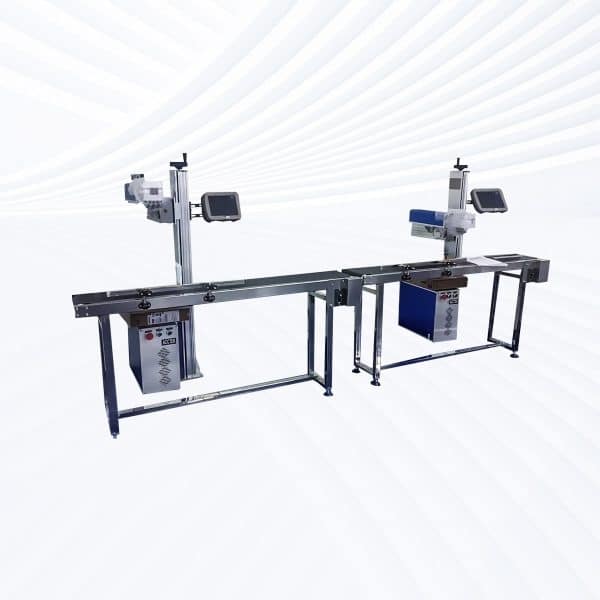
Advantages of Laser Marking Rubber
Permanent and High-Contrast Marks
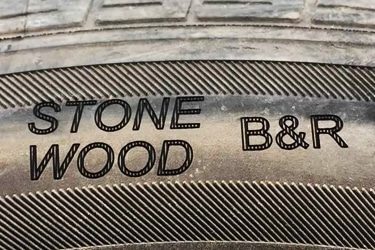
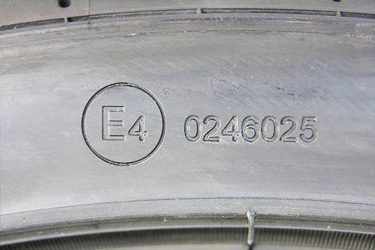
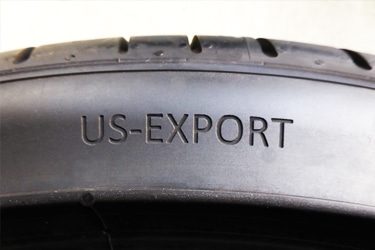
Laser marking creates permanent markings on rubber surfaces that remain visible during long-term use. The process produces a strong contrast, allowing serial numbers, logos, and identification codes to stay clear even under harsh environmental conditions.
Non-Contact Processing
Laser marking is a non-contact process, meaning the laser beam does not physically touch the rubber surface. This eliminates mechanical pressure and helps prevent deformation or damage to soft rubber materials during the marking process.
High Precision and Detailed Marking
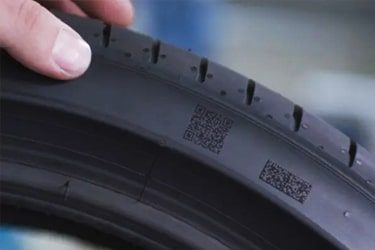
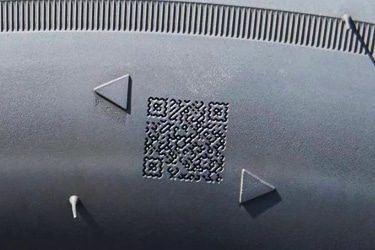
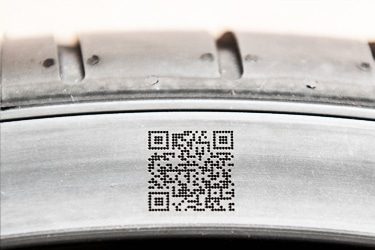
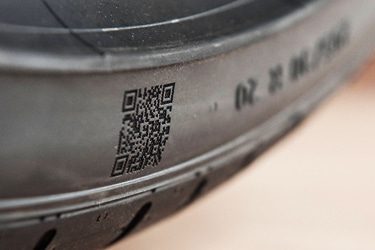
Laser technology allows extremely precise marking on rubber components. Manufacturers can create small text, complex logos, barcodes, and QR codes with high accuracy, making it suitable for products that require detailed identification.
Clean and Environmentally Friendly Process
Unlike traditional printing methods that use inks or chemicals, laser marking is a clean process. It generates minimal waste and eliminates consumables, helping manufacturers maintain cleaner production environments and reduce environmental impact.
Flexible Design and Customization
Laser marking systems are digitally controlled, allowing quick changes to designs, logos, or product codes. This flexibility makes the technology ideal for both large-scale production and customized rubber products.
High Production Efficiency
Laser marking machines operate at high speeds and can easily integrate into automated production lines. This allows manufacturers to mark large quantities of rubber components quickly while maintaining consistent marking quality.
Compatible Materials
- Natural Rubber
- Styrene-Butadiene Rubber
- Butyl Rubber
- Nitrile Rubber
- Hydrogenated Nitrile Rubber
- Ethylene Propylene Diene Monomer
- Silicone Rubber
- Fluorosilicone Rubber
- Fluoroelastomer
- Chloroprene Rubber
- Polyurethane Rubber
- Thermoplastic Rubber
- Thermoplastic Elastomer
- Thermoplastic Polyurethane
- Polyisoprene Rubber
- Polybutadiene Rubber
- Chlorinated Polyethylene Rubber
- Ethylene Propylene Rubber
- Acrylate Rubber
- Epichlorohydrin Rubber
- Hypalon Rubber
- Perfluoroelastomer
- Carboxylated Nitrile Rubber
- Bromobutyl Rubber
- Chlorobutyl Rubber
- Isobutylene Isoprene Rubber
- Latex Rubber
- Foam Rubber
- Sponge Rubber
- Conductive Rubber
- Static Dissipative Rubber
- Reinforced Rubber
- Fiber-Reinforced Rubber
- Rubber Sheets
- Rubber Gaskets
- Rubber Seals
- Rubber O-Rings
- Rubber Hoses
- Rubber Belts
- Rubber Rollers
Laser Marking VS Other Marking Methods
| Comparison Item | Laser Marking | Screen Printing | Pad Printing | Digital Printing |
|---|---|---|---|---|
| Marking Method | Uses a focused laser beam to modify or engrave the rubber surface | Ink is pressed through a mesh screen onto the rubber surface | Ink is transferred from an etched plate using a silicone pad | Ink is directly printed onto the rubber surface using a digital printer |
| Contact with Material | Non-contact process | Contact process | Contact process | Contact process |
| Durability of Marks | Permanent and highly resistant to wear and environmental exposure | Moderate durability; ink may fade or wear over time | Moderate durability depending on ink quality | Lower durability compared with laser marking |
| Use of Consumables | No inks, solvents, or plates required | Requires inks, screens, and cleaning chemicals | Requires inks, pads, and etched plates | Requires ink cartridges and maintenance fluids |
| Environmental Impact | Clean process with minimal waste | Ink and solvent use can create chemical waste | Uses chemical inks and cleaning agents | Ink waste and cartridge disposal are required |
| Precision and Detail | Very high precision for small text and detailed logos | Good detail, but limited by screen resolution | Suitable for simple graphics and small areas | High-resolution images possible |
| Suitability for Barcodes/QR Codes | Excellent for machine-readable codes | Possible but limited by ink clarity | Possible but less reliable for very small codes | Good for detailed codes |
| Surface Compatibility | Works well on flexible and textured rubber surfaces | Best suited for relatively flat surfaces | Suitable for curved or irregular shapes | Mostly suitable for flat surfaces |
| Setup Time | Minimal setup with digital design input | Longer setup due to screen preparation | Requires plate preparation and setup | Minimal setup required |
| Production Speed | High-speed marking suitable for automation | Moderate production speed | Moderate speed depending on setup | Fast for small production runs |
| Maintenance Requirements | Low maintenance with minimal wear parts | Screens require cleaning and replacement | Pads and plates require regular maintenance | Printers require regular maintenance and ink replacement |
| Marking Consistency | Highly consistent due to digital laser control | Consistency may vary due to ink distribution | May vary due to pad wear or pressure changes | Good consistency, but it depends on printer calibration |
| Operating Costs | Low long-term cost due to no consumables | Ongoing cost for inks and screens | Ongoing cost for inks and pad replacement | Continuous cost for ink cartridges |
| Material Damage Risk | Very low due to non-contact marking | Low risk, but ink adhesion may vary | Slight pressure applied during printing | Low risk but may require surface preparation |
| Traceability and Industrial Use | Ideal for permanent product identification and traceability | Limited durability for long-term traceability | Suitable for product labeling | Mostly used for decorative or temporary markings |
Laser Marking Capacity
| Item | Engraving | Annealing | Etching | Foaming | Deep Marking | Color Marking | QR Code Marking | Photo Marking |
|---|---|---|---|---|---|---|---|---|
| Ceramics | Yes | Yes | Yes | No | Yes | No | Yes | Yes |
| Glass | No | Yes | Yes | No | No | Yes | Yes | Yes |
| Leather | Yes | No | Yes | Yes | No | No | Yes | Yes |
| Stainless Steel | Yes | Yes | Yes | No | Yes | Yes | Yes | Yes |
| Carbon Steel | Yes | Yes | Yes | No | Yes | Yes | Yes | Yes |
| Aluminum | Yes | Yes | Yes | No | Yes | Yes | Yes | Yes |
| Titanium | Yes | Yes | Yes | No | Yes | Yes | Yes | Yes |
| ABS | Yes | No | Yes | Yes | No | No | Yes | Yes |
| Acrylic | Yes | No | Yes | Yes | No | No | Yes | Yes |
| Polycarbonate | Yes | No | Yes | Yes | No | No | Yes | Yes |
| Rubber | Yes | No | Yes | Yes | No | No | Yes | Yes |
| Marble | Yes | No | Yes | No | No | No | Yes | Yes |
| Granite | Yes | No | Yes | No | No | No | Yes | Yes |
| Wood | Yes | No | Yes | Yes | No | Yes | Yes | Yes |
| MDF | Yes | No | Yes | Yes | No | Yes | Yes | Yes |
| Paper | Yes | No | Yes | Yes | No | No | Yes | Yes |
| Cardboard | Yes | No | Yes | Yes | No | No | Yes | Yes |
| Textile | Yes | No | Yes | Yes | No | No | Yes | Yes |
| Ceramic-Coated Metal | Yes | Yes | Yes | No | Yes | Yes | Yes | Yes |
| Anodized Aluminum | Yes | Yes | Yes | No | Yes | Yes | Yes | Yes |
| Composite Materials | Yes | No | Yes | Yes | No | No | Yes | Yes |
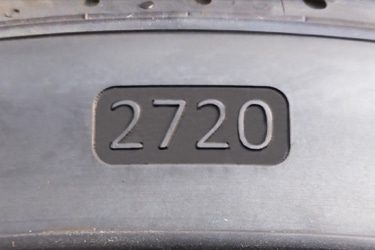
Applications of Laser Marking Rubber
Customer Testimonials
Related Resources
What Is the Marking Speed of Laser Marking Machines?
This article explores typical laser marking speeds, the factors that affect processing speed and cycle time, and how laser type, material, power, and settings influence marking performance.
Applications of Laser Marking Machines
This article explores the applications of laser marking machines across the automotive, electronics, medical, packaging, metalworking, consumer goods, traceability, automation, and personalization sectors.
How Do Laser Parameters Affect The Marking Effect?
This article explores how laser power, speed, frequency, pulse width, focus, wavelength, hatch spacing, and material properties influence marking quality, depth, contrast, and precision.
How Does Laser Beam Quality Affect Marking Results?
This article explores how laser beam quality affects marking clarity, contrast, line width, edge sharpness, depth control, heat input, material response, and marking repeatability.
Frequently Asked Questions
How Does Laser Marking Work on Rubber?
- How the Process Works: A laser beam, typically from a CO2 laser, is directed onto the rubber surface. The material absorbs the laser energy and converts it into heat. This heat causes localized vaporization or decomposition of the rubber, removing a thin layer of material. The result is a recessed mark that contrasts with the surrounding surface. The process is digitally controlled, allowing precise shapes, text, or patterns to be produced.
- Material Interaction and Mark Formation: Rubber reacts to laser energy through ablation, where material is removed cleanly in small amounts. This creates depth and sharp edges when parameters are properly set. Depending on the rubber type, the mark may appear darker or lighter than the base material. In some cases, controlled carbonization enhances contrast.
- Types of Rubber and Compatibility: Not all rubber materials are suitable for laser marking. Laser-safe rubbers, such as those designed for engraving stamps or industrial parts, produce clean results. However, rubbers containing chlorine or other hazardous additives can release toxic gases and should be avoided. Material composition directly affects marking quality and safety.
- Parameter Control: Power, speed, and frequency must be carefully adjusted. Higher power or slower speeds increase material removal and depth, but excessive energy can cause burning, melting, or rough edges. Lower power produces shallow marks but may reduce visibility. Fine-tuning ensures clean, precise engraving without damaging the material.
Is Laser-Marked Rubber Permanent?
- How Permanence is Achieved: Laser marking on rubber typically involves material removal through ablation or controlled surface modification. The laser burns away a thin layer of rubber or alters its structure, creating a recessed or chemically changed mark. Because the mark is physically part of the material rather than applied on top, it does not peel or wash off like ink or paint.
- Durability of Engraved Marks: Engraved rubber marks are especially durable because they have depth. Even with wear or surface abrasion, the recessed design remains visible. This makes laser marking ideal for applications such as stamps, seals, and industrial components where repeated contact is expected.
- Material Composition and Stability: The type of rubber plays a major role in permanence. Laser-safe rubbers designed for engraving tend to produce stable and long-lasting marks. However, softer or lower-quality rubbers may degrade over time, especially under environmental stress. Additives and fillers in the rubber can also affect how well the mark holds up.
- Environmental Factors: Exposure to sunlight, heat, chemicals, and mechanical wear can influence how long the mark remains clearly visible. UV radiation, for example, may cause rubber to age, crack, or fade, which can reduce contrast over time. Harsh chemicals or friction can also wear down surface-level markings, though deeper engravings are more resistant.
- Marking Method and Depth: Shallow surface marks or light discoloration may fade more quickly compared to deeper engravings. Increasing depth through controlled passes improves long-term visibility and resistance to wear.
How Does Rubber Composition Affect Laser Marking Results?
- Energy Absorption and Thermal Behavior: Different rubber types, such as natural rubber, silicone, or synthetic elastomers, absorb laser energy in different ways. Some compositions absorb energy efficiently, allowing clean and controlled material removal. Others may reflect or dissipate energy unevenly, leading to inconsistent marking. Thermal stability also varies. Certain rubbers can withstand heat without excessive damage, while others may burn or degrade quickly, affecting mark quality.
- Additives and Fillers: Rubber often contains additives such as carbon black, silica, or curing agents. These components strongly influence marking results. For example, carbon black improves energy absorption and typically produces darker, higher-contrast marks. Fillers can also affect how evenly the material reacts, either enhancing or reducing consistency. Some engineered rubbers are specifically formulated to be “laser-friendly,” providing better results.
- Surface Reaction and Mark Appearance: Composition determines whether the laser creates clean engraving, carbonization, or discoloration. Some rubbers produce sharp, well-defined recessed marks, while others may result in rough or melted surfaces. The balance between ablation (material removal) and burning is highly dependent on the material makeup.
- Fume Generation and Safety: Certain rubber compositions can release harmful gases when exposed to laser energy. Rubbers containing chlorine or other hazardous elements are unsafe and should not be used. Safe, laser-compatible rubbers are designed to minimize toxic emissions and produce cleaner processing conditions.
- Consistency and Repeatability: Uniform rubber composition leads to predictable and repeatable marking results. Variations in formulation can cause uneven depth, contrast, or texture, even with the same laser settings. This makes material consistency critical in production environments.
- Parameter Sensitivity: Different rubber compositions require different laser settings. Softer or more heat-sensitive rubbers need lower power and faster speeds to prevent damage, while more stable materials can tolerate higher energy for deeper engraving.
What Are The Challenges In Laser Marking Rubber?
- Heat Sensitivity and Burning: Rubber is highly sensitive to heat, which makes it prone to burning or excessive carbonization. If laser power is too high or speed is too slow, the material can char beyond the intended marking area. This leads to rough surfaces, poor edge definition, and an unpleasant burnt appearance. Controlling energy input is critical to avoid over-processing.
- Melting and Deformation: Unlike rigid materials, rubber can soften and deform under heat. Instead of clean ablation, the surface may melt, causing edges to blur or collapse. Fine details can be lost if the material does not maintain its shape during marking.
- Fume Generation and Safety Risks: Rubber produces significant fumes when exposed to laser energy. These fumes can contain harmful gases and strong odors, especially if the rubber contains additives or is not specifically designed for laser processing. Proper ventilation and material verification are essential to ensure safe operation.
- Material Variability: Rubber compositions vary widely, including natural rubber, synthetic elastomers, and blends with fillers. This variability affects how the material responds to laser energy. The same settings may produce different results on different types of rubber, making consistent quality more difficult to achieve without testing and adjustment.
- Edge Quality and Detail Control: Maintaining sharp edges and fine detail can be challenging. Excessive heat can cause edges to become jagged or uneven, while insufficient energy may produce incomplete marks. Achieving a balance between clarity and depth requires precise parameter tuning.
- Contrast Limitations: Some rubber materials do not naturally produce a strong contrast. Depending on the composition, marks may appear too dark, too light, or inconsistent. Additives like carbon black can improve contrast, but not all materials respond equally.
- Depth Control: Controlling engraving depth can be difficult because rubber is soft and easily affected by heat. Too much depth can weaken the material or distort the design.
How Does Rubber Color Affect Laser Marking Contrast?
- Energy Absorption and Color Influence: Darker rubber, especially black rubber containing carbon black, absorbs laser energy more efficiently. This leads to more controlled material removal and stronger marking effects. As a result, dark rubber often produces deeper, cleaner engravings. Lighter-colored rubber reflects more energy, which can reduce marking efficiency and require higher power or slower speeds to achieve similar results.
- Contrast Formation Mechanisms: Contrast depends on the difference between the marked and unmarked areas. On dark rubber, laser marking often creates lighter or recessed marks that stand out clearly against the dark background. On light-colored rubber, the laser may cause slight darkening or material removal, but the contrast is sometimes less pronounced. Achieving a strong contrast on light rubber can be more challenging without optimizing parameters.
- Visual Perception and Readability: Human perception plays a role in contrast. Marks on black or dark rubber are usually easier to read because the light-colored engraving creates a big visual difference. On white or light rubber, the mark may appear subtle or low in contrast, especially under certain lighting conditions.
- Effect of Additives and Pigments: Rubber color is often created using pigments or fillers, which also influence laser interaction. Carbon black not only darkens the material but also enhances laser absorption and contrast. Other pigments may not provide the same benefit, leading to weaker or less consistent results.
- Parameter Adjustments for Different Colors: Different colors require different laser settings. Light-colored rubber may need higher power or multiple passes to improve visibility, while dark rubber requires careful control to avoid over-burning. Adjusting speed, power, and focus helps optimize contrast for each material.
What Are The Common Defects In Laser Marking Rubber?
- Burning and Excessive Charring: One of the most frequent defects is over-burning. When laser power is too high or speed is too slow, the rubber can carbonize excessively, creating dark, rough, and uneven marks. This reduces visual quality and can spread beyond the intended design, affecting edge clarity.
- Melting and Surface Deformation: Rubber softens easily under heat. Instead of clean material removal, the surface may melt, causing edges to blur or collapse. This leads to distorted shapes and loss of fine detail, especially in small text or intricate patterns.
- Rough or Uneven Surface Texture: Improper energy control can result in a rough, grainy texture rather than a smooth engraved surface. This happens when the material is partially burned instead of cleanly ablated, reducing both appearance and precision.
- Low or Inconsistent Contrast: Some rubber materials do not produce a strong contrast, especially if the composition does not respond well to laser energy. Inconsistent energy distribution or variations in material composition can also cause uneven marking, where some areas appear darker or deeper than others.
- Edge Distortion and Loss of Detail: Excessive heat can cause the marking area to expand slightly, leading to widened lines and blurred edges. Fine details may merge or disappear, reducing accuracy and readability.
- Sticky Residue or Debris: Laser marking can leave behind sticky residues or soot, especially when rubber is partially melted. This can affect the cleanliness of the mark and may require post-processing to remove it.
- Fume-Related Issues: Heavy fume generation can deposit particles back onto the surface, creating discoloration or reducing clarity. Without proper ventilation, this can worsen marking quality.
- Uneven Depth Control: Rubber’s softness makes it difficult to control engraving depth. Too much energy can create overly deep or irregular marks, while too little results in shallow, unclear markings.
How Is Depth Controlled In Laser Marking Of Rubber?
- Laser Power and Energy Input: Power is the primary factor influencing depth. Higher power increases the amount of energy delivered to the rubber, resulting in greater material removal and deeper engraving. Lower power produces shallow marks or surface-level effects. However, excessive power can cause burning, excessive charring, or rough edges, so it must be used carefully.
- Marking Speed: Speed determines how long the laser remains on a given point. Slower speeds increase exposure time, allowing more heat buildup and deeper material removal. Faster speeds reduce interaction time, producing shallower marks. Adjusting speed in combination with power allows precise control over engraving depth.
- Number of Passes: Using multiple passes is one of the most effective ways to control depth in rubber. Instead of applying high power in a single pass, the laser can remove material gradually across several passes. This improves control, reduces thermal damage, and produces cleaner, more uniform results.
- Frequency and Pulse Settings: For pulsed lasers, frequency affects how energy is distributed. Lower frequencies deliver higher peak energy per pulse, which can increase depth by enhancing material removal. Higher frequencies spread energy more evenly, resulting in smoother but shallower marks.
- Focus and Beam Position: A well-focused beam concentrates energy into a small area, increasing intensity and enabling deeper engraving. Slight defocusing spreads the energy, reducing depth and producing more surface-level marking. Proper focus is essential for consistent depth and edge quality.
- Material Properties: Different rubber compositions respond differently to laser energy. Harder or denser rubbers may require more energy to achieve depth, while softer rubbers are more easily affected and can deform if settings are too aggressive.
- Heat Management: Controlling heat buildup is critical. Excessive heat can cause melting or distortion instead of clean ablation. Techniques such as faster speeds or intermittent passes help manage heat.
What Safety Risks Exist In Laser Marking Rubber?
- Fume and Gas Emissions: One of the most significant risks is the release of fumes. When rubber is exposed to laser energy, it can emit smoke, fine particles, and potentially harmful gases. Some rubber types, especially those containing chlorine or other hazardous additives, can produce toxic fumes. Inhaling these substances can pose serious health risks, making proper ventilation and fume extraction systems essential.
- Fire Hazard: Rubber is a combustible material, and laser marking involves concentrated heat. If the laser settings are too high or the beam remains in one area for too long, the material can ignite. Small flames or smoldering can occur, especially in poorly ventilated environments. Continuous monitoring and the use of air assist systems help reduce this risk.
- Thermal Burns and Hot Surfaces: During marking, the rubber can become very hot. Handling recently marked parts without protection may result in burns. Additionally, surrounding machine components can retain heat, posing a risk during operation or maintenance.
- Laser Radiation Exposure: Direct or reflected laser beams can cause serious eye or skin injuries. Although many systems are enclosed, improper use or maintenance can expose operators to laser radiation hazards. Protective eyewear and machine safety features, such as interlocks, are critical.
- Material Decomposition and Residue: Laser processing can leave behind sticky residues or debris on the rubber surface. These byproducts may contain harmful substances and can contaminate the workspace if not properly managed. Cleaning and proper waste handling are necessary.
- Equipment Contamination and Damage: Fumes and residues can accumulate inside the machine, affecting optics and reducing performance. This not only impacts marking quality but also creates additional maintenance hazards.
- Noise and Environmental Factors: While the laser itself is quiet, associated systems like exhaust units can produce noise. In industrial settings, prolonged exposure may require hearing protection.