

Introduction

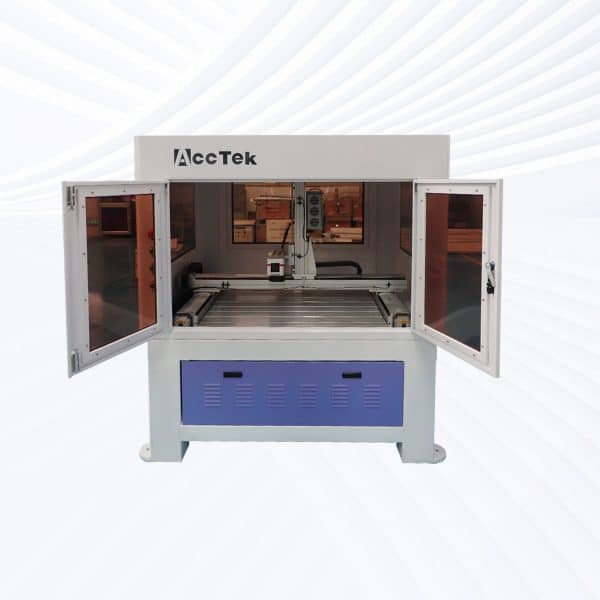
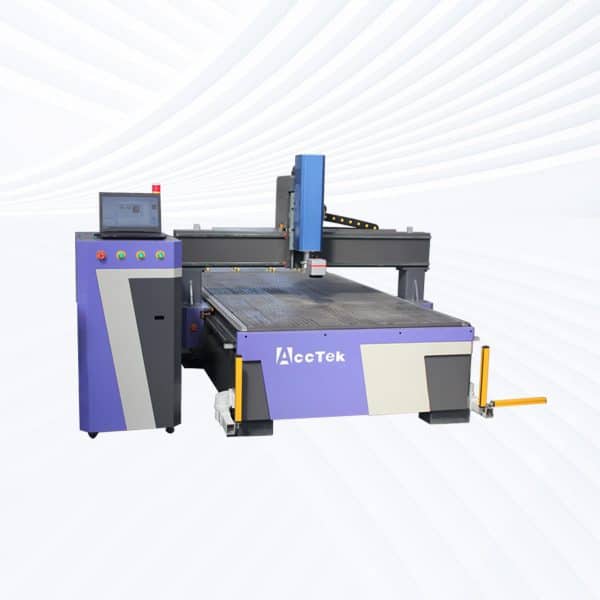
Advantages of Laser Marking Metal
Permanent and Durable Marks
Laser marking creates permanent markings directly on metal surfaces. These marks resist abrasion, heat, chemicals, and environmental exposure. This durability ensures that serial numbers, barcodes, and product information remain clear and readable throughout the entire product lifecycle.
High Precision and Fine Detail
Laser marking technology offers exceptional precision, allowing manufacturers to create extremely fine text, complex logos, microcodes, and detailed graphics. This level of accuracy is especially valuable for small metal components used in electronics, medical devices, and precision instruments.
Non-Contact Processing
Laser marking is a non-contact process that does not apply physical force to the metal surface. This eliminates mechanical stress, prevents deformation, and ensures the integrity of delicate or thin metal components during the marking process.
Wide Compatibility with Metals
Laser marking systems can process a wide range of metals, including stainless steel, aluminum, brass, copper, titanium, and coated metals. This versatility allows manufacturers to use a single system for multiple metal products and applications.
High Speed and Production Efficiency
Laser marking machines operate at high speeds and can easily integrate into automated production lines. This enables manufacturers to mark large volumes of metal parts quickly while maintaining consistent quality and reducing production time.
Low Operating and Maintenance Costs
Laser marking systems require minimal maintenance and do not rely on inks, chemicals, or consumable tools. This reduces long-term operating costs and helps maintain a cleaner, more efficient manufacturing environment.
Compatible Materials
- Stainless Steel
- Carbon Steel
- Mild Steel
- Alloy Steel
- Tool Steel
- Spring Steel
- Galvanized Steel
- Aluminum
- Anodized Aluminum
- Aluminum Alloy
- Cast Aluminum
- Copper
- Brass
- Bronze
- Titanium
- Titanium Alloy
- Nickel
- Nickel Alloy
- Inconel
- Monel
- Magnesium
- Magnesium Alloy
- Zinc
- Zinc Alloy
- Gold
- Silver
- Platinum
- Palladium
- Tungsten
- Molybdenum
- Cobalt
- Cobalt Alloy
- Chromium
- Iron
- Tin
- Lead
- Beryllium Copper
- Hastelloy
- Kovar
- Nitinol
Laser Marking VS Other Marking Methods
| Comparison Item | Laser Marking | Screen Printing | Pad Printing | Digital Printing |
|---|---|---|---|---|
| Marking Method | Uses a focused laser beam to modify or engrave the metal surface | Ink is transferred through a mesh screen onto the metal surface | Ink is transferred from an etched plate using a silicone pad | Ink is directly printed onto the metal surface using digital printing technology |
| Contact with Material | Non-contact process | Contact process | Contact process | Contact process |
| Mark Durability | Permanent and highly resistant to wear, heat, and chemicals | Moderate durability; ink may fade or peel over time | Moderate durability depending on ink quality | Lower durability compared with laser marking |
| Use of Consumables | No inks, solvents, or plates required | Requires inks, screens, and cleaning chemicals | Requires inks, pads, and etched plates | Requires ink cartridges and maintenance fluids |
| Environmental Impact | Clean and environmentally friendly with minimal waste | Generates waste from inks and solvents | Uses chemical inks and cleaning agents | Ink cartridges and waste may impact the environment |
| Precision and Detail | Extremely high precision suitable for micro text and codes | Good detail, but limited by screen resolution | Suitable for simple graphics but limited detail | High-resolution printing possible |
| Suitability for Barcodes/QR Codes | Excellent for high-contrast machine-readable codes | Possible but limited by ink quality | Possible but less precise for small codes | Good for high-resolution codes |
| Surface Compatibility | Suitable for various metal surfaces and finishes | Best suited for flat metal surfaces | Suitable for curved or irregular metal surfaces | Mostly suitable for flat surfaces |
| Setup Time | Minimal setup with digital design input | Longer setup due to screen preparation | Requires plate preparation and setup | Minimal setup required |
| Production Speed | Very fast and suitable for automated production | Moderate production speed | Moderate speed depending on the process | Fast for small production runs |
| Maintenance Requirements | Low maintenance with minimal wear parts | Requires screen cleaning and replacement | Pads and plates require regular maintenance | Printers require maintenance and ink replacement |
| Marking Consistency | Highly consistent due to digital control | Consistency may vary due to ink distribution | May vary due to pad wear or pressure changes | Good consistency, but it depends on printer calibration |
| Operating Costs | Low long-term operating cost | Ongoing cost for inks and screens | Ongoing cost for inks and pads | Continuous cost for ink cartridges |
| Material Damage Risk | Very low due to non-contact marking | Low risk, but ink adhesion may vary | Low pressure applied during printing | Low risk, but surface preparation may be required |
| Traceability and Industrial Use | Ideal for permanent product identification and traceability | Limited durability for long-term industrial traceability | Suitable for product labeling | Mostly used for decorative or temporary markings |
Laser Marking Capacity
| Item | Engraving | Annealing | Etching | Foaming | Deep Marking | Color Marking | QR Code Marking | Photo Marking |
|---|---|---|---|---|---|---|---|---|
| Ceramics | Yes | Yes | Yes | No | Yes | No | Yes | Yes |
| Glass | No | Yes | Yes | No | No | Yes | Yes | Yes |
| Leather | Yes | No | Yes | Yes | No | No | Yes | Yes |
| Stainless Steel | Yes | Yes | Yes | No | Yes | Yes | Yes | Yes |
| Carbon Steel | Yes | Yes | Yes | No | Yes | Yes | Yes | Yes |
| Aluminum | Yes | Yes | Yes | No | Yes | Yes | Yes | Yes |
| Titanium | Yes | Yes | Yes | No | Yes | Yes | Yes | Yes |
| ABS | Yes | No | Yes | Yes | No | No | Yes | Yes |
| Acrylic | Yes | No | Yes | Yes | No | No | Yes | Yes |
| Polycarbonate | Yes | No | Yes | Yes | No | No | Yes | Yes |
| Rubber | Yes | No | Yes | Yes | No | No | Yes | Yes |
| Marble | Yes | No | Yes | No | No | No | Yes | Yes |
| Granite | Yes | No | Yes | No | No | No | Yes | Yes |
| Wood | Yes | No | Yes | Yes | No | Yes | Yes | Yes |
| MDF | Yes | No | Yes | Yes | No | Yes | Yes | Yes |
| Paper | Yes | No | Yes | Yes | No | No | Yes | Yes |
| Cardboard | Yes | No | Yes | Yes | No | No | Yes | Yes |
| Textile | Yes | No | Yes | Yes | No | No | Yes | Yes |
| Ceramic-Coated Metal | Yes | Yes | Yes | No | Yes | Yes | Yes | Yes |
| Anodized Aluminum | Yes | Yes | Yes | No | Yes | Yes | Yes | Yes |
| Composite Materials | Yes | No | Yes | Yes | No | No | Yes | Yes |
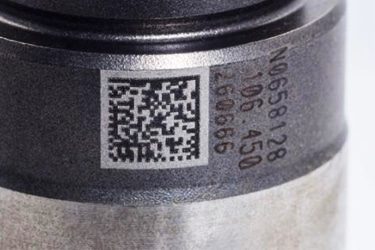
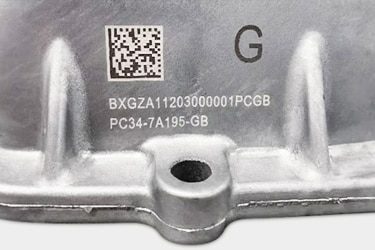
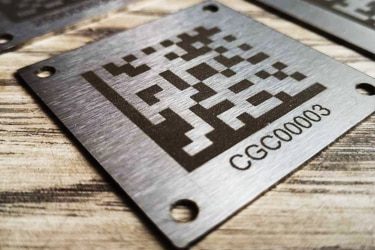
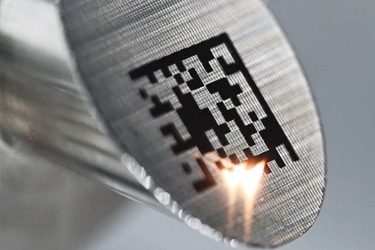
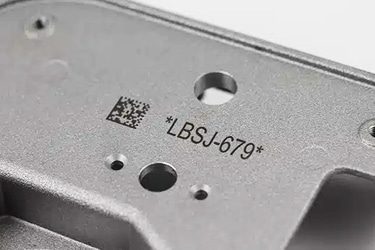
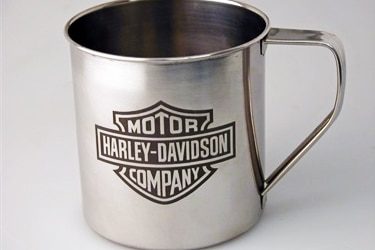
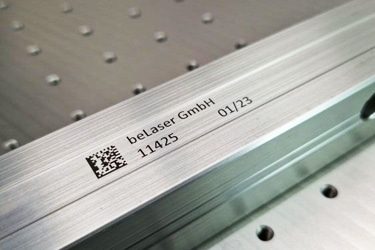
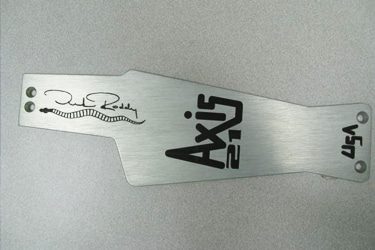
Applications of Laser Marking Metal
Customer Testimonials
Related Resources
What Is the Marking Speed of Laser Marking Machines?
This article explores typical laser marking speeds, the factors that affect processing speed and cycle time, and how laser type, material, power, and settings influence marking performance.
Applications of Laser Marking Machines
This article explores the applications of laser marking machines across the automotive, electronics, medical, packaging, metalworking, consumer goods, traceability, automation, and personalization sectors.
How Do Laser Parameters Affect The Marking Effect?
This article explores how laser power, speed, frequency, pulse width, focus, wavelength, hatch spacing, and material properties influence marking quality, depth, contrast, and precision.
How Does Laser Beam Quality Affect Marking Results?
This article explores how laser beam quality affects marking clarity, contrast, line width, edge sharpness, depth control, heat input, material response, and marking repeatability.
Frequently Asked Questions
How Does Laser Marking Work on Metal?
- Metal and Laser Interaction: When the laser beam strikes a metal surface, it generates intense localized heat. This heat causes physical or chemical changes depending on the settings and type of metal. Common effects include oxidation (color change), annealing (surface darkening without material removal), or engraving (removing a thin layer of metal).
- Types of Marking Effects: At lower energy levels, the laser heats the metal surface enough to cause oxidation or annealing. This produces color changes, such as black, blue, or brown marks, without cutting into the material. These marks are smooth and preserve the metal’s surface integrity. At higher power levels, the laser vaporizes a thin layer of metal, creating engraved marks with depth and texture.
- Precision and Control: The process begins with a digital design file that guides the laser’s movement across the surface. Fiber lasers offer extremely fine control, allowing for high-resolution markings such as serial numbers, barcodes, logos, and intricate patterns. The focused beam ensures sharp edges and consistent results, even on small details.
- Material Compatibility: Different metals respond differently to laser marking. Stainless steel, aluminum, brass, and titanium are commonly marked with excellent results. Some metals, like aluminum, may require anodizing or coatings to enhance contrast. Reflective metals can be more challenging, but fiber lasers are designed to handle these surfaces efficiently.
- Non-Contact Process: Laser marking is a non-contact method, meaning there is no physical tool touching the metal. This eliminates tool wear and reduces the risk of mechanical distortion. It also allows marking on delicate or complex parts without damage.
- Durability and Permanence: Marks created by laser are highly durable and resistant to wear, heat, and corrosion. This makes the process suitable for industrial applications, identification, and branding.
What Are The Challenges In Laser Marking Metal?
- Metal and Reflectivity Issues: One of the main challenges is the reflective nature of many metals, such as aluminum, copper, and brass. These surfaces can reflect part of the laser energy instead of absorbing it, reducing marking efficiency and potentially damaging the laser marking system if not properly managed. Fiber lasers are designed to handle reflection better, but it remains a factor to consider.
- Heat Management and Distortion: Metals conduct heat quickly, which can spread energy beyond the target area. This may lead to unintended discoloration, warping, or thermal stress, especially on thin or delicate parts. Controlling heat input through proper parameter settings is essential to avoid distortion.
- Inconsistent Marking Results: Different metals and even different finishes on the same metal can respond differently to laser marking. For example, stainless steel may produce a strong contrast through annealing, while raw aluminum often requires coatings or anodizing to achieve visible marks. This variability makes it necessary to adjust settings for each material type.
- Contrast Limitations: Achieving high contrast can be difficult on certain metals. Bare or polished surfaces may produce faint markings, especially when using low-energy processes like annealing. Additional steps, such as surface treatment or multiple passes, may be required to improve visibility.
- Surface Condition Sensitivity: Oils, oxidation, coatings, or contaminants on the metal surface can interfere with marking quality. Even small inconsistencies can lead to uneven coloration or incomplete marks. Proper cleaning and preparation are important for consistent results.
- Precision vs. Speed Trade-Off: High-quality marking often requires slower speeds and precise control, especially for detailed designs or deep engraving. Increasing speed can reduce marking time but may compromise clarity or depth. Balancing productivity and quality is a common challenge in production environments.
- Equipment and Setup Complexity: Laser marking systems for metal, especially fiber lasers, require accurate calibration, focusing, and parameter control. Improper setup can lead to poor results or equipment wear. Operators need experience and testing to optimize performance.
- Safety and Fume Considerations: While metal itself does not burn like organic materials, coatings, oils, or residues can produce fumes during marking. Proper ventilation is still necessary to maintain a safe workspace.
How Does Metal Hardness Affect Laser Marking Results?
- Metal and Hardness Characteristics: Hardness refers to a metal’s resistance to deformation or penetration. Softer metals like aluminum or mild steel are easier for the laser to modify, while harder metals such as hardened steel or titanium require more energy to achieve the same effect. This difference impacts how efficiently the laser can mark or engrave the surface.
- Engraving Depth and Efficiency: On softer metals, the laser can remove material more easily, allowing deeper engraving with lower power or faster speeds. In contrast, harder metals resist material removal, so achieving noticeable depth requires higher power, slower speeds, or multiple passes. This can increase processing time and energy consumption.
- Surface Marking and Contrast: Hardness also affects non-engraving methods like annealing or oxidation. Harder metals, especially certain steels, often respond well to annealing, producing dark, high-contrast marks without removing material. Softer metals may not achieve the same level of contrast through annealing alone and may rely more on engraving or coatings to enhance visibility.
- Heat Distribution and Control: Harder metals often have different thermal properties, influencing how heat spreads during marking. Some hard metals can localize heat effectively, resulting in precise marks with minimal distortion. Softer metals may conduct heat more quickly, potentially causing slight spreading of the mark or reduced edge sharpness.
- Wear Resistance and Mark Durability: Marks created on harder metals tend to be more durable, especially when engraved. Because the material resists wear, the marking remains intact under mechanical stress. Softer metals are more prone to scratching or deformation, which can affect the longevity of the mark over time.
- Parameter Sensitivity: Harder metals require more precise parameter control. Small changes in power, frequency, or speed can significantly impact the result. Operators often need to fine-tune settings carefully to balance marking quality and efficiency.
- Tooling and Application Considerations: In industrial settings, harder metals are often used for parts that require permanent identification. Laser marking is well-suited for this, but the increased difficulty in processing must be accounted for in production planning.
How Does Metal Reflectivity Affect Laser Marking Efficiency?
- Metal and Reflective Behavior: Highly reflective metals such as aluminum, copper, and brass tend to reflect a large portion of the incoming laser beam, especially at certain wavelengths. When energy is reflected instead of absorbed, less heat is generated at the focal point, reducing the effectiveness of the marking process.
- Energy Absorption and Marking Efficiency: Efficient laser marking depends on the material absorbing enough energy to create thermal changes like oxidation, annealing, or engraving. On reflective metals, reduced absorption means the laser must compensate by increasing power, slowing speed, or making multiple passes. This lowers overall efficiency and increases processing time.
- Impact on Mark Quality: Reflectivity can also affect the consistency and visibility of the mark. Incomplete energy absorption may lead to faint, uneven, or low-contrast markings. This is particularly noticeable when trying to achieve surface effects like annealing, where controlled heat is critical. Engraving may still be possible, but it requires more energy and careful tuning.
- Laser Type Considerations: The wavelength of the laser plays a key role in how reflectivity affects performance. CO2 lasers are less effective on bare metals because their wavelength is poorly absorbed and more easily reflected. Fiber lasers, on the other hand, operate at wavelengths that metals absorb more efficiently, making them better suited for marking reflective surfaces.
- Surface Condition Influence: Reflectivity is not only determined by the metal itself but also by its surface finish. Polished or mirror-like surfaces reflect more energy, while rough, oxidized, or coated surfaces absorb more. Applying coatings or anodizing can significantly improve marking efficiency and contrast.
- Safety and Equipment Risks: Reflected laser energy can pose risks to both the machine and the operator. Excessive reflection may damage optical components or create unintended beam paths if not properly contained. This makes proper machine design and shielding important when working with reflective metals.
- Process Optimization: To improve efficiency, operators often adjust parameters such as power, frequency, and focus, or use surface treatments to reduce reflectivity. These adjustments help ensure more energy is absorbed where it is needed.
How Is Distortion Prevented In Laser Marking Metal?
- Metal and Heat Control: Metals conduct heat, but localized laser energy can still create thermal gradients. If one area heats up more than others, it can expand and then contract unevenly, leading to warping or internal stress. Using lower power settings combined with higher speeds helps reduce excessive heat input while still achieving effective marking.
- Pulse and Frequency Adjustment: Instead of continuous heat, pulsed laser settings allow energy to be delivered in short bursts. This gives the material time to cool between pulses, reducing heat accumulation. Proper frequency tuning ensures enough energy for marking without overheating the surrounding area.
- Multiple Pass Techniques: Rather than applying high power in a single pass, operators often use multiple low-power passes. This gradual approach minimizes thermal shock and distributes heat more evenly, lowering the risk of distortion while still achieving the desired depth or contrast.
- Material Thickness and Fixturing: Thin metal parts are more prone to distortion because they heat up and cool down quickly. Securing the workpiece with proper fixturing helps keep it stable during marking. Fixtures also act as heat sinks, absorbing and dispersing excess heat.
- Cooling and Heat Dissipation: Allowing time for cooling between marking cycles can significantly reduce distortion. In some setups, additional cooling methods such as air flow or heat sinks are used to draw heat away from the work area. This keeps temperature changes more controlled.
- Optimized Focus and Beam Control: A properly focused laser delivers energy precisely where needed, avoiding unnecessary heat spread. Defocused beams can increase the affected area, raising the chance of distortion. Accurate focus and beam alignment are therefore critical.
- Surface Preparation and Cleanliness: Clean metal surfaces improve energy absorption efficiency, meaning less total heat is required. Contaminants like oil or coatings can cause uneven heating, increasing the likelihood of localized distortion.
- Process Planning and Design: Marking patterns also influence heat distribution. Large filled areas generate more heat than fine lines. Designing marks with spacing or segmenting large areas can help reduce concentrated heat buildup.
What Are The Common Defects In Laser Marking Metal?
- Metal and Surface Inconsistencies: One frequent issue is uneven marking. Variations in surface finish, coatings, or cleanliness can cause inconsistent energy absorption. This leads to patchy marks where some areas appear darker or deeper than others, reducing overall quality.
- Low Contrast or Faint Marks: Insufficient laser power, excessive speed, or highly reflective surfaces can result in faint or barely visible markings. This is especially common on polished metals or untreated aluminum, where the laser energy is not effectively absorbed.
- Overburning and Surface Damage: Excessive power or slow speeds can cause overheating, leading to surface damage such as melting, rough textures, or excessive oxidation. In extreme cases, this may distort fine details or weaken the material surface.
- Blurred or Distorted Edges: Poor focus, incorrect beam alignment, or excessive heat spread can cause edges to lose sharpness. Fine text, barcodes, or intricate patterns may appear blurred or expanded beyond their intended boundaries.
- Inconsistent Depth in Engraving: When engraving, uneven depth can occur due to variations in material hardness or improper parameter settings. Some areas may be deeply engraved while others remain shallow, affecting both appearance and functionality.
- Discoloration Beyond the Mark: Heat-affected zones may extend beyond the intended marking area, causing unwanted discoloration or halos around the design. This is often due to excessive heat input or poor thermal control.
- Residue and Oxidation Deposits: Laser marking can produce debris, oxide layers, or re-solidified material on the surface. This residue may reduce clarity or require post-processing to clean the final mark.
- Cracking or Microfractures: In some metals, especially brittle or hardened types, rapid heating and cooling can introduce thermal stress. This may result in microcracks that are not always visible but can affect structural integrity.
- Reflectivity-Related Defects: Highly reflective metals can cause inconsistent marking or energy loss, leading to incomplete or irregular results if not properly managed.
Does Laser Marking Weaken Metal Components?
- Surface-Level vs. Deep Marking: Most laser marking techniques, such as annealing or light etching, only affect the surface of the metal. Annealing changes the color of the metal through controlled oxidation without removing material, so it has virtually no impact on structural integrity. Light etching removes a very thin layer, typically too shallow to influence mechanical strength. These methods are widely used where component performance must remain unchanged.
- Engraving and Material Removal: Deeper laser engraving can remove more material and create small surface grooves. While this introduces minor stress concentrations, the effect is usually negligible if the depth is controlled. Problems may arise if engraving is too deep or placed in high-stress areas, as it can act as a point for crack initiation under load. For critical components, standards often specify maximum allowable marking depth.
- Heat-Affected Zone (HAZ): Laser marking introduces localized heat, which can alter the microstructure of the metal in a very small area around the mark. In most marking applications, this heat-affected zone is minimal and does not significantly affect strength. Advanced lasers, such as fiber or ultrafast systems, further reduce thermal impact by delivering energy in short pulses.
- Material Type and Sensitivity: Different metals respond differently. Stainless steel and titanium generally tolerate laser marking well, while hardened steels or heat-treated alloys may be more sensitive to thermal effects. Proper parameter selection ensures that hardness, corrosion resistance, and fatigue properties are not compromised.
- Process Control and Standards: In regulated industries, laser marking processes are carefully controlled and tested. Parameters such as power, speed, and depth are optimized to ensure that markings meet both visibility and mechanical requirements. Non-destructive testing may also be used to verify that no damage has occurred.
How Is Contrast Optimized In Laser Marking Metal?
- Choice of Marking Method: Different marking methods produce different contrast levels. Annealing is commonly used for metals like stainless steel, where the laser heats the surface to create an oxide layer that appears dark without removing material. This produces high contrast with minimal surface damage. Engraving and etching, on the other hand, remove material to create depth and shadow, which also improves visibility. The method selected depends on the material and application.
- Laser Power and Speed Balance: Power and speed must be carefully balanced. Higher power or slower speeds increase energy input, which can deepen marks or enhance oxidation, improving contrast. However, too much energy can cause melting or discoloration that reduces clarity. Lower power or faster speeds may produce faint marks. Fine-tuning these parameters ensures a clear and consistent result.
- Frequency and Pulse Control: For pulsed lasers, adjusting frequency and pulse duration helps control how energy is delivered. Lower frequencies often produce stronger, more pronounced marks, while higher frequencies can create smoother but lighter finishes. Proper pulse control allows operators to enhance contrast without excessive heat buildup.
- Surface Condition and Preparation: The initial surface finish plays a major role. Polished or reflective metals may require different settings to achieve visible marks. Rougher surfaces can naturally enhance contrast by scattering light. Cleaning the surface before marking ensures consistent results by removing oils or contaminants.
- Use of Multiple Passes: Running multiple passes can gradually increase contrast, especially for engraving or deep etching. This approach allows better control compared to applying excessive energy in a single pass, which could damage the material.
- Material Type and Response: Different metals respond differently to laser marking. Stainless steel produces a strong contrast through annealing, while aluminum often requires engraving or coating removal. Adjusting parameters based on the specific metal is essential for optimal results.