

Introduction
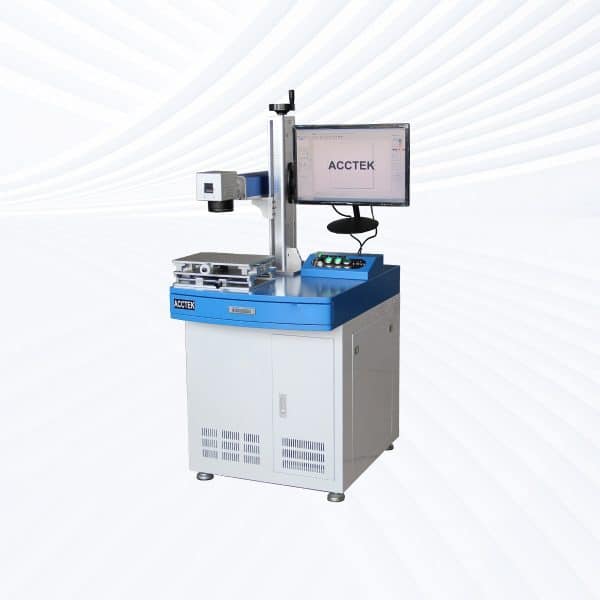
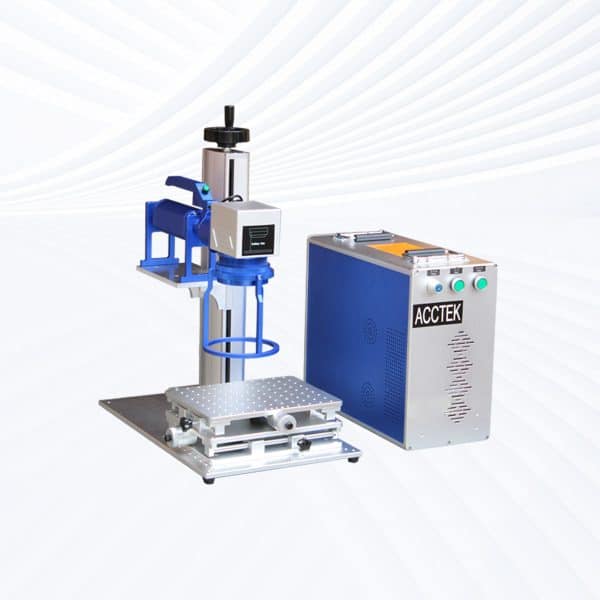
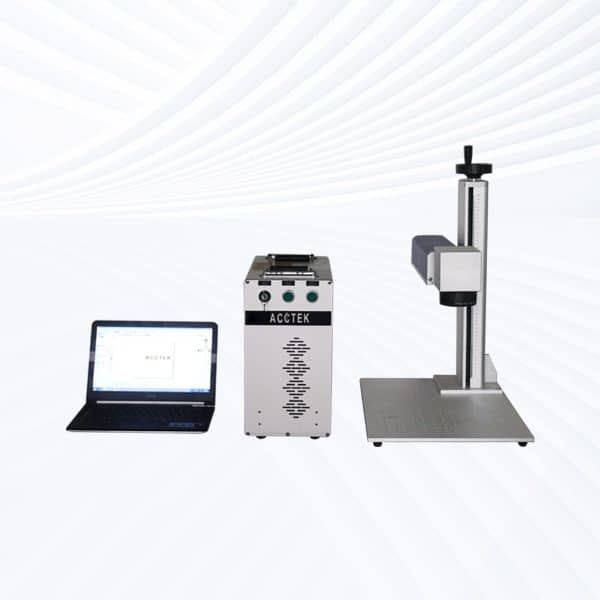

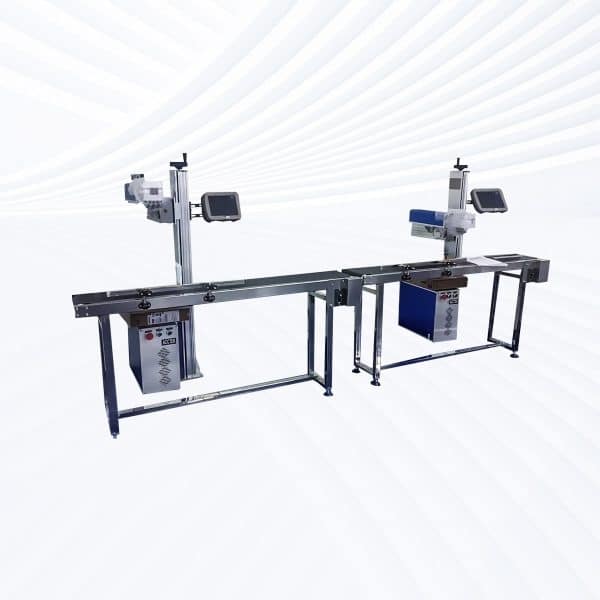
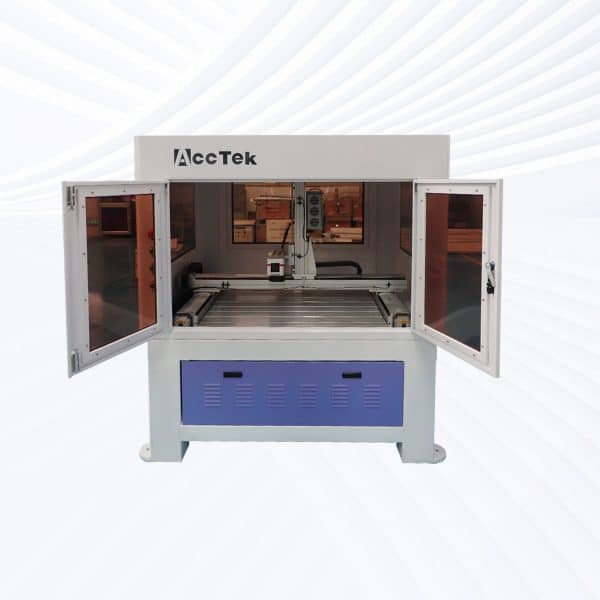
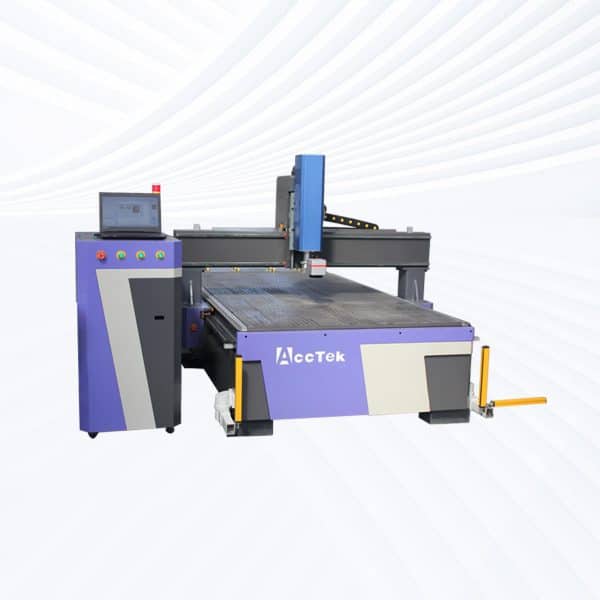
Advantages of Laser Marking Stone
Permanent and Long-Lasting Marks
Laser marking creates permanent engravings on stone surfaces that resist weather, wear, and environmental exposure. The marks remain clear for many years, making the technology ideal for monuments, architectural elements, signage, and decorative stone products.
High Precision and Fine Detail
Laser technology allows extremely precise engraving on stone materials. It can produce detailed text, intricate artwork, logos, and complex patterns with high accuracy, making it suitable for artistic designs and customized stone engraving applications.
Non-Contact Processing
Laser marking is a non-contact process, meaning the laser beam does not physically touch the stone surface. This reduces mechanical stress and eliminates tool wear, helping maintain the integrity of the material during engraving.
Clean and Environmentally Friendly Process
Unlike traditional engraving methods that may require chemicals or abrasive materials, laser marking is a clean process. It produces minimal waste and eliminates the need for inks or consumables, supporting environmentally friendly production.
Flexible Design and Customization
Laser marking systems are digitally controlled, allowing users to easily change designs, text, or images. This flexibility makes the technology ideal for customized stone products such as plaques, memorial stones, decorative tiles, and artistic engravings.
High Efficiency and Consistent Results
Laser marking machines operate with high speed and accuracy, allowing manufacturers to process stone materials efficiently. The digital control system ensures consistent engraving quality across multiple pieces, making it suitable for both custom projects and batch production.
Compatible Materials
- Granite
- Marble
- Limestone
- Sandstone
- Slate
- Basalt
- Quartzite
- Travertine
- Onyx Stone
- Bluestone
- Soapstone
- Dolomite
- Schist
- Gneiss
- Tuff Stone
- Alabaster
- Serpentine Stone
- Jade Stone
- Agate Stone
- Obsidian
- River Stone
- Pebble Stone
- Flagstone
- Pumice Stone
- Volcanic Rock
- Lava Stone
- Artificial Stone
- Engineered Stone
- Quartz Stone
- Composite Stone
- Cultured Marble
- Cement Stone
- Cast Stone
- Terrazzo Stone
- Architectural Stone
- Decorative Stone
- Building Stone
- Monument Stone
- Engraving Stone
- Landscaping Stone
Laser Marking VS Other Marking Methods
| Comparison Item | Laser Marking | Screen Printing | Pad Printing | Digital Printing |
|---|---|---|---|---|
| Marking Method | Uses a focused laser beam to engrave or modify the stone surface | Ink is pushed through a mesh screen onto the stone surface | Ink is transferred from an etched plate using a silicone pad | Ink is directly printed onto the stone surface using digital printers |
| Contact with Material | Non-contact process | Contact process | Contact process | Contact process |
| Durability of Marks | Permanent and highly resistant to weather and wear | Moderate durability; ink may fade over time | Moderate durability depending on ink adhesion | Lower durability compared with laser engraving |
| Use of Consumables | No inks, chemicals, or printing plates required | Requires inks, screens, and cleaning solvents | Requires inks, pads, and etched plates | Requires ink cartridges and maintenance fluids |
| Environmental Impact | Clean process with minimal waste | Ink and chemical solvents generate waste | Uses chemical inks and cleaning agents | Ink cartridges and printing waste impact the environment |
| Precision and Detail | High precision suitable for fine text and artwork | Good detail, but limited by screen resolution | Suitable for simple graphics | High-resolution image printing possible |
| Suitability for Images and Graphics | Excellent for engraved patterns and detailed designs | Good for basic graphics | Suitable for simple logos and symbols | Very good for full-color images |
| Surface Compatibility | Works well on rough, textured, or polished stone surfaces | Best suited for relatively smooth surfaces | Suitable for slightly curved surfaces | Mostly suitable for flat surfaces |
| Setup Time | Minimal setup with digital design input | Longer setup due to screen preparation | Requires plate preparation and setup | Minimal setup time |
| Production Speed | Moderate to high speed, depending on engraving depth | Moderate production speed | Moderate speed depending on setup | Fast for short production runs |
| Maintenance Requirements | Low maintenance with minimal wear parts | Screens require cleaning and replacement | Pads and plates require regular maintenance | Printers require maintenance and ink replacement |
| Marking Consistency | Highly consistent due to digital laser control | Consistency depends on ink distribution | May vary due to pad wear or pressure changes | Good consistency, but it depends on printer calibration |
| Operating Costs | Low long-term cost due to lack of consumables | Ongoing cost for inks and screens | Ongoing cost for inks and pad replacement | Continuous cost for ink cartridges |
| Material Damage Risk | Very low due to non-contact engraving | Low risk, but ink adhesion may vary | Low risk, but pressure is applied to the surface | Low risk but may require surface preparation |
| Typical Applications | Ideal for permanent engraving, memorials, signage, and decoration | Suitable for decorative prints and simple labels | Suitable for small graphics | Suitable for decorative or image-based printing |
Laser Marking Capacity
| Item | Engraving | Annealing | Etching | Foaming | Deep Marking | Color Marking | QR Code Marking | Photo Marking |
|---|---|---|---|---|---|---|---|---|
| Ceramics | Yes | Yes | Yes | No | Yes | No | Yes | Yes |
| Glass | No | Yes | Yes | No | No | Yes | Yes | Yes |
| Leather | Yes | No | Yes | Yes | No | No | Yes | Yes |
| Stainless Steel | Yes | Yes | Yes | No | Yes | Yes | Yes | Yes |
| Carbon Steel | Yes | Yes | Yes | No | Yes | Yes | Yes | Yes |
| Aluminum | Yes | Yes | Yes | No | Yes | Yes | Yes | Yes |
| Titanium | Yes | Yes | Yes | No | Yes | Yes | Yes | Yes |
| ABS | Yes | No | Yes | Yes | No | No | Yes | Yes |
| Acrylic | Yes | No | Yes | Yes | No | No | Yes | Yes |
| Polycarbonate | Yes | No | Yes | Yes | No | No | Yes | Yes |
| Rubber | Yes | No | Yes | Yes | No | No | Yes | Yes |
| Marble | Yes | No | Yes | No | No | No | Yes | Yes |
| Granite | Yes | No | Yes | No | No | No | Yes | Yes |
| Wood | Yes | No | Yes | Yes | No | Yes | Yes | Yes |
| MDF | Yes | No | Yes | Yes | No | Yes | Yes | Yes |
| Paper | Yes | No | Yes | Yes | No | No | Yes | Yes |
| Cardboard | Yes | No | Yes | Yes | No | No | Yes | Yes |
| Textile | Yes | No | Yes | Yes | No | No | Yes | Yes |
| Ceramic-Coated Metal | Yes | Yes | Yes | No | Yes | Yes | Yes | Yes |
| Anodized Aluminum | Yes | Yes | Yes | No | Yes | Yes | Yes | Yes |
| Composite Materials | Yes | No | Yes | Yes | No | No | Yes | Yes |
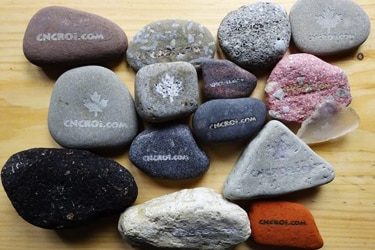
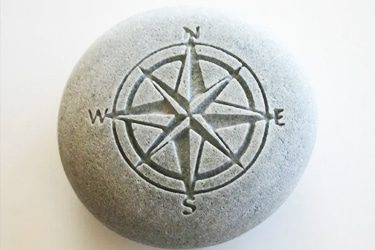
Applications of Laser Marking Stone


Customer Testimonials
Related Resources
What Is the Marking Speed of Laser Marking Machines?
This article explores typical laser marking speeds, the factors that affect processing speed and cycle time, and how laser type, material, power, and settings influence marking performance.
Applications of Laser Marking Machines
This article explores the applications of laser marking machines across the automotive, electronics, medical, packaging, metalworking, consumer goods, traceability, automation, and personalization sectors.
How Do Laser Parameters Affect The Marking Effect?
This article explores how laser power, speed, frequency, pulse width, focus, wavelength, hatch spacing, and material properties influence marking quality, depth, contrast, and precision.
How Does Laser Beam Quality Affect Marking Results?
This article explores how laser beam quality affects marking clarity, contrast, line width, edge sharpness, depth control, heat input, material response, and marking repeatability.
Frequently Asked Questions
How Does Laser Marking Work on Stone?
- How the Process Works: A laser beam, typically from a CO2 laser, is directed onto the stone surface. The stone absorbs the laser energy, which is converted into heat. This heat causes localized changes in the material, such as micro-fracturing, melting, or slight vaporization. These changes create a contrast between the marked and unmarked areas, forming the visible design.
- Material Interaction and Mark Formation: Stone does not melt uniformly like plastics or metals. Instead, the laser creates tiny fractures or roughens the surface, producing a lighter or darker appearance depending on the stone type. For example, granite often develops a lighter, frosted look, while some stones may darken due to mineral changes. The marking effect depends heavily on the mineral composition and color of the stone.
- Types of Stone and Compatibility: Different stones respond differently to laser marking. Granite, slate, and marble are commonly marked because they produce a clear contrast. Softer stones may engrave more easily but can lose detail if overexposed. Harder stones require more energy but typically yield sharper results.
- Parameter Control: Power, speed, and resolution must be carefully adjusted. Higher power or slower speeds increase marking depth and contrast but can cause excessive chipping or roughness. Lower power produces finer, more detailed marks but may reduce visibility. Proper focus ensures consistent energy delivery and sharp edges.
- Surface Finish Influence: Polished stone surfaces may reflect some energy and produce subtler marks, while rough or matte surfaces tend to absorb energy better, enhancing contrast. Surface preparation can improve marking consistency.
How Does The Stone Composition Affect Laser Marking Results?
- Mineral Content and Energy Absorption: The minerals within a stone control how well it absorbs laser energy. Darker minerals, such as those found in granite or basalt, absorb energy more efficiently, leading to stronger and more visible marks. Lighter stones, such as marble or limestone, may reflect more energy, requiring higher power or slower speeds to achieve similar results.
- Thermal Response and Mark Formation: Different compositions respond differently to heat. Some stones develop micro-fractures when exposed to laser energy, creating a frosted or lighter appearance. Others may undergo slight melting or chemical changes, resulting in darker marks. The balance between these effects depends on the mineral structure and bonding within the stone.
- Grain Structure and Consistency: Stones with fine, uniform grain structures tend to produce smoother and more consistent markings. Coarse or uneven grain can lead to irregular results, where some areas mark more deeply or clearly than others. This affects both visual quality and detail accuracy.
- Hardness and Density: Harder stones generally require more energy to mark but often produce sharper and more durable results. Softer stones are easier to engrave but may chip, crumble, or lose detail if too much energy is applied. Density also influences how heat spreads within the material, affecting marking depth and edge quality.
- Color and Contrast: Stone color directly impacts contrast. Dark stones typically produce high-contrast, light-colored marks, making designs more visible. Light-colored stones may produce subtler markings, which can be harder to see without proper parameter adjustment.
- Presence of Impurities: Natural stones often contain impurities or variations in composition. These can cause inconsistent marking, with uneven depth, color, or texture across the surface. Testing is often required to optimize results for each specific material.
Can Laser Marking Produce High Contrast On Stone?
- How Contrast Is Created: Laser marking on stone works by heating the surface to cause micro-fractures, slight melting, or mineral changes. These effects change how light reflects off the surface. In many cases, the marked area becomes lighter and rougher, creating a frosted appearance that contrasts with the surrounding polished surface.
- Influence of Stone Type: Some stones naturally produce better contrast than others. Granite and slate are among the best materials because they often contain dark minerals that turn lighter when marked, creating a strong visual contrast. Marble and lighter stones can be more challenging, as the difference between marked and unmarked areas may be less noticeable.
- Color and Background Effect: Darker stones generally produce higher contrast because the laser creates light-colored marks against a dark background. On lighter stones, the contrast may appear subtle unless parameters are carefully adjusted or additional finishing techniques are used.
- Laser Parameters and Optimization: Power, speed, and resolution all affect contrast. Higher power or slower speeds increase the marking effect, enhancing contrast, but excessive energy can cause chipping or roughness. Lower power produces finer detail but may reduce visibility. Achieving high contrast requires balancing these settings based on the specific stone.
- Surface Finish: Polished surfaces tend to highlight contrast more effectively because the smooth background reflects light differently than the roughened marked area. Rough or textured surfaces may reduce the visible difference, making marks appear less distinct.
- Use of Post-Processing: In some cases, contrast can be improved by applying fillers, paints, or sealants after marking. These materials settle into the engraved areas, increasing visibility.
What Are The Challenges In Laser Marking Stone?
- Material Variability: Stone is a natural material, so its composition can vary even within the same piece. Differences in mineral content, grain size, and density can lead to uneven marking. Some areas may respond well to the laser, while others produce lighter or rougher results, reducing consistency and repeatability.
- Cracking and Chipping: Stone is brittle and sensitive to thermal stress. Rapid heating from the laser can cause micro-cracks or surface chipping, especially if the energy input is too high. These defects can reduce the quality of the mark and weaken the surface locally.
- Limited Depth Control: Unlike softer materials, stone does not melt uniformly. Instead, it fractures or ablates in small amounts, making it difficult to achieve precise depth control. Excessive energy can lead to rough, uneven engraving, while too little energy produces shallow or barely visible marks.
- Contrast Limitations: Not all stones produce a strong contrast. Light-colored stones, such as marble or limestone, often result in subtle markings that are harder to see. Achieving high contrast may require careful parameter adjustment or post-processing techniques.
- Surface Finish Sensitivity: The initial surface condition affects the final result. Polished stones can enhance contrast but may reflect some laser energy, while rough surfaces absorb energy better but may reduce detail clarity. Variations in surface finish can lead to inconsistent marking quality.
- Dust and Debris Generation: Laser marking stone produces fine dust and particles. These can settle on the surface, affecting visibility, or accumulate in the machine, requiring regular cleaning. Proper extraction systems are necessary to maintain a clean working environment.
- Parameter Optimization: Finding the right combination of power, speed, and resolution can be challenging. Small changes in settings can significantly affect the outcome, especially with different stone types. Testing is often required for each material.
What Are The Common Defects In Laser Marking Stone?
- Cracking and Micro-Fractures: One of the most common defects is surface cracking. Rapid heating from the laser causes thermal stress, leading to small cracks or fractures in the stone. While some micro-fracturing is part of the marking process, excessive cracking can damage the surface and reduce quality.
- Chipping and Material Breakout: Stone can chip when too much energy is applied. Small fragments may break away from the surface, creating rough edges and uneven markings. This is especially common in softer or brittle stones.
- Uneven or Patchy Marking: Due to natural variations in mineral composition, some areas of the stone may mark differently from others. This can result in inconsistent contrast, depth, or texture across the design, making the final result look uneven.
- Low Contrast or Faded Appearance: Certain stones, especially light-colored ones, may not produce a strong contrast. The marking may appear faint or difficult to see, particularly if the laser settings are not optimized for that specific material.
- Excessive Roughness: Instead of a clean, frosted effect, the surface may become overly rough or grainy. This occurs when too much energy is applied, causing uncontrolled fracturing rather than a uniform marking effect.
- Edge Distortion and Loss of Detail: Fine details can be lost if the laser parameters are not properly controlled. Edges may appear blurred or widened due to heat spreading beyond the intended marking area, reducing precision.
- Surface Discoloration Beyond the Mark: Heat can affect areas surrounding the design, causing unwanted discoloration or haze. This reduces contrast and makes the mark less defined.
- Dust and Residue Accumulation: Laser marking produces fine dust and debris that can settle on the surface. If not properly removed, this residue can reduce clarity and affect the appearance of the mark.
How Is Heat Input Minimized In Laser Marking Stone?
- Optimizing Laser Power: Using lower laser power is one of the most effective ways to reduce heat input. Instead of applying high energy in a single pass, the process can be adjusted to deliver only the amount needed to create visible marking. Lower power reduces the risk of overheating and minimizes internal stress within the stone.
- Increasing Marking Speed: Faster scanning speeds reduce the amount of time the laser interacts with a specific area. This limits heat buildup and prevents excessive thermal expansion. By reducing dwell time, the stone experiences less stress, lowering the risk of cracks and surface damage.
- Using Multiple Passes: Rather than applying high energy in one pass, multiple low-energy passes can be used. Each pass removes or modifies a small amount of material, allowing heat to dissipate between passes. This approach provides better control and reduces the likelihood of thermal shock.
- Proper Beam Focus: Maintaining correct focus ensures that energy is concentrated only where needed. A well-focused beam delivers efficient marking with minimal excess heat. Slight defocusing can also be used in some cases to spread energy more evenly and reduce localized overheating.
- Pulse Control and Frequency Adjustment: For pulsed lasers, adjusting frequency and pulse duration helps control how energy is delivered. Shorter pulses with appropriate spacing allow the material to cool between energy bursts, reducing overall heat accumulation.
- Cooling and Air Assist: Air assist systems help remove heat from the surface during marking. They also clear dust and debris, preventing additional heat absorption. In some setups, external cooling methods may be used to further reduce temperature buildup.
- Surface Preparation and Material Selection: Choosing stones with uniform composition and preparing the surface properly can improve heat distribution. Consistent materials respond more predictably, reducing localized overheating.
How Is Operator Safety Ensured In Laser Marking Stone?
- Enclosed Systems and Machine Safeguards: Most modern laser marking machines are enclosed to prevent exposure to the laser beam. These enclosures often include interlock systems that automatically shut off the laser if the door is opened. This prevents accidental exposure to harmful laser radiation and is one of the most effective safety measures.
- Laser Safety Eyewear: Operators should wear laser safety glasses that are specifically rated for the laser’s wavelength, such as CO2 lasers. Even with enclosed systems, eyewear provides an additional level of protection against accidental exposure or reflections.
- Ventilation and Dust Extraction: Laser marking stone generates fine dust and particles that can be harmful if inhaled. Proper ventilation systems, including local exhaust and filtration units, are essential to remove airborne contaminants. High-efficiency filters help maintain clean air in the workspace.
- Respiratory Protection: In environments where dust levels may still be present, operators may need to use respirators or dust masks. This is particularly important during maintenance or when working with open systems.
- Protective Clothing and Gloves: Operators should wear appropriate clothing to protect against dust and hot surfaces. Gloves can be used when handling recently marked stone, as it may retain heat. Cut-resistant gloves are also useful when handling sharp or brittle materials.
- Fire Prevention Measures: Although stone itself is not flammable, dust and surrounding materials may pose a fire risk. Keeping the workspace clean and having fire extinguishing equipment nearby is important. Continuous monitoring during operation helps detect any issues early.
- Training and Safe Work Practices: Proper training ensures that operators understand machine operation, material compatibility, and emergency procedures. This reduces the likelihood of accidents and ensures safe handling of equipment.
- Regular Maintenance: Maintaining the laser marking system, including optics and extraction units, ensures that it operates safely and efficiently. Poorly maintained systems can lead to increased risks.
What Training Is Required For Operators Of Laser Marking Stones?
- Laser Safety Training: The most critical requirement is formal laser safety training. Operators must understand the risks associated with laser radiation, including eye and skin hazards. Training covers the correct use of protective equipment, such as wavelength-specific safety glasses, and the importance of machine safeguards like enclosures and interlocks. Emergency procedures and hazard awareness are also key components.
- Machine Operation and Setup: Operators need hands-on training in how to use the laser marking system. This includes starting and shutting down the machine, setting parameters such as power, speed, and resolution, and adjusting focus. Understanding the control software is equally important, as it determines how designs are transferred and executed on the stone surface.
- Material Knowledge and Handling: Stone materials vary widely in composition and behavior. Operators must learn how different types of stone, such as granite, marble, or slate, respond to laser energy. This includes recognizing how composition, color, and surface finish affect marking results. Proper handling techniques are also important to prevent damage or injury when working with heavy or brittle materials.
- Parameter Optimization and Testing: Training should include how to test and adjust parameters for different stones. Operators must learn how to balance power and speed to achieve good contrast without causing cracking or chipping. Trial runs and sample testing are often part of this process.
- Ventilation and Dust Control: Since laser marking stone generates dust and fine particles, operators must understand how to use ventilation and extraction systems effectively. Training includes maintaining airflow, replacing filters, and recognizing signs of poor air quality.
- Maintenance and Troubleshooting: Basic maintenance training is necessary to keep the machine running safely and efficiently. This includes cleaning optics, checking alignment, and identifying common issues such as inconsistent marking or excessive debris.
- Workplace Safety Practices: General safety practices, such as keeping the work area clean, handling materials safely, and responding to emergencies, are also essential.