

Introduction
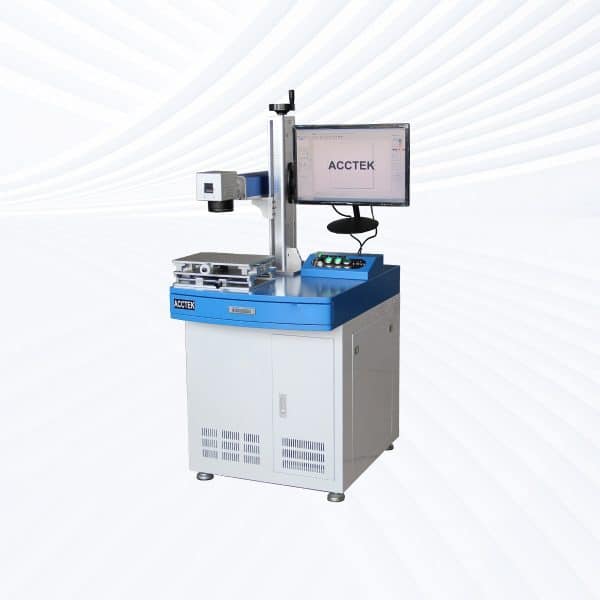
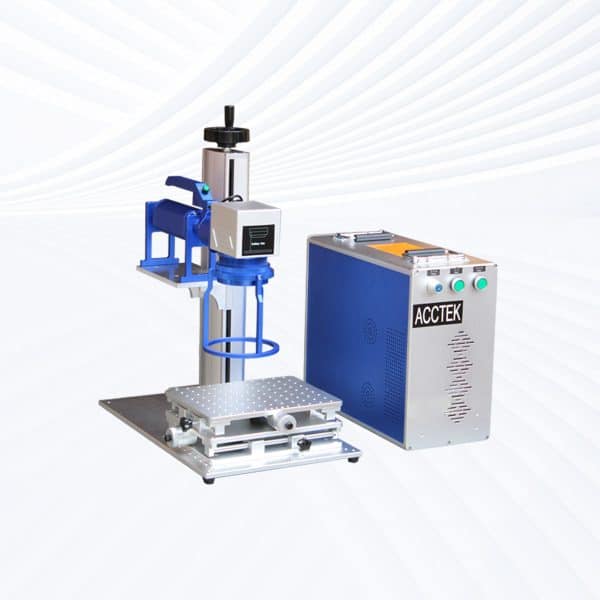
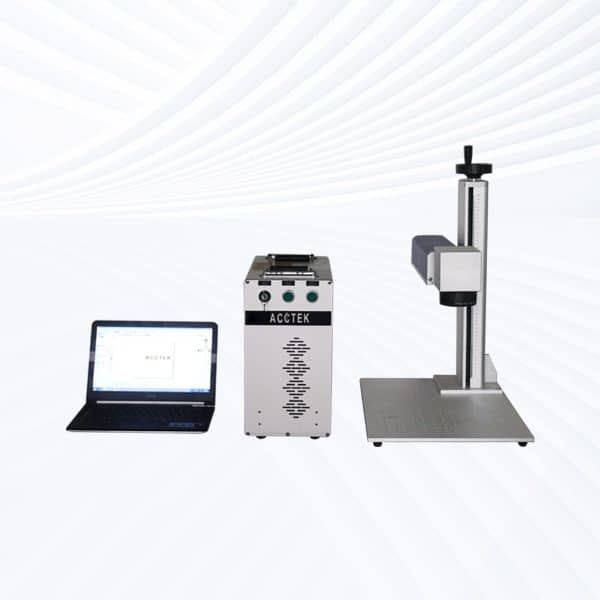

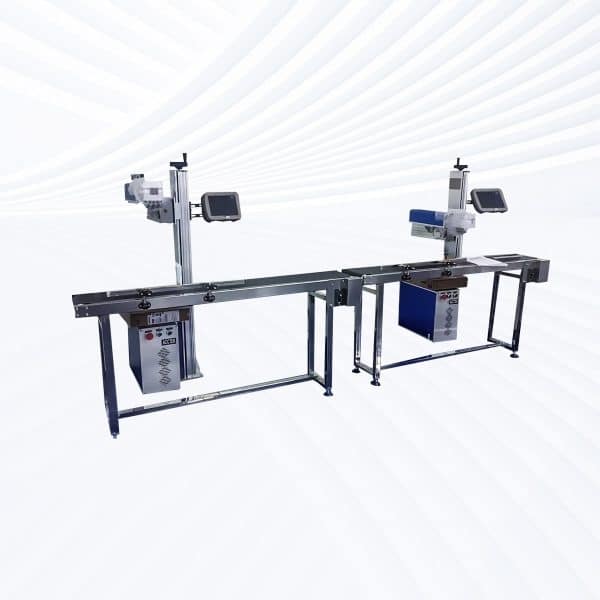
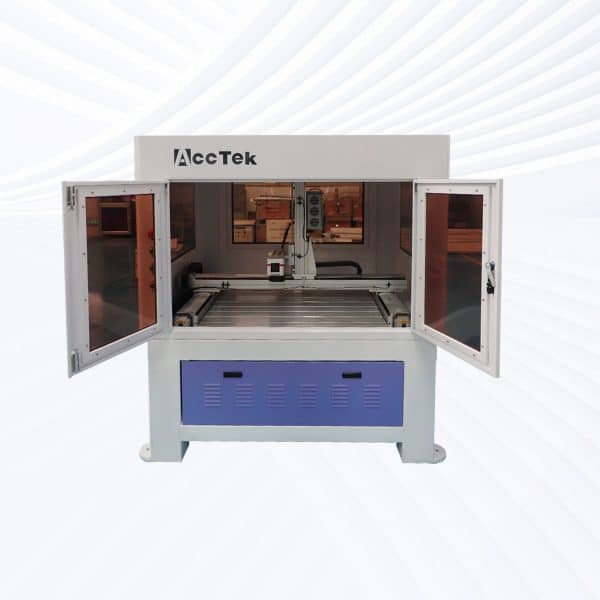
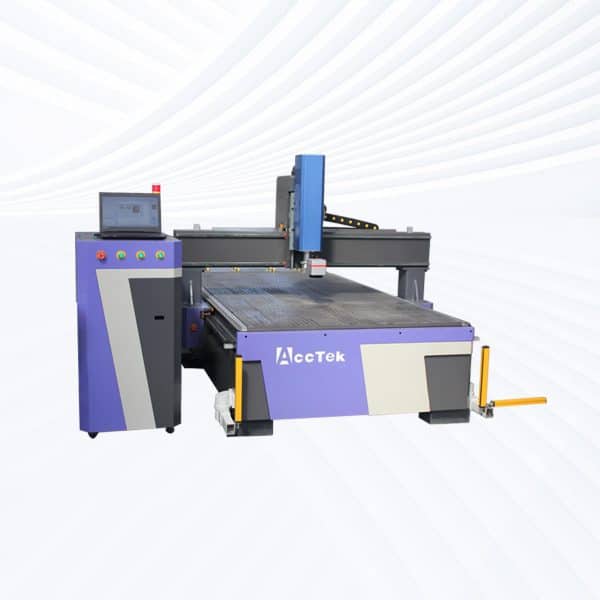
Advantages of Laser Marking Wood
High Precision and Detailed Engraving
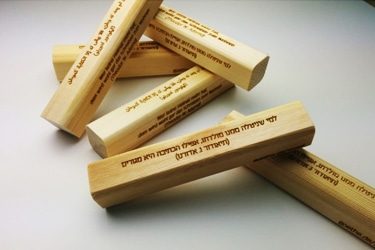
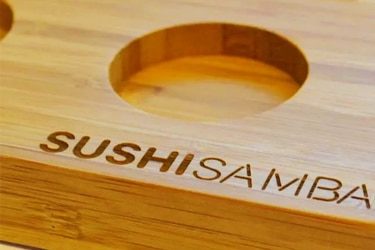
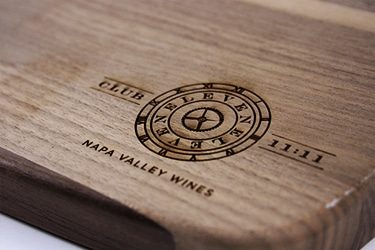
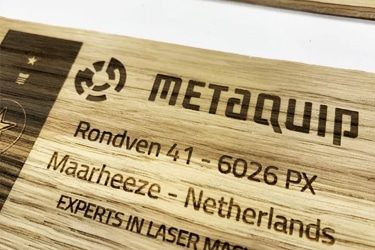
Laser marking allows extremely precise engraving on wood surfaces. It can create fine text, intricate patterns, detailed artwork, and logos with excellent clarity, making it ideal for decorative designs, branding, and customized wooden products.
Permanent and Long-Lasting Marks
Laser markings on wood are permanent and resistant to fading or wear. The laser slightly carbonizes the wood surface, creating a strong contrast that remains visible throughout the product’s lifespan, even with frequent handling.
Non-Contact Processing
Laser marking is a non-contact process, meaning the laser beam does not physically touch the wood surface. This eliminates mechanical pressure, reduces the risk of cracking or deformation, and helps maintain the natural structure of the wood.
Flexible Design and Customization
Laser marking systems are digitally controlled, allowing quick adjustments to designs, logos, text, or images. This flexibility makes the technology suitable for both mass production and customized wooden products such as gifts, crafts, and decorative items.
Clean and Environmentally Friendly Process
Unlike traditional printing or staining methods that use inks or chemicals, laser marking is a clean process. It produces minimal waste and does not require consumables, helping maintain environmentally friendly production.
High Efficiency and Consistent Quality
Laser marking machines operate quickly and can handle a wide variety of wooden materials. The digital control system ensures consistent engraving quality across multiple pieces, improving productivity for both small workshops and large-scale production.
Compatible Materials
- Oak Wood
- Maple Wood
- Birch Wood
- Pine Wood
- Cedar Wood
- Walnut Wood
- Cherry Wood
- Mahogany Wood
- Beech Wood
- Ash Wood
- Teak Wood
- Bamboo
- Spruce Wood
- Fir Wood
- Redwood
- Poplar Wood
- Alder Wood
- Hickory Wood
- Rosewood
- Ebony Wood
- Acacia Wood
- Larch Wood
- Sycamore Wood
- Olive Wood
- Elm Wood
- Chestnut Wood
- Basswood
- Balsa Wood
- Rubberwood
- Cork Wood
- Plywood
- MDF
- HDF
- Particle Board
- Laminated Wood
- Veneer Wood
- Engineered Wood
- Composite Wood
- Wood Fiber Board
- Decorative Wood Panels
Laser Marking VS Other Marking Methods
| Comparison Item | Laser Marking | Screen Printing | Pad Printing | Digital Printing |
|---|---|---|---|---|
| Marking Method | Uses a focused laser beam to engrave or carbonize the wood surface | Ink is pushed through a mesh screen onto the wood surface | Ink is transferred from an etched plate using a silicone pad | Ink is printed directly onto the wood surface using digital printers |
| Contact with Material | Non-contact process | Contact process | Contact process | Contact process |
| Durability of Marks | Permanent and resistant to fading or wear | Moderate durability; ink may fade or chip over time | Moderate durability depending on ink adhesion | Lower durability compared with laser engraving |
| Use of Consumables | No inks, solvents, or plates required | Requires inks, screens, and cleaning chemicals | Requires inks, pads, and etched plates | Requires ink cartridges and maintenance fluids |
| Environmental Impact | Clean process with minimal waste | Ink and solvent use can generate chemical waste | Uses inks and cleaning chemicals | Ink cartridge waste and printing materials are required |
| Precision and Detail | High precision for intricate designs and text | Good detail, but limited by screen resolution | Suitable for simple graphics and logos | High-resolution printing possible |
| Suitability for Images | Excellent for engraved patterns and artwork | Suitable for simple graphics | Limited to detailed images | Very good for full-color images |
| Surface Compatibility | Works well on natural, textured, or uneven wood surfaces | Best suited for relatively flat surfaces | Suitable for curved or irregular surfaces | Mostly suitable for flat surfaces |
| Setup Time | Minimal setup with digital design input | Longer setup due to screen preparation | Requires plate preparation and setup | Minimal setup time |
| Production Speed | Fast and suitable for automated processes | Moderate production speed | Moderate speed depending on setup | Fast for small production runs |
| Maintenance Requirements | Low maintenance with minimal wear parts | Screens require cleaning and replacement | Pads and plates require regular maintenance | Printers require maintenance and ink replacement |
| Marking Consistency | Highly consistent due to digital laser control | Consistency may vary due to ink flow | May vary due to pad wear or pressure changes | Good consistency, but it depends on printer calibration |
| Operating Costs | Low long-term cost due to lack of consumables | Ongoing cost for inks and screens | Ongoing cost for inks and pad replacement | Continuous cost for ink cartridges |
| Material Damage Risk | Very low due to non-contact engraving | Low risk, but ink absorption may vary | Slight pressure applied during printing | Low risk but may require surface preparation |
| Typical Applications | Ideal for permanent engraving, decorative patterns, and branding | Suitable for decorative prints and simple logos | Suitable for small graphics | Suitable for full-color decorative printing |
Laser Marking Capacity
| Item | Engraving | Annealing | Etching | Foaming | Deep Marking | Color Marking | QR Code Marking | Photo Marking |
|---|---|---|---|---|---|---|---|---|
| Ceramics | Yes | Yes | Yes | No | Yes | No | Yes | Yes |
| Glass | No | Yes | Yes | No | No | Yes | Yes | Yes |
| Leather | Yes | No | Yes | Yes | No | No | Yes | Yes |
| Stainless Steel | Yes | Yes | Yes | No | Yes | Yes | Yes | Yes |
| Carbon Steel | Yes | Yes | Yes | No | Yes | Yes | Yes | Yes |
| Aluminum | Yes | Yes | Yes | No | Yes | Yes | Yes | Yes |
| Titanium | Yes | Yes | Yes | No | Yes | Yes | Yes | Yes |
| ABS | Yes | No | Yes | Yes | No | No | Yes | Yes |
| Acrylic | Yes | No | Yes | Yes | No | No | Yes | Yes |
| Polycarbonate | Yes | No | Yes | Yes | No | No | Yes | Yes |
| Rubber | Yes | No | Yes | Yes | No | No | Yes | Yes |
| Marble | Yes | No | Yes | No | No | No | Yes | Yes |
| Granite | Yes | No | Yes | No | No | No | Yes | Yes |
| Wood | Yes | No | Yes | Yes | No | Yes | Yes | Yes |
| MDF | Yes | No | Yes | Yes | No | Yes | Yes | Yes |
| Paper | Yes | No | Yes | Yes | No | No | Yes | Yes |
| Cardboard | Yes | No | Yes | Yes | No | No | Yes | Yes |
| Textile | Yes | No | Yes | Yes | No | No | Yes | Yes |
| Ceramic-Coated Metal | Yes | Yes | Yes | No | Yes | Yes | Yes | Yes |
| Anodized Aluminum | Yes | Yes | Yes | No | Yes | Yes | Yes | Yes |
| Composite Materials | Yes | No | Yes | Yes | No | No | Yes | Yes |
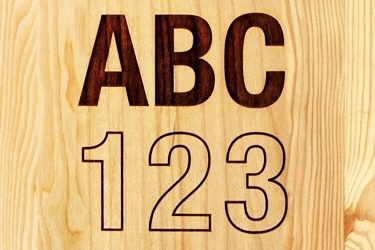
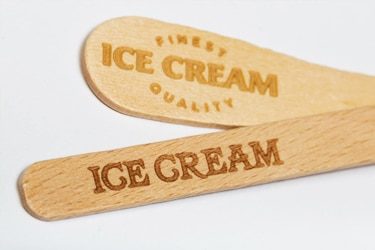
Applications of Laser Marking Wood


Customer Testimonials
Related Resources
What Is the Marking Speed of Laser Marking Machines?
This article explores typical laser marking speeds, the factors that affect processing speed and cycle time, and how laser type, material, power, and settings influence marking performance.
Applications of Laser Marking Machines
This article explores the applications of laser marking machines across the automotive, electronics, medical, packaging, metalworking, consumer goods, traceability, automation, and personalization sectors.
How Do Laser Parameters Affect The Marking Effect?
This article explores how laser power, speed, frequency, pulse width, focus, wavelength, hatch spacing, and material properties influence marking quality, depth, contrast, and precision.
How Does Laser Beam Quality Affect Marking Results?
This article explores how laser beam quality affects marking clarity, contrast, line width, edge sharpness, depth control, heat input, material response, and marking repeatability.
Frequently Asked Questions
How Does Laser Marking Work on Wood?
- How the Process Works: A CO2 laser beam is directed onto the wood surface. The wood absorbs the laser energy, which is converted into heat. This heat causes the surface to burn, char, or vaporize in a controlled way. The result is a contrast between the marked (darkened or recessed) area and the surrounding unmarked wood.
- Material Interaction and Mark Formation: Wood is an organic material composed of cellulose and lignin, which react strongly to heat. When exposed to the laser, these components undergo carbonization, producing a darker color. In some cases, the laser also removes a thin layer of material, creating a slight depth. The combination of color change and texture creates the visible mark.
- Types of Wood and Response: Different woods respond differently to laser marking. Hardwoods like oak or maple tend to produce fine, detailed marks, while softwoods like pine may burn more unevenly due to their resin content and variable grain. Engineered woods such as plywood or MDF can also be marked, but adhesives and layers may affect consistency.
- Parameter Control: Power, speed, and resolution must be carefully adjusted. Higher power or slower speeds increase burning and depth, producing darker and more pronounced marks. Lower power creates lighter marks with finer detail. Excessive energy can cause over-burning, charring, or even ignition, so careful tuning is essential.
- Grain and Surface Effects: The natural grain of wood influences marking quality. Variations in density within the grain can lead to uneven coloration or depth. Smooth, sanded surfaces generally produce cleaner and more consistent results.
What Are The Challenges In Laser Marking Wood?
- Material Variability and Grain Structure: Wood is not uniform. Variations in grain, density, and moisture content can cause uneven marking. Hard and soft areas within the same piece may react differently to the laser, leading to inconsistent color, depth, or texture. This makes repeatability more difficult compared to synthetic materials.
- Burning and Over-Charring: Wood reacts strongly to heat, so excessive laser energy can cause over-burning or deep charring. Instead of clean, controlled marks, the surface may become overly dark, rough, or brittle. In extreme cases, the wood can ignite, especially if the laser remains in one area too long.
- Smoke and Residue Formation: Laser marking wood produces smoke, soot, and resin residues. These byproducts can settle back onto the surface, reducing contrast and leaving unwanted stains around the marked area. Proper ventilation and air assist are necessary to maintain clean results.
- Moisture Content Sensitivity: The moisture level in wood affects how it responds to laser energy. Damp wood may absorb heat differently, leading to uneven marking or reduced contrast. Dry wood, on the other hand, may burn more quickly, increasing the risk of charring or fire.
- Edge Quality and Detail Control: Fine details can be difficult to maintain due to heat spread. The edges of marks may appear slightly blurred or widened, especially at higher power settings. Achieving sharp, precise lines requires careful parameter tuning.
- Color Consistency and Contrast: Different wood species produce different shades when marked. Some woods create strong, dark contrast, while others produce lighter or less visible marks. Achieving consistent color across different materials can be challenging.
- Layered and Engineered Woods: Materials like plywood or MDF contain adhesives and multiple layers. These can react unpredictably to the laser, producing uneven marks, additional fumes, or inconsistent depth.
How Does Wood Grain Affect Laser Marking?
- Variation in Density: Wood grain consists of alternating regions of harder and softer fibers. Dense grain areas absorb and react to laser energy differently from softer regions. Harder sections may resist burning slightly, producing lighter marks, while softer areas burn more easily, resulting in darker or deeper marks. This variation can create uneven contrast across the design.
- Effect on Color and Contrast: The laser marking process on wood relies on controlled burning (carbonization). Because grain affects how heat is distributed, the color of the mark may vary along the grain pattern. This can give the marking a natural, textured appearance, but it may reduce uniformity, especially in designs that require consistent shading.
- Impact on Detail and Precision: Fine details can be affected by grain direction and structure. In areas where the grain is irregular or coarse, the laser may produce slightly blurred or uneven edges. Straight, tight grain patterns tend to support better detail and sharper lines, while open or irregular grain can distort small features.
- Directional Influence: The orientation of the grain relative to the marking direction can also matter. Marks made across the grain may appear different from those made along it, due to variations in how the laser interacts with the fibers. This can influence both depth and visual consistency.
- Burn Behavior and Heat Spread: Grain structure affects how heat spreads within the wood. Softer regions may allow heat to penetrate more quickly, increasing the risk of over-burning. Harder regions may limit heat penetration, leading to lighter marks. Balancing these effects requires careful parameter adjustment.
- Surface Preparation and Material Selection: Sanded, uniform surfaces with fine grain generally produce more consistent results. Choosing wood species with tight, even grain can help minimize variation and improve overall marking quality.
What Are The Common Defects In Laser Marking Wood?
- Over-Burning and Excessive Charring: One of the most frequent defects is excessive burning. When laser power is too high or speed is too slow, the wood can char deeply, resulting in overly dark, brittle, or uneven marks. This can also lead to a rough surface and loss of fine detail.
- Uneven Marking and Patchiness: Wood’s natural variation in grain and density can cause inconsistent marking. Softer areas may burn more deeply than harder regions, creating patchy contrast and uneven depth across the design. This is especially noticeable in woods with pronounced grain patterns.
- Smoke Staining and Residue: Laser marking generates smoke and soot, which can settle on the wood surface. This may leave unwanted stains or discoloration around the engraved area, reducing visual clarity. Without proper air assist or cleaning, the final result can appear dirty or blurred.
- Edge Burning and Blur: Edges of the design may appear wider or less sharp due to heat spreading beyond the intended marking area. This can reduce precision, especially in detailed graphics or small text.
- Surface Roughness: Excessive heat can damage the surface, creating a rough or fibrous texture instead of a clean, engraved finish. This is more common in softer woods or when parameters are not optimized.
- Inconsistent Depth: Variations in material structure can lead to uneven engraving depth. Some areas may be deeper than others, affecting both appearance and functionality.
- Fire Risk and Scorch Marks: Wood is flammable, so improper settings or lack of supervision can lead to scorching or even ignition. Even minor overheating can leave burn marks outside the intended design.
- Layer Separation in Engineered Wood: In materials like plywood, the laser may cause layers to separate or adhesives to react differently, leading to irregular marking or defects.
What Safety Risks Exist In Laser Marking Wood?
- Fire and Ignition Risk: Wood is highly flammable, making fire the most significant hazard. The laser generates intense heat that can easily ignite the material, especially if the power is too high or the beam remains in one spot too long. Resin-rich woods and fine dust increase this risk. Continuous supervision and proper parameter settings are critical to prevent fires.
- Smoke and Fume Exposure: Laser marking wood produces smoke, soot, and gases from the burning of organic materials. These fumes can contain harmful compounds and irritate the respiratory system. Without proper ventilation or extraction systems, operators may be exposed to unhealthy air conditions.
- Dust and Particulate Hazards: Fine particles generated during marking can become airborne. Inhaling wood dust can cause respiratory issues over time. Accumulated dust may also pose a secondary fire or explosion risk in enclosed environments if not properly managed.
- Laser Radiation Exposure: Direct or reflected exposure to the laser beam can cause serious eye or skin injury. Even though most systems are enclosed, improper use or maintenance can increase the risk. Protective eyewear and machine interlocks are essential safety measures.
- Burns from Hot Surfaces: Recently marked wood and nearby components can remain hot after processing. Handling materials too soon can result in burns. Operators should allow sufficient cooling time or use protective gloves.
- Chemical Exposure from Treated Wood: Some wood products, such as plywood or treated lumber, contain adhesives, coatings, or chemicals. When exposed to laser heat, these materials may release toxic fumes, increasing health risks.
- Poor Ventilation and Air Quality: Inadequate extraction systems can allow smoke and particles to accumulate, reducing visibility and creating unsafe working conditions. This can also affect machine performance over time.
- Operational and Handling Risks: Improper handling of materials, incorrect machine setup, or lack of training can lead to accidents, including misfires or damage to equipment.
How To Deal With The Fumes Generated When Laser Marking Wood?
- Use of Proper Ventilation Systems: The most important step is installing a reliable ventilation system. Local exhaust ventilation (LEV) captures fumes directly at the source before they spread into the workspace. Ducting systems should direct contaminated air outside of the facility or into a filtration unit. Proper airflow design ensures that fumes are removed efficiently without recirculating.
- Fume Extraction and Filtration Units: Dedicated laser fume extractors are highly effective. These systems typically use multi-stage filtration, including pre-filters for large particles, HEPA filters for fine dust, and activated carbon filters to remove gases and odors. This combination ensures cleaner air and protects both operators and equipment.
- Air Assist Systems: Air assist directs a stream of air at the laser interaction point. This helps blow away smoke and debris as they are generated, preventing buildup on the surface and reducing the amount of fumes that linger. It also improves marking clarity by keeping the work area clean.
- Regular Maintenance of Filters and Equipment: Filters and extraction systems must be maintained regularly. Clogged or worn filters reduce efficiency and allow fumes to escape. Routine inspection and replacement ensure consistent performance and safe air quality.
- Material Selection and Preparation: Using untreated, clean wood reduces harmful emissions. Engineered woods like plywood or MDF can release more fumes because of adhesives and resins. Selecting appropriate materials helps minimize hazardous byproducts.
- Operator Protection Measures: In addition to engineering controls, operators may use respiratory protection if required, especially in environments where ventilation is limited. Proper training ensures that workers understand when and how to use protective equipment.
- Work Area Management: Keeping the workspace clean reduces dust accumulation, which can contribute to both air quality issues and fire risks. Good housekeeping practices support overall safety.
What PPE Is Required For Laser Marking Wood?
- Laser Safety Eyewear: Proper laser safety glasses are one of the most important PPE items. These must be rated for the specific wavelength of the laser, such as CO2 lasers. They protect the eyes from accidental exposure to direct or reflected laser beams, which can cause serious injury.
- Respiratory Protection: Laser marking wood produces smoke, fine particles, and potentially harmful gases. In cases where ventilation is not fully sufficient, operators should wear dust masks or respirators. Respirators with appropriate filters (such as particulate or combination filters) help prevent inhalation of harmful substances.
- Protective Gloves: Gloves are useful when handling wood materials, especially after marking. Recently processed pieces can remain hot and may cause burns. Gloves also protect against splinters and sharp edges, particularly when working with rough or cut wood.
- Protective Clothing: Operators should wear non-flammable, close-fitting clothing to reduce the risk of fire or heat exposure. Loose clothing should be avoided, as it may come into contact with moving parts or heated surfaces. Long sleeves can provide additional protection against minor burns or debris.
- Eye and Face Protection (General): In addition to laser-specific eyewear, safety glasses or face shields may be used to protect against dust and flying particles, especially during cleaning or maintenance tasks.
- Hearing Protection (If Needed): While laser marking machines are generally not very loud, associated equipment such as extraction systems may generate noise. In such environments, hearing protection may be required.
- Foot Protection: Safety shoes are recommended, especially in industrial settings where heavy wood pieces are handled. They protect against dropped materials and improve overall workplace safety.
What Training Is Required For Operators Of Laser Marking Wood?
- Laser Safety Training: The most fundamental requirement is laser safety training. Operators must understand the risks of laser radiation, including eye and skin exposure. This includes proper use of laser-rated safety eyewear, awareness of beam hazards, and understanding safety features such as enclosures and interlocks. Emergency procedures and safe shutdown practices are also essential parts of this training.
- Machine Operation and Software Use: Operators need hands-on training in operating the laser marking system. This includes starting and stopping the machine, setting parameters like power, speed, and resolution, and focusing the laser correctly. Familiarity with design and control software is also important, as it determines how patterns and text are applied to the wood surface.
- Material Knowledge and Behavior: Wood behaves differently depending on species, grain, and moisture content. Operators must learn how different types of wood respond to laser energy, including how to control burning, avoid over-charring, and achieve consistent contrast. Understanding the risks associated with treated or engineered wood is also important.
- Fire Prevention and Risk Management: Because wood is flammable, operators must be trained in fire prevention. This includes recognizing unsafe settings, monitoring the process during operation, and knowing how to respond quickly if ignition occurs. Fire extinguishers and emergency protocols should be part of this training.
- Ventilation and Fume Control: Training should cover the proper use of ventilation and fume extraction systems. Operators need to understand how to manage smoke and airborne particles, maintain filters, and ensure good air quality in the workspace.
- Parameter Optimization and Testing: Operators should be trained to test and adjust settings for different wood types. This includes balancing power and speed to achieve clean marks without damaging the material. Trial runs and sample testing are key skills.
- Maintenance and Troubleshooting: Basic maintenance, such as cleaning optics, checking alignment, and identifying common issues, helps ensure safe and consistent operation.