

Introduction

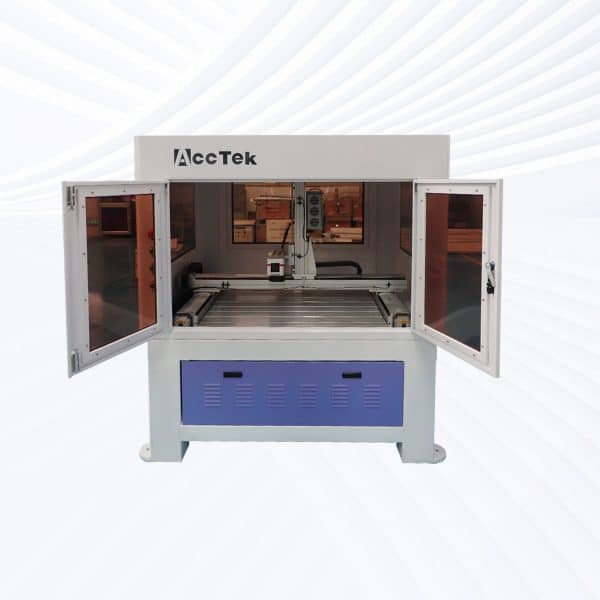
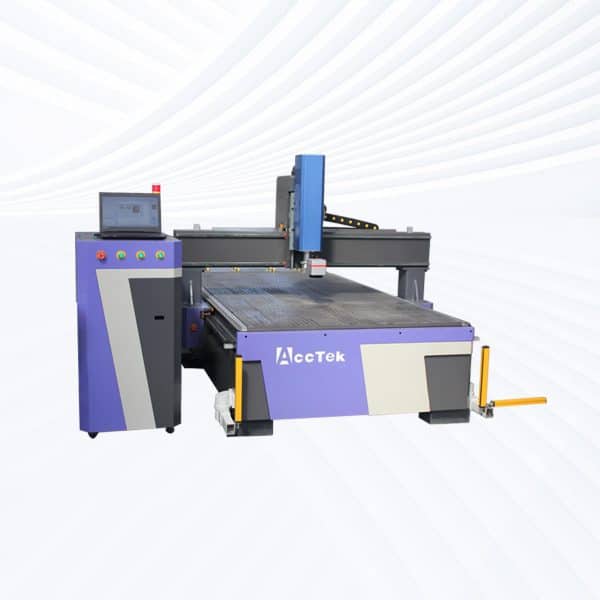
Advantages of Laser Marking Leather
High Precision and Detailed Designs
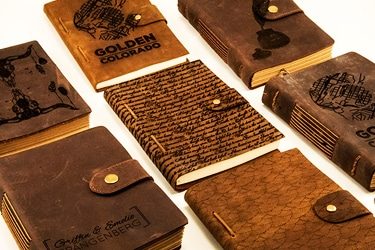
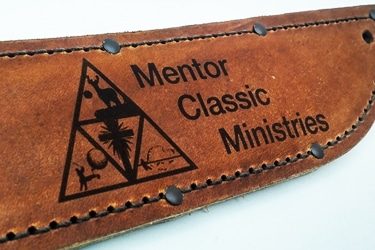
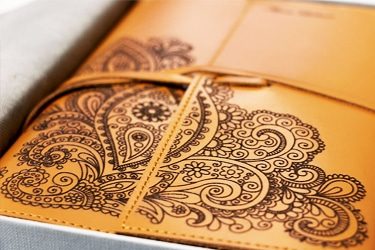
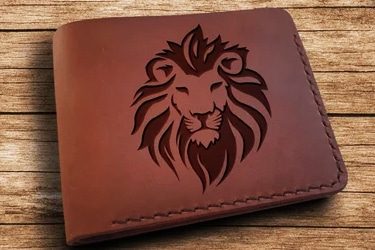
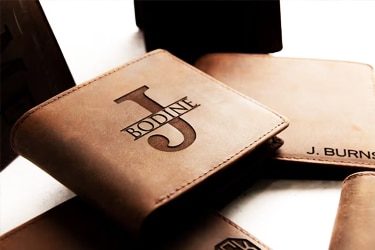
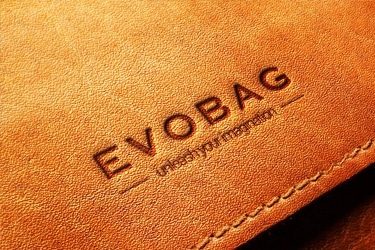
Laser marking allows extremely precise engraving on leather surfaces. It can produce fine text, intricate patterns, logos, and decorative elements with excellent clarity. This precision makes it ideal for branding, personalization, and high-end leather product decoration.
Non-Contact Processing
Laser marking is a non-contact process, meaning the laser beam does not physically touch the leather surface. This prevents mechanical stress or deformation, helping maintain the natural texture and quality of the leather during the marking process.
Permanent and Durable Markings
Laser markings on leather are long-lasting and resistant to fading or wear. Because the laser modifies the surface layer of the material, the designs and text remain visible throughout the product’s lifespan, even with regular handling and use.
Flexible Customization
Laser marking systems are digitally controlled, allowing manufacturers to easily change designs, logos, serial numbers, or decorative patterns. This flexibility makes the technology ideal for both large-scale production and customized or personalized leather products.
Clean and Eco-Friendly Process
Unlike traditional printing or stamping methods that require inks, dyes, or chemicals, laser marking is a clean process. It produces minimal waste and eliminates the need for consumables, making it a more environmentally friendly marking solution.
High Efficiency for Production
Laser marking machines operate at high speeds and can handle various leather products such as bags, belts, shoes, and accessories. The process integrates easily into production lines, improving productivity while maintaining consistent marking quality.
Compatible Materials
- Full-Grain Leather
- Top-Grain Leather
- Genuine Leather
- Split Leather
- Bonded Leather
- Suede Leather
- Nubuck Leather
- Patent Leather
- Aniline Leather
- Semi-Aniline Leather
- Vegetable-Tanned Leather
- Chrome-Tanned Leather
- Oil-Tanned Leather
- Pull-Up Leather
- Distressed Leather
- Embossed Leather
- Printed Leather
- PU Leather
- PVC Leather
- Microfiber Leather
- Reconstituted Leather
- Bicast Leather
- Vegan Leather
- Faux Leather
- Automotive Leather
- Upholstery Leather
- Furniture Leather
- Garment Leather
- Saddle Leather
- Tooling Leather
- Cowhide Leather
- Calfskin Leather
- Sheepskin Leather
- Goatskin Leather
- Deerskin Leather
- Pigskin Leather
- Ostrich Leather
- Crocodile Leather
- Lizard Leather
- Kangaroo Leather
Laser Marking VS Other Marking Methods
| Comparison Item | Laser Marking | Screen Printing | Pad Printing | Digital Printing |
|---|---|---|---|---|
| Marking Method | Uses a focused laser beam to engrave or discolor the leather surface | Ink is pressed through a mesh screen onto leather | Ink is transferred from an etched plate using a silicone pad | Ink is printed directly onto the leather surface using a digital printer |
| Contact with Material | Non-contact process | Contact process | Contact process | Contact process |
| Durability of Marks | Permanent marks resistant to wear and fading | Moderate durability; ink may fade or crack over time | Moderate durability depending on ink adhesion | Lower durability; prints may wear with use |
| Use of Consumables | No inks, plates, or chemicals required | Requires inks, screens, and cleaning solvents | Requires inks, pads, and etched plates | Requires ink cartridges and maintenance fluids |
| Environmental Impact | Clean process with minimal waste | Ink and solvent use can generate waste | Uses chemical inks and cleaning agents | Ink waste and cartridge disposal are required |
| Precision and Detail | Very high precision for fine patterns and logos | Good detail, but limited by screen resolution | Suitable for simple graphics and small areas | High-resolution printing for complex images |
| Customization Flexibility | Easy digital design changes without new tools | Requires new screens for design changes | Requires new plates for different designs | Easy design changes through digital files |
| Surface Adaptability | Works well on various leather textures and thicknesses | Best suited for relatively flat surfaces | Works well on curved or irregular surfaces | Best suited for flat surfaces |
| Setup Time | Minimal setup with digital input | Longer setup due to screen preparation | Requires plate preparation and setup | Minimal setup time |
| Production Speed | Fast and suitable for automated production | Moderate production speed | Moderate speed, depending on pad transfer | Fast for short production runs |
| Maintenance Requirements | Low maintenance and minimal wear parts | Screens require cleaning and replacement | Pads and plates require regular maintenance | Printers require frequent maintenance and ink replacement |
| Marking Consistency | Highly consistent due to digital laser control | Consistency may vary due to ink distribution | May vary due to pad wear or pressure changes | Good consistency, but it depends on printer calibration |
| Operating Costs | Low long-term cost due to lack of consumables | Ongoing cost for inks and screens | Ongoing cost for inks, pads, and plates | Continuous cost for ink cartridges |
| Material Damage Risk | Very low risk due to non-contact processing | Low risk but heavy ink layers may affect texture | Pressure from the pad may affect soft leather | Ink absorption may vary depending on the leather type |
| Suitable Applications | Ideal for permanent branding, logos, and decorative engraving | Suitable for colored graphics and branding | Suitable for small logos and labels | Suitable for detailed images and decorative prints |
Laser Marking Capacity
| Item | Engraving | Annealing | Etching | Foaming | Deep Marking | Color Marking | QR Code Marking | Photo Marking |
|---|---|---|---|---|---|---|---|---|
| Ceramics | Yes | Yes | Yes | No | Yes | No | Yes | Yes |
| Glass | No | Yes | Yes | No | No | Yes | Yes | Yes |
| Leather | Yes | No | Yes | Yes | No | No | Yes | Yes |
| Stainless Steel | Yes | Yes | Yes | No | Yes | Yes | Yes | Yes |
| Carbon Steel | Yes | Yes | Yes | No | Yes | Yes | Yes | Yes |
| Aluminum | Yes | Yes | Yes | No | Yes | Yes | Yes | Yes |
| Titanium | Yes | Yes | Yes | No | Yes | Yes | Yes | Yes |
| ABS | Yes | No | Yes | Yes | No | No | Yes | Yes |
| Acrylic | Yes | No | Yes | Yes | No | No | Yes | Yes |
| Polycarbonate | Yes | No | Yes | Yes | No | No | Yes | Yes |
| Rubber | Yes | No | Yes | Yes | No | No | Yes | Yes |
| Marble | Yes | No | Yes | No | No | No | Yes | Yes |
| Granite | Yes | No | Yes | No | No | No | Yes | Yes |
| Wood | Yes | No | Yes | Yes | No | Yes | Yes | Yes |
| MDF | Yes | No | Yes | Yes | No | Yes | Yes | Yes |
| Paper | Yes | No | Yes | Yes | No | No | Yes | Yes |
| Cardboard | Yes | No | Yes | Yes | No | No | Yes | Yes |
| Textile | Yes | No | Yes | Yes | No | No | Yes | Yes |
| Ceramic-Coated Metal | Yes | Yes | Yes | No | Yes | Yes | Yes | Yes |
| Anodized Aluminum | Yes | Yes | Yes | No | Yes | Yes | Yes | Yes |
| Composite Materials | Yes | No | Yes | Yes | No | No | Yes | Yes |
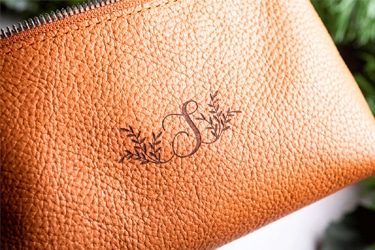
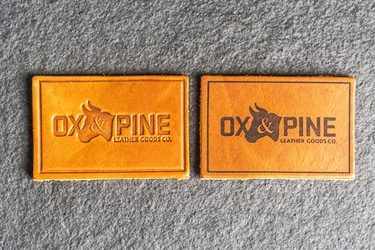
Applications of Laser Marking Leather
Customer Testimonials
Related Resources
What Is the Marking Speed of Laser Marking Machines?
This article explores typical laser marking speeds, the factors that affect processing speed and cycle time, and how laser type, material, power, and settings influence marking performance.
Applications of Laser Marking Machines
This article explores the applications of laser marking machines across the automotive, electronics, medical, packaging, metalworking, consumer goods, traceability, automation, and personalization sectors.
How Do Laser Parameters Affect The Marking Effect?
This article explores how laser power, speed, frequency, pulse width, focus, wavelength, hatch spacing, and material properties influence marking quality, depth, contrast, and precision.
How Does Laser Beam Quality Affect Marking Results?
This article explores how laser beam quality affects marking clarity, contrast, line width, edge sharpness, depth control, heat input, material response, and marking repeatability.
Frequently Asked Questions
How Does Laser Marking Work on Leather?
- Leather and Similar Materials: CO2 lasers can effectively mark natural leather, including vegetable-tanned and some chrome-tanned types. When the laser beam contacts the surface, it burns or carbonizes the top layer, producing darkened markings. The depth and tone of the mark depend on power, speed, and resolution settings. Vegetable-tanned leather typically gives the best results, with sharp detail and rich contrast. Synthetic leather can sometimes be marked, but caution is required because certain types may melt unevenly or release harmful fumes.
- Marking Process and Effects: The process begins with a digital design file that guides the laser’s movement. At lower power, the laser creates surface discoloration without removing much material, ideal for fine details or shading. At higher power, it engraves slightly deeper, producing a more tactile effect. Unlike cutting, the goal is controlled surface alteration, not full penetration.
- Precision and Detail: CO2 laser marking is highly precise, allowing for intricate patterns, small text, and complex graphics. Since it is a non-contact process, there is no physical pressure on the leather, reducing the risk of distortion. This makes it especially useful for customized products like wallets, belts, and branding tags.
- Safety and Ventilation: Marking leather produces smoke and odor due to the burning of organic material. Proper ventilation and air extraction are essential to maintain air quality and prevent residue buildup on the surface, which could affect the final appearance.
- Material Considerations: Not all leather behaves the same. Thickness, tanning method, and surface finish can influence results. Testing on a small sample is often necessary to fine-tune settings and achieve consistent quality.
What Are The Challenges In Laser Marking Leather?
- Leather and Material Variability: One of the biggest challenges is the inconsistency of leather as a natural material. Even within the same batch, thickness, density, and moisture content can vary. Vegetable-tanned leather typically marks well, but chrome-tanned leather may produce uneven tones or unexpected color shifts. Surface finishes, oils, or coatings can also interfere with how the laser interacts with the material, leading to inconsistent results.
- Burn Marks and Edge Quality: Because laser marking relies on heat, it can easily produce excessive charring or dark burn marks if settings are not carefully controlled. While some darkening is desirable, too much heat can create rough textures, unpleasant odors, or brittle surfaces. Achieving a clean, high-contrast mark without overburning requires precise calibration of power, speed, and frequency.
- Fume and Odor Management: Marking leather releases smoke, fumes, and strong odors due to the burning of organic compounds. This is not only unpleasant but can also pose health risks if ventilation is inadequate. Some treated or synthetic leathers may emit hazardous gases, making material verification and proper extraction systems essential.
- Detail Limitations: Although lasers are capable of fine detail, leather’s natural grain can limit how sharp or consistent small features appear. Intricate designs may lose clarity if the surface texture is too uneven or if the laser penetrates inconsistently across the material.
- Moisture and Warping: Leather can absorb moisture from the environment, which affects how it reacts to heat. Excess moisture may cause uneven marking, while dry leather can become brittle or warp during the process. Maintaining stable environmental conditions helps reduce these issues.
- Testing and Setup Time: Unlike uniform materials like acrylic, leather often requires repeated testing to dial in the correct settings. This adds time to production, especially when switching between different leather types or finishes.
- Safety Considerations: Not all leather is safe for laser marking. Synthetic variants or chemically treated hides may release toxic fumes when exposed to the laser. Identifying safe materials and avoiding harmful ones is a critical part of the process.
What Is The Effect Of Leather Texture On Laser Marking Results?
- Leather and Surface Texture: Natural leather comes in a wide range of textures, from smooth, polished finishes to heavily grained or pebbled surfaces. Smooth leather allows the CO2 laser beam to interact evenly with the surface, producing sharp, clean markings with consistent depth and color. In contrast, textured or uneven leather causes the laser to hit high and low points differently, which can lead to irregular marking results.
- Impact on Detail and Clarity: Fine details are more difficult to reproduce on rough or heavily textured leather. The natural grain can distort small text, thin lines, or intricate patterns, making them appear broken or less defined. On smoother surfaces, the laser can maintain consistent contact, resulting in clearer edges and better readability.
- Contrast Variations: Texture also affects how light and dark the marking appears. On smooth leather, carbonization tends to produce even, high-contrast marks. On textured leather, the variation in surface height can create uneven heat distribution, leading to patchy or inconsistent coloration. Some areas may appear darker while others remain lighter, even within the same design.
- Depth and Engraving Consistency: When engraving deeper marks, texture can cause uneven penetration. Raised areas may burn more quickly, while recessed areas receive less energy, resulting in inconsistent depth. This can affect both the visual appearance and the tactile feel of the engraved design.
- Material Response and Finish: Some textured leathers have coatings, finishes, or embossing that further influence laser interaction. These layers may burn differently from the underlying material, sometimes producing unexpected colors or residue. In some cases, the coating may partially resist the laser, reducing marking effectiveness.
- Adjustment and Testing: Because of these variables, textured leather often requires more careful adjustment of laser settings. Slower speeds, adjusted power levels, or multiple passes may be needed to achieve acceptable results. Testing on a sample piece is essential to determine how the specific texture will respond.
What Are Common Defects In Laser Marking Leather?
- Leather and Surface Response Issues: One of the most frequent defects is uneven marking. Because leather is a natural material, variations in thickness, grain, and density can cause inconsistent laser absorption. This often results in patchy areas where parts of the design appear darker or lighter than others.
- Burn Marks and Over-Carbonization: Excessive heat is a common problem. When laser power is too high or speed is too slow, the leather can become overly charred. This creates rough, brittle surfaces and overly dark marks that reduce visual quality. In severe cases, it can also damage the surrounding material beyond the intended design.
- Low Contrast or Faint Marking: On the opposite end, insufficient power or excessive speed can lead to faint or barely visible markings. This is especially common on certain chrome-tanned or coated leathers, where the surface resists proper carbonization. The result is poor readability and weak design definition.
- Edge Distortion and Blurring: Fine details may appear blurred or distorted, particularly on textured or soft leather. Heat spread and inconsistent focus can cause edges to lose sharpness, making small text or intricate patterns difficult to distinguish.
- Residue and Soot Deposits: Laser marking often produces soot and debris that can settle back onto the leather surface. This residue can dull the appearance of the marking or create unwanted smudging around the engraved area. Without proper air assist or cleaning, the final finish may look dirty or uneven.
- Warping and Surface Damage: Heat from the laser can cause leather to warp, curl, or stiffen, especially if the material is thin or dry. This not only affects appearance but can also make the product harder to use in practical applications.
- Inconsistent Depth: When engraving deeper marks, uneven penetration can occur due to variations in leather density or surface texture. Some areas may engrave more deeply than others, leading to an inconsistent tactile feel.
- Material-Related Defects: Certain treated or synthetic leathers may react unpredictably, producing discoloration, melting, or even toxic fumes. These issues can compromise both safety and quality.
Can Laser Marking Be Done On Damp Leather?
- Leather and Moisture Content: Leather is naturally absorbent, so it can hold varying levels of moisture depending on storage conditions or pre-treatment. When leather is damp, the water within the material absorbs part of the laser’s energy. This reduces the efficiency of the marking process, making it harder to achieve consistent carbonization or engraving.
- Effect on Marking Quality: Damp leather often produces uneven or weak markings. The laser must first evaporate the moisture before it can effectively burn the surface. This can lead to patchy results where some areas are properly marked while others appear faint. Fine details may be lost, and contrast is usually lower compared to marking on dry leather.
- Surface Distortion and Texture Changes: Moisture can also alter how the leather reacts to heat. As the laser heats the damp surface, rapid evaporation may cause slight surface disruption, including bubbling, rough textures, or minor warping. These effects reduce the overall finish quality and can make the marking look less precise.
- Inconsistent Depth Control: Because energy is partially consumed in drying the leather, achieving consistent engraving depth becomes more difficult. Some areas may receive enough energy to engrave properly, while others remain shallow. This inconsistency affects both the visual and tactile outcome.
- Increased Smoke and Residue: Damp leather can produce more steam mixed with smoke during marking. This can increase residue buildup on the surface, leading to smudging or discoloration around the design. Proper ventilation becomes even more important under these conditions.
- Process Adjustments and Limitations: While it is possible to adjust laser settings, such as increasing power or reducing speed to compensate for moisture, this often introduces new problems like overburning once the water has evaporated. This makes the process less predictable and harder to control.
- Best Practice: For optimal results, leather should be dry and at a stable moisture level before laser marking. Conditioning the material in a controlled environment ensures better consistency, sharper detail, and cleaner finishes.
How Is Contrast Optimized On Laser-Marked Leather?
- Leather and Material Selection: The type of leather plays a major role in contrast. Vegetable-tanned leather is ideal because it darkens consistently when exposed to heat, producing strong, rich contrast. Lighter-colored leather generally yields better visibility than darker tones. Chrome-tanned or heavily finished leather may produce weaker or uneven contrast due to chemical treatments or coatings.
- Laser Power and Speed Settings: Proper adjustment of laser parameters is the most direct way to control contrast. Higher power or slower speeds increase heat input, leading to deeper carbonization and darker marks. However, excessive heat can cause overburning, which reduces clarity. The goal is to find a balance where the surface darkens without excessive charring.
- Resolution and Line Density: Increasing resolution or line density (DPI/LPI) improves how evenly the laser covers the surface. More overlap between passes creates smoother, darker fills, especially for solid areas. Lower resolution may result in lighter or striped patterns, reducing overall contrast.
- Focus and Beam Quality: Maintaining proper focus ensures that the laser beam delivers energy efficiently to a precise point. A well-focused beam produces sharper edges and more consistent darkening. If the focus is off, the energy spreads out, leading to faded or blurry markings.
- Surface Preparation: Clean, dry leather produces better contrast. Oils, dust, or moisture can interfere with how the laser interacts with the surface, leading to uneven results. In some cases, lightly cleaning or conditioning the leather before marking improves consistency.
- Post-Processing Techniques: Contrast can be enhanced after marking by gently wiping away soot or residue. Some users apply light finishing treatments, such as oils or conditioners, which can deepen the appearance of the engraved areas and improve visibility.
- Design Considerations: Bold designs, thicker lines, and adequate spacing tend to produce better contrast than very fine or intricate details, especially on textured leather. Adjusting artwork to suit the material helps maintain clarity.
What Safety Risks Exist In Laser Marking Leather?
- Leather and Fume Emissions: One of the primary risks comes from fumes generated during marking. When leather is exposed to CO2 lasers, it burns and releases smoke containing organic compounds. These fumes can be irritating or harmful if inhaled over time. The risk increases with treated or synthetic leather, which may release toxic gases depending on the chemicals used in processing. Proper ventilation and fume extraction systems are essential to maintain air quality.
- Fire Hazard: Leather is a combustible material, so there is always a risk of ignition during laser marking. Incorrect settings, such as excessive power or slow speed, can cause the material to overheat and catch fire. Even small flare-ups can damage the workpiece or machine if not quickly controlled. Continuous supervision and the use of air assist help reduce this risk.
- Surface Residue and Contamination: The marking process produces soot and debris that can settle on the leather and inside the machine. Accumulated residue may pose both a cleanliness issue and a minor fire risk if not regularly cleaned. It can also affect optical components like lenses if proper maintenance is neglected.
- Eye and Skin Exposure: CO2 lasers emit high-energy infrared radiation that is invisible but dangerous. Direct or reflected exposure can cause serious eye injury or skin burns. Enclosed machines, protective covers, and appropriate safety protocols are necessary to prevent accidental exposure.
- Material Safety Uncertainty: Not all leather is safe to process. Some synthetic or chemically treated leathers may contain chlorine or other hazardous elements. When lasered, these materials can emit toxic gases that are dangerous to inhale and can also damage the machine. Verifying material composition before marking is a critical safety step.
- Odor and Workspace Comfort: Strong odors from burning leather can create an unpleasant working environment, even if not immediately harmful. Without proper ventilation, this can affect operator comfort and long-term usability of the workspace.
- Equipment and Maintenance Risks: Poorly maintained machines can increase safety hazards. Dirty lenses, blocked ventilation systems, or misaligned components may lead to inefficient operation, overheating, or unexpected behavior during marking.
What PPE Is Required For Laser Marking Leather?
- Leather and Fume Protection: Laser marking leather produces smoke and airborne particles from the burning surface. Even with ventilation systems in place, operators may still be exposed to residual fumes. A suitable respirator or mask, especially one rated for fine particulates and organic vapors, helps reduce inhalation risks. This is particularly important when working with treated or uncertain leather types.
- Eye Protection: CO2 lasers emit infrared radiation that is invisible but hazardous to the eyes. Although many machines are enclosed with protective covers, safety glasses designed for CO2 laser wavelengths provide an extra layer of protection during setup, maintenance, or if the enclosure is opened. Proper eyewear prevents accidental exposure from reflected or scattered beams.
- Hand Protection: Leather handling before and after marking can expose operators to heat, sharp edges, or residue. Heat-resistant or general work gloves help protect against burns from recently marked material and reduce contact with soot or debris. Gloves are also useful when cleaning the machine or removing waste materials.
- Protective Clothing: Wearing appropriate clothing minimizes exposure to heat, sparks, and residue. Non-synthetic, flame-resistant fabrics are preferred, as they are less likely to melt or ignite compared to synthetic materials. Long sleeves and closed-toe shoes provide basic coverage and reduce the risk of skin exposure.
- Respiratory and Workspace Safety: In addition to personal respirators, proper extraction systems are critical. PPE should be viewed as a secondary layer of protection, not a replacement for good ventilation. Combining both ensures a safer working environment.
- Hearing Protection (If Applicable): While most laser marking machines are relatively quiet, additional equipment like air compressors or extraction systems may produce noise. In such cases, basic hearing protection may be recommended for prolonged exposure.
- Maintenance and Handling Safety: PPE is also important during machine maintenance. Cleaning lenses, filters, or interior components may expose operators to accumulated debris. Gloves and masks help reduce contact with contaminants.