

Introduction
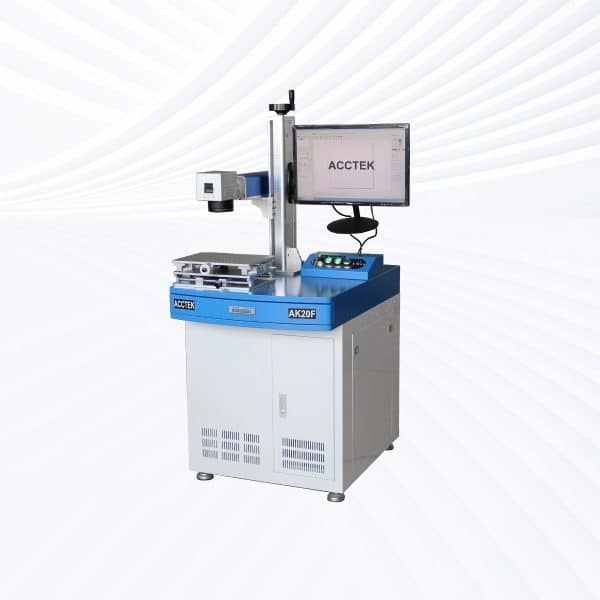
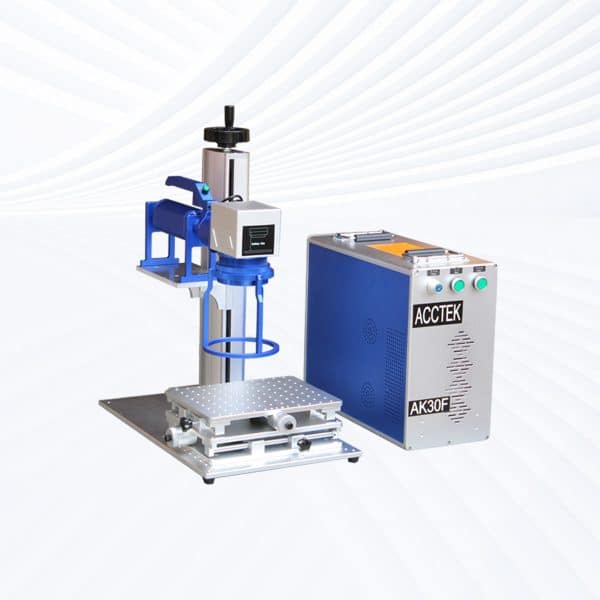
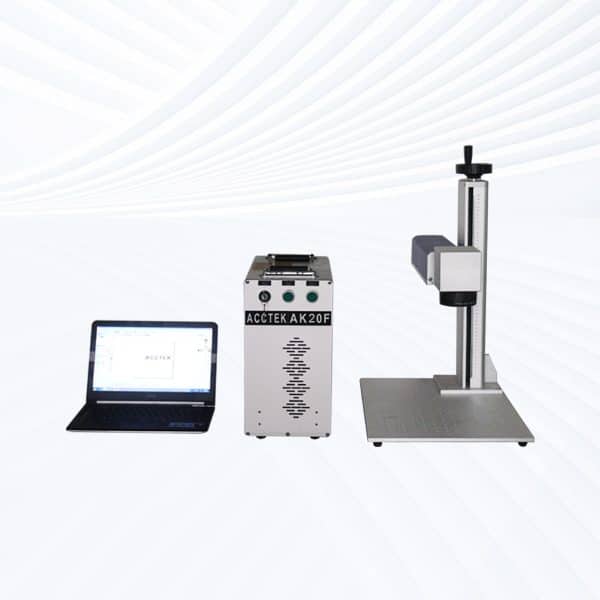
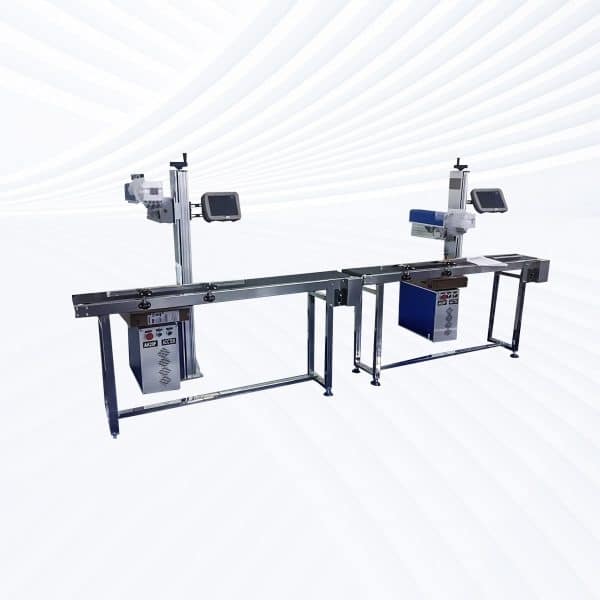
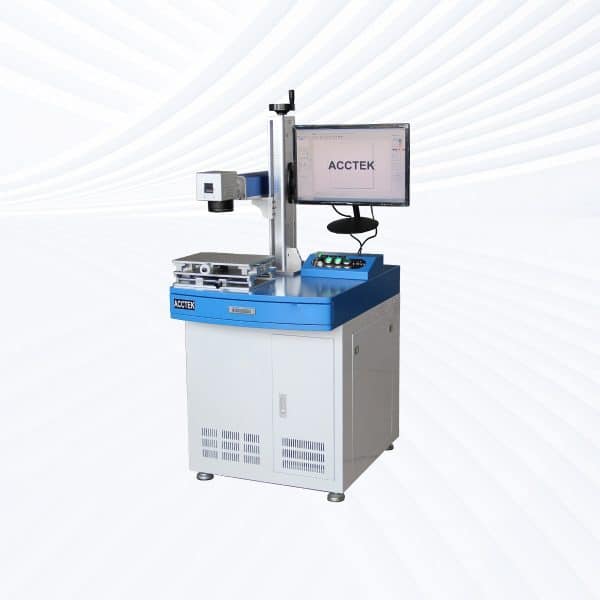
Laser Marking Machines Suitable For Ceramics

Advantages of Laser Marking Ceramics
Permanent and Wear-Resistant Marks
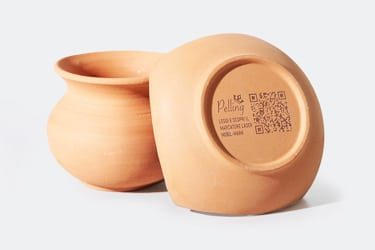
Laser marking produces permanent markings that are highly resistant to abrasion, heat, chemicals, and environmental exposure. Because the laser alters the ceramic surface directly, the marks remain clear and legible throughout the product’s entire lifespan.
High Precision and Fine Detail
Laser marking technology offers exceptional precision, allowing manufacturers to create fine text, intricate logos, serial numbers, and machine-readable codes. This high level of detail is especially important for small ceramic components used in electronics and medical devices.
Non-Contact Processing
Laser marking is a non-contact process, meaning there is no physical tool touching the ceramic surface. This eliminates mechanical stress and significantly reduces the risk of cracking, chipping, or damaging brittle ceramic materials.
Suitable for Hard and Heat-Resistant Materials
Ceramics are extremely hard and resistant to high temperatures, making them difficult to mark with traditional methods. Laser marking easily handles these properties, enabling reliable marking without tool wear or excessive force.
Clean and Environmentally Friendly Process
Laser marking does not require inks, solvents, or chemical treatments. The process generates minimal waste and eliminates consumables, helping manufacturers maintain cleaner production environments and reduce environmental impact.
High Efficiency and Automation Compatibility
Laser marking systems can operate at high speeds and integrate seamlessly with automated production lines. This allows manufacturers to mark large quantities of ceramic components quickly while maintaining consistent quality and production efficiency.
Compatible Materials
- Alumina
- Zirconia
- Silicon Carbide
- Silicon Nitride
- Aluminum Nitride
- Cordierite
- Mullite
- Steatite
- Macor
- Boron Nitride
- Barium Titanate
- Lead Zirconate Titanate
- Ferrite Ceramics
- Magnesium Oxide Ceramics
- Calcium Oxide Ceramics
- Glass Ceramics
- Lithium Disilicate Ceramics
- Dental Ceramics
- Zirconia Toughened Alumina
- Alumina Toughened Zirconia
- Yttria-Stabilized Zirconia
- Partially Stabilized Zirconia
- Porcelain Ceramics
- Technical Ceramics
- Structural Ceramics
- Bio-Ceramics
- Piezoelectric Ceramics
- Electroceramics
- Insulating Ceramics
- Ceramic Substrates
- Ceramic Tiles
- Ceramic Coatings
- Ceramic Capacitors
- Ceramic Ferrules
- Ceramic Insulators
- Ceramic Filters
- Ceramic Seals
- Ceramic Bearings
- Ceramic Nozzles
- Ceramic Cutting Tools
Laser Marking VS Other Marking Methods
| Comparison Item | Laser Marking | Screen Printing | Pad Printing | Digital Printing |
|---|---|---|---|---|
| Marking Method | Uses a focused laser beam to modify the ceramic surface | Ink is transferred through a mesh screen onto the surface | Ink is transferred from an etched plate using a silicone pad | Ink is directly printed onto the surface using digital technology |
| Contact with Material | Non-contact process | Contact process | Contact process | Contact process |
| Mark Durability | Permanent and highly resistant to wear, heat, and chemicals | Moderate durability; may fade or wear over time | Moderate durability depending on ink quality | Lower durability compared to laser marking |
| Ink or Consumables | No inks or consumables required | Requires inks, screens, and cleaning chemicals | Requires inks, pads, and plates | Requires specialized inks and cartridges |
| Environmental Impact | Environmentally friendly with minimal waste | Uses inks and solvents that may produce waste | Uses chemical inks and cleaning agents | Ink usage may produce waste |
| Precision and Detail | Extremely high precision; ideal for micro text and codes | Good detail, but limited for very fine markings | Good for small parts but limited detail | High-resolution printing, but it may vary by surface |
| Suitability for Complex Codes | Excellent for barcodes, QR codes, and serial numbers | Possible but limited by screen resolution | Possible but limited by pad transfer accuracy | Good for detailed graphics and images |
| Surface Compatibility | Suitable for hard and heat-resistant ceramic surfaces | Works best on smooth surfaces | Good for curved or irregular surfaces | Works best on flat surfaces |
| Production Speed | Very fast and suitable for automated production lines | Moderate speed depending on setup | Moderate speed | Fast for small batches |
| Setup Time | Minimal setup and easy digital adjustment | Longer setup due to screen preparation | Requires plate and pad setup | Minimal setup required |
| Maintenance Requirements | Low maintenance with minimal wear parts | Requires screen cleaning and maintenance | Requires pad and plate maintenance | Requires printer maintenance and ink replacement |
| Marking Consistency | Highly consistent due to digital control | Consistency may vary due to ink flow | May vary depending on pad condition | Good consistency, but affected by ink supply |
| Operating Costs | Low long-term operating cost | Ongoing cost for inks and screens | Ongoing cost for inks and pads | Ongoing cost for ink cartridges |
| Material Damage Risk | Very low due to non-contact processing | Low but ink adhesion may vary | Low risk, but pressure may affect fragile parts | Low risk but may require surface preparation |
| Traceability and Compliance | Ideal for permanent industrial traceability | Limited durability for long-term traceability | Moderate for product identification | Suitable mainly for decorative or temporary marks |
Laser Marking Capacity
| Item | Engraving | Annealing | Etching | Foaming | Deep Marking | Color Marking | QR Code Marking | Photo Marking |
|---|---|---|---|---|---|---|---|---|
| Ceramics | Yes | Yes | Yes | No | Yes | No | Yes | Yes |
| Glass | No | Yes | Yes | No | No | Yes | Yes | Yes |
| Leather | Yes | No | Yes | Yes | No | No | Yes | Yes |
| Stainless Steel | Yes | Yes | Yes | No | Yes | Yes | Yes | Yes |
| Carbon Steel | Yes | Yes | Yes | No | Yes | Yes | Yes | Yes |
| Aluminum | Yes | Yes | Yes | No | Yes | Yes | Yes | Yes |
| Titanium | Yes | Yes | Yes | No | Yes | Yes | Yes | Yes |
| ABS | Yes | No | Yes | Yes | No | No | Yes | Yes |
| Acrylic | Yes | No | Yes | Yes | No | No | Yes | Yes |
| Polycarbonate | Yes | No | Yes | Yes | No | No | Yes | Yes |
| Rubber | Yes | No | Yes | Yes | No | No | Yes | Yes |
| Marble | Yes | No | Yes | No | No | No | Yes | Yes |
| Granite | Yes | No | Yes | No | No | No | Yes | Yes |
| Wood | Yes | No | Yes | Yes | No | Yes | Yes | Yes |
| MDF | Yes | No | Yes | Yes | No | Yes | Yes | Yes |
| Paper | Yes | No | Yes | Yes | No | No | Yes | Yes |
| Cardboard | Yes | No | Yes | Yes | No | No | Yes | Yes |
| Textile | Yes | No | Yes | Yes | No | No | Yes | Yes |
| Ceramic-Coated Metal | Yes | Yes | Yes | No | Yes | Yes | Yes | Yes |
| Anodized Aluminum | Yes | Yes | Yes | No | Yes | Yes | Yes | Yes |
| Composite Materials | Yes | No | Yes | Yes | No | No | Yes | Yes |
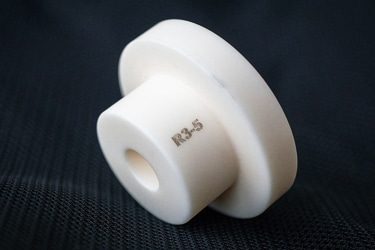
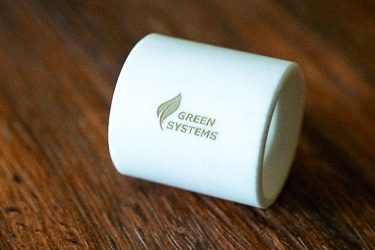
Applications of Laser Marking Ceramics

Customer Testimonials
Related Resources
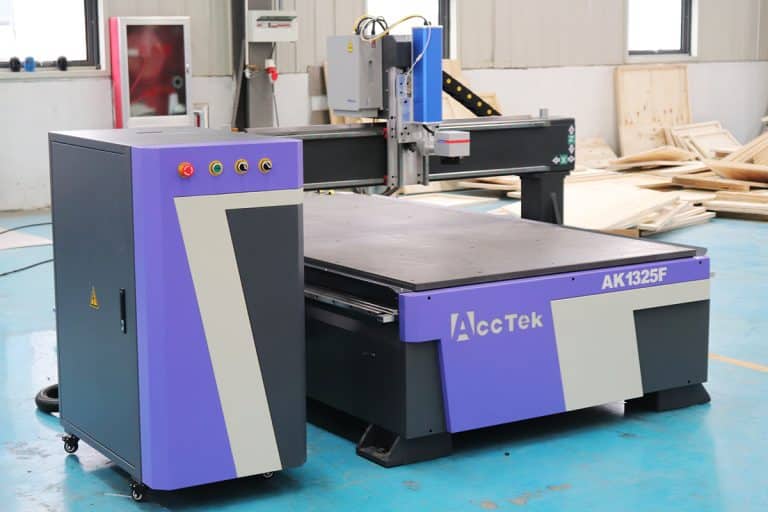
What Is the Marking Speed of Laser Marking Machines?
This article explores typical laser marking speeds, the factors that affect processing speed and cycle time, and how laser type, material, power, and settings influence marking performance.
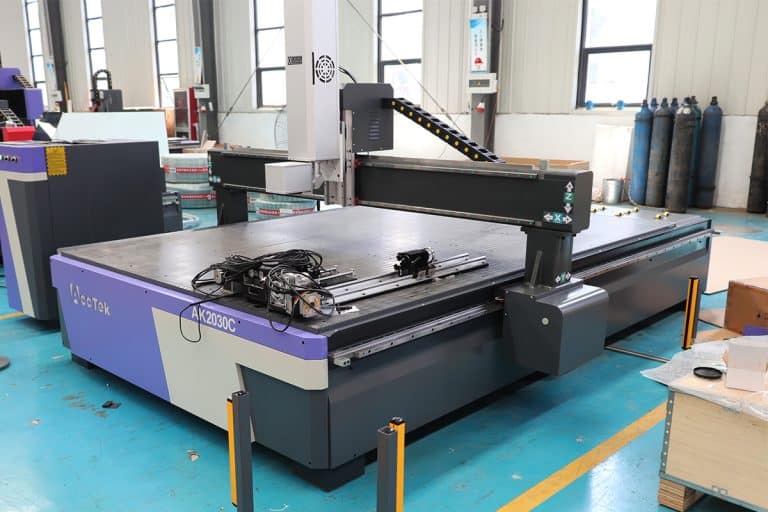
Applications of Laser Marking Machines
This article explores the applications of laser marking machines across the automotive, electronics, medical, packaging, metalworking, consumer goods, traceability, automation, and personalization sectors.
How Do Laser Parameters Affect The Marking Effect?
This article explores how laser power, speed, frequency, pulse width, focus, wavelength, hatch spacing, and material properties influence marking quality, depth, contrast, and precision.
How Does Laser Beam Quality Affect Marking Results?
This article explores how laser beam quality affects marking clarity, contrast, line width, edge sharpness, depth control, heat input, material response, and marking repeatability.
Frequently Asked Questions
How Does Laser Marking Work On Ceramics?
- How the Process Works: When the laser beam strikes a ceramic surface, its energy is absorbed and converted into heat. This localized heating causes micro-level changes such as melting, glazing, or slight fracturing of the surface, which results in a visible contrast. In many cases, the mark appears as a lighter or frosted area against the original surface. The laser is guided by software, ensuring precise patterns, text, or images.
- Surface Interaction and Mark Formation: Ceramics do not react like metals or plastics. Instead of melting deeply, they tend to undergo surface vitrification or micro-cracking. This creates a roughened texture that scatters light differently, producing the visible mark. On glazed ceramics, the laser often removes or alters the top glaze layer, revealing a contrasting layer beneath. On unglazed ceramics, the effect is typically a color change or matte finish.
- Laser Types and Settings: CO2 lasers are commonly used for ceramic marking because their wavelength is well absorbed by non-metallic materials. Power, speed, and focus must be carefully controlled to avoid excessive cracking or chipping. Too much energy can damage the surface, while too little may result in faint or inconsistent marks.
- Use of Marking Compounds: In some applications, especially when marking dark or smooth ceramics, marking sprays or compounds are applied before laser processing. The laser bonds the compound to the surface, creating a high-contrast, often dark mark that is more visible and durable.
- Durability of Marks: Laser marks on ceramics are generally permanent because they involve physical or structural changes to the surface. They are resistant to heat, moisture, and most chemicals, making them suitable for decorative items, industrial components, and labeling.
Is Permanent In Laser Marking Ceramics?
- How Permanence is Achieved: Laser marking on ceramics works by physically altering the surface rather than adding a layer like ink or paint. The laser’s heat causes localized changes such as micro-cracking, surface melting, or glaze removal. These changes become part of the material itself, which makes the mark highly resistant to wear. Because the mark is embedded into or formed from the ceramic surface, it does not peel, fade, or wash away under normal conditions.
- Types of Permanent Marks: On glazed ceramics, the laser often removes or modifies the top glaze layer, exposing a contrasting layer underneath. This creates a clear and lasting mark. On unglazed ceramics, the laser may produce a color change or textured surface that remains stable over time. When marking compounds are used, the laser bonds the compound to the ceramic, forming a durable, fused marking that can be even more visible and long-lasting.
- Resistance to Environmental Factors: Ceramic materials are naturally resistant to heat, moisture, chemicals, and UV exposure. As a result, laser marks on ceramics inherit these properties. They remain intact even in harsh environments, including high temperatures or outdoor conditions. This makes them suitable for industrial labeling, decorative items, and products that require long-term identification.
- Limitations and Considerations: While laser marking is generally permanent, the quality of permanence depends on proper settings and technique. Shallow or low-contrast marks may become less visible over time if exposed to abrasion or surface wear. Additionally, excessive laser power can cause cracks or damage that weaken the material rather than improve marking durability.
- Role of Surface Finish: The type of ceramic surface also affects permanence. Smooth, glazed surfaces tend to produce sharper and more durable contrast when properly marked, while rough or porous surfaces may yield less defined results.
How Does Ceramic Composition Affect Laser Marking Results?
- Material Absorption and Thermal Response: Ceramics are made from varying mixtures of clay, silica, alumina, and other materials. These components affect how well the material absorbs laser energy. Ceramics with higher silica content may reflect more energy, requiring higher power or slower speeds. In contrast, materials with additives or darker compositions tend to absorb energy more efficiently, producing stronger and more visible marks. Thermal conductivity also matters. Some ceramics dissipate heat quickly, reducing marking depth, while others retain heat, increasing the risk of cracking.
- Glazed vs. Unglazed Surfaces: Glazing significantly changes marking behavior. Glazed ceramics have a glass-like surface that reacts differently to laser heat. The laser may remove or alter the glaze layer, revealing a contrasting color underneath. This often produces sharp, high-contrast marks. Unglazed ceramics, on the other hand, tend to develop a matte or slightly rough texture due to micro-cracking or surface modification. The result is usually more subtle and depends heavily on the base material composition.
- Additives and Pigments: Many ceramics include pigments or additives to achieve specific colors or properties. These additives can enhance or reduce marking quality. For example, darker pigments typically improve contrast because they absorb more laser energy. Some engineered ceramics may include compounds that respond well to lasers, while others may resist marking or produce inconsistent results.
- Density and Porosity: Dense ceramics generally produce cleaner, more defined marks because the surface reacts uniformly. Porous ceramics may scatter heat unevenly, leading to inconsistent contrast or rough edges. Porosity can also increase the risk of chipping or cracking during marking.
- Laser Settings and Compatibility: Because ceramic compositions vary widely, there is no single set of parameters that works for all types. Power, speed, and focus must be adjusted based on the specific composition to achieve optimal results without damaging the material.
What Are The Challenges In Laser Marking Ceramics?
- Brittleness and Risk of Cracking: Ceramics are inherently brittle, which makes them sensitive to thermal stress. When the laser heats a localized area, rapid temperature changes can cause micro-cracks or even visible fractures. This is especially problematic with high power settings or slow speeds, where excess heat builds up. Controlling heat input is critical to avoid damaging the material.
- Inconsistent Material Composition: Ceramics are not uniform materials. Variations in clay, silica, additives, and firing processes can lead to inconsistent results. Two ceramic pieces that look identical may respond differently to the same laser settings. This makes it difficult to standardize parameters, often requiring testing and adjustment for each batch or type.
- Low Contrast on Certain Surfaces: Achieving a strong contrast can be challenging, particularly on light-colored or highly reflective ceramics. Unglazed surfaces may produce faint or subtle marks, while some glazes do not respond well to laser energy. In such cases, marking compounds or coatings may be needed to enhance visibility, adding extra steps to the process.
- Surface Damage and Chipping: Improper settings can lead to surface damage such as chipping, rough textures, or uneven marks. Instead of a clean engraving, the surface may appear fractured or irregular. This is more likely when the laser energy is too concentrated or when the material has internal stresses.
- Limited Depth Control: Unlike metals or plastics, ceramics do not engrave deeply in a controlled way. Attempts to increase depth often increase the risk of cracking or surface damage. As a result, most ceramic laser marking is limited to surface-level modification rather than deep engraving.
- Heat-Affected Zone (HAZ): Managing the heat-affected zone is more difficult with ceramics. Excess heat can spread beyond the marking area, causing discoloration or weakening the surrounding material. Precision in power, speed, and pulse settings is essential to minimize this effect.
What Types Of Laser Sources Are Best For Ceramics Marking?
- CO2 Lasers (Most Common Choice): CO2 lasers are the most widely used for ceramic marking. Their wavelength (around 10.6 µm) is well absorbed by non-metallic materials, including ceramics and glass. This makes them highly effective for surface engraving and marking. CO2 lasers work particularly well on glazed ceramics, where they can remove or modify the glaze layer to create high-contrast marks. They are also suitable for unglazed ceramics, producing matte or frosted effects. Their versatility and cost-effectiveness make them the standard option for most ceramic applications.
- Fiber Lasers (Limited Direct Use): Fiber lasers are generally optimized for metals and are less effective on bare ceramics because their wavelength (around 1 µm) is not well absorbed by most ceramic materials. However, they can still be used in specific cases, such as when marking compounds or coatings are applied to the ceramic surface. In these situations, the laser bonds the compound to the material, creating a visible and durable mark. Without such coatings, fiber lasers typically produce weak or inconsistent results on ceramics.
- UV Lasers (High Precision and Low Heat): UV lasers are an excellent choice for delicate or high-precision ceramic marking. Their shorter wavelength allows for very fine detail and minimal heat input, which reduces the risk of cracking or damage. UV lasers are especially useful for thin ceramics, electronic components, or applications where micro-marking is required. Although they are more expensive, they offer superior control and reduced thermal impact.
- Green Lasers (Specialized Applications): Green lasers (around 532 nm wavelength) are less common but can be effective for certain ceramic compositions, especially where improved absorption is needed compared to fiber lasers. They are sometimes used in specialized or high-precision applications.
- Choosing the Right Source: The best laser source depends on the application. CO2 lasers are ideal for general-purpose marking and engraving. UV lasers are preferred for fine detail and minimal thermal stress. Fiber and green lasers are typically used with coatings or in specialized cases.
What Are The Common Defects In Laser Marking Ceramics?
- Cracking and Micro-Cracks: One of the most common defects is cracking. Ceramics are brittle and sensitive to rapid temperature changes. When the laser introduces localized heat, thermal stress can cause small cracks within or around the marked area. In severe cases, visible fractures may form, compromising both appearance and structural integrity. This often happens when the power is too high, or the marking speed is too slow.
- Chipping and Surface Flaking: Chipping occurs when small parts of the ceramic surface break away during marking. This can result from excessive energy, poor focus, or internal stresses in the material. Chipped edges reduce marking precision and give the mark a rough, uneven appearance.
- Low or Uneven Contrast: Another frequent issue is poor contrast. Some ceramics, especially light-colored or highly reflective ones, may not produce clear marks. Inconsistent composition or uneven glazing can also lead to variations in contrast across the marking area, making text or graphics difficult to read.
- Surface Roughness and Irregular Texture: Instead of smooth, clean marks, the surface may become overly rough or grainy. This is often caused by excessive heat or improper parameter settings. While some texture is expected in ceramic marking, too much roughness can reduce visual quality and precision.
- Discoloration Beyond the Mark Area: Heat can spread beyond the intended marking zone, causing unwanted discoloration or staining around the edges. This heat-affected zone reduces edge sharpness and may affect the overall appearance of the product.
- Glaze Damage: On glazed ceramics, the laser may damage or unevenly remove the glaze layer. This can result in patchy marks, inconsistent depth, or unwanted visual effects. In some cases, the glaze may crack or peel around the marked area.
- Inconsistent Marking Results: Due to variations in ceramic composition, identical settings may produce different results on different pieces. This inconsistency can lead to uneven quality in production environments.
Can Produce High Contrast In Laser Marking Ceramics?
- Role of Surface Type: The type of ceramic surface plays a major role in contrast. Glazed ceramics typically produce better results because the laser can remove or alter the glaze layer, revealing a different color underneath. This creates a clear visual difference between the marked and unmarked areas. Unglazed ceramics tend to produce more subtle marks, often appearing as a lightened or slightly roughened surface, which can limit contrast.
- Laser Parameter Optimization: Achieving high contrast depends heavily on balancing power, speed, and focus. Higher power or slower speeds can increase contrast by enhancing surface modification, but excessive energy may damage the material or reduce clarity. A properly focused beam ensures that the mark is sharp and well-defined, which improves perceived contrast. Fine-tuning these settings is often necessary for each specific ceramic type.
- Use of Marking Compounds: In cases where natural contrast is low, marking compounds can be applied to the ceramic surface before laser processing. These compounds react with the laser and bond to the surface, creating a dark, high-contrast mark. This method is especially useful for smooth, light-colored, or reflective ceramics where standard marking produces faint results.
- Material Composition and Color: The composition and color of the ceramic influence how much contrast can be achieved. Darker ceramics or those with certain additives tend to absorb more laser energy, resulting in stronger marks. Lighter or highly reflective materials may require additional adjustments or treatments to improve visibility.
- Multiple Passes and Layering: Running multiple passes can enhance contrast by gradually deepening or intensifying the mark. This approach allows better control compared to using a single high-energy pass, which may cause defects.
What Safety Risks Exist In Laser Marking Ceramics?
- Laser Radiation Exposure: One of the most serious risks is exposure to the laser beam itself. Direct or reflected laser radiation can cause severe eye damage and skin burns. Even though ceramics are not highly reflective compared to metals, some glazed surfaces can still reflect portions of the beam. Proper machine enclosures and laser-specific safety eyewear are essential to prevent accidental exposure.
- Fume and Particulate Emissions: Laser marking ceramics can produce fine dust, fumes, and vaporized particles, especially when coatings or glazes are involved. Some ceramics may contain additives, pigments, or surface treatments that release harmful substances when heated. Inhaling these particles can pose respiratory risks, making effective ventilation or fume extraction systems critical.
- Thermal Hazards and Burns: The laser generates localized heat, and the ceramic surface can become very hot during marking. Recently marked parts may retain heat and cause burns if handled immediately. Additionally, excessive heat can lead to unexpected material behavior, such as cracking or small fragments breaking loose.
- Material Fracture and Flying Debris: Because ceramics are brittle, thermal stress during marking can cause cracking or chipping. In some cases, small fragments may detach from the surface, creating a risk of flying debris. This can pose a hazard to the eyes and skin, particularly in open or non-enclosed systems.
- Glaze and Coating Reactions: Certain glazes or surface coatings may react unpredictably under laser exposure. They can produce fumes, discoloration, or surface instability. If the composition is unknown, there is a risk of releasing hazardous gases or damaging the material in ways that create additional safety concerns.
- Electrical and Equipment Risks: Laser marking systems involve high-voltage components and moving parts. Improper maintenance or handling can lead to electrical hazards or mechanical injuries.
- Fire Risk (Low but Possible): While ceramics themselves are non-flammable, residues, dust, or nearby materials can ignite under high heat. This risk is lower than with organic materials but still requires attention.