

Introduction
Materials Suitable for Oscillating Knife Cutting

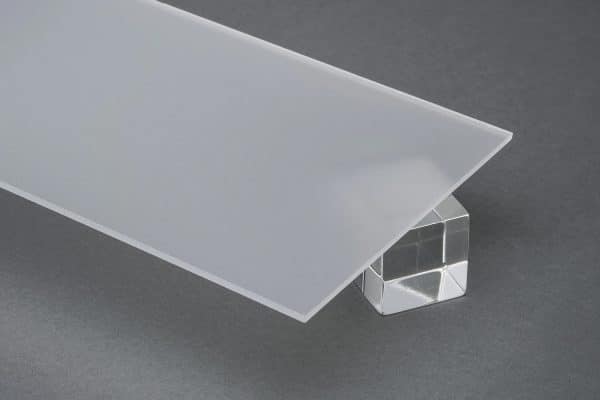
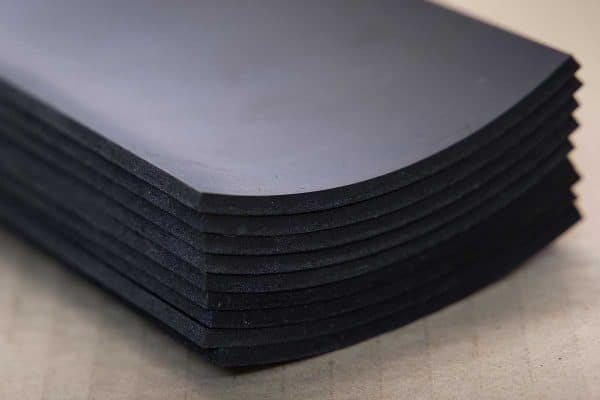
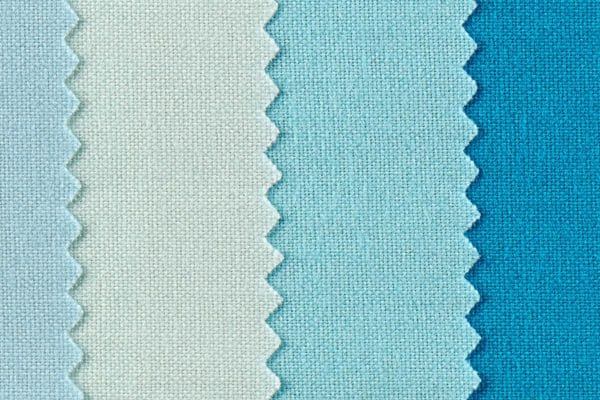
Key Advantages of Oscillating Knife Cutting
High Precision Cutting
Oscillating knife cutting provides excellent cutting accuracy due to the rapid vertical blade motion combined with controlled tool movement. This enables the production of complex shapes, sharp corners, and intricate patterns while maintaining consistent quality and tight dimensional tolerances.
Suitable for Many Material Types
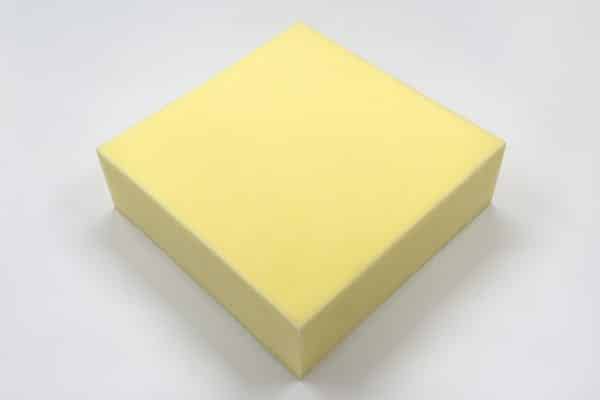
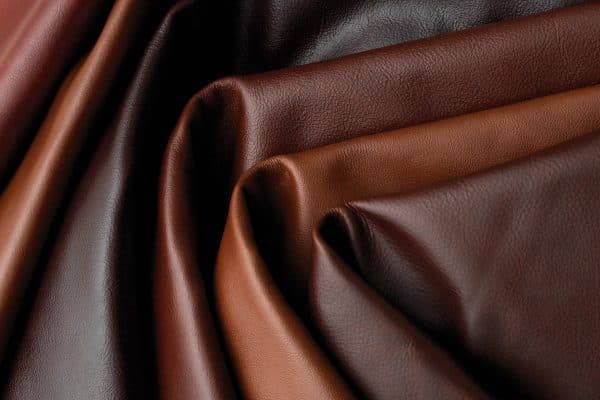
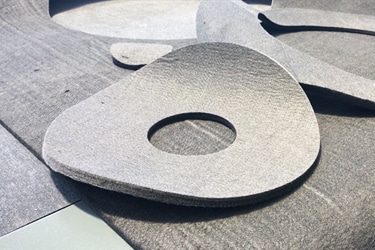
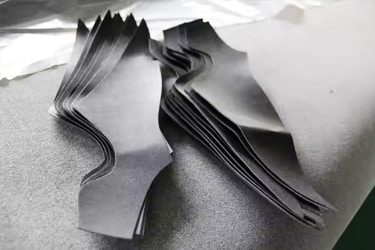
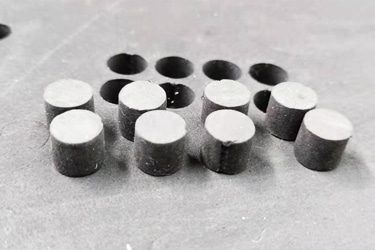
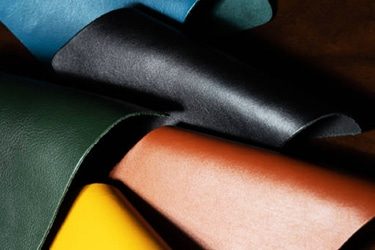
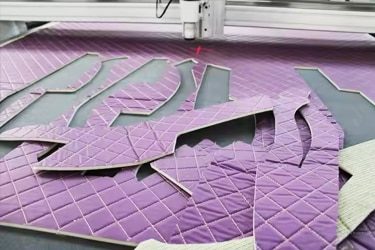
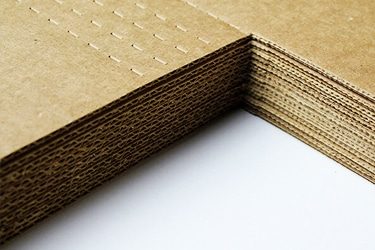
This cutting method works effectively on a wide variety of soft and semi-rigid materials, including foam, rubber, leather, textiles, cardboard, corrugated board, and gasket materials. Its versatility makes it widely used in industries such as packaging, automotive, and furniture manufacturing.
No Heat Damage to Materials
Because oscillating knife cutting is a mechanical process, it does not generate significant heat during operation. This eliminates the risk of burning, melting, or discoloration, making it ideal for heat-sensitive materials like foam, fabrics, plastics, and synthetic materials.
Minimal Material Deformation
The high-frequency oscillation allows the blade to slice through materials with less resistance. This reduces stretching, compression, or tearing of soft materials, ensuring the final parts retain their original shape and dimensions with clean, smooth edges.
Lower Operating Costs
Oscillating knife cutting systems generally have lower operational costs compared with thermal cutting technologies. They do not require gases, lasers, or high power consumption, and blades are relatively inexpensive to replace, making them cost-efficient for both small and large production volumes.
Compatible with CNC Automation
Oscillating knives are commonly integrated into CNC cutting machines and digital cutting tables. This allows automated cutting directly from CAD designs, improving productivity, reducing human error, and enabling consistent, repeatable results in modern manufacturing environments.
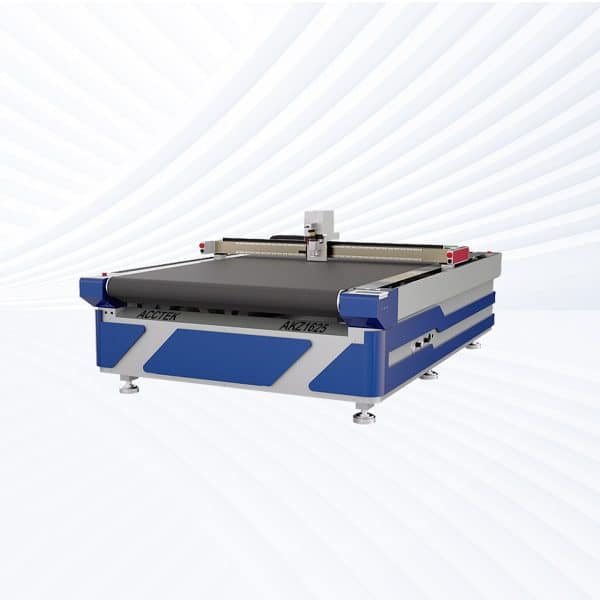
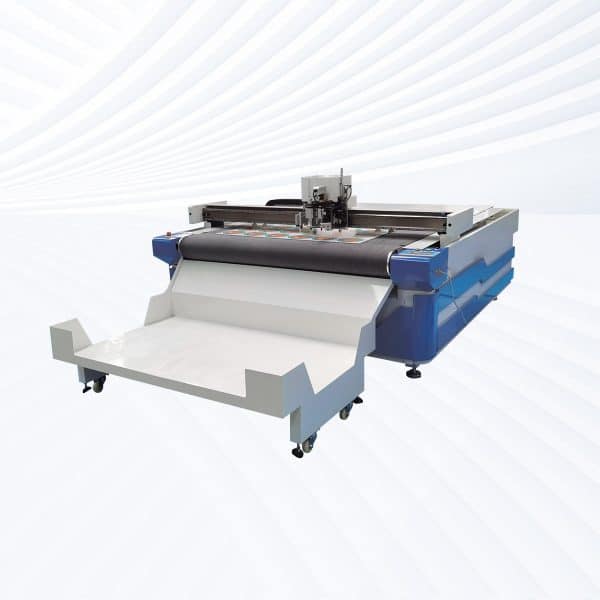
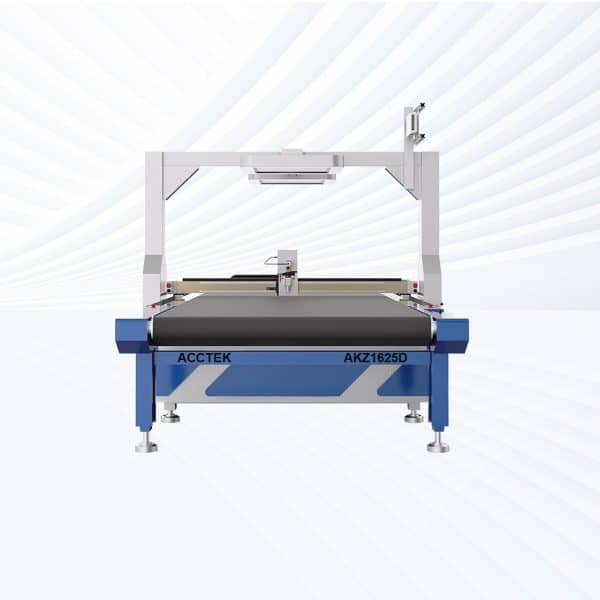
Oscillating Knife Cutting Machines
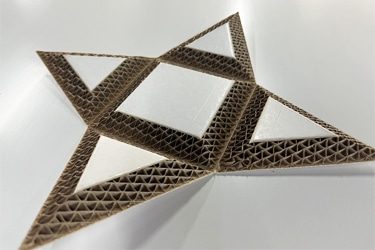
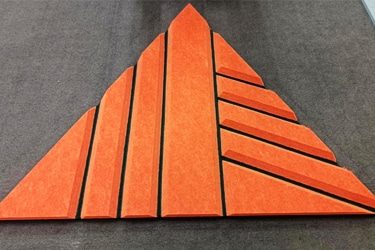
Applications of Oscillating Knife Cutting
Why Choose Us
Industrial-Grade Precision and Stability
Every AccTek Group's cutting machine is built with a reinforced frame, high-torque servo motors, and vibration-resistant drive systems for flawless cutting accuracy—even on long production runs.
Powerful Nesting Software Integration
Our machines come standard with BOKE Smart Nest software, giving you advanced automatic nesting tools to drastically reduce material waste and speed up job preparation.
Customizable Configurations for Any Industry
From leatherwork to automotive insulation, we offer modular options including multi-tool heads, conveyor systems, and material feeders to suit your exact production needs.
Responsive Technical Support and Training
Our experienced support team offers fast remote diagnostics, hands-on training, and ongoing guidance to keep your equipment running at peak performance.
Related Resources
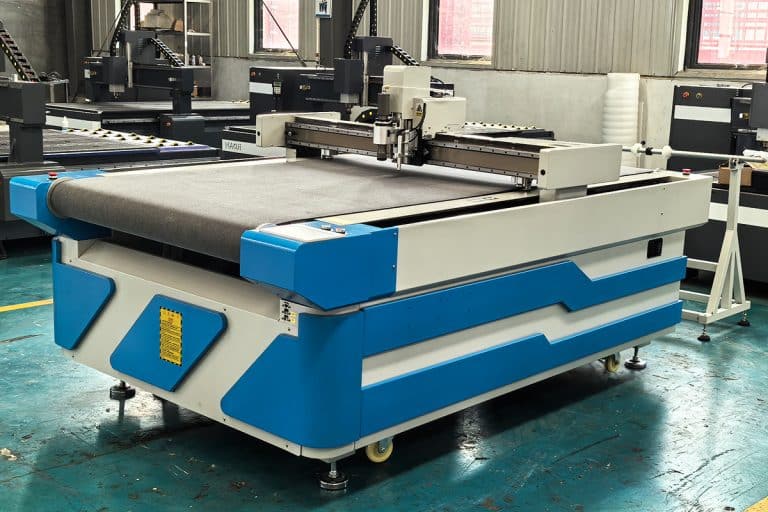
What Are the Main Components of Oscillating Knife Cutting Machines?
This article explores the main components of oscillating knife cutting machines, including cutting heads, motion systems, tools, vacuum tables, software, controls, sensors, and safety systems.
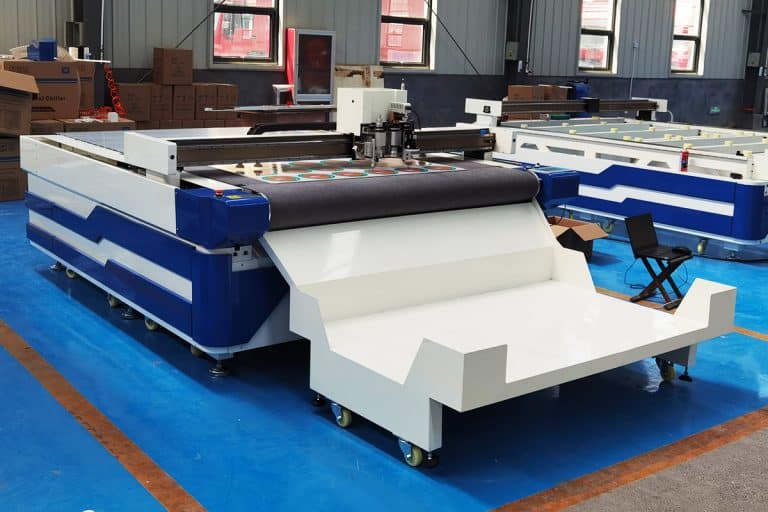
Can Oscillating Knife Cutting Machines Handle Multi-Layered Materials?
This article explores how oscillating knife cutting machines process multi-layered materials, including suitable materials, machine features, cutting factors, limitations, and best practices.
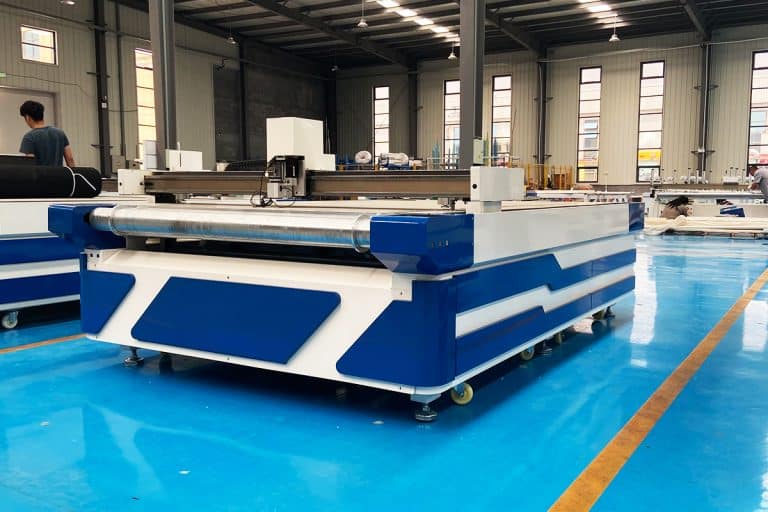
Does Oscillating Knife Cutting Generate Contaminants
This article explores whether oscillating knife cutting generates contaminants, including dust, fibers, microplastics, air pollution, and methods for contamination control.
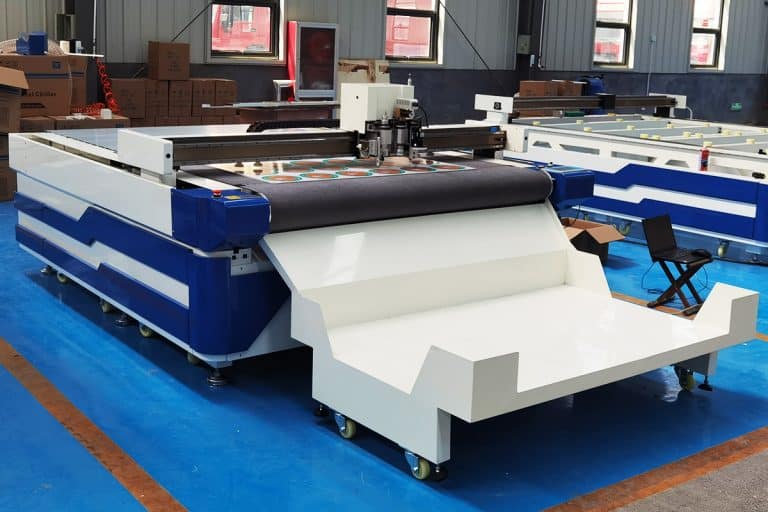
Can Oscillating Knife Cutting Machines Reduce Material Waste
This article explores how oscillating knife cutting machines reduce material waste through precision cutting, nesting optimization, automation, and efficient processing across industries.
Frequently Asked Questions
What Is The Working Principle Of Oscillating Knife Cutting?
- High-Frequency Blade Oscillation: The core mechanism involves a thin blade that oscillates vertically at high speed, often thousands of strokes per minute. This motion reduces resistance between the blade and the material, allowing it to slice cleanly instead of dragging or tearing. The oscillation is especially effective for soft or fibrous materials that would otherwise deform under constant pressure.
- CNC-Controlled Movement: The blade is mounted on a computer-controlled gantry system that moves in precise paths based on digital design files. This ensures accurate cutting of complex shapes, curves, and patterns. The system continuously coordinates blade oscillation with forward motion, maintaining consistent cutting quality.
- Soft and Flexible Materials: Oscillating knives are ideal for materials such as foam, rubber, textiles, leather, and paper-based products. The reciprocating motion minimizes material distortion, which is critical when working with stretchable or compressible substrates.
- Layered and Corrugated Structures: Materials like corrugated cardboard, sandwich panels, and composites can be cut efficiently because the oscillating blade adapts to changes in density. It penetrates layers without crushing them, producing clean and uniform edges.
- No Thermal Impact: Since the process is entirely mechanical, there is no heat generation. This eliminates risks such as burning, melting, or the release of hazardous fumes. It also preserves the material’s original properties, making it suitable for heat-sensitive applications.
- Adjustable Cutting Parameters: Operators can fine-tune oscillation frequency, cutting speed, and blade pressure depending on the material type and thickness. This flexibility improves performance across a wide range of applications.
- Minimal Waste and Clean Edges: The thin blade produces a narrow kerf, reducing material waste. Cuts are clean and require little to no post-processing, which improves efficiency in production environments.
What Is The Difference Between The Oscillating Knife Cutting And Laser Cutting?
- Cutting Method: The most fundamental difference is the cutting mechanism. Oscillating knife cutting uses a sharp blade that moves up and down at high speed to physically slice through material. In contrast, laser cutting uses a focused beam of light to melt, burn, or vaporize material. This makes the knife a mechanical process, while the laser is a thermal process.
- Material Compatibility: Oscillating knives are best suited for soft to semi-rigid materials such as foam, rubber, textiles, leather, and corrugated cardboard. These materials benefit from the blade’s slicing action without deformation. Laser cutting, on the other hand, excels with materials like wood, acrylic, paper, and certain plastics. It can also process thin metals with limitations, depending on the laser type.
- Edge Quality and Finish: Laser cutting often produces sealed or polished edges, especially on materials like acrylic, due to the melting effect. However, it may also cause charring or discoloration on wood and burn marks on fabrics. Oscillating knife cutting produces clean, sharp edges without burning, but the finish depends on blade sharpness and material properties rather than heat sealing.
- Heat-Affected Zone: A major advantage of oscillating knife cutting is that it generates no heat. This eliminates the risk of material warping, melting, or releasing harmful fumes. Laser cutting creates a heat-affected zone, which can alter material properties and requires proper ventilation to handle smoke and gases.
- Precision and Detail: Both methods offer high precision through CNC control. Lasers are typically better for very fine details and intricate engraving. Oscillating knives perform well for thicker, softer materials where maintaining structural integrity is more important than ultra-fine detail.
- Operational Considerations: Oscillating knife cutting systems generally have lower energy consumption and fewer safety concerns related to heat and fumes. Laser systems require more stringent safety measures, including ventilation and fire prevention.
What Is The Difference Between The Oscillating Knife Cutting And CNC Routing?
- Cutting Method: The primary difference lies in the tool and motion. Oscillating knife cutting uses a thin blade that moves rapidly up and down to slice through material. This reciprocating motion reduces resistance and prevents tearing. CNC routing, by contrast, uses a rotating cutting tool (router bit) that spins at high speed to remove material through milling. This makes the knife a slicing process, while routing is a subtractive machining process.
- Material Compatibility: Oscillating knives are best suited for soft and flexible materials such as foam, rubber, textiles, leather, and corrugated cardboard. These materials benefit from gentle cutting without deformation. CNC routers are designed for rigid materials like wood, MDF, plastics, composites, and even soft metals like aluminum. The rotating bit can handle dense materials that a knife cannot penetrate effectively.
- Edge Quality and Finish: Oscillating knife cutting produces clean, smooth edges without fraying or burning, especially on soft materials. CNC routing can also produce high-quality edges, but it may leave tool marks or require finishing, depending on the bit and settings. For intricate contours in hard materials, routing provides a more consistent finish.
- Material Stress and Deformation: Because oscillating knives apply minimal lateral force, they are ideal for materials that might compress, stretch, or distort. CNC routing generates more mechanical force and vibration, which can deform delicate materials or require strong clamping systems to hold materials in place.
- Depth and Thickness Capability: CNC routers are better suited for cutting thick and dense materials, as the rotating bit can progressively remove layers. Oscillating knives are generally limited to thinner or medium-thickness soft materials, as blade deflection can occur in very thick sections.
- Dust and Debris: CNC routing produces chips, dust, and noise due to the milling process, often requiring extraction systems. Oscillating knife cutting generates minimal debris, making it cleaner and quieter in operation.
- Tool Wear and Maintenance: Router bits wear over time and need replacement or sharpening, especially when cutting abrasive materials. Knife blades also wear, but are typically cheaper and easier to replace.
What Are The Limitations Of Oscillating Knife Cutting?
- Limited Material Compatibility: One of the main constraints is that oscillating knife cutting systems are primarily suited for soft to semi-rigid materials such as foam, textiles, rubber, and cardboard. They are not effective for hard or dense materials like metals, thick hardwood, or rigid plastics. Attempting to cut such materials can lead to poor results or damage to the blade.
- Thickness Restrictions: While oscillating knives can handle moderate material thickness, they struggle with very thick sections. As thickness increases, the blade may deflect or lose precision, resulting in uneven edges. In some cases, multiple passes are required, which reduces efficiency and increases wear.
- Blade Wear and Maintenance: The cutting blade experiences continuous mechanical stress due to high-frequency motion. Over time, this leads to dulling, especially when cutting abrasive materials like composites or dense rubber. Frequent blade replacement or sharpening is necessary to maintain cut quality.
- Limited Detail in Hard Materials: Although oscillating knife cutting systems are precise, they are not ideal for intricate detailing in tougher materials. Fine features, sharp internal corners, or very small cut-outs can be difficult to achieve consistently, particularly when compared to laser or CNC routing methods.
- Material Movement and Fixation: Soft materials can shift, stretch, or deform during cutting if not properly secured. This requires effective vacuum tables or clamping systems. Without proper hold-down, accuracy can be compromised, especially in high-speed operations.
- Edge Finish Variability: While cuts are generally clean, the final edge quality depends heavily on blade condition, cutting speed, and material type. Unlike laser cutting, which can produce sealed or polished edges, oscillating knife cutting does not enhance the edge through heat, which may be a disadvantage for certain aesthetic applications.
- Speed Limitations for Certain Tasks: For very intricate patterns or dense materials, cutting speed may need to be reduced to maintain accuracy. This can impact productivity compared to faster methods like laser cutting in some scenarios.
What File Formats Are Supported In Oscillating Knife Cutting?
- Vector File Formats: The most commonly supported formats are vector-based files, which define shapes using lines and curves rather than pixels. Formats such as DXF (Drawing Exchange Format) and DWG are widely used because they are compatible with many CAD programs and preserve precise geometric data. SVG (Scalable Vector Graphics) and AI (Adobe Illustrator) files are also commonly accepted, especially in industries like signage, textiles, and packaging, where designs originate from graphic design software.
- PDF Files: Many oscillating knife cutting systems can process vector-based PDF files. As long as the PDF contains editable vector paths rather than raster images, it can be imported and converted into cutting paths. This makes PDF a convenient format for sharing designs across different platforms.
- PLT and HPGL Formats: Some machines support plotter-based formats like PLT (Hewlett-Packard Graphics Language). These formats are specifically designed for controlling cutting and plotting devices, making them efficient for direct machine communication.
- CAM-Processed Files: In many cases, the original design file is imported into CAM software, which converts it into machine-readable instructions such as G-code. This step allows operators to define cutting parameters like speed, oscillation frequency, and tool paths before sending the job to the machine.
- Layer and Line Recognition: Beyond file type, oscillating knife cutting systems depend on how the file is structured. Different colors or layers within a design can be assigned specific cutting actions, such as full cuts, partial cuts (kiss cutting), or marking. Clean, closed vector paths are essential to ensure accurate cutting without errors.
- Raster Image Limitations: Formats like JPEG, PNG, or BMP are not directly suitable for cutting because they are pixel-based. However, they can be used as references and must be converted into vector paths through tracing before processing.
Does Oscillating Knife Cutting Produce Heat?
- Mechanical Cutting Action: The blade in an oscillating knife cutting system moves up and down at high frequency while the machine guides it along a programmed path. This action creates a clean cut by shearing the material rather than burning or melting it. Because there is no energy input in the form of heat, the process avoids temperature-related effects.
- Minimal Friction Heat: While the process is considered “cold cutting,” a small amount of heat can still be generated due to friction between the blade and the material. However, this heat is negligible and does not affect the material’s structure, color, or properties. In most practical applications, it is not even noticeable.
- No Heat-Affected Zone: One of the key advantages is the absence of a heat-affected zone (HAZ). Materials retain their original characteristics, which is especially important for heat-sensitive materials like foam, textiles, rubber, and certain plastics. There is no risk of melting edges, warping, or thermal degradation.
- Clean and Safe Operation: Because no significant heat is produced, there is also no risk of burning, charring, or producing toxic fumes. This makes oscillating knife cutting safer for both operators and materials, particularly when working with substances that would release harmful gases under high temperatures.
- Material Integrity: The lack of heat ensures that edges remain clean and unchanged. For example, fabrics will not develop hardened or sealed edges, and foam will not shrink or distort. This is beneficial in applications where the natural flexibility or texture of the material must be preserved.
- Comparison to Thermal Methods: In contrast, laser cutting generates intense heat that can alter material properties, create discoloration, or require additional ventilation systems. Oscillating knife cutting avoids these issues entirely by relying on mechanical force instead of thermal energy.
Is The Oscillating Knife Cutting Environmentally Friendly?
- No Harmful Emissions: One of the biggest environmental advantages is that oscillating knife cutting produces no toxic fumes or gases. Since it does not rely on heat to cut materials, there is no burning or melting involved. This eliminates the release of hazardous byproducts that are common in laser cutting, particularly when working with plastics, foams, or chemically treated materials.
- Low Energy Consumption: Oscillating knife cutting systems typically consume less energy than thermal cutting machines. They do not require high-powered lasers or heat generation systems, which significantly reduces electricity usage. This makes them more energy-efficient, especially in continuous production environments.
- Minimal Material Waste: The precision of the blade and narrow kerf width help reduce material waste. Parts can be nested closely together, maximizing the use of raw materials. This is particularly valuable in industries like packaging and textiles, where efficient material utilization directly impacts sustainability.
- No Heat-Affected Damage: Because there is no heat involved, materials are not damaged or altered during cutting. This reduces the likelihood of rejected parts due to burns, melting, or deformation. Fewer rejected parts mean less waste and better resource efficiency overall.
- Cleaner Working Environment: Oscillating knife cutting generates very little dust, debris, or noise compared to processes like CNC routing. While some particles may be produced depending on the material, they are typically minimal and easier to manage. This contributes to a safer and cleaner workspace for operators.
- Reduced Need for Ventilation Systems: Unlike laser cutting, which often requires complex air filtration and exhaust systems to handle smoke and fumes, oscillating knife cutting machines can operate with simpler extraction setups. This reduces both installation costs and ongoing energy consumption.
- Tooling and Consumables: The primary consumable is the cutting blade, which is relatively small and easy to replace. While blades do wear out, they generate far less waste compared to other tooling systems and do not involve chemical byproducts.
What Are The Common Issues In Oscillating Knife Cutting?
- Blade Wear and Dullness: One of the most frequent problems is blade wear. Because the blade moves at high frequency and is in constant contact with the material, it gradually becomes dull. A worn blade can lead to rough edges, incomplete cuts, or material tearing. Regular inspection and timely replacement are essential to maintain quality.
- Material Drag and Deformation: Soft and flexible materials such as foam, textiles, or rubber can sometimes shift, stretch, or compress during cutting. If the material is not properly secured using a vacuum table or clamps, this movement can result in inaccurate cuts or distorted shapes.
- Incorrect Cutting Parameters: Improper settings such as oscillation frequency, cutting speed, or blade pressure can negatively impact results. Too much force may damage the material, while too little may cause incomplete cuts. Finding the right balance for each material type is critical.
- Blade Selection Issues: Using the wrong type of blade for a specific material can reduce cutting efficiency. Different materials require different blade geometries and angles. For example, a blade suited for foam may not perform well on dense rubber or layered composites.
- Limited Performance on Thick Materials: As material thickness increases, maintaining precision becomes more difficult. The blade may deflect or fail to cut through evenly, especially in dense or multi-layered materials. This can result in uneven edges or the need for multiple passes.
- Vibration and Machine Calibration: Excessive vibration or poor calibration of the machine can affect accuracy. Misalignment in the cutting head or gantry system may lead to deviations from the intended cutting path, especially in detailed designs.
- Edge Quality Variability: While oscillating knife cutting generally produces clean edges, inconsistencies can occur due to blade condition, material type, or cutting speed. Some fibrous materials may show slight fraying if not properly optimized.
- Tool Path and File Errors: Poorly prepared design files, such as open paths or overlapping lines, can cause cutting errors or interruptions. Proper file preparation and verification are important to avoid production issues.