

Introduction
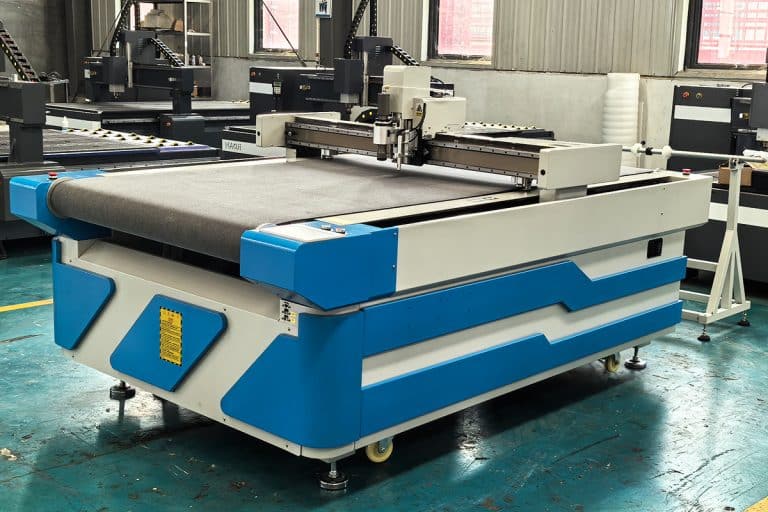
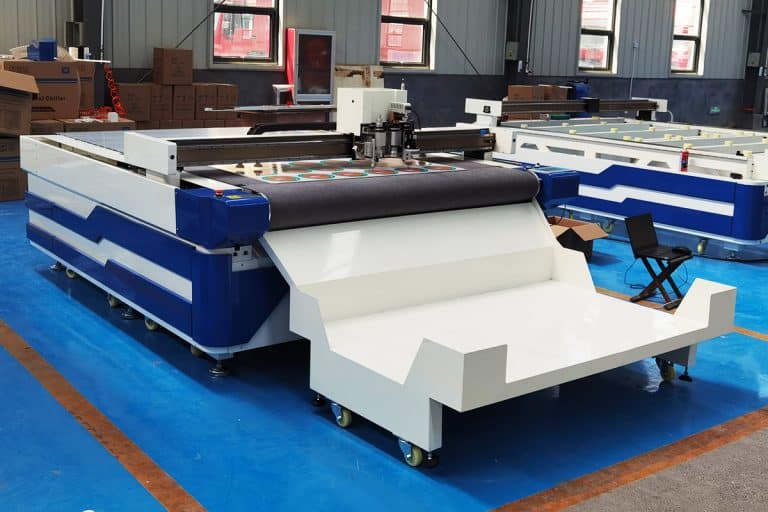
Oscillating Knife Cutting Machines Suitable For Cardboard
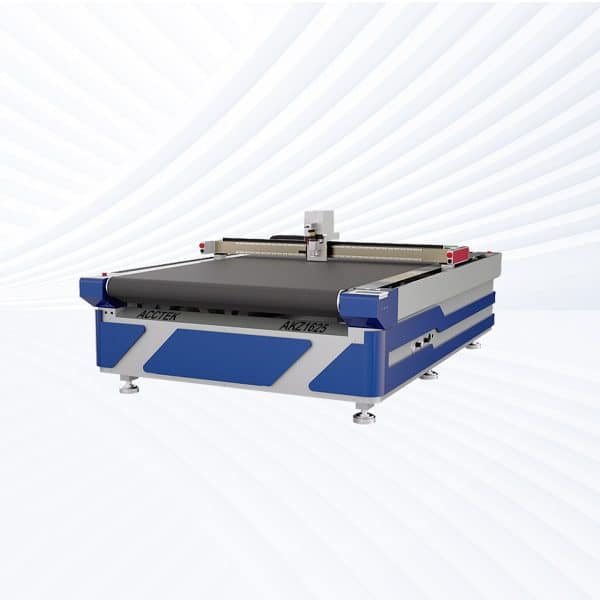
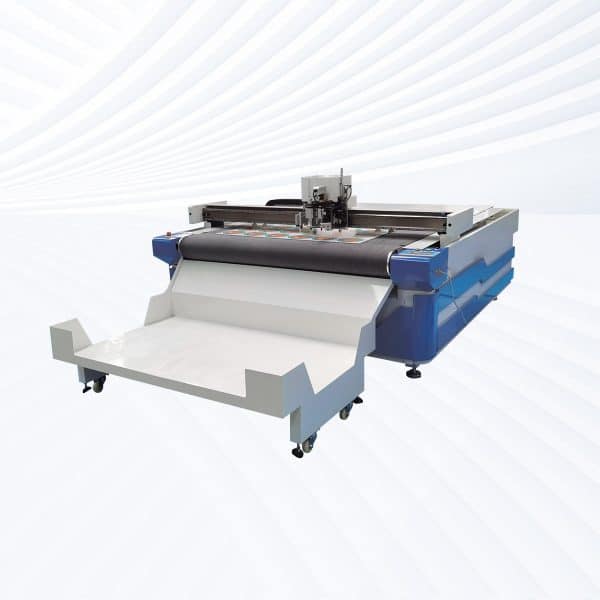
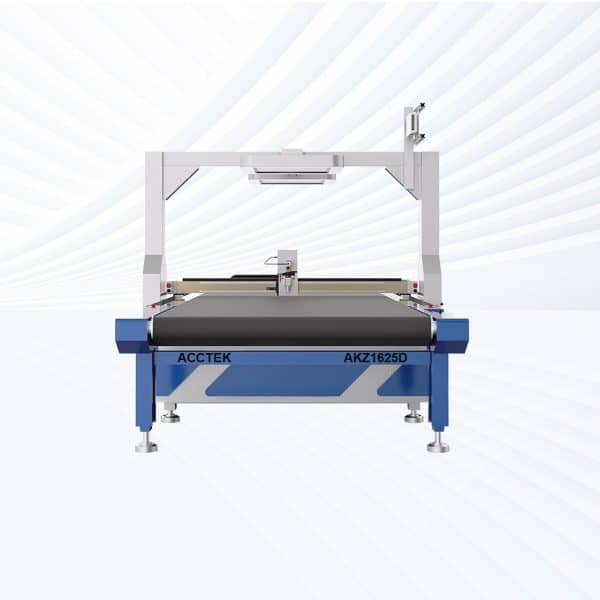
Advantages of Oscillating Knife Cutting Cardboard
High Precision and Clean Edges
Oscillating knife cutting cardboard provides excellent cutting precision thanks to the rapid vertical blade motion and controlled cutting path. This ensures clean edges, sharp corners, and accurate shapes, which are essential for producing high-quality packaging components and display materials.
No Burning or Material Discoloration
Unlike laser cutting, oscillating knife cutting cardboard does not generate heat during the cutting process. This prevents burning, yellowing, or edge discoloration, helping maintain the natural appearance and structural integrity of cardboard and paperboard materials used in packaging.
Ideal for Complex Shapes and Designs
The oscillating knife can easily follow detailed digital cutting paths, making it suitable for producing intricate packaging designs, slots, fold lines, and custom inserts. This capability allows manufacturers to create creative packaging structures and functional cardboard components.
Compatible with Multiple Cardboard Types
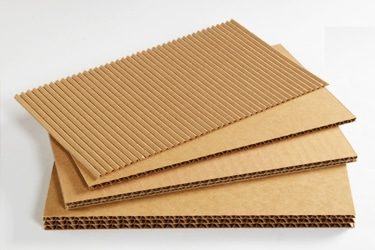
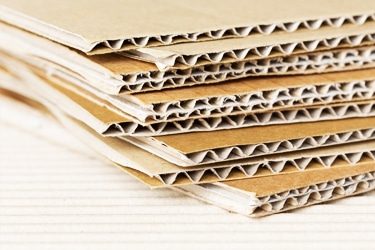
This cutting method works effectively with various types of cardboard, including corrugated board, honeycomb board, paperboard, and multilayer sheets. The versatility of the technology makes it suitable for a wide range of packaging and display applications.
Efficient and Automated Production
Oscillating knife cutting systems are commonly integrated with CNC digital cutting tables and CAD software. This enables automated cutting processes, improves productivity, reduces manual labor, and ensures consistent results across repeated production batches.
Reduced Material Waste
With precise digital control and optimized cutting paths, oscillating knife cutting cardboard helps minimize material waste. Efficient nesting of designs on cardboard sheets allows manufacturers to maximize material utilization and reduce overall production costs.
Compatible Materials
- Single-Wall Corrugated Cardboard
- Double-Wall Corrugated Cardboard
- Triple-Wall Corrugated Cardboard
- E-Flute Corrugated Cardboard
- B-Flute Corrugated Cardboard
- C-Flute Corrugated Cardboard
- A-Flute Corrugated Cardboard
- F-Flute Corrugated Cardboard
- N-Flute Corrugated Cardboard
- Micro-Flute Corrugated Board
- BC-Flute Corrugated Board
- EB-Flute Corrugated Board
- Honeycomb Cardboard
- Paper Honeycomb Board
- Kraft Cardboard
- White Kraft Cardboard
- Recycled Cardboard
- Folding Boxboard
- Solid Bleached Sulfate Board
- Solid Unbleached Sulfate Board
- Chipboard
- Greyboard
- Duplex Board
- Triplex Board
- Clay-Coated News Back Board
- Coated Cardboard Sheets
- Laminated Cardboard
- Printed Corrugated Cardboard
- Corrugated Display Board
- Packaging Carton Board
- Kraft Linerboard
- Testliner Board
- Cardboard Backing Board
- Heavy-Duty Shipping Cardboard
- Corrugated Pallet Box Cardboard
- Protective Packaging Cardboard Inserts
- Die-Cut Packaging Cardboard Sheets
- Multi-Layer Paperboard Sheets
- Industrial Packaging Board
- Recycled Corrugated Board
Oscillating Knife Cutting VS Other Cutting Methods
| Comparison Item | Oscillating Knife Cutting | Rotary Cutting | Laser Cutting | Drag Knife Cutting |
|---|---|---|---|---|
| Cutting Principle | High-frequency vibrating blade moves up and down while following a digital path. | Continuous rotating circular blade slices through material. | A focused laser beam melts or vaporizes material. | The fixed blade is dragged across the material surface. |
| Suitable Material Types | Best for soft to semi-rigid materials like corrugated cardboard, foam, and textiles. | Suitable for thin sheets, fabrics, and continuous materials. | Works well with wood, acrylic, plastics, and some paper products. | Ideal for thin and flexible materials. |
| Material Thickness Capability | Handles thicker cardboard and multilayer corrugated boards effectively. | Limited thickness capability depending on blade size. | Can cut thin to medium materials, but struggles with thick cardboard layers. | Best suited for thin cardboard and lightweight materials. |
| Edge Quality | Produces clean, smooth edges without tearing or crushing cardboard. | Edges are clean but may compress corrugated layers. | Edges may show burn marks or discoloration. | Edge quality depends on material thickness and blade sharpness. |
| Heat Generation | No heat is generated during cutting. | No heat generated. | Generates heat, which may burn or discolor cardboard edges. | No heat generated. |
| Cutting Precision | Very high precision due to CNC control and blade oscillation. | Moderate to high precision for straight or simple shapes. | Extremely high precision for detailed patterns. | Moderate precision, especially for simple cuts. |
| Ability to Cut Complex Shapes | Excellent for intricate shapes and detailed packaging designs. | Limited when cutting tight curves or complex geometry. | Excellent for complex shapes and fine details. | Limited when dealing with sharp corners and complex designs. |
| Material Deformation Risk | Very low; oscillation reduces the cutting force on cardboard. | Possible compression of corrugated layers. | Minimal deformation, but heat may affect edges. | Higher risk of material dragging or tearing. |
| Tool Wear and Maintenance | Blades wear over time but are easy and inexpensive to replace. | Rotary blades require regular sharpening or replacement. | Requires optical maintenance and laser tube servicing. | Blade wear occurs quickly when cutting thicker materials. |
| Operating Cost | Generally low operating cost with simple blade replacements. | Moderate operating cost due to blade maintenance. | Higher operating costs due to power consumption and maintenance. | Very low operating cost. |
| Production Speed | Fast cutting speeds for cardboard and packaging materials. | Very fast for straight and repetitive cuts. | Speed varies depending on material thickness. | Slower when cutting thicker materials or complex shapes. |
| Automation Compatibility | Fully compatible with CNC digital cutting tables and CAD workflows. | Often used in automated production lines. | Compatible with CNC systems and digital workflows. | Common in plotters and entry-level CNC cutting machines. |
| Prototyping Capability | Excellent for rapid packaging prototyping without molds. | Less suitable for one-off prototypes. | Good for prototyping, but may cause edge burning. | Suitable for simple prototype cuts. |
| Environmental Impact | Environmentally friendly with no fumes or burning. | Minimal environmental impact. | Produces smoke, fumes, and requires ventilation. | Environmentally friendly with no thermal emissions. |
| Typical Industry Applications | Packaging, displays, signage, foam inserts, and corrugated cardboard processing. | Textile cutting, paper processing, and continuous sheet cutting. | Acrylic fabrication, wood cutting, engraving, and plastic processing. | Vinyl cutting, decals, thin cardboard, and graphic materials. |
Oscillating Knife Cutting Capacity
| Material | Through Cutting | Kiss Cutting | Creasing | V-Cutting | Perforation | Marking | Engraving | Multi-layer Cutting |
|---|---|---|---|---|---|---|---|---|
| Corrugated Cardboard | Yes | Yes | Yes | Yes | Yes | Yes | No | Yes |
| Cardboard | Yes | Yes | Yes | Yes | Yes | Yes | No | Yes |
| Paper | Yes | Yes | No | No | Yes | Yes | No | Yes |
| Foam | Yes | Yes | No | Yes | Yes | Yes | No | Yes |
| Rubber | Yes | Yes | No | No | Yes | Yes | No | Yes |
| Leather | Yes | Yes | No | No | Yes | Yes | No | Yes |
| Textile | Yes | Yes | No | No | Yes | Yes | No | Yes |
| Felt | Yes | Yes | No | No | Yes | Yes | No | Yes |
| Film | Yes | Yes | No | No | Yes | Yes | No | Yes |
| Acrylic | Limited | No | No | No | No | Yes | No | No |
| PET | Yes | Yes | No | No | Yes | Yes | No | Yes |
| Polycarbonate | Limited | No | No | No | No | Yes | No | No |
| Composite | Yes | Yes | Yes | Yes | Yes | Yes | No | Yes |
| Gasket Materials | Yes | Yes | No | No | Yes | Yes | No | Yes |
| Carbon Fiber | Yes | No | No | No | No | Yes | No | Limited |
| Fiberglass | Yes | No | No | No | No | Yes | No | Limited |
| Carpet | Yes | Yes | No | No | Yes | Yes | No | Yes |
| Sponge | Yes | Yes | No | Yes | Yes | Yes | No | Yes |
| Silicone Sheets | Yes | Yes | No | No | Yes | Yes | No | Yes |
| Adhesive Materials | Yes | Yes | No | No | Yes | Yes | No | Yes |
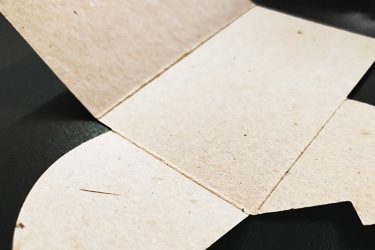
Applications of Oscillating Knife Cutting Cardboard



Customer Testimonials
Related Resources
What Are the Main Components of Oscillating Knife Cutting Machines?
This article explores the main components of oscillating knife cutting machines, including cutting heads, motion systems, tools, vacuum tables, software, controls, sensors, and safety systems.
Can Oscillating Knife Cutting Machines Handle Multi-Layered Materials?
This article explores how oscillating knife cutting machines process multi-layered materials, including suitable materials, machine features, cutting factors, limitations, and best practices.
Does Oscillating Knife Cutting Generate Contaminants
This article explores whether oscillating knife cutting generates contaminants, including dust, fibers, microplastics, air pollution, and methods for contamination control.
Can Oscillating Knife Cutting Machines Reduce Material Waste
This article explores how oscillating knife cutting machines reduce material waste through precision cutting, nesting optimization, automation, and efficient processing across industries.
Frequently Asked Questions
What Is The Working Principle Of Oscillating Knife Cutting For Cardboard?
- High-Frequency Blade Motion: At the core of the process is a thin blade that moves up and down at high speed. This oscillating motion reduces cutting resistance, allowing the blade to pass through cardboard layers smoothly. Cardboard, especially corrugated types, consists of fluted inner layers sandwiched between flat liners. The oscillation helps the blade cut through these varying densities without crushing the structure.
- CNC-Guided Cutting Path: The blade is mounted on a CNC-controlled head that follows digital design files. This ensures precise cutting of shapes, slots, and folds required for packaging designs. The machine coordinates blade oscillation with forward movement, maintaining consistent depth and accuracy across the sheet.
- Adaptation to Corrugated Structure: One of the key advantages when cutting cardboard is the ability of the oscillating knife to adapt to its internal structure. Unlike static blades, the reciprocating motion allows the knife to penetrate the fluted core cleanly, preventing deformation or tearing. This results in sharp edges and well-defined cut lines.
- Creasing and Partial Cutting: In addition to full cuts, oscillating knife cutting systems often include creasing tools or controlled-depth cutting (kiss cutting). This is essential for cardboard packaging, where fold lines must be created without cutting through the entire material. The machine can switch between cutting and creasing functions within the same job.
- No Heat or Material Damage: Since the process is purely mechanical, there is no heat generation. This prevents issues like scorching, discoloration, or weakening of the cardboard fibers. The material retains its original strength and appearance, which is important for packaging quality.
- Efficient Material Handling: Cardboard sheets are typically held in place using a vacuum table to prevent movement during cutting. This ensures stability and accuracy, especially for large sheets or intricate designs.
- Clean and Consistent Results: The combination of oscillation, sharp blades, and precise control produces clean edges with minimal dust. There is little need for post-processing, making the process efficient for both prototyping and mass production.
Can An Oscillating Knife Cut Produce Complex Shapes?
- CNC-Controlled Precision: The key factor behind complex shape cutting is CNC (computer numerical control). The machine reads vector-based design files and translates them into exact cutting paths. This allows the oscillating knife to follow curves, angles, and detailed contours with high accuracy. Even intricate geometries, such as logos, custom packaging layouts, or patterned textiles, can be reproduced consistently.
- Smooth Handling of Curves and Corners: The oscillating motion of the blade reduces resistance as it moves through the material, making it easier to handle tight curves and directional changes. Unlike static blades that may drag or snag, the reciprocating action helps maintain clean edges even in detailed sections. However, extremely sharp internal corners may still be slightly rounded depending on blade geometry.
- Suitability for Soft Materials: Complex shapes are most effectively achieved in materials like foam, rubber, cardboard, leather, and fabrics. These materials respond well to the slicing action, allowing the blade to navigate detailed paths without cracking or breaking the material structure.
- Multi-Tool Functionality: Many oscillating knife cutting systems can switch between tools, such as cutting blades, creasing wheels, or marking tools. This enables the creation of complex designs that combine cuts, folds, and surface markings in a single workflow, which is particularly useful in packaging and prototyping.
- Limitations in Fine Detail: While the system is highly capable, there are some limits. Very small features or extremely intricate patterns may be constrained by blade thickness, material behavior, and machine resolution. For ultra-fine detail or engraving, laser cutting may offer an advantage.
- Consistent Repeatability: Once a design is programmed, the machine can reproduce the same complex shape repeatedly with minimal variation. This is ideal for batch production where uniformity is important.
- Minimal Material Distortion: Because the process uses low force and no heat, delicate shapes can be cut without warping or damaging the material. Proper material hold-down ensures accuracy throughout the cutting process.
How Does Oscillating Stability Affect Cutting Results?
- Consistent Blade Motion: Stable oscillation ensures that the blade moves up and down at a uniform frequency and amplitude. When this motion is consistent, the blade slices smoothly through the material, producing clean and even edges. If the oscillation becomes irregular, the cutting action can become uneven, leading to jagged edges or incomplete cuts.
- Cutting Accuracy: Stability in oscillation directly impacts precision. When the blade vibrates in a controlled manner, it follows the programmed path accurately. However, if there is excessive vibration or fluctuation in the oscillation, the blade may deviate slightly from its intended path. This can result in dimensional inaccuracies, especially in detailed or complex designs.
- Material Interaction: Different materials respond differently to oscillation. Soft materials like foam and textiles require smooth, stable motion to avoid stretching or tearing. If oscillation is unstable, these materials may deform during cutting. For layered materials like cardboard, poor stability can cause uneven penetration through layers, leading to rough or crushed edges.
- Edge Quality and Finish: A stable oscillating knife cutting system produces sharp, clean edges with minimal fraying. Instability, on the other hand, can create rough surfaces, fiber pull-out, or inconsistent cut depths. This is particularly noticeable in fibrous materials such as fabrics or corrugated board.
- Tool Wear and Longevity: Unstable oscillation increases mechanical stress on the blade and cutting components. This can accelerate blade wear, reduce tool life, and increase maintenance requirements. Stable operation helps distribute forces evenly, extending the lifespan of the blade.
- Machine Performance and Noise: Poor oscillation stability often results in increased noise and vibration throughout the machine. This not only affects cutting quality but can also indicate underlying mechanical or calibration issues that need attention.
- Parameter Optimization: Achieving stable oscillation depends on proper machine settings, including frequency, speed, and pressure. Matching these parameters to the material being cut is essential for maintaining stability and achieving optimal results.
How Do You Optimize Oscillating Knife Cutting Efficiency?
- Optimize Cutting Parameters: The most important step is setting the correct oscillation frequency, cutting speed, and blade pressure for the specific material. Higher speeds can increase productivity, but if they exceed the material’s tolerance, they may cause tearing or incomplete cuts. Fine-tuning these parameters ensures smooth cutting while maintaining efficiency.
- Select the Right Blade: Blade choice has a direct impact on cutting performance. Different materials require different blade types, angles, and thicknesses. A sharp, properly selected blade reduces resistance, allowing faster cutting and cleaner edges. Using the wrong blade often leads to slower speeds and more frequent tool changes.
- Maintain Blade Sharpness: Regular inspection and timely replacement of blades are essential. A dull blade increases drag, slows down the process, and reduces cut quality. Keeping blades sharp ensures consistent performance and minimizes downtime.
- Improve Material Hold-Down: Efficient cutting depends on material stability. Using a strong vacuum table or proper clamping prevents shifting or lifting during operation. Stable materials allow higher cutting speeds and reduce errors or rework.
- Optimize Tool Paths: Well-prepared design files and efficient nesting of parts can significantly reduce cutting time. Minimizing unnecessary tool movement and organizing cutting sequences logically helps the machine operate more smoothly and quickly.
- Reduce Idle Movements: Non-cutting movements, such as repositioning the tool head, add to overall cycle time. Optimizing layouts and grouping cuts reduces these idle motions, improving overall efficiency.
- Match Machine Settings to Material Thickness: Adjusting settings based on thickness ensures the blade cuts through in a single pass whenever possible. Multiple passes slow down production and increase wear, so proper calibration is key.
- Regular Machine Maintenance: Keeping the machine well-maintained, including checking alignment, lubrication, and calibration, ensures stable operation. A well-tuned system runs more efficiently and reduces unexpected downtime.
- Operator Training: Skilled operators can quickly identify issues, adjust parameters, and prepare files correctly. Proper training helps maximize machine capabilities and maintain consistent output.
What Are The Limitations Of Oscillating Knife Cutting For Cardboard?
- Thickness Constraints: While oscillating knives handle standard corrugated cardboard well, very thick or multi-layered boards can present challenges. As thickness increases, the blade may struggle to maintain a straight cutting path, leading to slight deflection or uneven edges. In heavy-duty cardboard, multiple passes may be required, which reduces efficiency.
- Edge Compression and Deformation: Cardboard is a layered material with a fluted core, and excessive cutting force or improper settings can compress these inner layers. This may result in crushed edges instead of clean cuts, especially if the blade is dull or the oscillation frequency is not optimized.
- Blade Wear: Cardboard may seem soft, but adhesives, coatings, and recycled fibers can be abrasive over time. This accelerates blade wear, leading to reduced cutting quality. Frequent blade replacement is necessary to maintain clean edges and consistent performance.
- Limited Fine Detail: Although oscillating knife cutting systems are precise, very intricate or small details in cardboard designs can be difficult to achieve. The blade thickness and material flexibility can limit the ability to create sharp internal corners or very fine cut-outs.
- Material Movement: Cardboard sheets, especially large or lightweight ones, can shift during cutting if not properly secured. Without an effective vacuum hold-down, this movement can lead to misalignment and inaccuracies in the final product.
- Speed Limitations for Complex Designs: For simple shapes, oscillating knife cutting is efficient. However, when dealing with complex packaging layouts involving many small cuts, slots, and curves, the cutting speed may need to be reduced to maintain accuracy. This can impact overall productivity.
- Not Suitable for Mass Die-Cutting Replacement: While ideal for short runs and prototyping, oscillating knife cutting is generally slower than traditional die-cutting for large-scale production. For high-volume manufacturing, die-cutting remains more cost-effective.
- Tool Path Sensitivity: Cardboard cutting requires well-prepared vector files. Poorly designed paths, overlapping lines, or incorrect layer assignments can lead to cutting errors or incomplete operations.
Can Oscillating Knife Cutting Replace Die Cutting?
- Short Runs and Prototyping: Oscillating knife cutting is ideal for low to medium-volume production or prototyping. Unlike die cutting, which requires a custom die, oscillating knife cutting systems can cut designs directly from digital files. This eliminates the time and cost associated with die fabrication, making it particularly useful for custom packaging, sample production, or small batches.
- Material Flexibility: Oscillating knives excel at cutting soft to semi-rigid materials such as cardboard, foam, rubber, textiles, and corrugated sheets. They can handle various thicknesses and layered structures without crushing the material. Die cutting, while fast and efficient, may require different dies for different materials, limiting flexibility.
- Complex and Custom Designs: One of the advantages of oscillating knife cutting is the ability to produce intricate shapes and variable designs without changing tooling. For designs with frequent modifications, this digital approach is more adaptable than die cutting, which involves physical dies that are fixed once made.
- Volume and Speed Limitations: Die cutting is still the preferred method for high-volume production. Once a die is created, it can cut thousands of identical parts quickly and consistently. Oscillating knife cutting is slower for mass production because each cut is made sequentially by the moving blade, and large sheets or complex designs require more time.
- Edge and Finish Considerations: Oscillating knife cutting produces clean edges without heat, which is beneficial for delicate materials. However, for extremely precise edge quality in very dense or rigid materials, die cutting may achieve more uniform results due to the mechanical force applied by the die.
- Cost Efficiency: For short runs, the cost savings of eliminating dies make oscillating knife cutting more economical. For large-scale production, die cutting is more cost-effective because the per-unit cutting time is significantly lower once the die is produced.
- Maintenance and Tool Wear: Oscillating knife cutting systems require periodic blade replacement and careful calibration. Die cutting tools, while also requiring maintenance, can withstand very high volumes with minimal intervention.
What Are The Risks Of Oscillating Knife Cutting?
- Physical Injury: The most obvious risk comes from the rapidly moving blade. Contact with the oscillating knife can cause severe cuts or amputations. Even though the blade is relatively small, its high-frequency motion makes it extremely dangerous. Proper machine guards, safety interlocks, and operator training are essential to prevent accidents.
- Pinching and Crushing Hazards: Moving components, such as the gantry and blade assembly, pose a risk of pinching or crushing. Operators should avoid placing their hands near the moving parts and ensure the material is correctly loaded and secured.
- Material Kickback: Soft or flexible materials can shift or spring back if not held properly by clamps or vacuum tables. This can cause unexpected movement that may lead to miscuts or, in rare cases, injury if the operator attempts to adjust the material during operation.
- Blade Wear and Breakage: Dull or damaged blades increase cutting resistance and may snag or tear material. In rare cases, a compromised blade could break during operation, posing a risk of flying fragments. Regular inspection and timely replacement of blades reduce this hazard.
- Repetitive Strain and Vibration: Operators who frequently load, unload, or adjust materials may be exposed to repetitive strain injuries. Additionally, prolonged exposure to machine vibration can contribute to fatigue and discomfort. Ergonomic workstations and proper handling procedures help mitigate these issues.
- Dust and Debris: While oscillating knife cutting does not generate heat or smoke, cutting certain materials—such as cardboard, foam, or coated textiles—can produce small dust particles or fibers. Accumulation of dust may present respiratory risks if inhaled over time, so proper extraction or ventilation is recommended.
- Electrical and Mechanical Hazards: As with any CNC system, there are risks related to electrical components, control systems, and moving parts. Malfunctions, poor maintenance, or incorrect operation can lead to unexpected machine behavior. Following maintenance schedules and safety protocols reduces these risks.
- Operational Errors: Improper machine setup, incorrect parameters, or poorly prepared design files can cause miscuts, material damage, or unplanned movement, indirectly creating safety hazards. Training and careful verification of files are important to avoid accidents.
What Problems Occur In Oscillating Knife Cutting Cardboard?
- Blade Wear and Dulling: Cardboard often contains adhesives, coatings, or recycled fibers that are slightly abrasive. Over time, these factors cause the blade to dull, resulting in rough edges, incomplete cuts, or tearing of the material. Frequent blade inspection and timely replacement are essential to maintain clean cuts.
- Material Compression and Crushing: Corrugated cardboard has a fluted core that can be easily compressed. Excessive blade pressure or incorrect oscillation settings can crush the inner layers, producing uneven edges or deformed sections. This is particularly problematic for high-quality packaging or when precise folds are required.
- Misalignment and Material Movement: Cardboard sheets, especially large or lightweight ones, can shift during cutting if not properly secured with vacuum tables or clamps. Movement can cause misaligned cuts, irregular shapes, or wasted material, reducing overall efficiency.
- Incomplete or Partial Cuts: If the oscillation frequency, cutting speed, or blade pressure is not optimized for the cardboard type or thickness, cuts may not penetrate fully. This requires additional passes, slowing production and increasing tool wear.
- Difficulty with Fine Detail: While oscillating knives can cut complex shapes, very small details or tight internal corners may be challenging. The blade thickness and flexibility of cardboard can limit precision in intricate designs, sometimes rounding off sharp corners.
- Dust and Debris Accumulation: Cutting cardboard generates dust and small fibers. Without proper extraction, this debris can accumulate around the blade or gantry, affecting machine movement and potentially causing minor defects in subsequent cuts.
- Variability Across Cardboard Types: Different cardboard grades—single-wall, double-wall, or laminated sheets—respond differently to oscillating knives. Settings that work for one type may produce poor results on another, requiring frequent parameter adjustments.
- Tool Path and File Errors: Poorly prepared digital files, such as open paths or overlapping vectors, can lead to miscuts or incomplete shapes. Ensuring clean, closed paths is critical for accurate cardboard cutting.