

Introduction
Oscillating Knife Cutting Machines Suitable For Composite
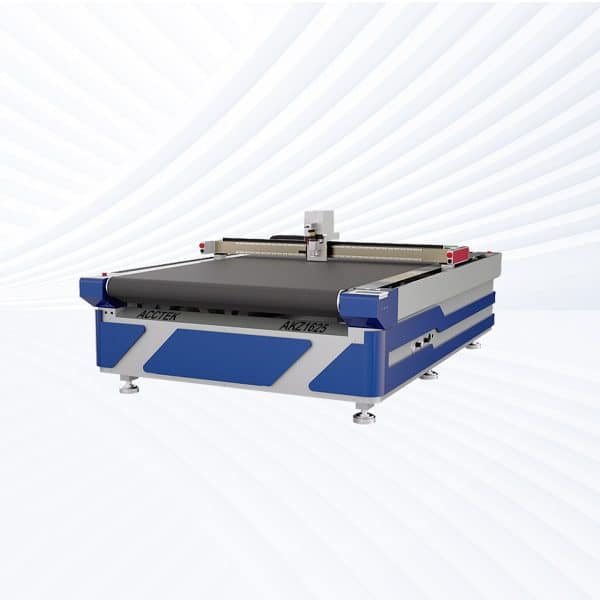
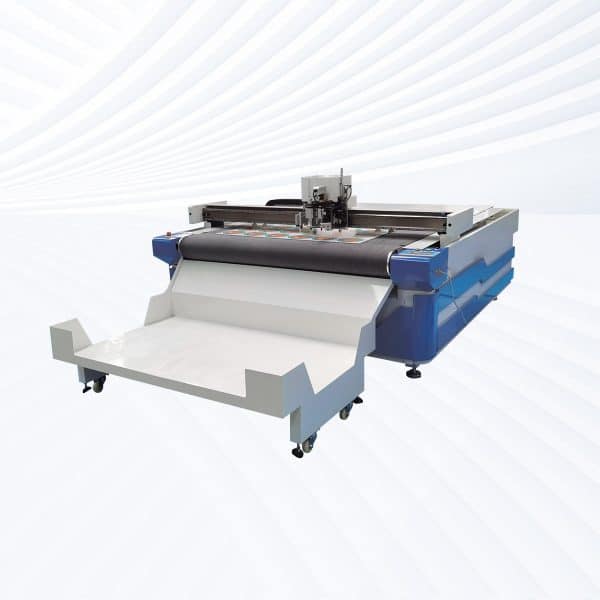
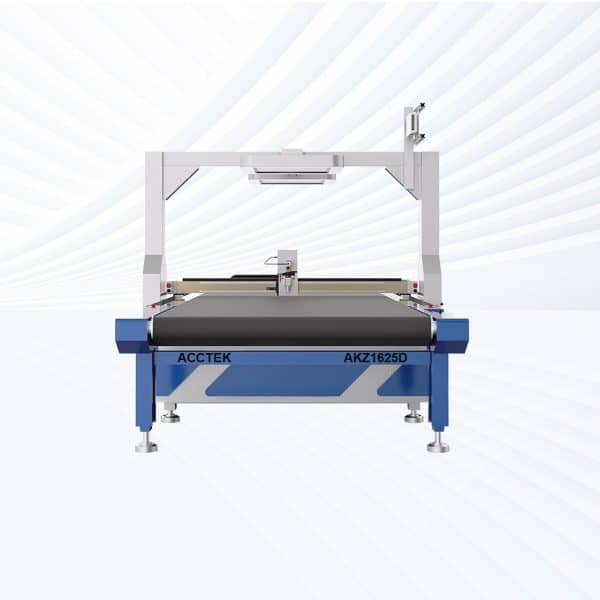
Advantages of Oscillating Knife Cutting Composite
High Cutting Precision
Oscillating knife cutting provides excellent precision when processing composite materials. The high-frequency blade vibration combined with CNC control allows accurate cutting of complex shapes, curves, and patterns, ensuring consistent dimensions and clean edges for composite components.
Reduced Risk of Layer Separation
Composite materials often consist of multiple bonded layers. The oscillating knife reduces cutting resistance and stress on the material, helping prevent delamination or layer separation during cutting, which helps maintain the structural integrity of the composite.
No Heat-Affected Zones
Unlike laser or thermal cutting methods, oscillating knife cutting does not generate significant heat. This prevents burning, melting, or resin damage in composite materials, making it especially suitable for heat-sensitive materials such as fiberglass fabrics and carbon fiber sheets.
Compatible with Various Materials
Oscillating knife cutting machines can process many composite materials, including carbon fiber composites, fiberglass sheets, composite fabrics, foam-core panels, and laminated materials. This versatility allows manufacturers to use one cutting system for multiple composite applications.
Minimal Material Deformation
The rapid oscillation of the blade allows it to slice through composite materials with less force. This reduces the risk of material deformation, compression, or tearing, ensuring the final parts maintain their original shape and structural properties.
Integration with Automated CNC Systems
Oscillating knife tools are commonly integrated into CNC cutting machines and digital cutting tables. This allows automated production, improved efficiency, reduced manual labor, and consistent cutting quality across multiple composite parts and production batches.
Compatible Materials
- Carbon Fiber Composite Sheets
- Carbon Fiber Reinforced Polymer
- Fiberglass Composite Sheets
- Glass Fiber Reinforced Plastic
- Aramid Fiber Composites
- Carbon Fiber Fabric
- Fiberglass Fabric
- Aramid Fiber Fabric
- Hybrid Fiber Composites
- Prepreg Carbon Fiber Sheets
- Prepreg Fiberglass Sheets
- Thermoset Composite Laminates
- Thermoplastic Composite Sheets
- Epoxy Resin Composite Panels
- Polyester Resin Composite Panels
- Vinyl Ester Composite Panels
- Sandwich Composite Panels
- Honeycomb Core Composite Panels
- Foam Core Composite Panels
- Balsa Core Composite Panels
- Carbon Fiber Foam Sandwich Panels
- Fiberglass Reinforced Panels
- Reinforced Thermoplastic Composites
- Composite Textile Laminates
- Composite Insulation Panels
- Composite Structural Panels
- Composite Automotive Interior Panels
- Composite Marine Panels
- Composite Aerospace Panels
- Reinforced Composite Rubber Sheets
- Composite Felt Materials
- Composite Acoustic Panels
- Composite Protective Panels
- Composite Fabric Laminates
- Multi-Layer Composite Sheets
- Composite Reinforcement Mats
- Composite Fiber Boards
- Composite Reinforced Foam Boards
- Composite Industrial Panels
- Carbon Fiber Honeycomb Panels
Oscillating Knife Cutting VS Other Cutting Methods
| Comparison Item | Oscillating Knife Cutting | Rotary Cutting | Laser Cutting | Drag Knife Cutting |
|---|---|---|---|---|
| Cutting Principle | A straight blade moves up and down at high frequency while following a programmed path to slice materials. | A circular blade rotates continuously while moving through the material. | A focused laser beam melts, burns, or vaporizes the material. | A fixed blade is dragged across the surface along a tool path. |
| Best Material Types | Soft to semi-rigid composites such as fiber fabrics, sandwich panels, and laminated composites. | Thin fabrics, films, and flexible sheets. | Plastics, acrylics, wood, and some thin composite materials. | Thin and flexible composite sheets or films. |
| Material Thickness Range | Suitable for medium to thick composite layers and multi-layer materials. | Usually limited to thin materials. | Effective on thin to medium materials, depending on power. | Best suited for thin composite materials. |
| Edge Quality | Produces clean, smooth edges without burning or fraying. | Edges are smooth but may compress layered composites. | Edges may show heat marks or melted resin. | Edge quality depends on material thickness and blade sharpness. |
| Heat Generation | No heat is produced during cutting. | No heat produced. | Generates significant heat during cutting. | No heat produced. |
| Risk of Delamination | Low risk due to reduced cutting force and vibration assistance. | Moderate risk for layered composite materials. | Low mechanical stress, but heat may affect bonding layers. | Higher risk when cutting thicker-layered composites. |
| Cutting Precision | High precision due to CNC control and oscillation movement. | Moderate precision for simple shapes. | Very high precision for detailed patterns. | Moderate precision, especially on simple paths. |
| Ability to Cut Complex Shapes | Excellent for intricate contours and composite part designs. | Limited when handling tight curves or detailed shapes. | Excellent for complex designs and fine details. | Limited when cutting complex curves and angles. |
| Material Deformation Risk | Very low deformation because less force is required. | Possible compression of layered materials. | Minimal mechanical deformation, but thermal effects may occur. | Higher deformation risk on thicker composites. |
| Tool Wear and Maintenance | Blades require periodic replacement but are relatively inexpensive. | Rotary blades require sharpening or replacement. | Requires laser optics maintenance and system calibration. | Blade dulling occurs quickly with thicker materials. |
| Operating Cost | Generally, low operating cost with simple mechanical components. | Moderate cost due to blade maintenance. | Higher cost due to power consumption and maintenance. | Very low operating cost. |
| Production Speed | Fast for many composite materials, especially digital cutting systems. | Very fast for continuous material cutting. | Speed varies depending on material thickness and laser power. | Slower when cutting thick or dense materials. |
| Automation Compatibility | Fully compatible with CNC cutting tables and CAD systems. | Often used in automated production lines. | Compatible with CNC and digital fabrication systems. | Commonly used in plotters and entry-level cutting machines. |
| Prototyping Capability | Excellent for rapid prototyping without tooling. | Less suitable for one-off prototypes. | Good for prototypes, but may affect edge appearance. | Suitable for simple prototype cutting. |
| Typical Applications | Automotive composites, aerospace fabrics, foam composites, and laminated materials. | Textile cutting, fabric composites, and continuous sheet materials. | Acrylic fabrication, plastics processing, and engraving. | Vinyl cutting, thin films, and lightweight composite sheets. |
Oscillating Knife Cutting Capacity
| Material | Through Cutting | Kiss Cutting | Creasing | V-Cutting | Perforation | Marking | Engraving | Multi-layer Cutting |
|---|---|---|---|---|---|---|---|---|
| Corrugated Cardboard | Yes | Yes | Yes | Yes | Yes | Yes | No | Yes |
| Cardboard | Yes | Yes | Yes | Yes | Yes | Yes | No | Yes |
| Paper | Yes | Yes | No | No | Yes | Yes | No | Yes |
| Foam | Yes | Yes | No | Yes | Yes | Yes | No | Yes |
| Rubber | Yes | Yes | No | No | Yes | Yes | No | Yes |
| Leather | Yes | Yes | No | No | Yes | Yes | No | Yes |
| Textile | Yes | Yes | No | No | Yes | Yes | No | Yes |
| Felt | Yes | Yes | No | No | Yes | Yes | No | Yes |
| Film | Yes | Yes | No | No | Yes | Yes | No | Yes |
| Acrylic | Limited | No | No | No | No | Yes | No | No |
| PET | Yes | Yes | No | No | Yes | Yes | No | Yes |
| Polycarbonate | Limited | No | No | No | No | Yes | No | No |
| Composite | Yes | Yes | Yes | Yes | Yes | Yes | No | Yes |
| Gasket Materials | Yes | Yes | No | No | Yes | Yes | No | Yes |
| Carbon Fiber | Yes | No | No | No | No | Yes | No | Limited |
| Fiberglass | Yes | No | No | No | No | Yes | No | Limited |
| Carpet | Yes | Yes | No | No | Yes | Yes | No | Yes |
| Sponge | Yes | Yes | No | Yes | Yes | Yes | No | Yes |
| Silicone Sheets | Yes | Yes | No | No | Yes | Yes | No | Yes |
| Adhesive Materials | Yes | Yes | No | No | Yes | Yes | No | Yes |
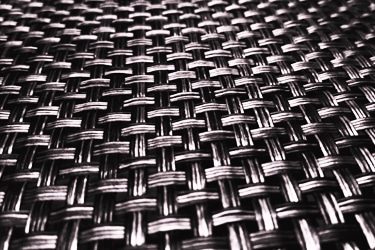
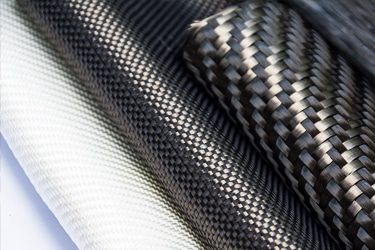
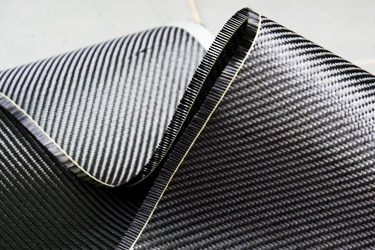
Applications of Oscillating Knife Cutting Composite
Customer Testimonials
Related Resources
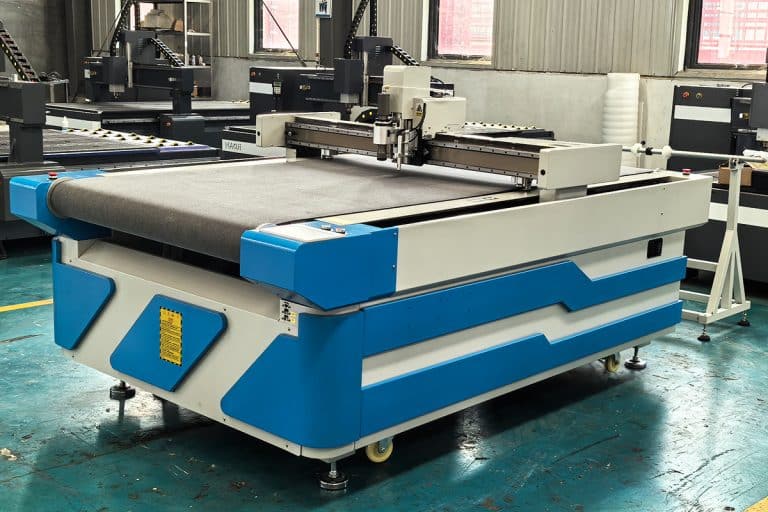
What Are the Main Components of Oscillating Knife Cutting Machines?
This article explores the main components of oscillating knife cutting machines, including cutting heads, motion systems, tools, vacuum tables, software, controls, sensors, and safety systems.
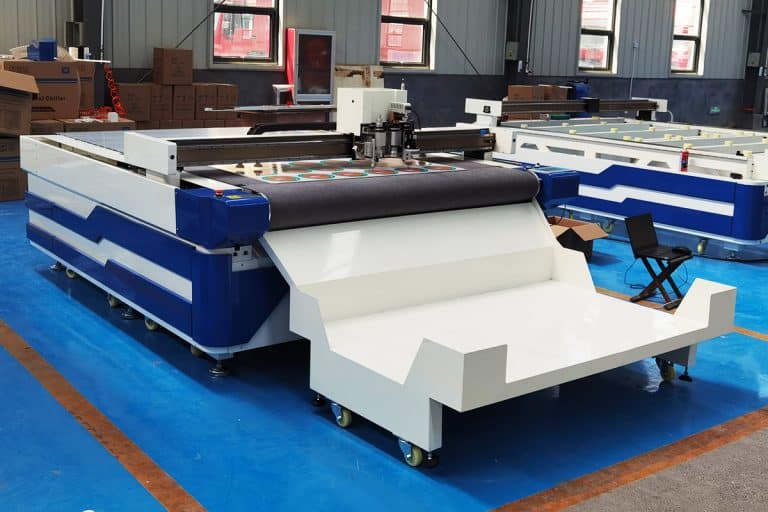
Can Oscillating Knife Cutting Machines Handle Multi-Layered Materials?
This article explores how oscillating knife cutting machines process multi-layered materials, including suitable materials, machine features, cutting factors, limitations, and best practices.
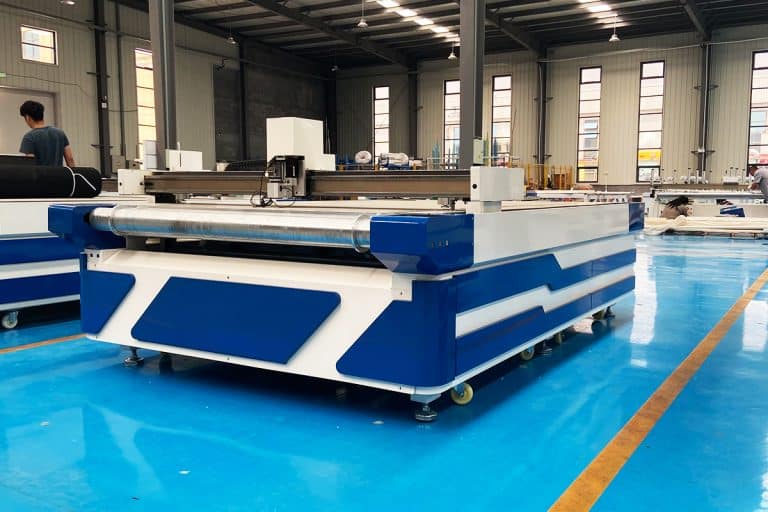
Does Oscillating Knife Cutting Generate Contaminants
This article explores whether oscillating knife cutting generates contaminants, including dust, fibers, microplastics, air pollution, and methods for contamination control.
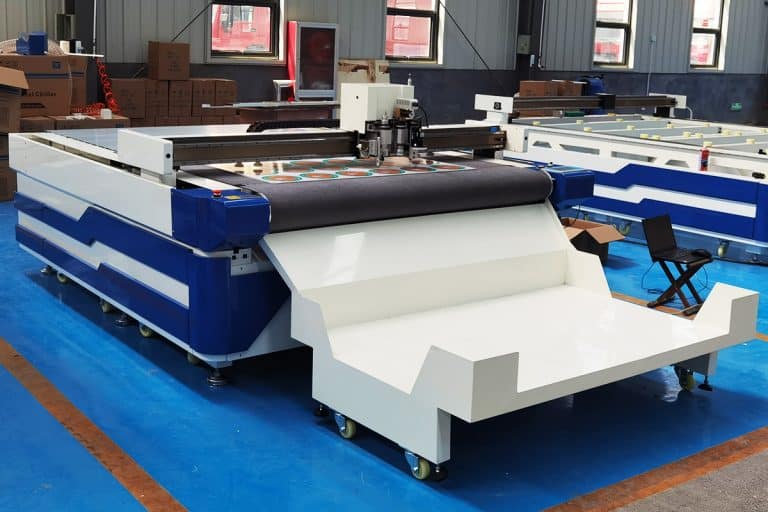
Can Oscillating Knife Cutting Machines Reduce Material Waste
This article explores how oscillating knife cutting machines reduce material waste through precision cutting, nesting optimization, automation, and efficient processing across industries.
Frequently Asked Questions
What Is The Working Principle Of The Oscillating Knife Cutting Composites?
- High-Frequency Blade Oscillation: At the core of the system is a thin, sharp blade that moves up and down at high frequency. This oscillating motion allows the blade to slice cleanly through composites, which often consist of multiple layers with differing densities or fiber orientations. The rapid vertical movement reduces drag and prevents tearing or delamination of the layers.
- CNC-Controlled Path: The blade is mounted on a computer-controlled gantry system that follows digital design files. CNC guidance ensures precise cutting along complex paths, including curves, angles, and intricate shapes, while maintaining consistent depth and edge quality across the composite material.
- Adaptation to Layered Structures: Composites, such as carbon fiber laminates, fiberglass panels, or sandwich panels, have varying mechanical properties across layers. The oscillating knife can penetrate these layers smoothly without crushing or separating them. This is crucial for maintaining structural integrity, especially in aerospace, automotive, and sporting applications.
- No Heat Generation: Unlike laser or plasma cutting, the oscillating knife does not rely on thermal energy. This eliminates the risk of burning, melting, or weakening the resin matrix in composite materials. The edges remain clean, and the fibers retain their original properties, which is critical for load-bearing or high-performance applications.
- Controlled Cutting Parameters: Operators can adjust blade oscillation frequency, cutting speed, and pressure depending on the composite type and thickness. Thicker or denser composites may require slower feed rates or multiple passes to achieve clean cuts, while thinner panels can be processed at higher speeds.
- Minimal Material Waste: The thin blade produces a narrow kerf, reducing scrap material and enabling tight nesting of parts. Since the cutting process is mechanical, there is no material loss from melting or vaporization, making it efficient for expensive composite materials.
- Versatility for Complex Shapes: Oscillating knife cutting can handle detailed designs, internal cut-outs, and partial cuts (kiss cutting) without changing tooling. This flexibility is particularly useful for prototypes, custom parts, or low-volume production runs.
Why Is The Oscillating Knife Cutting Ideal For Composites?
- Mechanical, Heat-Free Cutting: Composites such as carbon fiber, fiberglass, and sandwich panels consist of fibers embedded in a resin matrix or multiple layers with differing densities. Oscillating knife cutting uses a rapid blade motion to physically slice through the material without generating heat. This is crucial because thermal processes like laser or plasma cutting can damage the resin, weaken fibers, or create delamination. The oscillating knife preserves the structural integrity of the composite while producing clean edges.
- Adaptability to Layered Structures: The high-frequency vertical oscillation allows the blade to cut through layers of varying density and composition smoothly. Unlike static blades or conventional cutters, the oscillating knife adapts to fluctuations in thickness and fiber orientation, minimizing crushing, tearing, or distortion of the material. This makes it highly effective for delicate or high-performance composites used in aerospace, automotive, and sporting applications.
- Precision and Complexity: Oscillating knife cutting systems are CNC-controlled, allowing precise following of complex digital paths. This is essential for composites, which often require intricate shapes, internal cut-outs, or partial cuts without compromising material strength. The combination of controlled oscillation and digital guidance ensures consistent accuracy across multiple parts.
- Minimal Material Waste: Composites are typically expensive, so reducing material loss is critical. The thin oscillating blade produces a narrow kerf and requires no heat-based material removal, unlike laser cutting, where vaporization occurs. This enables tight nesting of parts and efficient use of raw material, reducing costs and scrap.
- Tool Longevity and Consistency: Oscillating knives produce less wear on the material and tooling compared to other cutting methods. With proper blade selection and maintenance, the system can maintain consistent cut quality even in abrasive composites.
- Versatility for Low-Volume or Prototyping: Since the oscillating knife does not require custom dies or thermal setups, it is ideal for low-volume production or prototyping. Design changes can be implemented digitally without retooling, making it more flexible than traditional die cutting.
Can An Oscillating Knife Cut Multilayer Composites?
- Foam-Based Composites: Multilayer foams, such as EVA foam bonded with fabric or adhesive layers, are ideal for oscillating knives. These materials are commonly used in packaging, cushioning, and insulation. The blade moves cleanly through compressible layers without distorting them, especially when supported by a vacuum table.
- Textile and Fabric Laminates: Layered textiles, including composites of cotton, polyester, felt, or technical fabrics with backing materials, are cut efficiently. Applications include automotive interiors, upholstery, and industrial fabrics. The oscillating motion reduces fraying and helps maintain alignment across layers.
- Rubber and Gasket Materials: Rubber composites, including layered gasket materials and elastomer sheets with reinforcements, can be cut accurately. However, softer rubbers perform better, while denser or highly elastic materials may require slower speeds and sharper blades to maintain precision.
- Paper, Cardboard, and Honeycomb Panels: Laminated paper products, corrugated cardboard, and honeycomb boards are well-suited for oscillating knife cutting. These materials are widely used in packaging and display structures. The knife produces clean edges without crushing the internal structure when parameters are properly set.
- Plastic Film and Flexible Laminates: Thin plastic composites, such as layered films, vinyl alternatives (non-chlorinated), and flexible packaging materials, can be processed effectively. Care must be taken with very sticky or stretchable layers, as they may adhere to the blade or shift during cutting.
- Leather and Synthetic Layered Materials: Natural leather and multilayer synthetic alternatives can be cut with high precision. These are common in the footwear, furniture, and fashion industries. Material consistency plays a role in achieving uniform cuts across layers.
- Rigid and Abrasive Composites: Oscillating knives are less effective on hard composites like fiberglass panels, carbon fiber laminates, or resin-heavy boards. These materials cause rapid blade wear and may result in rough or incomplete cuts. For such applications, routing or waterjet cutting is typically preferred.
Which File Formats Does The Oscillating Knife Cutting Support?
- DXF (Drawing Exchange Format): DXF is one of the most widely used formats in oscillating knife cutting. It stores vector paths that represent cutting lines and is compatible with most CAD and CAM software. DXF files are especially useful for industrial applications, including packaging design, gasket cutting, and composite materials.
- DWG (AutoCAD Drawing): DWG files, native to AutoCAD, are also supported by many cutting systems either directly or through conversion. They contain detailed vector data and are often used in engineering and architectural workflows. For cutting purposes, unnecessary layers or annotations usually need to be cleaned before import.
- AI (Adobe Illustrator): AI files are commonly used in design-driven industries such as textiles, signage, and packaging. These files allow precise vector paths and are often imported directly or exported into compatible formats like DXF or SVG. Line thickness and stroke settings must typically be converted into cut paths.
- SVG (Scalable Vector Graphics): SVG is a flexible, widely supported format for vector graphics. It is particularly useful for web-based or lightweight design workflows. Many oscillating knife cutting systems accept SVG files, though compatibility may depend on the machine’s software.
- PDF (Vector-Based): Vector PDFs can be used if they contain editable path data rather than raster images. Designers often use PDFs for sharing files, but they must ensure that all elements are converted to outlines or paths before cutting.
- PLT (Plotter Files): PLT files are optimized for plotters and cutting machines. They contain direct movement instructions for the tool, making them efficient for production environments where speed and simplicity are important.
- CF2 (Common File Format for Packaging): CF2 is widely used in the packaging industry. It includes structural design data such as cut lines, crease lines, and annotations, making it ideal for carton and display production.
- Image Files (With Conversion): Raster formats like JPG, PNG, or BMP are not directly suitable for cutting. However, they can be converted into vector paths using tracing software before being used.
What Are The Limitations Of Oscillating Knife Cutting For Composites?
- Rigid and High-Density Composites: Oscillating knives struggle with hard composites such as fiberglass panels, carbon fiber laminates, and resin-heavy boards. These materials resist blade penetration and often require multiple passes, reducing efficiency. In many cases, routing or waterjet cutting is more suitable for achieving clean and complete cuts.
- Tool Wear and Blade Life: Abrasive composites, particularly those reinforced with glass or carbon fibers, significantly accelerate blade wear. Frequent blade replacement increases operating costs and can interrupt production. Dull blades also lead to frayed edges or incomplete cuts, reducing overall quality.
- Thickness Limitations: While oscillating knives can handle multilayer materials, there is a practical limit to thickness, especially when the composite is dense or rigid. Thick stacks may require slower speeds or repeated passes, which impacts productivity and may still not deliver consistent results across the full depth.
- Edge Quality on Reinforced Materials: Fiber-reinforced composites can produce rough or uneven edges when cut with a knife. Instead of slicing cleanly, the blade may pull or tear fibers, leading to delamination or fraying. This is particularly noticeable in dry fiber materials or poorly bonded laminates.
- Material Movement and Stability: Multilayer composites with mixed properties, such as soft foam bonded to rigid layers, can shift during cutting. Without proper hold-down systems like vacuum tables, layers may separate or deform, reducing accuracy and repeatability.
- Speed and Productivity Constraints: Compared to laser or rotary cutting systems, oscillating knives are generally slower when processing tougher composites. The need to balance speed with precision and blade life often limits throughput in industrial environments.
- Limited Capability with Brittle Materials: Brittle composites or those prone to cracking may not respond well to mechanical cutting forces. Instead of a clean cut, the material may chip or fracture, especially along edges or corners.
- Complex Geometry Challenges: Intricate designs with tight corners or very small details can be difficult when cutting dense composites. Blade deflection or resistance may reduce precision in these areas.
Does Composite Cutting Require Consumables?
- Cutting Blades: Blades are the most important consumables in oscillating knife cutting. Different composites require specific blade types, such as straight blades, serrated blades, or carbide-tipped options. Soft composites like foam or textiles cause minimal wear, allowing blades to last longer. In contrast, abrasive materials like fiberglass or carbon fiber quickly dull the blade, requiring frequent replacement to maintain clean cuts and accuracy.
- Cutting Mats or Underlays: A sacrificial cutting surface, often made of plastic or composite material, is used beneath the workpiece. This protects both the blade and the machine table. Over time, repeated cutting causes grooves and wear in the mat, which can affect precision. These mats must be resurfaced or replaced periodically.
- Hold-Down Materials (Vacuum Systems and Covers): While not always thought of as consumables, components of the hold-down system can wear out. Vacuum table surfaces, breathable fabrics, or protective films used to stabilize composite layers may degrade over time, especially under repeated cutting pressure.
- Blade Coatings and Lubrication (Optional): When cutting adhesive-backed composites or sticky laminates, blades may require coatings or occasional cleaning agents to prevent buildup. In some cases, light lubrication is used to reduce friction and extend blade life, though this depends on the material.
- Protective Films and Backings: Some composites are cut with protective layers or backing materials to improve stability and edge quality. These layers are consumed during the process and must be replaced for each job.
- Dust Collection Filters: Cutting certain composites, especially fiber-reinforced materials, generates fine dust and debris. Filtration systems help maintain a clean working environment, but filters need regular replacement as they become clogged.
- Maintenance-Related Items: Although not directly consumed in each cut, components like blade holders or vibration mechanisms may require periodic replacement due to wear over time.
What Are The Risks Of Oscillating Knife Cutting Composites?
- Blade-Related Injuries: The oscillating knife operates at high speeds with a sharp, exposed blade. Direct contact can cause serious injury. Operators must follow proper safety protocols, including machine guarding, emergency stops, and safe handling during blade changes or maintenance.
- Airborne Dust and Particles: Cutting composites, especially fiberglass, carbon fiber, or other reinforced materials, generates fine dust. These particles can be hazardous if inhaled and may irritate the skin or eyes. Effective dust extraction systems and personal protective equipment (PPE), such as masks and goggles, are essential.
- Material Fraying and Delamination: Mechanical cutting can cause fibers within composites to pull, fray, or separate, particularly if the blade is dull or the material is not properly secured. This not only affects product quality but may also create loose fibers that become airborne or contaminate the workspace.
- Blade Wear and Breakage: Abrasive composites accelerate blade wear, increasing the risk of blade failure. A worn or damaged blade may break during operation, posing a safety hazard and potentially damaging the material or machine.
- Material Movement During Cutting: If composites are not securely held in place, layers may shift or lift during cutting. This can lead to inaccurate cuts and may also cause the blade to snag or deviate suddenly, increasing the risk of damage or operator intervention.
- Noise and Vibration: Oscillating knife cutting systems generate continuous vibration and noise during operation. Prolonged exposure can contribute to operator fatigue or discomfort, particularly in high-volume production environments.
- Limited Suitability for Hard Composites: Attempting to cut rigid or brittle composites with an oscillating knife can result in cracking, chipping, or incomplete cuts. This may require rework and increase material waste, as well as place additional stress on the machine.
- Maintenance and Setup Risks: Improper blade installation, incorrect speed settings, or inadequate maintenance can lead to poor performance or unsafe operating conditions. Regular inspection and correct parameter setup are critical for safe operation.
How Does Oscillating Knife Cutting Improve Production Efficiency?
- Fast Setup and Minimal Preparation: Oscillating knife cutting systems require little setup compared to other cutting methods. There is no need for warm-up time, beam alignment, or specialized environmental controls. Operators can quickly load materials and begin cutting, which reduces downtime between jobs and improves overall throughput.
- No Heat-Affected Zones: Because the process is cold cutting, materials are not exposed to heat. This eliminates issues like melting, burning, or warping, especially in plastics, foams, and layered composites. As a result, parts come off the machine ready for use, reducing or eliminating post-processing steps such as cleaning, sanding, or edge finishing.
- High Material Utilization: Digital control allows for precise nesting of parts within the material. This optimizes layout and minimizes waste, which is particularly valuable when working with expensive composites or specialty materials. Efficient material use directly contributes to cost savings and productivity.
- Versatility Across Materials: One machine can handle a wide range of materials, including textiles, rubber, foam, leather, and flexible composites. This reduces the need for multiple machines or processes, streamlining production lines and saving space and labor.
- Consistent and Repeatable Results: Automated cutting ensures consistent accuracy across large production runs. Once a design is set, it can be repeated without variation, reducing errors and the need for rework. This consistency is critical in industries where precision and uniformity are required.
- Reduced Tool Change Time: Although blades are consumables, changing them is relatively quick and straightforward. Different materials can be processed with minimal adjustment, allowing for flexible production schedules and rapid job switching.
- Improved Workflow Integration: Oscillating knife cutting systems integrate well with CAD/CAM software, enabling a smooth transition from design to production. Files can be imported directly, reducing manual intervention and speeding up the entire process from concept to finished product.
- Lower Maintenance and Operating Costs: Compared to more complex systems, oscillating knife cutting machines generally have lower maintenance requirements. There are no lasers, gases, or high-energy components involved, which simplifies operation and reduces long-term costs.