

Introduction
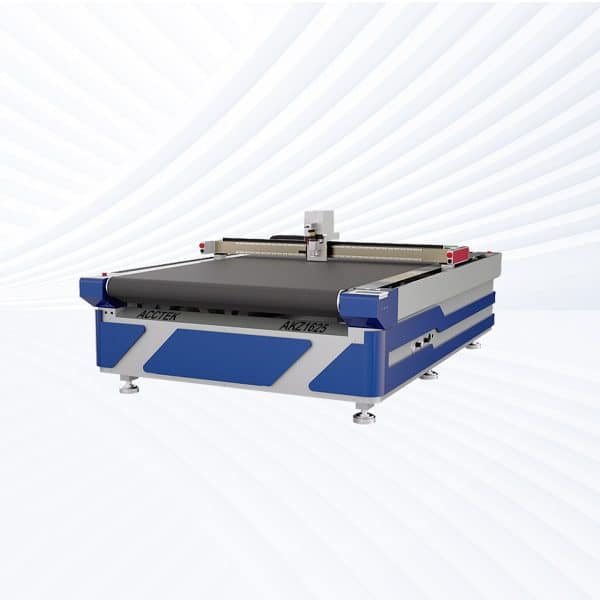
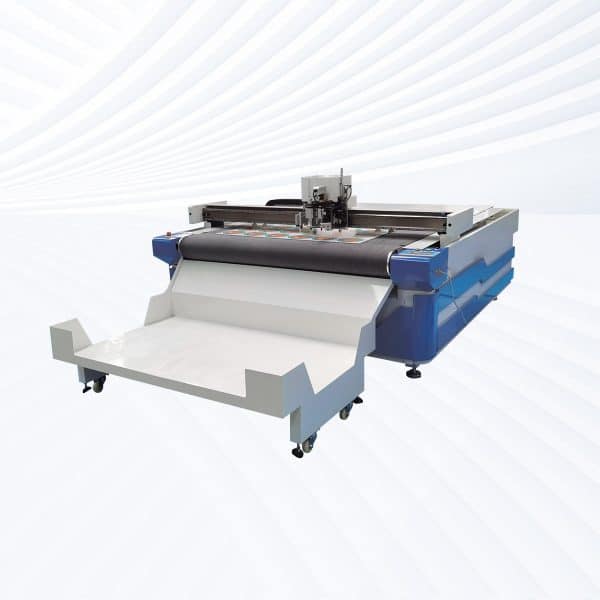
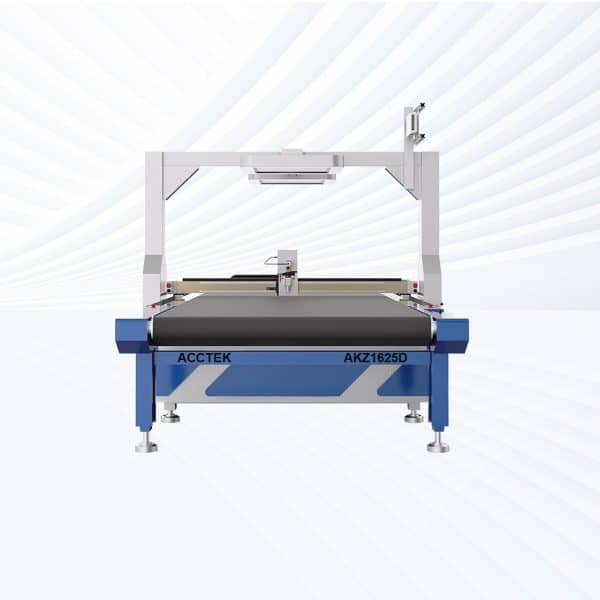
Oscillating Knife Cutting Machines Suitable For Foam
Advantages of Oscillating Knife Cutting Foam
High Precision Cutting for Foam Materials
Oscillating knife cutting provides excellent precision when processing foam materials. The blade vibration combined with CNC control allows accurate cutting of complex shapes, detailed patterns, and custom foam inserts while maintaining consistent dimensions and high-quality finished parts.
Clean Edges Without Tearing
Foam materials can easily tear or produce rough edges when cut with traditional tools. The oscillating knife reduces cutting resistance and slices smoothly through foam, producing clean edges and maintaining the natural structure of the material.
Minimal Material Compression
The rapid up-and-down motion of the blade allows foam to be cut with less pressure compared to conventional cutting methods. This reduces compression and deformation, ensuring that the foam retains its original thickness and shape after cutting.
Suitable for Various Foam Types
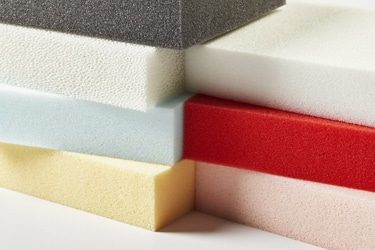
Oscillating knife cutting machines can process many foam materials, including polyurethane foam, EVA foam, polyethylene foam, memory foam, and acoustic foam. This versatility makes the technology suitable for applications across the packaging, furniture, automotive, and construction industries.
Efficient for Custom Designs and Prototypes
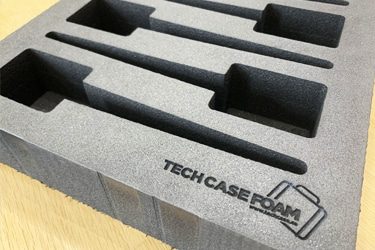
Because oscillating knife cutting systems work directly from digital CAD designs, manufacturers can quickly produce custom foam shapes and prototypes. Design adjustments can be implemented easily without new tooling, making the process flexible and cost-efficient.
No Heat Damage to Foam Materials
Unlike thermal cutting methods, oscillating knife cutting does not generate heat. This prevents melting, burning, or hardening of foam materials, ensuring smooth edges and preserving the physical properties of the foam.
Compatible Materials
- PU Foam
- Flexible Polyurethane Foam
- Rigid Polyurethane Foam
- EPE Foam
- XLPE Foam
- PE Foam
- EVA Foam
- Closed-Cell EVA Foam
- Open-Cell EVA Foam
- Memory Foam
- High-Density Foam
- Low-Density Foam
- Acoustic Foam
- Soundproof Foam
- Reticulated Foam
- Neoprene Foam
- NBR Foam
- EPDM Foam
- PVC Foam
- PS Foam
- EPS Foam
- XPS Foam
- Phenolic Foam
- Melamine Foam
- Silicone Foam
- Sponge Foam
- Latex Foam
- Polyolefin Foam
- PP Foam
- EPP Foam
- Foam Rubber
- Microcellular Foam
- Structural Foam
- Anti-Static Foam
- Conductive Foam
- Fire-Resistant Foam
- Packaging Cushion Foam
- Insulation Foam Panels
- Composite Foam Laminates
- Foam Core Panels
Oscillating Knife Cutting VS Other Cutting Methods
| Comparison Item | Oscillating Knife Cutting | Rotary Cutting | Laser Cutting | Drag Knife Cutting |
|---|---|---|---|---|
| Cutting Principle | A straight blade vibrates up and down rapidly while moving along a programmed path to slice foam. | A circular blade rotates continuously to cut through the material. | A focused laser beam melts or vaporizes the foam. | A fixed blade is dragged across the foam surface. |
| Best Material Types | Soft to medium-density foam materials and multilayer foam sheets. | Thin foam sheets and flexible materials. | Certain foam materials tolerate heat. | Thin and soft foam materials. |
| Material Thickness Capability | Suitable for cutting thick foam blocks and multilayer foam sheets. | Usually limited to thinner foam materials. | Effective mainly for thin foam sheets. | Best for thin foam materials. |
| Edge Quality | Produces smooth, clean edges without tearing or melting. | Clean edges but may compress soft foam. | Edges may melt, burn, or harden. | Edge quality depends on blade sharpness and foam density. |
| Heat Generation | No heat is generated during cutting. | No heat generated. | Generates heat that may melt foam. | No heat generated. |
| Material Deformation Risk | Very low because oscillation reduces cutting pressure. | Foam compression may occur. | Thermal effects may cause shrinkage or deformation. | Higher risk of dragging or stretching foam. |
| Cutting Precision | High precision with CNC-controlled cutting paths. | Moderate precision for simple cuts. | Very high precision for fine details. | Moderate precision, especially on simple shapes. |
| Ability to Cut Complex Shapes | Excellent for intricate foam shapes and custom inserts. | Limited when cutting complex curves or details. | Excellent for detailed shapes. | Limited for complex contours. |
| Tool Wear and Maintenance | Blades are inexpensive and easy to replace. | Rotary blades require sharpening or replacement. | Requires maintenance of laser optics and system components. | Blade wear increases with dense foam materials. |
| Operating Cost | Generally, low operating cost. | Moderate cost due to blade maintenance. | Higher cost due to energy consumption and maintenance. | Very low operating cost. |
| Production Speed | Fast cutting speed for most foam materials. | Very fast for straight cuts or continuous materials. | Speed depends on foam type and thickness. | Slower for thicker foam materials. |
| Automation Compatibility | Fully compatible with CNC cutting tables and CAD systems. | Often used in automated foam processing lines. | Compatible with CNC laser cutting systems. | Commonly used in plotters and entry-level CNC cutters. |
| Suitability for Thick Foam | Highly suitable for thick and dense foam blocks. | Limited capability for thick foam. | Heat may damage thick foam materials. | Struggles with thick foam. |
| Prototyping Capability | Excellent for rapid foam prototyping and custom inserts. | Less flexible for prototype work. | Good for prototypes, but may affect foam edges. | Suitable for simple foam prototypes. |
| Typical Applications | Packaging foam inserts, cushioning components, acoustic panels, and insulation foam. | Foam sheet trimming and textile foam processing. | Engraving and cutting thin foam materials. | Craft cutting, thin foam sheets, and simple foam graphics. |
Oscillating Knife Cutting Capacity
| Material | Through Cutting | Kiss Cutting | Creasing | V-Cutting | Perforation | Marking | Engraving | Multi-layer Cutting |
|---|---|---|---|---|---|---|---|---|
| Corrugated Cardboard | Yes | Yes | Yes | Yes | Yes | Yes | No | Yes |
| Cardboard | Yes | Yes | Yes | Yes | Yes | Yes | No | Yes |
| Paper | Yes | Yes | No | No | Yes | Yes | No | Yes |
| Foam | Yes | Yes | No | Yes | Yes | Yes | No | Yes |
| Rubber | Yes | Yes | No | No | Yes | Yes | No | Yes |
| Leather | Yes | Yes | No | No | Yes | Yes | No | Yes |
| Textile | Yes | Yes | No | No | Yes | Yes | No | Yes |
| Felt | Yes | Yes | No | No | Yes | Yes | No | Yes |
| Film | Yes | Yes | No | No | Yes | Yes | No | Yes |
| Acrylic | Limited | No | No | No | No | Yes | No | No |
| PET | Yes | Yes | No | No | Yes | Yes | No | Yes |
| Polycarbonate | Limited | No | No | No | No | Yes | No | No |
| Composite | Yes | Yes | Yes | Yes | Yes | Yes | No | Yes |
| Gasket Materials | Yes | Yes | No | No | Yes | Yes | No | Yes |
| Carbon Fiber | Yes | No | No | No | No | Yes | No | Limited |
| Fiberglass | Yes | No | No | No | No | Yes | No | Limited |
| Carpet | Yes | Yes | No | No | Yes | Yes | No | Yes |
| Sponge | Yes | Yes | No | Yes | Yes | Yes | No | Yes |
| Silicone Sheets | Yes | Yes | No | No | Yes | Yes | No | Yes |
| Adhesive Materials | Yes | Yes | No | No | Yes | Yes | No | Yes |
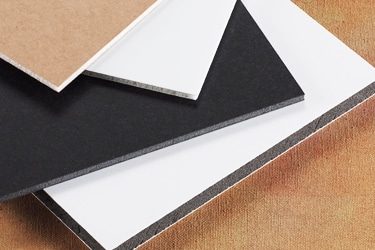
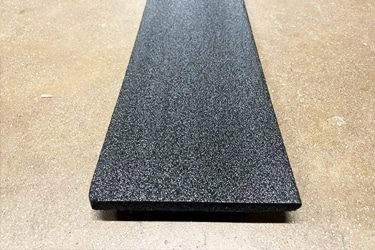
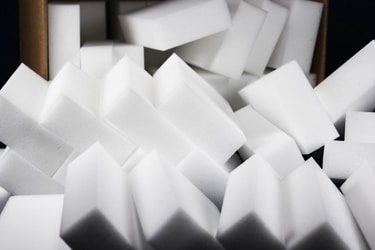
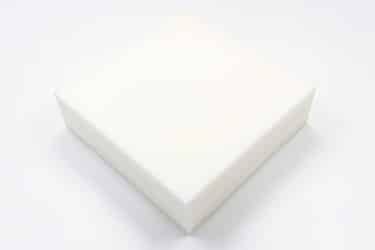
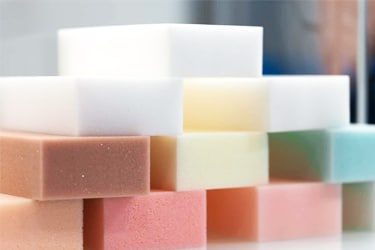
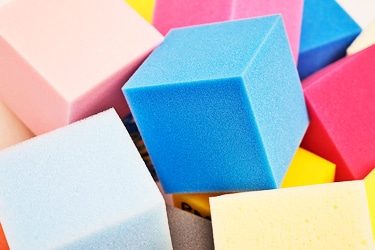
Applications of Oscillating Knife Cutting Foam
Customer Testimonials
Related Resources
What Are the Main Components of Oscillating Knife Cutting Machines?
This article explores the main components of oscillating knife cutting machines, including cutting heads, motion systems, tools, vacuum tables, software, controls, sensors, and safety systems.
Can Oscillating Knife Cutting Machines Handle Multi-Layered Materials?
This article explores how oscillating knife cutting machines process multi-layered materials, including suitable materials, machine features, cutting factors, limitations, and best practices.
Does Oscillating Knife Cutting Generate Contaminants
This article explores whether oscillating knife cutting generates contaminants, including dust, fibers, microplastics, air pollution, and methods for contamination control.
Can Oscillating Knife Cutting Machines Reduce Material Waste
This article explores how oscillating knife cutting machines reduce material waste through precision cutting, nesting optimization, automation, and efficient processing across industries.
Frequently Asked Questions
How Does An Oscillating Knife Cut Foam Materials?
- Reciprocating Blade Action: The oscillating knife moves up and down at high speed while following a programmed path. This vertical motion reduces friction and prevents the foam from compressing excessively during cutting. Instead of dragging through the material, the blade slices cleanly, which is essential for maintaining shape accuracy.
- Cold Cutting Process: Foam materials such as EVA, polyethylene, and polyurethane are sensitive to heat. Oscillating knife cutting avoids thermal effects, so there is no melting, burning, or edge hardening. This preserves the foam’s structure, softness, and appearance, making it ideal for applications like packaging inserts and cushioning.
- Minimal Compression and Deformation: Foam is naturally compressible, which can make cutting challenging. The oscillating motion helps reduce downward pressure, allowing the blade to pass through without significantly compressing the material. This ensures that the final dimensions remain accurate once the foam returns to its original shape.
- Blade Selection and Geometry: Different foam densities require different blade types. Soft foams may use long, straight blades, while denser foams benefit from sharper or slightly serrated blades. Proper blade selection ensures smooth cuts and reduces tearing or rough edges.
- Vacuum Hold-Down System: Although foam is thicker than film, it can still shift during cutting. A vacuum table holds the material in place, improving stability and ensuring precise cuts, especially for detailed shapes or nested layouts.
- Capability for Thick and Layered Foam: Oscillating knives can handle thick foam blocks and multilayer foam composites. In many cases, the blade can cut through the full thickness in a single pass, depending on density. For very thick materials, multiple passes may be used.
- Clean Edges and No Debris: The cutting process produces smooth edges with minimal dust or debris. This reduces the need for post-processing and keeps the workspace clean.
- Adaptability for Complex Shapes: Foam is easy to shape, and oscillating knife cutting systems can produce intricate designs, contours, and cutouts with high repeatability.
What Types Of Blades Are Used For Oscillating Knife Cutting Of Foam?
- Straight (Flat) Blades: Straight blades are the most commonly used for soft and medium-density foams such as EVA or polyurethane. They have a smooth cutting edge that slices cleanly through the material without tearing. These blades are ideal for general-purpose cutting and for achieving smooth, precise edges.
- Long Blades for Thick Foam: When cutting thick foam blocks or multilayer foam stacks, longer blades are required to reach full depth. These blades maintain stability during deep cuts and reduce the need for multiple passes. They are often used in packaging, insulation, and cushioning applications.
- Serrated Blades: Serrated blades feature small teeth along the edge, which help grip and cut through denser or more elastic foams. They are particularly useful for materials that resist smooth slicing, as the teeth reduce drag and improve cutting efficiency. However, they may leave slightly rougher edges compared to straight blades.
- Angled (Bevel) Blades: Angled blades are designed for cutting foam at specific angles, which is useful in applications requiring beveled edges or complex geometries. These blades are often used in packaging inserts or custom-fit foam designs where parts need to interlock or fit precisely.
- Double-Edged Blades: Double-edged blades have cutting edges on both sides, allowing for smoother motion in multiple directions. They are useful for intricate patterns or frequent directional changes, helping maintain consistent cut quality across complex shapes.
- Drag-Optimized Blades: Some blades are specifically designed to minimize drag when cutting very soft or low-density foams. These blades reduce material compression and help maintain dimensional accuracy, especially in delicate applications.
- Coated Blades (Optional): In cases where foam includes adhesive layers or coatings, blades with non-stick coatings may be used. These reduce material buildup on the blade and maintain consistent performance over longer cutting cycles.
- Specialty Blades for Technical Foams: High-density or specialty foams, such as closed-cell or cross-linked foams, may require reinforced or carbide-tipped blades to handle increased resistance and extend blade life.
How Can Foam Movement Be Prevented During Oscillating Knife Cutting?
- Vacuum Hold-Down Systems: The most effective method is a vacuum table. Air is drawn through the cutting surface, creating suction that holds the foam firmly in place. This prevents lifting, sliding, or vibration during cutting. For best results, the vacuum level should be adjusted based on foam density and thickness, as very porous foams may require stronger suction.
- Proper Material Support (Cutting Underlay): A suitable cutting mat or underlay helps stabilize the foam from below. It provides a consistent surface that reduces uneven pressure and prevents the blade from pushing the material aside. A well-maintained underlay also improves cut precision over time.
- Optimized Cutting Parameters: Adjusting cutting speed, oscillation frequency, and blade pressure is critical. Excessive force can compress or displace the foam, while too little force may cause incomplete cuts. Balanced settings allow the blade to slice through the foam with minimal disturbance.
- Sharp and Appropriate Blades: Using the correct blade type reduces resistance during cutting. Sharp blades require less force, which minimizes the chance of material movement. Dull or incorrect blades increase drag and can pull the foam out of position.
- Segmented or Zoned Vacuum Control: Advanced machines use zoned vacuum systems that concentrate suction only where the material is placed. This improves hold-down efficiency and ensures consistent stability across the cutting area, especially for smaller foam pieces.
- Mechanical Clamping (When Needed): For thicker or denser foam, additional edge clamps or guides may be used to secure the material. While less common than vacuum systems, they provide extra stability in challenging applications.
- Layer Bonding or Temporary Adhesion: When cutting multiple foam layers, light adhesive sprays or tack films can be used to hold layers together. This prevents shifting between layers and ensures uniform cuts across the stack.
- Flat Material Preparation: Ensuring the foam is flat before cutting is important. Warped or uneven foam can reduce contact with the vacuum surface, leading to poor hold-down and increased movement.
How Does Oscillating Knife Cutting Reduce Material Waste?
- Optimized Nesting of Parts: One of the biggest benefits is the ability to use nesting software. This arranges parts as closely as possible within the material sheet or roll, maximizing usable area. Complex shapes can be interlocked to reduce unused gaps, significantly lowering scrap rates compared to manual layout methods.
- High Cutting Accuracy: Oscillating knife cutting systems follow exact digital paths, ensuring parts are cut to precise dimensions. This reduces errors such as miscuts or incorrect sizing, which would otherwise lead to rejected parts and wasted material.
- No Heat-Affected Zones: Because the process is mechanical and does not use heat, there is no burning, melting, or edge deformation. Materials like foam, plastic films, and textiles retain their original properties, meaning fewer parts are damaged or discarded due to poor edge quality.
- Minimal Kerf Loss: The blade used in oscillating knife cutting is very thin, resulting in a narrow kerf (the width of material removed during cutting). This allows parts to be placed closer together, increasing yield from each sheet or roll.
- Reduced Need for Prototyping Waste: Designs can be adjusted digitally without creating new physical tools. Unlike die cutting, which requires a custom die for each design, oscillating knife cutting allows rapid iteration with minimal material loss during testing and development.
- Consistent Repeatability: Once cutting parameters are optimized, the system produces consistent results across large batches. This reduces variability and the likelihood of defective parts, improving overall material efficiency.
- Efficient Handling of Remnants: The remaining material can be easily reused because the cutting process does not distort or damage surrounding areas. Operators can re-nest smaller parts into leftover sections, further reducing waste.
- Better Control of Multilayer Cutting: When cutting stacked materials, proper control ensures all layers are cut accurately in one pass. This prevents partial cuts or misalignment that could result in scrapped batches.
- Lower Setup Waste: There is minimal setup compared to processes requiring tooling or calibration with test cuts. This reduces the amount of material used for trial runs.
What Are The Limitations Of Oscillating Knife Cutting For Foam?
- Compression and Deformation Issues: Foam is soft and compressible, which can make it difficult to maintain dimensional accuracy. During cutting, the blade may press down and compress the material instead of slicing cleanly. Once the foam rebounds, slight dimensional variations can occur, especially in thick or low-density foams.
- Limitations with High-Density Foam: Denser foams, such as cross-linked polyethylene or structural foams, offer more resistance to the blade. This increases cutting force requirements, accelerates blade wear, and can result in rough or uneven edges. Multiple passes may be needed, reducing efficiency.
- Thickness Constraints: While oscillating knives can handle relatively thick foam, there is a practical limit. Very thick blocks may require long blades and slower cutting speeds, which can reduce accuracy and productivity. Deep cuts may also introduce slight deviations in vertical alignment.
- Edge Quality Variability: Although edges are generally clean, some foams may exhibit slight tearing, especially if the blade is dull or not suited to the material. Serrated blades can help with dense foam, but may leave a less smooth finish.
- Limited Precision for Fine Details: Producing very small or intricate features in foam can be challenging. The material’s flexibility and the blade’s physical thickness can limit sharp internal corners or very fine patterns.
- Material Movement During Cutting: Foam can shift if not properly secured. Even with vacuum hold-down systems, highly porous or uneven foam may not adhere well, leading to minor inaccuracies or inconsistent cuts.
- Blade Wear and Maintenance: Continuous cutting, especially with dense or abrasive foams, leads to blade dulling over time. This affects cut quality and requires regular blade replacement, adding to maintenance demands.
- Speed Limitations: Compared to processes like die cutting, oscillating knife cutting can be slower for high-volume foam production. The need to balance speed with precision and blade life may limit throughput.
- Layered Foam Challenges: Cutting multiple foam layers at once can lead to slight misalignment or uneven edges if the layers shift or compress differently during cutting.
What Are The Risks Of An Oscillating Knife Cutting Foam?
- Blade-Related Safety Hazards: The oscillating knife operates at high speed with a sharp, exposed blade. Accidental contact during operation, setup, or blade changes can cause serious injury. Proper guarding, operator training, and use of safety features like emergency stops are essential.
- Material Compression and Inaccurate Cuts: Foam is soft and compressible, which can lead to deformation during cutting. If excessive pressure is applied, the foam may compress and then rebound after cutting, resulting in dimensional inaccuracies and inconsistent part quality.
- Material Movement and Instability: Foam can shift or lift if not properly secured, especially lightweight or porous types. Movement during cutting can cause misalignment, uneven edges, or incomplete cuts, leading to wasted material and potential machine issues.
- Dust and Particle Generation: Cutting certain foams, particularly polyurethane or aged materials, can generate fine particles. These particles may become airborne and pose respiratory or eye irritation risks. Dust extraction systems and PPE help reduce exposure.
- Blade Wear and Breakage: Although foam is not highly abrasive, denser foams can still cause blade wear over time. A dull or damaged blade may produce poor-quality cuts or, in rare cases, break during operation, posing a safety risk and interrupting production.
- Edge Quality Issues: Improper blade selection or dull blades can cause tearing instead of clean slicing. This affects product quality and may require rework or disposal of parts.
- Noise and Vibration Exposure: Oscillating knife cutting machines generate continuous vibration and moderate noise. Over time, this can contribute to operator fatigue or discomfort, particularly in high-volume environments.
- Fire Risk from Dust Accumulation (Low but Possible): While the process itself does not generate heat, accumulated foam dust in the machine or extraction system could pose a minor fire risk if not properly maintained.
- Improper Setup and Parameter Errors: Incorrect cutting speed, pressure, or blade type can lead to poor results, increased wear, and potential safety concerns. Regular calibration and operator awareness are important.
What Problems May Occur During Oscillating Knife Cutting Of Foam?
- Material Compression During Cutting: Foam compresses easily under pressure. If the blade force is too high, the material may deform during cutting and then expand afterward. This leads to dimensional inaccuracies, especially in precision applications like inserts or sealing components.
- Tearing Instead of Clean Cutting: A dull or incorrect blade can drag through the foam rather than slice it. This results in rough edges, tearing, or surface damage. Softer foams are particularly sensitive to this problem if the blade is not sharp enough.
- Inconsistent Edge Quality: Different foam densities can produce uneven edges across the same cut. For example, layered or mixed-density foams may cut unevenly, leaving visible inconsistencies or requiring additional finishing.
- Material Movement or Lifting: If the foam is not properly secured, it may shift or lift during cutting. Highly porous foams can reduce the effectiveness of vacuum hold-down systems, leading to misalignment or inaccurate cuts.
- Difficulty with Thick Foam Blocks: Cutting thick foam can be challenging, especially if the blade is not long enough or if multiple passes are required. This can lead to uneven vertical cuts or slight deviations in shape from top to bottom.
- Blade Wear and Reduced Performance: Over time, blades lose sharpness, especially when cutting denser foams. A worn blade increases cutting resistance, reduces precision, and can lead to more frequent defects.
- Challenges with Fine Details: Small features, tight corners, or intricate patterns can be difficult to achieve. Foam flexibility and blade thickness can limit precision, causing rounded edges or incomplete details.
- Layer Separation in Multilayer Foam: When cutting stacked foam layers, the layers may shift or separate if not properly bonded or secured. This results in uneven cuts or misaligned parts.
- Incorrect Cutting Parameters: Improper settings for speed, oscillation, or pressure can lead to multiple issues, including incomplete cuts, excessive compression, or poor edge quality.
- Surface Marking or Indentation: Excessive pressure or improper blade angle may leave marks or indentations on the foam surface, affecting the final appearance.
Does Oscillating Knife Cutting Cause Foam Tearing?
- Blade Sharpness and Condition: A sharp blade is critical for clean foam cutting. If the blade becomes dull or damaged, it will drag through the foam instead of slicing it. This dragging action causes tearing, rough edges, and uneven surfaces. Regular blade replacement is essential to maintain cut quality.
- Foam Density and Structure: Soft, open-cell foams are more prone to tearing because they lack structural resistance. In contrast, denser or closed-cell foams cut more cleanly but may require more force. If the blade is not suited to the foam type, tearing can occur regardless of density.
- Cutting Speed and Pressure: Improper settings are a common cause of tearing. Excessive speed may not give the blade enough time to slice cleanly, while too much pressure can compress and distort the foam. Balanced parameters allow the blade to move smoothly through the material.
- Oscillation Frequency: The rapid up-and-down motion of the blade is intended to reduce friction and improve cut quality. If the oscillation frequency is too low, the blade may behave more like a drag knife, increasing the risk of tearing.
- Blade Type and Geometry: Different foams require different blade designs. Straight blades are ideal for soft foams, while serrated blades may be better for denser materials. Using the wrong blade type can lead to poor cutting performance and tearing.
- Material Stability During Cutting: If the foam is not properly secured, it may shift or lift as the blade moves. This instability can cause uneven cuts and localized tearing, particularly in lightweight or porous foams.
- Thickness of the Foam: Thicker foam can increase resistance, especially if cut in a single pass. This may lead to tearing in deeper sections if the blade struggles to maintain a consistent cutting path.
- Layered Foam Considerations: When cutting multiple layers, differences in compression or alignment can cause uneven cutting, increasing the chance of tearing between layers.