

Introduction
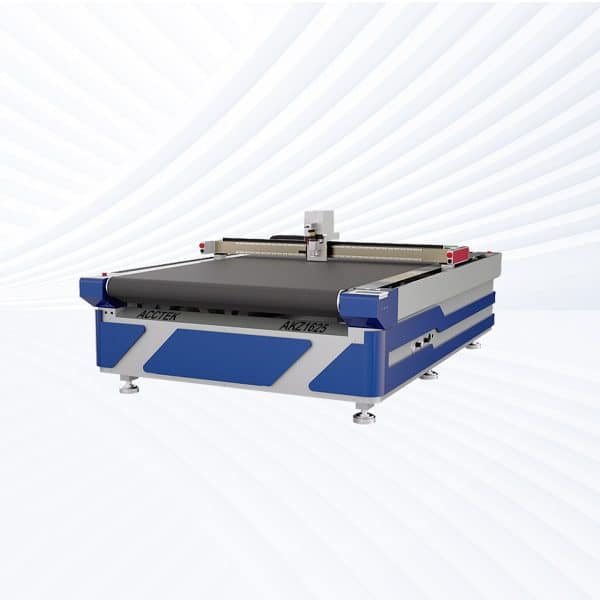
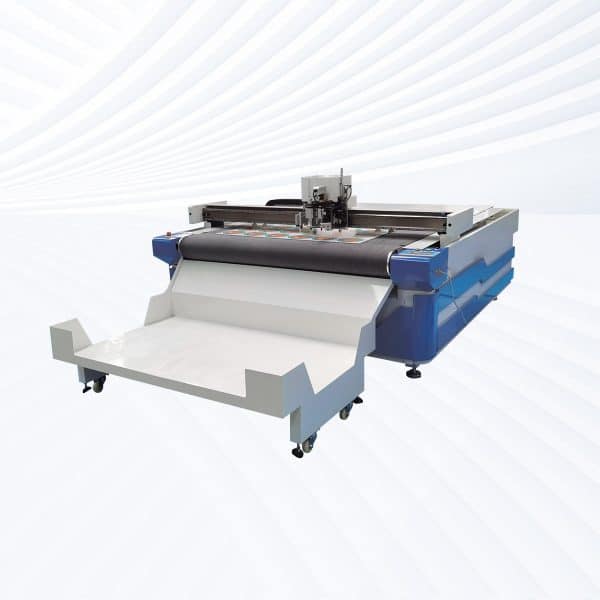
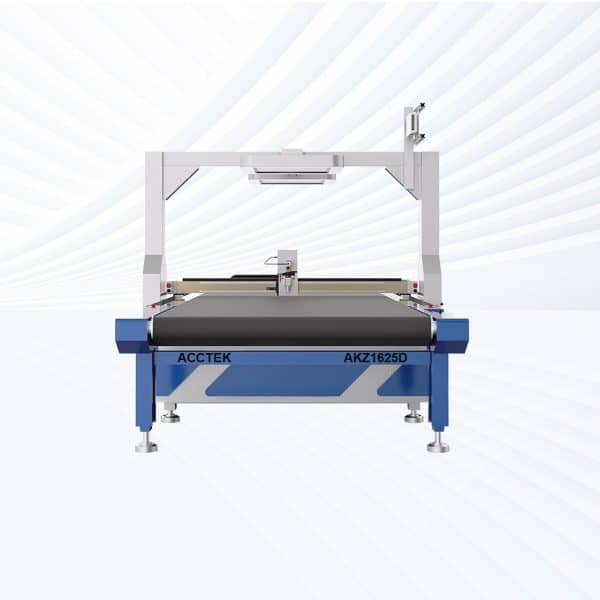
Oscillating Knife Cutting Machines Suitable For Leather
Advantages of Oscillating Knife Cutting Leather
High Precision Cutting
Oscillating knife cutting provides excellent precision when processing leather materials. The high-frequency vibrating blade follows CNC-controlled paths accurately, allowing manufacturers to produce detailed patterns, smooth curves, and complex shapes while maintaining consistent dimensions and high-quality finished leather parts.
Clean Edges Without Burning
Unlike laser cutting methods, oscillating knife cutting does not generate heat. This prevents burning, dark edges, or discoloration on leather surfaces, ensuring that the natural texture and appearance of genuine or synthetic leather remain intact.
Minimal Material Deformation
Leather is flexible and can stretch during cutting. The oscillating motion reduces cutting resistance and pressure, allowing the blade to slice smoothly through the material while minimizing stretching or distortion, which helps maintain accurate shapes.
Suitable for Various Leather Types
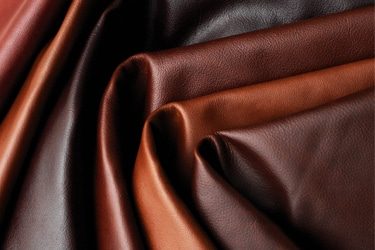
Oscillating knife cutting machines can process many leather materials, including genuine leather, PU leather, synthetic leather, suede, and microfiber leather. This versatility makes the technology useful across multiple industries such as fashion, automotive, and furniture manufacturing.
Efficient for Complex Patterns and Designs
Leather products often require detailed cutting patterns for shoes, bags, upholstery, and accessories. Oscillating knife cutting allows manufacturers to cut intricate designs directly from digital files, improving design accuracy and production efficiency.
Compatible with CNC Automation
Oscillating knife tools are commonly integrated into CNC digital cutting machines. This allows automated leather cutting processes, improves production speed, reduces manual labor, and ensures consistent cutting quality across large production batches.
Compatible Materials
- Full-Grain Leather
- Top-Grain Leather
- Genuine Leather
- Split Leather
- Suede Leather
- Nubuck Leather
- Aniline Leather
- Semi-Aniline Leather
- Corrected Grain Leather
- Patent Leather
- Embossed Leather
- Printed Leather
- Vegetable-Tanned Leather
- Chrome-Tanned Leather
- Oil-Tanned Leather
- Waxed Leather
- Pull-Up Leather
- Distressed Leather
- Upholstery Leather
- Automotive Leather
- Garment Leather
- Shoe Leather
- Bag and Handbag Leather
- Belt Leather
- Synthetic Leather
- PU Leather
- PVC Leather
- Microfiber Leather
- Artificial Leather
- Faux Leather
- Bonded Leather
- Reconstituted Leather
- Eco Leather
- Vegan Leather
- Stretch Leather
- Laminated Leather
- Coated Leather
- Leather Composite Sheets
- Leather Fiber Material
- Reinforced Leather Laminates
Oscillating Knife Cutting VS Other Cutting Methods
| Comparison Item | Oscillating Knife Cutting | Rotary Cutting | Laser Cutting | Drag Knife Cutting |
|---|---|---|---|---|
| Cutting Principle | A straight blade vibrates up and down rapidly while following a programmed cutting path. | A circular blade rotates continuously to slice through leather. | A focused laser beam burns or vaporizes the material. | A fixed blade is dragged across the leather surface. |
| Best Material Types | Natural leather, synthetic leather, and multilayer leather sheets. | Thin leather sheets and soft materials. | Thin leather and synthetic leather that tolerate heat. | Thin and flexible leather materials. |
| Material Thickness Capability | Suitable for thin to thick leather materials. | Generally limited to thinner leather. | Effective mainly on thin leather sheets. | Best suited for thin leather materials. |
| Edge Quality | Produces smooth and clean edges without burning. | Clean edges, but may compress soft leather. | Edges may show burn marks or dark discoloration. | Edge quality depends on blade sharpness and leather thickness. |
| Heat Generation | No heat is produced during cutting. | No heat produced. | Generates heat, which can burn leather edges. | No heat produced. |
| Material Deformation Risk | Very low due to reduced cutting force and oscillation. | Leather may stretch slightly during cutting. | Minimal mechanical stress, but heat may stiffen edges. | Higher risk of dragging or stretching leather. |
| Cutting Precision | High precision with CNC-controlled movement. | Moderate precision for straight or simple cuts. | Very high precision for detailed designs. | Moderate precision, especially for simple shapes. |
| Ability to Cut Complex Shapes | Excellent for intricate leather patterns and curves. | Limited when cutting complex shapes. | Excellent for detailed patterns and engraving. | Limited when handling sharp curves and complex shapes. |
| Tool Wear and Maintenance | Blades are inexpensive and easy to replace. | Rotary blades require sharpening or replacement. | Requires maintenance of laser optics and components. | Blade dulling occurs when cutting thicker leather. |
| Operating Cost | Generally, low operating cost. | Moderate cost due to blade maintenance. | Higher operating costs due to power use and maintenance. | Very low operating cost. |
| Production Speed | Fast for most leather cutting applications. | Very fast for straight or continuous cuts. | Speed varies depending on leather thickness. | Slower for complex designs. |
| Automation Compatibility | Fully compatible with CNC digital cutting systems and CAD software. | Often used in automated leather processing lines. | Compatible with CNC laser cutting systems. | Common in plotters and entry-level cutting machines. |
| Suitability for Pattern Cutting | Highly suitable for detailed leather pattern cutting. | Less suitable for complex patterns. | Suitable for intricate designs but may burn edges. | Suitable mainly for simple patterns. |
| Prototyping Capability | Excellent for rapid prototyping and custom leather parts. | Less flexible for prototype work. | Good for prototypes, but may affect leather appearance. | Suitable for simple prototype cutting. |
| Typical Applications | Footwear, bags, upholstery, automotive interiors, and leather accessories. | Textile and leather sheet trimming. | Leather engraving, decorative cutting, and marking. | Vinyl, decals, thin leather sheets, and graphic cutting. |
Oscillating Knife Cutting Capacity
| Material | Through Cutting | Kiss Cutting | Creasing | V-Cutting | Perforation | Marking | Engraving | Multi-layer Cutting |
|---|---|---|---|---|---|---|---|---|
| Corrugated Cardboard | Yes | Yes | Yes | Yes | Yes | Yes | No | Yes |
| Cardboard | Yes | Yes | Yes | Yes | Yes | Yes | No | Yes |
| Paper | Yes | Yes | No | No | Yes | Yes | No | Yes |
| Foam | Yes | Yes | No | Yes | Yes | Yes | No | Yes |
| Rubber | Yes | Yes | No | No | Yes | Yes | No | Yes |
| Leather | Yes | Yes | No | No | Yes | Yes | No | Yes |
| Textile | Yes | Yes | No | No | Yes | Yes | No | Yes |
| Felt | Yes | Yes | No | No | Yes | Yes | No | Yes |
| Film | Yes | Yes | No | No | Yes | Yes | No | Yes |
| Acrylic | Limited | No | No | No | No | Yes | No | No |
| PET | Yes | Yes | No | No | Yes | Yes | No | Yes |
| Polycarbonate | Limited | No | No | No | No | Yes | No | No |
| Composite | Yes | Yes | Yes | Yes | Yes | Yes | No | Yes |
| Gasket Materials | Yes | Yes | No | No | Yes | Yes | No | Yes |
| Carbon Fiber | Yes | No | No | No | No | Yes | No | Limited |
| Fiberglass | Yes | No | No | No | No | Yes | No | Limited |
| Carpet | Yes | Yes | No | No | Yes | Yes | No | Yes |
| Sponge | Yes | Yes | No | Yes | Yes | Yes | No | Yes |
| Silicone Sheets | Yes | Yes | No | No | Yes | Yes | No | Yes |
| Adhesive Materials | Yes | Yes | No | No | Yes | Yes | No | Yes |
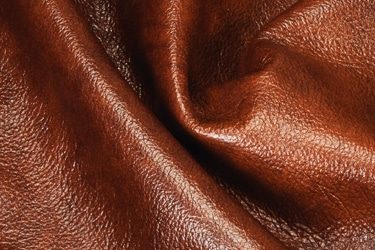
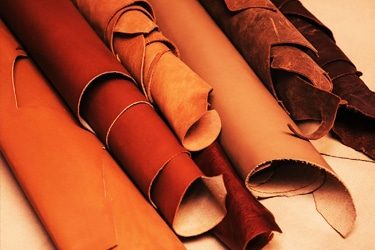
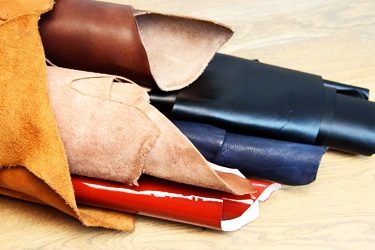
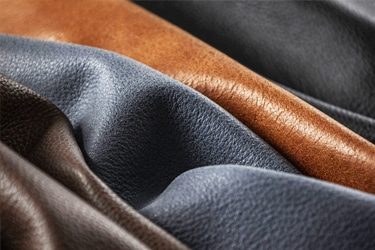
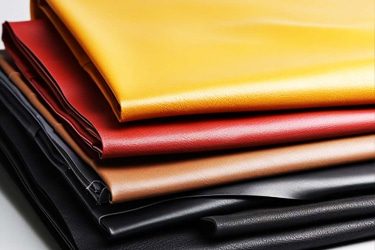
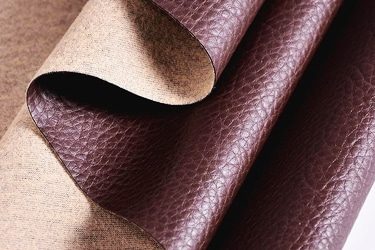
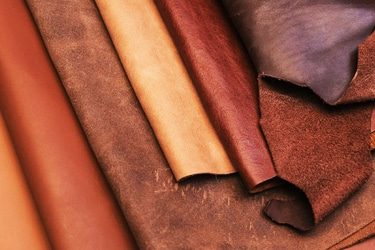
Applications of Oscillating Knife Cutting Leather
Customer Testimonials
Related Resources
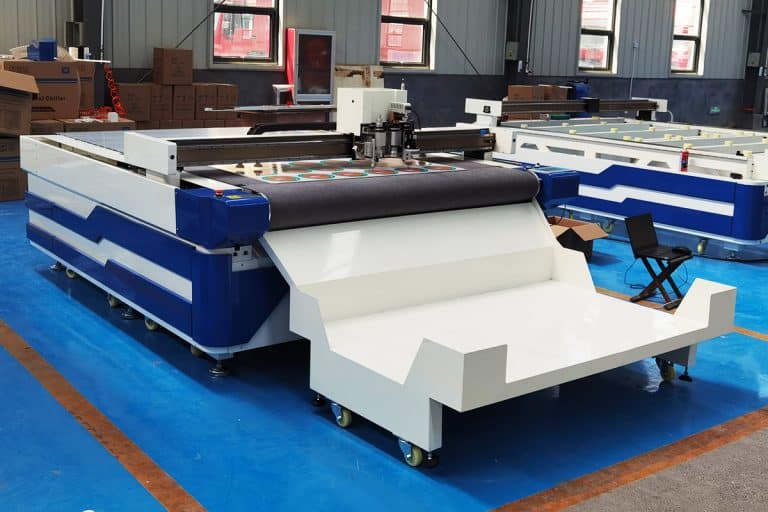
What Are the Main Components of Oscillating Knife Cutting Machines?
This article explores the main components of oscillating knife cutting machines, including cutting heads, motion systems, tools, vacuum tables, software, controls, sensors, and safety systems.
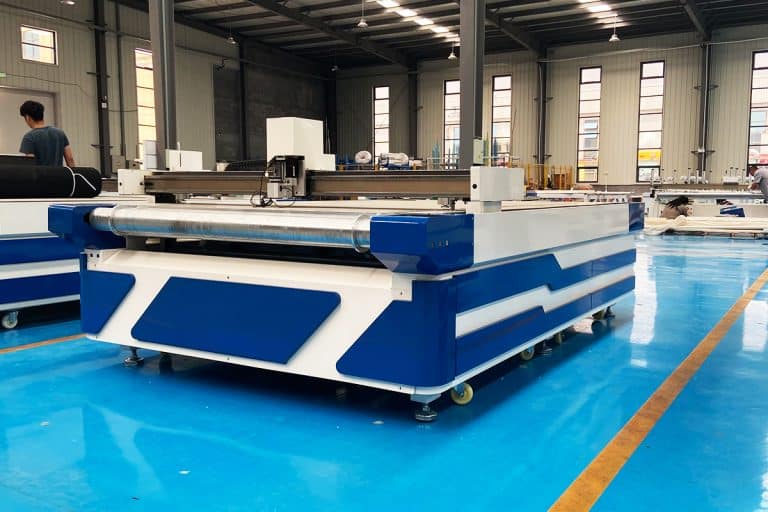
Can Oscillating Knife Cutting Machines Handle Multi-Layered Materials?
This article explores how oscillating knife cutting machines process multi-layered materials, including suitable materials, machine features, cutting factors, limitations, and best practices.
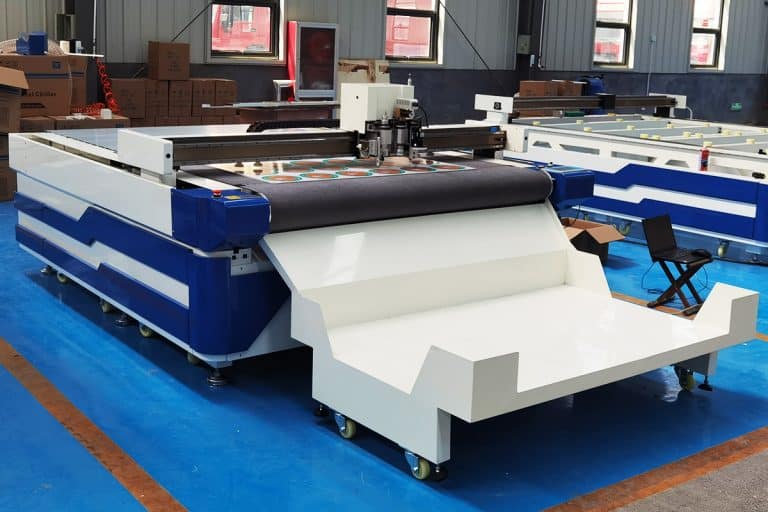
Does Oscillating Knife Cutting Generate Contaminants
This article explores whether oscillating knife cutting generates contaminants, including dust, fibers, microplastics, air pollution, and methods for contamination control.
Can Oscillating Knife Cutting Machines Reduce Material Waste
This article explores how oscillating knife cutting machines reduce material waste through precision cutting, nesting optimization, automation, and efficient processing across industries.
Frequently Asked Questions
How Does An Oscillating Knife Cut Leather Materials?
- Reciprocating Blade Motion: The oscillating knife moves rapidly up and down while following a programmed cutting path. This motion reduces friction and allows the blade to slice through leather fibers cleanly rather than dragging. It is particularly important for maintaining smooth edges and avoiding material distortion.
- Cold Cutting Advantage: Leather is sensitive to heat, which can cause burning, discoloration, or hardening of edges. Since oscillating knife cutting is a cold process, it preserves the natural texture, flexibility, and appearance of the leather. This is a major advantage over thermal cutting methods.
- Precision Through Digital Control: The cutting path is guided by CAD/CAM software, enabling accurate reproduction of patterns and shapes. This is essential for applications like garment panels, automotive interiors, or leather goods where consistency and fit are critical.
- Blade Selection for Leather Types: Different types of leather require different blades. Soft, thin leather may use fine, sharp blades for smooth cuts, while thicker or tougher leather may require stronger or slightly angled blades. Proper blade choice ensures clean edges and reduces the risk of fraying or uneven cuts.
- Vacuum Hold-Down System: Leather sheets are held flat using a vacuum table, which prevents movement during cutting. This is especially important for large or irregularly shaped hides, ensuring precise alignment and consistent results.
- Handling Natural Variability: Natural leather can vary in thickness, grain, and elasticity across a single piece. Oscillating knife cutting systems can adjust cutting parameters to accommodate these variations, helping maintain uniform cut quality.
- Ability to Cut Complex Shapes: The system can produce intricate patterns, curves, and detailed designs with high repeatability. This is valuable for both mass production and custom work.
- Minimal Waste and Clean Edges: The blade creates narrow cuts with minimal material loss, and the edges are clean enough to often require no additional finishing.
How Precise Is Oscillating Knife Cutting On Leather?
- Digital Control and Accuracy: Oscillating knife cutting systems are guided by CAD/CAM software, which allows cutting paths to be followed with high positional accuracy. In controlled conditions, these machines can achieve tolerances within fractions of a millimeter. This makes them reliable for industries like footwear, automotive interiors, and leather goods manufacturing.
- Clean, Burr-Free Edges: Because the blade slices rather than burns the material, the edges remain smooth and free from charring or residue. This contributes to dimensional accuracy, as there is no material distortion along the cut line.
- Consistency Across Production Runs: Once cutting parameters are set correctly, the machine can reproduce identical parts repeatedly. This consistency is especially important in batch production, where uniformity between pieces is critical.
- Impact of Leather Variability: Natural leather is not uniform. Variations in thickness, grain structure, and elasticity across a hide can affect precision. Softer or more elastic areas may stretch slightly during cutting, leading to minor dimensional differences.
- Material Stability and Hold-Down: Precision depends on keeping the leather flat and stable. Vacuum hold-down systems help prevent movement, but irregularly shaped hides or uneven surfaces can still introduce small deviations.
- Blade Condition and Type: A sharp, properly selected blade ensures clean cuts and accurate edges. Dull blades can drag or compress the leather, reducing precision and creating uneven lines.
- Cutting Parameters: Speed, pressure, and oscillation frequency must be optimized for the specific leather type. Incorrect settings can cause slight overcuts, undercuts, or edge distortion.
- Limitations in Fine Detail: While oscillating knives handle complex shapes well, extremely fine details or very tight internal corners may be limited by blade thickness and material flexibility. In such cases, precision may not match that of laser cutting.
- Thickness Considerations: leather may require slower cutting speeds or multiple passes, which can introduce slight variations in depth or edge alignment.
Can Oscillating Knife Cutting Be Automated For Leather Production?
- Automated Material Handling: Leather hides or sheets can be loaded onto conveyorized cutting tables, allowing continuous workflow. Some systems include automatic feeding and unloading, reducing manual handling and improving production speed.
- Vacuum Hold-Down Systems: Automated vacuum tables keep leather flat and stable during cutting. This is especially important for irregularly shaped hides, ensuring consistent positioning and minimizing errors caused by movement.
- Digital Pattern Integration: Designs are created and managed through CAD/CAM software. Patterns can be imported, adjusted, and sent directly to the cutting machine. This eliminates the need for physical templates and allows rapid changes in design without interrupting production.
- Automated Nesting Optimization: Advanced nesting software arranges pattern pieces efficiently across each hide. It considers the shape, size, and even quality zones of the leather to maximize material utilization and reduce waste.
- Vision and Defect Detection Systems: High-end systems use cameras to scan leather surfaces for defects such as scars or holes. The software automatically avoids these areas during nesting, ensuring only usable sections are cut and improving overall quality.
- Barcode and Job Tracking: Automation can include barcode systems to manage different jobs and materials. This improves traceability and allows quick switching between production batches.
- Automatic Tool Control: Machines can automatically adjust cutting parameters like speed, pressure, and oscillation frequency based on leather thickness and type. Some systems also support automatic tool changes, reducing downtime.
- Consistent High-Volume Production: Once programmed, the system can repeat cutting operations with high precision across large volumes. This reduces human error and ensures uniformity in every piece.
- Integration with Production Lines: Oscillating knife cutting systems can be linked with upstream and downstream processes such as design, stitching, or assembly, creating a seamless manufacturing workflow.
- Reduced Labor and Increased Efficiency: Automation minimizes manual cutting and layout work, allowing operators to focus on supervision and quality control rather than repetitive tasks.
Can An Oscillating Knife Cut Through Multilayer Leather?
- Capability for Multilayer Cutting: Oscillating knives can cut multiple layers of leather in a single pass, especially when dealing with thin to moderate thickness materials. This is commonly used in production environments to improve throughput by cutting several pieces at once.
- Importance of Layer Stability: For accurate results, all layers must remain firmly aligned during cutting. Vacuum hold-down systems are typically used to keep the stack flat and stable. In some cases, light adhesives or clamping methods are applied to prevent layers from shifting relative to each other.
- Blade Length and Strength: Cutting multilayer leather requires longer and more durable blades. The blade must be able to penetrate the full stack without deflecting. If the blade is too short or flexible, it may result in incomplete cuts or uneven edges across layers.
- Impact of Leather Thickness and Type: Soft, uniform leather stacks are easier to cut cleanly. However, thicker or denser leather increases resistance, which can reduce cutting speed and accuracy. Variations in thickness between layers can also affect consistency.
- Edge Quality Across Layers: While the top layers often cut cleanly, deeper layers may show slight variations if pressure or blade sharpness is not optimal. This can lead to minor differences in edge finish or dimensional accuracy between layers.
- Limitations on Stack Height: There is a practical limit to how many layers can be cut at once. Excessive stack height increases blade resistance and may cause deflection, leading to angled cuts or incomplete penetration. In such cases, multiple passes or fewer layers are recommended.
- Cutting Parameter Adjustments: Speed, oscillation frequency, and pressure must be carefully set for multilayer cutting. Higher resistance requires slower speeds and more controlled force to maintain precision without damaging the material.
- Productivity Benefits: When properly configured, multilayer cutting significantly improves efficiency by reducing the number of cutting cycles needed for large production runs.
How To Prevent Leather From Moving During Oscillating Cutting?
- Vacuum Hold-Down Systems: The primary method is a vacuum table. Suction pulls the leather flat against the cutting surface, preventing shifting or lifting أثناء cutting. Zoned vacuum systems can focus suction only where the material is placed, improving grip and efficiency, especially for irregularly shaped hides.
- Flat Material Preparation: Before cutting, leather should be laid flat and free of wrinkles or folds. Natural hides often have curvature or tension from storage, so pre-flattening ensures better contact with the cutting surface and more consistent hold-down.
- Use of Underlays or Cutting Mats: A suitable underlay provides a stable base and helps distribute pressure evenly. This reduces the chance of the blade pushing or dragging the leather during cutting, which can otherwise cause slight movement.
- Optimized Cutting Parameters: Proper adjustment of speed, oscillation frequency, and blade pressure is key. Excessive force can cause the leather to shift, while balanced settings allow the blade to slice smoothly with minimal disturbance.
- Sharp and Appropriate Blades: Using a sharp blade reduces drag and cutting resistance. Dull blades tend to pull on the leather, increasing the likelihood of movement. Blade type should also match the thickness and toughness of the material.
- Mechanical Clamping (When Needed): For thicker leather or smaller pieces, edge clamps or guides can provide additional stability. While not always necessary, they are useful in situations where vacuum hold-down alone is insufficient.
- Layer Bonding for Multilayer Cutting: When cutting multiple layers, light adhesives or temporary bonding methods can prevent layers from shifting relative to each other. This ensures consistent alignment throughout the stack.
- Nesting and Layout Optimization: Efficient placement of patterns can help keep more of the leather surface engaged with the vacuum area, improving overall stability. Smaller isolated pieces are more likely to move than larger, well-supported sections.
- Environmental Control: Humidity and surface conditions can affect how leather behaves. Maintaining consistent environmental conditions helps reduce curling or warping that might weaken hold-down performance.
Is The Oscillating Knife Cutting Cost-Effective For Leather?
- No Tooling Costs: Unlike traditional die cutting, oscillating knife cutting does not require physical dies. This eliminates the upfront cost of tooling and the time needed to manufacture and store dies. For businesses handling frequent design changes or custom orders, this results in significant savings.
- Reduced Material Waste: Leather is an expensive material, so efficient usage is critical. Oscillating knife cutting systems use nesting software to optimize layout and maximize yield from each hide. This reduces scrap and improves overall material utilization, directly lowering production costs.
- Lower Setup Time: Setup is quick and digital. Operators can switch between designs without changing physical tools, which reduces downtime and increases productivity. This is particularly beneficial for small to medium production runs.
- Labor Cost Reduction: Automation features such as digital pattern placement, vacuum hold-down, and automated cutting reduce the need for manual labor. Fewer operators are required, and human error is minimized, leading to more consistent output.
- Versatility Across Products: One machine can handle a wide range of leather types and product designs. This eliminates the need for multiple specialized machines, saving both capital investment and floor space.
- Maintenance and Consumables: Operating costs include blade replacement and basic maintenance. While blades wear over time, especially with thicker leather, these costs are relatively low compared to maintaining dies or more complex cutting systems.
- Efficiency in Prototyping and Custom Work: For prototyping or short production runs, oscillating knife cutting is highly economical. Designs can be adjusted instantly without additional cost, making it ideal for product development and customization.
- Limitations in High-Volume Production: For very large production volumes, traditional die cutting may become more cost-effective due to higher cutting speeds and lower per-unit costs once tooling is established.
- Quality and Reduced Rework: Clean, precise cuts reduce the need for finishing or corrections, saving time and labor.
What Are The Limitations Of Oscillating Knife Cutting Leather?
- Natural Material Variability: Leather is not uniform. Thickness, grain, and elasticity can vary across a single hide. This inconsistency can lead to slight variations in cut quality and dimensional accuracy, especially in precision applications.
- Limitations with Thick or Dense Leather: Thicker or heavily treated leather increases resistance to the blade. This may require slower cutting speeds, higher pressure, or multiple passes, which reduces productivity and can affect edge consistency.
- Blade Wear and Maintenance: Leather, especially when treated or coated, can contribute to blade wear over time. Dull blades reduce cut quality, causing dragging or rough edges, and require regular replacement to maintain performance.
- Challenges with Fine Details: Although oscillating knives can produce complex shapes, extremely fine details, or very sharp internal corners are limited by blade thickness and material flexibility. Precision at very small scales may not match laser cutting.
- Material Movement Risks: Leather can shift during cutting if not properly secured. Even with vacuum hold-down systems, irregular shapes or uneven surfaces may reduce stability, leading to minor inaccuracies.
- Edge Quality Variations: While generally clean, edges can vary depending on blade condition and cutting parameters. Softer areas of leather may stretch slightly, affecting the smoothness of the cut.
- Speed Limitations for High-Volume Production: Compared to die cutting, oscillating knife cutting is typically slower. For large-scale production with repetitive designs, die cutting may offer higher throughput and lower per-unit cost.
- Set Up Sensitivity: Achieving optimal results requires careful adjustment of speed, pressure, and oscillation frequency. Incorrect settings can lead to overcutting, undercutting, or material distortion.
- Multilayer Cutting Constraints: Cutting multiple layers of leather at once is possible but limited. Thicker stacks increase blade resistance and may result in uneven cuts across layers.
- Surface Marking or Indentation: Improper pressure or blade angle can leave marks on the leather surface, which may affect the appearance of finished products.
What Problems Might Occur During Oscillating Cutting Of Leather?
- Material Movement and Misalignment: Leather can shift during cutting if not properly secured. Irregular shapes, natural curvature, or uneven surfaces reduce the effectiveness of vacuum hold-down systems. This can lead to misaligned cuts, especially in detailed patterns or nested layouts.
- Stretching and Deformation: Leather is flexible and can stretch under pressure from the blade. This may result in slight dimensional inaccuracies, particularly in softer or thinner areas of the hide. Once the material relaxes, parts may not match the intended size precisely.
- Inconsistent Edge Quality: Variations in leather thickness and grain can cause uneven cutting results. Some areas may cut cleanly, while others show slight roughness or fiber pull-out, especially if blade settings are not optimized.
- Blade Drag and Tearing: A dull or incorrect blade can drag instead of slicing. This leads to tearing, jagged edges, or surface damage. This problem becomes more noticeable in delicate or high-quality leather, where the finish is critical.
- Thickness Variability Issues: Natural leather often varies in thickness across the same piece. This can cause inconsistent cut depth, where some areas are fully cut while others remain partially attached, requiring manual correction.
- Difficulty with Fine Details: Small features, sharp internal corners, or intricate designs can be challenging. Blade thickness and material flexibility may limit precision, resulting in rounded edges or incomplete fine cuts.
- Surface Marking or Indentation: Excessive cutting pressure or improper blade angle can leave marks or indentations on the leather surface. This affects the visual quality of finished products, especially in visible components.
- Blade Wear Over Time: Continuous cutting dulls the blade, reducing performance. A worn blade increases resistance, lowers cut quality, and may lead to more frequent defects if not replaced promptly.
- Multilayer Cutting Challenges: When cutting stacked leather, layers may shift or compress unevenly. This can result in inconsistent shapes across layers or slight misalignment between pieces.
- Incorrect Parameter Settings: Improper speed, oscillation, or pressure settings can cause multiple issues, including overcutting, undercutting, or material distortion.