

Introduction
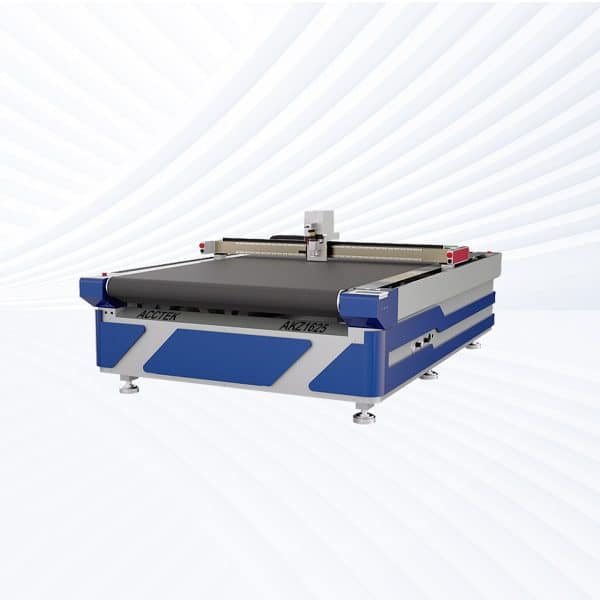
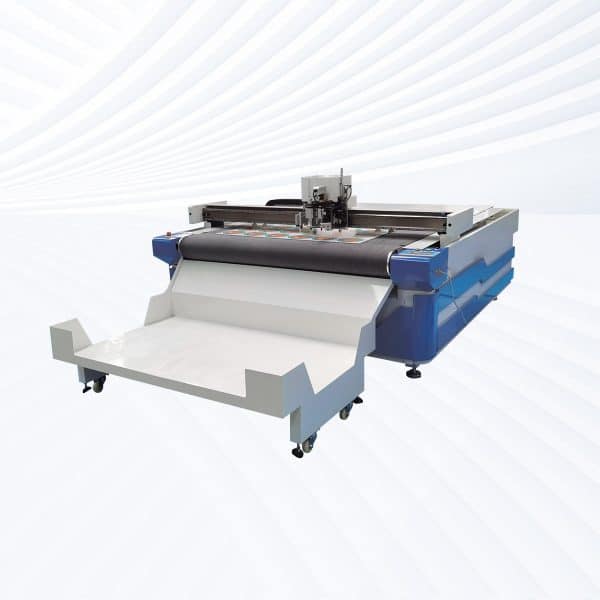
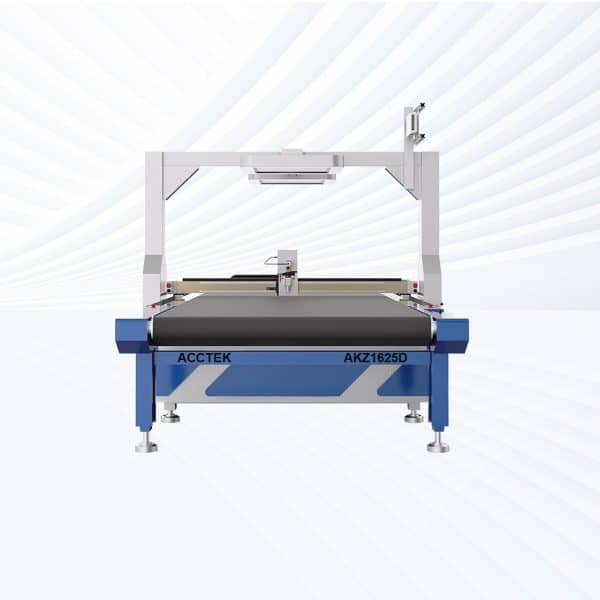
Oscillating Knife Cutting Machines Suitable For Rubber
Advantages of Oscillating Knife Cutting Rubber
High Precision Cutting
Oscillating knife cutting provides excellent accuracy when processing rubber materials. The vibrating blade combined with CNC control allows manufacturers to cut complex shapes, curves, and detailed patterns while maintaining consistent dimensions and high-quality finished rubber components.
Clean Edges Without Burning
Unlike laser cutting methods, oscillating knife cutting does not generate significant heat. This prevents burning, melting, or hardening of rubber edges, ensuring smooth and clean cuts while preserving the material’s natural flexibility and physical properties.
Reduced Material Deformation
Rubber materials are flexible and elastic, which can cause stretching during cutting. The oscillating motion reduces cutting resistance and pressure, allowing the blade to slice through rubber smoothly while minimizing distortion and maintaining accurate shapes.
Suitable for Various Types
Oscillating knife cutting machines can process a wide range of rubber materials, including natural rubber, silicone rubber, EPDM rubber, neoprene rubber, and nitrile rubber. This versatility makes the technology suitable for many industrial applications.
Efficient for Complex Designs
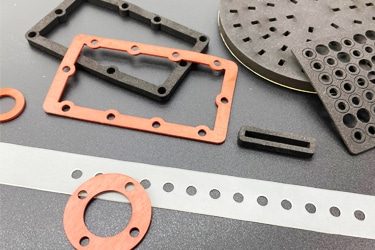
Rubber products often require detailed shapes for seals, gaskets, and industrial components. Oscillating knife cutting allows manufacturers to cut intricate designs directly from digital files, improving production efficiency and reducing manual finishing work.
Compatible with CNC Automation
Oscillating knife tools are commonly integrated into CNC digital cutting machines and flatbed cutting tables. This enables automated production, improves productivity, reduces manual labor, and ensures consistent cutting quality across multiple rubber components.
Compatible Materials
- Natural Rubber
- Silicone Rubber
- Neoprene Rubber
- Nitrile Rubber
- EPDM Rubber
- Styrene Butadiene Rubber
- Butyl Rubber
- Chloroprene Rubber
- Fluoroelastomer Rubber
- Polyurethane Rubber
- Thermoplastic Rubber
- Thermoplastic Elastomer
- Latex Rubber
- Reclaimed Rubber
- Sponge Rubber
- Foam Rubber
- Closed-Cell Rubber Foam
- Open-Cell Rubber Foam
- Anti-Static Rubber Sheets
- Conductive Rubber Sheets
- Reinforced Rubber Sheets
- Fabric Reinforced Rubber
- Rubber Gasket Sheets
- Rubber Sealing Sheets
- Oil-Resistant Rubber
- Heat-Resistant Rubber
- Chemical-Resistant Rubber
- Weather-Resistant Rubber
- Flame-Retardant Rubber
- Industrial Rubber Sheets
- Rubber Insulation Sheets
- Rubber Flooring Sheets
- Rubber Conveyor Belt Material
- Rubber Matting
- Rubber Coated Fabrics
- Rubber Laminated Sheets
- Rubber Composite Sheets
- Rubber Cushion Pads
- Rubber Shock Absorption Sheets
- Rubber Protection Sheets
Oscillating Knife Cutting VS Other Cutting Methods
| Comparison Item | Oscillating Knife Cutting | Rotary Cutting | Laser Cutting | Drag Knife Cutting |
|---|---|---|---|---|
| Cutting Principle | A straight blade vibrates rapidly up and down while following a programmed path. | A circular blade rotates continuously to cut through rubber. | A focused laser beam melts or vaporizes the rubber material. | A fixed blade is dragged across the rubber surface along a cutting path. |
| Best Material Types | Flexible rubber sheets, gasket materials, and multilayer rubber composites. | Thin rubber sheets and soft materials. | Certain thin rubber materials that tolerate heat. | Thin and soft rubber sheets. |
| Material Thickness Capability | Suitable for thin to thick rubber materials. | Usually limited to thinner rubber sheets. | Effective mainly on thin rubber materials. | Best suited for thin rubber sheets. |
| Edge Quality | Produces clean, smooth edges without burning or melting. | Clean edges but may compress rubber slightly. | Edges may burn, melt, or harden. | Edge quality depends on blade sharpness and rubber thickness. |
| Heat Generation | No heat is generated during cutting. | No heat generated. | Generates heat, which can burn rubber edges. | No heat generated. |
| Material Deformation Risk | Very low due to reduced cutting force from blade oscillation. | Rubber may stretch or compress during cutting. | Heat may cause material shrinkage or edge hardening. | Higher risk of dragging or stretching rubber. |
| Cutting Precision | High precision with CNC-controlled movement. | Moderate precision for simple cuts. | Very high precision for detailed patterns. | Moderate precision for simple shapes. |
| Ability to Cut Complex Shapes | Excellent for intricate gasket and seal designs. | Limited for complex or tight curves. | Excellent for detailed designs and patterns. | Limited when cutting complex contours. |
| Tool Wear and Maintenance | Blades are inexpensive and easy to replace. | Rotary blades require sharpening or replacement. | Requires maintenance of laser optics and components. | Blade wear increases when cutting dense rubber. |
| Operating Cost | Generally, low operating cost. | Moderate cost due to blade maintenance. | Higher cost due to energy consumption and system maintenance. | Very low operating cost. |
| Production Speed | Fast for most rubber cutting applications. | Very fast for straight or repetitive cuts. | Speed depends on rubber thickness and laser power. | Slower for complex shapes. |
| Automation Compatibility | Fully compatible with CNC digital cutting tables and CAD software. | Often used in automated material processing lines. | Compatible with CNC laser systems. | Common in plotters and entry-level CNC machines. |
| Suitability for Gasket Production | Highly suitable for cutting rubber gaskets and seals. | Limited capability for detailed gasket shapes. | Heat may affect gasket material properties. | Suitable mainly for simple gasket shapes. |
| Prototyping Capability | Excellent for rapid prototyping and custom rubber parts. | Less flexible for prototype work. | Good for prototypes, but may affect edge quality. | Suitable for simple prototype cutting. |
| Typical Applications | Rubber gaskets, seals, insulation sheets, and industrial rubber components. | Rubber sheet trimming and continuous material cutting. | Rubber engraving and thin rubber cutting. | Vinyl cutting, thin rubber sheets, and graphic materials. |
Oscillating Knife Cutting Capacity
| Material | Through Cutting | Kiss Cutting | Creasing | V-Cutting | Perforation | Marking | Engraving | Multi-layer Cutting |
|---|---|---|---|---|---|---|---|---|
| Corrugated Cardboard | Yes | Yes | Yes | Yes | Yes | Yes | No | Yes |
| Cardboard | Yes | Yes | Yes | Yes | Yes | Yes | No | Yes |
| Paper | Yes | Yes | No | No | Yes | Yes | No | Yes |
| Foam | Yes | Yes | No | Yes | Yes | Yes | No | Yes |
| Rubber | Yes | Yes | No | No | Yes | Yes | No | Yes |
| Leather | Yes | Yes | No | No | Yes | Yes | No | Yes |
| Textile | Yes | Yes | No | No | Yes | Yes | No | Yes |
| Felt | Yes | Yes | No | No | Yes | Yes | No | Yes |
| Film | Yes | Yes | No | No | Yes | Yes | No | Yes |
| Acrylic | Limited | No | No | No | No | Yes | No | No |
| PET | Yes | Yes | No | No | Yes | Yes | No | Yes |
| Polycarbonate | Limited | No | No | No | No | Yes | No | No |
| Composite | Yes | Yes | Yes | Yes | Yes | Yes | No | Yes |
| Gasket Materials | Yes | Yes | No | No | Yes | Yes | No | Yes |
| Carbon Fiber | Yes | No | No | No | No | Yes | No | Limited |
| Fiberglass | Yes | No | No | No | No | Yes | No | Limited |
| Carpet | Yes | Yes | No | No | Yes | Yes | No | Yes |
| Sponge | Yes | Yes | No | Yes | Yes | Yes | No | Yes |
| Silicone Sheets | Yes | Yes | No | No | Yes | Yes | No | Yes |
| Adhesive Materials | Yes | Yes | No | No | Yes | Yes | No | Yes |
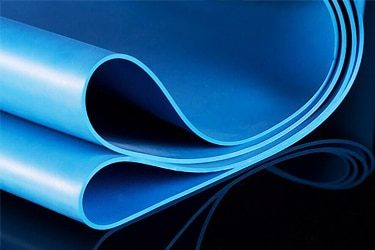
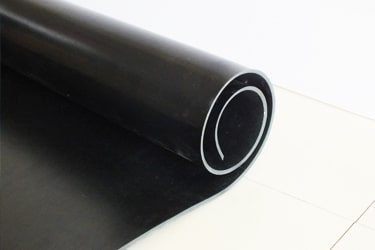
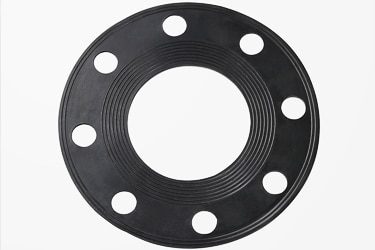
Applications of Oscillating Knife Cutting Rubber
Customer Testimonials
Related Resources
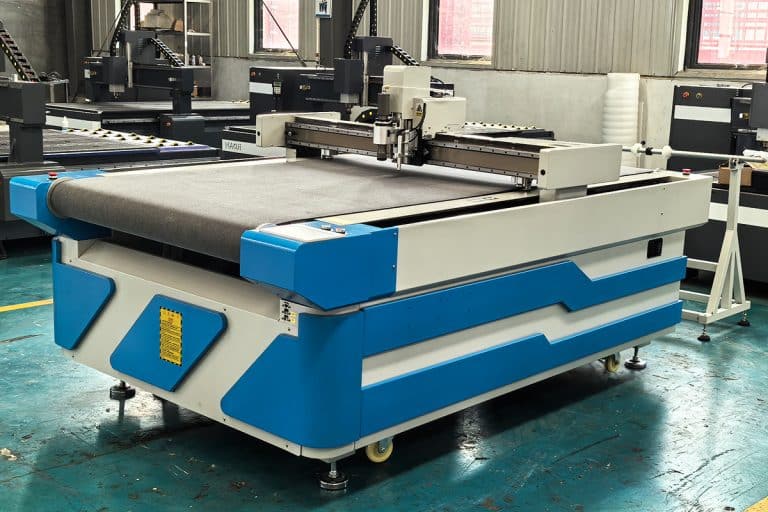
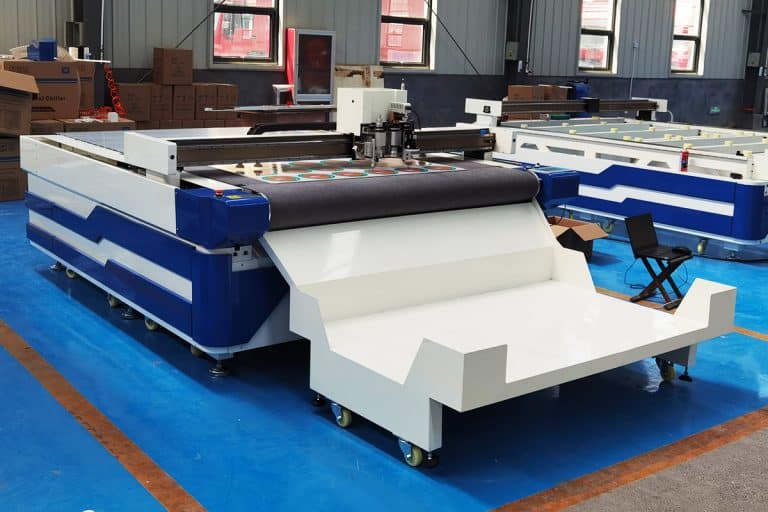
What Are the Main Components of Oscillating Knife Cutting Machines?
This article explores the main components of oscillating knife cutting machines, including cutting heads, motion systems, tools, vacuum tables, software, controls, sensors, and safety systems.
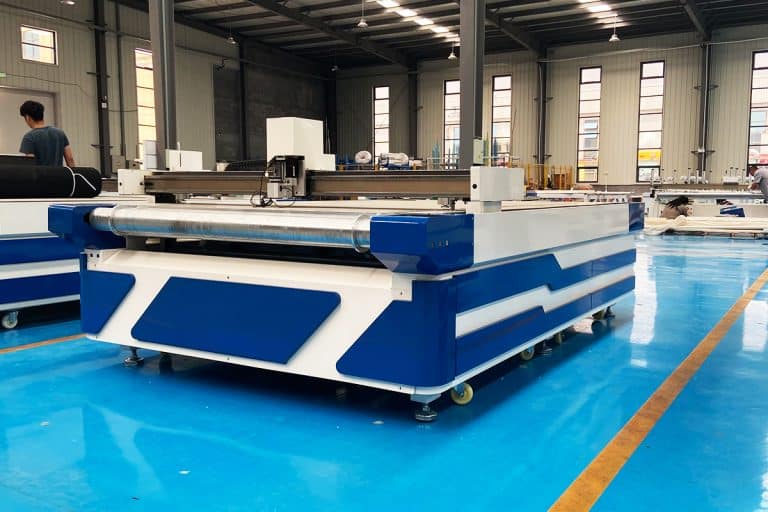
Can Oscillating Knife Cutting Machines Handle Multi-Layered Materials?
This article explores how oscillating knife cutting machines process multi-layered materials, including suitable materials, machine features, cutting factors, limitations, and best practices.
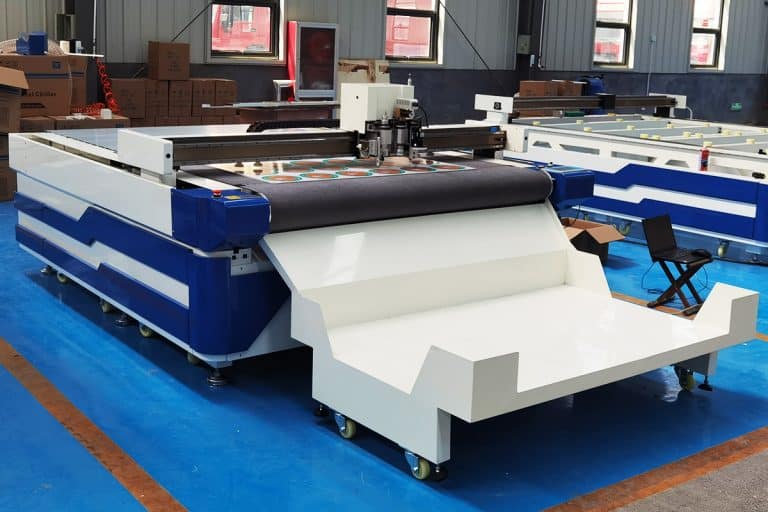
Does Oscillating Knife Cutting Generate Contaminants
This article explores whether oscillating knife cutting generates contaminants, including dust, fibers, microplastics, air pollution, and methods for contamination control.
Can Oscillating Knife Cutting Machines Reduce Material Waste
This article explores how oscillating knife cutting machines reduce material waste through precision cutting, nesting optimization, automation, and efficient processing across industries.
Frequently Asked Questions
How Does An Oscillating Knife Cut Rubber?
- Reciprocating Blade Motion: The oscillating knife moves rapidly up and down while following a programmed cutting path. This motion reduces friction and allows the blade to slice through rubber instead of dragging. Since rubber is elastic, this slicing action is essential to prevent stretching or distortion during cutting.
- Cold Cutting Process: Rubber is sensitive to heat and can melt, harden, or release fumes when exposed to high temperatures. Oscillating knife cutting avoids these issues by using a cold process, preserving the material’s flexibility and edge quality without thermal damage.
- Material Stabilization: Rubber sheets are held in place using a vacuum table or similar hold-down system. This prevents movement during the cutting process, which is very important because the rubber may shift or stretch if not properly secured. Stable positioning ensures accurate dimensions and clean edges.
- Blade Selection for Rubber Types: Different rubber materials require specific blades. Soft rubber is typically cut with sharp, straight blades, while thicker or tougher rubber may require stronger or slightly serrated blades. Proper blade selection helps maintain cut quality and reduces resistance.
- Controlled Cutting Parameters: Speed, oscillation frequency, and pressure must be carefully adjusted. Too much pressure can stretch the rubber, while too little may cause incomplete cuts. Optimized settings allow smooth cutting without deforming the material.
- Handling of Thick or Layered Rubber: Oscillating knives can cut thicker rubber sheets or multiple layers, though thicker materials may require slower speeds or multiple passes. Maintaining blade stability is important to ensure consistent depth and edge quality.
- Clean Edges and Minimal Finishing: The mechanical cutting action produces smooth edges without charring or residue. This often eliminates the need for additional finishing processes, saving time and cost.
- Adaptability for Complex Shapes: Rubber components often require intricate designs. Oscillating knife cutting systems can follow detailed paths accurately, producing consistent shapes across production runs.
How Precise Is Oscillating Knife Cutting On Rubber?
- Digital Control and Repeatability: Oscillating knife cutting systems are driven by CAD/CAM software, allowing cutting paths to be followed with high positional accuracy. In stable conditions, tolerances can reach within fractions of a millimeter. This ensures consistent results across repeated production runs.
- Clean, Heat-Free Edges: Because the process is mechanical, rubber is not exposed to heat. This prevents edge melting or hardening, which can distort dimensions. The result is clean, well-defined edges that maintain the intended shape.
- Impact of Rubber Elasticity: Rubber is flexible and can stretch under cutting pressure. This can slightly affect dimensional accuracy, especially in softer materials. Proper parameter settings and sharp blades help minimize this effect, but some variation may still occur.
- Material Stability and Hold-Down: Precision depends heavily on keeping the rubber flat and secure. Vacuum hold-down systems prevent movement during cutting. If the material shifts or lifts, even slightly, it can reduce accuracy.
- Blade Condition and Type: A sharp blade is essential for precise cutting. Dull blades increase drag, which can stretch the rubber and lead to uneven edges. Blade geometry must also match the material type for optimal results.
- Cutting Parameters: Speed, oscillation frequency, and pressure must be carefully balanced. Too much force can deform the rubber, while too little may result in incomplete cuts. Proper calibration ensures smooth, accurate cutting.
- Thickness and Layering Effects: Thicker rubber or multilayer stacks can reduce precision, especially in deeper sections. Blade deflection or increased resistance may lead to slight variations in edge alignment.
- Limitations with Fine Details: Very small features or tight internal corners can be challenging due to blade thickness and material flexibility. While complex shapes are achievable, extremely fine detail may be limited.
- Consistency in Production: Once optimized, oscillating knife cutting systems provide reliable repeatability, making them suitable for batch manufacturing.
Can Oscillating Knife Cutting Be Automated For Rubber Production?
- Automated Material Feeding Systems: Rubber sheets or rolls can be fed automatically onto the cutting table using conveyor or roll-fed systems. This allows continuous processing, reducing manual handling and increasing production efficiency.
- Vacuum Conveyor Tables: Automated systems often use conveyorized vacuum beds that hold rubber securely while moving it through the cutting area. This ensures stability during cutting and allows finished parts to advance while new material is introduced, supporting uninterrupted workflow.
- Digital Workflow Integration: CAD/CAM software enables a seamless transition from design to production. Patterns are imported, adjusted, and sent directly to the machine. This reduces manual setup and allows quick changes between jobs.
- Automated Nesting Optimization: Advanced nesting software arranges parts efficiently to maximize material usage. This is especially important for rubber, where reducing waste directly lowers production costs.
- Optical Registration Systems: For printed or pre-marked rubber sheets, cameras can detect alignment marks and automatically adjust the cutting path. This ensures precise cutting even in high-speed operations.
- Automatic Tool and Parameter Control: Modern machines can automatically adjust cutting speed, pressure, and oscillation frequency based on rubber type and thickness. Some systems also support automatic tool changes, minimizing downtime.
- Batch Processing and Repeatability: Once programmed, the system can repeat cutting operations consistently across large batches. This improves quality control and reduces operator error.
- Integration with Production Lines: Oscillating knife cutting systems can be linked with upstream and downstream processes such as material preparation, lamination, or assembly. Finished parts can be automatically sorted or stacked.
- Reduced Labor Requirements: Automation reduces the need for manual cutting and positioning. Operators primarily monitor the process, improving productivity and reducing fatigue.
- Flexibility for Custom Production: Unlike die cutting, automated oscillating knife cutting systems can switch designs instantly without new tooling, making them ideal for both mass production and customized orders.
Why Is The Oscillating Knife Ideal For Cutting Rubber?
- Cold Cutting Without Heat Damage: Rubber is highly sensitive to heat. Thermal methods can cause melting, hardening, or the release of harmful fumes. Oscillating knife cutting avoids these issues entirely by using a cold process, preserving the rubber’s natural flexibility, texture, and chemical properties.
- Clean, Precise Cutting Action: The rapid up-and-down motion of the blade allows it to slice through rubber rather than drag. This reduces edge deformation and produces clean, smooth cuts without tearing. It is especially important for maintaining tight tolerances in sealing or fitting applications.
- Minimized Material Distortion: Rubber tends to stretch when force is applied. The oscillating motion reduces resistance and cutting pressure, helping to prevent stretching or distortion during cutting. This ensures that the final parts retain accurate dimensions.
- Versatility Across Rubber Types: Oscillating knives can handle a wide range of rubber materials, including natural rubber, silicone, neoprene, and other elastomers. By selecting the appropriate blade and adjusting parameters, the system can adapt to different densities and thicknesses.
- Efficient Cutting of Complex Shapes: Rubber components often require intricate geometries. Oscillating knife cutting systems follow digital paths precisely, allowing complex shapes and patterns to be cut with high repeatability.
- No Tooling Requirements: Unlike die cutting, there is no need for custom tooling. Designs can be changed quickly through software, making the process flexible and cost-effective, especially for small batches or customized parts.
- Reduced Material Waste: Accurate cutting and optimized nesting layouts help maximize material usage. This is particularly valuable when working with expensive or specialty rubber materials.
- Capability for Multilayer Cutting: The system can cut multiple layers of rubber in a single operation, improving productivity while maintaining consistent quality.
- Low Maintenance and Operating Costs: The main consumable is the blade, which is relatively inexpensive and easy to replace compared to maintaining dies or thermal systems.
Can An Oscillating Knife Cut Produce Complex Shapes?
- Computer-Controlled Cutting Paths: Oscillating knife cutting systems are driven by CAD/CAM software, which converts digital designs into exact cutting paths. This allows the machine to follow highly detailed geometries, including curves, angles, and irregular outlines, with consistent accuracy.
- Ability to Handle Intricate Designs: The rapid up-and-down motion of the blade reduces friction and enables smooth movement through tight curves and small features. This makes it effective for cutting detailed patterns such as gasket outlines, foam inserts, garment pieces, and custom packaging shapes.
- Precision in Repetitive Production: Once a design is programmed, it can be reproduced identically across multiple parts. This repeatability ensures that even complex shapes remain consistent in large production runs, reducing variation and rework.
- Material Versatility: Complex shapes can be produced across a wide range of materials, including foam, rubber, textiles, leather, and flexible plastics. Softer materials allow tighter radii and finer detail, while more rigid materials may slightly limit complexity.
- Toolpath Optimization: Advanced software can optimize cutting paths to maintain efficiency and accuracy. Features like corner smoothing and path sequencing help the blade navigate sharp turns without tearing or overcutting the material.
- Stable Material Handling: Vacuum hold-down systems keep materials flat and secure, preventing movement during cutting. This stability is essential for maintaining precision in detailed designs, especially with lightweight or multilayer materials.
- Limitations with Extremely Fine Details: While oscillating knives are capable of intricate work, there are limits. Very small features, sharp internal corners, or micro-scale details may be constrained by blade thickness and material flexibility. In such cases, laser cutting may achieve finer resolution.
- Impact of Material Thickness: Thicker or multilayer materials can reduce the sharpness of fine details due to increased resistance and potential blade deflection.
- Clean Edges Without Heat Effects: Because the process is heat-free, edges remain clean and true to the design without melting or distortion, preserving the integrity of complex shapes.
What Are The Environmental Benefits Of Oscillating Knife Cutting Rubber?
- No Harmful Emissions: Unlike laser or thermal cutting, oscillating knife cutting does not burn or melt rubber. This eliminates the release of toxic fumes, smoke, or volatile organic compounds (VOCs), which are common when rubber is exposed to high heat. As a result, air quality in the workspace is significantly improved.
- Lower Energy Consumption: Oscillating knife cutting systems generally consume less energy compared to high-powered laser or plasma machines. Since the process relies on mechanical motion rather than heat generation, overall power requirements are reduced, contributing to lower carbon emissions.
- Reduced Material Waste: Advanced nesting software optimizes how parts are arranged on rubber sheets, maximizing material usage. Combined with precise cutting, this reduces scrap and minimizes the amount of waste material that must be disposed of or recycled.
- No Chemical Byproducts: Thermal cutting of rubber can produce residues or chemical byproducts that require special handling. Oscillating knife cutting avoids this entirely, resulting in a cleaner process with fewer environmental concerns.
- Recyclable Offcuts: Because the cutting process does not alter the chemical structure of rubber, leftover material remains suitable for reuse or recycling. Offcuts can often be repurposed for smaller parts or processed into recycled rubber products.
- Minimal Secondary Processing: The clean edges produced by oscillating knife cutting typically require little or no finishing. This reduces the need for additional processes such as grinding or trimming, which can generate extra waste and consume more energy.
- Reduced Noise and Workplace Impact: While not silent, oscillating knife cutting machines generally produce less environmental disturbance compared to heavy industrial cutting systems. Lower noise and vibration contribute to a safer and more sustainable working environment.
- Longer Tool Life and Fewer Resources: Blades are the main consumables, and although they require replacement, they are relatively small and long-lasting. This results in less material consumption compared to producing and maintaining metal dies or other tooling.
- Cleaner Waste Streams: Since there is no burning or contamination, waste rubber remains clean and easier to handle, sort, and recycle.
What Are The Risks Of An Oscillating Knife Cutting Rubber?
- Blade-Related Injuries: The oscillating knife moves rapidly up and down with a sharp edge. Direct contact with the blade during operation, setup, or maintenance can cause severe cuts or lacerations. Proper guarding, lockout procedures, and careful handling during blade replacement are essential.
- Material Movement and Misalignment: Rubber sheets are flexible and can stretch or shift if not properly secured. Movement during cutting can cause inaccurate parts, waste material, or even blade damage if the rubber folds or catches unexpectedly.
- Blade Wear and Breakage: Rubber, particularly thicker or harder types, can wear down blades more quickly. A dull or damaged blade increases the risk of uneven cuts and may even break during operation, posing a safety hazard to the operator and the machine.
- Elastic Deformation: Because rubber is elastic, excessive cutting pressure or incorrect machine settings can stretch or distort the material. This may lead to inaccurate dimensions, poor fit for gaskets or seals, and rejected parts.
- Dust and Particulate Exposure: Some rubber materials generate fine dust during cutting, especially dry or brittle types. Inhalation of rubber dust may cause respiratory irritation, while airborne particles can create slippery surfaces or settle on equipment, affecting machine performance.
- Noise and Vibration: Oscillating knives produce vibration and moderate noise. Prolonged exposure can lead to operator fatigue, discomfort, or long-term hearing issues if adequate hearing protection is not used.
- Improper Parameter Settings: Incorrect speed, oscillation frequency, or pressure can result in incomplete cuts, tearing, or material damage. Excessive pressure can deform rubber, while too little pressure can prevent full penetration.
- Multilayer or Thick Rubber Risks: Cutting multiple layers simultaneously increases resistance and can reduce precision. Blade deflection may occur, producing uneven edges or inconsistent parts.
- Slippage During Maintenance or Handling: Removing or positioning heavy rubber sheets manually carries risks of strain, pinching, or slips, particularly in larger-scale operations.
- Chemical Sensitivity (Limited): While oscillating knife cutting avoids burning, some specialized rubber compounds may release minor odors or particulate matter. Proper ventilation and PPE are recommended.
Can An Oscillating Knife Cutting Cause Edge Deformation?
- Material Elasticity and Flexibility: Flexible or elastic materials like rubber, foam, and some plastics can deform if the cutting blade applies uneven pressure. As the blade oscillates, the material may stretch or compress, particularly at corners or intricate patterns, leading to slightly distorted edges.
- Excessive Cutting Pressure: Applying too much downward force can press the material into the cutting table or hold-down system, resulting in compression at the edge. This may create a “rolled” or flattened appearance along the cut line.
- Blade Condition: A dull, chipped, or improperly aligned blade increases resistance while cutting. The added drag can pull or tear the material rather than slicing it cleanly, producing irregular edges or minor fraying.
- Material Movement: Even slight shifts in the material during cutting—due to inadequate vacuum hold-down or slippage—can stretch or misalign the cut. Edge deformation is more pronounced on soft, lightweight, or multilayered materials.
- High-Speed or Aggressive Cutting Settings: Excessive cutting speed or oscillation frequency can cause the blade to jump or vibrate slightly, transferring energy to the material unevenly. This can create small deformations, particularly on delicate or thin substrates.
- Thickness Variations: Materials with non-uniform thickness may respond differently to the blade’s motion. Thicker regions resist penetration more than thinner areas, which can lead to minor edge inconsistencies or compression marks.
- Complex Shapes and Tight Corners: Cutting intricate geometries, sharp angles, or small internal features can increase the risk of edge deformation, as the blade must change direction rapidly and the material may be forced slightly outward or inward at corners.
- Prevention Strategies: To minimize edge deformation, operators should use sharp, appropriate blades, ensure proper hold-down systems, optimize cutting speed and pressure, and select suitable material thickness. For sensitive applications, test cuts and parameter adjustments are recommended to achieve consistent, clean edges.