

Introduction
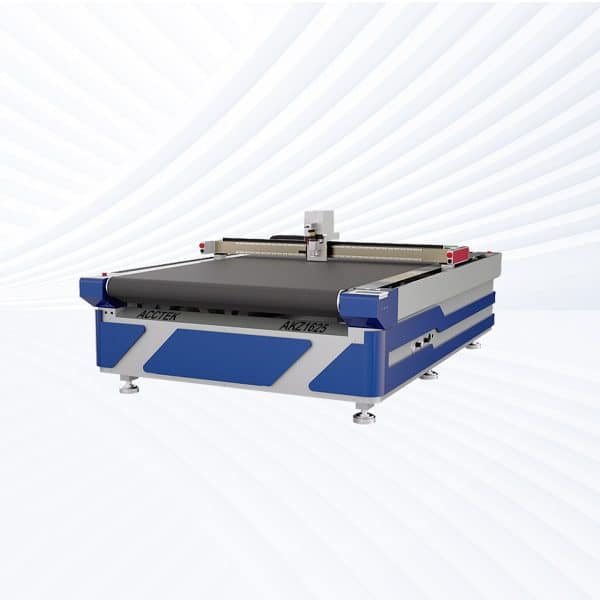
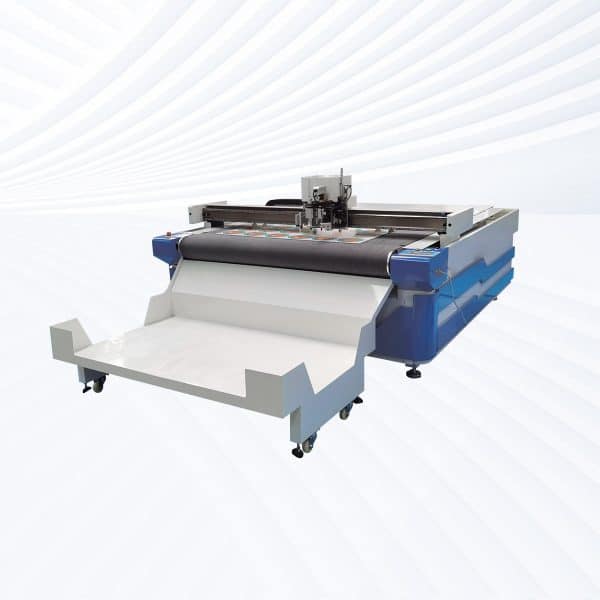
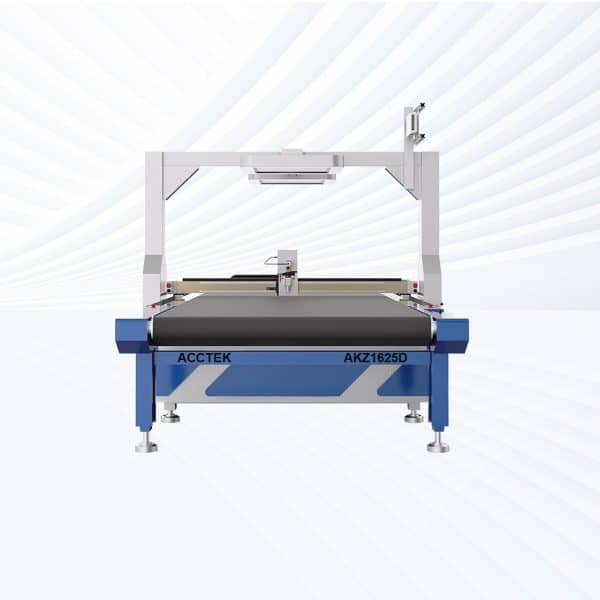
Oscillating Knife Cutting Machines Suitable For Film
Advantages of Oscillating Knife Cutting Film
High Precision Cutting for Thin Materials
Oscillating knife cutting provides excellent accuracy when processing thin film materials. The oscillating blade follows CNC-controlled paths precisely, allowing manufacturers to cut detailed shapes, patterns, and edges while maintaining consistent dimensions and high-quality finished film products.
Clean Edges Without Material Tearing
Film materials are often delicate and flexible, which can cause tearing with traditional cutting tools. The oscillating knife reduces cutting resistance and slices smoothly through the material, producing clean edges and preventing damage or irregular cuts.
No Heat Damage to Film Materials
Unlike laser cutting methods, oscillating knife cutting does not generate heat during the cutting process. This prevents melting, warping, or discoloration of sensitive film materials such as plastic films, protective films, and adhesive films.
Suitable for Various Film Types
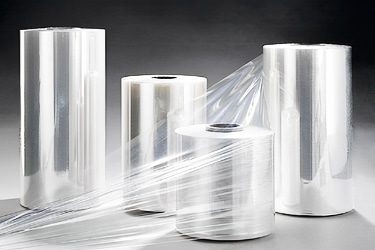
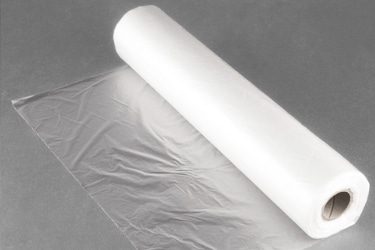
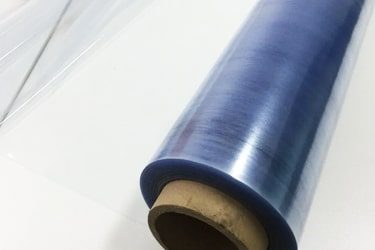
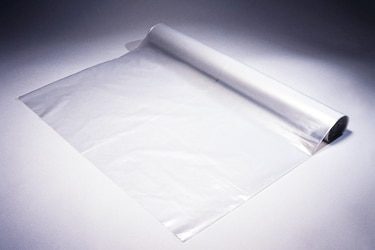
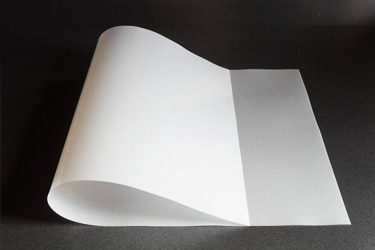
Oscillating knife cutting machines can process many film materials, including PVC films, PET films, protective films, insulation films, adhesive films, and laminated films. This versatility allows one cutting system to support multiple film processing applications.
Minimal Material Deformation
The rapid up-and-down movement of the blade reduces the amount of force required to cut film materials. This helps prevent stretching, distortion, or compression, ensuring that thin films maintain their original shape and size during cutting.
Compatible with Automated CNC Systems
Oscillating knife cutting tools are commonly integrated into CNC cutting machines and digital cutting tables. This allows automated production, improves cutting consistency, reduces manual labor, and supports efficient processing of large batches of film materials.
Compatible Materials
- PE Film
- PP Film
- PVC Film
- PET Film
- BOPP Film
- BOPET Film
- PC Film
- PI Film
- PA Film
- PS Film
- TPU Film
- EVA Film
- PVDF Film
- Polyester Film
- Mylar Film
- Kapton Film
- Release Film
- Protective Film
- Surface Protection Film
- Laminated Plastic Film
- Composite Packaging Film
- Insulation Film
- Electrical Insulation Film
- Adhesive Film
- Double-Sided Adhesive Film
- Heat Seal Film
- Shrink Film
- Stretch Film
- Packaging Plastic Film
- Decorative Film
- Window Tint Film
- Solar Control Film
- Reflective Film
- Diffuser Film
- Optical Film
- Barrier Film
- Food Packaging Film
- Medical Packaging Film
- Anti-Static Film
- Conductive Film
Oscillating Knife Cutting VS Other Cutting Methods
| Comparison Item | Oscillating Knife Cutting | Rotary Cutting | Laser Cutting | Drag Knife Cutting |
|---|---|---|---|---|
| Cutting Principle | A straight blade vibrates up and down rapidly while following a programmed cutting path. | A circular blade rotates continuously to slice through material. | A focused laser beam melts or vaporizes the material. | A fixed blade is dragged along the cutting path. |
| Best Material Types | Thin and flexible films, laminated films, and adhesive films. | Continuous rolls of thin film and flexible materials. | Plastic films and synthetic materials that tolerate heat. | Thin films and soft materials. |
| Material Thickness Capability | Suitable for thin to medium film layers and laminated films. | Best for very thin film materials. | Effective on thin films depending on laser power. | Mostly limited to very thin films. |
| Edge Quality | Produces smooth and clean edges without tearing. | Smooth edges but may cause slight compression on soft films. | Edges may melt or show burn marks. | Edge quality depends on blade sharpness and material thickness. |
| Heat Generation | No heat is generated during cutting. | No heat generated. | Generates heat, which can melt or deform films. | No heat generated. |
| Material Deformation Risk | Very low due to reduced cutting force and oscillation. | Possible stretching of soft films. | Thermal effects may cause warping or melting. | Higher risk of film stretching or dragging. |
| Cutting Precision | High precision with CNC-controlled movement. | Moderate precision for simple shapes. | Very high precision for intricate patterns. | Moderate precision, especially for simple designs. |
| Ability to Cut Complex Shapes | Excellent for detailed shapes and curves. | Limited when cutting complex or tight curves. | Excellent for intricate and detailed designs. | Limited for sharp corners and complex paths. |
| Tool Wear and Maintenance | Blades require periodic replacement but are inexpensive. | Rotary blades require sharpening or replacement. | Requires maintenance of laser optics and system components. | Blades wear quickly when cutting adhesive films. |
| Operating Cost | Low operating cost with simple blade replacement. | Moderate cost due to blade maintenance. | Higher cost due to energy use and system maintenance. | Very low operating cost. |
| Production Speed | Fast for many film cutting applications. | Very fast for continuous roll cutting. | Speed varies depending on film type and thickness. | Slower for complex shapes. |
| Automation Compatibility | Fully compatible with CNC digital cutting tables and CAD workflows. | Often used in automated roll processing systems. | Compatible with CNC laser systems. | Commonly used in plotters and entry-level CNC machines. |
| Suitability for Laminated Films | Very suitable for multi-layer laminated film materials. | Limited performance with multilayer films. | Heat may damage layered films. | May struggle with thicker laminated films. |
| Prototyping Capability | Excellent for rapid prototyping and custom film cutting. | Less flexible for prototype work. | Good for prototypes, but may affect edge appearance. | Suitable for simple prototype cutting. |
| Typical Applications | Protective films, adhesive films, packaging films, and insulation films. | Packaging film rolls, label production, and continuous film processing. | Plastic film engraving, cutting, and industrial marking. | Vinyl cutting, decals, labels, and thin film graphics. |
Oscillating Knife Cutting Capacity
| Material | Through Cutting | Kiss Cutting | Creasing | V-Cutting | Perforation | Marking | Engraving | Multi-layer Cutting |
|---|---|---|---|---|---|---|---|---|
| Corrugated Cardboard | Yes | Yes | Yes | Yes | Yes | Yes | No | Yes |
| Cardboard | Yes | Yes | Yes | Yes | Yes | Yes | No | Yes |
| Paper | Yes | Yes | No | No | Yes | Yes | No | Yes |
| Foam | Yes | Yes | No | Yes | Yes | Yes | No | Yes |
| Rubber | Yes | Yes | No | No | Yes | Yes | No | Yes |
| Leather | Yes | Yes | No | No | Yes | Yes | No | Yes |
| Textile | Yes | Yes | No | No | Yes | Yes | No | Yes |
| Felt | Yes | Yes | No | No | Yes | Yes | No | Yes |
| Film | Yes | Yes | No | No | Yes | Yes | No | Yes |
| Acrylic | Limited | No | No | No | No | Yes | No | No |
| PET | Yes | Yes | No | No | Yes | Yes | No | Yes |
| Polycarbonate | Limited | No | No | No | No | Yes | No | No |
| Composite | Yes | Yes | Yes | Yes | Yes | Yes | No | Yes |
| Gasket Materials | Yes | Yes | No | No | Yes | Yes | No | Yes |
| Carbon Fiber | Yes | No | No | No | No | Yes | No | Limited |
| Fiberglass | Yes | No | No | No | No | Yes | No | Limited |
| Carpet | Yes | Yes | No | No | Yes | Yes | No | Yes |
| Sponge | Yes | Yes | No | Yes | Yes | Yes | No | Yes |
| Silicone Sheets | Yes | Yes | No | No | Yes | Yes | No | Yes |
| Adhesive Materials | Yes | Yes | No | No | Yes | Yes | No | Yes |
Applications of Oscillating Knife Cutting Film



Customer Testimonials
Related Resources
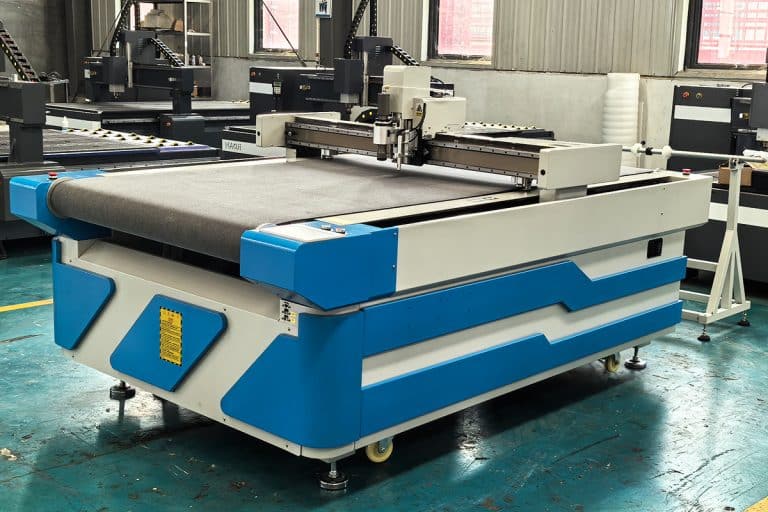
What Are the Main Components of Oscillating Knife Cutting Machines?
This article explores the main components of oscillating knife cutting machines, including cutting heads, motion systems, tools, vacuum tables, software, controls, sensors, and safety systems.
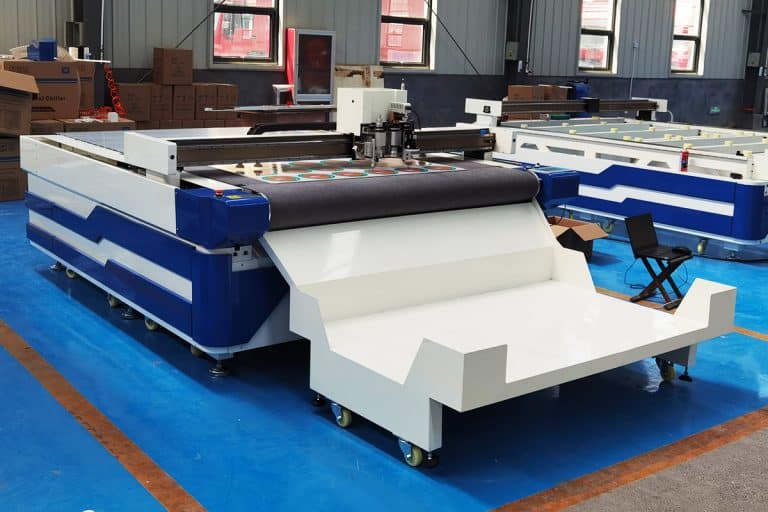
Can Oscillating Knife Cutting Machines Handle Multi-Layered Materials?
This article explores how oscillating knife cutting machines process multi-layered materials, including suitable materials, machine features, cutting factors, limitations, and best practices.
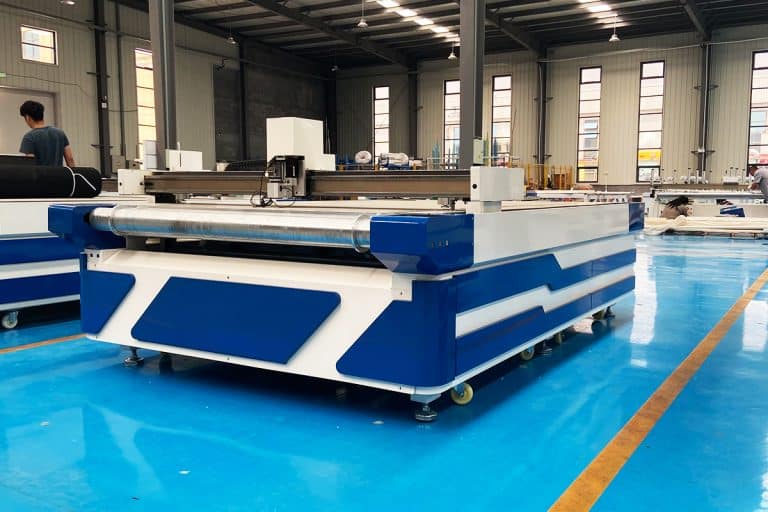
Does Oscillating Knife Cutting Generate Contaminants
This article explores whether oscillating knife cutting generates contaminants, including dust, fibers, microplastics, air pollution, and methods for contamination control.
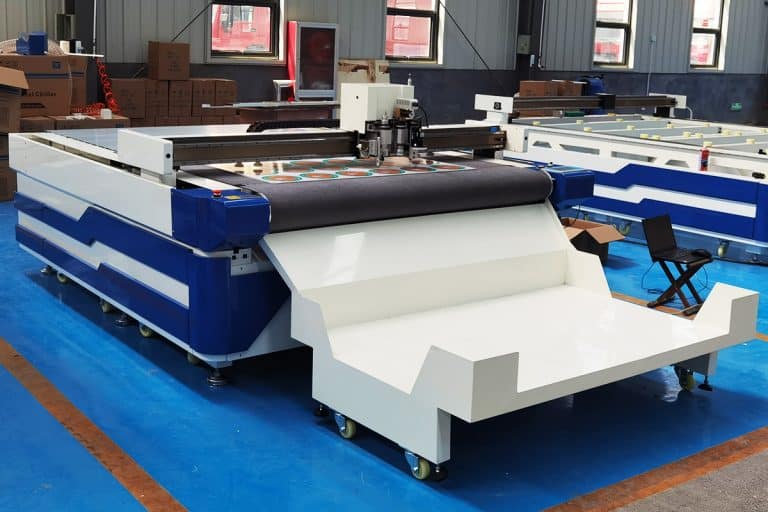
Can Oscillating Knife Cutting Machines Reduce Material Waste
This article explores how oscillating knife cutting machines reduce material waste through precision cutting, nesting optimization, automation, and efficient processing across industries.
Frequently Asked Questions
How Does An Oscillating Knife Cut Film?
- Reciprocating Blade Motion: The oscillating knife moves up and down at high speed while simultaneously traveling along a programmed cutting path. This rapid vertical motion reduces friction between the blade and the film, allowing clean separation without dragging or stretching the material.
- Cold Cutting Process: Unlike laser cutting, oscillating knives do not generate heat. This is critical for films such as polyethylene (PE), polypropylene (PP), polyester (PET), and other plastic films that are sensitive to temperature. The absence of heat prevents edge melting, discoloration, or deformation, ensuring precise and clean cuts.
- Vacuum Hold-Down System: Film materials are lightweight and prone to shifting. To maintain accuracy, oscillating knife cutting systems typically use a vacuum table to hold the film flat and stable during cutting. This prevents wrinkling, lifting, or misalignment, especially when working with thin or large sheets.
- Sharp and Specialized Blades: Cutting film requires extremely sharp blades, often with fine angles, to avoid tearing or snagging. Depending on the film type, different blade geometries may be used to ensure smooth edges and minimal resistance.
- Controlled Cutting Parameters: Speed, oscillation frequency, and cutting pressure must be carefully adjusted. Too much force can stretch or distort the film, while insufficient force may result in incomplete cuts. Proper calibration ensures consistent quality across the entire cutting area.
- Handling of Multi-Layer Films: Oscillating knives can also cut laminated or multi-layer films, such as those used in packaging or protective materials. The reciprocating motion helps penetrate each layer cleanly without causing delamination, provided the material is not too thick or rigid.
- Clean Edges and Minimal Waste: Because the blade physically separates the material without burning it, the edges remain smooth and free of residue. This reduces the need for post-processing and helps maintain the integrity of the film.
Can An Oscillating Knife Cut Produce Complex Shapes?
- Computer-Controlled Precision: Oscillating knife cutting systems operate using CAD/CAM software, which translates vector designs into exact cutting paths. This allows the machine to reproduce highly detailed shapes, including curves, sharp angles, and irregular outlines, with consistent accuracy across multiple parts.
- Ability to Handle Intricate Contours: The rapid up-and-down motion of the blade reduces drag, enabling smoother movement through tight curves and small features. This makes it suitable for applications like packaging prototypes, textile patterns, foam inserts, and gasket designs where detail is important.
- Toolpath Optimization: Advanced software optimizes cutting paths to maintain efficiency while preserving detail. Features like corner compensation and path smoothing help the blade navigate complex geometries without tearing or overcutting, especially in flexible materials.
- Material Compatibility and Influence: The ability to produce complex shapes depends on the material being cut. Softer materials such as foam, rubber, textiles, and thin plastics allow for finer detail and tighter radii. In contrast, thicker or more rigid composites may limit the sharpness or intricacy of shapes due to blade resistance and potential deflection.
- Minimal Material Distortion: With proper hold-down systems, such as vacuum tables, materials remain stable during cutting. This stability is critical for maintaining precision in complex designs, especially when working with lightweight or multilayer materials that could otherwise shift.
- Repeatability for Production Runs: Once a complex shape is programmed, it can be reproduced consistently without variation. This is valuable for industries requiring uniformity across large batches, such as automotive interiors, apparel, and industrial components.
- Limitations in Extremely Fine Detail: While oscillating knives can handle detailed work, there are limits. Extremely small features, very sharp internal corners, or dense materials may reduce accuracy. Blade thickness and cutting mechanics can prevent achieving the same level of micro-detail as laser cutting in some cases.
- Clean Edges Without Secondary Processing: Because the process is mechanical and heat-free, complex shapes are produced with clean edges, reducing the need for finishing work and preserving design integrity.
Can Oscillating Knife Cutting Be Automated For Film Production?
- Automated Material Feeding Systems: In film production, roll-fed systems are commonly used. Films such as PE, PP, or PET are supplied from rolls and automatically advanced onto the cutting table. Conveyor systems can continuously feed material, enabling uninterrupted cutting and reducing manual handling.
- Vacuum Conveyor Tables: Automated systems often include conveyorized vacuum beds that hold the film flat while moving it through the cutting area. This ensures stability during cutting and allows finished sections to advance while new material is fed in, supporting continuous production.
- Digital Workflow Integration: Oscillating knife cutting machines integrate with CAD/CAM software, allowing designs to be sent directly to the cutter. Automated nesting software optimizes part layout to reduce waste and maximize throughput. This digital link minimizes human intervention and speeds up production cycles.
- Barcode and Registration Systems: For printed or pre-marked films, optical registration systems can detect printed markers or barcodes. The machine automatically aligns the cutting path with the material, ensuring precise cuts even in high-speed operations. This is especially useful in packaging and label production.
- Automated Tool Control: Modern systems can automatically adjust cutting parameters such as speed, pressure, and oscillation frequency based on the material type. Some machines also support automatic tool changes, allowing different blades or tools to be used within the same job without manual setup.
- Batch Processing and Repeatability: Once a job is programmed, it can be repeated consistently across large production runs. Automation ensures uniform quality, reduces operator error, and supports high-volume manufacturing with minimal supervision.
- Integration with Downstream Processes: Oscillating knife cutting systems can be connected to other automated processes such as lamination, printing, or stacking. Finished parts can be automatically sorted, collected, or transferred for further processing, creating a seamless production line.
- Reduced Labor and Increased Efficiency: Automation reduces the need for manual cutting, positioning, and handling. Operators primarily oversee the system rather than perform repetitive tasks, improving productivity and lowering labor costs.
What Are The Limitations Of Oscillating Knife Cutting For Films?
- Material Movement and Stability: Film materials are lightweight and easily shift during cutting. Without proper vacuum hold-down systems, films can wrinkle, lift, or slide, leading to inaccurate cuts. Even with vacuum support, very thin or static-prone films may still move, reducing precision.
- Difficulty with Ultra-Thin Films: Extremely thin films can be challenging to cut cleanly. The blade may drag or stretch the material instead of slicing it, causing distortion or uneven edges. This is especially noticeable in films used for electronics or precision packaging.
- Edge Quality Limitations: While oscillating knives generally produce clean cuts, some films may show slight edge deformation, particularly if the blade is not sharp enough or if cutting parameters are not properly optimized. Stretchable films are more prone to this issue.
- Adhesive and Sticky Materials: Films with adhesive backing can stick to the blade during cutting. This buildup reduces cutting efficiency and can lead to tearing or incomplete cuts. Frequent blade cleaning or coated blades may be required, which interrupts the workflow.
- Speed Constraints Compared to Thermal Methods: Oscillating knife cutting is typically slower than laser cutting for thin films. High-speed production lines may find this limiting, especially when processing large volumes of simple shapes, where faster technologies could be more efficient.
- Limited Performance on Multi-Layer or Reinforced Films: Although multilayer films can be cut, thicker laminates or films with embedded fibers increase resistance. This can lead to incomplete cuts, higher blade wear, or reduced accuracy, particularly in detailed patterns.
- Blade Wear and Maintenance: Even though films are not highly abrasive, continuous cutting still causes blade wear over time. Dull blades reduce edge quality and may require frequent replacement to maintain consistency.
- Challenges with Very Fine Details: Producing extremely small or intricate features can be difficult due to blade geometry and material flexibility. Tight corners or micro-patterns may not be as sharp or precise as those achieved with laser cutting.
Can Oscillating Knife Cutting Replace Die Cutting?
- No Tooling Requirement: One of the biggest advantages of oscillating knife cutting is that it does not require physical dies. Traditional die cutting relies on custom-made steel dies, which take time and money to produce. With an oscillating knife, designs are digital, so changes can be made instantly without additional tooling costs. This is ideal for prototyping, short runs, and frequently changing designs.
- Faster Setup and Changeover: Oscillating knife cutting systems allow quick job switching. Operators can load a new file and begin cutting almost immediately. In contrast, die cutting requires physical setup, alignment, and sometimes machine adjustments when switching between jobs. This makes oscillating knives more efficient for small batch or on-demand production.
- Flexibility in Design: Complex shapes and design modifications are easier to implement with oscillating knife cutting. There is no need to manufacture a new die for each variation, which supports customization and rapid iteration.
- Cost Efficiency for Low to Medium Volumes: For smaller production runs, oscillating knife cutting is often more cost-effective because it eliminates die manufacturing costs. However, as volume increases, die cutting becomes more economical due to its speed and lower per-unit cost.
- Speed and Throughput Limitations: Die cutting is generally faster for high-volume production. Once a die is made, it can cut large quantities quickly and consistently. Oscillating knife cutting systems, being mechanical and path-based, are typically slower, which can limit throughput in mass production environments.
- Material Considerations: Both methods handle soft to semi-rigid materials well, such as foam, rubber, textiles, and paperboard. However, die cutting may offer better performance for thicker stacks or materials requiring high pressure.
- Consistency at Scale: Die cutting provides excellent repeatability in large runs, with minimal variation. Oscillating knife cutting systems also offer consistency, but may experience slight variations depending on blade wear or material movement.
- Maintenance and Wear: Oscillating knives require ongoing blade replacement, while die cutting involves maintaining and occasionally replacing dies.
What Are The Risks Of Oscillating Knife Cutting Films?
- Material Shifting and Wrinkling: Film materials are lightweight and prone to movement. If not properly secured with a vacuum table or hold-down system, the film can wrinkle, lift, or shift during cutting. This leads to inaccurate cuts, wasted material, and potential production delays.
- Stretching and Distortion: Thin or elastic films can stretch under the pressure of the blade. Instead of a clean cut, the material may deform, resulting in inconsistent dimensions or poor edge quality. This is especially critical in precision applications like electronics or medical films.
- Blade Drag and Tearing: If the blade is not sharp or properly configured, it may drag across the film rather than slice cleanly. This can cause tearing, jagged edges, or incomplete cuts. Delicate films are particularly sensitive to this issue.
- Adhesive Buildup on Blades: Many films include adhesive layers. During cutting, adhesive can accumulate on the blade, reducing its effectiveness and increasing friction. This buildup can lead to poor cut quality, frequent interruptions for cleaning, and higher maintenance requirements.
- Static Electricity Issues: Film materials often generate static electricity, which can cause them to cling to the machine surface or blade. Static can interfere with material handling, attract dust, and reduce cutting accuracy, especially in dry environments.
- Blade Wear and Breakage: Although films are not highly abrasive, continuous cutting still causes gradual blade wear. A worn blade increases the risk of tearing or distortion. In rare cases, improper use or material issues could lead to blade damage or breakage.
- Limited Precision for Fine Details: Cutting very small or intricate shapes in thin film can be challenging. The combination of material flexibility and blade mechanics may reduce accuracy in tight corners or detailed patterns.
- Operator Safety Risks: As with any cutting system, there is a risk of injury from the moving blade. Proper machine guarding, safe operating procedures, and training are essential to prevent accidents.
What Problems Occur In Oscillating Knife Cutting Films?
- Material Slippage and Misalignment: Film is lightweight and easily displaced. If the vacuum hold-down is insufficient or uneven, the material may shift during cutting. This results in dimensional inaccuracies, especially in nested layouts or repeat jobs.
- Wrinkling and Surface Deformation: Thin films can wrinkle under cutting pressure or due to poor tension control in roll-fed systems. Wrinkles interfere with the cutting path, leading to uneven edges or incomplete cuts.
- Stretching During Cutting: Flexible films, particularly polyethylene or similar materials, may stretch when the blade applies force. This can distort the final shape, making parts slightly oversized or inconsistent when compared to the original design.
- Tearing Instead of Clean Cutting: If the blade is dull, incorrectly angled, or moving too slowly, it may drag rather than slice. This causes tearing or jagged edges, which is a common issue with delicate or ultra-thin films.
- Adhesive Contamination: Films with adhesive backing often leave residue on the blade. Over time, this buildup increases friction, reduces cutting efficiency, and leads to poor edge quality. Frequent cleaning or blade replacement becomes necessary.
- Static Electricity Problems: Film materials tend to generate static, especially in dry environments. Static can cause the material to cling to the cutting surface or blade, attract dust, and disrupt smooth feeding and positioning.
- Inconsistent Cut Depth: Maintaining precise depth control is challenging with very thin films. Too much pressure can damage the cutting surface or backing layer, while too little pressure results in incomplete cuts or the need for multiple passes.
- Difficulty with Fine Details: Small features, sharp internal corners, or intricate patterns can be hard to achieve consistently. The combination of material flexibility and blade thickness may limit precision in detailed designs.
- Blade Wear Over Time: Even though films are not highly abrasive, continuous production gradually dulls blades. This leads to declining cut quality and requires regular monitoring and replacement.
What Kind Of Training Is Required To Operate Oscillating Knife Cutting Machines?
- Basic Machine Operation: Operators must learn how to start, stop, and control the machine, including loading materials, setting origins, and running cutting programs. This includes understanding the control interface, whether it is a standalone panel or a computer-based system.
- CAD/CAM Software Skills: Since oscillating knife cutting systems rely on digital files, operators need basic knowledge of CAD/CAM software. This includes importing vector files, adjusting toolpaths, setting cut parameters, and preparing designs for production. Familiarity with formats like DXF or AI is often required.
- Material Knowledge: Different materials behave differently under a blade. Training should cover how to handle various materials such as foam, textiles, rubber, composites, and films. Operators need to understand how factors like thickness, flexibility, and layering affect cutting performance.
- Tool and Blade Selection: Choosing the correct blade type is critical. Operators must know when to use straight, angled, or specialized blades, and how blade geometry impacts cut quality. Training also includes proper blade installation and replacement procedures.
- Parameter Adjustment: Cutting speed, oscillation frequency, and pressure must be set correctly for each material. Operators learn how to adjust these settings to avoid issues like tearing, incomplete cuts, or excessive wear.
- Machine Maintenance: Basic maintenance training is essential to keep the machine running efficiently. This includes cleaning, checking moving parts, replacing worn blades, and inspecting the cutting surface or vacuum system.
- Safety Procedures: Safety training is a key requirement. Operators must understand the risks of moving blades, the proper use of guards, emergency stop functions, and safe handling during maintenance. Personal protective equipment (PPE) may also be required depending on the material.
- Material Handling and Setup: Proper positioning and securing of materials, especially lightweight films or multilayer composites, is critical. Training includes using vacuum systems, alignment techniques, and ensuring flat, stable surfaces before cutting.
- Troubleshooting Skills: Operators should be able to identify and resolve common issues such as poor edge quality, material shifting, or software errors. This reduces downtime and improves productivity.