

Introduction
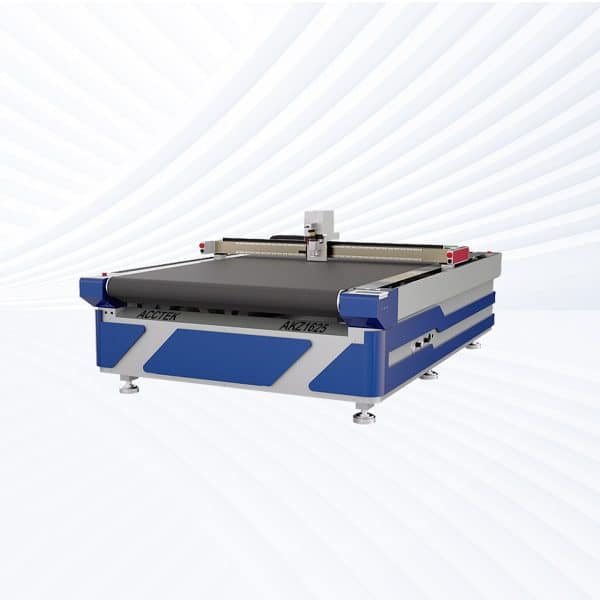
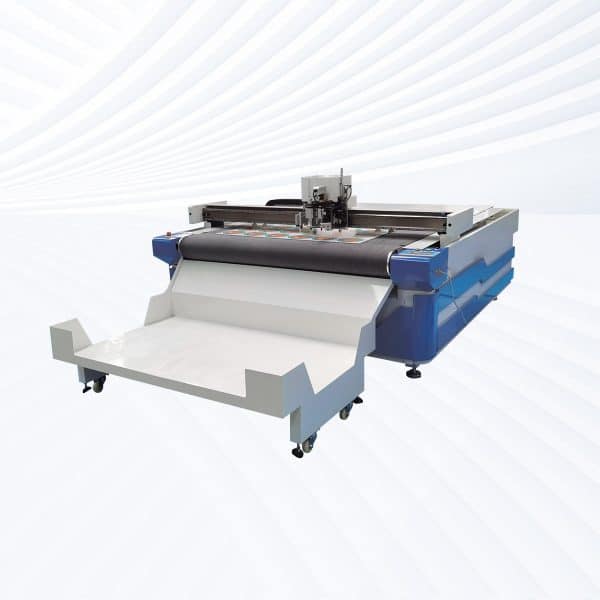
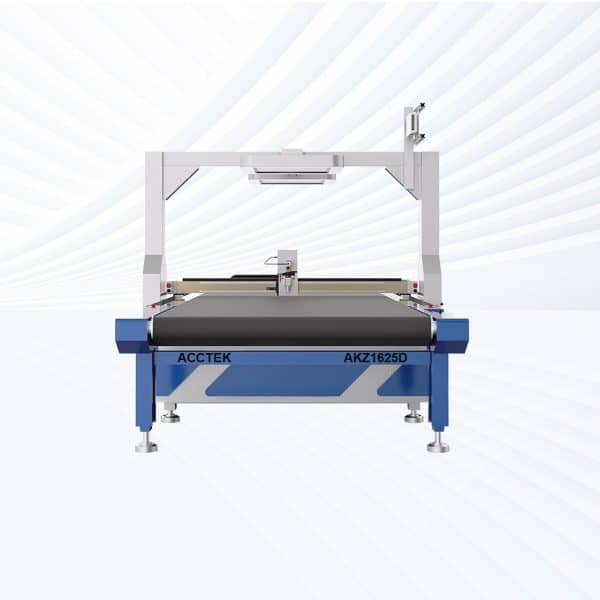
Oscillating Knife Cutting Machines Suitable For Textile
Advantages of Oscillating Knife Cutting Textile
High Precision Cutting
Oscillating knife cutting provides excellent precision when processing textile materials. The vibrating blade combined with CNC control allows manufacturers to cut detailed patterns, curves, and shapes accurately while maintaining consistent dimensions and high-quality finished textile components.
Clean Edges with Reduced Fraying
Textile materials can fray or produce uneven edges when cut with traditional tools. The oscillating knife slices smoothly through fabric layers, reducing fraying and ensuring clean edges that improve the overall appearance and quality of textile products.
Suitable for Multiple Types
Oscillating knife cutting machines can process a wide range of textiles, including cotton, polyester, nylon, felt, technical fabrics, and composite textiles. This versatility allows manufacturers to use the same cutting system for many different textile applications.
Minimal Material Distortion
The rapid up-and-down blade movement reduces the cutting force required for textile materials. This helps prevent fabric stretching, shifting, or distortion during cutting, ensuring that the final pieces maintain accurate shapes and dimensions.
Efficient for Complex Patterns
Textile products often require intricate patterns and detailed shapes. Oscillating knife cutting allows manufacturers to cut complex designs directly from digital files, improving production efficiency and reducing manual trimming or finishing work.
Compatible with CNC Automation
Oscillating knife tools are commonly integrated into CNC digital cutting machines and flatbed cutting tables. This enables automated textile cutting processes, improves productivity, reduces manual labor, and ensures consistent cutting quality across large production batches.
Compatible Materials
- Cotton Fabric
- Polyester Fabric
- Nylon Fabric
- Linen Fabric
- Silk Fabric
- Wool Fabric
- Denim Fabric
- Canvas Fabric
- Felt Fabric
- Velvet Fabric
- Corduroy Fabric
- Satin Fabric
- Chiffon Fabric
- Organza Fabric
- Taffeta Fabric
- Lycra Fabric
- Elastic Fabric
- Microfiber Fabric
- Acrylic Fabric
- Rayon Fabric
- Bamboo Fabric
- Modal Fabric
- Viscose Fabric
- Poly-Cotton Blended Fabric
- Polyester Blended Fabric
- Upholstery Fabric
- Automotive Interior Fabric
- Technical Textile Fabric
- Nonwoven Fabric
- Geotextile Fabric
- Carbon Fiber Fabric
- Fiberglass Fabric
- Aramid Fiber Fabric
- Composite Textile Laminates
- Laminated Fabric
- Coated Fabric
- Waterproof Fabric
- Breathable Membrane Fabric
- Industrial Filter Fabric
- Protective Textile Fabric
Oscillating Knife Cutting VS Other Cutting Methods
| Comparison Item | Oscillating Knife Cutting | Rotary Cutting | Laser Cutting | Drag Knife Cutting |
|---|---|---|---|---|
| Cutting Principle | A straight blade vibrates rapidly up and down while following a programmed cutting path. | A circular blade rotates continuously to slice through textile materials. | A focused laser beam burns or vaporizes the fabric. | A fixed blade is dragged along the cutting path. |
| Best Material Types | Soft fabrics, technical textiles, and multilayer fabric materials. | Thin fabrics and continuous textile rolls. | Synthetic fabrics that can tolerate heat. | Thin and flexible fabrics. |
| Material Thickness Capability | Suitable for single or multiple fabric layers. | Generally used for thin fabric layers. | Effective mainly on thin fabrics. | Best suited for thin textile materials. |
| Edge Quality | Produces clean edges with minimal fraying. | Clean edges, but may compress softer fabrics. | Edges may show burn marks or slight melting. | Edge quality depends on blade sharpness and fabric thickness. |
| Heat Generation | No heat is generated during cutting. | No heat generated. | Generates heat, which can burn or melt fibers. | No heat generated. |
| Material Distortion Risk | Very low due to reduced cutting force from blade oscillation. | Some fabric movement or compression possible. | Heat may stiffen or shrink fabric edges. | Higher risk of fabric dragging or distortion. |
| Cutting Precision | High precision with CNC-controlled movement. | Moderate precision for straight or simple cuts. | Very high precision for detailed patterns. | Moderate precision for simple shapes. |
| Ability to Cut Complex Shapes | Excellent for intricate patterns and detailed textile designs. | Limited when cutting complex or tight curves. | Excellent for detailed and decorative designs. | Limited when cutting complex contours. |
| Tool Wear and Maintenance | Blades are inexpensive and easy to replace. | Rotary blades require sharpening or replacement. | Requires maintenance of laser optics and system components. | Blade wear occurs when cutting thicker fabrics. |
| Operating Cost | Generally, low operating cost. | Moderate cost due to blade maintenance. | Higher operating costs due to energy use and maintenance. | Very low operating cost. |
| Production Speed | Fast for most textile cutting applications. | Very fast for straight or repetitive cuts. | Speed depends on fabric type and thickness. | Slower for complex shapes. |
| Automation Compatibility | Fully compatible with CNC digital cutting tables and CAD systems. | Often used in automated textile production lines. | Compatible with CNC laser cutting systems. | Common in plotters and entry-level CNC machines. |
| Suitability for Multi-Layer Fabrics | Highly suitable for cutting multiple fabric layers. | Limited capability with thick multilayer fabrics. | Heat may damage layered fabrics. | Struggles with thicker multilayer fabrics. |
| Prototyping Capability | Excellent for rapid prototyping and custom textile parts. | Less flexible for prototype work. | Good for prototypes, but may affect fabric edges. | Suitable for simple prototype cutting. |
| Typical Applications | Apparel production, upholstery, technical textiles, and industrial fabrics. | Textile roll cutting and large-scale fabric trimming. | Fabric engraving, decorative cutting, and marking. | Vinyl cutting, decals, thin fabrics, and graphic materials. |
Oscillating Knife Cutting Capacity
| Material | Through Cutting | Kiss Cutting | Creasing | V-Cutting | Perforation | Marking | Engraving | Multi-layer Cutting |
|---|---|---|---|---|---|---|---|---|
| Corrugated Cardboard | Yes | Yes | Yes | Yes | Yes | Yes | No | Yes |
| Cardboard | Yes | Yes | Yes | Yes | Yes | Yes | No | Yes |
| Paper | Yes | Yes | No | No | Yes | Yes | No | Yes |
| Foam | Yes | Yes | No | Yes | Yes | Yes | No | Yes |
| Rubber | Yes | Yes | No | No | Yes | Yes | No | Yes |
| Leather | Yes | Yes | No | No | Yes | Yes | No | Yes |
| Textile | Yes | Yes | No | No | Yes | Yes | No | Yes |
| Felt | Yes | Yes | No | No | Yes | Yes | No | Yes |
| Film | Yes | Yes | No | No | Yes | Yes | No | Yes |
| Acrylic | Limited | No | No | No | No | Yes | No | No |
| PET | Yes | Yes | No | No | Yes | Yes | No | Yes |
| Polycarbonate | Limited | No | No | No | No | Yes | No | No |
| Composite | Yes | Yes | Yes | Yes | Yes | Yes | No | Yes |
| Gasket Materials | Yes | Yes | No | No | Yes | Yes | No | Yes |
| Carbon Fiber | Yes | No | No | No | No | Yes | No | Limited |
| Fiberglass | Yes | No | No | No | No | Yes | No | Limited |
| Carpet | Yes | Yes | No | No | Yes | Yes | No | Yes |
| Sponge | Yes | Yes | No | Yes | Yes | Yes | No | Yes |
| Silicone Sheets | Yes | Yes | No | No | Yes | Yes | No | Yes |
| Adhesive Materials | Yes | Yes | No | No | Yes | Yes | No | Yes |
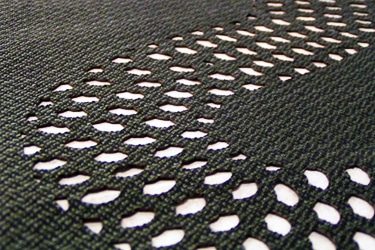
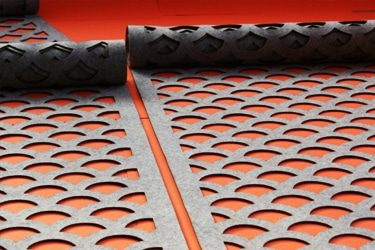
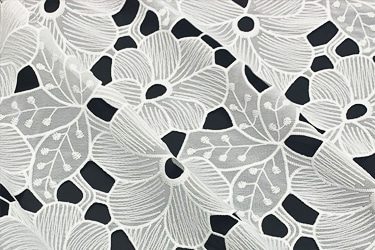
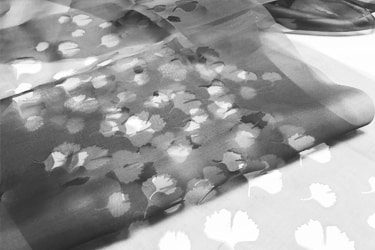
Applications of Oscillating Knife Cutting Textile
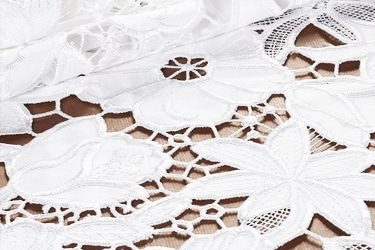
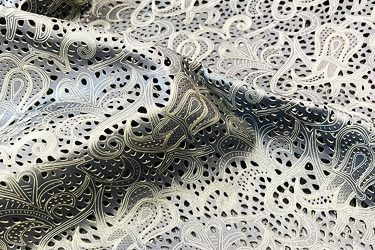
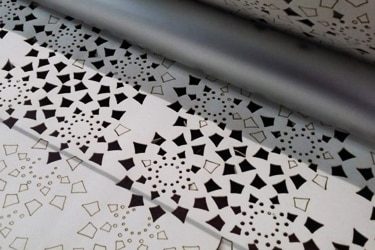
Customer Testimonials
Related Resources
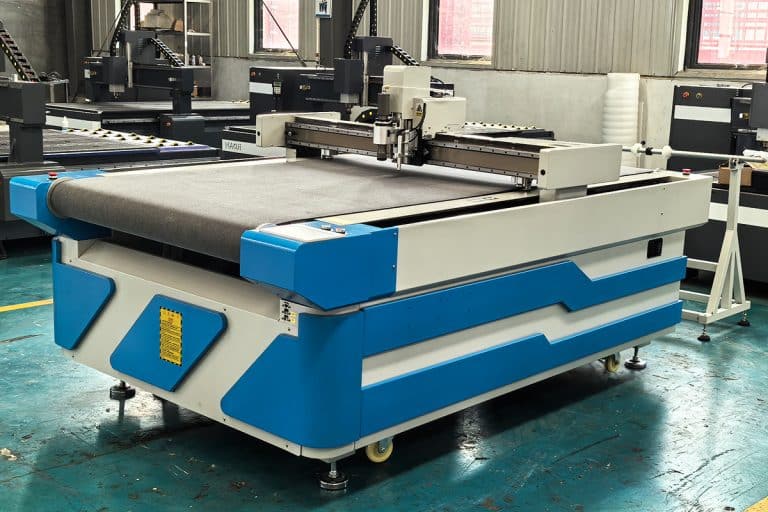
What Are the Main Components of Oscillating Knife Cutting Machines?
This article explores the main components of oscillating knife cutting machines, including cutting heads, motion systems, tools, vacuum tables, software, controls, sensors, and safety systems.
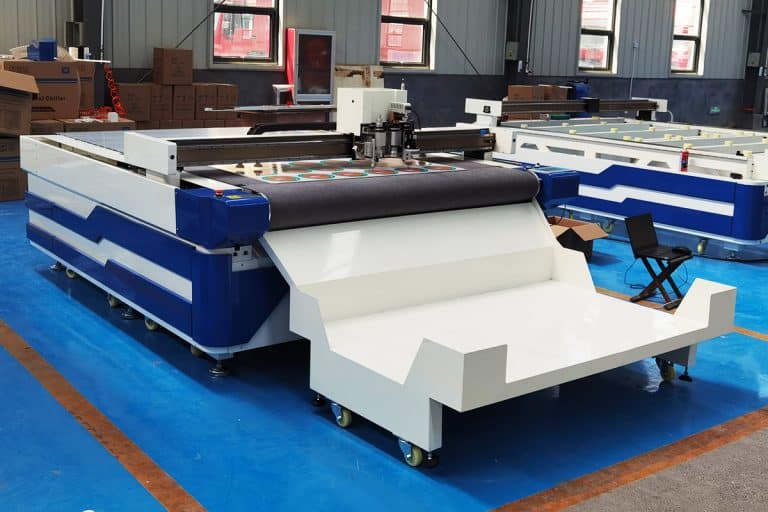
Can Oscillating Knife Cutting Machines Handle Multi-Layered Materials?
This article explores how oscillating knife cutting machines process multi-layered materials, including suitable materials, machine features, cutting factors, limitations, and best practices.
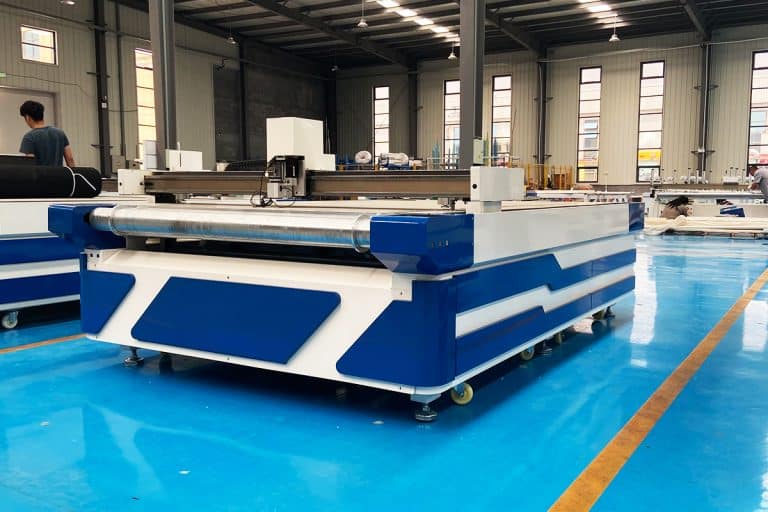
Does Oscillating Knife Cutting Generate Contaminants
This article explores whether oscillating knife cutting generates contaminants, including dust, fibers, microplastics, air pollution, and methods for contamination control.
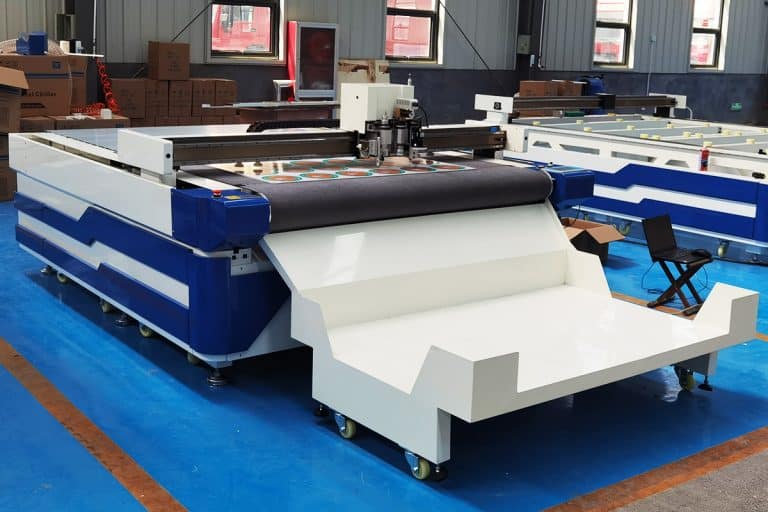
Can Oscillating Knife Cutting Machines Reduce Material Waste
This article explores how oscillating knife cutting machines reduce material waste through precision cutting, nesting optimization, automation, and efficient processing across industries.
Frequently Asked Questions
How Does An Oscillating Knife Cut Textile?
- Mechanical Cutting Action: The oscillating knife moves rapidly up and down while the cutting head follows a programmed path. This motion allows the blade to slice cleanly through fibers instead of dragging across the surface. The result is straight, smooth edges with minimal distortion, even on delicate fabrics like silk, satin, or lace.
- Digital Control for Precision: Textile cutting often requires complex shapes such as patterns, logos, or curves. Oscillating knife cutting systems use CAD/CAM software to convert designs into precise cutting paths. The blade can follow intricate outlines, making it possible to produce consistent and repeatable shapes across multiple layers or batches.
- Material Stabilization: Textiles are prone to shifting, stretching, or wrinkling during cutting. To maintain accuracy, the fabric is held in place using vacuum tables, clamps, or adhesive layers. This ensures that the material remains flat and stable, preventing uneven edges or misaligned cuts.
- Versatility Across Fabric Types: Oscillating knives can cut a wide range of textiles, from natural fibers like cotton, linen, and wool to synthetic fabrics such as polyester, nylon, and spandex. The blade type, speed, and pressure can be adjusted based on fabric thickness, texture, and elasticity.
- Multilayer Cutting: Many applications require cutting multiple layers simultaneously, such as quilted fabrics or layered industrial textiles. Oscillating knives can penetrate several layers at once, producing consistent shapes and saving time compared to single-layer manual cutting.
- Minimized Waste: Software-driven nesting allows optimal layout of patterns on the fabric, reducing material waste. Clean cuts and precise alignment further enhance material efficiency.
- No Heat Damage or Chemical Fumes: Since the blade cuts mechanically, there is no risk of burning, melting, or releasing harmful fumes. This is especially important for synthetic fabrics, which can be sensitive to heat.
- Applications: Oscillating knife cutting is widely used in apparel, automotive interiors, upholstery, technical textiles, and composite reinforcements, providing high-quality, accurate cuts with low material loss.
Can An Oscillating Knife Cut Multilayer Textile?
- Layered Cutting Capability: Oscillating knife cutting systems can penetrate several fabric layers in a single pass. The rapid up-and-down motion of the blade slices cleanly through each layer, minimizing stretching or shifting. This is particularly useful for mass production where consistent shapes are needed across multiple layers.
- Digital Path Control: Cutting complex patterns across multilayer textiles requires precise alignment. Oscillating knife cutting machines are guided by CAD/CAM software, which ensures that the cutting path is followed exactly on every layer. This produces uniform shapes, reduces rework, and maintains high-quality edges.
- Material Stabilization: To prevent movement or distortion, multilayer fabrics are often held using vacuum tables, adhesive sheets, or clamping systems. This stabilization ensures that all layers remain aligned during cutting, maintaining accuracy across thick stacks.
- Versatility Across Textiles: Oscillating knives can handle a wide range of textile materials simultaneously, including cotton, polyester, denim, leather, technical fabrics, and blends. Adjustments to blade type, cutting speed, and pressure allow the system to accommodate different thicknesses and textures without fraying or damaging fibers.
- Efficiency and Productivity: Multilayer cutting reduces the need for repetitive single-layer cuts, saving time and labor. It also supports high-volume production, as multiple identical pieces can be produced in one cycle with minimal handling.
- Clean Edges and Fiber Integrity: Because the process is mechanical and cold, no heat or friction could melt or scorch synthetic fibers. The edges remain smooth and precise, which is crucial for garments, composite reinforcements, or technical textiles where seam integrity matters.
- Limitations to Consider: The number of layers that can be cut at once depends on the thickness, density, and type of fabric. Very thick or highly elastic materials may require fewer layers per pass to avoid edge deformation or blade wear. Regular blade maintenance and proper parameter settings are essential to maintain cutting quality.
Is An Oscillating Knife Cutting Cost-Effective For Textiles?
- Reduced Labor Costs: Unlike manual cutting, oscillating knife cutting systems operate automatically under computer control. Once the patterns are programmed, the machine can run with minimal supervision, allowing operators to focus on setup and material handling rather than repeated hand cutting. This significantly reduces labor costs in high-volume or repetitive textile production.
- Elimination of Die Costs: Traditional die cutting requires custom metal dies, which can be expensive to produce and time-consuming to change for different patterns. Oscillating knives cut directly from digital designs without the need for tooling, reducing upfront costs and providing flexibility for small or custom batches.
- Multilayer Cutting Efficiency: Oscillating knives can cut multiple layers of fabric simultaneously. By producing several identical pieces in a single pass, the process reduces cycle time and increases throughput, lowering the per-piece production cost compared to single-layer cutting.
- Material Waste Reduction: Software-guided nesting optimizes pattern placement on textile sheets, ensuring minimal offcuts. Clean, precise cuts mean fewer mistakes and reworks, saving fabric and reducing overall material expenses.
- Minimal Secondary Processing: Because oscillating knives cut cleanly without fraying or stretching fibers, additional finishing steps are often unnecessary. This reduces the time and resources spent on edge trimming or post-processing, further lowering costs.
- Versatility Across Materials: One machine can handle a wide variety of textiles—natural fibers, synthetics, blends, and technical fabrics—without requiring different tooling or extensive adjustments. This adaptability eliminates the need for multiple machines for different materials, saving capital expenditure.
- Long Blade Life: Blades are the primary consumables, and they are relatively inexpensive and long-lasting compared to the cost of dies or repeated manual labor. Regular maintenance and proper selection of blade type help maximize efficiency.
- Cost Considerations: The main investment is the machine itself, which may be higher than simple manual cutters. However, for medium to large-scale production, the savings in labor, material, and time quickly offset the initial capital cost, making the method highly cost-effective.
What Are The Limitations Of Oscillating Knife Cutting For Textiles?
- Material Thickness and Density: Oscillating knives are best suited for thin to moderately thick fabrics. Very thick textiles, heavy technical fabrics, or multilayered stacks beyond a certain height may cause blade deflection or incomplete penetration. Cutting too many layers simultaneously can reduce precision and edge quality.
- Elastic and Stretchy Fabrics: Highly elastic materials like spandex or Lycra can shift or stretch during cutting. Even with vacuum hold-down or clamping systems, some distortion may occur, resulting in slightly inaccurate shapes or misaligned pieces, particularly for intricate patterns.
- Fine or Frayed Edges: Delicate fabrics with loose weaves, such as lace or loosely knitted textiles, are prone to fraying or snagging if the blade is not perfectly sharp or properly aligned. Extremely delicate materials may require slower cutting speeds, reducing productivity.
- Complex Curves and Intricate Patterns: Although oscillating knives can follow detailed paths, very tight curves, small internal cutouts, or sharp corners may be more challenging. Blade width and mechanical constraints can limit the precision achievable on extremely small features.
- Blade Wear and Maintenance: Continuous cutting of abrasive or rough-textured fabrics accelerates blade wear. Dull or chipped blades can cause jagged edges, stretching, or incomplete cuts, requiring frequent inspection and replacement to maintain quality.
- Material Hold Limitations: Vacuum tables or adhesive layers are used to stabilize textiles, but lightweight or highly flexible fabrics may still shift slightly. Misalignment during cutting can lead to edge inconsistencies or wasted material.
- Limited to Non-Fused Cuts: Oscillating knives cut mechanically and cannot seal edges. Synthetic fabrics prone to unraveling may need additional post-processing, such as heat sealing or serging, to prevent fraying.
- Machine Speed vs. Precision Trade-off: Higher cutting speeds increase throughput but may reduce accuracy on fine details. Slower speeds improve edge quality but may impact production efficiency, requiring a balance between speed and precision.
- Thickness Variations Across Material: Textiles with inconsistent thickness or layered structures can result in uneven penetration, producing slightly inconsistent edges or partial cuts.
Can Oscillating Knife Cutting Replace Die Cutting?
- Flexibility vs. Tooling Requirements: Die cutting requires custom metal dies for each shape, which can be expensive and time-consuming to manufacture. Any design change necessitates a new die, adding both cost and lead time. In contrast, oscillating knife cutting is digitally controlled via CAD/CAM software, allowing quick changes to patterns without additional tooling. This flexibility makes oscillating knives ideal for short runs, prototypes, or products with frequent design updates.
- Material Range and Multilayer Cutting: Oscillating knives can handle a wide range of materials, including textiles, foam, rubber, leather, composites, and thin plastics. They can also cut multiple layers simultaneously, which can match or exceed the productivity of die cutting for certain flexible materials. However, extremely thick or rigid materials may still favor traditional die cutting, as large dies can apply higher uniform pressure for deep cuts.
- Precision and Complex Shapes: Oscillating knives excel at producing complex, intricate patterns with smooth edges. Die cutting is more limited by die geometry and can struggle with very small details or tight internal cutouts. For complex shapes, oscillating knives can achieve consistent quality without the cost and time of specialized dies.
- Speed and High-Volume Production: Die cutting is faster for very high-volume production, where a single die can produce thousands of identical parts with minimal cycle time. Oscillating knife cutting machines, while fast, are limited by blade oscillation speed and material stabilization requirements. For massive runs of simple shapes, die cutting may still be more cost-effective.
- Material Waste and Edge Quality: Oscillating knives reduce material waste through digital nesting and precise cutting paths, especially for irregular shapes or multilayered layouts. Edges are typically clean without fraying or deformation. Die cutting produces clean edges but may generate more waste depending on die layout and material efficiency.
- Maintenance and Operational Costs: Oscillating knives require periodic blade replacement and proper maintenance, but they avoid the upfront die manufacturing costs. Die cutting requires long-term storage of dies and can incur high replacement costs if a die is damaged.
What Are The Risks Of Oscillating Knife Cutting Textiles?
- Material Shifting and Misalignment: Textiles are flexible and often lightweight, making them prone to movement during cutting. Even with vacuum tables, adhesive layers, or clamps, multilayer stacks can shift, causing uneven edges, misaligned patterns, or partially cut pieces. Misalignment increases waste and may require rework.
- Fraying and Edge Damage: Some fabrics, especially those with loose weaves, delicate fibers, or high stretch, may fray along the cut edges. Improper blade sharpness or excessive pressure can exacerbate this problem, resulting in edges that need additional finishing.
- Blade Wear and Breakage: Continuous cutting of abrasive or thick fabrics accelerates blade wear. Dull or damaged blades can tear the fabric instead of slicing cleanly, creating rough edges or material distortion. In severe cases, blade breakage can damage the machine or pose safety hazards.
- Difficulty with Complex or Fine Details: Oscillating knives have mechanical limitations. Tight curves, intricate patterns, or small internal cutouts may be difficult to execute perfectly. Attempting very fine details can lead to incomplete cuts, distorted shapes, or stretched fibers.
- Elastic and Stretch Fabrics: Highly stretchable fabrics like spandex or elastane can deform under blade pressure. Even with stabilization systems, elastic recovery may cause edges to retract or warp, affecting final part dimensions and fit.
- Stack Height Limitations: While oscillating knives can cut multiple layers simultaneously, excessive layer thickness reduces blade efficiency and precision. Thick stacks can lead to uneven cuts, incomplete penetration, or increased wear on the blade and machine components.
- Operator Safety: The rapidly moving blade presents a risk of injury if operators come into contact with it. Proper guarding, training, and personal protective equipment (PPE), such as cut-resistant gloves and safety glasses, are essential.
- Dust and Fiber Particles: Cutting fabrics can generate airborne fibers and dust, particularly from synthetic textiles. Without adequate ventilation or extraction, these particles may cause respiratory irritation or accumulate in machinery, reducing performance.
How Does Oscillating Knife Cutting Affect Textile Edge Quality?
- Clean and Smooth Edges on Most Fabrics: For woven or non-stretch fabrics like cotton, polyester, denim, or felt, oscillating knives typically produce smooth, straight edges without fraying when the blade is sharp and properly calibrated. The rapid back-and-forth motion slices fibers cleanly rather than tearing them, preserving edge integrity for sewing, assembly, or finishing.
- Fraying on Loose or Delicate Weaves: Textiles with loose weaves or fine threads—such as lace, chiffon, or loosely knitted fabrics—are prone to fraying along cut edges. If the blade is slightly dull or the blade oscillation speed is too fast, fibers can pull or snag, creating irregular edges. This is particularly evident on multilayer stacks where layers may shift slightly during cutting.
- Edge Consistency on Multilayer Cuts: Oscillating knives can cut multiple layers of textile at once, but edge quality can vary if layers are unevenly stabilized. Misalignment or insufficient clamping can cause the blade to shift between layers, producing slightly uneven cuts and minor fiber distortion at layer interfaces. Proper vacuum tables, adhesive sheets, or clamps help maintain consistent edge quality.
- Elastic and Stretch Fabrics: For fabrics with significant stretch, such as spandex or elastane blends, edge quality can be affected by tension release. As the blade cuts, the material may stretch locally and then relax, causing wavy or puckered edges. Careful adjustment of blade pressure and stabilization is required to minimize these effects.
- Impact of Blade Condition: A dull, chipped, or misaligned blade reduces edge quality across all fabric types. Edges may appear jagged, uneven, or torn. Regular maintenance, blade inspection, and replacement are essential for maintaining consistent, high-quality cuts.
- Post-Cutting Finish: Unlike laser cutting, oscillating knives do not fuse edges. Some synthetic textiles may require additional finishing, such as heat sealing or serging, to prevent fraying. For natural fibers, edges are usually stable if the cut is clean.
What PPE Is Required For Oscillating Knife Cutting Of Textiles?
- Cut-Resistant Gloves: The oscillating knife blade moves back and forth at high speed, creating a risk of hand and finger injuries. Cut-resistant gloves (typically ANSI/ISEA Level 3 or higher) protect operators during material handling, blade changes, and positioning. Gloves should fit snugly to prevent snagging while allowing dexterity for precision work.
- Eye Protection: Textile cutting can release fine fibers, dust, or small debris, which can irritate or injure the eyes. Safety glasses with side shields or full goggles are recommended. For synthetic fabrics that generate static-charged fibers, goggles provide better protection against airborne particles.
- Respiratory Protection: Synthetic and treated fabrics may emit fine dust or microfibers during cutting. Wearing an N95 mask or equivalent respirator reduces the risk of inhalation, protecting the lungs from irritation or long-term respiratory issues.
- Protective Clothing: Long-sleeved, snug-fitting garments or aprons made of durable materials help prevent entanglement with moving parts and protect skin from small debris. Loose clothing, scarves, or dangling jewelry should be avoided to minimize hazards.
- Hearing Protection (Optional): Industrial oscillating knife cutting machines can generate significant noise levels. Earplugs or earmuffs may be required in high-volume production environments to prevent hearing damage over time.
- Foot Protection: Closed-toe shoes or safety shoes protect against dropped tools, material stacks, or accidental contact with equipment.
- General Safety Measures:
- Ensure machine guards are in place and emergency stops are easily accessible.
- Maintain clean work surfaces to prevent slips, trips, or interference with material movement.
- Follow formal training on safe material handling, blade changes, and operational protocols.