

Product Introduction
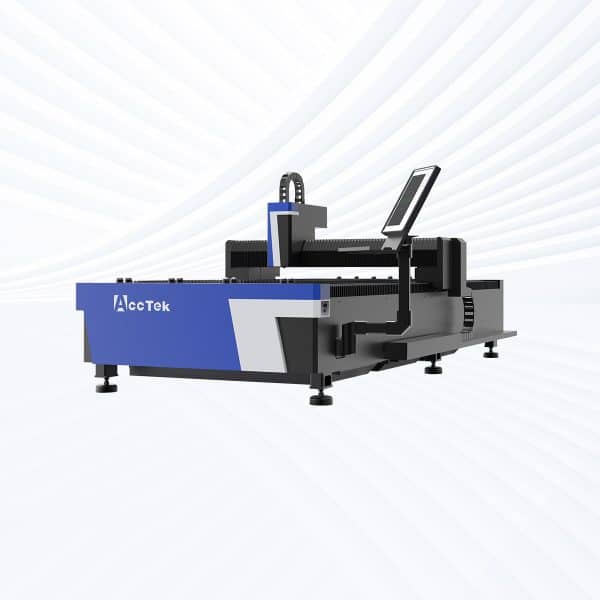
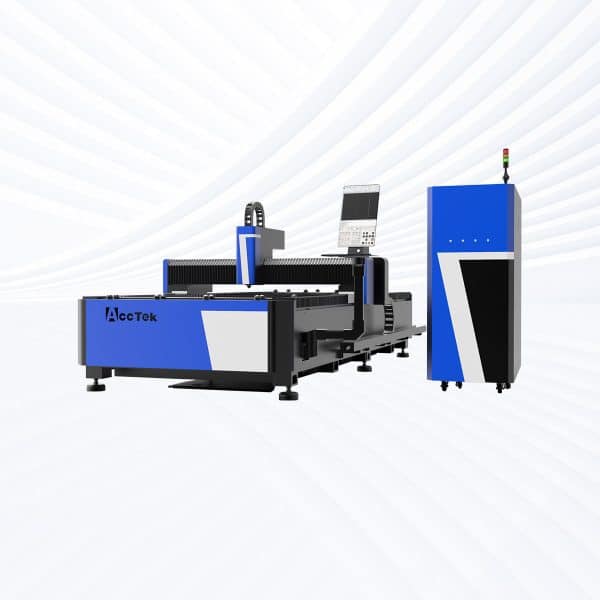
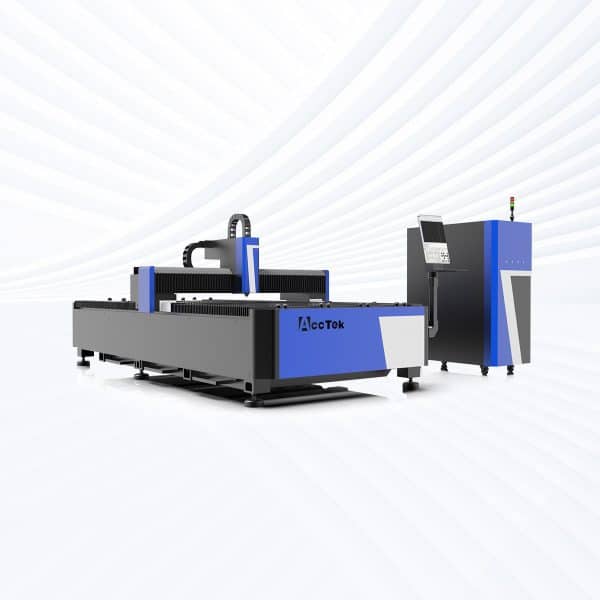
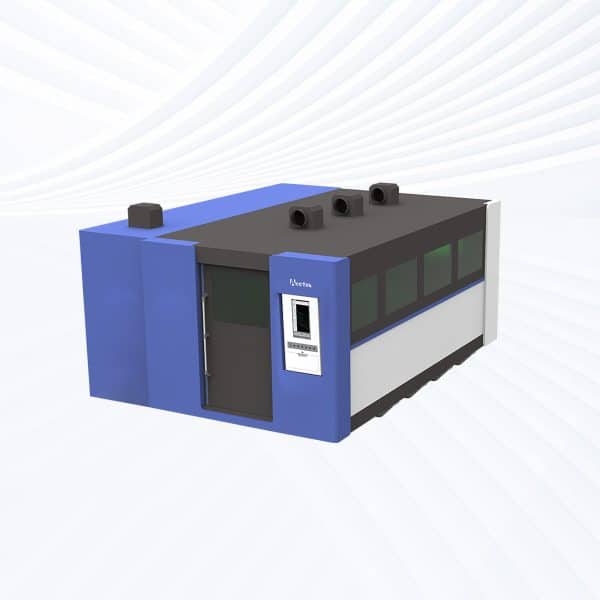
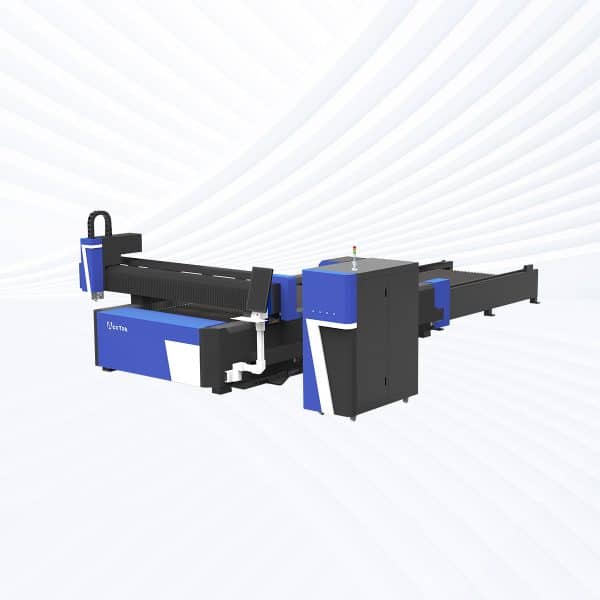
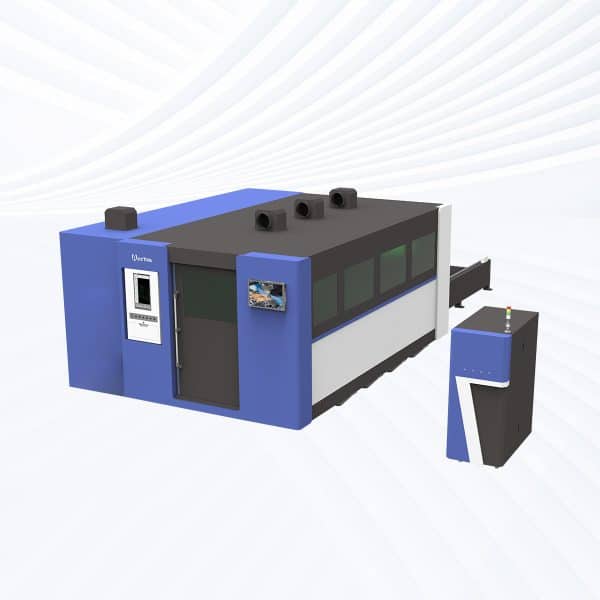
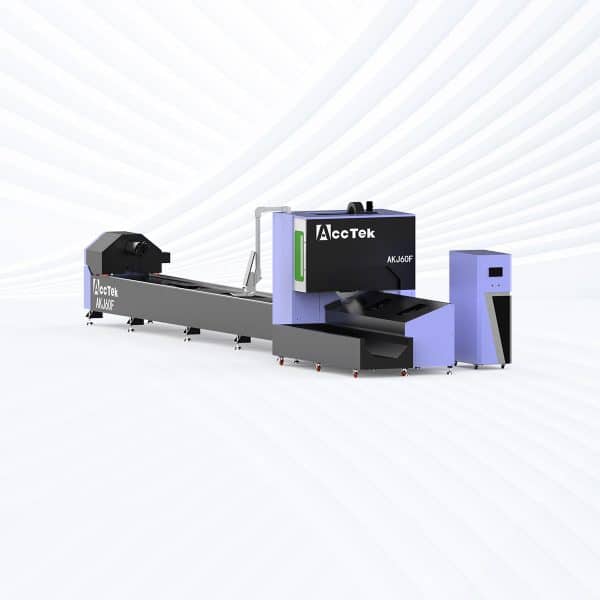
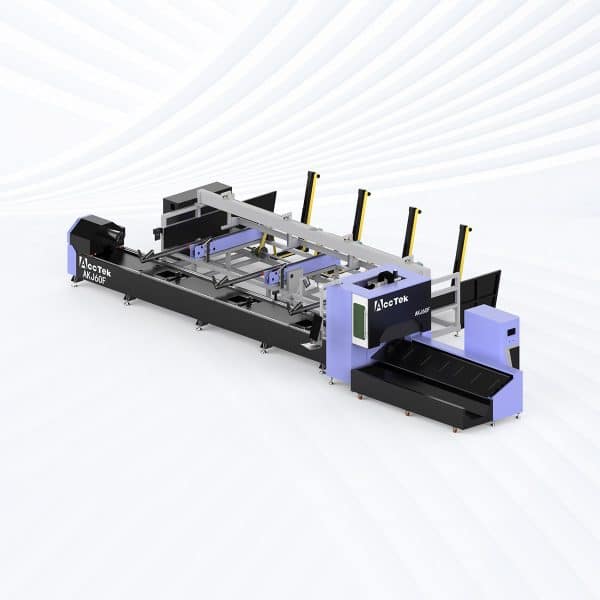
40kW Laser Cutting Capacity
| Material | Thickness (mm) | Cutting Speed (m/min) | Focus Position (mm) | Cutting Height (mm) | Gas | Nozzle (mm) | Pressure (bar) |
|---|---|---|---|---|---|---|---|
| Carbon Steel | 5 | 28-32 | 0 | 0.3 | N2/Air | 3 | 8 |
| 6 | 25-28 | 0 | 0.3 | N2/Air | 3 | 8 | |
| 8 | 22-24 | 0 | 0.3 | N2/Air | 3 | 8 | |
| 10 | 16-20 | -0.5 | 0.3 | N2/Air | 3.5 | 8 | |
| 12 | 14-17 | -0.5 | 0.3 | N2/Air | 3.5 | 8 | |
| 14 | 11-13 | -1 | 0.3 | N2/Air | 5 | 8 | |
| 16 | 8-9.5 | -1 | 0.3 | N2/Air | 5 | 8 | |
| 18 | 7.5-8.5 | -2 | 0.3 | N2/Air | 6 | 8 | |
| 20 | 7-8 | -3 | 0.3 | N2/Air | 6 | 8 | |
| 25 | 5-5.5 | -5 | 0.3 | N2/Air | 8 | 6 | |
| 30 | 3-4 | -7 | 0.3 | N2/Air | 8 | 6 | |
| 40 | 1.5-2 | -13 | 0.3 | N2/Air | 10 | 4 | |
| 10 | 2-2.3 | +11 | 0.8 | O2 | 1.2 | 0.6 | |
| 12 | 1.8-2 | +12 | 0.8 | O2 | 1.2 | 0.6 | |
| 14 | 1.6-1.8 | +13 | 0.8 | O2 | 1.4 | 0.6 | |
| 16 | 1.6-1.8 | +14 | 0.8 | O2 | 1.4 | 0.6 | |
| 20 | 1.5-1.6 | +15 | 0.8 | O2 | 1.6 | 0.6 | |
| 22 | 1.4-1.5 | +17 | 0.5 | O2 | 1.4 | 0.7 | |
| 25 | 1.2-1.4 | +19 | 0.3 | O2 | 1.6 | 0.65 | |
| 30 | 1.2-1.3 | +23 | 0.3 | O2 | 1.8 | 0.6 | |
| 40 | 0.9-1.1 | +25 | 0.3 | O2 | 2.2 | 0.8 | |
| 40 | 0.3-0.6 | +18 | 2 | O2 | 1.8 | 1.6 | |
| 50 | 0.3-0.5 | +18 | 2 | O2 | 1.8 | 1.6 | |
| 50 | 0.7-0.9 | +25 | 0.3 | O2 | 2.2 | 1.2 | |
| 60 | 0.6-0.8 | +25 | 0.3 | O2 | 2.4 | 1.5 | |
| 70 | 0.5-0.7 | +25 | 0.3 | O2 | 2.4 | 1.5 | |
| 12 | 3.2-3.5 | -9 | 1.5 | O2 | 1.6 | 1 | |
| 14 | 3-3.2 | -10 | 1.5 | O2 | 1.6 | 1 | |
| 16 | 3-3.1 | -10 | 1.5 | O2 | 1.6 | 1 | |
| 20 | 2.8-3.2 | -11 | 1.5 | O2 | 1.8 | 1 | |
| 25 | 2.4-2.8 | -17 | 2.5 | O2 | 2.5 | 1 | |
| 30 | 2.4-2.6 | -18 | 1.5 | O2 | 2.5 | 1.2 | |
| 35 | 2.3-2.6 | -20 | 1.5 | O2 | 2.5 | 1.3 | |
| 40 | 2-2.3 | -23 | 1.5 | O2 | 3 | 1.5 | |
| 50 | 1.2-1.6 | -25 | 1.5 | O2 | 3 | 1.6 | |
| 60 | 1-1.3 | -27 | 3 | O2 | 3 | 1.8 | |
| 70 | 0.6-0.8 | -34 | 3 | O2 | 3 | 2.0 | |
| Stainless Steel | 5 | 25-30 | 0 | 0.3 | N2 | 3 | 8 |
| 6 | 22-25 | 0 | 0.3 | N2 | 3 | 8 | |
| 8 | 20-23 | -0.5 | 0.3 | N2 | 5 | 8 | |
| 10 | 16-21 | -0.5 | 0.3 | N2 | 5 | 8 | |
| 12 | 12-14 | -1 | 0.3 | N2 | 6 | 8 | |
| 14 | 10-12 | -1 | 0.3 | N2 | 6 | 8 | |
| 16 | 9-11 | -2 | 0.3 | N2 | 6 | 8 | |
| 18 | 8-9.5 | -3 | 0.3 | N2 | 6 | 8 | |
| 20 | 7-8 | -5 | 0.3 | N2 | 6 | 8 | |
| 25 | 4.5-5.5 | -7 | 0.3 | N2 | 7 | 8 | |
| 30 | 3-4 | -13 | 0.3 | N2 | 7 | 8 | |
| 40 | 1.5-2 | -20 | 0.3 | N2 | 7 | 8 | |
| 50 | 0.5-0.8 | -38 | 0.3 | N2 | 8 | 6 | |
| 60 | 0.4-0.6 | -38 | 0.3 | N2 | 8 | 6 | |
| 70 | 0.2-0.3 | -40 | 0.3 | N2 | 8 | 6 | |
| 5 | 30-34 | 0 | 0.5 | Air | 3.5 | 8 | |
| 6 | 25-30 | 0 | 0.5 | Air | 3.5 | 8 | |
| 8 | 22-25 | 0 | 0.5 | Air | 3.5 | 8 | |
| 10 | 17-23 | -1.5 | 0.3 | Air | 3.5 | 8 | |
| 12 | 13-16 | -4 | 0.3 | Air | 5 | 8 | |
| 14 | 12-14 | -6 | 0.3 | Air | 5 | 8 | |
| 16 | 9-11.5 | -7 | 0.3 | Air | 5 | 8 | |
| 18 | 8-10 | -8 | 0.3 | Air | 5 | 8 | |
| 20 | 7-8.5 | -9 | 0.3 | Air | 5 | 8 | |
| 25 | 5-5.5 | -13 | 0.3 | Air | 5 | 8 | |
| 30 | 3.5-4.5 | -15 | 0.3 | Air | 5 | 8 | |
| 40 | 1.7-2.2 | -22 | 0.3 | Air | 7 | 6 | |
| 50 | 0.7-1 | -38 | 0.3 | Air | 8 | 6 | |
| 60 | 0.4-0.6 | -38 | 0.3 | Air | 8 | 5 | |
| 70 | 0.3-0.4 | -44 | 0.3 | Air | 8 | 5 | |
| Aluminum | 5 | 25-30 | 0 | 0.3 | N2 | 3 | 8 |
| 6 | 20-25 | 0 | 0.3 | N2 | 3.5 | 8 | |
| 8 | 18-22 | 0 | 0.3 | N2 | 5 | 10 | |
| 10 | 14-17 | 0 | 0.3 | N2 | 5 | 12 | |
| 12 | 11-13 | -1 | 0.3 | N2 | 6 | 14 | |
| 14 | 9-11 | -1 | 0.3 | N2 | 6 | 14 | |
| 16 | 7-9 | -2 | 0.3 | N2 | 6 | 14 | |
| 18 | 5-7 | -3 | 0.3 | N2 | 6 | 14 | |
| 20 | 4-5 | -5 | 0.3 | N2 | 6 | 16 | |
| 25 | 3-3.5 | -7 | 0.3 | N2 | 7 | 16 | |
| 30 | 2-3 | -9 | 0.3 | N2 | 7 | 16 | |
| 40 | 1-1.5 | -9 | 0.3 | N2 | 7 | 16 | |
| 50 | 0.4-0.6 | -11 | 0.3 | N2 | 8 | 18 | |
| 60 | 0.2-0.3 | -11 | 0.3 | N2 | 8 | 18 | |
| 70 | 0.2-0.25 | -11 | 0.3 | N2 | 8 | 20 | |
| Brass | 5 | 25-30 | 0 | 0.5 | N2 | 2.5 | 14 |
| 6 | 20-25 | 0 | 0.5 | N2 | 3 | 14 | |
| 8 | 18-22 | 0 | 0.5 | N2 | 3 | 14 | |
| 10 | 10-14 | -1 | 0.3 | N2 | 5 | 14 | |
| 12 | 8-11 | -2 | 0.3 | N2 | 5 | 14 | |
| 14 | 6-8 | -3 | 0.3 | N2 | 5 | 16 | |
| 16 | 5-7 | -3 | 0.3 | N2 | 5 | 18 | |
| 18 | 4-5 | -4 | 0.3 | N2 | 5 | 18 | |
| 20 | 3-4 | -5 | 0.3 | N2 | 6 | 18 | |
| 25 | 2.5-3 | -7 | 0.3 | N2 | 6 | 18 | |
| Copper | 3 | 20-25 | 0 | 0.5 | O2 | 2 | 6 |
| 4 | 18-20 | -1 | 0.5 | O2 | 2.5 | 8 | |
| 5 | 15-18 | -1 | 0.5 | O2 | 2.5 | 8 | |
| 6 | 10-15 | -2 | 0.5 | O2 | 3 | 8 | |
| 8 | 6-10 | -3 | 0.5 | O2 | 3 | 10 | |
| 10 | 2-3.5 | -4 | 0.5 | O2 | 3.5 | 12 | |
| 12 | 2-2.5 | -5 | 0.5 | O2 | 3.5 | 12 | |
| 14 | 1.5-2 | -6 | 0.5 | O2 | 3.5 | 12 | |
| 16 | 1-1.5 | -6 | 0.5 | O2 | 4 | 12 | |
| Titanium | 1 | 16.6-25.0 | 0 | 0.8 | N2 | 1.6 | 12 |
| 2 | 12.5-18.7 | -1 | 0.5 | N2 | 2 | 12 | |
| 3 | 9.4-14.0 | -1.5 | 0.5 | N2 | 2 | 14 | |
| 4 | 7.3-11.0 | -1.5 | 0.5 | N2 | 2 | 14 | |
| 5 | 4.7-7.0 | -2 | 0.5 | N2 | 2 | 14 | |
| 6 | 3.3-5.0 | -2 | 0.5 | N2 | 2 | 14 | |
| 8 | 2.6-3.9 | -2.5 | 0.5 | N2 | 2.5 | 16 | |
| 10 | 2.1-3.1 | -3 | 0.5 | N2 | 2.5 | 16 | |
| 12 | 1.7-2.5 | -4 | 0.5 | N2 | 2.5 | 16 | |
| 14 | 1.4-2.0 | -4 | 0.5 | N2 | 3 | 16 | |
| 16 | 1.0-1.6 | -5 | 0.5 | N2 | 3 | 16 | |
| 18 | 0.7-1.1 | -5 | 0.5 | N2 | 3 | 16 | |
| 20 | 0.5-0.8 | -5 | 0.5 | N2 | 3 | 16 | |
| 25 | 0.3-0.5 | -7 | 0.3 | N2 | 4 | 18 | |
| 30 | 0.2-0.3 | -7 | 0.3 | N2 | 4 | 18 | |
| Galvanized Steel | 1 | 57.6-86.4 | 0 | 0.8 | N2 | 1.6 | 12 |
| 2 | 28.8-43.2 | -1 | 0.8 | N2 | 1.6 | 12 | |
| 3 | 14.4-21.6 | -1.5 | 0.6 | N2 | 2 | 14 | |
| 4 | 9.6-14.4 | -1.5 | 0.6 | N2 | 2 | 14 | |
| 5 | 7.2-10.8 | -2 | 0.6 | N2 | 2 | 14 | |
| 6 | 5.8-8.6 | -2 | 0.6 | N2 | 2 | 14 | |
| 8 | 3.8-5.8 | -2.5 | 0.6 | N2 | 2.5 | 14 | |
| 10 | 2.9-4.3 | -2.5 | 0.6 | N2 | 2.5 | 14 | |
| 12 | 1.9-2.9 | -3 | 0.5 | N2 | 2.5 | 14 | |
| 14 | 1.4-2.2 | -3 | 0.5 | N2 | 3 | 16 | |
| 16 | 1.1-1.7 | -3 | 0.5 | N2 | 3 | 16 | |
| 18 | 1.0-1.4 | -4 | 0.5 | N2 | 3 | 16 | |
| 20 | 0.8-1.2 | -4 | 0.5 | N2 | 3 | 16 | |
| 25 | 0.5-0.7 | -4 | 0.5 | N2 | 3.5 | 16 | |
| 30 | 0.3-0.5 | -5 | 0.5 | N2 | 3.5 | 18 | |
| 40 | 0.2-0.3 | -5 | 0.4 | N2 | 3.5 | 18 | |
| 50 | 0.1-0.2 | -5 | 0.4 | N2 | 4 | 18 | |
| Nickel-Alloy | 1 | 21.6-32.4 | 0 | 0.8 | N2 | 1.4 | 14 |
| 2 | 8.6-13.0 | -0.8 | 0.8 | N2 | 1.4 | 14 | |
| 3 | 4.3-6.5 | -1.2 | 0.6 | N2 | 1.8 | 16 | |
| 4 | 2.9-4.3 | -1.2 | 0.6 | N2 | 1.8 | 16 | |
| 5 | 2.2-3.2 | -1.8 | 0.6 | N2 | 1.8 | 16 | |
| 6 | 1.7-2.6 | -1.8 | 0.6 | N2 | 1.8 | 16 | |
| 8 | 1.1-1.6 | -2.5 | 0.6 | N2 | 2.2 | 16 | |
| 10 | 0.7-1.1 | -2.5 | 0.6 | N2 | 2.2 | 16 | |
| 12 | 0.5-0.8 | -3.2 | 0.5 | N2 | 2.2 | 16 | |
| 14 | 0.4-0.5 | -3.2 | 0.5 | N2 | 2.6 | 18 | |
| 16 | 0.3-0.4 | -3.2 | 0.5 | N2 | 2.6 | 18 | |
| 18 | 0.2-0.3 | -4 | 0.5 | N2 | 2.6 | 18 | |
| 20 | 0.15-0.25 | -4 | 0.5 | N2 | 2.6 | 18 | |
| 25 | 0.12-0.18 | -4 | 0.5 | N2 | 3 | 18 | |
| 30 | 0.09-0.13 | -5 | 0.5 | N2 | 3 | 20 |
Compatible Materials
- Carbon Steel
- Stainless Steel
- Mild Steel
- Alloy Steel
- Tool Steel
- Bronze
- Zinc
- Inconel
- Hastelloy
- Waspaloy
- Rene alloys
- Stellite
- Galvanized Steel
- Chrome-Plated Steel
- Aluminized Steel
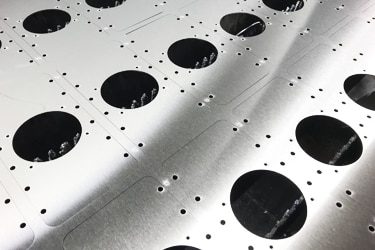
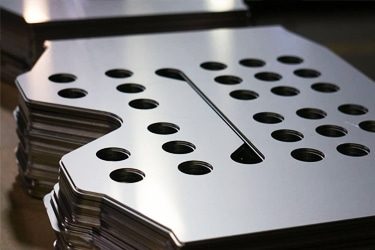
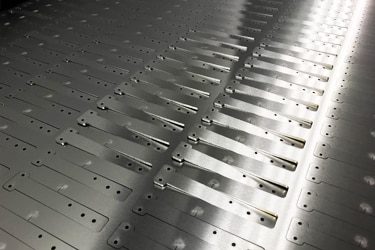
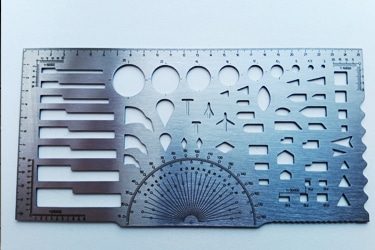
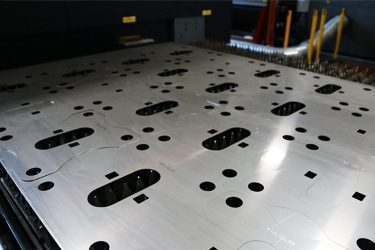
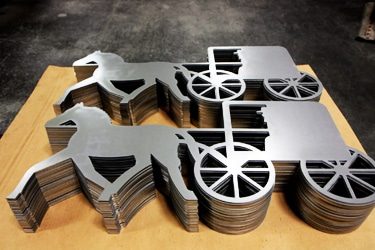
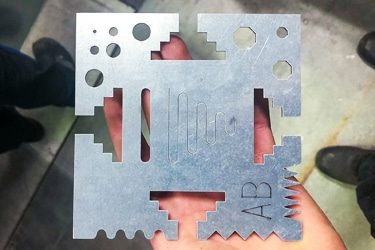
Application of 40kW Laser Cutting Machines

Customer Testimonials
Comparison VS Other Cutting Technologies
| Feature | Laser Cutting | Plasma Cutting | Waterjet Cutting | Flame Cutting |
|---|---|---|---|---|
| Cutting Precision | Very high (±0.05 mm) | Medium (±0.5 mm) | Very high (±0.1 mm) | Low (±1–2 mm) |
| Edge Quality | Smooth, minimal post-processing | Rougher, may need grinding | Excellent, no heat effect | Rough edges, heavy finishing |
| Material Range | Metals, reflective materials | Conductive metals only | Almost all materials (metal, stone, glass, composites) | Ferrous metals only |
| Max Cutting Thickness | Up to 50 mm (with high-power lasers) | Up to 150 mm | Up to 200+ mm | Up to 300 mm (steel) |
| Cutting Speed (Thin Sheets) | Fastest for <20 mm | Fast for medium-thick plates | Slower | Slow |
| Heat-Affected Zone (HAZ) | Very small | Medium | None | Large |
| Operating Cost | Low (energy-efficient, minimal consumables) | Medium (electrodes, gas) | High (abrasive, water, pump) | Low (fuel and oxygen) |
| Initial Investment | Medium to high | Low to medium | Very high | Low |
| Maintenance | Low (fiber lasers are reliable) | Medium (torch wear, consumables) | High (pump, nozzle, abrasive lines) | Low |
| Automation Compatibility | Excellent (CNC, software-driven) | Good | Good | Limited |
| Surface Finish | Clean, ready-to-use | Requires secondary finishing | Excellent | Poor |
| Environmental Impact | Low (no chemicals, low waste) | Moderate (fumes, slag) | High (abrasive waste disposal) | High (fumes, CO₂) |
| Energy Efficiency | High (especially fiber lasers) | Moderate | Low (energy-intensive pumps) | Moderate |
| Noise Levels | Low | High | High | High |
| Best Use Case | Precision sheet/plate cutting, prototyping, high-quality parts | Structural steel, medium-to-thick plates | Ultra-thick, exotic, or non-metal materials | Heavy plate cutting, construction |
| Industry Adoption | Automotive, aerospace, fabrication, electronics, signage | Shipbuilding, repair, construction | Aerospace, defense, custom fabrication | Heavy industry, construction |
Why Choose Us
Advanced Technology
Our laser cutting machines feature high-speed, precision cutting with the latest laser technology, ensuring smooth edges, minimal waste, and superior efficiency across various materials and thicknesses.
Reliable Quality
Each machine undergoes rigorous quality control and durability testing to ensure long-term stability, low maintenance, and consistent high performance, even under demanding industrial conditions.
Comprehensive Support
We provide full technical support, including installation guidance, operator training, and after-sales service, ensuring smooth machine operation and minimal downtime for your business.
Cost-Effective Solutions
Our machines offer high performance at competitive prices, with customizable options to fit different production needs, helping businesses maximize their investment without compromising on quality.
Related Resources
Can Laser Cutting Cause Fires?
This article explores how laser cutting fires can start, which materials and machine areas carry higher risks, and how proper settings, maintenance, monitoring, and fire protection reduce hazards.
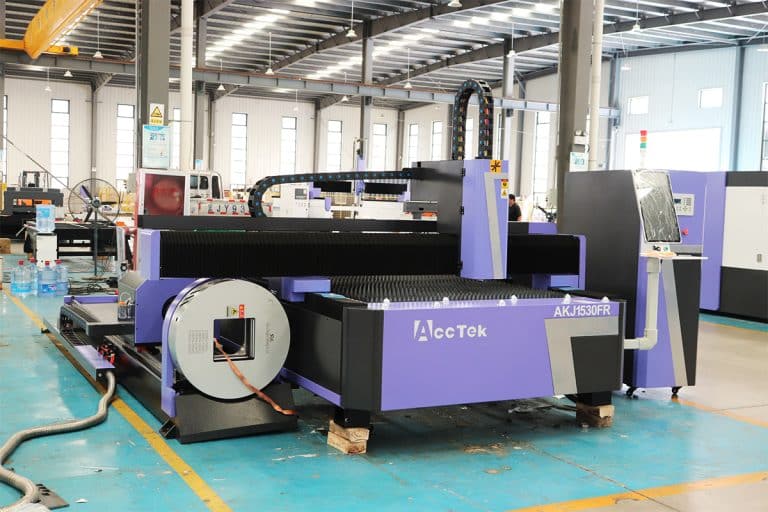
What Factors Affect Laser Cutting Speed?
This article explores the key factors that affect laser cutting speed, including material type and thickness, laser power, beam quality, focus, assist gas, machine condition, motion control, and automation.
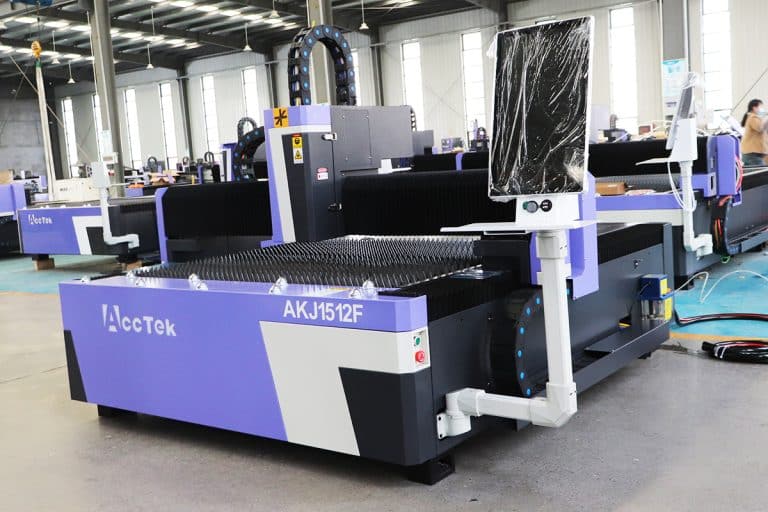
What Are The Main Hazards Of Laser Cutting Machines
This article explores the main hazards of laser cutting machines, including laser radiation, fire, fumes, gases, electrical risks, moving parts, material hazards, and key safety controls.
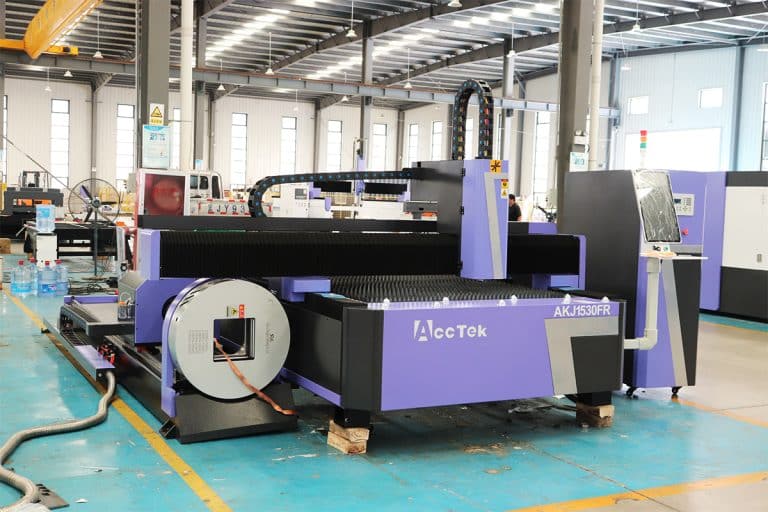
Power Consumption of Laser Cutting Machines
This article explores the factors affecting power consumption in laser cutting machines, including technology, material thickness, auxiliary systems, and strategies for energy-efficient operation.
Frequently Asked Questions
How Much Do 40kW Laser Cutting Machines Cost?
- Open Laser Cutting Machine ($125,000-$127,000): The entry-level option, open-frame 40kW laser cutting machines provide massive cutting power at the lowest cost. However, they expose operators to sparks, fumes, and dangerous radiation, requiring strict use of PPE and robust ventilation. These are best for operations prioritizing affordability but capable of enforcing high safety standards.
- Enclosed Laser Cutting Machine ($131,000-$133,000): Enclosed machines add safety by sealing the cutting chamber and integrating advanced fume extraction. This protects operators from laser radiation and sparks while improving workplace cleanliness. Enclosed models are better suited for professional environments where compliance with safety regulations is mandatory.
- Open Laser Cutting Machine with Exchange Worktable ($132,000-$134,000): This system improves efficiency by including an exchange table, allowing one sheet to be prepared while another is cut. It reduces downtime, making it suitable for high-volume workshops, though it still requires strict safety oversight due to its open design.
- Enclosed Laser Cutting Machine with Exchange Worktable ($139,000-$141,000): Combining enclosure protection with exchange worktable speed, this type balances productivity and operator safety. It is ideal for industrial-scale production lines where continuous operation and compliance are essential.
- Open Tube-Sheet Laser Cutting Machine ($138,000-$140,000): This option expands functionality by supporting both flat sheet and tube cutting. The open design keeps costs lower than enclosed tube-sheet systems but increases exposure risks. It is well-suited for industries like construction, automotive, and infrastructure fabrication.
- Open Tube-Sheet Laser Cutting Machine with Exchange Worktable ($145,000-$147,000): Here, tube-sheet flexibility is combined with exchange worktable productivity. It is a strong fit for large-scale workshops that require both versatility and efficiency for mixed production.
- Enclosed Tube-Sheet Laser Cutting Machine with Exchange Worktable ($152,000-$154,000): At the top end of the 40kW range, this system delivers maximum power, versatility, safety, and productivity. The enclosure ensures compliance with laser safety standards, the exchange worktable minimizes downtime, and tube-sheet capability supports the broadest range of applications. This is the ultimate choice for 24/7 heavy-duty industrial operations.
What Is The Power Consumption Of 40kW Laser Cutting Machines?
- Laser Generator Power (≈120,000W): The laser generator is the largest power consumer. To achieve 40kW of optical cutting power, it requires about 120kW of electrical input. The extra demand accounts for diode efficiency limits and power electronics losses. This represents the bulk of total consumption.
- Chiller Power (≈46,820W): At such high levels, the laser source and optics generate enormous amounts of heat. A large-capacity industrial chiller is required, consuming nearly 47kW to maintain safe and stable operating temperatures. This ensures the system can run continuously without overheating and extends the lifespan of critical components.
- Driver Power (≈9450W): Servo motors and motion drivers move the cutting head across the X, Y, and Z axes with speed and accuracy. At around 9.5kW, this subsystem ensures precise positioning, smooth motion, and consistent cutting results, even on large and heavy sheets.
- Draught Fan Power (≈5500W): The draught fan clears fumes, dust, and particulates from the cutting area. While less demanding than the generator or chiller, it is essential for operator safety, optics protection, and stable cutting performance. At 5.5kW, it remains a notable contributor to supporting energy needs.
How Should I Choose 40kW Laser Cutting Machines?
- Material and Thickness Requirements: 40kW laser cutting machines are ideal for cutting very thick metals (up to 60-70 mm and beyond, depending on material). If your production mainly involves thin or medium sheets, a lower-power system may deliver the same results at lower cost.
- Cutting Speed and Efficiency: At high power, 40kW laser cutting systems can cut thick plates much faster than 20kW or 30kW models, making them valuable for large-scale, high-volume production. Compare manufacturer cutting charts to ensure the machine’s performance matches your workload.
- Machine Build and Stability: Due to the stresses of operating at 40kW, the machine frame, optics, and cooling systems must be exceptionally robust. Buyers should evaluate rigidity, vibration resistance, and thermal stability to ensure long-term accuracy.
- Automation and Handling Systems: Cutting at this scale is usually paired with automation, such as pallet exchangers, robotic loading/unloading, and part sorting. Automation reduces labor demands and improves workflow efficiency.
- Assist Gas Infrastructure: 40kW laser cutting machines consume very high volumes of oxygen and nitrogen at high pressures. Buyers must ensure their facility has the capacity to supply and store gases safely and efficiently.
- Software and Process Control: Advanced CNC controls with real-time monitoring, process optimization, and intelligent nesting help maximize material usage and machine uptime. Buyers should look for systems that integrate smoothly with existing digital production systems.
- Service and Technical Support: Due to their complexity, 40kW laser cutting systems require strong after-sales support. Ensure the supplier provides training, spare parts availability, and quick-response technical service.
- Cost of Ownership: The purchase price is only part of the investment. High energy consumption, gas usage, consumables, and maintenance costs must be factored into the long-term return on investment.
Is It Safe To Use 40kW Laser Cutting Machines?
- Laser Radiation: A 40kW laser is a Class 4 system, capable of causing immediate and permanent damage to eyes and skin if exposed. Machines are designed with full enclosures, but certified laser safety glasses are required during servicing or when the beam path is open.
- Fire and Heat Hazards: The immense heat generated can easily ignite flammable materials or create molten spatter. Fire suppression systems, flame-resistant surroundings, and active monitoring are necessary safeguards.
- Fume and Gas Emissions: Cutting metals produces hazardous fumes and particulates. High-performance extraction and filtration systems are required to maintain air quality and reduce operator health risks.
- Assist Gas Safety: 40kW lasers rely heavily on oxygen and nitrogen at very high pressures. Gas leaks, poor handling, or equipment failure can create explosive or suffocation hazards. Operators must follow strict gas-handling protocols.
- Electrical and Cooling Systems: The electrical load and cooling demands of 40kW laser cutting systems are significant. Failures in power stability or coolant circulation can create overheating risks and lead to sudden machine shutdowns.
- Material Handling Risks: These machines are designed for thick and heavy plates, which require automated loading and unloading. Without proper handling systems, operators may face lifting injuries or material accidents.
- Operator Training and Compliance: Safety depends heavily on trained personnel who follow established protocols for startup, shutdown, emergency stops, and maintenance. Certifications and periodic safety refreshers are often mandatory.
What Problems Can I Encounter When Using 40kW Laser Cutting Machines?
- Heat-Related Issues: At very high power, excessive heat input can cause warping, wider kerf, taper, or micro-cracks in thinner materials. Even thick plates may show rougher edges if settings are not optimized.
- Back Reflection Damage: Reflective materials such as aluminum, brass, or copper can bounce energy back into the optics or laser source, potentially causing serious damage without proper protection systems.
- Gas Consumption and Pressure Instability: 40kW laser cutting systems consume very large volumes of oxygen and nitrogen. If gas purity or pressure stability is poor, cuts may show dross buildup, rough edges, or incomplete penetration.
- Optics and Nozzle Wear: Protective lenses, windows, and nozzles degrade faster at extreme power levels. Frequent cleaning and replacement are necessary, and neglect can lead to beam misalignment or reduced power delivery.
- Cooling System Strain: The cooling demands of 40kW laser cutting systems are high. Inadequate coolant flow, poor water purity, or chiller malfunctions can cause overheating, shutdowns, or reduced source lifespan.
- Electrical and Power Supply Issues: These machines require very stable, high-capacity power. Voltage fluctuations, surges, or insufficient supply can cause errors, downtime, or component failure.
- High Running Costs: Electricity, assist gases, and consumables add significantly to operating costs. Small inefficiencies—such as wasted gas or incorrect settings—have a much larger financial impact compared to lower-power systems.
- Complex Operation: Incorrect settings for power, focus, or speed can waste material and damage components. Operators require advanced training to manage the precision demands of 40kW laser cutting systems.
What PPE Is Required When Operating 40kW Laser Cutting Machines?
- Laser Safety Glasses: Specialized eyewear rated for the fiber laser wavelength (typically around 1070 nm) is necessary during servicing, maintenance, or when the beam path may be exposed. Although most machines are enclosed, glasses remain a key safety requirement.
- Protective Clothing: Operators should wear flame-resistant, non-reflective clothing to guard against sparks, hot spatter, and radiant heat. Loose or reflective garments should be avoided.
- Gloves: Heat-resistant gloves protect operators when handling freshly cut parts that remain hot. They also guard against sharp edges and burrs on cut metal.
- Respiratory Protection: Cutting thick metals at high power produces fumes and particulates. While extraction systems handle most emissions, respirators may be required in poorly ventilated areas or during maintenance.
- Hearing Protection: High-pressure assist gas jets and cutting operations at 40kW generate considerable noise. Earplugs or earmuffs are recommended for operators working nearby.
- Safety Footwear: Steel-toe, anti-slip safety shoes protect operators from dropped sheets, sparks, and heavy handling tasks around the cutting table.
- Face Shields or Safety Goggles (Supplementary): For tasks such as cleaning optics, clearing slag, or handling materials outside the enclosure, additional protective eyewear or shields provide extra safety.
What Assist Gases Can Be Used With 40kW Laser Cutting Machines?
- Oxygen: Oxygen is commonly used for cutting carbon steel. It supports an exothermic reaction that increases cutting speed while reducing laser power demand. However, it can leave oxidized edges that may require secondary finishing.
- Nitrogen: Nitrogen is widely used for stainless steel, aluminum, and other non-ferrous metals. It provides clean, oxide-free edges, making it ideal for parts that must meet high surface quality standards without additional processing. The downside is its high consumption and cost at 40kW power levels.
- Compressed Air: Air, consisting mainly of nitrogen with some oxygen, is a cost-effective choice for cutting thin to medium sheet metal. It reduces operating costs but may result in slightly rougher edges compared to pure nitrogen.
- Argon (Special Applications): Argon is used when complete oxidation prevention is necessary, such as when processing titanium or highly reactive metals. Its high cost limits use to specialized industries.
- Helium (Rarely Used): Helium can improve cutting performance for reflective or sensitive materials by stabilizing the laser beam, but its expense makes it impractical for most industrial applications.
What Are The Environmental Requirements For Using 40kW Laser Cutting Machines?
- Temperature Control: The operating temperature should typically be kept between 10℃ and 35℃ (50℉-95℉). Extreme heat strains cooling systems, while very low temperatures risk condensation that can damage optics and electronics.
- Humidity Levels: Relative humidity should remain below 70% without condensation. Excess humidity can corrode optics and electronic components, while overly dry environments increase static discharge risks.
- Ventilation and Fume Extraction: Cutting thick metals at high power generates significant fumes, smoke, and particulates. A robust extraction and filtration system is essential to maintain air quality, protect operators, and reduce fire hazards.
- Dust and Cleanliness: Dust and debris in the workshop can contaminate optics, clog cooling lines, and wear down motion components. Machines should be kept in a clean, controlled workspace away from heavy dust-generating processes.
- Stable Power Supply: 40kW laser cutting machines require high-capacity, stable electricity. Power fluctuations, surges, or outages can damage sensitive components or interrupt cutting. Voltage stabilizers or UPS systems are recommended.
- Cooling System Requirements: The machine relies on external chillers to control heat output. Adequate clearance, ventilation, and water purity must be maintained to prevent overheating and maintain laser stability.
- Space and Layout: Due to their size and material handling needs, 40kW laser cutting systems require large, vibration-free floorspace. There must be adequate room for loading, unloading, and access to service areas.
- Fire Protection: Given the immense heat and sparks generated, fire suppression systems and flame-resistant surroundings are highly recommended.