

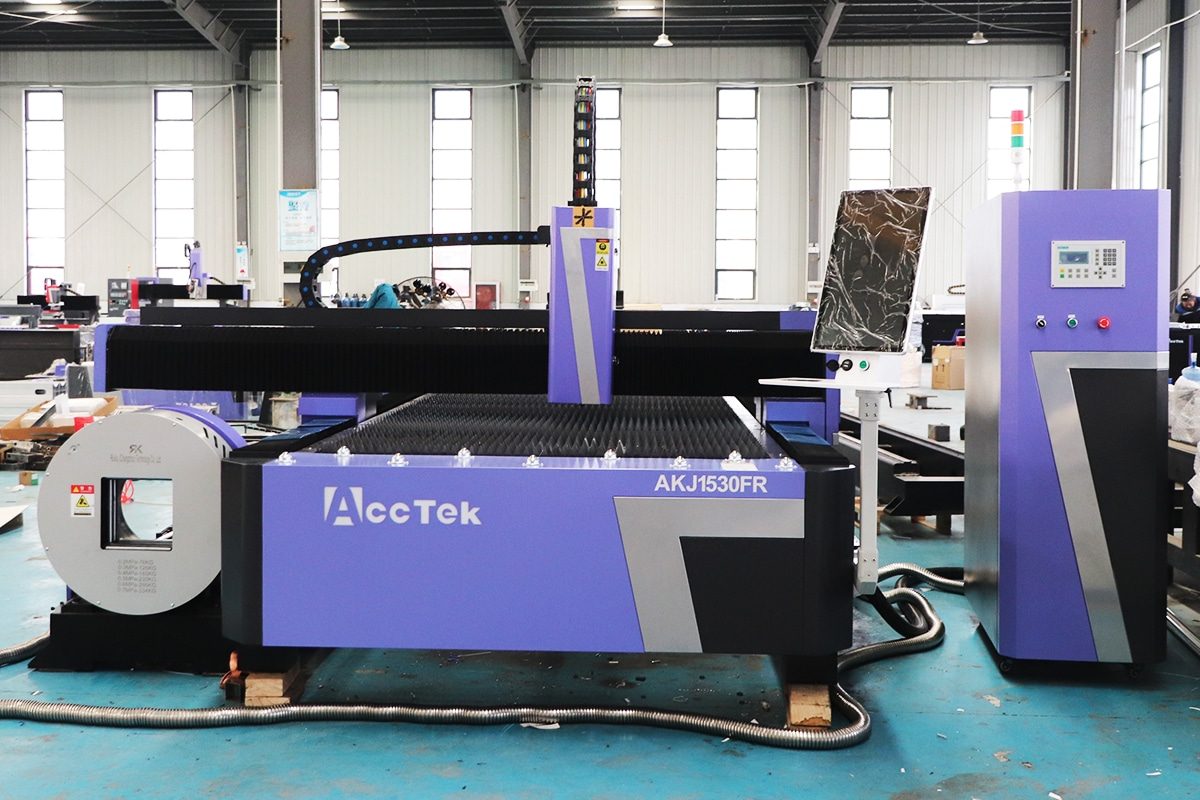
How Effective Is Laser Cutting
Laser cutting is widely regarded as one of the most advanced and efficient fabrication technologies in use today. It has transformed how industries approach cutting and shaping materials, offering a level of precision that traditional methods often struggle to match. From large-scale industrial manufacturing to small custom workshops, laser cutting is now a common solution for producing detailed, high-quality components. But beyond its popularity, an important question remains: how effective is laser cutting in real-world applications?
At a basic level, laser cutting works by directing a concentrated beam of light onto a material, heating it to the point where it melts, burns, or vaporizes. This process is controlled by computer systems, allowing for highly accurate and repeatable cuts. As a result, manufacturers can create complex geometries with tight tolerances while maintaining consistency across large production runs. This capability is especially valuable in industries where precision is critical, such as aerospace, electronics, and medical device manufacturing.
However, effectiveness is not defined by precision alone. It also involves considerations like speed, cost, material limitations, and operational efficiency. Laser cutting can significantly reduce production time and material waste, which improves overall productivity. At the same time, factors such as equipment cost, energy consumption, and material thickness can influence its performance and feasibility.
This article explores the effectiveness of laser cutting from multiple angles, including its technical advantages, practical limitations, and economic impact. By examining these aspects, it aims to provide a balanced understanding of whether laser cutting is the right solution for different applications and industries.
Table of Contents
Principles of Laser Cutting
Laser cutting is built on the principle of concentrating light energy into a highly focused beam capable of removing material with extreme precision. In a typical system, laser sources generate the beam, which is then directed through lenses or mirrors and focused onto a very small point on the material surface. At this point, the energy density becomes high enough to rapidly heat the material until it melts, burns, or vaporizes. A stream of assist gas—commonly oxygen, nitrogen, or compressed air—helps expel molten material, prevent contamination, and improve edge quality.
What distinguishes laser cutting from conventional methods is not just the heat source, but the level of control. CNC systems guide the laser path with high accuracy, enabling consistent, repeatable cuts even for complex geometries. Parameters such as power output, cutting speed, focal length, and gas pressure are carefully adjusted depending on the material type and thickness. As a result, laser cutting can achieve tight tolerances, minimal material distortion, and reduced need for secondary finishing processes. However, the effectiveness of this process is strongly influenced by the type of laser technology used.
CO2 Lasers
CO2 lasers are one of the most established forms of laser cutting technology. They generate a beam by exciting a gas mixture that primarily consists of carbon dioxide, nitrogen, and helium. Operating at a longer wavelength, CO2 lasers are highly effective for non-metal materials such as wood, acrylic, leather, glass, paper, and certain plastics. They are also capable of cutting thin metals, though with lower efficiency compared to newer systems.
A key advantage of CO2 lasers lies in their ability to produce smooth, clean edges with minimal thermal damage. This makes them ideal for applications where surface finish is important, such as signage, furniture design, packaging, and decorative products. They also perform well when cutting thicker non-metal materials because of their stable energy distribution.
On the downside, CO2 laser cutting systems tend to be bulkier and require more maintenance. Mirrors must be regularly aligned and cleaned, and the gas mixture needs to be maintained for consistent performance. They also consume more energy, which can increase operational costs over time, especially in high-volume industrial settings.
Fiber Lasers
Fiber lasers represent a more recent advancement and are now widely considered the standard for metal cutting. Instead of using gas, they rely on optical fibers doped with rare-earth elements such as ytterbium to generate and amplify the laser beam. Their shorter wavelength allows for better absorption by metals, including reflective materials like aluminum, brass, and copper.
This results in significantly higher cutting speeds and improved energy efficiency, particularly for thin to medium-thickness metal sheets. Fiber lasers are also more compact and robust, with fewer moving parts and no need for mirror alignment. This reduces maintenance requirements and increases system reliability.
Another important strength is precision. Fiber lasers can produce extremely fine details and narrow kerf widths, making them suitable for industries that demand high accuracy, such as automotive manufacturing, aerospace components, and electronics. However, their performance on non-metal materials is limited, and they may not deliver the same edge quality as CO2 lasers for certain applications involving plastics or wood.
Nd:YAG Lasers
Nd:YAG lasers (neodymium-doped yttrium aluminum garnet) are solid-state lasers that use a crystal medium to produce the laser beam. They operate at a wavelength that is well-suited for metal processing and can function in both continuous and pulsed modes. The pulsed capability allows them to deliver very high peak energy in short bursts, which is particularly useful for precision work.
These lasers are commonly used for drilling, engraving, welding, and fine cutting tasks where control over heat input is critical. For example, in medical device manufacturing or electronics production, even slight overheating can damage delicate components. Nd:YAG lasers offer the level of control needed to avoid such issues.
Despite their precision, Nd:YAG lasers are generally less efficient for large-scale cutting compared to fiber lasers. They tend to have slower processing speeds and higher operational costs, which limit their use in mass production environments. As a result, they are often reserved for specialized or high-precision applications rather than general cutting tasks.
The fundamental principle of laser cutting lies in using a focused beam of light to remove material with high accuracy and minimal physical contact. While this principle remains consistent across all systems, the type of laser source plays a decisive role in determining overall performance, efficiency, and application suitability.
CO2 lasers continue to be a reliable choice for non-metal materials and applications where surface quality and versatility are key priorities. Fiber lasers have become the dominant solution for metal cutting due to their superior speed, energy efficiency, and low maintenance requirements, making them well-suited for modern, high-volume production environments. Nd:YAG lasers, although less common in general manufacturing, remain valuable for specialized tasks that demand precise control and high energy delivery in short pulses.
A clear understanding of these technologies highlights that laser cutting is not a universal solution but a flexible toolset. Its effectiveness ultimately depends on selecting the appropriate laser type based on material characteristics, production scale, and desired outcomes.
Material Compatibility
Material compatibility is a central factor in determining how effective laser cutting is in real-world use. While the process itself is consistent—focusing a high-energy beam to remove material—the outcome depends heavily on how each material absorbs and reacts to that energy. Key properties such as thermal conductivity, reflectivity, melting point, density, and chemical composition all play a role. Materials that absorb laser energy efficiently tend to cut cleanly and quickly, while those that reflect or dissipate heat may require higher power, slower speeds, or specialized techniques. For this reason, understanding material behavior is essential for achieving both quality and efficiency.
Metals
Metals are one of the most important and widely processed material groups in laser cutting. Common examples include carbon steel, stainless steel, aluminum, brass, and copper. Fiber lasers are typically used for metals because their wavelength allows for strong energy absorption, especially compared to older technologies.
Laser cutting is highly effective for thin to medium-thickness metals, where it delivers fast cutting speeds, tight tolerances, and smooth edges. It is particularly useful for producing complex shapes, fine holes, and detailed industrial components. Assist gases significantly influence the outcome. Oxygen can increase cutting speed through a chemical reaction with the metal, while nitrogen helps produce clean, oxidation-free edges, which is important in applications like food equipment or medical parts.
However, challenges arise with thicker metals and reflective surfaces. Aluminum, copper, and brass can reflect a portion of the laser beam, reducing efficiency and requiring more advanced systems to maintain stability. As thickness increases, cutting speed decreases, and energy demand rises. Despite these limitations, modern fiber lasers have greatly improved performance, making metal cutting one of the most effective and mature applications of laser technology.
Plastics
Plastics are also well-suited for laser cutting, especially when using CO2 lasers. Materials such as acrylic, polyethylene, polypropylene, and ABS can be processed with high accuracy and good surface quality.
One of the standout benefits is edge finish. Acrylic, for example, often produces smooth, transparent edges that appear polished without additional processing. This makes laser cutting a preferred method for products like display panels, signage, protective covers, and customized components.
That said, plastics vary widely in behavior. Some melt rather than vaporize cleanly, which can lead to edge buildup or distortion. Others may discolor or produce strong odors during cutting. Safety is a key consideration. Certain plastics, such as PVC and some fluorinated materials, release hazardous gases when cut and should generally be avoided. Effective ventilation and proper material selection are critical to ensure safe and consistent operation.
Wood and Composites
Wood and engineered composites are highly compatible with laser cutting and are commonly processed using CO2 lasers. Materials such as hardwood, softwood, plywood, MDF, and veneer respond well to laser energy and can be cut or engraved with high precision.
Laser cutting is especially valuable in this category for its ability to produce intricate patterns and detailed designs. It is widely used in furniture production, interior design elements, architectural modeling, and craft manufacturing. The non-contact nature of the process also reduces mechanical stress, which helps preserve delicate features.
However, wood is a naturally variable material. Differences in grain, density, and moisture content can affect how evenly it cuts. Composites like plywood and MDF may contain adhesives that burn differently from the wood fibers, sometimes causing uneven edges or increased charring. Managing these variables often requires careful adjustment of cutting speed and power settings.
Ceramics and Glass
Ceramics and glass are among the most difficult materials to process with laser cutting. Their brittle nature and sensitivity to thermal stress make them prone to cracking or shattering under rapid heating.
In most cases, standard laser cutting is not used for thick glass or dense ceramics. Instead, lasers are more often applied for engraving, marking, or surface structuring. For thin glass, controlled laser scoring followed by mechanical separation can be effective.
Recent advances, such as ultrafast lasers, have improved the ability to process these materials with minimal heat-affected zones. These systems deliver energy in extremely short pulses, reducing the risk of thermal damage. Even so, the equipment is costly and typically limited to specialized industries such as electronics, optics, and medical device manufacturing.
Material compatibility plays a decisive role in the overall effectiveness of laser cutting. The process performs best when the material absorbs laser energy efficiently and responds in a predictable way.
Metals remain the most prominent application, with fiber lasers enabling high-speed, precise cutting across a wide range of industries. Plastics offer excellent results in terms of edge quality and design flexibility, though safety and material selection are critical. Wood and composites are highly adaptable, supporting both functional and decorative uses, despite natural variability. Ceramics and glass present the greatest challenges and are generally limited to specialized or controlled applications.
Ultimately, laser cutting is most effective when there is a clear match between the material’s properties and the capabilities of the laser cutting system. A thorough understanding of this relationship allows manufacturers to optimize performance, reduce waste, and achieve consistent, high-quality results.
Precision and Accuracy
Precision and accuracy sit at the core of laser cutting’s value. The process can produce fine features, tight tolerances, and repeatable results at scale, but only when several variables are controlled together. Beam quality, focus, material condition, machine dynamics, and heat input all interact during cutting. Small changes in any one of these can show up as dimensional error, edge roughness, or inconsistent kerf width. For that reason, high accuracy in laser cutting is not just a function of the laser source. It is the result of a well-tuned system and disciplined process control.
Laser Spot Size
Laser spot size is the diameter of the focused beam at the work surface, and it largely defines the minimum feature size that can be achieved. A smaller spot produces a narrower kerf and allows tighter internal radii, sharper corners, and finer details. This is especially important for intricate parts, micro-features, and dense nesting where material utilization matters.
Spot size is determined by wavelength, beam quality (often described by M²), and the focusing optics. Fiber lasers typically achieve smaller spots than CO2 laser cutting systems, which is one reason they perform so well in precision metal cutting. A small spot also increases power density, improving cutting efficiency.
There are trade-offs. A very small spot has a shallow depth of focus, meaning the process becomes more sensitive to surface height variation. It also concentrates heat, which can increase the risk of edge roughness, dross formation, or micro-cracking if speed and power are not balanced. In practice, operators choose a spot size that matches the material thickness and the required feature size, then fine-tune focus position and cutting parameters to maintain stability.
Material Flatness
Material flatness directly affects how well the laser stays in focus across the entire part. Laser cutting systems are designed to operate at a specific stand-off distance between the nozzle and the workpiece. If the sheet is warped, bowed, or locally uneven, the focal position shifts, and cut quality changes.
The effects are easy to see: a defocused beam produces a wider kerf, less efficient energy transfer, and rougher edges. In severe cases, it can lead to incomplete cuts or excessive dross on the underside. Thin sheets are particularly susceptible because they can deform during handling or from heat during cutting.
Modern machines use capacitive height sensing to maintain a constant distance between the nozzle and the material. This helps compensate for minor variations in flatness in real time. Good shop practice also matters. Proper storage, flattening, and secure fixturing reduce distortion before cutting begins. For high-precision work, material quality and flatness tolerances are often specified and verified in advance.
Machine Stability
Machine stability determines how accurately the laser head follows the programmed path. Any vibration, backlash, or structural flex can translate into positional error, especially at high speeds or during rapid changes in direction.
High-end systems are built with rigid frames, precision linear guides, and servo-driven motion systems to maintain smooth, controlled movement. The control software also plays a role by smoothing toolpaths, optimizing acceleration and deceleration, and minimizing sharp transitions that can excite vibration.
Over time, mechanical wear can introduce small inaccuracies. Regular calibration, alignment, and maintenance are essential to keep the system performing as intended. Environmental factors such as floor vibration and temperature changes can also influence stability. In demanding applications, machines may be installed on vibration-damped foundations and operated in controlled environments to protect accuracy.
Thermal Expansion
Thermal expansion is an unavoidable part of laser cutting because the process relies on localized heating. As the material heats, it expands; as it cools, it contracts. These changes are small but can affect precision, particularly on larger parts or when tight tolerances are required.
Uneven heat distribution can create internal stresses, leading to slight warping or dimensional drift during or after cutting. Materials with higher thermal expansion coefficients, such as aluminum, are more sensitive to this effect. Thick sections can also retain heat longer, increasing the chance of distortion.
Managing thermal effects involves both parameter control and cutting strategy. Higher cutting speeds, optimized power settings, and appropriate assist gas selection help limit excess heat input. Path planning is also important. Sequencing cuts to spread heat evenly across the sheet can reduce localized buildup. In some cases, designers include small allowances or compensation in the geometry to account for predictable thermal movement.
The precision and accuracy of laser cutting come from the interaction of multiple controlled factors rather than a single capability. Laser spot size defines the level of detail and kerf width, but it must be matched to material thickness and supported by stable focus conditions. Material flatness ensures the beam remains properly focused across the workpiece, directly affecting edge quality and dimensional consistency. Machine stability governs how faithfully the system follows programmed paths, which is critical for both fine features and high-speed production. Thermal expansion introduces subtle but important changes that must be managed through parameter selection and cutting strategy.
When these elements are aligned, laser cutting can achieve excellent repeatability and tight tolerances across large production runs. This is what makes it effective not only for prototyping and custom work, but also for industries where precision is non-negotiable.
Cutting Speed and Efficiency
Cutting speed and efficiency are fundamental to judging how effective laser cutting is in real production settings. Precision may define the quality of a part, but speed determines throughput, and efficiency determines whether the process is economically viable. In laser cutting, these elements are closely connected. A faster cut is only useful if it maintains edge quality and dimensional accuracy, while true efficiency depends on energy use, material utilization, gas consumption, and machine uptime. Laser cutting can perform exceptionally well in all of these areas, but only when the process is properly optimized. The most influential factors include material type and thickness, laser power, and the selection and use of assist gases.
Material Type and Thickness
Material type is one of the first constraints on cutting speed because it affects how the laser energy is absorbed. Materials like mild steel absorb energy relatively efficiently, allowing for stable cutting at higher speeds. In contrast, highly reflective materials such as aluminum, brass, and copper can reflect a portion of the laser beam, reducing efficiency and requiring higher power levels or specialized beam control to maintain consistent cutting.
Thickness has an even more direct impact. Thin materials can be cut extremely quickly because the laser penetrates through the full thickness with minimal resistance. This is where laser cutting achieves its highest productivity, especially in sheet metal fabrication and mass production. As the thickness increases, the process becomes slower. More energy is required to maintain a stable cut through the material, and the cutting speed must be reduced to ensure complete separation and acceptable edge quality.
In addition, thicker materials tend to retain more heat, which can lead to wider heat-affected zones and potential distortion. This not only slows the process but can also reduce overall efficiency if additional finishing or correction is required. Variations in material composition, coatings, or surface conditions can further influence performance, meaning that cutting parameters often need to be adjusted for each specific job.
Laser Power
Laser power directly determines how much energy is available to perform the cut, making it a key driver of speed. Higher power allows the laser to deliver more energy into the material in less time, enabling faster cutting speeds, particularly for thicker sections.
Modern industrial systems, especially fiber lasers, are designed to operate at high power levels to maximize productivity. These systems can cut thin metals at very high speeds while maintaining precision, and they can also handle thicker materials more effectively than lower-power systems. However, the relationship between power and efficiency is not linear.
Excessive power can introduce problems. It can increase the kerf width, reduce edge quality, and enlarge the heat-affected zone. It may also lead to unnecessary energy consumption, raising operating costs without improving output. The most efficient cutting occurs when power is carefully matched to the material and thickness, allowing the process to run at optimal speed without sacrificing quality.
Consistency of power output is equally important. Fluctuations can cause variations in cutting performance, leading to defects or rework. Advanced laser cutting systems maintain stable power delivery and allow fine control over output levels, which supports both speed and repeatability.
Assist Gases
Assist gases play a crucial role in improving both cutting speed and overall efficiency. They are not simply auxiliary components; they actively influence how the cutting process behaves.
Oxygen is commonly used for cutting carbon steel because it reacts with the material in an exothermic process. This reaction generates additional heat, which accelerates the cutting process and reduces the amount of laser energy required. As a result, oxygen-assisted cutting can achieve higher speeds and better energy efficiency. However, it produces an oxidized edge, which may not be acceptable for applications requiring a clean surface.
Nitrogen is used when edge quality is the priority. As an inert gas, it does not react with the material but instead blows molten metal out of the cut zone. This produces clean, bright edges without oxidation. The trade-off is that nitrogen cutting typically requires higher pressure and greater laser power, which can reduce efficiency compared to oxygen in terms of speed and cost.
Compressed air is often used as a lower-cost alternative, particularly for thinner materials. It provides a balance between performance and cost, although it generally does not match the edge quality of nitrogen or the speed benefits of oxygen. Its effectiveness depends on the specific requirements of the application.
Cutting speed and efficiency in laser cutting are determined by a combination of material characteristics, system capability, and process optimization. Material type and thickness set the practical limits of how quickly a cut can be made, with thinner and more easily absorbed materials enabling higher speeds. Laser power provides the energy required to achieve those speeds, but it must be carefully controlled to avoid quality issues and unnecessary energy use. Assist gases enhance the process by improving material removal, influencing heat generation, and affecting both speed and edge quality.
When these factors are properly balanced, laser cutting can deliver a high level of productivity with consistent results and minimal waste. This balance is what makes it a highly effective technology across a wide range of industries, from large-scale manufacturing to precision fabrication, where both speed and quality are essential.
Edge Quality and Surface Finish
Edge quality and surface finish are among the most important measures of laser cutting effectiveness because they directly affect both the usability and appearance of the final part. In many cases, laser-cut components are used as-is, without additional machining or finishing. This makes the condition of the cut edge a critical factor in determining whether the process truly delivers efficiency. A clean, smooth edge can eliminate secondary operations such as grinding, deburring, or polishing, while a poor-quality edge can add time, cost, and complexity to production.
Laser cutting is capable of producing high-quality edges compared to many traditional methods, but the outcome is highly sensitive to process control. Factors such as beam focus, cutting speed, material properties, assist gas type, and thermal behavior all interact during cutting. Even small deviations in these variables can lead to noticeable differences in edge appearance and consistency. For this reason, achieving high-quality surface finishes requires not only advanced equipment but also careful parameter optimization and process stability.
Kerf Quality and Edge Geometry
The kerf, or the width of the cut, is a key indicator of both precision and edge quality. A narrow, consistent kerf suggests that the laser beam is well-focused and the cutting process is stable. This is especially important for parts with tight tolerances or intricate geometries, where even small variations can affect fit and function.
Edge geometry refers to the shape and straightness of the cut edge along its thickness. Ideally, the edge should be parallel from top to bottom, with minimal taper. However, in thicker materials, some taper is often unavoidable due to the natural divergence of the laser beam as it penetrates deeper into the material. Poor focus or incorrect parameter settings can increase this taper, resulting in uneven edges.
Maintaining high kerf quality requires precise control of focal position, beam alignment, and cutting speed. Consistency in these parameters ensures uniform energy distribution and stable material removal, which are essential for achieving accurate and clean edges.
Surface Roughness
Surface roughness describes the texture of the cut edge and is a critical aspect of perceived quality. A well-executed laser cut typically shows fine, evenly spaced vertical striations. These are formed as molten material flows out of the kerf and solidifies in a controlled manner.
Roughness increases when the cutting process becomes unstable. If the cutting speed is too high, the material may not fully melt, leading to a rough, uneven surface. If the speed is too low or the power is too high, excessive melting can occur, creating thicker striations and a less refined finish. The goal is to maintain a steady balance where material removal is continuous and controlled.
Material properties also influence surface roughness. Metals with uniform structure tend to produce smoother edges, while materials with impurities or mixed compositions may lead to more irregular surfaces. Proper parameter tuning is essential to achieve consistent surface quality across different materials.
Dross Formation
Dross is the solidified material that adheres to the bottom edge of a cut. It is one of the most common defects in laser cutting and a major factor in determining whether additional finishing is required. Excessive dross not only affects appearance but can also interfere with assembly or downstream processes.
Dross typically forms when molten material is not fully expelled from the kerf. This can result from insufficient laser power, incorrect cutting speed, or improper assist gas pressure. When the process is optimized, the molten material is cleanly blown out of the cut, leaving little or no residue.
Assist gas selection plays a significant role. Nitrogen is highly effective at producing dross-free edges because it provides strong mechanical removal without chemical reaction. Oxygen, while increasing cutting speed through an exothermic reaction, may sometimes contribute to residue formation depending on the conditions. Minimizing dross is essential for maintaining both efficiency and product quality.
Heat-Affected Zone
The heat-affected zone (HAZ) is the region of material adjacent to the cut edge that experiences changes in microstructure due to thermal exposure. Although laser cutting generally produces a smaller HAZ compared to other thermal cutting methods, it still has an impact on edge quality and material performance.
A larger HAZ can alter properties such as hardness, strength, and corrosion resistance. This is particularly important in applications where the cut edge will undergo further processing, such as welding or forming. Excessive heat input can also lead to discoloration or microcracking.
Controlling the HAZ involves managing energy input and heat distribution. Higher cutting speeds, optimized power levels, and efficient assist gas flow all help limit the extent of thermal impact. In precision applications, minimizing the HAZ is critical to maintaining the integrity of the material.
Surface Oxidation and Discoloration
Surface finish is also affected by chemical reactions during the cutting process. When oxygen is used as an assist gas, it reacts with the material, producing an oxidized edge that may appear darker or rougher. While this can improve cutting efficiency, it may not be suitable for applications requiring a clean or decorative finish.
Using inert gases such as nitrogen prevents oxidation and results in a bright, clean edge. This is particularly important in industries where appearance, cleanliness, or corrosion resistance is a priority. However, achieving this level of finish often requires higher gas pressure and increased energy consumption, which can impact overall efficiency.
Edge quality and surface finish are critical measures of laser cutting effectiveness, influencing both functional performance and visual appeal. A high-quality result is defined by a consistent kerf, smooth surface texture, minimal dross, and a controlled heat-affected zone.
Each of these factors is shaped by a combination of process parameters and material behavior. Kerf quality depends on accurate beam focus and stable cutting conditions. Surface roughness reflects the balance between power and speed. Dross formation is closely linked to assist gas selection and process optimization. The heat-affected zone must be minimized to preserve material properties, while oxidation and discoloration depend on the chemical environment during cutting.
When these elements are carefully controlled, laser cutting can produce clean, precise edges that require little to no post-processing. This capability not only improves efficiency but also enhances product quality, making laser cutting a highly effective solution across a wide range of applications.
Material Efficiency and Waste Reduction
Material efficiency is a defining advantage of laser cutting and a key reason it is widely adopted in cost-sensitive and sustainability-focused manufacturing. In many operations, raw material accounts for a large share of total production cost, so even small improvements in utilization can have a measurable impact on profitability. At the same time, reducing waste lowers the environmental footprint by decreasing the demand for new material and the energy required to produce it.
Laser cutting supports high material efficiency because it is a precise, non-contact process that removes only what is necessary to create the desired geometry. There is no tool wear that widens cuts over time, and minimal mechanical force means less distortion and fewer rejected parts. Still, achieving the full benefit depends on process planning, software optimization, and disciplined control of cutting parameters. The most important contributors include nesting optimization, minimal kerf width, precision cutting, and effective handling of recyclable scrap.
Nesting Optimization
Nesting optimization is often the single largest driver of material savings. It involves arranging parts on a sheet so that unused space is minimized while maintaining manufacturability and quality. In high-volume production, improving nesting efficiency by just a few percentage points can translate into substantial cost reductions over time.
Modern laser cutting workflows rely on advanced nesting software that uses algorithms to determine the most efficient layout. These systems consider part geometry, rotation, spacing, and cutting order. They can also incorporate practical constraints such as grain direction for certain materials, heat distribution across the sheet, and machine movement efficiency.
Techniques such as common-line cutting allow adjacent parts to share a boundary, reducing both material loss and cutting time. Micro-joints or tabs may also be used to keep parts stable during cutting while still maintaining tight spacing. In addition, dynamic nesting can adapt layouts based on changing production needs, such as combining different part types on a single sheet.
Effective nesting improves more than just material usage. It reduces machine travel time, lowers energy consumption, and helps distribute heat more evenly, which can improve overall cut quality. Poor nesting, by contrast, leads to large unused areas and inefficient production.
Minimal Kerf Width
Kerf width, or the width of material removed by the cut, has a direct and cumulative effect on waste. Laser cutting is known for its narrow kerf compared to methods like plasma or mechanical cutting, which allows parts to be placed closer together and reduces the amount of material lost during processing.
A minimal kerf is especially valuable when working with expensive materials such as stainless steel, titanium, or engineered alloys. Over large production runs, even a small reduction in kerf width can result in significant savings.
Maintaining a narrow and consistent kerf requires proper control of beam focus, alignment, and cutting parameters. If the beam is defocused or if excessive power is applied, the kerf can widen, increasing waste and potentially affecting dimensional accuracy. Consistency is just as important as size. Variations in kerf width can disrupt tightly nested layouts and lead to cumulative errors.
Precision Cutting
Precision cutting is closely linked to waste reduction because it minimizes errors and ensures that parts meet specifications on the first attempt. High accuracy reduces the need for rework, scrap, or additional processing, all of which consume extra material.
Laser cutting systems are capable of maintaining tight tolerances and high repeatability, even in complex production environments. This allows manufacturers to confidently use tighter nesting arrangements and more complex geometries without increasing the risk of defects.
Precision also enables better planning. When part dimensions are consistent and predictable, material usage can be optimized more effectively. Repeatability ensures that once a process is optimized, it can be applied across large batches with minimal variation, maintaining efficiency over time.
Recyclable Scrap
Even with optimized nesting and precision cutting, some scrap is unavoidable. However, laser cutting produces scrap that is generally cleaner and easier to recycle than waste from many other cutting methods. Because the process involves minimal contamination and controlled heat input, leftover material often retains its original properties.
In metal fabrication, scrap pieces can be collected, sorted, and reintroduced into the supply chain as recyclable material. The relatively uniform and predictable shape of laser-cut offcuts makes them easier to handle, store, and transport. Some manufacturers also reuse larger remnants for smaller parts in future jobs, further improving utilization.
In addition, the reduction in total scrap volume achieved through better nesting and precision cutting enhances the overall effectiveness of recycling efforts. Integrating recycling and reuse into the workflow not only reduces material costs but also supports environmental goals.
Material efficiency and waste reduction are core strengths of laser cutting and play a major role in its overall effectiveness. Through advanced nesting optimization, manufacturers can maximize the use of each sheet and significantly reduce unused material. A minimal kerf width ensures that less material is removed during cutting, allowing for tighter layouts and improved utilization.
Precision cutting minimizes errors and rejects, ensuring that material is used correctly from the start and reducing the need for rework. Although some scrap is inevitable, the clean and controlled nature of laser cutting makes it easier to recycle and reuse, further improving efficiency and sustainability.
When these elements are combined, laser cutting becomes a highly efficient manufacturing process that balances cost control with environmental responsibility. Its ability to minimize waste while maintaining high precision is a key reason why it remains a preferred choice across a wide range of industries.
Safety Considerations
Safety is a core part of how effective laser cutting is in practice. A process that delivers high precision and speed still falls short if it introduces avoidable risks, frequent stoppages, or compliance issues. Laser cutting concentrates energy into a small area, generates intense heat, and produces fumes during material removal. Each of these elements must be controlled. Modern systems include robust safety features, but consistent results depend on operator training, correct setup, routine maintenance, and clear procedures.
A useful way to think about safety in laser cutting is as a layered system. Engineering controls come first, such as enclosures and interlocks. These are followed by administrative controls like standard operating procedures and training. Finally, personal protective equipment provides an added layer where needed. When these layers work together, risks are reduced without slowing down production.
Laser Radiation
Laser radiation is the most direct hazard in the process. Industrial cutting lasers operate at power levels that can cause immediate and severe eye injury, and in some cases, skin burns. The risk is not limited to the primary beam. Reflections from polished metals or shiny surfaces can redirect energy in unpredictable ways.
Most industrial machines are fully enclosed to contain the beam. Doors are fitted with interlocks so the laser cannot fire when the enclosure is open. Viewing panels are made from materials that block harmful wavelengths while still allowing visibility. These features prevent accidental exposure during normal operation.
Risks increase during setup and maintenance. Tasks such as alignment or inspection may require access to areas where the beam path is present. In these cases, procedures must be followed carefully. Only trained personnel should perform these tasks, and wavelength-specific laser safety eyewear should be used when required. Clear labeling of hazard zones and restricted access further reduces risk. Good housekeeping also matters. Loose reflective items in the cutting area can create unintended reflections and should be avoided.
Fumes and Gases
Laser cutting produces fumes, smoke, and gases as material is heated and removed. The composition depends on the material. Metals generate fine particulates and oxides, while plastics and coated materials can release irritants or toxic compounds. If these byproducts are not controlled, they can affect air quality and operator health, and may also deposit residue on optics and machine components.
Effective extraction is essential. Local exhaust systems capture fumes at the cutting head and move them through filtration units. High-efficiency particulate filters remove fine dust, while activated carbon can reduce gaseous contaminants. Ducting must be correctly sized and sealed to maintain airflow, and extraction rates should match the cutting conditions.
Material selection and identification are just as important. Some materials, such as PVC and certain fluorinated polymers, can release hazardous gases when cut and should be avoided or processed only with appropriate safeguards. Coatings and oils on metal sheets can also influence emissions. Keeping materials clean and clearly labeled helps prevent accidental exposure.
Maintenance is part of safety. Filters have a finite life and must be replaced on schedule. Reduced airflow can go unnoticed but leads to poor capture at the source. Regular checks of airflow, pressure, and filter condition keep the system effective and protect both people and equipment.
High Temperatures
High temperatures are inherent to laser cutting. The beam raises the material to the point of melting or vaporization, and the surrounding area is exposed to significant heat. This creates risks of burns, fire, and heat-related damage.
Freshly cut parts can remain hot for a period after cutting. Handling them too soon can cause burns, so operators should allow time for cooling or use tools such as pliers or heat-resistant gloves. The cutting process can also produce sparks and molten droplets. If flammable materials are present, these can ignite.
Work areas should be kept clear of combustible items such as paper, dust, solvents, and oily residues. Machine enclosures and surrounding surfaces are typically designed to resist heat, but housekeeping remains important. Many systems include fire detection features that monitor for abnormal conditions and can trigger alarms or shut down the machine. In higher-risk applications, integrated suppression systems may be used.
Cooling systems are another critical element. Lasers and associated components rely on stable temperatures to operate safely. Chillers and coolant loops remove heat from the source and optics. If cooling performance drops, it can lead to overheating, reduced cut quality, or equipment damage. Regular inspection of coolant levels, flow rates, and alarms helps maintain safe operation.
Safety is tightly linked to the overall effectiveness of laser cutting. The main risks come from laser radiation, process-generated fumes, and high temperatures, and each requires a combination of engineering controls, procedures, and operator awareness.
Enclosed machines with interlocks and proper viewing panels control exposure to laser radiation, while training and restricted access reduce risks during maintenance. Fumes and gases are managed through well-designed extraction and filtration systems, supported by correct material selection and regular maintenance. High temperatures are addressed through safe handling practices, clean work areas, fire detection measures, and reliable cooling systems.
When these controls are in place and consistently applied, laser cutting can operate stably and safely. This supports continuous production, protects equipment, and ensures compliance with safety standards, reinforcing the overall effectiveness of the process.
Cost-Effectiveness Analysis
Cost-effectiveness is a decisive factor in assessing how effective laser cutting is in real production environments. Technical advantages such as precision and speed only matter if they translate into measurable financial benefits over time. Laser cutting systems often require a higher initial investment than conventional cutting methods, but they can deliver strong long-term value through efficiency, flexibility, and reduced waste. A proper evaluation goes beyond upfront cost and looks at the total cost of ownership, including operating expenses, labor requirements, material utilization, and the time needed to recover the investment. When these elements are aligned, laser cutting can offer a clear economic advantage.
Operating Costs
Operating costs in laser cutting include electricity, assist gases, routine maintenance, and consumable components. Modern laser cutting systems, especially fiber lasers, are designed to be energy-efficient, converting a significant portion of input power into cutting performance. This helps keep electricity costs relatively low compared to older technologies.
Assist gases are one of the more variable operating expenses. Oxygen is generally less expensive and can increase cutting speed for certain materials, while nitrogen, used for cleaner cuts, requires higher pressure and can significantly increase costs in continuous operation. The choice of gas depends on the required edge quality and application, making it an important cost-performance decision.
Maintenance costs are typically lower than in traditional mechanical systems because there are no cutting tools that wear down through physical contact. However, components such as nozzles, protective lenses, filters, and cooling systems still require regular inspection and replacement. Preventive maintenance is important to avoid unexpected downtime, which can increase costs indirectly.
Overall, while operating costs are ongoing, they are relatively stable and can be optimized through proper system setup, efficient parameter selection, and regular maintenance.
Labor Savings
Labor savings are one of the strongest economic advantages of laser cutting. The process is highly automated, relying on CNC control systems to execute cutting tasks with minimal manual input. This reduces the need for skilled labor in repetitive operations and allows a single operator to oversee multiple machines.
Setup time is also significantly reduced. Unlike traditional cutting methods that require physical tooling or manual adjustments, laser cutting can switch between designs quickly using digital files. This flexibility reduces downtime and allows for faster job changeovers, which is especially valuable in environments with varied or custom production.
Automation also improves consistency, reducing human error and the need for rework. Fewer mistakes mean less wasted material and time. Over the long term, these factors contribute to lower labor costs and higher productivity, making laser cutting particularly cost-effective in both high-volume and mixed-production settings.
Material Savings
Material savings play a major role in the overall cost-effectiveness of laser cutting. The process produces a very narrow kerf, meaning less material is removed during cutting. This allows parts to be placed closer together on a sheet, improving material utilization.
Advanced nesting software further enhances this advantage by arranging parts in the most efficient layout possible. Techniques such as tight spacing and shared cut lines reduce unused areas and maximize output from each sheet. This is especially important when working with expensive materials such as stainless steel or specialty alloys.
Precision cutting also minimizes waste by reducing errors, rejects, and rework. Parts are more likely to meet specifications on the first attempt, which avoids unnecessary material loss. In addition, the clean nature of laser cutting produces scrap that is easier to recycle, allowing some material value to be recovered.
Over time, these material savings can significantly offset initial equipment costs, particularly in industries where raw materials represent a large portion of total expenses.
Return on Investment
Return on investment (ROI) is the key metric that ties all cost factors together. Although laser cutting systems require a substantial upfront investment, the combination of lower operating costs, reduced labor requirements, and improved material efficiency can lead to a relatively short payback period.
The speed of ROI depends on several factors, including machine utilization, production volume, and the types of materials being processed. High utilization rates and continuous production typically result in faster returns. Versatility also plays an important role. A single laser cutting system can handle a wide range of materials and part designs, reducing the need for multiple specialized machines.
In addition to direct financial returns, there are indirect benefits that strengthen overall cost-effectiveness. These include faster production cycles, improved product quality, and the ability to take on more complex or higher-value projects. These advantages can increase competitiveness and generate additional revenue over time.
The cost-effectiveness of laser cutting is best understood as a balance between initial investment and long-term operational gains. While the upfront cost can be relatively high, ongoing operating expenses are manageable and can be optimized through efficient use of energy, gases, and maintenance practices.
Labor savings are achieved through automation, reduced setup times, and improved consistency, all of which contribute to higher productivity. Material savings result from narrow kerf widths, precise cutting, and advanced nesting techniques that maximize the use of raw materials. Together, these factors support a strong return on investment, particularly in environments with high production demands or complex design requirements.
When evaluated over its full lifecycle, laser cutting proves to be not only a technically advanced solution but also a financially sound one. Its ability to combine efficiency, flexibility, and consistent quality makes it a cost-effective choice for a wide range of modern manufacturing applications.
Versatility Across Applications
Versatility is one of the strongest indicators of how effective laser cutting is as a manufacturing technology. Unlike many conventional cutting methods that are limited by tooling constraints, material compatibility, or geometric complexity, laser cutting offers a high degree of flexibility across a wide range of applications. It can process different materials, from metals to certain non-metals, handle varying thicknesses, and produce both simple and highly complex geometries with consistent accuracy.
This adaptability is further enhanced by its compatibility with digital manufacturing workflows. Laser cutting systems integrate seamlessly with CAD/CAM software, enabling rapid design changes, customization, and efficient production planning. Whether used for prototyping, small-batch production, or high-volume manufacturing, laser cutting can be adjusted to meet different operational needs. Its ability to combine precision, speed, and flexibility makes it a valuable tool across multiple industries.
Automotive Industry
In the automotive industry, laser cutting is widely used for manufacturing a broad range of components, including body panels, chassis parts, seat brackets, exhaust components, and interior structures. The process supports both prototyping and mass production, making it highly adaptable to different stages of vehicle development.
One of its key advantages is precision. Automotive parts must meet strict dimensional requirements to ensure proper fit and performance. Laser cutting delivers consistent accuracy, which reduces assembly errors and improves product quality. It is also effective for processing high-strength steels and lightweight materials such as aluminum alloys, which are increasingly used to improve fuel efficiency and vehicle safety.
In addition, the flexibility of laser cutting allows manufacturers to quickly adjust designs without the need for new tooling. This is especially valuable in an industry where frequent model updates and customization are common. Faster design iteration leads to shorter development cycles and reduced costs.
Aerospace Industry
The aerospace industry demands extremely high standards of precision, reliability, and material integrity. Laser cutting meets these requirements by offering tight tolerances and minimal distortion during processing. It is used to manufacture components such as turbine parts, airframe structures, and precision sheet metal components.
Laser cutting is particularly effective for handling advanced materials such as titanium, nickel-based alloys, and other high-performance metals. These materials are difficult to process using conventional methods due to their strength and heat resistance, but laser cutting provides controlled energy input that minimizes damage.
Another important benefit is the small heat-affected zone, which helps preserve the material’s mechanical properties. This is critical in aerospace applications where performance and safety are paramount. The ability to produce complex geometries without extensive tooling further enhances efficiency and reduces production time.
Electronics Industry
In the electronics industry, laser cutting is used for producing small, precise components such as circuit boards, connectors, enclosures, and shielding elements. The trend toward miniaturization and increased functionality requires extremely fine cutting capabilities, which laser technology can provide.
The non-contact nature of laser cutting is particularly beneficial for delicate electronic materials. It reduces mechanical stress and minimizes the risk of damage to sensitive components. This is important for maintaining product reliability and performance.
Laser cutting can also be integrated with other processes such as drilling, engraving, and marking, enabling multifunctional manufacturing within a single system. This integration improves efficiency and reduces the need for additional equipment, making it well-suited for modern electronics production.
Industrial Fabrication Industry
Industrial fabrication is one of the most extensive applications of laser cutting. It includes the production of parts for machinery, equipment, transportation systems, and general manufacturing. Laser cutting is commonly used for processing sheet metal and plates across a wide range of thicknesses.
The process offers a combination of speed, precision, and flexibility, making it suitable for both custom fabrication and large-scale production. Its ability to cut complex shapes reduces the need for multiple processing steps, which simplifies workflows and lowers production costs.
In fabrication environments, laser cutting is often integrated with other processes such as bending, welding, and assembly. The accuracy of laser-cut parts ensures proper alignment and fit, which improves efficiency in downstream operations and enhances overall product quality.
Construction and Architecture
In construction and architecture, laser cutting is used for both structural and decorative applications. It is commonly applied to metal facade panels, railings, support elements, and custom design features. The ability to create intricate patterns with high precision allows architects and designers to achieve complex and visually appealing results.
Laser cutting supports a high level of customization, enabling unique designs for individual projects without a high additional cost. This flexibility is particularly valuable in modern architecture, where aesthetic differentiation is important.
From a practical perspective, precision cutting ensures that components fit accurately during installation, reducing the need for on-site adjustments. This improves construction efficiency, reduces labor time, and helps maintain project schedules.
Medical Devices Industry
The medical devices industry requires extremely high levels of precision, consistency, and cleanliness. Laser cutting is widely used for manufacturing components such as surgical instruments, implants, stents, and micro-scale devices.
One of the main advantages of laser cutting in this field is its ability to produce very small and complex features with minimal thermal impact. This is essential for maintaining the quality and functionality of medical components. The process also supports the use of biocompatible materials, including stainless steel and specialized alloys.
In addition, laser cutting systems can be tightly controlled and validated to meet strict regulatory standards. Their repeatability ensures consistent quality across production batches, which is critical for safety and reliability in medical applications.
The versatility of laser cutting is a major contributor to its overall effectiveness. Its ability to adapt to different materials, production scales, and design requirements allows it to serve a wide range of industries with diverse needs.
In the automotive industry, it enables efficient production and rapid design changes. In aerospace, it provides the precision and material control required for high-performance components. The electronics industry benefits from its capability to produce small and intricate parts, while industrial fabrication relies on its productivity and flexibility for large-scale manufacturing.
In construction and architecture, laser cutting combines functional accuracy with creative design possibilities, and in the medical devices industry, it delivers the precision and consistency required for critical applications. Across all these fields, the common strengths are accuracy, efficiency, and adaptability.
This wide range of applications highlights why laser cutting is considered a highly effective manufacturing technology. Its ability to meet both standard and specialized requirements makes it an essential tool in modern industry.
Advantages of Laser Cutting
Laser cutting is widely recognized as one of the most effective and advanced material processing technologies available in modern manufacturing. Its value lies not in a single benefit, but in the combination of precision, efficiency, flexibility, and consistency it delivers. Unlike traditional cutting methods that rely on mechanical force, tooling wear, or multiple processing steps, laser cutting uses a focused beam of energy to achieve clean and accurate results with minimal intervention.
Another defining advantage is its alignment with digital manufacturing. Laser cutting systems integrate directly with CAD/CAM software, allowing designs to move seamlessly from concept to production. This reduces lead times, supports rapid prototyping, and enables quick adjustments without additional tooling costs. As industries continue to prioritize speed, customization, and efficiency, laser cutting offers a strong balance between performance and practicality.
High Precision
High precision is one of the most important advantages of laser cutting. The laser beam can be focused to an extremely small point, enabling fine detail work and tight tolerances. This allows manufacturers to produce complex shapes, intricate patterns, and very small features with a high level of accuracy.
This precision ensures that parts meet exact specifications and fit together properly during assembly. It is especially critical in industries such as aerospace, electronics, and medical devices, where even minor inaccuracies can affect performance or safety. In addition, laser cutting provides excellent repeatability, meaning that identical parts can be produced consistently across large production runs.
The ability to maintain precision also supports better quality control. Fewer errors lead to less rework and lower scrap rates, which improves both efficiency and cost-effectiveness.
Minimal Material Distortion
Laser cutting is a non-contact process, which eliminates mechanical stress on the material. This is a major advantage over traditional methods such as punching or machining, where physical force can cause deformation or internal stress.
Although laser cutting involves high temperatures, the heat is concentrated in a very small area. This results in a narrow heat-affected zone and reduces the likelihood of warping or distortion. As a result, the material retains its original shape and structural integrity.
This characteristic is particularly important when working with thin sheets or delicate components, where even slight distortion can lead to significant dimensional errors. Minimal distortion also simplifies downstream processes, as parts are easier to align and assemble.
Versatility
Versatility is one of the key reasons laser cutting is used across so many industries. It can process a wide range of materials, including various metals, plastics, wood, and composites. It is also capable of handling different thicknesses and complex geometries without requiring changes to physical tools.
This flexibility allows manufacturers to use a single system for multiple applications, reducing equipment costs and simplifying operations. It also supports rapid design changes, as new patterns can be implemented through software updates rather than physical modifications.
Laser cutting is equally effective for both simple and highly complex projects, making it suitable for everything from basic components to intricate custom designs. This adaptability makes it a valuable solution in both traditional manufacturing and advanced production environments.
High Speed and Productivity
Laser cutting offers high cutting speeds, particularly when working with thin to medium-thickness materials. The process can complete tasks quickly while maintaining accuracy, which significantly improves overall productivity.
Modern laser cutting systems are designed for continuous operation and can handle large production volumes with minimal downtime. Features such as automated material handling, efficient cutting paths, and quick setup further enhance productivity.
In addition, the ability to switch between different designs without physical tooling changes reduces setup time and increases flexibility. This is especially beneficial in environments where multiple product types are produced in short cycles.
Reduced Post-Processing
One of the practical advantages of laser cutting is the high quality of the cut edge. The process typically produces smooth, clean edges with minimal roughness, reducing the need for additional finishing operations.
In many cases, parts can be used immediately after cutting without grinding, deburring, or polishing. This reduces labor requirements, shortens production cycles, and lowers overall costs.
Reduced post-processing also improves workflow efficiency. By eliminating extra steps, manufacturers can move parts more quickly to the next stage of production, increasing throughput and reducing lead times.
Automation and Integration
Laser cutting systems are highly compatible with automation and modern manufacturing technologies. They can be integrated with CNC systems, robotic handling, and digital production platforms to create streamlined and efficient workflows.
Automation reduces manual intervention, improves consistency, and allows for continuous operation. It also enhances process control, enabling precise adjustments and real-time monitoring of performance.
Integration with other processes, such as bending, welding, and assembly, further improves efficiency. By connecting multiple stages of production, manufacturers can reduce handling time and improve overall coordination. This makes laser cutting an essential component of smart manufacturing and Industry 4.0 systems.
The advantages of laser cutting highlight why it is considered a highly effective manufacturing solution. Its high precision enables accurate and repeatable production of complex parts, while minimal material distortion preserves the integrity of the workpiece.
The versatility of the process allows it to handle a wide range of materials and applications, making it suitable for diverse industries. High speed and productivity support efficient large-scale production, while reduced post-processing simplifies workflows and lowers costs. The ability to integrate with automated systems further enhances efficiency, consistency, and scalability.
When all these advantages are combined, laser cutting offers a powerful balance of performance and practicality. It not only improves production quality but also enhances operational efficiency, making it a key technology in modern manufacturing.
Limitations of Laser Cutting
Laser cutting is a highly capable and widely used manufacturing process, but it is not without limitations. A clear understanding of these constraints is essential for evaluating their true effectiveness. While laser cutting offers strong advantages in precision, flexibility, and efficiency, its performance can be affected by material properties, cost factors, and thermal behavior. In practice, the technology delivers the best results when applied within its optimal operating range.
These limitations do not make laser cutting less valuable. Instead, they define the boundaries within which it performs most efficiently. By recognizing these factors early, manufacturers can select the right applications, avoid unnecessary costs, and maintain consistent quality. The most relevant limitations include material thickness, reflective materials, initial cost, maintenance requirements, and the impact of heat-affected zones.
Material Thickness
Material thickness is one of the most important factors influencing the effectiveness of laser cutting. While modern systems are capable of cutting a wide range of thicknesses, performance tends to decline as thickness increases. Thicker materials require higher energy input and slower cutting speeds to ensure full penetration and acceptable edge quality.
As thickness increases, several issues may arise. The cut edge may become rougher, a taper can develop, and dross formation is more likely. These factors can reduce overall quality and may require additional finishing processes. In addition, slower cutting speeds reduce productivity, which can impact cost efficiency in high-volume production.
Laser cutting is therefore most effective for thin to medium-thickness materials, where it can maintain both speed and precision. For very thick materials, alternative methods such as plasma cutting or waterjet cutting may offer better performance in terms of speed and cost.
Reflective Materials
Reflective materials, including copper, brass, and certain aluminum alloys, present another limitation. These materials do not absorb laser energy efficiently and can reflect a significant portion of the beam. This reduces cutting efficiency and makes it more difficult to initiate and maintain a stable cutting process.
Reflected energy can also pose a risk to the equipment. If not properly controlled, it can damage optical components or reduce system reliability. Although modern fiber laser cutting systems have improved the ability to process reflective materials, challenges remain.
In practical terms, cutting reflective materials often requires higher power levels, slower speeds, and careful parameter adjustment. This increases operational complexity and can reduce overall efficiency compared to cutting less reflective materials.
Initial Cost
The initial cost of laser cutting equipment is a significant consideration. Industrial laser cutting systems require a substantial upfront investment, which includes not only the machine itself but also supporting infrastructure such as cooling systems, ventilation, safety enclosures, and installation.
For smaller businesses or operations with limited production volume, this cost can be a major barrier. The financial benefits of laser cutting, such as reduced labor and improved efficiency, are typically realized over time. However, achieving a strong return on investment depends on consistent machine utilization and production demand.
As a result, careful cost analysis is necessary before adopting laser cutting technology. In some cases, outsourcing or shared manufacturing resources may be more practical for low-volume applications.
Maintenance
Although laser cutting systems are often described as low-maintenance compared to traditional mechanical equipment, they still require regular upkeep. Key components such as lenses, protective windows, nozzles, and filters must be inspected, cleaned, and replaced periodically.
The laser source, motion system, and cooling units also require monitoring to ensure stable performance. If maintenance is neglected, issues such as reduced cutting quality, inconsistent performance, and unexpected downtime can occur.
In addition, maintenance may require trained personnel, especially for advanced systems. While the overall maintenance burden is manageable, it contributes to the total cost of ownership and must be factored into long-term planning.
Heat-Affected Zones
Laser cutting is a thermal process, which means it introduces heat into the material being cut. This creates a heat-affected zone (HAZ) along the cut edge, where the material’s microstructure may be altered.
Although the HAZ in laser cutting is relatively small compared to other thermal cutting methods, it can still affect material properties. Changes in hardness, strength, or surface condition may occur, depending on the material and cutting parameters. In precision applications, this may require additional processing to restore desired characteristics.
Thermal effects can also cause slight distortion, particularly in thin or heat-sensitive materials. While these effects can be minimized through proper parameter control, they cannot be eliminated.
The limitations of laser cutting are closely related to both technical and economic factors. Material thickness affects cutting speed, energy consumption, and edge quality, making the process less efficient for very thick materials. Reflective materials present challenges in energy absorption and may require specialized handling and parameter adjustments.
The high initial cost of equipment can be a barrier for some users, particularly in low-volume production environments, while ongoing maintenance is necessary to ensure consistent performance and avoid downtime. Heat-affected zones, although relatively small, can influence material properties and may require additional consideration in sensitive applications.
Despite these limitations, laser cutting remains a highly effective manufacturing solution when used appropriately. By understanding its constraints and applying it in suitable conditions, manufacturers can maximize its benefits while minimizing potential drawbacks.
Best Practices for Maximizing Effectiveness
Laser cutting can deliver exceptional results, but its true effectiveness depends on how well the process is managed over time. Advanced machines alone do not guarantee high performance. Consistency, efficiency, and quality are achieved through a combination of proper maintenance, optimized parameters, skilled operators, integrated software, and strong quality control practices.
In modern manufacturing, laser cutting should be viewed as part of a broader system rather than a standalone process. Each stage, from preparation to final inspection, plays a role in determining overall performance. When best practices are applied consistently, manufacturers can reduce waste, improve productivity, and maintain high-quality output. The following areas are critical for maximizing effectiveness.
Regular Maintenance
Regular maintenance is fundamental to ensuring reliable and consistent laser cutting performance. Over time, key components such as lenses, protective windows, and nozzles can accumulate dust, residue, or wear. Even minor contamination can reduce beam quality, leading to lower cutting efficiency and poor edge quality.
Routine inspection and cleaning are essential. Optical components should be kept free of debris to maintain proper energy transmission. Nozzles must be checked for alignment, wear, and blockage, as these directly affect assist gas flow and cutting stability. In addition, motion systems, guide rails, and drive components should be monitored to ensure smooth and accurate movement.
Cooling systems also play a critical role. Stable temperature control prevents overheating and protects both the laser source and electronic components. Similarly, fume extraction systems must be maintained to ensure proper airflow and safe operation.
Preventive maintenance schedules help avoid unexpected downtime. Replacing consumables before failure not only improves reliability but also extends the lifespan of the equipment. A well-maintained system operates more efficiently, produces better results, and reduces long-term operating costs.
Parameter Optimization
Parameter optimization is one of the most influential factors in achieving high performance. Laser power, cutting speed, focus position, assist gas type, and gas pressure must all be carefully adjusted to match the material and application.
The goal of optimization is to find the best balance between speed, quality, and efficiency. For example, increasing cutting speed can improve productivity but may reduce edge quality if the material is not fully melted. Similarly, excessive power can cause wider kerf widths or thermal damage, while insufficient power may result in incomplete cuts.
Optimization is an ongoing process. Material variations, thickness differences, and specific design requirements often require fine-tuning. Many systems provide default parameter libraries, but these should be treated as starting points rather than final settings.
Continuous monitoring and adjustment help maintain consistent performance. Well-optimized parameters reduce defects, minimize waste, and ensure that the cutting process operates at maximum efficiency.
Operator Training
Operator expertise is a critical factor in maximizing the effectiveness of laser cutting. Even with automated systems, human knowledge and decision-making remain essential. Skilled operators understand how the machine behaves under different conditions and can quickly identify and resolve issues.
Proper training enables operators to set up the machine correctly, select appropriate parameters, and monitor the cutting process effectively. They can recognize signs of problems such as rough edges, excessive dross, or inconsistent cutting and take corrective action before these issues escalate.
Training also improves efficiency by reducing setup time and minimizing errors. Operators who are familiar with the equipment and software can adapt more quickly to different jobs and production requirements. In addition, well-trained personnel contribute to safer operation, which is an important aspect of overall effectiveness.
Investing in ongoing training ensures that operators stay updated with new technologies and best practices, further enhancing performance.
Software Integration
Software integration is a key element in modern laser cutting operations. By connecting design, planning, and production systems, manufacturers can streamline workflows and improve efficiency. CAD/CAM integration allows designs to be transferred directly to the cutting machine, reducing manual input and the risk of errors.
Advanced software tools provide features such as nesting optimization, cutting path planning, and process simulation. These capabilities help maximize material utilization, reduce cutting time, and improve overall productivity. For example, optimized nesting layouts can significantly reduce material waste, while efficient tool paths minimize machine movement.
Integration with automation systems, such as robotic loading and unloading, further enhances productivity. Production scheduling software can also help coordinate machine usage and reduce idle time.
A well-integrated digital workflow improves communication between different stages of production, leading to faster turnaround times and more consistent results.
Quality Control
Quality control is essential for ensuring that laser cutting processes produce consistent and reliable results. A structured approach to inspection helps identify deviations early and prevents defects from affecting large batches of parts.
Key quality indicators include dimensional accuracy, edge quality, surface finish, and the presence of defects such as dross or irregular cut patterns. Regular inspection allows operators to detect issues and adjust parameters before they impact production.
Quality control should be implemented at multiple stages, including initial setup, in-process monitoring, and final inspection. In some cases, automated inspection systems can be used to improve accuracy and consistency.
In addition to inspection, maintaining proper documentation and process standards helps ensure repeatability. A strong quality control system reduces rework, improves customer satisfaction, and supports long-term operational efficiency.
Maximizing the effectiveness of laser cutting requires a comprehensive and disciplined approach. Regular maintenance ensures that equipment operates reliably and maintains consistent performance over time. Parameter optimization allows the process to achieve the best balance between speed, quality, and efficiency.
Operator training plays a vital role in maintaining control and responding to challenges, while software integration enhances productivity through improved planning and automation. Quality control ensures that the final output meets required standards and helps prevent defects and waste.
When these best practices are applied together, laser cutting can operate at its full potential. The result is a highly efficient, precise, and reliable manufacturing process that delivers consistent quality and strong overall performance.
Comparison with Other Cutting Methods
To fully understand how effective laser cutting is, it is important to compare it with other widely used cutting technologies. Each method operates on a different principle and is suited to specific materials, thickness ranges, and production requirements. No single process is ideal for all situations. Instead, effectiveness depends on selecting the right method for the task.
Laser cutting is often recognized for its precision, flexibility, and clean results, but alternatives such as plasma cutting, waterjet cutting, and mechanical cutting remain essential in many industries. By examining their differences in terms of speed, quality, cost, and application range, a clearer picture emerges of where laser cutting offers the greatest value.
Laser Cutting VS Plasma Cutting
Plasma cutting is primarily used for cutting electrically conductive metals, especially in heavy industrial applications. It uses a high-temperature plasma arc to melt and remove material. One of its strongest advantages is its ability to cut thick metal plates quickly and at a relatively low equipment cost compared to laser cutting systems.
For thick materials, plasma cutting is often more efficient because it can maintain higher cutting speeds than laser cutting. This makes it suitable for structural components, shipbuilding, and large-scale fabrication. However, this advantage comes with trade-offs.
Plasma cutting generally produces lower edge quality. The kerf is wider, the edges are rougher, and the heat-affected zone is larger. This can result in more distortion and often requires secondary finishing processes such as grinding or machining. In applications where precision is not critical, this may be acceptable, but in high-accuracy environments, it becomes a limitation.
Laser cutting, on the other hand, excels in precision and edge quality. It produces narrow kerfs, smooth edges, and minimal thermal impact, making it ideal for thin to medium-thickness materials and detailed designs. While plasma cutting is better suited for large and thick materials, laser cutting is preferred when accuracy, finish, and complexity are important.
Laser Cutting VS Waterjet Cutting
Waterjet cutting uses a high-pressure stream of water, often combined with abrasive particles, to cut through materials. One of its most important advantages is that it is a cold cutting process. Because no heat is introduced, there is no heat-affected zone, no thermal distortion, and no change in material properties.
This makes waterjet cutting particularly valuable for heat-sensitive materials or applications where preserving material integrity is critical. It can also cut a wide variety of materials, including metals, glass, stone, ceramics, and composites, making it one of the most versatile cutting methods available.
However, waterjet cutting is generally slower than laser cutting, especially for thin materials. This can limit productivity in high-volume manufacturing. Operating costs are also higher due to abrasive consumption, water treatment, and maintenance of high-pressure systems.
In terms of edge quality, waterjet cutting produces smooth surfaces, but the finish may not always match the sharpness and fine detail achievable with laser cutting. Laser cutting systems are typically more efficient for metal cutting, where speed and precision are priorities, while waterjet cutting is preferred when thermal effects must be completely avoided.
Laser Cutting VS Mechanical Cutting
Mechanical cutting includes processes such as sawing, milling, drilling, and shearing. These methods rely on physical tools to remove material and are widely used due to their simplicity and relatively low initial cost. For straightforward cutting tasks and thicker materials, mechanical methods can be practical and economical.
However, mechanical cutting has several limitations. One of the main issues is tool wear. Cutting tools degrade over time and require frequent replacement or sharpening, which increases maintenance costs and can lead to inconsistencies in quality. Laser cutting, being a non-contact process, eliminates tool wear and maintains consistent performance over long production runs.
Mechanical methods also struggle with complex geometries. Producing intricate shapes often requires multiple steps, tool changes, and additional setup time. Laser cutting can handle complex designs directly from digital files, reducing setup time and improving flexibility.
On the other hand, mechanical cutting does not involve thermal effects, which can be an advantage in certain applications. It is also less sensitive to reflective materials and can be more cost-effective for simple, repetitive cuts where high precision is not required.
Each cutting method offers distinct advantages and limitations, and its effectiveness depends on the specific application. Plasma cutting is well-suited for thick metal cutting and large-scale industrial work, but it lacks the precision and edge quality of laser cutting. Waterjet cutting provides the benefit of no thermal impact and broad material compatibility, but it is generally slower and more expensive to operate.
Mechanical cutting remains useful for simple operations and thick materials, particularly where cost is a primary concern. However, it is limited in flexibility, precision, and long-term consistency due to tool wear and multiple processing steps.
Laser cutting stands out as a balanced solution that combines high precision, clean edge quality, and efficient processing. It is particularly effective for thin to medium-thickness materials and complex designs where accuracy and speed are essential. While it does not replace all other cutting methods, it offers a strong combination of performance and versatility, making it one of the most effective technologies in modern manufacturing.
Environmental Impact
The environmental impact of laser cutting is an important aspect of evaluating its overall effectiveness, especially as manufacturing industries move toward more sustainable and resource-efficient practices. While laser cutting is primarily known for its precision and productivity, it also offers several environmental advantages when compared to conventional cutting methods. At the same time, it introduces certain environmental challenges that must be managed carefully through proper system design and operational control.
A comprehensive assessment of environmental impact includes how efficiently raw materials are used, how much energy the process consumes, and what types of emissions are generated. Laser cutting performs well in several of these areas, particularly when modern equipment and optimized processes are used. However, its environmental performance is not automatic and depends on how effectively the process is implemented and maintained.
Reduced Waste
One of the most significant environmental benefits of laser cutting is its ability to minimize material waste. The process uses a highly focused beam that produces a very narrow kerf, meaning only a small amount of material is removed during cutting. This allows parts to be positioned closer together, maximizing the use of each sheet and reducing unused material.
In addition, advanced nesting software plays a critical role in waste reduction. By arranging parts in the most efficient layout, these systems minimize gaps and optimize material utilization. Techniques such as shared cutting lines and tight spacing further enhance efficiency. Over large production volumes, these improvements can lead to substantial reductions in raw material consumption.
Another important factor is precision. Laser cutting produces accurate and consistent parts, which reduces the likelihood of errors, rejects, and rework. Fewer defective parts mean less scrap and less wasted material. The scrap that is generated is typically clean and free from contamination, making it easier to recycle, particularly in metal processing industries.
By reducing both the volume of waste and improving recyclability, laser cutting contributes to more sustainable material usage and supports circular manufacturing practices.
Energy Use
Energy consumption is a critical factor in the environmental footprint of laser cutting. The process requires electrical energy not only to generate the laser beam but also to operate supporting systems such as motion controls, cooling units, gas supply systems, and fume extraction equipment.
Modern laser technologies, especially fiber lasers, have significantly improved energy efficiency compared to earlier systems. They convert a larger proportion of input electricity into effective cutting energy, reducing overall energy loss. This makes them more environmentally efficient in long-term operation.
However, energy use can still be considerable, particularly in high-power applications or continuous production environments. Inefficient parameter settings, such as excessive laser power or suboptimal cutting speeds, can increase energy consumption without improving output. Idle machine time and poorly maintained systems can also contribute to unnecessary energy use.
Improving energy efficiency requires a combination of strategies. Proper parameter optimization ensures that only the necessary amount of energy is used for each cut. Regular maintenance of electrical and cooling systems helps maintain efficiency, while effective production planning reduces idle time. Together, these measures can significantly lower energy consumption and improve environmental performance.
Emissions
Laser cutting generates emissions in the form of fumes, smoke, and fine particles as materials are melted or vaporized. The type and quantity of emissions depend on the material being processed. Metals typically produce fine particulate matter and metal oxides, while plastics and coated materials can release gases that may be harmful if not properly controlled.
These emissions can have both environmental and health impacts if they are not effectively managed. To address this, laser cutting systems are equipped with fume extraction and filtration systems that capture contaminants at the source. These systems use high-efficiency filters to remove particles and, in some cases, activated carbon filters to absorb harmful gases.
Compared to some traditional cutting methods, laser cutting can produce fewer emissions due to its precise and localized heating. However, it is not a completely clean process, and proper ventilation is essential. Regular maintenance of extraction systems ensures that they continue to operate effectively and maintain air quality.
Material selection also plays an important role in controlling emissions. Avoiding materials that release highly toxic or hazardous gases during cutting can significantly reduce environmental impact and improve workplace safety.
The environmental impact of laser cutting is shaped by both its inherent advantages and the way it is implemented in practice. The process offers strong benefits in terms of reduced material waste, thanks to its narrow kerf, high precision, and advanced nesting capabilities. These factors contribute to more efficient use of raw materials and support recycling efforts.
Energy consumption remains an important consideration, but modern laser technologies have improved efficiency, and further reductions can be achieved through proper parameter optimization, maintenance, and operational planning. Emissions, while present, can be effectively controlled through well-designed extraction and filtration systems, along with careful material selection.
When properly managed, laser cutting can be considered an environmentally responsible manufacturing process. Its ability to reduce waste, improve efficiency, and support cleaner production practices makes it a strong choice for industries seeking to balance performance with sustainability.
Summary
Laser cutting has proven to be a highly effective manufacturing technology due to its ability to combine precision, efficiency, and flexibility in a single process. Throughout this article, it is clear that its effectiveness is not defined by one factor alone, but by the way multiple advantages work together to support modern production needs.
From a technical perspective, laser cutting offers high precision and accuracy, allowing manufacturers to produce complex geometries with tight tolerances and consistent quality. Its minimal material distortion and relatively small heat-affected zone make it suitable for applications where structural integrity and dimensional stability are important. In addition, its compatibility with a wide range of materials further enhances its usefulness across industries.
In terms of productivity, laser cutting delivers strong performance through high cutting speeds, reduced setup time, and the ability to integrate with automated systems. These features contribute to improved workflow efficiency and lower labor requirements. Material efficiency is another key strength, as narrow kerf widths and advanced nesting techniques help reduce waste and maximize resource utilization.
However, the technology is not without limitations. Factors such as reduced efficiency with thick materials, challenges with reflective surfaces, and relatively high initial investment costs must be considered. Maintenance requirements and thermal effects, while manageable, also play a role in determining overall performance.
When compared with other cutting methods, laser cutting stands out for its balance of quality, speed, and versatility, although alternative processes may be more suitable in specific scenarios. Its environmental impact is generally favorable, particularly in terms of waste reduction and efficient resource use, though energy consumption and emissions must be properly managed.
Ultimately, the effectiveness of laser cutting depends on proper implementation. By applying best practices such as regular maintenance, parameter optimization, operator training, and quality control, manufacturers can maximize their benefits. When used in the right context, laser cutting remains one of the most powerful and reliable solutions in modern manufacturing.
Get Laser Cutting Solutions
Choosing the right laser cutting solution is essential to fully realizing the effectiveness of this technology. While laser cutting offers clear advantages in precision, efficiency, and versatility, the actual results depend heavily on the quality of the equipment, system configuration, and technical support behind it. This is where working with an experienced manufacturer becomes critical.
AccTek Group is a professional manufacturer of intelligent laser equipment, providing a wide range of solutions tailored to different industries and production needs. Whether you are involved in metal fabrication, automotive components, aerospace parts, or custom manufacturing, AccTek Group offers advanced laser cutting systems designed to deliver high performance and reliability.
One of the key strengths of AccTek Group is its ability to provide customized solutions. Different applications require different levels of power, cutting speed, and automation. AccTek Group systems are available in various configurations, including fiber laser cutting machines with different power ranges, allowing users to select equipment that matches their specific material types and production requirements. This flexibility ensures that customers achieve optimal cutting performance without unnecessary costs.
In addition to equipment, AccTek Group emphasizes complete system support. This includes software integration, training, and after-sales service. Modern laser cutting relies heavily on digital workflows, and AccTek Group provides solutions that integrate CAD/CAM systems, nesting software, and automation features to improve efficiency and reduce manual intervention.
Operator training and technical support are also essential components. AccTek Group ensures that customers can operate their machines effectively, optimize parameters, and maintain consistent quality. Reliable after-sales service helps minimize downtime and ensures long-term performance.
With its focus on innovation, customization, and customer support, AccTek Group provides comprehensive laser cutting solutions that help businesses improve productivity, reduce costs, and maintain high-quality output. By partnering with a professional manufacturer, companies can unlock the full potential of laser cutting and adapt to the evolving demands of modern manufacturing.