

Product Introduction
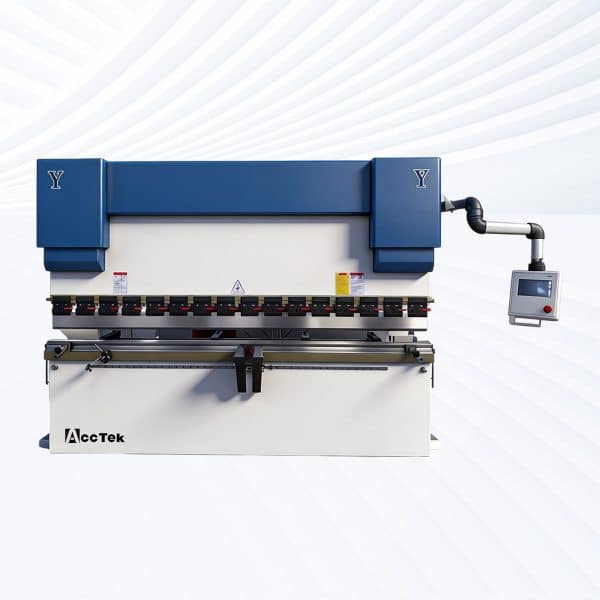
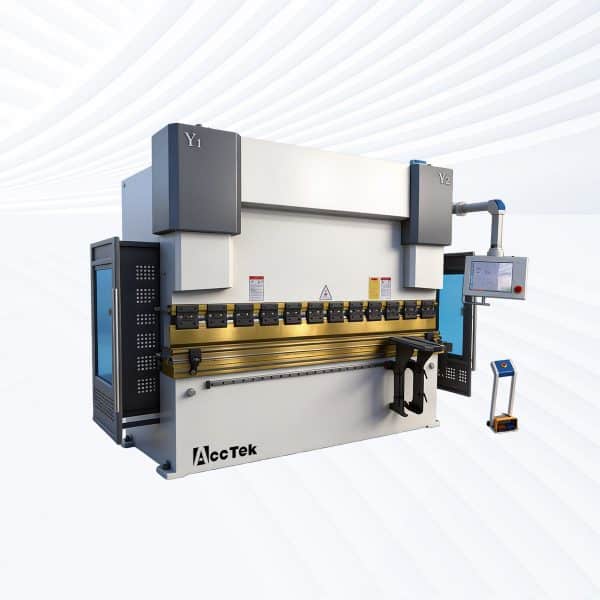
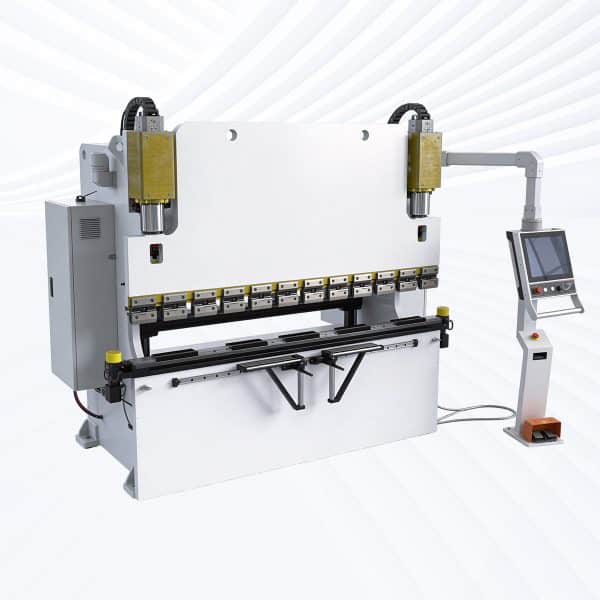
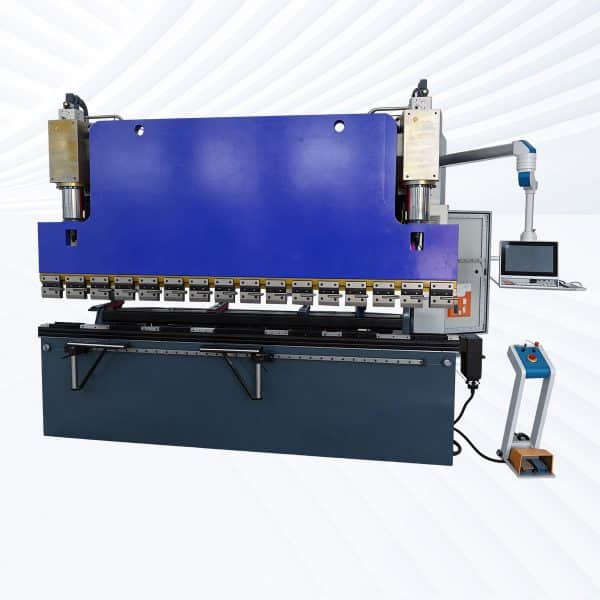
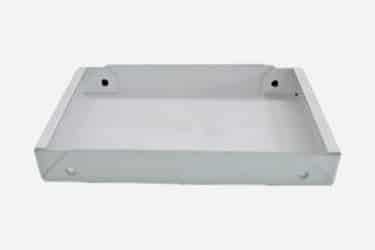
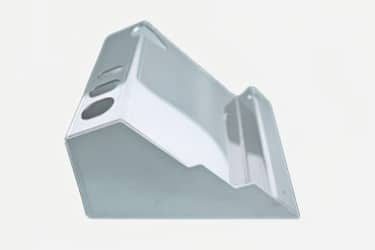
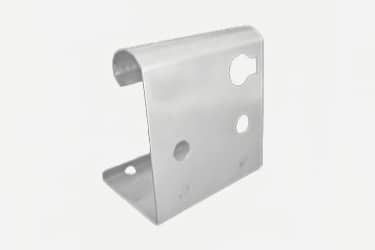
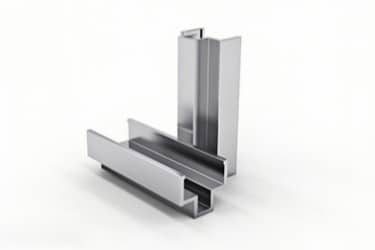
Application of CNC Press Brake Machines
Customer Testimonials
CNC Press Brake Machine VS Other Bending Machines
| Comparison Item | CNC Press Brake Machine | Pan Brake Folder | Tube/Pipe Bending Machine | Plate Bending Rolls |
|---|---|---|---|---|
| Main Function | Bends sheet metal into precise angles | Folds sheet metal along straight edges | Bends tubes, pipes, and profiles | Rolls plates into curved or round shapes |
| Suitable Material | Sheet metal | Thin to medium sheet metal | Round, square, or rectangular tubes | Metal plates and thick sheets |
| Typical Products | Cabinets, brackets, panels, enclosures | Boxes, trays, covers, ducts | Handrails, frames, exhaust pipes, pipelines | Tanks, cylinders, cones, pressure vessels |
| Bending Method | Punch and die pressing | Clamping and folding beam | Rotary draw, roll, or mandrel bending | Three-roll or four-roll forming |
| Processing Accuracy | Very high | Good for simple folds | High for tube shapes | Good for large curved parts |
| Automation Level | High with CNC control | Low to medium | Medium to high on CNC models | Medium to high on CNC models |
| Part Complexity | Handles complex multi-bend parts | Best for simple box and panel shapes | Best for 2D or 3D tube bends | Best for curved and cylindrical parts |
| Production Efficiency | High for batch production | Efficient for simple folding work | High for repeated tube bending | Efficient for rolling large plates |
| Material Thickness Range | Thin to thick sheets, based on machine tonnage | Thin to medium sheets | Based on tube diameter and wall thickness | Medium to very thick plates |
| Tooling Requirement | Uses punches and dies | Uses clamping and folding tools | Uses bending dies, mandrels, and rollers | Uses forming rolls |
| Setup Flexibility | Easy to change programs and tools | Simple setup for basic folds | Requires correct die and tube setup | Requires roll adjustment and alignment |
| Surface Quality | Good with proper tooling | Usually good with less marking | Good with suitable dies | May leave light roller marks |
| Operator Skill Needed | Lower with CNC programming | Moderate | Moderate to high | Moderate to high |
| Main Advantage | High precision, repeatability, and flexibility | Simple structure and low cost | Ideal for accurate tube and pipe bending | Best for large-radius and round plate forming |
| Main Limitation | Requires proper tooling and higher investment | Limited for complex bends and thick sheets | Not suitable for flat sheet bending | Not suitable for sharp-angle bends |
Why Choose Us
High-Precision Bending Performance
Our CNC press brake machines feature advanced CNC controllers, precision back gauge systems, and stable hydraulic components to deliver accurate bending angles and repeatable results across demanding production environments.
Heavy-Duty Machine Construction
Every machine is built with a reinforced steel frame and high-quality mechanical components, providing excellent stability, reduced vibration, and reliable long-term performance during continuous industrial operation.
Intelligent CNC Control Systems
Our machines are equipped with user-friendly CNC systems that simplify programming, improve operational efficiency, reduce setup time, and help operators complete complex bending tasks more accurately.
Reliable Technical Support and Training
AccTek Group provides professional installation guidance, operator training, remote technical assistance, and responsive after-sales service to ensure your CNC press brake machine operates efficiently and reliably.
Related Resources
What Is Pulsed Laser Cleaning?
This article explores what pulsed laser cleaning is, how it works, key parameters, machine types, suitable materials, applications, advantages, limitations, and effects on surface quality.
How To Maintain Laser Cutting Machines?
This article explores how laser cutting reduces material waste through accurate processing, narrow kerfs, optimized nesting, automated cutting, and improved material utilization.
How To Reduce Dust Generated During Oscillating Knife Cutting?
This article explores practical methods to reduce dust during oscillating knife cutting, including blade selection, parameter optimization, extraction, filtration, cleaning, and maintenance.
How To Block Noise From CNC Routers?
This article explores practical ways to block CNC router noise, including cutting optimization, vibration control, sound enclosures, auxiliary equipment isolation, and workshop soundproofing.
Frequently Asked Questions
What Is The Working Principle Of CNC Press Brake Machines?
- Material Positioning and Back Gauge Control: Before bending begins, the metal sheet is placed on the machine bed and positioned against the back gauge system. The CNC controller automatically adjusts the back gauge position according to the programmed bending dimensions, ensuring precise alignment for every bend.
- Punch and Die Bending Process: The upper tool, called the punch, moves downward under hydraulic, servo-electric, or hybrid power. The lower tool, called the die, supports the sheet metal during bending. As the punch presses the material into the die opening, force is applied to deform the metal into the desired angle or shape.
- CNC Programming and Automation: Operators input bending parameters such as bending angle, material thickness, bend sequence, and back gauge positions into the CNC control system. The controller automatically calculates machine movement and bending depth, reducing manual adjustments and improving production efficiency.
- Hydraulic or Servo Drive System: Most CNC press brake machines use hydraulic cylinders or servo motors to generate bending force. Hydraulic systems provide strong and stable pressure for heavy-duty bending, while servo-electric systems offer higher energy efficiency and faster operation for precision applications.
- Angle Control and Compensation: Modern CNC press brake machines often include automatic angle measurement and crowning systems. These technologies compensate for machine deflection and material springback, helping maintain accurate bending angles across the full length of the workpiece.
- Multi-Axis Precision Movement: Advanced CNC press brake machines may include multiple controlled axes for the ram, back gauge, and tooling movement. This allows the machine to perform complex multi-step bending operations with high repeatability and minimal operator intervention.
What Materials Can CNC Press Brake Machines Bend?
- Carbon Steel: Carbon steel is one of the most commonly processed materials in CNC press brake machine operations. It offers good strength, affordability, and bendability, making it suitable for construction components, machinery parts, brackets, and industrial equipment. Thicker carbon steel sheets require higher bending force and stronger tooling.
- Stainless Steel: Stainless steel can be bent accurately with CNC press brake machines, although it requires greater force compared to carbon steel due to its higher strength and hardness. It is widely used in kitchen equipment, medical devices, food processing systems, and decorative metal fabrication. Proper tooling helps reduce surface scratches during bending.
- Aluminum: Aluminum sheets are lightweight and easier to bend than many other metals. CNC press brake machines are commonly used to process aluminum for aerospace parts, automotive components, electronics housings, and architectural products. Softer aluminum grades may require careful pressure control to prevent deformation or cracking.
- Galvanized Steel: Galvanized steel contains a protective zinc coating that improves corrosion resistance. CNC press brake machines can bend galvanized sheets effectively, but proper tooling and bending techniques are important to minimize coating damage and surface marking.
- Copper and Brass: Copper and brass are softer non-ferrous metals that can be bent with high precision using CNC press brake machines. These materials are commonly used in electrical components, decorative products, plumbing systems, and industrial applications. Their softness allows easier forming but may increase the risk of surface dents.
- High-Strength Steel: Advanced high-strength steels used in automotive and heavy industrial applications can also be processed by CNC press brake machines. These materials require higher tonnage, specialized tooling, and precise bending control due to their increased hardness and springback characteristics.
- Titanium and Specialty Alloys: Some CNC press brake machines are capable of bending titanium and other specialty alloys used in aerospace, defense, and medical industries. These materials often require customized tooling, slower bending speeds, and careful angle compensation.
Can CNC Press Brake Machines Reduce Labor Costs?
- Automated Bending Operations: CNC press brake machines automatically control bending angles, back gauge positions, bending depth, and bending sequences through programmed instructions. This reduces the need for constant manual adjustments and allows operators to complete complex bending tasks more efficiently.
- Reduced Operator Skill Requirements: Traditional press brake machines often require experienced operators to manually calculate bend positions and angles. CNC systems simplify machine operation through digital programming and graphical interfaces, allowing less experienced workers to achieve accurate and repeatable bending results after shorter training periods.
- Faster Setup and Changeovers: Modern CNC press brake machines store bending programs and tooling data, making setup much faster for repeat jobs. Operators can quickly switch between different products and production runs, reducing downtime and improving overall labor productivity.
- Improved Production Efficiency: CNC automation allows machines to complete bending operations faster and more consistently than manual systems. Multi-axis control and automatic positioning systems reduce handling time and increase the number of parts produced per shift, lowering labor costs per unit.
- Reduced Rework and Material Waste: High bending precision and repeatability help minimize production errors, incorrect angles, and defective parts. This reduces the labor required for rework, inspection, and correction while also lowering material waste and production delays.
- Support for Automated Production Lines: Many CNC press brake machines can integrate with robotic loading systems, automatic tool changers, and material handling equipment. These automation features further reduce dependence on manual labor, especially in high-volume manufacturing environments.
- Lower Maintenance and Operational Interruptions: Advanced CNC press brake machines are designed for stable and reliable operation. Fewer production interruptions and machine failures help reduce labor inefficiencies caused by downtime and maintenance-related delays.
- Increased Production Capacity: Because CNC press brake machines operate faster and more accurately, manufacturers can often complete larger workloads with fewer operators. This allows companies to expand production without significantly increasing labor costs.
How Can CNC Press Brake Machines Reduce Material Waste?
- High Bending Accuracy: CNC press brake machines use precise computer-controlled positioning systems to achieve accurate bending angles and dimensions. Consistent accuracy reduces the risk of incorrect bends, damaged workpieces, and rejected parts that would otherwise become scrap material.
- Repeatable Production Quality: Once a bending program is created, the machine can repeatedly produce identical parts with minimal variation. This repeatability helps maintain stable product quality across large production batches and reduces waste caused by inconsistent manual operation.
- Automatic Back Gauge Positioning: The CNC back gauge system automatically positions sheet metal according to programmed measurements. Accurate positioning minimizes dimensional errors and prevents material loss due to improper alignment during bending operations.
- Reduced Trial-and-Error Adjustments: Traditional manual bending often requires repeated testing and manual corrections before achieving the correct bend angle. CNC systems calculate bending parameters automatically, significantly reducing setup mistakes and unnecessary material consumption during production preparation.
- Compensation for Material Springback: Many CNC press brake machines include angle correction and automatic crowning systems that compensate for material springback and machine deflection. These functions help maintain accurate bend angles and prevent part rejection caused by bending inconsistencies.
- Optimized Tooling and Programming: Advanced CNC software helps operators select proper tooling, bending sequences, and processing parameters based on material type and thickness. Efficient programming reduces handling errors and improves material utilization throughout the production process.
- Fewer Rejected Parts: Because CNC press brake machines deliver stable and repeatable results, manufacturers experience fewer defective products. Lower rejection rates directly reduce raw material waste, especially when processing expensive materials such as stainless steel, aluminum, or specialty alloys.
- Integration With Automated Production Systems: CNC press brake machines can integrate with CAD/CAM software, robotic handling systems, and automated production lines. These technologies improve workflow efficiency, reduce human error, and optimize sheet metal processing from cutting to final bending.
- Efficient Production of Complex Parts: CNC press brake machines can handle multi-step bending operations accurately without repeated manual repositioning. This reduces the chance of damaging parts during fabrication and improves overall material efficiency.
What Are The Operating Costs Of CNC Press Brake Machines?
- Electricity Consumption: CNC press brake machines require electrical power to operate hydraulic systems, servo motors, CNC controllers, back gauges, and cooling systems. Hydraulic press brake machines generally consume more energy than servo-electric models because hydraulic pumps often run continuously during operation. Energy-efficient machines can help reduce long-term electricity costs.
- Tooling Costs: Press brake tooling, including punches and dies, is an important operating expense. Different bending applications may require specialized tooling for various materials, thicknesses, and bend shapes. Tool wear over time can also lead to replacement costs, especially in high-volume production environments.
- Maintenance and Service: Regular maintenance is necessary to keep CNC press brake machines operating accurately and reliably. Maintenance costs may include hydraulic oil replacement, lubrication, filter changes, electrical inspections, and replacement of worn mechanical parts. Preventive maintenance helps reduce unexpected downtime and expensive repairs.
- Labor Costs: Although CNC press brake machines reduce manual labor compared to conventional machines, operators are still needed for programming, setup, material handling, and machine supervision. Automated features such as CNC programming, robotic loading systems, and automatic tool changers can help lower labor costs further.
- Consumable and Replacement Parts: Over time, components such as seals, hydraulic hoses, sensors, bearings, and back gauge parts may require replacement. Machines operating under heavy workloads may experience faster wear on certain components, increasing maintenance expenses.
- Software and Programming Costs: Advanced CNC press brake systems may require software licenses, programming updates, or CAD/CAM integration tools. These systems improve production efficiency but can add to operational expenses, especially in highly automated manufacturing facilities.
- Machine Downtime and Repairs: Unexpected machine failures or production interruptions can increase operating costs by reducing productivity and delaying orders. High-quality CNC press brake machines with reliable components typically have lower downtime and repair expenses over their service life.
- Training and Technical Support: Operators and technicians may require training to fully utilize CNC programming functions and advanced machine features. Some manufacturers also invest in ongoing technical support services to maintain optimal machine performance.
What Safety Features Should CNC Press Brake Machines Have?
- Laser Safety Protection Systems: Many modern CNC press brake machines use laser-based safety devices that monitor the area around the punch and die during operation. If the system detects fingers, hands, or foreign objects entering the danger zone, the machine immediately stops movement to prevent injury.
- Light Curtains and Optical Guards: Light curtain systems create an invisible protective barrier in front of the machine. If the operator crosses the safety zone while the machine is operating, the press brake automatically stops. These systems improve operator safety without limiting visibility or productivity.
- Emergency Stop Buttons: CNC press brake machines should include easily accessible emergency stop buttons located near the control panel and operating area. These buttons allow operators to stop machine movement immediately during emergencies or unsafe situations.
- Protective Safety Guards: Physical safety guards help prevent accidental contact with moving machine parts, hydraulic components, and tooling areas. Side and rear guards also protect operators from pinch points and moving back gauge systems.
- Two-Hand Control Systems: Some press brake machines use two-hand operation controls to ensure the operator’s hands remain away from the bending area during machine activation. This reduces the risk of hand injuries during manual operations.
- Foot Pedal Safety Controls: Foot pedals used to operate the machine should include protective covers and anti-slip designs to prevent accidental activation. Some systems also include safety lock functions for additional protection.
- Overload Protection Systems: CNC press brake machines should have overload protection to prevent excessive force that could damage the machine, tooling, or workpiece. This feature improves both operational safety and machine lifespan.
- Hydraulic and Electrical Safety Monitoring: Modern machines often include sensors that monitor hydraulic pressure, oil temperature, motor performance, and electrical systems. Automatic alarms or shutdown functions help prevent unsafe operating conditions and equipment failure.
- Automatic Crowning and Angle Correction Safety: Intelligent compensation systems help maintain stable bending accuracy and reduce unexpected material movement during operation, improving both product quality and workplace safety.
- Operator Training and Safety Programming: User-friendly CNC control systems often include safety programming functions, operation warnings, and error detection systems that help operators use the machine safely and correctly.
What Are Some Common Mistakes Made When Operating CNC Press Brake Machines?
- Incorrect Tool Selection: Using the wrong punch or die for the material type, thickness, or bending angle is a common error. Improper tooling can cause inaccurate bends, material cracking, excessive tool wear, or even machine overload.
- Improper Material Positioning: Failing to align the sheet metal correctly against the back gauge can result in uneven bends, incorrect dimensions, and inconsistent product quality. Accurate positioning is essential for repeatable bending performance.
- Incorrect CNC Programming: Errors in bend angle settings, bend sequence, material thickness input, or back gauge positioning can lead to defective parts and wasted materials. Operators should carefully verify CNC programs before production begins.
- Ignoring Material Springback: Different materials react differently after bending and may partially return to their original shape, known as springback. Failure to compensate for springback can result in inaccurate bending angles and rejected parts.
- Overloading the Machine: Attempting to bend materials that exceed the machine’s tonnage capacity can damage hydraulic systems, tooling, and machine frames. Operators should always follow the machine’s load limits and bending charts.
- Poor Tool Alignment: Misaligned punches and dies can create uneven pressure distribution, causing inaccurate bends, tooling damage, and increased machine wear. Regular alignment checks help maintain precision and equipment stability.
- Neglecting Machine Maintenance: Insufficient maintenance, such as failing to lubricate moving parts, replace hydraulic oil, or inspect electrical systems, can lead to reduced performance, breakdowns, and costly repairs.
- Ignoring Safety Procedures: Some operators bypass safety systems or fail to use protective devices correctly. Ignoring laser guards, light curtains, or emergency stop systems increases the risk of serious workplace injuries.
- Using Incorrect Bending Speeds: Excessive bending speed can reduce accuracy and increase vibration, while overly slow operation can reduce productivity. Proper speed settings should match the material and the bending application.
- Inadequate Operator Training: Lack of training can lead to programming mistakes, improper machine operation, and unsafe working practices. Skilled operators are essential for maximizing machine performance and maintaining safe production conditions.
- Failure to Inspect Finished Parts: Not checking bend angles and dimensions during production can allow errors to continue throughout an entire batch, increasing material waste and rework costs.
How To Maintain CNC Press Brake Machines?
- Daily Cleaning and Inspection: Operators should clean the machine regularly to remove metal dust, oil residue, and debris from the worktable, tooling area, and moving components. Daily visual inspections help identify loose parts, oil leaks, abnormal wear, or unusual machine behavior before problems become serious.
- Lubrication of Moving Parts: Proper lubrication is essential for smooth machine operation. Components such as guide rails, ball screws, bearings, and mechanical joints should be lubricated according to the manufacturer’s maintenance schedule. Insufficient lubrication can increase friction, wear, and positioning errors.
- Hydraulic System Maintenance: Hydraulic press brake machines rely on stable hydraulic pressure for accurate bending. Operators should regularly check hydraulic oil levels, inspect hoses and seals for leaks, and monitor oil cleanliness. Hydraulic oil and filters should be replaced periodically to maintain system efficiency and prevent contamination.
- Tooling Maintenance and Alignment: Punches and dies should be cleaned and inspected for wear, cracks, or surface damage. Damaged tooling can reduce bending accuracy and damage workpieces. Proper alignment of punches and dies is also important to maintain consistent bending performance and avoid uneven force distribution.
- Back Gauge Calibration: The CNC back gauge system should be checked regularly to ensure accurate positioning. Misalignment or positioning errors can lead to dimensional inaccuracies and material waste. Calibration helps maintain precise and repeatable bending results.
- Electrical System Inspection: Electrical components such as cables, sensors, switches, and control panels should be inspected regularly for loose connections, overheating, or damage. Reliable electrical systems are essential for safe and stable machine operation.
- CNC Controller Maintenance: The CNC control system should be kept clean and protected from dust and moisture. Operators should back up machine programs regularly and update software when recommended by the manufacturer to maintain system stability and functionality.
- Safety System Testing: Safety devices such as emergency stop buttons, light curtains, laser guards, and foot pedal controls should be tested frequently to ensure proper operation. Faulty safety systems increase the risk of workplace accidents.
- Regular Professional Servicing: In addition to routine operator maintenance, professional technicians should perform scheduled inspections and servicing to identify hidden mechanical or hydraulic issues before major failures occur.