

Introduction
Materials Suitable for CNC Routing
Key Advantages of CNC Routing
High Precision and Accuracy
CNC routing machines operate using computer-controlled instructions, ensuring extremely precise cuts and consistent results. This accuracy allows manufacturers to produce complex shapes and detailed designs repeatedly without variation, which is essential for industries that require tight tolerances and reliable product quality.
Increased Production Efficiency
CNC routers automate the cutting and shaping process, significantly reducing the time required to produce parts compared to manual methods. Once programmed, the machine can run continuously with minimal supervision, allowing businesses to increase production speed and meet larger manufacturing demands.
Consistent Repeatability
One of the biggest advantages of CNC routing is the ability to reproduce identical parts multiple times. Because the machine follows the same digital instructions for every run, each product maintains the same dimensions and quality, ensuring uniformity in mass production.
Ability to Create Complex Designs
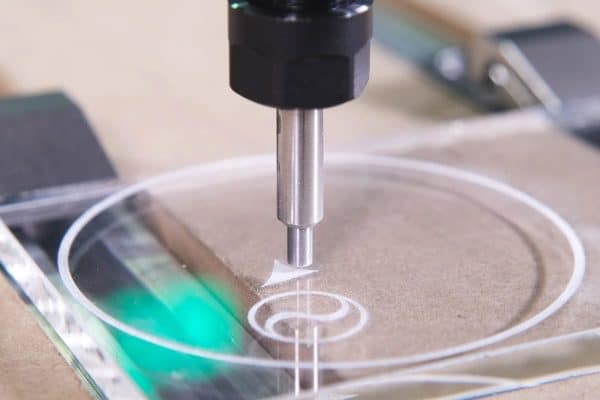
CNC routing allows manufacturers to produce intricate patterns, curves, and detailed engravings that would be extremely difficult or time-consuming with manual tools. Computer programming enables complex geometries and customized designs to be produced with high accuracy and minimal effort.
Versatility with Multiple Materials
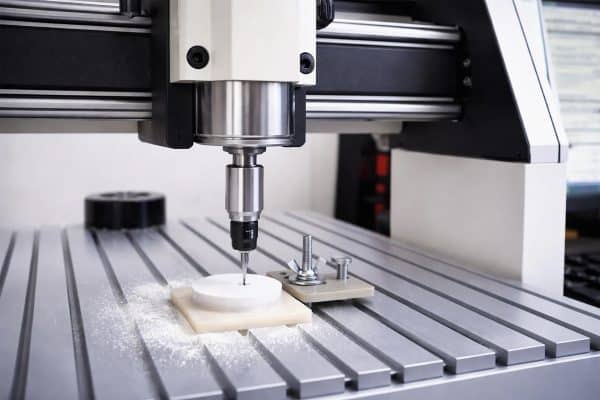
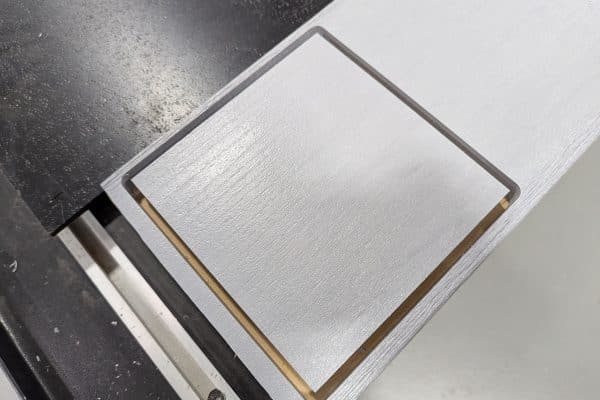
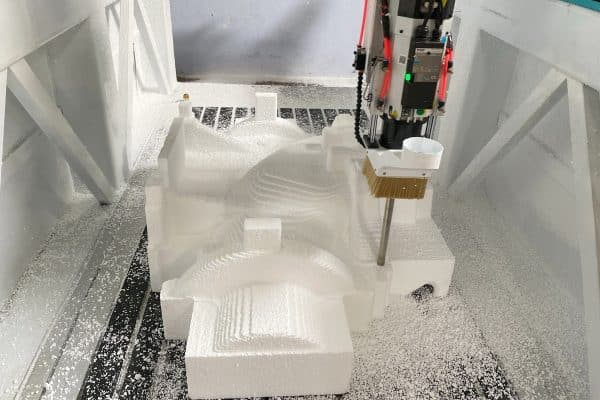
CNC routers can process a wide variety of materials, including wood, plastics, foam, composites, and certain metals like aluminum. This flexibility makes them suitable for many industries such as furniture manufacturing, signage production, prototyping, and industrial component fabrication.
Reduced Material Waste
Because CNC routing follows precise digital toolpaths, it minimizes cutting errors and material loss. Optimized layouts and accurate machining allow manufacturers to use raw materials more efficiently, lowering production costs and supporting more sustainable manufacturing practices.
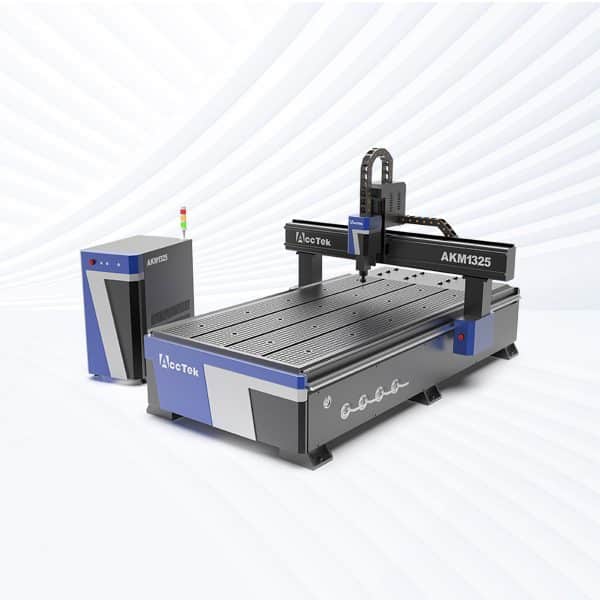
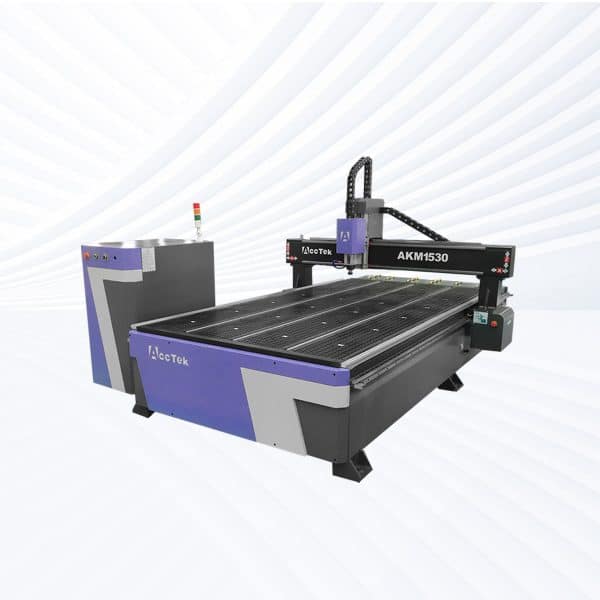
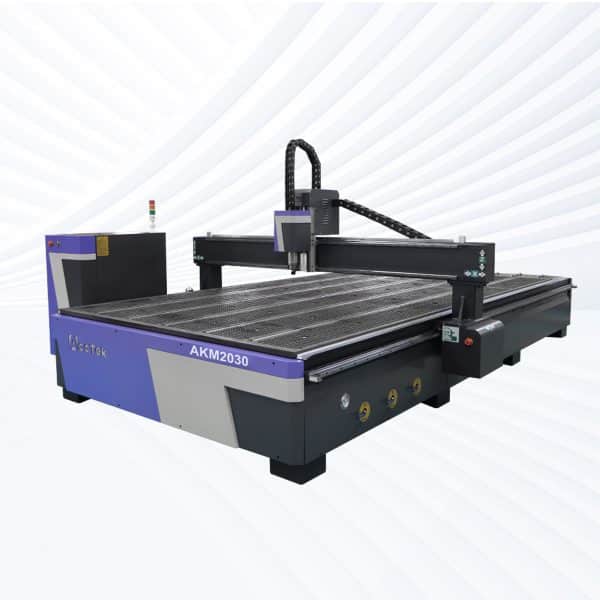
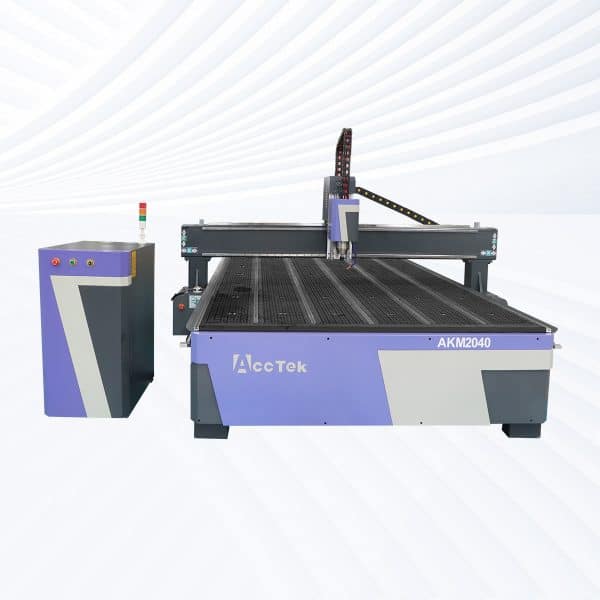
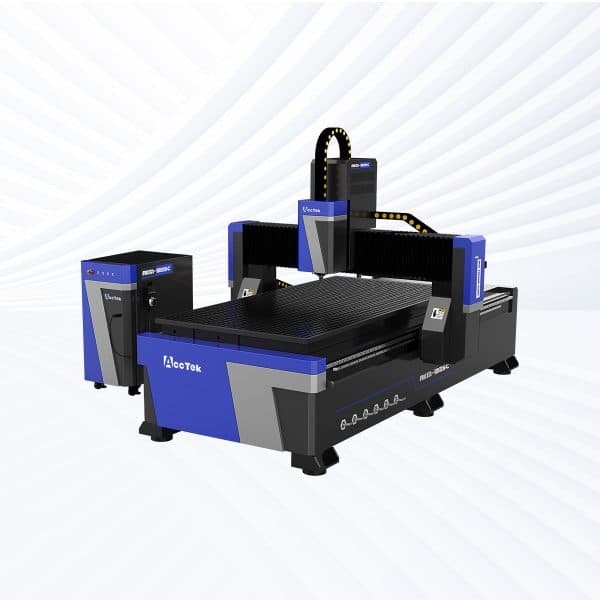
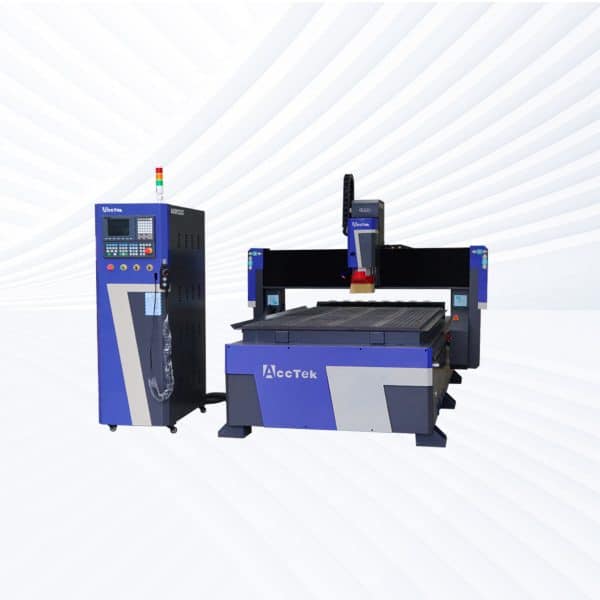
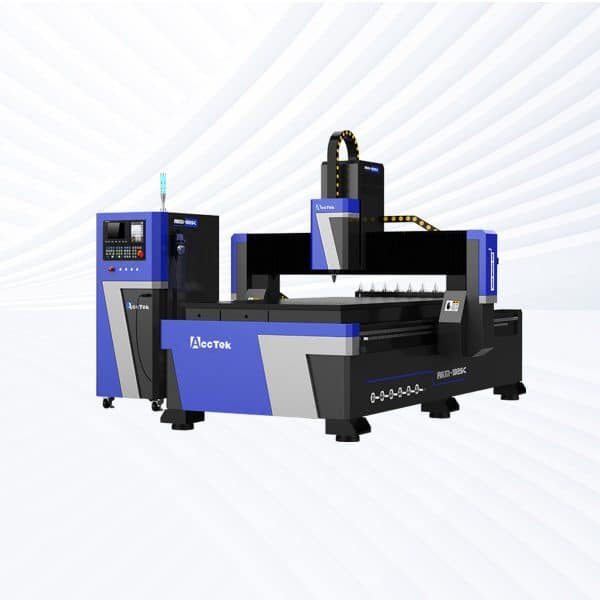
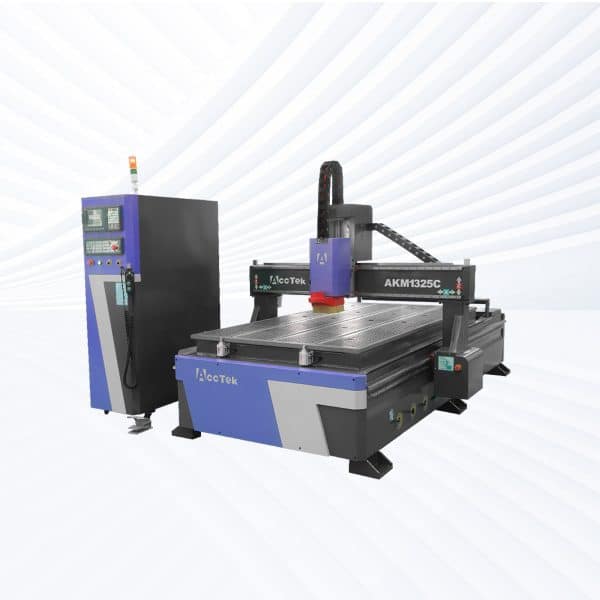
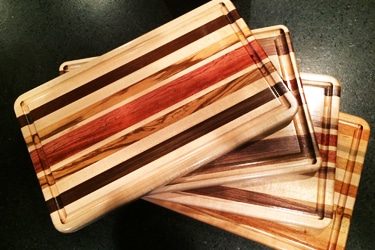
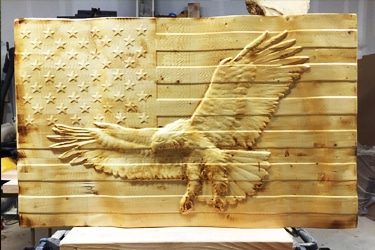
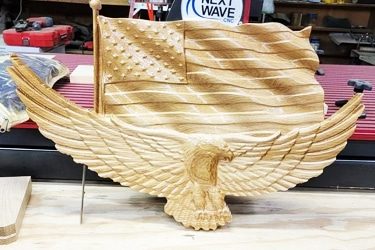
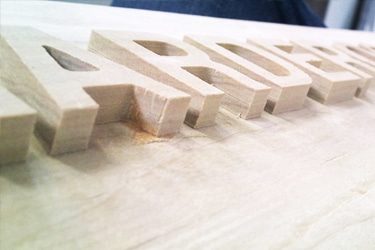
Applications of CNC Routing


Why Choose Us
High Precision & Efficiency
AccTek CNC routers deliver fast, accurate results with minimal errors, supporting intricate designs and mass production across the woodworking, plastic, and metal industries.
Robust and Durable Design
Our machines are built with high-quality frames and components, ensuring long service life, high load-bearing capacity, and stability during high-speed operations.
Intelligent Control Systems
Equipped with user-friendly interfaces and smart controllers, our routers offer smooth motion control, automatic toolpath optimization, and easy integration with various CAD/CAM software.
Flexible Customization
From machine size to spindle power and motor type, we offer flexible configurations to suit different production needs, budgets, and material requirements.
Related Resources
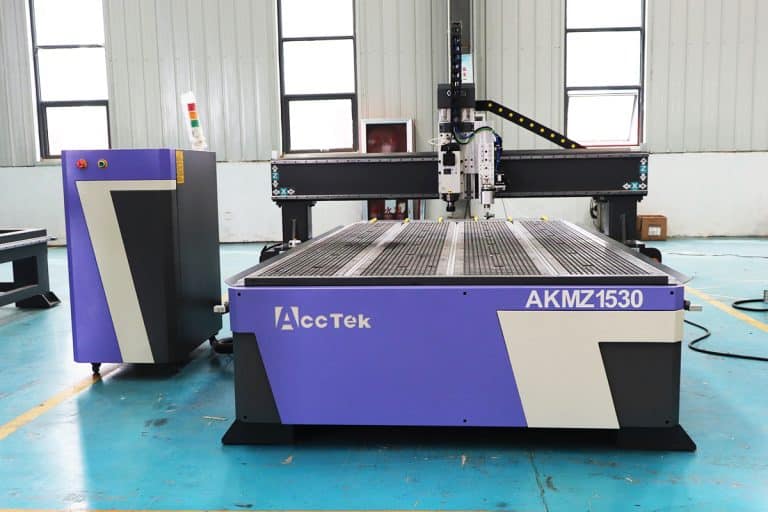
CNC Router Safety Operation Guide
This article explains essential safety procedures, hazard prevention, PPE, tool setup, workholding, machine operation, maintenance, and emergency response.
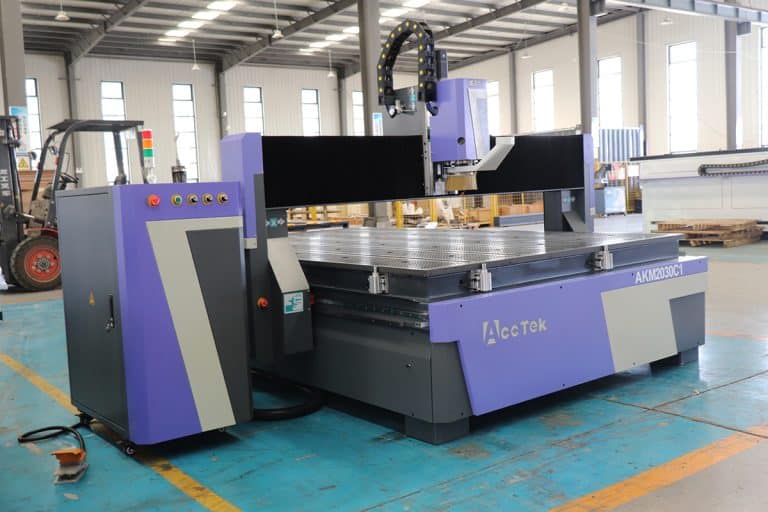
How To Block Noise From CNC Routers?
This article explores practical ways to block CNC router noise, including cutting optimization, vibration control, sound enclosures, auxiliary equipment isolation, and workshop soundproofing.
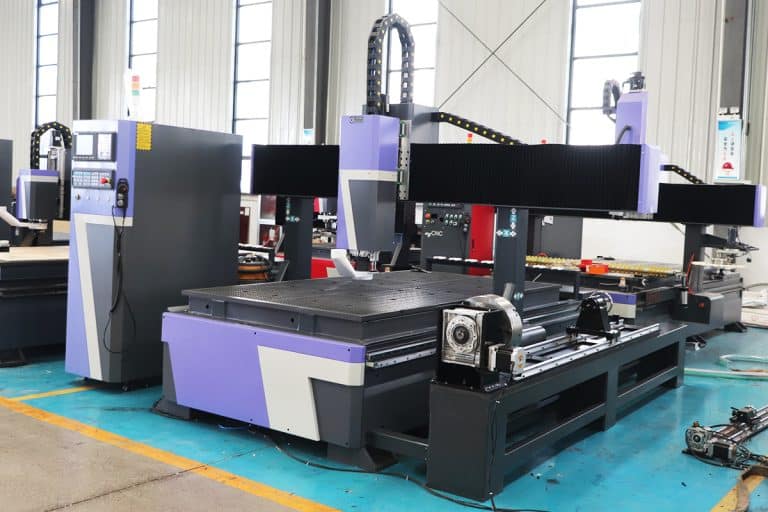
What Are 3D CNC Routers?
This article explores what 3D CNC routers are, how they operate, and the key types, components, software, materials, applications, benefits, limitations, safety practices, maintenance, and selection factors.
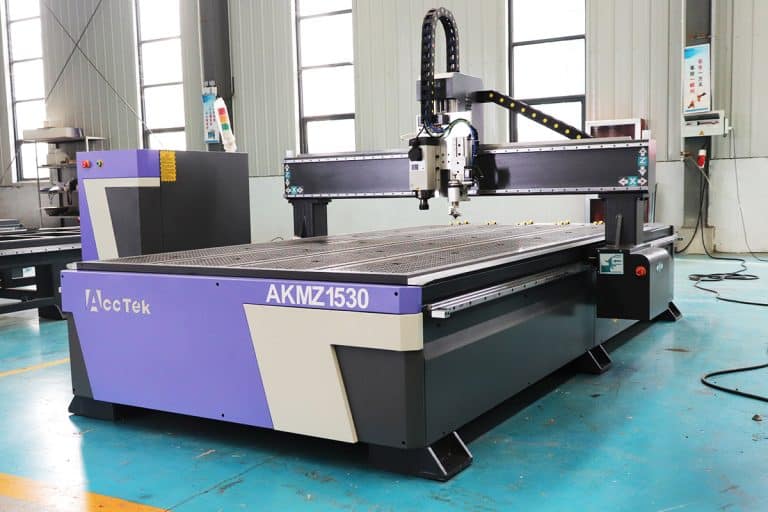
How To Program CNC Routers?
This article is a practical programming guide for CNC routers, covering CAD settings, CAM toolpaths, G-code basics, feed rate, workpiece clamping, safety checks, material settings, and troubleshooting.
Frequently Asked Questions
What Is The Working Principle Of CNC Routing?
- Digital Design Input: The process begins with a CAD (Computer-Aided Design) file, which contains the dimensions, contours, and features of the part to be manufactured. This design is then converted into a CAM (Computer-Aided Manufacturing) file that generates toolpaths, specifying the exact movements, speeds, and depths for the router bit to follow.
- Computer-Controlled Motion: The CNC router interprets the CAM file through its control system. Stepper or servo motors move the router along multiple axes—typically X, Y, and Z—with high precision. The X and Y axes control horizontal movement across the workpiece, while the Z axis controls vertical depth, allowing the bit to cut, carve, or engrave at different levels. Some advanced machines include additional axes for tilting or rotating the workpiece, enabling complex 3D shapes.
- Material Removal: The router uses rotating cutting bits to remove material from the workpiece along the programmed paths. Different types of bits—such as end mills, ball nose cutters, or V-bits—are selected based on material type, desired finish, and shape. The machine may make multiple passes to gradually reach the final depth, minimizing tool stress and maintaining accuracy.
- Precision and Feedback: CNC routers often incorporate feedback systems, like encoders, to monitor position and ensure accuracy. This allows for consistent replication of parts with minimal human intervention. The controlled feed rates, spindle speeds, and bit selection reduce errors, prevent material damage, and improve surface finish.
- Support Systems: To maintain quality and safety, CNC routers use vacuum tables, clamps, or fixtures to secure the material. Dust collection systems remove chips and debris produced during cutting, which is particularly important when working with wood, plastics, or composites. Cooling or lubrication may be applied for certain materials or bits to prevent overheating and extend tool life.
- Output: The final product is an accurately shaped component, ready for assembly, finishing, or further processing. Because the process is computer-controlled, complex 2D and 3D geometries can be reproduced repeatedly with consistent quality.
What Is The Difference Between CNC Routing And Milling?
- Material Focus and Applications: CNC routers are primarily used for softer materials such as wood, plastics, foam, and composites. They are ideal for cutting large panels, shaping 3D contours, and producing signs, furniture parts, or prototypes. CNC milling machines, on the other hand, are designed to handle harder materials, including metals like aluminum, brass, and steel. Milling is commonly used in precision engineering, automotive, and aerospace applications where tight tolerances and high-strength materials are required.
- Machine Structure and Design: CNC routers are typically built with a gantry system, where the cutting head moves over a stationary workpiece. This allows for large working areas but with lower rigidity. CNC milling machines have a more rigid frame, often with the workpiece mounted on a moving table and the spindle fixed, or with both capable of movement. The rigidity of milling machines reduces vibrations, which is crucial when machining hard metals or performing high-precision operations.
- Cutting Tools and Operations: CNC routers use rotating bits to remove material, similar to milling, but they generally employ larger, simpler bits for cutting soft materials. Routers often perform shallow cuts at higher speeds, and multiple passes may be needed for deeper cuts. CNC milling machines use a wider variety of end mills, drills, and specialty cutters, allowing them to perform operations like slotting, threading, drilling, and contouring in hard metals with high accuracy.
- Precision and Tolerance: CNC milling machines achieve higher precision and tighter tolerances compared to routers. Typical milling tolerances can range from ±0.001 to ±0.005 inches, while CNC routers usually have looser tolerances suitable for woodworking or plastic fabrication.
- Production Scale and Speed: CNC routers are optimized for cutting large panels and producing high-volume, low-precision parts quickly. Milling machines are slower for large, low-precision jobs but excel in producing small, complex, high-precision parts.
- Cost Considerations: CNC routers are generally less expensive than milling machines and have lower operating costs due to simpler construction and lower wear on tools. Milling machines require more robust components and frequent maintenance when cutting hard materials, making them costlier to operate.
Is CNC Routing Cost-Effective?
- Material Versatility: CNC routers handle a wide range of materials, including wood, plastics, foams, composites, and soft metals like aluminum and brass. Wood and wood-based products, such as MDF, plywood, and hardwood, are cut cleanly with minimal waste. Plastics like acrylic, polycarbonate, and Delrin can also be routed, though softer plastics may require slower feed rates to avoid melting or tearing. Foam and softer composites are easily shaped for packaging, insulation, or prototypes. Unlike CO2 laser cutting, CNC routers can efficiently cut thicker materials without the fire or fume risks associated with lasers.
- Precision and Repeatability: CNC routers excel at producing consistent parts, especially in medium to high-volume runs. Once a design is programmed, it can be repeated hundreds or thousands of times with identical results. This reduces labor costs and material waste, making them particularly cost-effective for batch production.
- Setup and Production Costs: Initial investment in CNC routers can be significant, and programming requires skill. However, for repetitive or complex shapes, the time saved in manual machining quickly offsets setup costs. Materials that are difficult or unsafe for laser cutting, such as PVC or thick hardwood, can be routed safely, lowering long-term production risk and cost.
- Design Flexibility: CNC routers can produce both 2D cuts and complex 3D shapes. This flexibility allows manufacturers to consolidate processes that would otherwise require multiple tools or steps, further reducing labor and operational expenses.
- Maintenance and Operational Costs: CNC routers generally have lower maintenance costs compared to laser systems. There are no consumables like laser tubes or mirrors, and the wear is mostly limited to bits, which are relatively inexpensive and easy to replace.
- Limitations: CNC routing produces mechanical stress and can leave rough edges on certain plastics or veneers. Finishing steps like sanding or polishing may be required, which adds labor. Also, high-volume production of very intricate designs may favor laser cutting for its speed and edge quality.
What Are The Limitations Of CNC Routing?
- Material Restrictions: While CNC routers handle a wide range of materials, they struggle with very hard metals such as stainless steel, titanium, or hardened steel. Cutting these materials requires specialized bits, slower feed rates, and significant wear on tools, which increases costs. Soft or brittle materials, like thin acrylic or fragile veneers, may chip, splinter, or crack during routing, reducing quality.
- Cut Quality and Finish: Unlike laser cutting, CNC routers produce mechanical cuts, which often leave rough edges or tool marks. Additional finishing, such as sanding, polishing, or deburring, may be required for high-quality surfaces, adding time and labor costs. Fine detail work is also limited by the diameter of the cutting bit; extremely intricate designs may not be achievable without smaller, more delicate tooling.
- Tool Wear and Maintenance: CNC routing relies on physical contact between the bit and material, so bits wear down over time. Frequent bit changes are needed when routing abrasive materials like composites or hardwoods, which increases downtime and costs. Additionally, improper feed rates or tooling can break bits or damage the machine.
- Speed Limitations: For thin, non-metallic materials, CNC routing is generally slower than laser cutting, which can process intricate designs quickly without physical contact. High-volume production of detailed 2D shapes may not be as time-efficient with a router.
- Setup Complexity: CNC routing requires precise programming and setup. Errors in design files or machine calibration can lead to wasted material and production delays. While repeatable once programmed, one-off or prototype jobs can be time-consuming to set up compared to other cutting methods.
- Safety Concerns: Though generally safer than lasers for many materials, CNC routers produce chips, dust, and noise. Proper dust extraction and hearing protection are necessary, especially when cutting wood, composites, or plastics.
- Size and Space Requirements: Large CNC routers can occupy significant floor space, which may be impractical for small workshops. Additionally, material size is limited by the router’s travel range, restricting the dimensions of pieces that can be processed in a single pass.
What Are The Environmental Impacts Of CNC Routing?
- Material Waste: CNC routing removes material through cutting and carving, generating chips, shavings, and dust. Wood, plastics, and composites produce significant offcuts, which can contribute to landfill if not recycled. While some materials, like metal chips, can be collected and reprocessed, softer materials are often harder to recycle efficiently. Optimizing toolpaths and nesting parts can reduce waste and improve resource efficiency.
- Energy Consumption: CNC routers rely on electric motors to move spindles and worktables, as well as vacuum systems to hold materials in place. Power usage varies with spindle speed, material hardness, and machine size, but continuous operation can result in notable energy consumption, contributing indirectly to greenhouse gas emissions depending on the energy source. High-volume operations amplify this impact.
- Airborne Particles and Emissions: Cutting wood, plastics, and composites produces fine dust and micro-particles that can affect indoor air quality. Plastics like acrylic or PVC (if improperly routed) can release harmful fumes or volatile organic compounds. Effective dust extraction, ventilation, and filtration are necessary to protect workers and prevent environmental contamination.
- Tool and Consumable Waste: CNC routing uses cutting bits, clamps, and lubricants that wear over time. Worn bits require disposal, and lubricants or coolants may introduce chemical waste if not managed properly. Choosing durable, reusable, or recyclable tooling can reduce environmental impact.
- Noise Pollution: CNC routers generate significant noise during operation, particularly when cutting dense materials. While not directly an environmental pollutant, excessive noise contributes to workplace stress and can affect nearby communities if machines operate in open or poorly insulated spaces.
- Sustainability Opportunities: CNC routing can be made more environmentally friendly by using sustainably sourced or recycled materials, optimizing cutting paths to minimize waste, implementing energy-efficient machinery, and recycling chips and offcuts. Dust collection and proper ventilation systems help mitigate air pollution, while regular maintenance of motors and spindles reduces energy waste.
How Does CNC Routing Affect Surface Finish?
- Tool Selection: The type, sharpness, and geometry of the cutting bit play a major role in surface finish. For example, a sharp end mill with the correct flute design produces smoother cuts on wood or plastics, while a dull or incorrectly shaped bit can leave tear-out, chipping, or rough edges. Ball nose bits are often used for 3D contouring to reduce visible ridges, whereas straight bits are better for flat surfaces but may leave slight tool marks.
- Feed Rate and Spindle Speed: The interaction between the spindle rotation speed and the feed rate affects how cleanly material is removed. A high feed rate combined with low spindle speed can cause rough cuts or tearing, especially in softwoods or brittle plastics. Conversely, an optimized feed-to-speed ratio ensures the cutter removes material efficiently without leaving grooves or burn marks, producing a smoother surface.
- Depth of Cut and Passes: CNC routing removes material incrementally. Taking deep cuts in a single pass increases stress on the tool and workpiece, often resulting in chipping or rough finishes. Multiple shallow passes reduce mechanical stress, improve accuracy, and generate a cleaner surface. For softer materials like MDF or foam, deeper passes may crush or deform the edges, so careful depth planning is essential.
- Machine Rigidity and Stability: The stability of the router and its gantry affects surface quality. Any vibration or wobble during cutting translates into ripples, chatter marks, or uneven finishes. Higher-end CNC routers with rigid frames and well-maintained bearings generally produce smoother surfaces than smaller, flexible machines.
- Material Characteristics: Some materials naturally produce rougher finishes due to grain structure or hardness. For example, hardwoods may splinter along the grain, acrylic can melt slightly if feed rates are too slow, and foams may compress under the bit. Selecting the right bit and adjusting machine parameters can mitigate these effects, but material limitations remain a factor.
- Post-Processing: Even with optimal CNC routing, certain materials benefit from sanding, polishing, or buffing to achieve a high-quality finish. Softwoods, veneers, or plastics often require light post-processing to remove tool marks or raised fibers.
What Training Is Required To Operate CNC Routers?
- Basic CNC Principles: Operators must understand the fundamentals of CNC technology, including how computer numerical control translates digital designs into machine movements. This includes knowledge of CAD (Computer-Aided Design) and CAM (Computer-Aided Manufacturing) software, which are used to create and convert designs into toolpaths. Familiarity with G-code—the programming language that controls CNC routers—is often part of basic training.
- Machine Operation: Hands-on training teaches how to set up the CNC router, secure materials, and select appropriate cutting tools. Operators learn how to adjust spindle speeds, feed rates, and cutting depths based on the material being processed. Training also covers machine calibration, zeroing axes, and aligning the workpiece to ensure precision.
- Material Knowledge: Effective CNC operation requires understanding how different materials respond to cutting. Operators learn which bits to use for wood, plastics, composites, or soft metals, as well as how material density, grain, or brittleness affects feed rates and depth of cut. This knowledge helps prevent material damage and ensures a quality surface finish.
- Safety Training: CNC routers can pose physical and environmental hazards. Training emphasizes personal protective equipment (PPE) such as safety glasses, hearing protection, and dust masks. Operators also learn safe handling of cutting tools, securing workpieces, and proper use of dust collection or ventilation systems to manage chips, dust, and fumes. Emergency stop procedures and routine machine inspections are key components of safety instruction.
- Maintenance and Troubleshooting: Operators are trained to perform routine maintenance, such as cleaning, lubricating moving parts, and checking tool wear. Basic troubleshooting skills help identify problems like excessive vibration, tool breakage, or errors in the toolpath, minimizing downtime and preventing damage to materials or machinery.
- Advanced Skills (Optional): For more complex operations, training may include 3D machining, multi-axis routing, nesting optimization for material efficiency, and integrating CNC routers into larger production workflows.
What PPE Is Required For CNC Routing?
- Eye Protection: Safety glasses or goggles are mandatory to protect against flying chips, splinters, or fragments from wood, plastics, or composites. For tasks involving high-speed routing or harder materials, full-face shields provide additional protection from larger debris or accidental tool breakage.
- Hearing Protection: CNC routers generate high noise levels, particularly when cutting dense materials or using high-speed spindles. Earplugs or earmuffs reduce the risk of long-term hearing damage and improve concentration during extended operation.
- Respiratory Protection: Material dust, especially from MDF, composite boards, or plastics, can irritate the respiratory system or pose long-term health risks. Dust masks, respirators, or powered air-purifying respirators (PAPRs) help prevent inhalation of fine particles. Combined with proper dust extraction and ventilation, respiratory PPE significantly reduces exposure.
- Hand Protection: While gloves may seem helpful, they should be used cautiously. Loose-fitting gloves can get caught in moving parts, so many operators rely on proper machine guarding instead. For material handling outside the cutting area, cut-resistant or work gloves protect against splinters, sharp edges, and abrasions.
- Protective Clothing: Long sleeves and durable work clothes protect against minor cuts and abrasions. Clothing should be snug-fitting to prevent entanglement in moving machine parts. Heavy-duty aprons can provide additional protection when handling rough materials or sharp offcuts.
- Foot Protection: Safety shoes with steel toes protect against heavy panels, tools, or material that might fall during loading or unloading. Non-slip soles are recommended in workshops to prevent slips on dust-covered floors.
- Optional PPE: For certain materials, chemical-resistant gloves or aprons may be necessary if cutting plastics that release oils or mild fumes. Additionally, high-visibility clothing can improve safety in busy multi-machine workshops.