

Introduction
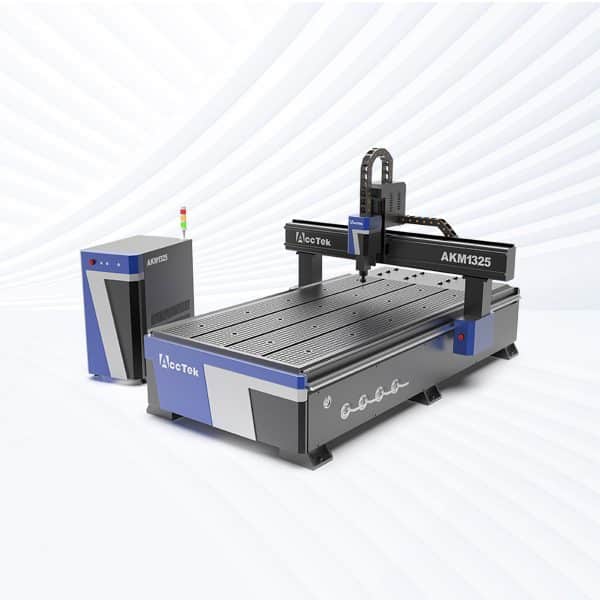
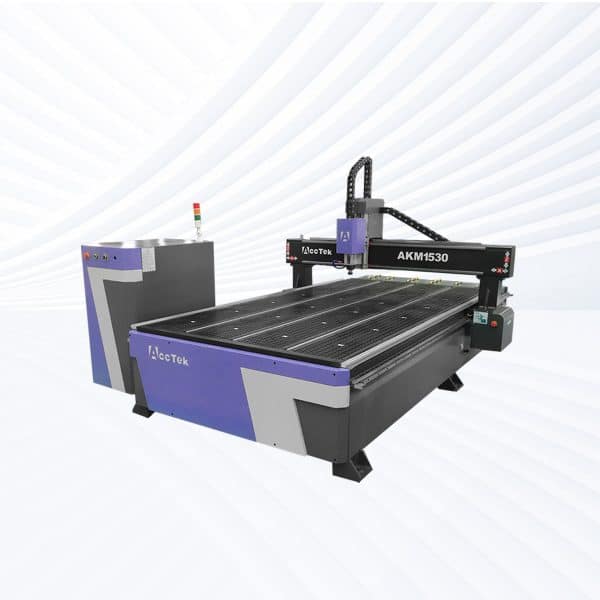
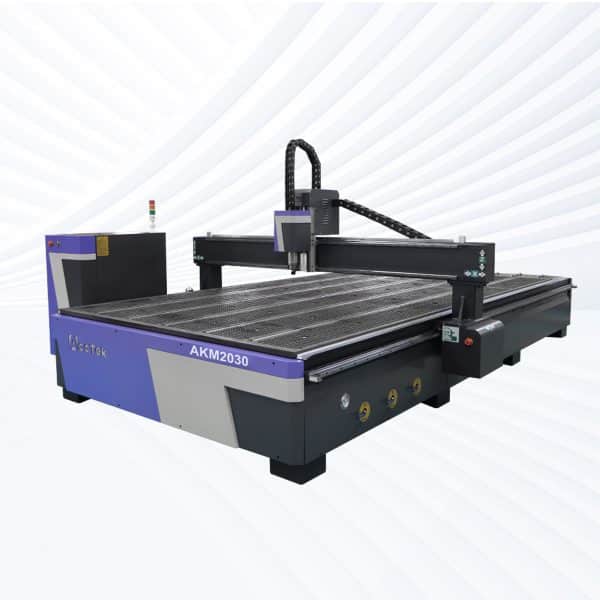
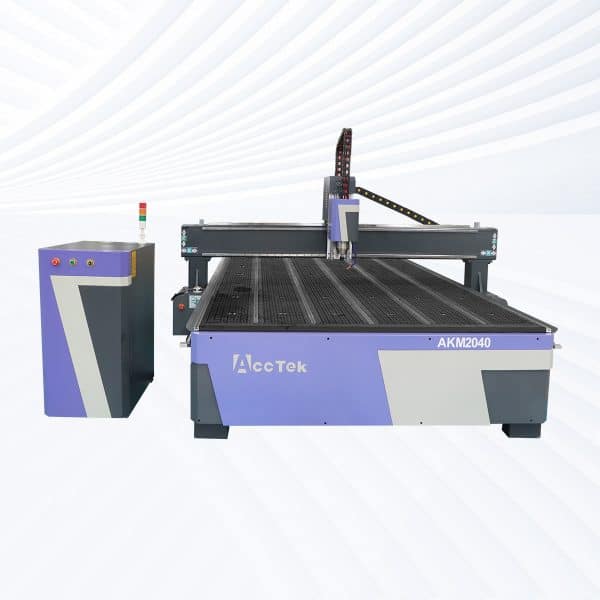
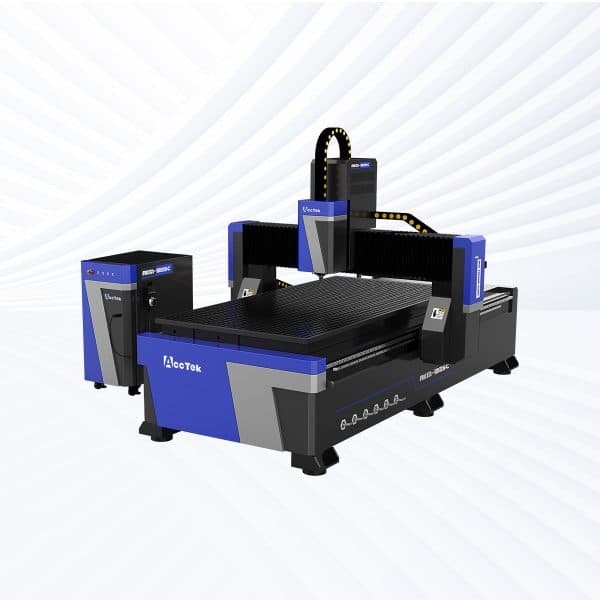
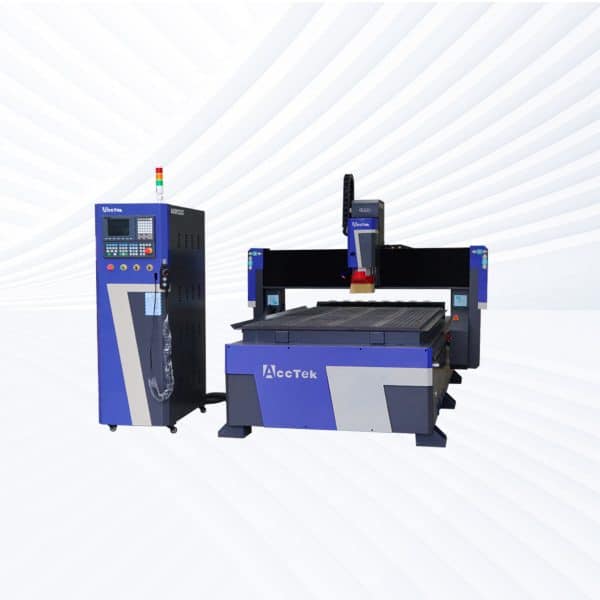
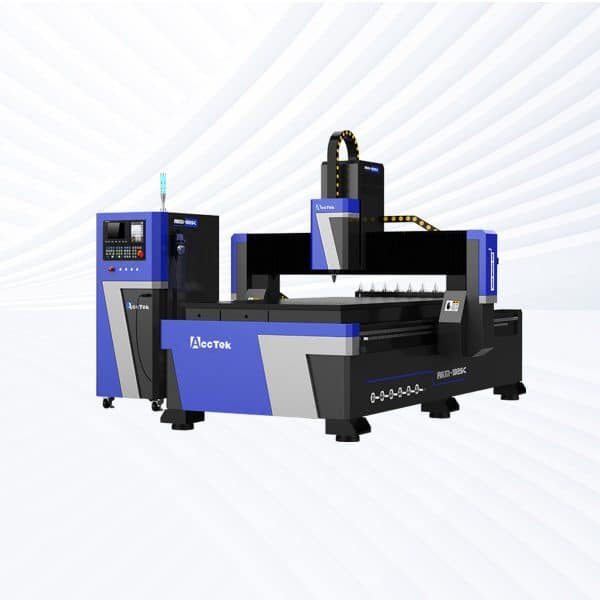
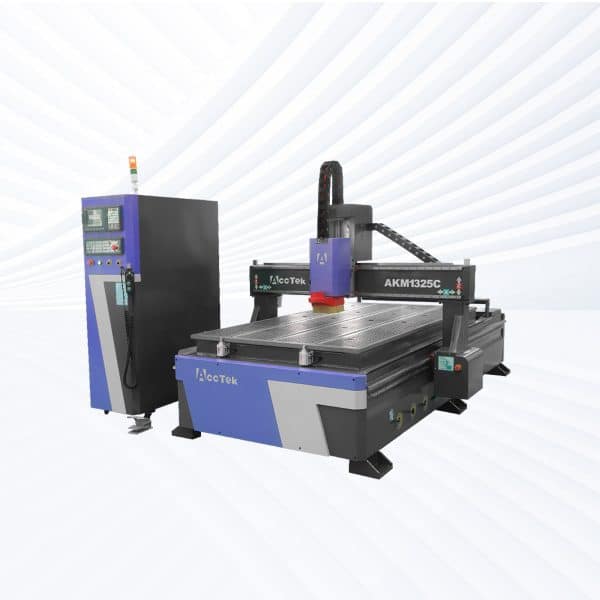
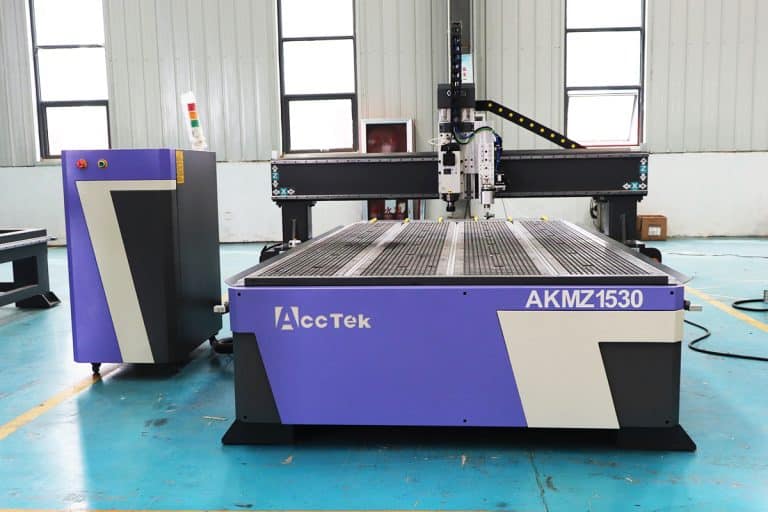
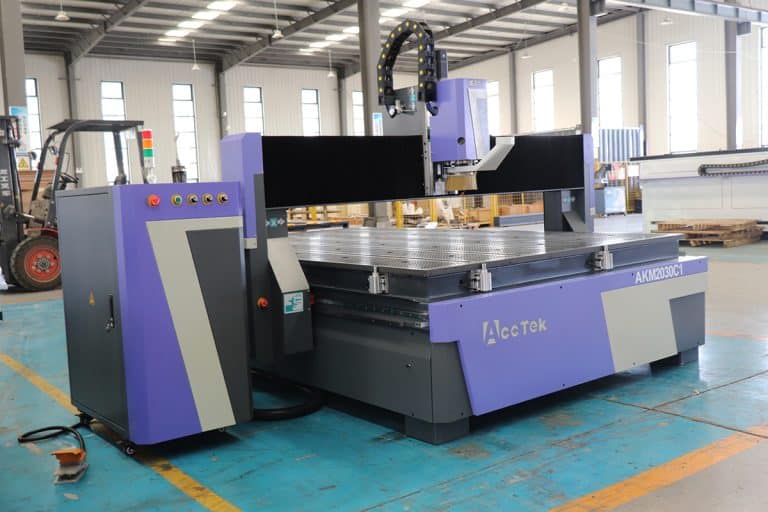
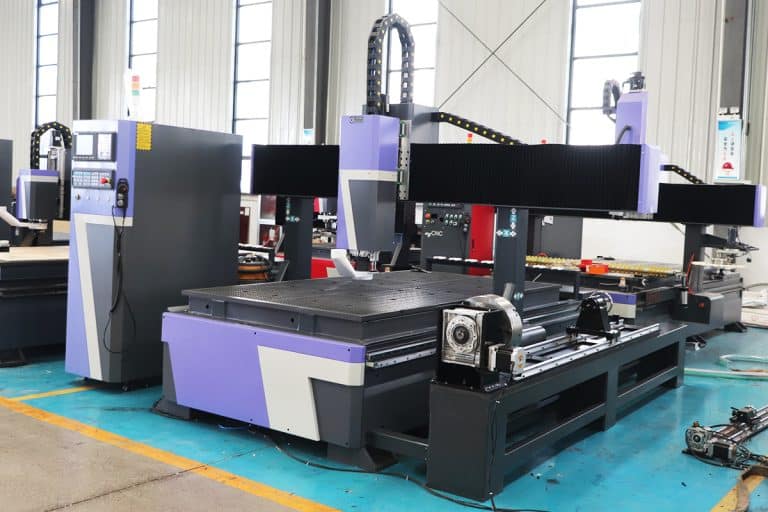
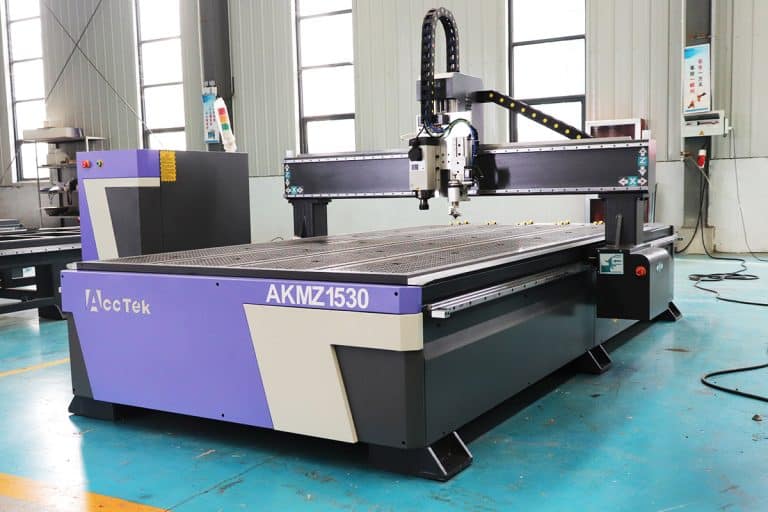
CNC Routers Suitable For Leather
Advantages of CNC Routing Leather
High Precision and Accuracy
CNC routing leather provides precise cuts and engraving, ensuring clean edges and consistent shapes. This allows manufacturers to produce intricate patterns, logos, and detailed designs without damaging or stretching the leather, maintaining the material’s quality and appearance.
Ability to Create Complex Designs
CNC routers can execute intricate patterns, embossed textures, and detailed cutouts that are difficult to achieve manually. This capability enables designers to produce unique, customized leather products with consistent precision, enhancing both functionality and aesthetic appeal.
Consistent and Repeatable Results
Once programmed, CNC routers can produce identical leather pieces repeatedly. This repeatability is essential for mass production, ensuring uniform quality and reducing errors in products such as belts, handbags, shoes, and upholstery components.
Versatility Across Leather Types
CNC routing can handle various leather materials, including genuine leather, synthetic leather, bonded leather, and suede. This versatility allows manufacturers to work with different thicknesses, textures, and finishes while maintaining precision and clean cutting results.
Reduced Material Waste
Optimized toolpaths in CNC routing remove only the necessary material, minimizing leather waste. This improves cost efficiency, reduces the need for excess raw material, and ensures better resource utilization, which is important given the high cost of quality leather.
Faster Production and Automation
CNC routing automates leather cutting and engraving, significantly speeding up production compared to manual methods. It reduces labor dependency, allows continuous operation, and enables manufacturers to meet tight deadlines while maintaining consistent quality across large batches.
Compatible Materials
- Full-Grain Leather
- Top-Grain Leather
- Corrected-Grain Leather
- Split Leather
- Bonded Leather
- Nubuck Leather
- Suede Leather
- Patent Leather
- Aniline Leather
- Semi-Aniline Leather
- Vegetable-Tanned Leather
- Chrome-Tanned Leather
- Oil-Tanned Leather
- Waxed Leather
- Pull-Up Leather
- Embossed Leather
- Metallic Leather
- Perforated Leather
- Reconstituted Leather
- Exotic Leather
- Ostrich Leather
- Snake Leather
- Lizard Leather
- Calfskin Leather
- Goatskin Leather
- Sheepskin Leather
- Pigskin Leather
- Lambskin Leather
- Vegan Leather
- PVC Leather
- Faux Suede
- Metallic Faux Leather
- Laserable Synthetic Leather
- Cork Leather
- Printed Leather
- Dyed Leather
- Pebble-Grain Leather
- Smooth Leather
- Textured Leather
- Combination Leather
CNC Routing VS Other Engraving Methods
| Comparison Item | CNC Routing | Laser Engraving | Hand Engraving | Chemical Etching |
|---|---|---|---|---|
| Processing Method | Uses computer-controlled rotating tools to cut, shape, or emboss leather. | Uses a focused laser beam to mark or engrave leather surfaces. | Manual carving or cutting using handheld tools. | Uses chemicals to etch or discolor the leather surface. |
| Precision and Accuracy | Very high due to digital toolpaths; produces consistent cuts and designs. | High for surface patterns and text; less effective for deep cuts. | Depends on skill; difficult to achieve exact repeatability. | Moderate precision; relies on careful masking and chemical control. |
| Depth Control | Excellent; can cut shallow or deeper patterns without tearing leather. | Limited depth; mainly surface engraving. | Depth varies with hand pressure; less consistent. | Shallow etching only; depth is hard to control. |
| Complex Design Capability | Can produce intricate 2D and 3D patterns, cutouts, and embossing. | Ideal for detailed surface designs, logos, and text. | Complex patterns possible but slow and inconsistent. | Best suited for simple or repetitive designs. |
| Material Removal Efficiency | Efficient; removes only necessary material with minimal damage. | Surface marking only; removes little material. | Slow; requires manual effort to remove material. | Slow; chemical process removes small amounts gradually. |
| Production Speed | Highly automated machining allows fast production. | Fast for marking, slower for deep engraving. | Slow; manual labor-intensive. | Moderate; depends on chemical reaction time. |
| Repeatability | Excellent; identical parts can be produced consistently. | High repeatability for surface designs. | Difficult to replicate; results vary by operator. | Moderate; depends on consistent masking. |
| Surface Finish | Smooth, clean edges and precise detailing. | Smooth surface marks; may darken edges. | Varies; often uneven depending on skill. | Can produce smooth etch but sometimes irregular edges. |
| Automation Level | Fully automated via CAD/CAM programming. | Fully automated with laser control software. | Entirely manual. | Semi-automated; requires chemical preparation and handling. |
| Material Compatibility | Works with most leather types, including genuine, synthetic, and suede. | Works well with thin and treated leather; may burn delicate surfaces. | Suitable for soft leather; harder or thicker leather is challenging. | Limited; leather must be compatible with the chemicals used. |
| Tool Wear | Cutting tools may wear over time; they are replaceable. | No mechanical wear; uses light energy. | Manual tools require sharpening. | No mechanical wear; chemicals must be replenished. |
| Cost Efficiency (Large Production) | Cost-effective for the mass production of leather components. | Cost-effective for decorative surface engraving. | Expensive for large volumes; labor-intensive. | Moderate cost; chemical handling and disposal add expense. |
| Safety Considerations | Requires operator training and dust control. | Requires laser safety and ventilation. | Lower risk; depends on safe handling of sharp tools. | Requires protective gear and careful chemical handling. |
| Environmental Impact | Minimal waste; scrap leather is reduced with optimized toolpaths. | Low physical waste; may produce fumes or smoke. | Minimal environmental impact. | Produces chemical waste that must be safely disposed of. |
| Typical Applications | Fashion products, belts, bags, footwear, upholstery, and custom embossing. | Logos, text engraving, and decorative patterns on leather goods. | Handcrafted leather art, small-scale custom work. | Specialty decorative leather etching or branding effects. |
CNC Routing Capacity
| Item | Cutting | Engraving | Drilling | Pocketing | Carving | Slotting | Surface Finishing | 3D Contouring |
|---|---|---|---|---|---|---|---|---|
| Softwood | Supported | Supported | Supported | Supported | Supported | Supported | Supported | Supported |
| Hardwood | Supported | Supported | Supported | Supported | Supported | Supported | Supported | Supported |
| MDF | Supported | Supported | Supported | Supported | Supported | Supported | Supported | Supported |
| Plywood | Supported | Supported | Supported | Supported | Supported | Supported | Supported | Supported |
| Acrylic | Supported | Supported | Supported | Supported | Supported | Supported | Supported | Supported |
| PVC | Supported | Supported | Supported | Supported | Supported | Supported | Supported | Supported |
| ABS | Supported | Supported | Supported | Supported | Supported | Supported | Supported | Supported |
| Coroplast | Supported | Supported | Supported | Supported | Supported | Supported | Supported | Limited |
| Aluminum | Supported | Supported | Supported | Supported | Supported | Supported | Supported | Supported |
| Brass | Supported | Supported | Supported | Supported | Supported | Supported | Supported | Supported |
| Copper | Supported | Supported | Supported | Supported | Supported | Supported | Supported | Supported |
| Glass | Limited | Shallow engraving only | Limited | Limited | Limited | Limited | Limited | Limited |
| Foam | Supported | Supported | Supported | Supported | Supported | Supported | Supported | Limited |
| Rubber | Supported | Supported | Supported | Supported | Supported | Supported | Supported | Limited |
| Composite | Supported | Supported | Supported | Supported | Supported | Supported | Supported | Supported |
| Marble | Limited | Shallow engraving only | Supported | Pocketing only | Limited | Supported | Supported | Supported |
| Granite | Limited | Shallow engraving only | Supported | Pocketing only | Limited | Supported | Supported | Supported |
| Leather | Supported | Supported | Supported | Supported | Supported | Supported | Supported | Limited |
| Fabrics | Supported | Supported | Supported | Supported | Supported | Supported | Supported | Limited |
| Ceramics | Limited | Shallow engraving only | Limited | Limited | Limited | Limited | Surface polish only | Limited |
Applications of CNC Routing Leather
Customer Testimonials
Related Resources
CNC Router Safety Operation Guide
This article explains essential safety procedures, hazard prevention, PPE, tool setup, workholding, machine operation, maintenance, and emergency response.
How To Block Noise From CNC Routers?
This article explores practical ways to block CNC router noise, including cutting optimization, vibration control, sound enclosures, auxiliary equipment isolation, and workshop soundproofing.
What Are 3D CNC Routers?
This article explores what 3D CNC routers are, how they operate, and the key types, components, software, materials, applications, benefits, limitations, safety practices, maintenance, and selection factors.
How To Program CNC Routers?
This article is a practical programming guide for CNC routers, covering CAD settings, CAM toolpaths, G-code basics, feed rate, workpiece clamping, safety checks, material settings, and troubleshooting.
Frequently Asked Questions
Why Is CNC Routing Used For Leather?
- Precision and Consistency: One of the main reasons CNC routing is preferred for leather is its ability to produce precise cuts consistently. Manual cutting can result in uneven edges, variation between parts, or errors in intricate designs. CNC routers follow pre-programmed toolpaths, ensuring that patterns, logos, or cutouts are reproduced exactly across multiple pieces. This is particularly valuable for high-volume production or when working with intricate or small designs.
- Complex Shapes and Patterns: Leather products often require complex shapes, perforations, or decorative elements. CNC routing can handle intricate geometries, including curves, slots, and small holes, with minimal material distortion. This is difficult to achieve with manual cutting and reduces the need for skilled labor to replicate detailed patterns.
- Material Control and Reduced Waste: Leather is an expensive material, and CNC routing minimizes waste by optimizing nesting and cutting paths. The router can efficiently lay out multiple parts on a single hide, ensuring maximum utilization of the material while avoiding defects such as uneven edges or accidental tears.
- Speed and Productivity: CNC routing significantly speeds up leather processing. Large batches of components can be cut automatically once the design is programmed, allowing operators to handle multiple tasks simultaneously. This high-speed precision is especially beneficial for footwear production, bags, or upholstery panels where repetitive, identical pieces are required.
- Edge Quality and Clean Cuts: CNC routing produces clean, precise edges with minimal fraying, which is critical for finished leather goods. Depending on the tool and feed rate, the router can create sharp edges or even slightly beveled finishes without the need for extensive post-processing.
- Versatility Across Leather Types: CNC routers can handle a wide range of leather types, including natural hides, synthetic leathers, and suede. By adjusting cutting speed, spindle rotation, and depth of cut, operators can process soft, thin leather as well as thicker, more rigid hides without damaging the material.
What Is The Surface Quality For CNC Routing Leather?
- Smooth and Clean Edges: One of the main benefits of CNC routing leather is the ability to achieve sharp, clean edges with minimal fraying. Unlike manual cutting, which can leave rough or uneven edges, CNC routers follow precise toolpaths, ensuring that every cut is consistent. The edge quality is especially noticeable on thin or delicate leather hides, where precision is critical for both aesthetics and functional assembly.
- Surface Integrity: The routed surface of the leather remains largely undisturbed if proper cutting parameters are used. Shallow, controlled cuts maintain the natural grain and texture, while deeper cuts may slightly compress the material but rarely cause tearing. The controlled motion of the CNC minimizes the risk of scratches or unwanted marks, preserving the overall appearance of the hide.
- Consistency Across Parts: CNC routing ensures uniform surface quality across multiple parts. Once the toolpath is set and optimized, each piece is cut with the same smooth edges and surface finish. This consistency is important in applications like footwear, handbags, or upholstery, where multiple pieces must align perfectly and exhibit the same visual quality.
- Tooling and Feed Rate Influence: Using sharp, single-flute or specialized leather bits reduces drag and prevents fraying, while optimized feed rates prevent compression or deformation of the leather. High spindle speeds combined with controlled feed movement allow clean penetration through the material without leaving rough surfaces.
- Impact of Leather Type: Natural leather, synthetic leather, and suede respond differently to routing. Softer leathers require gentler feed rates to prevent stretching, while thicker or firmer hides can tolerate more aggressive cutting. The CNC allows operators to adjust parameters for each leather type, ensuring optimal surface quality for every material.
- Decorative Finishes: CNC routing can also produce surface texturing, perforations, or intricate cut patterns without compromising surface quality. The precision of the machine ensures that decorative features are crisp and uniform, enhancing the visual appeal of the final product.
What Is The Edge Quality After CNC Routing Leather?
- Clean and Sharp Edges: One of the main advantages of CNC routing is that it produces sharply defined edges without the irregularities often seen in manual cuts. Properly selected bits—typically single-flute or leather-specific cutters—slice through the material rather than compressing or tearing it. This results in straight, smooth edges that maintain the original profile of the design.
- Minimal Fraying: Leather fibers can fray when cut improperly. CNC routing, with controlled depth and speed, reduces the mechanical stress on the fibers along the cut line, minimizing fraying or uneven edges. Even on natural hides with varying thickness, the router maintains a clean perimeter, which is particularly important for visible parts in finished products.
- Consistency Across Parts: CNC routers follow exact toolpaths, so every piece exhibits the same edge quality, even across large production runs. This repeatability ensures that parts fit together precisely, which is essential in applications such as stitched leather assemblies, where misaligned edges could compromise both appearance and structural integrity.
- Influence of Feed Rate and Spindle Speed: Optimal feed rate and spindle speed are critical for edge quality. Too fast a feed can cause drag, resulting in slightly rough edges or stretching, while too slow a feed can compress the leather and create minor distortions. CNC routers allow fine-tuning of these parameters to match the specific leather type and thickness, producing consistently clean edges.
- Versatility Across Leather Types: Natural, synthetic, and suede leathers all respond differently to cutting forces. CNC routing can adjust cutting parameters for each type, maintaining smooth edges regardless of hardness, grain, or thickness. This versatility allows manufacturers to work with a wide range of leather products without sacrificing edge quality.
- Decorative or Functional Cuts: In addition to basic cutting, CNC routers can produce beveled edges, perforations, or decorative patterns while maintaining edge integrity. The precision of the machine ensures that even complex designs retain clean, sharp outlines.
How Does CNC Routing Reduce Leather Waste?
- Precise Cutting and Minimal Errors: CNC routers follow computer-generated toolpaths with high accuracy, which ensures that each piece is cut exactly according to the design. Manual cutting often leads to uneven edges, misaligned parts, or mistakes that require additional trimming or scrapping. By maintaining consistent precision, CNC routing reduces the likelihood of errors and the amount of leather discarded.
- Optimized Nesting: One of the most significant ways CNC routing reduces waste is through digital nesting. Software can arrange patterns across the leather hide to maximize the use of available space. It can account for defects, uneven edges, and irregular shapes, positioning parts in a way that leaves minimal leftover scrap. This approach ensures more efficient utilization of expensive leather.
- Consistent Edge Quality: Clean, smooth edges produced by CNC routing reduce material loss caused by fraying or uneven trimming. With manual cutting, additional trimming is often needed to remove imperfect edges, which consumes more leather. CNC routers maintain uniform edge quality, so pieces fit together precisely without requiring extra material.
- Adaptation to Material Variations: Leather hides vary in thickness, grain, and texture. CNC systems can adjust cutting parameters based on these variations, avoiding overcutting or mistakes in delicate areas. This adaptability further reduces scrap by preventing damaged sections from being discarded unnecessarily.
- Repeatability for Batch Production: CNC routers reproduce designs consistently across multiple parts. When producing large batches, this repeatability prevents cumulative errors that could lead to material waste. Each cut matches the original design, minimizing the risk of defective or misaligned pieces.
- Reduced Handling and Damage: By automating the cutting process, CNC routing minimizes excessive handling, which can stretch or damage leather during manual cutting. Less handling reduces tears, creases, and surface imperfections, lowering the amount of hide that must be discarded.
What Causes Defects In CNC Routing Leather?
- Material Variability: Leather is a natural material with inherent inconsistencies in thickness, grain, and texture. Variations in the hide can cause uneven cutting if the machine parameters are not adjusted properly. Thicker areas may resist cutting, leading to incomplete edges, while softer areas may stretch or tear. Marks, scars, or imperfections naturally present in the hide can also appear in the finished piece if not considered during nesting.
- Tooling Problems: Worn or inappropriate tools are a common source of defects. Dull bits can drag through the leather instead of cutting cleanly, causing frayed edges, stretched fibers, or rough surfaces. Using the wrong bit type for the leather thickness or texture can lead to similar problems. Regular inspection and replacement of cutting tools are critical to maintaining edge quality and surface integrity.
- Incorrect Machine Parameters: CNC routers rely on precise feed rates, spindle speeds, and cutting depths. Incorrect settings can create defects such as tearing, compression, or uneven edges. For example, too fast a feed rate may cause the tool to drag and fray edges, while too slow a feed combined with high spindle speed can compress or burn the leather surface. Proper calibration and material-specific settings are essential.
- Poor Fixturing and Movement: Leather must be held firmly during routing. Inadequate fixturing can allow shifting, stretching, or vibration, which can produce misaligned cuts, uneven edges, or surface blemishes. Even minor movement during a complex cut can compromise precision and generate defects.
- Environmental Factors: Humidity, temperature, and dust can also affect leather routing. Excess moisture may soften the hide, causing deformation during cutting, while very dry leather can become brittle and prone to cracking. Accumulated dust or fibers can interfere with the cutting tool, creating scratches or rough edges.
- Design and Toolpath Issues: Complex designs or tightly nested parts can contribute to defects if the toolpath is not optimized. Sharp corners, rapid direction changes, or overlapping cuts can increase stress on the leather fibers, leading to tearing or fraying along edges.
What Are The Limitations Of CNC Routing Leather?
- Material Sensitivity: Leather is a natural material with variations in thickness, grain, and flexibility. CNC routers cannot compensate for severe irregularities, scars, or blemishes in the hide. Thin or overly soft areas may tear or stretch, while thicker or stiffer sections can resist cutting, requiring adjustments that slow production. These material inconsistencies limit the uniformity achievable across large batches.
- Tooling Constraints: Leather routing requires specialized bits, typically diamond-coated or single-flute cutters. These tools can wear quickly, especially when routing thick or dense leather. Using dull or improper tools can lead to frayed edges, rough surfaces, or uneven cuts. CNC routers are limited by the availability and durability of suitable cutting tools, which can increase operating costs and downtime.
- Depth and Complexity Limits: While CNC routers can produce intricate patterns, there are practical limits to the depth of cuts in leather. Very deep cuts can compress the material, distort the hide, or cause tearing. Extremely detailed designs with fine perforations or tight corners may also be difficult to execute without minor defects, especially on softer leathers.
- Machine Fixturing and Support: Leather is flexible and can move or stretch during routing if not properly secured. CNC routers are limited in compensating for workpiece movement, so defects can occur if the hide shifts during cutting. Vacuum tables, padded clamps, or other fixturing systems are required, adding complexity to the setup.
- Surface Texture and Finish: Although CNC routing produces clean edges, it cannot replicate the finishing capabilities of other methods, such as laser cutting or hand tooling, for certain textures or decorative effects. For instance, burnished edges or beveled finishes may still require post-processing.
- Production Speed Limitations: Very thin or delicate leather must be routed at slower feed rates and shallower depths to prevent damage. This slows production compared to more robust materials and may limit throughput in high-volume manufacturing.
What Spindle Power is Required For CNC Routing Leather?
- Typical Spindle Power Range: Most CNC routers used for leather operate efficiently with spindle power between 0.5 kW and 2.2 kW. Lower-power spindles, around 0.5–1.0 kW, are adequate for thin, soft leather or smaller components. Higher-power spindles, in the 1.5–2.2 kW range, are preferred for thicker hides or when routing multiple layers simultaneously. Excessive power is unnecessary and can increase the risk of burning or compressing the leather.
- Importance of Speed Control: Leather requires precise feed rates and spindle speeds to maintain edge quality. Spindles capable of variable speed—typically in the range of 10,000 to 30,000 RPM—allow operators to adjust for different leather thicknesses and textures. Higher speeds paired with low feed rates provide smooth, clean edges without fraying, while lower speeds reduce stress on delicate or uneven areas.
- Impact on Cutting Quality: Appropriate spindle power ensures consistent cutting depth across the hide. Too low power can cause dragging or incomplete cuts, leading to frayed edges or the need for rework. Conversely, excessive spindle power, especially at slow feed rates, can compress the leather surface, leaving marks or uneven textures.
- Tool Compatibility: The spindle power must also match the cutting tools. Leather bits, often single-flute or diamond-coated, do not require extreme torque but benefit from a spindle that maintains consistent rotation without vibration. A stable, moderate-power spindle reduces chatter and ensures smooth tool engagement with the leather.
What Is The Toolpath Strategy For CNC Routing Leather?
- Optimized Toolpath Layout: For leather, toolpaths are typically designed to follow the contour of each part precisely, minimizing unnecessary movement. Straight cuts and smooth curves are preferred, as abrupt changes or sharp corners can stress the leather fibers and cause fraying or tearing. Nested layouts are often used to maximize material usage, positioning multiple parts efficiently on the hide while avoiding defects, scars, or irregular areas.
- Cutting Direction and Entry Points: The direction of the cut relative to the leather grain affects edge quality. Toolpaths are planned to follow the natural grain whenever possible, reducing fiber distortion and producing cleaner edges. Entry points are carefully selected to avoid starting or stopping cuts in delicate areas, which could leave small tears or rough marks.
- Depth Control: Leather routing usually involves single-pass or shallow multi-pass cuts, depending on thickness. Toolpaths are set to remove material incrementally rather than attempting a full-depth cut at once. This approach prevents tearing, stretching, or compressing the hide and ensures that even thicker sections are cut cleanly without damaging the surrounding area.
- Smooth Transitions and Corners: Toolpaths for corners and curves are optimized to maintain a smooth motion, reducing abrupt deceleration or lateral stress that can fray the edge. Rounded corners in the design and gentle transitions in the toolpath prevent fiber damage and improve the overall appearance of cut parts.
- Consistent Feed and Speed Along the Path: The toolpath strategy also integrates feed rate and spindle speed settings along the entire route. Consistent movement avoids dragging, burning, or compressing the leather. Complex shapes may require variable speed adjustments to maintain surface and edge quality throughout the cut.
- Perforations and Decorative Cuts: When perforations, embossing, or intricate patterns are needed, the toolpath is carefully segmented into separate passes to minimize stress on the leather. This controlled sequencing ensures that decorative features do not compromise structural integrity or create excessive fraying.