

Introduction
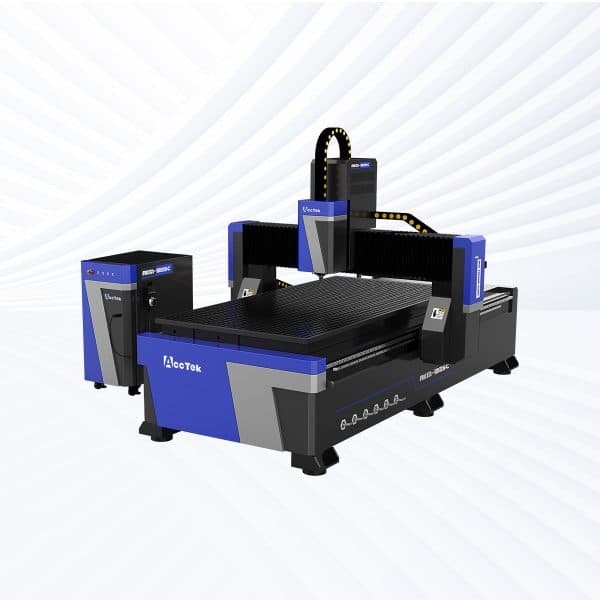
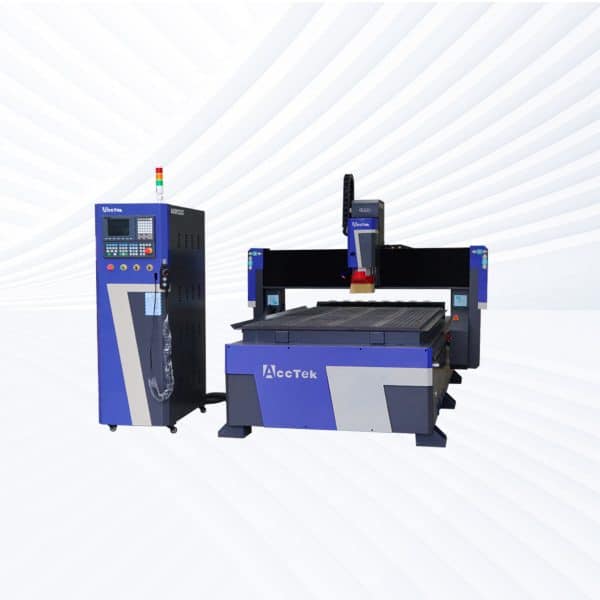
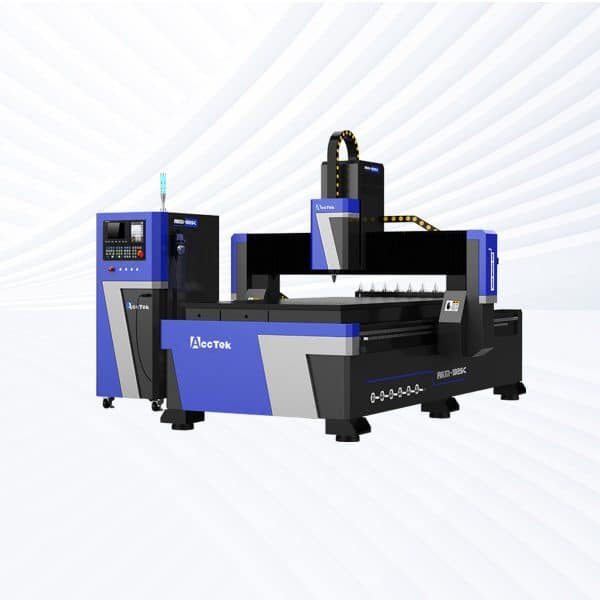
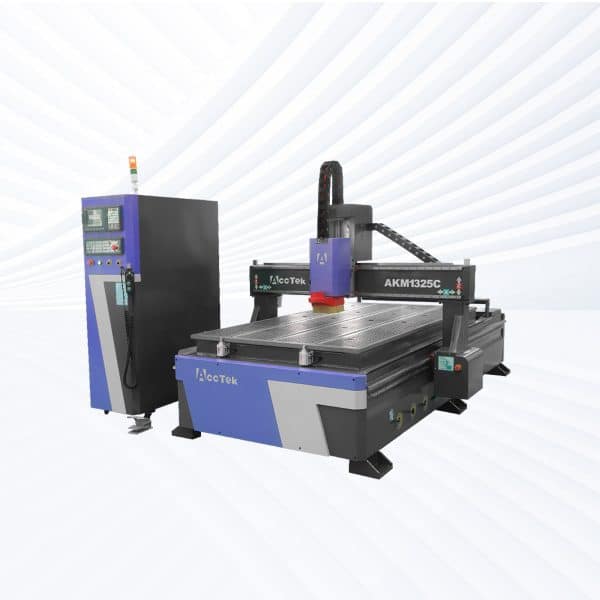
CNC Routers Suitable For Plastic
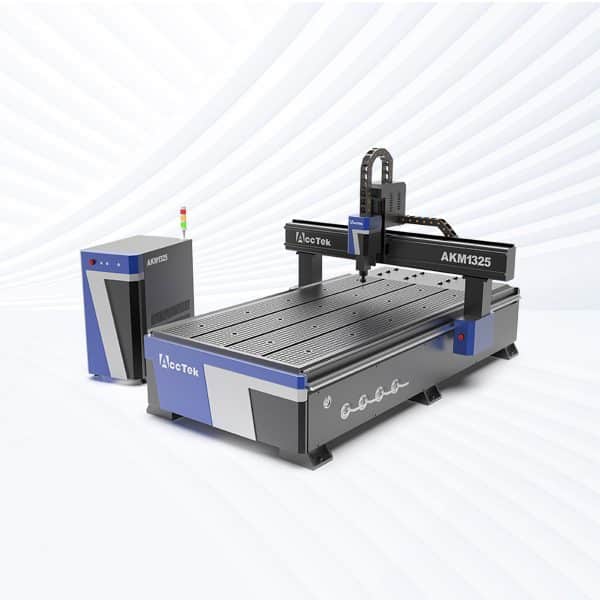
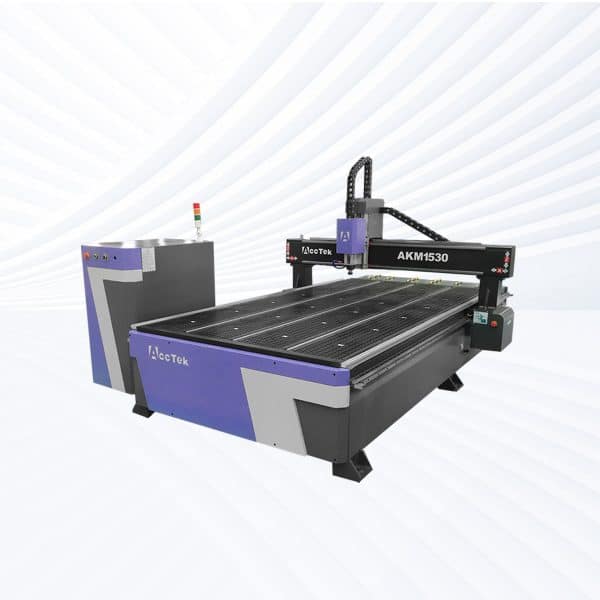
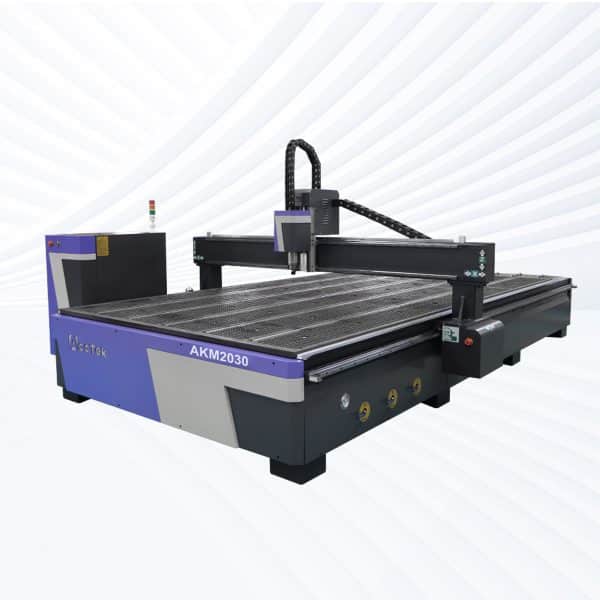
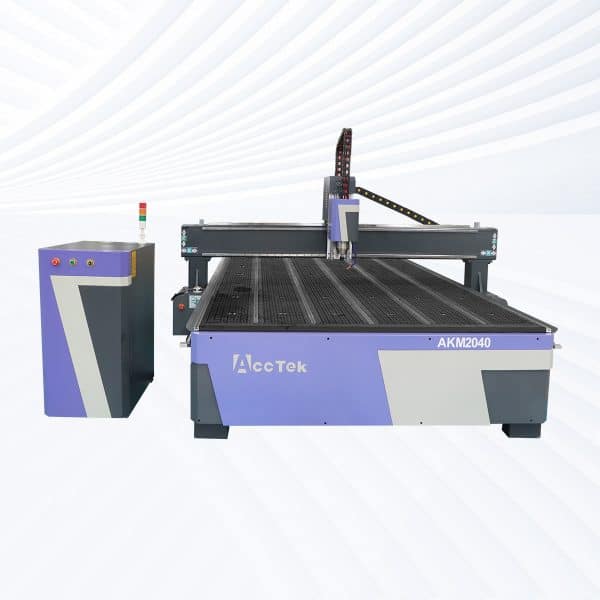
Advantages of CNC Routing Plastic
High Precision and Accuracy
CNC routing ensures precise cutting, shaping, and engraving of plastic materials. It allows manufacturers to produce detailed components and intricate designs with minimal errors, making it ideal for applications requiring tight tolerances and consistent quality.
Ability to Create Complex Designs
CNC routers can produce intricate geometries, curved surfaces, and detailed patterns in plastics. This capability allows for customized shapes, functional cutouts, and decorative elements that are difficult or impossible to achieve using manual cutting methods.
Consistent and Repeatable Production
Once programmed, CNC routers can produce identical plastic components repeatedly. This repeatability ensures uniform quality across batches, making it ideal for mass production, standardized parts, and precise prototyping in both industrial and commercial applications.
Versatility Across Plastic Types
CNC routing can handle a wide range of plastics, including acrylic, polycarbonate, PVC, ABS, polypropylene, and HDPE. This versatility allows manufacturers to work with different materials, thicknesses, and finishes while maintaining high precision and surface quality.
Reduced Material Waste
Optimized CNC toolpaths remove only the necessary material, minimizing scrap and reducing costs. This efficiency is especially important for expensive or specialty plastics, improving resource utilization and supporting sustainable manufacturing practices.
Faster Production and Automation
CNC routing automates the plastic cutting and shaping process, allowing continuous operation with minimal supervision. This speeds up production, reduces labor dependency, and enables manufacturers to complete projects faster while maintaining high-quality standards.
Compatible Materials
- Acrylic
- Polycarbonate
- Polyvinyl Chloride
- High-Density Polyethylene
- Low-Density Polyethylene
- Polypropylene
- Acrylonitrile Butadiene Styrene
- Polystyrene
- Expanded Polystyrene
- Polyethylene Terephthalate
- PETG
- Nylon
- Polyoxymethylene
- Polyurethane
- Polyphenylene Oxide
- Polyphenylene Sulfide
- Polyetheretherketone
- Polyetherimide
- Styrene Acrylonitrile
- Polyvinylidene Fluoride
- Polymethylpentene
- Fluorinated Ethylene Propylene
- Polytetrafluoroethylene
- Polyvinyl Butyral
- Polycarbonate/Acrylic Blends
- Thermoplastic Elastomers
- Thermoplastic Polyurethane
- Acrylic Cast Sheet
- Acrylic Extruded Sheet
- PVC Foam Sheet
- Expanded PVC
- Polyethylene Foam
- Polypropylene Foam
- ABS Sheet
- PET Foam Board
- Polycarbonate Sheet
- Acrylic Tubes and Rods
- Nylon Rods and Sheets
- Transparent Plastics
- Engineering Plastics
CNC Routing VS Other Engraving Methods
| Comparison Item | CNC Routing | Laser Engraving | Hand Engraving | Chemical Etching |
|---|---|---|---|---|
| Processing Method | Uses computer-controlled cutting tools to shape or cut plastic mechanically. | Uses a focused laser beam to mark or engrave plastic surfaces. | Manual cutting or carving using hand tools. | Uses chemical solutions to etch or dissolve plastic surfaces. |
| Precision and Accuracy | Very high; produces consistent cuts, engravings, and shapes. | High for surface markings; may be less precise for depth or thick plastics. | Dependent on skill; hard to achieve repeatable results. | Moderate precision; relies on masking and chemical control. |
| Depth Control | Excellent; can perform shallow or deep cuts accurately. | Limited; mainly shallow surface marking. | Variable; depends on hand pressure. | Shallow etching only; depth control is difficult. |
| Complex Design Capability | Can create intricate 2D and 3D shapes, contours, and detailed cutouts. | Suitable for fine 2D graphics, text, and logos. | Complex patterns possible but slow and inconsistent. | Best for simple, repetitive patterns. |
| Material Removal Efficiency | Efficient; removes large amounts of plastic with precision. | Low; mainly surface marking, minimal material removal. | Slow; labor-intensive for significant removal. | Slow; chemical process removes material gradually. |
| Production Speed | Highly automated operation allows fast production. | Fast for marking; slower for deeper engraving. | Slow; depends on manual effort. | Moderate; depends on chemical reaction time. |
| Repeatability | Excellent; identical parts can be produced consistently. | High repeatability for surface designs. | Difficult to replicate; results vary by operator. | Moderate repeatability; depends on masking accuracy. |
| Surface Finish | Smooth, clean edges and accurate detailing. | Smooth marks; may slightly discolor edges. | Varies; often uneven. | Can produce smooth etch, but edges may be irregular. |
| Automation Level | Fully automated via CAD/CAM programming. | Fully automated with laser control software. | Entirely manual. | Semi-automated; requires manual chemical handling. |
| Material Compatibility | Works with most plastics, including acrylic, PVC, ABS, HDPE, and polycarbonate. | Works best with thin or treated plastics; some plastics may burn or warp. | Limited by operator skill and plastic hardness. | Limited; requires a plastic compatible with chemical etchant. |
| Tool Wear | Cutting tools wear over time; they are replaceable. | No mechanical wear; the laser beam is contactless. | Manual tools require sharpening. | No mechanical wear; chemicals must be replenished. |
| Cost Efficiency (Large Production) | Cost-effective for mass production and precise parts. | Cost-effective for decorative surface marking. | Expensive for large volumes due to labor. | Moderate; chemical handling and disposal add costs. |
| Safety Considerations | Requires proper operator training and dust collection. | Requires laser safety precautions and ventilation. | Lower risk; depends on careful tool handling. | Requires protective gear and careful chemical handling. |
| Environmental Impact | Produces plastic shavings; minimal chemical waste. | Low physical waste; may produce fumes. | Minimal environmental impact. | Produces chemical waste requiring proper disposal. |
| Typical Applications | Industrial components, panels, signage, enclosures, and prototypes. | Logos, surface markings, decorative text, and patterns. | Custom plastic art, small-scale engraving, decorative pieces. | Specialty etching, circuit boards, and decorative patterns. |
CNC Routing Capacity
| Item | Cutting | Engraving | Drilling | Pocketing | Carving | Slotting | Surface Finishing | 3D Contouring |
|---|---|---|---|---|---|---|---|---|
| Softwood | Supported | Supported | Supported | Supported | Supported | Supported | Supported | Supported |
| Hardwood | Supported | Supported | Supported | Supported | Supported | Supported | Supported | Supported |
| MDF | Supported | Supported | Supported | Supported | Supported | Supported | Supported | Supported |
| Plywood | Supported | Supported | Supported | Supported | Supported | Supported | Supported | Supported |
| Acrylic | Supported | Supported | Supported | Supported | Supported | Supported | Supported | Supported |
| PVC | Supported | Supported | Supported | Supported | Supported | Supported | Supported | Supported |
| ABS | Supported | Supported | Supported | Supported | Supported | Supported | Supported | Supported |
| Coroplast | Supported | Supported | Supported | Supported | Supported | Supported | Supported | Limited |
| Aluminum | Supported | Supported | Supported | Supported | Supported | Supported | Supported | Supported |
| Brass | Supported | Supported | Supported | Supported | Supported | Supported | Supported | Supported |
| Copper | Supported | Supported | Supported | Supported | Supported | Supported | Supported | Supported |
| Glass | Limited | Shallow engraving only | Limited | Limited | Limited | Limited | Limited | Limited |
| Foam | Supported | Supported | Supported | Supported | Supported | Supported | Supported | Limited |
| Rubber | Supported | Supported | Supported | Supported | Supported | Supported | Supported | Limited |
| Composite | Supported | Supported | Supported | Supported | Supported | Supported | Supported | Supported |
| Marble | Limited | Shallow engraving only | Supported | Pocketing only | Limited | Supported | Supported | Supported |
| Granite | Limited | Shallow engraving only | Supported | Pocketing only | Limited | Supported | Supported | Supported |
| Leather | Supported | Supported | Supported | Supported | Supported | Supported | Supported | Limited |
| Fabrics | Supported | Supported | Supported | Supported | Supported | Supported | Supported | Limited |
| Ceramics | Limited | Shallow engraving only | Limited | Limited | Limited | Limited | Surface polish only | Limited |
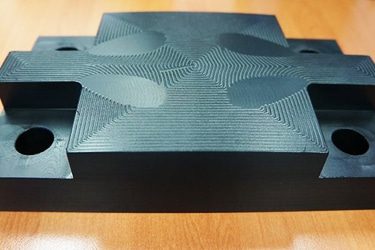
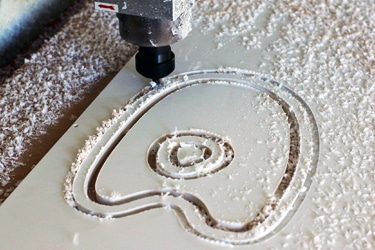
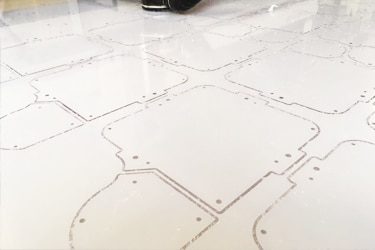
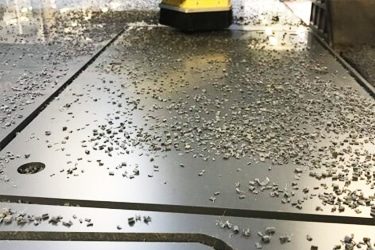
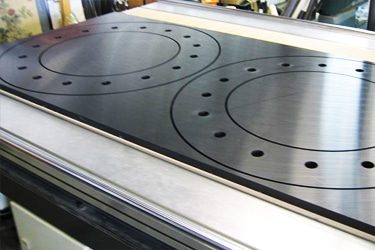
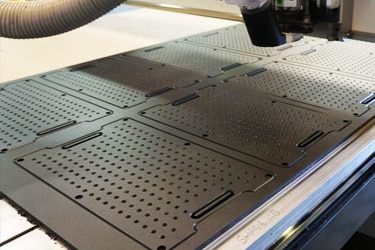
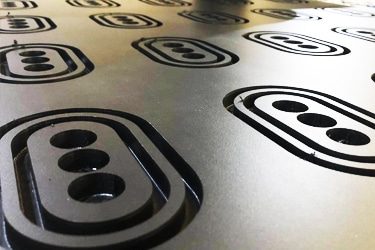
Applications of CNC Routing Plastic

Customer Testimonials
Related Resources
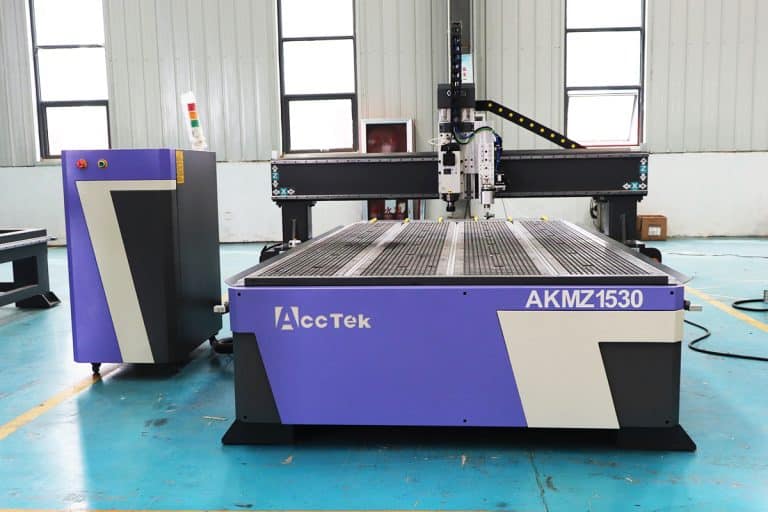
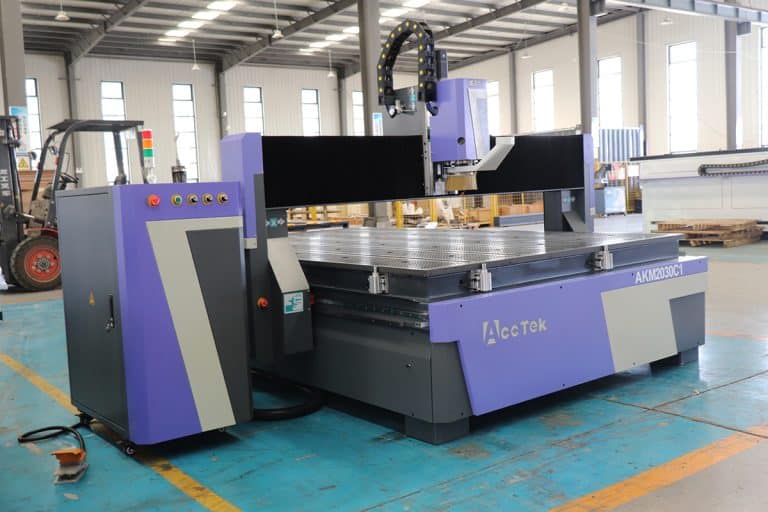
CNC Router Safety Operation Guide
This article explains essential safety procedures, hazard prevention, PPE, tool setup, workholding, machine operation, maintenance, and emergency response.
How To Block Noise From CNC Routers?
This article explores practical ways to block CNC router noise, including cutting optimization, vibration control, sound enclosures, auxiliary equipment isolation, and workshop soundproofing.
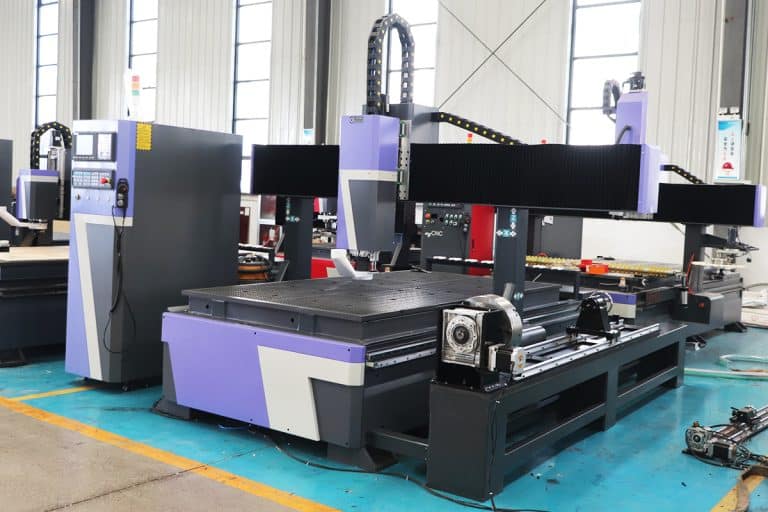
What Are 3D CNC Routers?
This article explores what 3D CNC routers are, how they operate, and the key types, components, software, materials, applications, benefits, limitations, safety practices, maintenance, and selection factors.
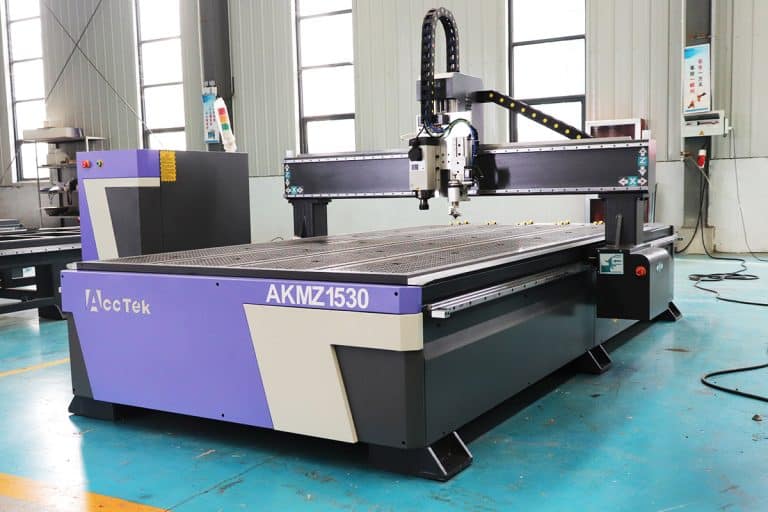
How To Program CNC Routers?
This article is a practical programming guide for CNC routers, covering CAD settings, CAM toolpaths, G-code basics, feed rate, workpiece clamping, safety checks, material settings, and troubleshooting.
Frequently Asked Questions
What Is The Working Principle Of CNC Routing Plastic?
What Are The Challenges Of CNC Routing Plastic?
- Material Melting and Deformation: Many plastics, such as ABS, polycarbonate, and acrylic, are sensitive to heat. CNC routers generate friction, which can cause melting, warping, or rough edges if spindle speed, feed rate, or cooling isn’t properly controlled. Unlike metals, plastics have low thermal conductivity, so heat accumulates quickly around the cutting area.
- Chip Formation and Dust: Plastic machining produces fine chips or shavings that can cling to the workpiece or clog the tool. Some plastics, like PVC or polyethylene, generate long, stringy chips that can wrap around the spindle, causing tool breakage or uneven cuts. Dust from softer plastics can also create a slippery surface, reducing tool accuracy.
- Tool Wear and Selection: Routing plastics requires specialized bits, often with sharper edges or specific flute designs to reduce friction and heat buildup. Standard bits may dull quickly or cause melting. The choice of material for the tool (carbide vs. high-speed steel) affects both lifespan and cut quality.
- Burrs and Edge Quality: CNC routing often leaves burrs or rough edges on plastics, especially at corners or thin sections. Unlike laser cutting, which can provide polished edges on acrylic, routers require secondary finishing, such as sanding or flame polishing, to achieve a smooth appearance.
- Workholding and Vibration: Plastics are lightweight and flexible, so securing them firmly without causing deformation is crucial. Vibrations from loose workpieces can lead to dimensional inaccuracies or chatter marks on the surface. Specialized clamps, vacuum tables, or sacrificial layers are often necessary.
- Chemical Sensitivity: Some plastics react to heat or friction with discoloration, fumes, or even toxic byproducts. For example, PVC produces harmful chlorine gas when cut, making proper ventilation and material verification critical.
- Dimensional Accuracy: Due to varying plastic densities and thermal expansion, CNC routing requires careful calibration. Feed rates and spindle speeds must be adjusted for each plastic type to maintain tight tolerances, particularly for intricate designs or interlocking parts.
What Is The Edge Quality After CNC Routing Plastic?
- Acrylic (PMMA): Acrylic is one of the most challenging plastics for CNC routing if the goal is a polished edge. Standard routing often leaves a frosted or slightly rough edge due to micro-chipping and heat buildup. High-speed spindles, sharp single-flute bits, and slower feed rates can improve smoothness, but secondary finishing, such as flame polishing or buffing, is usually required for a clear, glossy edge.
- ABS and Polycarbonate: These plastics generally produce cleaner edges than acrylic but can still exhibit minor burrs or melting if cutting speeds are too high. Edge quality is better with sharp carbide tools and controlled feed rates. Cooling or air blasts help reduce friction and prevent heat-related discoloration.
- Delrin (Acetal): Delrin machines well and often yields very smooth edges directly from the router. Burrs are minimal, and the edges are generally acceptable for functional applications without secondary finishing. However, for aesthetic projects, light sanding or polishing may still be applied.
- Polyethylene and Other Soft Plastics: Soft plastics tend to smear or tear during routing, which can leave uneven edges. Chips may stick to the edge, resulting in a rough appearance. Proper tool selection, reduced feed rates, and effective chip evacuation are essential to improve edge quality.
- Factors Affecting Edge Finish: The main influences on edge quality include spindle speed, feed rate, tool sharpness, number of flutes, and cooling. Faster spindles with sharp single-flute bits typically reduce melting and produce cleaner edges. Workholding stability is also important, as vibrations can cause chatter marks along edges.
- Secondary Finishing: Many routed plastics require post-processing to achieve a visually clean edge. Options include sanding, buffing, flame polishing (for acrylic), or tumbling. These steps are often necessary for projects where transparency, gloss, or precision fits are important.
What Causes Defects In CNC Routing Plastic?
- Heat and Friction: Plastics are sensitive to heat, and excessive friction during routing can cause melting, burning, or warping. High spindle speeds or slow feed rates concentrate heat in a small area, especially in low-thermal-conductivity plastics like acrylic. This can lead to rough edges, discoloration, or even surface bubbles.
- Tool Wear and Design: Dull or improper tooling is a common source of defects. Standard multi-flute bits may not evacuate chips efficiently, causing friction and edge smearing. Single-flute or specifically designed plastic-cutting bits reduce heat buildup and provide cleaner cuts. Worn tools can create chatter marks, uneven edges, or burrs.
- Improper Feed Rates and Spindle Speeds: Incorrect feed or speed settings can create defects such as melting, tearing, or fuzzing along cut edges. Too fast a feed may tear soft plastics, while too slow a feed, combined with high spindle speed, generates heat that deforms the material. Each plastic type requires tailored settings for optimal results.
- Workpiece Stability: Plastics are lightweight and can flex under clamping pressure. Loose or uneven workholding may cause vibrations, chatter, or dimensional inaccuracies. Defects like wavy edges or inconsistent cut depths often result from insufficient clamping or unstable setups.
- Chip and Dust Management: Accumulated chips, shavings, or fine dust can interfere with cutting. Sticky or stringy chips may wrap around the tool or adhere to the surface, causing scratches or uneven edges. Poor dust extraction can also affect tool cooling and surface finish.
- Material Properties: Variations in plastic density, additives, or moisture content can affect routing. Brittle plastics may crack, while soft plastics can smear. Uneven material composition can lead to inconsistent cuts or edge defects, particularly in recycled or composite plastics.
- Chemical Sensitivity: Certain plastics, like PVC, may release harmful fumes or degrade if exposed to heat or friction. Even plastics that are safe to machine can discolor or warp if cutting generates excessive heat or sparks.
What Is The Stability Of CNC Routing Plastic?
- Material Flexibility and Rigidity: Different plastics have varying stiffness. Delrin (acetal) and polycarbonate are relatively rigid, allowing for stable cutting with minimal deflection. Softer plastics like polyethylene, polypropylene, or thin acrylic sheets are more flexible, which can cause bending or vibration under the cutting forces of CNC routers. Excessive flex reduces dimensional accuracy and can create rough or uneven edges.
- Workholding and Fixturing: Stability largely depends on securing the workpiece. Lightweight plastics can shift or lift if not clamped properly. Vacuum tables, specialized clamps, or sacrificial backing layers help hold plastics flat without causing deformation. Poor fixturing leads to chatter marks, inconsistent depths, and even tool breakage.
- Cutting Forces and Tooling: Plastics are sensitive to the forces applied by the router bit. Aggressive feed rates, large depth-of-cut, or dull tools increase the likelihood of deflection. Using sharp, single-flute or high-helix bits designed for plastics reduces cutting pressure and heat buildup, improving stability.
- Thermal Expansion and Heat Sensitivity: Many plastics expand or soften when exposed to heat. High spindle speeds or slow feeds can generate heat at the cutting edge, causing local melting or warping. Materials like acrylic are particularly vulnerable, which may result in dimensional errors or unstable cuts. Controlled feed rates and air or mist cooling improve stability by keeping temperatures low.
- Vibration and Machine Rigidity: The stability of CNC routing also depends on the machine itself. Less rigid machines or those with worn components amplify vibration, which affects soft or thin plastics more noticeably than rigid materials. Ensuring the CNC frame is solid and the spindle is properly aligned helps maintain stability.
- Dimensional Accuracy: Stable routing ensures consistent tolerances. With proper tooling, feed rates, and fixturing, plastics like Delrin or ABS can maintain good dimensional accuracy, while softer or thinner plastics may require additional supports to prevent deflection and maintain repeatable cuts.
How To Reduce Tool Wear During CNC Routing Of Plastics?
- Use the Right Tool Material and Design: Carbide bits are preferred for plastics because they stay sharp longer and resist heat better than high-speed steel. Single-flute or two-flute bits with polished surfaces reduce friction and allow better chip evacuation. Specialized plastic-cutting geometries, like high-helix or upcut bits, prevent chips from clogging and keep cutting forces low.
- Optimize Spindle Speed and Feed Rate: Excessive spindle speeds can generate heat, leading to melting and rapid tool dulling. Conversely, too slow a feed allows friction to build, also wearing the tool. Each plastic type has an ideal balance; for example, acrylic benefits from higher spindle speeds but moderate feed rates, while soft plastics like polyethylene require slower feeds to prevent smearing. Testing and adjusting parameters helps reduce wear.
- Control Depth of Cut: Shallow passes reduce cutting forces and heat generation. Taking multiple light passes instead of one deep cut preserves the sharpness of the bit and prevents plastic from flexing or melting.
- Ensure Proper Cooling and Chip Removal: Heat buildup accelerates tool wear. Air blasts, mist cooling, or vacuum extraction help remove chips and maintain a lower cutting temperature. Sticky or stringy chips, particularly from soft plastics, can adhere to the bit and increase friction if not cleared promptly.
- Maintain Sharpness and Inspect Tools Regularly: Even high-quality bits dull over time. Inspecting bits for wear, chipping, or melting signs ensures timely replacement before edge quality suffers. Rotating bits or keeping a set for different plastics can also help distribute usage.
- Stable Workholding: Secure fixturing reduces vibration and chatter, which can accelerate wear and damage the bit. Vacuum tables, clamps, or sacrificial layers stabilize thin or flexible plastics and improve tool life.
- Avoid Contaminants: Dust, debris, or mixed-material sheets can abrade or chip the cutting edge. Ensuring a clean work area and proper material storage helps prevent premature tool damage.
How To Optimize Parameters For CNC Routing Plastic?
- Select the Right Tool and Geometry: Tool choice strongly affects parameter optimization. Single-flute or two-flute carbide bits with polished flutes are ideal for plastics, as they reduce friction and prevent chips from sticking. High-helix designs improve chip evacuation and allow smoother cuts, which in turn let you run slightly higher feed rates without compromising quality.
- Adjust Spindle Speed: Spindle speed should match the plastic type and thickness. Higher speeds reduce cutting forces for rigid plastics like Delrin or polycarbonate, while softer or heat-sensitive plastics like polyethylene or acrylic benefit from moderate speeds to avoid melting. Testing a small sample helps determine the optimal speed for a given material.
- Optimize Feed Rate: Feed rate must balance cutting efficiency and heat generation. Too fast a feed can tear soft plastics, producing rough edges. Too slow allows friction to build, causing melting or tool wear. The optimal feed moves the material past the bit steadily, ensuring smooth, clean edges without heat-related defects.
- Control Depth of Cut: Shallow passes reduce tool load and prevent deflection or warping. For thick sheets or intricate designs, multiple light passes are preferable to a single deep cut. This also improves dimensional accuracy and edge finish.
- Ensure Proper Cooling and Chip Removal: Air blasts, mist cooling, or vacuum extraction help prevent heat buildup and reduce melting or smearing. Effective chip removal keeps the tool clear, reduces friction, and extends tool life.
- Secure the Workpiece: Stable fixturing reduces vibration, chatter, and inconsistent cuts. Vacuum tables, clamps, or sacrificial layers help hold plastics flat, especially thin or flexible sheets.
- Test and Iterate: Since plastics vary in hardness, flexibility, and thermal sensitivity, start with conservative parameters and adjust incrementally. Record settings that produce optimal results for each material to create a reliable reference for future jobs.
- Monitor and Maintain Tools: Sharp, undamaged bits are essential. Inspect tools regularly, replace worn bits, and keep surfaces clean to maintain cutting efficiency.
What Are The Operating Costs Of CNC Routing Plastic?
- Machine Depreciation and Maintenance: CNC routers represent a significant upfront investment. High-quality machines last 10–15 years, but regular maintenance—including spindle servicing, lubrication, and calibration—is necessary to maintain performance. Depreciation and annual maintenance costs are a fixed portion of operating expenses.
- Tooling Costs: Router bits are consumables, and frequent use on plastics causes wear. Carbide bits designed for plastics are more expensive than standard HSS tools but last longer. Cost depends on material type, thickness, cutting complexity, and operator practices. Using multiple shallow passes instead of deep cuts may extend tool life but slightly increases machining time.
- Electricity: CNC routing consumes power for the spindle, motors, cooling systems, and vacuum or air extraction units. Plastics generally require lower cutting forces than metals, so energy consumption is moderate, but long or complex jobs can increase costs. Efficient feed rates and spindle speeds help reduce power usage.
- Workholding and Consumables: Vacuum tables, clamps, sacrificial boards, or adhesive films are often used to stabilize plastics. These items add minor recurring costs but are essential for preventing vibration, deflection, or material damage during cutting.
- Material Costs and Waste: Plastics vary widely in price, from low-cost polyethylene to premium acrylic or polycarbonate sheets. Waste from cutting or defective parts also contributes to costs. Optimizing nesting layouts and cutting strategies can reduce scrap.
- Labor: Skilled operators are needed to set up, monitor, and maintain CNC routers, especially when machining heat-sensitive or flexible plastics. Labor costs include setup, supervision, post-processing, and tool changes. Secondary finishing, such as sanding or polishing, may also be required for certain plastics, adding to labor expenses.
- Safety and Environmental Management: Proper ventilation or fume extraction is required for some plastics, adding costs for equipment, filters, and energy. Handling regulations for toxic plastics like PVC (which should not be routed) may increase operational expenses if alternatives or special precautions are needed.