

Introduction
CNC Routers Suitable For Foam
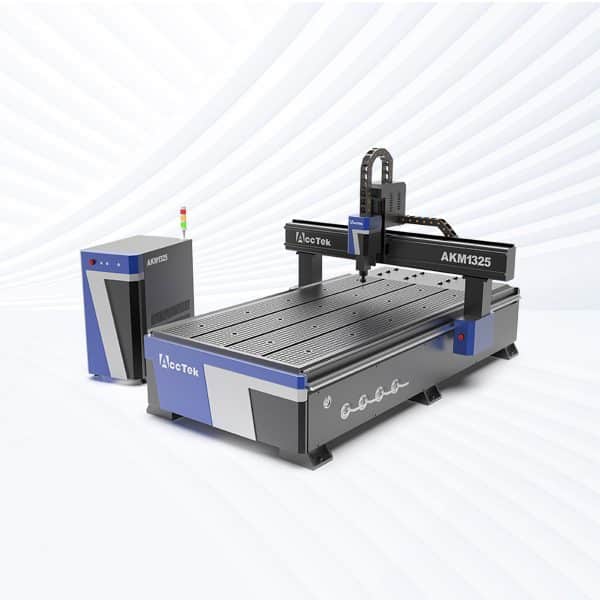
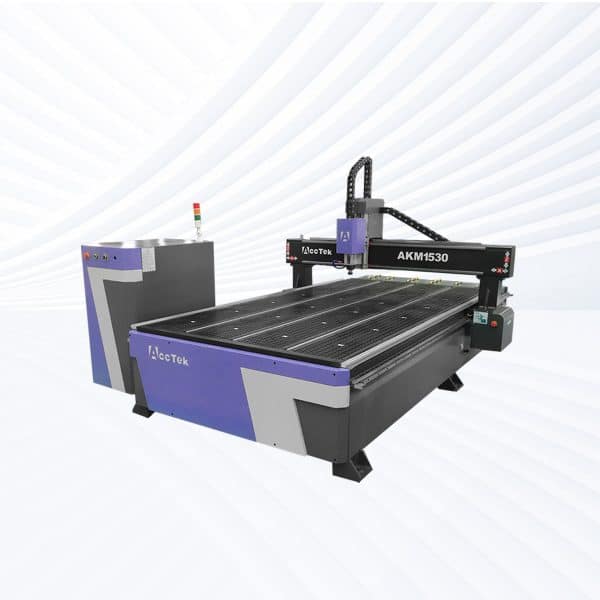
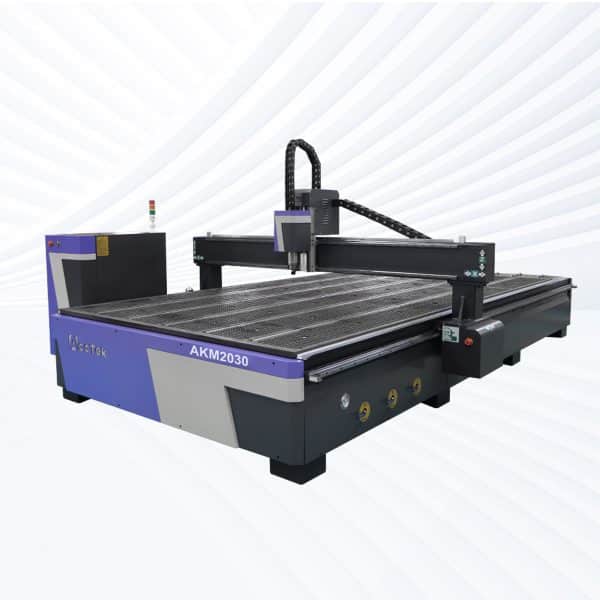
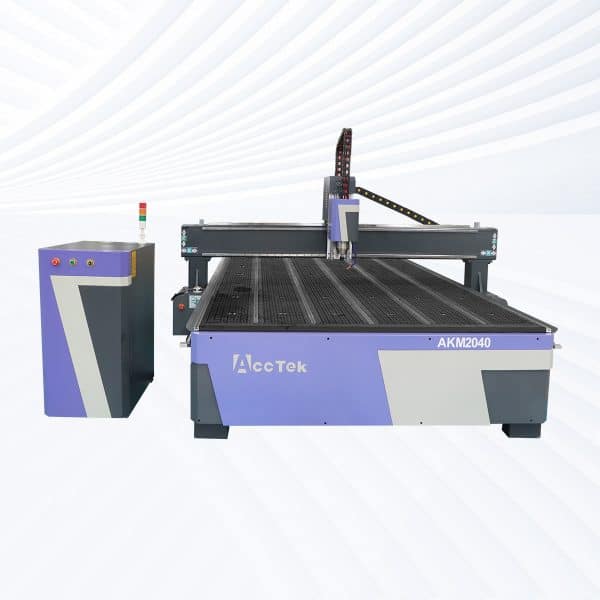
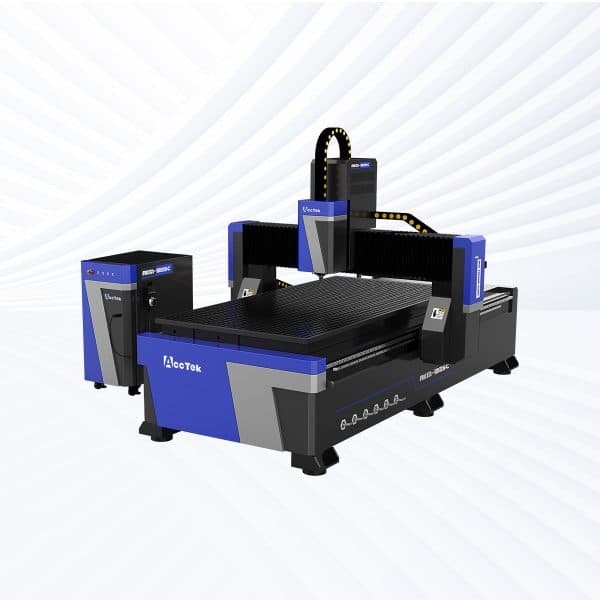
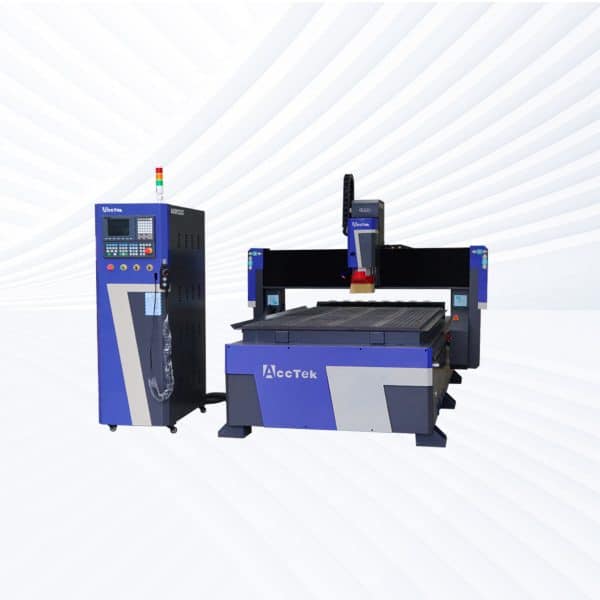
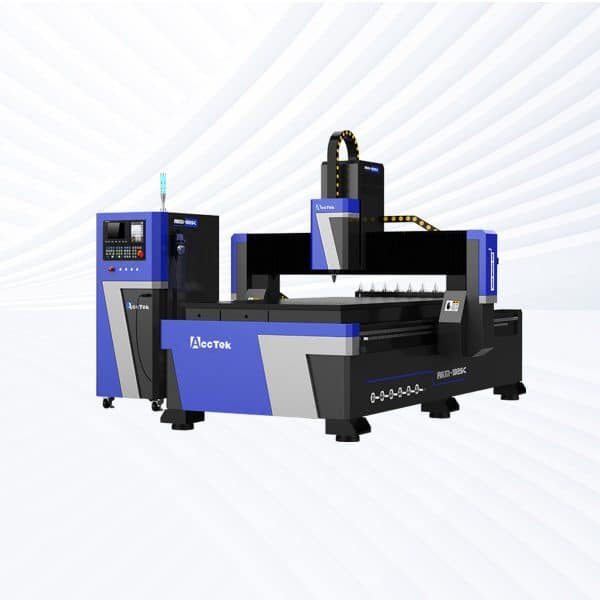
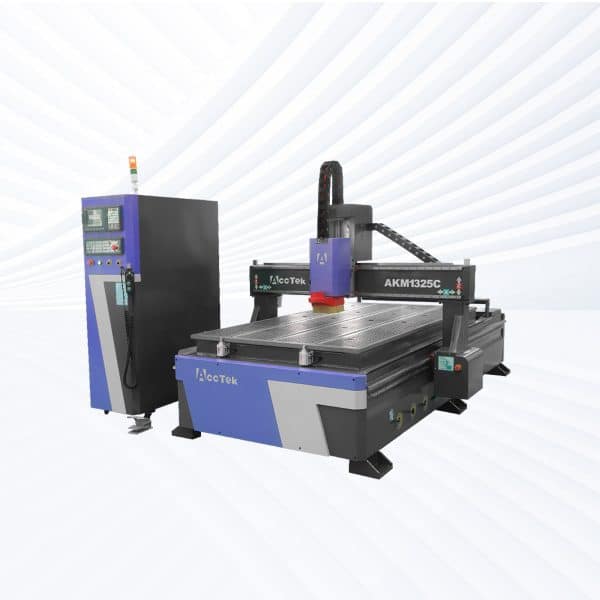
Advantages of CNC Routing Foam
High Precision and Accuracy
CNC foam routing provides precise cutting and shaping, allowing manufacturers to produce detailed designs, intricate patterns, and accurate components consistently. This ensures high-quality results, even for complex foam parts used in packaging, prototyping, or architectural models.
Efficient Production Speed
CNC routing allows for faster production compared to manual cutting methods. Once programmed, the machine can operate continuously, reducing time spent on repetitive tasks and improving overall workflow efficiency for foam components in large-scale manufacturing or prototyping projects.
Versatility Across Foam Types
CNC routers can handle a wide variety of foam materials, including polyurethane, polystyrene, EVA, polyethylene, and acoustic foams. This versatility enables manufacturers to produce diverse products ranging from cushioning, insulation, and protective packaging to custom signage and props.
Reduced Material Waste
Optimized CNC toolpaths remove only the necessary material, minimizing waste during foam cutting. This precision helps save costs on expensive foams, improves resource efficiency, and supports more sustainable manufacturing practices.
Ability to Produce Complex Shapes
CNC foam routing can create intricate 2D and 3D shapes, curves, and patterns that are difficult or impossible to achieve manually. This capability makes it ideal for prototypes, molds, signage, and decorative foam components.
Consistent and Repeatable Output
Once a design is programmed, CNC routers can produce identical foam parts repeatedly with uniform quality. This repeatability is essential for industries that require standardized components, ensuring reliability in both production and prototyping processes.
Compatible Materials
- Polyurethane Foam
- Expanded Polystyrene
- Extruded Polystyrene
- Polyethylene Foam
- Ethylene-Vinyl Acetate Foam
- Memory Foam
- Flexible Polyurethane Foam
- Rigid Polyurethane Foam
- Acoustic Foam
- Open-Cell Foam
- Closed-Cell Foam
- Phenolic Foam
- PVC Foam
- Melamine Foam
- Neoprene Foam
- Polyimide Foam
- Polypropylene Foam
- Polyether Foam
- High-Density Foam
- Low-Density Foam
- Cross-Linked Polyethylene Foam
- Laminated Foam Sheets
- Fire-Retardant Foam
- Expanded Polyethylene Foam
- Foam Rubber
- Structural Foam Core
- Floral Foam
- Foam Board/Foam Core
- Molded Foam
- EPS Insulation Foam
- XPS Insulation Foam
- Composite Foam Panels
- Silicone Foam
- Polyester Foam
- Polycarbonate Foam
- Lightweight Foam Blocks
- High-Resilience Foam
- Anti-Static Foam
- Tooling Foam
- Custom-Cast Polyurethane Foam
CNC Routing VS Other Engraving Methods
| Comparison Item | CNC Routing | Laser Engraving | Hand Engraving | Chemical Etching |
|---|---|---|---|---|
| Processing Method | Uses computer-controlled rotating cutting tools to remove foam material. | Uses a laser beam to burn or vaporize surface layers. | Manual cutting or carving with handheld tools. | Uses chemicals to dissolve material from the surface. |
| Precision and Accuracy | Very high precision due to digital toolpaths and controlled machining. | High precision for surface marking, but limited depth control. | Accuracy depends on operator skill. | Moderate precision depending on masking and chemical application. |
| Depth Control | Excellent depth control for both shallow and deep cuts. | Mostly limited to shallow surface marks. | Depth varies based on manual pressure. | Limited control, typically shallow etching. |
| Complex Shape Capability | Can produce intricate 2D and 3D shapes with curves and patterns. | Suitable for fine 2D details and text. | Complex designs possible but slow and inconsistent. | Best for simple, repeatable patterns. |
| Material Removal Efficiency | Efficient for trimming, shaping, and contouring foam blocks. | Mainly surface marking, not suitable for large material removal. | Slow and labor-intensive. | Slow removal; chemical reaction dependent. |
| Production Speed | High speed with automated operations. | Fast for marking tasks. | Slow due to manual effort. | Moderate, dependent on chemical reaction time. |
| Repeatability | Highly repeatable, identical parts are possible in batches. | Highly repeatable with digital control. | Difficult to achieve consistent results manually. | Moderate repeatability with accurate masking. |
| Surface Finish | Produces smooth, clean edges with proper tooling. | Smooth engraving marks, but may char foam edges. | Varies depending on operator skill. | Can produce clean etch but sometimes rough edges. |
| Automation Level | Fully automated with CAD/CAM programs. | Fully automated with digital laser systems. | Entirely manual. | Semi-automated; requires manual chemical preparation. |
| Material Compatibility | Works with most foam types, including PU, EPS, EVA, and PE. | Some foams may burn or emit fumes under laser heat. | Works with soft foams, but hard or thick foams are challenging. | Limited to chemically compatible foams. |
| Tool Wear | Cutting tools may wear over time, especially on abrasive foams. | No tool wear; uses light energy. | Manual tools require frequent sharpening. | No mechanical wear; chemical solution must be maintained. |
| Cost Efficiency (Large Production) | Cost-effective for high-volume foam shaping. | Cost-effective for decorative surface marking. | Expensive due to high labor requirements. | Moderate cost; chemical disposal adds expense. |
| Safety Considerations | Requires dust collection and operator safety measures. | Requires laser safety and ventilation. | Lower machine risk; depends on handling sharp tools. | Requires careful chemical handling and PPE. |
| Environmental Impact | Produces foam dust but minimal chemical waste. | Low physical waste; may produce smoke or fumes. | Environmentally friendly; minimal waste. | Generates chemical waste requiring proper disposal. |
| Typical Applications | Packaging inserts, architectural models, prototyping, and foam components. | Signage, decorative engraving, labeling. | Artistic foam carving or custom designs. | Circuit boards, metal plates, and surface etching applications. |
CNC Routing Capacity
| Item | Cutting | Engraving | Drilling | Pocketing | Carving | Slotting | Surface Finishing | 3D Contouring |
|---|---|---|---|---|---|---|---|---|
| Softwood | Supported | Supported | Supported | Supported | Supported | Supported | Supported | Supported |
| Hardwood | Supported | Supported | Supported | Supported | Supported | Supported | Supported | Supported |
| MDF | Supported | Supported | Supported | Supported | Supported | Supported | Supported | Supported |
| Plywood | Supported | Supported | Supported | Supported | Supported | Supported | Supported | Supported |
| Acrylic | Supported | Supported | Supported | Supported | Supported | Supported | Supported | Supported |
| PVC | Supported | Supported | Supported | Supported | Supported | Supported | Supported | Supported |
| ABS | Supported | Supported | Supported | Supported | Supported | Supported | Supported | Supported |
| Coroplast | Supported | Supported | Supported | Supported | Supported | Supported | Supported | Limited |
| Aluminum | Supported | Supported | Supported | Supported | Supported | Supported | Supported | Supported |
| Brass | Supported | Supported | Supported | Supported | Supported | Supported | Supported | Supported |
| Copper | Supported | Supported | Supported | Supported | Supported | Supported | Supported | Supported |
| Glass | Limited | Shallow engraving only | Limited | Limited | Limited | Limited | Limited | Limited |
| Foam | Supported | Supported | Supported | Supported | Supported | Supported | Supported | Limited |
| Rubber | Supported | Supported | Supported | Supported | Supported | Supported | Supported | Limited |
| Composite | Supported | Supported | Supported | Supported | Supported | Supported | Supported | Supported |
| Marble | Limited | Shallow engraving only | Supported | Pocketing only | Limited | Supported | Supported | Supported |
| Granite | Limited | Shallow engraving only | Supported | Pocketing only | Limited | Supported | Supported | Supported |
| Leather | Supported | Supported | Supported | Supported | Supported | Supported | Supported | Limited |
| Fabrics | Supported | Supported | Supported | Supported | Supported | Supported | Supported | Limited |
| Ceramics | Limited | Shallow engraving only | Limited | Limited | Limited | Limited | Surface polish only | Limited |
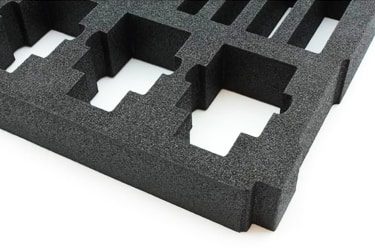
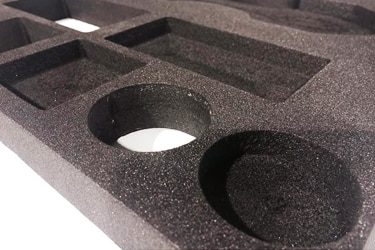
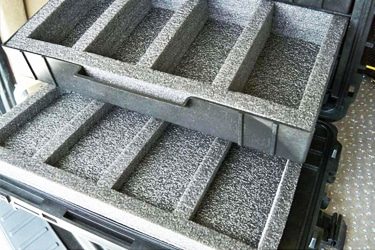
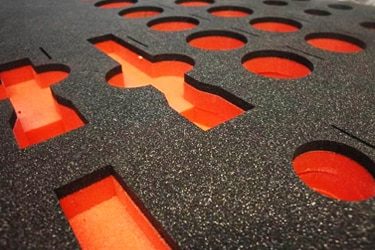
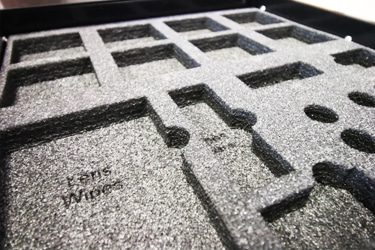
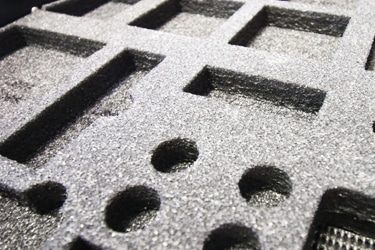
Applications of CNC Routing Foam


Customer Testimonials
Related Resources
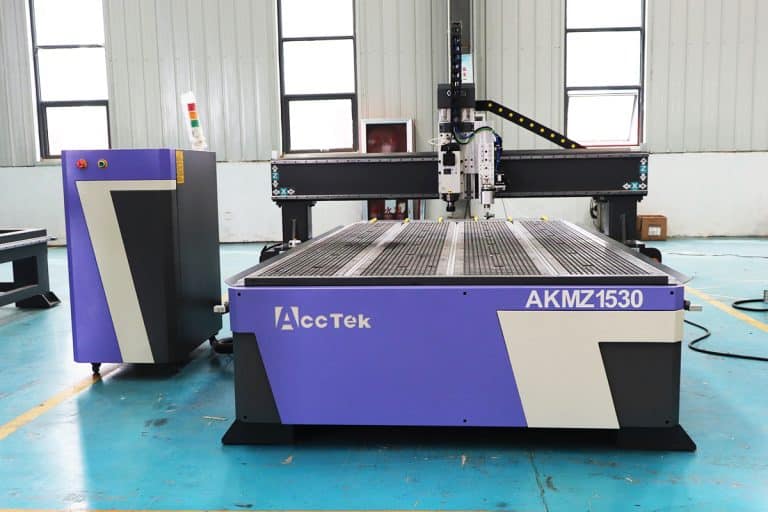
CNC Router Safety Operation Guide
This article explains essential safety procedures, hazard prevention, PPE, tool setup, workholding, machine operation, maintenance, and emergency response.
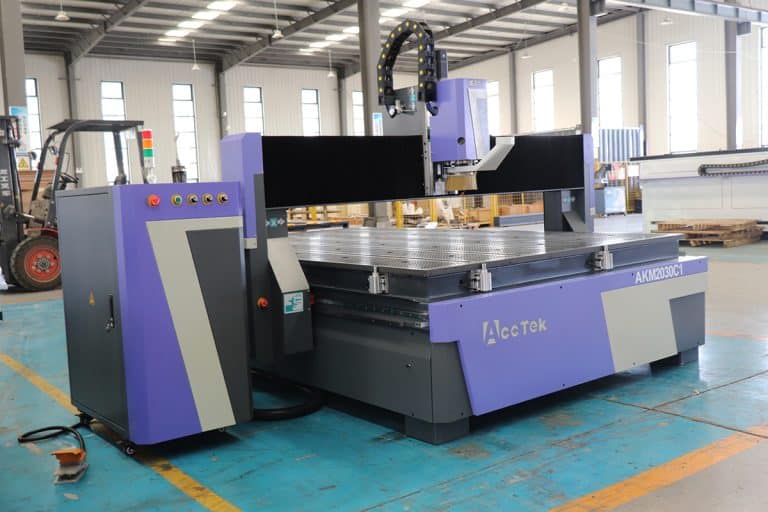
How To Block Noise From CNC Routers?
This article explores practical ways to block CNC router noise, including cutting optimization, vibration control, sound enclosures, auxiliary equipment isolation, and workshop soundproofing.
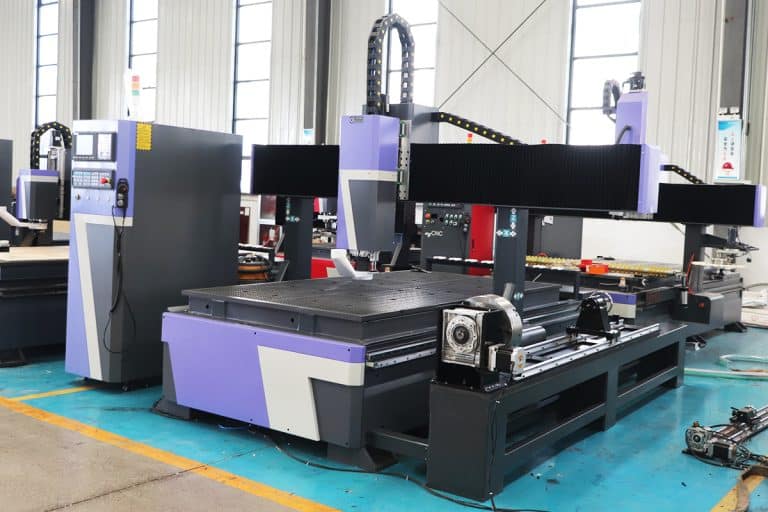
What Are 3D CNC Routers?
This article explores what 3D CNC routers are, how they operate, and the key types, components, software, materials, applications, benefits, limitations, safety practices, maintenance, and selection factors.
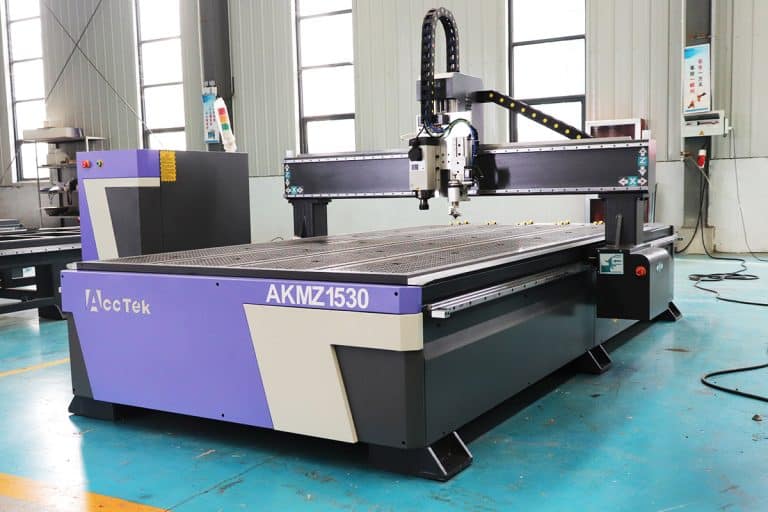
How To Program CNC Routers?
This article is a practical programming guide for CNC routers, covering CAD settings, CAM toolpaths, G-code basics, feed rate, workpiece clamping, safety checks, material settings, and troubleshooting.
Frequently Asked Questions
Why Is CNC Routing Used For Foam?
- Precision and Complex Shapes: Foam is easy to shape, but creating precise contours, cavities, or 3D forms manually can be time-consuming and inconsistent. CNC routing allows for exact control of toolpaths along multiple axes, producing complex shapes, slots, and pockets with uniform dimensions. This is particularly useful for protective packaging, foam inserts, and custom-shaped components.
- Repeatability: CNC routers excel in producing multiple identical parts. Once a design is programmed, the machine can repeat the cuts with high accuracy, ensuring that all pieces match specifications. This is critical for industries like electronics, medical equipment, or consumer goods, where consistency in foam components is essential.
- Material Efficiency: CNC routing minimizes waste. Toolpaths can be optimized to nest multiple parts within a single foam sheet, reducing scrap and lowering material costs. Foam is relatively lightweight and inexpensive, but efficient use becomes important when producing large batches or thicker sheets.
- Speed and Automation: CNC routers can cut foam much faster than manual methods, especially for large panels or intricate designs. Automation reduces labor costs and allows production to continue with minimal supervision, making it economically viable for medium to high-volume manufacturing.
- Surface Finish and Clean Cuts: CNC routing produces smooth edges and precise contours without crushing or deforming the foam, which can happen with knives or manual cutting tools. Specialized bits or drag knives can be used depending on the foam type, thickness, and density, ensuring clean results even for soft or delicate foams.
- Versatility: CNC routing works with a wide range of foam types and thicknesses, from soft cushioning foam to denser structural sheets. It can also combine 2D cutting with 3D profiling, allowing designers to create intricate shapes, ramps, curves, and engraved details for branding or functional purposes.
What Are The Limitations Of CNC Routing Foam?
- Material Compression and Deformation: Foam is soft and flexible, which makes it prone to compression or tearing during routing. If the router feed rate is too fast, the tool may push or drag the foam instead of cutting cleanly, causing uneven edges or distorted parts. High-density foams can resist cutting, while very soft foams may deform under the tool, limiting the precision of the final shape.
- Edge Quality: While CNC routers can produce clean edges on many foam types, some lightweight or open-cell foams can tear or fray along the cut line. The finish may require post-processing, such as trimming or sanding, to achieve smooth edges, especially for delicate designs or fine details.
- Dust and Debris: Routing foam generates large volumes of lightweight dust and chips that can accumulate in the machine, reducing efficiency and potentially damaging moving components. Proper dust collection and ventilation are essential, and insufficient extraction can compromise both machine performance and workplace safety.
- Tool Wear and Maintenance: Even though foam is softer than wood or metal, repeated cutting of dense or abrasive foams can wear router bits faster than expected. Dull tools can cause rough cuts, uneven surfaces, or tear-out, making regular inspection and replacement necessary to maintain quality.
- Limited Thickness and 3D Capability: CNC routing excels at cutting sheets or blocks of foam, but extremely thick foam or complex 3D contours may be challenging. Large or deep cuts can cause the material to bend or shift during machining, affecting accuracy and requiring additional supports or sacrificial layers.
- Machine Constraints: High-speed cutting of foam requires a well-calibrated, stable CNC router. Vibrations or loose workholding can lead to inconsistent cuts or dimensional errors. Small or less rigid machines may struggle with large foam panels or intricate patterns, limiting scalability and complexity.
What Are The Common Issues In CNC Routing Foam?
- Material Deformation and Compression: Foam is soft and flexible, which makes it prone to bending, compression, or tearing during routing. If the feed rate is too fast or the tool applies excessive pressure, the material may distort instead of being cleanly cut. This can lead to dimensional inaccuracies, uneven edges, or parts that do not fit properly in their intended application.
- Edge Fraying and Rough Cuts: Lightweight or open-cell foams often experience frayed or rough edges after routing. Even with sharp bits, the soft fibers can tear, leaving jagged surfaces. Fine details, small holes, or thin sections are particularly susceptible to tearing, which may require post-processing like trimming or sanding.
- Dust and Chip Accumulation: Foam generates lightweight dust and chips during CNC routing, which can accumulate in the machine or on the workpiece. Excess debris can interfere with tool movement, reduce cutting accuracy, and increase the risk of defects. Proper dust extraction and vacuum systems are essential to maintain machine performance and a safe working environment.
- Tool Wear and Bit Dullness: Although foam is softer than wood or composites, dense or abrasive foams can wear down cutting bits faster than expected. Dull bits may crush the foam rather than slice cleanly, leading to rough surfaces and inconsistent part quality. Regular tool inspection and replacement are critical.
- Vibration and Workpiece Movement: Foam sheets or blocks are lightweight, so they may shift or vibrate during cutting. Any movement can cause inaccurate cuts, uneven edges, or incomplete features. Securing the workpiece with clamps, vacuum tables, or sacrificial layers is important to prevent these issues.
- Heat Sensitivity: Some foam types, especially closed-cell foams, can melt or deform if the tool generates excessive friction. High spindle speeds or improper feed rates can create heat buildup, resulting in surface distortion or melted edges.
What Is The Toolpath Strategy For CNC Routing Foam?
- Contour and Profile Toolpaths: For cutting the outline of foam components, contour or profile toolpaths are commonly used. The router follows the part’s perimeter, typically in multiple shallow passes rather than a single deep cut. This reduces compression and tearing of the foam, ensures dimensional accuracy, and maintains smooth edges. The tool usually moves along the outside of the part to avoid damaging the finished shape.
- Pocketing and 3D Toolpaths: When creating cavities, inserts, or 3D forms in foam, pocketing or raster-style toolpaths are used. These toolpaths remove material layer by layer in a systematic pattern, often using overlapping passes to avoid compressing the foam unevenly. For thicker or denser foams, multiple passes at shallow depths help prevent tool drag and maintain consistent surface quality.
- Climb vs Conventional Routing: Toolpath strategies for foam often favor climb routing, where the cutter moves in the same direction as the feed. This produces smoother edges and reduces fraying, particularly on soft foams. Conventional routing may be used in specific cases where part stability or workpiece fixturing requires it, but it can cause minor tearing along the cut edges.
- Feed Rate and Spindle Considerations: Foam routing requires slower feed rates and moderate spindle speeds compared to harder materials. The toolpath must accommodate these parameters, especially in tight corners or intricate features, to prevent tearing, crushing, or surface roughness. Sharp corners are often pre-programmed with lead-ins or rounded transitions to reduce stress on the foam.
- Optimized Nesting and Material Efficiency: Toolpaths are also planned to maximize material usage. Nesting multiple parts efficiently within a foam sheet minimizes waste, while strategic tool movement avoids unnecessary passes over already cut areas, reducing heat buildup and material deformation.
- Dust Management and Retracts: Toolpaths include retract movements to lift the tool when crossing empty spaces, preventing dragging debris across finished surfaces. Proper sequencing of cuts ensures dust and chips do not interfere with subsequent operations.
What Is Edge Tearing In CNC Routing Foam?
- Causes of Edge Tearing: Foam is soft, flexible, and often lightweight, which makes it susceptible to mechanical stress during routing. Edge tearing typically happens when the feed rate is too high, the spindle speed is incorrect, or the cutting depth per pass is too large. In these cases, the tool can drag or compress the foam fibers instead of cutting them cleanly, causing small tears along the edge. The softness of the material and its tendency to deform under pressure amplify this effect, especially in open-cell foams or thin sheets.
- Tool-Related Factors: Dull or improperly selected cutting bits can exacerbate edge tearing. Standard multi-flute bits may compress or tear soft foam rather than cleanly cutting it, while sharper single-flute or specialized foam bits reduce the risk by slicing fibers more efficiently. Incorrect tool geometry or worn edges increase resistance during cutting, which can pull the foam along the toolpath and create frayed edges.
- Workpiece Support and Fixturing: Edge tearing is more likely when the foam is not properly secured. Lightweight sheets can vibrate, lift, or shift under cutting forces, allowing the tool to catch on the material rather than moving smoothly along the path. Proper fixturing with clamps, vacuum tables, or sacrificial layers helps stabilize the workpiece, reducing the chance of tearing.
- Design and Toolpath Considerations: Sharp corners, small cutouts, or intricate patterns are especially prone to tearing. Toolpaths that enter corners abruptly can pull fibers along the cut line. Using gradual lead-ins, rounded transitions, and shallow passes helps distribute forces evenly and produces smoother edges. Climb routing is often preferred over conventional routing for foam, as it tends to produce cleaner edges with less fraying.
- Impact of Edge Tearing: Torn edges can affect the fit and function of foam inserts, packaging, or components. They may require additional post-processing, such as trimming or sanding, which adds time and cost. In high-precision applications, tearing can lead to rejected parts or compromised performance.
How Do You Optimize CNC Routing Parameters for Foam?
- Feed Rate: The speed at which the cutting tool moves through the foam must be balanced. Too fast a feed can compress or tear the foam, producing rough edges and uneven surfaces. Too slow a feed can cause the tool to drag, generating heat, leaving marks, or fraying fibers. The ideal feed rate depends on foam density and thickness, and it often requires testing to find the optimal speed that allows clean cutting without deformation.
- Spindle Speed: The rotation speed of the router bit also influences cut quality. High spindle speeds can produce smooth edges on dense foam, but may melt or deform soft foams if excessive friction occurs. Lower speeds reduce heat but may cause chipping or incomplete cuts on thicker materials. Matching spindle speed to the foam type ensures proper cutting action without damaging the surface.
- Depth of Cut: Foam should typically be routed in multiple shallow passes rather than a single deep cut. Shallow passes reduce the stress on fibers and resin, minimizing the risk of tearing or compression. For dense or layered foams, multiple controlled passes produce cleaner contours and more consistent surface quality.
- Tool Selection: Sharp, single-flute, or specialized foam bits are preferred. Multi-flute bits may crush or pull fibers rather than cutting cleanly. Selecting the correct bit for the foam type and thickness is a crucial step in optimization. Tool wear should also be monitored, as dull bits increase the risk of tearing or rough edges.
- Climb vs Conventional Routing: Climb routing, where the cutter moves in the same direction as the feed, generally produces smoother edges and less fraying on foam. Conventional routing may still be used in certain situations, but tends to increase the risk of edge tearing.
- Fixturing and Support: Properly securing the foam sheet with clamps, vacuum tables, or sacrificial layers prevents movement during cutting. Shifts or vibrations can lead to uneven cuts, tearing, or dimensional inaccuracies.
- Testing and Fine-Tuning: Optimization often requires trial cuts to balance feed rate, spindle speed, depth, and tool choice. Adjustments should be made gradually, observing edge quality, surface finish, and dimensional accuracy.
What Are The Challenges Of CNC Routing Foam?
- Material Deformation: Foam is compressible and can easily bend, stretch, or tear under cutting forces. If the feed rate or cutting depth is too aggressive, the material can compress under the tool, resulting in uneven edges, dimensional inaccuracies, or distorted parts. Very soft foams are particularly susceptible, and even slight pressure can create defects along the toolpath.
- Edge Quality and Fraying: One of the most common challenges is maintaining smooth, clean edges. Soft or open-cell foams can fray or tear during routing, especially around sharp corners, thin sections, or intricate patterns. Achieving precise, straight edges often requires careful tool selection, controlled feed rates, and sometimes post-processing to trim or smooth rough areas.
- Dust and Debris Management: Routing foam generates large amounts of lightweight dust and chips, which can interfere with cutting accuracy and accumulate inside the CNC routers. Poor dust control can reduce tool efficiency, create a messy work environment, and increase the risk of defects. Effective vacuum extraction or airflow systems are necessary to manage this challenge.
- Tool Wear and Selection: Dense or abrasive foams can wear down cutting bits faster than expected. Dull bits crush the material rather than cutting cleanly, leading to rough surfaces and poor edge quality. Choosing the right bit for the foam type and thickness, along with regular maintenance and replacement, is critical.
- Fixturing and Stability: Because foam is lightweight, it can shift, vibrate, or lift during routing. Any movement reduces accuracy, can cause edge tearing, and may require rework. Proper fixturing using clamps, vacuum tables, or sacrificial layers is essential to maintain part stability throughout the machining process.
- Thermal Sensitivity: Some foams, especially closed-cell varieties, are sensitive to heat. Excessive spindle speed or friction can melt or deform the surface, leaving rough edges or altering dimensions. Operators must carefully balance feed rate, spindle speed, and depth of cut to avoid thermal damage.
What Safety Risks Are Associated With CNC Routing Foam?
- Dust Inhalation: Foam generates a large volume of lightweight dust and fine particles during routing. Inhaling this dust can irritate the respiratory system, causing coughing, sneezing, or more serious long-term lung problems if exposure is repeated. Open-cell foams and coated foams may release additional chemical particles. Using proper dust extraction systems, ventilation, and respirators is essential to minimize inhalation risks.
- Fire Hazard: Many foams, including EVA and polyethylene, are flammable. Sparks from worn bits, excessive friction, or electrical faults in the CNC router can ignite foam dust or sheets. Fire safety protocols, including keeping extinguishers nearby and controlling dust accumulation, are crucial. Routing should never be left unattended.
- Tool and Machine Hazards: CNC routers have high-speed spindles and moving components that can cause serious injury if operators come into contact with the bit. Loose clothing, jewelry, or unprotected hands can get caught in the machine. Proper training, guarding, and adherence to operating procedures help reduce the risk of mechanical injuries.
- Flying Debris: Foam chips and fragments can fly off at high speeds, particularly during deep cuts or high-speed machining. These can injure eyes or exposed skin. Safety glasses, face shields, and protective clothing are necessary to prevent injury from flying debris.
- Noise Exposure: CNC routing foam can generate significant noise, especially when cutting dense or thick foam sheets. Prolonged exposure can contribute to hearing damage. Operators should wear ear protection like earmuffs or earplugs.
- Slippery Surfaces: Foam dust or debris may settle on the floor around the machine, creating a slipping hazard. Regular cleaning and dust management reduce the risk of falls.
- Chemical Exposure: Some foams are coated with adhesives, resins, or flame retardants that can release fumes or irritants when machined. Proper ventilation, dust extraction, and PPE like gloves and respirators, are necessary when handling these materials.