

Introduction
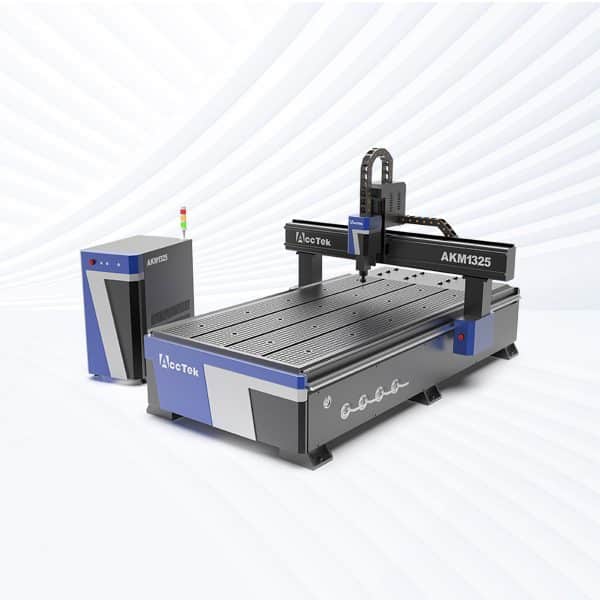
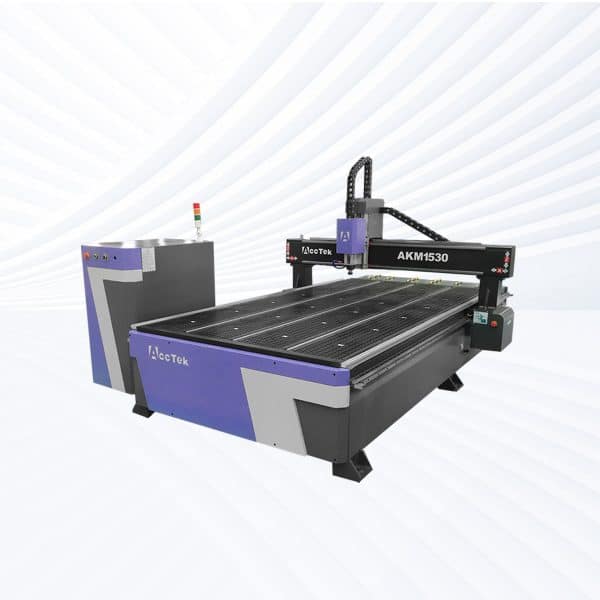
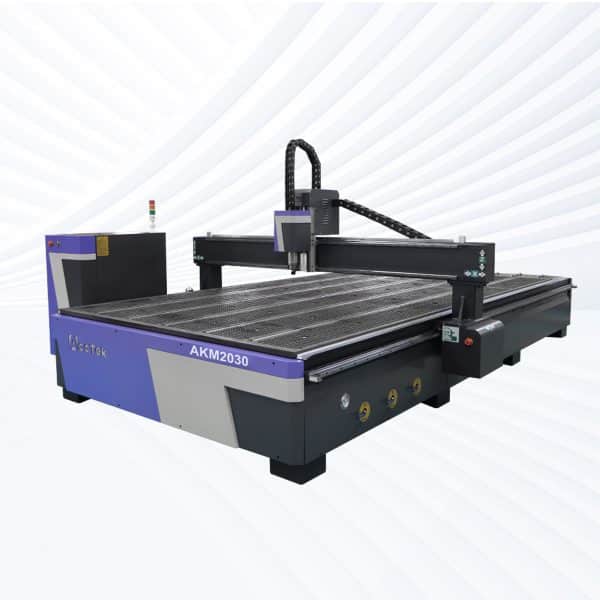
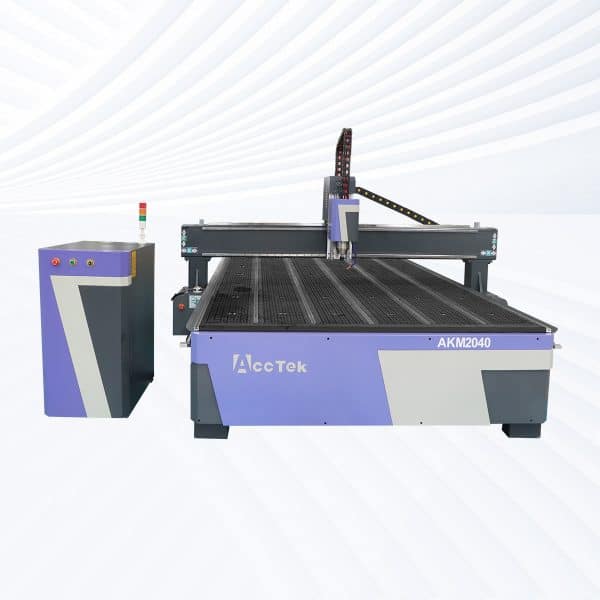
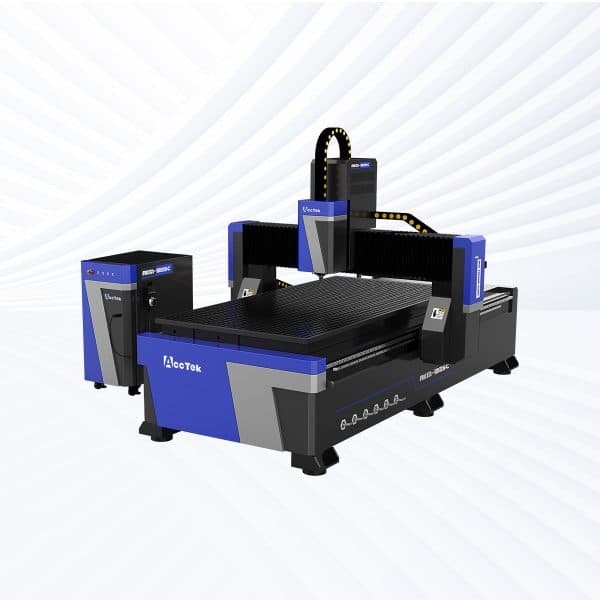
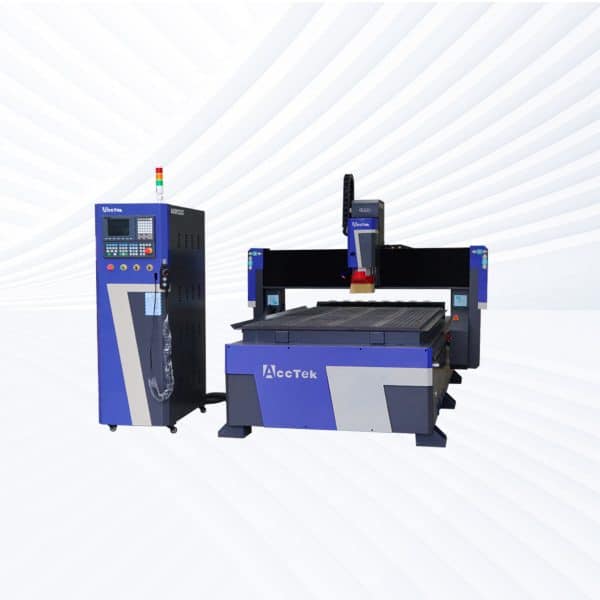
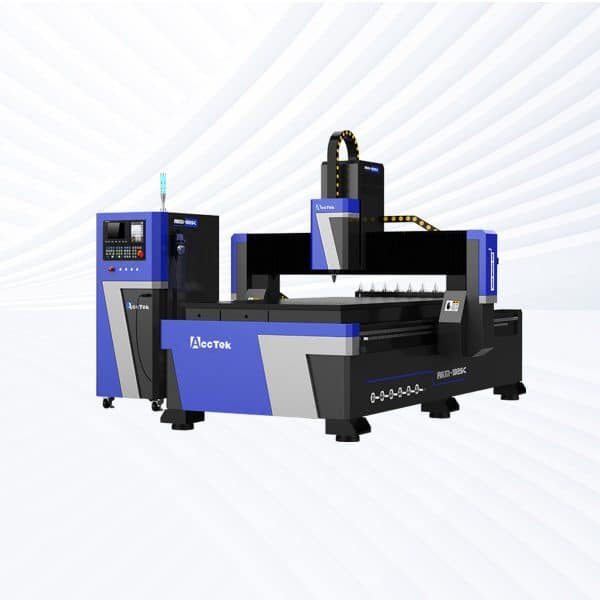
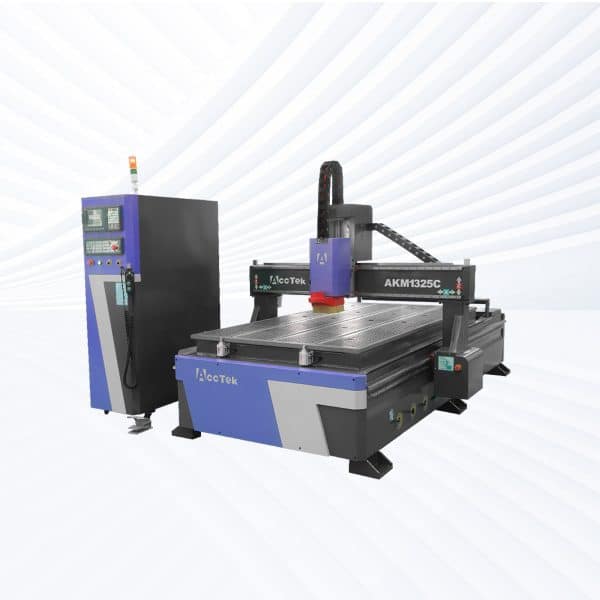
CNC Routers Suitable For Glass
Advantages of CNC Routing Glass
High Precision and Accuracy
CNC routing ensures precise cutting, shaping, and engraving of glass. Computer-controlled toolpaths maintain tight tolerances, allowing manufacturers to produce intricate designs, detailed patterns, and consistently accurate components without risking cracks or chips.
Ability to Create Complex Designs
CNC routers can produce intricate geometries, curves, and 3D patterns in glass that are difficult or impossible to achieve manually. This makes it ideal for decorative panels, signage, mirrors, and architectural features with complex artistic or functional designs.
Consistent and Repeatable Results
Once programmed, CNC routers can reproduce identical glass components repeatedly with the same quality. This repeatability is essential for large-scale production, ensuring uniform dimensions, smooth finishes, and reliable performance across multiple parts.
Versatility Across Glass Types
CNC routing is compatible with various glass materials, including tempered, laminated, frosted, borosilicate, and decorative glass. This versatility enables manufacturers to work with both functional and aesthetic applications while maintaining precision and minimizing material waste.
Reduced Material Waste
Optimized CNC toolpaths remove only necessary material, minimizing breakage and scrap. Careful control of cutting speeds and tool selection helps preserve glass integrity, reducing costs and improving overall production efficiency.
Enhanced Productivity and Automation
CNC routing automates the glass machining process, allowing continuous operation with minimal supervision. This increases production speed, reduces labor dependency, and allows manufacturers to meet deadlines efficiently while maintaining high-quality outputs.
Compatible Materials
- Clear Float Glass
- Tempered Glass
- Laminated Glass
- Frosted Glass
- Tinted Glass
- Low-Iron Glass
- Borosilicate Glass
- Soda-Lime Glass
- Lead Glass
- Colored Glass
- Patterned Glass
- Textured Glass
- Mirror Glass
- Back-Painted Glass
- Acid-Etched Glass
- Sandblasted Glass
- Insulated Glass (IGU)
- Safety Glass
- Toughened Glass
- Bulletproof Glass
- Fire-Rated Glass
- Ceramic-Coated Glass
- Smart Glass/Switchable Glass
- Glass Panels for Furniture
- Glass Shelving
- Glass Tabletops
- Optical Glass
- Display Glass
- Decorative Art Glass
- Stained Glass
- Reflective Glass
- Anti-Glare Glass
- Anti-Scratch Glass
- Chemically Strengthened Glass
- Solar Glass
- Glass Tiles
- Beveled Glass
- Curved Glass
- Cast Glass
- Laminated Colored Glass
CNC Routing VS Other Engraving Methods
| Comparison Item | CNC Routing | Laser Engraving | Hand Engraving | Chemical Etching |
|---|---|---|---|---|
| Processing Method | Uses computer-controlled rotating or diamond-coated tools to mechanically remove glass material. | Uses a focused laser beam to mark or engrave the surface. | Manual carving or etching with hand tools. | Uses chemicals to etch or dissolve the surface selectively. |
| Precision and Accuracy | Very high due to computer-controlled toolpaths; suitable for detailed patterns. | High for surface markings but limited for deep cuts. | Accuracy depends on operator skill; difficult to replicate. | Moderate precision; relies on proper masking and chemical control. |
| Depth Control | Excellent control for shallow or deep engraving and cutting. | Mostly limited to surface engraving; depth control is minimal. | Variable; depends on manual skill and pressure. | Limited to shallow etching; deep cuts are challenging. |
| Complex Design Capability | Can create intricate 2D and 3D shapes and detailed contours. | Ideal for detailed 2D designs and text. | Complex designs are possible, but slow and inconsistent. | Best for simple, repeatable patterns. |
| Material Removal Efficiency | Efficient for cutting, shaping, and engraving glass panels. | Limited material removal; mainly surface marking. | Slow; manual process removes little material at a time. | Slow; it depends on the chemical reaction and exposure time. |
| Production Speed | High speed; automated for large-scale production. | Fast for marking; slower for deep engraving. | Slow due to manual effort. | Moderate; depends on chemical reaction time. |
| Repeatability | Highly repeatable; identical parts are achievable in batches. | Highly repeatable with digital control. | Difficult to replicate; results vary by operator. | Moderate repeatability; dependent on consistent masking. |
| Surface Finish | Produces smooth, clean edges when properly optimized. | Smooth engraving marks; may slightly discolor edges. | Varies with skill; often uneven. | Can produce smooth etch; edges may require finishing. |
| Automation Level | Fully automated with CAD/CAM programming. | Fully automated with digital laser control. | Entirely manual. | Semi-automated; requires masking and chemical handling. |
| Material Compatibility | Works with tempered, laminated, frosted, and decorative glass. | Some glass types may crack or discolor under laser heat. | Works with soft or thin glass; difficult with thick or tempered glass. | Limited; depends on chemical compatibility. |
| Tool Wear | Diamond-coated tools wear over time but last longer with proper use. | No mechanical wear; laser emits light energy. | Manual tools require frequent sharpening. | No mechanical wear; chemicals need replenishing. |
| Cost Efficiency (Large Production) | Cost-effective for high-volume glass cutting and engraving. | Cost-effective for surface marking and decorative work. | Labor-intensive; higher cost for large batches. | Moderate cost; chemical disposal adds to expense. |
| Safety Considerations | Requires dust collection, eye protection, and machine safeguards. | Requires laser safety, proper ventilation, and eye protection. | Lower risk; depends on handling sharp tools safely. | Requires chemical safety measures, gloves, and ventilation. |
| Environmental Impact | Produces glass dust; minimal chemical waste. | Low physical waste; may produce fumes or smoke. | Minimal environmental impact. | Generates chemical waste that must be properly disposed. |
| Typical Applications | Architectural panels, mirrors, decorative glass, and electronic components. | Signage, engraving, branding, surface markings. | Art glass, custom decorations, small-scale engravings. | Circuit boards, glass etching, and decorative patterns. |
CNC Routing Capacity
| Item | Cutting | Engraving | Drilling | Pocketing | Carving | Slotting | Surface Finishing | 3D Contouring |
|---|---|---|---|---|---|---|---|---|
| Softwood | Supported | Supported | Supported | Supported | Supported | Supported | Supported | Supported |
| Hardwood | Supported | Supported | Supported | Supported | Supported | Supported | Supported | Supported |
| MDF | Supported | Supported | Supported | Supported | Supported | Supported | Supported | Supported |
| Plywood | Supported | Supported | Supported | Supported | Supported | Supported | Supported | Supported |
| Acrylic | Supported | Supported | Supported | Supported | Supported | Supported | Supported | Supported |
| PVC | Supported | Supported | Supported | Supported | Supported | Supported | Supported | Supported |
| ABS | Supported | Supported | Supported | Supported | Supported | Supported | Supported | Supported |
| Coroplast | Supported | Supported | Supported | Supported | Supported | Supported | Supported | Limited |
| Aluminum | Supported | Supported | Supported | Supported | Supported | Supported | Supported | Supported |
| Brass | Supported | Supported | Supported | Supported | Supported | Supported | Supported | Supported |
| Copper | Supported | Supported | Supported | Supported | Supported | Supported | Supported | Supported |
| Glass | Limited | Shallow engraving only | Limited | Limited | Limited | Limited | Limited | Limited |
| Foam | Supported | Supported | Supported | Supported | Supported | Supported | Supported | Limited |
| Rubber | Supported | Supported | Supported | Supported | Supported | Supported | Supported | Limited |
| Composite | Supported | Supported | Supported | Supported | Supported | Supported | Supported | Supported |
| Marble | Limited | Shallow engraving only | Supported | Pocketing only | Limited | Supported | Supported | Supported |
| Granite | Limited | Shallow engraving only | Supported | Pocketing only | Limited | Supported | Supported | Supported |
| Leather | Supported | Supported | Supported | Supported | Supported | Supported | Supported | Limited |
| Fabrics | Supported | Supported | Supported | Supported | Supported | Supported | Supported | Limited |
| Ceramics | Limited | Shallow engraving only | Limited | Limited | Limited | Limited | Surface polish only | Limited |
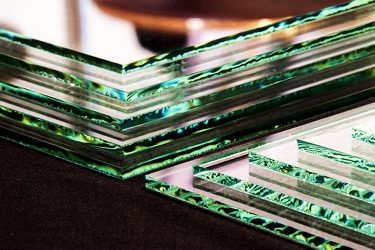
Applications of CNC Routing Glass



Customer Testimonials
Related Resources
CNC Router Safety Operation Guide
This article explains essential safety procedures, hazard prevention, PPE, tool setup, workholding, machine operation, maintenance, and emergency response.
How To Block Noise From CNC Routers?
This article explores practical ways to block CNC router noise, including cutting optimization, vibration control, sound enclosures, auxiliary equipment isolation, and workshop soundproofing.
What Are 3D CNC Routers?
This article explores what 3D CNC routers are, how they operate, and the key types, components, software, materials, applications, benefits, limitations, safety practices, maintenance, and selection factors.
How To Program CNC Routers?
This article is a practical programming guide for CNC routers, covering CAD settings, CAM toolpaths, G-code basics, feed rate, workpiece clamping, safety checks, material settings, and troubleshooting.
Frequently Asked Questions
What Is CNC Routing Accuracy For Glass?
- Dimensional Accuracy: The precision of CNC routing on glass is primarily determined by machine calibration, tool selection, and fixturing. High-end CNC routers with rigid frames and precise linear guides can achieve positional accuracy within a few hundredths of a millimeter. However, the brittle nature of glass introduces variability. Slight vibrations or uneven support can lead to micro-cracks or chipping, reducing the effective accuracy of cuts or engraved features.
- Tool Considerations: Routing glass requires specialized diamond-coated or abrasive tools that minimize contact stress while effectively removing material. Even with the best tools, the material’s hardness limits how aggressively the router can remove glass. Shallow passes and careful feed rates are necessary to maintain edge integrity, which affects how closely the final dimensions match the CAD design.
- Surface Finish and Edge Integrity: High accuracy in CNC routing glass is closely linked to edge quality. Fine details and tight tolerances can be achieved in engraving applications, but full-depth routing or cutting can cause fractures that compromise dimensional consistency. Smooth, polished edges are typically achieved only through secondary finishing, such as grinding or polishing, which is often required for precision parts like glass panels or decorative elements.
- Fixturing and Support: Properly securing glass is critical for maintaining accuracy. Any movement, vibration, or uneven support can result in cracks or misalignment. Vacuum tables, padded clamps, or custom fixtures help stabilize the workpiece, reducing the risk of dimensional errors and ensuring consistent results across repeated operations.
- Practical Accuracy: In practical terms, CNC routing on glass allows for precise engraving, shallow profiling, and scoring with tolerances suitable for decorative, functional, or architectural applications. Full-depth mechanical cutting is limited, and high precision is achieved mostly when combined with controlled speeds, optimized toolpaths, and careful workpiece support.
What Are The Limitations Of CNC Routing Glass?
- Brittleness and Cracking: Glass is extremely brittle, making it prone to micro-cracks or fractures during mechanical routing. Even slight tool vibrations, uneven pressure, or rapid feed changes can cause breakage. This makes full-thickness cutting with CNC routers largely impractical; most operations are limited to surface engraving, shallow profiling, or scoring.
- Edge Chipping: Routing glass often produces chipped or rough edges, especially on corners or small cutouts. Achieving clean, smooth edges requires careful control of feed rate, spindle speed, and cutting depth. Even with optimized settings, edge quality is rarely as precise as with softer materials or laser cutting, and secondary finishing such as polishing is often required.
- Limited Material Removal: Mechanical routing cannot remove large volumes of glass efficiently. Deep cuts are not feasible without risking fractures, so complex 3D shapes or thick panels are extremely difficult to machine. The process is therefore mostly suitable for decorative engraving, shallow inlays, or precise surface texturing rather than structural fabrication.
- Tool Wear and Cost: Glass is highly abrasive, which accelerates wear on cutting tools. Diamond-coated or specialized bits are necessary to prevent rapid dulling, but these tools are expensive and require careful handling. Frequent tool replacement increases production costs and can slow down operations.
- Fixturing Challenges: Glass must be perfectly supported to avoid vibration or movement during routing. Any instability can cause fractures or uneven engraving. Vacuum tables, padded clamps, or custom supports are essential, but they add complexity to the setup and may limit workpiece size or geometry.
- Heat Sensitivity: Although glass is less sensitive to heat than plastics, high-speed machining generates friction that can induce thermal stress. Uneven heating may lead to micro-cracks or surface defects, which are difficult to detect until post-processing.
- Limited Practical Applications: Due to these constraints, CNC routing of glass is primarily restricted to shallow engraving, texturing, or surface scoring. Full-depth cuts, 3D shaping, or producing structural glass components are generally not feasible with conventional CNC routers.
How Does Spindle Speed Affect CNC Routing Glass?
- Impact on Cutting Quality: High spindle speeds increase the rotational speed of the cutting bit, which can produce smoother engraving and more precise details when routing glass. However, excessively high speeds generate friction and heat, which can cause micro-cracks or thermal stress in the glass. These defects may not be immediately visible, but can compromise structural integrity or lead to chipping along edges.
- Tool Engagement and Material Stress: Lower spindle speeds reduce friction and heat generation, but they also slow down material removal. If the spindle rotates too slowly, the cutting tool may apply uneven pressure, dragging across the surface rather than cutting cleanly. This can leave rough edges, inconsistent engraving, or scratches. The ideal spindle speed balances smooth cutting with minimal thermal or mechanical stress, producing clean, accurate features without cracking.
- Interaction With Feed Rate: Spindle speed must be coordinated with feed rate. A high spindle speed paired with a fast feed can overload the glass surface, while a low spindle speed with a slow feed may cause the tool to rub or chatter. Proper synchronization of spindle rotation and feed movement is essential to maintain dimensional accuracy and edge quality.
- Tool Wear and Life: Spindle speed also influences tool wear. Diamond-coated or abrasive bits used for glass routing perform best within specific speed ranges. Operating outside these ranges can dull the bit quickly, leading to increased friction and a higher likelihood of surface defects or breakage. Maintaining the correct speed helps extend tool life and ensures consistent performance.
- Practical Considerations: In practice, shallow engraving or surface profiling of glass is performed at moderate spindle speeds, with incremental passes to avoid excessive stress. Deep cuts are typically avoided entirely because even optimal spindle speeds cannot prevent cracking in thick glass. Fixturing and stable support are also essential to prevent vibration, which can exacerbate spindle speed-related issues.
What Are Common Issues In Glass Routing?
- Cracking and Chipping: The most frequent issue in glass routing is cracking or chipping along edges. Glass is extremely brittle, so even minor vibration, uneven pressure, or aggressive cutting can create micro-cracks or break the material. Chipped edges compromise both appearance and structural integrity, and in many cases, require post-processing or part replacement.
- Edge Roughness: Achieving smooth edges on routed glass is challenging. Mechanical bits, even diamond-coated ones, can leave small burrs or rough surfaces along cut lines. Sharp corners and intricate patterns are especially prone to roughness or minor fracturing. Edge finishing, such as grinding or polishing, is often needed to achieve a visually acceptable or safe surface.
- Dimensional Inaccuracy: Glass can move or vibrate during routing if not properly supported. Even slight displacement can result in misaligned cuts, uneven depth, or inaccurate features. Maintaining a stable, well-fixed workpiece is essential for precise cuts and reproducible results.
- Tool Wear and Damage: Glass is abrasive, and cutting tools experience significant wear. Dull bits increase friction and stress on the material, causing poor surface quality and increasing the likelihood of cracks or chips. Frequent inspection and replacement of tools are necessary to maintain accuracy and prevent defects.
- Thermal Stress: High spindle speeds or friction from improper feed rates can generate localized heat in glass. Thermal expansion can cause micro-fractures or surface cracking, particularly on thicker sheets or near edges. Controlled speeds and shallow passes are required to minimize heat buildup.
- Surface Scratches and Marks: Fine scratches or marks may appear if debris or glass dust accumulates on the surface or the tool drags during cutting. These defects are especially problematic for clear or decorative glass components, where surface quality is critical.
- Setup and Fixturing Challenges: Proper fixturing is crucial to prevent vibration, shifting, or uneven support. Inadequate fixturing can lead to a combination of cracking, chipping, and dimensional errors, making it one of the most common challenges in glass routing.
What Is The Defect Reduction Strategy In CNC Routing Glass?
- Controlled Spindle Speed and Feed Rate: One of the most critical strategies is balancing spindle speed and feed rate. Too fast a feed or too high a spindle speed generates friction and heat, which can induce micro-cracks or surface fractures. Conversely, too slow a feed may cause the tool to drag and create rough edges. By fine-tuning these parameters according to glass thickness, type, and bit design, operators can reduce mechanical and thermal stress on the material.
- Shallow Passes and Incremental Cutting: Defects are minimized by using multiple shallow passes rather than attempting deep cuts in a single pass. Gradual material removal reduces stress on the glass, preventing cracking or chipping along edges. This approach also helps maintain dimensional accuracy and smooth surface contours, particularly when engraving or profiling delicate patterns.
- Specialized Tooling: Diamond-coated or abrasive bits designed specifically for glass cutting are essential. Proper tool selection ensures clean material removal and minimizes friction, which reduces the likelihood of defects. Regular monitoring and replacement of worn tools are also key, as dull bits increase stress and cause edge damage.
- Fixturing and Workpiece Support: Stable support is vital for defect reduction. Glass must be held securely with vacuum tables, padded clamps, or custom supports to prevent vibration, movement, or flexing during routing. Any instability can lead to cracks, chips, or misalignment, especially on thin or large panels.
- Toolpath Optimization: Strategic toolpaths reduce stress concentrations. Using gradual lead-ins, rounded corners, and climb routing helps distribute forces evenly along the cut line. Minimizing sharp direction changes and carefully sequencing operations prevents localized stress that could fracture the glass.
- Dust and Debris Management: Accumulated glass dust or chips can interfere with tool movement and scratch the surface. Continuous vacuum extraction or air blow-off systems maintain a clean cutting area, reducing defects and improving surface finish.
- Post-Processing Considerations: Even with optimized routing, minor edge imperfections may remain. Light polishing or grinding can remove burrs, smooth edges, and improve the visual and functional quality of the part.
How Does CNC Routing Improve Productivity?
- Automation and Reduced Manual Labor: CNC routers operate according to pre-programmed instructions, eliminating much of the manual effort required for cutting, shaping, or engraving. Once the machine is set up and the toolpaths are loaded, it can run unattended, allowing operators to focus on other tasks. This automation reduces labor costs and increases throughput, especially in batch or repetitive production.
- High-Speed Material Removal: CNC routing is faster than traditional manual methods because the router can maintain consistent cutting speeds and feed rates. For dense or thick materials, such as composites or foam, the machine can remove material efficiently while maintaining precision. Multiple passes and optimized toolpaths ensure fast production without compromising quality.
- Repeatability and Consistency: One of the key productivity advantages is the machine’s ability to produce identical parts repeatedly. Once a design is finalized in CAD/CAM software, the CNC router can reproduce it multiple times with minimal variation. This consistency reduces errors and waste, preventing the need to redo parts, which saves both time and material.
- Complex Shapes and Multi-Axis Capability: CNC routers can handle complex geometries, 3D contours, and intricate cutouts that would be slow or impossible with manual tools. Multi-axis routing allows simultaneous cutting along multiple planes, accelerating production of parts with curved surfaces, pockets, or angled features.
- Reduced Setup Time for Large Runs: While initial setup and programming take time, this investment pays off for medium to large production runs. Toolpaths, cutting sequences, and nesting can be optimized to maximize material usage and minimize movement, reducing cycle times for each part.
- Integration With CAD/CAM Software: CNC routers work directly from digital designs, which streamlines the transition from concept to production. Rapid design iteration, nesting optimization, and automatic toolpath generation further improve overall productivity.
- Waste Reduction: By maximizing material use and producing precise cuts, CNC routing reduces scrap and rework. Less material handling and fewer defective parts translate into faster production cycles and lower costs.
What Are The Operating Costs Of CNC Routing Glass?
- Tooling Costs: Glass routing requires specialized diamond-coated or abrasive bits. These tools are expensive compared to standard router bits, and they wear out relatively quickly due to the hardness and abrasiveness of glass. Frequent replacement or dressing of tools is necessary to maintain cut quality, adding significantly to operating expenses.
- Machine Wear and Maintenance: Routing glass places high mechanical stress on the CNC router, particularly on the spindle, linear guides, and bearings. Glass is abrasive, so even with proper tooling, components experience faster wear. Regular maintenance and occasional replacement of key machine parts are required to prevent accuracy loss and machine downtime, increasing long-term operating costs.
- Energy Consumption: CNC routers routing glass often run at moderate to high spindle speeds for extended periods, especially for engraving or shallow profiling on large sheets. Combined with the power required for vacuum tables, cooling systems, and dust extraction, energy consumption contributes noticeably to operational expenses.
- Fixturing and Setup Costs: Proper fixturing is critical to prevent movement or vibration, which can damage the glass or reduce accuracy. Custom clamps, padded supports, or vacuum tables may be needed for each glass panel. While reusable, these setups require operator time and occasionally specialized accessories, contributing to the overall cost per part.
- Labor Costs: Although CNC routers automate most cutting processes, skilled operators are needed to set up workpieces, load CAD/CAM files, select tooling, and monitor the machine. The brittleness of glass requires careful attention during production, which can increase labor intensity compared to materials like wood or foam.
- Waste and Rework Costs: Glass is unforgiving—cracks, chips, or surface scratches can make a part unusable. Any defect can lead to wasted material and additional labor for rework. Efficient fixturing, controlled cutting parameters, and careful handling are essential to reduce scrap, but some level of loss is often unavoidable.
What PPR Is Required For CNC Routing Glass?
- Importance of High PPR: Glass is highly sensitive to stress and chipping. Any minor error in tool positioning or rotation can result in cracks, edge chipping, or uneven engraving. A higher PPR allows the CNC controller to generate finer motion commands, enabling smoother, more precise cuts with minimal mechanical stress. This is particularly important when engraving intricate designs, creating precise shallow contours, or working on thin glass panels.
- Recommended PPR Range: While the exact value depends on the CNC router and spindle system, glass routing generally requires a high-resolution encoder, typically in the range of 2,000 to 5,000 pulses per revolution or higher. This ensures the controller can accurately synchronize spindle rotation with feed movements, producing smooth edges and consistent engraving depth. Lower PPR values can lead to incremental jumps in tool positioning, which increase the risk of micro-fractures or chipping.
- Interaction With Feed Rate and Spindle Speed: High PPR is most effective when paired with appropriate feed rates and spindle speeds. Shallow, controlled passes with moderate spindle speeds reduce heat buildup and mechanical stress, while the high PPR ensures precise tool positioning at every moment. Optimizing these factors together reduces defects and improves overall surface quality.
- Toolpath Precision: A high PPR allows for more accurate execution of complex toolpaths, including curved shapes, intricate engraving patterns, or fine detailing. This reduces reliance on post-processing for edge finishing and helps achieve repeatable results across multiple glass panels.