

Introduction
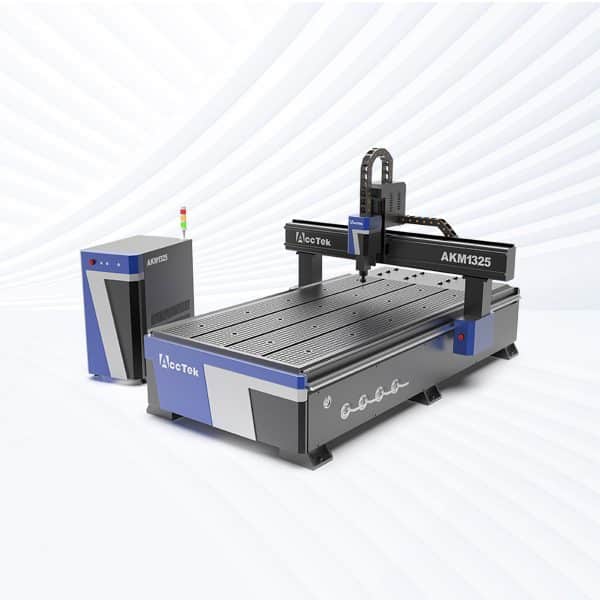
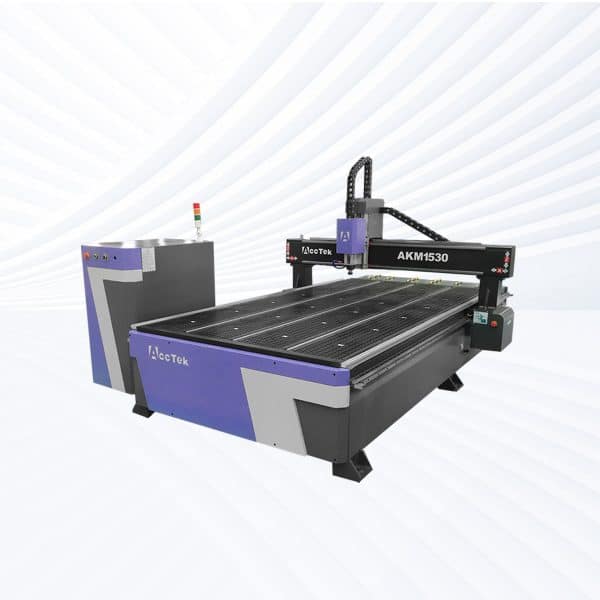
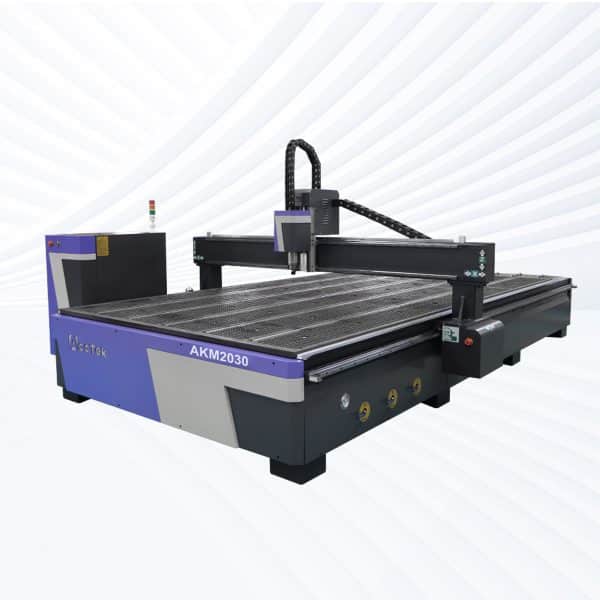
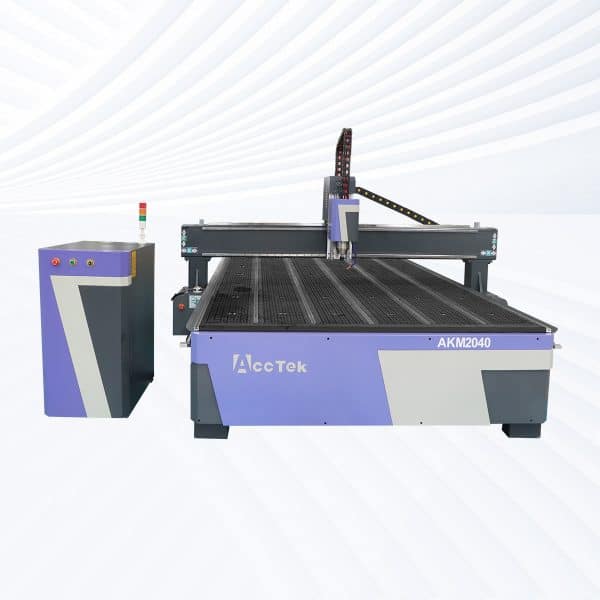
CNC Routers Suitable For Rubber
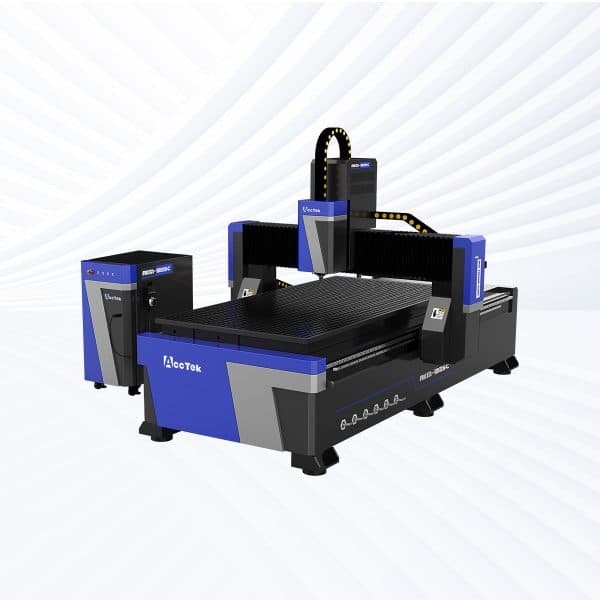
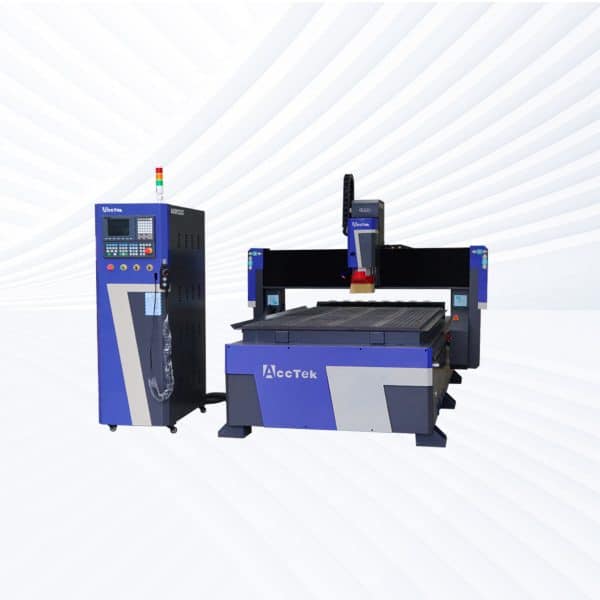
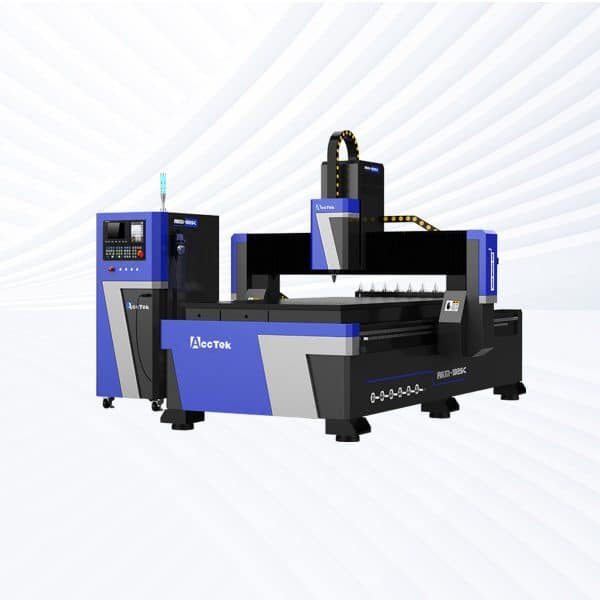
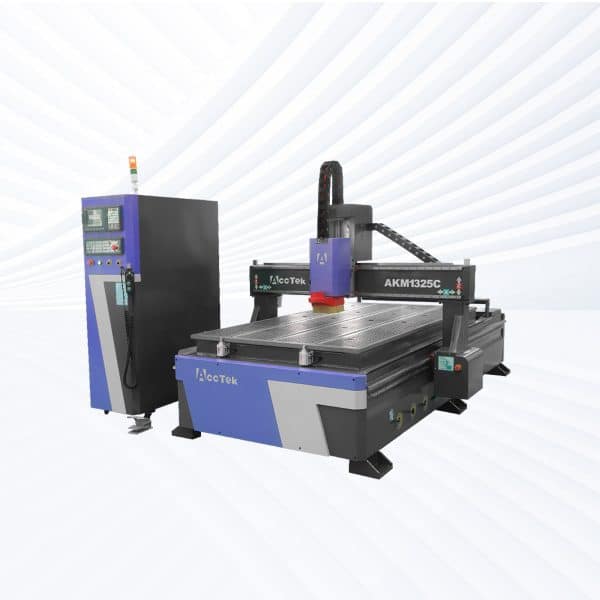
Advantages of CNC Routing Rubber
High Precision and Accuracy
CNC routing ensures precise cutting, shaping, and engraving of rubber materials. It allows manufacturers to create detailed gaskets, seals, and custom components with consistent dimensions, avoiding deformation, tearing, or inaccuracies that can occur with manual cutting.
Ability to Produce Complex Shapes
CNC routers can handle intricate designs, curved edges, and detailed cutouts in rubber. This enables the production of customized seals, vibration dampers, mats, and decorative elements that are difficult to achieve using manual methods or standard stamping processes.
Consistent and Repeatable Production
Once programmed, CNC routers can produce identical rubber components repeatedly with uniform quality. This repeatability is essential for mass production, ensuring reliable performance in applications such as automotive seals, industrial gaskets, and vibration-damping parts.
Versatility Across Rubber Types
CNC routing works with various rubber materials, including natural rubber, silicone, EPDM, nitrile, and polyurethane. This flexibility allows manufacturers to process different hardness levels and thicknesses while maintaining accuracy and clean edges for functional or decorative components.
Reduced Material Waste
Optimized CNC toolpaths remove only the necessary material, minimizing scrap and reducing production costs. This is especially beneficial when working with high-quality or specialty rubber materials, improving efficiency and supporting sustainable manufacturing practices.
Faster Production and Automation
CNC routing automates rubber cutting and shaping, significantly increasing production speed compared to manual methods. The process reduces labor dependency, allows continuous operation, and ensures precise, repeatable results for both prototyping and large-scale production.
Compatible Materials
- Natural Rubber
- Styrene-Butadiene Rubber
- Neoprene
- EPDM Rubber
- Nitrile Rubber
- Silicone Rubber
- Polyurethane Rubber
- Butyl Rubber
- Fluoroelastomer
- Hypalon Rubber
- Chlorosulfonated Polyethylene
- Thermoplastic Rubber
- Thermoplastic Elastomer
- Ethylene Propylene Rubber
- Acrylic Rubber
- Hydrogenated Nitrile Butadiene Rubber
- Polyisoprene Rubber
- Perfluoroelastomer
- Epichlorohydrin Rubber
- Neoprene Foam
- Silicone Foam
- EPDM Foam
- Nitrile Foam
- Polyurethane Foam
- SBR Foam
- Reclaimed Rubber
- Black Rubber Sheet
- Colored Rubber Sheet
- Anti-Static Rubber
- Conductive Rubber
- Oil-Resistant Rubber
- Heat-Resistant Rubber
- Cold-Resistant Rubber
- High-Density Rubber
- Low-Density Rubber
- Compression Molded Rubber
- Extruded Rubber Profiles
- Rubber Gaskets
- Rubber Pads and Mats
- Custom Blended Elastomers
CNC Routing VS Other Engraving Methods
| Comparison Item | CNC Routing | Laser Engraving | Hand Engraving | Chemical Etching |
|---|---|---|---|---|
| Processing Method | Uses computer-controlled cutting tools to mechanically shape or cut rubber. | Uses a focused laser to vaporize or mark the rubber surface. | Manual cutting or carving using hand tools. | Uses chemicals to etch or remove the rubber surface. |
| Precision and Accuracy | Very high; produces consistent cuts, engravings, and shapes. | High for surface marking; depth control may be limited. | Dependent on operator skill, difficult to achieve repeatability. | Moderate; relies on accurate masking and chemical control. |
| Depth Control | Excellent; can cut shallow or deeper grooves accurately. | Limited to surface engraving; minimal depth control. | Variable; depends on hand pressure and technique. | Shallow etching only; depth is hard to control. |
| Complex Design Capability | Can produce intricate 2D and 3D shapes, cutouts, and patterns. | Suitable for detailed 2D patterns, logos, and text. | Complex patterns possible but slow and inconsistent. | Best for simple or repetitive designs. |
| Material Removal Efficiency | Efficient; removes material precisely for shaping or engraving. | Low; mainly surface marking, minimal material removal. | Slow; manual effort required. | Slow; chemical reaction gradually removes material. |
| Production Speed | Highly automated operation enables fast production. | Fast for marking; slower for deeper engraving. | Slow; highly labor-intensive. | Moderate; dependent on chemical reaction time. |
| Repeatability | Excellent; identical parts can be produced consistently. | High repeatability for surface designs. | Difficult to replicate; results vary by operator. | Moderate; depends on consistent masking and handling. |
| Surface Finish | Smooth, clean edges with accurate detailing. | Smooth engraved marks; may discolor edges. | Varies; often uneven or inconsistent. | Can produce smooth etch; edges may be irregular. |
| Automation Level | Fully automated using CAD/CAM software. | Fully automated with laser software. | Entirely manual process. | Semi-automated; requires manual chemical preparation. |
| Material Compatibility | Works with most rubber types, including natural, silicone, EPDM, and neoprene. | Works best with thin or treated rubber; thick rubber may burn. | Limited by operator skill and rubber hardness. | Limited; only certain rubber types react well with chemicals. |
| Tool Wear | Cutting tools wear over time; they are replaceable. | No mechanical wear; the laser beam is contactless. | Manual tools require sharpening. | No mechanical wear; chemicals must be replenished. |
| Cost Efficiency (Large Production) | Cost-effective for mass production and precise components. | Cost-effective for decorative surface marking. | Expensive for large volumes; labor-intensive. | Moderate; chemical handling and disposal add costs. |
| Safety Considerations | Requires operator training and dust control. | Requires laser safety precautions and ventilation. | Low machine risk; depends on tool handling. | Requires protective equipment and safe chemical handling. |
| Environmental Impact | Produces rubber shavings; minimal chemical waste. | Low physical waste; may produce fumes. | Minimal environmental impact. | Produces chemical waste requiring proper disposal. |
| Typical Applications | Gaskets, seals, mats, vibration dampers, and custom rubber parts. | Decorative engraving, logos, surface marking. | Artistic rubber carving, custom small-scale designs. | Specialty etching or chemical patterning of rubber. |
CNC Routing Capacity
| Item | Cutting | Engraving | Drilling | Pocketing | Carving | Slotting | Surface Finishing | 3D Contouring |
|---|---|---|---|---|---|---|---|---|
| Softwood | Supported | Supported | Supported | Supported | Supported | Supported | Supported | Supported |
| Hardwood | Supported | Supported | Supported | Supported | Supported | Supported | Supported | Supported |
| MDF | Supported | Supported | Supported | Supported | Supported | Supported | Supported | Supported |
| Plywood | Supported | Supported | Supported | Supported | Supported | Supported | Supported | Supported |
| Acrylic | Supported | Supported | Supported | Supported | Supported | Supported | Supported | Supported |
| PVC | Supported | Supported | Supported | Supported | Supported | Supported | Supported | Supported |
| ABS | Supported | Supported | Supported | Supported | Supported | Supported | Supported | Supported |
| Coroplast | Supported | Supported | Supported | Supported | Supported | Supported | Supported | Limited |
| Aluminum | Supported | Supported | Supported | Supported | Supported | Supported | Supported | Supported |
| Brass | Supported | Supported | Supported | Supported | Supported | Supported | Supported | Supported |
| Copper | Supported | Supported | Supported | Supported | Supported | Supported | Supported | Supported |
| Glass | Limited | Shallow engraving only | Limited | Limited | Limited | Limited | Limited | Limited |
| Foam | Supported | Supported | Supported | Supported | Supported | Supported | Supported | Limited |
| Rubber | Supported | Supported | Supported | Supported | Supported | Supported | Supported | Limited |
| Composite | Supported | Supported | Supported | Supported | Supported | Supported | Supported | Supported |
| Marble | Limited | Shallow engraving only | Supported | Pocketing only | Limited | Supported | Supported | Supported |
| Granite | Limited | Shallow engraving only | Supported | Pocketing only | Limited | Supported | Supported | Supported |
| Leather | Supported | Supported | Supported | Supported | Supported | Supported | Supported | Limited |
| Fabrics | Supported | Supported | Supported | Supported | Supported | Supported | Supported | Limited |
| Ceramics | Limited | Shallow engraving only | Limited | Limited | Limited | Limited | Surface polish only | Limited |
Applications of CNC Routing Rubber

Customer Testimonials
Related Resources
CNC Router Safety Operation Guide
This article explains essential safety procedures, hazard prevention, PPE, tool setup, workholding, machine operation, maintenance, and emergency response.
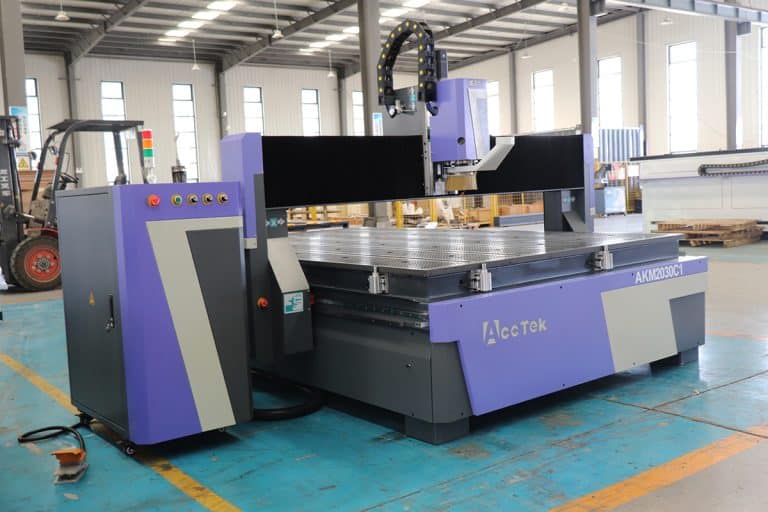
How To Block Noise From CNC Routers?
This article explores practical ways to block CNC router noise, including cutting optimization, vibration control, sound enclosures, auxiliary equipment isolation, and workshop soundproofing.
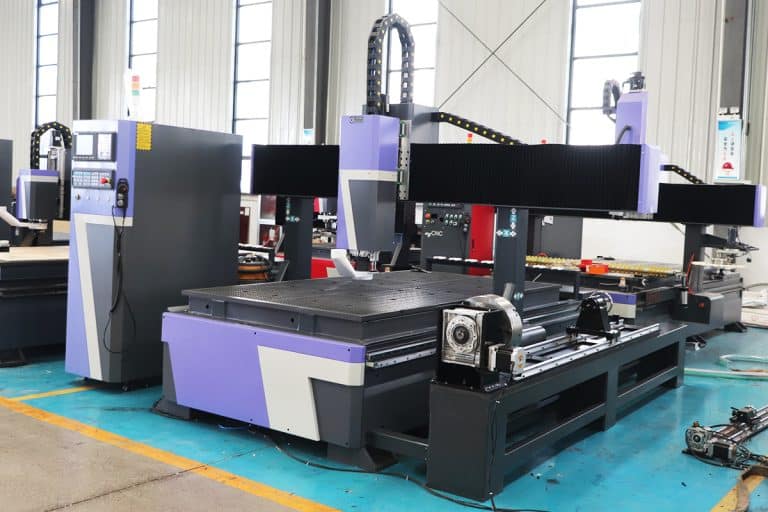
What Are 3D CNC Routers?
This article explores what 3D CNC routers are, how they operate, and the key types, components, software, materials, applications, benefits, limitations, safety practices, maintenance, and selection factors.
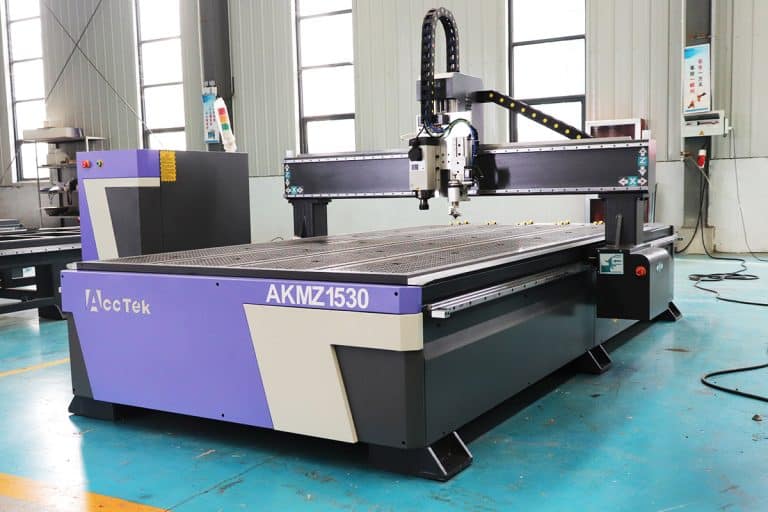
How To Program CNC Routers?
This article is a practical programming guide for CNC routers, covering CAD settings, CAM toolpaths, G-code basics, feed rate, workpiece clamping, safety checks, material settings, and troubleshooting.
Frequently Asked Questions
What Is The Working Principle Of CNC Routing Rubber?
- Digital Design and Toolpath Generation: CNC routing starts with a digital model of the rubber component, usually created in CAD software. The design is then translated into a toolpath using CAM software, which determines the cutting sequence, depth, speed, and feed for the router. This ensures precise cuts and repeatability, which is especially important for parts like gaskets or stamps that require exact dimensions.
- Material Preparation and Fixturing: Rubber sheets or blocks are placed on the CNC router bed. Because rubber is flexible, it requires secure fixturing to prevent movement during cutting. Vacuum tables, clamps, or adhesive backing are commonly used to stabilize the workpiece. Proper fixturing reduces vibration and prevents the rubber from deforming under cutting forces.
- Rotational Cutting Tool: A high-speed spindle equipped with a sharp end mill or router bit removes material layer by layer. The tool rotates rapidly and follows the programmed path, slicing through the rubber cleanly. Bits designed for soft materials, such as single-flute or upcut end mills, minimize heat generation and avoid smearing the rubber, which is prone to stretching or tearing.
- Depth and Pass Control: Rubber is often cut in multiple shallow passes rather than one deep cut. This approach reduces the risk of tearing, ensures cleaner edges, and maintains dimensional accuracy. The CNC controller adjusts the tool’s vertical position precisely to follow the programmed depth profile.
- Chip Removal and Surface Quality: Rubber produces small shavings or dust during routing. Efficient chip removal through air blasts or vacuum extraction prevents accumulation around the tool, which could cause clogging, surface defects, or excessive heat. This helps maintain smooth edges and consistent surface quality.
- Finishing and Inspection: After routing, the rubber parts are inspected for dimensional accuracy, burrs, or defects. Soft rubbers may require light cleaning or trimming, but the CNC process generally produces precise, ready-to-use components.
What Are The Challenges Of CNC Routing Rubber?
- Material Flexibility and Deformation: Rubber is highly elastic and can deform under cutting forces. This makes it prone to stretching, lifting, or compressing during routing, especially with thin sheets or softer compounds. Without proper fixturing, the workpiece can shift, resulting in dimensional inaccuracies, uneven edges, or distorted features.
- Tool Selection and Wear: Routing rubber requires sharp, specialized bits to cut cleanly without smearing or tearing. Standard router bits may dull quickly due to friction or clogging from sticky compounds. Excessive tool wear can lead to rough edges, chatter marks, or incomplete cuts, increasing the need for frequent tool changes and maintenance.
- Heat Sensitivity: Friction generated by high spindle speeds or slow feed rates can heat the rubber locally, causing melting, stickiness, or surface deformation. Certain rubber types, especially natural rubber or soft elastomers, are more prone to heat damage, which compromises both dimensional accuracy and surface quality.
- Chip and Debris Management: Rubber produces shavings or small debris that can stick to the tool or workpiece. Accumulated chips increase friction, degrade edge quality, and may require frequent pauses for cleaning. Inefficient removal of debris also increases the risk of tool clogging or surface blemishes.
- Workholding Challenges: Unlike rigid materials, rubber cannot always be clamped tightly without deformation. Vacuum tables, adhesive backings, or soft sacrificial layers are often necessary, but these setups add complexity and require careful adjustment to avoid compressing or marking the material.
- Inconsistent Material Properties: Rubber batches can vary in hardness, density, and elasticity. Such variability affects cutting performance, requiring adjustments in spindle speed, feed rate, and depth of cut for each batch to maintain consistent results.
- Post-Processing Needs: Even with optimal routing, some rubber parts may need trimming or edge finishing to remove burrs or rough areas, adding extra labor and time.
What Is CNC Routing Accuracy For Rubber?
- Dimensional Accuracy: For most rubber sheets or blocks, CNC routing can achieve tolerances in the range of ±0.1–0.3 mm, depending on the hardness and thickness of the rubber. Harder compounds, such as solid silicone or dense nitrile, hold their shape better under cutting forces, allowing more precise cuts. Softer rubbers, like natural or foam elastomers, can deform slightly, leading to minor deviations from the programmed dimensions.
- Edge Consistency: Rubber tends to stretch or smear under cutting, which affects edge sharpness and consistency. Using sharp, single-flute or high-helix bits minimizes distortion, and shallow, incremental passes reduce the risk of tearing or uneven edges. With proper tooling and fixturing, routed edges are generally clean enough for functional applications, though secondary finishing may be required for high-precision parts.
- Workholding and Stability: The accuracy of CNC routing rubber heavily depends on how securely the workpiece is fixed. Vacuum tables, adhesive backing, or sacrificial layers help prevent movement, but over-clamping can compress the material, while insufficient clamping allows vibration or shifting. Both scenarios can degrade dimensional accuracy.
- Thermal Effects: Friction from the rotating tool generates heat, which can slightly soften the rubber locally. Excessive heat may cause stretching, warping, or surface smearing, reducing the accuracy of intricate patterns. Using controlled spindle speeds, proper feed rates, and air or mist cooling helps maintain dimensional integrity.
- Repeatability: CNC routing provides good repeatability when parameters are optimized for the specific rubber type. Once a toolpath, feed rate, and spindle speed are calibrated, multiple parts can be produced with consistent dimensions, provided the material’s elasticity and thickness remain uniform.
- Applications: For gaskets, seals, stamps, and other functional rubber components, CNC routing provides sufficient accuracy for most industrial requirements. For extremely tight tolerances or highly intricate designs, additional post-processing like trimming, laser cutting, or die-cutting may be used to refine the edges.
What Is The CNC Routing Surface Finish On Rubber?
- Material Properties: Harder rubbers, such as dense silicone or nitrile, generally yield smoother surfaces directly from the router. Their rigidity reduces deformation under cutting forces, producing a clean, uniform finish suitable for functional parts like gaskets or seals. Softer rubbers, such as natural rubber or foam elastomers, are more prone to surface imperfections, including slight drag marks, smearing, or rough edges, because the material can stretch or compress under the tool.
- Tooling Influence: Sharp, single-flute or high-helix end mills designed for soft materials improve surface quality. Polished flutes reduce friction and help evacuate chips, preventing material from sticking to the bit or forming burrs. Dull or inappropriate tools often leave rough surfaces, tear marks, or uneven grooves along the cut edges.
- Cutting Parameters: Spindle speed, feed rate, and depth of cut significantly affect surface finish. Excessive spindle speeds or slow feeds can generate heat, softening the rubber and causing smearing. Deep cuts in a single pass can stretch the material, leaving rough or uneven surfaces. Multiple shallow passes, optimized feed rates, and moderate spindle speeds help maintain a smooth and uniform finish.
- Workholding and Stability: Proper fixturing is critical. Vacuum tables, clamps, or adhesive backings prevent vibration or shifting, which can create chatter marks or surface inconsistencies. Over-clamping, however, can compress the rubber and leave impressions, so balance is key.
- Chip Management: Efficient removal of shavings and debris prevents them from embedding in the surface or being dragged along the cut, which can degrade the finish. Air blasts or vacuum extraction are often used to maintain a clean work area during routing.
- Post-Processing Needs: While CNC routing produces a functional surface finish suitable for most industrial applications, some rubber parts may require light trimming or cleaning to achieve a highly smooth or aesthetically uniform appearance. For precision applications, additional finishing such as sanding, polishing, or laser edge treatment may be applied.
What Is The Edge Quality After CNC Routing Of Rubber?
- Hard vs. Soft Rubber: Harder rubbers, such as dense silicone or nitrile, tend to produce cleaner, more defined edges. The material resists deformation during cutting, so the router can follow the programmed path accurately, resulting in sharp corners and consistent contours. Softer rubbers, like natural rubber or foam elastomers, are more prone to stretching, smearing, or minor tearing along edges. These materials may produce slightly rounded or uneven edges if cutting parameters are not carefully controlled.
- Tooling Influence: Sharp, single-flute or high-helix bits designed for soft materials improve edge quality. Polished flutes reduce friction and prevent rubber from sticking to the tool, minimizing roughness or burr formation. Dull or inappropriate bits can leave jagged edges, tear marks, or uneven surfaces, especially in softer or more elastic rubbers.
- Cutting Parameters: Feed rate, spindle speed, and depth of cut are critical for maintaining edge quality. Excessive spindle speed with slow feed rates can generate heat, softening the rubber and causing smearing along edges. Deep cuts in a single pass may pull or stretch the material, leading to inconsistent edges. Multiple shallow passes and optimized feed rates help preserve sharp, uniform edges.
- Workholding and Stability: Securing the rubber properly is essential for edge consistency. Vacuum tables, clamps, or adhesive backings prevent movement and vibration that can create chatter marks or distorted edges. Overly aggressive fixturing can compress the rubber, leaving impressions or irregular edges, so proper balance is needed.
- Post-Processing: Even with optimized routing, some rubber edges may require minor trimming or finishing to remove burrs or rough spots, particularly for aesthetic or high-precision applications. For gaskets, stamps, or seals, edges are usually acceptable as routed, while parts requiring very sharp corners may benefit from light manual finishing.
What Causes Defects In CNC Routing Rubber?
- Material Deformation: Rubber is highly elastic, which makes it prone to stretching or compressing under cutting forces. Thin sheets or soft compounds can lift, shift, or flex during routing, resulting in distorted shapes, uneven edges, or inaccurate dimensions. Without proper fixturing, this is one of the most common causes of defects.
- Tool Wear and Selection: Routing rubber requires sharp, specialized bits. Dull or inappropriate tools increase friction, tear the material, and leave rough edges. Standard bits may clog with sticky rubber, causing drag marks or inconsistent cuts. Selecting single-flute, high-helix, or polished bits helps maintain edge quality and reduces defects.
- Excessive Heat: Friction generated by high spindle speeds, slow feed rates, or deep cuts can locally heat the rubber, softening it and causing smearing, stickiness, or minor melting. Certain elastomers, particularly soft natural rubbers, are more vulnerable to heat, which can compromise surface finish and dimensional accuracy.
- Chip and Debris Management: Rubber produces small shavings or dust during routing. If these are not removed effectively, they can accumulate around the cutting area, causing scratches, clogging the bit, or affecting surface finish. Air blasts or vacuum extraction are often necessary to maintain clean and precise cuts.
- Improper Feed and Depth Settings: Too aggressive a feed rate can tear or drag soft rubber, while a too-shallow feed may increase friction and tool wear. Deep cuts in a single pass can deform or compress the material, resulting in rough edges or inaccurate dimensions. Optimized shallow passes reduce these defects.
- Workholding Issues: Inadequate fixturing allows vibration, shifting, or compression of the rubber, leading to chatter marks, uneven edges, or dimensional errors. Conversely, over-clamping can imprint marks or compress edges, leaving visible defects.
- Material Variability: Rubber batches may differ in hardness, elasticity, or density, which affects cutting behavior. Inconsistent material properties can lead to uneven cutting, rough edges, or surface defects, especially when parameters are not adjusted for each batch.
What Is Tearing During The CNC Routing Of Rubber?
- Material Properties: Rubber’s elasticity and resilience make it prone to deformation. Softer compounds or highly elastic sheets can easily stretch under the downward pressure or lateral forces of the rotating cutter, especially if the blade is dull or moving too quickly.
- Tool Geometry and Sharpness: The type and condition of the cutting bit significantly affect cut quality. Bits with a dull edge, improper bevel, or unsuitable flute design can drag the material rather than slice cleanly, creating tears along the edges of the cut.
- Feed Rate and Spindle Speed: Excessive feed rate can cause the cutter to pull on the rubber instead of cutting, while an inappropriate spindle speed may generate heat or vibration, both of which can exacerbate tearing. Properly calibrated speed and feed are essential to match the material’s density and thickness.
- Material Holding and Fixturing: Rubber sheets that are not adequately secured can shift during routing, causing the cutter to catch and tear the material. Vacuum tables, adhesive mats, or clamps are commonly used to prevent movement and minimize tearing.
- Cut Depth and Number of Passes: Attempting to cut through thick rubber in a single pass increases mechanical stress, which can lead to tearing. Multi-pass cutting—removing small amounts per pass—reduces stress on the material and preserves edge integrity.
- Vibration and Machine Stability: Excessive vibration from either the CNC router or the workpiece setup can contribute to tearing by introducing erratic forces that the flexible rubber cannot absorb cleanly.
What Training Is Required For Operators Of CNC Routing Rubber?
- Machine Operation Training: Operators must understand the CNC router’s components, including the spindle, cutting bits, feed mechanisms, and control software. Training should cover machine startup and shutdown procedures, tool selection, spindle speed adjustment, and feed rate calibration to accommodate rubber’s unique properties. Familiarity with multi-pass cutting techniques is essential, as thick or layered rubber often requires several shallow passes rather than a single deep cut.
- Material Knowledge: Training should include knowledge of rubber types (natural, synthetic, soft, hard, filled) and how their density, thickness, and elasticity affect cutting behavior. Operators must recognize how different compounds respond to feed rate, spindle speed, and cutting depth to avoid tearing, edge deformation, or excessive burrs.
- Safety Protocols and PPE: Operators must be trained in safety measures specific to CNC routing of rubber. This includes wearing appropriate personal protective equipment (PPE) such as safety goggles, cut-resistant gloves, and hearing protection. They must also understand fire hazards from friction or heat, proper ventilation for potential rubber fumes, and the safe handling and disposal of scrap material. Emergency stop and machine safety systems should be clearly understood.
- Fixturing and Material Handling: Effective fixturing is crucial to prevent rubber movement during cutting. Training should include proper use of clamps, vacuum tables, or adhesive mats, along with strategies for cutting multilayer rubber sheets or irregular shapes without causing distortion.
- Software and CAD/CAM Skills: Operators should learn CAD/CAM software to program cutting paths efficiently. Training includes translating design files into machine-readable code, optimizing cutting paths to minimize material waste, and simulating cuts to detect potential errors before machining.
- Maintenance and Troubleshooting: Regular maintenance of the CNC router and cutting tools is essential to prevent wear-related issues that can affect cut quality. Operators must be trained to inspect bits, clean spindles, calibrate axes, and troubleshoot common problems such as tearing, edge roughness, or misalignment.