

Introduction
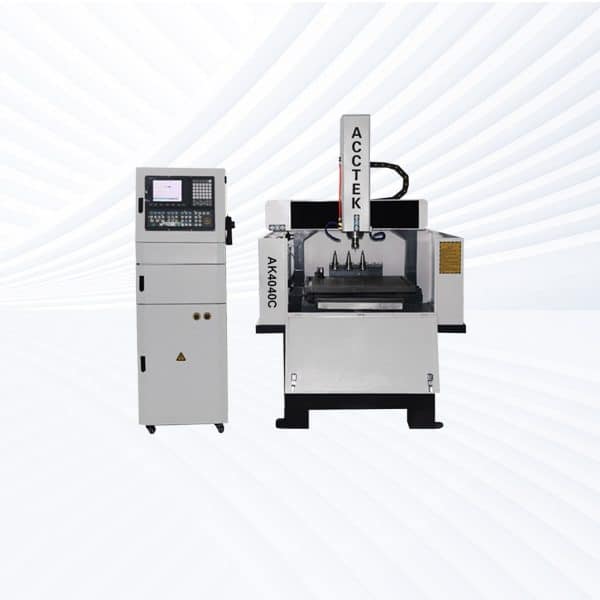
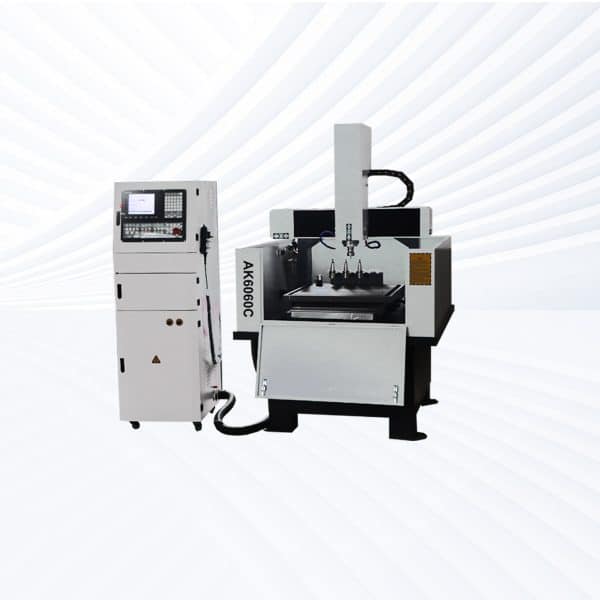
CNC Routers Suitable For Metal
Advantages of CNC Routing Metal
High Precision and Accuracy
CNC routing metal provides exceptional precision, ensuring cuts, engravings, and shapes meet exact specifications. This accuracy is critical for components in aerospace, automotive, and industrial applications where tight tolerances and consistent quality are required.
Ability to Handle Complex Designs
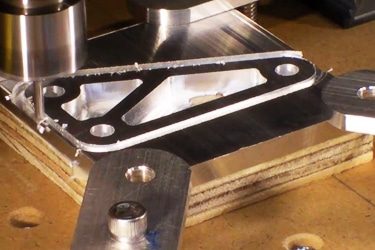
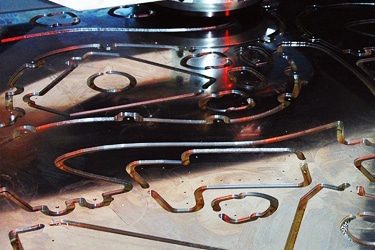
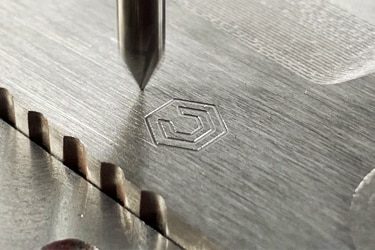
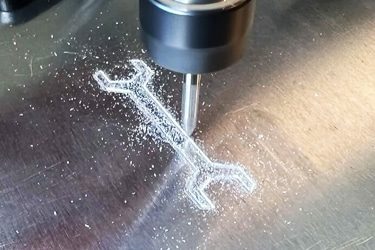
CNC routers can produce intricate geometries, curved surfaces, and detailed patterns in metal that would be difficult or impossible with manual methods. This enables manufacturers to achieve complex parts, customized components, and decorative metalwork efficiently.
Consistent and Repeatable Production
Once programmed, CNC routers can produce identical metal parts repeatedly with uniform quality. This repeatability is essential for mass production, reducing errors and ensuring consistent performance across all components in industrial applications.
Versatility Across Metal Types
CNC routing can process a wide range of metals, including aluminum, steel, stainless steel, brass, copper, and titanium. This versatility allows manufacturers to work on various projects while maintaining precision and efficiency for both soft and hard metals.
Reduced Material Waste
Optimized CNC toolpaths remove only the necessary material, minimizing scrap and material loss. This efficiency lowers production costs and improves sustainability, which is especially important when working with expensive or specialized metal alloys.
Increased Production Speed and Automation
CNC routers automate metal cutting and shaping, allowing continuous operation with minimal supervision. This significantly improves production speed, reduces labor dependency, and enables manufacturers to complete complex projects faster without sacrificing quality.
Compatible Materials
- Aluminum
- Stainless Steel
- Mild Steel
- Carbon Steel
- Tool Steel
- Brass
- Copper
- Bronze
- Titanium
- Titanium Alloy
- Nickel
- Inconel
- Magnesium
- Zinc
- Cobalt
- Monel
- Silicon Bronze
- Beryllium Copper
- Lead
- Pewter
- Tin
- Galvanized Steel
- Spring Steel
- Alloy Steel
- Maraging Steel
- Cast Iron
- Ductile Iron
- Nickel Silver
- Tantalum
- Tungsten
- Molybdenum
- Hastelloy
- Aluminum Bronze
- Phosphor Bronze
- Nickel-Chromium Alloy
- Nickel Alloy
- Silver
- Gold
- Platinum
- Galvalume
CNC Routing VS Other Engraving Methods
| Comparison Item | CNC Routing | Laser Engraving | Hand Engraving | Chemical Etching |
|---|---|---|---|---|
| Processing Method | Uses computer-controlled cutting tools to remove metal material mechanically. | Uses a focused laser beam to vaporize or mark the metal surface. | Manual carving or cutting with hand tools. | Uses chemical solutions to etch exposed areas of metal. |
| Precision and Accuracy | Very high; follows programmed toolpaths for consistent results. | High for surface designs; less precise for deep cuts. | Dependent on skill; hard to achieve repeatability. | Moderate; depends on masking and chemical control. |
| Depth Control | Excellent; can cut shallow or deep designs accurately. | Limited depth; mainly surface marking. | Variable; depends on hand pressure. | Shallow etching only; difficult to control precisely. |
| Complex Design Capability | Can produce intricate 2D and 3D patterns, contours, and cutouts. | Best for detailed 2D graphics, text, and logos. | Complex designs possible but time-consuming. | Limited to simple or repetitive patterns. |
| Material Removal Efficiency | Efficient; removes large amounts of metal with precision. | Low; mainly removes surface material. | Slow; requires manual effort. | Slow; chemical reaction gradually removes material. |
| Production Speed | Highly automated operations allow fast production. | Fast for marking; slower for deep engraving. | Slow; labor-intensive. | Moderate; depends on chemical reaction time. |
| Repeatability | Excellent; identical parts can be produced consistently. | High repeatability for surface designs. | Difficult to replicate; results vary by operator. | Moderate; depends on consistent masking. |
| Surface Finish | Smooth, clean edges with proper tooling. | Smooth engraved marks; may darken edges. | Varies; often uneven. | Can produce smooth etch; edges may be irregular. |
| Automation Level | Fully automated with CAD/CAM programming. | Fully automated with digital laser control. | Entirely manual. | Semi-automated; requires chemical handling. |
| Material Compatibility | Works with most metals, including steel, aluminum, brass, and titanium. | Works best with thinner metals; some alloys may discolor. | Limited by operator skill and metal hardness. | Limited; metal must be compatible with the chemical solution. |
| Tool Wear | Cutting tools may wear over time, but are replaceable. | No mechanical wear; the laser beam is contactless. | Manual tools require frequent sharpening. | No mechanical wear; chemicals must be replenished. |
| Cost Efficiency (Large Production) | Cost-effective for mass production and precise parts. | Cost-effective for decorative marking. | Expensive for large volumes due to labor. | Moderate cost; chemical disposal adds expense. |
| Safety Considerations | Requires proper operator training and machine guards. | Requires laser safety and ventilation. | Lower risk; depends on safe tool handling. | Requires protective equipment and careful chemical handling. |
| Environmental Impact | Produces metal shavings; minimal chemical waste. | Low physical waste; may generate fumes. | Minimal environmental impact. | Generates chemical waste that must be safely disposed of. |
| Typical Applications | Industrial components, panels, molds, decorative metalwork. | Logos, surface marking, signs, and labels. | Custom metal art, jewelry, and small-scale engraving. | Decorative etching, circuit boards, and specialty patterns. |
CNC Routing Capacity
| Item | Cutting | Engraving | Drilling | Pocketing | Carving | Slotting | Surface Finishing | 3D Contouring |
|---|---|---|---|---|---|---|---|---|
| Softwood | Supported | Supported | Supported | Supported | Supported | Supported | Supported | Supported |
| Hardwood | Supported | Supported | Supported | Supported | Supported | Supported | Supported | Supported |
| MDF | Supported | Supported | Supported | Supported | Supported | Supported | Supported | Supported |
| Plywood | Supported | Supported | Supported | Supported | Supported | Supported | Supported | Supported |
| Acrylic | Supported | Supported | Supported | Supported | Supported | Supported | Supported | Supported |
| PVC | Supported | Supported | Supported | Supported | Supported | Supported | Supported | Supported |
| ABS | Supported | Supported | Supported | Supported | Supported | Supported | Supported | Supported |
| Coroplast | Supported | Supported | Supported | Supported | Supported | Supported | Supported | Limited |
| Aluminum | Supported | Supported | Supported | Supported | Supported | Supported | Supported | Supported |
| Brass | Supported | Supported | Supported | Supported | Supported | Supported | Supported | Supported |
| Copper | Supported | Supported | Supported | Supported | Supported | Supported | Supported | Supported |
| Glass | Limited | Shallow engraving only | Limited | Limited | Limited | Limited | Limited | Limited |
| Foam | Supported | Supported | Supported | Supported | Supported | Supported | Supported | Limited |
| Rubber | Supported | Supported | Supported | Supported | Supported | Supported | Supported | Limited |
| Composite | Supported | Supported | Supported | Supported | Supported | Supported | Supported | Supported |
| Marble | Limited | Shallow engraving only | Supported | Pocketing only | Limited | Supported | Supported | Supported |
| Granite | Limited | Shallow engraving only | Supported | Pocketing only | Limited | Supported | Supported | Supported |
| Leather | Supported | Supported | Supported | Supported | Supported | Supported | Supported | Limited |
| Fabrics | Supported | Supported | Supported | Supported | Supported | Supported | Supported | Limited |
| Ceramics | Limited | Shallow engraving only | Limited | Limited | Limited | Limited | Surface polish only | Limited |
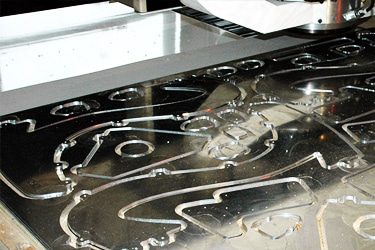
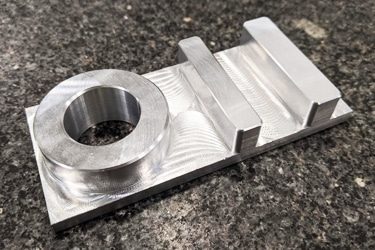
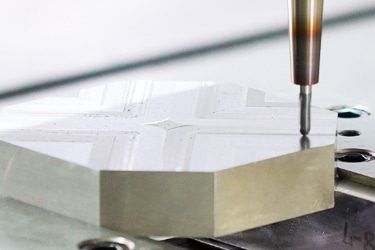
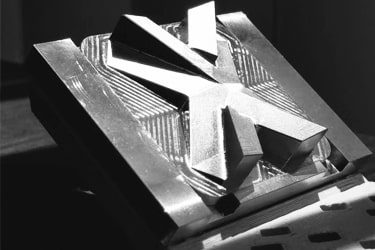
Applications of CNC Routing Metal
Customer Testimonials
Related Resources
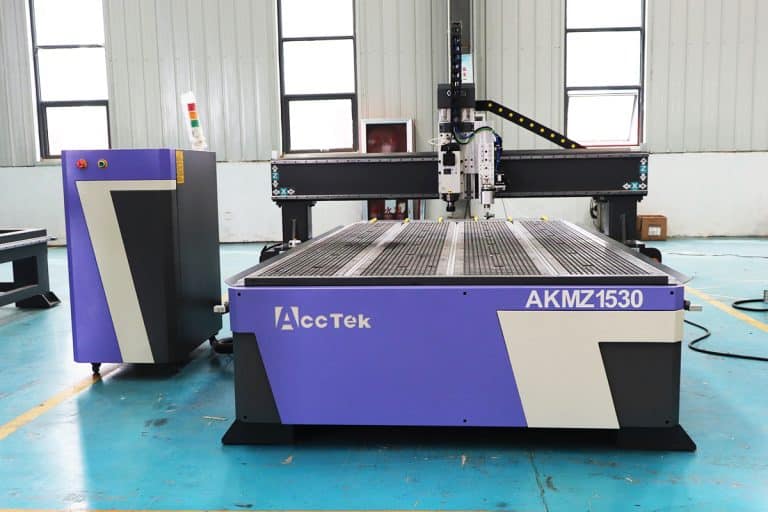
CNC Router Safety Operation Guide
This article explains essential safety procedures, hazard prevention, PPE, tool setup, workholding, machine operation, maintenance, and emergency response.
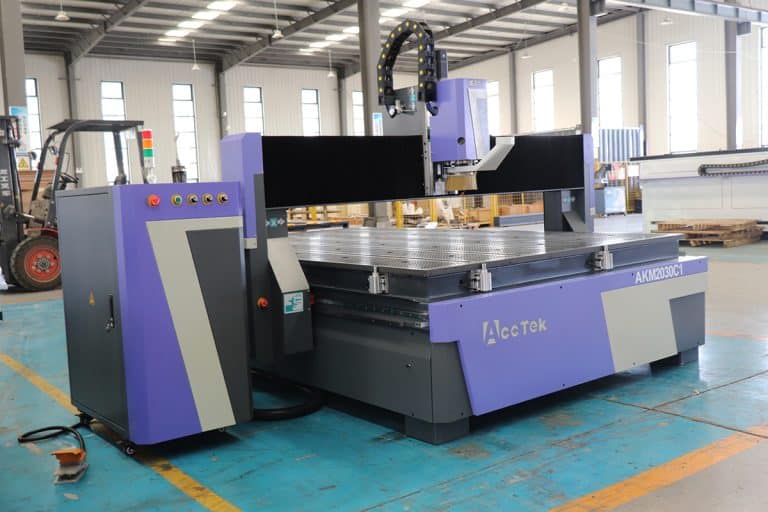
How To Block Noise From CNC Routers?
This article explores practical ways to block CNC router noise, including cutting optimization, vibration control, sound enclosures, auxiliary equipment isolation, and workshop soundproofing.
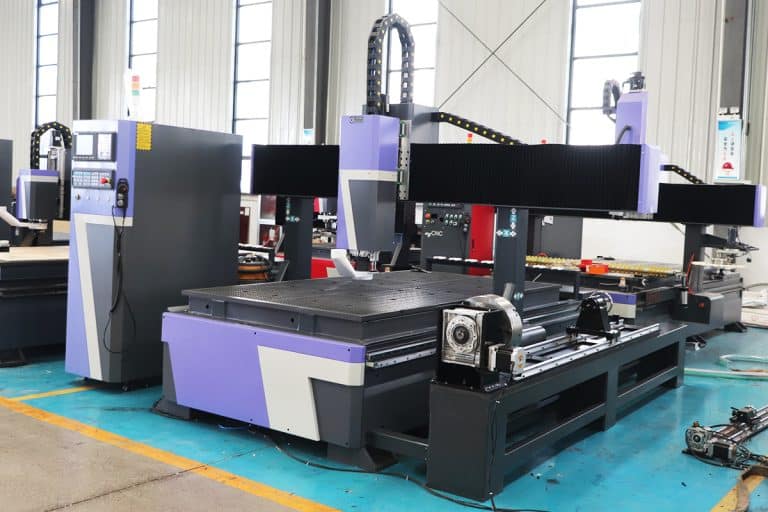
What Are 3D CNC Routers?
This article explores what 3D CNC routers are, how they operate, and the key types, components, software, materials, applications, benefits, limitations, safety practices, maintenance, and selection factors.
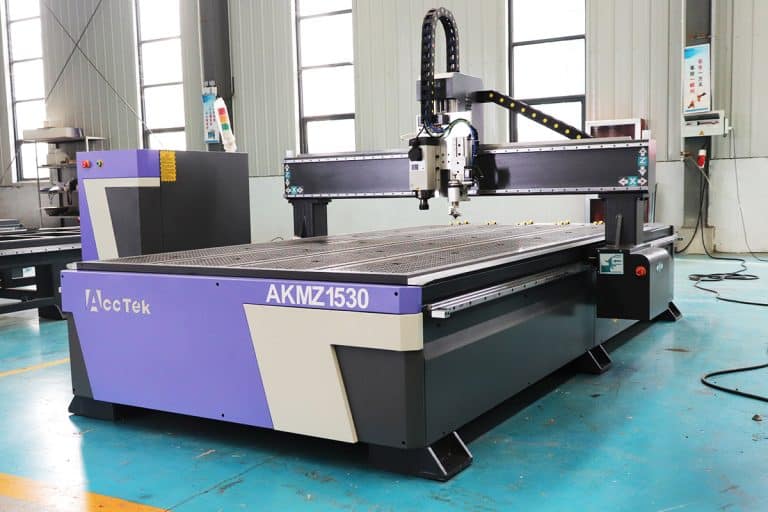
How To Program CNC Routers?
This article is a practical programming guide for CNC routers, covering CAD settings, CAM toolpaths, G-code basics, feed rate, workpiece clamping, safety checks, material settings, and troubleshooting.
Frequently Asked Questions
Why Is CNC Routing Used For Metal?
- Precision and Accuracy: One of the main reasons CNC routing is used for metal is its ability to produce highly accurate parts. Computer-controlled movement allows the cutting tool to follow exact paths defined in CAD/CAM software. This ensures consistent dimensions and repeatability, which is essential in industries like automotive, aerospace, and electronics.
- Efficiency and Speed: CNC routers can operate at high speeds, making them ideal for cutting softer metals quickly. Compared to manual machining, CNC routing significantly reduces production time while maintaining consistent quality. This is especially useful for batch production or prototyping where turnaround time matters.
- Complex Shapes and Designs: CNC routing allows for intricate patterns, contours, and engravings that would be difficult or time-consuming to achieve manually. Multi-axis capabilities enable the creation of detailed parts, including slots, pockets, and decorative features, all within a single setup.
- Cost-Effectiveness: For certain metals and applications, CNC routing is more cost-effective than other machining methods. It requires less manual labor, reduces material waste, and minimizes errors. For thin sheets or non-ferrous metals, routers often provide a good balance between performance and cost.
- Material Versatility: CNC routers can handle a range of metals, particularly non-ferrous ones. With the right tooling, speeds, and cooling methods, they can cut aluminum sheets, brass plates, and similar materials efficiently. This flexibility makes them suitable for industries that work with mixed materials.
- Automation and Consistency: Once a program is set, CNC routers can run continuously with minimal operator intervention. This reduces human error and ensures that every part meets the same specifications. It also allows operators to focus on monitoring and quality control rather than manual cutting.
- Surface Finish and Detail: With proper tooling and parameters, CNC routing can produce clean edges and fine surface finishes on metal parts. Secondary finishing processes may still be required, but the initial cut quality is often high.
What Are The Challenges Of CNC Routing Metal?
- Tool Wear and Material Hardness: Metals, especially harder types like stainless steel or titanium, put significant stress on cutting tools. High hardness leads to rapid tool wear, requiring frequent replacement or sharpening. Even advanced coated carbide or diamond tools degrade over time, which increases operational costs and maintenance needs. Using improper tooling can result in poor surface finish, burrs, and inaccurate dimensions.
- Heat Generation and Thermal Management: CNC routing metal generates substantial heat due to friction between the cutting tool and the metal surface. Excessive heat can cause tool deformation, thermal expansion of the workpiece, and material hardening. Managing this heat requires proper cooling strategies, such as flood or mist coolant systems, to prevent warping, burning, or micro-cracking of the metal.
- Chip Evacuation: Unlike softer materials, metal produces dense, sharp chips that must be removed effectively. Poor chip management can cause recutting, tool breakage, or surface scratching. CNC routers need efficient chip extraction and careful toolpath planning to avoid buildup and maintain cutting quality.
- Machine Rigidity and Vibration: Metals require high spindle torque and rigid machine construction. Inadequate rigidity or vibration during cutting can cause chatter marks, dimensional inaccuracies, and premature tool wear. Heavier, well-constructed CNC routers with precise spindle bearings are essential to maintain accuracy during high-force operations.
- Surface Finish Challenges: Achieving smooth surfaces in metals can be difficult due to hardness and cutting stresses. Feed rates, spindle speeds, and tool geometry must be carefully controlled. Even small variations in parameters can lead to rough finishes, burnishing, or surface defects that require post-processing.
- Speed and Efficiency Limitations: Cutting metals is slower compared to wood or plastics because of material resistance. Optimizing cutting strategies, such as step-over, depth of cut, and spindle speed, is crucial to balance speed with quality. Aggressive parameters may increase throughput but risk damaging tools or the workpiece.
- Material-Specific Considerations: Each metal has unique properties—aluminum is soft but prone to gumming, brass is machinable but can leave burrs, and hardened steel is very durable but stresses tools. CNC operators must understand these properties to avoid defects and maximize efficiency.
What Is The Accuracy For CNC Routing Metal?
- Typical Accuracy Range: For most high-quality CNC routers, the positional accuracy for metal routing is usually within a few thousandths of an inch. Standard industrial routers can hold tolerances around 0.05 millimeters, while premium machines with advanced motion control and rigid construction can achieve even tighter tolerances. Repeatability is equally important, ensuring that multiple parts can be produced with consistent dimensions.
- Factors Affecting Accuracy: Several factors influence CNC metal routing accuracy. Machine rigidity is critical, as any flexing or vibration during cutting can cause deviations from the programmed path. Heavier metals like steel or titanium exert more stress on the machine, so a solid frame and well-supported axes are essential. Spindle precision also matters; wobble or misalignment can lead to uneven cuts or dimensional errors.
- Tooling and Wear: Tool condition has a direct impact on accuracy. Cutting tools wear more quickly when machining metals due to their hardness and abrasiveness, which can change the effective cutting diameter and compromise tolerances. Using high-quality carbide or coated tools and monitoring their wear helps maintain precise results.
- Thermal Expansion: Heat generated during metal cutting affects both the workpiece and the tool. Metals expand when heated, which can subtly alter dimensions if not compensated for. Proper coolant application and careful management of feed rates and spindle speeds reduce heat buildup, helping maintain consistent accuracy.
- Cutting Strategy: Accuracy also depends on the routing strategy. Shallow, incremental passes reduce cutting forces and minimize deflection of the tool and workpiece. Toolpaths that avoid abrupt changes in direction help prevent overshoot or chatter, improving dimensional fidelity.
- Material Properties: Different metals behave differently. Aluminum is soft and easy to machine with minimal deflection, making it easier to maintain tight tolerances. Harder metals like stainless steel or titanium require slower cuts and more rigid setups to prevent springback or tool deflection, which can affect accuracy.
What Is The Surface Finish On CNC Routing Metal?
- Material Considerations: Softer metals like aluminum, brass, and mild steel generally provide smoother finishes because they cut cleanly and produce minimal burrs. Harder metals, such as stainless steel, titanium, or tool steels, are more prone to rough surfaces and require careful control of cutting parameters. The presence of coatings or anodized layers can also influence the smoothness of the final surface.
- Tooling Impact: The choice and condition of cutting tools significantly affect surface quality. Carbide or coated end mills maintain sharp edges longer than high-speed steel tools, reducing tool marks and chatter. Worn or dull tools can create rough, uneven surfaces and may cause micro-chipping of harder metals. Tool geometry, including flute design and rake angles, also plays a role in chip evacuation and smoothness of cut.
- Cutting Parameters: Feed rate, spindle speed, depth of cut, and step-over distances directly influence the finish. Slower, controlled feed rates combined with higher spindle speeds typically produce smoother surfaces, while aggressive cuts can leave ridges, tear-out, or vibration marks. Multiple shallow passes often yield better finishes than a single deep pass, particularly for hard metals.
- Machine Rigidity and Vibration: A rigid CNC router with minimal backlash and stable workholding helps prevent chatter and tool deflection, both of which degrade surface quality. Even slight vibrations can leave ripples or inconsistent textures on the metal surface. Proper clamping and support of the workpiece are essential for maintaining uniformity.
- Cooling and Lubrication: Effective use of coolants or lubricants helps control heat, reduces tool wear, and prevents material adhesion to the cutting edge. This not only extends tool life but also minimizes discoloration, scoring, or surface roughness caused by thermal effects.
- Toolpath Strategy: Smooth, continuous toolpaths without abrupt changes in direction help maintain uniform finishes. Step-over distance and entry/exit strategies are also crucial to avoid tool marks or ridges.
What Causes Defects In CNC Routing Metal?
- Material-Related Causes: The type of metal significantly affects defect formation. Harder metals like stainless steel, titanium, or tool steel are more prone to chatter, burr formation, and surface tearing, while softer metals such as aluminum or brass can be prone to smearing or surface marks if feeds and speeds are too high. Variations in metal hardness, internal stresses, or impurities can also cause inconsistent cuts.
- Tooling Issues: The cutting tool is critical for quality. Dull, chipped, or worn tools create rough edges, tear-outs, or burrs. Using the wrong tool geometry for a specific metal can increase vibrations or produce uneven chip removal, leading to surface defects. Flute design, coating, and diameter all impact how efficiently chips are evacuated and how smooth the surface becomes.
- Machine-Related Causes: CNC router rigidity and stability are major factors. Any looseness in the spindle, linear guides, or workholding can produce chatter marks, uneven surfaces, or dimensional inaccuracies. Vibration from the machine or the workpiece during cutting can leave ripples or unwanted grooves on the metal surface.
- Process Parameters: Improper feed rates, spindle speeds, and depth of cut are frequent causes of defects. Cutting too aggressively can create excessive heat, causing discoloration, work hardening, or micro-cracking, especially in harder metals. Too slow a feed or insufficient spindle speed can produce rubbing rather than cutting, leading to burnishing or surface scratches.
- Cooling and Lubrication: Metals generate significant heat during CNC routing. Insufficient cooling or lubrication can cause thermal expansion, surface discoloration, and increased tool wear, all of which contribute to poor surface finish and dimensional errors. Coolants also help flush chips away; if chips are not cleared properly, they can scratch the surface or clog the cut path.
- Toolpath and Fixturing: Poorly planned toolpaths with abrupt directional changes can leave marks or cause the tool to dig into corners. Inadequate workpiece support may allow the metal to vibrate, bend, or shift, creating dimensional defects and surface irregularities.
What Is The Toolpath Strategy For CNC Routing Metal?
- Climb vs Conventional Milling: One of the first considerations in toolpath strategy is whether to use climb or conventional milling. Climb milling, where the cutter rotates in the same direction as the feed, reduces tool deflection, produces a smoother finish, and helps evacuate chips more effectively. Conventional milling may be used for roughing when minimizing tool stress is important, but it can leave a rougher surface.
- Layered and Step-Down Cuts: Metals are rarely cut in a single pass. The toolpath should include incremental depth passes, known as step-downs, to gradually remove material without overloading the tool or causing excessive heat. Step-over distances are also crucial, balancing between surface finish quality and cutting time. Smaller step-overs produce smoother surfaces but increase machining time.
- Optimized Entry and Exit Points: Proper tool entry and exit points prevent tool marks, chatter, and edge tearing. Entry strategies such as ramping, helical, or plunge-in approaches reduce sudden forces on the tool. Exiting along natural contours or using ramp-out paths avoids leaving marks at the end of a cut, which is particularly important for precision metal parts.
- High-Speed and Adaptive Toolpaths: Modern CAM systems offer high-speed or adaptive toolpath strategies for metals. These paths maintain consistent tool engagement and optimize cutting angles, reducing heat buildup and extending tool life. The tool moves efficiently along curves and corners, minimizing sudden directional changes that can stress the spindle or create surface defects.
- Avoiding Sharp Corners: Sharp internal corners in metal parts can create stress points, cause tool chatter, and accelerate wear. Toolpath strategies often include corner rounding or trochoidal movements to smooth transitions, especially in harder metals. This maintains a consistent chip load and prevents damage to the workpiece.
- Multiple Pass Finishing: After roughing passes, remove most of the material, finishing toolpaths, and refining edges and surfaces. These paths have minimal depth of cut and slower feed rates to achieve tight tolerances and a smooth surface finish. This two-stage approach prevents defects and ensures accurate dimensions.
What Safety Risks Exist With CNC Routing Metal?
- Flying Debris and Chips: During metal cutting, the rotating cutter generates high-speed metal chips and shards. These fragments can be sharp and hot, posing a risk of eye injuries, cuts, or skin burns. Even small pieces can cause serious harm if they penetrate protective clothing or eyewear. Operators should always wear safety goggles or face shields, gloves, and protective clothing.
- Tool Breakage and Spindle Hazards: Cutting metal puts high stress on tools and the spindle. Improper feeds, excessive cutting depth, or worn tools can lead to tool breakage. Broken tools can become projectiles, damaging the machine, the workpiece, and potentially injuring operators. Ensuring proper tool selection, regular inspection, and adhering to recommended feed rates reduces this risk.
- Noise and Vibration: CNC routing metal produces significant noise and vibrations. Extended exposure can lead to hearing damage and operator fatigue. Hearing protection is essential, and vibration-damping measures or anti-vibration mounts for both machines and workstations improve safety.
- Heat and Fire Risk: Cutting metal generates substantial heat, especially when machining hard metals or using high spindle speeds. This can cause burns if operators touch the workpiece or tools immediately after machining. Additionally, sparks produced when cutting ferrous metals can ignite flammable materials nearby, creating a fire hazard. Proper workspace organization and keeping flammable substances away are crucial.
- Sharp Edges and Burrs: After routing, metal parts often have sharp edges or burrs, which can cause cuts during handling. Operators should use deburring tools and wear gloves when handling newly machined pieces.
- Fumes and Metal Dust: Machining certain metals, such as aluminum, stainless steel, or alloys, produces fine metal dust and fumes. Prolonged exposure can be harmful to respiratory health. Adequate ventilation, dust extraction systems, and respirators are necessary for safe operation.
- Electrical Hazards: CNC routers are powered by high-voltage electricity. Faulty wiring, improper grounding, or accidental contact with electrical components can cause shocks or electrocution. Routine inspection and proper machine maintenance are essential.
What PPE Is Required For CNC Routing Metal?
- Eye Protection: The most critical safety gear is high-quality safety goggles or a full-face shield. CNC routing produces high-speed metal chips that can cause severe eye injuries. Goggles should meet industrial safety standards and provide a snug fit to prevent particles from entering from the sides. A face shield offers additional protection against larger fragments and sparks.
- Hearing Protection: CNC routing of metal generates significant noise from the spindle, cutting, and vibration. Extended exposure can lead to hearing damage. Earplugs or earmuffs rated for industrial noise reduction help protect hearing and reduce operator fatigue.
- Hand Protection: Operators must wear cut-resistant gloves when handling raw or freshly machined metal pieces to prevent cuts from sharp edges or burrs. Gloves should allow dexterity so that operators can manipulate parts safely without compromising control over the material.
- Respiratory Protection: Some metals, especially aluminum, stainless steel, or alloys, produce fine dust or fumes during cutting, which can be harmful when inhaled. Respirators or dust masks with appropriate filters reduce exposure and protect respiratory health. Adequate ventilation and dust extraction systems should also complement PPE.
- Body Protection: Flame-resistant or heavy-duty work clothing protects against sparks and hot metal fragments. Long sleeves, durable pants, and closed-toe safety boots with steel toes prevent burns and foot injuries. Aprons or protective sleeves can provide extra coverage when handling heavy or hot workpieces.
- Head Protection: In environments with overhead hazards or moving equipment, a hard hat may be necessary to protect against accidental contact with tools, moving gantries, or falling materials.
- Additional Considerations: Operators should ensure PPE fits properly and is maintained in good condition. Items like safety glasses and gloves should be inspected regularly for cracks, tears, or wear that could compromise protection. Training in the correct use of PPE is essential, as improper use can reduce effectiveness.