

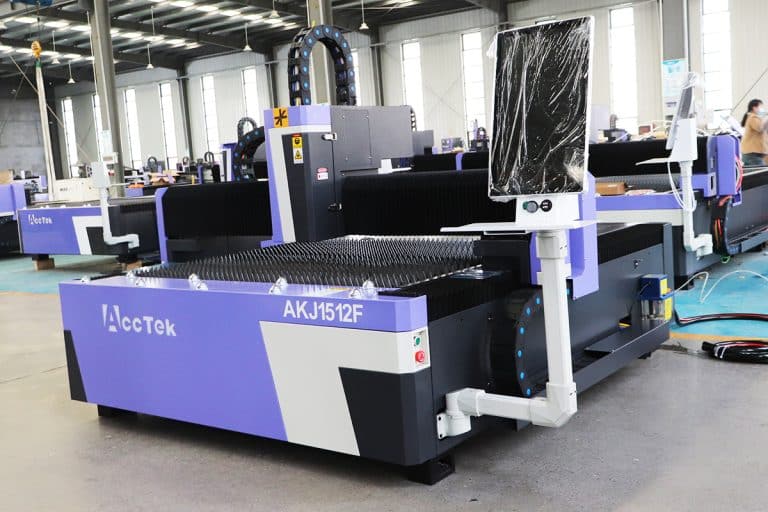
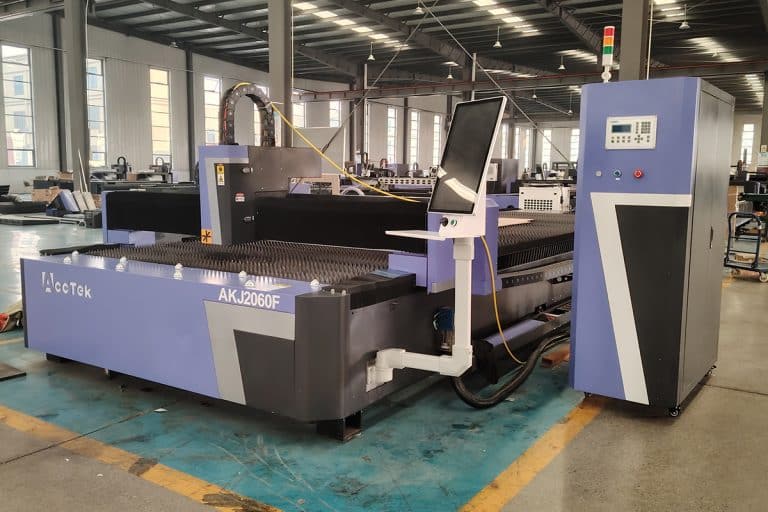
Product Introduction
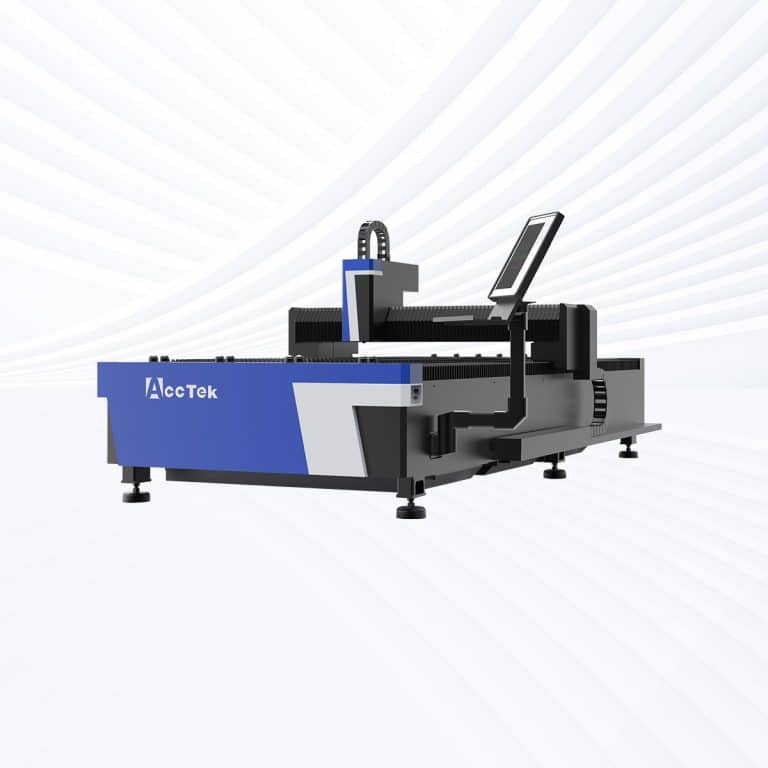
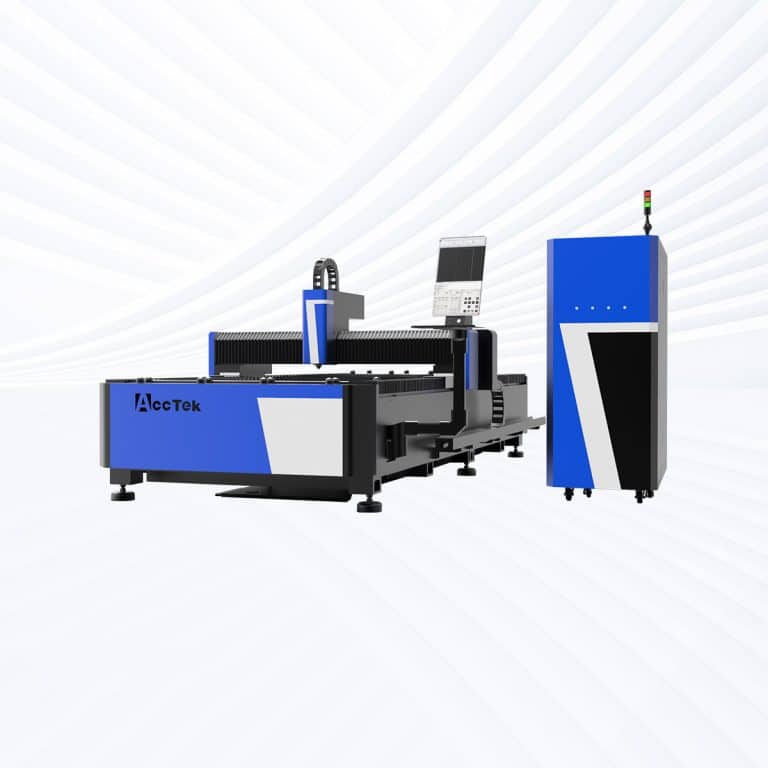
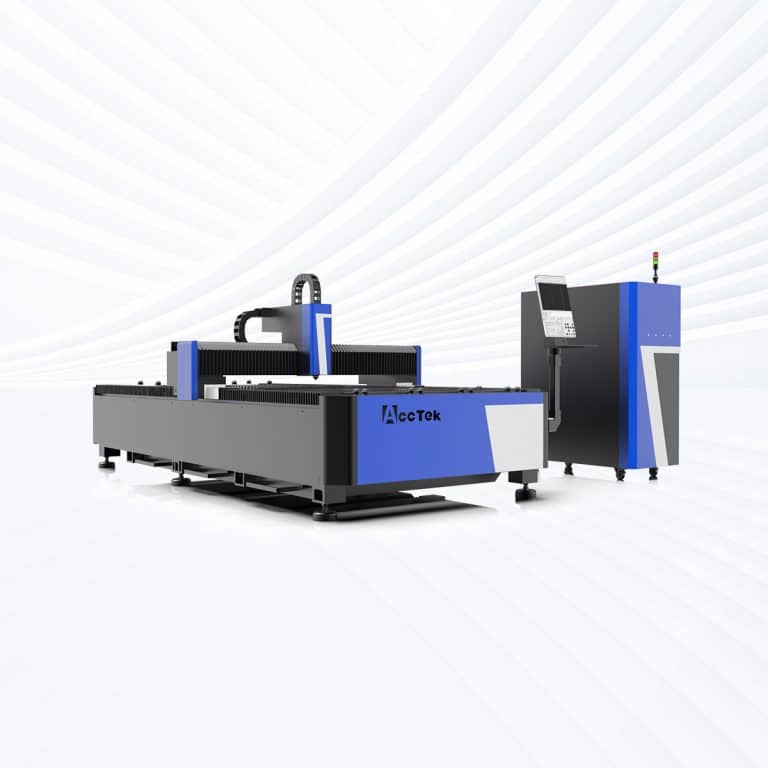
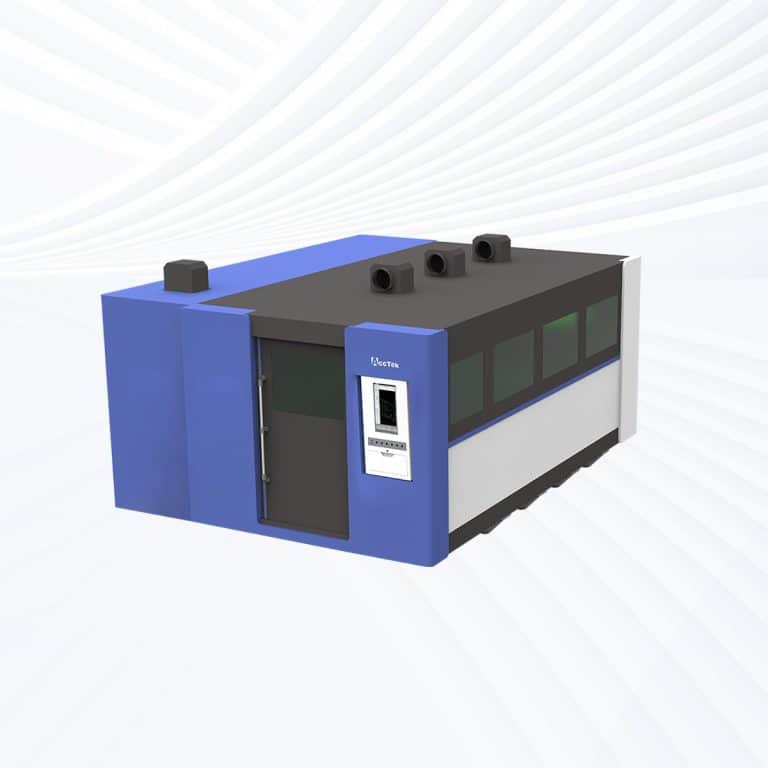
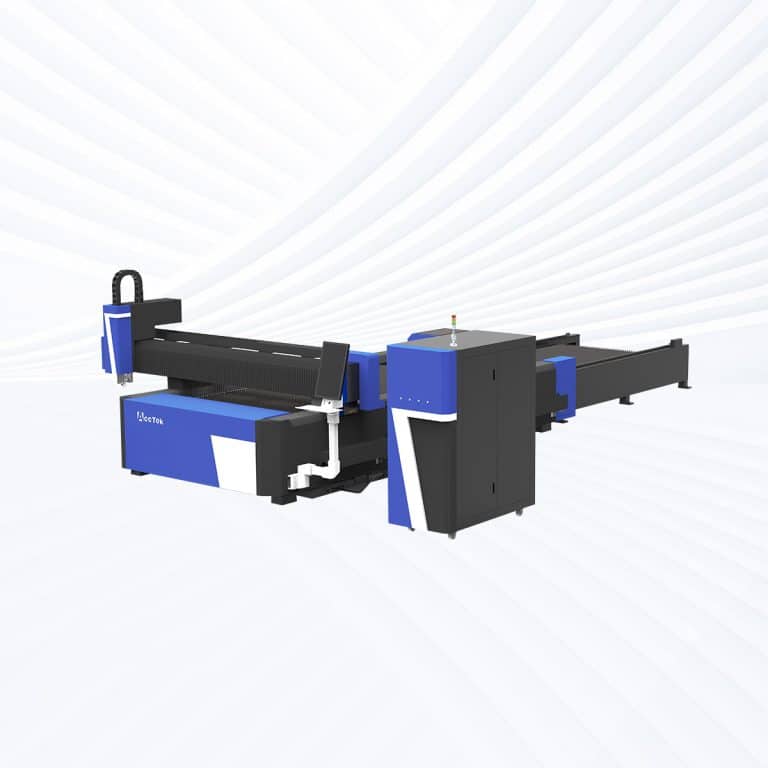
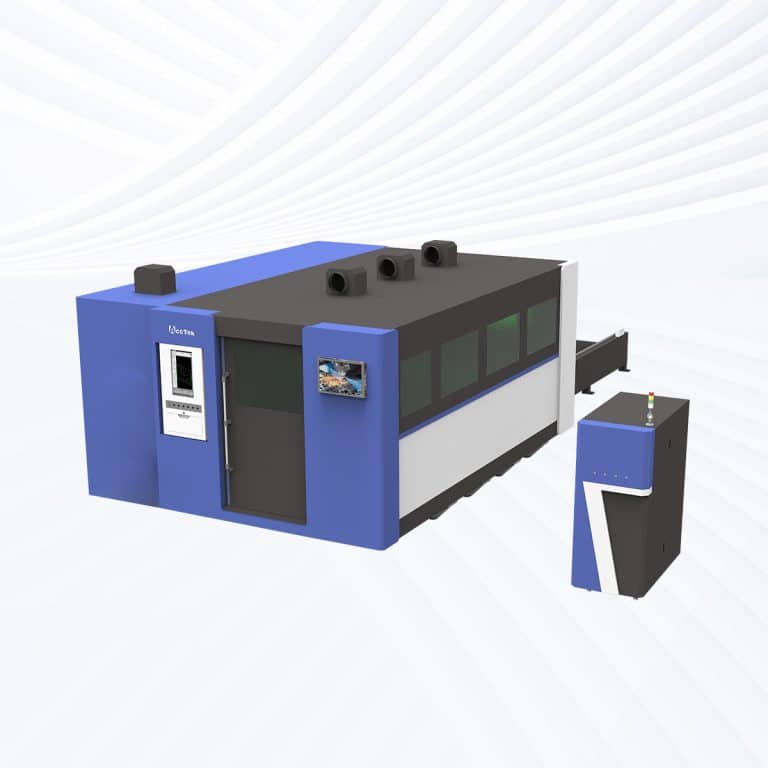
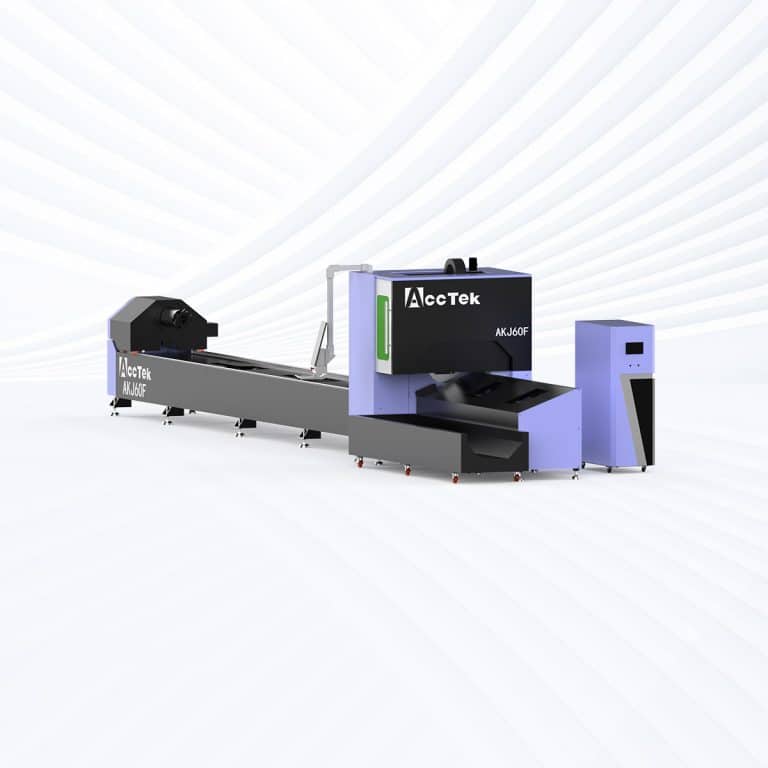
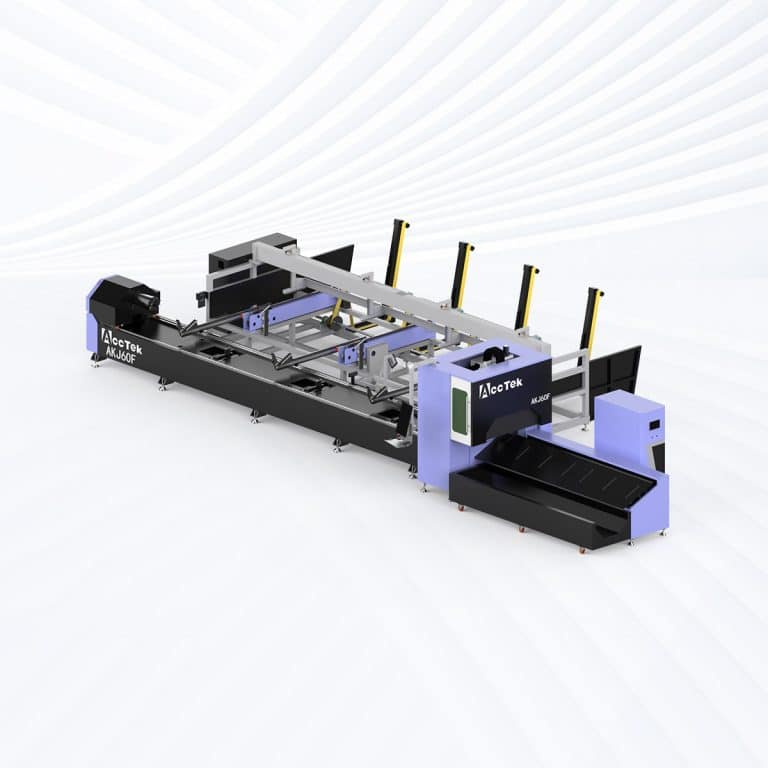
6kW Laser Cutting Capacity
| Material | Thickness (mm) | Cutting Speed (m/min) | Focus Position (mm) | Cutting Height (mm) | Gas | Nozzle (mm) | Pressure (bar) |
|---|---|---|---|---|---|---|---|
| Carbon Steel | 1 | 35-45 | 0 | 1 | N2/Air | 1.5 | 12 |
| 2 | 20-25 | -1 | 0.5 | N2/Air | 2 | 12 | |
| 3 | 12-14 | -1.5 | 0.5 | N2/Air | 2 | 14 | |
| 4 | 8.0-10.0 | -2 | 0.5 | N2/Air | 2 | 14 | |
| 5 | 6.0-7.0 | -2.5 | 0.5 | N2/Air | 3 | 16 | |
| 6 | 5.0-6.0 | -3 | 0.5 | N2/Air | 3.5 | 16 | |
| 3 | 3.5-4.2 | +3 | 0.8 | O2 | 1.2 | 0.6 | |
| 4 | 3.3-3.8 | +3 | 0.8 | O2 | 1.2 | 0.6 | |
| 5 | 3.0-3.6 | +3 | 0.8 | O2 | 1.2 | 0.6 | |
| 6 | 2.7-3.2 | +3 | 0.8 | O2 | 1.2 | 0.6 | |
| 8 | 2.2-2.5 | +3 | 0.8 | O2 | 1.2 | 0.6 | |
| 10 | 2.0-2.3 | +4 | 0.8 | O2 | 1.2 | 0.6 | |
| 12 | 0.9-1.0 | +2.5 | 0.8 | O2 | 3 | 0.6 | |
| 12 | 1.9-2.1 | +5 | 0.8 | O2 | 1.2 | 0.6 | |
| 14 | 0.8-0.9 | +2.5 | 0.8 | O2 | 3.5 | 0.6 | |
| 14 | 1.4-1.7 | +5 | 1 | O2 | 1.4 | 0.6 | |
| 16 | 0.8-0.9 | +2.5 | 0.8 | O2 | 4 | 0.6 | |
| 16 | 1.2-1.4 | +6 | 1 | O2 | 1.4 | 0.6 | |
| 18 | 0.65-0.75 | +2.5 | 0.8 | O2 | 4 | 0.6 | |
| 18 | 0.8 | +12 | 0.3 | O2 | 1.6 | 0.6 | |
| 20 | 0.5-0.6 | +3 | 0.8 | O2 | 4 | 0.6 | |
| 20 | 0.6-0.7 | +13 | 0.3 | O2 | 1.6 | 0.6 | |
| 22 | 0.45-0.5 | +3 | 0.8 | O2 | 4 | 0.6 | |
| 22 | 0.5-0.6 | +13 | 0.3 | O2 | 1.6 | 0.6 | |
| 25 | 0.5 | +3 | 1 | O2 | 5 | 0.5 | |
| 25 | 0.4-0.5 | +14 | 0.3 | O2 | 1.8 | 0.6 | |
| Stainless Steel | 1 | 40-50 | 0 | 0.8 | N2 | 1.5 | 10 |
| 2 | 25-30 | -1 | 0.5 | N2 | 2 | 12 | |
| 3 | 15-18 | -1.5 | 0.5 | N2 | 2.5 | 12 | |
| 4 | 10-12 | -2 | 0.5 | N2 | 2.5 | 14 | |
| 5 | 7.0-8.0 | -2.5 | 0.5 | N2 | 3 | 14 | |
| 6 | 6.0-7.0 | -3 | 0.5 | N2 | 3 | 15 | |
| 8 | 3.5-3.8 | -4 | 0.5 | N2 | 3 | 15 | |
| 10 | 1.6-2.0 | -6 | 0.5 | N2 | 3.5 | 15 | |
| 12 | 1.0-1.2 | -7.5 | 0.5 | N2 | 3.5 | 16 | |
| 14 | 0.8-1.0 | -9 | 0.5 | N2 | 4 | 16 | |
| 16 | 0.5-0.6 | -10.5 | 0.5 | N2 | 4 | 18 | |
| 18 | 0.4-0.5 | -11 | 0.3 | N2 | 5 | 20 | |
| 20 | 0.2-0.35 | -12 | 0.3 | N2 | 5 | 20 | |
| Aluminum | 1 | 30-45 | 0 | 1 | N2 | 1.5 | 12 |
| 2 | 20-25 | -1 | 0.5 | N2 | 2 | 12 | |
| 3 | 14-16 | -1.5 | 0.5 | N2 | 2.5 | 14 | |
| 4 | 8.0-10.0 | -2 | 0.5 | N2 | 2.5 | 14 | |
| 5 | 5.0-6.0 | -3 | 0.5 | N2 | 3 | 14 | |
| 6 | 3.5-4.0 | -3 | 0.5 | N2 | 3 | 16 | |
| 8 | 1.5-2.0 | -4 | 0.5 | N2 | 3 | 16 | |
| 10 | 1.0-1.2 | -4.5 | 0.5 | N2 | 3.5 | 18 | |
| 12 | 0.6-0.7 | -5 | 0.5 | N2 | 4 | 18 | |
| 14 | 0.4-0.6 | -5 | 0.3 | N2 | 4 | 18 | |
| 16 | 0.3-0.4 | -8 | 0.3 | N2 | 5 | 20 | |
| Brass | 1 | 30-40 | 0 | 1 | N2 | 1.5 | 12 |
| 2 | 18-20 | -1 | 0.5 | N2 | 2 | 12 | |
| 3 | 12-14 | -1 | 0.5 | N2 | 2.5 | 14 | |
| 4 | 8.0-9.0 | -1.5 | 0.5 | N2 | 3 | 14 | |
| 5 | 5.0-5.5 | -2 | 0.5 | N2 | 3 | 14 | |
| 6 | 3.2-3.8 | -2.5 | 0.5 | N2 | 3 | 16 | |
| 8 | 1.5-1.8 | -3 | 0.5 | N2 | 3.5 | 16 | |
| 10 | 0.8-1.0 | -3 | 0.5 | N2 | 3.5 | 16 | |
| 12 | 0.6-0.7 | -4 | 0.3 | N2 | 4 | 18 | |
| Copper | 1 | 25-30 | -0.5 | 1 | O2 | 2 | 14 |
| 2 | 15-18 | -1 | 0.5 | O2 | 2 | 14 | |
| 3 | 8.0-10.0 | -2 | 0.5 | O2 | 2 | 12 | |
| 4 | 5.0-6.0 | -2 | 0.5 | O2 | 2 | 12 | |
| 5 | 3.0-4.0 | -3 | 0.5 | O2 | 2.5 | 10 | |
| 6 | 1.5-2.0 | -3 | 0.5 | O2 | 2.5 | 10 | |
| Titanium | 1 | 5.1-7.8 | 0 | 0.8 | N2 | 1.5 | 12 |
| 2 | 3.8-5.8 | -1 | 0.5 | N2 | 2 | 12 | |
| 3 | 2.9-4.3 | -1.5 | 0.5 | N2 | 2 | 14 | |
| 4 | 2.2-3.4 | -1.5 | 0.5 | N2 | 2 | 14 | |
| 5 | 1.4-2.2 | -2 | 0.5 | N2 | 2 | 14 | |
| 6 | 1.0-1.5 | -2 | 0.5 | N2 | 2 | 14 | |
| 8 | 0.8-1.2 | -2.5 | 0.5 | N2 | 2.5 | 16 | |
| 10 | 0.6-1.0 | -3 | 0.5 | N2 | 2.5 | 16 | |
| 12 | 0.5-0.8 | -4 | 0.5 | N2 | 2.5 | 16 | |
| 14 | 0.4-0.6 | -4 | 0.5 | N2 | 3 | 16 | |
| Galvanized Steel | 1 | 17.3-26.0 | 0 | 0.8 | N2 | 1.6 | 12 |
| 2 | 8.6-13.0 | -1 | 0.8 | N2 | 1.6 | 12 | |
| 3 | 4.3-6.5 | -1.5 | 0.6 | N2 | 2 | 14 | |
| 4 | 2.9-4.3 | -1.5 | 0.6 | N2 | 2 | 14 | |
| 5 | 2.2-3.2 | -2 | 0.6 | N2 | 2 | 14 | |
| 6 | 1.7-2.6 | -2 | 0.6 | N2 | 2 | 14 | |
| 8 | 1.2-1.7 | -2.5 | 0.6 | N2 | 2.5 | 14 | |
| 10 | 0.9-1.3 | -2.5 | 0.6 | N2 | 2.5 | 14 | |
| 12 | 0.6-0.9 | -3 | 0.5 | N2 | 2.5 | 14 | |
| 14 | 0.4-0.6 | -3 | 0.5 | N2 | 3 | 16 | |
| 16 | 0.3-0.5 | -3 | 0.5 | N2 | 3 | 16 | |
| 18 | 0.25-0.4 | -4 | 0.5 | N2 | 3 | 16 | |
| Nickel-Alloy | 1 | 7.2-10.8 | 0 | 0.8 | N2 | 1.4 | 14 |
| 2 | 2.9-4.3 | -0.8 | 0.8 | N2 | 1.4 | 14 | |
| 3 | 1.4-2.2 | -1.2 | 0.6 | N2 | 1.8 | 16 | |
| 4 | 1.0-1.4 | -1.2 | 0.6 | N2 | 1.8 | 16 | |
| 5 | 0.7-1.1 | -1.8 | 0.6 | N2 | 1.8 | 16 | |
| 6 | 0.6-0.9 | -1.8 | 0.6 | N2 | 1.8 | 16 | |
| 8 | 0.4-0.5 | -2.5 | 0.6 | N2 | 2.2 | 16 | |
| 10 | 0.2-0.4 | -2.5 | 0.6 | N2 | 2.2 | 16 |
Compatible Materials
- Carbon Steel
- Stainless Steel
- Mild Steel
- Alloy Steel
- Tool Steel
- Bronze
- Zinc
- Inconel
- Hastelloy
- Waspaloy
- Rene alloys
- Stellite
- Galvanized Steel
- Chrome-Plated Steel
- Aluminized Steel
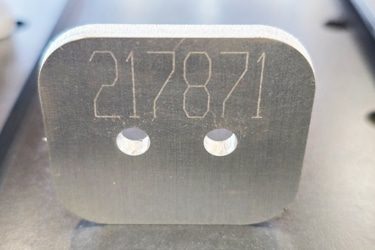
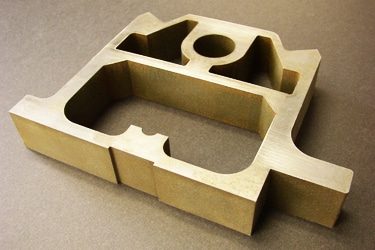
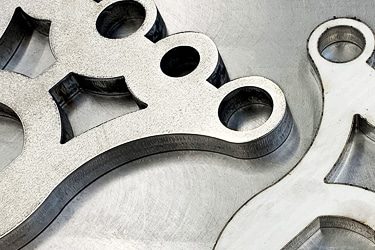
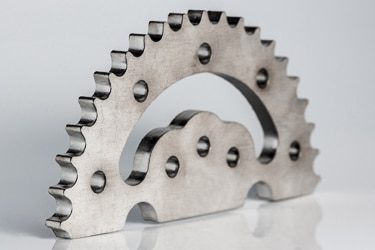
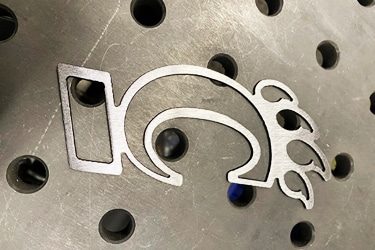
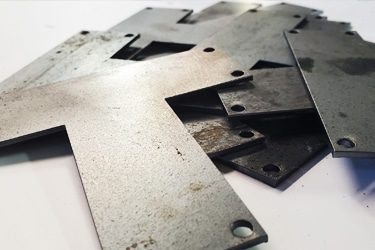
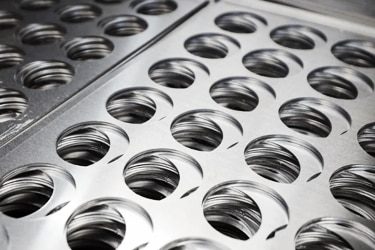
Application of 6kW Laser Cutting Machines

Customer Testimonials
Comparison VS Other Cutting Technologies
| Feature | Laser Cutting | Plasma Cutting | Waterjet Cutting | Flame Cutting |
|---|---|---|---|---|
| Cutting Precision | Very high (±0.05 mm) | Medium (±0.5 mm) | Very high (±0.1 mm) | Low (±1–2 mm) |
| Edge Quality | Smooth, minimal post-processing | Rougher, may need grinding | Excellent, no heat effect | Rough edges, heavy finishing |
| Material Range | Metals, reflective materials | Conductive metals only | Almost all materials (metal, stone, glass, composites) | Ferrous metals only |
| Max Cutting Thickness | Up to 50 mm (with high-power lasers) | Up to 150 mm | Up to 200+ mm | Up to 300 mm (steel) |
| Cutting Speed (Thin Sheets) | Fastest for <20 mm | Fast for medium-thick plates | Slower | Slow |
| Heat-Affected Zone (HAZ) | Very small | Medium | None | Large |
| Operating Cost | Low (energy-efficient, minimal consumables) | Medium (electrodes, gas) | High (abrasive, water, pump) | Low (fuel and oxygen) |
| Initial Investment | Medium to high | Low to medium | Very high | Low |
| Maintenance | Low (fiber lasers are reliable) | Medium (torch wear, consumables) | High (pump, nozzle, abrasive lines) | Low |
| Automation Compatibility | Excellent (CNC, software-driven) | Good | Good | Limited |
| Surface Finish | Clean, ready-to-use | Requires secondary finishing | Excellent | Poor |
| Environmental Impact | Low (no chemicals, low waste) | Moderate (fumes, slag) | High (abrasive waste disposal) | High (fumes, CO₂) |
| Energy Efficiency | High (especially fiber lasers) | Moderate | Low (energy-intensive pumps) | Moderate |
| Noise Levels | Low | High | High | High |
| Best Use Case | Precision sheet/plate cutting, prototyping, high-quality parts | Structural steel, medium-to-thick plates | Ultra-thick, exotic, or non-metal materials | Heavy plate cutting, construction |
| Industry Adoption | Automotive, aerospace, fabrication, electronics, signage | Shipbuilding, repair, construction | Aerospace, defense, custom fabrication | Heavy industry, construction |
Why Choose Us
Advanced Technology
Our laser cutting machines feature high-speed, precision cutting with the latest laser technology, ensuring smooth edges, minimal waste, and superior efficiency across various materials and thicknesses.
Reliable Quality
Each machine undergoes rigorous quality control and durability testing to ensure long-term stability, low maintenance, and consistent high performance, even under demanding industrial conditions.
Comprehensive Support
We provide full technical support, including installation guidance, operator training, and after-sales service, ensuring smooth machine operation and minimal downtime for your business.
Cost-Effective Solutions
Our machines offer high performance at competitive prices, with customizable options to fit different production needs, helping businesses maximize their investment without compromising on quality.
Related Resources
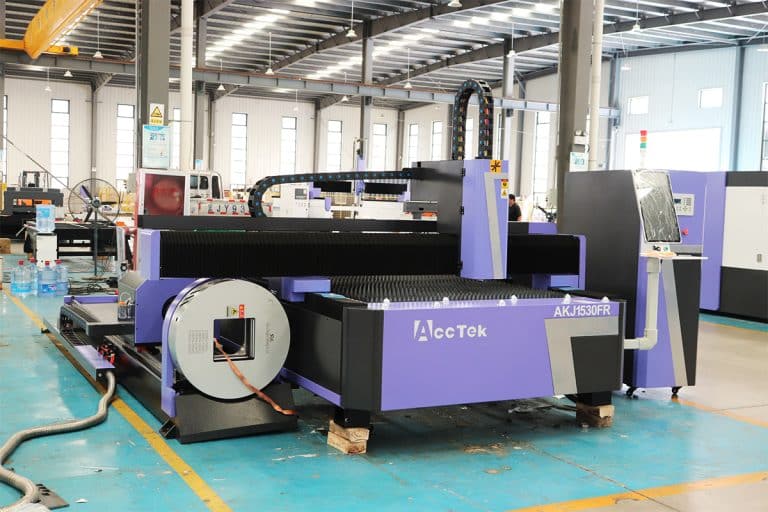
What Factors Affect Laser Cutting Speed?
This article explores the key factors that affect laser cutting speed, including material type and thickness, laser power, beam quality, focus, assist gas, machine condition, motion control, and automation.
What Are The Main Hazards Of Laser Cutting Machines
This article explores the main hazards of laser cutting machines, including laser radiation, fire, fumes, gases, electrical risks, moving parts, material hazards, and key safety controls.
Power Consumption of Laser Cutting Machines
This article explores the factors affecting power consumption in laser cutting machines, including technology, material thickness, auxiliary systems, and strategies for energy-efficient operation.
Understanding The Cooling System Of Laser Cutting Machines
This article explores the cooling system of laser cutting machines, including chiller operation, cooling water management, maintenance, alarms, troubleshooting, and safety requirements.
Frequently Asked Questions
How Much Do 6kW Laser Cutting Machines Cost?
- Open Laser Cutting Machine ($30,500-$67,500): These are the most economical 6kW laser cutting machines, featuring an open-frame design. They deliver powerful performance for sheet cutting but require strict PPE and strong workshop ventilation due to exposed sparks, fumes, and radiation. They are suitable for workshops that want cost savings while handling safety independently.
- Enclosed Laser Cutting Machine ($34,500-$70,000): Enclosed models improve operator safety by containing sparks and shielding against radiation. Integrated extraction systems also help maintain a clean workspace. These machines are favored in professional and industrial environments where compliance with safety standards is required. The higher cost reflects additional enclosure and automation features.
- Open Laser Cutting Machine with Exchange Worktable ($35,000-$70,500): Adding an exchange worktable significantly improves efficiency by allowing sheets to be loaded and unloaded while cutting continues. This reduces downtime and is ideal for higher-volume operations. However, since these remain open-frame systems, operators must still follow strict safety protocols.
- Enclosed Laser Cutting Machine with Exchange Worktable ($39,000-$74,500): These systems combine enclosure safety with the productivity of an exchange worktable. They are well-suited for mid- to large-scale production environments where both speed and operator protection are priorities. The higher price reflects automation and safety combined.
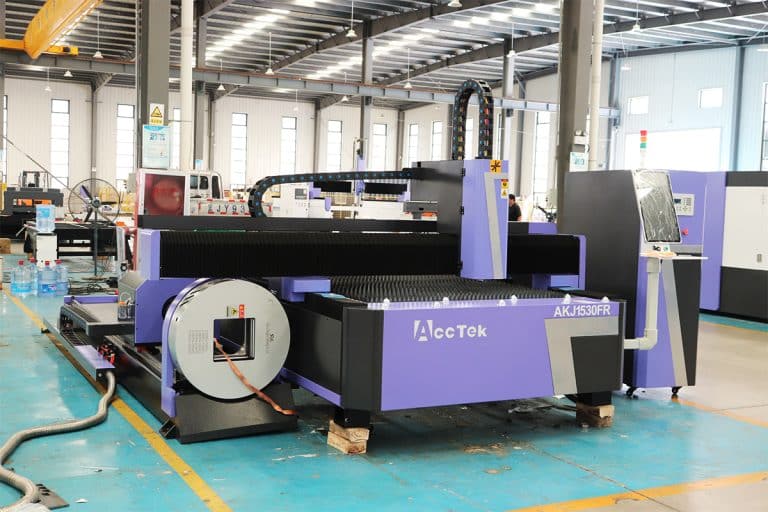
- Open Tube-Sheet Laser Cutting Machine ($43,500-$79,000): Designed to cut both sheets and tubes, these machines expand flexibility for industries like automotive, furniture, and construction. While versatile, the open design exposes operators to sparks and dust, requiring strong workshop safety measures.
- Open Tube-Sheet Laser Cutting Machine with Exchange Worktable ($48,000-$83,500): This configuration merges multitasking capability (tube + sheet) with high-speed efficiency provided by exchange tables. It is ideal for diverse production workflows requiring both flexibility and throughput. The cost reflects the dual-use capability plus automated table switching.
- Enclosed Tube-Sheet Laser Cutting Machine with Exchange Worktable ($52,500-$88,000): At the top of the 6kW range, these machines deliver maximum versatility, productivity, and safety. The enclosure ensures compliance with laser safety standards, the exchange table minimizes idle time, and tube-sheet compatibility broadens industrial applications. This is the preferred option for large-scale operations needing continuous, heavy-duty production.
What Is The Power Consumption Of 6kW Laser Cutting Machines?
- Laser Generator Power (≈18,000W): The laser generator requires roughly 18kW of input to deliver 6kW of optical cutting power. The additional energy accounts for conversion inefficiencies in the laser diodes and power modules. This makes the generator the single largest consumer of energy in the system.
- Chiller Power (≈7600W): Running at 6kW creates significant heat in the source, optics, and electronics. A high-capacity industrial chiller maintains stable temperatures, preventing overheating and extending the service life of key components. Consuming about 7.6kW, the chiller is the second-largest load, running continuously whenever the machine is active.
- Driver Power (≈4850W): Servo motors and precision drives power the X, Y, and Z axis movements. At nearly 5kW, this subsystem ensures fast acceleration, accurate positioning, and smooth cutting motion. Energy demand varies with cutting speed, material thickness, and complexity of the job.
- Draught Fan Power (≈3000W): The draught fan clears smoke, dust, and metal particulates from the cutting zone. While it does not influence cutting speed directly, it is essential for protecting operator health, maintaining optics, and keeping the cutting chamber stable. At 3kW, it represents a major share of supporting power consumption.
How Should I Choose 6kW Laser Cutting Machines?
- Type of Material to Cut
- Metals (Steel, Aluminum, Brass, Copper, Titanium, etc.): Lasers are ideal for cutting metals. A 6kW laser can efficiently cut through various thicknesses of steel (up to 25mm or more), stainless steel, aluminum, and non-ferrous metals like brass and copper. The higher the power, the thicker the material it can cut, so make sure to choose a 6kW machine if you frequently cut thicker metals.
- Metal Coatings: Fiber lasers also perform well on materials with coatings (e.g., powder-coated or painted metals), offering clean, precise cuts without damage to the coating. However, some reflective metals like bare copper or brass may need special attention to avoid excessive reflection that could damage the laser.
- Thickness Range: 6kW lasers can handle a wide thickness range, but it’s important to know the material thickness you primarily work with. For instance, cutting mild steel up to 25mm and stainless steel up to 20mm is feasible with 6kW, while thicker materials may require higher-powered lasers.
- Cutting Speed and Precision
- Cutting Speed: The power of the fiber laser (6kW) allows for faster cutting speeds, which is critical for improving throughput. When selecting a fiber laser, check the speed specifications, as cutting speed varies depending on the material type, thickness, and laser power.
- Precision and Quality: Fiber lasers are known for their high precision, especially with thinner materials. With a 6kW laser, you can expect excellent edge quality with minimal post-processing. Look for features like automatic focal length adjustment and advanced motion control systems to ensure consistent cut quality across all jobs.
- Maintenance and Durability
- Laser Source Life: Fiber lasers typically have a long service life, with the source lasting up to 100,000 hours or more. However, the cooling system, optics, and other components may require periodic maintenance. Ensure the machine you choose has easy access for maintenance and has a reliable service support network.
- Cooling System: A high-power laser requires efficient cooling. Check whether the machine uses a water cooling system or air-cooled alternatives, and the maintenance requirements for these systems.
- Consumables and Spare Parts: Ensure that the machine has easy access to consumables like nozzles, lenses, and cutting heads. Having a reliable supplier for these parts is essential for reducing downtime.
- Control Systems and Software
- CNC Control: Modern lasers use advanced CNC systems for precise control of cutting paths and parameters. Make sure the machine’s control system is user-friendly, supports the materials you work with, and integrates with your existing software (CAD/CAM systems).
- Automation and Nesting Software: For more efficient material use and quicker cutting, consider lasers with integrated automation and nesting software. These tools optimize material usage and minimize waste, improving overall efficiency.
- Power and Performance
- Power Output: The 6kW laser is ideal for medium to large-scale production, offering sufficient power for high-speed cutting of a wide variety of materials, including metals up to a certain thickness. Power affects both speed and cutting quality, with higher wattage generally resulting in quicker cuts. Ensure that the machine’s power rating aligns with the typical cutting requirements of your materials.
- Beam Quality: lasers are known for their high beam quality, leading to tight focusing and precision cutting. The beam quality directly impacts the cut edges and the ability to handle intricate designs.
- Energy Efficiency
- Power Consumption: Fiber lasers are generally more energy-efficient than CO2 lasers. A 6kW laser will consume less power while delivering a higher output compared to other types of lasers. This translates into lower operational costs, especially for long-term operations.
- Operational Costs: With reduced power consumption, fiber lasers offer lower operational costs in terms of electricity usage and cooling requirements. Evaluate the overall energy efficiency of the machine to understand its running costs fully.
- Size and Work Area
- Cutting Table Size: Choose a machine with a cutting table size that suits your production needs. Larger cutting areas are needed if you regularly work with bigger sheets of material. Standard sizes are usually 1500mm x 3000mm or 2000mm x 4000mm, but customized sizes can be found.
- Compact vs. Large: Depending on the space available in your facility, you may want to consider the physical size of the machine. Some high-power fiber lasers have a large footprint, so make sure the machine fits within your available space.
- Safety Features
- Enclosed System: Look for a machine with an enclosed cutting area that ensures safety for operators by containing any fumes, lasers, or sparks. This also helps with air filtration and ventilation.
- Fume Extraction: Fiber lasers produce fumes when cutting metals, so a good fume extraction system is vital for maintaining a safe working environment and ensuring the longevity of the machine.
- Laser Protection: Fiber lasers have safety features like interlocks and safety shutters to protect operators from exposure to harmful laser radiation. Always confirm that the laser meets international safety standards, such as IEC 60825.
- Cost Considerations
- Initial Investment: 6kW lasers can be a significant investment. Ensure that you assess the upfront cost of the machine, including installation, training, and any accessories.
- Operational Savings: While the initial investment is high, the long-term operational savings (due to energy efficiency, lower maintenance, and faster cutting times) can offset the cost over time. Calculate your return on investment (ROI) based on your expected workload and cutting needs.
- Customer Support and Warranty
- Warranty: Ensure the machine comes with a solid warranty, ideally covering the laser source, control system, and critical components. This offers peace of mind in case of any issues during the machine’s operation.
- Technical Support: A manufacturer with reliable customer service and technical support can help with troubleshooting, machine setup, and maintenance. Make sure they offer both online and on-site support when needed.
What Assist Gases Can Be Used With 6kW Laser Cutting Machines?
- Oxygen (O2)
- Material Compatibility: Carbon Steel, Mild Steel
- Purpose: Oxygen is the most commonly used assist gas for cutting ferrous metals like mild steel and carbon steel. It supports an exothermic reaction, increasing the cutting speed and creating a clean cut with minimal dross. The high temperature of oxygen also helps remove molten material effectively.
- Nitrogen (N2)
- Material Compatibility: Stainless Steel, Aluminum, Non-Ferrous Metals (Brass, Copper)
- Purpose: Nitrogen is used for cutting materials like stainless steel and aluminum, which are sensitive to oxidation. Nitrogen helps maintain a clean, oxide-free edge by preventing oxidation during the cutting process. It’s ideal for metals that need high-quality edges or when processing sensitive materials that could discolor or degrade with oxygen.
- Compressed Air
- Material Compatibility: Carbon Steel (thick cuts)
- Purpose: Compressed air is an economical option for cutting carbon steel, particularly in thicker sheets where the cutting speed is less critical. It’s more suitable for non-critical applications where oxidation isn’t a concern.
- Argon (Ar)
- Material Compatibility: Non-ferrous Metals, Stainless Steel (in some cases)
- Purpose: Argon can be used in laser cutting, particularly for applications requiring a stable cutting atmosphere. It’s useful for certain stainless steel grades and non-ferrous metals to minimize oxidation and achieve a high-quality cut.
- Helium (He)
- Material Compatibility: Stainless Steel, Non-ferrous Metals (Copper, Aluminum)
- Purpose: Helium is sometimes used for its ability to increase the cutting speed, particularly for high-thermal-conductivity metals like copper and aluminum. It can be mixed with nitrogen to improve cutting quality, but it’s typically more expensive than other gases.
- Combination Gases
- Material Compatibility: Stainless Steel, Mild Steel
- Purpose: Some applications use a mixture of nitrogen and oxygen or nitrogen and hydrogen to optimize cutting performance, speed, and edge quality. The mix varies based on material and thickness requirements.
- Hydrogen (H2)
- Material Compatibility: Stainless Steel, Thin Non-ferrous Metals
- Purpose: Hydrogen can sometimes be used for cutting stainless steel and other non-ferrous metals to improve cutting speed and minimize oxidation. It’s usually combined with nitrogen in some applications to optimize results.
Is It Safe To Use 6kW Laser Cutting Machines?
- Laser Radiation Safety:
- Laser Class: A 6kW laser is typically classified as a high-powered industrial laser (Class 4). These lasers can cause serious damage to eyes or skin if proper protection isn’t used.
- Protective Gear: Operators must wear laser safety glasses that are rated for the specific wavelength of the laser to prevent eye injuries.
- Safety Enclosures: The machine should have proper enclosures to prevent accidental exposure to laser radiation.
- Fire Hazard:
- Flammable Materials: Laser cutting involves extremely high temperatures, which can ignite flammable materials. Operators should ensure the workpiece and surrounding area are free of any flammable substances.
- Fire Suppression Systems: The machine should be equipped with automatic fire detection and suppression systems to minimize the risk of fire.
- Ventilation:
- Fumes and Gases: Laser cutting can release hazardous fumes and gases, depending on the material being cut. Proper ventilation or an extraction system is necessary to protect workers from inhaling harmful fumes.
- Air Quality Monitoring: In some cases, air quality may need to be monitored to ensure the environment remains safe.
- Electrical Safety:
- Power Supply: A 6kW laser cutter requires a substantial power supply, and ensuring that electrical systems are properly installed and grounded is essential.
- Maintenance: Regular maintenance should be conducted to ensure the laser and electrical systems are in a safe working condition.
- Training and Experience:
- Operator Training: Proper training is essential for anyone operating a high-power laser cutter. Operators should be well-versed in machine controls, safety protocols, and emergency procedures.
- Supervision: Especially for newer or less experienced operators, it may be prudent to have supervision in place.
- Emergency Procedures:
- Emergency Shutoff: Laser cutters should have an easily accessible emergency shutoff switch in case of an urgent situation.
- First Aid: Operators should be trained in basic first aid, particularly for laser-related injuries, burns, or other incidents.
- Material Safety:
- Material Compatibility: Always ensure that the material being cut is appropriate for the laser cutter’s power and that it does not emit harmful substances (e.g., chlorine gas from PVC).
- Material Handling: Some materials can become extremely hot or unstable after being cut, so proper handling and cooling mechanisms are necessary.
What Training Is Required To Operate 6kW Laser Cutting Machines?
- Machine Operation and Controls: Operators must be trained to understand the machine interface, software programming (such as CAD/CAM systems), and parameter adjustments like power, speed, gas pressure, and focus height. This includes learning how to load cutting files, align the laser head, and safely initiate cutting processes.
- Material-Specific Training: Different materials (carbon steel, stainless steel, aluminum, copper, brass, etc.) require unique cutting settings. Operators are trained to select the right parameters for thickness, surface finish, and desired edge quality. Understanding how reflective metals can damage optics is also crucial.
- Safety Training: A 6kW laser is a Class 4 laser system, meaning it poses significant hazards. Training covers laser safety protocols, including personal protective equipment (PPE), use of protective barriers and enclosures, ventilation systems for fume extraction, and emergency shutdown procedures. Operators must also be aware of fire risks and proper extinguishing methods.
- Maintenance and Troubleshooting: Operators are trained in basic maintenance such as lens and nozzle cleaning, alignment checks, gas line inspection, and filter replacement. They also learn how to recognize signs of wear or malfunction and when to escalate issues for technical support.
- Assist Gas Handling: High-power lasers often require oxygen, nitrogen, or compressed air as assist gases. Training includes safe handling, storage, and monitoring of gas systems, as well as knowing the correct gas for each material and thickness.
- Quality Control and Inspection: Operators must learn to inspect cut parts for edge quality, kerf width, and surface finish. Training covers recognizing common defects (like burrs, dross, or incomplete cuts) and adjusting machine parameters to correct them.
- Workplace Integration and Certification: In many workplaces, operators must complete formal certification programs (e.g., OSHA laser safety certification, manufacturer-specific training, or in-house competency assessments). These ensure they meet safety and production standards before working independently.
What Is The Service Life Of 6kW Laser Cutting Machines?
- Laser Source (Resonator or Fiber Module): The laser source is the heart of the machine. Fiber laser modules typically last between 80,000 and 100,000 operating hours under normal use.
- Optics and Cutting Head: Lenses, protective windows, and nozzles are wear items that degrade over time due to heat, debris, and contamination. With proper cleaning and replacement schedules, these parts can remain effective for thousands of cutting hours, but must be monitored closely to prevent beam quality loss.
- Assist Gas System: The lifespan of valves, regulators, and piping depends on gas purity and handling. Well-maintained systems can last many years, but poor filtration or moisture contamination reduces longevity.
- Motion System (Rails, Motors, Bearings): Precision components like linear guides, ball screws, or servo motors generally last 5-10 years with correct lubrication and calibration. Excessive vibration, dirt, or misalignment shortens their service life significantly.
- Cooling System: Chillers and coolant circuits keep the laser stable. With regular coolant changes, filter replacements, and leak checks, they can last 8-10 years. Neglect can cause overheating, drastically reducing laser source life.
- Control Electronics and Software: Controllers, drives, and software systems often outlast mechanical parts, lasting 10+ years if kept in a clean environment with a stable power supply. However, software obsolescence may require upgrades before physical failure occurs.
How Should I Maintain 6kW Laser Cutting Machines?
- Optics and Cutting Head: Lenses, nozzles, and protective windows must be cleaned regularly to prevent contamination from dust and molten material. Damaged or dirty optics reduce beam quality, cut precision, and can lead to costly repairs if not addressed.
- Cooling System: Stable cooling is vital to machine performance. Operators should monitor coolant levels, replace filters, and maintain water purity. Neglect can cause overheating and reduce the lifespan of both the laser source and optics.
- Assist Gas System: Oxygen, nitrogen, or compressed air must remain clean and dry. Filters, regulators, and gas lines should be checked for leaks or blockages, as poor gas flow directly affects cut quality and machine reliability.
- Motion and Mechanical Parts: Rails, guides, and bearings require lubrication and cleaning to maintain smooth movement and precision. Misalignment or dirt buildup increases wear and reduces cutting accuracy.
- Dust, Slag, and Extraction: The cutting bed and work area should be kept free of slag and debris. Extraction systems must be maintained to remove fumes and reduce fire risks, ensuring both safety and cutting consistency.
- Electrical and Control Systems: Electronics should be inspected for dust, moisture, and loose connections. Stable power and software updates keep the machine running efficiently while preventing unexpected downtime.
- Preventive Maintenance Routines: Following manufacturer-recommended schedules—daily, weekly, monthly, and annual checks—ensures early detection of issues. This includes cleaning, calibrations, coolant changes, and component inspections.