

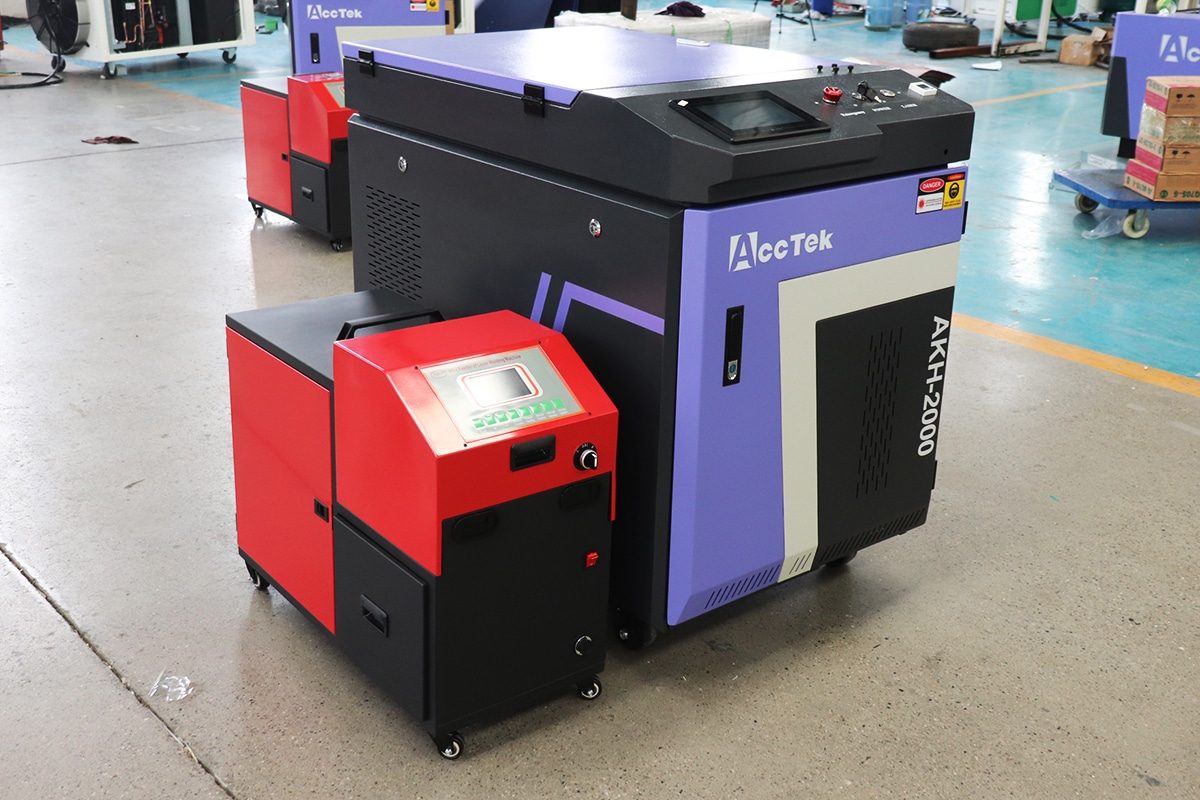
What Is The Cost Of Laser Welding Machines
Laser welding machines have moved from niche equipment to a mainstream solution in modern manufacturing. As industries push for higher precision, faster production, and cleaner results, more businesses are considering this technology. Naturally, one of the first questions that comes up is cost. Yet, answering “how much does a laser welding machine cost?” is not as simple as quoting a single number.
In today’s market, prices vary widely. Entry-level handheld units can start at a few thousand dollars, while high-end automated systems integrated with robotics can exceed hundreds of thousands. This broad range reflects the diversity of applications, from small repair jobs in workshops to fully automated production lines in industries like automotive, aerospace, and electronics.
Understanding the cost requires looking beyond the initial purchase price. Several factors shape the final figure, including laser power, machine type (handheld, desktop, or robotic), brand reputation, build quality, and included features such as cooling systems or smart controls. Compact fiber laser welding machines designed for light-duty use will naturally cost less than a high-power system built for continuous industrial operation.
There are also ongoing expenses to consider. Maintenance, energy consumption, consumables, and operator training can add to the total investment over time. In many cases, a higher upfront cost can translate into better efficiency, lower downtime, and reduced long-term expenses, making it a smarter choice overall.
This article explores the real cost of laser welding machines in detail. By breaking down price ranges, key cost factors, and hidden expenses, it aims to give you a clear, practical understanding of what to expect and how to choose the right machine for your needs.
Table of Contents
What Are Laser Welding Machines
Laser welding machines are advanced manufacturing systems designed to join materials—most commonly metals—using a highly focused beam of light. Instead of applying heat through direct contact, as in traditional welding, these machines concentrate laser energy onto a very small point at the joint. The intense energy rapidly melts the material, and as it cools, a strong, precise bond is formed. This non-contact process is what gives laser welding its key advantages in accuracy, speed, and control.
At the heart of the system is the laser source, which generates the beam used for welding. Modern machines most often rely on fiber laser technology due to its efficiency, stability, and relatively low maintenance needs. Other types, such as CO2 and solid-state lasers, are still used in specific applications. The laser beam is delivered through fiber optics or reflective mirrors and focused through a lens to achieve a very small spot size. This allows operators to control exactly where heat is applied, even on complex or delicate components.
Typical laser welding machines include several integrated components. Alongside the laser source and beam delivery system, there is usually a motion platform or robotic arm to guide the weld path, a cooling system to regulate temperature, and a digital control interface for adjusting parameters like power, speed, and pulse frequency. More advanced systems may also include real-time monitoring, vision systems, and automated quality control features, which are especially valuable in high-precision industries.
Laser welding machines are available in different forms to suit varying production needs. Handheld units provide flexibility and ease of use, making them ideal for small workshops, on-site repairs, and low-volume fabrication. Fixed or benchtop systems are commonly used where precision is critical, such as in electronics or medical device manufacturing. At the highest level, fully automated robotic systems are integrated into large-scale production lines, delivering consistent, high-speed performance for industries like automotive, aerospace, and heavy equipment manufacturing.
One of the key advantages of laser welding is its ability to produce clean, narrow welds with minimal heat-affected zones. This reduces warping, maintains material strength, and often eliminates the need for additional finishing work. It also enables the joining of thin materials, dissimilar metals, and intricate geometries that would be difficult to achieve with conventional welding techniques.
Laser welding machines represent a shift toward more precise, efficient, and automated manufacturing processes. They combine advanced optics, software control, and high-energy performance to deliver reliable, high-quality results across a wide range of applications. Understanding how these machines work and what makes them different is essential, as their design, capabilities, and level of sophistication directly influence both their performance and their overall cost.
Why More Businesses Are Investing In Laser Welding
The shift toward laser welding is part of a larger change in manufacturing priorities. Businesses are no longer focused only on output. They are also focused on consistency, cost efficiency over time, and the ability to adapt quickly to new product demands. Laser welding aligns with all of these goals, which is why adoption continues to grow across industries of all sizes.
One of the strongest drivers is quality control. In many manufacturing environments, even small inconsistencies can lead to rejected parts, warranty claims, or production delays. Laser welding offers a high level of repeatability because the process can be tightly controlled through software. Parameters such as power, speed, and beam focus can be set with precision and reproduced across thousands of units. This reduces variation between welds and helps businesses maintain stable quality standards, especially in sectors where compliance and reliability are critical.
Another important factor is reduced material impact. Traditional welding methods often introduce excess heat into the surrounding area, which can weaken materials or require additional finishing work. Laser welding minimizes this issue by concentrating heat in a narrow zone. As a result, parts experience less distortion, and manufacturers spend less time correcting imperfections. This not only improves efficiency but also helps preserve the structural integrity of the final product.
Productivity gains are also a major reason for investment. Laser welding systems can operate at high speeds and, when paired with automation, can run continuously with minimal interruption. This allows businesses to scale production without significantly increasing labor costs. In high-volume manufacturing, the ability to maintain speed without sacrificing quality creates a clear competitive advantage. Even in smaller operations, faster turnaround times can improve customer satisfaction and open the door to more projects.
Workforce challenges are another consideration. Many industries are experiencing a shortage of skilled welders, and training new employees can be time-consuming. Laser welding reduces reliance on manual expertise by standardizing much of the process. While operators still need technical knowledge, the learning curve is often shorter compared to traditional welding techniques. This makes it easier for businesses to maintain productivity despite labor constraints.
Flexibility is becoming increasingly valuable as product life cycles shorten and customization becomes more common. Laser welding machines can adapt to different materials, thicknesses, and joint designs with relatively minor adjustments. This allows manufacturers to switch between projects without major downtime or retooling. For companies handling diverse workloads, this versatility can significantly improve operational efficiency.
From a cost perspective, businesses are taking a broader view of investment. While laser welding machines can require a higher upfront cost, they often deliver savings in other areas. Reduced scrap rates, lower consumption of filler materials, decreased need for post-processing, and less equipment wear all contribute to lower operating expenses. Over time, these savings can offset the initial purchase and improve overall profitability.
Finally, there is a strategic element behind the growing adoption. As global competition increases, companies are looking for ways to differentiate themselves through quality, speed, and innovation. Laser welding supports all three. It enables cleaner designs, more precise assemblies, and more efficient production workflows. Businesses that adopt this technology are often better positioned to meet evolving customer expectations and respond to market changes.
More businesses are investing in laser welding because it delivers measurable improvements in quality, efficiency, flexibility, and long-term cost control. It is not just a technological upgrade, but a practical response to modern manufacturing challenges. As these pressures continue to grow, laser welding is becoming a standard solution for companies aiming to remain efficient, competitive, and capable of scaling their operations.
Typical Price Range Of Laser Welding Machines
The price of laser welding machines can vary dramatically, and this variation often surprises first-time buyers. Unlike many other types of equipment, laser welding systems are not one-size-fits-all. They are built for very different levels of use, from occasional repair work to nonstop industrial production. Because of this, the cost reflects not just the machine itself, but also its reliability, level of engineering, degree of automation, and ability to integrate into a broader workflow.
Another important point is that pricing tends to scale with usage intensity and business requirements. A company that needs flexibility and low upfront cost will look at a completely different category than one that requires precision, repeatability, and continuous operation. The following ranges provide a clearer picture of what businesses can expect at each level.
Entry-Level Handheld Laser Welding Machines
Entry-level handheld laser welding machines typically fall between $3,000 and $10,000, making them the most accessible option on the market. These machines are designed for simplicity, portability, and quick setup, which makes them especially attractive for small workshops, maintenance teams, and independent fabricators.
In practical terms, these units are often used for light-duty applications such as repair work, small metal parts, and short production runs. They usually come as compact, integrated systems that do not require complex installation. However, the lower price point also means certain trade-offs. Build quality may be more basic, and the machines are generally not intended for long hours of continuous operation. Even so, for businesses testing the technology or handling occasional tasks, they offer strong value for the investment.
Mid-Range Handheld And Workstation Systems
Mid-range laser welding machines typically range from $10,000 to $50,000 and represent a significant step up in both capability and reliability. This category includes more refined handheld models as well as fixed workstation systems designed for regular use.
What sets this range apart is consistency. These machines are built with better components, more stable performance, and improved user controls. Workstation setups often include fixtures or guided systems that help maintain accuracy across repeated jobs. This makes them well-suited for small to mid-sized manufacturers who need dependable results without moving into full industrial-scale investment. For many businesses, this is the “sweet spot” where cost and performance are balanced effectively.
High-End Industrial Laser Welding Systems
High-end industrial systems typically start around $50,000 and can exceed $200,000, depending on the configuration. These machines are engineered for demanding environments where uptime, precision, and consistency are critical.
At this level, the focus shifts from basic functionality to long-term performance. Machines are built to operate continuously, often as part of a structured production line. They tend to feature more advanced control systems, higher-grade materials, and greater integration with other equipment. The higher cost reflects not only the machine’s capabilities but also its reliability over time. For industries such as automotive or large-scale manufacturing, even small efficiency improvements can justify this level of investment.
Customized And Robotic Laser Welding Lines
Customized and robotic laser welding systems sit at the top end of the price range, typically costing $200,000 to $1,000,000 or more. These are not standard machines but fully engineered solutions tailored to a company’s specific production process.
These systems often include robotic arms, automated material handling, conveyor systems, and integrated inspection technologies. They are designed to run at high speed with minimal human involvement while maintaining consistent quality across large production volumes. The final price depends on how complex the system is, how much automation is required, and how deeply it needs to integrate with existing operations. For large manufacturers, these systems are less about cost and more about long-term efficiency, scalability, and competitive advantage.
The cost of laser welding machines reflects the wide range of applications they serve. Entry-level machines provide an affordable entry point for basic tasks, while mid-range systems offer improved durability and consistency for regular use. High-end industrial machines are built for continuous, large-scale production, and customized robotic lines deliver the highest level of automation and efficiency. Choosing the right option depends on how the machine will be used, how often it will run, and how important long-term productivity and scalability are to the business.
Main Factors That Affect The Cost Of Laser Welding Machines
The cost of laser welding machines is the result of many layered decisions in design, engineering, and application. It is not just about what the machine can do, but how reliably it can do it, how long it can operate, and how well it fits into a specific production environment. Two machines with similar outward specifications may differ greatly in price because of differences in internal components, system integration, and long-term durability. For buyers, understanding these cost drivers is essential to making a practical and cost-effective investment rather than focusing only on upfront pricing.
Laser Source Type
The laser source is the foundation of the entire system and one of the most significant contributors to cost. Different source technologies vary in efficiency, beam stability, lifespan, and maintenance needs. Higher-quality sources are designed for long-term use with minimal performance degradation, which increases initial cost but reduces the likelihood of breakdowns and expensive replacements. In many cases, investing in a reliable source improves consistency and lowers operating risk over time.
Laser Power
Although often highlighted in specifications, this factor is closely tied to the machine’s intended workload and overall system design. Machines built for more demanding environments typically require stronger supporting structures, better thermal management, and more durable components. These indirect requirements often have a greater impact on cost than the specification itself.
Welding Head Quality
The welding head plays a central role in determining weld precision and consistency. High-quality welding heads are built with superior optics, better alignment systems, and enhanced protection against dust and heat. These features ensure stable beam delivery and reduce wear over time. Lower-cost alternatives may perform adequately for basic tasks, but they are more likely to require frequent adjustments or replacements, which can increase long-term expenses.
Cooling System
Temperature control is critical for maintaining performance and protecting sensitive components. Basic machines may use simpler cooling solutions, but more advanced systems rely on industrial-grade chillers designed for continuous operation. A well-designed cooling system ensures stable working conditions, reduces thermal stress, and extends the life of key components. While this adds to the upfront cost, it significantly improves reliability in demanding environments.
Control System And Software
The control system defines how the machine is operated and how precisely it can be tuned. Entry-level machines often have simple interfaces with limited adjustment options, while advanced systems offer programmable parameters, stored job settings, and diagnostic tools. Some systems also include monitoring features that help detect issues before they become serious problems. More capable software increases both usability and consistency, particularly in production settings where repeatability is essential.
Automation Level
Automation is one of the most visible factors affecting price. Manual and handheld machines are generally less expensive because they rely on operator skill. As systems become more automated—through motorized stages, programmable paths, or robotic integration—the cost increases significantly. However, automation also brings clear benefits: higher productivity, reduced labor dependency, and consistent output. For businesses with high production demands, the return on investment can be substantial.
Safety Configuration
Laser welding systems must include safety measures to protect operators and meet regulatory standards. Basic machines may include standard protective features, while more advanced systems incorporate enclosed work areas, interlock mechanisms, sensors, and emergency controls. These additions increase the cost but are essential in many industrial environments. Strong safety configurations not only protect workers but also reduce the risk of operational interruptions.
Build Quality And Components
The overall construction of the machine has a direct impact on both price and long-term value. High-quality machines are built with durable materials, precise assembly, and carefully selected components. This results in better stability, less vibration, and longer service life. Lower-cost machines may cut corners in materials or design, which can lead to more frequent maintenance and reduced performance over time. For businesses planning long-term use, build quality is often one of the most important factors to consider.
Brand And Manufacturer Reputation
The reputation of the manufacturer can significantly influence pricing. Established brands often charge more because they have a proven track record, consistent quality standards, and reliable support services. This includes technical assistance, training, warranty coverage, and access to spare parts. While lesser-known brands may offer lower initial prices, the level of support and reliability can vary, which may lead to higher costs later.
Country Of Origin And Shipping
The origin of the machine and the logistics involved in delivery also affect the final price. Manufacturing costs differ between regions, and these differences are reflected in pricing. In addition, shipping fees, import duties, taxes, and installation costs can add a considerable amount, especially for large or customized systems. These external factors are often overlooked during initial comparisons but can significantly impact the total investment.
The cost of laser welding machines is shaped by a combination of internal technology, system design, and external factors such as brand and logistics. Each element contributes to how the machine performs, how long it lasts, and how easily it can be integrated into a production process. Rather than focusing on a single specification, businesses should evaluate how these factors work together to meet their specific needs. A higher upfront investment often reflects better reliability, efficiency, and long-term value, making it essential to consider the complete picture before making a decision.
The Cost Of Handheld Laser Welding Machines
Handheld laser welding machines sit at the lower end of the overall price spectrum, but that does not mean they are simple or limited in value. They are purpose-built tools designed to bring the benefits of laser welding—precision, cleaner joints, and reduced finishing work—into environments where large, fixed systems are not practical. For many businesses, especially smaller operations, they represent the most realistic entry point into laser-based manufacturing.
In general, handheld laser welding machines are priced between $3,000 and $15,000, with some higher-end models exceeding this range depending on design and included features. This variation reflects differences in build quality, system stability, ease of use, and how well the machine performs under regular workloads. At the lower end, machines are typically designed for occasional or light-duty use. They are often sold as compact, integrated units with basic controls and minimal setup requirements. These models are attractive because of their affordability and simplicity, making them suitable for repair work, small fabrication jobs, or businesses testing the technology for the first time.
As the price increases, the improvements are not just incremental—they often affect how the machine performs day to day. Mid- to higher-range handheld units tend to offer better structural design, more consistent output, and more refined control systems. Operators may find that these machines are easier to handle, with more stable welding behavior and less need for constant adjustment. Features such as preset modes, adjustable parameters, and clearer interfaces help reduce operator error and improve repeatability, which becomes important when the machine is used frequently.
Durability is another key factor that separates lower-cost and higher-cost options. Entry-level laser welding machines may work well for short tasks, but they can struggle with longer operating periods or demanding conditions. More expensive models are usually built with higher-quality internal components and better thermal management, allowing them to maintain stable performance over extended use. For businesses that rely on consistent output, this difference can directly impact productivity and maintenance costs.
The physical design of handheld laser welding machines also influences pricing. Some units are designed to be fully portable, with everything housed in a single compact enclosure. These are ideal for on-site work or workshops with limited space. Others use a modular design, where components such as cooling units are separate. While this can improve performance and longevity, it reduces portability and increases overall system cost. Choosing between these designs depends on how and where the machine will be used.
Ease of use and safety features are increasingly important considerations. More advanced handheld laser welding machines may include improved ergonomic designs, better shielding, and additional safety mechanisms. These features make the equipment more comfortable and safer to operate, especially for users who may not have extensive welding experience. While they add to the upfront cost, they can reduce training time and lower the risk of operational issues.
It is also important to consider the total cost of ownership rather than just the purchase price. Handheld laser welding machines typically require fewer consumables than traditional welding methods, which helps reduce ongoing expenses. However, reliability, maintenance frequency, and access to spare parts can vary significantly between models. Lower-cost laser welding machines may seem attractive initially, but if it requires frequent servicing or cause downtime, the long-term cost can quickly increase.
Handheld laser welding machines offer a cost-effective way to access the advantages of laser welding without investing in large-scale systems. Their pricing reflects differences in quality, durability, usability, and overall performance rather than just basic functionality. For businesses, the key is to match the machine to the expected workload and working environment. Well-chosen handheld laser welding systems can deliver strong performance and long-term value, while a poorly matched one may lead to unnecessary costs and limitations.
The Cost Of Automated And Robotic Laser Welding Systems
Automated and robotic laser welding systems sit at the top end of the cost spectrum because they are built as complete production solutions rather than standalone machines. They combine laser welding equipment with robotic motion, part handling, sensors, and control software into a single coordinated system. The goal is not just to weld parts, but to do so at high speed, with consistent quality, and with minimal human intervention. For businesses operating at scale, this level of integration can transform productivity, which is why the investment is significantly higher.
In most cases, these systems start at around $200,000 and can exceed $1,000,000 or more, depending on complexity. A relatively simple robotic welding cell with one robot and a fixed working area represents the lower end of this range. Even at this level, the system is designed for repeatable tasks and continuous operation, offering a major improvement over manual processes. As the system becomes more advanced—adding multiple robots, automated part loading, conveyor integration, and inspection systems—the cost increases rapidly.
One of the main reasons for the high price is engineering and integration. These systems are rarely “plug and play.” Instead, they are designed around a specific production requirement. Engineers must define how parts move through the system, how the robot performs each weld, and how the process connects with upstream and downstream operations. This includes programming motion paths, testing workflows, and fine-tuning performance. The time and expertise required for this customization are a significant part of the overall cost.
Another key factor is the depth of automation. Basic robotic systems follow pre-programmed paths to perform repetitive welds. More advanced setups can handle multiple product variations, automatically adjust parameters, and maintain consistent output without operator input. Some systems include vision technology that allows the robot to detect part position and make real-time corrections. Others integrate in-line quality monitoring, identifying defects during production rather than after the fact. Each added capability increases both system value and cost.
The financial justification for these systems is closely tied to productivity. Robotic laser welding systems can operate for long hours with minimal interruption, often across multiple shifts. They reduce dependence on manual labor and eliminate many of the inconsistencies associated with human operation. In high-volume manufacturing, this leads to faster cycle times, fewer defects, and more predictable output. Over time, these gains can offset the initial investment, especially in industries where efficiency directly affects profitability.
Reliability is another major consideration. These systems are built for continuous use in demanding environments, which require durable components and a stable system design. Higher-quality construction reduces wear, minimizes unexpected downtime, and extends the service life of the equipment. While this increases the purchase price, it also lowers the risk of costly production interruptions.
Customization further influences cost. Many robotic laser welding systems are tailored to specific products or production lines. This can include custom fixtures, specialized tooling, or unique system layouts. The more specific the application, the more design and testing are required. Although this adds to the upfront investment, it ensures that the system operates efficiently and meets exact production requirements.
It is also important to consider additional costs beyond the system itself. Installation, commissioning, operator training, and ongoing technical support all contribute to the total investment. In some cases, facilities need upgrades such as improved power infrastructure, safety enclosures, or layout changes to accommodate the system. These factors are often overlooked during initial budgeting but can be substantial.
Automated and robotic laser welding systems represent a significant financial commitment, but they also deliver a high level of capability. Their cost reflects not only the equipment, but also the engineering, integration, and customization required to make them effective in a real production environment. For businesses with high output demands, these systems offer clear advantages in speed, consistency, and efficiency. While the upfront cost is high, the long-term benefits often make them a strategic investment rather than just an operational expense.
Hidden Costs Buyers Often Overlook
When businesses evaluate the cost of laser welding machines, the focus is usually on the purchase price quoted by the supplier. While this number is important, it rarely tells the whole story. In practice, the total investment includes a range of additional costs that appear before installation, during setup, and throughout daily operation. These expenses are often overlooked during initial planning, yet they can significantly affect both short-term budgets and long-term profitability.
A clear understanding of these hidden costs helps businesses avoid surprises, plan more accurately, and choose equipment that truly fits their operational needs rather than just their upfront budget.
Installation And Commissioning
After the machine is delivered, it must be properly installed and prepared for use. This process often includes positioning the system, connecting power and other utilities, calibrating the equipment, and running initial tests to ensure everything functions correctly. For more advanced machines, especially automated systems, commissioning may involve detailed programming and process optimization. These tasks are typically handled by trained technicians and can add a meaningful cost, particularly if travel and on-site support are required.
Operator Training
Even though many laser welding machines are designed with user-friendly interfaces, effective operation still depends on proper training. Operators must learn how to set parameters, handle materials safely, and maintain consistent quality. Training may be provided by the manufacturer or a third party and can involve additional fees, travel costs, and time away from normal production. Without sufficient training, mistakes can increase, leading to wasted materials and reduced efficiency.
Shipping, Duties, And Taxes
Transporting industrial equipment is rarely inexpensive. Shipping costs depend on the size, weight, and distance involved, and international purchases often include additional charges such as import duties, customs fees, and local taxes. These costs can vary widely depending on the region and are sometimes not fully detailed in initial quotations, making them easy to underestimate.
Safety Equipment
Laser welding requires proper safety measures to protect operators and meet regulatory requirements. While some machines include basic safety features, additional equipment is often necessary. This may include protective enclosures, safety glasses, ventilation systems, and warning devices. In some cases, the workspace itself must be modified to meet safety standards, which can further increase costs. These investments are essential, but they should be factored into the overall budget from the beginning.
Fixtures And Tooling
To achieve consistent and repeatable results, many applications require dedicated fixtures or tooling. These components hold parts in place and ensure precise positioning during welding. They are usually custom-designed for specific products and are not included with the machine. Depending on the complexity of the work, the cost of fixtures can become a significant part of the total investment.
Gas Supply
Many laser welding processes rely on shielding gas to protect the weld area and improve quality. This introduces an ongoing cost that includes the gas itself, storage cylinders, regulators, and supply management. While each expense may seem small, the cumulative cost over time can be substantial, particularly in high-volume production environments.
Spare Parts
Like all industrial equipment, laser welding machines require regular maintenance and occasional part replacement. Components such as lenses, nozzles, and protective elements wear out over time and must be replaced to maintain performance. Keeping spare parts available helps reduce downtime, but it also requires additional upfront spending. The cost and availability of these parts can vary depending on the manufacturer and should be considered when comparing options.
Downtime Risk
One of the most overlooked costs is the impact of downtime. If a machine stops working due to maintenance issues, component failure, or operational errors, production may be delayed or halted entirely. This can lead to missed deadlines, lost revenue, and increased operational pressure. The likelihood and impact of downtime depend on machine quality, maintenance practices, and access to technical support. Investing in reliable equipment and strong after-sales service can reduce this risk, but it may increase the initial purchase price.
The true cost of laser welding machines goes far beyond the initial price tag. Installation, training, logistics, safety requirements, and ongoing operational needs all contribute to the total investment. These hidden costs can accumulate quickly and have a direct impact on overall return. By identifying and planning for them early, businesses can make more informed decisions, avoid unexpected financial strain, and ensure that their investment delivers consistent value over time rather than short-term savings with long-term complications.
Operating Costs Of Laser Welding Machines
The operating cost of laser welding machines is a long-term financial commitment that extends far beyond the initial purchase. While laser welding is often considered efficient and relatively low in day-to-day consumption compared to traditional methods, it still involves a steady flow of expenses that must be managed carefully. These costs are not always obvious at first, but over months and years of operation, they can equal or even exceed the original purchase price if not properly controlled.
A key challenge for many businesses is that operating costs are incremental. They build up gradually through daily use, making them less noticeable in the short term. However, for companies running continuous or high-volume production, even small inefficiencies can translate into significant financial impact. Understanding each component of these costs allows for better planning, more accurate budgeting, and improved operational efficiency.
Electricity Consumption
Electricity is one of the most predictable yet impactful operating expenses. Laser welding machines require a consistent and stable power supply, not only for the welding process itself but also for supporting systems such as cooling units, control interfaces, and motion systems. The total energy consumption depends largely on how frequently the machine is used and how long it runs each day.
In facilities operating multiple shifts, electricity costs can become a major part of the overall budget. Even in smaller operations, inefficient usage—such as leaving systems running when idle—can increase expenses unnecessarily. Monitoring energy consumption and optimizing machine usage can help reduce waste and improve cost efficiency over time.
Shielding Gas
Shielding gas is commonly used to protect the weld area from contamination and to ensure clean, high-quality results. This introduces a recurring cost that varies depending on the type of gas, flow settings, and duration of use. In low-volume applications, the cost may be relatively minor, but in continuous production environments, it becomes a steady and unavoidable expense.
Proper handling and efficient use of gas are essential. Leaks, incorrect flow rates, or poor process control can lead to unnecessary consumption without improving weld quality. Over time, these inefficiencies can significantly increase operating costs.
Consumables
Although laser welding reduces reliance on consumables compared to many traditional methods, it does not eliminate them. Components such as protective lenses, nozzles, and other wear parts are exposed to heat, spatter, and environmental contaminants during operation. As a result, they require periodic replacement.
Individually, these items may seem inexpensive, but their cumulative cost can become substantial over time, especially in high-use environments. Regular inspection and timely replacement are important not only for cost control but also for maintaining consistent performance and preventing damage to more expensive components.
Filler Wire
Filler wire is not always necessary in laser welding, but when it is used, it becomes an additional recurring expense. It is typically required for specific applications where added material is needed to strengthen the weld or compensate for gaps.
The cost impact depends on how frequently filler wire is used and the scale of production. In some operations, it may represent a small portion of the budget, while in others, it can be a consistent and noticeable expense. Efficient process control helps ensure that filler material is used only when necessary.
Maintenance Labor
Routine maintenance is essential to keep the machine operating efficiently and to extend its lifespan. This includes cleaning sensitive components, checking system alignment, inspecting connections, and replacing worn parts. Whether performed by in-house technicians or external service providers, maintenance involves labor costs that must be factored into ongoing expenses.
Well-planned maintenance schedules can reduce the risk of unexpected breakdowns and help maintain stable performance. While it may seem like an added cost, regular maintenance often prevents more expensive repairs and production interruptions in the future.
Service And Repairs
Over time, even well-maintained machines will require servicing and occasional repairs. These may involve replacing damaged components, troubleshooting system issues, or updating software. The cost and frequency of repairs depend on usage conditions, machine quality, and the availability of technical support.
Access to reliable service is critical. Delays in obtaining parts or technical assistance can lead to extended downtime, which increases indirect costs through lost production. Machines from reputable manufacturers may have higher service fees, but they often provide faster and more dependable support, which can reduce overall operational risk.
The operating costs of laser welding machines are made up of multiple ongoing factors, including energy consumption, material usage, maintenance, and service support. While each expense may appear manageable, together they form a significant portion of the total cost over the machine’s lifetime. Businesses that actively monitor these costs and optimize their processes can improve efficiency and protect their margins.
Taking a long-term view is essential. A machine with a lower purchase price but higher operating costs may ultimately be more expensive than a higher-quality system with better efficiency and reliability. By understanding and planning for these ongoing expenses, businesses can make more informed decisions and ensure that their investment delivers consistent value over time.
Maintenance Costs And Long-Term Ownership Expenses
Maintenance costs and long-term ownership expenses are often where the real financial impact of laser welding machines becomes clear. While the purchase price is a one-time expense, maintenance is continuous. Over the lifespan of the machine, these ongoing requirements can represent a substantial portion of the total investment. For businesses that rely on consistent production, understanding and planning for these costs is not optional—it is essential for maintaining efficiency, controlling risk, and protecting profitability.
At a basic level, maintenance ensures that the machine continues to operate as expected. However, in practice, it does much more. It preserves weld quality, prevents gradual performance decline, and reduces the likelihood of unexpected failures. Without regular maintenance, even a high-quality machine can become unreliable over time, leading to inconsistent results and increased operational costs.
Routine maintenance forms the foundation of long-term ownership. This includes tasks such as cleaning optical components, inspecting protective elements, checking mechanical stability, and ensuring that all systems are properly aligned. These activities are typically scheduled at regular intervals and are necessary regardless of how intensively the machine is used. While each task may seem minor, the cumulative time and labor involved can add up, particularly in facilities operating multiple machines.
One of the most important long-term cost factors is component wear. Laser welding systems rely on a combination of optical, mechanical, and electronic parts, many of which are exposed to heat, dust, and vibration during operation. Over time, this exposure leads to gradual degradation. Components such as lenses, protective covers, seals, and moving parts must be replaced periodically to maintain performance. The frequency of replacement depends on usage conditions and machine quality, but it is an unavoidable part of ownership.
Preventive maintenance is a key strategy for managing these costs. Instead of waiting for components to fail, businesses can replace or service parts before problems occur. This approach helps avoid sudden breakdowns, which are often more expensive and disruptive than planned maintenance. Preventive maintenance also supports consistent production quality, reducing the likelihood of defects and rework.
Labor is another significant contributor to maintenance expenses. Skilled technicians are required to perform inspections, diagnose issues, and carry out repairs. Some companies maintain in-house maintenance teams, while others rely on external service providers. In both cases, labor costs accumulate over time. For more advanced or automated systems, specialized expertise may be required, which can further increase costs. However, investing in qualified personnel often leads to better machine performance and fewer costly errors.
Service and technical support from the manufacturer also play a role in long-term ownership costs. Many suppliers offer service contracts that include regular inspections, technical assistance, and priority access to spare parts. These agreements come at an additional cost, but they can reduce response times and minimize production disruptions. Without reliable support, even minor issues can take longer to resolve, increasing downtime and associated losses.
Downtime itself is one of the highest hidden costs of ownership. When a machine is not operational, production slows or stops entirely. This can lead to missed deadlines, reduced output, and financial losses that are often far greater than the cost of maintenance. The risk of downtime is influenced by machine quality, maintenance practices, and the availability of spare parts. Businesses that invest in preventive maintenance and reliable support systems are better positioned to minimize this risk.
Another long-term consideration is system upgrades and adaptability. As production requirements evolve, machines may need software updates, process improvements, or hardware modifications to remain effective. These upgrades can extend the useful life of the equipment and improve efficiency, but they also require additional investment. Machines designed with flexibility and upgrade potential often provide better long-term value, even if their initial cost is higher.
Maintenance costs and long-term ownership expenses are a critical part of the total cost of laser welding machines. They include routine servicing, component replacement, labor, technical support, and the financial impact of downtime. These costs are ongoing and can vary significantly depending on how the machine is used and maintained. Businesses that take a proactive approach—focusing on preventive maintenance, skilled support, and long-term planning—can reduce risk, improve reliability, and maximize the value of their investment over time.
How Brand, Quality, And After-Sales Service Affect Price
When buyers compare laser welding machines, the most visible difference is often price. What is less obvious is why that price differs so much between models that appear similar on paper. In reality, brand reputation, build quality, and after-sales service are three of the most influential factors shaping cost. These elements are not just “added extras”—they directly affect reliability, lifespan, ease of operation, and the overall financial outcome of the investment.
Understanding how these factors influence price helps shift the focus from short-term savings to long-term value.
Brand Reputation And Market Position
Brand reputation is closely tied to trust. Established manufacturers typically invest heavily in research, product testing, and quality control. Over time, this creates a track record that buyers can rely on. The higher price associated with these brands reflects not only the product itself but also the reduced risk of failure, inconsistency, or poor support.
Less established brands often compete by offering lower upfront prices. This can be appealing, especially for budget-conscious buyers. However, lower pricing may reflect differences in manufacturing processes, testing standards, or long-term support capabilities. In some cases, the machine may perform adequately, but the margin for error is often smaller, and the long-term reliability may be less predictable.
Build Quality And Engineering Standards
Build quality is one of the most important yet least visible factors affecting price. High-quality machines are designed with precision-engineered components, better structural integrity, and tighter assembly tolerances. This results in smoother operation, reduced mechanical stress, and greater stability during welding.
Over time, these differences become more apparent. Machines with stronger construction tend to experience less vibration, maintain alignment more effectively, and deliver more consistent results. Lower-cost machines may use lighter materials or simplified designs to reduce manufacturing costs, but this can lead to faster wear and reduced durability.
Engineering design also plays a role. Well-designed systems are easier to maintain, more resistant to environmental factors, and better suited for continuous use. These advantages increase the initial cost but reduce long-term operational issues.
Performance Consistency And Process Stability
One of the key benefits of investing in higher-quality equipment is consistent performance. In production environments, consistency is directly linked to cost. A machine that produces uniform results reduces the need for rework, minimizes material waste, and keeps production schedules predictable.
Lower-cost machines may deliver acceptable results in the short term but can become less stable over time. Small variations in performance may not be immediately noticeable, but they can accumulate, leading to quality issues and increased operational costs. This is why many manufacturers prioritize consistency over initial savings.
After-Sales Service And Technical Support
After-sales service is one of the most critical factors affecting both price and long-term ownership experience. A machine is only as valuable as the support behind it. Established manufacturers typically offer structured service systems that include installation support, operator training, troubleshooting, and ongoing technical assistance.
Fast and reliable support can make a significant difference when issues arise. A minor technical problem can either be resolved quickly or turn into a prolonged production delay, depending on the quality of support. The cost of strong after-sales service is often built into the purchase price, but it reduces risk and improves operational stability.
Spare Parts Availability And Service Infrastructure
Closely linked to after-sales service is the availability of spare parts and the strength of the service network. High-quality brands usually maintain well-organized supply chains, ensuring that replacement parts are readily available. They may also have regional service centers or trained partners who can respond quickly.
In contrast, machines from less established suppliers may have limited parts availability or longer lead times. Waiting for critical components can extend downtime and disrupt production. Over time, these delays can create costs that far exceed any initial savings.
Warranty Coverage And Service Agreements
Warranty terms often reflect the manufacturer’s confidence in their product. Higher-quality machines typically come with more comprehensive warranties and optional service agreements. These may include preventive maintenance, system inspections, and priority technical support.
While these services increase the upfront or ongoing cost, they provide predictability and reduce financial uncertainty. For businesses that depend on consistent production, this level of support can be a major advantage.
Long-Term Value Versus Initial Investment
One of the most important points to understand is that price and value are not the same. A lower-priced machine may reduce initial spending, but it can lead to higher costs over time through maintenance, downtime, and inconsistent performance.
On the other hand, a higher-priced machine with strong build quality and reliable support often delivers better long-term value. It may operate more efficiently, require fewer repairs, and maintain consistent output over a longer period. When viewed over the full lifecycle of the machine, the total cost of ownership is often lower.
Impact On Operational Efficiency
The choice of brand and quality level affects more than just the machine—it influences the entire production process. Reliable equipment allows businesses to plan with confidence, meet deadlines, and maintain quality standards. This stability supports better customer relationships and smoother operations.
Unreliable equipment, even if cheaper upfront, can introduce uncertainty. Frequent interruptions, inconsistent results, and delayed repairs can disrupt workflows and increase operational stress. These indirect costs are often underestimated but can have a major impact on overall performance.
Brand, build quality, and after-sales service are key factors that shape the cost of laser welding machines. Higher prices often reflect better engineering, more consistent performance, and stronger support systems. While the initial investment may be higher, these factors reduce long-term risk, improve efficiency, and provide greater overall value. For businesses making a serious investment, focusing on reliability and support rather than just price is essential for achieving sustainable results over time.
The Cost Of Laser Welding Compared With Traditional Welding
When comparing the cost of laser welding with traditional welding methods, it is easy to focus only on the upfront price. Traditional processes such as TIG, MIG, stick welding, and plasma arc welding are generally much cheaper to purchase and widely available. However, this initial affordability does not always translate into lower overall cost. In real production environments, factors such as labor intensity, consumable usage, process speed, consistency, and post-processing requirements play a much larger role in determining the true cost over time.
Laser welding changes the cost structure rather than simply increasing it. While the initial investment is higher, it often reduces ongoing expenses and improves efficiency. For businesses, the key question is not which method is cheaper to buy, but which one delivers better value across months or years of operation.
TIG Welding VS Laser Welding
TIG welding is known for producing high-quality, precise welds, especially in applications that require fine control. However, it is one of the slowest and most skill-dependent welding methods. Operators must carefully control heat input, filler material, and torch position, which increases labor time and limits productivity.
From a cost perspective, this means higher labor expenses and slower output, particularly in larger production runs. In addition, maintaining consistent quality across multiple operators can be challenging.
Laser welding offers a different cost profile. It provides similar or higher precision but with faster processing and greater repeatability. The process is easier to standardize, which reduces dependence on highly skilled operators. It also minimizes or eliminates the need for post-processing, saving additional time and labor. Over time, these factors can offset the higher equipment cost, especially in environments where precision and efficiency are both critical.
MIG Welding VS Laser Welding
MIG welding is widely used because it offers a balance between speed, ease of use, and moderate equipment cost. It is commonly applied in general fabrication and medium-scale production. However, MIG welding relies heavily on consumables, including wire and shielding gas, which create ongoing operational expenses.
Another cost factor is finishing work. MIG welds often produce spatter or surface irregularities that require cleaning or grinding. This adds labor time and slows down production.
Laser welding reduces these issues by producing cleaner welds with minimal spatter and little need for finishing. It also uses fewer consumables, which lowers recurring costs. In high-volume production, the combination of faster processing and reduced cleanup can lead to significant cost savings over time, making laser welding more competitive despite its higher initial price.
Stick Welding VS Laser Welding
Stick welding is the most economical method in terms of initial investment. It requires simple equipment and is highly versatile, making it suitable for outdoor work, construction, and repair tasks. However, its low upfront cost is offset by lower efficiency and higher labor demands.
Stick welding produces slag that must be removed after welding, which increases labor time. It also requires frequent electrode changes and tends to be slower and less precise. These factors can reduce productivity and increase overall costs in a production setting.
Laser welding, although far more expensive to purchase, eliminates many of these inefficiencies. It produces clean welds with minimal waste and requires little to no post-processing. For applications where quality, speed, and consistency are important, laser welding can offer a much lower cost per unit over time.
Plasma Arc Welding VS Laser Welding
Plasma arc welding is a more advanced traditional method that offers high precision and better control than TIG or MIG in certain applications. It is often used in industries that require detailed and consistent welds. However, plasma arc systems are more complex and require skilled operators, which increases both equipment and labor costs.
In addition, setup and process control can be more demanding, which may slow down production in some cases.
Laser welding competes closely with plasma arc welding in terms of precision but offers advantages in speed, automation, and ease of integration. It can be more easily incorporated into automated production lines, reducing labor costs and improving consistency. It also produces less distortion, which reduces the need for corrective work.
Overall Cost Comparison And Long-Term Value
Looking at all four traditional methods, a clear pattern emerges. Traditional welding processes generally have lower entry costs and are well-suited for flexible, low-volume, or field-based applications. They remain essential in many industries because of their versatility and accessibility.
However, they often involve higher ongoing costs in the form of labor, consumables, and post-processing. These costs may not be immediately visible but become significant over time, especially in large-scale production.
Laser welding, on the other hand, requires a higher upfront investment but reduces many of these ongoing expenses. It improves production speed, reduces material waste, minimizes finishing work, and allows for easier automation. These advantages make it particularly cost-effective in high-volume, precision-driven environments.
The cost comparison between laser welding and traditional welding is not a simple matter of which method is cheaper. Traditional methods such as TIG, MIG, stick welding, and plasma arc welding offer lower initial costs and strong flexibility. Laser welding offers higher efficiency, better consistency, and lower long-term operational costs. The most cost-effective choice depends on production scale, quality requirements, and long-term business goals.
Cost By Application Industry
The cost of laser welding machines varies widely across industries because each application places different demands on precision, speed, reliability, and scale. While the core technology is the same, how it is deployed—and what is expected from it—can change the overall investment significantly. Some industries prioritize flexibility and low entry cost, while others demand automation, traceability, and continuous operation. These differences explain why one business may operate effectively with a relatively modest system, while another invests heavily in highly specialized equipment.
Looking at cost by application also highlights an important reality: the most expensive machine is not always the most suitable, and the cheapest option is not always the most economical in the long run. The key is aligning the machine’s capabilities with the specific requirements of the industry.
Sheet Metal Fabrication
Sheet metal fabrication is one of the most common entry points for laser welding. Applications typically involve thin materials, enclosures, brackets, and structural components. In this sector, businesses often look for a balance between cost, flexibility, and efficiency.
Many small to mid-sized workshops use handheld or semi-automated systems because they are affordable and adaptable to different jobs. Larger fabrication operations may invest in more stable workstation systems to improve repeatability and throughput. Overall, the cost range in this industry tends to be moderate compared to more specialized sectors.
A major cost advantage in sheet metal fabrication is the reduction in finishing work. Laser welding produces cleaner joints, which reduces grinding and polishing time. This not only lowers labor costs but also shortens production cycles, improving overall efficiency.
Automotive Parts
The automotive industry operates at a completely different scale. Production volumes are high, and quality requirements are strict. Components must be welded quickly, consistently, and with minimal variation across large batches.
To meet these demands, manufacturers often invest in automated or fully robotic laser welding systems. These systems are designed to integrate into production lines, with features such as synchronized part handling, continuous operation, and real-time monitoring. The cost of such systems is significantly higher due to the level of engineering, customization, and integration involved.
However, in this industry, cost is closely tied to output. Even small improvements in cycle time or defect reduction can result in large financial gains when multiplied across mass production. As a result, the high upfront investment is often justified by long-term efficiency and scalability.
Kitchenware And Hardware
In the kitchenware and hardware industry, both functionality and appearance are important. Products such as stainless steel utensils, cookware, and fittings often require smooth, visually clean welds that do not need extensive finishing.
This requirement influences equipment choice. Many manufacturers invest in mid-range systems that provide stable performance and consistent surface quality. Smaller operations may use handheld machines for flexibility, while larger producers adopt semi-automated systems to increase productivity.
The cost-benefit in this sector comes from reduced post-processing. Traditional welding methods often require polishing to achieve a clean finish, which adds time and labor. Laser welding minimizes this need, allowing manufacturers to produce finished-looking products more efficiently.
Medical And Precision Components
The medical and precision manufacturing sector represents one of the highest levels of investment in laser welding. Components are often small, complex, and subject to strict quality and regulatory standards. Consistency, cleanliness, and accuracy are critical.
Machines used in this field are typically high-end systems with advanced control capabilities. They may operate in controlled environments and include features for monitoring, documentation, and traceability. These requirements significantly increase the cost of both equipment and implementation.
Despite the higher investment, laser welding is often essential in this industry. It enables the production of precise, repeatable welds with minimal contamination, which is difficult to achieve with traditional methods. In this context, cost is secondary to reliability and compliance.
Custom Fabrication And Repair
Custom fabrication and repair work require flexibility above all else. Businesses in this category often handle a wide variety of materials, shapes, and project types, which makes adaptability more important than high-volume efficiency.
Handheld laser welding machines are commonly used in this sector because they are portable, relatively affordable, and easy to set up. These systems allow operators to move between different jobs quickly without extensive preparation. The cost is generally lower compared to industrial systems, making them accessible to small businesses and independent workshops.
While these machines may not offer the same productivity as automated systems, they provide strong value through versatility and reduced reliance on traditional welding methods. For many users, the ability to handle diverse tasks efficiently is more important than maximizing output.
Overall Cost Perspective Across Industries
When comparing these industries, a clear pattern emerges. High-volume, precision-driven sectors such as automotive and medical manufacturing require greater investment due to their need for automation, consistency, and quality assurance. These industries prioritize long-term efficiency and are willing to invest heavily up front to achieve it.
In contrast, industries such as sheet metal fabrication and custom repair focus more on flexibility and cost control. They often use more affordable systems that can handle a variety of tasks, even if they do not offer the same level of automation or throughput.
Kitchenware and hardware fall somewhere in between, balancing cost with quality and appearance requirements.
The cost of laser welding machines is closely tied to the demands of the application industry. There is no single price benchmark because each sector requires a different combination of precision, efficiency, and scalability. Businesses that choose equipment based on their specific application—rather than simply selecting the lowest-cost option—are more likely to achieve better performance, lower long-term costs, and a stronger return on investment.
Common Pricing Mistakes Buyers Should Avoid
Buying laser welding machines is rarely a simple price comparison. It is a decision that affects production quality, workflow efficiency, and long-term operating costs. Many buyers make decisions based on incomplete information or short-term thinking, which can lead to hidden expenses, performance limitations, or operational disruptions later. These mistakes are not always obvious at the time of purchase, but they tend to appear once the machine is in daily use.
A common pattern is that buyers evaluate the machine as a standalone product rather than as part of a full production system. In reality, the value of laser welding machines depends on how well it fits the intended application, how reliably it operates over time, and how effectively it is supported. Avoiding the following mistakes can significantly improve both short-term decisions and long-term results.
Focusing Only On Purchase Price
One of the most frequent mistakes is treating the lowest price as the best deal. While a lower upfront cost reduces immediate spending, it often hides trade-offs in build quality, stability, and support. These differences may not be obvious during initial use but can lead to higher maintenance costs, inconsistent performance, and more frequent downtime over time.
A machine that requires frequent adjustments or repairs can quickly erase any initial savings. In contrast, a higher-quality system with better reliability and support may cost more at the beginning but deliver lower total cost over its lifespan. The key is to evaluate value rather than price alone.
Buying More Power Than Needed
Another common issue is over-specifying the machine. Buyers sometimes assume that choosing a more advanced or higher-capacity system will provide better results in all situations. In practice, this often leads to unnecessary expense.
Machines designed for more demanding applications may come with higher complexity, additional system requirements, and increased operating costs. If these capabilities are not actually needed, they represent unused potential rather than added value. Selecting equipment that closely matches real production needs is usually the most cost-effective approach.
Buying Too Little Capability
On the opposite side, some buyers focus so much on reducing cost that they choose a machine with insufficient capability. This can limit production efficiency, reduce weld quality, or prevent the machine from handling certain tasks.
The consequences often appear later, when the business needs to expand or handle more complex work. At that point, upgrading or replacing the machine becomes necessary, resulting in additional expense and disruption. Choosing a system with some margin for growth can help avoid these issues and provide better long-term flexibility.
Ignoring Safety Costs
Safety-related expenses are often underestimated or overlooked entirely during the purchasing process. Laser welding requires proper protective measures, including enclosures, ventilation, and personal protective equipment.
These elements may not be included in the base price of the machine, leading to unexpected costs during installation. Ignoring safety considerations can also result in compliance issues or increased risk in the workplace. Planning for safety from the beginning ensures smoother implementation and avoids costly adjustments later.
Overlooking After-Sales Service
After-sales service is one of the most critical factors in long-term cost, yet it is often undervalued at the time of purchase. A machine without reliable support can become a serious liability if technical problems occur.
Delays in obtaining spare parts, lack of technical assistance, or slow response times can lead to extended downtime. This not only affects production but can also damage customer relationships. Investing in a supplier with strong after-sales support reduces these risks and helps maintain consistent operation.
Not Testing Real Samples
Many buyers rely on demonstrations, brochures, or standard test results when evaluating machines. However, these may not reflect actual working conditions. Differences in materials, joint designs, and production requirements can significantly affect performance.
Testing real samples is one of the most effective ways to confirm whether a machine meets specific needs. It provides direct evidence of weld quality, consistency, and ease of operation. Skipping this step increases the likelihood of selecting equipment that does not perform as expected in real production.
Failing To Budget For The Full System
Laser welding machines are only one part of a complete system. Additional elements such as cooling units, gas supply, fixtures, installation services, and workspace modifications are often required.
Focusing only on the machine price can lead to incomplete budgeting and unexpected expenses. These additional costs can be substantial and may delay the start of production. A comprehensive cost plan should include all components needed to operate the system effectively from day one.
Overall Perspective On Avoiding Pricing Mistakes
Most pricing mistakes come from viewing the purchase as a short-term expense rather than a long-term investment. Buyers often focus on what is easiest to compare—such as price or basic features—while overlooking factors that determine real-world performance and cost.
In practice, the true value of laser welding machines depends on reliability, efficiency, and how well it fits into the production process. A well-chosen system can improve productivity, reduce waste, and lower operating costs over time. A poorly chosen one can create ongoing challenges and unexpected expenses.
Avoiding common pricing mistakes requires a broader perspective. Buyers should consider the total cost of ownership, match capability to actual needs, plan for safety and system requirements, and prioritize strong after-sales support. Taking the time to evaluate these factors carefully leads to better decisions, lower risk, and a more successful investment in the long run.
How To Choose The Right Laser Welding Machine For Your Budget
Choosing the right laser welding machine for your budget is less about picking a price point and more about making a decision that holds up in daily production. Many buyers focus on what they can afford today, but the more important question is what the machine will cost to operate, maintain, and rely on over time. A well-matched system can improve efficiency and reduce overall costs, while a poorly matched one can create ongoing limitations and unexpected expenses.
A practical approach is to treat this as a process of alignment—matching your budget, your workload, and your long-term goals.
Start With a Clear Understanding of Your Application
Before comparing machines, define exactly what you need to weld. This includes material types, thickness range, joint design, required finish quality, and tolerance levels. It also includes whether your work is repetitive or highly varied.
This step prevents one of the biggest mistakes: choosing a machine based on general specifications rather than actual needs. A system that works well for one application may be inefficient or unsuitable for another. Clarity at this stage helps narrow your options and avoid unnecessary spending.
Evaluate Production Volume and Workflow
Production volume has a direct impact on what type of machine makes sense. For low-volume or occasional work, flexibility and lower cost are usually more important than automation. In these cases, a simpler system can provide good value without a large investment.
For higher-volume production, consistency and speed become more critical. Machines used in continuous workflows must maintain stable performance over long periods. In this situation, investing in a more robust system often reduces downtime and improves output, making it more cost-effective over time.
Plan for the Full Investment, Not Just the Machine
Laser welding machines are only one part of the overall setup. Additional costs may include installation, training, safety equipment, fixtures, gas supply, and workspace adjustments. These elements are essential for proper operation and should be included in your budget from the beginning.
Ignoring these costs can lead to delays, unexpected expenses, or incomplete implementation. A realistic budget ensures that the system is fully functional and ready for production without compromise.
Balance Capability With Practical Use
It is common to assume that more features or higher specifications will always lead to better results. In reality, features only add value if they are used regularly. Paying for capabilities that are rarely needed increases cost without improving efficiency.
At the same time, choosing a machine with minimal capability can limit your ability to handle certain jobs or expand your operations. The goal is to find a balance—enough capability to meet current needs and allow some flexibility, without going far beyond what is necessary.
Consider Ease of Operation and Training
A machine that is difficult to operate can reduce productivity and increase the likelihood of errors. User-friendly controls, stable performance, and intuitive settings can make a significant difference in daily use.
Ease of operation also affects training time. For businesses without highly specialized operators, a system that is easier to learn can reduce onboarding time and improve consistency. This has a direct impact on both efficiency and cost.
Prioritize Reliability and Consistent Performance
Reliability is one of the most important factors in long-term cost. A machine that performs consistently with minimal interruptions supports stable production and predictable output.
Lower-cost machines may seem attractive initially, but if they require frequent adjustments or repairs, they can disrupt workflows and increase maintenance expenses. Investing in a reliable system often leads to a lower total cost of ownership, even if the initial price is higher.
Look Closely at After-Sales Support
After-sales service is a critical part of the overall investment. Access to technical support, spare parts, and maintenance services can determine how quickly issues are resolved.
A machine without strong support can lead to extended downtime and lost productivity. In contrast, a supplier with reliable service can help keep operations running smoothly. This is especially important for businesses that depend on consistent output.
Test the Machine With Real Applications
Whenever possible, test the machine using your own materials and production conditions. This provides a realistic understanding of how it will perform in your environment.
Specifications and demonstrations may not fully reflect real-world use. Testing helps confirm weld quality, consistency, and ease of operation, reducing the risk of making an unsuitable choice.
Compare Options From a Long-Term Perspective
Instead of focusing only on upfront cost, compare machines based on their expected performance over time. Consider maintenance requirements, efficiency, durability, and potential downtime.
A machine that costs more initially but operates reliably for years can be more economical than a cheaper option that requires frequent repairs or replacement. Long-term thinking leads to better financial outcomes.
Align With Future Business Needs
Finally, consider how the machine fits into your plans. If your business is likely to grow or take on more complex projects, the machine should be able to support that development.
Choosing equipment that is too limited can restrict opportunities and lead to additional investment later. At the same time, overestimating future needs can result in unnecessary spending. A balanced, realistic view is essential.
Choosing the right laser welding machine for your budget requires more than comparing prices. It involves understanding your application, planning for the full cost, and evaluating how the machine will perform over time. The best choice is not the cheapest or the most advanced, but the one that fits your workflow, supports your production goals, and delivers consistent results.
By focusing on long-term value rather than short-term savings, businesses can make smarter investments, reduce risk, and ensure that their equipment contributes to efficiency and growth rather than creating new challenges.
Summary
The cost of laser welding machines varies widely, and understanding that range requires looking beyond the initial price tag. Throughout this article, it becomes clear that pricing is influenced by multiple factors, including machine type, level of automation, build quality, brand reputation, and application requirements. Entry-level handheld systems may be relatively affordable, while fully automated and robotic production lines can represent a major capital investment. However, focusing only on purchase price does not provide an accurate picture of the true cost.
A key takeaway is the importance of total cost of ownership. Operating expenses such as electricity, consumables, maintenance, and labor all contribute to the long-term financial impact. In addition, hidden costs—such as installation, training, safety measures, and downtime risk—can significantly affect overall investment. Buyers who overlook these factors often face unexpected expenses after the machine is already in use.
Another important point is that cost is closely tied to application. Different industries—from sheet metal fabrication to automotive and medical manufacturing—require different levels of precision, efficiency, and automation. This means there is no “one-size-fits-all” price. The most cost-effective solution is always the one that matches the specific needs of the business.
Compared with traditional welding methods, laser welding typically involves a higher upfront investment but offers advantages in speed, consistency, and reduced post-processing. Over time, these benefits can lower labor costs, reduce material waste, and improve productivity, making laser welding a competitive option in many production environments.
Ultimately, choosing the right laser welding machine is about balance. Buyers need to evaluate their real production needs, consider long-term costs, and avoid common purchasing mistakes. By focusing on value rather than just price, businesses can make more informed decisions and ensure that their investment delivers reliable performance and sustainable returns over time.
Get Laser Welding Solutions
Choosing the right laser welding machine is not just about selecting a product—it is about finding a solution that fits your specific production needs, budget, and long-term goals. Every business operates differently, and factors such as materials, production volume, workspace conditions, and desired quality standards all play a role in determining the most suitable equipment. This is why working with an experienced manufacturer is essential.
AccTek Group, as a professional manufacturer of intelligent laser equipment, focuses on providing tailored laser welding solutions rather than one-size-fits-all machines. Instead of simply offering standard models, the approach begins with understanding your application in detail. This includes evaluating your materials, welding requirements, production scale, and workflow. Based on this information, the most appropriate machine configuration and system setup can be recommended.
A complete solution goes beyond the machine itself. It may include system integration, operator training, installation support, and guidance on safety and maintenance. For businesses moving from traditional welding methods to laser technology, this support is especially important. It ensures a smooth transition and helps maximize the return on investment from the very beginning.
Another key advantage of working with a professional manufacturer is the ability to test real samples. By evaluating actual materials and production conditions, you can clearly see how the machine performs before making a decision. This reduces uncertainty and helps confirm that the solution meets your expectations in terms of quality, efficiency, and ease of use.
After-sales support is also a critical part of any laser welding solution. Reliable technical assistance, access to spare parts, and ongoing service help ensure that your equipment continues to operate efficiently over time. This reduces downtime and protects your investment.
Getting the right laser welding solution is about more than price—it is about finding the right combination of equipment, support, and expertise. By working with a trusted manufacturer like AccTek Group, businesses can make informed decisions, optimize their production processes, and achieve long-term value from their investment in laser welding technology.