

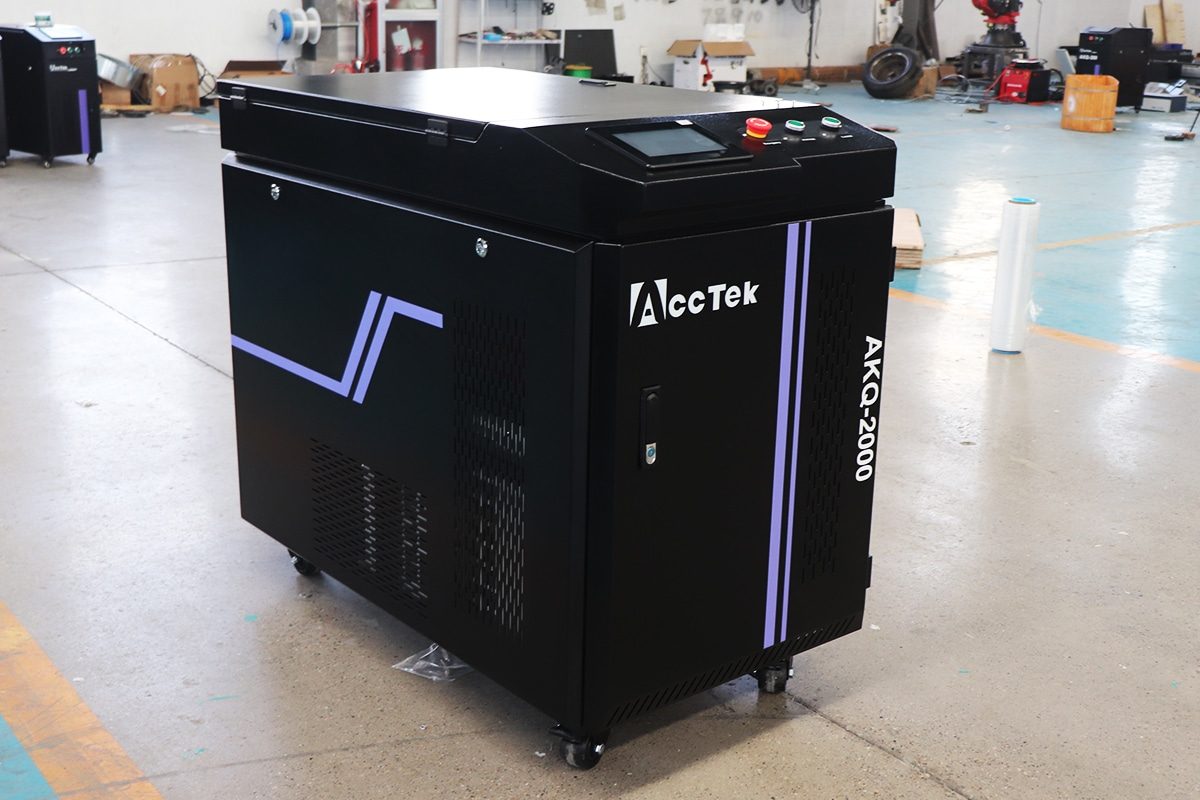
What Is The Cost Of Laser Cleaning Machines
Laser cleaning machines are gaining attention as a modern solution for removing rust, paint, coatings, and contaminants from a wide range of surfaces. Unlike traditional cleaning methods that rely on chemicals, abrasives, or manual labor, laser cleaning uses focused light energy to precisely strip away unwanted material without damaging the underlying substrate. This makes it especially appealing in industries such as manufacturing, automotive restoration, aerospace, and cultural heritage preservation.
As interest grows, one of the most common questions from potential buyers is straightforward: how much do laser cleaning machines actually cost? The answer, however, is not simple. Prices can vary widely depending on several key factors, including power output, machine type (portable vs. industrial), brand reputation, and additional features such as automation or cooling systems. Entry-level handheld units may be accessible to small businesses, while high-powered industrial systems can represent a significant capital investment.
Understanding the cost of laser cleaning machines requires looking beyond just the initial purchase price. Buyers also need to consider long-term value, including maintenance requirements, operating costs, efficiency gains, and potential savings from reduced consumables or labor. In many cases, what appears expensive upfront may prove cost-effective over time.
This article breaks down the main factors that influence pricing, provides typical cost ranges, and helps you evaluate which type of machine best fits your needs and budget. Whether you are exploring laser cleaning for the first time or comparing options for an upgrade, having a clear picture of the costs involved is essential for making an informed decision.
Table of Contents
What Are Laser Cleaning Machines
Laser cleaning machines are advanced surface treatment systems that use highly focused laser energy to remove unwanted materials from solid surfaces with exceptional precision. These unwanted materials can include rust, paint, oxide layers, oil residues, coatings, and even microscopic contaminants. The technology is increasingly used across industries such as manufacturing, automotive repair, aerospace, electronics, and cultural heritage restoration, where maintaining the integrity of the underlying material is critical.
At the heart of laser cleaning is a process known as laser ablation. In simple terms, the machine emits a concentrated beam of light that interacts with the surface layer. Because contaminants typically absorb laser energy more efficiently than the base material, they heat up rapidly and either vaporize, sublimate, or detach due to thermal expansion. This selective interaction is what makes laser cleaning so effective. It allows operators to remove unwanted layers without scratching, warping, or chemically altering the substrate underneath. This level of control is difficult to achieve with traditional cleaning methods like sandblasting or chemical treatments.
Modern laser cleaning machines are usually built around fiber laser technology, which is valued for its durability, energy efficiency, and low maintenance needs. These systems can operate in different modes, primarily pulsed and continuous wave. Pulsed lasers deliver energy in short bursts, making them ideal for delicate or precision tasks where heat must be carefully controlled. Continuous lasers, on the other hand, provide a steady stream of energy and are better suited for removing thicker layers of contamination in heavy-duty industrial environments. Adjustable settings such as power output, pulse frequency, scanning speed, and beam width allow operators to fine-tune the process for different materials and cleaning requirements.
In terms of structure and usability, laser cleaning machines are typically divided into portable and stationary systems. Portable machines are compact, often equipped with a handheld laser head, and designed for flexibility. They are commonly used for on-site maintenance, small workshops, and applications that require mobility. Stationary systems are larger and more powerful, frequently integrated into automated production lines. These may include robotic arms or CNC-controlled systems that deliver consistent, repeatable cleaning for high-volume operations, such as in shipbuilding, automotive manufacturing, or large-scale metal fabrication.
Another important aspect of laser cleaning machines is their environmental and operational impact. Unlike traditional methods that rely on consumables such as sand, dry ice, or chemical solvents, laser cleaning is a dry and largely waste-free process. This reduces disposal costs and minimizes environmental harm. Additionally, it improves workplace safety by lowering exposure to hazardous substances and reducing airborne dust. Many advanced systems also include built-in fume extraction and filtration units to capture and manage any particles generated during cleaning.
From a broader perspective, laser cleaning machines represent a shift toward more precise, efficient, and sustainable industrial processes. They not only improve cleaning quality but also reduce long-term operational costs by eliminating the need for consumables and lowering maintenance requirements.
Laser cleaning machines are a modern, high-precision solution for surface cleaning and preparation. They combine advanced laser physics with practical engineering to deliver a non-contact, environmentally friendly, and highly controllable cleaning method. As industries continue to prioritize efficiency, quality, and sustainability, these machines are becoming an essential tool in a wide range of applications.
Average Cost Of Laser Cleaning Machines
The average cost of laser cleaning machines can vary significantly, and understanding why requires looking beyond a simple price range. These machines are built for very different types of users, from small repair shops to large-scale industrial facilities. As a result, pricing reflects not only the machine itself, but also its expected workload, durability, level of automation, and overall efficiency.
Rather than a single “average,” the market is best understood in three clear tiers: entry-level, mid-range, and high-end industrial machines. Each tier represents a different level of investment and capability. For buyers, this structure makes it easier to align spending with actual operational needs. Choosing the right category is less about finding the lowest price and more about ensuring the machine can deliver consistent value over time.
Entry-Level Machines
Entry-level laser cleaning machines typically fall within the $3,000 to $15,000 range. These machines are designed for users who need a simple, cost-effective solution for light cleaning tasks. They are commonly used by small businesses, independent technicians, and maintenance teams that do not require continuous or high-volume operation.
One of the defining characteristics of this category is portability. Most entry-level machines are compact and easy to move, often featuring handheld components that allow for flexible use in different locations. This makes them particularly useful for on-site repairs or tasks that require mobility. Their user-friendly design also means they can be operated with minimal training, which lowers the barrier to entry.
However, the lower cost comes with practical limitations. These machines are generally slower and less suited to large surface areas or demanding cleaning conditions. They are also not designed for extended, uninterrupted use, which can affect productivity in more intensive workflows. Despite these constraints, they remain a strong option for occasional use and smaller-scale applications where budget is a key concern.
Mid-Range Machines
Mid-range laser cleaning machines are typically priced between $15,000 and $50,000 and are widely regarded as the most balanced option for many businesses. These systems are designed for more regular use and offer a noticeable improvement in performance, reliability, and overall efficiency compared to entry-level models.
In this category, machines are built with higher-quality components and are better suited for handling a broader range of cleaning tasks. They can manage larger surfaces and more persistent contaminants with greater consistency. This makes them a common choice in environments such as manufacturing workshops, automotive facilities, and industrial maintenance operations where cleaning is part of daily or weekly processes.
Another advantage of mid-range machines is their adaptability. Many models include more advanced control options, allowing operators to fine-tune performance for different materials and applications. Some systems can also be incorporated into semi-automated workflows, helping to improve consistency while reducing manual effort.
While the upfront cost is higher, the long-term benefits often justify the investment. Increased efficiency, longer operating cycles, and improved durability contribute to better overall value, especially for businesses that rely on regular cleaning as part of their operations.
High-End Industrial Machines
High-end industrial laser cleaning machines typically start at around $50,000 and can exceed $200,000 or more, depending on the complexity and level of customization. These machines are built for large-scale operations where performance, consistency, and automation are critical.
They are commonly used in industries such as automotive manufacturing, aerospace, shipbuilding, and heavy machinery production. Unlike smaller systems, high-end machines are often integrated into fully automated environments. They may include robotic arms, conveyor systems, and computer-controlled processes that allow for continuous, high-volume cleaning with minimal human intervention.
Durability is a key feature of this category. These machines are designed to operate for long periods with minimal downtime, using robust components that can withstand demanding conditions. Their ability to deliver consistent, repeatable results makes them essential in production settings where quality control is strict.
Although the initial investment is substantial, these machines often provide strong returns over time. They can significantly reduce labor requirements, improve workflow efficiency, and eliminate the need for consumable materials. For large operations, these advantages can translate into meaningful cost savings and increased productivity.
The cost of laser cleaning machines reflects the wide range of needs they are designed to meet. Entry-level machines offer an affordable starting point for light and occasional use, but they are limited in scale and endurance. Mid-range machines provide a more capable and versatile solution, making them ideal for businesses that require consistent performance without moving into full automation. High-end industrial systems, while expensive, deliver the highest levels of efficiency, reliability, and integration for large-scale operations.
When evaluating the average cost, it is important to consider not just the purchase price, but also how the machine will be used over time. Factors such as workload, frequency of use, required consistency, and potential for future growth all play a role in determining true value. A well-chosen machine is not simply an expense, but a long-term investment that can improve efficiency, reduce operational costs, and support business expansion.
Key Factors Affecting The Cost
The cost of laser cleaning machines is not determined by a single feature, but by a combination of engineering choices, component quality, and intended use. Two machines may look similar in size or function, yet differ greatly in price once you examine how they are built and what they are designed to handle. For buyers, this can be confusing at first. However, when you break down the key cost drivers, the pricing differences become much easier to understand.
In practical terms, the price of laser cleaning machines reflects their overall capability, reliability, and efficiency over time. Factors such as system design, internal components, level of control, and safety all contribute to the final cost. The following sections explain the most important elements that influence pricing and why they matter.
Laser Power
Although often highlighted in product specifications, this factor should not be treated as a standalone indicator of cost. Pricing differences are usually tied to the machine’s overall performance and how effectively it handles real-world tasks. A well-designed system with balanced performance can often deliver better value than one defined by a single specification. Buyers should focus on how the machine performs in their specific application rather than relying on simplified comparisons.
Laser Type (CW VS Pulsed)
The choice between continuous wave (CW) and pulsed laser cleaning systems is one of the most significant technical factors affecting cost. CW systems are generally simpler in structure and are often more affordable. They are suitable for applications where broad, consistent cleaning is sufficient and extreme precision is not required.
Pulsed laser cleaning systems, by contrast, are more complex and typically more expensive. They allow for finer control over how material is removed, which makes them suitable for more delicate or controlled cleaning processes. This added level of precision requires more advanced engineering, which increases manufacturing costs. As a result, machines using pulsed technology are often positioned at a higher price point.
Machine Configuration
The way a machine is configured has a direct impact on its cost. Portable systems are usually less expensive because they are compact, self-contained, and designed for manual use. They offer flexibility and convenience, especially for on-site work or smaller operations.
Stationary or integrated systems, on the other hand, are more expensive due to their complexity. These machines may be installed as part of a production line or combined with automated systems such as robotic arms or conveyors. Custom-built configurations tailored to specific industrial processes can further increase the price. While these systems require a higher initial investment, they often improve efficiency and consistency in large-scale operations.
Brand and Manufacturer
The reputation of the manufacturer plays a significant role in pricing. Well-established brands typically charge more because they offer proven reliability, consistent quality, and comprehensive support services. This may include technical assistance, training, spare parts availability, and warranty coverage.
In contrast, lesser-known manufacturers may offer lower prices, but this can involve trade-offs in quality control and after-sales support. For many buyers, the added cost of a reputable brand is justified by reduced risk and better long-term performance. In this sense, brand value is closely tied to overall reliability and service experience.
Components and Build Quality
The quality of the components used inside the machine is one of the most important factors affecting cost. High-quality components improve performance, stability, and lifespan, but they also increase manufacturing expenses.
Key parts such as optical systems, structural materials, and internal wiring all contribute to how well the machine operates over time. A machine built with durable materials and precise engineering is less likely to fail and typically requires less maintenance. Lower-cost machines may use less durable components, which can lead to inconsistent results or higher repair costs in the long run.
Cooling System
Cooling systems are essential for maintaining stable operation and protecting internal components from overheating. Basic machines often use air-cooling systems, which are more affordable but may not be suitable for extended or intensive use.
More advanced machines use water-cooling systems or dedicated industrial chillers. These systems provide more consistent temperature control, allowing the machine to operate for longer periods without performance issues. While they increase the upfront cost, they also enhance reliability and extend the machine’s lifespan, especially in demanding environments.
Software and Control Systems
Modern laser cleaning machines rely heavily on software for operation and control. Basic systems may offer simple interfaces with limited adjustment options, while more advanced machines include sophisticated software with greater flexibility.
Advanced control systems allow operators to fine-tune settings, store process parameters, and monitor performance in real time. This improves precision and repeatability, which is particularly important in professional and industrial applications. In some cases, software can also enable integration with automated workflows or data management systems. These capabilities add to the cost but provide significant benefits in terms of efficiency and consistency.
Safety Features
Safety features are a critical part of any laser cleaning system and can significantly influence cost. Entry-level machines may include only basic protections, while higher-end systems are equipped with more comprehensive safety measures.
These can include protective enclosures, interlock systems, emergency stop functions, and fume extraction units. Machines designed to meet strict safety standards often require additional engineering and certification, which increases their price. However, these features are essential for protecting operators and ensuring compliance with workplace regulations, particularly in industrial environments.
The cost of laser cleaning machines is shaped by a combination of technical design, component quality, and operational capability. Factors such as laser type, machine configuration, build quality, cooling systems, software functionality, and safety features all contribute to the final price. The manufacturer’s reputation and level of support also play an important role in determining overall value.
Rather than focusing on a single feature, it is more useful to view cost as a reflection of the machine’s complete performance and reliability. A lower-priced machine may meet basic needs but could lead to limitations in efficiency or higher maintenance costs over time. A higher-priced system, on the other hand, may offer better durability, smoother operation, and greater long-term savings. By understanding these key factors, buyers can make more informed decisions and select a machine that aligns with both their current requirements and future growth plans.
Types Of Laser Cleaning Machines And Their Costs
Laser cleaning machines are available in several distinct forms, each designed to suit a particular working style, environment, and production demand. Because of this variety, cost is closely tied to the type of machine rather than just its technical specifications. A compact unit built for manual use will cost far less than a system designed to run continuously inside an automated production line.
For anyone evaluating costs, it is useful to understand these categories in practical terms. Each type represents a different balance of flexibility, control, efficiency, and scalability. The most common categories are handheld machines, portable systems, cabinet-type units, and automated or robotic solutions. Knowing how they differ makes it much easier to understand why prices vary so widely and which option makes the most sense for a given application.
Handheld Laser Cleaning Machines
Handheld laser cleaning machines are generally the most affordable, with prices typically ranging from $3,000 to $12,000. These machines are designed for direct, manual operation and are best suited for small, localized cleaning tasks.
Their main advantage is flexibility. Because the operator controls the cleaning head directly, it is easy to target specific areas, adjust angles, and work on irregular surfaces. This makes handheld machines particularly useful for maintenance work, repair jobs, and situations where access is limited. They are often used in small workshops, service environments, and field applications.
However, this flexibility comes at the cost of efficiency and consistency. Cleaning speed depends on the operator, and maintaining uniform results over larger areas can be difficult. In addition, these machines are not designed for long periods of continuous use. Over time, this can limit productivity in more demanding environments. Despite these drawbacks, handheld machines remain a practical and cost-effective option for users who need a simple and portable solution.
Portable Laser Cleaning Machines
Portable laser cleaning machines typically fall within the $8,000 to $25,000 range and represent a step forward in both performance and usability. While they still offer mobility, they are built as more complete systems, often mounted on wheeled frames or compact carts.
These machines are designed to bridge the gap between basic handheld units and more advanced systems. They provide greater stability, improved operating consistency, and the ability to handle a wider range of tasks. This makes them suitable for businesses that require regular cleaning but still need the flexibility to move equipment between locations.
Compared to handheld laser cleaning machines, portable systems usually include better structural design, more refined controls, and enhanced reliability during longer working periods. They are commonly used in workshops, manufacturing support roles, and maintenance operations. Their cost reflects this balance, offering improved capability without the complexity or expense of fully integrated systems.
Cabinet-Type Laser Cleaning Machines
Cabinet-type laser cleaning machines are typically priced between $20,000 and $60,000 and are designed for controlled, indoor use. These systems are enclosed, meaning the cleaning process takes place inside a sealed chamber rather than in an open environment.
This design offers several important advantages. First, it improves safety by containing the cleaning process within a protected space. Second, it allows for better control over the cleaning environment, which leads to more consistent and repeatable results. Operators place parts inside the cabinet and control the process externally, reducing direct handling and improving precision.
Cabinet-type machines are commonly used for cleaning smaller components that require accuracy and consistency, such as precision parts, tools, or specialized equipment. While they lack the mobility of handheld or portable systems, they provide a cleaner, more controlled workflow. Their higher cost is mainly due to the enclosed structure, integrated safety features, and more specialized design.
Automated And Robotic Systems
Automated and robotic laser cleaning systems represent the most advanced category, with prices typically starting at $50,000 and extending beyond $200,000, depending on system complexity and customization. These machines are designed for large-scale, continuous operations where efficiency and consistency are critical.
Unlike manual laser cleaning systems, automated machines are often integrated into production lines. They may include robotic arms, conveyor systems, or programmable movement paths that allow them to perform repetitive cleaning tasks with minimal human input. This results in highly consistent output and significantly higher productivity.
These systems are widely used in industries such as automotive manufacturing, aerospace, and heavy equipment production. They are particularly valuable in environments where uniform quality and high throughput are essential. Although the initial investment is substantial, the long-term benefits can include reduced labor costs, faster processing times, and improved workflow efficiency. The higher price reflects not only the equipment itself but also the level of engineering and integration required.
The cost of laser cleaning machines is closely linked to their type and intended application. Handheld laser cleaning machines offer the lowest entry cost and maximum flexibility, but they are limited in efficiency and scalability. Portable laser cleaning systems provide a more balanced option, combining mobility with improved performance for regular use. Cabinet-type laser cleaning machines focus on precision, safety, and controlled operation, making them suitable for specialized tasks. Automated and robotic laser cleaning systems, while significantly more expensive, deliver the highest levels of consistency, productivity, and long-term efficiency.
When choosing between these types, it is important to consider not only the purchase price but also how the machine will perform over time. Factors such as workload, working environment, required precision, and production volume all influence the true value of the investment. A well-matched machine will not only meet current needs but also support future growth, making it a more effective and strategic choice in the long run.
Additional Costs To Consider
When evaluating the cost of laser cleaning machines, the purchase price is only the starting point. In real operating conditions, a range of additional expenses can influence the total cost over the life of the equipment. These costs are often less visible during the buying stage, but they can have a significant impact on long-term budgeting, operational efficiency, and overall return on investment.
For businesses in particular, understanding these ongoing and indirect costs is essential. A machine that appears affordable upfront may become more expensive over time if it requires frequent servicing, specialized training, or high operating expenses. On the other hand, a higher initial investment may reduce long-term costs through better efficiency and reliability. The following areas represent the most important additional costs to consider.
Installation And Setup
Installation and setup costs can vary widely depending on how complex the machine is and how it will be used. Smaller systems are often designed for quick deployment and may only require basic preparation, such as positioning the machine and connecting it to a suitable power source.
However, more advanced systems can involve a much more detailed setup process. This may include preparing the workspace, ensuring proper ventilation, configuring electrical systems, and calibrating the machine for accurate operation. In some cases, professional installation services are required, especially if the system needs to be integrated into an existing production line.
There may also be indirect costs, such as downtime during installation or the need to modify existing facilities. These factors can add both time and expense, making installation an important part of the overall cost calculation.
Training Costs
Training is another key factor that is sometimes overlooked. While some machines are relatively simple to operate, others require a deeper understanding of controls, safety procedures, and maintenance routines.
Basic training may be included with the purchase, but more comprehensive programs often come at an additional cost. These can include on-site instruction, remote training sessions, or formal certification programs. For companies with multiple operators, training costs can increase further as more staff need to be trained.
Proper training is an investment rather than just an expense. Well-trained operators are more efficient, make fewer mistakes, and are better equipped to handle minor issues before they become major problems. This can reduce downtime and improve overall productivity over time.
Maintenance And Repairs
Maintenance is an ongoing requirement for any piece of industrial equipment, and laser cleaning machines are no exception. Regular maintenance helps ensure consistent performance and extends the lifespan of the machine.
Routine maintenance tasks may include inspections, cleaning of internal components, and periodic servicing. Over time, wear and tear can lead to the need for repairs, especially in environments where the machine is used frequently or under demanding conditions.
Repair costs can vary depending on the complexity of the machine and the availability of service support. Some manufacturers offer maintenance plans or service agreements, which can help manage costs but also add to the overall expense. Planning for maintenance as part of the total cost helps avoid unexpected disruptions.
Spare Parts
Spare parts are a necessary consideration for long-term operation. Certain components will naturally degrade over time and need to be replaced to maintain performance and reliability.
The cost of spare parts depends on the machine design and the manufacturer. High-quality machines may use more durable components, but replacement parts can be more expensive. Conversely, lower-cost machines may have cheaper parts but require more frequent replacement.
Many businesses choose to keep essential spare parts on hand to reduce downtime in case of failure. While this improves operational continuity, it also increases inventory costs. Availability is another factor, as delays in obtaining parts can lead to extended downtime and lost productivity.
Energy Consumption
Energy consumption is a continuous cost that becomes more noticeable over time, especially in operations where machines are used frequently or for extended periods. The amount of electricity required depends on the machine’s efficiency and usage patterns.
For occasional use, energy costs may be relatively minor. However, in high-usage environments, they can become a significant part of operating expenses. Efficient machines may help reduce energy consumption, but they may also come with a higher upfront price.
It is important to consider how often the machine will be used and factor in energy costs when estimating the total cost of ownership. Over time, even small differences in efficiency can lead to meaningful cost savings.
The true cost of a laser cleaning machine goes far beyond the initial purchase price. Expenses related to installation, training, maintenance, spare parts, and energy consumption all contribute to the overall investment required to operate the machine effectively. These costs can vary depending on the type of system, how it is used, and the working environment.
Taking these factors into account from the beginning allows buyers to develop a more accurate and realistic budget. It also helps prevent unexpected expenses that can disrupt operations or reduce profitability. In many cases, a machine with a higher upfront cost may offer better long-term value by reducing maintenance needs, improving efficiency, and minimizing downtime.
By looking at the full cost picture rather than just the purchase price, businesses and individuals can make more informed decisions and choose equipment that supports both immediate needs and long-term goals.
Operating Cost Analysis
When discussing the cost of laser cleaning machines, operating expenses are just as important as the initial purchase price. In many cases, the long-term cost of running the equipment has a greater impact on overall value than the upfront investment. For businesses that rely on frequent or continuous cleaning, even small differences in daily operating costs can accumulate into significant savings or losses over time.
Laser cleaning technology is often viewed as a cost-efficient solution because it simplifies the cleaning process and removes many of the ongoing expenses associated with traditional methods. Instead of relying on consumable materials, complex manual labor, or waste-intensive processes, it offers a more streamlined and controlled approach. This section breaks down the key operating cost advantages that contribute to its growing adoption.
No Consumables
One of the most immediate and noticeable cost benefits of laser cleaning machines is the elimination of consumables. Traditional cleaning methods typically depend on materials such as sand, dry ice, chemical solvents, or abrasive media. These materials must be purchased regularly, stored properly, and replenished as they are used, creating a continuous cycle of expense.
Laser cleaning removes this requirement entirely. The process does not depend on external materials, which means there are no recurring purchases related to cleaning media. This reduces not only direct costs but also indirect expenses such as storage space, handling, and supply chain management.
Over time, the absence of consumables can lead to substantial savings, particularly in operations where cleaning is performed frequently. It also simplifies operations by reducing logistical complexity, allowing businesses to focus more on productivity rather than material management.
Reduced Labor Costs
Labor costs are another major component of operating expenses, and laser cleaning can significantly reduce them. Traditional cleaning methods often involve multiple steps, physical effort, and sometimes multiple workers to complete a task. This increases both time and labor requirements.
With laser cleaning, the process is generally faster and more controlled. Operators can complete tasks more efficiently, which reduces the number of labor hours required. In many cases, a single trained operator can handle tasks that would otherwise require a team using conventional methods.
In addition, the precision of laser cleaning reduces the likelihood of errors or incomplete work. This minimizes the need for rework, which further saves time and labor. In more advanced setups, automation can reduce human involvement even further, allowing staff to focus on other productive activities. Over time, these efficiencies contribute to lower overall labor costs and improved workforce utilization.
Minimal Waste Disposal
Waste disposal is an often underestimated cost in industrial cleaning processes. Traditional methods can generate large volumes of waste, including used abrasives, contaminated materials, and chemical residues. Managing this waste involves collection, transportation, and disposal, all of which can be costly and subject to environmental regulations.
Laser cleaning produces minimal waste because it removes only the unwanted material without introducing additional substances. The debris generated is typically small in volume and easier to handle. This reduces both disposal costs and the administrative burden associated with waste management.
From an environmental perspective, this is also a significant advantage. Lower waste output means reduced environmental impact and easier compliance with regulations. For companies operating in regulated industries, this can translate into both cost savings and reduced risk.
High Efficiency
Efficiency is one of the most important factors influencing operating costs, and this is where laser cleaning machines offer strong advantages. The process is designed to deliver consistent, repeatable results with minimal variation. This reduces the need for multiple passes or corrective work, saving both time and resources.
Faster processing times allow more work to be completed within the same period, increasing overall productivity. This is especially valuable in industrial environments where throughput directly affects profitability. Improved efficiency also means better use of equipment, as machines spend less time idle or underutilized.
In addition, consistent performance helps protect the underlying material, reducing the risk of damage and the need for costly repairs or replacements. Over time, these efficiency gains contribute to lower operational costs and improved overall performance.
The operating cost advantages of laser cleaning machines make them an attractive option for many users. The elimination of consumables removes ongoing material expenses, while reduced labor requirements lower workforce-related costs. Minimal waste generation simplifies disposal and reduces environmental impact, and high efficiency improves productivity and reduces time-related expenses.
Taken together, these factors create a strong case for considering the total cost of ownership rather than just the initial purchase price. While laser cleaning machines may require a higher upfront investment, their lower operating costs can offset this over time and deliver meaningful long-term savings.
For businesses focused on efficiency, cost control, and sustainable operations, these operating benefits are often a key reason for adopting laser cleaning technology.
Cost Comparison With Traditional Cleaning Methods
When discussing the cost of laser cleaning machines, it is essential to compare them with traditional cleaning methods in a practical, long-term context. Many conventional techniques—such as sandblasting, chemical cleaning, and mechanical cleaning—appear more affordable at first because the equipment is simpler and widely available. However, this initial impression can be misleading. The real cost of these methods becomes clearer over time, as recurring expenses accumulate through daily operation.
Laser cleaning follows a different economic model. While the initial investment is higher, the operating process is more streamlined, with fewer ongoing costs and greater consistency. For businesses that rely on regular cleaning, this difference can have a substantial impact on overall profitability. A proper comparison, therefore, should focus not only on upfront costs but also on long-term efficiency, maintenance, labor, and environmental factors.
Sandblasting
Sandblasting is one of the most established and widely used cleaning methods, particularly for removing heavy rust, paint, and coatings. Its main advantage lies in its relatively low equipment cost and strong cleaning capability. For this reason, it is often the first option considered in industrial settings.
However, sandblasting comes with a range of ongoing expenses that can significantly increase its total cost over time. The process depends heavily on abrasive materials, which are consumed quickly and must be replaced continuously. This creates a recurring expense that grows with usage volume.
In addition, sandblasting produces large amounts of dust and debris. Managing this waste requires collection systems, protective equipment, and proper disposal procedures. These requirements not only increase costs but also add complexity to daily operations. Equipment wear is another concern, as the abrasive nature of the process can damage machinery and surfaces, leading to higher maintenance and replacement costs.
From a labor perspective, sandblasting can be physically demanding and may require additional safety measures, which can further increase operational expenses. While effective, its long-term cost structure is often higher than expected once all factors are considered.
Chemical Cleaning
Chemical cleaning is commonly used when contaminants need to be dissolved or loosened rather than physically removed. It can be effective for certain applications, especially where precision or surface sensitivity is important.
Despite its effectiveness, chemical cleaning introduces several ongoing costs. The most obvious is the need to purchase chemical agents regularly. These substances can vary in price, but over time, the cumulative cost can be significant. Storage and handling also add complexity, as many chemicals require controlled conditions and careful management.
Safety is a major factor in chemical cleaning. Operators often need protective equipment and specialized training, which increases labor-related costs. In addition, facilities may need ventilation systems or containment measures to ensure safe operation.
Waste disposal is another critical issue. Used chemicals and contaminated materials must be treated and disposed of according to environmental regulations. This process can be both expensive and time-consuming, especially in industries with strict compliance requirements. When these factors are combined, the overall cost of chemical cleaning can rise well beyond initial expectations.
Mechanical Cleaning
Mechanical cleaning methods, such as grinding, brushing, and scraping, are often viewed as the simplest and most direct approach. The equipment required is generally inexpensive, and the process does not rely on chemicals or specialized materials.
However, the main cost driver in mechanical cleaning is labor. These methods are typically manual and can be time-consuming, particularly for large or complex surfaces. As a result, labor costs can increase quickly, especially in operations where cleaning is performed frequently.
Tool wear is another important consideration. Components such as brushes and grinding discs degrade over time and need to be replaced regularly. While individual replacements may be inexpensive, the cumulative cost can become significant with continuous use.
In addition, mechanical cleaning can produce inconsistent results, which may require additional work to achieve the desired finish. There is also a risk of damaging the underlying material if the process is not carefully controlled, leading to potential repair costs or reduced product quality. While suitable for small-scale tasks, mechanical cleaning often becomes less efficient and more costly in larger or more demanding applications.
Traditional cleaning methods such as sandblasting, chemical cleaning, and mechanical cleaning may offer lower initial equipment costs, but they often involve higher ongoing expenses. Consumable materials, labor-intensive processes, equipment wear, and waste management all contribute to increasing costs over time. These factors can make traditional methods less economical, particularly in operations that require frequent or large-scale cleaning.
Laser cleaning, in contrast, operates with a different cost structure. Although the upfront investment is higher, it reduces or eliminates many of the recurring costs associated with traditional methods. Lower material usage, reduced labor requirements, minimal waste, and improved efficiency all contribute to a more predictable and often lower total cost of ownership.
For businesses making a long-term investment decision, it is important to evaluate not just the purchase price but the full lifecycle cost of each method. In many cases, laser cleaning proves to be a more cost-effective and sustainable solution, especially where consistency, efficiency, and operational simplicity are priorities.
Return On Investment (ROI)
When assessing the cost of laser cleaning machines, return on investment (ROI) is one of the most meaningful ways to measure their true value. Rather than focusing only on the initial purchase price, ROI looks at how the machine contributes to cost savings, efficiency gains, and overall business performance over time. For many organizations, especially those with ongoing cleaning needs, the decision to invest in laser cleaning is based on how quickly the system can pay for itself and continue generating value afterward.
Laser cleaning machines influence multiple aspects of operations at once. They do not just replace an existing cleaning method; they often improve the entire workflow. By increasing productivity, enhancing quality, reducing recurring expenses, and simplifying compliance requirements, they create a cumulative financial benefit that grows over time. Understanding these factors in detail helps clarify why the ROI of laser cleaning is often stronger than it initially appears.
Increased Productivity
Increased productivity is usually the most immediate and visible contributor to ROI. Laser cleaning simplifies the cleaning process by reducing the number of steps required to complete a task. There is less preparation, no need to handle additional materials, and fewer interruptions between operations.
This streamlined approach allows operators to complete tasks more quickly and with greater consistency. In production environments, this can significantly improve throughput by reducing bottlenecks and keeping workflows moving smoothly. Equipment and components can pass through cleaning stages faster, which helps maintain steady production schedules.
Another important aspect is reduced downtime. Traditional cleaning methods may require pauses for material replacement, setup adjustments, or cleanup. Laser cleaning minimizes these interruptions, allowing for more continuous operation. Over time, this increase in productive working hours translates directly into higher output and better utilization of resources.
Improved Quality
Improved quality plays a critical role in ROI, even though its impact is sometimes less obvious at first. Laser cleaning provides precise and consistent results, which helps ensure that surfaces are treated uniformly without causing damage to the underlying material.
This level of consistency reduces variability in the cleaning process, which is especially important in industries where surface condition affects subsequent steps such as coating, bonding, or assembly. Better surface preparation leads to improved final product quality, reducing the likelihood of defects or failures.
Higher quality also means less rework. When cleaning results are reliable, there is less need to repeat processes or correct mistakes. This saves both time and resources, contributing to overall efficiency. In addition, consistent quality can enhance customer satisfaction and reduce the risk of returns or warranty claims, which further strengthens long-term financial performance.
Lower Operating Costs
Lower operating costs are one of the strongest drivers of ROI for laser cleaning machines. Unlike traditional methods, laser cleaning does not rely on consumable materials, which eliminates a major source of recurring expense. There is no need to purchase, store, or manage abrasives or chemicals, which simplifies operations and reduces ongoing costs.
Labor costs are also typically lower. The process requires less manual effort and can often be managed by fewer operators. In some cases, automation can further reduce labor requirements, allowing staff to focus on higher-value tasks.
Waste disposal costs are minimized as well. Since the process generates very little waste, there is less need for handling, transportation, and regulatory compliance related to disposal. Maintenance costs can also be more predictable, helping businesses plan budgets more effectively.
Over time, these combined savings can significantly offset the initial investment and contribute to a strong overall ROI.
Environmental Compliance
Environmental compliance is becoming an increasingly important factor in industrial operations, and it can have a direct impact on costs. Laser cleaning offers advantages in this area by reducing waste and eliminating the need for hazardous chemicals.
This simplifies compliance with environmental regulations and reduces the cost of waste treatment and disposal. It also lowers the risk of fines, penalties, or operational disruptions caused by non-compliance. For companies operating in regions with strict environmental standards, these benefits can be particularly valuable.
In addition to cost savings, environmentally responsible practices can improve a company’s reputation and support sustainability goals. This can lead to indirect financial benefits, such as stronger customer relationships and improved market positioning. While these benefits may not always be immediately measurable, they contribute to long-term business success.
The return on investment for laser cleaning machines is built on a combination of operational improvements and cost reductions. Increased productivity allows businesses to complete more work in less time, while improved quality reduces errors, rework, and associated costs. Lower operating expenses, including reduced labor and the elimination of consumables, provide ongoing financial savings. At the same time, simplified environmental compliance reduces regulatory costs and supports sustainable practices.
When these factors are considered together, they create a strong case for the long-term value of laser cleaning technology. Although the initial investment may be higher than traditional methods, the cumulative benefits often lead to faster cost recovery and continued savings over time. For businesses focused on efficiency, reliability, and long-term growth, laser cleaning machines represent not just a purchase but a strategic investment that can deliver measurable returns well into the future.
How To Choose The Right Machine Based On Budget
Choosing the right laser cleaning machine based on budget requires more than simply comparing prices. It involves understanding how the machine will perform in real working conditions, how it fits into your current operations, and how it will support your business over time. A lower-cost option may seem attractive at first, but if it cannot meet your needs or requires frequent upgrades, it may end up costing more in the long run. On the other hand, investing in a more capable system without a clear need can tie up capital unnecessarily.
The goal is to strike a balance between affordability and functionality. This means carefully evaluating your requirements, thinking ahead about future growth, and considering the full cost of ownership rather than just the purchase price. The following factors can help guide a more informed and practical decision.
Define Your Application
A clear definition of your application is the foundation of a smart purchase decision. Start by identifying what you need the machine to do daily. Consider the types of surfaces you will be cleaning, the level of contamination, and how frequently the machine will be used. Also, think about whether the work will be done in a controlled environment or in the field.
For example, a small workshop handling occasional cleaning tasks will have very different requirements from a manufacturing facility that needs consistent, high-volume cleaning. By clearly outlining your application, you can narrow down the options and avoid paying for features that do not add real value.
At the same time, this step helps prevent underinvestment. Choosing a machine that cannot keep up with your workload can lead to inefficiencies, delays, and even additional costs if you need to upgrade sooner than expected. A well-defined application ensures that the machine you select is properly aligned with your operational needs.
Determine Required Power
While technical specifications are often highlighted, it is more useful to focus on overall performance and suitability for your tasks. The key question is whether the machine can handle your workload efficiently and consistently under real conditions.
Think about how quickly tasks need to be completed, how consistent the results must be, and how demanding the cleaning process is. A machine that delivers stable and reliable performance will provide better value than one chosen solely based on specifications.
It is also important to consider how the machine will fit into your workflow. A system that improves efficiency and reduces processing time can have a meaningful impact on productivity, even if its upfront cost is higher. The aim is to match capability with actual operational demands rather than focusing on technical details in isolation.
Consider Future Expansion
Budget decisions should take into account not only current needs but also plans. Many businesses grow over time, and their equipment needs often evolve as production increases or new applications are introduced.
Choosing a machine that can adapt to future requirements can help avoid the cost and disruption of replacing equipment later. This might involve selecting a system that supports upgrades, integrates with automation, or handles a broader range of tasks.
While this approach may require a higher initial investment, it can provide better long-term value. Planning for expansion ensures that the machine remains useful as your operations develop, reducing the need for additional capital expenditure in the future.
Evaluate Total Cost Of Ownership
The purchase price is only one part of the overall cost. To make a well-informed decision, it is essential to evaluate the total cost of ownership, which includes all expenses associated with the machine over its lifespan.
This includes installation, training, maintenance, spare parts, and operating costs. A machine with a lower upfront price may require more frequent maintenance or deliver lower efficiency, leading to higher long-term costs. Conversely, a more expensive machine may offer better reliability, lower operating expenses, and fewer disruptions.
Looking at the total cost of ownership provides a more accurate picture of value. It allows you to compare different options based on their long-term financial impact rather than just their initial cost. This perspective is especially important for businesses that rely on consistent and efficient cleaning processes.
Choosing the right laser cleaning machine based on budget requires a careful and forward-thinking approach. Defining your application ensures that the machine meets your actual needs, while focusing on real-world performance helps avoid overemphasis on technical specifications. Considering future expansion allows you to plan for growth and avoid premature upgrades, and evaluating the total cost of ownership ensures a clear understanding of long-term expenses.
Rather than focusing solely on the lowest price, the goal should be to find the best overall value. A well-selected machine will not only fit within your budget but also deliver reliable performance, support operational efficiency, and provide long-term financial benefits. By taking a comprehensive approach, buyers can make confident decisions that align with both current requirements and future goals.
Cost Optimization Tips
Optimizing the cost of laser cleaning machines is not about simply reducing spending. It is about making informed, balanced decisions that maximize value over the entire lifecycle of the equipment. Many buyers focus heavily on the upfront purchase price, but this approach can lead to higher long-term expenses if the machine is not well matched to the application or if ongoing costs are not carefully considered.
A more effective strategy is to view the purchase as a long-term investment. This means evaluating not only what you pay initially, but also how the machine performs, how efficiently it operates, and how much it costs to maintain over time. Cost optimization involves aligning technical choices, supplier selection, financial planning, and operational practices to achieve the best overall outcome. The following approaches provide a structured way to control costs while maintaining performance and reliability.
Choose The Right Specifications
Selecting the right specifications is one of the most critical steps in controlling costs. It is common for buyers to either overestimate their needs or underestimate them, and both scenarios can lead to inefficiencies. Over-specifying a machine often results in paying for features or capabilities that are rarely used, while under-specifying can cause performance limitations that slow down operations and require costly upgrades later.
To avoid this, start by clearly defining your operational requirements. Consider the type of work you will perform, how often the machine will be used, and the working conditions in which it will operate. It is also important to think about consistency—whether your workload is steady or varies over time.
A well-matched machine ensures that you are investing in exactly what you need—no more and no less. This not only reduces unnecessary spending but also improves operational efficiency, as the machine is better suited to its intended tasks. Over time, this alignment between capability and demand is one of the most effective ways to optimize cost.
Compare Multiple Suppliers
Supplier selection has a direct impact on both initial and long-term costs. Prices can vary significantly between manufacturers, even for machines with similar capabilities. Comparing multiple suppliers allows you to gain a clearer understanding of market pricing and identify the most competitive offers.
However, cost optimization requires looking beyond the base price. It is essential to evaluate what is included in the purchase, such as installation support, training, warranty coverage, and after-sales service. A lower upfront price may seem appealing, but it can lead to higher costs later if support is limited or spare parts are difficult to obtain.
Reputation and reliability should also be considered. Established suppliers often provide more consistent quality and better service, which can reduce the risk of downtime and unexpected expenses. Requesting detailed quotations and clarifying all terms helps ensure that you are making a fair and informed comparison.
Consider Financing Options
Financing can be a useful tool for optimizing costs, especially for businesses that need to manage cash flow carefully. Instead of making a large upfront payment, financing options such as leasing or installment plans allow the cost to be spread over time.
This approach can make it easier to invest in a higher-quality machine that offers better performance and lower operating costs. It also allows businesses to begin benefiting from the machine’s productivity gains while still paying for it, which can improve overall financial flexibility.
That said, financing should be approached strategically. It is important to evaluate the total cost, including interest and fees, to ensure that the financing arrangement remains cost-effective. When used appropriately, financing can support both affordability and long-term value without placing excessive strain on financial resources.
Invest In Training
Training is often underestimated as a cost factor, but it plays a crucial role in long-term efficiency and cost control. A well-trained operator can use the machine more effectively, complete tasks more quickly, and reduce the likelihood of errors or damage.
Without proper training, even a high-quality machine may not perform as expected. Inefficient use can lead to wasted time, inconsistent results, and increased wear on components, all of which can raise operating costs. In some cases, improper handling can even result in costly repairs or downtime.
Investing in training ensures that operators understand how to use the machine correctly, maintain it properly, and troubleshoot basic issues. This improves productivity, extends the lifespan of the equipment, and enhances safety. Over time, the benefits of proper training can far outweigh the initial cost.
Optimizing the cost of laser cleaning machines requires a comprehensive and strategic approach. Choosing the right specifications ensures that the machine is aligned with actual needs, avoiding unnecessary expense or performance limitations. Comparing multiple suppliers helps identify the best balance between price, quality, and support, while financing options can improve cash flow and make higher-quality equipment more accessible. Investing in training ensures efficient operation, reduces errors, and supports long-term reliability.
Rather than focusing solely on minimizing upfront costs, the goal should be to maximize overall value. A well-optimized investment considers the full lifecycle of the machine, including performance, efficiency, and ongoing expenses. By taking this broader perspective, buyers can make more informed decisions, reduce total costs, and achieve better results over time.
Common Pricing Mistakes To Avoid
When exploring the cost of laser cleaning machines, many buyers unintentionally make pricing decisions that appear economical at first but create higher costs over time. These mistakes are rarely due to a lack of effort. More often, they result from focusing too narrowly on one factor—usually price—while overlooking the broader picture of performance, reliability, and long-term use.
Laser cleaning machines are not a short-term purchase. It is a piece of equipment expected to deliver consistent results over years of operation. Because of this, pricing decisions should be based on total value rather than initial savings alone. Understanding the most common pricing mistakes can help buyers avoid unnecessary expenses, reduce operational risks, and make more confident, informed choices.
Focusing Only On Initial Cost
One of the most common and costly mistakes is focusing only on the upfront purchase price. It is easy to assume that choosing the cheapest option will save money, especially when working within a tight budget. However, this approach often overlooks the hidden costs that emerge during operation.
Lower-priced machines may use less durable components or have a less refined design and engineering. Over time, this can lead to more frequent breakdowns, inconsistent performance, and higher maintenance requirements. These issues not only increase repair costs but can also interrupt operations, causing delays and lost productivity.
Another factor to consider is efficiency. A machine that takes longer to complete tasks or produces inconsistent results can increase labor time and reduce overall output. These indirect costs may not be obvious at the beginning, but they can accumulate quickly in daily operations.
In contrast, a higher-quality machine may require a larger initial investment but offer better reliability, smoother operation, and longer service life. When viewed over the full lifespan of the equipment, the total cost difference often favors the more durable and efficient option. The key is to evaluate value over time rather than focusing only on the purchase price.
Ignoring After-Sales Support
After-sales support is another area that is frequently underestimated during the purchasing process. Buyers often concentrate on the machine’s specifications and price but overlook the importance of ongoing service and support.
In reality, even the most reliable machines may require maintenance, troubleshooting, or replacement parts at some point. Without strong after-sales support, resolving these issues can take longer and cost more. Delays in obtaining technical assistance or spare parts can lead to extended downtime, which directly affects productivity and revenue.
Good after-sales support includes more than just a warranty. It involves access to knowledgeable technicians, clear communication channels, and reliable availability of replacement components. Some suppliers also offer training, software updates, and preventive maintenance services, all of which contribute to smoother operation.
Choosing a supplier with strong support may involve a slightly higher upfront cost, but it can significantly reduce long-term risks and expenses. Ignoring this factor can result in hidden costs that only become apparent after the machine is already in use.
Underestimating Application Requirements
Underestimating application requirements is another mistake that can lead to poor purchasing decisions. This typically happens when buyers do not fully assess the demands of their work or assume that a basic machine will be sufficient for all tasks.
If the machine is not capable of handling the required workload, it can lead to slower processing, inconsistent results, and increased strain on the equipment. This not only reduces efficiency but can also shorten the lifespan of the machine. In some cases, businesses may need to upgrade or replace the machine much sooner than expected, which increases the overall cost.
There are also indirect consequences. A machine that cannot deliver consistent results may lead to rework, material waste, or delays in production. These issues can affect product quality and customer satisfaction, creating additional costs that go beyond the machine itself.
To avoid this mistake, it is essential to clearly define the intended application before making a purchase. This includes understanding the scale of operations, the frequency of use, and the level of consistency required. A machine that is properly matched to its application will perform more efficiently and provide better long-term value.
The most common pricing mistakes when purchasing laser cleaning machines stem from a narrow focus on short-term savings rather than long-term value. Focusing only on the initial cost can lead to higher maintenance expenses, reduced efficiency, and shorter equipment lifespan. Ignoring after-sales support increases the risk of downtime and operational disruptions, which can be costly and difficult to manage. Underestimating application requirements can result in poor performance, reduced productivity, and the need for early replacement or upgrades.
Avoiding these mistakes requires a more balanced and informed approach. Buyers should evaluate not only the price of the machine but also its reliability, support structure, and suitability for their specific needs. By considering the full lifecycle of the equipment, it becomes possible to make smarter investment decisions that deliver consistent performance and better financial outcomes over time.
Ultimately, the goal is not to spend the least amount of money upfront, but to achieve the greatest value over the life of the machine. A well-informed choice will reduce risks, improve efficiency, and ensure that the investment supports both current operations and future growth.
Summary
The cost of laser cleaning machines varies widely, but understanding that cost requires looking beyond simple price ranges. Throughout this article, it becomes clear that pricing is influenced by multiple factors, including machine type, configuration, build quality, and level of automation. Entry-level machines offer a lower-cost entry point for light or occasional use, while mid-range systems provide a balance between performance and affordability. High-end industrial solutions, although more expensive, are designed for large-scale operations where efficiency, consistency, and long-term productivity are critical.
However, the purchase price is only one part of the equation. Additional costs such as installation, training, maintenance, spare parts, and energy consumption all contribute to the total cost of ownership. At the same time, operating cost advantages—such as the absence of consumables, reduced labor requirements, minimal waste, and improved efficiency—help offset the initial investment over time.
When compared to traditional cleaning methods like sandblasting, chemical cleaning, and mechanical cleaning, laser cleaning often proves more cost-effective in the long run. Although conventional methods may appear cheaper upfront, their ongoing expenses in materials, labor, and waste management can quickly add up.
Return on investment is another key consideration. Increased productivity, improved cleaning quality, lower operating costs, and easier environmental compliance all contribute to long-term financial benefits. These factors make laser cleaning not just a cleaning solution, but a strategic investment in operational efficiency.
Ultimately, choosing the right machine requires a thoughtful approach. Buyers should clearly define their application, consider future needs, evaluate total costs, and avoid common pricing mistakes such as focusing only on upfront cost or overlooking after-sales support.
In conclusion, laser cleaning machines represent a modern, efficient, and increasingly cost-effective solution. By taking a comprehensive view of both initial and long-term costs, businesses can make informed decisions and maximize the value of their investment.
Get Laser Cleaning Solutions
Choosing the right laser cleaning machine is not just about understanding costs—it is about finding a solution that fits your specific application, workflow, and long-term goals. This is where working with an experienced manufacturer becomes essential. A professional supplier can help you move beyond general price ranges and identify the most suitable equipment based on your real operational needs.
As a professional manufacturer of intelligent laser equipment, AccTek Group provides tailored laser cleaning solutions designed to match different industries and use cases. Whether you need a compact system for small-scale maintenance or a more advanced setup for continuous industrial production, having access to expert guidance ensures that your investment is both practical and cost-effective.
A reliable solution provider will typically begin with a detailed consultation. This includes understanding your materials, cleaning requirements, working environment, and expected workload. Based on this information, they can recommend the most appropriate machine configuration, helping you avoid both over-investment and underperformance. This step is critical in ensuring that the selected system delivers consistent results while staying within budget.
In addition to equipment selection, comprehensive support services are equally important. These may include installation guidance, operator training, technical support, and after-sales service. Working with a manufacturer that offers end-to-end support can significantly reduce risks and ensure smooth operation from the start.
Another advantage of partnering with an established manufacturer is access to customization options. In many cases, standard machines may not fully meet specific production requirements. Custom solutions can be developed to improve efficiency, integrate with existing workflows, or adapt to unique applications.
Getting the right laser cleaning solution involves more than purchasing a machine—it requires a combination of technical expertise, proper planning, and reliable support. By working with a trusted manufacturer like AccTek Group, you can ensure that your investment delivers maximum value, efficiency, and long-term performance.