

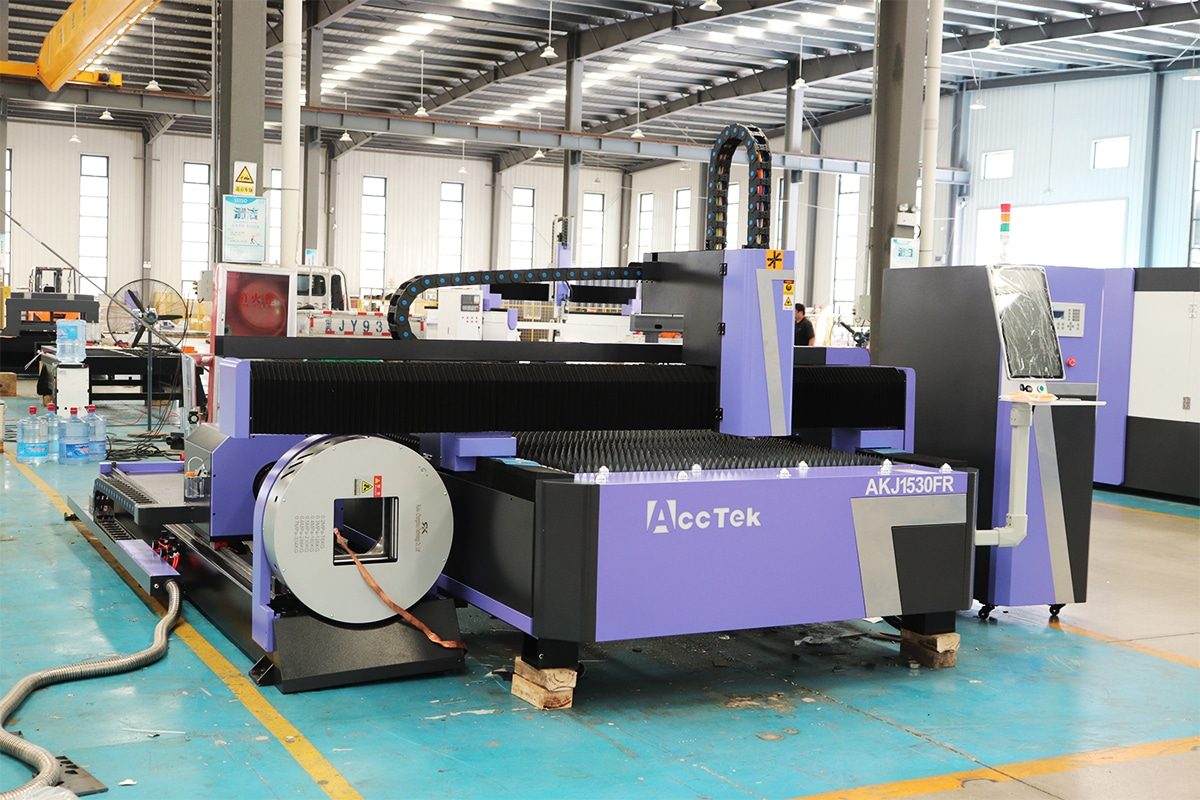
Power Consumption of Laser Cutting Machines
Laser cutting machines have become a critical part of modern manufacturing due to their high precision, fast processing speed, and ability to cut a wide range of materials. They are widely used in industries such as automotive manufacturing, aerospace, electronics, metal fabrication, medical equipment production, and advertising signage. As industrial production continues to move toward automation and intelligent manufacturing, the demand for laser cutting technology has increased significantly. Along with this growth, power consumption has become a key concern for manufacturers seeking to improve operational efficiency and reduce production costs.
The power consumption of laser cutting machines directly affects both economic performance and environmental sustainability. Laser cutting systems require substantial electrical energy to generate laser beams, operate cooling systems, drive motors, and maintain auxiliary components such as air compressors and exhaust systems. Depending on the machine type, laser source, cutting material, and processing parameters, energy usage can vary considerably. Fiber laser cutting machines, for example, are generally more energy-efficient than traditional CO2 laser cutting systems because they convert electrical energy into laser energy more effectively and require less maintenance and cooling capacity.
In industrial applications, electricity costs often represent a significant portion of overall operating expenses. Therefore, understanding the factors that influence power consumption is essential for optimizing machine performance and improving energy efficiency. Parameters such as laser power output, cutting speed, material thickness, assist gas type, and machine operating time all contribute to total energy usage. In addition, idle operation and poor maintenance can further increase unnecessary power consumption.
As global industries place greater emphasis on sustainable manufacturing and carbon reduction, energy-efficient laser cutting technologies are becoming increasingly important. Analyzing the power consumption characteristics of laser cutting machines not only helps manufacturers lower operational costs but also supports environmental protection and long-term industrial sustainability.
Table of Contents
Understanding Power Consumption in Laser Cutting Machines
Power consumption is one of the most important factors influencing the operating cost and overall efficiency of laser cutting machines. Modern laser cutting systems are designed to deliver high precision, fast cutting speeds, and continuous industrial productivity, but achieving this performance requires a substantial amount of electrical energy. The total energy demand of laser cutting machines does not come only from the laser beam itself. Many supporting systems operate simultaneously during the cutting process, and together they determine the machine’s overall power consumption.
In industrial manufacturing, electricity costs can account for a significant portion of production expenses, especially in facilities operating multiple high-power laser cutting machines around the clock. As energy prices continue to rise and environmental regulations become stricter, manufacturers are paying greater attention to machine efficiency and energy management. Understanding where and how power is consumed allows businesses to optimize machine performance, reduce operating costs, improve sustainability, and extend equipment lifespan.
The amount of electricity consumed by laser cutting machines depends on several factors, including laser type, output power, material thickness, cutting speed, machine configuration, automation level, and operating conditions. Fiber laser cutting systems are generally more energy-efficient than traditional CO2 laser cutting systems because they convert electrical energy into laser energy more effectively. However, even highly efficient laser systems still rely on many auxiliary components that consume considerable power during operation.
What Is Power Consumption
Power consumption refers to the amount of electrical energy laser cutting machines use while operating. It is usually expressed in kilowatts (kW), which indicates the rate of power usage, and kilowatt-hours (kWh), which measure total energy consumption over a specific period.
In laser cutting applications, power consumption includes the energy required to generate the laser beam as well as the electricity used by cooling units, motion systems, gas supply equipment, electronic controls, and exhaust systems. Every stage of the cutting process requires energy, from machine startup and material positioning to active cutting and standby operation.
Actual power usage changes continuously depending on production conditions. Cutting thicker metals typically requires higher laser output and slower cutting speeds, increasing energy demand. Continuous production cycles, high acceleration movements, and long operating hours also contribute to greater electricity consumption. In contrast, light-duty cutting operations or intermittent production schedules may reduce total energy usage.
Understanding power consumption is essential because it directly affects production costs, machine efficiency, and environmental impact. Monitoring and optimizing energy usage can help manufacturers improve profitability while reducing unnecessary waste.
Power Rating VS Actual Energy Consumption
The power rating of laser cutting machines refers to the maximum electrical power the machine is designed to consume under full operating conditions. Manufacturers often specify the rated power of the laser source, such as 3 kW, 6 kW, 12 kW, or higher, to indicate cutting capability and machine performance.
However, rated power does not represent the machine’s real-world electricity consumption during daily production. Actual energy consumption is usually lower because laser cutting machines rarely operate at maximum output continuously. During production, machines alternate between active cutting, positioning, piercing, idle movement, standby mode, and loading operations. Each stage requires different amounts of electricity.
For example, the laser source may temporarily reduce output during thin-material cutting or low-speed operations. At the same time, auxiliary systems such as chillers, ventilation fans, and CNC controls may continue consuming electricity even when the machine is not actively cutting. Therefore, total facility energy usage often remains relatively high despite fluctuations in laser output.
Another important factor is machine utilization. The high-power laser cutting machine operating at only partial capacity may consume more energy overall than a smaller machine running efficiently at optimal workload levels. This is why evaluating only the laser power rating can be misleading when estimating operational costs.
To accurately assess energy efficiency, manufacturers must consider the complete machine system, actual production conditions, and total operating time rather than relying solely on rated specifications.
Main Components That Consume Power
The laser cutting machine consists of multiple interconnected systems that work together to achieve accurate and efficient cutting performance. While the laser generator is the primary source of energy consumption, several auxiliary components also require substantial electrical power. In many industrial environments, these supporting systems collectively account for a large percentage of total electricity usage.
The main power-consuming components include the laser generator, cooling system, servo motors, exhaust and filtration equipment, gas supply systems, CNC electronics, and automated material handling devices. The energy demand of each component depends on machine size, production intensity, operating conditions, and system efficiency.
Understanding the role of each subsystem is essential for identifying energy-saving opportunities and improving overall machine performance.
Laser Generator
The laser generator is the core component of the machine and typically the largest consumer of electrical power. Its primary function is to convert electrical energy into a concentrated laser beam capable of cutting metal and other materials.
Different laser technologies have different energy efficiencies. Traditional CO2 laser generators consume large amounts of electricity because they rely on gas excitation systems, mirrors, and complex optical paths. They also produce more waste heat, which increases cooling requirements.
Fiber laser generators are significantly more energy-efficient because they use solid-state laser technology and fiber-optic beam transmission. Modern fiber lasers often achieve electro-optical conversion efficiencies above 30% to 40%, compared to approximately 10% to 15% for many CO2 systems. This means fiber lasers require less electricity to achieve the same cutting performance.
Higher laser output levels naturally increase energy consumption. Machines designed for cutting thick steel plates or performing high-speed industrial production often require very powerful laser sources that consume substantial amounts of electricity during continuous operation.
Chiller System
Laser cutting generates a large amount of heat, making temperature control essential for stable operation. The chiller system removes excess heat from the laser source, optical components, and sometimes the cutting head itself.
Industrial chillers usually operate continuously whenever the machine is running. Because cooling demand increases with laser power and operating duration, chillers can become one of the largest secondary energy consumers in the system. High-power laser cutting machines require larger refrigeration units, stronger pumps, and more intensive heat exchange processes, all of which increase electricity usage.
Ambient temperature also affects chiller performance. Machines operating in hot factory environments may require additional cooling capacity, leading to higher energy consumption. Poor maintenance, dirty filters, or insufficient coolant circulation can further reduce efficiency and increase power demand.
Efficient cooling system design and regular maintenance play an important role in controlling overall machine energy usage.
Servo Motors and Motion Systems
Servo motors control the movement of the machine axes, gantry system, and laser cutting head. These motors enable precise positioning, rapid acceleration, and accurate cutting paths.
The power consumption of motion systems depends on machine size, moving speed, acceleration frequency, and cutting complexity. High-speed production requires constant acceleration and deceleration, which increases electrical demand on the servo drives. Cutting complex shapes or detailed patterns also increases motion activity and motor workload.
Modern laser cutting machines often use advanced servo technologies with improved energy efficiency. Some systems include regenerative braking functions that recover part of the energy generated during deceleration and return it to the electrical system, reducing total power consumption.
Proper machine calibration and optimized motion programming can also help reduce unnecessary motor energy usage.
Exhaust and Dust Collection Systems
Laser cutting produces smoke, dust, fumes, and fine metal particles that must be removed from the work area. Exhaust and dust collection systems maintain workplace safety, improve air quality, and protect sensitive machine components from contamination.
These systems rely on industrial fans, blowers, and filtration units that often operate continuously throughout production. Large-format laser cutting machines or facilities processing thick materials typically require powerful extraction systems with high airflow capacity, resulting in considerable electricity consumption.
Clogged filters or poorly maintained ventilation systems force fans to work harder, increasing energy demand and reducing overall efficiency. Regular filter replacement and optimized airflow management are essential for minimizing unnecessary power usage.
Auxiliary Gas Systems
Assist gases play a critical role in laser cutting operations. Oxygen, nitrogen, and compressed air are commonly used to remove molten material, improve cut quality, and support different cutting applications.
The gas delivery system itself can consume a large amount of electricity, particularly when using air compressors or on-site nitrogen generation systems. Compressors require continuous electrical power to maintain pressure levels, and high-pressure gas cutting operations can significantly increase operational energy demand.
Nitrogen cutting, which is widely used for stainless steel and aluminum processing, is especially energy-intensive because it often requires high gas pressure and large gas volumes. Improper gas pressure settings can lead to unnecessary energy waste and increased production costs.
Optimizing gas usage and selecting the appropriate assist gas can help improve both cutting efficiency and energy performance.
CNC Controller and Electronics
The CNC controller functions as the central control system of the laser cutting machine. It coordinates cutting programs, machine movements, monitoring systems, and communication between all machine components.
Additional electronic systems include sensors, displays, power supplies, safety circuits, and control boards. Although these components consume less electricity than the laser source or cooling systems, they operate continuously whenever the machine is powered on.
Modern CNC systems increasingly include intelligent energy-management features, such as automatic standby modes and optimized power distribution. These technologies help reduce electricity consumption during idle periods and improve overall machine efficiency.
Reliable electronic systems are also important for maintaining stable machine performance and minimizing production interruptions.
Automatic Loading and Unloading Systems
Many advanced laser cutting machines include automated material handling systems designed to improve productivity and reduce manual labor. These systems may include conveyors, lifting devices, robotic arms, suction units, and pallet changers.
Automation systems consume electricity through motors, hydraulic systems, pneumatic devices, and electronic controls. In high-volume manufacturing environments, automated loading and unloading equipment may operate continuously, contributing significantly to total machine energy consumption.
However, automation can also improve overall efficiency by reducing machine idle time and increasing production throughput. Faster material handling allows the laser cutting machine to spend more time actively processing materials instead of waiting for manual loading operations.
Well-designed automation systems can therefore improve production efficiency while helping balance total energy usage.
Power consumption in laser cutting machines is influenced by a combination of core cutting technologies and multiple supporting systems. While the laser generator is the primary consumer of electricity, components such as chillers, servo motors, exhaust systems, gas supply units, CNC electronics, and automation devices also contribute significantly to overall energy demand.
Actual energy consumption often differs greatly from the machine’s rated power because industrial production conditions constantly change. Factors such as material type, cutting thickness, machine utilization, ambient temperature, production schedules, and maintenance quality all affect electricity usage. As a result, evaluating energy efficiency requires a comprehensive understanding of the entire machine system rather than focusing solely on laser output power.
Improving energy efficiency in laser cutting operations is becoming increasingly important as manufacturers seek to reduce operating costs and support sustainable manufacturing practices. By understanding how each subsystem consumes power, businesses can identify opportunities to optimize machine settings, improve maintenance procedures, reduce unnecessary energy waste, and enhance overall production efficiency.
Types of Laser Cutting Machines and Their Energy Efficiency
Laser cutting machines are available in several different technological forms, each designed to meet specific industrial requirements. The most common types include fiber laser cutting machines, CO2 laser cutting machines, and various hybrid or specialized laser cutting systems. These machines differ in their laser generation methods, cutting capabilities, operational efficiency, maintenance requirements, and overall energy consumption.
As manufacturing industries place greater emphasis on reducing operational costs and improving sustainability, energy efficiency has become a major factor in selecting laser cutting equipment. Electricity consumption directly affects production expenses, especially in factories operating high-power laser cutting systems continuously. Therefore, understanding the energy characteristics of different laser technologies is essential for making informed investment and production decisions.
Among modern laser technologies, fiber laser cutting systems are generally considered the most energy-efficient solution for metal cutting applications. CO2 laser cutting systems, while still widely used, typically consume more electricity due to lower conversion efficiency and larger cooling requirements. Hybrid and specialized laser cutting systems are designed for advanced industrial applications where precision, flexibility, or unique material compatibility may be more important than minimizing power consumption alone.
Fiber Laser Cutting Machines
Fiber laser cutting machines are currently the most widely used laser cutting systems in modern metal fabrication industries. Their popularity has grown rapidly due to their high cutting speed, excellent precision, low maintenance requirements, and superior energy efficiency. These machines are especially effective for processing metal materials such as carbon steel, stainless steel, aluminum, copper, and brass.
Compared with older laser technologies, fiber lasers provide a more compact and efficient design. Their ability to operate with lower electricity consumption while maintaining high productivity has made them the preferred choice for many manufacturers seeking to reduce operating costs and improve production efficiency.
Fiber laser cutting systems are commonly used in industries such as automotive manufacturing, aerospace engineering, construction equipment production, sheet metal processing, kitchen appliance manufacturing, and precision engineering.
Working Principle
Fiber laser cutting machines use solid-state laser technology to generate high-intensity laser beams. Electrical energy powers semiconductor diode modules, which produce light that is amplified through optical fibers doped with rare-earth elements, typically ytterbium.
The amplified laser beam is transmitted directly through fiber-optic cables to the cutting head. Unlike traditional CO2 laser cutting systems, fiber lasers do not rely on mirrors for beam transmission, reducing energy loss and minimizing alignment requirements.
The focused laser beam melts or vaporizes the material surface while assisting gases in removing molten material from the cutting area. Because fiber lasers generate highly concentrated energy, they can achieve extremely precise cuts with narrow kerf widths and minimal thermal distortion.
Energy Efficiency
Fiber laser cutting machines are known for their outstanding energy efficiency. Their electro-optical conversion efficiency commonly reaches 30% to 45%, meaning a much larger portion of electrical energy is converted into usable laser energy compared to other laser technologies.
Several factors contribute to this high efficiency. Fiber lasers use diode pumping systems that waste less energy during laser generation. In addition, the enclosed fiber-optic beam delivery system minimizes transmission losses and reduces heat generation.
Fiber laser cutting machines also require smaller and less energy-intensive cooling systems because they generate less excess heat during operation. Faster cutting speeds further improve overall energy efficiency by reducing machine operating time per workpiece.
Modern fiber laser cutting systems often include intelligent power management functions that automatically adjust energy usage during standby periods, low-load operations, or partial cutting cycles.
Advantages
Fiber laser cutting machines offer numerous operational and economic advantages. One of the most important benefits is lower electricity consumption, which helps reduce long-term production costs.
They also provide high cutting speeds, particularly for thin and medium-thickness metal sheets. This improves productivity and shortens manufacturing cycles. Fiber lasers deliver excellent cutting precision, smooth edges, and minimal material deformation, making them suitable for high-accuracy industrial applications.
Maintenance requirements are relatively low because fiber laser cutting systems contain fewer moving optical components. There are no mirrors that require constant cleaning or alignment, which reduces downtime and maintenance expenses.
Another major advantage is the ability to cut highly reflective materials such as aluminum, copper, and brass efficiently and safely. This capability expands the range of materials that manufacturers can process.
Typical Applications
Fiber laser cutting machines are widely used in industries requiring high-speed, high-precision metal processing. Common applications include automotive body parts, metal furniture manufacturing, industrial equipment production, electrical enclosures, elevator components, agricultural machinery, and stainless steel product fabrication.
They are also heavily used in automated manufacturing systems and smart factories because of their compatibility with robotic handling systems and computer-controlled production lines.
For manufacturers handling large production volumes, fiber lasers provide an effective balance between cutting quality, productivity, and energy efficiency.
Typical Power Consumption
The actual power consumption of fiber laser cutting machines depends on laser output power, machine configuration, material thickness, and production workload. Small and medium-sized fiber laser cutting systems typically consume between 10 kW and 25 kW during standard operation.
Higher-power industrial machines designed for thick plate cutting may consume 40 kW to 70 kW or more under continuous heavy-duty operation. However, even at high power levels, fiber laser cutting systems generally consume less electricity than comparable CO2 laser cutting machines because of their superior conversion efficiency and reduced cooling requirements.
CO2 Laser Cutting Machines
CO2 laser cutting machines were once the dominant technology in industrial laser cutting and remain widely used in many manufacturing sectors today. These systems are valued for their versatility and ability to process both metallic and non-metallic materials.
Although fiber lasers have become more popular for metal cutting applications, CO2 lasers continue to play an important role in industries involving acrylic, wood, plastics, textiles, leather, and other non-metal materials. Their stable cutting quality and smooth edge performance make them suitable for many specialized manufacturing processes.
However, CO2 laser cutting systems generally require more electricity and maintenance than fiber laser machines, which affects their overall energy efficiency and operating costs.
Working Principle
CO2 laser cutting machines generate laser beams by electrically exciting a gas mixture composed mainly of carbon dioxide, nitrogen, and helium within a sealed resonator chamber.
When high-voltage electrical energy passes through the gas mixture, the gas molecules become excited and emit infrared laser radiation. The laser beam is then directed toward the cutting head through a series of mirrors and focusing lenses.
The focused beam heats the material surface until it melts, burns, or vaporizes. Assist gases help remove molten material from the cutting zone and improve cut quality.
Unlike fiber, CO2 laser cutting systems require complex optical alignment and beam delivery systems, which contribute to additional energy loss and maintenance requirements.
Energy Efficiency
CO2 laser cutting machines are generally less energy-efficient than fiber laser cutting systems. Their electro-optical conversion efficiency typically ranges between 10% and 15%, meaning a significant amount of electrical energy is lost as heat during operation.
The lower efficiency results in higher electricity consumption and greater cooling demands. Large chillers are often necessary to maintain stable operating temperatures for the laser resonator and optical components.
In addition, the mirror-based beam delivery system introduces further energy losses compared with the direct fiber-optic transmission used in fiber lasers.
Despite these limitations, modern CO2 laser cutting systems have improved considerably through better resonator design, optimized gas circulation systems, and more efficient cooling technologies.
Power Consumption Characteristics
CO2 laser cutting machines tend to have relatively high baseline energy consumption because many supporting systems operate continuously throughout production. The gas excitation system, optical components, cooling equipment, exhaust systems, and assist gas supply all contribute to total electricity usage.
Cooling systems are particularly energy-intensive because CO2 lasers generate substantial heat during operation. In some cases, the chiller system alone may account for a large percentage of total machine power consumption.
CO2 laser cutting systems also consume considerable energy during startup and warm-up phases. Even when cutting activity is temporarily paused, many machine subsystems continue operating, maintaining relatively high electricity demand.
As laser output power increases, total energy consumption rises significantly, especially in continuous industrial production environments.
Advantages
One of the greatest strengths of CO2 laser cutting machines is their material versatility. They can effectively process a wide range of non-metal materials, including acrylic, plastics, textiles, leather, wood, rubber, and paper.
CO2 lasers also provide smooth cutting surfaces and excellent edge quality in many applications. For thick non-metal materials, they often produce better results than fiber lasers.
Another advantage is their long-established industrial history. Many manufacturers already possess extensive operational experience with CO2 laser cutting systems, and maintenance expertise is widely available.
In some specialized applications, CO2 lasers still offer superior performance and processing flexibility.
Disadvantages
The main disadvantage of CO2 laser cutting machines is their high energy consumption. Their lower conversion efficiency means more electricity is required to achieve the same cutting output compared with fiber lasers.
CO2 laser cutting systems also require larger cooling systems, increasing both electricity usage and operational complexity. Maintenance costs are generally higher because mirrors and optical components require regular cleaning, calibration, and replacement.
The machines themselves are often larger and mechanically more complex than fiber laser cutting systems. In metal cutting applications, CO2 lasers are usually slower than fiber lasers when processing thin and medium-thickness materials.
In addition, reflective metals such as aluminum and copper can be difficult and potentially hazardous to process using traditional CO2 laser cutting technology.
Typical Power Consumption
CO2 laser cutting machines generally consume more electricity than fiber laser cutting systems with equivalent cutting capacities. Small and medium-sized CO2 laser cutting machines may consume between 20 kW and 40 kW during operation, while large industrial systems may exceed 80 kW depending on laser power, cooling requirements, and production intensity.
Because many auxiliary systems operate continuously, the overall energy demand of CO2 laser cutting machines remains relatively high even during partial-load operation.
Hybrid and Specialized Laser Systems
Hybrid and specialized laser cutting systems are developed to address unique industrial requirements that cannot always be satisfied by standard fiber or CO2 technologies alone. These systems often combine multiple processing methods, advanced automation technologies, or specialized laser wavelengths to improve cutting flexibility and manufacturing precision.
Some hybrid machines integrate laser cutting with mechanical punching, welding, engraving, or bending systems within a single production platform. Others combine different laser sources to optimize processing performance for various materials and thickness ranges.
Specialized laser cutting systems may include ultrafast lasers, green lasers, ultraviolet lasers, or high-precision micro-machining systems used in industries such as electronics manufacturing, semiconductor production, aerospace engineering, and medical device fabrication.
The energy efficiency of hybrid and specialized systems varies significantly depending on machine complexity and intended applications. Some advanced systems use intelligent control technologies to minimize energy waste and optimize production efficiency. However, highly specialized equipment may consume substantial power because of advanced cooling systems, precision controls, and integrated automation technologies.
Although these systems are often more expensive, they provide important advantages in industries requiring exceptional precision, flexibility, or highly customized manufacturing capabilities.
Different types of laser cutting machines offer unique advantages, operating characteristics, and energy efficiency levels. Fiber laser cutting machines have become the leading solution for modern metal fabrication because of their high electro-optical efficiency, lower operating costs, fast cutting speeds, and reduced maintenance requirements. Their ability to achieve strong cutting performance with lower electricity consumption makes them highly suitable for large-scale industrial production.
CO2 laser cutting machines continue to play an important role in industries requiring versatile material processing, especially for non-metal applications. However, their lower energy efficiency, larger cooling requirements, and more complex maintenance needs result in higher overall power consumption compared with fiber laser cutting systems.
Hybrid and specialized laser cutting systems represent the ongoing advancement of laser manufacturing technology. These systems are designed to meet highly specific industrial demands by combining precision, automation, and multiple processing technologies. Although their energy usage varies widely, they demonstrate how modern manufacturing increasingly balances cutting performance, production flexibility, and energy efficiency to support advanced industrial applications and sustainable production goals.
Factors Affecting Power Consumption
The power consumption of laser cutting machines is influenced by a wide range of technical and operational factors. Although the rated power of a machine provides a general indication of its energy demand, the actual electricity usage during production depends heavily on how the machine is operated and what materials are being processed. Different cutting conditions can significantly increase or reduce energy consumption, even when using the same laser cutting system.
In industrial manufacturing environments, understanding these influencing factors is essential for controlling production costs, improving machine efficiency, and reducing energy waste. Parameters such as laser power level, material type, material thickness, cutting speed, assist gas usage, cooling requirements, and machine utilization rate all play critical roles in determining total electricity consumption.
Some factors directly affect the energy required to generate the laser beam, while others influence the workload of auxiliary systems such as chillers, gas compressors, servo motors, and exhaust equipment. In many cases, inefficient operating conditions can increase electricity usage without improving cutting quality or productivity. Therefore, optimizing these variables is one of the most effective ways to improve the energy efficiency of laser cutting operations.
Laser Power Level
Laser power level is one of the most direct factors affecting energy consumption. Higher-power laser cutting machines require more electrical energy to generate stronger laser beams capable of cutting thicker or more difficult materials.
Industrial laser cutting systems are available in a wide range of power levels, from low-power machines used for thin sheet processing to ultra-high-power systems exceeding 20 kW for heavy industrial applications. As laser output increases, the machine’s electrical demand rises accordingly. Higher-power machines also generate more heat, increasing the workload on cooling systems and other supporting equipment.
However, higher laser power does not always mean lower efficiency. In some applications, a more powerful laser can complete cutting tasks much faster, reducing total processing time and improving overall energy efficiency per part. For example, a high-power fiber laser may consume more electricity per minute but complete a cutting job in significantly less time than a lower-power machine.
Proper power selection is therefore essential. Using excessively high power for thin materials can waste energy and reduce cutting quality, while insufficient power for thick materials may increase processing time and overall electricity consumption.
Material Type
Different materials require different amounts of laser energy to achieve efficient cutting. Material properties such as reflectivity, thermal conductivity, melting point, and surface coating all influence power consumption.
- Carbon Steel: Carbon steel is one of the easiest and most energy-efficient metals to cut using laser technology. It absorbs laser energy relatively well and can often be processed efficiently with an oxygen-assist gas. Oxygen supports an exothermic reaction during cutting, which reduces the amount of laser energy required. As a result, carbon steel generally consumes less electrical power compared with more reflective or thermally conductive metals.
- Stainless Steel: Stainless steel requires more energy than carbon steel because it has higher heat resistance and is typically cut using nitrogen assist gas rather than oxygen. Nitrogen cutting produces cleaner edges and prevents oxidation, but it requires higher gas pressure and greater laser energy input. The combination of increased laser demand and high-pressure gas usage raises overall power consumption.
- Aluminum: Aluminum is more difficult to process because of its high reflectivity and excellent thermal conductivity. A large portion of the laser energy can initially be reflected away from the material surface, while heat rapidly spreads throughout the material. These properties require higher laser power levels and stable beam quality, increasing electricity usage. Fiber lasers are generally more effective than CO2 lasers for aluminum cutting because they can better handle reflective materials.
- Copper: Copper is one of the most challenging materials for laser cutting due to its extremely high reflectivity and thermal conductivity. It requires substantial laser power and precise control to achieve stable cutting performance. Cutting copper often results in increased energy consumption because the machine must compensate for energy losses caused by reflection and rapid heat dissipation.
- Brass: Brass also reflects laser energy strongly, although not as severely as copper. Cutting brass requires stable high-power laser output and careful parameter optimization. Fiber laser cutting systems are typically preferred because of their better absorption characteristics for reflective materials. Energy consumption during brass cutting is generally higher than for carbon steel but lower than for pure copper.
- Galvanized Steel: Galvanized steel contains a zinc coating that affects laser interaction and heat distribution. During cutting, the zinc layer vaporizes and can create additional thermal effects that influence cutting stability. Extra energy may be required to maintain smooth cutting quality and prevent coating-related defects. Proper ventilation and exhaust systems are also important because zinc vapor generates fumes during processing.
- Nickel Alloy: Nickel alloys are widely used in aerospace and high-temperature industrial applications because of their exceptional strength and heat resistance. However, these same properties make them difficult to cut efficiently. Laser cutting nickel alloys usually requires high laser power, slower cutting speeds, and increased gas consumption, all of which contribute to higher electricity usage.
- Titanium: Titanium is valued for its high strength-to-weight ratio and corrosion resistance, especially in aerospace and medical industries. However, titanium is highly reactive at elevated temperatures and requires carefully controlled cutting conditions. Nitrogen or argon assist gases are often used to prevent oxidation, increasing gas system energy demand. Titanium cutting generally consumes more power than standard steel processing because of strict precision and thermal control requirements.
Material Thickness
Material thickness has a major impact on laser cutting power consumption. Thicker materials require more laser energy to fully penetrate and remove material during the cutting process.
As thickness increases, cutting speeds must often be reduced to maintain cut quality and penetration stability. Slower cutting means the laser remains active for longer periods, increasing total electricity usage. Thick materials also require greater assist gas pressure and higher cooling capacity, placing additional demand on auxiliary systems.
For thin materials, laser cutting can be performed quickly with relatively low energy usage. In contrast, cutting thick steel plates with high-power lasers can dramatically increase power consumption because of longer processing times and elevated system workloads.
Machine manufacturers often optimize laser power levels specifically for certain thickness ranges to balance productivity and energy efficiency.
Cutting Speed
Cutting speed directly influences the amount of time the laser cutting machine operates during production. Faster cutting speeds can reduce overall energy consumption by shortening processing cycles and improving production throughput.
However, extremely high cutting speeds may require higher laser power levels and more aggressive machine acceleration, increasing instantaneous power demand. In some situations, attempting to cut too quickly can reduce cut quality and cause production defects, leading to rework and wasted energy.
Conversely, excessively slow cutting speeds increase machine operating time, keeping the laser source, cooling system, exhaust equipment, and motion systems active for longer periods. This raises total electricity usage and reduces overall production efficiency.
Optimal cutting speed depends on material type, thickness, laser power, assist gas selection, and machine capability. Proper parameter optimization is essential for minimizing energy consumption while maintaining stable cutting quality.
Auxiliary Gas Usage
Assist gases play a critical role in laser cutting operations and can significantly affect total energy consumption. Common assist gases include oxygen, nitrogen, compressed air, and argon.
Oxygen-assisted cutting often reduces laser energy requirements because the oxidation reaction generates additional heat during processing. This can improve cutting efficiency and reduce electricity consumption when processing carbon steel.
Nitrogen cutting, commonly used for stainless steel and aluminum, requires high gas pressure to produce oxidation-free cutting edges. Generating and compressing nitrogen consumes substantial electrical energy, especially in large-scale industrial operations.
Compressed air systems also require electricity to operate air compressors continuously. In facilities using on-site gas generation systems, auxiliary gas production may become a major contributor to overall power consumption.
Gas flow rate, pressure level, and gas purity all influence system energy demand. Improper gas settings can lead to excessive consumption, unstable cutting quality, and unnecessary electricity usage.
Cooling Requirements
Laser cutting generates significant heat, making cooling systems essential for stable machine operation. The cooling system removes excess heat from the laser source, optical components, power supplies, and sometimes servo systems.
Cooling demand increases with higher laser power, longer operating time, elevated ambient temperatures, and heavy-duty production cycles. High-power laser cutting machines require larger chillers with greater electrical demand.
In hot factory environments, chillers must work harder to maintain stable temperatures, increasing energy consumption further. Poor maintenance, clogged filters, inadequate coolant circulation, or inefficient heat exchange systems can also reduce cooling efficiency and raise electricity usage.
Efficient cooling management is therefore critical for controlling total machine power consumption and maintaining reliable operation.
Machine Utilization Rate
Machine utilization rate refers to the percentage of time laser cutting machines are actively producing parts compared with total available operating time. Utilization has a major impact on overall energy efficiency.
Machines operating continuously at optimized production levels often achieve better energy efficiency because fixed power demands are distributed across a larger production output. In contrast, machines with frequent idle periods may continue consuming electricity through chillers, CNC systems, ventilation equipment, and standby electronics even when no cutting is taking place.
Frequent machine startup and shutdown cycles can also increase energy consumption because high-power systems often require stabilization and warm-up periods.
Improving production scheduling, reducing downtime, and optimizing workflow can significantly enhance energy efficiency by maximizing productive machine operation.
The power consumption of laser cutting machines is affected by multiple interconnected factors related to machine configuration, material properties, and production conditions. Variables such as laser power level, material type, thickness, cutting speed, gas usage, cooling demand, and machine utilization all influence how much electricity is required during operation.
Different materials present different cutting challenges. Reflective and heat-resistant metals such as copper, aluminum, nickel alloys, and titanium generally require more energy than standard carbon steel. Likewise, thicker materials and slower cutting speeds increase machine operating time and place greater demand on supporting systems such as chillers and gas compressors.
Improving energy efficiency requires a comprehensive understanding of these influencing factors. Proper machine selection, optimized cutting parameters, efficient gas management, effective cooling systems, and high machine utilization rates can significantly reduce electricity consumption while maintaining cutting quality and productivity. As manufacturers continue seeking lower operating costs and more sustainable production methods, managing these factors has become increasingly important in modern laser cutting operations.
How to Calculate Laser Cutting Machine Power Consumption
Calculating the power consumption of laser cutting machines is essential for understanding operating costs, improving energy efficiency, and optimizing production management. In industrial manufacturing environments, electricity expenses can represent a significant portion of total production costs, especially when high-power laser cutting systems operate continuously for long periods. Accurate energy calculations help manufacturers estimate production budgets, compare machine efficiency, and identify opportunities for reducing unnecessary power usage.
The total electricity consumption of laser cutting machines depends not only on the laser source itself but also on auxiliary systems such as chillers, exhaust fans, servo motors, gas compressors, CNC controls, and automation equipment. In many cases, these supporting systems contribute substantially to overall energy demand. Therefore, a complete energy analysis requires evaluating the entire machine system rather than focusing only on laser output power.
Several methods can be used to estimate power consumption, ranging from simple electricity calculations to detailed production-based energy analysis. Basic calculations provide a general estimate of energy usage, while real production analysis offers a more accurate understanding of how much electricity is consumed under actual operating conditions.
Basic Electricity Calculation
The most common method for estimating laser cutting machine power consumption is based on the relationship between machine power and operating time. In simple terms, the amount of electricity consumed depends on how much power the machine uses and how long it operates.
For example, if a laser cutting machine consumes 20 kW during operation and runs continuously for 5 hours, the total energy consumption would be approximately 100 kWh. This provides a basic estimate of electricity usage during production.
However, real laser cutting operations are more complex because machines rarely operate at full power continuously. During production, the machine alternates between different operating stages such as active cutting, piercing, positioning, acceleration, standby operation, and material loading. Each stage requires different amounts of electricity.
To obtain a more accurate estimate, manufacturers often calculate average operating power over an entire production cycle instead of relying only on the machine’s maximum rated power. This approach reflects real production conditions more effectively.
Another important factor is the contribution of auxiliary equipment. The total power consumption of laser cutting systems includes not only the laser source but also several supporting components, including:
- Laser generator
- Chiller system
- Air compressor
- Exhaust and dust collection system
- Servo motors and motion systems
- CNC controller and electronic systems
- Automatic loading and unloading systems
In many industrial applications, these supporting systems account for a significant percentage of total electricity usage. Therefore, evaluating only the laser source can lead to inaccurate energy estimates.
Manufacturers may use power meters, energy monitoring devices, or factory management software to measure actual machine consumption more precisely. These tools help identify high-energy processes and improve production efficiency.
Calculating Electricity Cost
Once total energy consumption is estimated, the electricity cost can be calculated using the local electricity rate charged by the utility provider.
For instance, if a laser cutting machine consumes 100 kWh during a production cycle and the local electricity price is $0.15 per kWh, the total electricity cost for that operation would be approximately $15.
In real industrial environments, electricity pricing may be more complicated than a fixed rate. Many manufacturing facilities operate under industrial electricity pricing systems that vary according to:
- Time of day
- Peak demand periods
- Seasonal electricity rates
- Overall factory power demand
- Industrial service charges
Machines operating during peak electricity hours may generate significantly higher operating costs compared with nighttime or off-peak production schedules. As a result, many manufacturers schedule high-energy cutting operations during lower-cost periods to reduce expenses.
Another useful approach is calculating the electricity cost per part or per production batch. This allows manufacturers to evaluate production efficiency more accurately and compare different cutting parameters, materials, or machine types.
For example, if one production batch consumes a large amount of electricity but produces relatively few parts, the energy cost per unit becomes high. In contrast, efficient production scheduling and optimized cutting parameters can reduce electricity cost per finished product.
Electricity cost analysis is especially important for large-scale manufacturing facilities where laser cutting machines operate continuously over long production cycles.
Real Production Energy Analysis
While basic electricity calculations provide useful estimates, real production energy analysis offers a more accurate understanding of actual laser cutting machine power consumption. In practical manufacturing environments, energy demand changes constantly depending on production conditions and machine workload.
Real production analysis involves monitoring electricity usage during actual machine operation. Manufacturers often use energy monitoring systems, smart meters, or factory management software to collect detailed operational data.
Several factors influence real-world energy consumption:
- Cutting Conditions: Different cutting tasks require different amounts of energy. Cutting thick stainless steel with nitrogen assist gas generally consumes much more electricity than cutting thin carbon steel with oxygen. Material reflectivity, thermal conductivity, and hardness all affect laser workload and power demand.
- Machine Idle Time: Laser cutting machines continue consuming electricity even when not actively cutting materials. Chillers, ventilation systems, CNC controls, and standby electronics may remain operational during idle periods. Excessive downtime can significantly reduce overall energy efficiency.
- Production Scheduling: Frequent startup and shutdown cycles can increase energy consumption because many laser cutting systems require warm-up and stabilization periods. Continuous production often achieves better energy efficiency than intermittent operation.
- Cooling System Performance: Cooling systems are among the largest energy consumers in laser cutting operations. Ambient temperature, chiller efficiency, machine cleanliness, and maintenance quality all affect cooling performance and electricity usage.
- Automation and Material Handling: Automatic loading and unloading systems improve production speed and reduce labor requirements, but they also consume additional electrical power through motors, sensors, conveyors, and hydraulic systems. However, automation can improve overall efficiency by reducing machine idle time.
- Energy Monitoring Systems: Modern laser cutting machines increasingly include intelligent monitoring systems capable of tracking real-time electricity usage. These systems help manufacturers:
- Identify energy waste
- Optimize cutting parameters
- Reduce unnecessary standby operation
- Improve maintenance planning
- Compare production efficiency across machines and materials
Advanced monitoring systems can even analyze energy consumption for individual jobs, production batches, or specific materials.
Real production energy analysis is especially valuable for manufacturers seeking to reduce operating costs and improve sustainability. Small improvements in machine efficiency can generate significant long-term savings in large-scale industrial operations.
Calculating laser cutting machine power consumption is essential for understanding operational costs, improving production efficiency, and supporting energy management strategies. Basic electricity calculations provide a useful starting point by estimating energy usage according to machine power and operating time. However, because laser cutting systems include multiple supporting components, accurate analysis must consider the entire machine system rather than only the laser source.
Electricity cost analysis helps manufacturers evaluate production expenses and compare different cutting methods, machine configurations, and scheduling strategies. Factors such as electricity pricing, machine utilization, idle time, and production efficiency all influence total operating costs.
Real production energy analysis provides the most accurate understanding of actual electricity consumption in industrial environments. By monitoring machine performance during real cutting operations, manufacturers can identify inefficiencies related to cooling systems, gas usage, standby operation, material handling, and machine settings. As energy prices continue to rise and industries focus more on sustainability, detailed energy analysis has become increasingly important for reducing costs, improving productivity, and supporting environmentally responsible manufacturing practices.
Power Consumption Comparison Between Laser Technologies
Power consumption is one of the most important factors when evaluating industrial cutting equipment. Different cutting technologies use energy in very different ways, which directly affects operating costs, production efficiency, maintenance requirements, and long-term profitability. In metal fabrication and industrial manufacturing, even small differences in power efficiency can lead to significant cost savings over time, especially in high-volume production environments.
Among modern cutting systems, fiber lasers, CO2 lasers, plasma cutters, and waterjet machines are the most widely used technologies. Each system has its own strengths, but they also vary greatly in terms of electrical efficiency, energy loss, auxiliary equipment requirements, and overall operating expenses. Understanding these differences helps manufacturers select the most suitable technology based on material type, production scale, cutting speed, and energy budget.
The following sections compare the power consumption characteristics of these major cutting technologies and explain how their energy efficiency impacts industrial applications.
Fiber Laser VS CO2 Laser
Fiber laser cutting machines are generally considered far more energy-efficient than CO2 laser cutting systems. This is mainly because fiber lasers convert electrical energy into laser energy much more effectively. Fiber lasers typically achieve an electrical-to-optical conversion efficiency of around 30% to 50%, while CO2 lasers usually operate at only 8% to 15% efficiency. As a result, CO2 laser cutting systems waste considerably more energy in the form of heat.
Another major difference lies in the laser generation process. Fiber lasers use solid-state technology and optical fibers to transmit the beam directly to the cutting head. This design minimizes energy loss and reduces the number of moving optical components. CO2 lasers, on the other hand, rely on gas excitation and multiple mirrors to direct the beam, which increases power loss and maintenance requirements.
Cooling requirements also play a significant role in overall power consumption. CO2 laser cutting machines generate much more heat during operation and therefore require larger cooling systems and chillers. These auxiliary systems consume additional electricity continuously during production. Fiber lasers produce less heat, allowing for smaller and more efficient cooling units, which further reduces total energy consumption.
In practical manufacturing environments, fiber laser cutting machines can consume 30% to 70% less electricity than a comparable CO2 laser cutting system while delivering faster cutting speeds, especially for thin and medium-thickness metals. Fiber lasers are particularly effective for cutting stainless steel, carbon steel, aluminum, brass, and copper. Their higher efficiency becomes even more valuable in factories operating multiple shifts or running machines continuously.
Maintenance costs also indirectly affect energy efficiency. CO2 lasers require regular maintenance for mirrors, gas systems, and alignment components. Poor alignment can reduce cutting efficiency and increase energy usage over time. Fiber lasers have fewer consumable optical components and generally maintain stable efficiency for longer periods.
However, CO2 lasers still retain certain advantages in some applications. They can provide smoother edge quality on thick non-metal materials such as acrylic, wood, and plastics. In industries where these materials dominate production, CO2 laser cutting systems may still be preferred despite their higher power consumption.
Overall, fiber laser technology offers significantly lower energy consumption, reduced operating costs, and higher electrical efficiency compared with traditional CO2 laser cutting systems, making it the dominant choice in modern metal fabrication.
Laser Cutting VS Plasma Cutting
Laser cutting and plasma cutting differ greatly in both cutting principles and power usage. Plasma cutting works by generating an electrically conductive gas arc at extremely high temperatures to melt metal. Laser cutting uses a highly concentrated light beam to vaporize or melt material with greater precision.
In terms of energy efficiency, fiber laser cutting systems are often more efficient than plasma cutters when processing thin and medium-thickness metals. Laser cutting systems concentrate energy into a very small focal point, allowing precise cuts with minimal wasted heat. Plasma cutting produces a wider heat-affected zone and generally consumes more energy per cut, especially when high accuracy is required.
Plasma cutters often require substantial electrical current to maintain the plasma arc. Heavy industrial plasma systems may consume large amounts of electricity during continuous operation, particularly when cutting thick steel plates. Additionally, plasma systems require air compressors or gas supply systems, which add to total power usage.
Laser cutting machines, especially fiber laser cutting systems, can complete many cutting tasks faster and with less post-processing. Their cleaner cuts reduce the need for secondary grinding or finishing operations, indirectly lowering total energy consumption throughout the manufacturing process.
Another factor is idle energy usage. Plasma systems may maintain higher standby power levels because of cooling systems and gas handling equipment. Modern fiber laser cutting machines are often designed with energy-saving modes that reduce power consumption during inactive periods.
However, plasma cutting can still be advantageous for very thick metal cutting applications. For thick carbon steel, plasma systems may offer lower initial equipment costs and faster rough cutting speeds. In these cases, manufacturers sometimes accept higher energy consumption in exchange for lower capital investment.
From an operational perspective, laser cutting provides better precision, cleaner edges, narrower kerf widths, and lower overall energy waste. Plasma cutting remains valuable for heavy-duty industrial cutting, but it is generally less energy-efficient and produces more thermal distortion.
Laser Cutting VS Waterjet Cutting
Laser cutting and waterjet cutting use completely different cutting methods, which leads to major differences in power consumption. Laser cutting relies on concentrated thermal energy, while waterjet cutting uses extremely high-pressure water, often mixed with abrasive particles, to erode material mechanically.
Waterjet cutting systems are typically associated with very high energy consumption because they require powerful hydraulic pumps to generate ultra-high-pressure water streams. These pumps operate continuously during cutting and consume substantial electricity, especially in industrial-scale systems. The addition of abrasive feeding systems and water treatment equipment further increases overall power demand.
Laser cutting machines, particularly fiber lasers, usually consume less total power for most sheet metal applications. Because laser cutting systems focus energy directly onto the cutting area, they can achieve high cutting speeds with relatively efficient energy usage. Waterjet cutting is generally slower, meaning machines operate longer to complete the same production volume, which increases total electricity consumption over time.
Another important consideration is supporting infrastructure. Waterjet systems require water filtration units, abrasive handling systems, sludge removal equipment, and high-capacity pumps. All of these components contribute to additional energy usage and maintenance costs. Laser cutting systems typically have simpler auxiliary requirements, especially fiber laser models.
Despite higher energy demands, waterjet cutting offers several advantages. Since it is a cold-cutting process, it produces no heat-affected zone, thermal distortion, or material hardening. This makes waterjet cutting suitable for heat-sensitive materials such as composites, stone, glass, titanium, and certain aerospace components.
Waterjet cutting is also highly versatile because it can process a wide range of materials without changing tools or generating thermal damage. However, the trade-off is usually higher operating costs, greater power consumption, slower cutting speeds, and more extensive maintenance requirements.
For high-speed metal fabrication and mass production, laser cutting is generally the more energy-efficient solution. Waterjet cutting is preferred when material integrity and thermal protection are more important than energy savings.
Power consumption varies significantly among different cutting technologies, and these differences strongly influence manufacturing costs and production efficiency. Fiber laser cutting machines are currently the most energy-efficient option for metal processing due to their high electrical conversion efficiency, reduced heat generation, and lower auxiliary power requirements. Compared with CO2 lasers, fiber lasers consume substantially less electricity while providing faster cutting speeds and lower maintenance demands.
When compared with plasma cutting, laser cutting offers better precision and lower overall energy waste, especially for thin and medium-thickness materials. Plasma systems remain useful for heavy industrial applications and thick metal cutting, but they generally require higher electrical input and produce more thermal loss.
Compared with waterjet cutting, laser cutting systems usually provide lower operating power requirements and faster processing speeds. Waterjet technology, while highly versatile and capable of cold cutting, depends on energy-intensive high-pressure pump systems that significantly increase electricity usage.
Fiber laser cutting technology has become the preferred choice for many modern manufacturers because it balances cutting performance, operational efficiency, and long-term energy savings. As industries continue to focus on sustainability and reducing operating costs, energy-efficient laser cutting technologies are expected to play an increasingly important role in industrial production.
Energy Efficiency in Modern Fiber Laser Cutting Machines
Energy efficiency has become a major focus in modern manufacturing, especially in industries that rely heavily on laser cutting equipment. As electricity costs continue to rise and environmental regulations become stricter, manufacturers are increasingly seeking cutting-edge solutions that deliver high productivity while minimizing energy consumption. Modern fiber laser cutting machines are designed with this goal in mind, combining advanced laser cutting technology, intelligent automation, and optimized motion systems to achieve significantly higher efficiency than older cutting methods.
Unlike traditional CO2 laser cutting systems, modern fiber laser cutting machines are built to reduce wasted energy throughout the entire cutting process. Improvements in laser source efficiency, motion control, standby management, and servo technology allow these machines to maintain high cutting performance while lowering operational costs. These innovations not only reduce electricity usage but also improve machine stability, production speed, and overall equipment lifespan.
The following sections explore the key technologies that contribute to the energy efficiency of modern fiber laser cutting machines.
High-Efficiency Laser Sources
One of the most important factors influencing the energy efficiency of fiber laser cutting machines is the laser source itself. Modern fiber laser sources are designed with much higher electrical-to-optical conversion efficiency compared with traditional laser cutting technologies. In many industrial systems, fiber lasers can convert approximately 30% to 50% of electrical energy into usable laser energy, while older CO2 laser cutting systems typically operate at much lower efficiency levels.
This improvement is mainly due to the solid-state design of fiber lasers. Instead of using gas mixtures and complex mirror systems, fiber lasers generate and transmit the laser beam through optical fibers. This structure reduces energy loss during beam transmission and allows more power to reach the cutting head directly.
Modern laser sources also use advanced semiconductor pump diodes that consume less electricity while generating stable laser output. These components are optimized to maintain high beam quality even during continuous operation, which improves cutting speed and reduces unnecessary power waste.
Another important advantage is reduced heat generation. Since fiber laser sources waste less energy as heat, cooling requirements are significantly lower. Smaller chillers and cooling systems consume less electricity, further improving overall machine efficiency.
High-efficiency laser sources also contribute to lower maintenance costs. Because they contain fewer moving parts and optical components, they experience less wear and require less frequent servicing. Stable energy performance over long operating periods helps manufacturers maintain consistent production efficiency while controlling operating expenses.
Intelligent Power Control
Modern fiber laser cutting machines increasingly rely on intelligent power control systems to optimize energy usage during operation. These systems automatically adjust laser output, cutting parameters, and auxiliary functions based on material type, thickness, cutting speed, and production requirements.
Instead of operating continuously at maximum power, intelligent control systems dynamically regulate energy consumption according to actual workload. For example, when cutting thin sheet metal, the machine can reduce laser output while still maintaining cutting quality and speed. This prevents unnecessary electricity consumption and reduces thermal stress on machine components.
Advanced control software can also optimize cutting paths to minimize idle movement and reduce non-productive machine time. Efficient nesting algorithms help maximize material usage while shortening processing cycles, indirectly lowering total energy consumption per finished part.
Some modern systems use sensors and real-time monitoring technology to continuously evaluate cutting conditions. These systems automatically adjust gas pressure, focus position, and laser power to maintain efficient operation. By preventing cutting errors and reducing material waste, intelligent control systems improve both production efficiency and energy savings.
In highly automated production environments, intelligent power management can also coordinate multiple machine systems simultaneously. Chillers, extraction systems, and auxiliary equipment can be activated only when needed, reducing unnecessary standby energy usage across the entire production line.
Automatic Standby Modes
Automatic standby functionality is another important feature that improves the energy efficiency of modern fiber laser cutting machines. In many manufacturing facilities, machines spend considerable time waiting between production cycles, material loading, or operator adjustments. Without energy-saving controls, machines may continue consuming large amounts of electricity even when not actively cutting.
Modern fiber laser cutting systems address this issue through intelligent standby and sleep modes. When the machine detects a period of inactivity, non-essential components automatically reduce power usage or temporarily shut down. This may include reducing laser source activity, lowering cooling system output, slowing ventilation equipment, or placing servo motors into low-power states.
Automatic standby systems help reduce unnecessary electricity consumption during idle periods without affecting machine readiness. Once production resumes, the machine can quickly return to full operating condition with minimal delay.
In factories operating multiple shifts, standby energy savings can become highly significant over time. Even small reductions in idle power consumption can lead to noticeable decreases in annual electricity costs, especially in large-scale manufacturing facilities with several laser cutting systems.
Modern standby management systems are often integrated with factory automation software and production scheduling systems. Machines can automatically transition between operating modes based on workload demand, improving both energy efficiency and equipment utilization.
Besides reducing energy costs, standby modes also help extend component lifespan by reducing unnecessary operating hours on cooling systems, pumps, and motors. Lower thermal stress and reduced wear contribute to improved machine reliability and lower maintenance requirements.
Efficient Servo Systems
Servo systems play a critical role in the movement and positioning accuracy of fiber laser cutting machines. Modern high-efficiency servo motors are designed to provide precise motion control while consuming less electricity than traditional drive systems.
Fiber laser cutting requires rapid acceleration, deceleration, and highly accurate positioning to achieve clean cuts and high production speeds. Efficient servo systems help accomplish these tasks while minimizing energy loss during machine movement.
One major advantage of modern servo technology is its ability to deliver power only when required. Unlike conventional motors that may operate continuously at fixed speeds, servo motors adjust output dynamically based on actual motion demand. This reduces unnecessary energy consumption during low-load or idle conditions.
Advanced servo drives also support regenerative braking technology. During deceleration, excess kinetic energy can be partially recovered and reused within the electrical system instead of being wasted as heat. This improves overall machine efficiency, particularly during high-speed cutting operations involving constant directional changes.
Modern servo systems also contribute to reduced mechanical vibration and smoother motion control. Improved motion efficiency reduces stress on machine components and enhances cutting precision, which helps minimize material waste and production errors.
Another important benefit is the integration of servo systems with intelligent control software. Motion parameters can be optimized automatically to balance speed, accuracy, and energy consumption according to different production tasks. This allows manufacturers to maintain high productivity while reducing operational costs.
Efficient servo technology is especially important in large-format laser cutting machines where heavy gantries and fast positioning movements require substantial mechanical power. Energy-saving servo systems help lower electricity usage without sacrificing cutting performance or machine responsiveness.
Modern fiber laser cutting machines achieve high energy efficiency through a combination of advanced technologies that optimize both laser performance and machine operation. High-efficiency laser sources convert a greater percentage of electrical energy into usable laser power while generating less heat and requiring smaller cooling systems. This significantly reduces overall electricity consumption compared with traditional cutting technologies.
Intelligent power control systems further improve efficiency by dynamically adjusting laser output and machine functions according to production requirements. Automatic standby modes reduce unnecessary energy use during idle periods, while efficient servo systems optimize machine motion and recover energy during operation.
Together, these technologies allow modern fiber laser cutting machines to deliver faster cutting speeds, lower operating costs, improved production stability, and reduced environmental impact. As manufacturers continue prioritizing energy savings and sustainable production, energy-efficient fiber laser cutting systems are expected to remain one of the most important technologies in modern industrial fabrication.
Auxiliary Systems and Their Energy Consumption
When discussing the power consumption of laser cutting machines, many people focus primarily on the laser source itself. However, a significant portion of total energy usage actually comes from auxiliary systems that support the cutting process. These systems are essential for maintaining stable operation, cooling machine components, supplying assist gases, and ensuring a safe working environment. In many industrial facilities, auxiliary equipment can account for a substantial percentage of the total electricity consumed by laser cutting production lines.
Modern fiber laser cutting machines rely on several key support systems, including industrial chillers, air compressors, nitrogen generation units, and dust collection systems. Each of these components contributes differently to overall energy consumption depending on machine power, production volume, material type, and factory operating conditions.
Understanding how auxiliary systems consume energy helps manufacturers identify opportunities to improve efficiency, reduce operating costs, and optimize production performance. Proper system sizing, intelligent automation, and regular maintenance all play important roles in minimizing unnecessary power usage.
The following sections examine the major auxiliary systems used in laser cutting operations and explain the factors that influence their energy consumption.
Industrial Chillers
Industrial chillers are one of the most critical auxiliary systems in laser cutting machines. Their primary function is to remove excess heat generated by the laser source, cutting head, optical components, and electrical systems. Stable temperature control is essential for maintaining laser performance, cutting accuracy, and equipment lifespan.
Fiber laser cutting systems generally produce less heat than traditional CO2 lasers, but they still require reliable cooling to ensure stable operation during continuous production. Industrial chillers circulate cooled water or coolant through the machine to absorb and transfer heat away from sensitive components.
Water Cooling Systems
Most industrial laser cutting machines use closed-loop water cooling systems. In these systems, coolant continuously circulates between the chiller and the laser cutting equipment. The absorbed heat is then removed through refrigeration units and heat exchangers.
Modern water cooling systems are designed to maintain precise temperature stability, often within very small tolerances. Stable cooling improves beam quality and prevents overheating, which could otherwise reduce cutting performance or damage machine components.
High-power laser cutting machines usually require larger chillers with greater cooling capacity. As laser output power increases, the cooling system must remove more heat, leading to higher electricity consumption.
Some advanced chillers use inverter-driven compressors and intelligent temperature control systems that automatically adjust cooling performance according to actual workload. These technologies improve energy efficiency by reducing unnecessary compressor operation during lower production demand.
Energy Consumption Factors
Several factors influence the energy consumption of industrial chillers in laser cutting applications. One of the most important factors is the laser power level. Higher-power lasers generate more heat and therefore require larger cooling systems that consume more electricity.
Ambient temperature also significantly affects chiller efficiency. In hot factory environments, chillers must work harder to maintain stable cooling temperatures, increasing overall energy usage. Poor factory ventilation can further reduce cooling efficiency and raise operating costs.
Machine operating time is another key factor. Continuous production over multiple shifts places sustained demand on the cooling system, leading to substantial electricity consumption throughout the year.
Improper maintenance can also increase chiller power usage. Dirty filters, blocked heat exchangers, insufficient coolant flow, and refrigerant problems force the system to operate less efficiently. Regular maintenance is essential for maintaining optimal cooling performance and minimizing energy waste.
In some factories, chillers may represent one of the largest non-cutting energy loads within the laser cutting operation. As a result, energy-efficient chiller selection and intelligent cooling management have become increasingly important in modern manufacturing.
Air Compressors
Air compressors are another major source of energy consumption in laser cutting facilities. Compressed air is commonly used for pneumatic controls, machine movement systems, assist gas support, and certain cutting applications.
In lower-power laser cutting systems, compressed air may also serve directly as an assist gas for cutting thin materials. This can reduce the need for expensive nitrogen or oxygen supplies in some production scenarios.
Industrial air compressors typically consume significant amounts of electricity because compressing air requires substantial mechanical energy. In many factories, compressed air systems are among the largest overall consumers of electrical power.
The energy efficiency of an air compressor depends heavily on system design and operating conditions. Oversized compressors often waste electricity because they continue running inefficiently under partial load conditions. Air leaks in piping systems can also result in major energy losses over time.
Modern variable-speed air compressors improve efficiency by adjusting motor speed according to actual air demand. Instead of continuously operating at full capacity, these systems automatically reduce power consumption during periods of lower usage.
Air treatment equipment also contributes to total energy consumption. Dryers, filters, and moisture removal systems are necessary for maintaining clean and stable compressed air quality, especially in precision laser cutting environments.
Proper pressure management is another important consideration. Operating compressors at unnecessarily high pressure levels increases energy usage significantly. Optimizing pressure settings can reduce electricity costs without affecting cutting performance.
Because compressed air systems often run continuously throughout production hours, even small efficiency improvements can generate substantial long-term energy savings.
Nitrogen Generation Systems
Nitrogen is widely used as an assist gas in fiber laser cutting, especially for stainless steel, aluminum, and other materials requiring oxidation-free cutting edges. Traditionally, many manufacturers purchase bottled nitrogen or liquid nitrogen supplies. However, modern production facilities increasingly use on-site nitrogen generation systems.
Nitrogen generators separate nitrogen from compressed air using technologies such as pressure swing adsorption (PSA) or membrane separation. These systems allow factories to produce nitrogen continuously on demand, reducing dependence on external gas suppliers.
Although nitrogen generation systems can lower long-term gas costs, they also consume considerable electricity. The largest portion of energy usage typically comes from the air compressor required to supply high-pressure air to the nitrogen generator.
The purity level of nitrogen directly affects power consumption. Producing ultra-high-purity nitrogen requires more energy because the separation process becomes more demanding at higher purity levels. Manufacturers must balance nitrogen purity requirements with energy efficiency considerations.
Flow rate and production volume also influence electricity usage. High-speed laser cutting operations often require large volumes of nitrogen delivered at high pressure, particularly when cutting thick stainless steel. This increases both compressor workload and generator operating demand.
Modern nitrogen generation systems improve efficiency through intelligent flow control and automated pressure regulation. Some systems can adjust nitrogen production dynamically according to real-time cutting requirements, reducing unnecessary energy consumption during lower production periods.
Proper system sizing is critical for maintaining efficiency. Undersized systems may struggle to meet demand, while oversized systems can waste electricity during low-load operation.
Despite their energy requirements, on-site nitrogen generators often provide cost advantages for high-volume manufacturers because they eliminate transportation costs, gas delivery interruptions, and storage requirements associated with bottled gas supplies.
Dust Collection and Exhaust Systems
Laser cutting produces smoke, metal particles, fumes, and airborne contaminants that must be removed from the work environment for safety and equipment protection. Dust collection and exhaust systems are therefore essential components of industrial laser cutting operations.
These systems use extraction fans, filtration units, ducting, and airflow management equipment to capture and remove contaminants generated during cutting. Proper ventilation improves workplace safety, protects machine components, and helps maintain cutting quality.
Large industrial exhaust systems can consume substantial amounts of electricity, particularly in facilities operating multiple laser cutting machines simultaneously. High-powered extraction fans often run continuously throughout production shifts to maintain stable airflow and comply with workplace safety regulations.
The energy consumption of dust collection systems depends on airflow volume, filter resistance, duct design, and machine operating time. Poorly designed ducting systems can create excessive airflow resistance, forcing fans to consume more power.
Dirty or clogged filters also reduce efficiency. As filters become loaded with dust and metal particles, airflow resistance increases, causing extraction motors to work harder and consume more electricity. Regular filter cleaning and replacement are essential for maintaining efficient system operation.
Modern dust collection systems increasingly use variable-frequency drives (VFDs) that automatically adjust fan speed according to actual extraction demand. Instead of operating continuously at maximum airflow, these systems reduce energy usage during lower production periods.
Some advanced systems integrate directly with laser cutting machine controls. Extraction equipment activates only when cutting begins and automatically reduces operation during standby periods. This intelligent automation significantly lowers unnecessary energy consumption.
Besides electricity costs, efficient dust collection systems also contribute to longer machine lifespan by preventing contamination buildup inside sensitive laser components and electrical cabinets.
Auxiliary systems play a major role in the total energy consumption of laser cutting operations. While the laser source itself is a key component, supporting equipment such as chillers, air compressors, nitrogen generators, and dust collection systems often account for a large share of overall electricity usage.
Industrial chillers maintain stable machine temperatures but consume more energy as laser power and operating time increase. Air compressors support pneumatic systems and gas supply functions, making compressed air management an important factor in factory energy efficiency. Nitrogen generation systems provide long-term gas supply advantages but require substantial electrical input, especially for high-purity production. Dust collection and exhaust systems ensure workplace safety and machine protection while contributing to additional continuous power demand.
Modern manufacturers increasingly focus on optimizing auxiliary system efficiency through intelligent automation, variable-speed drives, improved system design, and preventive maintenance. By reducing unnecessary power consumption across all support systems, factories can significantly lower operating costs while improving production reliability and environmental sustainability.
In high-volume laser cutting environments, energy-efficient auxiliary systems are just as important as the laser cutting machine itself. Careful management of these systems can provide substantial long-term savings and improve the overall efficiency of industrial manufacturing operations.
How Material Thickness Affects Energy Consumption
Material thickness is one of the most important factors influencing the power consumption of laser cutting machines. As material thickness increases, the laser cutting system must deliver more energy to penetrate and cut through the material effectively. This directly impacts laser power requirements, cutting speed, assist gas usage, cooling demand, and overall machine operating efficiency.
Different thickness ranges place different demands on the laser cutting process. Thin sheet cutting usually allows high cutting speeds with relatively low energy usage, while thick plate cutting requires significantly more laser power and longer processing times. In addition, thicker materials often require higher gas pressure, increased cooling capacity, and greater support from auxiliary systems, all of which contribute to higher total electricity consumption.
Modern fiber laser cutting machines are designed to optimize efficiency across a wide range of material thicknesses, but the relationship between thickness and energy consumption remains a critical consideration for manufacturers. Understanding how cutting performance changes with thickness helps factories choose appropriate machine power levels, optimize production planning, and control operating costs.
The following sections examine how thin, medium, and thick materials affect the energy consumption of laser cutting systems.
Thin Sheet Cutting
Thin sheet cutting is generally the most energy-efficient application for fiber laser cutting machines. Thin materials require less energy to melt or vaporize, allowing the laser beam to penetrate the material quickly and maintain very high cutting speeds.
When processing thin sheet metals such as stainless steel, carbon steel, aluminum, or galvanized steel, modern fiber laser cutting machines can often operate efficiently at lower power levels while still achieving excellent cutting quality. High-speed cutting reduces the amount of time the machine spends on each part, which lowers total electricity consumption per finished product.
Fiber lasers are especially effective for thin sheet cutting because of their high beam density and precise energy concentration. The laser transfers energy directly into a small focal area, minimizing heat loss and reducing wasted power. This makes thin sheet processing one of the most cost-effective applications for fiber laser cutting technology.
Assist gas consumption is also generally lower during thin sheet cutting. Lower gas pressure is often sufficient for material removal, which reduces the workload on compressors and nitrogen generation systems. Cooling requirements are also reduced because the laser source operates under lighter thermal loads during lower-power cutting operations.
Another advantage is faster machine acceleration and positioning during thin sheet production. Since cutting speeds are very high, efficient servo systems and motion control become increasingly important for maintaining productivity without unnecessarily increasing energy consumption.
In high-volume sheet metal fabrication industries such as electronics, appliance manufacturing, automotive components, and HVAC production, the energy efficiency of thin sheet laser cutting provides major economic advantages. Manufacturers can process large numbers of parts quickly while maintaining relatively low electricity costs.
However, excessive laser power for very thin materials can reduce efficiency. Using a machine with much higher power than necessary may increase standby consumption and auxiliary system loads without providing proportional productivity benefits. Proper machine power matching is therefore important for maximizing efficiency.
Medium-Thickness Cutting
Medium-thickness cutting represents one of the most common operating ranges for industrial fiber laser cutting machines. Materials in this category typically require a balance between cutting speed, laser power, and energy efficiency.
As material thickness increases, the laser must deliver more energy to fully penetrate the material and maintain stable cutting performance. Cutting speeds gradually decrease compared with thin sheet processing, which increases machine operating time and total energy usage per part.
Medium-thickness materials also require higher assist gas flow and pressure to remove molten material effectively from the cutting zone. Nitrogen and oxygen consumption, therefore, increase, adding to the total energy demand of compressors and gas supply systems.
At this thickness range, machine optimization becomes especially important. Intelligent power control systems help maintain efficient energy usage by adjusting laser output according to cutting conditions. Modern fiber laser cutting machines can dynamically regulate power levels to avoid unnecessary electricity consumption while maintaining cut quality.
Cooling systems also experience greater thermal loads during medium-thickness cutting. Higher laser output generates more heat, requiring chillers and cooling equipment to operate more intensively. Although fiber lasers remain relatively efficient compared with older technologies, auxiliary power consumption becomes more noticeable as cutting demands increase.
Beam quality and cutting stability play major roles in energy efficiency at medium thicknesses. Poor cutting parameters can lead to incomplete cuts, excessive dross formation, or slower processing speeds, all of which increase total energy consumption and reduce productivity.
In many industrial applications, medium-thickness cutting represents the optimal balance between productivity and operating cost for fiber laser cutting technology. Industries such as machinery manufacturing, metal fabrication, agricultural equipment production, and industrial enclosure manufacturing commonly operate within this range.
Modern high-power fiber lasers have significantly improved energy efficiency for medium-thickness cutting compared with earlier laser cutting systems. Faster cutting speeds and improved beam control allow manufacturers to process thicker materials more efficiently than before while maintaining lower operating costs.
Thick Plate Cutting
Thick plate cutting is the most energy-intensive application for laser cutting machines. Thick materials require substantially more laser energy to achieve full penetration, resulting in higher power consumption, slower cutting speeds, and increased demand on auxiliary systems.
As material thickness increases, the laser beam must maintain sufficient energy density deep within the cut. This often requires high-power fiber laser sources operating continuously at elevated output levels. The longer cutting time for each part significantly increases total electricity usage.
Assist gas requirements also rise sharply during thick plate cutting. High-pressure nitrogen or oxygen is needed to remove molten metal effectively from deep cutting channels. Compressors and nitrogen generation systems, therefore, consume much more energy during heavy plate processing.
Cooling systems face greater demands as well. High-power laser operation generates larger amounts of heat, forcing industrial chillers to work continuously to maintain stable operating temperatures. In long-duration cutting operations, cooling equipment can account for a significant share of total electricity consumption.
Machine motion systems may become less dominant in overall energy usage because cutting speeds are considerably slower. However, maintaining stable positioning accuracy remains critical for preventing cutting defects and minimizing wasted production time.
Another challenge in thick plate cutting is process stability. Improper cutting parameters can lead to incomplete penetration, excessive slag formation, edge roughness, or thermal distortion. These problems may require rework or secondary processing, indirectly increasing energy consumption and production costs.
Modern ultra-high-power fiber laser cutting machines have improved thick plate cutting performance substantially. Advanced beam shaping technology, intelligent piercing methods, and optimized gas control systems help reduce energy waste and improve cutting efficiency even for heavy materials.
Despite these improvements, thick plate processing remains considerably more energy-intensive than thin or medium-thickness cutting. Manufacturers must carefully evaluate whether laser cutting is the most economical solution for extremely thick materials, as alternative technologies such as plasma cutting may sometimes offer lower operational costs for heavy plate applications.
Material thickness has a direct and significant impact on the energy consumption of laser cutting machines. Thin sheet cutting is generally the most energy-efficient application because it allows high cutting speeds, lower laser power usage, reduced assist gas demand, and lower cooling requirements. This makes fiber laser cutting technology highly economical for large-scale sheet metal production.
As material thickness increases, energy consumption rises due to slower cutting speeds, higher laser output requirements, increased gas usage, and greater thermal loads on cooling systems. Medium-thickness cutting represents a balance between productivity and efficiency, while thick plate cutting becomes the most energy-intensive process because of continuous high-power operation and increased auxiliary system demand.
Modern fiber laser cutting technologies help improve efficiency across all thickness ranges through intelligent power control, optimized beam quality, advanced servo systems, and automated process management. However, selecting the correct machine power and optimizing cutting parameters remain essential for controlling electricity costs and maintaining efficient production.
Understanding the relationship between material thickness and energy consumption allows manufacturers to improve operational planning, reduce unnecessary power usage, and choose the most cost-effective cutting solutions for their production requirements.
Peak Power Demand and Factory Infrastructure
The power consumption of laser cutting machines is not determined solely by average operating energy usage. In industrial manufacturing environments, peak power demand and factory electrical infrastructure also play critical roles in overall operational efficiency and production stability. Modern fiber laser cutting systems, especially high-power models, require stable and reliable electrical support to maintain cutting performance, protect sensitive components, and avoid production interruptions.
As laser cutting technology advances toward higher power outputs and faster production speeds, the demands placed on factory electrical systems continue to increase. In addition to the laser source itself, auxiliary systems such as industrial chillers, compressors, nitrogen generators, servo drives, and dust collection equipment all contribute to total electrical demand. During periods of simultaneous operation or rapid startup, these systems can create substantial peak loads on the factory power network.
Poor infrastructure planning can lead to voltage instability, overload conditions, reduced machine performance, and even equipment damage. For this reason, manufacturers must carefully evaluate electrical supply capacity, power distribution systems, and power quality management when installing laser cutting equipment.
The following sections examine the major infrastructure considerations related to electrical supply requirements, peak load challenges, and power quality management in laser cutting operations.
Electrical Supply Requirements
Laser cutting machines require stable industrial-grade electrical power to operate safely and efficiently. The exact electrical requirements depend on machine size, laser power level, auxiliary equipment configuration, and production intensity.
Modern fiber laser cutting machines are commonly powered by three-phase industrial electrical systems. High-power machines may require substantial input capacity because the laser source, cooling systems, servo motors, gas supply equipment, and extraction systems all operate simultaneously during production.
As laser output power increases, the electrical infrastructure requirements rise accordingly. The low-power laser cutting machine used for thin sheet processing may operate within the capacity of a smaller industrial workshop, while ultra-high-power systems used for thick plate cutting often require upgraded transformers, dedicated power distribution lines, and reinforced electrical protection systems.
In addition to total power capacity, a stable voltage supply is essential. Fiber laser cutting systems contain highly sensitive electronic components and precision control systems that rely on consistent electrical conditions. Voltage fluctuations can affect beam stability, cutting quality, and machine reliability.
Factory wiring design is also important. Inadequate cable sizing or improper grounding can lead to overheating, energy loss, electrical interference, and safety risks. Industrial laser cutting systems often require dedicated circuits and grounding systems to ensure stable operation.
Auxiliary equipment further increases electrical demand. Industrial chillers, compressors, nitrogen generation systems, and dust extraction units may together consume nearly as much electricity as the laser source itself. Manufacturers must therefore calculate the total combined electrical load of the complete production system rather than considering only the laser cutting machine.
Future expansion should also be considered during infrastructure planning. Factories that anticipate increasing production capacity or adding additional laser cutting machines should design electrical systems with reserve capacity to avoid expensive future upgrades.
Proper electrical infrastructure planning improves machine reliability, reduces downtime, and helps maintain efficient long-term production performance.
Peak Load Problems
Peak load demand is one of the most significant electrical challenges in laser cutting facilities. Peak load refers to short periods during which electrical consumption rises sharply due to simultaneous equipment operation or sudden increases in machine demand.
In laser cutting operations, peak loads commonly occur during machine startup, laser power ramp-up, compressor activation, or simultaneous operation of multiple high-power systems. These short-term demand spikes can place considerable stress on factory electrical infrastructure.
If the facility’s electrical system is not designed to handle these peaks, several problems may occur. Voltage drops can reduce machine performance and affect cutting stability. Circuit breakers may trip unexpectedly, interrupting production and increasing downtime. Repeated overload conditions can also shorten the lifespan of electrical components and increase maintenance costs.
Peak demand charges from utility companies are another important concern. In many industrial regions, electricity providers calculate part of the monthly electricity bill based on the highest recorded power demand during a billing cycle. Even brief periods of extremely high energy usage can significantly increase operating costs.
High-power laser cutting systems are especially likely to create peak demand issues because they often operate alongside other energy-intensive equipment such as welding systems, CNC machinery, compressors, and factory ventilation systems.
Modern manufacturing facilities increasingly use intelligent energy management systems to reduce peak load problems. These systems monitor electrical demand in real time and coordinate equipment operation to prevent excessive simultaneous power usage.
Soft-start technology is another common solution. Instead of allowing motors and compressors to draw maximum current instantly during startup, soft-start systems gradually increase power input, reducing sudden demand spikes.
Energy storage systems and power factor correction equipment may also help stabilize electrical demand and improve infrastructure efficiency. In some advanced factories, battery storage systems temporarily support peak loads to reduce stress on the main electrical supply.
Production scheduling can further reduce peak demand. By staggering machine startup times and balancing production workloads across different shifts, factories can maintain more stable electrical consumption and lower utility costs.
Managing peak load demand effectively is essential not only for controlling electricity expenses but also for ensuring reliable and uninterrupted production.
Power Quality Considerations
Power quality is another critical factor in the operation of modern laser cutting machines. High-performance fiber laser cutting systems rely on stable electrical conditions to maintain precision, cutting consistency, and equipment safety.
Poor power quality can include voltage fluctuations, harmonic distortion, frequency instability, electrical noise, transient surges, and power interruptions. These problems may negatively affect both machine performance and component lifespan.
Voltage fluctuations are among the most common issues in industrial facilities. Sudden voltage drops can reduce laser output stability, causing inconsistent cutting quality or incomplete cuts. Excessive voltage spikes may damage sensitive electronic circuits, servo drives, and control systems.
Harmonic distortion is another important concern. Modern laser cutting machines use advanced electronic power supplies, servo drives, and inverter systems that can generate electrical harmonics within the factory power network. Excessive harmonics may lead to overheating in transformers, cables, and electrical equipment, reducing overall system efficiency.
Power factor also affects electrical efficiency. Industrial laser cutting systems with poor power factor may draw more apparent power from the electrical grid than actually required for useful work. This increases infrastructure loading and may result in additional utility penalties. Power factor correction systems help improve electrical efficiency and reduce unnecessary demand on the power network.
Electrical grounding and shielding are particularly important for protecting precision laser cutting equipment from interference. Improper grounding can lead to unstable machine operation, sensor errors, communication failures, and increased risk of electrical damage.
Backup power protection is often necessary in high-value manufacturing environments. Sudden power failures during cutting operations can damage workpieces, interrupt production, and potentially harm machine components. Many factories install uninterruptible power supply (UPS) systems or backup generators to protect critical systems from unexpected outages.
Environmental conditions inside the factory can also influence power quality. High temperatures, humidity, dust, and electromagnetic interference from nearby industrial equipment may affect electrical stability and machine reliability.
Modern laser cutting facilities increasingly use real-time power monitoring systems to analyze electrical performance continuously. These systems help detect abnormalities early, improve preventive maintenance, and maintain stable machine operation.
Maintaining high power quality not only protects expensive laser cutting equipment but also improves productivity, reduces maintenance costs, and supports long-term manufacturing reliability.
Peak power demand and factory electrical infrastructure are critical considerations in the operation of laser cutting machines. Modern fiber laser cutting systems require stable and properly designed electrical supply networks to support both the laser source and numerous auxiliary systems such as chillers, compressors, nitrogen generators, and exhaust equipment.
Electrical supply requirements increase significantly with machine power level and production intensity. Factories must ensure adequate power capacity, stable voltage conditions, proper grounding, and sufficient infrastructure planning to support reliable machine operation.
Peak load problems can create major operational and financial challenges if not properly managed. Sudden demand spikes during machine startup or simultaneous equipment operation may lead to voltage instability, production interruptions, and increased electricity costs. Intelligent energy management, soft-start technology, and optimized production scheduling help reduce these issues.
Power quality is equally important for maintaining cutting precision and equipment reliability. Voltage fluctuations, harmonic distortion, poor grounding, and electrical interference can negatively affect laser cutting system performance and shorten equipment lifespan. Modern factories increasingly rely on monitoring systems, power conditioning equipment, and backup protection systems to maintain stable electrical conditions.
As industrial laser cutting technology continues advancing toward higher power and greater automation, efficient electrical infrastructure management will become even more important. Proper planning and power management not only improve production reliability but also help manufacturers reduce operating costs and maximize long-term equipment performance.
Environmental Impact of Laser Cutting Power Consumption
As global industries place greater emphasis on sustainability and environmental responsibility, the energy consumption of industrial manufacturing equipment has become an increasingly important issue. Laser cutting machines, particularly modern fiber laser cutting systems, are widely recognized for their high precision and production efficiency, but their environmental impact is closely connected to how much electricity they consume during operation.
The environmental effects of laser cutting power consumption extend beyond simple electricity costs. Energy usage directly influences carbon emissions, resource utilization, and the overall sustainability of manufacturing processes. Since many industrial power grids still rely heavily on fossil fuels, higher electricity consumption often results in increased greenhouse gas emissions.
At the same time, laser cutting technology also provides several environmental advantages compared with traditional manufacturing methods. Modern laser cutting systems improve material utilization, reduce production waste, minimize secondary processing requirements, and support cleaner manufacturing practices. Advances in energy-efficient fiber laser cutting technology have further strengthened the role of laser cutting in sustainable industrial production.
The following sections examine the environmental impact of laser cutting power consumption through the perspectives of carbon emissions, sustainable manufacturing practices, and waste reduction benefits.
Carbon Emissions
Carbon emissions are one of the most significant environmental concerns related to industrial power consumption. Laser cutting machines rely on electricity to operate laser sources, cooling systems, compressors, exhaust systems, and motion control equipment. The environmental impact of this electricity usage largely depends on how the electrical power is generated.
In regions where electricity is produced mainly from coal, natural gas, or other fossil fuels, high energy consumption from industrial laser cutting operations can contribute substantially to carbon dioxide emissions. High-power laser cutting systems operating continuously in large-scale manufacturing facilities may consume considerable amounts of electricity over time, increasing the factory’s overall carbon footprint.
However, modern fiber laser cutting machines have significantly improved energy efficiency compared with older technologies such as CO2 laser cutting systems. Because fiber lasers convert electrical energy into laser energy more efficiently, they require less total electricity for the same cutting tasks. Lower energy consumption directly reduces indirect carbon emissions associated with power generation.
Cutting speed also affects carbon impact. Faster processing allows manufacturers to complete production tasks in less time, reducing overall machine operating hours and total electricity usage. This contributes to lower emissions per finished product.
Auxiliary systems play an important role as well. Industrial chillers, air compressors, nitrogen generators, and dust collection systems can consume large amounts of power if not properly optimized. Energy-efficient support equipment and intelligent automation help reduce unnecessary electricity usage and associated emissions.
Many manufacturing companies are now integrating renewable energy sources such as solar power and wind energy into their production facilities. When laser cutting systems operate using renewable electricity, their environmental impact can be reduced significantly. Some factories also implement energy monitoring systems to track electricity consumption and identify opportunities for carbon reduction.
Government regulations and environmental standards are increasingly encouraging manufacturers to reduce industrial emissions. As a result, energy-efficient laser cutting technologies are becoming an important part of corporate sustainability strategies and environmental compliance efforts.
Sustainable Manufacturing
Laser cutting technology plays an increasingly important role in sustainable manufacturing because of its precision, automation capabilities, and efficient use of materials and energy. Compared with many traditional cutting processes, modern fiber laser cutting systems support cleaner and more resource-efficient production methods.
One major advantage is high processing efficiency. Fiber laser cutting machines can complete cutting operations quickly and accurately while minimizing unnecessary energy waste. Intelligent control systems automatically adjust laser power, gas usage, and cutting parameters to maintain efficient operation according to production requirements.
Automation also contributes to sustainability. Modern laser cutting systems often integrate with computerized production management systems that optimize material layout, reduce idle machine time, and improve workflow efficiency. Better production planning reduces wasted resources and lowers total energy consumption.
Another important factor is reduced maintenance demand. Fiber laser cutting systems generally require fewer consumable components than traditional cutting technologies. Fewer replacement parts, lower lubricant usage, and reduced maintenance frequency help decrease the environmental impact associated with equipment servicing and material consumption.
Sustainable manufacturing also involves improving workplace conditions. Modern laser cutting facilities use advanced filtration and exhaust systems to reduce airborne contaminants and improve air quality. Cleaner production environments contribute to safer and healthier industrial workplaces.
Digital manufacturing integration further improves sustainability. Many advanced laser cutting systems include real-time monitoring and predictive maintenance technologies that help optimize machine efficiency and reduce unexpected downtime. Efficient machine operation lowers energy waste and extends equipment lifespan.
In addition, modern fiber laser cutting systems often support flexible production with rapid setup changes and minimal tooling requirements. This reduces the need for dedicated tooling equipment and lowers material waste during product transitions.
As industries continue adopting environmentally responsible manufacturing practices, energy-efficient laser cutting technology is increasingly viewed as a key component of sustainable industrial production.
Waste Reduction Benefits
One of the most important environmental advantages of laser cutting technology is its ability to reduce manufacturing waste. Material waste not only increases production costs but also contributes to higher energy consumption and greater environmental impact throughout the supply chain.
Laser cutting machines achieve extremely high cutting precision, allowing manufacturers to maximize material utilization. Narrow kerf widths and accurate positioning enable parts to be nested closely together on metal sheets, reducing unused scrap material. Improved material efficiency means fewer raw materials are required to produce the same number of finished products.
Advanced nesting software further enhances waste reduction by automatically arranging parts in the most efficient layout possible. This minimizes offcuts and helps manufacturers reduce both material costs and environmental impact.
Laser cutting also produces cleaner cuts with minimal burrs and distortion. Because less secondary processing is required, manufacturers consume less additional energy for grinding, polishing, or finishing operations. Reduced post-processing lowers electricity usage and decreases overall production waste.
Compared with some traditional cutting methods, laser cutting often generates fewer physical consumables. Mechanical tools such as blades, drills, or punches wear out over time and require replacement. Fiber laser cutting systems experience less tool wear because cutting occurs through focused laser energy rather than direct mechanical contact.
Reduced rework is another environmental benefit. High cutting precision lowers the likelihood of production errors and defective parts, reducing wasted material and unnecessary energy usage associated with remanufacturing.
Modern laser cutting systems also support just-in-time manufacturing and flexible production strategies. Manufacturers can produce smaller batches more efficiently without generating excessive inventory waste. This helps reduce overproduction, storage requirements, and material disposal.
In some industries, scrap materials generated during laser cutting can also be recycled efficiently because of the clean and precise cutting process. Improved recyclability further supports sustainable manufacturing goals and resource conservation efforts.
Although laser cutting machines consume substantial electrical power, their ability to minimize material waste and improve production efficiency often offsets part of their environmental impact when evaluated across the full manufacturing process.
The environmental impact of laser cutting power consumption is closely connected to both energy efficiency and manufacturing practices. While laser cutting machines require significant electrical power, especially in high-volume industrial production, modern fiber laser cutting systems are substantially more energy-efficient than older cutting technologies. Improved efficiency helps reduce electricity usage and lowers indirect carbon emissions associated with industrial manufacturing.
Carbon emissions remain an important concern, particularly in regions that rely heavily on fossil fuel-based electricity generation. However, advances in energy-efficient laser cutting technology, intelligent automation, and renewable energy integration are helping manufacturers reduce their environmental footprint.
Laser cutting also supports sustainable manufacturing by improving production efficiency, reducing maintenance requirements, and enabling cleaner industrial processes. Intelligent control systems and digital manufacturing technologies further optimize resource utilization and minimize unnecessary energy consumption.
Perhaps most importantly, laser cutting provides major waste reduction benefits. Precise cutting accuracy, optimized material nesting, reduced secondary processing, and lower defect rates help conserve raw materials and reduce overall environmental impact across the manufacturing cycle.
As industries continue prioritizing sustainability and environmental responsibility, energy-efficient laser cutting technology is expected to play an increasingly important role in modern manufacturing. By combining high productivity with lower waste and improved energy management, modern fiber laser cutting systems support both economic efficiency and long-term environmental sustainability.
Strategies to Reduce Laser Cutting Machine Power Consumption
Reducing the power consumption of laser cutting machines has become an important goal for modern manufacturers. Rising electricity costs, stricter environmental regulations, and increasing competition have pushed factories to focus more on energy efficiency and operational optimization. Although modern fiber laser cutting machines are already more efficient than many traditional cutting technologies, significant energy savings can still be achieved through proper machine selection, optimized operating practices, and intelligent production management.
Power consumption in laser cutting operations is influenced not only by the laser source itself but also by cutting parameters, auxiliary systems, machine maintenance, and production workflow efficiency. Poorly optimized processes can lead to unnecessary energy waste, longer cutting times, excessive gas usage, and higher operating costs.
By implementing effective energy-saving strategies, manufacturers can reduce electricity consumption while maintaining cutting quality and production capacity. Improved efficiency also helps extend equipment lifespan, reduce maintenance requirements, and support sustainable manufacturing goals.
The following sections explain several practical strategies that can help lower the power consumption of laser cutting machines in industrial production environments.
Select the Right Laser Power
Choosing the correct laser power is one of the most important factors in controlling energy consumption. Many manufacturers assume that higher laser power always leads to better productivity, but oversized machines often consume unnecessary electricity when processing materials that do not require extreme power levels.
Laser cutting machines should be selected according to the actual production requirements, including material type, thickness range, production volume, and cutting speed expectations. For example, a factory that mainly processes thin sheet metal may not benefit significantly from an ultra-high-power laser cutting system designed for thick plate cutting.
Higher-power machines generally require larger chillers, stronger electrical infrastructure, and more powerful auxiliary systems. Even during partial-load operation, these systems may consume more standby and support energy than smaller machines.
Proper power matching improves overall efficiency because the machine operates closer to its optimal performance range. Manufacturers can reduce both direct electricity consumption and indirect energy usage from cooling, gas supply, and motion systems.
Future production expansion should still be considered when selecting machine power, but excessive overcapacity often increases operating costs without delivering proportional productivity improvements.
Optimize Cutting Parameters
Optimizing cutting parameters is another highly effective way to reduce laser cutting machine power consumption. Cutting speed, laser power output, assist gas pressure, focus position, and nozzle selection all influence how efficiently the machine uses energy during operation.
Incorrect cutting parameters can lead to slow processing speeds, unstable cuts, excessive heat generation, and increased energy waste. For example, using higher laser power than necessary for a specific material thickness may not improve cutting quality but can significantly increase electricity consumption.
Modern fiber laser cutting systems often include intelligent parameter libraries and automatic optimization software. These systems help operators select efficient settings for different materials and thicknesses while maintaining cutting quality and productivity.
Cutting speed optimization is particularly important. Extremely slow cutting increases machine operating time and raises total energy consumption per part. However, excessively high speeds may reduce cut quality and cause defects that require rework. The goal is to achieve the highest stable cutting speed with minimal waste.
Assisting gas optimization also contributes to lower energy consumption. Reducing unnecessary gas pressure lowers compressor workload and decreases nitrogen generation energy usage. Proper nozzle selection further improves gas flow efficiency and cutting performance.
Regular process testing and parameter adjustment help manufacturers maintain efficient operation as production requirements change over time.
Improve Nesting Efficiency
Nesting efficiency has a direct impact on both material utilization and energy consumption. Nesting refers to the arrangement of parts on a metal sheet before cutting begins. Efficient nesting minimizes unused material and reduces unnecessary machine movement.
Advanced nesting software automatically arranges parts in the most efficient layout possible. By maximizing material usage, manufacturers reduce raw material waste and lower the amount of energy required to produce each finished part.
Efficient nesting also shortens cutting paths and minimizes idle travel movement between parts. Reduced machine movement decreases the servo motor workload and shortens total processing time, which lowers electricity consumption.
In high-volume production environments, even small improvements in nesting efficiency can generate significant long-term energy savings. Better nesting reduces the number of sheets required for production, lowers handling time, and decreases overall machine operating hours.
Common line cutting and shared edge cutting techniques further improve efficiency by allowing adjacent parts to share cutting paths. This reduces total cutting length and minimizes laser operating time.
Efficient production scheduling also supports better nesting performance. Grouping similar parts and materials reduces setup changes and improves overall workflow efficiency.
Besides reducing power consumption, improved nesting helps manufacturers lower material costs and reduce environmental impact through better resource utilization.
Maintain Optical Components
The condition of optical components has a major influence on laser cutting efficiency. Lenses, protective windows, mirrors, and beam delivery systems must remain clean and properly aligned to ensure maximum laser energy reaches the cutting area.
Dirty or damaged optical components reduce beam transmission efficiency, forcing the machine to use more power to achieve the same cutting performance. Contaminated lenses may scatter laser energy, increase heat buildup, and reduce cutting quality.
Regular cleaning and inspection of optical components help maintain stable beam quality and efficient energy transfer. Replacing worn or damaged protective windows also prevents unnecessary power loss.
Proper alignment is equally important. Misaligned optical systems can reduce cutting efficiency and increase electricity consumption by causing unstable cuts, slower processing speeds, or excessive heat generation.
Environmental cleanliness inside the production area also affects optical performance. Dust, smoke, and airborne contaminants can accumulate on optical surfaces and reduce system efficiency over time. Effective dust collection and proper machine enclosure maintenance help protect sensitive components.
Modern fiber laser cutting systems generally require less optical maintenance than traditional CO2 lasers because they use fewer mirrors and beam transmission components. However, preventive maintenance remains essential for maintaining optimal efficiency and reducing unnecessary energy consumption.
Maintain Cooling Systems
Cooling systems are among the largest auxiliary power consumers in laser cutting operations. Proper maintenance of industrial chillers and cooling circuits is therefore essential for controlling total electricity usage.
Dirty filters, blocked heat exchangers, insufficient coolant flow, and refrigerant problems reduce cooling efficiency and force chillers to consume more energy. Regular maintenance ensures stable temperature control while minimizing unnecessary electrical demand.
Coolant quality is also important. Contaminated or degraded coolant can reduce heat transfer efficiency and increase thermal stress on machine components. Proper coolant replacement schedules help maintain efficient operation.
Maintaining proper factory ventilation improves cooling performance as well. High ambient temperatures force chillers to work harder, increasing electricity consumption. Good airflow and climate control help reduce cooling system workload.
Modern energy-efficient chillers often include inverter compressors and intelligent temperature regulation systems that automatically adjust cooling output according to machine demand. Keeping these systems properly calibrated helps maximize energy savings.
Monitoring cooling system performance through sensors and maintenance software can help identify inefficiencies early, before they lead to higher energy costs or equipment damage.
Since cooling systems often operate continuously during production, even moderate efficiency improvements can produce substantial long-term energy savings.
Reduce Idle Time
Idle machine time is a common source of unnecessary energy consumption in laser cutting operations. Even when not actively cutting material, machines and auxiliary systems may continue consuming significant amounts of electricity.
Reducing idle time improves both energy efficiency and overall productivity. Better production planning, faster material handling, and optimized workflow organization help minimize periods during which machines remain inactive.
Automatic loading and unloading systems can significantly reduce waiting time between cutting cycles. Efficient material preparation and operator coordination also help maintain continuous production flow.
Modern fiber laser cutting machines often include automatic standby or sleep modes that reduce power consumption during inactivity. These systems may lower laser source output, reduce cooling system activity, or place servo motors into low-power states when production pauses occur.
Shutting down unnecessary auxiliary systems during extended idle periods further reduces electricity waste. Compressors, exhaust systems, and nitrogen generators should operate only when required.
Production scheduling also plays an important role. Organizing jobs efficiently reduces machine interruptions, setup changes, and unnecessary startup cycles that contribute to energy waste.
Reducing idle time not only lowers electricity costs but also improves machine utilization and increases overall manufacturing efficiency.
Use Intelligent Automation
Intelligent automation is becoming one of the most effective strategies for improving energy efficiency in laser cutting operations. Modern automation systems use sensors, software, artificial intelligence, and real-time monitoring to optimize machine performance continuously.
Automated control systems can dynamically adjust laser power, cutting speed, gas pressure, and motion parameters according to actual production requirements. This prevents unnecessary energy consumption while maintaining high cutting quality.
Real-time production monitoring helps identify inefficient operating conditions and allows immediate process optimization. Intelligent systems can detect abnormal power usage, unstable cutting behavior, or excessive idle time before they significantly impact operating costs.
Automated material handling systems improve workflow efficiency by reducing manual intervention and minimizing production delays. Faster material exchange reduces machine downtime and lowers energy waste.
Predictive maintenance systems also contribute to energy efficiency. By monitoring machine condition continuously, these systems can identify wear, contamination, or component inefficiencies before they cause increased power consumption or equipment failure.
Factory-wide energy management systems can coordinate multiple machines and auxiliary systems simultaneously. This helps balance electrical demand, reduce peak power loads, and optimize overall facility energy usage.
As smart manufacturing technologies continue advancing, intelligent automation is expected to play an increasingly important role in reducing industrial laser cutting power consumption.
Reducing the power consumption of laser cutting machines requires a combination of proper equipment selection, process optimization, preventive maintenance, and intelligent automation. Selecting the correct laser power according to actual production requirements helps avoid unnecessary energy usage and reduces auxiliary system demand.
Optimizing cutting parameters improves processing efficiency while minimizing wasted electricity and reducing gas consumption. Better nesting strategies reduce material waste, shorten cutting paths, and lower machine operating time. Regular maintenance of optical components and cooling systems ensures stable performance and prevents energy losses caused by contamination or inefficient operation.
Reducing idle time through improved workflow organization and automatic standby functions further lowers unnecessary electricity consumption. Intelligent automation systems provide additional energy savings by continuously optimizing machine operation, monitoring performance, and coordinating production processes.
Together, these strategies help manufacturers lower operating costs, improve production efficiency, extend equipment lifespan, and reduce environmental impact. As energy prices continue rising and sustainability becomes increasingly important, efficient energy management will remain a key priority in modern laser cutting operations.
Economic Impact of Power Consumption
Power consumption has a direct and long-term influence on the economic performance of laser cutting operations. In modern manufacturing environments, electricity is one of the most significant operational expenses associated with industrial equipment. As laser cutting machines become more powerful and production volumes continue increasing, energy costs play an increasingly important role in determining overall profitability.
The economic impact of power consumption extends beyond monthly electricity bills. Energy usage affects operating costs, equipment selection decisions, production planning, maintenance expenses, factory infrastructure investment, and long-term return on investment. High electricity consumption can reduce profit margins, especially in industries with intense market competition and narrow production cost tolerances.
At the same time, modern fiber laser cutting technology offers opportunities to improve economic efficiency through lower energy consumption, faster processing speeds, reduced maintenance requirements, and improved automation. Manufacturers must carefully balance production efficiency and energy efficiency to achieve the best overall financial performance.
The following sections examine how power consumption affects operating costs, investment returns, and the relationship between productivity and energy efficiency in laser cutting operations.
Operating Cost Analysis
Electricity consumption represents a major portion of the operating cost of laser cutting machines. The total energy expense includes not only the laser source itself but also all supporting systems such as industrial chillers, compressors, nitrogen generators, exhaust systems, servo drives, and factory ventilation equipment.
In high-volume manufacturing environments, laser cutting machines may operate continuously across multiple shifts. Even moderate differences in machine efficiency can lead to substantial variations in annual electricity costs. Over time, power consumption can become one of the most important factors influencing total production expenses.
Operating cost analysis typically considers both direct and indirect energy usage. Direct energy consumption comes from the laser cutting process itself, while indirect consumption includes support equipment and infrastructure systems required to maintain machine operation.
Machine power level strongly influences electricity expenses. High-power laser cutting systems generally consume more electricity, particularly during thick plate cutting or continuous high-load operation. However, higher-power machines may also complete cutting tasks faster, reducing processing time and potentially lowering energy consumption per finished part.
Auxiliary systems significantly affect operating costs as well. Industrial chillers, compressed air systems, and nitrogen generation equipment often consume large amounts of electricity independently of the laser source. Inefficient auxiliary equipment can substantially increase total operating expenses even if the laser cutting system itself is highly efficient.
The electricity pricing structure is another important factor. In many industrial regions, utility providers charge not only for total electricity usage but also for peak power demand. Factories with unstable energy consumption or large demand spikes may face higher monthly utility costs.
Maintenance conditions also influence operating efficiency. Dirty optical components, poorly maintained chillers, air leaks, or inefficient exhaust systems increase energy consumption and raise operational costs. Preventive maintenance, therefore, contributes directly to economic performance.
Modern fiber laser cutting machines generally provide lower operating costs than older CO2 laser cutting systems because of their higher electrical efficiency, reduced maintenance requirements, and lower cooling demand. Although the initial investment may be higher, reduced long-term energy expenses often improve overall cost efficiency.
Careful operating cost analysis helps manufacturers select appropriate equipment, optimize production strategies, and improve long-term profitability.
Return on Investment
Power consumption plays a major role in determining the return on investment (ROI) of laser cutting equipment. While the purchase price of laser cutting machines is important, long-term operating expenses often have an even greater impact on total ownership cost over the machine’s service life.
Modern fiber laser cutting machines typically require a higher initial investment than some traditional cutting technologies. However, their superior energy efficiency often allows manufacturers to recover this investment through lower electricity consumption and reduced operating costs.
ROI analysis usually considers several economic factors, including machine productivity, electricity usage, maintenance costs, labor efficiency, material utilization, and production capacity. Energy savings contribute directly to improved profitability because lower power consumption reduces recurring monthly expenses.
Higher cutting speeds also affect investment returns. Fiber laser cutting systems can often complete production tasks faster than older technologies while consuming less total electricity. Increased productivity allows manufacturers to process more parts within the same operating time, improving revenue potential without proportionally increasing energy costs.
Reduced maintenance requirements further improve ROI. Fiber laser cutting systems generally contain fewer consumable optical components and require less frequent servicing than CO2 laser cutting systems. Lower maintenance costs reduce downtime and improve long-term operational efficiency.
Automation capabilities also strengthen investment returns. Intelligent production management, automatic loading systems, and optimized workflow control reduce labor requirements and improve machine utilization. Better efficiency increases output while minimizing unnecessary energy waste.
Energy-efficient machines may also qualify for government incentives, environmental subsidies, or tax benefits in some regions. Policies encouraging sustainable manufacturing can further improve the financial attractiveness of energy-efficient laser cutting technologies.
However, ROI calculations should consider actual production requirements carefully. Purchasing an excessively high-power machine may increase initial investment and infrastructure costs without generating proportional productivity benefits. Matching machine capability to production demand is essential for maximizing investment efficiency.
In industries with high production volumes and continuous operation, energy-efficient laser cutting systems often achieve faster payback periods because electricity savings accumulate significantly over time.
Production Efficiency VS Energy Efficiency
Production efficiency and energy efficiency are closely related in laser cutting operations, but they do not always increase simultaneously. Manufacturers must often balance maximum production speed with optimal energy consumption to achieve the best overall economic outcome.
Higher production efficiency usually involves faster cutting speeds, shorter processing times, and greater output capacity. In many cases, modern high-power fiber laser cutting machines can improve both productivity and energy efficiency because they process materials faster while maintaining relatively efficient electrical performance.
However, maximizing cutting speed does not always produce the lowest energy cost per part. Extremely aggressive cutting parameters may increase laser power demand, gas consumption, cooling load, and equipment wear. If productivity gains are small compared with the additional energy usage, overall operating costs may rise.
Energy efficiency focuses on minimizing electricity consumption and reducing wasted resources during production. This may involve optimizing cutting parameters, reducing idle time, improving nesting efficiency, and carefully controlling auxiliary system operation.
The most economically effective solution is usually a balance between production speed and energy optimization. Manufacturers must evaluate factors such as material thickness, batch size, machine utilization, labor cost, electricity pricing, and delivery requirements when determining optimal operating conditions.
Production scheduling also affects this balance. Running machines continuously at stable operating conditions is often more energy-efficient than frequent startup and shutdown cycles. Efficient scheduling improves machine utilization while reducing peak energy demand and idle consumption.
Automation technologies help improve both production and energy efficiency simultaneously. Intelligent control systems can dynamically adjust laser output and machine parameters according to cutting conditions, maintaining productivity while minimizing unnecessary energy use.
Material utilization is another important consideration. Faster production with poor nesting efficiency may increase material waste and indirectly raise total production costs. Efficient production should therefore include both energy management and resource optimization.
In highly competitive industries, manufacturers increasingly view energy efficiency as part of overall production efficiency rather than as a separate objective. Lower energy consumption not only reduces operating costs but also supports sustainability goals and improves long-term business competitiveness.
Power consumption has a major economic impact on laser cutting operations because electricity usage directly affects production costs, equipment profitability, and long-term manufacturing efficiency. Operating cost analysis shows that energy expenses extend beyond the laser source itself and include numerous auxiliary systems such as chillers, compressors, nitrogen generators, and exhaust equipment.
Modern fiber laser cutting machines generally provide better economic performance than older technologies because of their higher electrical efficiency, lower maintenance requirements, and faster processing speeds. Although these systems may require higher initial investment, reduced operating costs often improve long-term return on investment.
The relationship between production efficiency and energy efficiency is also an important economic consideration. While faster production can increase profitability, excessive energy consumption may reduce overall cost effectiveness if not properly controlled. Manufacturers must balance productivity, energy usage, material utilization, and machine operating conditions to achieve the best financial performance.
By optimizing energy management, improving automation, maintaining equipment properly, and selecting machines that match actual production requirements, manufacturers can significantly reduce operating costs while improving competitiveness and long-term profitability. As electricity prices continue rising and sustainability becomes increasingly important, energy-efficient laser cutting technology will play an even greater role in modern industrial economics.
Common Misconceptions About Laser Cutting Power Consumption
Despite the widespread use of laser cutting technology in modern manufacturing, there are several misconceptions regarding its power consumption that can lead to poor decision-making, inefficient operation, and higher operational costs. Understanding the realities behind these myths is crucial for manufacturers who want to optimize energy usage, reduce costs, and make informed equipment choices.
Many misconceptions stem from general assumptions about technology performance or from outdated information about older systems. While modern fiber laser cutting machines are more energy-efficient than CO2 lasers, their energy consumption is influenced by multiple factors, including material type, thickness, cutting speed, auxiliary systems, and operational practices. Overlooking these details can result in underestimating total electricity usage and misjudging the economic impact of laser cutting operations.
The following sections address common myths about laser cutting power consumption and explain the realities behind them.
Higher Laser Power Always Means Higher Cost
The common misconception is that higher laser power always results in proportionally higher electricity costs. While it is true that more powerful lasers require more energy to operate at full output, the relationship is not linear, and higher-power systems can sometimes improve energy efficiency under certain conditions.
Modern fiber laser cutting systems can cut thicker materials more quickly and at higher efficiency than lower-power machines. Faster cutting reduces total operating time per part, which can offset higher instantaneous energy consumption. In other words, although a high-power laser may draw more electricity per second, it often completes the job faster, reducing total energy use per finished part.
Moreover, energy efficiency improvements in modern fiber laser cutting systems, such as better beam quality, intelligent power control, and high electrical-to-optical conversion rates, allow higher-power machines to operate efficiently without excessively increasing operating costs. Therefore, selecting an appropriately powered machine for actual production needs is more important than assuming that higher power automatically leads to higher electricity bills.
Laser Machines Only Consume Power During Cutting
Another widespread myth is that laser cutting machines only consume electricity while actively cutting material. In reality, substantial power is also consumed by auxiliary systems and machine components even when the laser is idle.
Industrial chillers, air compressors, nitrogen generation systems, exhaust systems, and servo drives often continue operating during standby periods. In some factories, these auxiliary systems may account for a significant portion of total power consumption. Additionally, certain machine control electronics, ventilation systems, and safety monitoring equipment remain active to maintain readiness for the next production cycle.
Modern machines incorporate energy-saving features such as automatic standby and sleep modes to reduce power usage during idle periods. However, even with these systems, idle electricity consumption is not negligible. Failing to account for non-cutting energy usage can result in underestimating total operating costs and overestimating the efficiency of laser cutting operations.
Fiber Lasers Consume Very Little Power
Fiber lasers are often praised for their high energy efficiency, which sometimes leads to the misconception that they consume negligible electricity. While fiber lasers are indeed more efficient than older CO2 laser cutting systems, they still require substantial power, especially in high-volume production or thick material cutting.
Energy consumption depends on factors such as laser output power, material type and thickness, cutting speed, and auxiliary system operation. High-power fiber lasers used for thick stainless steel or aluminum plates can draw significant electricity continuously, even with optimized operation.
The efficiency of fiber lasers does reduce electricity usage compared with CO2 lasers and older technologies, but it does not eliminate energy costs. Overlooking the actual power demands can lead manufacturers to underestimate operating expenses, cooling requirements, and auxiliary system needs.
Auxiliary Systems Are Negligible
Many people assume that auxiliary systems, such as chillers, air compressors, nitrogen generation units, and dust collection equipment, contribute minimally to total power consumption. In practice, these systems often represent a significant share of overall electricity usage, sometimes rivaling the laser source itself.
Industrial chillers remove heat generated by the laser and maintain stable operating temperatures. Compressed air systems and nitrogen generators supply the assist gases required for clean cutting. Dust collection and exhaust systems maintain a safe and contaminant-free environment. All of these systems consume electricity continuously during production, and inefficient or poorly maintained equipment can significantly increase operating costs.
Ignoring auxiliary system energy consumption can result in inaccurate estimates of total electricity usage, flawed ROI calculations, and missed opportunities for energy optimization. Manufacturers who consider only the laser source in energy assessments risk underestimating operational costs and overestimating machine efficiency.
Several misconceptions persist regarding the power consumption of laser cutting machines. While higher laser power does increase instantaneous electricity demand, modern fiber laser cutting systems often operate more efficiently, completing cuts faster and sometimes lowering total energy consumption per part. Laser cutting machines also draw electricity outside of active cutting due to auxiliary systems and control electronics, making idle energy consumption a non-negligible factor.
Fiber lasers, though highly efficient, still require significant electricity for high-volume or thick-material cutting. Auxiliary systems such as chillers, compressors, nitrogen generators, and dust collection units can contribute a substantial portion of total power usage, challenging the belief that they are negligible.
Correcting these misconceptions allows manufacturers to make informed decisions about machine selection, production planning, energy management, and operational efficiency. By understanding the real drivers of electricity consumption, factories can reduce costs, optimize energy usage, and improve the sustainability of laser cutting operations.
Choosing Energy-Efficient Laser Cutting Machines
Selecting an energy-efficient laser cutting machine is a crucial decision for manufacturers aiming to reduce operating costs, improve productivity, and support sustainable production practices. While the initial purchase price is often the most visible factor, true efficiency encompasses a broader range of considerations, including machine design, auxiliary systems, production requirements, and long-term energy consumption.
Modern fiber laser cutting machines vary widely in electrical efficiency, cutting performance, and operational support systems. Choosing the right machine requires a comprehensive evaluation of these factors to ensure that energy efficiency aligns with production goals and economic objectives. A well-informed selection not only reduces electricity costs but also enhances overall equipment performance, prolongs machine life, and contributes to environmental sustainability.
The following sections outline key considerations for choosing laser cutting machines that optimize energy use without compromising productivity or cutting quality.
Evaluate Total Machine Efficiency
Total machine efficiency goes beyond the laser source itself and includes all aspects of the cutting system. While high electrical-to-optical conversion efficiency is essential, auxiliary systems such as industrial chillers, compressors, nitrogen generation units, and dust extraction equipment also play a significant role in overall energy consumption.
When evaluating machine efficiency, manufacturers should consider the combined energy usage of the laser, motion control systems, cooling units, and gas supply infrastructure. Machines that integrate intelligent automation to manage auxiliary systems often operate more efficiently by minimizing unnecessary power usage during idle periods or low-demand operations.
Additionally, the machine’s beam quality, cutting speed, and precision influence energy efficiency indirectly. Faster, cleaner cuts reduce processing time, limit auxiliary system operation, and minimize material waste, all of which contribute to lower total energy consumption.
A comprehensive evaluation should include energy performance data across different material types and thickness ranges, rather than focusing solely on maximum laser power. Understanding how the machine performs under realistic production conditions ensures more accurate estimates of operational energy requirements.
Consider Production Needs
Matching the laser cutting machine to actual production requirements is critical for energy efficiency. Oversized machines may consume excessive electricity without delivering proportional productivity benefits, while undersized machines can increase cutting times and energy usage per part due to prolonged operation at high load.
Manufacturers should assess the types of materials processed, thickness ranges, batch sizes, and production volumes. For example, thin sheet metal operations benefit from high-speed, moderate-power machines, while thick plate cutting may require higher-power systems with robust cooling and auxiliary support.
Evaluating production needs also includes considering part complexity, cutting frequency, and workflow integration. Machines designed for flexible, high-speed operation allow faster turnaround while reducing idle time and supporting more efficient energy use. Understanding these requirements helps ensure that the selected machine operates within its optimal efficiency range.
Finally, factoring in future production growth is important. Machines should be capable of handling anticipated workload increases without becoming energy-inefficient due to frequent overloading or prolonged auxiliary system operation.
Evaluate Manufacturer Technology
The technological capabilities of the laser cutting machine manufacturer strongly influence energy efficiency. Manufacturers offering modern fiber laser cutting systems with advanced features—such as high-efficiency diode-pumped lasers, optimized beam delivery, intelligent power control, and energy-saving automation—typically deliver better operational efficiency than older or lower-end systems.
Other aspects to evaluate include servo system efficiency, software optimization for cutting parameters, advanced nesting capabilities, and integrated energy management systems. These features help reduce unnecessary energy consumption, optimize cutting performance, and enhance overall productivity.
Manufacturer support for preventive maintenance, component quality, and system calibration also impacts long-term efficiency. Machines that maintain stable performance over time reduce energy waste caused by misalignment, contamination, or suboptimal auxiliary system operation.
Finally, manufacturers who provide energy consumption data, performance benchmarking, and predictive efficiency metrics enable buyers to make informed decisions based on empirical evidence rather than marketing claims.
Analyze Long-Term Operating Costs
Energy efficiency must be evaluated in the context of total long-term operating costs, not just initial machine purchase price. Laser cutting machines that appear affordable upfront may incur higher electricity bills, maintenance expenses, and auxiliary system costs over time, reducing overall economic performance.
Calculating the total cost of ownership involves estimating electricity usage for the laser source and all auxiliary systems, factoring in production schedules, material types, and expected machine uptime. Maintenance costs, replacement of consumable components, cooling system upkeep, and gas supply requirements also contribute to long-term expenses.
Energy-efficient machines may offer faster payback periods because reduced electricity consumption accumulates into significant savings over the machine’s operational life. Integrating energy efficiency into ROI calculations ensures that machine selection supports both economic and environmental objectives.
Additionally, considering energy-efficient operation in combination with sustainable manufacturing practices, such as reduced material waste and intelligent automation, further enhances the overall cost-effectiveness of the investment.
Choosing an energy-efficient laser cutting machine requires a holistic evaluation of machine performance, production requirements, manufacturer technology, and long-term operating costs. Total machine efficiency should consider not only the laser source but also auxiliary systems such as chillers, compressors, gas supply, and exhaust equipment. Selecting a machine that matches actual production needs ensures that energy is used effectively without unnecessary electricity consumption.
Evaluating manufacturer technology, including advanced beam delivery, intelligent automation, and energy-saving features, helps identify systems capable of sustaining high efficiency over time. Long-term operating costs, including electricity, maintenance, and auxiliary system energy use, must be weighed alongside the initial purchase price to determine true cost-effectiveness.
By carefully analyzing these factors, manufacturers can select laser cutting machines that balance productivity, energy efficiency, and sustainability. A well-chosen energy-efficient system reduces electricity expenses, lowers environmental impact, and maximizes return on investment while supporting consistent high-quality production.
Best Practices for Reducing Power Consumption
Reducing the power consumption of laser cutting machines is not just about selecting energy-efficient equipment—it also requires disciplined operational practices, preventive maintenance, and strategic facility management. Even the most advanced fiber laser cutting systems can waste energy if they are poorly maintained, operated incorrectly, or exposed to suboptimal environmental conditions. By implementing best practices, manufacturers can lower electricity usage, extend equipment lifespan, and improve overall production efficiency.
Best practices combine routine maintenance, operator training, environmental control, monitoring systems, and timely equipment upgrades. These measures work together to ensure that machines operate at peak efficiency, auxiliary systems consume only necessary power, and energy waste is minimized during both active cutting and idle periods. The following sections explore specific actions that can help manufacturers optimize energy consumption in laser cutting operations.
Schedule Preventive Maintenance
Regular preventive maintenance is one of the most effective ways to reduce energy consumption. Laser cutting machines rely on precision components such as optical lenses, mirrors, protective windows, cooling systems, and servo motors. Over time, wear, contamination, or misalignment can cause these components to operate inefficiently, requiring more power to maintain cutting performance.
Preventive maintenance includes cleaning and inspecting optical components, checking alignment, servicing cooling systems, and ensuring auxiliary equipment operates optimally. For instance, a clogged chiller filter or a partially blocked coolant line forces the cooling system to work harder, consuming more electricity. Similarly, dust or smoke accumulation on lenses can reduce laser transmission efficiency, leading to higher power usage to achieve the same cut quality.
By establishing a scheduled maintenance program, manufacturers can identify and correct issues before they cause energy waste. Well-maintained machines maintain consistent cutting efficiency, reduce downtime, and lower operating costs.
Train Operators Properly
Operator behavior directly influences the energy efficiency of laser cutting operations. Even the most advanced machines cannot perform efficiently if operators are unfamiliar with optimal cutting parameters, machine controls, or energy-saving features.
Proper training ensures that operators set the correct laser power, cutting speed, and gas flow for different materials and thicknesses. It also teaches them how to utilize features such as automatic standby modes, intelligent power control, and optimized nesting software to minimize unnecessary electricity consumption.
Well-trained operators can also reduce machine idle time, avoid unnecessary warm-up cycles, and prevent errors that lead to rework or extended cutting durations. Reducing errors and unnecessary machine operation lowers both electricity use and material waste, contributing to long-term operational efficiency.
Regular refresher training and updated instruction on energy-saving practices help maintain high operational efficiency, especially as machines and software evolve with new features.
Use Proper Environmental Controls
The environment in which laser cutting machines operate has a significant effect on energy consumption. Temperature, humidity, air quality, and ventilation can all impact both machine performance and auxiliary system efficiency.
Cooling systems, for instance, work harder in hot or poorly ventilated environments, consuming more electricity to maintain stable laser and component temperatures. Similarly, high levels of dust or airborne particles can contaminate optical components, reducing beam transmission efficiency and increasing power requirements.
Maintaining a clean, climate-controlled production environment ensures that laser cutting systems and auxiliary equipment operate under optimal conditions. Effective ventilation, temperature regulation, and humidity control reduce the load on cooling systems, prevent overheating, and improve overall machine efficiency.
Environmental controls also protect the health of operators and the longevity of machinery, supporting both safety and sustainable manufacturing practices.
Monitor Energy Performance Regularly
Regular monitoring of energy performance is essential for identifying inefficiencies and optimizing machine operation. Tracking electricity usage for the laser source, cooling systems, compressors, gas supply, and exhaust equipment allows manufacturers to pinpoint areas where energy is being wasted.
Advanced monitoring systems can provide real-time data on power consumption, peak load, and auxiliary system performance. By analyzing this data, manufacturers can detect abnormal energy usage patterns, implement corrective actions, and continuously improve operational efficiency.
Monitoring also supports better production planning. Data-driven insights help schedule jobs in ways that reduce peak energy demand, minimize idle machine time, and optimize auxiliary system operation.
Regular energy audits, combined with automated monitoring tools, ensure that energy efficiency becomes an integral part of daily operations rather than an afterthought.
Upgrade Outdated Equipment
Outdated laser cutting equipment and auxiliary systems often consume significantly more electricity than modern alternatives. Older CO2 laser cutting systems, conventional chillers, legacy servo drives, and inefficient compressors typically have lower electrical-to-optical conversion efficiency and higher standby power requirements.
Upgrading to modern fiber laser cutting systems with advanced energy-saving features can dramatically reduce overall power consumption. Newer machines often include high-efficiency laser sources, intelligent automation, optimized cooling systems, and precise motion control, all of which contribute to lower electricity usage.
Even partial upgrades, such as replacing older chillers, compressors, or servo drives with more efficient models, can yield substantial energy savings. Coupled with proper maintenance and operational best practices, equipment modernization helps manufacturers achieve long-term reductions in operating costs and environmental impact.
Reducing power consumption in laser cutting operations requires a comprehensive approach that goes beyond the laser source itself. Scheduled preventive maintenance ensures that optical components, cooling systems, and auxiliary equipment operate efficiently. Properly trained operators maximize energy savings by using machines correctly and minimizing idle time. Maintaining controlled environmental conditions reduces the workload on cooling and support systems, further improving efficiency.
Regular energy monitoring allows manufacturers to identify inefficiencies, track improvements, and optimize production processes. Upgrading outdated machines and auxiliary systems to modern, energy-efficient alternatives amplifies these savings over the long term.
By implementing these best practices, manufacturers can lower electricity consumption, reduce operating costs, improve machine reliability, and support sustainable production goals. Energy-efficient operations also contribute to higher profitability, reduced environmental impact, and better long-term competitiveness in industrial manufacturing.
Challenges in Reducing Laser Cutting Energy Consumption
While energy efficiency is a key goal in modern laser cutting operations, achieving significant reductions in power consumption is not without challenges. Manufacturers must balance competing demands, including cutting speed, material thickness, gas supply requirements, and production volume. Each of these factors can influence energy usage in ways that are not always straightforward, making it difficult to minimize electricity consumption without compromising productivity, cutting quality, or machine longevity.
Understanding these challenges is essential for developing effective energy management strategies and for setting realistic expectations regarding the potential savings from efficiency improvements. Modern fiber laser cutting systems and intelligent automation technologies help address many of these issues, but operational constraints and material requirements still impose limitations on achievable energy reductions.
The following sections examine the primary challenges in reducing laser cutting energy consumption in industrial production environments.
Balancing Speed and Efficiency
One of the most significant challenges is the trade-off between cutting speed and energy efficiency. Faster cutting reduces total operating time, which can lower electricity usage per part, but achieving higher speeds often requires increased laser power, higher gas flow, and greater auxiliary system operation.
Conversely, operating at lower power to save energy can slow production, extending cutting time and increasing overall energy usage for a single batch. Striking the right balance requires careful selection of laser power, optimized cutting parameters, and intelligent automation to dynamically adjust energy input based on material and process requirements.
This balancing act is particularly challenging in high-volume production environments where both speed and cost efficiency are critical. Manufacturers must evaluate not just instantaneous energy consumption, but also total energy per finished part to optimize both efficiency and productivity.
Thick Material Processing
Processing thick materials presents a major energy challenge. Thicker metal plates require more laser energy to penetrate, higher assist gas pressures, and longer cutting durations. As a result, both the laser source and auxiliary systems, such as cooling units and compressors, consume significantly more electricity.
Thick material cutting often forces laser cutting systems to operate continuously at high power, increasing both peak load and total energy consumption. Additionally, longer cutting times put sustained demands on industrial chillers and nitrogen generation systems, compounding electricity usage.
While modern high-power fiber lasers have improved energy efficiency for thick plate cutting, the inherent physics of material removal means that energy consumption will always be substantially higher for thick materials compared with thin sheets. Manufacturers must account for this when calculating operational costs and energy budgets.
High-Pressure Gas Requirements
Laser cutting frequently relies on high-pressure assist gases, such as nitrogen or oxygen, to improve cut quality and remove molten material. Maintaining high gas flow and pressure, particularly for thick or stainless steel materials, requires significant electrical energy to operate compressors or nitrogen generation systems.
Auxiliary energy usage from gas systems can rival or even exceed that of the laser source during continuous cutting operations. High-pressure gas requirements also increase thermal loads on cooling systems and place additional demands on motion and extraction equipment, further elevating total energy consumption.
Optimizing gas flow and pressure for efficiency while maintaining cutting quality is therefore a critical but challenging task. Incorrect gas settings can either waste energy or reduce cut quality, leading to rework and further energy expenditure.
Continuous Production Demands
In industrial manufacturing, many laser cutting operations run continuously over multiple shifts. Sustained operation intensifies energy consumption for both the laser source and auxiliary systems. Continuous production places persistent demand on cooling systems, compressors, dust collection units, and electrical infrastructure.
Extended operation limits the opportunities for energy-saving standby modes and increases the cumulative electricity cost over time. Peak load management also becomes more complex, as multiple machines operating simultaneously can strain factory electrical systems and increase peak demand charges.
Additionally, continuous production accelerates component wear, requiring more frequent maintenance and potentially reducing system efficiency if preventive upkeep is delayed. Balancing continuous production requirements with energy optimization strategies is, therefore, an ongoing challenge for manufacturers aiming to reduce overall electricity usage.
Reducing laser cutting energy consumption is a complex task influenced by multiple operational and material factors. Balancing cutting speed and energy efficiency requires careful optimization, as higher production speeds often demand higher laser power and auxiliary system operation. Thick material processing inherently consumes more energy due to longer cutting times and greater auxiliary system loads, while high-pressure gas requirements for quality cuts further increase electricity usage. Continuous production demands place sustained stress on machines and infrastructure, limiting opportunities for energy savings and compounding total operating costs.
Despite these challenges, manufacturers can achieve meaningful reductions in energy consumption through advanced fiber laser cutting technology, intelligent automation, optimized cutting parameters, and well-maintained auxiliary systems. Understanding the limitations and drivers of energy usage is essential for developing effective strategies that reduce electricity costs without compromising productivity, cut quality, or operational reliability.
Summary
Power consumption is a critical factor in the operation, cost management, and sustainability of laser cutting machines. Modern fiber laser cutting systems have significantly improved energy efficiency compared with older CO2 lasers, but electricity usage remains a major component of operational expenses. Understanding the various factors that influence power consumption is essential for manufacturers seeking to optimize production, reduce costs, and support sustainable manufacturing practices.
The type of laser cutting technology has a major impact on energy usage. Fiber lasers generally consume less electricity than CO2 lasers due to higher electrical-to-optical conversion efficiency, reduced heat generation, and lower auxiliary system requirements. When compared with alternative cutting methods such as plasma or waterjet cutting systems, fiber lasers provide cleaner cuts and higher precision with less energy, especially for thin to medium-thickness metals. Auxiliary systems—including industrial chillers, compressed air units, nitrogen generators, and dust extraction systems—also contribute significantly to total electricity consumption and should not be overlooked in energy assessments.
Material thickness is another key determinant of power usage. Thin sheet cutting is highly efficient because it requires less laser energy and lower auxiliary system load, while medium-thickness materials demand more energy and careful optimization of parameters. Thick plate cutting is the most energy-intensive, requiring sustained high-power operation, high-pressure gas, and greater cooling capacity. Balancing cutting speed, quality, and energy consumption remains a core challenge, particularly in continuous, high-volume production environments.
Energy-saving strategies include selecting the appropriate laser power, optimizing cutting parameters, improving nesting efficiency, maintaining optical and cooling systems, reducing idle time, and implementing intelligent automation. Regular preventive maintenance, proper operator training, environmental controls, and energy monitoring further enhance efficiency. Upgrading outdated equipment and auxiliary systems can yield significant long-term savings.
Ultimately, energy-efficient operation supports economic performance, sustainability, and production reliability. Lower electricity consumption reduces operating costs, decreases carbon emissions, and minimizes environmental impact, while maintaining high productivity and cutting quality. By integrating advanced technology, intelligent operational practices, and careful process management, manufacturers can achieve optimal energy efficiency, ensuring that laser cutting remains both economically and environmentally sustainable in modern industrial production.
Get Laser Cutting Solutions
For manufacturers seeking to optimize productivity while reducing power consumption, working with a professional and experienced laser equipment provider is essential. AccTek Group, a leading manufacturer of intelligent laser cutting machines, offers a range of solutions designed to meet the diverse needs of modern industrial production. Their fiber laser cutting systems combine advanced technology, high energy efficiency, and precision performance, helping businesses achieve lower operating costs without compromising quality.
AccTek Group’s intelligent laser equipment incorporates high-efficiency laser sources that maximize electrical-to-optical conversion, reducing electricity consumption while delivering consistent and reliable cutting performance. Their machines are engineered to handle a wide variety of materials and thicknesses, from thin sheet metal to thick industrial plates, enabling manufacturers to tailor cutting processes to specific production requirements. By optimizing laser power, cutting parameters, and assist gas usage, AccTek Group systems help minimize unnecessary energy use while maintaining fast, precise operations.
In addition to energy-efficient laser sources, AccTek Group machines feature advanced auxiliary system management. Integrated industrial chillers, nitrogen generation units, compressors, and dust extraction systems are designed for optimized operation, ensuring that power is used effectively and idle energy consumption is minimized. Intelligent automation and process monitoring tools allow operators to track machine performance in real time, adjust cutting parameters dynamically, and prevent energy waste during non-cutting periods.
AccTek Group also emphasizes long-term operational efficiency through durability and ease of maintenance. Their machines are designed with high-quality optical components, robust servo systems, and automated maintenance alerts, ensuring that performance remains consistent over extended production cycles. Properly maintained equipment operates more efficiently, reduces downtime, and lowers total operating costs, further enhancing ROI.
Whether a business requires high-speed precision cutting for thin metals, heavy plate cutting, or flexible manufacturing solutions, AccTek Group provides comprehensive laser cutting systems that address both productivity and energy efficiency. With expertise in intelligent laser cutting technology, process optimization, and sustainability, AccTek Group helps manufacturers achieve cutting-edge performance while reducing electricity usage, supporting environmentally responsible practices, and improving long-term profitability.
By partnering with AccTek Group, manufacturers can access complete laser cutting solutions that combine high precision, energy efficiency, and intelligent automation, making it easier than ever to balance operational performance with sustainable energy management.