

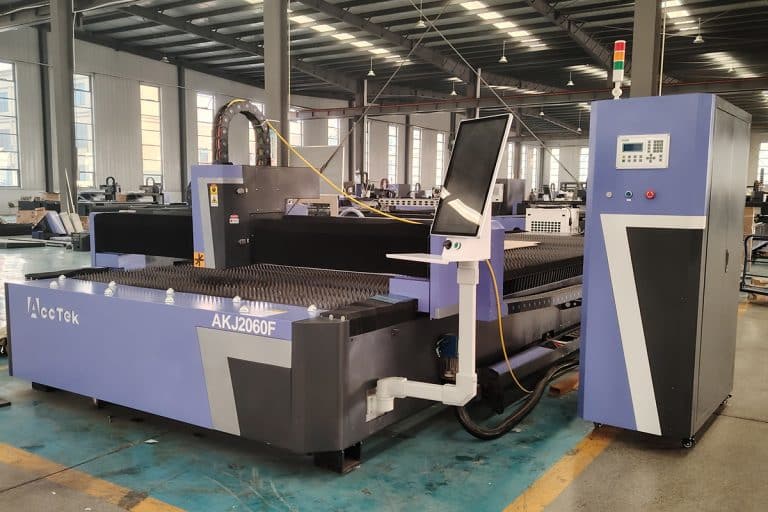
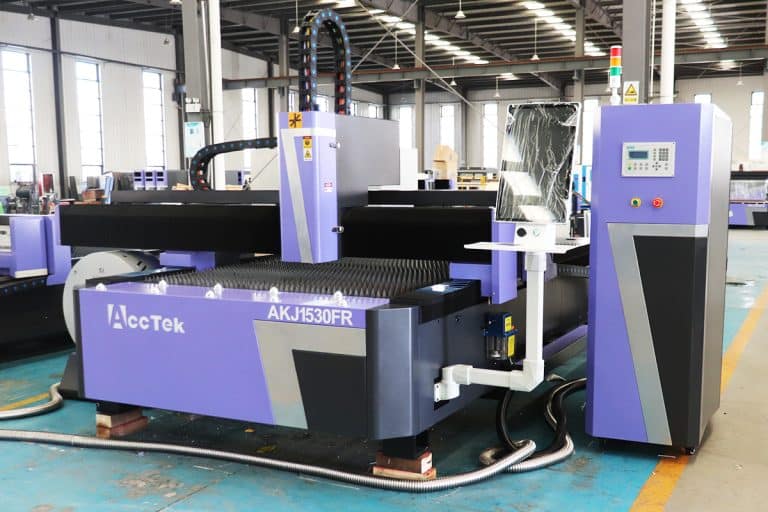
Product Introduction
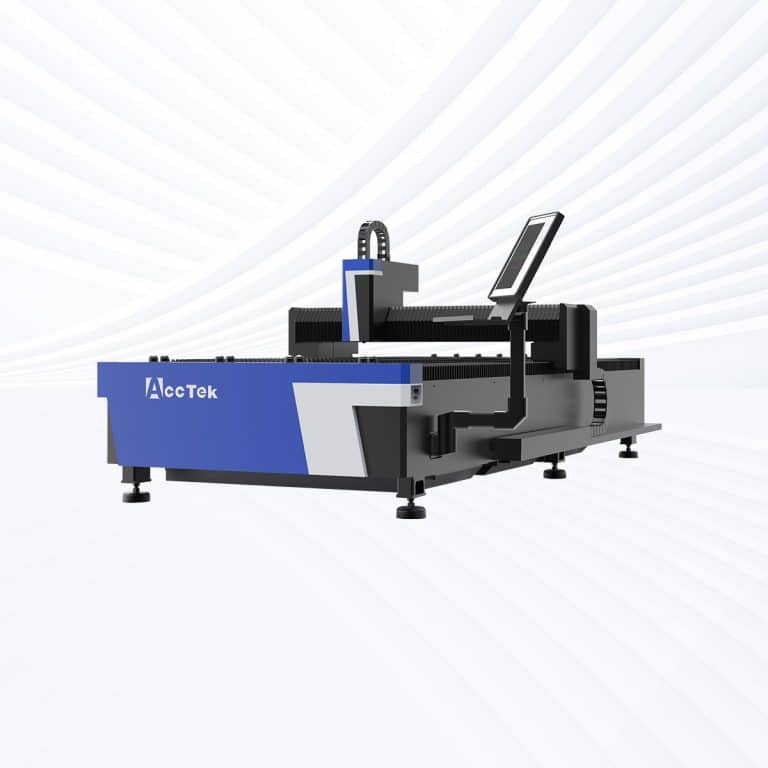
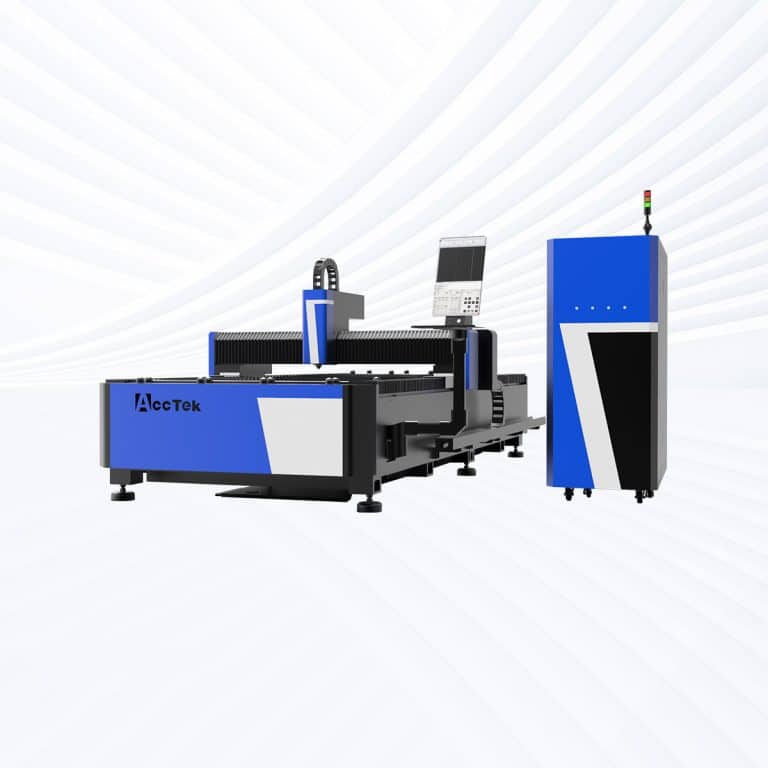
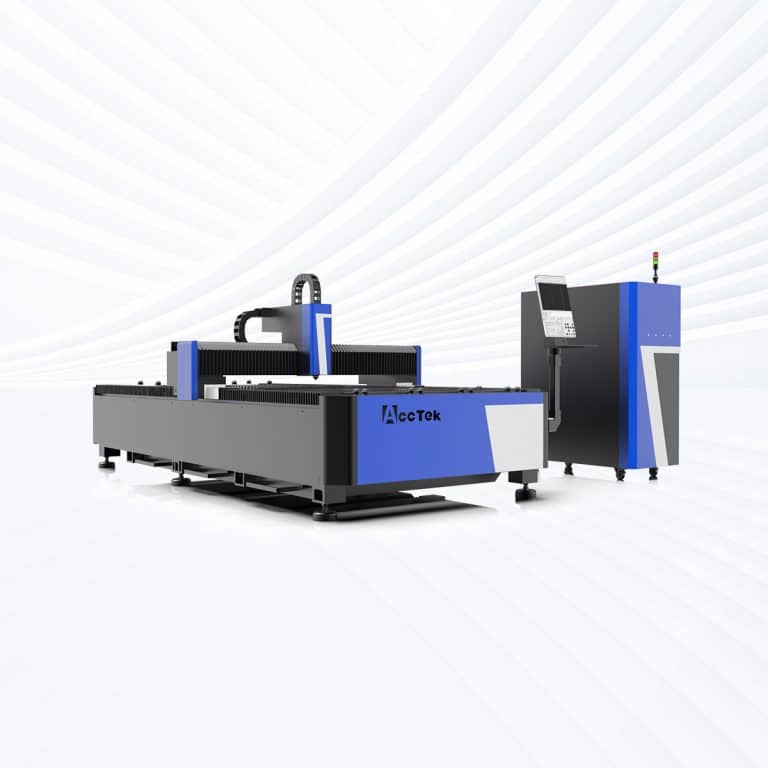
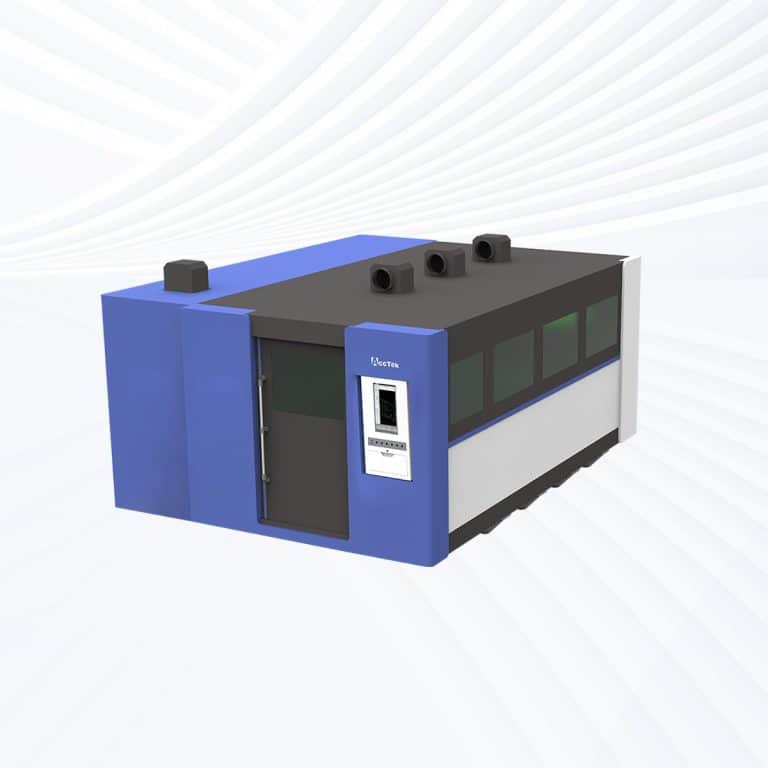
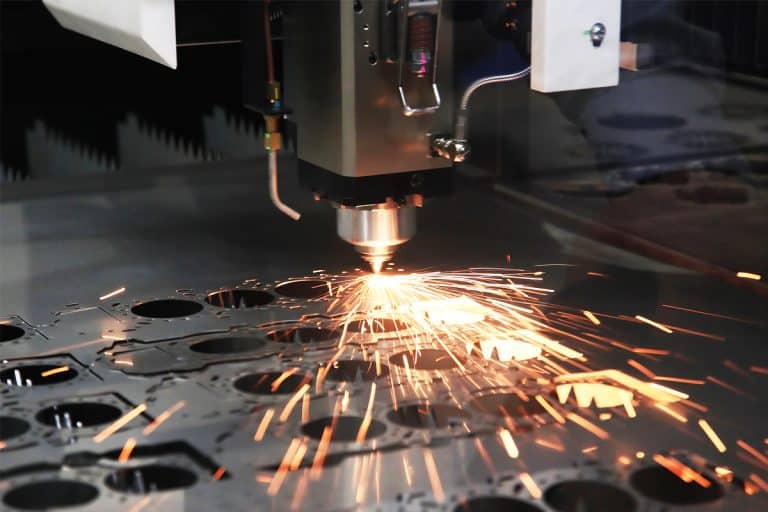
3kW Laser Cutting Capacity
| Material | Thickness (mm) | Cutting Speed (m/min) | Focus Position (mm) | Cutting Height (mm) | Gas | Nozzle (mm) | Pressure (bar) |
|---|---|---|---|---|---|---|---|
| Carbon Steel | 1 | 28-35 | 0 | 1 | N2/Air | 1.5 | 10 |
| 2 | 16-20 | 0 | 0.5 | N2/Air | 2 | 10 | |
| 2 | 3.8-4.2 | 3 | 0.8 | O2 | 1 | 1.6 | |
| 3 | 3.2-3.6 | 4 | 0.8 | O2 | 1 | 0.6 | |
| 4 | 3.0-3.2 | 4 | 0.8 | O2 | 1 | 0.6 | |
| 5 | 2.7-3.0 | 4 | 0.8 | O2 | 1.2 | 0.6 | |
| 6 | 2.2-2.5 | 4 | 0.8 | O2 | 1.2 | 0.6 | |
| 8 | 1.8-2.2 | 4 | 0.8 | O2 | 1.2 | 0.6 | |
| 10 | 1.0-1.3 | 4 | 0.8 | O2 | 1.2 | 0.6 | |
| 12 | 0.9-1.0 | 4 | 0.8 | O2 | 3 | 0.6 | |
| 14 | 0.8-0.9 | 4 | 0.8 | O2 | 3 | 0.6 | |
| 16 | 0.6-0.7 | 4 | 0.8 | O2 | 3.5 | 0.6 | |
| 18 | 0.5-0.6 | 4 | 0.8 | O2 | 4 | 0.6 | |
| 20 | 0.4-0.55 | 4 | 0.8 | O2 | 4 | 0.6 | |
| 22 | 0.45-0.5 | 4 | 0.8 | O2 | 4 | 0.6 | |
| Stainless Steel | 1 | 28-35 | 0 | 0.8 | N2 | 1.5 | 10 |
| 2 | 18-24 | 0 | 0.5 | N2 | 2 | 12 | |
| 3 | 7.0-10 | -0.5 | 0.5 | N2 | 2.5 | 12 | |
| 4 | 5.0-6.5 | -1.5 | 0.5 | N2 | 2.5 | 14 | |
| 5 | 3.0-3.6 | -2.5 | 0.5 | N2 | 3 | 14 | |
| 6 | 2.0-2.7 | -3 | 0.5 | N2 | 3 | 14 | |
| 8 | 1.0-1.2 | -4.5 | 0.5 | N2 | 3.5 | 16 | |
| 10 | 0.5-0.6 | -6 | 0.5 | N2 | 4 | 16 | |
| Aluminum | 1 | 25-30 | 0 | 0.8 | N2 | 1.5 | 12 |
| 2 | 15-18 | 0 | 0.5 | N2 | 2 | 12 | |
| 3 | 7.0-8.0 | -1 | 0.5 | N2 | 2 | 14 | |
| 4 | 5.0-6.0 | -2 | 0.5 | N2 | 2.5 | 14 | |
| 5 | 2.5-3.0 | -3 | 0.5 | N2 | 3 | 16 | |
| 6 | 1.5-2.0 | -3.5 | 0.5 | N2 | 3 | 16 | |
| 8 | 0.6-0.7 | -4 | 0.5 | N2 | 3 | 16 | |
| Brass | 1 | 20-28 | 0 | 0.8 | N2 | 1.5 | 12 |
| 2 | 10-15 | 0 | 0.5 | N2 | 2 | 12 | |
| 3 | 5.0-6.0 | -1 | 0.5 | N2 | 2.5 | 14 | |
| 4 | 2.5-3.0 | -2 | 0.5 | N2 | 3 | 14 | |
| 5 | 1.8-2.2 | -2.5 | 0.5 | N2 | 3 | 14 | |
| 6 | 0.8-1.0 | -3 | 0.5 | N2 | 3 | 16 | |
| Titanium | 1 | 3.0-4.6 | 0 | 0.8 | N2 | 1.5 | 12 |
| 2 | 2.3-3.5 | -1 | 0.5 | N2 | 2 | 12 | |
| 3 | 1.7-2.6 | -1.5 | 0.5 | N2 | 2 | 14 | |
| 4 | 1.3-2.0 | -1.5 | 0.5 | N2 | 2 | 14 | |
| 5 | 0.9-1.3 | -2 | 0.5 | N2 | 2 | 14 | |
| 6 | 0.6-0.9 | -2 | 0.5 | N2 | 2 | 14 | |
| Galvanized Steel | 1 | 11.0-16.6 | 0 | 0.8 | N2 | 1.6 | 12 |
| 2 | 5.5-8.3 | -1 | 0.8 | N2 | 1.6 | 12 | |
| 3 | 2.8-4.1 | -1.5 | 0.6 | N2 | 2 | 14 | |
| 4 | 1.8-2.8 | -1.5 | 0.6 | N2 | 2 | 14 | |
| 5 | 1.4-2.1 | -2 | 0.6 | N2 | 2 | 14 | |
| 6 | 1.1-1.7 | -2 | 0.6 | N2 | 2 | 14 | |
| 8 | 0.7-1.1 | -2.5 | 0.6 | N2 | 2.5 | 14 | |
| 10 | 0.6-0.8 | -2.5 | 0.6 | N2 | 2.5 | 14 | |
| 12 | 0.4-0.6 | -3 | 0.5 | N2 | 2.5 | 14 | |
| 14 | 0.3-0.4 | -3 | 0.5 | N2 | 3 | 16 | |
| Nickel-Alloy | 1 | 4.8-7.2 | 0 | 0.8 | N2 | 1.4 | 14 |
| 2 | 1.9-2.9 | -0.8 | 0.8 | N2 | 1.4 | 14 | |
| 3 | 1.0-1.4 | -1.2 | 0.6 | N2 | 1.8 | 16 | |
| 4 | 0.6-1.0 | -1.2 | 0.6 | N2 | 1.8 | 16 | |
| 5 | 0.5-0.7 | -1.8 | 0.6 | N2 | 1.8 | 16 | |
| 6 | 0.-0.6 | -1.8 | 0.6 | N2 | 1.8 | 16 |
Compatible Materials
- Carbon Steel
- Stainless Steel
- Mild Steel
- Alloy Steel
- Tool Steel
- Bronze
- Zinc
- Inconel
- Hastelloy
- Waspaloy
- Rene alloys
- Stellite
- Galvanized Steel
- Chrome-Plated Steel
- Aluminized Steel
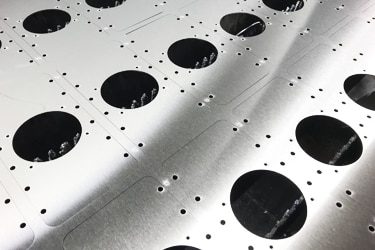
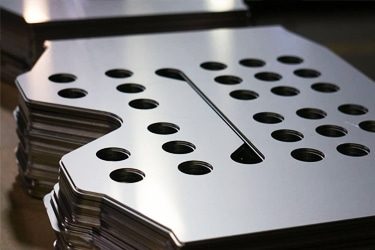
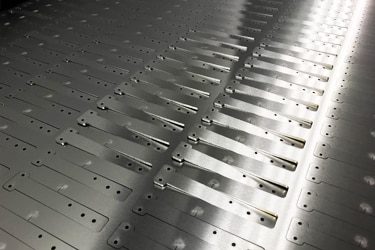
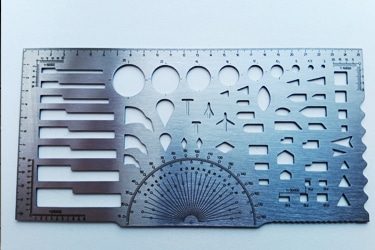
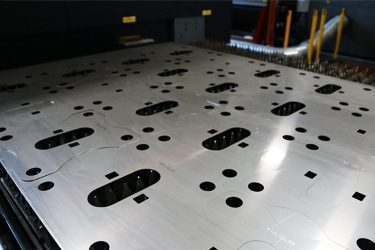
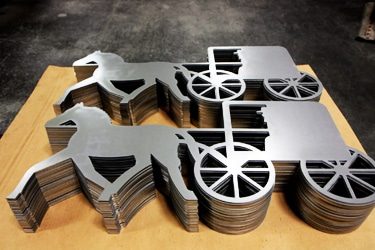
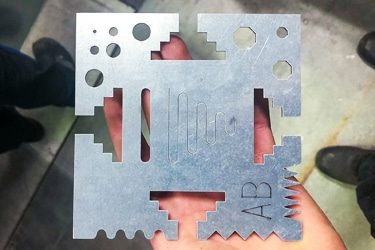
Application of 3kW Laser Cutting Machines

Customer Testimonials
Comparison VS Other Cutting Technologies
| Feature | Laser Cutting | Plasma Cutting | Waterjet Cutting | Flame Cutting |
|---|---|---|---|---|
| Cutting Precision | Very high (±0.05 mm) | Medium (±0.5 mm) | Very high (±0.1 mm) | Low (±1–2 mm) |
| Edge Quality | Smooth, minimal post-processing | Rougher, may need grinding | Excellent, no heat effect | Rough edges, heavy finishing |
| Material Range | Metals, reflective materials | Conductive metals only | Almost all materials (metal, stone, glass, composites) | Ferrous metals only |
| Max Cutting Thickness | Up to 50 mm (with high-power lasers) | Up to 150 mm | Up to 200+ mm | Up to 300 mm (steel) |
| Cutting Speed (Thin Sheets) | Fastest for <20 mm | Fast for medium-thick plates | Slower | Slow |
| Heat-Affected Zone (HAZ) | Very small | Medium | None | Large |
| Operating Cost | Low (energy-efficient, minimal consumables) | Medium (electrodes, gas) | High (abrasive, water, pump) | Low (fuel and oxygen) |
| Initial Investment | Medium to high | Low to medium | Very high | Low |
| Maintenance | Low (fiber lasers are reliable) | Medium (torch wear, consumables) | High (pump, nozzle, abrasive lines) | Low |
| Automation Compatibility | Excellent (CNC, software-driven) | Good | Good | Limited |
| Surface Finish | Clean, ready-to-use | Requires secondary finishing | Excellent | Poor |
| Environmental Impact | Low (no chemicals, low waste) | Moderate (fumes, slag) | High (abrasive waste disposal) | High (fumes, CO₂) |
| Energy Efficiency | High (especially fiber lasers) | Moderate | Low (energy-intensive pumps) | Moderate |
| Noise Levels | Low | High | High | High |
| Best Use Case | Precision sheet/plate cutting, prototyping, high-quality parts | Structural steel, medium-to-thick plates | Ultra-thick, exotic, or non-metal materials | Heavy plate cutting, construction |
| Industry Adoption | Automotive, aerospace, fabrication, electronics, signage | Shipbuilding, repair, construction | Aerospace, defense, custom fabrication | Heavy industry, construction |
Why Choose Us
Advanced Technology
Our laser cutting machines feature high-speed, precision cutting with the latest laser technology, ensuring smooth edges, minimal waste, and superior efficiency across various materials and thicknesses.
Reliable Quality
Each machine undergoes rigorous quality control and durability testing to ensure long-term stability, low maintenance, and consistent high performance, even under demanding industrial conditions.
Comprehensive Support
We provide full technical support, including installation guidance, operator training, and after-sales service, ensuring smooth machine operation and minimal downtime for your business.
Cost-Effective Solutions
Our machines offer high performance at competitive prices, with customizable options to fit different production needs, helping businesses maximize their investment without compromising on quality.
Related Resources
Understanding The Odors Associated With Laser Cutting
This article provides a comprehensive guide to laser cutting odors, explaining the causes of odors, material-specific odors, health risks, and practical strategies for effectively controlling odors and ensuring safer operation.
What Safety Measures Should Be Taken When Operating Laser Cutting Machines
This article teaches the basic safety measures for operating a laser cutting machine, including hazard awareness, engineering controls, PPE, fire prevention, ventilation, training, and emergency response drills.
Addressing the Challenges of Fiber Laser Cutting: Common Problems and Solutions
This article explores common challenges in fiber laser cutting, including material-related issues, machine performance, and operator-related problems, offering practical solutions to optimize cutting quality and efficiency.
Precautions for Operating Laser Cutting Machines
This article provides a detailed overview of basic precautions for operating laser cutting machines, covering safety risks, proper setup, operating guidelines, maintenance procedures, and emergency preparedness.
Frequently Asked Questions
How Much Do 3kW Laser Cutting Machines Cost?
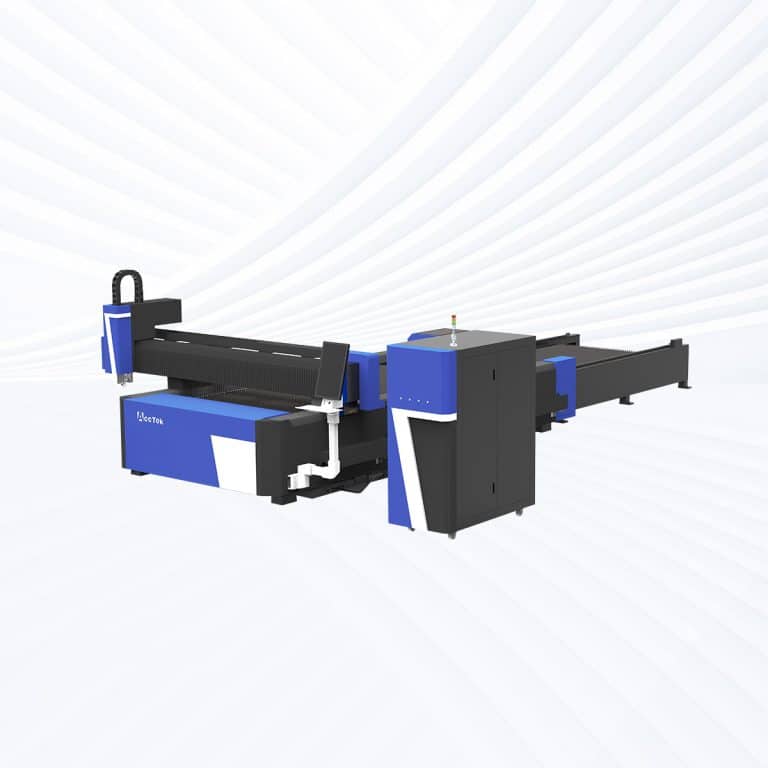
- Open Laser Cutting Machine ($16,500-$39,000): These entry-level 3kW laser cutting systems have an open-frame design, making them cost-effective and easier to install. They are well-suited for cutting thin to medium sheet metals quickly. However, because the cutting area is exposed, they require strict operator safety measures and proper ventilation.
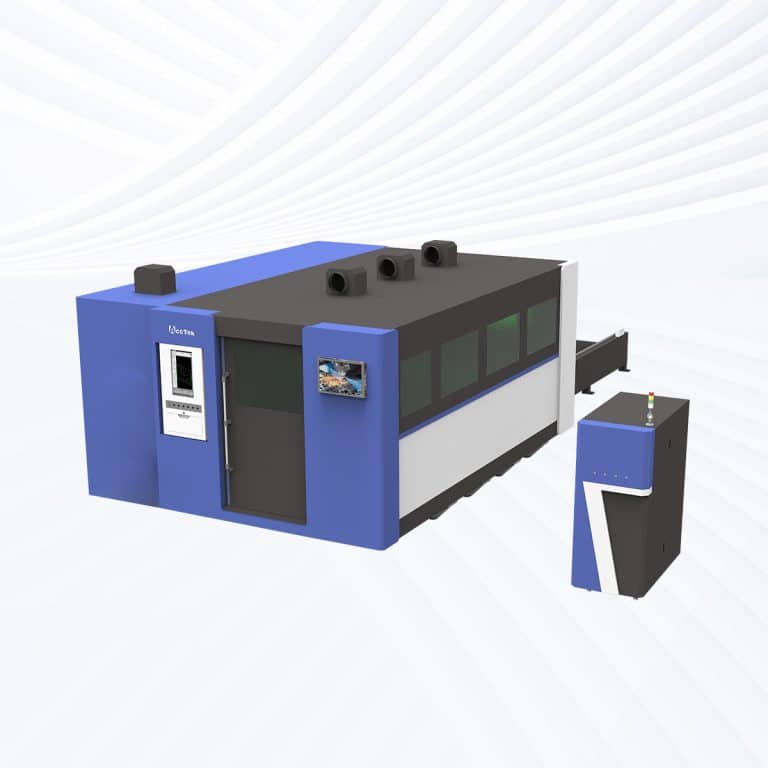
- Enclosed Laser Cutting Machine ($25,500-$41,500): Enclosed models offer better safety, with protective housing that prevents direct exposure to laser radiation, sparks, and fumes. They are favored in professional workshops and industries where safety compliance is essential. The higher price reflects the added enclosure, air extraction, and automation systems.
- Open Laser Cutting Machine with Exchange Worktable ($26,000-$42,000): This design adds an exchange worktable, enabling one sheet to be prepared while another is being cut. It significantly boosts productivity and reduces downtime, making it ideal for workshops with continuous workflows. However, like other open systems, it requires additional safety precautions.
- Enclosed Laser Cutting Machine with Exchange Worktable ($30,000-$46,000): This configuration combines the productivity benefits of an exchange table with the safety of an enclosure. It is a strong choice for medium-to-large-scale operations where operator safety and cutting efficiency are equally important.
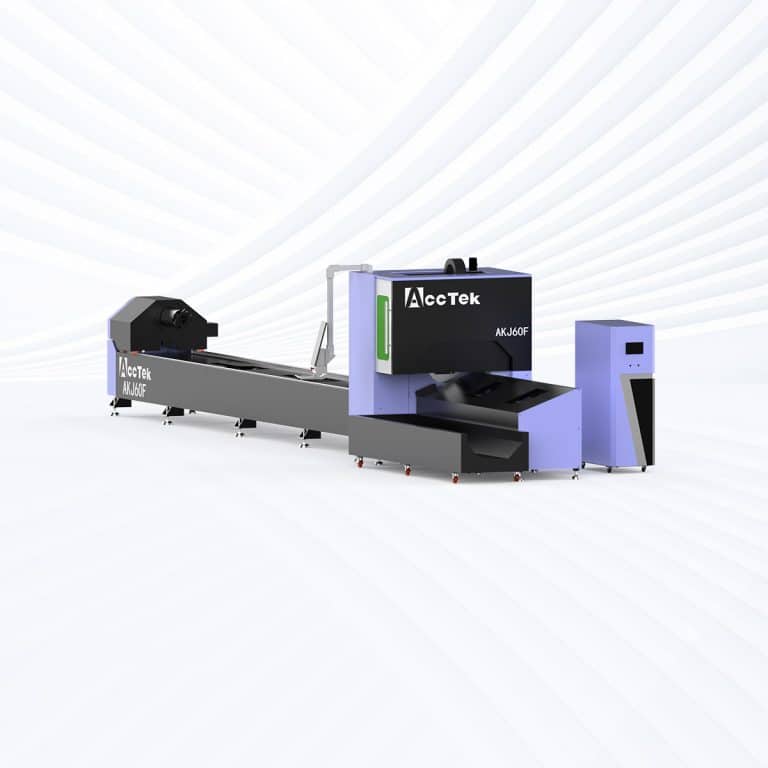
- Open Tube-Sheet Laser Cutting Machine ($27,500-$44,000): Designed to handle both flat sheets and cylindrical or square tubes, these machines provide more flexibility for industries like furniture, construction, and automotive. The price is higher than sheet-only systems due to the added tube-cutting mechanics.
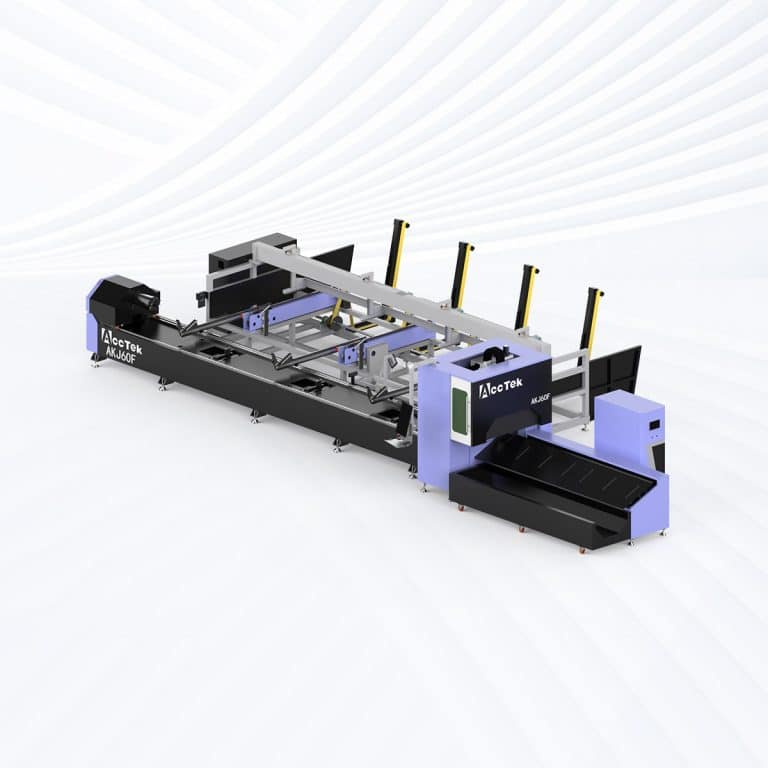
- Open Tube-Sheet Laser Cutting Machine with Exchange Worktable ($40,500-$56,500): This configuration merges multitasking capability with the productivity of exchange worktables. It reduces downtime while allowing both sheet and tube processing, making it ideal for workshops with diverse and high-volume cutting requirements.
- Enclosed Tube-Sheet Laser Cutting Machine with Exchange Worktable ($45,000-$61,000): At the top of the 3kW range, this system offers maximum safety, versatility, and efficiency. Enclosure protects operators, the exchange table minimizes idle time, and tube-sheet capability allows for a wide range of production needs. This makes it the preferred choice for industrial-scale operations.
What Is The Power Consumption Of 3kW Laser Cutting Machines?
- Laser Generator Power (≈9000W): The generator converts electrical energy into the 3kW laser beam used for cutting. Due to conversion losses in the laser diodes and power modules, the actual input power is much higher—around 9kW. This makes the generator the single largest consumer of electricity in the system.
- Chiller Power (≈4420W): Cutting at 3kW generates considerable heat in the laser source, optics, and electronics. The chiller keeps temperatures stable by circulating coolant. At about 4.4kW, this is the second-highest energy demand and a continuous background load whenever the machine is running. Without efficient cooling, both performance and service life would be compromised.
- Driver Power (≈2650W): Servo motors and drive systems move the laser head with high speed and accuracy. They require around 2.65kW to manage precise positioning across the X, Y, and Z axes. The motion system directly influences cutting accuracy, efficiency, and smooth operation.
- Draught Fan Power (≈1500W): The draught fan extracts smoke, dust, and metal particulates from the cutting chamber. While it does not affect cutting performance directly, it is vital for operator safety, machine cleanliness, and maintaining optics. At 1.5kW, it adds a significant load to overall consumption.
What Is The Accuracy Of 3kW Laser Cutting Machines?
- Positional Accuracy: Most 3kW laser cutting machines achieve a positional accuracy of about ±03 mm. This means the cutting head can return to a set point within very fine tolerances, ensuring consistency in repetitive cuts and batch production.
- Repeatability: Repeat positioning accuracy is typically ±02 mm, allowing the machine to cut identical parts with minimal deviation. This is especially important in industries like automotive, aerospace, and electronics, where interchangeable parts must meet strict standards.
- Edge Quality and Kerf Width: The narrow kerf width of a 3kW fiber laser—often between 0.1 and 0.3 mm depending on the material and thickness—allows for sharp corners, smooth edges, and precise contours. Edge quality is generally burr-free when parameters and assist gases are set correctly.
- Material Thickness Influence: Accuracy is slightly affected when cutting thicker materials. While thin sheets (up to 6 mm) maintain extremely fine tolerances, cutting thicker plates (above 12 mm) may show minor deviations due to heat effects, slower speeds, and wider kerf formation.
- Software and Motion Systems: Modern CNC control systems and servo-driven motors enhance accuracy by ensuring stable motion and minimizing vibration. Features like automatic focus adjustment and real-time monitoring further improve cut precision across different materials and thicknesses.
- External Factors: Accuracy can also be influenced by workshop conditions—such as vibration, dust, or unstable power supply—as well as by the condition of optics, nozzles, and alignment. Routine calibration and maintenance help preserve factory-level accuracy.
Are 3kW Laser Cutting Machines Easy To Operate?
- Control Systems and Interfaces: Modern 3kW laser cutting machines come equipped with CNC systems and touch-screen interfaces. These often include pre-programmed cutting parameters, material libraries, and automatic nesting features, which help streamline setup and reduce operator error.
- Automation Features: To simplify operation, many machines integrate functions such as automatic nozzle alignment, focus adjustment, and height control. Exchange worktables further reduce downtime, allowing one sheet to be prepared while another is cut. These features minimize manual intervention and keep the workflow efficient.
- Operator Training Requirements: While the machines are user-friendly, operators still need training in safe handling, material selection, assist gas use, and basic troubleshooting. With proper instruction, most users can reach proficiency in a short time, as the learning curve is smoother than with older cutting technologies.
- Safety Management: Ease of use doesn’t eliminate the need for safety awareness. Open machines require careful attention to PPE and ventilation, while enclosed models provide greater protection against sparks, fumes, and radiation. Understanding safety protocols is part of making the operation smooth and worry-free.
- Learning Curve and Adaptability: Beginners may initially find adjusting parameters for different materials challenging, but built-in databases and real-time monitoring help reduce mistakes. Once trained, operators usually find that 3kW fiber lasers are easier to use and more consistent than plasma or CO2 systems.
Is It Safe To Use 3kW Laser Cutting Machines?
- Laser Radiation Protection: The laser beam is powerful enough to cut through thick metals and can cause serious harm if operators are exposed. Open machines require protective eyewear, barriers, and strict adherence to safe working distances. Enclosed machines, on the other hand, are equipped with protective housings and interlock systems that prevent accidental exposure, making them a safer option for many workshops.
- Fume and Particle Extraction: Cutting metals produces smoke, fumes, and fine particles, some of which may be hazardous if inhaled. Proper ventilation and high-quality fume extraction systems are critical. Enclosed machines often have integrated extraction units, reducing exposure risks and keeping the workspace clean.
- Fire and Heat Risks: At 3kW, the laser generates intense heat that can ignite nearby flammable materials. Operators should never cut materials that are unsafe for laser processing, and fire extinguishers or automatic fire detection systems should always be accessible. Supervising the cutting process helps minimize risks.
- Assist Gas Safety: Oxygen, nitrogen, or compressed air is used to assist cutting, and each gas carries risks. Oxygen increases fire hazards if leaks occur, while nitrogen and compressed air must be stored and handled under the correct pressures. Safe gas storage, leak detection, and proper regulator use are essential.
- Operator Training: Safety relies heavily on well-trained operators. Training covers PPE use, correct startup and shutdown procedures, material compatibility, and emergency response actions. Knowing how to handle errors or malfunctions prevents accidents and ensures a safe cutting environment.
- Electrical and Mechanical Safety: The machine’s power demand is significant, so stable electrical grounding and reliable cooling systems are required. Mechanical safety also applies—operators must handle worktables, moving parts, and exchange systems with care to avoid accidents.
What Is The Service Life Of 3kW Laser Cutting Machines?
- Laser Source Lifespan: The fiber laser source itself often has a rated service life of 80,000 to 100,000 hours, depending on brand and operating conditions. This long lifespan is one of the main advantages of fiber lasers over CO2 systems, which require more frequent tube replacements.
- Optical and Consumable Parts: Protective lenses, nozzles, and mirrors are consumables that wear out faster. Their lifespan ranges from days to months, depending on cutting volume, material type, and maintenance. Replacing these regularly ensures that the machine maintains its precision and efficiency.
- Mechanical Components: Rails, motors, and bearings typically last 5-10 years with proper lubrication and cleaning. Heavy-duty use, dust buildup, or poor maintenance can shorten this, while routine calibration and preventive servicing extend its working life.
- Cooling and Extraction Systems: Chillers and dust extraction units are essential to safe operation. With regular servicing and fluid replacement, these systems can run for many years, though pumps, filters, and fans may require periodic replacement.
- Software and Control Systems: While the physical parts wear, CNC systems and software require updates to stay current. Machines that receive regular firmware updates and operator training often remain competitive for longer, even as new technology advances.
- Overall Service Life: With proper care, 3kW laser cutting machines typically last 8-10 years or more in industrial environments. In lower-volume workshops, lifespan may extend beyond this, though older systems may eventually become less efficient compared to newer models.
What Problems Might I Encounter When Using 3kW Laser Cutting Machines?
- Cutting Quality Variations: Improper parameter settings, worn nozzles, or contaminated lenses can lead to rough edges, excessive burrs, or incomplete cuts. On thicker plates, the cut edge may show striations or require secondary finishing if assist gas flow is not properly adjusted.
- Material Limitations: While 3kW laser cutting machines are excellent for thin and medium-thickness metals, they can struggle with very thick plates. Attempting to cut beyond recommended thickness may slow productivity, cause poor edge quality, and increase energy and gas consumption.
- Assist Gas Issues: Incorrect gas selection or pressure can result in dross buildup, excessive oxidation, or poor cutting precision. Oxygen leaks increase fire risks, while nitrogen—though producing cleaner cuts—adds significantly to operating costs if consumption is high.
- Optics and Nozzle Contamination: Smoke, dust, and molten spatter can contaminate the protective lens and nozzle. This reduces beam quality, increases downtime, and may even damage the laser source if not addressed. Frequent cleaning and timely replacement are critical.
- Mechanical and Alignment Errors: Rails, motors, and bearings wear over time, causing vibration or misalignment that reduces accuracy. Without calibration, small deviations can accumulate, affecting part quality in mass production.
- Cooling and Power Supply Problems: A 3kW laser cutting machine requires stable cooling and a consistent electrical supply. Fluctuations in voltage or chiller malfunctions can cause overheating, machine shutdowns, or damage to internal components.
- Software or Programming Mistakes: Poor nesting, incorrect cutting paths, or overlooked parameters can waste material and slow down workflow. Although modern CNC systems are user-friendly, errors still occur if programs are not carefully verified before cutting.
- Maintenance Neglect: Skipping preventive maintenance—such as cleaning optics, lubricating rails, or changing filters—leads to cumulative problems. Machines that are not maintained properly suffer more frequent breakdowns and shorter service life.
How Should I Maintain 3kW Laser Cutting Machines?
- Optics and Nozzle Care: Protective lenses and cutting nozzles are constantly exposed to spatter, dust, and smoke. Regular cleaning prevents contamination that can weaken the laser beam and reduce accuracy. Operators should inspect lenses daily and replace damaged or heavily soiled parts promptly. Using high-quality nozzles and ensuring correct alignment also helps maintain cutting precision.
- Assist Gas System: Gas quality and delivery are critical for smooth operation. Oxygen, nitrogen, or compressed air must be supplied at the correct flow and pressure. Operators should check regulators, pipelines, and filters for leaks or blockages. Replacing gas filters at scheduled intervals prevents impurities from affecting cut quality.
- Cooling System Maintenance: The chiller ensures stable operating temperatures for the laser source and optics. Coolant levels should be monitored frequently, and the liquid replaced according to manufacturer guidelines. Filters, pumps, and hoses require periodic inspection to avoid overheating and potential system failures.
- Dust and Fume Extraction: Efficient extraction systems remove particles and fumes generated during cutting. Filters in the extractor must be cleaned or replaced regularly to keep air circulation strong. Neglecting this not only reduces cut quality but also compromises workplace safety.
- Mechanical Components: Rails, bearings, gears, and motors should be cleaned and lubricated to prevent wear and ensure smooth movement of the cutting head. Debris buildup can cause vibration, misalignment, and reduced precision. Regular calibration of the machine’s motion system helps maintain factory-level accuracy.
- Software and Electronics: CNC control systems and machine software need regular updates to improve functionality and security. Running diagnostic checks helps detect errors early. Backing up cutting parameters and programs ensures smooth recovery in case of data loss.
- Scheduled Preventive Maintenance: A routine should be established for daily, weekly, monthly, and yearly tasks. Daily checks often include cleaning optics and monitoring coolant, while long-term maintenance may involve replacing worn drive belts, inspecting electrical connections, and servicing the laser source.