

Is Laser Cutting Fume Toxic
Laser cutting is one of the most efficient and precise manufacturing methods used today, from metal fabrication to plastics, wood, textiles, and even composites. However, while the technology delivers clean cuts and fast turnaround, it also produces a less visible byproduct—laser cutting fume. These fumes, often overlooked, can carry a complex mix of gases, vapors, and ultrafine particles that raise legitimate health and environmental concerns.
When a laser beam vaporizes or melts material, it releases compounds that depend on the substrate being cut. Metals may emit oxides and heavy metal particles; plastics and coatings can release volatile organic compounds (VOCs), carbon monoxide, or even carcinogenic substances like formaldehyde and hydrogen chloride. Without proper extraction or filtration, these airborne contaminants can accumulate quickly in workshops, posing respiratory hazards and long-term health risks to operators.
Understanding the toxicity of laser cutting fume isn’t just a safety formality—it’s essential for regulatory compliance, worker protection, and responsible facility management. This article examines what laser cutting fumes are made of, how they affect health, and what measures can minimize exposure. The goal is simple: to separate fact from assumption and clarify just how dangerous laser cutting fumes can be—and how to deal with them safely.
Table of Contents
What Exactly Are Laser Cutting Fumes?
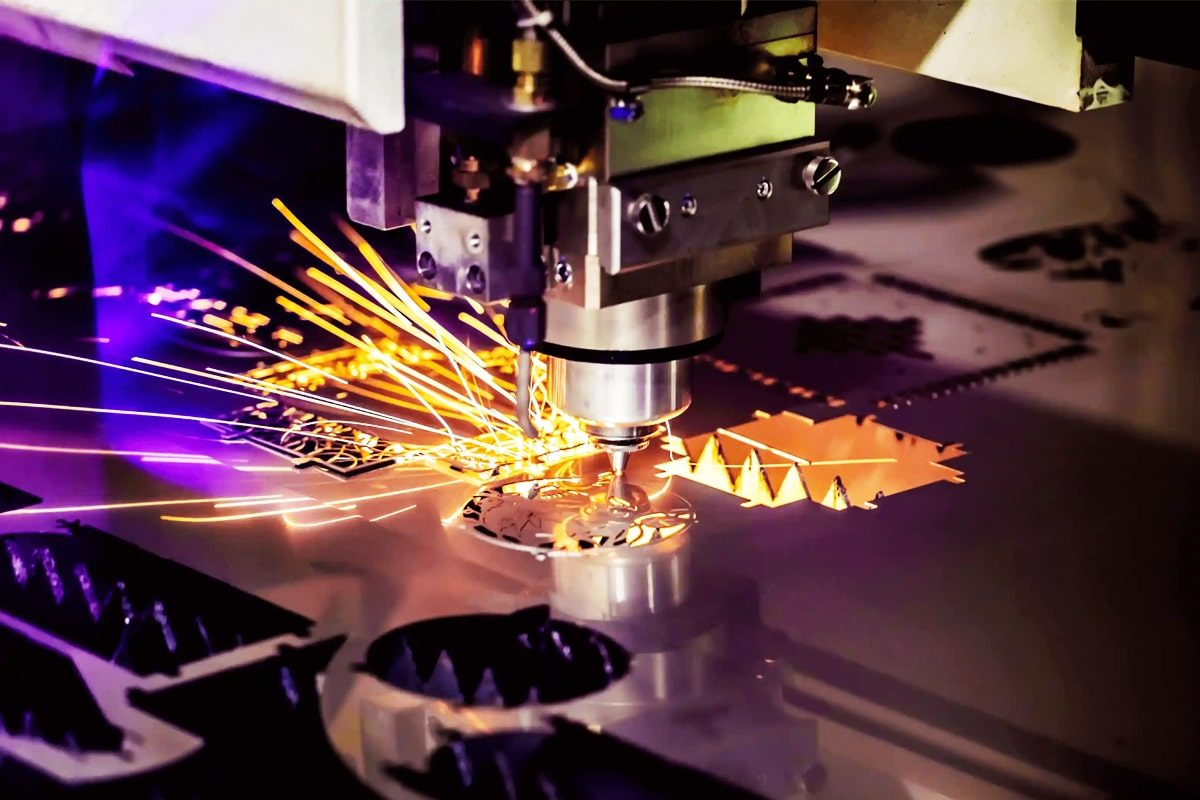
Laser cutting fumes are the airborne byproducts generated when a high-energy laser beam interacts with a material’s surface. The process involves intense, localized heating that melts, burns, or vaporizes the substrate. As the material transitions from solid to vapor, it cools rapidly upon contact with surrounding air, condensing into microscopic particles and gaseous compounds. These suspended particles—ranging in size from visible smoke to ultrafine nanoparticles smaller than 1 micron—are collectively known as laser cutting fumes.
The composition of these fumes depends heavily on what’s being cut. Metals such as stainless steel, aluminum, or galvanized steel can release metal oxides (like iron oxide, zinc oxide, or chromium compounds), which are known respiratory irritants and, in some cases, carcinogens. Plastics and polymers such as acrylic (PMMA), PVC, or polycarbonate emit organic gases like methyl methacrylate, hydrochloric acid, and benzene—some of which are acutely toxic and corrosive. Even wood and composites produce fine carbon particles and aldehydes that can irritate the eyes, skin, and lungs.
In addition to solid particulates and gases, laser cutting fumes can also contain nanoparticles—extremely small particles capable of penetrating deep into lung tissue and even entering the bloodstream. This makes them particularly concerning from a health perspective, as traditional ventilation may not fully capture them without proper filtration systems.
Laser cutting fumes are a complex cocktail of microscopic particles, vaporized materials, and chemical gases. Their exact makeup depends on the material and cutting conditions, but the bottom line remains the same: these fumes are not just harmless smoke—they’re a potential health hazard that requires careful control through ventilation, filtration, and protective measures.
Understanding the Laser Cutting Process
To understand why laser cutting fumes can be toxic, it’s essential to first grasp how the laser cutting process actually works. Laser cutting is a thermal separation method that uses a focused, high-powered laser beam to cut or engrave materials. The laser energy is concentrated into a very small spot—often less than a fraction of a millimeter in diameter—creating intense heat that rapidly melts, burns, or vaporizes the material along the cutting line. The molten material is then blown away by a stream of assist gas, leaving behind a clean, precise edge.
Working Principles
At its core, laser cutting converts electrical energy into light energy, which is then amplified and focused. The laser beam is directed through mirrors and lenses to concentrate its power on the surface of the workpiece. When the beam strikes the material, the energy density becomes so high that localized temperatures can exceed several thousand degrees Celsius. Depending on the material and the process parameters, the laser may melt, combust, or directly vaporize the material.
There are three main cutting mechanisms:
- Fusion Cutting: The laser melts the material, and a gas jet (often nitrogen or argon) removes the molten metal without causing oxidation.
- Oxidation Cutting: The laser heats the material in the presence of oxygen, producing an exothermic reaction that adds energy and speeds up the cut.
- Vaporization Cutting: The material is directly vaporized into gas, commonly used for thin or non-metal materials like plastics or wood.
Each of these mechanisms produces different kinds of byproducts—metallic vapors, combustion gases, or polymer decomposition compounds—all of which contribute to the fume composition.
Types of Laser Generators
The type of laser source used significantly influences both the efficiency of the cutting process and the nature of the fumes produced.
- CO2 Lasers: These use a gas mixture of carbon dioxide, nitrogen, and helium to generate infrared light. CO2 lasers are ideal for cutting non-metallic materials such as wood, plastics, glass, and textiles. However, when cutting polymers or composites, they can release a variety of volatile organic compounds (VOCs) and corrosive gases due to high-temperature decomposition.
- Fiber Lasers: Fiber lasers use a solid-state optical fiber doped with rare-earth elements (such as ytterbium) to produce a highly efficient and stable beam. They are most commonly used for cutting metals, including stainless steel and aluminum. The fumes generated here typically contain fine metal oxides and ultrafine dust, which can pose inhalation risks if not filtered properly.
- Nd:YAG Lasers (Neodymium-doped Yttrium Aluminum Garnet): These lasers emit light with a shorter wavelength, suitable for precision cutting and engraving on metals and certain ceramics. Although less common in large-scale cutting today, Nd:YAG lasers can still produce metallic and chemical fumes similar to fiber lasers, depending on the work material.
Laser cutting is a precise and versatile process powered by advanced laser technology. Whether using CO2, fiber, or Nd:YAG lasers, the process involves extreme heat that alters materials at the molecular level, producing fumes composed of vaporized solids, gases, and ultrafine particles. Understanding how lasers work—and what kinds of fumes each type of system produces—is the first step in recognizing the potential health risks associated with laser cutting operations and implementing proper safety controls.
Why Laser Cutting Fumes Are More Dangerous Than Ordinary Dust or Smoke
Laser cutting fumes differ greatly from the dust or smoke you might encounter in typical manufacturing environments. While both are airborne contaminants, laser cutting fumes are produced under extreme heat and precision conditions that fundamentally alter the nature of the particles and gases released. As a result, they pose a much higher risk to health and safety. Understanding why these fumes are more hazardous requires looking closely at how they form and behave once airborne.
Particle Size Is Far Smaller
The particles generated by laser cutting are ultrafine—typically smaller than 1 micron (one-millionth of a meter). In comparison, ordinary dust particles from sanding, grinding, or mechanical cutting are much larger, often between 10 and 100 microns in size. These larger particles tend to settle quickly and can be trapped by standard dust filters or masks. Ultrafine particles, however, remain suspended in the air for extended periods and can penetrate deep into the respiratory system, reaching the alveoli in the lungs where gas exchange occurs. Once there, they can trigger inflammation, respiratory irritation, and even systemic effects if absorbed into the bloodstream.
Heat-Induced Chemical Changes
Laser cutting is not a mechanical process—it’s a high-temperature reaction. When materials are heated to thousands of degrees Celsius, they undergo thermal decomposition and oxidation. This process can transform harmless compounds into toxic byproducts. For example, cutting PVC can produce hydrogen chloride gas, while burning coated metals can release chromium VI and other carcinogenic compounds. The heat also breaks molecular bonds, creating unstable radicals and chemical fragments that can recombine into complex, often hazardous, compounds once cooled. This means that even safe raw materials can become dangerous when exposed to laser cutting temperatures.
Presence of Nano-Pollutants
Another factor that sets laser cutting fumes apart is the formation of nanoparticles—particles smaller than 100 nanometers. These nano-pollutants are particularly concerning because they can cross biological barriers that larger particles cannot. Scientific studies show that nanoparticles can travel from the lungs into the bloodstream, reach organs like the liver and brain, and potentially cause oxidative stress or long-term cellular damage. Moreover, their small size makes them difficult to capture with conventional ventilation or filtration systems, allowing them to linger in the air unnoticed.
Fumes Are Airborne Immediately
Unlike dust, which is generated mechanically and often settles nearby, laser cutting fumes are released instantly as vapor and smoke at the point of contact. The laser’s energy rapidly vaporizes material, creating a localized plume of hot gases and microscopic particles that quickly disperse throughout the workspace. Because these fumes are generated in high concentrations and remain airborne almost immediately, they can spread before extraction systems can fully capture them. This makes proper ventilation, localized exhaust, and fume filtration systems essential in any laser cutting setup.
Laser cutting fumes are far more dangerous than ordinary dust or smoke because of their microscopic size, chemically altered composition, and airborne nature. The combination of ultrafine particles, heat-induced toxins, and persistent nano-pollutants makes them a serious occupational hazard. Without adequate fume extraction and filtration, these invisible contaminants can accumulate quickly, putting operators at risk of respiratory illness, chemical exposure, and long-term health complications. Recognizing the unique dangers of laser cutting fumes is the first step toward creating a safer, cleaner, and more compliant workspace.
Material-by-Material Breakdown: What Fumes Are Released?
Not all laser cutting fumes are the same—their composition depends entirely on the material being cut. Each substrate reacts differently under the laser’s intense heat, releasing distinct gases, particulates, and chemical compounds. Some are relatively harmless, while others are highly toxic or carcinogenic. Understanding what’s released from each material type is critical to choosing the right ventilation, filtration, and safety equipment.
Stainless Steel
When stainless steel is laser cut, it releases fine metal oxides such as iron oxide, chromium oxide, and nickel oxide. Of particular concern is hexavalent chromium (Cr⁶⁺), a known carcinogen that can cause lung cancer and nasal irritation with prolonged exposure. The fumes also contain ultrafine metal particles that can penetrate deep into the respiratory system.
Carbon Steel
Carbon steel primarily emits iron oxide particles and carbon-based gases, such as carbon monoxide and carbon dioxide. While less toxic than stainless steel fumes, prolonged exposure can still irritate the lungs and lead to metal fume fever—an acute condition resembling flu-like symptoms.
Aluminum
Laser cutting aluminum produces aluminum oxide dust and metallic particles that are highly reflective and lightweight, making them easy to inhale. These particles can cause respiratory irritation, and in confined spaces, they may contribute to explosive dust concentrations.
Brass
Brass is an alloy of copper and zinc, and cutting it releases both copper oxide and zinc oxide. Inhalation of zinc oxide is a common cause of metal fume fever, while copper compounds can irritate the mucous membranes and upper airways.
Copper
Copper cutting fumes primarily contain copper oxide and sometimes trace amounts of other metallic vapors, depending on the alloy. Prolonged exposure can irritate the eyes and throat and may lead to chronic respiratory problems in poorly ventilated environments.
Galvanized Steel
Galvanized steel is coated with zinc for corrosion resistance. When cut with a laser, this coating vaporizes, producing zinc oxide fumes. These fumes are particularly hazardous, as zinc oxide is a significant contributor to metal fume fever. In addition, small amounts of lead or aluminum in the coating may release additional toxic compounds.
Nickel Alloy
Nickel-containing alloys emit nickel oxide and chromium compounds during cutting—both are classified as carcinogens. These fumes can cause chronic respiratory irritation and long-term health effects with repeated exposure.
Titanium
Titanium generates titanium dioxide particles when cut, which are generally considered low in toxicity but can cause lung irritation at high concentrations. Titanium dust is also highly flammable, so buildup in filters or ducts poses a combustion risk.
Composite Materials
Composites such as fiberglass, carbon fiber, or epoxy-based laminates release a mix of resins, fibers, and organic gases when cut. These include styrene, formaldehyde, and phenols—chemicals known for their irritant and potentially carcinogenic effects. Burning epoxy resins can also release cyanide compounds under certain conditions.
Wood
Wood cutting produces organic particulates, carbon monoxide, and formaldehyde, especially from treated or laminated wood. Natural wood dust itself can cause nasal and lung irritation, while engineered woods like MDF emit additional harmful gases from glues and adhesives.
Leather
Laser-cut leather emits organic compounds, including acrolein and formaldehyde, especially when tanned with chromium or treated with dyes. These fumes have a pungent odor and can cause acute respiratory irritation and allergic reactions.
Plastic
Plastics are among the most hazardous materials to laser cut. Depending on the polymer, fumes may include hydrochloric acid (PVC), hydrogen cyanide (polyurethane), formaldehyde (acrylics), and benzene or styrene (ABS). Many of these are toxic, corrosive, and carcinogenic, requiring advanced fume extraction and activated carbon filtration.
Rubber
Cutting rubber releases sulfur dioxide, carbon monoxide, and various hydrocarbons. These compounds are strong irritants, and burning synthetic rubbers (like neoprene or nitrile) can produce toxic chlorinated or nitrogen-based gases.
Textile
Natural textiles, such as cotton and wool, release simple carbon-based gases when cut, but synthetic fabrics like polyester, nylon, or acrylics emit acetaldehyde, hydrogen cyanide, and formaldehyde. These compounds are both irritating and potentially toxic in enclosed spaces.
Paper
Paper cutting typically produces carbon dioxide, carbon monoxide, and fine soot particles. While less toxic, prolonged exposure to airborne particulates can still irritate the eyes and lungs, particularly in poorly ventilated areas.
Foam
Foam materials, especially polyurethane and polystyrene, generate hydrogen cyanide, styrene, and toluene when burned or vaporized. These gases are highly toxic and can cause immediate respiratory distress if inhaled in concentrated form.
Each material cut by a laser emits a unique blend of gases and particles determined by its composition. Metals produce oxides and ultrafine particulates, while organics like plastics, rubber, and composites release volatile and often toxic gases. Even materials that seem harmless—such as wood, leather, or textiles—can generate irritating or dangerous fumes when thermally decomposed. The takeaway is clear: no material is completely safe without proper fume extraction and filtration. Understanding the chemistry of what’s released helps operators choose the right safety measures to keep the air clean and workers protected.
Health Effects of Laser Cutting Fumes
The health risks from laser cutting fumes are real and often underestimated. While the fumes produced may look like ordinary smoke, they contain a mix of ultrafine particles, volatile organic compounds (VOCs), and metal oxides that can penetrate deep into the lungs and enter the bloodstream. Exposure—whether brief or prolonged—can have a range of effects on the body, from immediate irritation to chronic disease. Understanding these health impacts is essential for anyone working with or around laser cutting equipment.
Short-Term Effects
Short-term or acute exposure to laser cutting fumes can trigger immediate reactions in the respiratory system. Workers often report symptoms such as eye, nose, and throat irritation, coughing, shortness of breath, and headaches. These are typically caused by gases like ozone, nitrogen oxides, and VOCs released during the cutting process. In metal cutting, inhalation of metal oxides such as zinc or copper can cause metal fume fever, a flu-like illness characterized by fever, chills, and fatigue that usually resolves within 24–48 hours. In the case of plastics or composites, exposure can lead to nausea or dizziness due to inhalation of chemical vapors like formaldehyde or styrene. Even limited contact with these fumes can cause discomfort and reduce concentration, posing both health and safety risks in the workplace.
Long-Term Health Risks
Prolonged or repeated exposure to laser cutting fumes can have far more serious consequences. Chronic inhalation of metal oxide particles—especially from stainless steel, nickel, or galvanized coatings—can contribute to chronic bronchitis, asthma-like symptoms, and reduced lung function. Some compounds, such as hexavalent chromium and nickel oxide, are carcinogenic, increasing the risk of lung and nasal cancers over time. VOCs released from polymers and coatings can lead to liver and kidney damage, nervous system disorders, and reproductive toxicity with extended exposure. Additionally, the body’s natural defenses are ill-equipped to remove ultrafine and nanoscale particles, allowing them to accumulate in tissues and organs over the years, gradually amplifying their impact.
Ultrafine Particles and Their Biological Impact
One of the most concerning aspects of laser cutting fumes is the presence of ultrafine particles, often smaller than 100 nanometers. These particles are small enough to bypass the body’s normal filtration mechanisms in the upper respiratory tract. Once inhaled, they reach the alveoli—the deepest part of the lungs—where gas exchange occurs. From there, they can pass directly into the bloodstream, traveling to the liver, brain, and other organs. Studies have shown that ultrafine particles can induce oxidative stress, cellular inflammation, and even DNA damage, setting the stage for long-term diseases like cardiovascular problems and cancer. Because these particles are invisible and lightweight, they remain suspended in the air for long periods, continuously exposing workers even after cutting operations have stopped.
Synergistic Effects
The danger of laser cutting fumes doesn’t come only from individual toxins—it’s also in how they interact. When multiple compounds are inhaled together, their effects can amplify each other, creating what’s known as a synergistic effect. For instance, inhaling metal oxides and VOCs simultaneously can intensify oxidative stress and make respiratory irritation worse. Likewise, the presence of nanoparticles can enhance the body’s absorption of harmful gases, increasing their systemic toxicity. This combined exposure makes predicting health outcomes difficult and means that even low levels of mixed fumes can be more dangerous than exposure to a single compound.
Laser cutting fumes pose both immediate and long-term health risks that go far beyond simple irritation. Short-term effects include respiratory discomfort and metal fume fever, while long-term exposure can lead to chronic lung disease, cancer, and systemic organ damage. The ultrafine and nanoscale particles in these fumes are especially hazardous because of their ability to penetrate biological barriers and interact with other toxins in the body. The cumulative and synergistic nature of these effects means that even low or intermittent exposure should not be ignored. Effective ventilation, personal protective equipment, and regular air quality monitoring are vital to safeguarding workers from the hidden dangers of laser cutting fumes.
Industrial Regulations Governing Laser Cutting Fumes
Laser cutting creates a mix of metal oxides, VOCs, and ultrafine particles that fall under existing occupational hygiene rules—even when “laser cutting” isn’t named explicitly. Regulators control exposure through substance-specific limits (e.g., hexavalent chromium), generic dust limits, and duty-of-care requirements for engineering controls, monitoring, and PPE.
OSHA (United States)
OSHA’s substance rules apply to many laser-cutting byproducts. Notably, the Chromium (VI) standard caps exposure at 5 µg/m³ as an 8-hour TWA and requires exposure assessment, engineering controls, medical surveillance, and recordkeeping when stainless or coated alloys are involved. Action level: 2.5 µg/m³. Employers must demonstrate feasible engineering controls before relying on respirators.
For other constituents, OSHA’s Annotated PELs and Table Z limits apply (e.g., CO, NOx, specific metals) alongside the general duty to maintain a safe workplace.
NIOSH Recommendations
NIOSH publishes health-based RELs that are often stricter than OSHA. For Cr(VI), NIOSH recommends 0.2 µg/m³ (8-hr TWA)—an order of magnitude below OSHA’s PEL—plus stronger controls for sampling, ventilation, and medical monitoring. For particles without a specific REL, NIOSH methods NMAM 0500/0600 guide total/respirable dust measurement; many practitioners reference ACGIH’s TLVs (3 mg/m³ respirable; 10 mg/m³ inhalable) as a conservative benchmark where no substance limit exists.
EU Regulations
In the EU, exposure control sits under the Carcinogens, Mutagens or Reprotoxic Substances framework and related worker-protection directives. Member states set binding or indicative workplace exposure limits (WELs) for metals and gases; recent EU initiatives have moved to explicitly address welding fumes (and similar thermal metal fumes) at the Union level, reflecting their carcinogenic potential and pushing harmonized requirements for control and monitoring.
Local Regulations
National authorities often tighten rules further. The UK HSE reclassified all welding fume (including mild steel) as carcinogenic in 2019, raising enforcement expectations for LEV at source and appropriate RPE even for short tasks and outdoor work. Germany’s TRGS 528 details welding/thermal-cutting controls and restrictions on air recirculation unless high-efficiency filtration is proven (e.g., DIN EN ISO 21904, W3-class units). These frameworks are commonly applied to laser cutting when similar fumes are generated.
No single rulebook covers “laser cutting fumes” everywhere; instead, compliance means mapping your material mix to substance-specific limits, using exposure assessments, and prioritizing source capture (LEV), verified filtration, and medical surveillance where required. Aim for the most protective standard in your jurisdiction—often the NIOSH REL or the strictest local guidance—especially when cutting stainless and coated alloys that can generate Cr(VI) and other carcinogens.
The Science Behind Toxicity: How Fumes Form
To understand why laser cutting fumes are toxic, it’s crucial to look at the underlying chemistry of how they’re created. Laser cutting isn’t just a mechanical separation process—it’s a series of intense thermal reactions that fundamentally change the material being cut. When a laser beam, often exceeding several thousand degrees Celsius at its focal point, strikes a material, it doesn’t merely melt it; it triggers chemical transformations that generate a complex mix of gases, vapors, and microscopic particles. These processes—thermal decomposition, oxidation, pyrolysis, and vaporization followed by recondensation—are the scientific roots of fume toxicity.
Thermal Decomposition
Thermal decomposition occurs when a material breaks down under extreme heat, splitting into smaller molecular fragments without the presence of oxygen. In metals, this can release oxides or elemental vapors, while in organic materials like plastics, rubbers, and composites, it causes chemical bonds to rupture. This reaction forms volatile organic compounds (VOCs) such as formaldehyde, benzene, hydrogen chloride, and toluene—many of which are toxic or carcinogenic. Because decomposition happens at the molecular level, the resulting fumes are composed of ultrafine and chemically unstable particles that are easily inhaled and absorbed by the human body.
Oxidation
When the laser operates in the presence of oxygen—or when assist gases like oxygen are intentionally used—oxidation occurs. The high temperature promotes chemical reactions between the heated material and oxygen in the air, forming metal oxides such as iron oxide, chromium oxide, zinc oxide, and nickel oxide. These compounds often exist as microscopic solid particulates suspended in air. Oxidation not only intensifies the cutting process (especially in ferrous metals) but also increases the toxicity of the resulting fumes. Certain oxidation products, like hexavalent chromium (Cr⁶⁺), are among the most hazardous, capable of causing cancer and severe respiratory damage with chronic exposure.
Pyrolysis
Pyrolysis is a thermal degradation process that occurs when organic materials—such as wood, textiles, foam, or polymers—are heated in low-oxygen or oxygen-free environments. Under a laser beam, these materials decompose into gases and tar-like residues instead of combusting completely. The products of pyrolysis include carbon monoxide, methane, formaldehyde, acrolein, and a range of polycyclic aromatic hydrocarbons (PAHs), many of which are highly toxic or mutagenic. Pyrolysis also contributes to the formation of sticky, partially burnt residues that can contaminate optical components and filtration systems, making proper ventilation critical.
Vaporization and Recondensation
The most defining feature of laser cutting is its ability to vaporize materials instantly. At the focal point, the material transitions directly from solid to vapor. As this vaporized material moves away from the heat source and cools rapidly, it recondenses into ultrafine particles—often in the nanometer range. These particles can combine with other gases to form complex aerosols, giving the fume its visible “smoky” appearance. Because these particles are so small, they remain airborne for long periods and can easily penetrate deep into the respiratory tract. In metals, vaporization and recondensation lead to the formation of metal oxide nanoparticles, while in plastics, they generate condensed hydrocarbons and VOC-laden particulates.
The toxicity of laser cutting fumes isn’t accidental—it’s rooted in high-temperature chemistry. Every beam pulse triggers reactions that break molecular bonds, form new compounds, and generate ultrafine particulate matter. Through thermal decomposition, oxidation, pyrolysis, and vaporization, followed by recondensation, the laser transforms solid materials into airborne contaminants that are chemically active, physically small, and biologically hazardous. Whether it’s carcinogenic metal oxides, corrosive gases, or VOCs from decomposed polymers, these byproducts are the invisible price of precision cutting. Recognizing the science behind fume formation is key to developing effective control systems and ensuring safe working environments.
Why Good Ventilation Is Not Enough
Many workshops rely on general ventilation—open doors, ceiling fans, or basic exhaust systems—to manage air quality during laser cutting. While these measures can dilute odors or visible smoke, they fall far short of protecting workers from the real danger: invisible, microscopic, and chemically reactive particles. Laser cutting fumes are not like ordinary dust—they contain ultrafine particles, toxic gases, and nanopollutants that require far more precise control than general airflow can provide. Understanding why standard ventilation isn’t sufficient is essential for maintaining a truly safe laser cutting environment.
The Limits of General Ventilation
Conventional ventilation systems are designed to exchange air, not capture pollutants at their source. This means fumes generated at the laser’s focal point disperse quickly into the workspace before being diluted or extracted. By the time the air reaches a vent or exhaust fan, the most harmful components—nanoparticles and volatile organic compounds (VOCs)—are already mixed throughout the room. These particles can remain suspended in the air for hours and are small enough to bypass standard HVAC filters. As a result, “good ventilation” may create a false sense of security while allowing dangerous concentrations of contaminants to persist.
Ultrafine Particles Evade Filtration
Laser cutting fumes contain particles as small as 0.01 microns—hundreds of times smaller than the width of a human hair. These particles easily pass through traditional air filters and settle deep in the lungs when inhaled. Even when they are drawn into a ventilation duct, most general exhaust systems lack HEPA or ULPA-grade filters necessary to capture particles of this size. Worse, the high velocity of air in ventilation ducts can cause re-entrainment, where particles that initially stick to duct walls are blown back into circulation over time.
Chemical Gases Require Specialized Absorption
In addition to particles, laser cutting releases chemical gases such as ozone, formaldehyde, hydrogen chloride, and nitrogen oxides—many of which are invisible and odorless. These gases can’t be effectively removed by standard mechanical filtration or open-air ventilation alone. Instead, they require activated carbon filters or chemical scrubbers that adsorb and neutralize toxic compounds at the molecular level. Without such systems, harmful gases can pass straight through vents and be redistributed into surrounding work areas or even neighboring rooms.
Airflow Can Spread Contaminants
Ironically, relying on general ventilation can make matters worse if not properly designed. Airflow patterns created by fans or open windows can carry fumes across the workspace, exposing people who aren’t even operating the laser cutter. In larger workshops, turbulent airflow can keep fine particles airborne indefinitely, leading to chronic low-level exposure that accumulates over time. Effective control requires local exhaust ventilation (LEV)—systems that capture fumes directly at the point of generation before they disperse into the ambient air.
The Importance of Source Capture and Filtration
The most effective way to protect against laser cutting fumes is source capture—extracting fumes at the laser head or cutting table as soon as they’re produced. These systems use high-efficiency filtration units that combine HEPA filters, activated carbon layers, and pre-filters to remove both particulate and gaseous contaminants. In addition, maintaining negative pressure within the cutting enclosure helps prevent leaks into the surrounding workspace. Regular filter maintenance, airflow monitoring, and system certification are also crucial to ensure continued performance.
Good ventilation alone is not enough to safeguard workers from the hazards of laser cutting fumes. While it may improve comfort and reduce visible smoke, it cannot capture or neutralize the ultrafine, chemically active, and rapidly dispersing pollutants produced during laser cutting. These contaminants demand a layered approach: localized extraction, advanced filtration, and controlled airflow design. In short, the goal isn’t just to move air—it’s to control and clean it. Only through engineered fume extraction systems can workplaces truly protect operators and meet modern safety and environmental standards.
Fume Extraction Systems: What Actually Works
Once you understand how laser cutting fumes form and why they’re dangerous, the next question is obvious: how do you effectively remove them? The answer lies in proper fume extraction—not just generic ventilation, but engineered systems built to capture, filter, and neutralize contaminants before they reach the breathing zone. A well-designed extraction setup addresses both solid particulates and gaseous pollutants through multiple layers of filtration and airflow control.
Local Exhaust Ventilation (LEV)
The foundation of effective fume control is local exhaust ventilation (LEV)—a system that captures fumes directly at the source, before they have a chance to spread into the room. In laser cutting, LEV typically includes a hood, nozzle, or enclosure connected to an extraction unit that pulls contaminated air away from the cutting area. The closer the capture point is to the laser’s focal zone, the better. Proper LEV systems maintain a steady airflow rate, often calibrated to the size and power of the laser cutter. The key advantage of LEV is containment: by isolating the fume plume immediately, it drastically reduces overall workplace exposure and the burden on downstream filters.
HEPA Filtration
High-Efficiency Particulate Air (HEPA) filters are essential for trapping the ultrafine solid particles generated by laser cutting. These filters capture at least 99.97% of particles as small as 0.3 microns, including metal oxides, carbon particles, and nanoparticles from vaporized materials. Because laser fumes often contain submicron particles, HEPA filtration is non-negotiable for safety. Multi-stage systems may also use ULPA filters for even finer filtration in critical applications such as medical device manufacturing or electronics fabrication. Regular filter monitoring and replacement are vital, as overloaded filters reduce airflow and allow particle bypass.
Activated Carbon Filters
While HEPA filters handle particles, activated carbon filters target gaseous contaminants. These filters use highly porous carbon granules that adsorb toxic gases and volatile organic compounds (VOCs) like formaldehyde, toluene, hydrogen chloride, and styrene. The large internal surface area of activated carbon traps gas molecules chemically rather than mechanically, neutralizing odors and harmful vapors. However, activated carbon has a finite capacity—once saturated, it can no longer absorb toxins—so scheduled replacement or real-time monitoring is critical to maintain effectiveness.
Pre-Filters
Before air reaches the HEPA stage, pre-filters capture larger dust and debris particles. They extend the life of finer filters by preventing clogging and reducing system load. In laser cutting systems, pre-filters typically catch burned particulates, soot, and fragments that would otherwise overwhelm the HEPA media. Depending on the process, these may be coarse mesh filters or medium-efficiency pleated panels that can be cleaned or replaced frequently. Effective pre-filtration is both an economic and technical necessity—it keeps extraction systems running efficiently and reduces maintenance costs over time.
Spark Arrestors
Because laser cutting involves high temperatures and flammable materials, spark arrestors are an essential safety component. They prevent hot metal fragments, sparks, or burning debris from entering the filtration system, where they could ignite collected dust or filters. Spark arrestors work by redirecting airflow through baffles or mesh screens that dissipate heat and trap larger particles. Without them, even a single stray spark could start a fire inside the extraction unit—especially when cutting metals, wood, or coated materials.
Negative Pressure Enclosures
An advanced form of fume control uses negative pressure enclosures—sealed chambers where the air pressure inside is slightly lower than the surrounding environment. This setup ensures that any leaks pull air inward rather than allowing contaminated air to escape. Negative pressure systems are particularly effective in high-precision or confined laser cutting environments, such as cleanrooms or lab facilities. They not only enhance worker safety but also protect sensitive equipment and reduce cross-contamination between work zones.
Ducted VS. Ductless Systems
Choosing between ducted and ductless extraction depends on your workspace and process type.
- Ducted systems vent filtered air outdoors, ensuring maximum removal of contaminants. They are ideal for heavy-duty or high-volume cutting operations where toxic gases must not recirculate indoors. However, they require building modifications and regular duct maintenance.
- Ductless systems, on the other hand, filter and recirculate air back into the workspace after passing it through multi-stage filters (typically pre-filter, HEPA, and activated carbon). These are more compact and flexible, making them ideal for smaller workshops or portable laser cutters. The key is ensuring proper filtration quality—poorly designed ductless systems can simply redistribute toxic fumes if filters are undersized or neglected.
An effective laser cutting fume extraction system isn’t about a single filter or fan—it’s about integration. LEV captures fumes at their source, HEPA filters trap ultrafine particles, activated carbon neutralizes gases, and spark arrestors, pre-filters, and negative pressure enclosures provide layers of protection and fire safety. Whether using a ducted or ductless setup, performance depends on proper design, maintenance, and monitoring. The goal isn’t just compliance—it’s clean, breathable air that keeps workers healthy and production consistent. In laser cutting, the right extraction system isn’t optional—it’s the line between a safe workshop and a silent hazard.
Signs Your Workspace Has Poor Fume Control
Even the best laser cutting setups can become unsafe if fume extraction systems are neglected or improperly designed. Poor fume control doesn’t always look obvious—many of the most dangerous contaminants are invisible, odorless, and impossible to detect without monitoring. However, there are clear physical, environmental, and health indicators that signal your workspace is not adequately protected. Recognizing these signs early is key to preventing chronic exposure, equipment damage, and regulatory violations.
Visible Smoke or Haze
The most immediate and obvious sign of inadequate fume extraction is the presence of visible smoke, mist, or haze around the laser cutter. Properly functioning systems should capture and filter fumes directly at the source, leaving the air visibly clear. If you notice a lingering cloud after each cut, or if the room smells “burnt” or chemical-like, your extraction system is underperforming. This often indicates that airflow rates are too low, filters are clogged, or capture points are misaligned.
Persistent Odors
Laser cutting fumes often contain volatile organic compounds (VOCs) and combustion gases such as formaldehyde, acrolein, and hydrogen chloride. These substances can linger as sharp, acrid, or metallic odors. A workspace that smells “chemical,” “plastic-like,” or “ozone-heavy” after cutting is likely not filtering out these gases effectively. Odors can persist even when the air appears clean, meaning that toxic gases are still circulating through the workshop. In most cases, this points to saturated activated carbon filters or insufficient airflow through the gas filtration stage.
Dust Accumulation and Residue
Fine particulate buildup on nearby surfaces—especially dark powdery deposits on machines, vents, or walls—is another warning sign. These residues are often metal oxides or carbon particles from vaporized material that the extraction system failed to capture. Not only does this pose a respiratory hazard when disturbed, but it can also damage sensitive optics, clog moving parts, and increase fire risk. If you find yourself cleaning fine dust frequently, your filters or ductwork likely need inspection or replacement.
Operator Discomfort and Health Symptoms
Human health is often the best early warning system. Frequent coughing, sore throats, eye irritation, headaches, or fatigue among operators are classic indicators of exposure to airborne contaminants. Workers might describe symptoms similar to allergies or mild flu—signs of short-term exposure to ozone, metal fumes, or VOCs. More serious warning signs include chest tightness, shortness of breath, or nausea during or after cutting operations. These should never be ignored; they indicate a significant breakdown in fume control and require immediate evaluation of air quality and extraction efficiency.
Reduced Visibility of Laser Path or Workpiece
If the cutting beam appears surrounded by smoke or the visibility of the workpiece diminishes during operation, it’s a strong indicator that fumes are not being efficiently captured at the source. Properly functioning local exhaust ventilation (LEV) should maintain a clear workspace, ensuring accurate cutting and stable laser performance. Poor visibility not only affects precision but also reflects elevated airborne particulate levels in the breathing zone.
Filter System Warnings or Alarms
Modern extraction systems often include pressure sensors or digital indicators that monitor airflow resistance and filter saturation. If your system’s warning lights are on, airflow seems weak, or the suction sound has changed noticeably, it likely means your filters are clogged or the fan unit is underperforming. Ignoring these signs can quickly lead to full system failure, allowing contaminated air to circulate freely. Regular maintenance logs and airflow measurements should confirm whether the extraction system is operating within its specified parameters.
Ineffective Airflow or Suction
Place your hand near the extraction hood or nozzle while the system is running—if you feel little to no airflow, there’s a serious issue. Blocked ducts, leaks, or worn fans can reduce suction dramatically. Airflow should always be strong and consistent enough to pull fumes directly into the capture zone. Any noticeable drop suggests maintenance is overdue or the system is improperly sized for the cutting power and material type.
Unexplained Corrosion or Equipment Wear
Some laser cutting fumes, especially from metals and plastics, release acidic or corrosive gases like hydrogen chloride or sulfur dioxide. Over time, these gases can damage metal surfaces, optics, and electronic components within the workspace. If you notice rust, discoloration, or unexplained degradation of equipment, it could indicate that corrosive vapors are not being properly filtered or exhausted.
Poor fume control leaves traces—visible, chemical, and physical. Smoke or haze, lingering odors, fine dust accumulation, and recurring health complaints all point to a failing extraction system. Even subtle signs, such as reduced suction or corrosion on nearby surfaces, indicate that harmful contaminants are escaping into the environment. Effective fume control isn’t just about compliance—it’s about maintaining a clean, healthy, and reliable workspace. If your shop shows any of these symptoms, it’s time for an immediate inspection, filter replacement, and a full performance review of your extraction setup. In laser cutting, clean air is not optional—it’s essential to both safety and precision.
Fire Risk Associated with Fume Accumulation
While the focus on laser cutting fumes often centers around health hazards, there’s another critical concern that’s sometimes overlooked: fire and explosion risk. The combination of high-intensity heat, combustible particulates, and poor air management can turn a seemingly clean workspace into a potential ignition zone. Laser cutting, especially when performed on organic materials or metals that generate fine dust, can easily create the right conditions for fires if fumes and particulates are allowed to accumulate. Understanding how and why these risks develop is key to preventing accidents and protecting both workers and equipment.
The Role of Combustible Dust and Aerosols
When materials like wood, plastic, foam, rubber, or coated metals are cut, they release microscopic solid particles—many of which are combustible. These fine particles, often mixed with vaporized hydrocarbons or organic gases, can remain suspended in the air or settle in ductwork, filters, and machine crevices. Over time, this dust buildup forms a highly flammable layer. If ignited by a stray spark, a hot surface, or static discharge, it can result in a flash fire or even a dust explosion.
Metals such as aluminum, magnesium, and titanium add to the danger because their fine powders are pyrophoric—capable of igniting spontaneously in air. When combined with oxygen-rich environments or oxidizing assist gases, even a small ignition source can trigger a rapid and violent combustion reaction.
Ignition Sources in Laser Cutting Systems
Laser cutting machines inherently generate potential ignition sources. The laser beam itself can reach temperatures above 5,000℃ (9,000℉), easily enough to ignite any combustible fume or particulate cloud nearby. In addition, sparks or molten droplets from the cutting process can enter the extraction duct or filtration system if not properly trapped. Electrical components, static charges from airflow, or friction between dust particles can also provide ignition points. Without spark arrestors or properly grounded ducting, these hazards can escalate quickly, particularly in enclosed or poorly ventilated systems.
Filter Fires and Ductwork Hazards
Accumulated dust and fumes pose their greatest fire risk inside extraction units and ducts. When filters become saturated with flammable particulates—especially organic dust, resin vapor, or metal particles—they can act as fuel. A single spark entering the filter chamber may smolder for hours before erupting into open flames. Likewise, duct interiors coated with fine dust can ignite from a hot particle, spreading the fire through the ventilation network. If air is recirculated indoors without proper filtration or monitoring, these fires can rapidly spread to surrounding equipment or structures.
To mitigate these risks, extraction systems should include spark arrestors, fire-retardant filter materials, and automatic fire suppression mechanisms such as CO2 or water mist systems. Regular inspection and cleaning of ducts, pre-filters, and collection bins are equally critical to prevent combustible accumulation.
Gas Build-Up and Explosion Risk
Some materials, such as PVC, acrylics, and composites, release flammable gases and vapors like acetone, methane, and toluene when cut. In confined spaces or poorly ventilated rooms, these gases can accumulate to explosive concentrations. When mixed with air, even a small spark—from static electricity or the laser’s reflection—can ignite the vapor, causing an explosion. This risk is especially pronounced in ductless systems or areas where exhaust air is recirculated without adequate gas filtration and monitoring.
Proper airflow management, gas detection sensors, and the use of non-combustible assist gases (like nitrogen instead of oxygen) can significantly reduce the likelihood of vapor ignition. Maintaining negative pressure within enclosures also helps prevent fume leakage into the surrounding workspace.
Preventive Safety Measures
Preventing fume-related fires requires a multi-layered approach. Key safety measures include:
- Installing spark arrestors before filtration units to intercept hot debris.
- Use fire-resistant filter media and regularly replace filters to avoid saturation.
- Cleaning ducts, hoods, and collection trays to remove accumulated dust.
- Ground all metallic components to prevent static buildup.
- Monitoring temperature and airflow within extraction systems to detect early signs of overheating or blockage.
- Incorporating automatic shutdowns or suppression systems that activate when temperature thresholds or smoke levels are exceeded.
Fire risk management isn’t only about equipment—it also involves proper training and procedures. Operators should know how to identify potential ignition sources, recognize abnormal smells or sounds, and respond to alarms immediately.
Laser cutting fumes are not just a health threat—they’re a fire hazard waiting to happen if left uncontrolled. Fine particulates, flammable gases, and residual heat combine to create an environment where a single spark can ignite a devastating fire or explosion. Accumulated dust in filters and ducts, oxygen-rich cutting conditions, and poor ventilation amplify these dangers. The solution lies in preventive design and disciplined maintenance: effective extraction, spark suppression, regular cleaning, and constant monitoring. In laser cutting, safety isn’t achieved by removing the smoke—it’s secured by controlling what that smoke leaves behind.
How Operators Can Protect Themselves
Laser cutting is an invaluable technology across industries, but the fumes it generates can pose serious risks if not properly managed. While employers have a legal and ethical responsibility to provide a safe working environment, operators themselves play a crucial role in protecting their health. Effective protection doesn’t rely on a single precaution—it’s a combination of engineering controls, personal vigilance, and disciplined maintenance.
Use Certified Extraction Systems
The most effective way to protect against toxic fumes is to capture and remove them at the source. Always operate laser cutting machines equipped with certified fume extraction systems that meet recognized safety standards such as ISO 21904, OSHA, or CE/EN requirements. These systems should combine local exhaust ventilation (LEV) with multi-stage filtration, including HEPA and activated carbon filters, to remove both particulates and gases. Certification ensures the system has been tested for airflow efficiency, containment capability, and filtration performance. Avoid improvised setups or generic shop vacuums—they lack the suction power and filtration precision necessary for fine or chemically active particles.
Replace Filters On Schedule
Even the best extraction system is only as effective as its filters. Over time, filters become saturated with dust, metal oxides, and volatile residues, reducing airflow and filtration efficiency. A clogged HEPA or carbon filter not only allows contaminants to pass through but can also become a fire hazard. Operators should follow the manufacturer’s recommended replacement intervals or monitor pressure drop indicators to determine when filters are due for replacement. Maintaining a filter change log helps ensure replacements happen before performance deteriorates. Never attempt to shake or clean HEPA filters for reuse—they are designed for single-service operation and can release trapped particles back into the air if mishandled.
Use Enclosed Laser Cutting Machines
Enclosed or fully sealed laser cutting systems offer a significant safety advantage over open-bed machines. Enclosures physically isolate the cutting process, confining fumes and particulates within a controlled chamber where extraction systems can operate more efficiently. Negative pressure designs prevent contaminants from escaping into the workspace, while transparent shields or observation windows allow monitoring without exposure. For small or desktop laser cutting machines, even a simple enclosure equipped with a built-in fume extractor can drastically reduce operator inhalation risks. Open machines, on the other hand, should always be paired with robust LEV systems and not operated in confined or poorly ventilated rooms.
Wear Personal Protective Equipment (PPE)
Engineering controls come first, but PPE serves as the last line of defense. Operators should wear respiratory protection when handling or cutting materials known to emit hazardous fumes—especially metals like stainless steel or coated composites. A P100 or FFP3-rated respirator offers strong protection against ultrafine particulate matter, while combination cartridges with activated carbon layers can filter out harmful gases and VOCs. In addition to respiratory protection, operators should wear safety goggles or laser-rated eye protection, heat-resistant gloves, and protective clothing to prevent skin exposure to residues or splatter. PPE should be regularly inspected, properly fitted, and replaced as needed—an ill-fitting respirator offers little real protection.
Follow Manufacturer Material Guidelines
Every laser cutting machine and material comes with specific processing limits and safety instructions—these are not optional. Some materials, such as PVC, polycarbonate, or certain composites, release extremely toxic or corrosive gases when cut and should be avoided unless the system is explicitly designed to handle them. Always check the material safety data sheet (MSDS) before laser cutting unfamiliar substrates. Manufacturers typically provide recommended settings for power, speed, and assist gases that minimize combustion and fume production. Cutting outside these parameters increases the likelihood of incomplete vaporization, resulting in denser and more toxic emissions. Operators should also segregate materials by type to prevent cross-contamination and unintentional mixing of fumes.
Conduct Air Quality Testing
Even with a functioning extraction system, it’s important to verify that workplace air quality meets safety standards. Regular air monitoring and testing help ensure that fume levels remain below permissible exposure limits (PELs) and that filtration systems are performing correctly. Air sampling should measure both particulate matter (PM2.5 and PM10) and volatile organic compounds (VOCs), as well as specific contaminants like chromium (VI) or formaldehyde when applicable. Testing can be done periodically by environmental health professionals or continuously using fixed air quality sensors. A proactive monitoring program provides an early warning of system degradation or changing material risks before they reach harmful levels.
Protecting against laser cutting fumes requires more than just turning on a fan—it’s a comprehensive safety practice. Operators should rely on certified extraction systems, replace filters regularly, and use enclosed machines whenever possible. Proper PPE, adherence to material safety guidelines, and ongoing air quality testing complete the protection loop. Together, these measures create a layered defense that safeguards both immediate health and long-term well-being. In the world of precision cutting, attention to safety details is not a distraction from productivity—it’s the foundation of sustainable, responsible operation.
Environmental Impact of Laser Cutting Fumes
The conversation around laser cutting fumes often focuses on workplace health, but the issue extends far beyond the factory floor. These fumes don’t just endanger operators—they also impact the broader environment when released into the atmosphere. Laser cutting involves thermal reactions that generate metallic particulates, volatile organic compounds (VOCs), and chemical gases, many of which persist long after leaving the worksite. How a facility manages these emissions—whether through outdoor venting or filtration—plays a critical role in determining its environmental footprint.
Outdoor Venting vs. Filtration
A common misconception in smaller workshops is that simply venting fumes outdoors is a safe and effective method of control. In reality, outdoor venting only displaces the problem. The toxic gases and particles expelled into the open air contribute to local air pollution, smog formation, and even soil or water contamination when they settle. Fine particles and gases such as ozone, nitrogen oxides, and carbon monoxide can travel significant distances, posing environmental and public health risks beyond the immediate site.
In contrast, filtration-based systems capture and neutralize contaminants before air is released. Multi-stage extractors equipped with HEPA filters remove solid particulates, while activated carbon filters adsorb gaseous pollutants and VOCs. This approach not only protects indoor air quality but also prevents uncontrolled emissions into the surrounding environment. Industrial facilities are increasingly moving toward closed-loop filtration and recirculation systems that clean the air internally, reducing emissions and energy consumption simultaneously. In many regions, environmental protection agencies are tightening regulations to discourage direct outdoor venting, especially for operations that cut metals or coated materials.
Airborne Heavy Metals
When cutting metals like stainless steel, galvanized steel, nickel alloys, or aluminum, laser systems can release fine metal oxide particles into the air. These include iron, chromium, zinc, copper, nickel, and lead compounds, many of which are toxic or carcinogenic. Once airborne, these metals can travel in the atmosphere before settling into soil or waterways, where they persist for years and bioaccumulate in plants and aquatic life. Over time, this contamination can enter the food chain, posing risks to both wildlife and humans.
Outdoor emissions containing heavy metals are a particular concern in urban or industrial areas, where air quality is already compromised. Fine metallic particulates can also reflect sunlight and contribute to localized warming, subtly influencing microclimates. Unlike organic pollutants, metals don’t degrade—they accumulate, which means even low-level emissions can have significant environmental impacts over time. Effective HEPA filtration is critical to prevent these particulates from escaping into the ecosystem.
VOC Contribution
Volatile organic compounds (VOCs) are another major component of laser cutting fumes, especially when processing plastics, composites, foams, or coated materials. Compounds such as formaldehyde, toluene, acetone, benzene, and styrene are common byproducts of thermal decomposition and oxidation. Once released into the atmosphere, VOCs react with nitrogen oxides under sunlight to form ground-level ozone and photochemical smog, a key contributor to urban air pollution.
VOCs also contribute to indoor air quality degradation and can travel long distances outdoors, affecting regional air chemistry. In addition to their role in smog formation, certain VOCs are greenhouse gases with long atmospheric lifespans, adding to global warming potential. Filtration systems that incorporate activated carbon adsorption can dramatically reduce VOC emissions, while responsible material selection—avoiding high-VOC plastics and coatings—further minimizes environmental impact.
The Broader Ecological Picture
Unchecked fume emissions from laser cutting can disrupt local ecosystems and air quality in subtle but lasting ways. Heavy metal deposition alters soil composition and can inhibit plant growth, while airborne VOCs contribute to smog, acid rain, and ozone layer degradation. Facilities that vent directly outdoors effectively export pollution into the shared environment, shifting the burden from one location to another. Sustainable laser cutting practices, therefore, require more than compliance—they demand a proactive approach to contain, filter, and neutralize emissions at the source.
The environmental impact of laser cutting fumes is a serious but often underestimated issue. Outdoor venting may seem convenient, but it releases toxic gases and fine particles that contribute to air pollution, heavy metal accumulation, and climate-related effects. In contrast, advanced filtration systems—combining HEPA and activated carbon technology—capture these pollutants before they escape, protecting both people and the planet. Moreover, limiting VOCs through material selection and process optimization helps reduce smog formation and greenhouse gas output. True environmental responsibility in laser cutting isn’t just about precision or productivity—it’s about ensuring that what leaves the laser doesn’t harm the world outside.
Myths and Misconceptions About Laser Cutting Fume
When it comes to laser cutting, one of the biggest risks isn’t just the fumes—it’s the false sense of security surrounding them. Many operators and hobbyists underestimate the dangers because laser cutting machines appear clean, modern, and precise compared to other fabrication tools. Yet the chemistry of what happens under that laser beam tells a different story. Misunderstandings about visibility, odor, material type, or machine size often lead to unsafe practices and long-term exposure. Let’s break down some of the most common myths about laser cutting fumes and why they’re dangerously misleading.
Myth 1: “If I Can’t Smell It, It’s Safe.”
This is one of the most persistent and hazardous assumptions. Many of the most toxic compounds produced during laser cutting—such as ozone, formaldehyde, hydrogen chloride, and hexavalent chromium—are either odorless or only detectable at levels far above safe exposure limits. The absence of smell doesn’t mean clean air; it simply means your nose can’t detect what’s there. In fact, by the time you can smell something burning or chemical-like, concentrations of airborne contaminants may already exceed occupational safety limits. The most dangerous particles, including ultrafine metal oxides and nanoparticles, are entirely invisible and odorless, yet capable of penetrating deep into the lungs and bloodstream.
Myth 2: “Organic Materials Are Safe To Cut.”
It’s easy to assume that materials like wood, leather, or paper are harmless compared to plastics or metals—but that’s a dangerous misconception. When organic materials are exposed to high laser heat, they undergo pyrolysis, releasing gases such as carbon monoxide, formaldehyde, acrolein, and methane. These byproducts are irritants, toxic, and in some cases carcinogenic. For example, cutting plywood or MDF (which contains adhesives and resins) releases formaldehyde, while laser-engraved leather can emit noxious vapors from tanning chemicals. Even untreated natural materials can create dense, carbon-based particulates that are harmful when inhaled. “Organic” doesn’t automatically mean “safe”—heat transforms even natural substances into chemically active fumes.
Myth 3: “A Fan Blowing Fumes Outside is Enough.”
Using a fan to blow fumes out a window or door might make the room look clearer, but it’s far from sufficient. This approach only relocates pollution, spreading harmful particulates and gases into the surrounding environment or neighboring spaces. Ultrafine particles and volatile organic compounds (VOCs) can travel long distances outdoors, lingering in the air and contributing to environmental pollution. Worse, uncontrolled exhaust can settle on nearby surfaces or be drawn back inside through air circulation systems. Proper safety requires a purpose-built extraction and filtration system equipped with HEPA and activated carbon filters—not just a fan. Effective control means capturing fumes at the source, not dispersing them into the open air.
Myth 4: “Only Metal Cutting Produces Dangerous Fumes.”
While cutting metals such as stainless steel or galvanized steel does release hazardous oxides like chromium(VI) and zinc oxide, it’s not the only source of toxic fumes. Non-metal materials—especially plastics, rubbers, composites, and foams—can emit even more harmful compounds. PVC, for instance, releases hydrogen chloride and dioxins, both highly corrosive and toxic. Acrylics emit methyl methacrylate and formaldehyde, while composites and carbon fiber can generate styrene and other volatile hydrocarbons. Even “safe” materials can become dangerous under laser heat because chemical bonds are broken and new, unstable compounds form. The risk doesn’t depend solely on the material’s base composition but on how it reacts thermally during cutting.
Myth 5: “Low-Power Lasers Don’t Produce Harmful Fumes.”
Desktop or low-power laser cutting machines are increasingly popular among hobbyists, leading to the misconception that smaller machines mean lower risk. However, toxicity isn’t determined by laser wattage—it’s determined by the material being cut and the chemistry of its breakdown. Even a small CO2 or diode laser can reach temperatures sufficient to vaporize materials, releasing the same toxic compounds found in industrial systems. In some cases, smaller lasers are even riskier because they are often used in poorly ventilated home or office environments without proper fume extraction. Whether it’s a 40-watt desktop cutting machine or a 4,000-watt industrial system, fume composition remains hazardous whenever materials are vaporized.
Misconceptions about laser cutting fumes can lead to serious health and environmental hazards. The absence of smell doesn’t mean safety; “organic” doesn’t mean non-toxic; and low power doesn’t mean low risk. Simply venting fumes outdoors or assuming danger only comes from metal cutting overlooks the real chemistry at play. The truth is that any laser cutting process—large or small, metal or organic—produces potentially harmful fumes that must be captured, filtered, and contained. Safe operation depends on awareness, proper extraction, and respect for the invisible hazards hiding behind every clean, precise laser cut.
Summary
Laser cutting is one of the most precise and versatile manufacturing methods available today, but it comes with an often-overlooked hazard—toxic fumes. Every cut, whether through metal, plastic, wood, or composite, produces a complex mix of ultrafine particles, volatile organic compounds (VOCs), and chemical gases. These fumes are not harmless smoke; they contain substances like hexavalent chromium, formaldehyde, hydrogen chloride, and metal oxides that can cause both short-term irritation and long-term health problems, including respiratory disease and cancer.
The dangers extend beyond the operator’s breathing zone. Poor ventilation and ineffective extraction can lead to airborne contamination, fire risk, and even environmental pollution when fumes are vented outdoors. Effective control requires certified fume extraction systems, multi-stage filtration (HEPA and activated carbon), and regular maintenance. Operators should also follow material safety data sheets, conduct air quality testing, and wear appropriate PPE to minimize exposure.
In short, laser cutting fumes are both toxic and persistent. They demand the same level of attention and regulation as other industrial emissions. With proper engineering controls, responsible practices, and a clear understanding of the risks, it’s possible to enjoy the precision of laser cutting without compromising health, safety, or environmental integrity.
Get Laser Cutting Solutions
At AccTek Group, we understand that precision, performance, and safety must go hand in hand. As a leading manufacturer of intelligent laser equipment, we don’t just deliver cutting-edge technology—we deliver complete, responsible solutions. Our laser cutting systems are designed with integrated fume extraction, advanced filtration, and smart control features to ensure both exceptional cutting quality and a safe, clean working environment.
Whether you’re processing metal, plastic, wood, or composite materials, AccTek Group systems are engineered to minimize harmful emissions at the source. Each machine is compatible with multi-stage filtration units that combine HEPA filters for fine particulate capture and activated carbon filters for neutralizing toxic gases and odors. Optional enclosed designs and negative pressure configurations help prevent fume leakage, maintaining air quality and compliance with international safety standards.
AccTek Group’s commitment goes beyond hardware—we provide tailored consultation, installation support, and ongoing technical service to help you select the right setup for your material types and production needs. By combining innovation with operator safety and environmental responsibility, AccTek Group helps manufacturers achieve high-efficiency laser cutting without compromising health or sustainability.
Choose AccTek Group—where intelligent laser technology meets safe, clean, and future-ready production.