

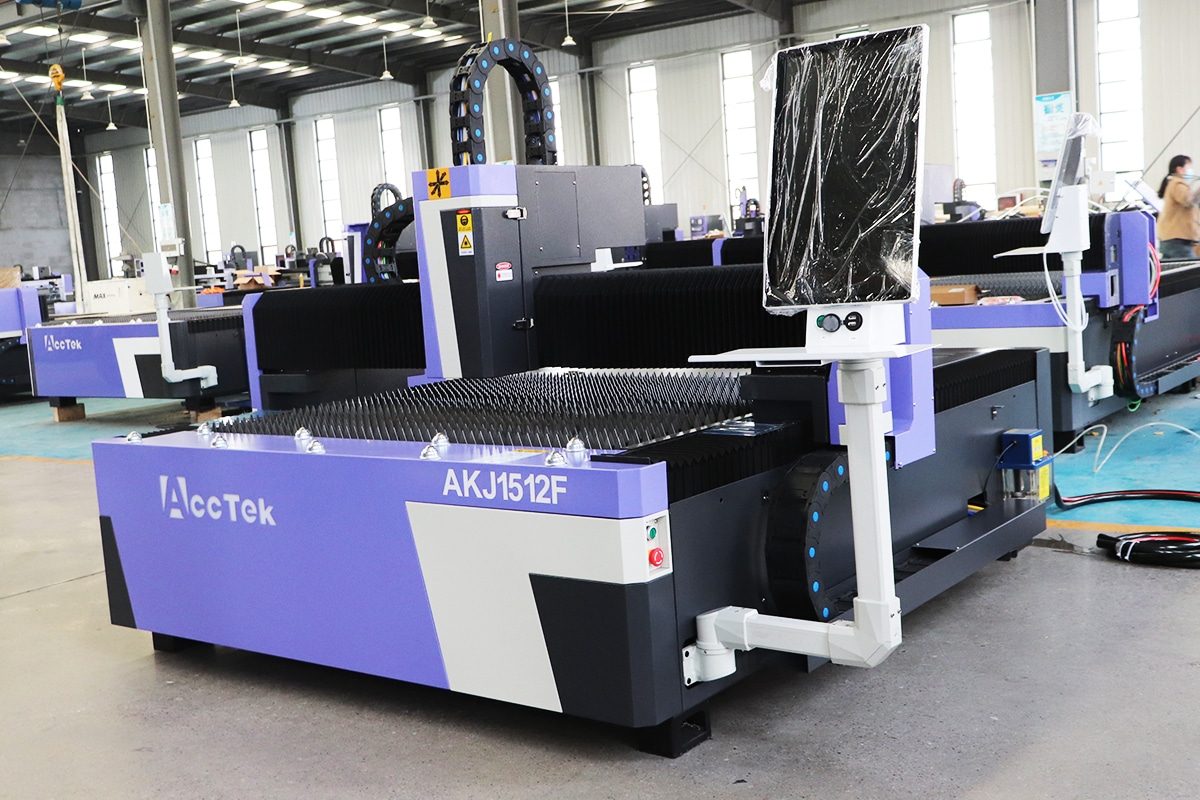
What Are The Main Hazards Of Laser Cutting Machines
Laser cutting machines are widely used in modern manufacturing because they offer high precision, fast processing speed, flexible material compatibility, and excellent cutting quality. From sheet metal fabrication and automotive production to electronics, machinery, advertising, furniture, and custom manufacturing, laser cutting has become an essential technology for improving productivity and reducing manual processing. Although laser cutting machines are efficient and highly automated, they also pose several hazards that should not be ignored. These hazards come from the laser beam itself, the materials being processed, the machine’s motion system, auxiliary gases, electrical components, and the working environment.
The most obvious risk is the high-energy laser beam, which can cause serious eye injuries, skin burns, and fire hazards if it is not properly controlled. During cutting, the intense heat of the laser melts, burns, or vaporizes material, producing sparks, hot slag, smoke, fumes, and potentially harmful gases. Some materials may release toxic substances when cut, especially plastics, coated metals, painted surfaces, composites, or unknown materials. In addition, laser cutting machines often use high-pressure assist gases such as oxygen, nitrogen, or compressed air, which can introduce risks related to gas leakage, pressure, combustion, and improper handling.
Mechanical and electrical hazards are also important. Moving gantries, cutting heads, exchange tables, and automatic loading systems can create pinch, crush, or collision risks. High-voltage power supplies, control cabinets, cooling systems, and damaged cables may lead to electric shock or equipment failure. If ventilation, fire prevention, operator training, and maintenance are inadequate, these risks can increase significantly.
Understanding the main hazards of laser cutting machines is the first step toward safe operation. By recognizing where the dangers come from and how they affect operators, equipment, materials, and the workplace, companies can build safer procedures, choose better protective systems, and reduce the likelihood of accidents.
Table of Contents
Laser Beam And Optical Radiation Hazards
Laser beams and optical radiation hazards are among the most serious risks associated with laser cutting machines. Unlike ordinary light, laser beams are highly concentrated, directional, and capable of delivering a large amount of energy to a very small area. In laser cutting, this energy is powerful enough to melt, vaporize, or burn materials such as carbon steel, stainless steel, aluminum, brass, plastics, wood, and composites. The same energy that makes laser cutting efficient can also cause severe injuries if it reaches the human body directly or indirectly.
Most industrial laser cutting machines use high-power laser sources, such as fiber lasers or CO2 lasers. Depending on the laser type and wavelength, the beam may be visible or invisible to the human eye. Invisible laser radiation is especially dangerous because operators may not realize they are being exposed until injury has already occurred. Even brief exposure can cause eye damage, skin burns, or ignition of nearby materials.
Laser radiation hazards are not limited to the main cutting beam. Reflected beams, scattered radiation, damaged viewing windows, open machine enclosures, improper alignment procedures, and maintenance work can all create dangerous exposure conditions. For this reason, laser beam safety must be considered during normal operation, setup, troubleshooting, cleaning, inspection, and repair. Proper machine enclosure, interlocks, protective windows, warning labels, laser safety eyewear, operating procedures, and trained personnel are essential for reducing optical radiation risks.
Direct Laser Beam Exposure
Direct laser beam exposure is the most dangerous type of laser radiation hazard. It occurs when the primary laser beam comes into direct contact with the eyes, skin, or another part of the body. In laser cutting machines, the beam is designed to focus intense energy onto the workpiece. At the focal point, the power density can be extremely high, allowing the beam to cut through metal or other hard materials. If this beam is accidentally directed toward a person, the results can be immediate and severe.
Direct exposure can happen when a machine enclosure is opened during operation, when safety interlocks are bypassed, or when an operator attempts to observe the cutting process from an unsafe position. It can also occur during testing, alignment, servicing, or after improper modification of the laser cutting system. In some cases, the beam may be invisible, which increases the danger because there may be no natural warning signal. The operator may not blink, look away, or react in time.
The direct beam can damage tissue faster than a person can respond. For example, an exposed hand may suffer burns, while exposed eyes may suffer permanent retinal or corneal injury. In high-power laser cutting systems, direct beam exposure should never be treated as a minor hazard. It should be controlled through enclosed machine design, locked access panels, interlock systems, strict operating procedures, and clear restrictions on who is allowed to service or adjust the laser cutting system.
Eye Injury Risks
Eye injury is one of the most critical hazards of laser cutting machines because the eye is extremely sensitive to optical radiation. The type of injury depends on the wavelength of the laser. Some lasers can damage the retina at the back of the eye, while others may damage the cornea or lens at the front of the eye. In either case, the injury may be serious, painful, and sometimes permanent.
Fiber laser cutting machines commonly use near-infrared laser radiation, which is often invisible. This is particularly dangerous because the eye may not recognize the beam as a threat. The beam can pass through the front of the eye and focus on the retina, where it may cause burns or permanent vision loss. Since the retina does not feel pain in the same way as skin, the person may not immediately realize that damage has occurred. Symptoms may appear later as blurred vision, blind spots, reduced visual clarity, or other vision problems.
CO2 laser cutting machines operate at a different wavelength, and the main risk is usually damage to the cornea. Corneal injury can cause pain, tearing, redness, light sensitivity, and impaired vision. Even if the injury is not permanent, it can still be serious and may require medical treatment.
Eye injury can result from direct exposure, mirror-like reflections, diffuse reflections from bright cutting surfaces, or looking into the cutting area without proper protection. Ordinary safety glasses are not enough. Laser safety eyewear must be selected according to the specific laser wavelength and power level. Viewing windows must also be rated for the machine’s laser type. Operators should never rely on sunglasses, standard workshop goggles, or uncertified viewing panels for laser protection.
Skin Burn Hazards
Although the eyes are usually the most vulnerable organs to laser radiation, skin exposure can also cause serious injuries. A high-power laser beam can heat skin tissue rapidly, causing burns that may range from mild redness to deep thermal injury. The severity depends on laser power, wavelength, exposure time, beam focus, and distance from the beam.
During laser cutting, the beam is concentrated enough to cut industrial materials, so even a short exposure to the skin can be dangerous. Direct contact with the focused beam can cause immediate burns. Scattered or reflected radiation may also create a hazard, especially in high-power systems or when reflective materials are being cut. Operators may not always notice low-level exposure at first, but repeated or prolonged exposure can still damage the skin.
Skin burn hazards are more likely during maintenance, beam alignment, nozzle inspection, lens cleaning, and troubleshooting, when machine panels may be open, and the normal protective enclosure may not be fully effective. Hands, arms, face, and neck are often the most exposed areas. Wearing suitable protective clothing, gloves, and face protection can reduce risk, but the main protection should always come from controlling the beam at the source.
Another concern is that laser radiation can ignite clothing, gloves, cleaning materials, paper, dust, or other flammable substances. Synthetic fabrics may melt when exposed to heat, increasing the severity of burns. For this reason, workers around laser cutting systems should avoid loose clothing, reflective accessories, and flammable materials near the cutting zone. Good housekeeping and appropriate workwear are part of laser radiation safety, not just general workshop cleanliness.
Reflected Beam Hazards
Reflected beam hazards are especially important in laser cutting because many materials have reflective surfaces. Stainless steel, aluminum, brass, copper, polished metal, coated sheets, and mirror-like surfaces can reflect laser energy. Even if the operator is not in the path of the direct beam, a reflected beam may still cause injury or damage equipment.
There are two main types of reflection: specular reflection and diffuse reflection. Specular reflection is mirror-like, meaning the beam remains concentrated and travels in a predictable direction after hitting a reflective surface. This type of reflection can be nearly as dangerous as the direct beam. Diffuse reflection spreads the light in many directions, which usually reduces intensity, but it can still be hazardous in high-power laser cutting systems or at close distances.
Reflected beam hazards may occur when cutting highly reflective metals, when the workpiece is tilted, when the cutting head is misaligned, or when the laser beam strikes clamps, fixtures, machine walls, scrap pieces, or other objects inside the cutting area. Reflection can also damage sensitive machine components such as lenses, protective mirrors, sensors, cameras, cables, or bellows. In severe cases, reflected energy may contribute to fire or machine failure.
To reduce reflected beam hazards, the machine should be properly enclosed, and reflective materials should be processed using suitable parameters and procedures. Operators should ensure that the material is positioned correctly and that the cutting head, nozzle, lens, and assist gas settings are appropriate. Machine design should also include beam traps, protective covers, and non-reflective internal surfaces where necessary. Operators should never assume that the beam only travels downward into the material; reflections can send dangerous radiation in unexpected directions.
Viewing Window And Enclosure Hazards
Viewing windows and machine enclosures are designed to protect operators from laser radiation while allowing them to monitor the cutting process. However, these protective systems can become hazards if they are poorly designed, damaged, modified, or used incorrectly.
A proper laser cutting enclosure should prevent hazardous radiation from escaping during normal operation. Access doors should be fitted with safety interlocks so that the laser stops or cannot fire when the enclosure is opened. Viewing windows should be made from materials rated for the specific laser wavelength and power level. The protection must match the laser type; a window designed for one wavelength may not provide sufficient protection against another.
Problems arise when operators look through damaged, cracked, discolored, or uncertified viewing windows. Over time, heat, sparks, smoke, cleaning chemicals, and mechanical impacts can degrade protective panels. A window that appears visually clear may still have reduced protective performance if its optical filtering properties are damaged. Similarly, replacing an original viewing window with ordinary acrylic, glass, or plastic can create a serious radiation hazard.
Enclosure hazards also occur when doors are left open, panels are removed, covers are not reinstalled, or interlocks are bypassed to speed up production. This is extremely dangerous. The enclosure is not just a machine cover; it is a critical safety barrier. If it is compromised, operators and nearby workers may be exposed to direct, reflected, or scattered laser radiation.
Regular inspection of viewing windows, access panels, seals, interlocks, and warning labels is necessary. Operators should report any damaged protective parts immediately and stop using the machine if the enclosure cannot provide reliable protection. Safe production depends on keeping the machine’s optical safety barriers fully functional.
Alignment And Maintenance Beam Hazards
Alignment and maintenance work can create some of the highest laser radiation risks because normal machine safeguards may be partially disabled or bypassed during these procedures. Technicians may need to inspect the optical path, adjust mirrors, check lenses, test beam quality, clean protective windows, replace nozzles, or troubleshoot cutting problems. During these tasks, the machine may be open, and the beam path may not be fully enclosed.
Even low-power alignment beams can be hazardous if they are viewed directly or through optical instruments. In some machines, a visible red guide laser is used for positioning, while the main cutting laser may be invisible. Operators must not confuse a low-power guide beam with the high-power cutting beam. The presence of a guide beam does not mean the main beam is safe or inactive.
Maintenance hazards increase when workers are under time pressure, lack training, or attempt to adjust the machine while it is energized. A common mistake is assuming that because the machine is not cutting material, there is no laser hazard. In reality, test pulses, focusing checks, beam alignment, calibration, and diagnostic procedures can still produce dangerous radiation.
Only trained and authorized personnel should perform laser alignment and maintenance. Safe procedures may include reducing laser power where possible, using beam blocks, wearing wavelength-specific laser safety eyewear, controlling access to the area, using proper lockout/tagout procedures, and following the manufacturer’s maintenance instructions. Tools, watches, jewelry, and reflective objects should be kept away from the beam path. Any service activity involving the laser source should be treated as a controlled high-risk task rather than a routine machine adjustment.
Laser beam and optical radiation hazards are central safety concerns in laser cutting operations. The laser beam is powerful enough to cut industrial materials, which means it can also cause serious harm to eyes, skin, equipment, and surrounding objects if it escapes from the intended cutting path. Direct exposure is the most dangerous condition, but reflected and scattered radiation can also create significant risks, especially when processing reflective metals or working near open machine panels.
Eye injuries are particularly serious because laser radiation can damage sensitive eye structures before a person has time to react. Skin burns, clothing ignition, and equipment damage are also possible when the beam is not properly controlled. Protective enclosures, rated viewing windows, interlocks, warning systems, and correct laser safety eyewear are essential parts of a safe cutting environment.
The risks become even greater during alignment, inspection, troubleshooting, and maintenance because protective barriers may be removed or temporarily disabled. For this reason, laser safety should not only focus on normal production but also on every stage of machine use. A safe laser cutting workplace depends on proper machine design, trained personnel, strict procedures, regular inspection, and a clear understanding that both visible and invisible laser radiation can be dangerous.
Fire And Explosion Hazards
Fire and explosion hazards are major safety concerns in laser cutting operations because the process relies on concentrated thermal energy. Laser cutting machines work by focusing a high-power beam onto a small area of material, rapidly heating it until it melts, burns, or vaporizes. This intense heat makes cutting fast and precise, but it also creates ignition sources that can start fires if flammable materials, combustible dust, oil, paper, packaging, or poor housekeeping conditions are present nearby.
Unlike some mechanical cutting methods, laser cutting can produce sparks, molten metal, hot slag, smoke, glowing particles, and high-temperature surfaces. These by-products may travel beyond the immediate cutting area, fall into the machine bed, collect in drawers, or reach hidden areas beneath the workpiece. If combustible residue has accumulated in the cutting table, exhaust duct, filter system, or surrounding workspace, even a small spark can develop into a serious fire.
The fire risk also depends on the material being cut and the assist gas being used. Oxygen can accelerate combustion and make fires more intense, while flammable materials such as wood, acrylic, foam, rubber, textiles, paper, and some plastics can ignite quickly under laser heat. In addition, fine dust produced during cutting or from previous processes can create explosion hazards when suspended in the air at the right concentration.
Fire and explosion prevention requires more than simply keeping a fire extinguisher near the machine. It requires proper material selection, clean work areas, correct cutting parameters, effective ventilation, safe gas handling, regular removal of slag and dust, and suitable fire detection or suppression systems. Operators must understand that laser cutting machines are not only precision tools but also high-energy thermal systems that can create fire hazards during normal production, testing, maintenance, and unattended operation.
High Heat And Ignition Sources
The main fire hazard in laser cutting comes from the extremely high temperature generated at the cutting point. The laser beam concentrates a large amount of energy into a small spot, raising the material temperature within a very short time. Depending on the material and cutting parameters, this heat can melt metal, vaporize coatings, char organic materials, or ignite combustible substances.
The cutting zone itself is not the only ignition source. Hot workpieces, recently cut edges, molten droplets, glowing slag, heated fixtures, and the underside of the material can all remain hot after cutting. Operators may assume that the hazard ends when the laser beam stops, but heat can stay in the material, machine bed, or scrap pieces long enough to ignite nearby combustibles later.
Ignition sources can also come from incorrect machine settings. Excessive laser power, slow cutting speed, poor focus, wrong nozzle distance, insufficient assist gas flow, or poor nesting design can cause overheating. If the beam dwells too long in one area, it may burn through support slats, ignite residue, or create excessive molten material. Piercing operations are especially risky because the laser often stays in one location briefly to penetrate the material, producing concentrated heat and sparks.
Fire hazards increase when combustible items are stored near the laser cutting machine. Cardboard, plastic film, wooden pallets, cleaning cloths, oily rags, paper drawings, packaging foam, and dust-covered surfaces can all catch fire if exposed to sparks or hot particles. Good housekeeping is therefore a core part of fire prevention. The area around the machine should be kept clear, and the machine bed should be inspected regularly for accumulated slag, debris, and combustible residue.
Sparks, Slag, And Molten Metal
Laser cutting often produces sparks, slag, and molten metal, especially when cutting carbon steel, stainless steel, aluminum, or other metals. These by-products are not just a sign of normal cutting; they are also potential ignition sources. Sparks may scatter from the cutting zone, while molten metal and slag can fall through the workpiece into the cutting bed or collection tray below.
Molten metal particles can remain hot for a long time after leaving the cut. If they land on combustible material, dust, oil, paper, plastic, or dry residue, they may start a fire. Even if a flame does not appear immediately, smoldering can occur inside hidden areas of the machine, under slag buildup, inside collection bins, or within the exhaust system. This delayed ignition is dangerous because operators may not notice the problem until smoke or flames become visible.
Slag accumulation is another serious issue. Over time, support slats, drawers, and cutting beds can collect layers of metal residue, oxide, dust, and scrap. This buildup can trap heat, block airflow, and create places where sparks remain active. In some cases, slag buildup may also interfere with proper workpiece support, causing uneven cutting conditions and more spatter.
When cutting thick metal, piercing holes, or using oxygen assist gas, sparks and molten ejecta may be more intense. The risk also increases if the material has coatings, paint, oil, protective film, or rust, because these surface layers may burn or produce additional residue. Operators should remove unnecessary coatings or protective films when possible and ensure the machine bed is cleaned on a regular schedule.
Safe operation requires attention to where sparks and slag travel. It is not enough to look only at the cutting line. Operators should check the underside of the workpiece, collection areas, exhaust inlets, and machine bed. Any unusual amount of spatter, excessive smoke, or glowing material should be treated as a warning sign that cutting parameters, gas settings, material condition, or machine cleanliness need to be reviewed.
Cutting Flammable Materials
Cutting flammable materials creates a much higher fire risk than cutting most metals. Materials such as wood, acrylic, paper, cardboard, leather, rubber, foam, fabric, plastics, and composite panels can ignite, melt, drip, char, or continue burning after the laser passes. These materials may be suitable for laser cutting in certain applications, but they require careful parameter control and strong fire prevention measures.
Organic materials like wood and paper can char at the cutting edge and may catch fire if the laser power is too high or the cutting speed is too slow. Acrylic can produce a clean cut edge, but it can also flame during cutting if the heat is not properly controlled. Foam, rubber, and textiles may ignite quickly and can produce dense smoke. Some plastics may melt and drip, spreading burning material to the cutting bed or nearby surfaces.
Material identification is extremely important. Operators should never cut unknown plastics or coated materials without confirming their composition. Some materials are not only flammable but also chemically hazardous when heated. For example, certain plastics can release corrosive or toxic gases. Others may produce heavy smoke, sticky residue, or combustible vapors. Cutting the wrong material can therefore create both fire and health hazards.
Protective films, adhesives, laminates, paints, oils, and surface coatings can also increase fire risk. A metal sheet may seem non-combustible, but its protective film or oily surface may burn during cutting. Composite materials may contain layers with different thermal behavior, making them unpredictable under laser heat.
When cutting flammable materials, operators should avoid leaving the machine unattended. Cutting parameters should be tested carefully, ventilation should be effective, and the machine bed should be free from combustible debris. Flame flare-ups, persistent glowing, excessive smoke, or unusual odors should be treated as warning signs. If a material continues burning after the laser moves away, production should stop until the cause is corrected.
Oxygen-Enhanced Fire Risk
Oxygen is commonly used as an assist gas in laser cutting, especially for carbon steel. It supports an oxidation reaction that helps the laser cut faster and more efficiently. However, oxygen also increases fire risk because it makes combustion easier, faster, and more intense.
In an oxygen-rich environment, materials that would normally burn slowly may ignite more readily. Sparks can become more energetic, and flames can spread faster. Oil, grease, dust, clothing, paper, and plastic materials are especially dangerous around oxygen systems. Even small amounts of oil or grease on fittings, hoses, regulators, or valves can create a serious fire hazard when exposed to oxygen under pressure.
Oxygen-enhanced fire risk is not limited to the cutting point. Leaking oxygen lines, damaged hoses, loose fittings, or improper gas connections can enrich the surrounding air with oxygen. This may not be obvious to operators, but it can greatly increase the chance of ignition. If a spark or hot particle reaches an oxygen-enriched area, the resulting fire may be more difficult to control.
Incorrect gas pressure or flow settings can also increase risk. Too much oxygen may create excessive burning, spatter, and heat input. Poor nozzle condition or improper alignment can cause unstable cutting and more sparks. During piercing, oxygen-assisted cutting can produce intense bursts of molten material, making the cutting bed and surrounding area more vulnerable to ignition.
Safe oxygen use requires proper gas system maintenance, leak checks, clean fittings, correct pressure settings, and strict separation from oil, grease, and combustible materials. Operators should understand that oxygen itself is not flammable, but it strongly supports combustion. This distinction is important because people sometimes underestimate oxygen hazards simply because oxygen does not burn by itself. In laser cutting, oxygen can turn a small spark into a fast-growing fire.
Dust Explosion Hazards
Dust explosion hazards are often overlooked in laser cutting workshops, but they can be severe under the right conditions. A dust explosion can occur when fine combustible particles are suspended in air, mixed with oxygen, and exposed to an ignition source. Laser cutting can provide several ignition sources, including sparks, hot slag, glowing particles, heated surfaces, and electrical faults.
Combustible dust may come from many materials, including wood, plastics, rubber, textiles, composites, coatings, and some metals. Fine dust is more dangerous than large particles because it has a greater surface area and can burn rapidly. When dust accumulates on machine surfaces, floors, ducts, filters, or hidden ledges, it can be disturbed by airflow, cleaning, vibration, or machine movement and become airborne.
Metal dust deserves special attention. Aluminum, magnesium, titanium, and certain fine metal powders can present serious combustion or explosion risks. Even if laser cutting machines mainly process sheet metal, dust and fine particles may collect in the exhaust system, filter unit, or dust collector. If these particles are combustible and the system is not designed for them, a fire or explosion may occur.
Dust collectors and extraction systems can become high-risk areas because they concentrate dust and airflow in one place. A spark drawn into the exhaust system may ignite filter media or accumulated dust. If the system lacks proper spark arrestors, explosion venting, grounding, fire isolation, or suitable filtration design, the hazard can spread beyond the machine.
Good dust control requires regular cleaning, proper ventilation, safe filter maintenance, and correct handling of collected dust. Dry sweeping or compressed air cleaning may make dust airborne and increase explosion risk. Vacuum systems used for combustible dust should be appropriate for the material. Operators should also avoid mixing incompatible dusts or allowing metal dust, plastic dust, wood dust, and oily residue to accumulate together. Dust that seems harmless in small amounts can become dangerous when allowed to build up over time.
Fire Detection And Suppression Limitations
Fire detection and suppression systems are important safety measures, but they have limitations. Operators should not assume that a machine is completely safe simply because it has a detector, alarm, or automatic suppression device. These systems reduce risk, but they do not replace proper operating procedures, supervision, cleaning, and material control.
Fire detection may be delayed if smoke or flames develop in hidden areas of the machine. For example, a small fire may begin under the cutting table, inside a slag collection drawer, behind a panel, inside an exhaust duct, or within a filter unit. If the detector is not located near the source, or if airflow pulls smoke away from the sensor, the system may not respond immediately.
Automatic suppression systems also have limits. Some systems are designed to extinguish small fires inside a defined machine enclosure, but they may not control fires that spread outside the protected area. Others may not be suitable for certain materials, electrical components, gas systems, or metal fires. A fire involving combustible dust, oxygen-enriched conditions, molten metal, or reactive metals may require specialized response methods.
Portable fire extinguishers must also be selected carefully. The wrong extinguisher can be ineffective or even dangerous for certain types of fires. For example, metal fires may require special extinguishing agents, while electrical fires require equipment-safe methods. Operators should know which extinguishers are available, where they are located, and what types of fires they are intended to handle.
Another limitation is human response. If operators are not trained, they may hesitate, use the wrong extinguisher, open the enclosure at the wrong time, or continue production after a small fire appears to be out. A fire that seems extinguished may reignite if hot slag, burning dust, or overheated material remains inside the machine.
For these reasons, fire detection and suppression should be part of a broader fire safety plan. The plan should include emergency stop procedures, evacuation routes, gas shutoff steps, maintenance schedules, cleaning routines, inspection records, and operator training. Fire safety works best when prevention, detection, suppression, and human response are all considered together.
Fire and explosion hazards in laser cutting machines come from the same energy that makes the process effective: intense, concentrated heat. The laser beam, hot workpiece, sparks, slag, molten metal, and heated machine components can all act as ignition sources. If combustible materials, dust, oils, coatings, packaging, or poor housekeeping conditions are present, a small spark can quickly become a serious fire.
The risk increases when cutting flammable materials or using oxygen-assisted gas. Wood, acrylic, foam, rubber, textiles, plastics, protective films, and coated materials may ignite, melt, smoke, or continue burning after cutting. Oxygen can accelerate combustion and make fires more intense, while dust from metals, plastics, wood, or composites can create explosion hazards if it accumulates and becomes airborne.
Fire detection and suppression systems are valuable, but they are not perfect safeguards. They may not detect hidden fires immediately, and they may not be suitable for every material or fire type. Safe laser cutting requires prevention first: correct material identification, proper gas handling, clean work areas, regular removal of slag and dust, careful parameter control, trained operators, and a clear emergency response plan. Laser cutting machines should always be treated as a high-energy thermal system, not just as an automated cutting tool.
Fume, Smoke, Gas, And Particulate Hazards
Fume, smoke, gas, and particulate hazards are among the most important health risks associated with laser cutting machines. During laser cutting, the laser beam concentrates intense heat on a small area of material. This heat can melt, burn, oxidize, vaporize, or chemically decompose the workpiece and its surface layers. As a result, the cutting process may release visible smoke, invisible gases, metal fumes, fine dust, ultrafine particles, vapors, and chemical by-products into the working environment.
These airborne hazards vary greatly depending on the material being cut, the laser power, cutting speed, assist gas, surface coating, ventilation design, and filtration efficiency. Cutting clean carbon steel may produce iron oxide fumes and particulates, while stainless steel can generate fumes containing chromium and nickel compounds. Painted, galvanized, coated, oiled, or plated materials may release additional hazardous substances. Plastics and polymers can be even more unpredictable because some materials release toxic, corrosive, irritating, or flammable decomposition products when heated.
One of the biggest dangers is that not all airborne hazards are easy to see or smell. A cutting process may appear clean while still producing ultrafine particles that can penetrate deep into the lungs. Some gases may be invisible and odorless. Others may have strong odors but become dangerous before workers fully understand the exposure. For this reason, relying only on visual observation is not enough.
Effective control requires material identification, proper exhaust design, local extraction near the cutting zone, suitable filtration media, regular filter replacement, safe duct maintenance, and air quality awareness. Operators should understand that smoke and fumes are not just unpleasant by-products; they are potential respiratory, chemical, and environmental hazards. Laser cutting machines should never be operated in a poorly ventilated space or with a damaged, overloaded, or unsuitable fume extraction system.
Why Laser Cutting Produces Fumes
Laser cutting produces fumes because the process uses intense thermal energy to separate material. The laser beam rapidly heats the workpiece until the material melts, vaporizes, burns, or reacts with the assist gas. At the cutting front, some material is removed as molten droplets, while another portion may turn into vapor or fine particles. When hot vapor cools in the surrounding air, it can condense into extremely small particles that form visible smoke or invisible airborne fume.
The amount and composition of fume depend on several factors. Material type is one of the most important. Metals, plastics, wood, rubber, textiles, composites, and coated materials all behave differently under laser heat. Metals may form metal oxides and fine particulate matter. Organic materials may produce smoke, tar-like compounds, carbon particles, volatile organic compounds, and irritating gases. Coated materials may release fumes not only from the base material but also from paint, plating, oil, adhesive, protective film, or surface treatment layers.
Laser parameters also affect fume generation. Excessive power, slow cutting speed, poor focus, incorrect nozzle height, unstable piercing, or inadequate assist gas flow can increase heat input and produce more smoke. If the laser burns material instead of cleanly cutting it, airborne contamination usually increases. Piercing points, sharp corners, small holes, and thick materials may generate more fumes because the beam remains concentrated in one area longer.
Assist gas plays a major role as well. Oxygen can support oxidation and combustion, increasing smoke and reaction products. Nitrogen may reduce oxidation, but can still blow fine particles and vaporized material into the exhaust stream. Compressed air can introduce oxygen and moisture, which may affect the chemistry of the cutting process.
Fume generation is therefore not a fixed condition. The same machine may produce very different airborne hazards when cutting different materials or using different parameters. This is why safe laser cutting requires more than simply turning on an exhaust fan. Operators must understand what is being cut, how it is being cut, and whether the ventilation system is suitable for the actual process.
Metal Fume Hazards
Metal fume hazards are common in industrial laser cutting, especially when processing carbon steel, stainless steel, galvanized steel, aluminum, brass, copper, titanium, and other alloys. When metal is heated to very high temperatures, a portion of it can vaporize and then condense into fine particles. These particles may be small enough to be inhaled deeply into the respiratory system.
Carbon steel cutting can produce iron oxide fumes and fine particulate matter. While iron oxide is often considered less hazardous than some other metal fumes, repeated exposure can still irritate the respiratory system and contribute to long-term lung concerns. Cutting stainless steel can be more hazardous because stainless steel contains chromium and nickel. Depending on the cutting process and exposure conditions, fumes may contain chromium compounds and nickel-containing particles, which require stricter control due to their health risks.
Galvanized steel presents another concern because its zinc coating can produce zinc oxide fumes when heated. Exposure to zinc oxide fumes can cause metal fume fever, a flu-like condition that may include fever, chills, coughing, chest tightness, headache, and fatigue. Operators may underestimate galvanized materials because the base metal looks similar to ordinary steel, but the coating changes the fume hazard significantly.
Aluminum cutting can produce fine aluminum oxide particles, and certain aluminum alloys may contain additional elements that affect fume composition. Brass and bronze may release copper and zinc-containing fumes. Titanium and magnesium require special attention because fine particles or dust from these metals may also create fire or explosion risks under certain conditions.
Metal fumes are dangerous partly because they may not always be highly visible. A cutting machine may have a strong exhaust system that removes visible smoke from the enclosure, but fine particles may still escape if the filtration system is poorly sealed, undersized, or not designed for the specific material. Operators should avoid breathing cutting fumes directly and should not stand near exhaust leaks, open doors, or discharge points.
Proper control includes effective local exhaust ventilation, suitable particulate filtration, regular maintenance of extraction systems, and careful review of the materials being processed. When cutting alloys or coated metals, operators should consider not only the main metal but also all alloying elements, surface layers, and contaminants that may enter the fume stream.
Coating And Surface Treatment Hazards
Coatings and surface treatments can make laser cutting fumes much more hazardous. A sheet of metal may appear simple, but its surface may contain paint, powder coating, zinc galvanizing, chrome plating, nickel plating, oil, anti-rust film, primer, adhesive, plastic protective film, anodizing, chemical treatment, or residue from previous processing. When these layers are exposed to the laser beam, they may burn, vaporize, decompose, or react chemically.
Painted and powder-coated materials can release smoke, volatile organic compounds, pigments, binders, and decomposition products. Some coatings may contain heavy metals or other hazardous additives. When heated, these substances may produce fumes that are more harmful than fumes from the base metal itself. Old coatings are especially risky because their exact composition may be unknown.
Galvanized materials are a common example of coating-related risk. The zinc layer protects steel from corrosion, but when it is heated during cutting, it can produce zinc oxide fumes. These fumes can irritate the respiratory system and may cause metal fume fever. Operators who frequently cut galvanized steel need strong extraction and should avoid inhaling any visible or invisible fumes.
Oils, lubricants, anti-rust coatings, and cutting residues can also increase fume and smoke production. Oil on the surface may burn, producing irritating smoke and organic vapors. Protective plastic film may melt, shrink, ignite, or release harmful fumes. Adhesive-backed materials may release additional chemical vapors when heated.
Surface contamination is another problem. Materials stored in warehouses or workshops may collect dust, grease, cleaning chemicals, labels, tape, or packaging residue. If these contaminants enter the cutting zone, they may create unexpected smoke or odors. Even small amounts of contamination can matter when the laser concentrates heat into a very small area.
Safe operation requires identifying and evaluating surface treatments before cutting. Operators should remove unnecessary films, oils, labels, and residues whenever possible. If coated materials must be cut, the ventilation and filtration system must be suitable for the coating as well as the base material. When the coating is unknown, operators should not assume it is safe. Material safety information, supplier documentation, or controlled testing may be needed before production.
Plastic And Polymer Fume Hazards
Plastic and polymer fume hazards can be severe because many synthetic materials decompose into irritating, toxic, corrosive, or flammable substances when heated. While some plastics can be laser cut successfully under controlled conditions, others should not be cut at all because they release dangerous gases or produce heavy smoke and residue.
Acrylic is commonly processed with CO2 laser cutting machines and can produce smooth edges, but it may still release strong-smelling vapors and flammable decomposition products. Polycarbonate, ABS, nylon, polyethylene, polypropylene, rubber, foam, PVC, vinyl, and composite plastics can behave very differently. Some melt and drip, some burn, some char, and some produce dense smoke that can overwhelm filtration systems.
PVC and vinyl materials are especially dangerous because they can release hydrogen chloride gas and other chlorinated by-products when heated. Hydrogen chloride is corrosive and irritating to the respiratory tract, eyes, skin, machine components, ducts, and filtration equipment. It can also combine with moisture to form hydrochloric acid, which may damage the laser cutting machine and exhaust system. For this reason, PVC and vinyl materials are generally considered unsuitable for laser cutting.
Some plastics may release cyanide-containing compounds, formaldehyde, styrene, benzene, isocyanates, or other hazardous decomposition products depending on their chemistry and additives. Flame retardants, pigments, fillers, plasticizers, fiberglass reinforcement, adhesives, and laminates can all change the fume composition. This makes plastic cutting much less predictable than cutting a known, clean metal sheet.
Polymer fumes may also create sticky deposits in the machine, ductwork, lenses, filters, and exhaust system. These deposits can reduce airflow, damage optical components, increase fire risk, and create unpleasant odors. If a filtration system is designed mainly for metal dust, it may not effectively capture chemical vapors from plastics.
Material identification is therefore essential. Operators should never cut unknown plastics based only on appearance. Many plastics look similar but produce very different hazards when heated. Before cutting any polymer, the material type, additives, coatings, and expected decomposition products should be reviewed. If the material cannot be identified, it should not be processed until its safety is confirmed. Good laser cutting practice means asking not only “Can the laser cut this material?” but also “What will this material release when it is cut?”
Ultrafine Particle Hazards
Ultrafine particles are one of the more hidden hazards of laser cutting. These particles are extremely small, often much smaller than ordinary dust that can be seen with the naked eye. Because of their size, they can remain suspended in the air for a long time and may penetrate deep into the lungs when inhaled.
Laser cutting can generate ultrafine particles when hot vapor from the cutting zone cools rapidly and condenses into tiny solid or liquid particles. These particles may contain metal oxides, carbon, coating residues, polymer decomposition products, or mixed chemical compounds. Their composition depends on the material being cut and the surrounding process conditions.
The danger of ultrafine particles is not only their chemical composition but also their size. Larger particles may be trapped in the nose or upper airways, while ultrafine particles can travel deeper into the respiratory system. Some may reach the alveoli, where gas exchange occurs. This can contribute to respiratory irritation, inflammation, or longer-term health risks, especially with repeated exposure.
Ultrafine particles are also difficult to control by appearance. A workspace may look clean if visible smoke is removed quickly, but ultrafine particles may still be present if the extraction airflow is poor or filtration efficiency is inadequate. Operators may believe the environment is safe simply because they cannot see smoke. That assumption can be misleading.
Filtration performance matters greatly. Not all filters capture ultrafine particles effectively. Poorly fitted filters, damaged seals, overloaded cartridges, bypass leaks, or incorrect filter grades can allow fine particles to return to the workplace. Recirculating air filtration units require special attention because any failure in filtration may send contaminants back into the breathing zone.
Reducing ultrafine particle exposure requires strong local extraction close to the cutting source, proper enclosure airflow, high-efficiency filtration, routine filter inspection, and attention to air leaks. In high-production environments, air monitoring may also be necessary to confirm that ventilation controls are working as expected. Because ultrafine particles are not easy to see, safety must rely on proper engineering controls rather than visual judgment.
Assist Gas Reaction Products
Assist gases are essential to laser cutting, but they can influence the type and amount of airborne contaminants produced. Common assist gases include oxygen, nitrogen, and compressed air. These gases help remove molten material from the kerf, improve cutting speed, protect the cutting zone, and influence edge quality. However, they also affect chemical reactions during cutting.
Oxygen can increase oxidation and combustion. When used with carbon steel, oxygen supports an exothermic reaction that helps the cutting process. At the same time, it can increase the production of metal oxides, smoke, sparks, and heat-related reaction products. Oxygen-assisted cutting may also intensify the burning of coatings, oils, films, or combustible materials on the workpiece.
Nitrogen is often used to reduce oxidation and produce cleaner edges, especially for stainless steel and aluminum. However, nitrogen does not eliminate fume hazards. It can still blow vaporized metal and fine particles into the exhaust stream. Under high-temperature conditions, nitrogen and oxygen from the surrounding air may also contribute to nitrogen oxide formation, especially if the cutting process creates very hot zones.
Compressed air contains oxygen and nitrogen, and may also contain moisture, oil, or contaminants if the air supply is not properly treated. Using compressed air as an assist gas can increase oxidation compared with nitrogen and may contribute to additional fumes, especially if the air quality is poor. Oil-contaminated compressed air can introduce extra smoke, residue, and fire risk.
The reaction products also depend on the material being cut. When cutting coated metals, polymers, or composites, assist gas can influence how materials burn, oxidize, or decompose. For example, oxygen can worsen smoke and flame behavior in combustible materials, while high-pressure gas flow can spread fumes or fine particles if extraction is inadequate.
Gas flow direction and pressure affect exposure as well. If the assist gas pushes fumes away from the capture zone or causes turbulence inside the enclosure, contaminants may escape into the workshop. Poorly balanced exhaust and assist gas flow can lead to visible smoke leakage, odor problems, or particle escape when machine doors are opened.
Safe use of assist gases requires correct gas selection, proper pressure control, clean gas supply, nozzle maintenance, and ventilation that is matched to the process. Operators should understand that assist gas is not only a cutting aid; it is also part of the chemical and airflow environment that determines what contaminants are produced and where they travel.
Ventilation And Filtration Failures
Ventilation and filtration failures can turn a normally controlled laser cutting process into a serious health hazard. Because laser cutting produces fumes, smoke, gases, and particulates at the source, the machine depends heavily on local exhaust ventilation and filtration to remove contaminants before they reach the operator’s breathing zone.
A common failure is insufficient airflow. This can happen when fans are undersized, ducts are too long, filters are clogged, dampers are closed, extraction openings are blocked, or the system is poorly designed. When airflow is weak, smoke may linger inside the cutting enclosure, leak through gaps, or escape when doors are opened. Operators may notice stronger odors, hazy air, soot buildup, or smoke drifting out of the machine.
Filter failure is another major concern. Filters become less effective when they are overloaded, damaged, incorrectly installed, or not suitable for the material being cut. A filter designed for larger dust particles may not capture ultrafine particles. A particulate filter may not remove chemical vapors or gases. Activated carbon or chemical filtration media may become saturated and stop adsorbing odors and gases, even if the unit still appears to be running.
Leaks and bypass paths can make filtration ineffective. If seals around filter cartridges are damaged, if access doors do not close tightly, or if duct joints leak, contaminated air may bypass the filter. In recirculating systems, this is especially dangerous because pollutants may be returned directly to the workplace. Exhaust discharge location also matters. If contaminated air is exhausted near doors, windows, air intakes, or neighboring work areas, it may re-enter the building or expose other workers.
Ventilation failure can also affect machine performance and fire safety. Poor extraction allows smoke and residue to deposit on lenses, mirrors, sensors, rails, ducts, and electronic components. This can reduce cutting quality, increase maintenance needs, and create combustible buildup inside the system. A clogged filter may also increase the risk of fire if sparks or hot particles enter the extraction unit.
Good control requires routine inspection, airflow checks, filter replacement schedules, proper duct cleaning, and clear warning indicators for low airflow or filter saturation. Operators should not continue cutting simply because the laser still works. If smoke is escaping, odors are increasing, filters are overloaded, or airflow alarms appear, production should stop until the ventilation problem is corrected. Clean air is part of safe laser cutting, not an optional accessory.
Fume, smoke, gas, and particulate hazards are created when laser cutting heat melts, vaporizes, burns, oxidizes, or decomposes material. The resulting airborne contaminants may include metal fumes, ultrafine particles, coating decomposition products, plastic vapors, irritating gases, and reaction products from assist gases. These hazards are not always visible, and a clean-looking workspace can still contain respirable particles or harmful gases if ventilation is inadequate.
The type of hazard depends strongly on the material and surface condition. Metals may release metal oxide fumes, stainless steel may produce chromium and nickel-containing particles, galvanized steel may release zinc oxide fumes, and coated materials may produce additional chemical by-products. Plastics and polymers can be especially dangerous because some release toxic or corrosive gases when heated. Unknown materials should never be cut without confirming their composition and safety.
Ventilation and filtration are the primary controls, but they must be properly designed, maintained, and matched to the cutting process. Weak airflow, clogged filters, damaged seals, saturated chemical media, poor duct design, or unsuitable filtration can allow contaminants to escape into the workplace. Safe laser cutting requires effective source extraction, material awareness, regular maintenance, and operator attention to smoke, odor, airflow, and filter condition. Managing airborne hazards is not only about comfort; it is essential for protecting worker health, machine reliability, and the overall safety of the cutting environment.
Thermal Hazards
Thermal hazards are a major part of laser cutting machine safety because the cutting process is based on extremely concentrated heat. Laser cutting machines use a focused beam to raise the temperature of the material rapidly until it melts, burns, vaporizes, or separates along the cutting path. Although the laser beam itself is the main heat source, the danger does not disappear once the beam moves away. Workpieces, cut edges, scrap parts, support slats, slag, dross, fixtures, and surrounding machine components may remain hot enough to burn skin, ignite materials, or damage equipment.
Thermal hazards are sometimes underestimated because they may not be as visually dramatic as flames, sparks, or smoke. A freshly cut metal part may look normal but still be hot enough to cause serious burns. Small cut pieces may fall into the machine bed and retain heat. Molten metal can be ejected during piercing or unstable cutting. Heat-affected materials may warp, weaken, release fumes, or become difficult to handle safely.
These hazards are especially important in high-power laser cutting, thick plate cutting, oxygen-assisted cutting, high-speed production, and cutting operations involving reflective, coated, or heat-sensitive materials. Operators may face burn risks during material unloading, part sorting, scrap removal, nozzle inspection, lens cleaning, machine bed cleaning, and maintenance work. Thermal hazards can also create secondary risks, such as fire, smoke generation, material deformation, and unexpected part movement.
Controlling thermal hazards requires awareness of residual heat, correct cutting parameters, safe handling procedures, proper personal protective equipment, and enough cooling time before touching or moving cut materials. Operators should treat recently cut parts and machine surfaces as hot unless proven otherwise. In laser cutting, heat is not only part of the process; it is also one of the most common sources of injury.
Hot Workpieces
Hot workpieces are one of the most common thermal hazards in laser cutting. During cutting, the laser beam transfers intense energy into a small area of the material. Even though the cut may be narrow and precise, heat spreads into the surrounding workpiece. As a result, the finished part, scrap skeleton, cut edge, and nearby material may remain hot after the cutting cycle ends.
The temperature of a workpiece depends on the material type, thickness, cutting speed, laser power, assist gas, and part geometry. Thin sheets may cool relatively quickly, but thick plates can retain heat for a long time. Small parts can become hot throughout because heat has less area to spread. Dense nesting patterns may also increase heat buildup because many cuts are made close together. If many small parts are cut in a limited area, the entire sheet may become difficult to handle safely.
Operators may suffer burns when unloading parts too soon after cutting. The risk is higher when workers use bare hands or lightweight gloves that are not designed for hot metal. Cut edges can be especially dangerous because they may be both sharp and hot. A worker may instinctively grip an edge to lift a part and receive both a cut and a burn at the same time.
Hot workpieces can also create handling and storage hazards. Placing hot parts on plastic pallets, cardboard, paper, wooden surfaces, painted benches, or near flammable materials may cause melting, scorching, or ignition. Stacking hot parts can trap heat between layers and delay cooling. If workers assume that the top part is cool while the lower parts remain hot, burns may occur during later handling.
Thermal expansion can also affect part behavior. Large metal sheets or long components may bend, warp, or shift as heat builds up. A part that appears stable during cutting may move slightly after separation, especially if internal stresses are released. This can create pinch points, unstable scrap, or unexpected part movement during unloading.
Safe handling of hot workpieces requires patience and proper procedures. Operators should allow adequate cooling time, use heat-resistant gloves or tools, avoid touching cut edges directly, and confirm part temperature before manual handling. Work areas should include heat-resistant surfaces for temporary placement. Workers should also communicate clearly when parts are still hot, especially in shared production areas where another person may handle the material later.
Hot Slag And Dross
Hot slag and dross are important thermal hazards because they can remain active and dangerous even after the cutting process appears complete. Slag refers to molten or partially solidified material expelled during cutting, while dross usually describes metal residue that solidifies along the underside of the cut edge. Both are created when the laser melts material, and the assist gas blows molten metal out of the kerf.
During laser cutting, molten material falls through the workpiece and collects on support slats, in the cutting bed, in slag drawers, or on scrap pieces below the table. These particles may appear small, but they can retain enough heat to burn skin, damage gloves, melt plastic, scorch surfaces, or ignite combustible residue. Because slag often falls into hidden areas of the machine, operators may not notice it until smoke, odor, or fire appears.
Dross attached to the bottom of parts can also be hazardous during unloading and finishing. A cut part may look safe from above, but the underside may have sharp, hot, irregular deposits. If workers reach under the part, slide it across a table, or stack it against other components, they may be exposed to burns, cuts, and scratches. Dross can also break off during handling and fall onto shoes, clothing, hoses, or nearby materials.
Slag accumulation increases risk over time. Support slats and collection trays may collect layers of hot metal residue, dust, oxide, and scrap. This buildup can trap heat and create smoldering areas. If combustible dust, oil, paper, plastic film, or wood particles are present in the machine bed, hot slag can become an ignition source. Heavy slag buildup can also restrict airflow in the cutting bed, making fume extraction less effective and increasing heat concentration inside the machine.
Cleaning slag and dross creates its own hazards. Workers may use tools to scrape slats, remove drawers, empty collection bins, or handle scrap skeletons. If the machine has not cooled properly, these tasks can expose workers to hot metal, sharp edges, and falling particles. Slag drawers may contain hidden hot spots, especially after thick plate cutting or oxygen-assisted cutting.
To reduce risk, operators should clean the cutting bed regularly, remove accumulated slag according to a safe schedule, and allow sufficient cooling time before maintenance. Heat-resistant gloves, eye protection, protective footwear, and suitable tools should be used when handling slag or dross-covered materials. Workers should never assume that small particles are harmless simply because they are no longer glowing. Metal can remain hot enough to cause injury even after visible brightness has disappeared.
Molten Metal Ejection
Molten metal ejection occurs when liquid metal is forcefully expelled from the cutting zone. This is a normal part of many laser cutting processes, but it can become hazardous when the ejection is excessive, unstable, or directed outside the expected path. Molten metal can burn skin, damage machine components, ignite combustible materials, and create additional smoke or spatter.
Ejection is especially common during piercing, when the laser must penetrate the material before cutting begins. At this stage, the beam remains concentrated in one point, rapidly melting and vaporizing material. Assist gas pressure then pushes molten metal out of the hole. If the piercing parameters are not properly controlled, molten material may burst upward, spray sideways, or scatter across the workpiece surface.
Thick materials, high laser power, oxygen-assisted cutting, poor focus, incorrect nozzle height, damaged nozzles, contaminated lenses, and improper gas pressure can all increase molten metal ejection. Reflective or coated materials may also cause unstable cutting behavior. If the beam does not couple smoothly into the material, energy may build unevenly and produce spatter or sudden bursts of molten metal.
Molten metal ejection can harm operators if machine doors are open, if viewing panels are damaged, or if workers stand too close during setup, testing, or troubleshooting. Even small droplets can cause burns if they contact exposed skin. They can also damage clothing, gloves, cables, hoses, sensors, bellows, protective lenses, and nearby fixtures. If molten droplets reach plastic parts, dust deposits, oil residue, or paper labels, they may start a fire.
Ejected molten metal can also affect cutting quality and machine reliability. Spatter may stick to the workpiece surface, contaminate the nozzle, block the gas flow, or damage the protective lens. Once the cutting head becomes contaminated, the beam quality may worsen, producing even more heat, more spatter, and less stable cutting. This creates a cycle where a small parameter or maintenance problem becomes a larger safety and quality issue.
Operators should treat excessive spatter, popping sounds, unstable piercing, unusual sparks, or molten metal spray as warning signs. Production should be paused if ejection becomes abnormal. The cutting head, nozzle, lens, gas supply, material surface, focus position, and cutting program should be checked before continuing. Proper enclosure, closed doors, interlocks, and protective equipment are important because molten metal ejection can happen suddenly and with little warning.
Heat-Affected Materials
Heat-affected materials create hazards because laser cutting does more than separate the workpiece; it also changes the material near the cut. The area exposed to elevated temperature is often called the heat-affected zone. Depending on the material, this zone may become harder, softer, more brittle, discolored, warped, oxidized, chemically changed, or structurally weakened.
In metals, heat can alter mechanical properties near the cutting edge. Carbon steel may experience hardening or changes in microstructure. Stainless steel may show oxidation, discoloration, or reduced corrosion resistance near the cut if parameters or gas selection are poor. Aluminum can conduct heat quickly, causing wider heat spread in some cases. Thin sheets may warp or distort as heat builds unevenly across the surface.
Heat-affected materials can create safety risks during handling and downstream processing. Warped sheets may spring, shift, or fail to sit flat on the table. Cut parts may not separate cleanly and may remain connected by small hot tabs or dross. Workers may apply force to remove parts, increasing the risk of sudden release, cuts, burns, or falling pieces. If a part has become brittle or cracked near the cut, it may break unexpectedly during bending, welding, assembly, or lifting.
Non-metallic materials can be even more sensitive to heat. Wood may char, discolor, or continue smoldering. Acrylic may melt, flame-polish, crack, or release vapors. Rubber and foam may burn or deform. Textiles may shrink, scorch, or ignite. Composite materials may delaminate, release fumes, or develop hidden internal damage. Even when the surface looks acceptable, the material beneath may be weakened or thermally degraded.
Coatings and surface treatments may also be affected by heat. Paint, powder coating, plating, protective film, adhesive, oil, or laminated layers can burn, bubble, peel, or release fumes. A coating damaged by heat may continue to smoke after the laser has moved away. Heated coatings can also leave residues on the cutting bed, contaminate the air, or increase fire risk.
Heat-affected materials may also impact product quality. Dimensional accuracy, edge strength, surface appearance, corrosion resistance, and fit-up can all be affected by thermal distortion or material change. From a safety perspective, poor quality can become a hazard if parts do not perform as expected in later use.
Controlling heat-affected material hazards requires proper parameter selection, suitable assist gas, correct focus, good nesting strategy, adequate spacing between cuts, and awareness of material behavior. Operators should understand that different materials respond differently to heat. A setting that works safely for one material may cause excessive burning, warping, or fumes in another. Testing and process validation are especially important when cutting new materials, coated materials, or heat-sensitive materials.
Thermal hazards in laser cutting come from the intense heat required to melt, burn, or vaporize material. Even after the laser beam stops, the workpiece, cut edges, scrap skeleton, support slats, slag, dross, and surrounding machine areas may remain hot enough to cause burns, ignite materials, or damage equipment. These hazards are common because heat is not a side effect of laser cutting; it is the basic mechanism of the process.
Hot workpieces can injure operators during unloading, sorting, stacking, and secondary processing. Hot slag and dross can collect in hidden areas of the machine, remain dangerous after cutting, and create both burn and fire risks. Molten metal ejection can happen suddenly during piercing or unstable cutting, causing burns, spatter damage, and contamination of machine components.
Heat-affected materials add another layer of risk because they may warp, weaken, crack, char, melt, smoke, or behave unpredictably after cutting. Safe operation requires operators to treat recently cut parts as hot, allow adequate cooling time, use proper handling tools and protective equipment, keep the cutting bed clean, and respond quickly to abnormal spatter, smoke, or material deformation. Managing thermal hazards is essential not only for protecting workers but also for maintaining cutting quality, machine reliability, and fire safety.
Electrical Hazards
Electrical hazards are an important safety concern in laser cutting machines because these systems rely on high-power electrical components to generate, control, cool, and move the cutting process. Laser cutting machines are not only an optical and mechanical system; it is also a complex electrical system that may include laser sources, power supply, servo drives, control cabinet, motors, sensors, cooling unit, exhaust system, gas control valves, safety interlocks, and computer control equipment. If these components are poorly installed, damaged, overloaded, exposed to moisture, or maintained incorrectly, they can create serious risks such as electric shock, burns, equipment failure, fire, or unexpected machine movement.
Electrical hazards may occur during normal operation, but they are especially likely during installation, troubleshooting, repair, cleaning, modification, and maintenance. Operators may open control cabinets, inspect cables, reset alarms, replace parts, check water cooling connections, or clean around electrical components without fully understanding the stored energy or live circuits inside the machine. Even after the machine is turned off, some electrical components may retain dangerous energy for a period of time.
The risk is increased by the working environment of laser cutting. The process produces heat, smoke, dust, metal particles, moisture from cooling systems, vibration, and sometimes conductive debris. These factors can damage insulation, contaminate electrical cabinets, reduce cooling efficiency, or create paths for current leakage. Water-cooled laser sources and chillers add another concern because water and electricity are located close to each other.
Electrical safety depends on correct installation, proper grounding, dry and clean electrical areas, intact cables, suitable circuit protection, regular inspection, and maintenance by qualified personnel. Operators should not bypass interlocks, open energized panels, ignore abnormal smells or noises, or continue using the machine after electrical alarms appear. Managing electrical hazards is essential not only for protecting workers but also for preventing machine damage, production downtime, and fire risks.
High-Power Electrical Systems
Laser cutting machines require high-power electrical systems to operate the laser source, motion system, cooling system, exhaust unit, control cabinet, and auxiliary equipment. Industrial machines may use three-phase power, high current circuits, transformers, inverters, servo drives, switching power supplies, and multiple control modules. These systems are designed to support stable cutting performance, but they can become dangerous if the electrical design, installation, or maintenance is poor.
One major risk is electric shock. If a worker touches a live conductor, damaged cable, exposed terminal, or poorly insulated component, current may pass through the body. The severity depends on voltage, current, contact duration, skin condition, and the path of current through the body. In serious cases, electric shock can cause burns, muscle contractions, heart rhythm problems, loss of consciousness, or death.
High-power electrical systems can also create arc flash or arc burn hazards. An arc may occur when electrical energy jumps through air because of a short circuit, loose connection, damaged insulation, contamination, or improper tool use. Arc events can produce intense heat, bright light, pressure waves, molten metal, and fire. Even if an arc lasts only a short time, it can injure workers and damage the control cabinet.
Overloaded circuits are another concern. If the machine is connected to an undersized power supply, poor-quality wiring, weak breakers, or unstable voltage, electrical components may overheat. Overheating can damage insulation, cause nuisance alarms, reduce machine reliability, or lead to fire. Frequent tripping, burning smells, discoloration around terminals, buzzing sounds, or hot electrical panels should be treated as warning signs.
Dust and metal particles can make electrical hazards worse. Fine conductive particles may enter electrical cabinets if seals are damaged or if cabinets are opened in a dusty environment. Over time, contamination can cause short circuits, poor contacts, overheating, or control failures. Smoke and oily residue may also settle on electrical components and reduce insulation performance.
For safe operation, the machine should be installed according to the manufacturer’s electrical requirements and local electrical standards. Proper circuit protection, cable sizing, grounding, ventilation, and cabinet sealing are essential. Only qualified electrical personnel should inspect live circuits, repair power systems, or modify wiring. Operators should use emergency stop functions correctly, but should not treat them as a substitute for proper electrical isolation during maintenance.
Laser Source And Power Supply Risks
The laser source and power supply are among the most critical electrical components in laser cutting machines. The power supply converts incoming electrical energy into the controlled output required by the laser source. Depending on the machine type, this may involve high voltage, high current, capacitors, control circuits, cooling circuits, and sensitive electronic modules. Failure in this area can lead to electric shock, unstable beam output, overheating, fire, or damage to expensive components.
Fiber laser cutting machines usually contain fiber laser sources with internal power modules and electronic control systems. CO2 laser cutting machines may involve high-voltage power supplies connected to the laser tube. In both cases, the power supply should never be opened, modified, or repaired by untrained personnel. Internal components may remain energized even after the external power switch is turned off, especially if capacitors have not fully discharged.
Poor power quality can also create hazards. Voltage fluctuations, phase imbalance, poor grounding, surges, or unstable electrical supply may damage the laser source or cause unpredictable machine behavior. A damaged or unstable laser power supply may produce alarms, inconsistent cutting, abnormal heat, unusual sounds, or intermittent output. Continuing to operate under these conditions may increase the risk of failure.
Cable condition is especially important around the laser source and power supply. Loose connectors, cracked insulation, burned terminals, bent cables, or poor cable routing can create overheating and short-circuit risks. Vibration from machine movement may gradually loosen electrical connections. If cables are routed too close to hot surfaces, sharp edges, moving parts, or water lines, the risk of insulation damage increases.
The laser source area should also be protected from dust, moisture, excessive heat, and mechanical impact. Contamination inside the laser cabinet or power supply can reduce cooling and insulation performance. Blocked vents or failed cooling fans may cause overheating. If warning lights, alarms, or temperature faults appear, operators should stop and investigate rather than repeatedly resetting the system.
Safe handling of laser sources and power supply risks requires strict maintenance procedures. Power should be isolated before inspection or repair, stored energy should be considered, and lockout/tagout procedures should be followed where applicable. Replacement parts should match manufacturer specifications. Unauthorized modifications, temporary wiring, bypassed protections, or makeshift repairs should never be used on laser power systems.
Water Cooling And Electrical Contact
Water cooling creates a special electrical hazard because many laser cutting machines use chillers, water lines, pumps, heat exchangers, and cooling circuits near electrical components. The cooling system helps control the temperature of the laser source, cutting head, optics, and other heat-sensitive parts. However, if water leaks or condensation reaches electrical components, it can create electric shocks, short circuits, corrosion, or equipment failure.
Leaks may occur at hose joints, fittings, pumps, chillers, flow sensors, heat exchangers, or internal cooling channels. A small leak may not seem serious at first, but water can spread along cables, drip into cabinets, collect under the machine, or enter connectors. If the water contains minerals, additives, dust, or metal particles, it may become more conductive and increase the risk of electrical faults.
Condensation is another common problem. If cooling water is set too cold compared with the surrounding air, moisture may condense on pipes, laser components, optics, or electrical surfaces. This is especially likely in humid workshops. Condensation may cause corrosion, insulation breakdown, sensor faults, or short circuits. In severe cases, moisture can damage the laser source or cutting head.
Water cooling failures can also create indirect hazards. If the chiller stops, water flow becomes blocked, or temperature control fails, the laser source may overheat. Overheating can damage internal components, trigger alarms, reduce cutting stability, or create fire risk. Operators should not ignore water flow alarms, high-temperature warnings, low water level alarms, or abnormal chiller noises.
Electrical contact with water is particularly dangerous during maintenance. Workers may wipe leaks, adjust hoses, replace filters, or inspect cooling pipes while the machine is still energized. This can expose them to shock risk if water has reached live components. Wet floors around the machine can also increase the chance of electric shock, especially if workers touch metal machine parts or electrical cabinets.
Safe control requires regular inspection of hoses, fittings, pumps, water quality, chiller settings, and leak sensors if installed. Cooling water temperature should be set correctly to avoid condensation. Electrical cabinets should remain dry and sealed. Any water leak near electrical parts should be treated seriously, and the machine should be powered down safely before cleanup or repair. Operators should never continue running laser cutting machines when water is leaking into or near electrical areas.
Grounding And Static Electricity
Grounding is essential for electrical safety and stable machine performance. Properly grounded laser cutting machines provide a safe path for fault current, reduce electric shock risk, help protective devices operate correctly, and improve the stability of control signals. If grounding is missing, weak, loose, corroded, or incorrectly connected, the machine may become unsafe even if it appears to operate normally.
Poor grounding can cause several problems. In the event of an insulation failure, the machine frame or control cabinet may become energized. A worker who touches the machine could receive an electric shock. Poor grounding may also cause electrical noise, unstable communication, sensor errors, motion control faults, or inconsistent laser operation. In some cases, grounding problems may be mistaken for software or controller issues because symptoms appear as random alarms or unstable machine behavior.
Static electricity is another concern, especially in dry environments or when cutting plastics, films, textiles, rubber, or composite materials. Static charges can build up on workpieces, dust, hoses, ducts, filters, or machine surfaces. A static discharge may startle operators, damage sensitive electronics, interfere with control signals, or ignite flammable vapors or combustible dust under certain conditions.
Dust collection and exhaust systems also require attention. Airflow through ducts can generate static electricity, especially when fine particles move through plastic or poorly grounded ductwork. If combustible dust is present, static discharge can become an ignition source. This is one reason why grounding and bonding are important not only for the laser cutting machine itself but also for connected extraction equipment.
Grounding problems can develop over time. Vibration, corrosion, cable movement, maintenance work, relocation of the machine, or replacement of components may loosen grounding connections. Painted surfaces, rust, dirt, or poor contact points can increase resistance and reduce grounding effectiveness. For this reason, grounding should not be checked only during installation; it should be inspected periodically as part of preventive maintenance.
Safe grounding and static control require correct installation by qualified personnel, proper bonding of machine frames and electrical cabinets, grounding of dust collection components where required, and regular inspection of grounding conductors. Operators should report electric shocks, tingling sensations, frequent electrical faults, communication errors, or unusual static discharge. These signs may indicate a grounding or bonding problem that needs immediate attention.
Electrical hazards in laser cutting machines come from the high-power systems needed to generate the laser beam, drive the motion system, operate the controls, cool the equipment, and support ventilation and gas handling. Electric shock, arc flash, overheating, short circuits, unstable power supply, damaged cables, and contaminated control cabinets can all create serious risks for operators and maintenance personnel.
The laser source and power supply deserve special attention because they may contain high voltage, high current, stored energy, and sensitive electronic components. Water cooling adds another layer of risk because leaks, condensation, poor water quality, or chiller failure can bring moisture into contact with electrical systems. Grounding and static electricity are also critical because poor grounding can expose workers to shock hazards and create unstable machine behavior, while static discharge may damage electronics or ignite dust and vapors.
Safe electrical operation depends on proper installation, qualified maintenance, reliable grounding, dry and clean electrical areas, intact cables, suitable circuit protection, and respect for warning alarms. Operators should never open energized panels, bypass safety devices, ignore water leaks, or continue running the machine after abnormal electrical signs appear. Electrical safety is not separate from laser cutting safety; it is one of the foundations that allows the entire system to operate reliably and safely.
Mechanical Hazards
Mechanical hazards are an important part of laser cutting machine safety because these machines include fast-moving, heavy, and automated components. Although the laser beam often receives the most attention, the motion system of the machine can also cause serious injuries if operators work too close to moving parts or bypass safety protections. Typical laser cutting machines may include moving axes, a gantry system, a cutting head, servo motors, linear guides, ball screws or rack-and-pinion drives, exchange tables, automatic loading systems, unloading devices, conveyors, clamps, lift platforms, and scrap collection areas. Each of these components can create impact, pinch, crush, entanglement, or cutting hazards.
Mechanical hazards may occur during normal cutting, material loading, unloading, machine setup, part removal, cleaning, troubleshooting, and maintenance. The risk increases when operators reach into the machine while it is moving, stand in the path of an exchange table, remove scrap before the cycle is fully stopped, or try to correct a misaligned sheet without locking out the machine. Because modern laser cutting machines are highly automated, movement can sometimes begin suddenly after a command, sensor signal, program restart, or automatic cycle.
Another concern is that laser-cut parts often have sharp edges, burrs, dross, hot surfaces, and unstable scrap skeletons. Even after the machine stops moving, operators may still face mechanical injuries when handling finished parts, lifting heavy sheets, removing cutouts, or clearing leftover material from the cutting bed.
Mechanical safety depends on guarding, interlocks, emergency stops, warning lights, safe operating procedures, proper training, and awareness of machine motion zones. Operators should never treat the machine as safe simply because the laser is not firing. If the machine can move, clamp, lift, exchange, or eject material, it can still create mechanical hazards.
Moving Axes And Gantry Systems
Moving axes and gantry systems are central to laser cutting machine operation. The cutting head moves along programmed paths with high speed and accuracy, usually driven by servo motors, linear guides, rack-and-pinion systems, ball screws, belts, or other motion components. In large-format laser cutting machines, the gantry may span a wide working area and move rapidly across the table. While this motion enables efficient cutting, it also creates collision and impact hazards.
The cutting head, Z-axis assembly, gantry beam, cable carriers, and drive systems can strike a person if the machine is running and someone reaches into the working area. Even if the moving part does not appear heavy, the speed and force of the motion can cause bruises, fractures, hand injuries, or head injuries. A sudden move during homing, positioning, automatic focusing, nozzle calibration, or program restart can be especially dangerous because the operator may not expect the machine to move.
Moving axes also creates hazards during manual jogging and setup. Operators may use control panels or handwheels to move the cutting head for positioning, inspection, or maintenance. If another person is inside the work area, or if the operator does not have a clear view of the machine, jogging can lead to a collision. Large gantry machines may have blind spots where a worker is not visible from the control station.
Mechanical motion can also damage equipment and create secondary hazards. A cutting head may collide with warped material, raised scrap, clamps, fixtures, or loose parts on the table. Such collisions can break nozzles, damage lenses, bend brackets, disturb alignment, or scatter sharp material. If the operator then tries to fix the issue quickly while the machine is still powered, the risk of injury increases.
Safe control of moving axes requires clear motion zones, functional guards, emergency stops, warning indicators, and strict rules against reaching into the machine during automatic operation. Before entering the cutting area, the machine should be stopped and secured according to proper procedures. Operators should also ensure that the sheet is flat, scrap is not raised, fixtures are correctly positioned, and the cutting path is free from obstacles before starting a program.
Pinch Points And Crush Zones
Pinch points and crush zones exist wherever moving machine parts can close against fixed parts, other moving parts, or the workpiece. In laser cutting machines, these hazards may occur around linear guide rails, drive racks, belts, cable chains, cutting head assemblies, clamps, support slats, lifting mechanisms, sheet positioning devices, doors, covers, and exchange tables. Hands and fingers are especially vulnerable because operators often reach into these areas during setup, part removal, or cleaning.
A pinch point can trap fingers between the cutting head and material, between the gantry and machine frame, between a sheet and positioning stop, or between moving slats and scrap. Crush zones can be even more severe, especially where heavy tables, lift platforms, or loading systems move. A slow-moving component can still cause serious injury if it has enough force or weight behind it.
Pinch and crush injuries often happen when operators try to save time. For example, a worker may reach in to remove a small part before the program is fully complete, hold a sheet while the machine is positioning it, clear scrap while the cutting head is still active, or close a panel while another person is nearby. These actions may seem routine, but they place the body inside the machine’s movement path.
Stored energy is another concern. Mechanical systems may move unexpectedly because of gravity, compressed air, hydraulic pressure, spring force, or residual electrical power. A raised component may drop if support fails. A clamp may close when air pressure returns. A table may shift when a lock is released. Maintenance personnel are especially exposed to these hazards when guards are removed or when troubleshooting requires access to internal components.
To reduce pinch and crush risks, dangerous areas should be guarded where possible, and access doors should be interlocked. Operators should keep their hands away from rails, clamps, belts, gears, rollers, and table mechanisms. Maintenance work should use lockout/tagout procedures, mechanical blocking, pressure release, and clear communication between workers. Any abnormal movement, sticking clamps, loose guards, or damaged sensors should be reported and repaired before the machine is returned to operation.
Exchange Table Hazards
Exchange tables improve productivity by allowing one table to be loaded or unloaded while another table is inside the cutting area. However, they also create significant mechanical hazards because they involve large, heavy platforms moving between positions. These tables may slide, lift, lower, lock, unlock, or transfer material automatically. If an operator stands in the wrong area during table exchange, the result can be a crush, pinch, impact, or trapping injury.
The danger is not limited to the table itself. The sheet metal, scrap skeleton, support slats, and cut parts on the table also move with it. Heavy sheets may shift if they are not properly placed. Loose cut parts may slide, fall, or catch on machine structures. Scrap pieces may protrude from the table and strike nearby workers. If the exchange motion begins before the loading area is clear, anyone standing between the moving table and a fixed frame may be seriously injured.
Exchange table hazards are more likely when operators become familiar with the cycle and start working too close to the machine. Because the exchange process may seem repetitive, workers may assume they can stand near the table, lean on the frame, adjust a sheet, or collect parts while the table is being moved. This is risky because automatic systems can start after a signal, timer, foot pedal, button press, or program command.
Sensors and interlocks help reduce risk, but they should not be treated as permission to enter dangerous zones. Sensors can be blocked, misaligned, dirty, damaged, or bypassed. Warning lights and alarms may also be ignored in noisy workshops. For this reason, visual awareness, marked safety zones, operator training, and clear procedures are still necessary.
Safe use of exchange tables requires keeping people away from table travel paths, crush points, and loading zones during motion. Operators should wait until the exchange cycle is complete and the table is fully locked before loading, unloading, or adjusting material. The floor around the machine should be clearly marked, and emergency stop devices should be easy to reach. If the table movement becomes jerky, noisy, uneven, or fails to lock properly, the machine should be stopped and inspected before further use.
Automatic Loading And Unloading Hazards
Automatic loading and unloading systems can greatly improve efficiency, especially in high-volume sheet metal production. These systems may use suction cups, lifting frames, robotic arms, conveyors, forks, magnetic lifters, vacuum systems, pallet changers, or stacking devices to move raw sheets and finished parts. However, automation also introduces mechanical hazards because heavy materials can move without direct manual handling.
One major hazard is unexpected movement. A loading system may lift, lower, rotate, transfer, or place a sheet automatically after receiving a signal from the control system. If a worker is inside the loading zone, under a lifted sheet, or between the sheet and the machine frame, serious injury can occur. Large sheets may weigh hundreds of kilograms, and even a small shift can create a crush or impact hazard.
Vacuum and suction systems create their own risks. If suction cups fail, lose pressure, contact an oily surface, or attach to a warped sheet unevenly, the material may slip or fall. Thin sheets may flex during lifting. Perforated or textured sheets may not hold vacuum wells. Stacked sheets may stick together because of oil, static electricity, protective film, or surface tension, causing the loader to lift more than one sheet at a time. This can overload the system or cause unexpected drops.
Automatic unloading also requires caution. Finished parts may not separate cleanly from the scrap skeleton. Small parts may fall through the slats, remain attached by micro-joints, or tip during transfer. Sharp edges, dross, and hot surfaces can injure workers who try to correct a jam manually. If a robot or unloading arm grips a part incorrectly, it may drop, swing, or collide with nearby objects.
The interaction between people and automation is often the most dangerous point. Operators may enter the area to fix misfeeds, realign sheets, remove stuck parts, or clear scrap. If the system is not stopped and secured, automatic movement may resume unexpectedly. Restart after an alarm is especially risky because workers may assume the machine is still disabled while the control system is ready to continue.
Safe operation requires guarded automation zones, light curtains or area scanners where appropriate, emergency stop devices, clear warning signals, and strict procedures for clearing jams. Operators should never stand under suspended sheets or reach into moving loading equipment. Maintenance personnel should isolate power, air pressure, vacuum, and stored mechanical energy before working on automatic handling systems.
Sharp Edges And Scrap Handling
Sharp edges and scrap handling hazards are common in laser cutting operations because the process produces finished parts, internal cutouts, skeletons, offcuts, and dross-covered scrap. Laser-cut edges can be very sharp, especially on thin metal sheets. Even clean-looking parts may have burrs, micro-tabs, rough edges, or hardened dross on the underside. Workers can suffer cuts, punctures, scratches, and lacerations during unloading, sorting, deburring, stacking, or disposal.
Scrap skeletons are especially hazardous. After many parts are cut from a sheet, the remaining skeleton may be flexible, unstable, sharp, and difficult to lift. It may sag, twist, spring back, or catch on support slats. If workers pull scrap by hand, it can suddenly release and cut arms, hands, or legs. Large skeletons may require multiple workers or lifting equipment, and poor coordination can lead to dropping, twisting, or crushing injuries.
Small cutouts and offcuts can also create problems. They may fall into the cutting bed, remain hot, wedge between slats, or stick to the underside of larger parts. When operators reach into the machine to retrieve them, they may encounter sharp edges, hot slag, dross, and unstable scrap. Gloves may reduce injury risk but cannot eliminate it, especially if the material is thin and sharp enough to slice through fabric.
Heavy parts introduce additional handling hazards. A cut part may be both sharp and heavy, making it difficult to grip safely. If it slips from the hands, it may cause foot injuries or damage nearby equipment. Thin sheets can also act like blades when carried vertically or when corners are exposed. Workers should avoid carrying large, sharp sheets without suitable tools, support, and protective footwear.
Scrap bins and waste areas can become dangerous if not managed properly. Sharp offcuts may protrude from bins, fall onto the floor, or create trip hazards. Mixed scrap may include hot parts, oily surfaces, dross, dust, and jagged metal. Workers emptying bins or handling scrap without proper tools may be injured by hidden sharp pieces.
Safe scrap handling requires cut-resistant gloves, protective sleeves, safety shoes, eye protection, suitable lifting tools, and organized disposal practices. Parts should be allowed to cool before handling, and sharp edges should be controlled through deburring or safe stacking. Operators should avoid reaching blindly into the cutting bed or scrap bins. Good housekeeping is also important because loose offcuts on the floor can cause trips, slips, punctures, and secondary injuries.
Mechanical hazards in laser cutting machines come from moving parts, automated material handling, heavy tables, sharp edges, and unstable scrap. The machine may appear clean and precise from the outside, but inside the system, there are fast-moving axes, gantries, cutting heads, clamps, loading devices, exchange tables, and scrap areas that can cause serious injuries if workers enter unsafe zones or handle material carelessly.
Moving axes and gantry systems can create impact and collision hazards, while pinch points and crush zones can trap hands, fingers, arms, or other body parts. Exchange tables and automatic loading systems add additional risks because heavy sheets and machine platforms may move suddenly or with great force. Even after cutting is complete, sharp edges, scrap skeletons, dross, and heavy parts can injure workers during unloading and cleanup.
Preventing mechanical injuries requires more than simply stopping the laser beam. Operators must respect motion zones, use guards and interlocks properly, keep clear of moving equipment, follow safe loading and unloading procedures, and use proper tools and protective equipment when handling parts and scrap. A safe laser cutting operation depends on recognizing that mechanical movement, automation, and material handling can be just as dangerous as the laser itself.
Compressed Gas And Assist Gas Hazards
Compressed gas and assist gas hazards are important safety issues in laser cutting because assist gases are essential to the cutting process. Laser cutting machines do not rely only on the laser beam to separate material. It also uses gas to blow molten material out of the kerf, improve cutting speed, control oxidation, protect the cutting area, and influence edge quality. Common gases such as oxygen, nitrogen, and compressed air are useful and widely used, but they can introduce serious risks if they are stored, supplied, regulated, or used incorrectly.
These hazards come from several sources. High-pressure gas can cause hose whipping, equipment rupture, pressure release injuries, flying particles, or damage to regulators and fittings. Oxygen can greatly increase the intensity of fire and make materials ignite more easily. Nitrogen, although chemically inert under normal conditions, can displace oxygen in the air and create an asphyxiation hazard, especially in enclosed or poorly ventilated areas. Compressed air may also create risks if it contains oil, moisture, or contaminants that affect cutting quality, machine reliability, or fire safety.
Gas hazards are sometimes underestimated because oxygen and nitrogen are common industrial gases and may seem familiar. However, familiarity does not make them harmless. A leaking gas line, damaged cylinder valve, incorrect regulator, poor ventilation, or contaminated fitting can create dangerous conditions very quickly. In addition, gas systems are often located near electrical equipment, hot cutting zones, sparks, molten metal, and moving machine parts, which can make a small problem more serious.
Safe use of compressed and assist gases requires correct gas selection, proper pressure control, secure cylinder storage, leak checks, suitable regulators and hoses, clear labeling, good ventilation, and trained operators. Gas safety should be treated as part of the laser cutting system, not as a separate accessory.
Common Assist Gases
The most common assist gases used in laser cutting are oxygen, nitrogen, and compressed air. Each gas has a different purpose, cutting behavior, and safety profile. Choosing the correct gas is important not only for cutting quality but also for operator safety, fire prevention, machine protection, and fume control.
Oxygen is commonly used for cutting carbon steel. It reacts with hot metal and supports oxidation, which adds heat to the cutting process and helps improve cutting speed. This makes oxygen effective for many steel-cutting applications, especially where fast cutting and good penetration are required. However, oxygen also increases fire risk because it supports combustion. Materials, oils, grease, dust, clothing, and residues can burn much more easily in oxygen-enriched conditions.
Nitrogen is often used for stainless steel, aluminum, and other materials where a clean, low-oxidation edge is desired. Nitrogen helps blow molten material from the cut without strongly supporting oxidation. This can improve edge appearance and reduce oxide formation. However, nitrogen is usually supplied at high pressure, and leaks can displace breathable oxygen in the surrounding air. Because nitrogen is colorless and odorless, a dangerous atmosphere may develop without obvious warning.
Compressed air is also used as an economical assist gas for some cutting applications. It contains oxygen and nitrogen, so its cutting behavior is between oxygen and nitrogen in many cases. Compressed air can be convenient, but its quality matters. Moisture, oil, or particles in the air supply can contaminate the cutting head, affect edge quality, damage components, and increase smoke or residue. If compressed air is used, it should be clean, dry, and properly filtered.
Some specialized cutting processes may use argon or mixed gases, but these are less common than oxygen, nitrogen, and air. Regardless of the gas type, operators should understand why the gas is being used, what pressure is required, what hazards it introduces, and how it should be handled. Assist gas is not just a cutting parameter; it is also a safety factor.
High-Pressure Gas Risks
High-pressure gas systems can create serious hazards because stored gas contains a large amount of energy. Laser cutting machines may use high-pressure nitrogen, oxygen, or compressed air supplied from cylinders, cylinder bundles, tanks, pipelines, or compressors. If this pressure is not controlled properly, the gas system can cause injuries, equipment damage, or sudden uncontrolled movement of hoses and fittings.
One of the most common risks is a leaking or ruptured hose. A high-pressure hose can whip violently if it disconnects or bursts, striking workers or nearby equipment. Damaged fittings, loose connections, cracked hoses, incorrect regulators, or worn seals can all increase this risk. Even a small leak can become dangerous if it releases oxygen into the workplace or nitrogen into a poorly ventilated area.
Pressure release injuries are another concern. Gas escaping at high velocity can blow dust, metal particles, oil, or debris into the eyes or skin. Workers may be injured while opening valves, disconnecting hoses, replacing regulators, or checking fittings. If a connection is loosened while still pressurized, parts may move suddenly or become projectiles.
Incorrect pressure settings can also affect the cutting process. Excessive gas pressure may cause unstable cutting, increased spatter, nozzle damage, unnecessary gas consumption, or stronger ejection of molten metal. Insufficient pressure may fail to remove molten material properly, causing dross, overheating, poor edge quality, or repeated piercing failures. Both conditions can increase thermal, fire, and mechanical risks.
High-pressure gas systems require components rated for the gas type and pressure level. Regulators, hoses, fittings, valves, gauges, and connectors should not be mixed casually between gases or pressure ranges. Oxygen service components must be especially clean and free from oil or grease. Makeshift adapters, damaged gauges, temporary repairs, or non-rated fittings should never be used.
Safe operation requires gradual valve opening, leak testing, pressure relief before disconnection, regular hose inspection, and replacement of damaged components. Operators should also protect gas lines from sharp edges, moving parts, hot slag, forklift traffic, and crushing. A gas line failure near laser cutting machines can quickly affect fire safety, air quality, machine performance, and worker safety.
Oxygen Hazards
Oxygen is one of the most important assist gases in laser cutting, but it is also one of the most hazardous when handled incorrectly. Oxygen itself is not flammable, but it strongly supports combustion. In an oxygen-enriched atmosphere, materials ignite more easily, burn faster, and produce more intense fires. This makes oxygen a major concern in laser cutting, where sparks, molten metal, hot slag, and high-temperature surfaces are already present.
Oxygen hazards can occur during cutting and throughout the gas supply system. During oxygen-assisted cutting, the gas supports the oxidation reaction at the cut. This improves cutting efficiency for carbon steel, but it also produces more heat and can increase sparks and molten metal ejection. If combustible materials are present in the cutting bed, near the machine, or inside the exhaust system, oxygen can make a small ignition source more dangerous.
Leaks are especially dangerous because oxygen enrichment may not be immediately noticeable. A leaking hose, loose fitting, damaged regulator, or improperly closed valve can increase the oxygen concentration around the machine. Clothing, gloves, dust, paper, plastic, oil, grease, and cleaning materials can then ignite more easily. Even materials that are normally difficult to burn may become hazardous in oxygen-rich conditions.
Oil and grease contamination must be strictly avoided in oxygen systems. Oxygen can react violently with oils, greases, and some organic contaminants under pressure. Regulators, valves, threads, hoses, and fittings used for oxygen should be clean and approved for oxygen service. Workers should never lubricate oxygen fittings with ordinary oil, grease, or unsuitable sealants.
Oxygen cylinders and pipelines should also be protected from heat, impact, and mechanical damage. Cylinders should be secured upright, valves should be opened slowly, and oxygen should not be used as a substitute for compressed air. Using oxygen to blow dust from clothing, clean work areas, or cool parts is extremely dangerous because it can enrich fabrics or surfaces and create a serious fire hazard.
Safe oxygen use depends on clean equipment, correct regulators, leak checks, good ventilation, separation from flammable materials, and strict operating discipline. Operators should treat oxygen as a powerful combustion-supporting gas, not as ordinary air.
Nitrogen And Asphyxiation Hazards
Nitrogen is widely used in laser cutting because it can produce clean, low-oxidation edges on stainless steel, aluminum, and other materials. Under normal conditions, nitrogen is colorless, odorless, and chemically inert. These properties make it useful in industrial cutting, but they also make it dangerous in the event of a leak because workers may not detect its presence.
The main nitrogen hazard is asphyxiation. Nitrogen can displace oxygen in the air. If oxygen levels fall too low, workers may experience dizziness, headache, confusion, weakness, poor coordination, shortness of breath, unconsciousness, or death. Because nitrogen does not have a warning smell or color, a person may not realize they are entering an oxygen-deficient environment until symptoms appear.
Asphyxiation risk is higher in enclosed spaces, small rooms, pits, basements, poorly ventilated workshops, storage areas, gas cabinets, machine enclosures, and areas around large nitrogen tanks or cylinder bundles. A high-pressure nitrogen leak can release a large volume of gas quickly. Even if the gas is not toxic, it can make the atmosphere unsafe by reducing the amount of breathable oxygen.
Nitrogen hazards may also occur during maintenance. Workers may inspect gas lines, change cylinders, adjust regulators, enter enclosed equipment areas, or troubleshoot leaks without realizing that oxygen has been displaced. If ventilation is poor, the danger may persist even after the leak stops because the air has not fully mixed or refreshed.
Liquid nitrogen systems, if used, add additional hazards such as extreme cold, frostbite, cold burns, pressure buildup, and rapid gas expansion. Although not every laser cutting machine uses liquid nitrogen, facilities with bulk nitrogen supply should understand these risks and provide suitable training and controls.
Preventing nitrogen asphyxiation requires good ventilation, proper leak detection practices, secure gas connections, oxygen monitoring where needed, and clear emergency procedures. Workers should never enter a suspected oxygen-deficient area without proper assessment and rescue planning. A collapsed worker should not be rescued impulsively by another unprotected person, because the rescuer may also be overcome. Nitrogen may seem harmless because it is part of normal air, but concentrated nitrogen leaks can create life-threatening conditions.
Gas Cylinder Handling
Gas cylinder handling is a major safety concern because compressed gas cylinders store gas under high pressure. If a cylinder falls, is struck, overheated, damaged, or has its valve broken, it can release gas violently. In extreme cases, a damaged cylinder can move like a projectile, causing severe injury or property damage.
Cylinders used for laser cutting may contain oxygen, nitrogen, compressed air, argon, or other gases. Each cylinder should be clearly labeled and used only with compatible regulators and fittings. Operators should never rely only on cylinder color, because color coding may vary by region or supplier. The label and safety documentation should be used to confirm the gas type.
Cylinders should be stored upright and secured with chains, straps, or racks to prevent tipping. They should be kept away from heat sources, flames, electrical arcs, direct sunlight, and areas where they may be hit by forklifts, cranes, carts, or falling objects. Oxygen cylinders should be separated from fuel gases and combustible materials according to applicable safety practices.
When moving cylinders, workers should use proper cylinder carts or handling equipment. Cylinders should not be dragged, rolled on their sides, lifted by the valve cap, or carried manually in an unsafe way. Valve protection caps should remain in place when cylinders are not connected for use. Before connecting a regulator, the worker should confirm the gas type, inspect the valve and threads, and ensure the regulator is suitable for that gas and pressure.
Opening cylinder valves should be done slowly and carefully. Workers should stand to the side of the regulator, not directly in front of the gauge face. Connections should be checked for leaks using approved leak detection methods. Flames should never be used for leak testing. If a cylinder valve, regulator, or fitting leaks, the cylinder should be isolated and reported according to facility procedures.
Empty cylinders also need proper handling. They should be marked or separated from full cylinders, valves should be closed, and caps should be replaced. Even “empty” cylinders may contain residual pressure and should not be treated as ordinary scrap. Proper cylinder management helps prevent gas mix-ups, leaks, pressure injuries, fire hazards, and unsafe storage conditions around the laser cutting area.
Compressed gas and assist gas hazards are closely connected to laser cutting safety because oxygen, nitrogen, and compressed air directly affect the cutting process. These gases help remove molten material, improve cutting quality, and control oxidation, but they also introduce pressure, fire, asphyxiation, and handling risks. A safe laser cutting operation must treat the gas system as a critical part of the machine, not as a simple utility connection.
High-pressure gas can cause hose whipping, pressure release injuries, equipment rupture, and unstable cutting if regulators, hoses, fittings, or valves are damaged or used incorrectly. Oxygen can greatly increase fire intensity and make materials ignite more easily, especially when leaks, oil, grease, dust, or combustible materials are present. Nitrogen can displace oxygen in the air and create life-threatening asphyxiation hazards, particularly in enclosed or poorly ventilated spaces.
Gas cylinders add further risks because they contain high-pressure stored energy and must be stored, moved, connected, and inspected properly. Safe use requires correct gas identification, compatible regulators, secured cylinders, leak checks, clean oxygen fittings, adequate ventilation, pressure control, and trained operators. Managing compressed gas hazards is essential for protecting workers, preventing fires, maintaining cutting quality, and keeping the entire laser cutting system reliable.
Noise Hazards
Noise hazards are sometimes overlooked in laser cutting operations because the process is often associated with precision, automation, and clean cutting. Compared with some traditional cutting methods, laser cutting may appear quieter at first glance because there is no saw blade, grinding wheel, or mechanical cutting tool directly contacting the material. However, laser cutting machines can still produce significant noise from assist gas flow, exhaust systems, cooling units, compressors, motion components, material handling systems, piercing, cutting, and secondary operations. In a busy workshop, these noise sources may combine with other machines and create a harmful sound environment.
The level of noise depends on the machine type, laser power, material thickness, assist gas pressure, cutting speed, enclosure design, ventilation system, compressor capacity, and production layout. High-pressure nitrogen or oxygen cutting can produce sharp gas noise at the nozzle. Piercing thick plates can create sudden popping or explosive sounds. Exhaust fans, dust collectors, chillers, air compressors, exchange tables, loading systems, and conveyors can add continuous background noise. When several machines operate in the same area, the total exposure can become much higher than expected.
Noise is not only uncomfortable; it can affect worker health and operational safety. Long-term exposure to excessive noise can cause hearing loss, tinnitus, fatigue, stress, reduced concentration, and slower reaction times. Noise can also interfere with speech communication, warning signals, alarms, forklift horns, and emergency instructions. This is especially important in laser cutting environments, where workers may need to respond quickly to smoke, fire, gas leaks, machine alarms, moving tables, or material handling hazards.
Controlling noise hazards requires identifying the main sources, measuring exposure where necessary, maintaining equipment, using quieter components when possible, improving enclosure and workshop layout, and providing suitable hearing protection. Operators should understand that noise is not just a comfort issue. In laser cutting workshops, excessive noise can reduce awareness, hide warning signs, and increase the likelihood of accidents.
Sources Of Noise
Laser cutting machines can produce noise from many different sources. One of the most common is assisting gas flow. During cutting, gases such as nitrogen, oxygen, or compressed air are delivered through the cutting head at controlled pressure to remove molten material from the cut. High-pressure gas passing through a small nozzle can create a loud, sharp, hissing sound. The noise may become more noticeable when cutting thick materials, using high gas pressure, or performing repeated piercing operations.
Piercing is another important noise source. Before the machine begins cutting a closed shape or internal feature, the laser may need to pierce through the material. During piercing, heat and gas pressure build up in one area, and molten material may be expelled suddenly. This can produce popping, cracking, or burst-like sounds, especially when cutting thick carbon steel or using oxygen assist gas. Unstable piercing, poor focus, damaged nozzles, or incorrect gas pressure can make these sounds louder and more irregular.
Ventilation and filtration systems also contribute to workshop noise. Laser cutting produces fumes, smoke, and particles, so machines often rely on exhaust fans, ducts, filters, dust collectors, and air handling systems. These systems may run continuously during production. If filters are clogged, ducts are poorly designed, fans are unbalanced, or bearings are worn, the noise may increase. A loud extraction system can become a constant background noise source even when the cutting process itself is not very loud.
Air compressors and gas generation systems are another major source. Some facilities use compressed air for cutting or operate nitrogen generators, oxygen generators, booster pumps, dryers, and storage tanks. Compressors may produce low-frequency rumbling, vibration, and intermittent pressure-release sounds. If these systems are located close to operators, they can significantly increase daily noise exposure.
Mechanical movement also creates noise. Servo motors, linear guides, rack-and-pinion systems, ball screws, cable chains, gantries, exchange tables, automatic loading systems, conveyors, and lift platforms may all generate sound during operation. Sudden acceleration, braking, table exchange, sheet transfer, or part unloading can produce impact and vibration noise. Loose sheet metal, scrap skeletons, and cut parts may rattle during movement or when gas pressure blows across the workpiece.
Material handling and post-cutting work can be just as noisy as the laser cutting process itself. Dropping sheets onto the table, stacking finished parts, removing scrap skeletons, grinding dross, deburring edges, and emptying scrap bins can create loud impact noise. In many workshops, the loudest moments occur not during the cutting path but during loading, unloading, sorting, and cleanup.
Because noise comes from multiple sources, reducing it requires a broad view of the entire production environment. Operators should not focus only on the laser beam or cutting head. The gas supply system, exhaust unit, compressor room, machine enclosure, material handling process, and surrounding workshop layout all affect the actual noise level experienced by workers.
Hearing Damage Risks
Hearing damage is one of the main health risks associated with excessive noise in laser cutting workshops. The risk depends on both noise level and exposure time. A very loud sound can cause immediate harm, while moderate but continuous noise can gradually damage hearing over months or years. Because hearing loss often develops slowly, workers may not notice the problem until permanent damage has already occurred.
Noise-induced hearing loss usually affects the ability to hear higher-frequency sounds first. Workers may begin to struggle with understanding speech in noisy environments, hearing alarms clearly, or noticing subtle machine sounds. Tinnitus, often described as ringing, buzzing, or humming in the ears, may also occur. Once noise-related hearing damage becomes permanent, it usually cannot be fully reversed.
Laser cutting workers may be exposed to both continuous and intermittent noise. Continuous noise can come from exhaust fans, chillers, compressors, gas generators, and machine operation. Intermittent noise can come from piercing, gas release, table exchange, sheet loading, metal impact, scrap removal, and alarm signals. Intermittent sounds may seem less harmful because they are not constant, but sharp peaks can still contribute to hearing damage, especially when repeated throughout the day.
The risk increases when several machines operate in the same area. Single laser cutting machines may not seem dangerously loud, but when combined with press brakes, welding stations, grinding tools, forklifts, compressors, fans, and other workshop equipment, the overall exposure can become excessive. Operators moving between workstations may receive noise exposure from many sources, not just the machine they operate.
Another issue is that workers often become accustomed to noise. They may stop noticing how loud the environment is and may not wear hearing protection consistently. This is risky because comfort does not mean safety. A worker can feel used to a noisy environment while still experiencing hearing damage over time.
Hearing protection should be selected according to actual noise exposure. Earplugs, earmuffs, or combined protection may be needed depending on the sound level and work duration. However, hearing protection should not be the only control. Equipment maintenance, noise isolation, acoustic enclosures, quieter compressors, properly balanced fans, and separation of noisy auxiliary systems can reduce exposure at the source. Hearing conservation should include training, noise assessment, proper use of protection, and attention to early symptoms such as ringing ears, muffled hearing, or difficulty understanding speech after work.
Communication And Alarm Problems
Noise hazards are not limited to hearing damage. Excessive noise can also make communication more difficult and interfere with warning signals, which can increase the risk of accidents. In laser cutting environments, clear communication is important because operators may need to coordinate loading, unloading, table exchange, maintenance, material handling, emergency response, and forklift movement.
When background noise is high, workers may not hear spoken instructions clearly. They may misunderstand commands, miss warnings, or rely on gestures that are not always clear. This can be dangerous when several people are working around heavy sheets, exchange tables, automatic loading systems, or moving equipment. A simple misunderstanding during sheet lifting, part removal, or machine restart can result in pinch, crush, impact, or cutting injuries.
Noise can also mask abnormal machine sounds. Experienced operators often notice problems by hearing changes in the machine, such as unusual vibration, unstable gas flow, damaged bearings, loose parts, nozzle contact, arcing, popping during piercing, or irregular exhaust fan noise. If the workshop is too loud, these early warning signs may be missed. A problem that could have been corrected early may develop into machine damage, cutting failure, fire risk, or a safety alarm.
Alarm recognition is another major concern. Laser cutting machines may use audible alarms for faults, emergency stops, overheating, low water flow, gas pressure problems, ventilation failure, door interlocks, fire detection, or automatic table movement. If noise from compressors, fans, gas flow, forklifts, or other equipment masks these alarms, workers may not respond quickly enough. This is especially risky if workers are wearing hearing protection that reduces alarm audibility.
Forklift horns, crane signals, reversing alarms, emergency announcements, and verbal evacuation instructions can also become harder to hear in noisy environments. In laser cutting workshops where heavy materials, gas cylinders, and automated equipment are present, missing a warning sound can be just as dangerous as the noise exposure itself.
To reduce communication and alarm problems, workplaces should combine noise control with clear visual signals. Warning lights, stack lights, flashing beacons, screen alerts, marked safety zones, and standardized hand signals can help support communication. Alarms should be loud and distinct enough to be heard over normal workshop noise, but they should not be the only warning method. Workers should also be trained to stop and clarify instructions when communication is unclear.
Maintenance also plays an important role. A machine that suddenly becomes louder may be signaling a mechanical, gas flow, ventilation, or bearing problem. Operators should report abnormal noise instead of treating it as normal background sound. In many cases, noise is not only a hazard by itself but also a symptom of another developing hazard.
Noise hazards in laser cutting machines come from assist gas flow, piercing, exhaust systems, compressors, chillers, motion components, exchange tables, loading systems, material handling, and surrounding workshop equipment. Although laser cutting may seem quieter than some mechanical cutting processes, the total noise exposure can still become significant, especially in high-production environments or facilities with multiple machines operating at the same time.
Excessive noise can damage hearing gradually and permanently. Workers may experience hearing loss, tinnitus, fatigue, stress, and reduced concentration after repeated exposure. The danger is often underestimated because operators become used to the sound of the workshop and may not recognize harmful noise levels until symptoms appear. Suitable hearing protection, noise assessment, equipment maintenance, and source control are important parts of worker protection.
Noise also affects safety by making communication and alarm recognition more difficult. Workers may miss verbal warnings, machine alarms, forklift horns, abnormal equipment sounds, or emergency instructions. For this reason, controlling noise is not only about protecting hearing; it also helps maintain awareness, coordination, and fast response in the laser cutting area. A safer workshop uses quieter equipment where possible, maintains noisy systems properly, separates major noise sources, provides hearing protection, and supports audible warnings with clear visual signals.
Ergonomic And Manual Handling Hazards
Ergonomic and manual handling hazards are important but often underestimated risks in laser cutting operations. Because laser cutting machines are highly automated, many people assume that the operator’s physical workload is low. However, workers still perform many manual tasks before, during, and after cutting. These tasks may include loading raw sheets, unloading finished parts, removing scrap skeletons, sorting small components, changing nozzles, cleaning lenses, clearing slag, replacing filters, inspecting the cutting bed, and performing maintenance inside or around the machine.
Many of these activities involve heavy materials, sharp edges, awkward body positions, repeated movements, reaching, bending, twisting, lifting, pulling, pushing, or working for long periods while standing. Over time, these physical demands can lead to musculoskeletal injuries such as back strain, shoulder pain, wrist problems, neck stiffness, knee discomfort, and hand fatigue. Injuries may happen suddenly during a heavy lift, or they may develop gradually through repeated stress.
The risk is higher when operators handle large metal sheets, thick plates, unstable scrap, hot parts, or sharp cut pieces without suitable lifting aids or work organization. Poor workstation layout can also increase strain. For example, if materials are stored too low, too high, too far from the machine, or in a crowded area, workers may be forced into unsafe postures. Maintenance tasks can be especially difficult because technicians often need to reach into narrow spaces, kneel beside the machine, lean over the cutting table, or work with their arms extended.
Managing ergonomic hazards requires more than reminding workers to “lift carefully.” It requires good workflow design, mechanical handling aids, adjustable work heights, suitable tools, team lifting procedures, clear access around the machine, proper training, and enough time to perform tasks safely. Laser cutting machines may be automatic, but the human work around them still needs careful ergonomic planning.
Loading And Unloading Heavy Sheets
Loading and unloading heavy sheets is one of the most common manual handling hazards in laser cutting workshops. Raw materials may include thin sheets, thick plates, stainless steel, carbon steel, aluminum, copper, brass, or other heavy materials. Depending on the size and thickness, a single sheet can be difficult or impossible to move safely by hand. Even smaller sheets can create injury risks if they are awkward to grip, sharp at the edges, oily, slippery, or unstable.
The most obvious risk is back injury. Workers may bend forward, twist their waist, or lift from an awkward position when moving sheets from pallets, racks, carts, or the cutting table. If the load is heavy or poorly balanced, the spine, shoulders, and knees can be overloaded. Sudden movements, loss of grip, or unexpected sheet shifting can make the strain worse. Large sheets may also catch air, flex, or swing during movement, making them harder to control.
Hand and arm injuries are also common. Sheet edges may be sharp enough to cut through ordinary gloves. Workers may pinch fingers between sheets, between the sheet and the table, or between the sheet and the lifting device. If several sheets stick together due to oil, static electricity, protective film, or surface tension, workers may accidentally lift more weight than expected. When separating stacked sheets, sudden release can cause cuts, strains, or impact injuries.
Unloading finished parts creates additional hazards. Cut pieces may be hot, sharp, small, irregularly shaped, or still attached to the scrap skeleton by micro-joints. A worker may pull on a part that does not separate cleanly, causing sudden release and loss of balance. Large scrap skeletons may sag, twist, or spring back when lifted. Heavy finished parts may require two workers or mechanical lifting equipment, but production pressure sometimes encourages operators to move them manually.
Mechanical aids can greatly reduce these risks. Vacuum lifters, magnetic lifters, cranes, forklifts, sheet loaders, roller tables, carts, and automatic loading systems can help reduce manual strain. However, these tools must be used correctly. Loads should be centered, lifting points should be secure, sheets should be stable, and workers should stay clear of suspended materials. For manual handling, operators should plan the lift, keep the load close to the body, avoid twisting, use cut-resistant gloves, and ask for assistance when the material is too large or heavy.
Good layout is just as important as good lifting technique. Material racks, pallets, carts, and finished part areas should be arranged to reduce carrying distance and awkward reaches. The floor should be clear of scrap, cables, hoses, and slippery residue. When heavy sheets are handled frequently, the safest solution is not stronger workers but better material handling systems.
Repetitive Work
Repetitive work is another ergonomic hazard in laser cutting operations. Even when individual tasks are not extremely heavy, repeating the same movement many times per shift can place stress on muscles, tendons, joints, and nerves. Over time, this can contribute to repetitive strain injuries, fatigue, reduced grip strength, and slower reaction times.
Laser cutting operators may repeat many small tasks throughout the day. These include loading sheets, removing cut parts, sorting components, shaking small pieces out of a scrap skeleton, stacking finished parts, checking cut quality, removing dross, cleaning nozzles, changing protective lenses, entering control commands, scanning barcodes, labeling parts, or packing finished items. In high-volume production, the same hand, wrist, shoulder, or back movements may be repeated hundreds or thousands of times.
Small part sorting can be especially demanding. Operators may need to pick many pieces from the cutting table, rotate them for inspection, remove micro-tabs, stack them by order, or place them into bins. These movements often involve pinch gripping, wrist rotation, reaching across the table, and bending forward. If parts are sharp or hot, workers may grip them awkwardly to avoid injury, increasing muscle strain.
Repetitive standing can also create fatigue. Operators may stand near the machine for long periods while monitoring cuts, unloading parts, or preparing the next sheet. Hard floors, poor footwear, limited space, and constant walking around the machine can contribute to foot, knee, hip, and lower back discomfort. Fatigue may then increase the chance of mistakes, such as grabbing hot parts, missing sharp edges, or entering the machine area too soon.
Repetitive work can also affect attention. When tasks become routine, workers may lose focus or rush through steps. This can increase the risk of cuts, burns, pinches, and material handling errors. Ergonomic fatigue and safety risk often appear together because tired workers are less able to maintain careful posture, firm grip, and situational awareness.
Reducing repetitive strain requires task rotation, suitable work pace, adjustable work surfaces, good tool design, and organized part flow. Frequently used tools should be easy to reach. Parts should be moved using carts, bins, conveyors, or trays rather than repeated hand carrying whenever possible. Workstations should be arranged so workers do not need to constantly bend, twist, or reach far across the table. Short recovery breaks and variation in tasks can also reduce accumulated strain.
Automation can help, but it should be introduced thoughtfully. Automatic unloading, sorting systems, conveyors, and lifting aids can reduce repetitive manual work, but they may introduce new hazards if workers must constantly clear jams or work around moving equipment. The goal is to design a workflow where people handle materials safely and efficiently without excessive repetition.
Awkward Postures During Maintenance
Awkward postures during maintenance are a major ergonomic concern because many service tasks require access to areas that are not designed for comfortable body positioning. Laser cutting machines contain cutting heads, nozzles, lenses, protective windows, slats, drawers, ducts, filters, sensors, rails, bellows, cooling lines, electrical cabinets, and gas components. Inspecting, cleaning, adjusting, or replacing these parts may force workers to bend, kneel, squat, twist, stretch, or work with arms raised for extended periods.
One common example is cutting head maintenance. Operators may need to replace nozzles, clean protective lenses, inspect ceramic rings, check focus, or remove spatter. If the cutting head is positioned too low, too far inside the machine, or is difficult to access, workers may bend their neck and back while performing delicate hand movements. This can strain the shoulders, wrists, and lower back, especially when repeated frequently.
Cleaning the cutting bed can also involve poor posture. Removing slag, dross, small parts, and scrap from between support slats may require reaching across the table or leaning into the machine. Workers may twist while pulling scrap, scrape hard deposits with force, or lift heavy slag drawers from awkward positions. These tasks combine ergonomic strain with other hazards such as sharp edges, hot metal, dust, and unstable footing.
Ventilation and filtration maintenance may create similar problems. Filters may be heavy, dusty, and difficult to access. Workers may need to pull cartridges from low compartments, reach into ducts, or handle dirty collection bins. If the filter system is crowded against a wall or surrounded by stored materials, maintenance becomes more physically demanding and less safe.
Electrical cabinet and chiller maintenance can also involve awkward access. Technicians may crouch near floor-level components, reach around cables, or hold tools in uncomfortable positions while inspecting connections. If lighting is poor, workers may lean closer than necessary, increasing strain and exposure to other hazards.
Awkward postures become more dangerous when combined with time pressure. If production needs to restart quickly, workers may skip proper positioning, use unsuitable tools, or work alone on tasks that require assistance. A small maintenance task can then become a source of back strain, shoulder injury, hand cuts, or slips.
Reducing these hazards requires a maintenance-friendly machine layout and safe work planning. The machine should provide enough access space around service areas. Frequently maintained components should be reachable without excessive bending or stretching. Portable work platforms, kneeling pads, lifting aids, good lighting, long-handled tools, and proper tool placement can reduce strain. The cutting head should be moved to a safe and comfortable service position before work begins. Heavy filters, slag drawers, or machine covers should be handled with assistance or mechanical aids where needed.
Maintenance procedures should also allow enough time for safe body positioning. Workers should not be expected to perform difficult service tasks quickly in cramped spaces. Good ergonomics during maintenance protects technicians from injury and also improves maintenance quality, because workers are more likely to inspect, clean, and assemble parts correctly when they can work comfortably and safely.
Ergonomic and manual handling hazards in laser cutting operations come from the physical work that surrounds the automated cutting process. Operators and technicians may still need to lift heavy sheets, unload finished parts, remove scrap skeletons, sort small components, clean the cutting bed, replace consumables, and maintain equipment. These tasks can place stress on the back, shoulders, arms, wrists, hands, knees, and neck, especially when they involve heavy loads, repetition, awkward postures, or long periods of standing.
Loading and unloading heavy sheets can cause strains, cuts, pinches, and crush injuries if materials are moved without proper planning or lifting aids. Repetitive work can gradually lead to fatigue and musculoskeletal problems, while awkward maintenance postures can injure workers who must bend, reach, twist, or kneel in confined spaces. These hazards may develop slowly, but they can seriously affect worker health, productivity, and safety awareness.
Controlling ergonomic risks requires proper material handling systems, well-designed workflows, safe lifting methods, task rotation, suitable tools, clear access around the machine, and maintenance procedures that allow workers to position themselves safely. Laser cutting may be a highly automated process, but safe production still depends on how people load, unload, inspect, clean, and maintain the system. Good ergonomics helps protect workers while also improving efficiency, cutting costs, and long-term equipment reliability.
Material-Specific Hazards
Material-specific hazards are a key part of laser cutting machine safety because different materials react very differently when exposed to a high-energy laser beam. The same machine, laser power, assist gas, and cutting speed may be safe and effective for one material but hazardous for another. A clean sheet of carbon steel, a reflective aluminum plate, a galvanized steel panel, a plastic sheet, a composite board, and an oily workpiece can all produce different risks related to reflection, fire, fumes, toxic gases, molten material, dust, surface contamination, and machine damage.
Laser cutting is a thermal process. It uses concentrated heat to melt, burn, vaporize, or chemically alter the material along the cutting path. Because of this, material composition matters greatly. Metals may reflect the beam, oxidize, release metal fumes, or eject molten particles. Coatings may burn or decompose. Plastics may melt, ignite, or release toxic gases. Organic materials may produce dense smoke and flame. Composite materials may contain multiple layers that react unpredictably. Contaminated materials may introduce oils, solvents, adhesives, dirt, or unknown chemicals into the cutting zone.
One of the biggest mistakes in laser cutting safety is assuming that if the laser can cut a material, the material is safe to cut. Cutting ability and cutting safety are not the same thing. A material may cut easily but produce hazardous smoke, corrosive gases, explosive dust, fire risk, or optical reflection hazards. Unknown materials are especially risky because operators may not know what fumes, residues, or reactions will be produced.
Managing material-specific hazards requires correct material identification, review of coatings and additives, suitable cutting parameters, proper assist gas selection, effective ventilation, and awareness of each material’s behavior under heat. Operators should evaluate the entire material, not only the base layer. Surface films, plating, paint, oil, glue, dust, and contamination can be just as important as the main substrate.
Reflective Metals
Reflective metals create special hazards in laser cutting because they can reflect laser energy toward the cutting head, machine enclosure, optical components, or surrounding areas. Materials such as aluminum, copper, brass, bronze, gold, silver, and polished stainless steel may reflect a significant portion of the laser beam, especially at the start of cutting or when the surface is smooth and shiny. This can make cutting less stable and increase the risk of back reflection.
Back reflection is particularly important in fiber laser cutting because fiber lasers are commonly used for metal processing and operate at wavelengths that may be strongly reflected by some metals. If reflected energy travels back into the cutting head or laser source, it may damage lenses, protective windows, optical fibers, isolators, sensors, or the laser source itself. In severe cases, reflection-related damage can be expensive and may create secondary safety risks such as overheating, smoke, or electrical faults.
Reflective metals can also increase the risk of scattered radiation. If the beam strikes a tilted sheet, polished surface, clamp, fixture, or raised scrap piece, the reflected beam may travel in an unexpected direction. Even if the reflected energy is weaker than the direct beam, it may still be dangerous to the eyes, skin, viewing windows, and nearby components. This is why machine enclosures, interlocks, and rated viewing panels are especially important when cutting reflective materials.
The cutting process itself may become unstable when processing reflective metals. Poor absorption can cause delayed piercing, excessive spatter, molten metal ejection, rough edges, and inconsistent kerf formation. Operators may try to compensate by increasing power or slowing the cut, but excessive heat input can create more spatter, warping, and thermal hazards. Improper settings may also increase the chance of nozzle contamination or protective lens damage.
Safe cutting of reflective metals requires laser cutting systems designed for those materials, correct process parameters, clean and flat workpieces, proper focus, suitable assist gas, and good machine maintenance. Operators should avoid cutting highly polished unknown materials without verifying that the machine and laser source can handle the reflection risk. Any signs of unstable piercing, abnormal reflected light, sudden power alarms, lens contamination, or cutting head damage should be treated seriously.
Galvanized And Coated Metals
Galvanized and coated metals present hazards because the surface layer may behave very differently from the base metal during laser cutting. Galvanized steel, painted steel, powder-coated sheet, plated materials, anodized aluminum, anti-rust coated steel, laminated metals, and film-covered sheets can all release additional fumes, smoke, gases, residue, or sparks when heated by the laser beam.
Galvanized steel is a common example. The zinc coating helps prevent corrosion, but when heated to laser cutting temperatures, it can vaporize and form zinc oxide fumes. Exposure to zinc oxide fumes may cause respiratory irritation and metal fume fever, a flu-like condition associated with fever, chills, coughing, headache, and fatigue. Even if the steel itself is familiar to the operator, the zinc coating changes the health hazard of the cutting process.
Painted and powder-coated metals can release decomposition products from pigments, binders, resins, solvents, and additives. Some coatings may contain hazardous metals or chemical compounds, especially if the material is old, imported, industrially treated, or poorly documented. These fumes may be more harmful than fumes from the base material. Coatings can also produce sticky residue that deposits on lenses, ducts, filters, support slats, and machine surfaces.
Protective films and laminates create additional risks. Plastic film on metal sheets may melt, shrink, ignite, or release irritating fumes. Adhesive layers may smoke heavily and leave residue along the cut edge. If the film catches fire or continues smoldering, the hazard can spread beyond the cutting zone. Some operators leave protective film in place to prevent scratches, but this may increase fire, fume, and contamination risks.
Coated metals can also affect cutting quality and stability. Coatings may change how the laser energy is absorbed, causing uneven piercing, excessive spatter, poor edge quality, or local overheating. If the coating burns unevenly, it may create fumes that reduce visibility inside the enclosure and contaminate optical components. Some coatings may also trap heat or react with assist gas, producing more smoke or residue.
Safe processing requires identifying the coating before cutting. Operators should review supplier information, remove unnecessary films or oils where possible, and ensure ventilation and filtration are suitable for both the base metal and coating. Unknown coatings should not be treated as harmless. When the coating composition is unclear, controlled testing and additional fume control may be needed before production.
Plastics And Organic Materials
Plastics and organic materials can create serious laser cutting hazards because many of them burn, melt, smoke, drip, or release harmful gases when heated. Materials such as acrylic, polycarbonate, PVC, ABS, nylon, polyethylene, polypropylene, rubber, foam, leather, fabric, paper, cardboard, wood, MDF, and plywood can all respond differently to laser heat. Some can be cut effectively, while others should be avoided because of toxic fumes, corrosive gases, fire risk, or poor cutting behavior.
Acrylic is commonly laser cut, especially with CO2 laser cutting machines, and can produce smooth, polished edges. However, acrylic vapors may be strong-smelling and flammable, and poor ventilation can create discomfort and exposure concerns. Wood, paper, cardboard, and textiles may char or ignite if the cutting power is too high, the speed is too slow, or the airflow is inadequate. Foam and rubber can produce dense smoke and may burn rapidly.
PVC and vinyl materials are especially hazardous and are generally unsuitable for laser cutting. When heated, they can release hydrogen chloride gas and other chlorinated by-products. These gases are irritating and corrosive, and they can damage the operator’s respiratory system as well as machine components, exhaust ducts, optics, and filters. The gas can combine with moisture to form hydrochloric acid, increasing corrosion risk.
Other plastics may release hazardous decomposition products depending on their chemistry. ABS may produce irritating fumes and styrene-related compounds. Polycarbonate may discolor, char, and smoke heavily. Some plastics may release formaldehyde, benzene-related compounds, isocyanates, cyanide-containing gases, or other harmful substances, depending on additives, flame retardants, pigments, fillers, or manufacturing methods.
Organic materials also create fire and smoke risks. Wood products such as plywood and MDF may contain glue, resin, formaldehyde-based binders, coatings, or preservatives. Leather may contain tanning chemicals. Fabrics may contain dyes, flame retardants, waterproofing agents, or synthetic fibers. These additives can change the fume composition significantly.
Because many plastics and organic materials look similar, material identification is essential. Operators should never cut unknown plastic based only on appearance. A clear sheet may be acrylic, polycarbonate, PET, PVC, or another material, but each may produce very different hazards. Before cutting, the material type, additives, coating, and expected fumes should be confirmed. Effective exhaust, fire monitoring, and proper cutting parameters are necessary when processing any combustible or polymer-based material.
Composite Materials
Composite materials are hazardous because they are made from multiple layers, fibers, resins, adhesives, fillers, or coatings that may react differently under laser heat. Examples include carbon fiber composites, fiberglass-reinforced plastics, laminated panels, sandwich boards, honeycomb panels, phenolic boards, coated fabrics, engineered wood products, and multi-layer industrial materials. These materials can be difficult to evaluate because the visible surface does not always reveal what is inside.
One major risk is fume complexity. A composite may contain a resin matrix, reinforcing fibers, flame retardants, pigments, fillers, adhesives, and protective coatings. When the laser cuts through the material, each layer may decompose at a different temperature and release different fumes. The resulting smoke may contain fine fibers, resin decomposition products, carbon particles, volatile organic compounds, irritating gases, or toxic chemical by-products.
Carbon fiber composites require special attention. The fibers themselves are heat-resistant, but the resin matrix may burn or decompose, releasing smoke and gases. Cutting can also produce fine conductive carbon dust, which may contaminate electrical components or create respiratory concerns. If conductive dust accumulates inside cabinets, ducts, or electronics, it may contribute to short circuits or equipment faults.
Fiberglass composites can produce irritating dust and fiber fragments. When the resin burns away, glass fibers may become airborne or remain as sharp residues along the cut edge. These fibers can irritate the skin, eyes, and respiratory system. The cut edge may also be rough, brittle, or prone to delamination, creating handling hazards.
Laminated and sandwich materials may behave unpredictably because different layers expand, melt, burn, or separate at different rates. Heat can cause delamination, bubbling, internal charring, or hidden damage beneath the surface. A cut that looks acceptable from above may have degraded layers inside. Adhesives between layers may also release smoke or toxic vapors.
Composite materials can also increase fire risk. Some resins continue smoldering after the laser moves away. Internal layers may trap heat and burn slowly. Foam cores, plastic films, and adhesive layers can ignite or melt. Because the fire may occur inside the material rather than only on the surface, it may be harder to detect quickly.
Safe processing of composites requires careful material review, test cutting, strong ventilation, fire monitoring, and appropriate filtration. Operators should obtain material safety data where possible and verify whether the material is suitable for laser cutting. If the composite contains unknown resins, halogenated materials, flame retardants, or hazardous fibers, another cutting method may be safer.
Oily Or Contaminated Materials
Oily or contaminated materials create hazards because surface contaminants can burn, vaporize, smoke, ignite, or react during laser cutting. A sheet may be made from a familiar material, such as carbon steel or stainless steel, but oil, grease, rust inhibitors, cutting fluids, fingerprints, dust, labels, tape, paint marks, adhesive residue, packaging material, or chemical deposits can change the safety profile of the process.
Oil and grease are common concerns in metal fabrication. Some metal sheets are supplied with protective oil to prevent corrosion, while others may become contaminated during storage, transport, or previous processing. When exposed to laser heat, oil can burn and produce smoke, odors, and organic vapors. It can also increase fire risk, especially when oxygen-assist gas is used. Oil-contaminated surfaces may create more spatter, unstable cutting, and dirty edges.
Cleaning chemicals and solvents can be even more dangerous. If a workpiece has been wiped with solvent and not allowed to dry fully, residual vapors may ignite or release harmful fumes when heated. Some chlorinated solvents can produce highly hazardous decomposition products if exposed to intense heat. Operators should never assume that a recently cleaned material is automatically safe for laser cutting.
Dust, rust, scale, and dirt can also affect safety and cutting quality. Heavy rust or mill scale may absorb heat unevenly, increase spatter, produce additional particulates, and reduce cutting stability. Dust on the material may burn or become airborne during cutting. If the dust is combustible or chemically hazardous, it may contribute to fire, explosion, or respiratory risk.
Labels, tapes, protective films, stickers, marker inks, and adhesive residues should not be ignored. These materials may seem minor, but they can burn, smoke, melt, or release unpleasant and potentially harmful fumes. Adhesive residue can also contaminate the cutting bed, optics, or filters. If labels are located near the cutting path, they should be removed before processing whenever possible.
Contamination may also be unknown. Scrap material, recycled sheets, customer-supplied parts, or old inventory may carry residues from previous use, storage, painting, chemical exposure, or outdoor conditions. Cutting these materials without inspection can produce unexpected smoke, odor, flame, or toxic fumes.
Safe handling requires inspecting materials before cutting, removing unnecessary oil, film, tape, labels, and dirt, and confirming that any cleaning agents have fully evaporated. Contaminated materials should be processed with extra caution, effective ventilation, and fire awareness. If the contamination cannot be identified or safely removed, the material should not be cut until its hazards are understood.
Material-specific hazards are important because laser cutting safety depends heavily on what is being cut. Different materials can create different risks, including reflected laser radiation, metal fumes, toxic gases, corrosive vapors, fire, molten spatter, dust, delamination, residue buildup, and machine contamination. A process that is safe for clean carbon steel may be unsafe for reflective aluminum, galvanized steel, PVC, coated sheet, composite board, or oily scrap.
Reflective metals can cause beam reflection, cutting instability, and optical damage. Galvanized and coated metals may release hazardous fumes from zinc, paint, plating, films, or adhesives. Plastics and organic materials can burn, melt, smoke, or release toxic and corrosive gases. Composite materials are often unpredictable because different layers, fibers, resins, and adhesives may decompose in different ways. Oily or contaminated materials can produce smoke, flame, unstable cutting, and unexpected chemical exposure.
Safe laser cutting requires more than checking whether the machine has enough power to cut the material. Operators must identify the material, understand its coatings and contaminants, choose suitable parameters and assist gases, use effective ventilation, and stop cutting if unusual smoke, odor, flame, reflection, or spatter appears. Material awareness is one of the most practical ways to prevent injuries, protect equipment, improve cut quality, and reduce hidden hazards in laser cutting operations.
Machine Design And Guarding Hazards
Machine design and guarding hazards are important safety concerns because the protective structure of laser cutting machines determines how well workers are separated from the laser beam, moving parts, sparks, fumes, hot materials, and other dangerous conditions. Laser cutting machines may include an enclosure, protective viewing windows, access doors, interlocks, emergency stop buttons, warning lights, exhaust connections, cable protection, gas line routing, and motion guarding. If these elements are poorly designed, damaged, bypassed, or difficult to use, the machine can expose operators to hazards that should normally be controlled.
Good guarding is not only about covering the machine. It must prevent hazardous laser radiation from escaping, keep workers away from moving axes and pinch points, contain sparks and molten metal, support effective fume extraction, and allow safe loading, unloading, inspection, and maintenance. If the enclosure has gaps, weak panels, unsuitable viewing windows, poor seals, or missing access controls, the operator may be exposed to direct or reflected laser radiation. If moving parts are not properly guarded, workers may face collision, crush, or pinch injuries.
Another issue is usability. A safety system that is inconvenient, poorly positioned, or difficult to maintain may encourage unsafe behavior. Operators may prop doors open, bypass interlocks, ignore warning lights, reach through gaps, or work around guards if the machine design makes normal tasks difficult. In this way, poor guarding can create both physical hazards and unsafe habits.
Machine design and guarding should be evaluated throughout the entire lifecycle of the equipment, including purchase, installation, daily operation, cleaning, troubleshooting, maintenance, and modification. Safe laser cutting machines should make safe behavior easy and unsafe behavior difficult. Enclosures, interlocks, emergency stops, and visibility systems must work together as a complete safety system rather than as isolated components.
Inadequate Enclosure Design
Inadequate enclosure design is one of the most serious guarding hazards in laser cutting machines. The enclosure is intended to contain laser radiation, sparks, spatter, smoke, and moving machine components. If it is not properly designed, it may fail to protect operators and nearby workers during normal cutting or abnormal events.
Suitable laser cutting enclosures should be strong enough to contain the expected hazards and should be matched to the laser type, power, wavelength, and cutting application. For example, a high-power fiber laser requires enclosure materials and viewing windows that can block or absorb the relevant laser radiation. Ordinary glass, acrylic, or plastic panels may not provide sufficient protection. If the wrong material is used, hazardous radiation may pass through the window even if the panel appears visually solid.
Gaps and openings are another concern. Small openings around doors, panels, exhaust ports, cable entries, loading areas, or maintenance access points may allow scattered laser radiation, smoke, or sparks to escape. In some cases, a gap may seem too small to matter, but laser radiation can still travel through narrow openings, especially if reflected by shiny internal surfaces. Sparks and hot particles may also escape through poorly sealed areas and reach combustible materials outside the machine.
Some machines have partial covers rather than full enclosures. While this may make loading and unloading easier, it can increase the risk of optical radiation exposure, fume leakage, and spark escape. Open-bed machines require stricter control of the surrounding laser safety area, operator positioning, protective eyewear, warning signs, and access restrictions. A partially guarded machine should not be treated the same as a fully enclosed system.
The enclosure must also support effective ventilation. If airflow is poorly designed, smoke may accumulate inside the machine or leak toward the operator when doors are opened. Poor extraction can reduce visibility, contaminate optical components, and expose workers to fumes. An enclosure that traps smoke without proper extraction can become both a health hazard and a fire hazard.
Inadequate enclosure design can also make maintenance more dangerous. If service panels are difficult to remove, if access points are too small, or if components cannot be reached safely, workers may use unsafe postures, leave panels off, or operate the machine while guards are removed. Safe enclosure design should protect during cutting while still allowing practical and safe access for cleaning, inspection, and repair.
Interlock Failure Or Bypass
Interlocks are safety devices designed to prevent hazardous machine operation when doors, covers, or access panels are open. In laser cutting machines, interlocks may stop the laser beam, pause motion, disable automatic table exchange, or prevent the machine from starting until protective barriers are closed. When interlocks work correctly, they reduce the chance of exposure to laser radiation, moving parts, sparks, and other hazards.
However, interlock failure or bypass can create serious risks. An interlock may fail because of damaged sensors, loose wiring, poor alignment, contamination, vibration, worn switches, software faults, or improper maintenance. If the control system does not detect that a door is open, the laser or motion system may continue operating while a worker is exposed to danger. This can lead to eye injury, burns, mechanical impact, or crush injuries.
Bypassing interlocks is even more dangerous. Operators or technicians may intentionally defeat interlocks to save time, observe cutting more closely, troubleshoot problems, clean the machine while it is active, or keep production running despite a faulty door switch. This may seem convenient in the moment, but it removes one of the machine’s most important safety barriers. A bypassed interlock can allow the laser to fire or the gantry to move while a person is inside the hazard zone.
Interlock bypass can also create a false sense of safety for other workers. One person may know that an interlock has been defeated, but another operator, maintenance worker, or supervisor may assume the machine is still protected. This is especially risky during shift changes or shared machine use. A temporary bypass can become a long-term hazard if it is not removed and documented immediately.
Interlocks should be tested regularly as part of preventive maintenance. Operators should confirm that opening a guarded door produces the expected machine response and that the machine cannot restart unexpectedly while access points are open. Any interlock fault should be treated as a safety issue, not simply a production inconvenience. If an interlock is damaged, the machine should not be operated until the protective function is restored.
Safe systems also require clear procedures. Only authorized personnel should inspect or repair interlocks, and any service mode that allows controlled movement with guards open should use reduced power, reduced speed, hold-to-run controls, warning signals, and restricted access. Interlocks are not optional accessories; they are part of the machine’s core safety design.
Emergency Stop Limitations
Emergency stop devices are essential safety features, but they have limitations. An emergency stop button is intended to stop hazardous machine functions quickly when something goes wrong. It may stop motion, disable the laser, interrupt automatic cycles, or put the machine into a safe state. However, operators should not assume that an emergency stop eliminates every hazard immediately or replaces proper guarding and safe procedures.
One limitation is response time. Even after an emergency stop is pressed, moving parts may take a short time to stop due to momentum. A gantry, exchange table, loading system, or conveyor may continue moving briefly before coming to a complete stop. Heavy parts, suspended sheets, or material handling devices may also shift after motion is interrupted. If a person is already in a pinch point or crush zone, stopping the machine may not reverse the injury.
Another limitation is stored energy. Some hazards may remain after the emergency stop is activated. Electrical components may still contain stored energy in capacitors. Pneumatic or hydraulic systems may remain pressurized. Gas lines may still contain high-pressure oxygen or nitrogen. Hot workpieces, slag, and molten metal remain hot. Smoke or fumes may still be present inside the enclosure. Therefore, pressing the emergency stop does not make the machine completely safe for maintenance or entry.
Emergency stops may also be poorly located or hard to reach. If a worker must move around obstacles, reach across a table, or search for the button during an emergency, valuable time is lost. Large laser cutting systems, exchange tables, and automated loading areas may require multiple emergency stop devices positioned near all operator stations and hazard zones. Workers should know exactly where these devices are and how to use them.
Emergency stop buttons can also fail or become ineffective if they are damaged, blocked, poorly maintained, or not tested. Dust, oil, impact damage, wiring faults, or control system problems may prevent proper operation. Sometimes operators use emergency stops as routine stop buttons, which can create wear or encourage casual treatment of a critical safety device.
Emergency stop systems should be tested regularly and clearly marked. They should be easy to access, protected from accidental activation when appropriate, and included in operator training. Workers should understand what the emergency stop does and does not do. After activation, the cause of the emergency should be investigated before restarting the machine. A restart should never occur automatically or casually, especially if someone may still be inside the machine area.
Poor Visibility Inside The Machine
Poor visibility inside the laser cutting machine can create several hazards. Operators need to monitor the cutting process to identify abnormal sparks, excessive smoke, flame, molten metal ejection, raised parts, collision risks, material shifting, poor piercing, and other warning signs. If visibility is limited, these problems may not be noticed until they become more serious.
Visibility can be reduced by smoke, fumes, dirty viewing windows, weak lighting, dark enclosure interiors, tinted protective panels, camera failure, or poor machine layout. Protective viewing windows are necessary for laser safety, but they can become scratched, stained, cracked, heat-damaged, or coated with residue over time. A window that is difficult to see through may cause operators to open the door, lean closer, or rely on unsafe viewing methods.
Smoke accumulation is another common cause of poor visibility. If the ventilation system is weak, filters are clogged, ducts are blocked, or airflow is poorly balanced, smoke may remain inside the enclosure during cutting. This can hide flames, glowing slag, raised scrap, or cutting head problems. Poor visibility can also delay response to fire or fume leakage.
Lighting inside the enclosure is important. A dark machine interior makes it harder to inspect the workpiece, identify scrap buildup, check the cutting head position, or see whether parts have tipped up after cutting. Inadequate lighting may also make maintenance tasks more difficult, increasing the chance of cuts, burns, incorrect assembly, or missed defects.
Cameras and monitoring screens can improve visibility, but they also have limitations. A camera may have blind spots, poor resolution, lens contamination, delayed display, or failure. Operators should not rely entirely on one camera view if critical areas are hidden. For large-format machines, multiple viewing points or camera angles may be needed to monitor the full cutting area.
Poor visibility can encourage unsafe behavior. Operators may open the enclosure during or immediately after cutting to check the part, bypass interlocks to observe the process, or reach into the machine without fully seeing hot slag, sharp scrap, or moving parts. These actions increase exposure to optical, thermal, mechanical, and fume hazards.
Improving visibility requires clean-rated viewing windows, adequate internal lighting, effective smoke extraction, maintained cameras, and good access for inspection. Operators should clean viewing panels according to manufacturer instructions and replace damaged protective windows when needed. If smoke or poor visibility prevents safe monitoring, cutting should be stopped and the cause corrected rather than continuing blindly.
Machine design and guarding hazards are closely related to how well the laser cutting machine separates workers from dangerous energy, motion, heat, fumes, sparks, and materials. A well-designed machine should contain laser radiation, control access to moving parts, support ventilation, allow safe monitoring, and make safe operation practical. If the enclosure is weak, incomplete, poorly sealed, or made from unsuitable materials, workers may be exposed to laser radiation, smoke, sparks, and mechanical hazards.
Interlocks, emergency stops, and protective barriers are critical, but they must be functional, maintained, and respected. Interlock failure or bypass can expose workers to the laser beam and moving machine parts. Emergency stops are important for urgent situations, but they do not remove all hazards immediately and should not replace guarding, lockout procedures, or safe operating practices.
Poor visibility inside the machine can also increase risk by hiding fires, smoke, spatter, raised parts, and cutting defects. Operators may respond too late or attempt unsafe actions to see the process more clearly. Safe machine design requires effective enclosures, reliable interlocks, accessible emergency stops, clean viewing windows, adequate lighting, proper ventilation, and practical maintenance access. Guarding should not be treated as an obstacle to production; it is one of the main systems that keep laser cutting safe.
Control System And Software Hazards
Control system and software hazards are important in laser cutting because modern machines depend heavily on digital control, programmed cutting paths, parameter libraries, nesting software, sensors, servo systems, and automation logic. The operator does not guide the cutting head by hand; instead, the machine follows instructions from CAD/CAM software, the CNC controller, material databases, cutting parameter tables, and motion control programs. If these instructions are incorrect, incomplete, outdated, or misunderstood, the machine may cut unsafely even when the mechanical and laser cutting systems are functioning normally.
These hazards can involve incorrect laser power, cutting speed, focus position, gas pressure, pierce settings, material selection, nesting layout, lead-in position, micro-joint placement, or cutting sequence. A small software or setup error can produce excessive heat, unstable piercing, reflected laser energy, molten metal ejection, part tipping, collision, fire, poor cut quality, or unexpected machine movement. In automated systems, the risk may be higher because one incorrect program can be repeated many times before the problem is noticed.
Software hazards are often underestimated because operators may assume that saved parameter libraries and automatic settings are always reliable. However, cutting conditions change with material batch, surface condition, sheet flatness, lens condition, nozzle wear, assist gas quality, machine calibration, and operator input. A program that worked safely on one job may not be safe for another material or thickness.
Control system safety requires careful program verification, correct material selection, controlled access to parameter changes, operator training, simulation where available, and safe restart procedures. Operators should understand that the software is part of the safety system. Laser cutting machines can only perform safely when the instructions it receives match the actual material, machine condition, and production environment.
Incorrect Cutting Parameters
Incorrect cutting parameters are one of the most common control system hazards in laser cutting. Parameters such as laser power, cutting speed, pulse frequency, focus position, nozzle height, assist gas type, gas pressure, pierce time, lead-in style, and acceleration settings directly affect how the laser interacts with the material. If these values are wrong, the cutting process can become unstable and dangerous.
Excessive laser power or slow cutting speed can overheat the material. This may cause wider heat-affected zones, heavy dross, burning, warping, excessive smoke, molten metal ejection, or fire. When cutting flammable materials, coated sheets, plastics, or oily surfaces, too much heat can ignite the material or produce hazardous fumes. In metal cutting, overheating may also damage support slats, contaminate the nozzle, or create excessive spatter.
Insufficient power or excessive speed can also create hazards. If the laser does not fully cut through the material, parts may remain attached to the sheet or tip up unexpectedly. Incomplete cutting can cause the cutting head to collide with raised parts during later passes. Operators may then try to break parts free manually, exposing themselves to sharp edges, hot material, and unstable scrap.
Incorrect piercing parameters are especially risky. Piercing concentrates heat in one location before cutting begins. If pierce power, time, gas pressure, or focus is not suitable for the material thickness, molten metal may burst upward, spray sideways, or damage the protective lens. Poor piercing can also create loud popping, flame, excessive smoke, and crater-like defects around the piercing point.
Wrong gas settings can create additional problems. Too much oxygen may intensify burning and spatter, while insufficient nitrogen or air pressure may fail to clear molten material from the kerf. Incorrect gas type can also affect edge quality, oxidation, fume production, and fire risk. For example, using oxygen where nitrogen was intended may change a clean melting process into a more reactive cutting process.
To reduce parameter-related hazards, operators should use verified parameter libraries, confirm the material and thickness before starting, and perform test cuts when conditions change. Parameter changes should be made carefully and documented when necessary. If cutting produces unusual sparks, loud popping, heavy smoke, rough edges, excessive dross, or unstable piercing, the machine should be stopped and the settings reviewed before continuing.
Nesting And Part Tipping Hazards
Nesting software is used to arrange parts efficiently on a sheet. Good nesting reduces waste and improves productivity, but poor nesting can create safety hazards. The position of parts, cutting sequence, lead-ins, common lines, micro-joints, and spacing between parts all affect how the sheet behaves during cutting. If the nest is poorly planned, parts may tip, shift, drop, warp, or collide with the cutting head.
Part tipping is a common problem when small parts are cut free from the sheet and lose support. If a part tilts upward, the cutting head may strike it during the same cut or during a later pass. A collision can damage the nozzle, lens, height sensor, cutting head, or gantry. It can also scatter sharp or hot parts inside the machine. In severe cases, the collision may interrupt the cutting process and create additional thermal or mechanical hazards.
Thin sheets, narrow parts, long strips, internal cutouts, and parts with uneven weight distribution are more likely to tip or move. Heat distortion can make the problem worse. As the laser cuts, the material expands and contracts. If many cuts are placed close together, the sheet may warp locally, causing parts or scrap to lift. Poor support from worn slats can also increase the risk of unstable parts.
Cutting sequence matters. If the program cuts the outer contour too early, a part may become loose before internal holes or features are completed. If small parts are cut without micro-joints or tabs, they may fall into the table or tip into the cutting path. If lead-ins are placed too close to delicate features or narrow bridges, the material may weaken and shift before the cut is complete.
Nesting can also create handling hazards after cutting. A dense nest may leave a fragile scrap skeleton with sharp, flexible sections that are difficult to remove safely. Small parts may fall into the cutting bed, remain hidden under scrap, or become mixed with hot slag and dross. Operators may need to reach into awkward areas to retrieve parts, increasing the risk of cuts, burns, and strains.
Safe nesting requires more than maximizing sheet utilization. Programmers should consider part stability, support slat position, heat buildup, cutting order, micro-joint placement, and safe unloading. For high-risk parts, simulation, test cutting, or manual review of the toolpath may be necessary. Operators should monitor the first run of a new nest carefully and stop the machine if parts begin to lift, shift, or interfere with the cutting head.
Wrong Material Or Thickness Selection
Wrong material or thickness selection is a serious software and setup hazard because laser cutting parameters are usually linked to material type and thickness. If the operator selects the wrong material in the control system, the machine may apply unsuitable power, speed, focus, gas, and piercing settings. This can lead to poor cutting, excessive heat, dangerous fumes, reflection hazards, spatter, fire, or machine damage.
For example, if the controller is set for thin carbon steel but the actual sheet is thicker, the laser may fail to cut through completely. Parts may remain attached, dross may build up, and the cutting head may collide with raised material. If the machine is set for a thick sheet but a thin sheet is loaded, excessive power may overheat the material, widen the kerf, warp the sheet, or ignite surface coatings.
Material type is just as important as thickness. Stainless steel, carbon steel, aluminum, brass, copper, galvanized steel, acrylic, wood, and coated sheets all require different cutting strategies. Selecting carbon steel settings for stainless steel may use the wrong assist gas and create heavy oxidation. Selecting ordinary steel settings for galvanized steel may fail to account for zinc fumes. Selecting safe acrylic settings for an unknown plastic may be dangerous if the material is actually PVC or another unsuitable polymer.
Wrong material selection can also affect optical safety. Reflective metals such as aluminum, copper, and brass may require specific parameters and machine capabilities to reduce back reflection. If the software treats a reflective material as a standard steel sheet, the risk of unstable piercing, reflected energy, and cutting head damage may increase.
Thickness errors may occur because sheets are mislabeled, stored in the wrong rack, selected from old inventory, or measured incorrectly. Coatings, protective films, surface rust, and warping may also make material identification less reliable. In busy production environments, operators may load the wrong sheet or use the previous job’s settings by mistake.
Preventing these hazards requires clear material labeling, operator verification, thickness measurement, job sheet checks, barcode or production tracking where available, and controller confirmation before cutting. The first cut of a new job should be observed. If the cut behavior does not match expectations, operators should stop the process rather than forcing the machine to continue with unsuitable settings.
Unexpected Restart Or Motion
Unexpected restart or motion is one of the most dangerous control system hazards because workers may believe the machine is stopped when it is actually ready to move or resume cutting. Laser cutting machines can move automatically after the program starts, pause, release, alarm reset, homing command, table exchange command, software restart, power recovery, or remote control input. If a worker is inside the machine area or near moving equipment, unexpected motion can cause impact, pinch, crush, or collision injuries.
An unexpected restart may occur after an alarm is cleared. For example, the machine may pause because of a nozzle alarm, height sensor fault, gas pressure alarm, or cutting interruption. If the operator clears the fault and restarts the cycle without checking the machine area, the cutting head may return to motion while a worker is removing scrap, adjusting material, or inspecting the nozzle.
Power interruptions can also create hazards. After a power outage or control system reboot, operators may not know whether the machine will remain stopped, return to a home position, resume a job, or require a manual reset. If restart procedures are unclear, workers may stand in unsafe areas while the machine is being recovered.
Remote operation and networked production systems can increase the risk if not properly controlled. A program may be sent from an office computer, production management system, or external workstation. If communication between programmers and operators is poor, the wrong file may be loaded, or the machine may be prepared for a job before the physical setup is complete.
Automatic functions add more complexity. Height sensing, nozzle cleaning, pallet exchange, loading systems, unloading arms, conveyors, and material clamps may move independently of the cutting head. A worker may focus on the laser head and forget that another part of the machine can move. In automated cells, multiple machines may be linked together, so motion may begin after a signal from another system.
Unexpected motion can also happen during maintenance if service modes are not controlled. Jogging, calibration, focusing, axis testing, and sensor checks may require movement while covers are open. Without reduced speed, hold-to-run controls, clear communication, and restricted access, these tasks can expose workers to moving parts.
Safe prevention requires clear restart procedures, controlled access to the machine area, lockout/tagout during maintenance, warning signals before motion, and operator confirmation before resuming a program. The machine should not restart automatically after emergency stops, protective door openings, or serious alarms without deliberate operator action. Before pressing start, reset, home, or resume, operators should verify that all people are clear, material is stable, guards are closed, and the correct program is loaded.
Control system and software hazards occur when the digital instructions given to the laser cutting machine do not match the actual cutting conditions. Incorrect parameters, poor nesting, wrong material selection, and unexpected restarts can all create serious safety risks. These hazards may not be visible, like sparks or smoke at first, but they can quickly lead to overheating, molten metal ejection, part tipping, machine collision, fire, fume generation, or worker injury.
Incorrect cutting parameters can cause unstable piercing, excessive heat, incomplete cutting, spatter, dross, and lens contamination. Poor nesting can cause parts to tip, shift, fall, or collide with the cutting head. Wrong material or thickness selection may apply unsafe power, speed, gas, or focus settings to the actual workpiece. Unexpected restart or motion can injure workers who are adjusting material, clearing scrap, or performing maintenance while the machine is still capable of moving.
Safe control system use requires careful job verification, correct material identification, controlled parameter changes, program simulation where available, first-piece monitoring, and clear restart procedures. Operators should treat software settings as safety-critical information, not just production data. Laser cutting machines are only as safe as the program, parameters, and workflow controlling them.
Maintenance And Cleaning Hazards
Maintenance and cleaning hazards are important in laser cutting operations because many accidents occur not during normal cutting, but when operators or technicians inspect, clean, adjust, or repair the machine. During production, the machine’s enclosure, interlocks, control system, ventilation, and programmed workflow help keep hazards controlled. During maintenance, however, workers may open panels, reach into the cutting area, remove guards, handle contaminated parts, clean optical components, empty filters, work near electrical systems, or access areas that are normally closed. This can expose them to laser radiation, sharp edges, hot slag, dust, fumes, high voltage, cooling water, moving parts, and chemical residues.
Laser cutting machines require regular maintenance to remain safe and accurate. Lenses, protective windows, nozzles, slats, cutting beds, filters, chillers, guide rails, gas lines, and electrical cabinets all need inspection. If maintenance is neglected, the machine may produce more smoke, spatter, dross, heat, reflection, or unstable cutting. However, maintenance itself must be carried out carefully because cleaning the wrong way or repairing the machine without proper training can create new hazards.
Another issue is that cleaning tasks often seem routine. Operators may quickly wipe a lens, remove slag, replace a filter, or top up chiller water without stopping to consider stored energy, hot surfaces, sharp scrap, toxic dust, or electrical contact. Repeated familiarity can lead to shortcuts, such as cleaning while the machine is still energized, bypassing interlocks, using unsuitable solvents, or reaching into the machine before moving parts have fully stopped.
Safe maintenance requires clear procedures, proper isolation, lockout/tagout where necessary, correct tools, clean working conditions, suitable personal protective equipment, and trained personnel. Laser cutting machines should never be maintained casually. Every cleaning or repair task should be treated as part of the machine’s safety system, because poor maintenance can directly increase the risk of injury, fire, poor cutting quality, and equipment failure.
Lens And Protective Window Cleaning
Lens and protective window cleaning is a delicate maintenance task that can create both safety and machine performance hazards. In laser cutting machines, optical components help focus and transmit the laser beam. Protective windows are used to shield more expensive optics from smoke, spatter, dust, and debris. If these components become dirty, scratched, cracked, overheated, or improperly installed, beam quality can deteriorate, and cutting becomes unstable.
A contaminated lens or protective window can absorb laser energy instead of transmitting it properly. This may cause overheating, thermal cracking, smoke inside the cutting head, beam distortion, poor cutting quality, excessive dross, or sudden lens failure. In severe cases, a damaged optical component can increase the risk of reflected energy, cutting head damage, or fire inside the machine. Operators may first notice symptoms such as reduced cutting power, rough edges, more sparks, frequent piercing failure, or protective lens alarms.
Cleaning these components also exposes workers to hazards. The cutting head may contain dust, metal particles, spatter residue, and fume deposits. If the machine has been recently operated, parts of the head may still be hot. If the machine is not properly shut down, there may be a risk from unexpected motion, laser activation, or electrical components. Workers should never clean optical parts while the machine can fire the laser or move unexpectedly.
Improper cleaning methods can cause damage. Touching lenses with bare fingers can leave oil and moisture. Using rough cloths, dirty wipes, compressed air with oil or water, unsuitable solvents, or excessive force can scratch or contaminate the optical surface. Even small scratches can become serious because laser energy concentrates on damaged spots. A lens that looks only slightly dirty may fail quickly under high power if contamination is burned into the surface.
Chemical hazards may also be present. Some optical cleaning solvents can irritate the skin, eyes, or respiratory system, and they may be flammable. Cleaning should be done in a well-ventilated area using approved materials and manufacturer-recommended methods. Used wipes should be disposed of properly, especially if contaminated with solvent, oil, or metal dust.
Safe lens and protective window maintenance requires careful shutdown, clean hands or gloves, dust-free cleaning materials, correct solvent, proper inspection lighting, and correct reinstallation. Operators should check seals, orientation, cleanliness, and seating before restarting the machine. If an optical part is cracked, burned, cloudy, scratched, or repeatedly contaminated, it should be replaced rather than over-cleaned. Optical cleanliness is not only a quality issue; it is a safety issue.
Slat And Bed Cleaning
Slat and bed cleaning is one of the dirtiest and most physically demanding maintenance tasks in laser cutting. The cutting bed collects slag, dross, molten metal droplets, small parts, scrap skeletons, dust, oxide, coating residue, and combustible debris. Over time, this buildup can interfere with material support, reduce airflow, increase fire risk, create unstable cutting conditions, and make part removal more difficult.
Support slats become covered with hardened metal residue during cutting. If slag buildup is excessive, sheets may not sit flat on the table. Raised points can cause poor focus, uneven cutting, collision between the cutting head and workpiece, or unexpected part tipping. Buildup can also trap small parts and make unloading more hazardous. In some cases, heavy slag can reduce the effectiveness of fume extraction by blocking airflow through the cutting bed.
Cleaning the bed exposes workers to sharp, hot, heavy, and contaminated materials. Slag and dross often have jagged edges that can cut hands or puncture gloves. Scrap pieces may be hidden between slats. Recently cut residue may still be hot enough to cause burns or ignite combustible waste. Workers may also inhale dust if dry residue is disturbed during scraping or sweeping. If the machine has cut coated metals, plastics, composites, or oily materials, the dust and residue may contain hazardous substances.
The physical work can also create ergonomic hazards. Workers may need to lean over the table, reach between slats, pull stuck scrap, lift heavy drawers, scrape hardened deposits, or remove full slag bins. These actions can strain the back, shoulders, wrists, and knees. If the floor around the machine is cluttered with scrap or dust, slips, trips, and falls may occur.
Another risk is fire. Slag drawers and cutting beds may contain hot particles mixed with dust, oil, paper, plastic film, or coating residue. A small smoldering area can remain hidden after production. If collected waste is dumped into an unsuitable container or stored near combustible material, fire may start later. This risk increases after cutting thick plate, oxygen-assisted carbon steel, flammable materials, or heavily coated sheets.
Safe slat and bed cleaning requires allowing the machine to cool, fully stopping motion, using proper tools, wearing cut-resistant gloves, eye protection, protective footwear, and respiratory protection where needed. Workers should avoid using compressed air to blow dust into the workplace. Slag and scrap should be collected in suitable containers and removed regularly. A clean cutting bed improves safety, airflow, cutting quality, and fire prevention.
Filter Replacement
Filter replacement can create respiratory, chemical, fire, and manual handling hazards because filtration systems collect the contaminants produced during laser cutting. Fume extraction filters may contain metal fumes, fine particles, ultrafine dust, coating residues, soot, oily deposits, plastic decomposition products, and chemical vapors. When filters are removed or disturbed, these contaminants can become airborne again and expose workers.
Many operators underestimate used filters because they are part of the cleaning system. In reality, a dirty filter is a concentrated collection of workplace contaminants. If the machine has processed stainless steel, galvanized steel, painted materials, plastics, composites, or oily sheets, the filter may contain hazardous metals, zinc oxide, organic residues, irritating dust, or other harmful substances. Handling filters without suitable protection can lead to skin contact, eye irritation, or inhalation exposure.
Clogged filters can also create safety problems before replacement. Reduced airflow allows fumes and smoke to remain inside the machine or escape into the workshop. Poor extraction can reduce visibility, increase lens contamination, contribute to fire risk, and expose workers to airborne contaminants. Operators may notice stronger odors, hazy air, smoke leakage, airflow alarms, or reduced cutting performance. These signs should not be ignored.
Filter replacement may involve heavy or awkward components. Filter cartridges, dust trays, collection bins, and activated carbon units can be bulky and dirty. Removing them from low or cramped compartments may require bending, pulling, twisting, or lifting. If dust spills during replacement, the surrounding floor may become slippery or contaminated. Used filters may also have sharp metal particles embedded in them.
Fire hazards should also be considered. Filters may collect combustible dust, soot, oil, plastic residue, or fine metal particles. If sparks or hot particles enter the extraction system, filter media can smolder or ignite. A filter that smells burned, shows heat damage, or has unusual discoloration should be treated carefully. Waste filters should not be stored near ignition sources or ordinary combustible trash unless the material is known to be safe.
Safe filter replacement requires shutting down the extraction system according to procedure, allowing dust to settle, wearing appropriate gloves and respiratory protection, sealing used filters or dust bags, and disposing of them according to the material hazards. Replacement filters should match the machine and process requirements. Installing the wrong filter, damaging seals, or failing to close access doors properly can allow contaminated air to bypass filtration. After replacement, airflow and alarms should be checked before production resumes.
Chiller Maintenance
Chiller maintenance is important because many laser cutting machines rely on water cooling to protect the laser source, cutting head, optics, and other heat-sensitive components. A poorly maintained chiller can cause overheating, unstable laser output, component damage, condensation, electrical faults, and production interruptions. At the same time, chiller maintenance can expose workers to water, electrical systems, chemicals, slippery floors, and pressurized cooling circuits.
One major hazard is water leakage. Hoses, fittings, pumps, tanks, filters, sensors, and cooling channels can leak due to wear, loose connections, cracks, vibration, or improper installation. Water near electrical cabinets, laser sources, power supplies, connectors, or control systems can create shock and short-circuit risks. Even a small leak should be treated seriously because water can travel along cables, drip into hidden areas, or collect under the machine.
Condensation is another common hazard. If the chiller temperature is set too low, moisture from the surrounding air can condense on cooling lines, laser components, optics, or electrical parts. This is especially likely in humid environments. Condensation can cause corrosion, insulation failure, optical contamination, sensor errors, and damage to expensive laser components. Operators may not notice condensation until alarms, poor cutting quality, or electrical faults appear.
Water quality also matters. Dirty water, mineral buildup, algae, corrosion products, or incorrect coolant additives can clog cooling channels, reduce heat transfer, damage pumps, and cause unstable temperatures. If cooling performance declines, the laser source may overheat or shut down. Repeated overheating can shorten the life of the laser source and increase the risk of sudden failure.
Chemical exposure may occur when workers add coolant, biocide, antifreeze, cleaning agents, or water treatment products. These chemicals may irritate skin or eyes and should be handled according to safety instructions. Mixing incompatible additives can damage the chiller or create unwanted residues. Using the wrong liquid may also affect electrical conductivity, corrosion protection, and cooling efficiency.
Maintenance tasks such as draining water, replacing filters, cleaning tanks, checking pumps, and tightening fittings should be performed with the machine safely stopped. Wet floors should be cleaned immediately to prevent slips. Electrical panels should remain closed and dry. Workers should never reach into wet electrical areas or continue running the machine if there is evidence of water entering electrical components.
Safe chiller maintenance includes regular water level checks, temperature setting verification, filter cleaning or replacement, leak inspection, water quality control, and attention to alarms. The chiller should be treated as a safety-critical support system, not just an accessory. If cooling fails, the laser cutting machine may become unsafe or suffer serious damage.
Unauthorized Repairs
Unauthorized repairs are a serious hazard because laser cutting machines are complex systems that combine high-power lasers, electrical circuits, gas pressure, water cooling, motion control, software, optics, ventilation, and safety interlocks. Repairs made by untrained or unauthorized personnel can damage the machine, defeat safety functions, create hidden faults, and expose workers to serious injury.
One common problem is a temporary or makeshift repair. Operators may bridge a faulty sensor, tape a damaged cable, bypass a door switch, replace a regulator with a non-matching part, adjust laser parameters without understanding the consequences, or disable an alarm to keep production running. These actions may appear to solve an immediate problem, but they often remove the safety system that was warning of danger.
Unauthorized electrical work is especially dangerous. Opening control cabinets, changing wiring, replacing power components, or modifying circuits without proper knowledge can lead to electric shock, short circuits, arc flash, fire, or unexpected machine motion. Incorrect wiring may also cause interlocks, emergency stops, sensors, or grounding systems to fail. A machine may appear to run normally while important protective functions are no longer reliable.
Unauthorized optical repairs can also create major hazards. Misaligned optics, incorrect lens installation, unsuitable protective windows, damaged fiber connections, or contaminated components can lead to beam distortion, reflected radiation, cutting head overheating, or laser source damage. Using non-approved optical parts may reduce protection against the laser wavelength or fail under high power.
Gas and cooling system repairs also require proper training. Incorrect gas fittings, unsuitable hoses, leaking connections, contaminated oxygen components, or wrong pressure ratings can create fire, explosion, or pressure hazards. Improper cooling repairs may cause leaks, condensation, overheating, or electrical contact with water. These problems can be difficult to detect until a failure occurs.
Software and parameter changes should also be controlled. Unauthorized changes to cutting libraries, safety settings, motion limits, alarm thresholds, or service modes can create unsafe behavior. A machine may move faster than expected, ignore a protective limit, cut with unsuitable parameters, or restart in an unsafe way.
Safe repair practices require clear authorization, trained technicians, manufacturer-approved parts, documented changes, proper testing, and restoration of all guards and safety functions before returning the machine to production. Operators should report faults rather than bypass them. A machine that cannot operate safely should be stopped until the problem is correctly repaired. Unauthorized repair may save time in the short term, but it can create severe long-term safety risks.
Maintenance and cleaning hazards arise because workers must access parts of the laser cutting machine that are normally guarded, enclosed, hot, contaminated, energized, or moving. Cleaning lenses, protective windows, slats, beds, filters, chillers, and other components is necessary for safe and accurate cutting, but these tasks expose workers to optical, thermal, electrical, chemical, respiratory, ergonomic, and mechanical risks if they are done incorrectly.
Lens and protective window cleaning can damage optics or expose workers to contamination if improper methods are used. Slat and bed cleaning can involve sharp scrap, hot slag, heavy residue, dust, and fire risk. Filter replacement can expose workers to concentrated fumes, fine particles, chemical residues, and contaminated dust. Chiller maintenance can create hazards involving water leaks, condensation, electrical contact, coolant chemicals, and overheating. Unauthorized repairs can defeat safety systems, damage critical components, and create hidden dangers.
Safe maintenance depends on proper shutdown, isolation of hazardous energy, trained personnel, correct tools, suitable personal protective equipment, clean work practices, and manufacturer-approved procedures. Operators should never treat maintenance as a quick routine task or bypass safety devices to save time. Laser cutting machines remain safe only when their optics, ventilation, cooling, electrical systems, gas systems, guards, and controls are maintained correctly and repaired by qualified people.
Environmental And Housekeeping Hazards
Environmental and housekeeping hazards are important safety factors in laser cutting operations because the condition of the workshop directly affects how safely the machine can be used. Even if laser cutting machines have good guarding, reliable controls, proper ventilation, and trained operators, poor workshop organization can still create serious risks. A cluttered, poorly ventilated, badly arranged, or poorly maintained work area can increase the chance of fire, slips, trips, collisions, fume exposure, poor material handling, and delayed emergency response.
Laser cutting workshops often contain large sheets of metal, scrap skeletons, gas cylinders, hoses, cables, pallets, packaging materials, exhaust ducts, dust collectors, forklifts, lifting devices, carts, and finished parts. If these items are not organized properly, they can interfere with machine access, block emergency stops, restrict ventilation, create trip hazards, or make loading and unloading more dangerous. Waste materials such as slag, dross, dust, oily rags, plastic film, and offcuts can also accumulate around the machine and become ignition sources.
Housekeeping is not just about keeping the workshop looking clean. In laser cutting environments, cleanliness directly affects fire prevention, air quality, machine reliability, operator movement, and emergency preparedness. Poor airflow can allow smoke and fumes to spread through the workshop. Scrap accumulation can hide hot slag or sharp offcuts. Slippery floors can cause falls during material handling. Crowded layouts can make it harder to move heavy sheets safely.
Good environmental control requires clear walkways, organized storage, regular waste removal, proper airflow design, clean floors, accessible safety equipment, and separation of hazardous areas. Operators and supervisors should treat housekeeping as part of the safety system, not as a secondary task. A clean, well-planned laser cutting area reduces hazards before they become accidents.
Poor Workshop Layout
Poor workshop layout can create many hazards around laser cutting machines. The machine itself may be safe when used correctly, but if it is placed in a cramped, crowded, or poorly planned area, operators may be forced to work in unsafe positions. Laser cutting machines need enough space for raw material loading, finished part unloading, scrap removal, maintenance access, gas supply systems, ventilation ducts, electrical cabinets, and emergency movement. If this space is not provided, daily work becomes more hazardous.
One common problem is limited access around the machine. Operators may need to squeeze between pallets, racks, walls, carts, or other equipment to reach the control panel, cutting table, filter unit, chiller, or gas valves. This can delay emergency response and increase the risk of bumps, trips, and awkward body movements. If emergency stop buttons, fire extinguishers, gas shutoff valves, or electrical panels are blocked by stored materials, workers may not be able to respond quickly when something goes wrong.
Material flow is also important. Large sheets and heavy plates should move through the workshop in a clear and logical path. If raw material racks are too far from the machine, workers may spend more time carrying or transporting heavy loads. If finished parts and scrap have no designated storage areas, they may be placed wherever space is available, creating clutter and blocking walkways. Poor material flow can also increase forklift traffic near operators, which raises the risk of collision.
The location of auxiliary equipment matters as well. Air compressors, nitrogen generators, oxygen supply systems, chillers, dust collectors, and exhaust fans may produce noise, heat, vibration, or maintenance needs. If they are placed too close to operators or in poorly ventilated corners, they can worsen noise exposure, heat stress, or air quality problems. If gas cylinders are stored in traffic areas, they may be struck by carts or forklifts.
Poor layout can also make maintenance unsafe. Technicians may need to access filters, ducts, pumps, electrical cabinets, lenses, slats, or drive systems. If there is not enough space to open panels, remove filters, pull out slag drawers, or work with tools, maintenance workers may bend, twist, reach, or remove guards in unsafe ways. This increases the risk of ergonomic strain, electrical contact, cuts, and incomplete maintenance.
A safer workshop layout should provide clear separation between machine operation, material storage, scrap collection, gas supply, and pedestrian movement. Walkways should be marked and kept clear. Emergency equipment should remain visible and accessible. Loading and unloading areas should have enough room for lifting devices and carts. The layout should support safe work naturally, instead of forcing workers to improvise around obstacles.
Waste And Scrap Accumulation
Waste and scrap accumulation is one of the most common housekeeping hazards in laser cutting workshops. Laser cutting produces many types of waste, including scrap skeletons, small cutouts, slag, dross, metal dust, oxide residue, used filters, packaging film, protective paper, plastic covers, oily cloths, and sometimes contaminated material from coated or painted sheets. If these wastes are allowed to build up, they can create fire, injury, respiratory hazards, and machine performance hazards.
Scrap metal can be sharp, heavy, hot, and unstable. Thin metal offcuts may act like blades, while large scrap skeletons may twist, flex, or spring back when handled. If scrap is left around the cutting table or on the floor, workers may step on sharp edges, trip over irregular pieces, or cut their hands during cleanup. Small parts may fall between slats and become hidden among slag and dust, making retrieval more dangerous.
Slag and dross accumulation inside the cutting bed is especially hazardous. Hot metal particles may remain in the bed or slag drawer after cutting. If they mix with combustible dust, oil, paper, plastic film, or wood, they can start a fire. Heavy slag buildup can also block airflow through the table, reducing fume extraction and allowing smoke to accumulate inside the machine. It can also prevent sheets from sitting flat, increasing the chance of poor cutting, collision, and part tipping.
Combustible waste requires special attention. Packaging materials, cardboard, paper, plastic film, wood scraps, oily rags, and dust should not be stored near the laser cutting area. Sparks, molten metal, or hot workpieces can ignite these materials quickly. Oily cloths and contaminated wipes can be especially dangerous because they may burn easily and produce irritating smoke.
Used filters and dust collection waste may contain concentrated contaminants. Depending on the materials processed, collected waste may include metal fumes, zinc oxide, stainless steel particles, coating residues, plastic decomposition products, or fine combustible dust. These materials should not be handled casually or mixed with ordinary trash without considering the hazard. Some dusts may also create fire or explosion risks if dispersed into the air.
Waste accumulation also affects efficiency and safety awareness. A cluttered work area makes it harder to notice smoke, flames, gas leaks, water leaks, or abnormal machine conditions. Workers may become used to disorder and start stepping over scrap or placing tools in unsafe locations. This normalizes unsafe behavior.
Good waste control requires regular cleaning schedules, designated scrap bins, separation of hot waste from combustible waste, safe handling tools, and clear responsibility for housekeeping. Scrap bins should not overflow, and sharp pieces should not protrude into walkways. Slag drawers should be emptied after adequate cooling. Combustible materials should be kept away from the cutting zone. Clean waste management reduces fire risk, improves airflow, prevents injuries, and keeps the machine operating more reliably.
Poor Airflow In The Workshop
Poor airflow in the workshop can increase exposure to fumes, smoke, gases, heat, and airborne particles produced during laser cutting. Even if a machine has a fume extraction system, the overall workshop ventilation still matters. If air movement is poorly designed, contaminated air may spread beyond the machine, collect in corners, drift toward operators, or re-enter the building through doors, windows, or air intakes.
Laser cutting can produce metal fumes, ultrafine particles, coating fumes, plastic vapors, smoke, and assist gas reaction products. These contaminants should be captured as close to the cutting source as possible. However, if the extraction system is weak, filters are clogged, ducts leak, or the workshop has poor make-up air, fumes may escape into the work area. Operators may notice haze, lingering odors, eye irritation, throat irritation, or dust settling on surfaces.
Poor airflow can also reduce the effectiveness of local exhaust. Fume extraction systems need balanced air movement. If the workshop is under strong negative pressure, if doors are frequently opened, or if fans blow across the cutting area in the wrong direction, smoke may be pulled away from the capture zone. Turbulence from large fans, open doors, forklifts, or nearby equipment can spread contaminants instead of removing them.
Assist gases can also affect workshop air quality. Nitrogen leaks may displace oxygen in poorly ventilated areas, while oxygen leaks may increase fire risk. Compressed air systems may release oil mist or moisture if not properly maintained. Gas storage rooms, enclosed corners, pits, or low-ventilation areas require special attention because gas hazards may not be visible.
Heat buildup is another concern. Laser cutting machines, chillers, compressors, dust collectors, and electrical cabinets can all release heat. In a poorly ventilated workshop, heat can make workers tired, reduce concentration, and increase the likelihood of mistakes. Heat can also affect machine performance, electronics, cooling systems, and material stability.
Poor airflow may also contribute to dust accumulation. If airborne particles are not captured effectively, they can settle on machine surfaces, electrical cabinets, floors, ducts, filters, and stored materials. This can create respiratory hazards, electrical contamination, and fire risks. Fine dust that looks harmless can become dangerous when it accumulates over time.
Improving airflow requires proper exhaust design, adequate make-up air, maintained filters, sealed ducts, clean extraction inlets, and careful fan placement. General workshop fans should not blow smoke across operators or interfere with local extraction. Exhaust discharge points should be positioned so contaminated air does not return indoors. If smoke or odor remains after cutting, the problem should be investigated rather than accepted as normal.
Slip And Trip Hazards
Slip and trip hazards are common in laser cutting workshops because the area often contains sheets, offcuts, hoses, cables, dust, oil, water, pallets, carts, tools, and scrap bins. These hazards may seem ordinary compared with laser radiation or high-pressure gas, but they can cause serious injuries, especially when workers are carrying heavy or sharp materials.
Trip hazards often come from poor organization. Metal offcuts, scrap skeletons, small cut parts, tools, extension cords, gas hoses, air lines, packaging materials, and pallets may be left in walkways or around the machine. Workers may trip while monitoring the cut, moving parts, carrying sheets, or responding to an alarm. A simple trip can become more serious if the worker falls onto sharp metal, hot parts, moving equipment, or the cutting table.
Cables and hoses require special attention. Laser cutting machines may use electrical cables, gas lines, chiller hoses, compressed air lines, sensor cables, and extraction ducts. If these are routed across walking paths or loading areas, workers may trip or damage the lines. A damaged gas hose, water hose, or power cable can create additional hazards such as leaks, electrical faults, or pressure release.
Slip hazards may come from oil, coolant, water leaks, cleaning liquids, dust, or fine metal particles. Metal sheets may arrive with oil or rust-prevention coatings that transfer to the floor during handling. Chiller leaks or condensation can create wet areas around the machine. Fine dust and dry powder can also make floors slippery, especially on smooth concrete. If workers are wearing gloves or carrying heavy parts, they may not be able to recover balance quickly.
Poor lighting can make slip and trip hazards worse. Operators may not see small offcuts, low pallets, uneven floor surfaces, or liquid spills. Shadows around large machines, storage racks, and scrap areas can hide hazards. During maintenance, workers may focus on the machine and fail to notice floor conditions around them.
Slip and trip hazards can also delay emergency response. If walkways are blocked or floors are cluttered, workers may not reach emergency stops, fire extinguishers, gas shutoff valves, or exits quickly. Evacuation can become more difficult if scrap, carts, or materials block safe routes.
Controlling these hazards requires clean, dry, and clearly marked walkways. Scrap should be removed promptly, hoses and cables should be routed overhead or protected by covers where possible, spills should be cleaned immediately, and floor surfaces should be maintained. Tools and materials should have designated storage locations. Workers should wear suitable safety footwear with slip-resistant soles and toe protection. Good housekeeping prevents ordinary floor hazards from turning into serious accidents.
Environmental and housekeeping hazards in laser cutting operations come from the condition of the workshop surrounding the machine. Poor layout, cluttered storage, blocked access, waste accumulation, poor airflow, and unsafe floor conditions can all increase the risk of injury, fire, fume exposure, machine damage, and delayed emergency response. These hazards may seem less technical than laser radiation or electrical systems, but they strongly influence daily safety.
Poor workshop layout can force operators into awkward movements, restrict material handling, block emergency equipment, and increase collision risks. Waste and scrap accumulation can create sharp-edge injuries, fire hazards, dust exposure, airflow blockage, and unstable cutting conditions. Poor airflow can allow smoke, fumes, heat, and gases to spread through the workplace, while slip and trip hazards can cause falls during loading, unloading, maintenance, or emergency response.
Safe laser cutting areas depend on good housekeeping as much as good machine design. Clear walkways, organized material flow, regular scrap removal, effective ventilation, dry floors, accessible emergency equipment, and proper storage of tools, gases, and waste all help reduce risk. Keeping the workshop clean and well arranged is not only about appearance; it is a practical safety measure that protects workers, improves cutting reliability, and supports faster response when problems occur.
Human Factor Hazards
Human factor hazards are an important part of laser cutting machine safety because even a well-designed machine can become dangerous if people use it incorrectly, misunderstand the risks, or work under unsafe conditions. Laser cutting involves high-power laser radiation, heat, fumes, moving parts, compressed gases, electrical systems, software settings, and material-specific risks. These hazards are controlled not only by guards, interlocks, ventilation, and emergency systems, but also by operator judgment, training, communication, attention, and work culture.
Many laser cutting accidents are linked to human behavior rather than machine failure alone. An operator may choose the wrong material setting, ignore an alarm, bypass an interlock, reach into the machine too soon, remove parts without checking for heat, or continue cutting despite smoke, sparks, unusual noise, or poor visibility. These actions may happen because of insufficient training, routine habits, production pressure, fatigue, poor supervision, or unclear communication between workers.
Human factor hazards are especially difficult because they often develop gradually. Workers may become comfortable with daily production and begin to treat hazards as normal. A small shortcut that appears harmless once may become a repeated, unsafe practice. Over time, the workshop may accept behaviors such as operating with damaged guards, delaying filter replacement, using incorrect parameters, standing near moving tables, or cutting unknown materials without proper review.
Reducing human factor hazards requires more than written safety rules. It requires practical training, supervision, clear procedures, safe production planning, good communication, and a workplace culture where operators are allowed to stop the machine when something seems wrong. Safe laser cutting depends on people recognizing hazards early, following procedures consistently, and understanding that convenience should never override safety.
Insufficient Training
Insufficient training is one of the most common human factor hazards in laser cutting operations. Laser cutting machines may look easy to operate because many functions are automated, but safe operation requires more than pressing start, loading a file, and unloading parts. Operators must understand the laser beam, material behavior, assist gases, ventilation, software settings, machine motion, emergency stops, alarms, maintenance tasks, and personal protective equipment.
A poorly trained operator may not recognize the seriousness of laser radiation hazards. They may open a door during cutting, look through an unsuitable window, bypass an interlock, or assume that invisible laser radiation is harmless because it cannot be seen. They may also misunderstand the difference between a guide laser and the main cutting beam. Without proper training, workers may not realize how quickly eye or skin injuries can occur.
Material-related training is also essential. Operators must know that different materials produce different hazards. Stainless steel, galvanized steel, aluminum, acrylic, PVC, coated sheet, oily materials, wood, rubber, and composites should not be treated the same way. A worker who does not understand material-specific hazards may cut unknown plastics, leave protective film on the sheet, process coated metals without proper ventilation, or use the wrong assist gas. This can create toxic fumes, fire hazards, excessive spatter, reflection risks, or machine damage.
Training is also needed for machine setup and software use. Incorrect power, speed, focus, gas pressure, pierce time, or nesting sequence can lead to overheating, part tipping, incomplete cuts, cutting head collision, fire, or molten metal ejection. Operators should know how to verify material thickness, select the correct parameter library, check the program path, observe the first cut, and stop the machine when cutting behavior is abnormal.
Maintenance training is equally important. Cleaning lenses, replacing filters, removing slag, checking chiller water, and inspecting gas lines all involve hazards. Untrained workers may use the wrong solvent, damage optics, disturb toxic dust, touch hot slag, ignore water leaks, or repair electrical components without authorization. These mistakes can reduce machine safety and reliability.
Effective training should be practical, repeated, and specific to the actual machine and materials used in the workshop. New operators should be supervised until they can demonstrate safe operation. Refresher training should be provided when new materials, software, gases, automation systems, or maintenance tasks are introduced. Training should also teach workers what not to do, because many laser cutting hazards come from shortcuts that seem convenient but remove critical safety protections.
Complacency During Routine Production
Complacency during routine production is a serious hazard because laser cutting work often becomes repetitive. Operators may run similar programs, load similar sheets, remove similar parts, and hear the same machine sounds every day. Over time, this familiarity can reduce alertness. Workers may begin to assume that because nothing has gone wrong before, the next cycle will also be safe.
Complacency can lead to skipped checks. Operators may stop confirming material type and thickness, fail to inspect nozzles and lenses, ignore dirty viewing windows, delay cleaning the cutting bed, or assume the correct program is loaded without verification. They may also become less careful about ventilation alarms, gas pressure warnings, unusual sparks, smoke, or poor cutting quality. Small signs of trouble may be dismissed as normal production variation.
Routine work can also encourage unsafe physical habits. Operators may reach into the machine before motion has fully stopped, remove small parts while the table is still active, stand too close to exchange tables, or handle recently cut parts without checking whether they are hot. They may step over scrap, leave tools near the machine, or work around clutter because they are used to the environment.
Another danger is the normalization of deviation. This happens when unsafe conditions become accepted over time. For example, if a viewing window is cracked but the machine still runs, workers may continue using it. If an interlock occasionally fails, they may learn to bypass it. If smoke leaks from the enclosure, they may simply open a door or fan the area. What begins as a temporary workaround can become a normal practice, even though the risk is increasing.
Complacency is especially dangerous because it affects experienced operators as well as new workers. Experienced workers may know the machine well, but they may also become more comfortable taking shortcuts. They may trust their instincts and routine more than written procedures. While experience is valuable, it should not replace systematic checks.
Reducing complacency requires consistent safety habits. Pre-start checks, first-piece observation, material verification, housekeeping routines, alarm response procedures, and maintenance schedules should be followed even during familiar jobs. Supervisors should encourage operators to report small abnormalities before they become failures. Rotating tasks, reviewing near-miss incidents, and discussing real examples of laser cutting accidents can also help keep workers alert. In laser cutting, routine does not mean risk-free.
Production Pressure
Production pressure can increase laser cutting hazards because workers may feel pushed to prioritize output over safe operation. Laser cutting machines are often used in high-demand environments where deadlines, material costs, order schedules, machine utilization, and customer delivery times are important. When production is behind schedule, operators may be tempted to work faster, skip checks, delay maintenance, or continue running despite warning signs.
One common result of production pressure is reduced inspection. Operators may not take enough time to confirm material type, thickness, surface condition, gas selection, cutting parameters, or nesting layout. They may skip test cuts, ignore minor cutting defects, or use old programs without review. This can lead to incomplete cutting, overheating, part tipping, spatter, poor edge quality, and collision hazards.
Maintenance may also be postponed. Filters may be used beyond their safe life, lenses may be cleaned too quickly, slats may not be cleared, chiller alarms may be reset repeatedly, or gas leaks may be tolerated until the job is finished. These shortcuts may keep production moving temporarily, but they increase the risk of fire, fumes, electrical faults, optical damage, and machine failure.
Production pressure can also encourage unsafe intervention. If a part tips up, a sheet shifts, or scrap becomes stuck, an operator may try to correct the problem quickly without fully stopping the machine. If a machine alarm interrupts production, workers may reset it without investigating the cause. If cutting quality declines, they may increase power or slow the speed without understanding the underlying issue. These decisions can create thermal, mechanical, optical, and fume hazards.
Workers under pressure may also take manual handling risks. They may lift heavy sheets without assistance, rush unloading, stack hot parts too quickly, leave scrap in walkways, or use unsafe postures during maintenance. Fatigue from long shifts or urgent production runs can make these risks worse by reducing concentration and reaction time.
A safe production system must allow enough time for proper setup, inspection, cleaning, maintenance, and problem-solving. Operators should not feel punished for stopping the machine when they see smoke, flame, abnormal spatter, poor airflow, unstable cutting, or unsafe material handling conditions. Managers and supervisors play a major role in controlling production pressure. If the workplace rewards speed while ignoring unsafe shortcuts, hazards will increase. Safe output depends on stable processes, not rushed decisions.
Poor Communication
Poor communication is another important human factor hazard in laser cutting operations. Laser cutting work often involves several people, including machine operators, programmers, material handlers, maintenance technicians, supervisors, quality inspectors, forklift drivers, and sometimes external service personnel. If these people do not share accurate information, the machine may be operated with the wrong program, wrong material, unsafe settings, incomplete maintenance, or unresolved faults.
Communication problems can begin before cutting starts. A programmer may create a nesting file but fail to note that the material requires special gas, micro-joints, protective film removal, or reduced power. A material handler may deliver the wrong thickness or place coated and uncoated sheets in the same area. An operator may assume the loaded sheet matches the job order without checking. These small communication gaps can lead to unsafe cutting conditions.
Shift handovers are another risk point. If one operator notices a dirty lens, an unusual alarm, poor airflow, a gas pressure issue, or an unstable piercing but does not clearly report it, the next operator may start production without knowing the problem. Maintenance work can also create communication hazards. If a technician removes a guard, disables a function, changes a parameter, or leaves a repair unfinished, operators must be informed before the machine is used again.
Poor communication can also create danger during material handling. Loading large sheets, removing scrap skeletons, using cranes, operating forklifts, and exchanging tables often require coordination. If workers do not clearly agree on timing, movement direction, hand signals, or who is controlling the machine, injuries can occur. Noise in the workshop can make this worse by making verbal instructions hard to hear.
Emergency communication is equally important. Workers must know how to report fires, gas leaks, fume problems, electrical faults, injuries, or machine malfunctions. If emergency roles are unclear, people may hesitate, duplicate actions, or fail to shut off the correct system. A delayed response can make a small incident more serious.
Good communication should be built into the normal workflow. Job sheets should clearly identify material type, thickness, coating, assist gas, parameter requirements, and special hazards. Operators should confirm the program and material before starting. Shift handovers should include machine condition, alarms, maintenance needs, and unfinished issues. Maintenance changes should be documented. Visual signals, warning lights, labels, checklists, and standardized hand signals can help reduce misunderstanding, especially in noisy workshops.
A laser cutting machine may be controlled by software, but safe operation still depends on people sharing the right information at the right time. Clear communication prevents wrong assumptions, and wrong assumptions are often where accidents begin.
Human factor hazards in laser cutting machines come from the way people are trained, how they behave during routine production, how they respond to pressure, and how well they communicate. Even when the machine has proper guards, interlocks, ventilation, and emergency stops, unsafe decisions or unclear information can expose workers to laser radiation, fumes, fire, moving parts, electrical systems, hot materials, and compressed gases.
Insufficient training can leave operators unaware of material hazards, software risks, maintenance dangers, and emergency procedures. Complacency can cause workers to skip checks, ignore warning signs, or normalize unsafe shortcuts. Production pressure can push people to rush setup, delay maintenance, bypass alarms, or handle materials unsafely. Poor communication can lead to wrong material selection, incorrect programs, incomplete repairs, unsafe handovers, and dangerous coordination failures.
Reducing human factor hazards requires practical training, consistent procedures, strong supervision, clear communication, and a safety culture that allows workers to stop production when something is wrong. Safe laser cutting is not achieved by technology alone. It depends on people making careful decisions, respecting hazards even during routine work, and communicating clearly throughout every stage of production, maintenance, and emergency response.
Special Hazards During Installation And Commissioning
Installation and commissioning are special stages in the life of laser cutting machines because the equipment is not yet operating under normal, stable production conditions. During this period, many protective systems may still be unfinished, untested, adjusted, or temporarily open for inspection. Workers may be moving large machine sections, connecting electrical power, installing gas lines, setting up the chiller, aligning the laser cutting system, checking the control software, testing motion axes, and performing the first cuts. Each of these tasks introduces hazards that may be different from routine operation.
Laser cutting machines are heavy, complex, and highly integrated. It may include a machine bed, gantry, cutting head, exchange table, enclosure panels, laser source, control cabinet, chiller, fume extraction system, gas supply lines, electrical wiring, software, and safety devices. If the installation site is not properly prepared, the machine may be unstable, poorly grounded, badly ventilated, or difficult to maintain. If lifting and positioning are not controlled, workers may face crush injuries, dropped loads, forklift collisions, or damage to precision components.
Commissioning also creates unique risks because settings are being verified for the first time. The machine may move unexpectedly during homing, calibration, or axis testing. The laser may be fired during alignment or test cutting. Gas pressure, airflow, cooling, interlocks, emergency stops, and software parameters may still need adjustment. Because the system has not yet proven its reliability, operators and technicians must treat every test as a controlled safety-critical task.
Safe installation and commissioning require careful planning, qualified personnel, proper lifting equipment, clear communication, isolation of hazard zones, verification of utilities, and systematic testing of all safety functions before production begins. A machine should not be considered safe simply because it has been assembled. It becomes safe only after the site, machine, utilities, controls, guards, ventilation, and operators are all ready for controlled operation.
Site Preparation Hazards
Site preparation hazards occur when the workshop is not properly arranged or equipped before the laser cutting machine arrives. Laser cutting machines have specific requirements for floor strength, space, electrical supply, grounding, gas supply, cooling, ventilation, exhaust routing, temperature, humidity, lighting, and maintenance access. If these requirements are not met, the machine may operate unsafely or become difficult to maintain.
The floor is one of the first concerns. Laser cutting machines can be large and heavy, especially machines with exchange tables, full enclosures, or large cutting areas. If the floor is uneven, weak, cracked, or poorly leveled, the machine may not sit correctly. This can affect cutting accuracy, table movement, gantry alignment, and machine stability. Uneven support may also create vibration, premature wear, or unexpected movement during operation.
Space planning is also important. The machine needs enough clearance for loading sheets, unloading finished parts, removing scrap, opening electrical cabinets, accessing the chiller, replacing filters, inspecting gas systems, and performing maintenance. If the machine is placed too close to walls, storage racks, walkways, or other equipment, workers may be forced into awkward or unsafe positions. Emergency stops, fire extinguishers, gas shutoff valves, and electrical disconnects may also become hard to reach.
Electrical preparation can create serious hazards if it is incomplete or incorrect. Laser cutting machines require suitable power capacity, correct voltage, proper phase connection, circuit protection, grounding, and a stable supply. Poor electrical preparation can lead to electric shock, overheating, nuisance alarms, unstable laser output, damaged electronics, or fire. Temporary wiring, undersized cables, poor-quality grounding, or overloaded circuits should never be used to “just get the machine running.”
Ventilation and exhaust planning are equally important. During commissioning, test cutting can produce fumes, smoke, sparks, and particles even before the workshop’s extraction system is fully optimized. If ducts are not connected, filters are missing, airflow is weak, or exhaust discharge is poorly located, workers may be exposed to fumes or the workshop may fill with smoke. Poor ventilation can also hide fire hazards and contaminate optical components.
Gas and cooling preparation must also be controlled. Oxygen, nitrogen, compressed air, and cooling water systems should be correctly installed, labeled, pressure-rated, and leak-tested. Gas cylinders or tanks should be stored securely and away from traffic routes. Chiller water should meet the machine’s requirements, and cooling lines should be routed to avoid leaks near electrical systems. If these utilities are rushed or improvised, commissioning becomes much more dangerous.
Good site preparation should happen before the machine is powered on. The installation area should be clean, dry, level, well-lit, and free from unnecessary materials. Walkways should be clear, lifting paths should be planned, and all utilities should be checked by qualified personnel. A poorly prepared site can turn installation into a series of unsafe improvisations.
Lifting And Positioning Hazards
Lifting and positioning hazards are among the most serious risks during installation because laser cutting machines and their components are heavy, awkward, and expensive. Machine beds, gantries, exchange tables, enclosures, laser sources, chillers, control cabinets, and dust collectors may need to be unloaded from trucks, moved through the workshop, lifted into position, aligned, and secured. If this process is not planned carefully, workers may face crush injuries, struck-by hazards, falling loads, tipping equipment, or forklift accidents.
A major risk is using unsuitable lifting equipment. Forklifts, cranes, hoists, slings, shackles, spreader bars, lifting hooks, and pallet jacks must be rated for the load and suitable for the shape of the equipment. A machine component may have an uneven center of gravity, making it unstable when lifted. If the lifting points are not used correctly, the load can tilt, swing, slip, or fall. Improvised lifting methods can damage the machine and endanger workers.
Pinch and crush zones are common during positioning. Workers may place hands or feet under machine frames, between the machine and floor, near leveling pads, or between moving components and fixed structures. A slight movement of a heavy machine section can trap fingers, crush toes, or pin a worker against a wall or another machine. These injuries can occur even when movement is slow.
Forklift traffic adds another hazard. Large machine sections may block the operator’s view, and the load may extend beyond the forks. Workers walking near the load may not realize the turning radius or swing path. Uneven floors, ramps, narrow doors, low ceilings, and cluttered paths can increase the risk of collision or tipping. Only trained personnel should operate lifting equipment, and the movement path should be cleared before lifting begins.
Positioning the machine also requires attention to precision and stability. Laser cutting machines often need leveling and alignment after placement. If the machine is placed on unstable supports, temporary blocks, or uneven flooring, it may shift during adjustment. Workers may be tempted to reach under the frame to adjust pads or remove packing materials while the load is not fully secured. This is dangerous and should be avoided.
Communication is critical during lifting. Everyone involved should know who is directing the lift, where the load will move, where workers should stand, and what signals will be used. No one should stand under suspended loads or between a moving load and a fixed object. The area should be controlled so that unrelated workers cannot enter the lifting zone.
After the machine is positioned, it should be secured, leveled, and checked before further installation continues. Lifting hazards do not end when the machine touches the floor. Exchange tables, covers, guards, ducts, cylinders, and auxiliary equipment may still need to be installed and aligned. Every heavy component should be handled with the same level of planning and caution.
Commissioning And Test Cutting Hazards
Commissioning and test cutting hazards occur when the laser cutting machine is powered, calibrated, adjusted, and tested for the first time. This stage is especially risky because machine settings, safety devices, motion limits, software parameters, gas systems, cooling systems, and ventilation may still be under verification. The machine may behave differently from what operators expect, and technicians may need to access areas that are normally guarded during production.
One major hazard is unexpected motion. During commissioning, the machine may perform homing, axis testing, calibration, focusing, nozzle height detection, table exchange, loading system checks, and motion limit testing. The gantry, cutting head, exchange table, clamps, conveyors, or loading devices may move suddenly after a command or automatic sequence. Workers standing inside the machine area or near moving parts may be struck, pinched, or crushed.
Laser radiation hazards are also important during commissioning. Alignment, focusing, beam testing, and first cutting trials may require special procedures. If panels are open, interlocks are not fully tested, or viewing protection is not installed correctly, workers may be exposed to direct, reflected, or scattered laser radiation. Reflective materials used during test cuts can increase the risk of back reflection or optical component damage.
Test cutting can also produce fire, fume, and thermal hazards. Early cutting parameters may not be optimized, so the machine may produce excessive sparks, smoke, molten metal ejection, dross, flame, or poor cut-through. Piercing can be unstable if power, focus, gas pressure, or material thickness settings are wrong. If ventilation is not fully working, fumes may escape into the workshop. If the cutting bed contains packing materials, plastic film, paper, wood, or installation debris, sparks can ignite them.
Gas and cooling systems must be watched carefully during commissioning. Oxygen, nitrogen, and compressed air lines should be leak-tested before cutting. Wrong gas selection or pressure can cause unstable cutting or fire risk. Chiller flow, temperature, water quality, and leak-free operation should be confirmed before the laser source is run at power. A cooling failure during commissioning can damage the laser source or create electrical hazards if water leaks near powered components.
Software and parameter setup also create hazards. Wrong material libraries, incorrect units, reversed axes, improper origin setting, inaccurate nesting, or wrong thickness selection can lead to cutting outside the sheet, collision with clamps, incomplete cuts, or excessive heat. Before full-power cutting, the program path should be checked, and a low-risk test should be used where appropriate.
Safety functions must be tested before production begins. Emergency stops, door interlocks, warning lights, alarms, gas pressure monitoring, water flow protection, limit switches, ventilation alarms, and fire detection systems should all be verified. It is unsafe to begin normal production simply because the laser can cut. The machine must also stop correctly, protect the operator, handle faults safely, and prevent unintended restart.
Commissioning should be controlled by qualified personnel using a written procedure. Access to the area should be limited, and operators should be trained before taking over the machine. Any abnormal smoke, noise, vibration, alarm, gas odor, water leak, unstable cut, or unexpected motion should be investigated before continuing. Test cutting is not routine production; it is a controlled process for proving that the machine is safe and ready.
Installation and commissioning create special hazards because the laser cutting machine is being assembled, connected, adjusted, tested, and verified before normal production begins. At this stage, the site may not be fully organized, utilities may still be under inspection, guards and interlocks may not yet be proven, and operators may not be familiar with the machine’s behavior. This makes careful planning and controlled work essential.
Site preparation hazards include weak or uneven floors, poor layout, inadequate electrical supply, poor grounding, incomplete ventilation, unsafe gas storage, and cooling system problems. Lifting and positioning hazards come from moving heavy machine components, using cranes or forklifts, working near suspended loads, and aligning large machine sections in limited space. Commissioning and test cutting hazards involve unexpected motion, laser radiation, unstable cutting parameters, fume release, gas leaks, cooling failures, and untested safety functions.
Safe installation and commissioning require qualified personnel, proper lifting equipment, clear work zones, verified utilities, effective communication, systematic testing, and full confirmation of all protective systems before production starts. Laser cutting machines should not be treated as ready simply because it is assembled and powered on. It is ready only when the site, machine, operators, utilities, guards, controls, and emergency systems have all been checked and proven safe.
Hazards During Abnormal Conditions
Abnormal conditions are especially dangerous in laser cutting operations because they often occur suddenly and interrupt the normal control of the cutting process. During stable operation, the laser beam, cutting head, assist gas, ventilation system, cooling system, motion control, and safety devices work together to keep the process predictable. When one part of this system fails or behaves unexpectedly, multiple hazards can appear at the same time. A small fault can quickly lead to poor cutting, excessive heat, smoke leakage, molten metal ejection, fire risk, optical damage, machine collision, or operator exposure.
Common abnormal conditions include nozzle collision, loss of assist gas, extraction failure, and cooling failure. These events may be caused by incorrect parameters, raised parts, warped sheets, blocked nozzles, gas supply problems, clogged filters, chiller faults, sensor failure, software errors, or poor maintenance. In many cases, the first warning signs are visible or audible: unusual sparks, louder piercing, heavy smoke, rough cutting, alarm messages, unstable motion, burning smells, water temperature warnings, or sudden loss of cutting quality.
The danger increases when operators respond incorrectly. Under production pressure, they may reset alarms repeatedly, continue cutting despite smoke or spatter, open the machine to inspect the problem too soon, or attempt quick repairs without isolating the machine. This can expose them to laser radiation, hot materials, fumes, high-pressure gas, moving parts, electrical systems, and contaminated components.
Abnormal conditions should never be treated as minor interruptions. They are warning signs that the cutting process is no longer under proper control. Safe response requires stopping the machine when necessary, identifying the cause, checking related systems, and restarting only after the hazard has been corrected. A well-trained operator should know not only how to run the machine but also how to recognize when the machine should not be run.
Nozzle Collision
Nozzle collision occurs when the cutting head or nozzle strikes the workpiece, raised scrap, tipped parts, support slats, clamps, fixtures, or other objects in the cutting area. This is one of the most common abnormal conditions in laser cutting because the nozzle operates very close to the material surface. Even a small height error, warped sheet, loose part, or incorrect program path can cause contact.
A nozzle collision can create several hazards at once. Mechanically, the impact may damage the nozzle, ceramic ring, height sensor, cutting head, lens assembly, or Z-axis mechanism. If the collision is severe, it may disturb alignment or damage expensive optical components. A damaged nozzle can then cause poor gas flow, unstable cutting, excessive dross, spatter, and molten metal ejection.
The collision may also create optical and thermal hazards. If the nozzle position changes or the cutting head becomes misaligned, the laser beam may not focus correctly on the material. This can lead to incomplete cutting, overheating, reflected energy, or burning around the cut. If the protective lens is contaminated or cracked after impact, continued operation can cause lens overheating, beam distortion, or internal damage to the cutting head.
Nozzle collisions often happen when cut parts tip upward after separation. They may also occur when the sheet is not flat, when support slats are worn or covered with slag, when a previous cut does not fully separate, or when the nesting program does not include enough micro-joints or safe cutting sequence control. Thick plate cutting, small parts, narrow strips, and dense nests can increase the risk.
Operators should treat any nozzle collision as a serious event. It is not enough to simply reset the alarm and continue. The nozzle, ceramic ring, protective window, focus condition, height sensing system, gas flow, and workpiece surface should be inspected. The operator should also check for raised parts, unstable scrap, damaged slats, wrong material thickness, or program errors. Continuing to cut after a collision without inspection can turn a minor impact into a major equipment failure or safety incident.
Loss Of Assist Gas
Loss of assist gas is another serious abnormal condition because assist gas is essential for removing molten material from the kerf, controlling oxidation, stabilizing the cut, and protecting the cutting area. If gas pressure drops, gas flow becomes unstable, the wrong gas is supplied, or the nozzle becomes blocked, the cutting process can quickly become unsafe.
When assist gas is lost or reduced, molten material may not be blown out of the cut effectively. This can cause incomplete cutting, heavy dross, excessive heat buildup, poor edge quality, and molten metal accumulation. The laser may continue heating the same area without proper material removal, increasing the risk of burning, warping, smoke, and fire. In some cases, the beam may reflect from molten material or an uncut surface, creating additional optical risks.
Loss of oxygen-assist gas during carbon steel cutting may cause the cut to fail because the oxidation reaction is no longer supporting the process. Loss of nitrogen or compressed air may leave molten metal trapped in the kerf, leading to rough edges, spatter, and cutting head contamination. If gas flow is intermittent, the cut may alternate between stable and unstable conditions, making the problem harder to detect immediately.
Gas loss may be caused by an empty cylinder, low tank pressure, a closed valve, regulator failure, frozen or blocked line, leaking hose, damaged fitting, clogged nozzle, incorrect gas selection, control valve fault, or software setting error. High-pressure gas systems may also create hazards if a hose disconnects, leaks, or whips during operation.
Operators may first notice unusual sparks, louder cutting noise, poor penetration, excessive dross, smoke, or alarms related to gas pressure. These signs should not be ignored. Continuing to cut without proper gas flow can damage the cutting head, contaminate the lens, overheat the material, and create fire hazards.
Safe response requires stopping the cut, checking gas supply pressure, verifying the selected gas, inspecting hoses and fittings, confirming regulator settings, checking for leaks, and inspecting the nozzle. Operators should not attempt to compensate for gas loss simply by increasing laser power or slowing the cutting speed. The root cause must be corrected before production continues.
Extraction Failure
Extraction failure occurs when the fume extraction or filtration system does not remove smoke, gases, particles, and cutting fumes effectively. This may happen because of fan failure, clogged filters, blocked ducts, closed dampers, damaged seals, full dust drawers, poor airflow design, electrical faults, or incorrect system settings. Because laser cutting can produce harmful fumes and fine particles, extraction failure can quickly create both health and fire hazards.
One of the most obvious signs of extraction failure is smoke remaining inside the machine or leaking into the workshop. Operators may notice stronger odors, hazy air, visible smoke around doors or gaps, soot buildup, or reduced visibility inside the enclosure. However, not all hazards are visible. Ultrafine particles and some gases may still be present even when smoke appears limited.
Poor extraction increases respiratory exposure. Depending on the material being cut, the fumes may contain metal oxides, zinc oxide, chromium, or nickel-containing particles, coating residues, plastic decomposition products, irritating gases, or ultrafine particulates. If the machine is cutting coated metals, plastics, composites, or oily materials, extraction failure can expose workers to a more complex mixture of contaminants.
Extraction failure also affects fire safety. Smoke and particles may deposit on internal surfaces, ducts, filters, lenses, sensors, and electrical components. A clogged or overloaded filter can become a fire risk if sparks or hot particles enter the extraction system. Poor airflow can also allow smoke to hide small flames or glowing slag inside the machine bed.
Machine performance can suffer as well. Smoke and residue may contaminate the protective lens, interfere with sensors, reduce visibility, and make cutting unstable. Operators may respond by opening doors to clear smoke, but this can expose them to fumes, laser hazards, hot material, and moving parts. Using portable fans to blow smoke away may also spread contaminants through the workshop and interfere with proper extraction.
Safe response requires stopping cutting if the smoke is not being controlled. The operator should check the extraction airflow, filter condition, duct blockage, fan operation, alarms, seals, and waste collection areas. Filters should be replaced according to the manufacturer’s instructions, and ducts should be cleaned when needed. If the extraction system is not functioning correctly, production should not continue simply because the laser can still cut. Clean air control is part of safe machine operation.
Cooling Failure
Cooling failure is a critical abnormal condition because many laser cutting machines rely on water chillers or cooling circuits to protect the laser source, cutting head, optics, and other heat-sensitive components. If cooling is inadequate, the machine can overheat, lose cutting stability, damage optical or electrical parts, and create safety hazards.
Cooling failure may be caused by low water level, pump failure, blocked filters, clogged cooling channels, incorrect temperature settings, dirty water, damaged hoses, air in the system, sensor faults, chiller overload, poor ambient conditions, or power failure. A leak in the cooling system can also create electrical hazards if water reaches cables, connectors, control cabinets, or the laser source.
The first signs of cooling failure may include water temperature alarms, low flow alarms, unstable laser output, reduced cutting power, frequent shutdowns, abnormal chiller noise, condensation, water leakage, or rising component temperature. Operators may be tempted to reset the alarm and continue cutting, but this is risky. Repeated overheating can shorten the life of the laser source and may lead to sudden failure.
Overheating can affect beam quality and cutting stability. If the laser source or optics become too hot, the beam may become unstable, reducing cut quality and increasing the risk of incomplete cutting, spatter, and thermal damage. If protective windows, lenses, or cutting head components overheat, they may crack, deform, or absorb more laser energy. This can lead to further heating and possible component failure.
Cooling failure can also create condensation hazards if the chiller temperature is set too low relative to workshop humidity. Condensation may form on cooling lines, optical components, or electrical surfaces. This can cause corrosion, contamination, short circuits, or damage to the laser source. Therefore, cooling safety is not only about preventing high temperatures; it is also about maintaining the correct temperature range.
Safe response requires stopping the machine when cooling alarms appear and checking the chiller before continuing. Operators should verify water level, flow, temperature, filter condition, hose connections, coolant quality, and signs of leakage or condensation. Any water near electrical equipment should be treated as a serious hazard. Cooling systems should be maintained regularly because they protect both machine performance and operator safety.
Hazards during abnormal conditions arise when the laser cutting process is no longer stable or properly controlled. Nozzle collisions, loss of assist gas, extraction failure, and cooling failure can quickly create multiple risks, including mechanical damage, overheating, smoke release, poor cut quality, molten metal ejection, fire, optical damage, electrical faults, and exposure to harmful fumes.
A nozzle collision may damage the cutting head and lead to misalignment, gas flow problems, or lens contamination. Loss of assist gas can cause incomplete cutting, excessive heat, heavy dross, spatter, and fire risk. Extraction failure can expose workers to fumes and particulates while also increasing smoke buildup, poor visibility, and filter fire risk. Cooling failure can overheat the laser source and optics, damage components, or create water-related electrical hazards.
The safest response to abnormal conditions is to stop, inspect, and correct the cause before restarting. Operators should not repeatedly reset alarms, compensate with unsafe parameter changes, or continue production when smoke, spatter, gas loss, cooling alarms, or collision warnings appear. Abnormal conditions are early warnings that the process has moved outside safe limits. Recognizing and responding to them quickly is essential for protecting workers, preventing machine damage, and maintaining reliable laser cutting production.
Main Safety Measures To Control Laser Cutting Hazards
Controlling laser cutting hazards requires a combination of machine design, engineering controls, safe procedures, trained personnel, proper maintenance, and personal protective equipment. Because laser cutting machines involve high-power optical radiation, intense heat, fumes, moving parts, compressed gases, electricity, sharp materials, and software-controlled motion, no single safety measure is enough on its own. A safe system must control hazards at multiple levels, starting with the machine itself and continuing through daily operation, inspection, cleaning, repair, and emergency response.
The most effective safety measures are those that prevent exposure before the operator has to rely on personal judgment. Proper enclosures, interlocked access doors, rated viewing windows, effective fume extraction, reliable fire prevention, correct gas handling, and verified control systems should be built into the machine and workplace. Administrative controls such as training, material approval, maintenance schedules, restart procedures, and lockout practices support these engineering controls. Personal protective equipment provides an additional layer of protection, but it should never be treated as a substitute for good machine guarding or ventilation.
Safety control should also match the actual materials and processes used in the workshop. Cutting carbon steel, stainless steel, aluminum, galvanized sheet, acrylic, wood, coated metals, or composites can create very different risks. Therefore, operators must understand not only how to run the machine but also how to recognize unsafe materials, abnormal sparks, smoke, odors, gas problems, cooling alarms, and machine motion hazards.
A safe laser cutting program should be practical, consistent, and enforced. Safety measures should not exist only in manuals or signs; they must be part of daily production behavior. When enclosures are kept closed, filters are maintained, materials are verified, fire risks are controlled, operators are trained, PPE is used correctly, and maintenance is performed under proper isolation, the overall risk of laser cutting can be greatly reduced.
Use Proper Machine Enclosures
Proper machine enclosures are one of the most important safety measures for controlling laser cutting hazards. The enclosure acts as the primary barrier between workers and the cutting process. It helps contain laser radiation, reflected beams, sparks, molten metal, smoke, fumes, hot particles, and moving components. Without a suitable enclosure, operators and nearby workers may be exposed to hazards that can cause eye injury, skin burns, respiratory exposure, fire, or mechanical injury.
A safe enclosure should be designed for the specific laser type, wavelength, and power level. Fiber lasers, CO2 lasers, and other laser systems may require different protective materials. Viewing windows must be rated for the laser wavelength and power, not replaced with ordinary glass, acrylic, or plastic. A window may look dark or tinted but still fail to block hazardous laser radiation if it is not designed for that laser. Damaged, cracked, burned, or heavily scratched viewing panels should be replaced promptly.
Access doors and covers should be fitted with reliable interlocks. When a door is opened, the laser should stop or be prevented from firing, and hazardous motion should be controlled according to the machine design. Interlocks should never be bypassed for convenience. If an interlock fails, the machine should be treated as unsafe until the protective function is restored.
The enclosure should also be checked for gaps, missing panels, loose seals, damaged hinges, open cable entries, and unprotected access points. Even small openings can allow radiation, sparks, or smoke to escape. For machines with exchange tables or automatic loading systems, guarding should also cover table travel paths, pinch points, and crush zones.
Proper enclosure use also depends on operator discipline. Doors should remain closed during cutting. Operators should not lean into the machine, hold covers open, or try to observe the process from unsafe angles. The enclosure should be kept clean enough to maintain visibility, and internal lighting or cameras should be maintained so operators can monitor the process without opening the machine unnecessarily.
Maintain Effective Fume Extraction
Effective fume extraction is essential because laser cutting can produce smoke, gases, metal fumes, ultrafine particles, coating residues, and chemical decomposition products. These contaminants can affect worker health, machine reliability, fire safety, and workshop air quality. Even if the cutting process appears clean, invisible particles and gases may still be present.
The extraction system should capture fumes as close to the cutting source as possible. Well-designed laser cutting machines usually use local exhaust through the cutting bed, enclosure, or dedicated extraction ports. The airflow should be strong enough to remove smoke from the cutting area without interfering with cutting stability. If smoke lingers inside the enclosure, leaks from doors, or drifts into the operator’s breathing zone, the extraction system is not working properly.
Filters must match the materials being cut. Metal cutting may require particulate filtration, while plastics, coatings, adhesives, or oily materials may require additional chemical or activated carbon filtration. A filter designed only for coarse dust may not capture ultrafine particles effectively. A chemical filter that is saturated may stop removing odors and vapors even though the fan is still running.
Regular maintenance is critical. Filters should be replaced according to pressure drop, airflow indicators, alarms, usage hours, and material type. Ducts should be inspected for blockage, leaks, dust buildup, and fire risk. Dust drawers and collection bins should be emptied safely. Operators should not ignore airflow alarms, strong odors, haze, smoke leakage, or rapid lens contamination, because these signs may indicate extraction failure.
Workshop ventilation should also support local extraction. If the workshop lacks make-up air, exhaust performance may drop. If fans blow across the cutting area, smoke may be pushed away from the capture zone. Exhaust outlets should be positioned so contaminated air does not return through doors, windows, or air intakes. Clean air control is not just a comfort measure; it is a central part of laser cutting safety.
Follow Material Restrictions
Following material restrictions is one of the most practical ways to reduce laser cutting hazards. Not every material that can be cut by a laser is safe to cut. Some materials release toxic fumes, corrosive gases, dense smoke, combustible dust, or flammable vapors. Others reflect the laser beam, produce excessive spatter, or damage the cutting head. Operators should always confirm that the material is approved for laser cutting before processing it.
Material identification is essential. Workers should know the base material, thickness, surface coating, protective film, adhesive, oil, paint, plating, or contamination present on the workpiece. A sheet that appears to be ordinary metal may be galvanized, painted, coated, oily, or laminated. A clear plastic sheet may be acrylic, polycarbonate, PET, PVC, or another polymer, and these materials can behave very differently under laser heat.
Certain materials should be avoided unless the machine, ventilation, and safety procedures are specifically designed for them. PVC and vinyl materials are generally unsuitable for laser cutting because they can release corrosive hydrogen chloride gas and other hazardous by-products. Unknown plastics should not be cut based only on appearance. Composite materials, coated sheets, rubber, foam, and treated organic materials should be reviewed carefully before cutting.
Reflective metals such as copper, brass, aluminum, and polished stainless steel may require special parameters and machines designed to handle back reflection. Galvanized steel requires attention to zinc fumes. Stainless steel may produce fumes containing chromium and nickel compounds. Painted, powder-coated, or oiled materials may produce additional smoke, residue, and fire risks.
A material approval process helps prevent mistakes. Job documents should identify material type, thickness, surface condition, assist gas, and any special hazards. Operators should verify the material before starting the cut, especially when materials look similar. If unusual smoke, odor, flame, spatter, or reflection appears, cutting should stop until the material and parameters are reviewed. Material control protects both workers and the machine.
Provide Fire Prevention Measures
Fire prevention is essential because laser cutting uses intense heat and can produce sparks, molten metal, hot slag, smoke, and glowing particles. Fires can start in the cutting bed, scrap drawers, filters, exhaust ducts, nearby waste, or combustible materials around the machine. Fire control should focus first on prevention, not only on extinguishing flames after they appear.
The cutting area should be kept free of combustible materials. Cardboard, paper, plastic film, wooden pallets, oily rags, packaging foam, dust, and cleaning cloths should not be stored near the machine. Scrap and slag should be removed regularly, especially after oxygen-assisted cutting, thick plate cutting, or cutting materials that produce heavy spatter. Slag drawers should be allowed to cool before waste is dumped into containers.
Fire risk increases when cutting flammable materials such as wood, paper, acrylic, textiles, rubber, foam, leather, and some plastics. These materials should be cut only with suitable parameters, effective extraction, and close monitoring. Operators should not leave the machine unattended when cutting materials that can ignite, smolder, drip, or continue burning after the laser passes.
Oxygen-assisted cutting requires extra caution because oxygen supports combustion and can make fires burn more intensely. Oxygen hoses, regulators, valves, and fittings should be kept clean and free from oil or grease. Leaks should be repaired immediately. Oxygen should never be used for cleaning clothing, blowing dust, or cooling parts.
Fire detection and suppression systems can reduce risk, but they have limits. Detectors may not immediately sense hidden fires under the table or inside ducts. Suppression systems may not be suitable for every material or fire type. Portable extinguishers should be selected for the expected hazards, and workers should know how and when to use them. Emergency stops, gas shutoff valves, evacuation routes, and fire response procedures should be clearly understood.
A good fire prevention program includes housekeeping, material control, correct cutting parameters, spark control, filter maintenance, fire watch for high-risk jobs, and regular inspection of the cutting bed and exhaust system. Fire prevention should be part of everyday production, not an occasional checklist.
Train Operators And Maintenance Personnel
Training is one of the most important safety measures because laser cutting machines depend heavily on operator judgment. Even with good enclosures, alarms, interlocks, and ventilation, unsafe decisions can create serious hazards. Operators and maintenance personnel must understand the risks of the machine, the materials, the software, the gas system, and the maintenance tasks they perform.
Operator training should cover laser radiation hazards, machine guarding, interlocks, emergency stops, material restrictions, assist gas use, fume extraction, fire prevention, cutting parameters, nesting risks, part handling, and abnormal condition response. Workers should know how to recognize warning signs such as unusual sparks, unstable piercing, heavy smoke, poor cut-through, gas pressure alarms, cooling alarms, extraction failure, nozzle collision, strange noise, or burning smell.
Training should also include what operators should not do. They should not bypass interlocks, open doors during cutting, cut unknown materials, ignore alarms, continue cutting with poor extraction, reset faults repeatedly without investigation, or reach into the machine before motion has stopped. These unsafe behaviors often occur when workers are under production pressure or become too comfortable with routine tasks.
Maintenance personnel need additional training. Cleaning lenses, replacing protective windows, removing slag, changing filters, checking gas lines, maintaining chillers, and repairing electrical or optical systems all involve specific hazards. Untrained workers should not repair laser sources, modify wiring, change safety settings, adjust interlocks, or install non-approved components.
Training should be practical and machine-specific. It should include demonstrations, supervised operation, emergency response practice, and refresher training when new materials, software updates, gases, automation systems, or machine modifications are introduced. Records of training can help ensure that only qualified personnel operate or maintain the machine.
Good training also supports a safety culture. Operators should feel responsible for stopping unsafe work and reporting problems early. A trained worker is not only someone who knows how to cut parts; it is someone who understands when cutting should stop.
Use Personal Protective Equipment
Personal protective equipment is an important layer of protection, but it should be used correctly and should not replace engineering controls. PPE helps protect workers from remaining hazards that cannot be fully eliminated by machine design, ventilation, guarding, or procedures. In laser cutting operations, PPE may include laser safety eyewear, cut-resistant gloves, heat-resistant gloves, protective clothing, safety shoes, hearing protection, respiratory protection, and eye or face protection for cleaning and maintenance tasks.
Laser safety eyewear must be selected according to the specific laser wavelength and optical density required for the machine. Ordinary sunglasses, standard safety glasses, or general workshop goggles do not provide reliable laser protection. Eyewear should be used when required by the machine type, open-beam conditions, alignment procedures, or maintenance tasks. However, PPE should not be used as an excuse to operate with open doors, damaged enclosures, or bypassed interlocks.
Gloves should match the task. Cut-resistant gloves are useful when handling sharp parts, scrap skeletons, and sheet metal. Heat-resistant gloves may be needed for hot workpieces, slag, or recently cut parts. However, gloves can reduce dexterity, and loose gloves may be unsafe around moving parts. Operators should choose gloves appropriate for the hazard and avoid placing their hands near moving axes, clamps, or table mechanisms.
Protective clothing should reduce exposure to sparks, hot particles, sharp edges, and contamination. Loose clothing, reflective jewelry, flammable fabrics, and synthetic materials that melt easily should be avoided near cutting operations. Safety shoes with toe protection and slip-resistant soles are important because workers handle heavy sheets, sharp scrap, and hot parts.
Hearing protection may be required in noisy workshops, especially where high-pressure gas cutting, compressors, exhaust systems, and material handling create significant noise. Respiratory protection may be needed during certain maintenance tasks or when engineering controls cannot fully prevent exposure, but it should be selected based on the actual contaminant and should be part of a proper respiratory protection program.
PPE must be maintained and used consistently. Damaged eyewear, worn gloves, contaminated clothing, clogged respirators, or poorly fitted hearing protection reduce protection. Workers should be trained not only to wear PPE but also to understand its limitations. The best safety approach is to control hazards at the source first, then use PPE as the final protective layer.
Establish Lockout And Maintenance Procedures
Lockout and maintenance procedures are essential for controlling hazards during cleaning, inspection, repair, adjustment, and troubleshooting. Many serious laser cutting accidents happen when workers access the machine while energy is still present. A machine may contain electrical power, stored energy, compressed gas, water pressure, moving axes, hot materials, laser radiation, pneumatic or hydraulic force, and software-controlled motion. These hazards must be controlled before maintenance begins.
Lockout procedures are designed to prevent the unexpected startup or release of hazardous energy. Before maintenance, the machine should be shut down according to procedure, isolated from electrical power where required, and prevented from restarting. Stored energy should be released or controlled. Gas pressure should be relieved when working on gas lines. Moving parts should be stopped and secured. Hot parts should be allowed to cool. Water leaks or wet areas near electrical components should be addressed safely.
Maintenance procedures should clearly define who is allowed to perform each task. Routine operator cleaning may include removing small scraps, checking nozzles, or cleaning accessible surfaces. More advanced work, such as electrical repair, laser source service, interlock repair, gas system modification, or optical alignment, should be limited to qualified personnel. Unauthorized repairs and temporary bypasses should be prohibited.
Written procedures are important for tasks such as lens cleaning, protective window replacement, filter changes, slat cleaning, chiller maintenance, gas line inspection, and software parameter changes. Procedures should include shutdown steps, PPE, tools, cleaning materials, inspection points, restart checks, and what to do if damage or abnormal conditions are found.
Restart control is just as important as shutdown. After maintenance, guards should be reinstalled, tools should be removed, panels should be closed, interlocks should be functional, filters should be seated correctly, gas lines should be leak-checked, water cooling should be verified, and the machine area should be clear of people. The machine should not restart automatically after maintenance or fault recovery without deliberate operator action.
Good lockout and maintenance procedures protect both workers and equipment. They reduce the chance of electric shock, laser exposure, unexpected motion, gas release, water-related faults, fire, and machine damage. Maintenance should never depend on memory or habit alone; it should follow controlled steps that keep the machine safe before, during, and after service.
The main safety measures for laser cutting machines must control hazards from several directions at the same time. Proper enclosures and interlocks protect workers from laser radiation, sparks, fumes, and moving parts. Effective fume extraction controls smoke, gases, and particles before they enter the breathing zone. Material restrictions prevent the dangerous cutting of unsuitable plastics, coatings, reflective metals, contaminated sheets, or unknown materials. Fire prevention measures reduce the chance that sparks, slag, oxygen, dust, or flammable materials will lead to ignition.
Training is essential because operators and maintenance personnel must understand not only how the machine works but also how it can become unsafe. Personal protective equipment provides additional protection against remaining hazards, including laser radiation, sharp edges, heat, noise, fumes, and falling materials. Lockout and maintenance procedures are necessary whenever workers clean, inspect, repair, or adjust the machine, because maintenance often exposes people to hazards that are normally guarded during production.
A safe laser cutting operation depends on consistency. Safety measures must be used every day, not only during inspections or after incidents. When machine guarding, ventilation, material control, fire prevention, training, PPE, and maintenance procedures work together, laser cutting can be performed with much lower risk to operators, equipment, and the workshop environment.
Summary
Laser cutting machines are powerful, precise, and efficient tools, but they also introduce a wide range of hazards that must be understood and controlled. The most obvious danger comes from the laser beam itself. Direct, reflected, or scattered laser radiation can cause serious eye injuries, skin burns, and equipment damage, especially when enclosures, viewing windows, or interlocks are damaged or bypassed. At the same time, the intense heat used for cutting creates thermal, fire, and explosion hazards through hot workpieces, sparks, slag, molten metal, oxygen-assisted combustion, and combustible dust.
Airborne contaminants are another major concern. Laser cutting can produce fumes, smoke, gases, ultrafine particles, and chemical decomposition products from metals, coatings, plastics, composites, oils, and contaminated materials. Without effective extraction and filtration, these contaminants can harm workers and reduce machine reliability. Compressed gases such as oxygen, nitrogen, and compressed air also bring risks related to high pressure, fire intensification, asphyxiation, leaks, and cylinder handling.
Laser cutting machines also create electrical, mechanical, ergonomic, noise, software, and maintenance hazards. Moving axes, gantry systems, exchange tables, automatic loading devices, sharp scrap, high-power electrical systems, cooling water, incorrect cutting parameters, unexpected restarts, poor nesting, and unsafe maintenance can all lead to accidents if not properly managed. Human factors such as insufficient training, complacency, production pressure, and poor communication often make these hazards worse.
The safest laser cutting operations rely on a complete safety approach. Proper machine enclosures, reliable interlocks, effective fume extraction, material restrictions, fire prevention, gas safety, operator training, personal protective equipment, housekeeping, and lockout procedures must all work together. Laser cutting safety is not achieved by one device or one rule. It requires continuous attention throughout installation, commissioning, production, cleaning, maintenance, and abnormal conditions. When hazards are recognized early and controlled systematically, laser cutting machines can deliver high productivity while protecting workers, equipment, and the workshop environment.
Get Laser Cutting Solutions
Choosing laser cutting machines is not only about cutting speed, power, and processing accuracy. It is also about selecting a complete solution that supports safe, stable, and efficient production. Because laser cutting involves laser radiation, high heat, fumes, sparks, compressed gases, electrical systems, and automated motion, manufacturers need equipment that is properly designed, correctly configured, and matched to their actual materials and working conditions.
AccTek Group is a professional manufacturer of intelligent laser equipment, providing laser cutting solutions for metal fabrication, machinery manufacturing, automotive parts, advertising production, electrical cabinets, kitchenware, agricultural machinery, construction materials, and many other industries. AccTek Group can help customers choose suitable laser power, working area, machine structure, cutting head, laser source, control system, assist gas configuration, cooling system, fume extraction system, and safety enclosure according to production requirements.
For companies concerned about laser cutting hazards, AccTek Group focuses not only on cutting performance but also on operational safety and long-term reliability. Proper machine enclosures, protective viewing windows, interlock systems, stable motion control, reliable cooling, effective smoke extraction, and user-friendly operation interfaces can help reduce risks during daily production. At the same time, professional guidance on material selection, cutting parameters, maintenance procedures, and operator training can help users avoid unsafe operation and improve cutting quality.
Whether you need to cut carbon steel, stainless steel, aluminum, galvanized sheet, or other metal materials, AccTek Group can provide practical recommendations based on material thickness, production volume, edge quality requirements, and budget. From machine selection and installation to commissioning, training, maintenance, and after-sales support, AccTek Group helps customers build safer and more efficient laser cutting workflows.
If you are planning to upgrade your cutting process, expand production capacity, or improve workshop safety, AccTek Group can provide customized laser cutting solutions to help you achieve precise cutting, stable operation, lower labor intensity, and better production results.