

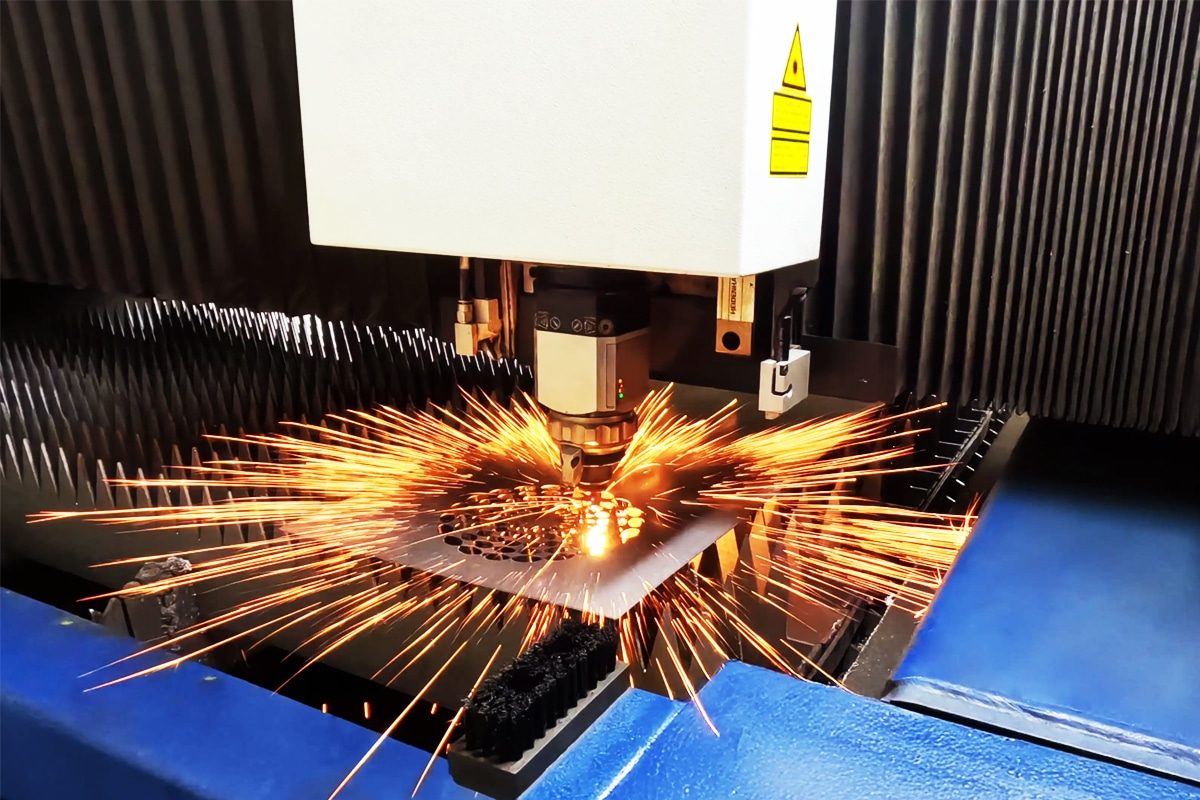
Laser Cutting Machine Nozzle Guide
In laser cutting, precision and consistency depend on more than just the power of the laser — the nozzle plays a crucial role in achieving clean, accurate cuts. The nozzle is the small but vital component that directs the assist gas (such as oxygen, nitrogen, or air) onto the cutting area, controlling how the molten material is blown away and how the laser beam interacts with the workpiece. Its design, size, and alignment directly influence cut quality, edge smoothness, and overall efficiency.
A poorly selected or misaligned nozzle can cause unstable gas flow, beam deflection, or dross buildup, leading to rough edges, burns, or wasted material. Conversely, the right nozzle ensures a focused beam, optimal gas pressure, and consistent cutting performance across different materials and thicknesses.
This guide explains everything you need to know about laser cutting machine nozzles — from types and materials to maintenance and troubleshooting. Whether you’re operating sheet, tube, and sheet & tube laser cutting machines, understanding how to choose, adjust, and care for your nozzle will help you achieve higher precision, longer machine life, and lower operating costs. In short, mastering the nozzle means mastering the cut.
Table of Contents
The Role and Function of the Nozzle
The nozzle in a laser cutting machine is far more than a simple metal tip — it’s a precision-engineered component that directly influences how the laser interacts with the material. Its primary job is to control and direct both the laser beam and the assist gas, ensuring that every cut is clean, accurate, and efficient. Understanding how the nozzle functions across several key areas is essential to maintaining optimal cutting performance.
Gas Delivery
During laser cutting, assist gas (commonly oxygen, nitrogen, or air) is blown through the nozzle to remove molten material and prevent oxidation. The nozzle ensures the gas is delivered evenly and at the correct pressure to the cutting zone. Too much pressure can cause turbulence, while too little can lead to incomplete material ejection. Proper gas delivery improves cutting speed, reduces dross, and enhances edge quality.
Protection of Optics
The nozzle also serves as a protective barrier for the machine’s sensitive optical components, including the focusing lens. Creating a pressurized air or gas stream helps prevent debris, dust, and molten particles from reaching and damaging the optics. Clean optics maintain a consistent beam focus, which is critical for precision cutting and reducing maintenance downtime.
Flow Control
A well-designed nozzle controls the direction, velocity, and distribution of the gas flow. The geometry of the nozzle tip — including its shape, diameter, and internal contour — determines how smoothly the gas exits and interacts with the molten material. Precise flow control minimizes turbulence, stabilizes the cutting process, and ensures uniform cooling of the cut zone.
Beam Guidance
The nozzle also helps align and stabilize the laser beam as it travels toward the material surface. A properly centered nozzle ensures that the beam passes through the middle of the gas flow, maintaining symmetry and preventing deflection. Even a slight misalignment can cause inconsistent cuts, reduced penetration, or unwanted taper on the edges.
Cut Quality Control
The nozzle’s influence on cut quality cannot be overstated. Its size and distance from the material affect the cut width, edge roughness, and kerf precision. A well-tuned nozzle maintains the correct standoff distance, supports smooth gas flow, and helps achieve sharp, burr-free edges. For high-precision work, even small variations in nozzle condition can lead to noticeable quality differences.
Process Optimization
Ultimately, the nozzle contributes to the overall efficiency and productivity of the laser cutting process. Optimizing gas consumption, maintaining stable flow, and protecting optical components helps reduce energy waste, machine wear, and rework rates. Choosing the right nozzle type and maintaining it properly leads to faster cutting speeds, cleaner finishes, and lower operational costs.
The nozzle serves as the bridge between the laser cutting system and the material, controlling gas flow, protecting the optics, guiding the beam, and fine-tuning the cutting outcome. Its role may seem simple, but mastering its function is key to achieving consistent, high-quality laser cutting results.
Nozzle Design and Structure
The nozzle of a laser cutting machine is a precisely engineered component designed to control the flow of assist gas and guide the laser beam with maximum accuracy. While it appears simple at first glance, every element of its design — from the body shape to the orifice diameter — serves a specific function that affects cutting quality, gas efficiency, and machine reliability. Understanding the structure and purpose of each part of the nozzle helps operators make informed choices when selecting, maintaining, or replacing them.
Body
The body is the main structure of the nozzle, typically made from high-conductivity copper or brass for excellent thermal performance and electrical conductivity. Its shape is designed to maintain stable airflow and dissipate heat efficiently during cutting. A well-machined nozzle body ensures the gas flows smoothly and symmetrically around the laser beam, reducing turbulence and enhancing cut consistency. Some nozzles also feature a nickel or chrome coating to improve wear resistance, prevent oxidation, and extend lifespan. The precision of the body’s internal geometry directly affects how the assist gas is distributed at the cutting point.
Orifice
At the heart of the nozzle is the orifice — the small central opening through which both the laser beam and the assist gas pass. The diameter of the orifice determines the gas flow characteristics and the cutting dynamics. Smaller orifices produce a more concentrated gas stream, ideal for thin materials and fine details, while larger orifices allow higher gas flow, suitable for thicker or more heat-resistant materials. The orifice must be precisely machined and perfectly centered; even a slight deviation can deflect the laser beam, leading to uneven cuts or reduced focus accuracy.
Threaded Section
The threaded section allows the nozzle to be securely mounted to the laser cutting head. It provides mechanical stability and ensures proper alignment with the focusing lens and gas delivery system. The threads must be clean and free from debris to guarantee a tight seal and prevent gas leakage. High-quality threading also ensures consistent nozzle positioning, which is vital for maintaining the correct focal distance and beam alignment during operation. Regular inspection of the threads helps avoid cross-threading or looseness that can cause vibration and affect cut precision.
Contact Surface
The contact surface, located at the upper end of the nozzle, is the interface between the nozzle and the cutting head or nozzle holder. It must form a clean, flat connection to maintain a proper gas seal and stable positioning. Imperfections on the contact surface can lead to gas leakage, unstable pressure, and misalignment of the laser beam. Some designs incorporate sealing rings or gaskets to ensure airtight contact and to minimize the effects of heat expansion during long cutting sessions. Maintaining a clean contact surface is essential for consistent performance and avoiding contamination of the optics.
Every aspect of the nozzle’s design — from the shape of its body to the precision of its orifice and threads — works together to ensure optimal laser cutting performance. A well-engineered nozzle maintains stable gas flow, accurate beam focus, and reliable mechanical alignment, all of which are critical for producing high-quality cuts. By understanding the structure and purpose of each component, operators can better select the right nozzle for their material, maintain it effectively, and achieve consistent, professional cutting results.
Materials Used for Nozzles
The material of a laser cutting nozzle plays a critical role in determining its performance, durability, and heat resistance. Because the nozzle is constantly exposed to high temperatures, intense laser energy, and high-pressure gas flow, the choice of material affects not only its lifespan but also the precision and consistency of every cut. Different materials offer distinct advantages in conductivity, wear resistance, and cost, making it important to understand how each performs under various cutting conditions.
Copper
Copper is one of the most common materials used for laser cutting nozzles due to its excellent thermal and electrical conductivity. These properties allow copper nozzles to dissipate heat quickly, reducing the risk of deformation or overheating during continuous operation. Copper also maintains stable electrical contact in systems that use capacitive height sensing, ensuring accurate distance control between the nozzle and the workpiece. However, pure copper is relatively soft, which means it can wear faster under heavy use or when cutting abrasive materials. Regular inspection and replacement are necessary to maintain cutting precision.
Tellurium Copper
Tellurium copper is an upgraded variant of pure copper, strengthened by the addition of a small amount of tellurium. This alloy offers nearly the same thermal and electrical conductivity as pure copper but with significantly improved machinability and hardness. Tellurium copper nozzles are more resistant to wear, deformation, and sticking of molten particles, making them ideal for high-speed or high-power laser cutting operations. They also maintain dimensional stability under long-term thermal stress, helping ensure consistent gas flow and beam alignment.
Brass
Brass nozzles, made from a combination of copper and zinc, are popular for their good balance of performance, durability, and cost. Although brass has lower conductivity compared to pure copper, it provides excellent mechanical strength and resistance to corrosion. Brass nozzles are less prone to damage from accidental collisions with the workpiece, which makes them suitable for general-purpose laser cutting and for beginners. Their lower cost also makes them a practical choice for environments where frequent replacement is expected. However, for very high precision or high-power cutting, brass may not deliver the same thermal efficiency as copper-based alternatives.
Silver-Plated or Nickel-Plated Copper
Plated copper nozzles represent the premium class of laser cutting components. A thin coating of silver or nickel is applied to the copper surface to enhance wear resistance, oxidation resistance, and surface smoothness. Silver plating provides superior electrical and thermal conductivity while preventing copper oxidation, ensuring consistent performance over time. Nickel plating, on the other hand, offers excellent hardness and corrosion resistance, making it ideal for cutting environments with high humidity or reactive gases. The smooth surface of plated nozzles also minimizes spatter adhesion, reducing cleaning frequency and extending the nozzle’s operational life.
Choosing the right nozzle material is a key factor in maintaining stable laser cutting performance. Copper and tellurium copper excel in conductivity and heat management, brass provides durability at a lower cost, and plated copper variants deliver the longest lifespan and most consistent results. The optimal material depends on the specific cutting application, power level, and production environment. By selecting the right material, operators can achieve cleaner cuts, longer nozzle life, and greater overall efficiency in laser processing.
Nozzle Types and Configurations
Nozzles come in various types and configurations to suit different materials, cutting conditions, and laser cutting systems. The design and internal structure of a nozzle directly affect gas flow, beam focus, and cutting quality. Selecting the right type of nozzle is essential for optimizing speed, precision, and edge finish. Understanding how each type functions — from single- and double-layer nozzles to specific geometric shapes and specialized designs — allows operators to fine-tune their laser cutting process for the best results.
Single-Layer Nozzles
Single-layer nozzles are the most common and straightforward design. They have a single gas channel through which the assist gas flows directly onto the cutting area. These nozzles are generally used for oxygen-assisted cutting or lower-pressure nitrogen cutting. Their simple structure offers stable gas flow and minimal maintenance requirements, making them ideal for thin to medium-thickness materials such as carbon steel or stainless steel. Because the gas exits in a straight path, single-layer nozzles are effective for general-purpose cutting but may have limitations when very high gas purity or pressure control is needed for ultra-smooth finishes.
Double-Layer Nozzles
Double-layer nozzles are more advanced in design, featuring an inner and outer gas channel. This dual-flow system allows better control over gas dynamics, enabling higher cutting speeds and improved edge quality, particularly for nitrogen-assisted cutting. The inner channel focuses gas directly into the cutting kerf, while the outer channel stabilizes and smooths the gas stream. This configuration reduces turbulence, improves cut precision, and minimizes dross formation. Double-layer nozzles are especially beneficial for cutting stainless steel, aluminum, and other reflective or high-precision materials where smooth, oxidation-free edges are critical.
Conical VS. Cylindrical Nozzles
Nozzles can also be categorized by their external shape — primarily conical and cylindrical designs.
Conical nozzles have a tapered shape that improves gas flow direction and reduces turbulence around the cutting area. This results in smoother edges, less spatter buildup, and better gas efficiency. They are often preferred for high-speed cutting and precision applications where airflow stability is crucial.
Cylindrical nozzles, in contrast, have a uniform diameter along their body. This design provides a stronger, more concentrated gas jet, which is useful for thicker materials that require high-pressure assist gas to expel molten metal effectively. While cylindrical nozzles may produce slightly rougher edges compared to conical ones, they excel in deep or heavy-duty cuts where maximum gas penetration is required.
Specialized Nozzles
Beyond standard configurations, there are specialized nozzles designed for specific materials, processes, or cutting environments. Examples include coaxial nozzles that ensure perfect beam-gas alignment for fine cutting, ceramic-coated nozzles that resist heat buildup and spatter adhesion, and high-speed nozzles engineered for precision nitrogen cutting at elevated pressures. Some specialized nozzles feature advanced flow channels or aerodynamic contours that reduce gas consumption while maintaining high cutting quality. Manufacturers may also offer custom nozzles optimized for particular laser heads or material types, enabling even greater control over cut performance and consistency.
The type and configuration of a nozzle have a profound impact on the laser cutting process. Single-layer nozzles provide simplicity and reliability for standard applications, while double-layer designs deliver superior control and cut quality for demanding materials. Conical and cylindrical shapes offer unique advantages in gas flow and cutting depth, and specialized nozzles bring advanced performance for precision or high-speed operations. Selecting the right nozzle type ensures balanced gas dynamics, optimal beam focus, and consistent cutting results — key factors in achieving efficiency and excellence in laser machining.
Nozzle Diameters and Gas Flow
The diameter of a laser cutting nozzle is one of the most important factors influencing gas dynamics, cutting speed, and overall edge quality. The nozzle’s orifice controls how assist gas — whether oxygen, nitrogen, or air — interacts with the molten material. A correctly chosen diameter ensures the right gas velocity and pressure balance for each material and thickness. If the nozzle is too small, gas flow may be restricted, causing incomplete material removal or overheating. If it’s too large, gas pressure can disperse, reducing cutting precision and increasing oxidation. Selecting the appropriate nozzle diameter is therefore crucial for achieving optimal cut performance.
Smaller Diameters (0.8–1.2 MM)
Small-diameter nozzles are typically used for fine, detailed cutting and for processing thin materials such as sheet metal, stainless steel foils, and thin aluminum panels. The smaller orifice produces a highly concentrated gas jet that delivers precise, localized pressure, which is ideal for delicate operations requiring smooth, narrow kerfs. Because the gas stream is tighter and more focused, it helps maintain a clean edge and prevents excessive heat distortion. However, smaller nozzles have limitations — they are more sensitive to alignment errors, can clog more easily, and are not suitable for cutting thicker materials that require higher gas flow to eject molten metal efficiently.
Medium Diameters (1.5–2.0 MM)
Nozzles in the medium diameter range are the most versatile and widely used in industrial laser cutting. They offer a balanced combination of gas velocity and coverage, suitable for medium-thickness materials such as carbon steel, stainless steel, and aluminum plates. Medium nozzles provide enough gas pressure to clear molten metal without causing excessive turbulence, ensuring stable and efficient cutting across a variety of applications. They are often the default choice for operators who need consistent performance without frequent nozzle changes. With proper adjustment of gas pressure and standoff distance, medium-diameter nozzles can deliver excellent edge quality and cutting speed in most production environments.
Larger Diameters (2.5–3.0 MM)
Large-diameter nozzles are designed for high-power cutting of thick materials, where substantial gas volume is needed to blow away molten material effectively. The wider orifice allows for a stronger, more expansive gas flow, which enhances penetration and cutting depth. This configuration is commonly used with high-pressure nitrogen or oxygen cutting of thick steel or stainless steel plates. While large nozzles improve cutting capacity, they can reduce precision if used on thin materials due to their broader gas stream and increased risk of edge oxidation. They also require higher gas consumption, making them better suited for heavy-duty industrial applications rather than fine cutting work.
Choosing the right nozzle diameter is a balance between gas flow efficiency, cut precision, and material thickness. Smaller diameters deliver sharp, clean cuts for thin materials but require careful maintenance and alignment. Medium diameters provide all-around performance, making them ideal for most general-purpose cutting tasks. Larger diameters handle thick materials and high-power cutting but demand more gas and produce wider kerfs. Understanding how nozzle diameter affects gas dynamics allows operators to fine-tune their setup for faster cutting speeds, cleaner edges, and consistent results across different materials and applications.
Gas Types and Their Interaction with the Nozzle
In laser cutting, the assist gas is just as important as the laser beam itself. It helps remove molten material, protects the cutting area, and influences the thermal and chemical reactions that occur during cutting. The choice of assist gas directly affects edge quality, cutting speed, and surface finish. Each gas behaves differently when passing through the nozzle, and the nozzle must be configured — in terms of diameter, pressure, and distance — to ensure the gas is delivered efficiently and evenly. Understanding how each gas type interacts with the nozzle is essential for achieving consistent and high-quality results.
Oxygen
Oxygen is commonly used for cutting carbon steel and other ferrous materials. When oxygen exits the nozzle and meets the heated metal, it triggers an exothermic reaction that enhances the cutting process by generating additional heat. This reaction allows the laser to cut through thicker materials with lower power requirements. However, oxygen-assisted cutting produces an oxidized edge, which may require post-processing if a clean finish is desired. The nozzle must be precisely aligned to maintain stable oxygen flow, as turbulence or misalignment can cause uneven oxidation or rough edges. Because oxygen cutting relies heavily on chemical reactions, even slight variations in gas purity or pressure can impact cut quality and consistency.
Nitrogen
Nitrogen is the preferred assist gas for applications that demand clean, oxidation-free edges — such as stainless steel, aluminum, and high-precision components. Unlike oxygen, nitrogen is inert and does not react chemically with the material. Instead, it acts as a high-pressure jet that rapidly removes molten metal from the kerf. To achieve this, the nozzle must deliver nitrogen at very high pressures, often between 10 and 20 bar or more. The nozzle design and orifice size are critical for maintaining smooth, laminar flow to prevent turbulence that could degrade edge quality. Because nitrogen cutting depends on mechanical ejection rather than combustion, it typically requires more power and higher gas flow, making nozzle condition and alignment especially important for maintaining speed and precision.
Air
Compressed air is an economical alternative that combines the properties of both oxygen and nitrogen. Containing roughly 21% oxygen and 78% nitrogen, it provides a moderate level of oxidation while keeping operating costs low. Air is suitable for cutting mild steel, stainless steel, and aluminum, particularly in applications where surface finish requirements are less strict. The nozzle must be compatible with air’s slightly higher moisture and impurity levels, which can affect consistency if not properly filtered. Because air tends to produce a small amount of oxidation, it’s ideal for prototyping, general manufacturing, and situations where cost efficiency outweighs the need for a mirror-smooth finish. Correct nozzle diameter and pressure settings are crucial to balance gas velocity and prevent excessive oxidation or spatter.
Argon and Other Gases
Argon and other specialty gases, such as helium, are used in specific laser cutting applications where material reactivity or gas purity is critical. Argon is completely inert, providing excellent protection against oxidation and contamination. It is often used for titanium, copper, and other reactive or reflective metals that can oxidize easily when exposed to oxygen or nitrogen. However, argon’s higher cost and lower thermal conductivity make it less common for general production. The nozzle must be carefully matched to argon’s lower flow efficiency to ensure even gas coverage and effective removal of molten material. In precision or aerospace manufacturing, where material integrity is vital, argon and helium gases are often used with high-quality, fine-tuned nozzles to guarantee consistent, defect-free cuts.
The type of assist gas used in laser cutting determines not only the cutting performance but also how the nozzle should be configured and maintained. Oxygen delivers speed and power through chemical reaction, but can leave oxidized edges. Nitrogen produces clean, bright cuts but demands higher gas pressure and precision nozzle control. Air offers a cost-effective compromise with moderate oxidation, while argon and other inert gases serve specialized needs requiring total protection against contamination. By understanding how each gas interacts with the nozzle — influencing flow, pressure, and heat behavior — operators can tailor their setup to achieve optimal results for every material and cutting application.
Nozzle Alignment and Stand-Off Distance
In laser cutting, the relationship between the nozzle, the laser beam, and the workpiece surface determines the precision and consistency of the cut. Two critical factors that directly influence this relationship are nozzle alignment and stand-off distance. Both play a key role in ensuring the assist gas is delivered efficiently, the beam remains perfectly centered, and the cutting process is stable. Even minor deviations in alignment or distance can lead to poor cut quality, reduced speed, or increased material waste. Mastering these two parameters is essential for maintaining optimal laser cutting performance.
Stand-Off Distance
The stand-off distance — also called the nozzle gap — is the space between the nozzle tip and the material surface. This distance affects how the assist gas interacts with the molten material and how the laser beam focuses on the workpiece. A properly set stand-off distance allows the gas jet to effectively blow away molten metal while maintaining a stable cutting zone.
If the distance is too small, the nozzle may obstruct gas flow or even collide with the material, especially if the surface is uneven. This can cause turbulence, spatter buildup, or damage to the nozzle tip. Conversely, if the stand-off distance is too large, the gas loses its velocity and pressure before reaching the cutting area, leading to incomplete slag removal, rough edges, or inconsistent penetration.
Typical stand-off distances range from 0.5 mm to 1.5 mm, depending on the material type, thickness, and cutting gas used. Precision cutting with nitrogen or air often requires a tighter distance for better edge quality, while oxygen cutting may allow slightly more clearance. Modern laser cutting systems use capacitive sensors or height control systems to automatically maintain a consistent stand-off distance, ensuring uniform results across varying surface heights.
Nozzle Alignment
Nozzle alignment refers to how accurately the nozzle’s orifice is centered with the laser beam path. Proper alignment ensures that the laser beam passes directly through the center of the nozzle and exits evenly surrounded by the assist gas flow. Misalignment causes the beam to deflect or strike the nozzle edge, resulting in uneven gas distribution, asymmetrical cuts, and potential damage to the nozzle or optics.
Alignment errors are often caused by mechanical wear, improper installation, or contamination around the nozzle mount. Even small deviations of less than 0.1 mm can have a visible impact on cutting quality. A misaligned nozzle produces inconsistent kerf widths, irregular edges, and excessive dross buildup on one side of the cut. To correct this, operators use alignment tools such as beam centering devices or test burns to verify that the laser beam exits perfectly through the center of the nozzle opening.
Regular inspection and cleaning are also important. Debris, spatter, or residue buildup can shift the nozzle position slightly, affecting both beam alignment and gas symmetry. Many high-end laser cutting systems include automatic nozzle centering functions that detect and compensate for alignment deviations, helping maintain consistent performance even during long production runs.
Nozzle alignment and stand-off distance are small adjustments that make a big difference in laser cutting quality. The stand-off distance controls how effectively the assist gas removes molten material and cools the cut zone, while alignment ensures the laser beam and gas stream work in perfect harmony. Incorrect settings can lead to reduced accuracy, rough edges, and wasted material. Maintaining precise alignment and the correct stand-off distance — whether manually or through automatic control — is fundamental to achieving sharp, clean, and repeatable results in any laser cutting operation.
Effects of Nozzle Condition on Cut Quality
The condition of the laser cutting nozzle has a direct and powerful influence on the quality, stability, and efficiency of the cutting process. Because the nozzle controls both gas flow and beam focus, even small defects or contamination can disrupt the delicate balance required for clean, precise cuts. Over time, the nozzle is exposed to extreme temperatures, molten material, and high-pressure gas, which gradually degrade its performance. Understanding how nozzle wear and contamination affect the cut allows operators to detect issues early, maintain consistent quality, and extend the lifespan of both the nozzle and the machine.
Dross Buildup
Dross buildup — the accumulation of re-solidified molten metal around the nozzle tip — is one of the most common problems in laser cutting. It occurs when molten particles blown from the cutting kerf adhere to the nozzle’s outer surface due to insufficient gas pressure, incorrect stand-off distance, or cutting too close to the workpiece. As the dross accumulates, it interferes with gas flow symmetry and disrupts the laser beam’s path, leading to irregular cuts and rough edges. Heavy buildup can also block part of the nozzle opening, reducing gas velocity and increasing the risk of spatter blowback. Regular cleaning after each shift or cutting batch helps prevent these issues and maintains consistent performance.
Spatter Contamination
Spatter contamination happens when small molten droplets from the cut are ejected upward and stick to the nozzle surface or enter the nozzle orifice. This contamination changes the gas flow pattern, causing turbulence that affects the stability of the cut. In severe cases, spatter can even partially block the nozzle orifice, leading to erratic gas pressure and beam misdirection. Contaminated nozzles also increase the risk of damaging the protective lens, as gas flow no longer shields it properly. Using the correct nozzle distance, gas pressure, and anti-spatter coatings can significantly reduce this problem.
Erosion
Erosion occurs gradually as the nozzle’s inner and outer surfaces wear down due to the continuous flow of high-pressure gas and the impact of molten particles. Over time, this wear enlarges or distorts the nozzle orifice, affecting the shape and direction of the gas jet. The result is uneven gas distribution, inconsistent edge quality, and reduced cutting precision. Erosion is particularly common in nozzles made from softer materials such as pure copper, especially during long production cycles or when cutting abrasive materials. Once erosion becomes visible or measurable, the nozzle should be replaced to restore consistent gas dynamics and beam focus.
Deformation
Nozzle deformation typically results from excessive heat exposure, mechanical impact, or collisions with the workpiece. Even a slight bend or dent in the nozzle body can misalign the orifice and disturb the gas stream, causing the laser beam to deviate from its intended path. This leads to tapered edges, incomplete penetration, and unstable cutting quality. In extreme cases, deformed nozzles can create gas leaks or interfere with the nozzle’s mounting thread, making it difficult to maintain correct alignment. Preventing deformation requires careful setup, proper material handling, and regular inspection — especially after long, high-power cutting sessions.
Oxidation
Oxidation is a surface degradation process that occurs when the nozzle, particularly those made of copper or brass, reacts with oxygen at high temperatures. Oxidized surfaces increase electrical resistance, reduce conductivity, and can cause unstable capacitive height sensing in the cutting head. In addition, oxidation roughens the nozzle surface, altering gas flow characteristics and promoting further contamination buildup. Nickel- or silver-plated nozzles help minimize oxidation and maintain smooth, reflective surfaces that enhance gas efficiency and beam stability. Keeping nozzles clean and stored in dry conditions also helps prevent oxidation between uses.
A nozzle in poor condition — whether contaminated, worn, or oxidized — can quickly compromise laser cutting quality. Dross buildup and spatter contamination disrupt gas flow; erosion and deformation distort the orifice; and oxidation degrades conductivity and gas symmetry. Together, these issues lead to rough edges, reduced cutting speed, and wasted material. Regular inspection, cleaning, and timely replacement are essential to maintaining consistent gas delivery and beam alignment. In short, keeping the nozzle in top condition is one of the simplest yet most effective ways to ensure precision, productivity, and long-term reliability in laser cutting operations.
Maintenance and Cleaning
Proper maintenance and cleaning of the laser cutting nozzle are essential for preserving cutting precision, extending component life, and preventing costly downtime. Because the nozzle operates in a harsh environment—constantly exposed to heat, molten metal, and high-pressure gases—it inevitably accumulates debris and wear over time. Without regular care, even a high-quality nozzle can quickly lose performance, resulting in poor gas flow, beam misalignment, and inconsistent cuts. Effective maintenance involves three key steps: routine cleaning, careful inspection, and timely replacement.
Routine Cleaning
Routine cleaning keeps the nozzle’s orifice clear and ensures consistent gas flow. During laser cutting, spatter and vaporized material can adhere to the nozzle tip, forming small deposits that distort airflow and reduce accuracy. Cleaning should be done daily or after each shift, depending on workload and material type. The process typically involves wiping the nozzle exterior with a lint-free cloth and using compressed air or soft brushes to remove debris from the orifice. For more stubborn residue, non-abrasive cleaning solutions or ultrasonic cleaners can be used to dissolve contaminants without scratching the surface. Care must be taken to avoid bending or enlarging the orifice, as even slight damage can alter the nozzle’s gas dynamics. Regular cleaning not only prevents buildup but also improves the consistency of the gas jet and prolongs nozzle life.
Inspection
Inspection is the next critical step in nozzle maintenance. Even if a nozzle appears clean, microscopic wear or misalignment can still affect cut quality. Visual inspection under magnification helps detect common issues such as erosion, deformation, oxidation, and partial blockages. The orifice should be perfectly round and centered; any visible distortion indicates the nozzle should be replaced. Additionally, the nozzle threads and contact surfaces should be checked for dirt, metal particles, or mechanical damage that could cause leaks or misalignment when mounted. Some operators use alignment tests—such as low-power beam checks or test cuts—to confirm that the laser beam exits evenly through the nozzle center. Frequent inspection allows for early detection of problems before they impact production quality or damage the optics.
Nozzle Replacement
Even with regular cleaning and inspection, every nozzle eventually reaches the end of its usable life. Replacement should not be delayed once wear or deformation becomes evident, as a compromised nozzle can degrade cutting performance across an entire production run. The typical lifespan of a nozzle depends on the material being cut, gas pressure, and overall workload, but proactive replacement ensures stable results. When changing nozzles, it’s important to verify that the new nozzle’s diameter, shape, and material match the cutting requirements and machine specifications. After installation, a quick alignment check should always be performed to confirm that the laser beam is centered and the gas flow is uniform. Keeping a stock of high-quality replacement nozzles on hand reduces downtime and ensures continuous production capability.
Consistent maintenance and cleaning are fundamental to achieving precise and reliable laser cutting performance. Routine cleaning prevents buildup and contamination; regular inspection detects early signs of wear, erosion, or misalignment; and timely replacement ensures uninterrupted productivity. Neglecting these steps leads to uneven cuts, reduced speed, and increased operating costs. By establishing a structured nozzle maintenance routine, operators can maintain stable gas flow, accurate beam guidance, and consistently high-quality results—maximizing both machine efficiency and the lifespan of critical components.
Common Cutting Problems Related to Nozzles
The nozzle plays a central role in the laser cutting process, and even small issues with its condition, alignment, or setup can lead to visible defects in the final cut. Because it controls both gas flow and beam direction, any problem with the nozzle quickly affects cut quality, consistency, and efficiency. Recognizing the most common nozzle-related cutting problems — and understanding their underlying causes — allows operators to troubleshoot effectively and maintain optimal cutting performance.
Rough Edges or Burrs
Rough edges or burrs are among the most noticeable signs of nozzle-related issues. They usually occur when the assist gas flow is uneven or insufficient to remove molten material cleanly from the kerf. A partially blocked or worn nozzle can disrupt gas symmetry, causing one side of the cut to cool unevenly and solidify with jagged edges. Incorrect stand-off distance or nozzle misalignment can also contribute to this problem, as the laser beam and gas jet fail to align perfectly with the cutting path. To eliminate burrs, operators should clean or replace the nozzle, verify beam centering, and adjust gas pressure to ensure consistent material ejection.
Excessive Dross
Excessive dross formation — hardened material adhering to the underside of the cut — typically indicates poor gas flow or improper nozzle diameter selection. If the orifice is partially blocked or worn, the gas loses velocity and fails to remove molten metal efficiently. Using an undersized nozzle for thick materials can also limit gas delivery, allowing molten metal to re-solidify along the cut edge. Additionally, incorrect stand-off distance can cause gas turbulence that traps dross beneath the sheet. Regular nozzle cleaning and choosing the correct diameter for the material thickness can significantly reduce dross buildup and improve edge smoothness.
Uneven Kerf Width
Uneven kerf width — when the cut line varies in thickness along its path — often stems from misaligned nozzles or damaged orifices. When the laser beam is not centered within the nozzle, the gas jet becomes asymmetric, deflecting the beam and causing inconsistent energy delivery across the cut. This leads to wider kerfs on one side and narrower ones on the other, especially noticeable on precise or decorative cuts. Erosion or deformation of the nozzle tip can also distort the gas stream, worsening the effect. The solution is to realign the nozzle, inspect for damage, and ensure the orifice remains perfectly round and centered relative to the beam path.
Burn Marks
Burn marks or discoloration on the material surface usually indicate excessive heat buildup caused by improper gas delivery or nozzle contamination. If spatter or oxidation residue accumulates around the nozzle, it can restrict airflow and reduce cooling efficiency, allowing excess heat to linger near the cut zone. In oxygen cutting, burn marks may also result from over-pressurized gas, which accelerates the oxidation process. Keeping the nozzle clean, selecting the proper gas pressure, and maintaining an optimal stand-off distance help minimize surface burns and preserve a clean, professional finish.
Unstable Cutting
Unstable cutting — characterized by inconsistent penetration, intermittent sparks, or sudden loss of cutting quality — often signals nozzle wear, misalignment, or inconsistent gas pressure. A deformed or eroded nozzle disrupts the smooth, laminar flow of assist gas, causing fluctuations in the cutting process. Misalignment can deflect the laser beam slightly off-center, reducing power at the cutting point and producing unpredictable results. Unstable cutting can also arise from loose nozzle fittings or leaks that compromise gas delivery. Checking nozzle alignment, verifying tight connections, and replacing worn components usually restore cutting stability and consistency.
Most laser cutting defects can be traced back to nozzle-related issues such as contamination, wear, or misalignment. Rough edges and burrs result from poor gas flow; excessive dross points to insufficient velocity or incorrect diameter; uneven kerfs indicate misalignment; burn marks stem from overheating or oxidation; and unstable cutting often reveals nozzle damage or leaks. Preventing these problems requires a proactive approach — regular cleaning, careful inspection, and prompt replacement of worn nozzles. By maintaining nozzle precision and cleanliness, operators can ensure steady gas delivery, accurate beam focus, and consistently high-quality laser cuts across all materials and thicknesses.
Nozzle Centering and Calibration Procedures
Nozzle centering and calibration are fundamental steps in ensuring precise, consistent, and high-quality laser cutting. Because the nozzle directs both the laser beam and the assist gas, even a slight misalignment can cause the beam to strike the inner wall of the nozzle or produce uneven gas flow, resulting in poor cut quality, dross buildup, or inconsistent kerf width. Proper centering ensures that the laser beam passes exactly through the middle of the nozzle orifice, while calibration verifies that the stand-off distance, gas pressure, and focus height are all correctly set. Together, these procedures form the foundation of stable and efficient laser cutting performance.
Importance of Nozzle Centering
The nozzle’s alignment directly affects the balance of gas flow and beam focus. When perfectly centered, the assist gas surrounds the laser beam evenly, ensuring a stable and symmetrical cutting zone. However, even minor misalignment — as little as 0.1 mm — can cause the beam to deflect or hit the nozzle edge. This not only reduces cutting precision but also increases the risk of damaging both the nozzle and the focusing lens. Common symptoms of poor centering include uneven kerf width, asymmetric edge quality, and excessive spatter on one side of the cut.
Nozzle centering should be checked whenever a new nozzle is installed, after maintenance, or if the cut quality suddenly deteriorates. High-precision cutting, especially with thin materials or fine details, demands the most accurate centering to maintain uniform results.
Nozzle Centering Procedure
The centering process involves verifying that the laser beam exits through the exact center of the nozzle orifice. A typical centering procedure includes the following steps:
- Preparation: Install a clean nozzle of the correct size and ensure it is securely fastened to the cutting head. Clean the optics and nozzle tip to remove any contamination that could affect accuracy.
- Low-Power Pulse Test: Set the laser to a low-power test mode and pulse onto a piece of thin, coated metal or thermal paper positioned directly under the nozzle.
- Observation: Examine the burn mark. If the mark is not perfectly centered within the nozzle opening, it indicates misalignment.
- Adjustment: Use the machine’s centering screws or adjustment knobs (usually three fine-tuning screws around the nozzle mount) to shift the beam position. Make small, precise adjustments until the burn mark is perfectly centered.
- Verification: Repeat the test several times to confirm the beam remains centered after adjustments and that the gas flow is uniform.
Many modern laser cutting systems include automatic nozzle centering functions, using sensors and cameras to detect misalignment and adjust the beam position electronically. This automation ensures consistent centering and reduces operator workload.
Calibration of Nozzle Height and Focus
Once the nozzle is centered, it’s essential to calibrate its stand-off distance and focus height. The stand-off distance — typically between 0.5 mm and 1.5 mm — ensures the correct gas pressure and beam focus are maintained at the cutting surface. Calibration usually involves the following steps:
- Reference Setup: The laser head lowers until the nozzle tip lightly contacts the workpiece or a calibration tool, establishing a reference point.
- Capacitive Sensor Calibration: For machines equipped with capacitive height sensors, the system is calibrated to maintain a constant distance automatically during cutting, even if the material surface is uneven.
- Focus Positioning: The focus height (the distance between the focal point of the laser and the material surface) is adjusted according to the material thickness and type. This ensures maximum energy is concentrated at the right depth for optimal cutting efficiency.
Incorrect calibration can lead to several issues: too high a stand-off distance reduces cutting penetration, while too low a distance risks nozzle collisions or gas flow disruption. Regular calibration prevents these problems and guarantees stable performance across different materials and thicknesses.
Nozzle centering and calibration ensure that the laser beam, assist gas, and cutting head operate in perfect harmony. Centering guarantees that the beam passes straight through the nozzle, maintaining uniform gas flow and consistent kerf width. Calibration fine-tunes the stand-off distance and focus height for precise energy delivery and efficient material removal. Together, these procedures eliminate common cutting defects, extend nozzle life, and maintain the overall reliability of the laser cutting system. By incorporating routine centering and calibration into regular maintenance schedules, operators can achieve cleaner cuts, higher speeds, and superior repeatability across all cutting tasks.
Advanced Nozzle Technologies
As laser cutting technology continues to evolve, nozzle design and functionality have advanced far beyond their traditional role as simple gas delivery components. Modern laser cutting nozzles now incorporate intelligent, adaptive, and high-performance features that enhance efficiency, precision, and productivity. These innovations address key challenges such as setup time, gas optimization, material contamination, and wear resistance — all while supporting the demands of high-speed, high-accuracy cutting systems. Advanced nozzle technologies like automatic nozzle changers, adaptive gas control, additively manufactured nozzles, and anti-adhesion coatings are reshaping how operators approach both production and maintenance.
Automatic Nozzle Changers
Automatic nozzle changers have become a hallmark of next-generation laser cutting systems. In traditional setups, nozzle replacement or diameter changes must be done manually, often requiring the machine to stop, which reduces productivity. Automatic nozzle changers eliminate this downtime by allowing the machine to automatically select, exchange, and calibrate nozzles from a preloaded magazine based on the cutting program. This system ensures the correct nozzle type and size are used for each material and thickness without operator intervention. In addition to improving workflow efficiency, automatic changers also perform cleaning and inspection routines during the exchange, ensuring every nozzle is free of debris and properly aligned before use. This automation significantly reduces setup time, minimizes human error, and guarantees consistent cutting quality throughout long production runs.
Adaptive Gas Control
Adaptive gas control systems represent another major advancement in nozzle technology. Traditional laser cutting relies on fixed gas pressures that are manually adjusted for different materials and thicknesses. Adaptive systems, however, continuously monitor cutting conditions and dynamically adjust gas pressure, flow rate, and switching between gas types in real time. Sensors and algorithms analyze cutting performance, optimizing gas parameters for each stage of the cut — from piercing to fine finishing. When paired with precision nozzles, adaptive gas control enhances edge quality, reduces gas consumption, and improves cut stability. This technology is particularly beneficial for mixed-material or variable-thickness cutting, where manual adjustments would otherwise slow production and compromise consistency.
Additively Manufactured Nozzles
Additive manufacturing, or 3D printing, has opened new possibilities in nozzle design that were previously impossible with conventional machining. Additively manufactured nozzles can feature complex internal geometries that optimize gas flow dynamics, reduce turbulence, and improve cooling efficiency. These designs allow the assist gas to maintain laminar flow at higher speeds, leading to cleaner cuts and reduced spatter. In addition, 3D printing enables the creation of lightweight yet highly durable nozzles made from advanced alloys or composite materials. Manufacturers can also fine-tune or customize nozzle shapes for specific applications, achieving better performance for challenging materials such as titanium or highly reflective metals. The result is a new generation of nozzles that offer superior precision, energy efficiency, and design flexibility.
Anti-Adhesion Coatings
One of the persistent challenges in laser cutting is spatter adhesion — molten particles that stick to the nozzle surface and distort gas flow. Anti-adhesion coatings are a modern solution designed to counter this problem. These specialized surface treatments, often based on ceramic, nickel, or advanced fluoropolymer coatings, create a smooth, heat-resistant barrier that prevents molten metal from adhering to the nozzle. Coated nozzles maintain consistent gas flow longer, require less frequent cleaning, and experience reduced oxidation and wear. In high-power or high-speed cutting environments, anti-adhesion coatings also help preserve nozzle geometry by minimizing thermal stress. The result is more stable cutting performance, longer nozzle life, and reduced downtime for maintenance.
Advanced nozzle technologies are redefining what’s possible in modern laser cutting. Automatic nozzle changers streamline operations and eliminate setup delays, while adaptive gas control systems intelligently fine-tune performance in real time. Additively manufactured nozzles push the boundaries of design efficiency, delivering improved gas dynamics and customization potential. Meanwhile, anti-adhesion coatings protect against contamination and extend nozzle service life. Together, these innovations enhance precision, reliability, and cost-effectiveness across all stages of the cutting process. As laser cutting systems become faster and smarter, the nozzle — once a simple component — is now a key driver of productivity and quality in advanced manufacturing.
Factors Influencing Nozzle Selection
Choosing the right nozzle is one of the most important decisions in optimizing laser cutting performance. The nozzle determines how efficiently assist gas is delivered, how accurately the laser beam interacts with the material, and ultimately how clean, fast, and consistent the cut will be. Selecting the correct nozzle depends on several interrelated factors, including the type and thickness of the material, the assist gas being used, the configuration of the cutting head, and the desired quality of the finished edge. Each factor affects gas flow dynamics, beam focus, and thermal behavior, meaning that nozzle choice must be carefully matched to the cutting conditions to achieve the best possible results.
Material Type
Different materials respond to laser energy and gas flow in unique ways, making material type one of the most influential factors in nozzle selection. For carbon steel, oxygen nozzles with slightly larger orifices are typically used to promote efficient oxidation and heat-assisted cutting. In contrast, stainless steel and aluminum require nozzles designed for high-pressure nitrogen or air cutting, often with smaller or more precisely machined openings to ensure smooth, oxidation-free edges. Highly reflective materials such as copper or brass may demand specialized nozzle coatings or materials that resist thermal reflection and spatter buildup. Choosing a nozzle that matches the specific characteristics of the material ensures optimal gas delivery, reduced contamination, and improved cutting precision.
Material Thickness
The thickness of the workpiece directly determines the appropriate nozzle diameter and gas pressure. Thinner materials generally require smaller nozzles (e.g., 0.8–1.2 mm) to focus the gas jet and maintain a fine kerf width. For thicker materials, larger nozzles (2.0–3.0 mm or more) are preferred to deliver higher gas flow rates necessary for efficient molten metal ejection. Using an undersized nozzle for thick materials can lead to dross buildup and incomplete cuts, while an oversized nozzle on thin sheets can cause excessive oxidation or wide kerfs. Balancing nozzle diameter with material thickness ensures that gas velocity, cutting pressure, and beam focus are properly aligned for consistent results across all thickness ranges.
Assist Gas Type
The choice of assist gas — oxygen, nitrogen, air, or argon — plays a critical role in determining the nozzle configuration. Oxygen cutting benefits from larger orifices that allow steady, moderate-pressure gas flow to support the oxidation reaction that aids cutting. Nitrogen cutting, used for clean and oxidation-free edges, requires smaller nozzles capable of handling high gas pressure (often exceeding 15 bar) while maintaining laminar flow. Air cutting, a cost-effective option, demands nozzle materials that can withstand slight oxidation and moisture impurities. Meanwhile, argon or helium cutting requires highly precise nozzles that maintain consistent flow and prevent contamination during sensitive operations. The nozzle must therefore complement the physical and chemical characteristics of the chosen gas to deliver optimal performance.
Cutting Head Type
The design and capabilities of the cutting head also influence nozzle selection. Different cutting heads are optimized for specific laser cutting machine types and may require unique nozzle geometries or thread patterns for proper mounting and gas delivery. Some advanced heads include automatic nozzle changers or height sensors that work best with specific nozzle dimensions and materials. The internal gas channels, cooling systems, and beam delivery paths within the head determine how the nozzle interacts with both the laser and assist gas. Using nozzles recommended by the cutting head manufacturer helps maintain compatibility, accuracy, and reliable performance, especially in automated or high-speed cutting systems.
Desired Edge Quality
The expected finish quality of the cut edge is another key factor in nozzle selection. High-quality, burr-free edges — especially for visible or precision components — require a nozzle that delivers stable, uniform gas flow and accurate beam alignment. Smaller, precision-engineered nozzles with smooth internal surfaces produce cleaner, more consistent gas jets, minimizing turbulence and oxidation. For general cutting where surface finish is less critical, larger or more durable nozzles may be used to prioritize speed and efficiency. The choice often comes down to a trade-off between cut speed and surface quality — finer nozzles yield smoother results, while larger ones enable faster throughput on thicker materials.
Selecting the right nozzle is a balancing act between material properties, gas behavior, and cutting requirements. The material type determines the suitable nozzle material and gas configuration, while material thickness dictates orifice size and flow rate. The assist gas type influences pressure and nozzle design, the cutting head type defines compatibility and performance limits, and the desired edge quality sets the standard for precision and finish. By understanding how these factors interact, operators can choose the ideal nozzle for each application — achieving faster, cleaner, and more reliable laser cutting results while minimizing wear, gas waste, and rework.
Impact of Nozzle Wear on Laser Optics
Nozzle wear is an inevitable consequence of prolonged laser cutting, and while it primarily affects gas flow and cutting precision, its impact often extends deeper — directly influencing the health and performance of the laser optics. The nozzle, located at the forefront of the cutting head, serves as the first line of defense for the machine’s optical system. Its condition determines how well the assist gas protects the lens and mirrors from spatter, smoke, and debris. When the nozzle becomes worn, eroded, or deformed, this protective balance is disrupted, exposing sensitive optical components to contamination and damage that can significantly degrade cutting quality and system efficiency.
How Nozzle Wear Affects Gas Flow and Optical Protection
A worn or damaged nozzle alters the flow dynamics of the assist gas. Normally, the gas exits symmetrically around the laser beam, creating a stable pressure barrier that shields the lens from backflow of vaporized metal and particulates. However, when the nozzle’s orifice becomes enlarged, uneven, or partially blocked, this barrier weakens. The gas flow may become turbulent or skewed, allowing hot particles and fumes to rise toward the focusing lens. Over time, these contaminants adhere to the optical surface, forming a thin layer of residue that scatters the laser beam and absorbs energy. Even a slight film of contamination can reduce beam transmission efficiency, leading to reduced cutting power, uneven penetration, and poor edge quality.
Thermal Effects and Optical Misalignment
As the nozzle wears, its geometry and centering can change subtly, shifting the alignment between the laser beam and the gas jet. When the beam is no longer perfectly coaxial with the nozzle opening, part of the beam energy may strike the nozzle’s inner wall or edge. This misalignment not only distorts the beam profile but can also generate heat spots that accelerate nozzle erosion and cause splatter or reflection back into the optical path. In severe cases, reflected energy can damage protective glass windows or even the focusing lens itself. The cumulative effect of thermal distortion and optical misalignment can lead to costly downtime for cleaning, recalibration, or lens replacement.
Contamination of the Protective Window
Most modern laser cutting heads include a protective window or cover glass positioned above the nozzle to shield the focusing lens from direct exposure to debris. When the nozzle is in poor condition, gas flow becomes inconsistent, reducing the effectiveness of this barrier. Contaminants such as metallic dust, vaporized oxides, and micro-spatter can settle on the protective window, causing localized heating and pitting. Once contaminated, the window scatters light, diminishing laser intensity and causing the system to compensate by increasing power output — a cycle that accelerates wear on both the optics and the nozzle. Frequent cleaning or replacement of the protective window then becomes necessary, increasing maintenance costs and downtime.
Increased Optical Maintenance and Downtime
Nozzle wear indirectly increases the maintenance burden on the optical system. A misaligned or damaged nozzle often causes irregular cuts or poor edge quality, prompting operators to inspect and clean the optics more frequently. The presence of debris or heat damage on lenses and mirrors can necessitate realignment or even replacement, both of which are time-consuming and expensive. Furthermore, poor nozzle condition can confuse automatic height sensing systems that rely on consistent gas flow and reflection readings, leading to further inaccuracies and system faults. Maintaining nozzle integrity, therefore, becomes essential to protecting the entire optical chain and ensuring continuous, reliable operation.
Nozzle wear doesn’t just compromise gas flow and cut quality — it directly affects the condition and longevity of the laser optics. As the nozzle deteriorates, it disrupts gas symmetry, weakens optical protection, and increases the risk of contamination, misalignment, and thermal damage. These issues lead to reduced cutting power, irregular results, and costly maintenance cycles. Keeping the nozzle in good condition is therefore one of the most effective ways to protect the optics, preserve beam integrity, and sustain consistent, high-precision cutting performance. In essence, maintaining the nozzle means safeguarding the heart of the laser cutting system — its optical path.
Handling and Safety Precautions
Proper handling and safety precautions are essential when working with laser cutting machine nozzles. Although nozzles may appear to be small and simple components, they play a critical role in the overall safety, precision, and efficiency of the cutting process. Mishandling, improper cleaning, or incorrect installation can lead not only to poor cutting performance but also to serious risks — including optical damage, gas leaks, and operator injury. Understanding how to safely handle, install, and maintain nozzles helps extend their lifespan, ensures stable machine operation, and maintains a safe working environment around high-power laser cutting systems.
Safe Handling of Nozzles
Nozzles must always be handled with care to prevent contamination, mechanical damage, or misalignment. Their internal surfaces and orifice edges are precisely machined, and even a small scratch, dent, or speck of dirt can disrupt gas flow and beam alignment. Operators should always wear clean gloves when handling nozzles to avoid transferring oils or debris from their hands. Before installation, the nozzle should be inspected for dust, residue, or oxidation; if necessary, it should be gently cleaned using lint-free cloths and appropriate non-abrasive cleaning solutions. Avoid touching the orifice opening directly or using sharp tools near it, as this can alter its geometry. When not in use, nozzles should be stored in protective cases or designated holders, kept dry, and shielded from vibration or impact to prevent deformation.
Installation and Removal Safety
Installing or removing a nozzle requires precision and attention to detail. The cutting head should always be powered off and cooled before beginning. Nozzle changes must be performed carefully to avoid cross-threading, overtightening, or misalignment. Use only the correct tools designed for the nozzle type — never force the nozzle into position or use pliers or makeshift tools that could damage the threads or body. Once installed, the nozzle should be checked for proper seating and centered alignment. For systems equipped with automatic nozzle changers, the loading magazine should be kept clean, and nozzle holders must be inspected regularly to prevent contamination or mechanical faults that could lead to misalignment or jamming.
Gas Handling Precautions
Nozzles are directly connected to the assist gas supply, which can involve high pressures of oxygen, nitrogen, or air. Mishandling gas lines or fittings during nozzle maintenance can result in leaks or hazardous pressure discharges. Always ensure that gas supplies are shut off before removing or cleaning nozzles. When reconnecting gas lines, check for secure fittings and test for leaks using approved leak-detection solutions — never open flames. For oxygen cutting in particular, cleanliness is crucial; oils, grease, or organic residues can ignite under high-pressure oxygen. Only oxygen-compatible lubricants and materials should be used when maintaining nozzle assemblies. Proper grounding of the cutting head and machine also prevents static discharge, which could ignite flammable gases or debris.
Optical and Laser Safety
During nozzle alignment or calibration, operators must follow all laser safety protocols. The laser should be operated at low power when performing alignment tests, and appropriate laser safety goggles — rated for the specific wavelength — must always be worn. Never look directly into the nozzle or beam path, even during low-power testing. Ensure that all safety interlocks, shields, and beam enclosures are properly in place before full-power operation begins. Any reflective tools, jewelry, or metallic objects should be removed from the work area to avoid unintentional beam reflections.
Thermal and Mechanical Safety
Laser cutting nozzles can become extremely hot during operation. Touching a recently used nozzle without allowing it to cool can cause severe burns. Always wait until the nozzle and cutting head have cooled completely before handling or performing maintenance. Additionally, mechanical hazards may arise from moving parts of the cutting head, especially in automated systems. Before performing any maintenance, the machine should be in a locked and safe state — power off, emergency stop engaged, and motion systems disabled.
Environmental and Cleanliness Control
Maintaining a clean work environment is essential for both safety and nozzle longevity. Dust, oil, and metallic particles can contaminate nozzles and optical components, leading to gas leaks or beam interference. The maintenance area should be well-ventilated and free from combustible materials, especially when using high-pressure oxygen. Proper disposal of cleaning cloths, solvents, and damaged nozzles should follow industrial safety regulations. Consistent housekeeping minimizes risks of accidents and ensures reliable cutting performance.
Handling and safety precautions are crucial for protecting both operators and equipment in laser cutting operations. Nozzles must be handled delicately, installed correctly, and cleaned under safe conditions to preserve their precision and function. Observing strict gas handling protocols prevents leaks and combustion hazards, while proper laser safety measures protect against eye injury and burns. By maintaining clean, controlled working conditions and adhering to proper safety routines, operators can ensure not only the longevity of their nozzles and optics but also a safe, efficient, and dependable cutting process. In short, safe handling isn’t just good practice — it’s a vital part of achieving consistent, high-quality laser cutting performance.
Nozzle Testing and Quality Verification
Nozzle testing and quality verification are essential steps in maintaining consistent, high-precision laser cutting performance. Even the smallest deviation in nozzle geometry, alignment, or gas flow can significantly impact cut quality and machine efficiency. Regular testing ensures that each nozzle delivers symmetrical gas flow, stable pressure, and clean, accurate cuts — all crucial for achieving consistent results across different materials and thicknesses. Verifying nozzle condition before and during production helps identify potential problems early, reducing downtime, material waste, and costly rework.
Flow Symmetry Tests
Flow symmetry testing is one of the most critical procedures for verifying nozzle quality. The goal of this test is to ensure that the assist gas exits the nozzle evenly around the laser beam, producing a stable, laminar flow pattern. When gas flow is symmetrical, it evenly cools the cutting area and efficiently removes molten material from the kerf. If the flow is uneven — caused by a worn, deformed, or partially blocked nozzle — the gas jet will become turbulent, leading to asymmetrical cuts, burr formation, and spatter buildup.
To perform a flow symmetry test, operators often use a gas flow tester or a simple airflow visualization method. A thin piece of light material, such as paper or plastic film, can be placed beneath the nozzle while gas is discharged at low pressure. If the gas jet pushes evenly in all directions, the nozzle is properly centered; if the flow pattern drifts or deflects, the nozzle is misaligned or damaged. Some advanced laser cutting systems feature built-in flow monitoring sensors that automatically detect and alert operators to asymmetry or turbulence in real time. Conducting regular symmetry tests ensures that the gas stream remains balanced and the laser beam path is unobstructed — both vital for precision cutting.
Cut Tests
Cut testing provides the most direct assessment of how well a nozzle performs under real operating conditions. It involves performing controlled cutting trials on standard materials using predefined parameters, then analyzing the resulting edges for quality indicators such as kerf width, edge smoothness, burr formation, and dross adhesion. The results reveal whether the nozzle delivers consistent gas flow and maintains proper beam focus during cutting.
If the test cut shows uneven edges, excessive dross, or visible tapering, it may indicate nozzle misalignment, deformation, or gas flow obstruction. A clean, uniform edge with smooth kerfs and minimal discoloration signifies that the nozzle is functioning correctly. Cut tests are particularly valuable after nozzle replacement, calibration, or maintenance. In production environments, many operators include periodic cut verification — for example, at the start of each shift — to ensure that nozzles continue performing consistently throughout extended runs. This simple yet effective test serves as an early warning system for nozzle or optical issues before they affect large-scale production.
Gas Pressure Consistency Checks
Stable and consistent gas pressure is vital to achieving accurate and efficient cutting. Gas pressure inconsistency can result from leaks, obstructions, or irregularities within the nozzle’s internal geometry. Pressure fluctuations disrupt the cutting process, causing incomplete penetration, irregular edge quality, or uneven material removal.
A gas pressure consistency check involves monitoring the assist gas supply during operation and verifying that the pressure remains within the expected range for the selected nozzle diameter and material type. Operators can perform this test by connecting pressure gauges or digital flow meters to the gas delivery line. Any unexpected drop in pressure during cutting may point to nozzle wear, internal blockage, or loose fittings. In advanced laser cutting systems, automatic gas control modules continuously track and adjust pressure to maintain optimal cutting conditions. Regular testing and calibration of these systems prevent performance drift and ensure that gas delivery remains precise and reliable.
Nozzle testing and quality verification are critical to sustaining precision, efficiency, and reliability in laser cutting operations. Flow symmetry tests confirm balanced gas delivery, cut tests validate real-world cutting performance, and gas pressure consistency checks ensure steady operation and optimal assist gas efficiency. Together, these procedures form a comprehensive quality control process that identifies issues early, prevents costly defects, and maintains the tight tolerances required in modern laser manufacturing. By making nozzle testing a routine part of maintenance and calibration, operators can guarantee cleaner cuts, longer nozzle life, and consistently superior results.
Process Optimization
Optimizing the laser cutting process requires a deep understanding of the interaction between the laser beam, assist gas, and nozzle. These three elements must work in perfect harmony to achieve clean, precise, and efficient cuts. Even small deviations in focus position, gas flow, or nozzle condition can lead to a drop in performance, reduced edge quality, or wasted material. Process optimization ensures that every parameter — from beam alignment to gas delivery — is fine-tuned to maximize productivity and maintain consistent results across different materials and thicknesses. The key factors influencing this optimization include laser focus position, assist gas flow, and nozzle condition.
Laser Focus Position
The laser focus position determines where the laser beam converges relative to the material surface, directly influencing energy density and cutting efficiency. If the focal point is set too high above the surface, the beam’s energy disperses before fully penetrating the material, resulting in incomplete cuts or excessive dross formation. If it’s too low, excessive heat may cause wider kerfs, surface burns, or melting around the edges. For thin materials, the focus is typically positioned slightly above the surface to maximize cutting speed, while for thicker materials, it’s often placed slightly below the surface to enhance penetration.
Optimizing the focus position involves finding the ideal balance between cutting speed and edge quality. Modern laser cutting machines use automatic focus control systems that adjust the focal point dynamically based on material thickness and cutting parameters. Regular calibration of the focusing lens and height control sensors ensures that the focus position remains stable, preventing fluctuations in cut depth and ensuring uniform edge finish. Consistent focus alignment is especially crucial when working with reflective materials like aluminum or copper, where even minor deviations can cause reflection losses or beam instability.
Assist Gas Flow
The assist gas not only removes molten material from the kerf but also influences the chemical and thermal reactions occurring during cutting. The gas flow rate and pressure must be carefully optimized to achieve clean, burr-free edges and consistent cutting performance. If the gas flow is too low, molten material may not be fully ejected, leading to dross buildup or rough edges. If the pressure is too high, it can cause turbulence that widens the kerf or blows molten material back onto the surface.
Each type of assist gas — oxygen, nitrogen, or air — requires specific pressure and flow characteristics. Oxygen typically operates at lower pressures (around 0.5–6 bar) to promote oxidation and efficient cutting of mild steel. Nitrogen, on the other hand, requires higher pressures (10–20 bar or more) to create clean, oxidation-free cuts on stainless steel and aluminum. Air offers a cost-effective compromise but demands precise filtration and pressure control to maintain consistent results. The nozzle design plays a major role in controlling gas flow — its diameter, shape, and internal contour determine how smoothly and symmetrically the gas reaches the cut zone. Regular monitoring of gas flow, combined with real-time pressure sensors or adaptive gas control systems, ensures stable operation and reduced gas waste.
Nozzle Condition
Nozzle condition is one of the most overlooked yet impactful factors in laser cutting process optimization. A clean, undamaged nozzle ensures that both the gas flow and the laser beam remain stable and perfectly centered. When the nozzle becomes worn, deformed, or partially blocked by spatter, it disrupts gas flow symmetry and can cause the beam to deflect. The result is uneven cuts, increased dross, and reduced precision.
Maintaining nozzle condition involves regular cleaning, inspection, and timely replacement. A well-maintained nozzle maintains the correct stand-off distance and prevents gas turbulence, ensuring consistent kerf width and smooth edge finish. Some high-end machines include automatic nozzle cleaning stations or nozzle condition sensors that detect wear and contamination in real time, prompting the operator to perform maintenance or replacement before defects occur. Additionally, using coated nozzles — such as nickel- or silver-plated variants — reduces oxidation and spatter adhesion, further improving cutting consistency and longevity.
Integrating Optimization Factors
True process optimization comes from integrating these three factors — laser focus position, assist gas flow, and nozzle condition — into a unified, continuously monitored system. Adjustments in one area directly affect the others: for example, an optimal gas flow requires precise nozzle alignment, while a stable focus position depends on consistent gas dynamics. Advanced laser cutting systems combine adaptive control algorithms, sensors, and automated calibration routines to maintain these parameters in real time, ensuring optimal results even under changing material or environmental conditions.
Process optimization in laser cutting is about achieving perfect synergy between the laser focus, assist gas, and nozzle condition. A precisely set focus ensures maximum energy efficiency and penetration; a well-regulated gas flow guarantees clean, smooth edges; and a properly maintained nozzle provides stable, consistent performance. Neglecting any of these elements can lead to poor edge quality, reduced speed, or excessive material waste. By systematically monitoring and fine-tuning these factors — supported by automation and regular maintenance — operators can unlock the full potential of their laser cutting systems, achieving faster, cleaner, and more reliable cuts with every production cycle.
Best Practices for Operators
Achieving consistent, high-quality results in laser cutting depends as much on operator skill and discipline as it does on machine capability. Even the most advanced laser cutting systems require knowledgeable handling to ensure that nozzles, optics, and gas systems perform optimally. By following well-defined best practices, operators can minimize downtime, extend component life, and maintain superior cutting quality across a wide range of materials. Proper nozzle handling, regular inspection, data tracking, and proactive maintenance form the foundation of efficient, safe, and precise laser cutting operations.
Proper Nozzle Handling and Storage
Operators should treat nozzles as precision components rather than consumables. Always handle nozzles using clean gloves to prevent oil or dirt contamination, which can disrupt gas flow or increase oxidation. When changing or installing nozzles, ensure the machine is powered down and cooled to avoid burns or misalignment caused by thermal expansion. Never overtighten nozzles, as this can damage the threads or distort the orifice — both of which will affect gas delivery and beam alignment.
When not in use, nozzles should be stored in individual protective holders or cases to prevent scratches, dents, or contamination. Keeping nozzles organized by size, material, and condition allows for quick selection and traceability during production changes. A clean, dust-free environment minimizes the risk of foreign particles entering the nozzle or optics.
Routine Inspection and Cleaning
Regular inspection is essential to ensure the nozzle performs at its best. Operators should check nozzles for signs of wear, deformation, oxidation, or spatter buildup before and after each shift. A worn or contaminated nozzle can cause irregular gas flow and degrade cut quality long before it visibly fails. Using magnification tools or measuring equipment helps detect even minor defects that may affect performance.
Cleaning should be performed carefully with non-abrasive cloths, brushes, or ultrasonic cleaning devices. Avoid sharp tools or harsh chemicals that could enlarge or damage the orifice. Compressed, dry air can be used to remove debris, but ensure no oil or moisture is introduced during cleaning. For oxygen cutting, cleanliness is especially critical — any grease or residue can ignite under pressure.
Calibration and Alignment Discipline
Operators should regularly verify nozzle alignment and stand-off distance, as these parameters are vital for maintaining gas symmetry and consistent cutting performance. Before beginning production, perform a beam centering test to ensure the laser passes through the exact center of the nozzle. Misalignment leads to uneven cuts, irregular kerf widths, and possible lens damage.
Maintaining the correct stand-off distance — typically between 0.5 mm and 1.5 mm — ensures optimal gas velocity and cutting stability. Many modern machines include capacitive sensors or automatic height control systems that manage this distance in real time, but manual checks are still important to confirm accuracy. Operators should recalibrate after replacing nozzles, cleaning optics, or changing materials.
Monitoring Gas Flow and Pressure
Assist gas parameters should never be left unchecked. Operators must monitor gas pressure and flow rates during production and confirm that they match the cutting program’s requirements. Fluctuations in gas delivery can indicate nozzle blockage, leaks, or regulator malfunction. Regularly check hoses, fittings, and filters for wear or contamination.
Understanding how each gas — oxygen, nitrogen, or air — behaves is essential. For example, nitrogen cutting demands high-pressure stability to avoid dross, while oxygen cutting requires consistent flow to maintain oxidation-assisted performance. Implementing gas pressure consistency checks ensures smooth operation and extends nozzle lifespan by preventing overloading or cavitation effects.
Data Tracking and Process Logging
A key best practice for professional operators is maintaining detailed records of nozzle use and performance. Tracking nozzle lifespan, material type, and gas parameters helps identify patterns that may indicate inefficiency or wear. By recording nozzle changes, cleaning frequency, and test results, operators can establish optimal maintenance intervals and detect performance drift before it affects production quality.
Many modern laser cutting systems allow digital logging of nozzle parameters and usage history. This data-driven approach supports predictive maintenance — helping operators replace nozzles before failure and optimize gas consumption and cutting speed.
Preventive Maintenance and Replacement
Rather than waiting for visible wear or cutting issues, operators should proactively replace nozzles based on usage hours or production volume. Preventive replacement ensures consistent quality and avoids downtime caused by unexpected failures. High-use nozzles — especially in high-pressure nitrogen cutting — should be checked more frequently for erosion and distortion.
Additionally, operators should inspect and clean the nozzle seat, threads, and contact surfaces to prevent gas leaks or misalignment during replacement. Using high-quality, manufacturer-approved nozzles ensures compatibility with the cutting head and maintains the precision required for automated centering systems.
Safety and Awareness
Safety must always come first. Operators should never touch nozzles or the cutting head immediately after use — they can retain high temperatures long after cutting stops. Proper eye protection must be worn when conducting alignment or beam tests, and all work should comply with laser safety standards and gas handling protocols. Gas cylinders should be properly secured, and leak detection should be performed regularly, especially when working with oxygen.
Best practices for laser cutting nozzle operation revolve around three principles: precision, consistency, and safety. Handle and store nozzles carefully to prevent contamination or mechanical damage. Conduct routine inspections and cleanings to maintain consistent gas flow and beam focus. Regularly calibrate alignment and stand-off distance to ensure accurate cuts, and monitor gas pressure to prevent performance instability. Keep detailed records of nozzle usage and adopt preventive maintenance strategies to minimize downtime. Finally, maintain strict adherence to safety standards for both laser and gas systems. By following these best practices, operators can achieve stable, high-quality cuts, maximize nozzle lifespan, and ensure the long-term reliability of their laser cutting systems.
Summary
The nozzle is one of the most critical yet often underestimated components of laser cutting machines. It governs how the assist gas interacts with the laser beam and the material, directly influencing cut precision, edge quality, and overall process efficiency. From its design and material composition to its alignment, condition, and size, every detail of the nozzle affects cutting performance. Selecting the right nozzle requires careful consideration of factors such as material type, thickness, assist gas, and desired finish.
Proper maintenance — including cleaning, inspection, and timely replacement — ensures consistent gas flow and beam stability, while regular calibration and centering preserve accuracy. Advanced nozzle technologies like automatic changers, adaptive gas control, and anti-adhesion coatings have further improved productivity and reliability. Operators play a crucial role through disciplined handling, testing, and safety practices that prevent wear, contamination, and misalignment.
Ultimately, understanding and managing nozzle behavior is key to achieving high-quality, efficient, and cost-effective laser cutting. A well-maintained, properly matched nozzle not only enhances cutting speed and precision but also protects the optical system and extends machine life. Mastering nozzle selection and care transforms laser cutting from a routine process into a consistently optimized, high-performance operation.
Get Laser Cutting Solutions
At AccTek Group, we understand that achieving exceptional laser cutting performance goes beyond powerful machines — it requires precision-engineered components, expert guidance, and integrated process optimization. As a professional manufacturer of intelligent laser equipment, AccTek Group delivers complete laser cutting solutions designed to meet the diverse needs of industries such as metal fabrication, automotive, aerospace, and custom manufacturing.
Our laser cutting systems are equipped with advanced control technology, high-precision nozzles, and adaptive gas flow systems to ensure consistent, clean, and efficient results across all materials and thicknesses. Whether you need assistance selecting the right nozzle type, configuring gas parameters, or automating nozzle changes for high-volume production, our technical team provides comprehensive support to optimize every stage of your operation.
AccTek Group’s solutions combine cutting-edge design with intelligent automation, offering high speed, accuracy, and energy efficiency while reducing operating costs. Each system is backed by professional installation, training, and after-sales service to ensure long-term reliability and superior performance.
If you’re ready to enhance your production capabilities, AccTek Group offers customized laser cutting solutions tailored to your materials, processes, and goals. Contact us today to discover how our expertise can help you achieve sharper precision, higher productivity, and lasting success.