

Product Introduction
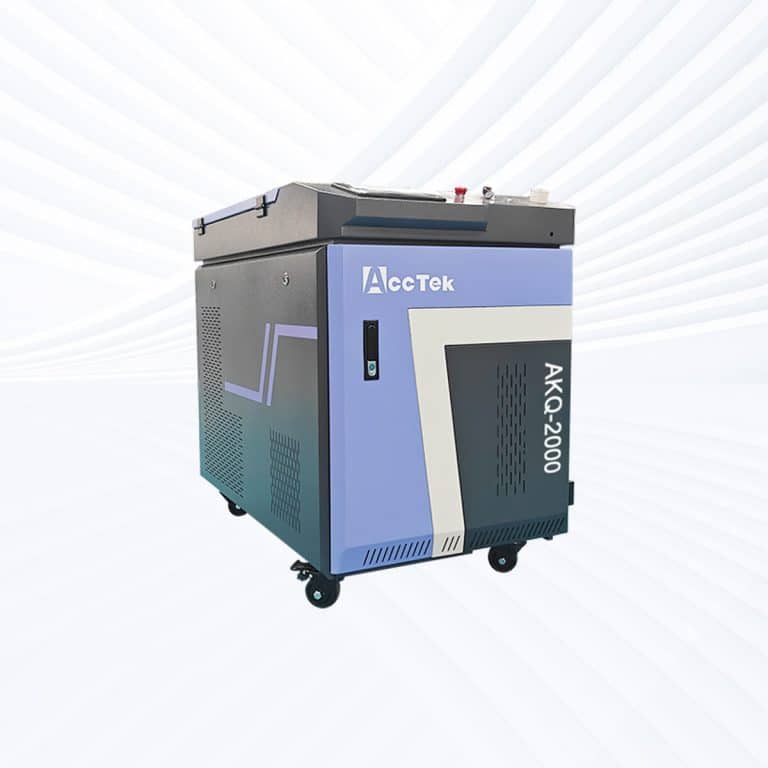
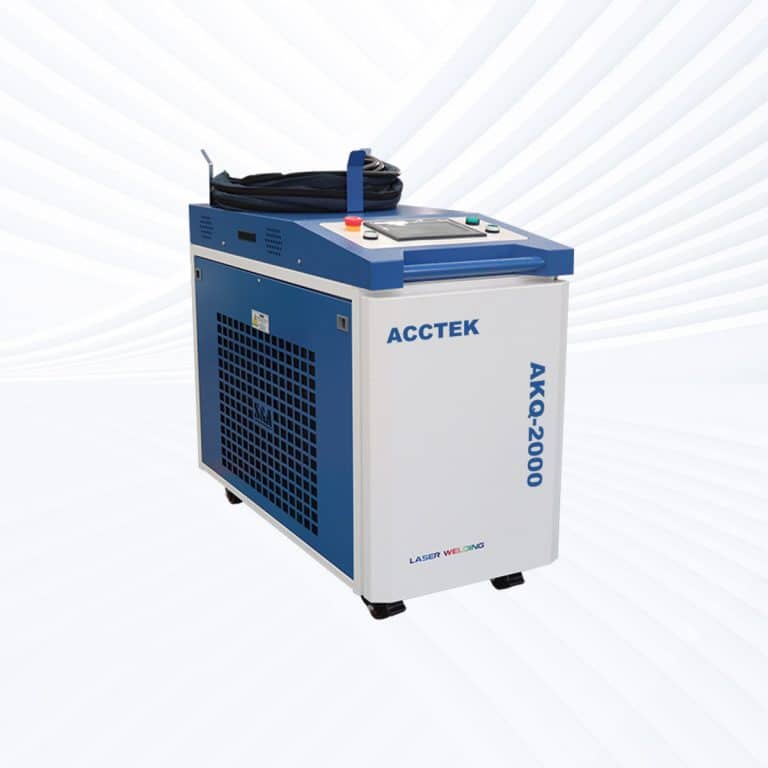
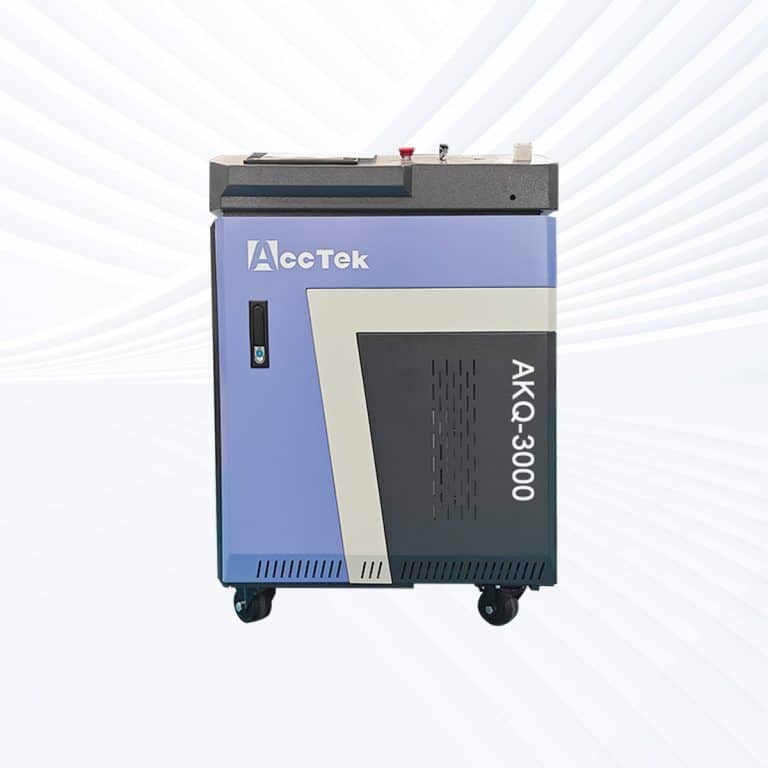
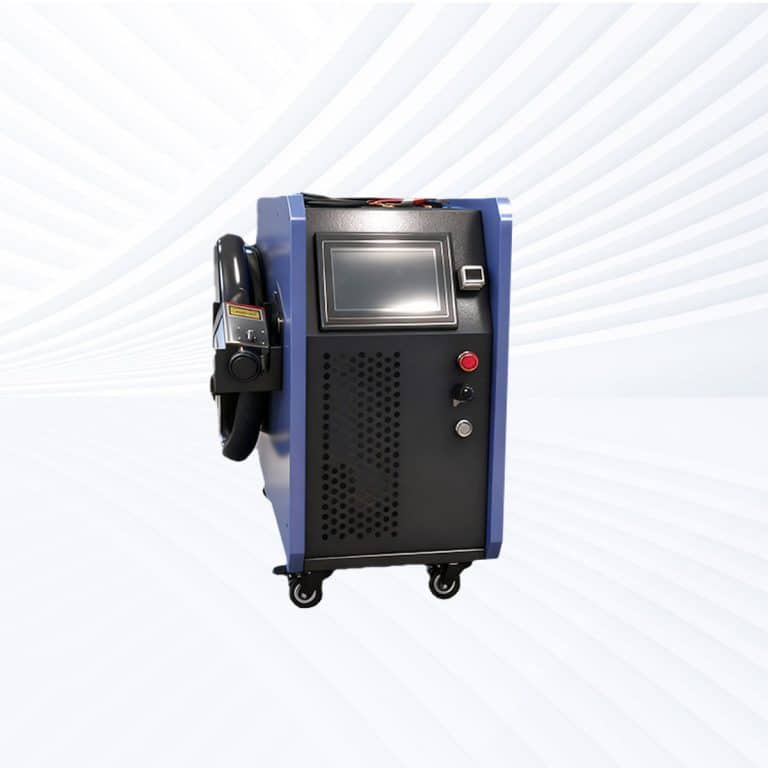
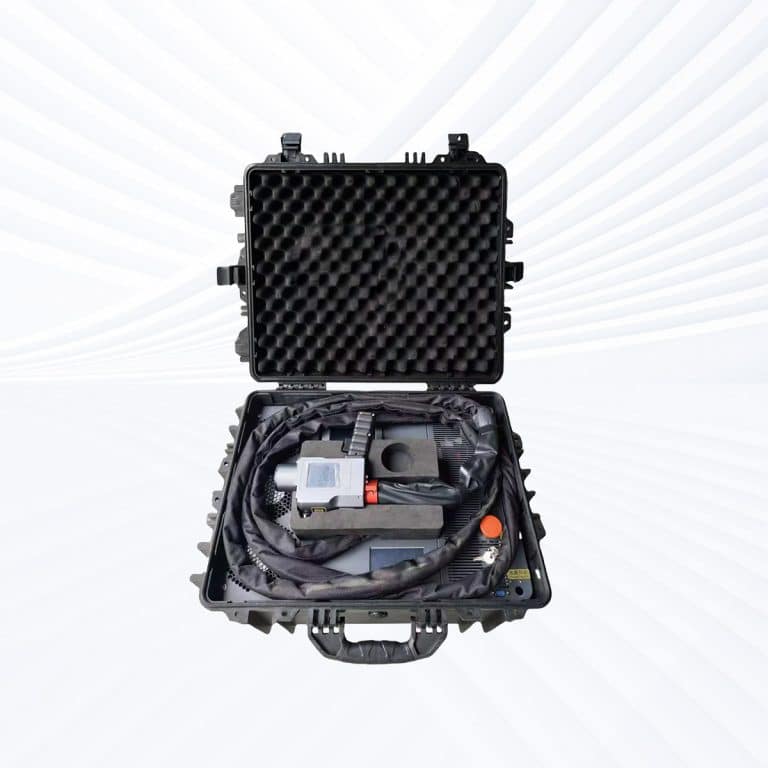
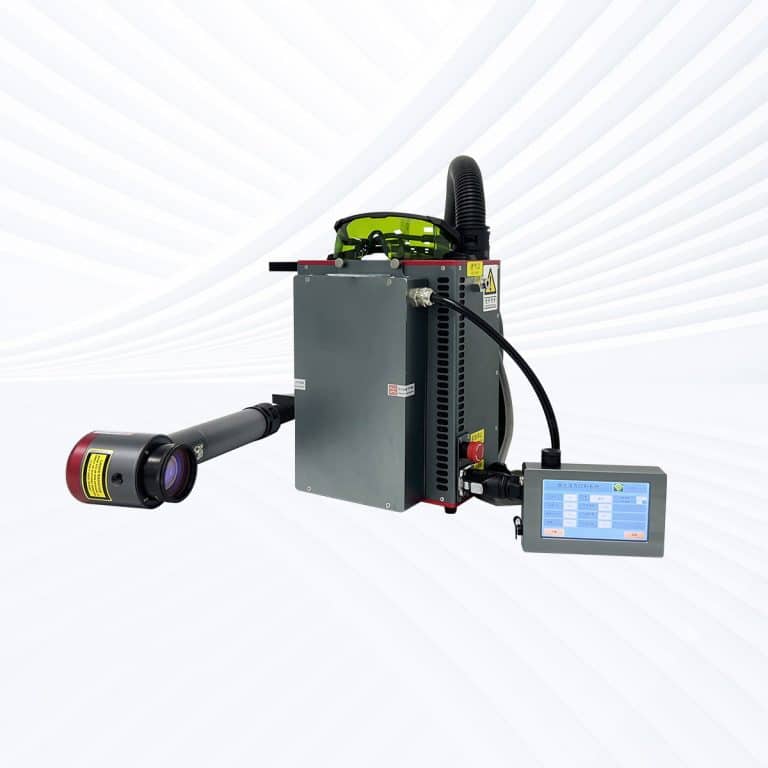
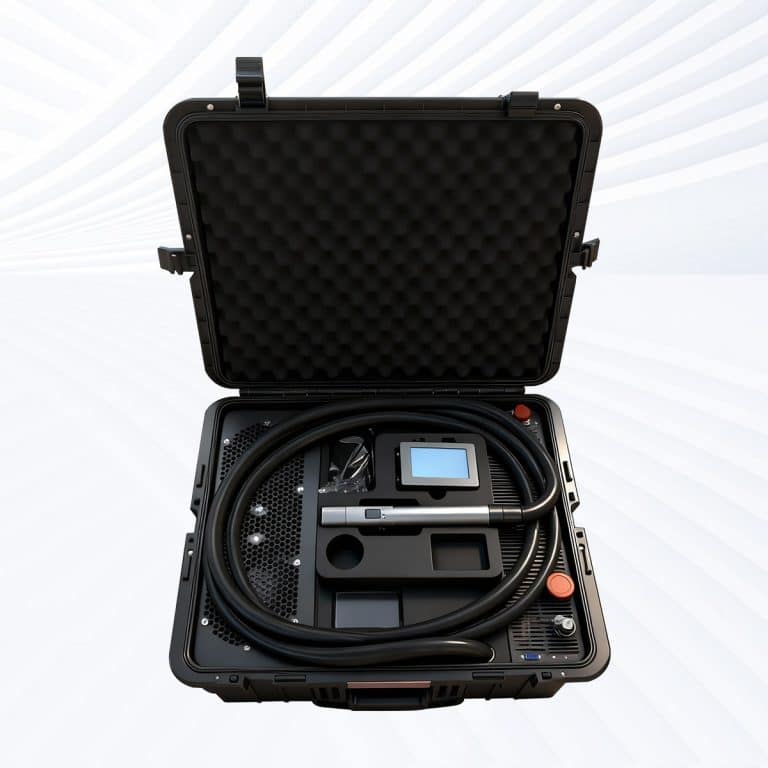
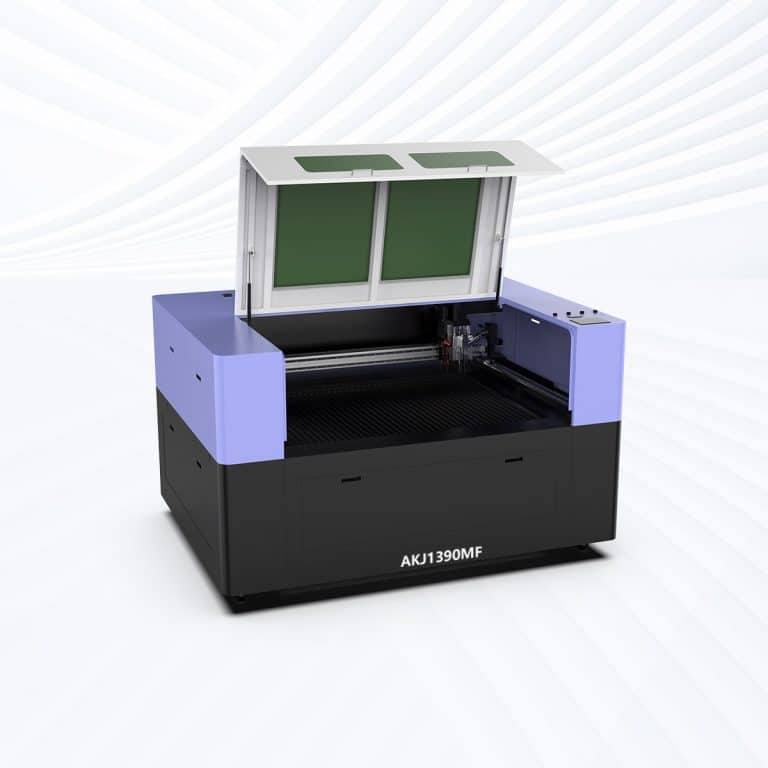
Types of Welding Burns Laser Cleaning Machines
Benefits of Laser Cleaning Welding Burns
Non-Destructive Precision Cleaning
Laser cleaning removes welding burns, heat tint, and oxides with pinpoint accuracy. It targets only the affected surface layer, preserving the base metal’s structure, finish, and mechanical properties without grinding or abrasion.
Chemical-Free and Eco-Friendly Process
Laser cleaning requires no acids, solvents, or consumables. This eliminates hazardous waste, reduces environmental impact, and helps manufacturers meet strict environmental and workplace safety regulations while maintaining a cleaner production environment.
Improved Weld Quality and Corrosion Resistance
By fully removing oxidation and heat discoloration, laser cleaning restores the metal’s passive layer. This significantly improves corrosion resistance, especially for stainless steel, and enhances the overall quality and longevity of welded components.
Lower Operating and Maintenance Costs
Unlike traditional methods, laser cleaning minimizes consumables, labor, and rework. With low maintenance requirements and long service life, welding burns laser cleaning machines reduce total operating costs and improve return on investment.
High Efficiency and Automation Compatibility
Laser cleaning delivers fast, repeatable results and can be easily integrated with robotic arms or automated production lines. This boosts productivity, ensures consistent quality, and supports high-volume industrial welding applications.
Enhanced Workplace Safety and Operator Comfort
The non-contact process reduces dust, noise, sparks, and manual strain. Operators benefit from a safer, cleaner working environment, while companies improve compliance with occupational health and safety standards.
Compatible Surfaces
- Stainless Steel
- Carbon Steel
- Mild Steel
- Galvanized Steel
- Aluminum
- Aluminum Alloys
- Copper
- Brass
- Bronze
- Titanium
- Titanium Alloys
- Nickel
- Nickel Alloys
- Tool Steel
- Alloy Steel
- Hardened Steel
- Spring Steel
- Cast Iron
- Magnesium Alloys
- Zinc Alloys
- Cobalt Alloys
- Chromium Alloys
- Molybdenum Alloys
- Tungsten Alloys
- Inconel
- Monel
- Hastelloy
- Structural Steel
- Sheet Metal
- Pipe and Tubing Surfaces
- Weld Seams
- Weld Joints
- Heat-Affected Zones (HAZ)
- Metal Frames
- Pressure Vessel Surfaces
- Automotive Metal Components
- Aerospace-Grade Alloys
- Medical-Grade Metals
- Food-Grade Stainless Steel
- Industrial Fabricated Metal Parts
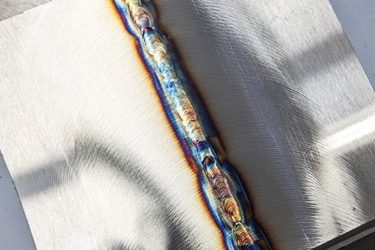
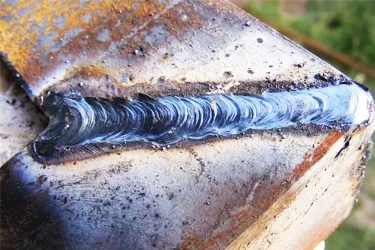
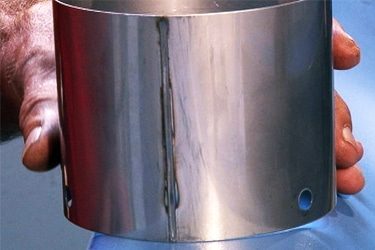
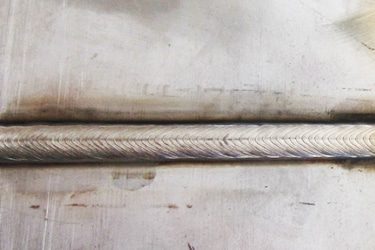
Application of Welding Burns Laser Cleaning Machines
Customer Testimonials
Comparison VS Other Cleaning Technologies
| Comparison Item | Laser Cleaning | Sandblasting | Chemical Cleaning | Ultrasonic Cleaning |
|---|---|---|---|---|
| Cleaning Principle | Laser ablation removes oxide and heat tint | Abrasive impact removes surface | Chemical reaction dissolves residues | Cavitation loosens contaminants |
| Contact With Surface | Non-contact | Direct abrasive contact | Immersion contact | Liquid-based contact |
| Base Material Protection | Excellent, no damage | Risk of erosion | Possible chemical attack | Limited on weld burns |
| Precision & Selectivity | Very high, localized cleaning | Low, wide area | Medium | Low |
| Cleaning of Heat Tint | Highly effective | Effective but rough | Effective | Poor |
| Surface Finish Quality | Smooth, original finish | Roughened surface | Possible residue | No surface improvement |
| Environmental Impact | Eco-friendly, no waste | High dust and waste | Hazardous chemicals | Wastewater generation |
| Consumables Required | None | Abrasives | Acids and solvents | Cleaning liquids |
| Operating Cost | Low long-term | Medium to high | High | Medium |
| Automation Compatibility | Excellent | Limited | Limited | Limited |
| Safety for Operators | High | Dust and noise hazards | Chemical exposure risk | Liquid handling risk |
| Setup & Cleanup Time | Minimal | High | High | Medium |
| Maintenance Needs | Low | High due to wear | Medium | Medium |
| Suitability for Complex Welds | Excellent | Poor | Medium | Poor |
| Long-Term Cost Efficiency | Very high | Medium | Low | Medium |
Why Choose Us
Efficient Cleaning
Our machines offer fast, precise cleaning without chemicals or abrasion, making them ideal for delicate surfaces and complex materials across various industries.
Safe & Eco-Friendly
Laser cleaning eliminates the need for harsh chemicals and generates no secondary pollution, creating a safer and more environmentally friendly workspace.
Stable Performance
Built with high-quality components and advanced control systems, our machines ensure consistent cleaning results with minimal maintenance and long service life.
Custom Solutions
We provide flexible configurations and tailored options to match different cleaning requirements, helping customers achieve optimal performance for their specific applications.
Related Resources
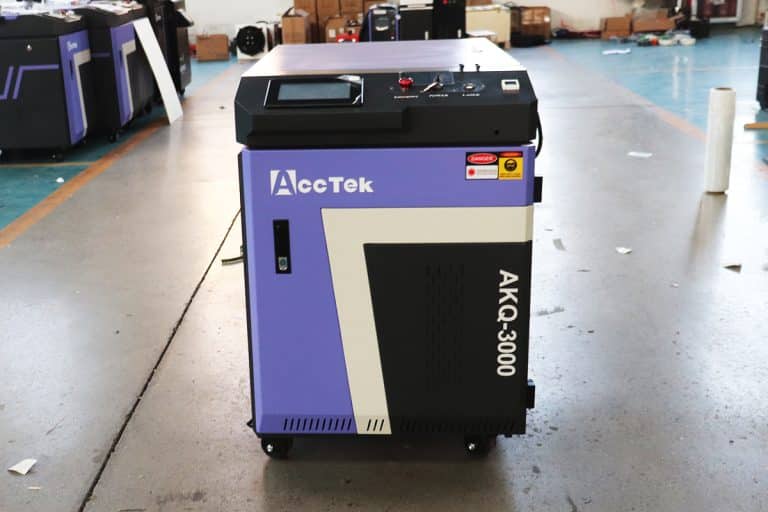
What Types Of Cooling Systems Are Available For Laser Cleaning Machines
This article explores the cooling systems used in laser cleaning machines, including air cooling, water cooling, hybrid systems, industrial chillers, maintenance, and selection methods.
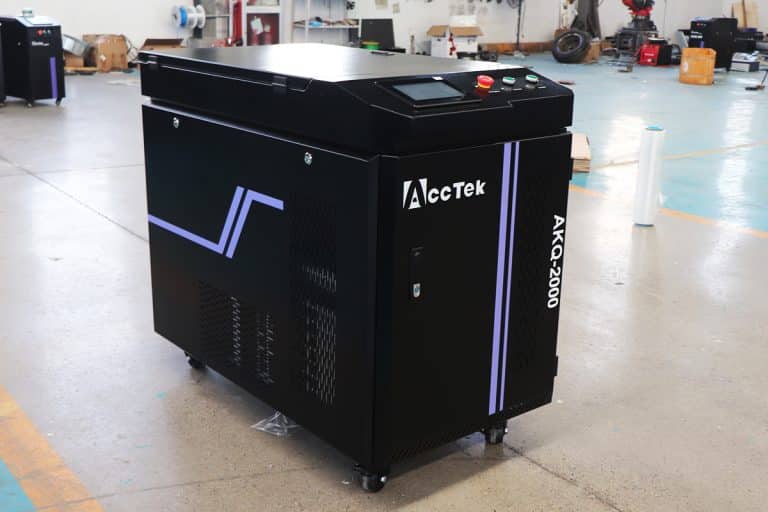
What Is The Cost Of Laser Cleaning Machines
This article explores the cost of laser cleaning machines, including price ranges, key factors, operating costs, ROI, and comparisons with traditional cleaning methods for informed decisions.
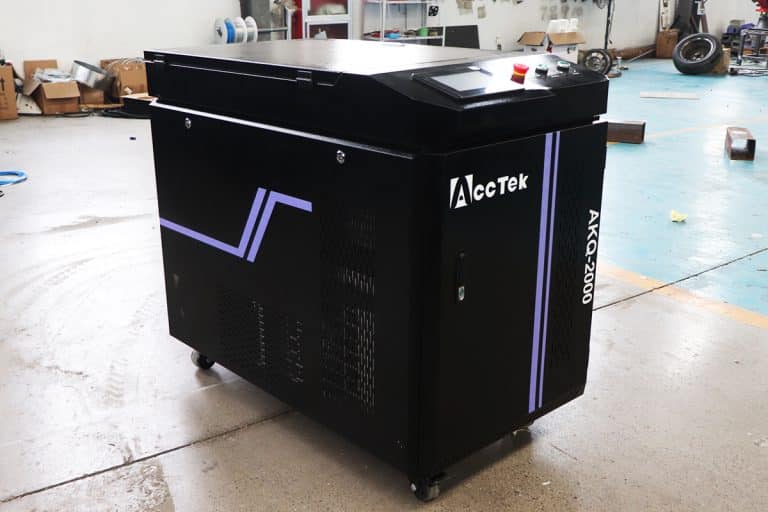
What Are The Dangers Of Laser Cleaning
This article explores the potential dangers of laser cleaning, including radiation exposure, fumes, fire risks, and operational hazards, along with practical safety measures and comparisons to traditional methods.
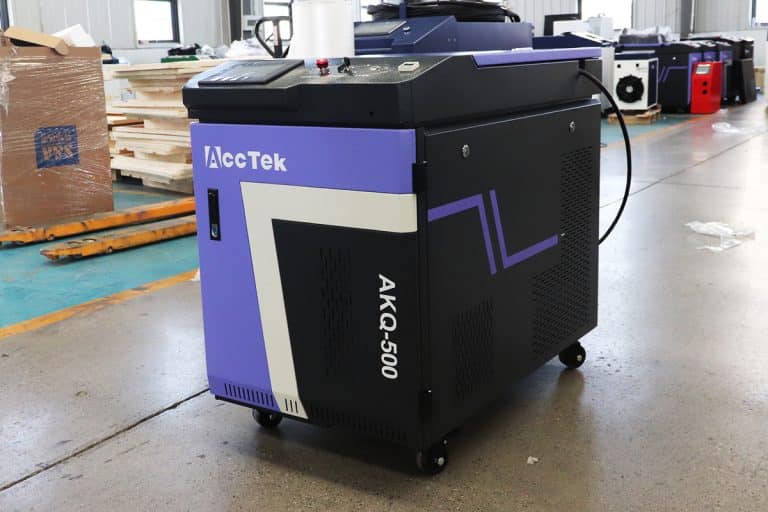
Comprehensive Guide to Choosing the Right Laser Cleaning Machines
This comprehensive guide provides essential insights into selecting the right laser cleaning machine, covering key factors like machine capabilities, cost, efficiency, and maintenance for optimal results.
Frequently Asked Questions
What Laser Power Options Are Available For Welding Burns Laser Cleaning Machines?
- Continuous laser cleaning machines emit a steady laser beam and are commonly used for fast, large-area removal of welding burns and heat discoloration. 1000W and 1500W continuous systems are well-suited for light welding burns, surface oxidation, and discoloration on carbon steel, stainless steel, and aluminum components. These power levels provide efficient cleaning while maintaining good control over heat input.
- 2000W and 3000W machines are ideal for heavier welding burns, thick oxide layers, and post-weld scale on structural steel, pipelines, and fabricated assemblies. These systems significantly improve cleaning speed and are widely used in manufacturing lines, shipbuilding, and metal fabrication workshops.
- At the high end, 6000W continuous laser cleaning machines are designed for heavy-duty industrial environments where rapid removal of welding burns over large surfaces is required. These machines are typically applied to robust metal structures where productivity is critical, and surfaces can tolerate higher thermal loads.
- Pulsed laser cleaning machines deliver energy in short, high-intensity bursts, making them ideal for precision removal of welding burns with minimal thermal impact. 100W to 300W pulsed systems are commonly used for light weld discoloration, heat tint removal, and oxide films on thin metals, precision parts, and finished components. Their controlled energy delivery helps prevent surface discoloration or micro-damage.
- 500W and 1000W pulsed laser cleaning systems offer a balance between speed and precision. These machines are popular for stainless steel weld cleaning, cosmetic weld finishing, and applications where surface appearance is critical.
- Higher-powered pulsed systems, such as 1500W and 2000W, are capable of handling thicker weld oxides and larger weld areas while still maintaining superior surface protection compared to continuous lasers. They are often used in applications requiring both efficiency and high-quality surface results.
What Is The Power Consumption of Welding Burns Laser Cleaning Machines?
- Continuous Laser Cleaning Machines
- Continuous laser cleaning machines consume higher electrical power because they deliver a steady laser beam designed for fast removal of welding burns, heat tint, and oxide scale over large areas. A 1000W continuous laser cleaning machine typically consumes about 5 kW of electrical power. This includes the laser source, cooling system, scanning components, and control electronics. These systems are commonly used for light welding, discoloration, and surface oxidation on steel and aluminum components.
- As laser output increases, power consumption rises accordingly. 1500W systems consume approximately 6.5 kW, while 2000W machines draw around 8.5 kW, making them suitable for thicker weld oxides and faster post-weld cleaning cycles.
- For demanding industrial environments, 3000W continuous laser cleaning machines require about 12 kW, allowing rapid cleaning of weld seams on large fabricated structures, pipelines, and frames. At the upper end, 6000W systems consume up to 20 kW, delivering maximum throughput for shipyards, heavy fabrication plants, and large-scale manufacturing operations. These high-power machines require industrial-grade power supplies and robust cooling systems to ensure stable operation.
- Pulse Laser Cleaning Machines
- Pulse laser cleaning machines are generally more energy-efficient because they emit laser energy in short, high-intensity pulses rather than continuously. 100W pulsed laser cleaning machines typically consume only 0.5 kW, making them ideal for precision weld discoloration removal on thin metals, stainless steel parts, and finished components.
- Mid-range pulsed laser cleaning systems, such as 200W and 300W machines, consume approximately 1 kW and 1.5 kW, respectively. These units are widely used for controlled weld cleaning where surface appearance and minimal heat input are critical. 500W pulsed systems draw about 2.5 kW, offering a good balance between cleaning speed and energy efficiency.
- Higher-powered pulsed systems include 1000W machines consuming around 5 kW and 2000W machines consuming approximately 8.5 kW. These provide faster weld burn removal while maintaining superior control over heat input compared to continuous lasers.
What Is The Price of Welding Burns Laser Cleaning Machines?
- Continuous Laser Cleaning Machines ($3,500–$7,500): Continuous laser cleaning machines are typically the most affordable option for removing welding burns, heat tint, and surface oxidation. With prices ranging between $3,500 and $7,500, these systems are designed for users who prioritize speed, simplicity, and cost efficiency. Entry-level continuous laser cleaning machines are suitable for light weld discoloration and oxide removal on carbon steel, stainless steel, and aluminum components. They are commonly used in small fabrication shops, maintenance operations, and general manufacturing environments. Machines at the higher end of this price range usually feature improved laser stability, more robust cooling systems, and enhanced safety controls. These upgrades allow for longer operating cycles and faster cleaning of weld seams on larger parts. While continuous laser cleaning systems may generate more heat than pulsed systems, their lower upfront cost and high productivity make them ideal for large weld areas where cosmetic precision is not the primary concern.
- Pulse Laser Cleaning Machines ($6,000–$70,000): Pulse laser cleaning machines cover a much wider price range, starting at approximately $6,000 and reaching up to $70,000. Entry-level pulsed systems are often used for precision weld cleaning, especially on thin metals, stainless steel welds, and finished components where appearance is critical. These machines deliver laser energy in short bursts, minimizing heat input and reducing the risk of discoloration or surface damage. Mid-range pulsed laser cleaning machines include higher pulse energy, better beam quality, and advanced control software, making them suitable for automotive, aerospace, and high-end fabrication applications. At the premium end, pulsed laser cleaning machines priced near $70,000 offer industrial-grade construction, exceptional reliability, automation compatibility, and consistent high-quality results. These systems are widely used in shipbuilding, aviation maintenance, and advanced manufacturing environments.
How To Select Welding Burns Laser Cleaning Machines?
- Assess the Base Material and Weld Sensitivity: The first step is to identify the material being cleaned. Stainless steel, carbon steel, aluminum, and alloys respond differently to laser energy. Thin metals and cosmetic welds require gentler, more controlled cleaning, while thicker structural components can tolerate higher power. If surface appearance and metallurgical integrity are critical, precision-focused systems are essential.
- Choose Between Continuous and Pulsed Laser Technology: Continuous laser cleaning machines are best suited for large weld areas and production environments where speed and throughput are priorities. They deliver a steady beam that efficiently removes heat tint and oxidation over long weld seams. Pulsed laser cleaning machines, on the other hand, emit energy in short bursts, offering superior control and minimal heat input. These systems are ideal for stainless steel welds, thin materials, or applications where discoloration and microstructural changes must be avoided.
- Select the Appropriate Power Level: Laser power directly affects cleaning speed and effectiveness. Higher power allows faster removal of heavy weld burns and thick oxide layers, reducing cycle time. However, excessive power can increase the risk of overheating or surface alteration. Machines with adjustable power settings provide flexibility, allowing operators to fine-tune performance for different weld conditions and materials.
- Consider Surface Finish Requirements: If welds must meet high cosmetic or hygienic standards—such as in food processing, medical equipment, or architectural metalwork—pulsed systems with fine control are preferred. For general fabrication or structural applications, continuous systems can deliver acceptable results more quickly.
- Evaluate Work Environment and Mobility Needs: Determine whether the machine will be used in a fixed workshop or for on-site welding cleanup. Portable, handheld laser cleaning machines are ideal for shipyards, pipelines, and large assemblies, while stationary systems may be better for production lines. Power availability, cooling requirements, and space constraints should also be considered.
- Safety Features and Ease of Operation: Modern welding burns laser cleaning machines should include safety interlocks, emergency stop functions, protective housings, and compatibility with fume extraction systems. User-friendly interfaces, preset cleaning modes, and real-time parameter adjustment improve efficiency and reduce operator error.
- Budget and Long-Term Value: While upfront cost is important, long-term reliability, maintenance requirements, and manufacturer support play a major role in overall value. A higher initial investment may reduce operating costs and downtime over time.
Does Laser Cleaning Welding Burns Damage Material?
- Selective Removal of Weld Burns: Laser cleaning works on the principle of selective energy absorption. Welding burns, oxide layers, and heat-affected residues absorb laser energy more readily than the base metal beneath. When the laser interacts with these surface contaminants, they are broken down and removed through controlled laser ablation. The underlying metal reflects or dissipates much of the laser energy, preventing unwanted material loss or surface erosion.
- Controlled Heat Input and Precision: One of the key reasons laser cleaning does not damage material is its precise control over heat input. Pulsed laser cleaning systems, in particular, deliver energy in short bursts, allowing effective removal of weld burns with minimal heat buildup. This makes them ideal for thin metals, stainless steel welds, and components where appearance or metallurgical properties are critical. Continuous laser cleaning systems can also be used safely on thicker or more robust materials when parameters are properly adjusted.
- Risks of Incorrect Settings: Although laser cleaning is inherently gentle, damage can occur if improper settings are used. Excessive laser power, slow scanning speed, or prolonged exposure in one area may cause localized heating, surface discoloration, or slight texture changes. Thin or heat-sensitive materials are especially vulnerable if parameters are not optimized. For this reason, test cleaning on a small area is recommended before full-scale operation.
- Comparison with Traditional Weld Cleaning Methods: Compared to grinding, pickling, or abrasive blasting, laser cleaning is far less aggressive. Mechanical methods physically remove base material and can alter weld geometry or weaken joints. Chemical methods may cause corrosion or leave residues that affect long-term performance. Laser cleaning, by contrast, is a non-contact process that removes only unwanted surface layers, leaving the weld and base metal intact.
- Best Practices to Prevent Damage: To ensure safe weld burn removal, operators should use adjustable power settings, start with the lowest effective energy, and monitor surface response in real time. Proper operator training and routine equipment calibration are also essential for consistent, damage-free results.
What Are The Operating Environment Requirements for Welding Burns Laser Cleaning Machines?
- Temperature and Humidity Control: Welding burns laser cleaning machines typically operate best within a temperature range of about 5℃ to 40℃. Excessive heat can affect laser stability and strain cooling systems, while very low temperatures may impact electronics and optical alignment. Humidity should be kept at a moderate level, as high moisture can cause condensation on optical components and electrical parts, leading to reduced efficiency or corrosion. For outdoor or workshop environments, protective enclosures help shield equipment from rain, dust, and direct sunlight.
- Ventilation and Fume Management: Proper ventilation is critical during weld burn removal. Laser ablation of weld discoloration and oxide layers generates fine particles and fumes that must be controlled. Indoor operations should always include effective fume extraction systems equipped with HEPA and activated carbon filters. In outdoor applications, natural airflow assists dispersion, but localized fume extraction remains recommended to protect operators and nearby equipment.
- Power Supply Stability: A stable and reliable power supply is essential for welding burns laser cleaning machines. Voltage fluctuations, poor grounding, or unstable electrical connections can cause inconsistent laser output, system errors, or long-term damage to sensitive components. Industrial-grade power sources, proper grounding, and surge protection devices are strongly recommended, especially for higher-power systems.
- Workspace Safety and Layout: The operating area should be clean, dry, and free of unnecessary obstructions. Reflective surfaces near the cleaning zone should be minimized to reduce the risk of stray laser reflections. Clearly marked safety zones, warning signs, and controlled access help prevent accidental exposure. Operators and nearby personnel must wear appropriate laser safety eyewear and protective equipment.
- Dust, Vibration, and Environmental Contaminants: Excessive dust, corrosive vapors, or strong vibrations can negatively affect laser optics and mechanical components. Welding burns laser cleaning machines should not be operated in environments with heavy airborne contaminants unless additional protective measures are in place. Stable machine placement and vibration isolation improve cleaning precision and protect internal components.
- Mobility and On-Site Use Considerations: For mobile or on-site weld cleaning, weather-resistant housings, sealed connectors, and protective covers are essential. Wind conditions should also be considered, as strong airflow can affect fume capture efficiency and cleaning consistency.
How To Maintain The Welding Burns Laser Cleaning Machines?
- Routine Cleaning of Optical Components: Optical elements such as protective lenses, beam windows, and scanning heads should be inspected frequently. During welding burn removal, fine oxide particles and residues can accumulate on optical surfaces, reducing laser transmission efficiency and beam quality. These components should be cleaned only with manufacturer-approved wipes and solutions. Improper cleaning materials can scratch coatings or permanently damage optics, leading to uneven cleaning results.
- Cooling System Maintenance: Welding burns laser cleaning machines rely heavily on efficient cooling to protect the laser source and internal electronics. For water-cooled systems, coolant levels, flow rate, and coolant quality should be checked regularly. Coolant should be replaced according to the recommended schedule to prevent contamination, corrosion, or reduced heat dissipation. Air-cooled systems require routine cleaning of fans, vents, and heat sinks to ensure unrestricted airflow and stable operating temperatures.
- Electrical and Power System Inspection: Power cables, connectors, and grounding points should be inspected periodically for wear, looseness, or damage. A stable power supply is critical for consistent laser output. Voltage fluctuations or poor grounding can cause system alarms, unstable performance, or long-term damage to sensitive components. Using surge protection devices adds an extra layer of protection in industrial environments.
- Fume Extraction and Filter Care: Laser cleaning of welding burns produces fine particulate matter and fumes that must be captured effectively. Fume extraction units should be inspected regularly, and filters such as HEPA and activated carbon filters should be cleaned or replaced when clogged. Proper airflow not only protects operator health but also prevents residue buildup inside the laser cleaning system.
- Software Updates and System Calibration: Modern laser cleaning machines depend on control software to manage power output, pulse frequency, and scanning patterns. Keeping software up to date ensures optimal performance, improved safety features, and compatibility with hardware updates. Periodic calibration checks help maintain accurate energy delivery and consistent weld cleaning quality.
- Mechanical Components and Safety Checks: Moving parts, cable carriers, and mounts should be checked for wear, misalignment, or looseness. Safety systems such as emergency stop buttons, interlocks, and protective housings must be tested regularly to ensure reliable operation.
- Operator Practices and Preventive Maintenance: Well-trained operators play a key role in machine longevity. Proper startup and shutdown procedures, correct parameter selection, and avoiding unnecessary overloading reduce stress on components. Keeping a maintenance log helps track service intervals and identify potential issues early.
How Smooth Is The Surface Finish After Laser Cleaning Welding Burns?
- Selective Removal and Surface Preservation: Laser cleaning works through selective energy absorption. Welding burns, heat tint, and oxide layers absorb laser energy more efficiently than the underlying metal. As a result, these surface contaminants are vaporized or broken down without cutting into or roughening the base material. This selective process allows the original surface profile to remain intact, producing a finish that closely resembles the metal’s pre-weld condition.
- Comparison with Traditional Weld Cleaning Methods: Traditional weld cleaning techniques, such as grinding, wire brushing, or sandblasting, often leave visible scratches, uneven textures, or altered surface roughness. Chemical pickling can sometimes etch the metal surface or leave residues that affect appearance and corrosion resistance. In contrast, laser cleaning is a non-contact process that does not mechanically abrade the surface, resulting in a significantly smoother and more consistent finish.
- Influence of Laser Type and Parameters: The final surface smoothness depends on the laser system used and how it is configured. Pulsed laser cleaning machines generally produce the smoothest finishes because they deliver energy in short bursts with minimal heat accumulation. This prevents surface melting, micro-pitting, or discoloration, making pulsed systems ideal for stainless steel welds and cosmetic applications. Continuous laser systems can also achieve smooth results on thicker or more robust materials when power and scanning speed are properly balanced.
- Effect on Weld Appearance and Color: After laser cleaning, weld seams typically appear clean, bright, and uniform in color. Heat tint and oxidation are removed without leaving grinding marks or visible transitions between the weld and surrounding metal. This is especially valuable for applications where aesthetics, hygiene, or corrosion resistance are important, such as food-grade equipment, architectural metalwork, and stainless steel fabrication.
- Surface Readiness for Further Processing: Laser-cleaned weld surfaces are often ready for immediate use or further processing. The smooth, residue-free finish improves corrosion resistance and provides an excellent base for painting, coating, passivation, or polishing without additional surface preparation.