

Product Introduction
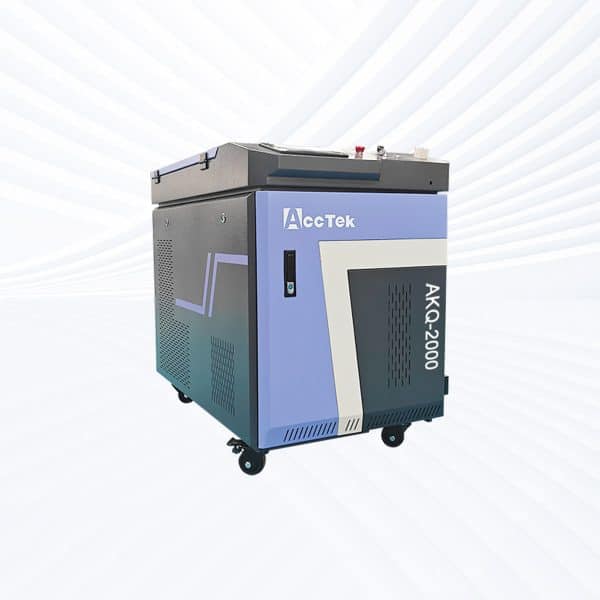
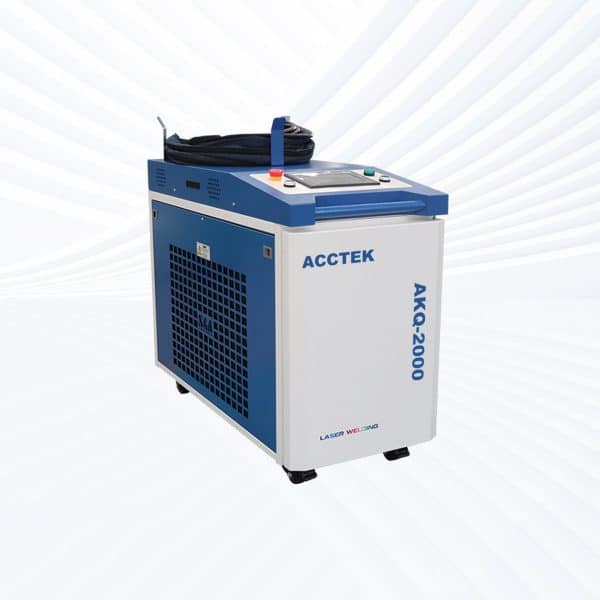
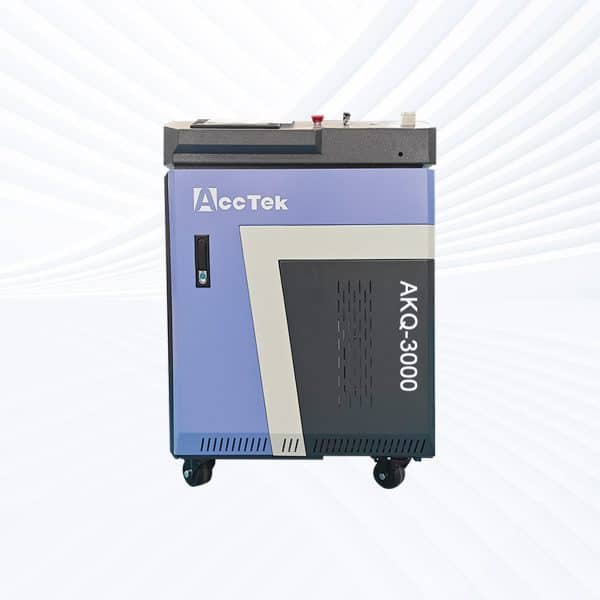
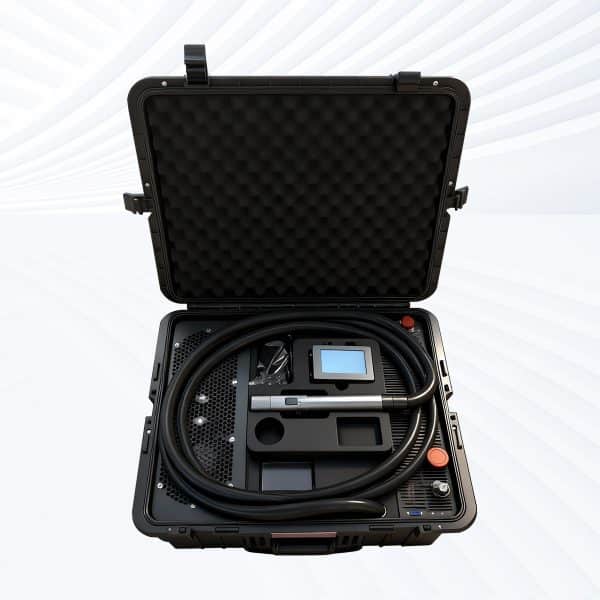
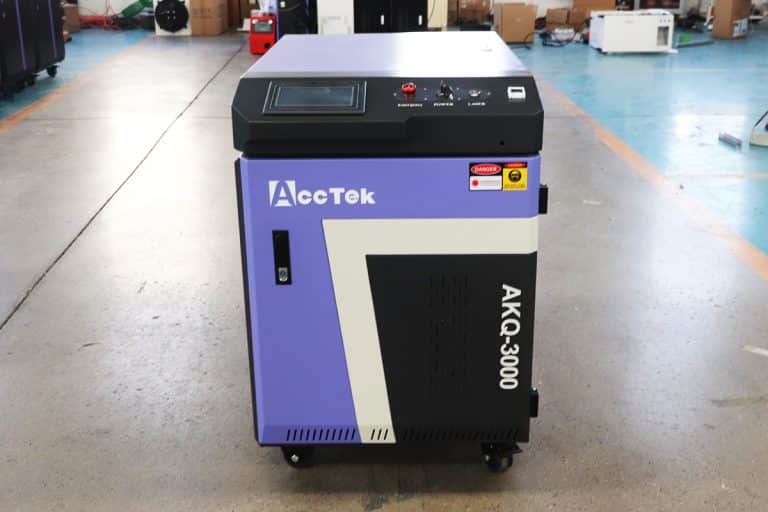
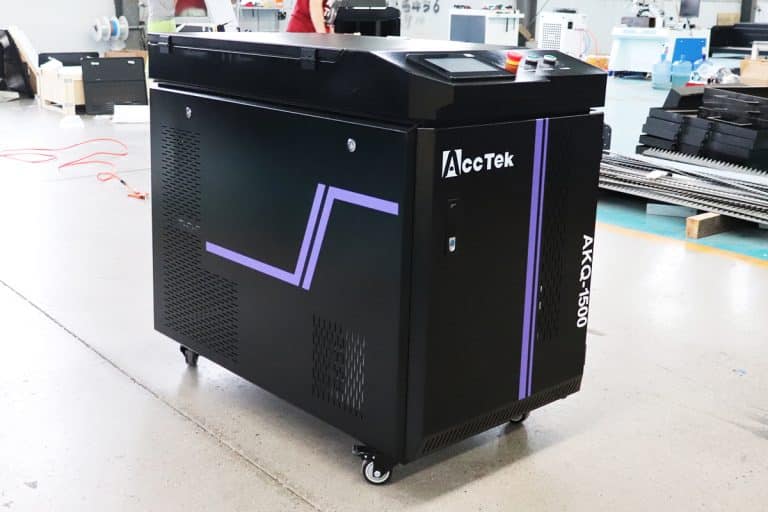
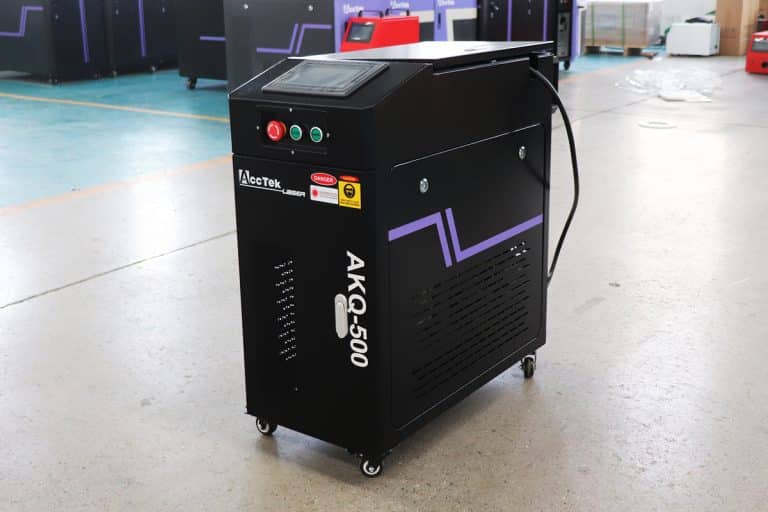
Types of 1.5kW Continuous Laser Cleaning Machines
Contaminant Removal Capability
| Contaminant Type | 1kW | 1.5kW | 2kW | 3kW | 6kW |
|---|---|---|---|---|---|
| Light Rust / Oxide Film | Excellent | Excellent | Excellent | Excellent | Excellent |
| Heavy Rust / Deep Corrosion | Moderate | Good | Excellent | Excellent | Excellent |
| Paint / Coating Layer | Moderate | Good | Excellent | Excellent | Excellent |
| Powder Coating | Light Removal | Moderate | Good | Excellent | Excellent |
| Oil / Grease / Mold Release Residue | Excellent | Excellent | Excellent | Excellent | Excellent |
| Resin / Rubber / Adhesive Film | Light Removal | Moderate | Good | Excellent | Excellent |
| Carbon Deposits / Burn Marks | Moderate | Good | Excellent | Excellent | Excellent |
| Weld Oxidation / Heat Tint | Good | Excellent | Excellent | Excellent | Excellent |
| Polishing Compound / Buffing Paste | Good | Excellent | Excellent | Excellent | Excellent |
| Protective Film Residue / Glue | Excellent | Excellent | Excellent | Excellent | Excellent |
| Oxide Scale after Heat Treatment | Moderate | Good | Excellent | Excellent | Excellent |
| Dust / Environmental Contaminants | Excellent | Excellent | Excellent | Excellent | Excellent |
| Tar / Asphalt / Hydrocarbon Film | Moderate | Good | Excellent | Excellent | Excellent |
| Salt / Mineral Deposits | Good | Excellent | Excellent | Excellent | Excellent |
Compatible Materials
- Carbon Steel
- Stainless Steel
- Mild Steel
- Alloy Steel
- Tool Steel
- Cast Iron
- Galvanized Steel
- Aluminum
- Aluminum Alloys
- Copper
- Brass
- Bronze
- Nickel
- Nickel Alloys
- Titanium
- Titanium Alloys
- Zinc
- Chrome-Plated Steel
- Chromium Alloys
- Tungsten
- Molybdenum
- Inconel
- Lead
- Silver
- Gold
- Platinum
- Metal Molds
- Welding Seams and Joints
- Oxidized Metal Surfaces
- Painted Metal Parts
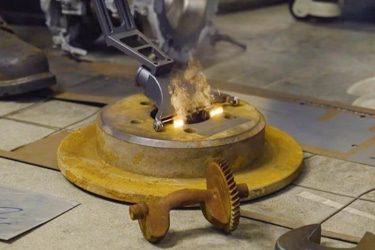
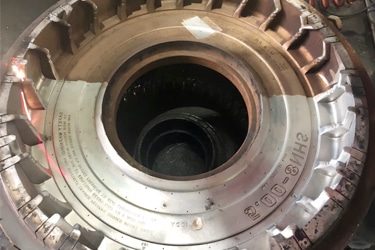
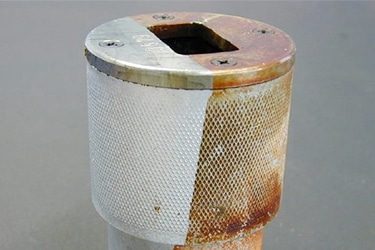
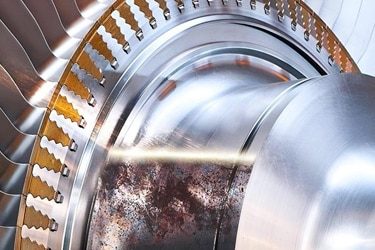
Application of 1.5kW Continuous Laser Cleaning Machines
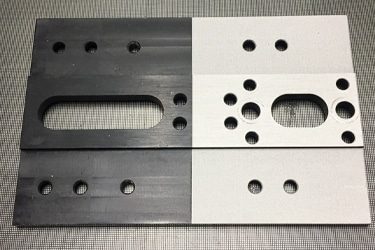
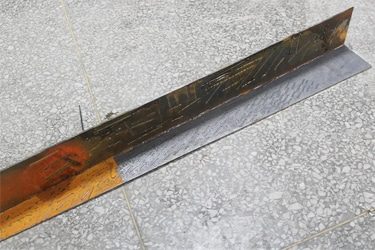
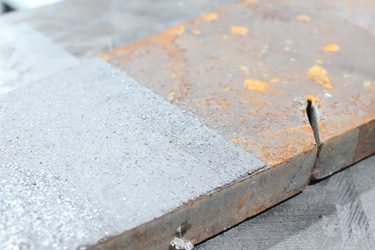
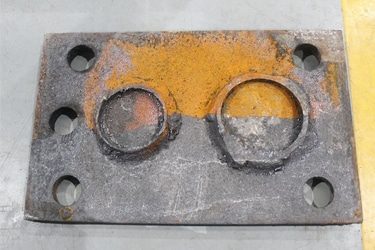
Customer Testimonials
Comparison VS Other Cleaning Technologies
| Comparison Item | Continuous Laser Cleaning | Sandblasting | Chemical Cleaning | Ultrasonic Cleaning |
|---|---|---|---|---|
| Cleaning Method | Non-contact laser ablation | Abrasive particle impact | Chemical reaction/dissolution | Cavitation from ultrasonic waves |
| Surface Damage Risk | None (non-abrasive) | High (abrasive wear) | Possible chemical corrosion | Low |
| Environmental Impact | Eco-friendly, no waste | Dust and debris generation | Hazardous waste and fumes | Requires detergent solution |
| Precision Cleaning | Extremely precise | Low precision | Moderate | High for small components |
| Cleaning Speed | Very fast | Moderate | Slow | Moderate |
| Material Compatibility | Metals, alloys, stone, rubber, etc. | Mostly metals and hard surfaces | Limited by chemical reactivity | Mostly metals and delicate parts |
| Operating Costs | Low (no consumables) | Medium (abrasives) | High (chemicals and disposal) | Medium (detergents and water) |
| Maintenance Requirements | Minimal | Frequent (abrasive clogging) | High (chemical handling) | Moderate |
| Worker Safety | High (no chemicals or dust) | Low (airborne particles) | Low (toxic exposure risk) | High |
| Automation Capability | Easily automated/robot-integrated | Difficult | Limited | Limited |
| Waste Generation | None | High (abrasive residue) | High (chemical waste) | Low |
| Operating Environment | Clean and dry | Dusty and noisy | Fume and liquid handling needed | Wet and enclosed |
| Consumables Required | None | Abrasive media | Chemicals | Cleaning solution |
| Energy Efficiency | High | Moderate | Low | Moderate |
| Typical Applications | Rust, paint, oxide, coating removal | Rust, scale, paint removal | Oil, grease, oxide removal | Fine cleaning of small precision parts |
Why Choose Us
Efficient Cleaning
Our machines offer fast, precise cleaning without chemicals or abrasion, making them ideal for delicate surfaces and complex materials across various industries.
Safe & Eco-Friendly
Laser cleaning eliminates the need for harsh chemicals and generates no secondary pollution, creating a safer and more environmentally friendly workspace.
Stable Performance
Built with high-quality components and advanced control systems, our machines ensure consistent cleaning results with minimal maintenance and long service life.
Custom Solutions
We provide flexible configurations and tailored options to match different cleaning requirements, helping customers achieve optimal performance for their specific applications.
Related Resources
What Is Pulsed Laser Cleaning?
This article explores what pulsed laser cleaning is, how it works, key parameters, machine types, suitable materials, applications, advantages, limitations, and effects on surface quality.
How Do Laser Parameters Affect The Cleaning Process?
This article explores how laser power, speed, pulse frequency, pulse width, fluence, focus, scanning settings, and material properties affect laser cleaning quality, efficiency, and surface protection.
Lifespan of Laser Cleaning Machines
This article explores the lifespan of laser cleaning machines, including component durability, influencing factors, maintenance practices, warning signs, application demands, and ways to extend service life.
Is Laser Cleaning Environmentally Friendly?
This article explains laser cleaning from an environmental perspective, covering how it works, waste reduction, energy use, emissions control, safety, applications, limitations, and responsible operation.
Frequently Asked Questions
How Much Do 1.5kW Continuous Laser Cleaning Machines Cost?
- Brand and Country of Manufacture: Machines from well-known manufacturers or those made in countries with strict quality control standards (such as Germany, Japan, or the United States) may be priced significantly higher than models from lesser-known or budget-focused Chinese suppliers.
- Cooling System: Most 1.5kW systems include water cooling by default, which is essential at this power level. The quality and integration of the chiller system can affect the price. Machines with built-in, high-efficiency chillers tend to cost more.
- Build Quality and Components: The quality of the laser source (usually fiber), optics, scanner head, and control systems matters. Machines using branded components like Raycus, IPG, or MAX fiber lasers can be more expensive than those using generic or entry-level components.
- Automation and Features: Basic models are usually handheld and manually operated. If the machine includes automated cleaning heads, robotic arms, or CNC integration, the price will rise.
- Warranty and Support: A longer warranty, local technical support, or training services can also increase the price. Some lower-cost machines offer minimal support or require the buyer to handle installation and maintenance themselves.
What Cooling Method Do 1.5kW Continuous Laser Cleaning Machines Use?
- High Thermal Load: A 1.5kW laser generates more heat than lower-power systems, especially during long cleaning sessions. This heat must be removed efficiently to avoid damaging sensitive components like the fiber laser source, optics, and galvanometer scanning heads.
- Air Cooling Is Inadequate: Air cooling systems, even with large fans and heat sinks, lack the thermal transfer capacity to maintain safe operating temperatures at 1.5kW. Air simply cannot remove enough heat fast enough, especially in enclosed or industrial environments.
- Stable Operation: Water cooling provides a consistent temperature environment, which improves cleaning precision, maintains beam quality, and reduces system stress. Stable cooling also ensures repeatable performance in applications like paint removal, rust cleaning, or oxide layer stripping.
- Component Protection: Overheating can degrade the laser source, damage optics, and reduce the lifespan of the entire machine. Water cooling prevents thermal distortion, misalignment, and other failures caused by excessive heat buildup.
Are 1.5kW Continuous Laser Cleaning Machines Safe To Use?
- Laser Radiation: 1.5kW continuous laser cleaning machines use a high-intensity fiber laser, typically operating at a wavelength of 1064 nm. This is an invisible infrared beam that can cause serious eye and skin injuries from direct or reflected exposure. To stay safe, operators must use laser safety glasses rated for the laser’s wavelength and optical density. The cleaning area should be clearly marked with laser warning signs, and only trained personnel should be allowed inside the operating zone.
- Reflected Beams: Metal surfaces, especially polished ones, can reflect the laser beam in unpredictable directions. While 1.5kW continuous laser cleaning systems are designed with scanning optics that reduce beam concentration on reflections, precautions are still necessary. Avoid cleaning mirror-like or highly reflective surfaces unless they are pre-treated or coated to minimize reflection. Use non-reflective work surfaces and laser-safe barriers around the cleaning area to minimize the risk of laser exposure.
- Fumes and Particulates: Laser cleaning vaporizes rust, paint, oil, and coatings, which releases fumes and fine particles into the air. These can contain hazardous substances depending on the material being cleaned. A high-efficiency fume extraction system or local exhaust ventilation is essential to capture and filter airborne contaminants. Operators should also wear appropriate respiratory protection when working in enclosed or low-ventilation areas.
- Heat and Fire Risk: Although laser cleaning is a non-contact and precise process, the beam can generate localized heat on the surface. Flammable materials or residues near the cleaning zone should be removed to prevent ignition. Avoid cleaning near solvents, paper, or cloth, and always keep a fire extinguisher nearby as part of standard safety procedure.
- Electrical and Mechanical Safety: 1.5kW continuous laser cleaning systems require stable electrical input, grounding, and cooling (either air or water). Regular inspection of cables, connectors, and cooling lines ensures safe operation. The laser’s housing, control box, and interlock mechanisms should never be bypassed or modified. Only qualified technicians should perform maintenance or repairs.
- Noise and Light Emission: During operation, some systems emit moderate noise from cooling fans or scanners, and visible plasma flashes can occur at the cleaning spot. Operators should use ear protection in high-noise environments and avoid staring directly at the cleaning zone, even when wearing protective eyewear.
- Safety Interlocks and Emergency Features: Modern 1.5kW laser cleaning machines include multiple safety systems such as key switches, emergency stop buttons, and interlocks that disable the beam if covers or panels are opened. These should be tested regularly to ensure they function correctly.
- Training and Procedures: Operators must be trained in laser safety, system operation, and emergency response before using 1.5kW laser cleaning machines. A laser safety officer (LSO) should oversee operations in facilities that use high-power laser systems, ensuring compliance with standards such as IEC 60825 or ANSI Z136.
What Problems Might Occur When Using 1.5kW Continuous Laser Cleaning Machines?
- Surface Damage: Excessive laser power or prolonged exposure on one spot can overheat or slightly melt the base material. On delicate metals, this can cause surface discoloration or microstructural changes. Proper adjustment of laser parameters—such as power, scanning speed, and focus—is essential to prevent thermal damage.
- Inconsistent Cleaning Results: Uneven cleaning often occurs due to incorrect focal distance, unstable hand movement, or improper scanning overlap. If the laser head is tilted or too far from the surface, cleaning power decreases. Regular calibration and steady operation help achieve consistent surface quality.
- Optical Contamination: Dust, fumes, or metal particles generated during cleaning can deposit on the protective lens or mirror, reducing beam quality and efficiency. Over time, this can lead to lens overheating or damage. Regular cleaning of optical components with approved materials prevents this issue.
- Laser Reflection Hazards: Reflective surfaces like polished aluminum or copper can reflect part of the laser beam, posing a safety risk and potentially damaging optical components. Pre-treating reflective materials or using angled cleaning techniques minimizes reflection problems.
- Overheating and Cooling Issues: 1.5kW continuous lasers generate significant heat during operation. In water-cooled models, low coolant levels, clogged filters, or poor water quality can cause overheating and shutdowns. Air-cooled units may experience reduced efficiency in hot environments. Regular inspection of cooling systems ensures stable temperature control.
- Electrical and Power Instability: Voltage fluctuations, poor grounding, or unstable power supply can cause laser misfires or trigger fault alarms. These interruptions affect cleaning uniformity and can shorten component lifespan. Using a voltage stabilizer or uninterruptible power supply (UPS) helps maintain consistent performance.
- Fume and Debris Accumulation: Laser ablation produces dust and vaporized residue. Without proper fume extraction, these particles can contaminate optics and the workspace. Insufficient ventilation may also expose operators to harmful gases, especially when cleaning painted or coated surfaces. A well-maintained exhaust system is crucial.
- Software or Control Malfunctions: Incorrect parameter settings or outdated firmware can lead to scanning errors, power instability, or communication faults between the laser source and control unit. Regular software updates and parameter verification help prevent operational disruptions.
- Reduced Beam Quality Over Time: As optics degrade or become misaligned, beam focus and intensity may weaken, reducing cleaning efficiency. Routine alignment checks and periodic replacement of worn optical components maintain optimal performance.
- Safety Compliance Issues: Failure to use proper PPE or bypassing safety interlocks can lead to serious accidents. Neglecting laser safety protocols, such as wearing the correct eyewear or maintaining restricted areas, increases the risk of injury from direct or reflected beams.
What Is The Service Life Of 1.5kW Continuous Laser Cleaning Machines?
- Laser Source Lifespan: The fiber laser source is the core of 1.5kW continuous laser cleaning machines, and it typically has a service life of 80,000 to 100,000 working hours. This long lifespan is due to the solid-state design of fiber lasers, which have no consumable components such as lamps or gas mixtures. Consistent power output and minimal energy loss ensure stable performance throughout its lifetime.
- Optical Components: Protective lenses, mirrors, and scanning heads experience gradual wear from dust, fumes, and debris generated during cleaning. With proper care—such as regular cleaning, filter maintenance, and protection against contamination—optical parts can last several thousand hours before needing replacement. Neglecting lens care can reduce both performance and service life.
- Cooling System: Water-cooled and air-cooled systems each have components that require periodic maintenance. Pumps, fans, and filters may need replacement every 1 to 3 years, depending on usage intensity. Maintaining clean, stable cooling prevents overheating, which is one of the most common causes of premature laser source failure.
- Electronic and Control Units: Power supplies, control panels, and scanners are designed for long-term operation but can degrade over time from heat and electrical stress. Regular inspection, stable power input, and environmental control (temperature and humidity) can extend their lifespan to 8–10 years or more.
- Mechanical Components: The handheld cleaning head and cable connections experience mechanical wear from handling and movement. Fiber cables are rated for thousands of flex cycles, but they should be coiled and stored properly to prevent kinks or breaks. The mechanical housing and structure of the system can easily last 10–15 years with minimal deterioration.
- Environmental Conditions: A clean, temperature-controlled, and dust-free workspace significantly extends the system’s life. Excess humidity, dust, or vibration can affect optics and electronics, leading to reduced stability or increased maintenance frequency.
- Maintenance and Service: Routine maintenance—such as cleaning optics, replacing filters, inspecting cooling lines, and updating software—greatly influences overall service life. Systems maintained on a quarterly schedule typically operate at peak performance for more than a decade with minimal downtime.
- Manufacturer Quality: The brand and build quality play a major role. Machines from reputable manufacturers with stable laser modules, quality optics, and reliable cooling units offer longer service life and better long-term performance than low-cost alternatives.
What Are The Disadvantages Of 1.5kW Continuous Laser Cleaning Machines?
- High Initial Cost: Laser cleaning systems, especially 1.5kW continuous models, require a significant investment compared to traditional cleaning methods like sandblasting or chemical treatment. While operating costs are low, the upfront price for the laser source, optics, and control systems can be prohibitive for small workshops or occasional use.
- Limited Effectiveness on Non-Metal Materials: 1.5kW fiber lasers are primarily designed for metallic surfaces. They are less effective on materials such as wood, plastic, or composites, which can burn or melt under laser exposure. For mixed-material parts or delicate substrates, other cleaning methods may be safer and more suitable.
- Potential for Surface Damage: If the laser power, focus, or scan speed is set too high, the beam can overheat or slightly alter the metal surface. This may cause discoloration, micro-abrasion, or texture changes, especially on thin or polished materials. Careful parameter control is essential to avoid unwanted surface effects.
- Slow Cleaning Speed for Heavy Contamination: Although precise and clean, laser cleaning is generally slower than abrasive blasting for removing very thick rust, heavy paint layers, or carbon buildup. Multiple passes may be needed for deep corrosion, reducing overall productivity in large-scale applications.
- High Power Consumption: 1.5kW continuous laser cleaning machines consume more electrical power than pulsed lasers or low-power models. While efficient for industrial-grade cleaning, they may not be energy-ideal for light maintenance or small batch operations.
- Fume and Particle Generation: During cleaning, vaporized coatings and rust produce microscopic particulates and fumes. Without proper fume extraction or ventilation, these can contaminate optics and pose respiratory hazards. Additional air filtration systems are often required, adding to setup complexity and cost.
- Sensitivity to Environmental Conditions: Dust, humidity, and temperature fluctuations can affect laser performance and optical stability. These systems operate best in controlled environments. In outdoor or high-dust settings, extra protection and maintenance are required to prevent contamination of the optics and cooling system.
- Technical Skill Requirement: Operating and maintaining 1.5kW continuous laser cleaning machines requires trained personnel. Incorrect parameter settings or improper handling can reduce efficiency or cause equipment damage. Unlike simple abrasive cleaning, laser systems demand a learning curve and periodic calibration.
- Maintenance of Optics and Cooling Systems: While the fiber laser source itself is low-maintenance, the optical lens, scanning head, and cooling unit require regular cleaning and inspection. Contaminated optics or poor coolant circulation can degrade performance and shorten service life if neglected.
- Safety Precautions Needed: High-power lasers pose risks of eye injury, skin burns, and fire hazards. Strict laser safety protocols must be followed, including the use of protective eyewear, controlled access areas, and certified fume extraction. This adds to setup requirements and regulatory compliance efforts.
What Are The Environmental Requirements For 1.5kW Continuous Laser Cleaning Machines?
- Ambient Temperature: These machines operate best in environments with temperatures between 10℃ and 35℃ (50℉ to 95℉). Excessive heat can reduce cooling efficiency, while low temperatures may cause condensation inside the optical components. Maintaining a consistent temperature helps prevent laser instability and protects sensitive electronics.
- Humidity Levels: Relative humidity should be kept between 30% and 70%. High humidity can lead to condensation on optical lenses, fiber connectors, and electrical components, increasing the risk of corrosion or short circuits. Very low humidity, on the other hand, can increase static discharge, which may interfere with the control system. A dehumidifier or climate control system is recommended in humid regions.
- Ventilation and Airflow: Laser cleaning produces fumes, vaporized material, and fine dust. A well-ventilated workspace or an integrated fume extraction system is essential to remove contaminants and maintain air quality. Adequate airflow prevents residue buildup on optics and reduces exposure to potentially harmful byproducts from coatings, paints, or rust removal.
- Dust-Free Environment: Dust and airborne particles can scatter the laser beam and contaminate the optical surfaces, reducing efficiency and beam quality. The cleaning area should be kept free from grinding dust, welding smoke, or debris. Regular cleaning of air filters, work surfaces, and ventilation systems ensures consistent laser performance.
- Electrical Supply: Stable electrical power is critical for reliable operation. 1.5kW continuous laser cleaning machines require a grounded, surge-protected power supply that meets the manufacturer’s voltage and frequency specifications. Sudden voltage drops, surges, or poor grounding can trigger fault alarms or damage internal circuits. Using an uninterruptible power supply (UPS) or voltage stabilizer is recommended.
- Cooling Conditions: Water-cooled systems require clean, deionized water with proper circulation to maintain optimal laser temperature. The cooling unit should be placed in a well-ventilated area with unobstructed airflow. Regular monitoring of coolant temperature and quality prevents overheating or scale buildup that could reduce system efficiency. Air-cooled models need sufficient clearance (at least 0.5 meters) around vents for heat dissipation.
- Lighting and Visibility: Good lighting is necessary for monitoring surface cleaning results. The workspace should be evenly lit but free from direct glare or reflections that can obscure the laser spot. For precision cleaning, neutral white light is ideal for accurate surface inspection.
- Floor and Workspace Layout: The laser cleaning machine should be placed on a stable, vibration-free floor to prevent misalignment of optical components. Keep at least 1 meter of clearance around the machine for cooling airflow, cable routing, and safe operator access. Avoid reflective surfaces near the cleaning area, as they can redirect the laser beam.
- Noise and Safety Control: While 1.5kW continuous laser cleaning machines produce moderate noise from cooling fans or pumps, the workspace should still meet industrial noise safety standards. Install laser safety barriers, interlocked doors, or curtains rated for 1064 nm wavelength to protect against stray reflections. Clearly mark the laser operation zone with warning signage.
- Storage Conditions: When not in use, the laser cleaning machine should be stored in a clean, dry, temperature-controlled environment. The laser head and fiber connectors should be covered to protect them from dust or mechanical impact.
What Training Is Required To Operate 1.5kW Continuous Laser Cleaning Machines?
- Laser Safety Training: Before operating 1.5kW continuous laser cleaning machines, users must complete laser safety training based on international standards such as IEC 60825 or ANSI Z136. This includes understanding laser classifications, beam hazards, and protective measures. Operators learn the correct use of laser safety eyewear, the importance of restricted work zones, and how to prevent direct or reflected beam exposure. Training also covers emergency shutdown procedures and the proper use of interlocks and warning signs.
- Machine Operation Training: Operators must be familiar with the control interface, system software, and operational modes of the continuous laser cleaning machine. Training includes how to power up and shut down the system safely, adjust laser parameters such as power, frequency, and scan speed, and select the correct focus for different surface conditions. Proper handling of the handheld cleaning head and maintaining steady movement during operation are emphasized to achieve uniform cleaning results.
- Material and Process Knowledge: Understanding how different materials react to laser cleaning is critical. Operators should learn to identify the correct settings for removing rust, paint, oxides, or oil from various metals without damaging the substrate. Training covers how to choose the right laser power and scanning pattern for specific applications, such as pre-weld cleaning, mold maintenance, or surface preparation.
- Maintenance and Inspection Procedures: Routine maintenance ensures long-term performance and safety. Training includes how to clean the optical lens, inspect cooling systems, replace filters, and monitor coolant quality. Operators are taught to recognize early warning signs of malfunction, such as reduced laser output, irregular beam patterns, or error messages, and how to respond appropriately before calling for technical support.
- Environmental and Workspace Setup: Operators must understand the environmental requirements for laser cleaning, including ventilation, temperature, humidity, and dust control. Training covers proper positioning of fume extraction systems, maintaining clear work zones, and ensuring stable electrical and cooling connections. Awareness of how environmental conditions affect laser performance helps prevent operational issues.
- Fume Extraction and Air Quality Control: Because laser cleaning generates fumes and particulates, operators learn how to use and maintain fume extraction units effectively. This includes positioning extraction nozzles near the cleaning area, replacing filters on schedule, and monitoring airflow to maintain a safe breathing environment.
- Emergency Response and Safety Protocols: Training covers immediate response actions in the event of laser exposure, overheating, fire, or system malfunction. Operators must know how to engage emergency stop buttons, disconnect power safely, and report incidents according to facility safety policies. A laser safety officer (LSO) should oversee training and safety compliance in workplaces using high-power laser equipment.
- Software and Parameter Optimization: Modern 1.5kW continuous laser cleaning machines use digital interfaces that allow users to store, recall, and modify cleaning profiles. Operators should learn how to adjust and fine-tune parameters for specific materials, monitor real-time data on laser performance, and conduct software updates as recommended by the manufacturer.
- Regulatory and Compliance Awareness: Operators must be aware of applicable workplace laser safety regulations and documentation requirements. Compliance with standards such as CE, FDA, or ISO ensures that operations meet legal and environmental safety expectations.