

Product Introduction
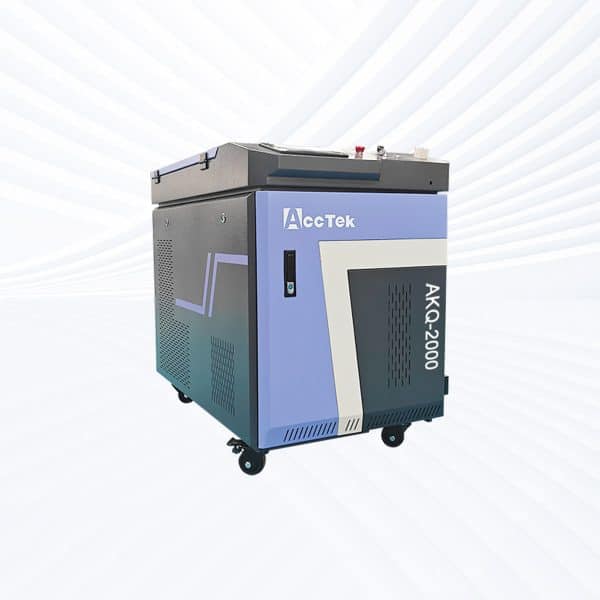
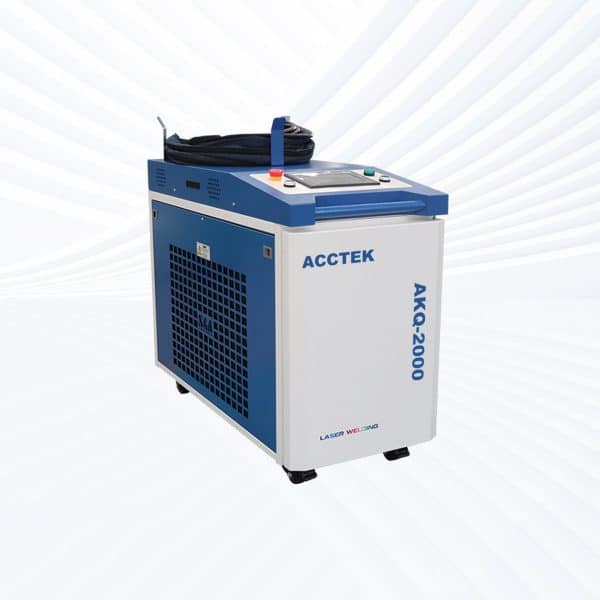
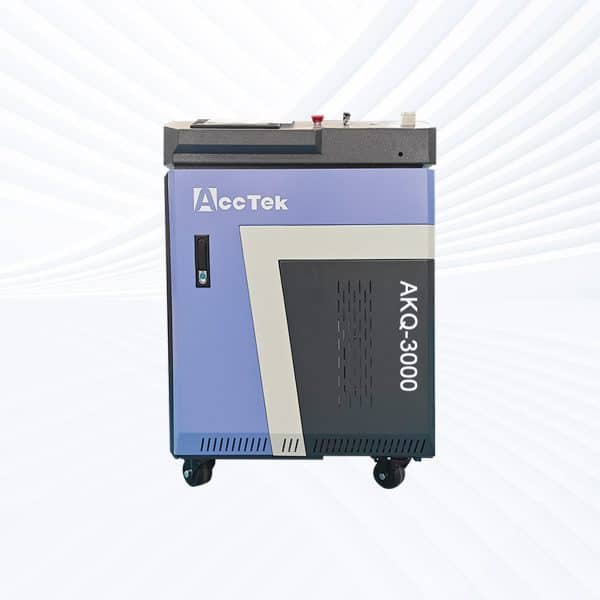
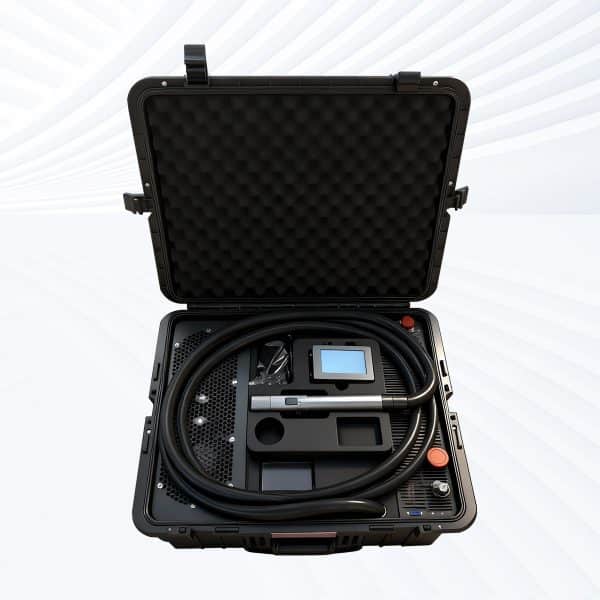
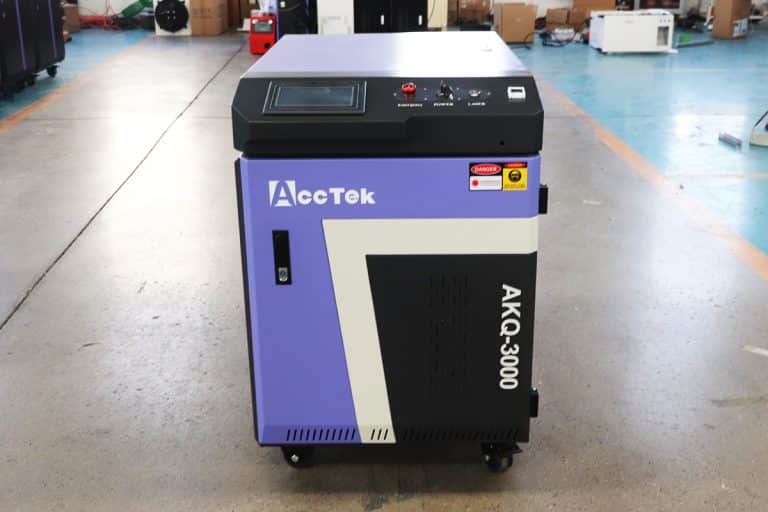
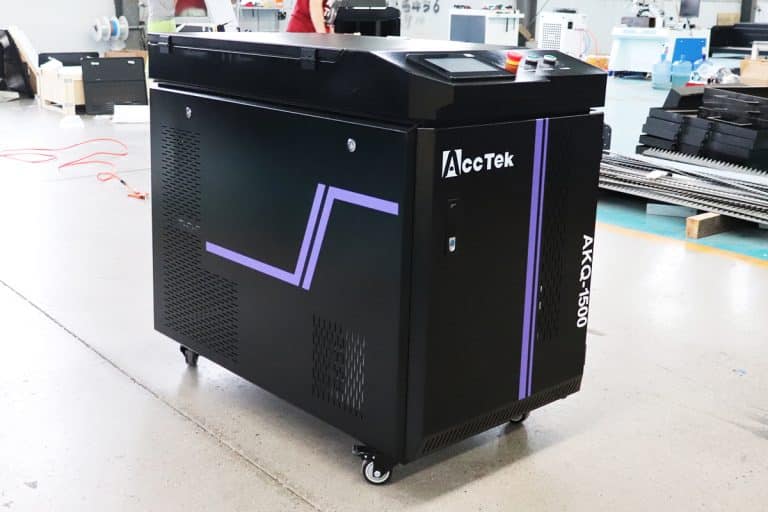
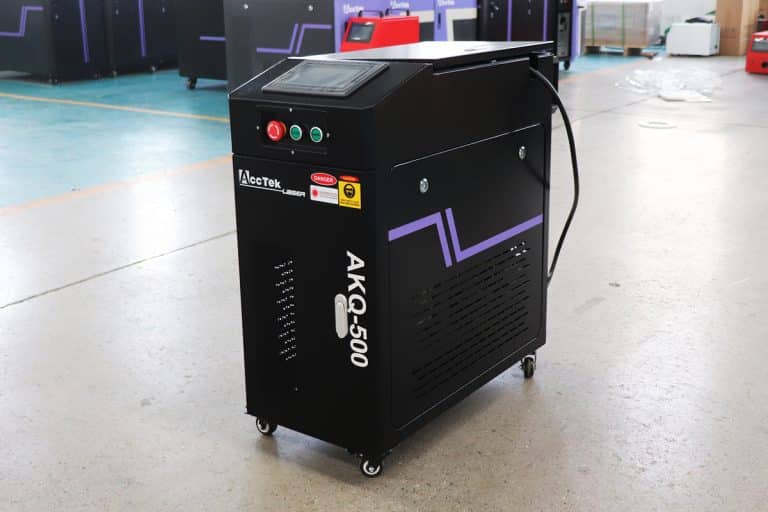
Types of 1kW Continuous Laser Cleaning Machines
Contaminant Removal Capability
| Contaminant Type | 1kW | 1.5kW | 2kW | 3kW | 6kW |
|---|---|---|---|---|---|
| Light Rust / Oxide Film | Excellent | Excellent | Excellent | Excellent | Excellent |
| Heavy Rust / Deep Corrosion | Moderate | Good | Excellent | Excellent | Excellent |
| Paint / Coating Layer | Moderate | Good | Excellent | Excellent | Excellent |
| Powder Coating | Light Removal | Moderate | Good | Excellent | Excellent |
| Oil / Grease / Mold Release Residue | Excellent | Excellent | Excellent | Excellent | Excellent |
| Resin / Rubber / Adhesive Film | Light Removal | Moderate | Good | Excellent | Excellent |
| Carbon Deposits / Burn Marks | Moderate | Good | Excellent | Excellent | Excellent |
| Weld Oxidation / Heat Tint | Good | Excellent | Excellent | Excellent | Excellent |
| Polishing Compound / Buffing Paste | Good | Excellent | Excellent | Excellent | Excellent |
| Protective Film Residue / Glue | Excellent | Excellent | Excellent | Excellent | Excellent |
| Oxide Scale after Heat Treatment | Moderate | Good | Excellent | Excellent | Excellent |
| Dust / Environmental Contaminants | Excellent | Excellent | Excellent | Excellent | Excellent |
| Tar / Asphalt / Hydrocarbon Film | Moderate | Good | Excellent | Excellent | Excellent |
| Salt / Mineral Deposits | Good | Excellent | Excellent | Excellent | Excellent |
Compatible Materials
- Carbon Steel
- Stainless Steel
- Mild Steel
- Alloy Steel
- Tool Steel
- Cast Iron
- Galvanized Steel
- Aluminum
- Aluminum Alloys
- Copper
- Brass
- Bronze
- Nickel
- Nickel Alloys
- Titanium
- Titanium Alloys
- Zinc
- Chrome-Plated Steel
- Chromium Alloys
- Tungsten
- Molybdenum
- Inconel
- Lead
- Silver
- Gold
- Platinum
- Metal Molds
- Welding Seams and Joints
- Oxidized Metal Surfaces
- Painted Metal Parts
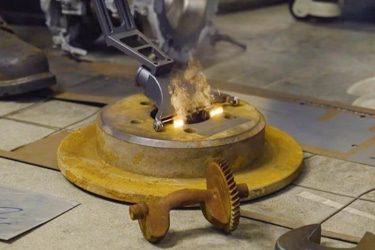
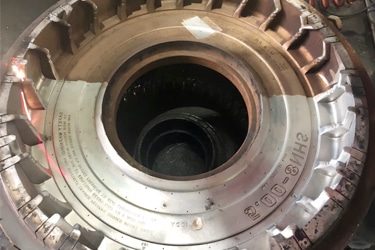
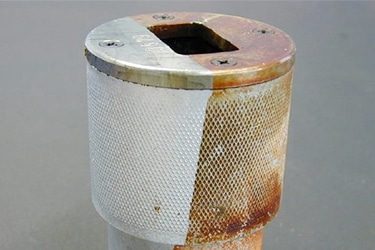
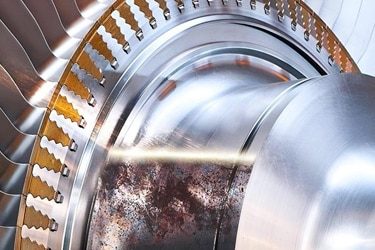
Application of 1kW Continuous Laser Cleaning Machines
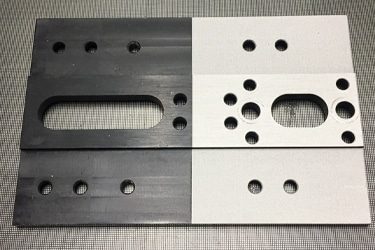
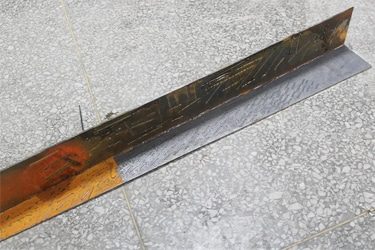
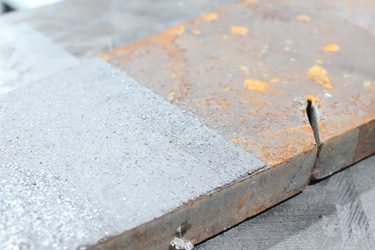
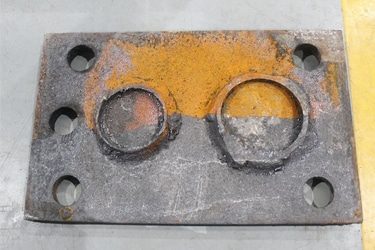
Customer Testimonials
Comparison VS Other Cleaning Technologies
| Comparison Item | Continuous Laser Cleaning | Sandblasting | Chemical Cleaning | Ultrasonic Cleaning |
|---|---|---|---|---|
| Cleaning Method | Non-contact laser ablation | Abrasive particle impact | Chemical reaction/dissolution | Cavitation from ultrasonic waves |
| Surface Damage Risk | None (non-abrasive) | High (abrasive wear) | Possible chemical corrosion | Low |
| Environmental Impact | Eco-friendly, no waste | Dust and debris generation | Hazardous waste and fumes | Requires detergent solution |
| Precision Cleaning | Extremely precise | Low precision | Moderate | High for small components |
| Cleaning Speed | Very fast | Moderate | Slow | Moderate |
| Material Compatibility | Metals, alloys, stone, rubber, etc. | Mostly metals and hard surfaces | Limited by chemical reactivity | Mostly metals and delicate parts |
| Operating Costs | Low (no consumables) | Medium (abrasives) | High (chemicals and disposal) | Medium (detergents and water) |
| Maintenance Requirements | Minimal | Frequent (abrasive clogging) | High (chemical handling) | Moderate |
| Worker Safety | High (no chemicals or dust) | Low (airborne particles) | Low (toxic exposure risk) | High |
| Automation Capability | Easily automated/robot-integrated | Difficult | Limited | Limited |
| Waste Generation | None | High (abrasive residue) | High (chemical waste) | Low |
| Operating Environment | Clean and dry | Dusty and noisy | Fume and liquid handling needed | Wet and enclosed |
| Consumables Required | None | Abrasive media | Chemicals | Cleaning solution |
| Energy Efficiency | High | Moderate | Low | Moderate |
| Typical Applications | Rust, paint, oxide, coating removal | Rust, scale, paint removal | Oil, grease, oxide removal | Fine cleaning of small precision parts |
Why Choose Us
Efficient Cleaning
Our machines offer fast, precise cleaning without chemicals or abrasion, making them ideal for delicate surfaces and complex materials across various industries.
Safe & Eco-Friendly
Laser cleaning eliminates the need for harsh chemicals and generates no secondary pollution, creating a safer and more environmentally friendly workspace.
Stable Performance
Built with high-quality components and advanced control systems, our machines ensure consistent cleaning results with minimal maintenance and long service life.
Custom Solutions
We provide flexible configurations and tailored options to match different cleaning requirements, helping customers achieve optimal performance for their specific applications.
Related Resources
What Is Pulsed Laser Cleaning?
This article explores what pulsed laser cleaning is, how it works, key parameters, machine types, suitable materials, applications, advantages, limitations, and effects on surface quality.
How Do Laser Parameters Affect The Cleaning Process?
This article explores how laser power, speed, pulse frequency, pulse width, fluence, focus, scanning settings, and material properties affect laser cleaning quality, efficiency, and surface protection.
Lifespan of Laser Cleaning Machines
This article explores the lifespan of laser cleaning machines, including component durability, influencing factors, maintenance practices, warning signs, application demands, and ways to extend service life.
Is Laser Cleaning Environmentally Friendly?
This article explains laser cleaning from an environmental perspective, covering how it works, waste reduction, energy use, emissions control, safety, applications, limitations, and responsible operation.
Frequently Asked Questions
How Much Do 1kW Continuous Laser Cleaning Machines Cost?
- Laser Source Brand: Machines using recognized fiber laser brands such as Raycus, MAX, or JPT tend to be on the higher end of the price range. Generic or lesser-known sources are more affordable but may compromise on reliability or performance.
- Cooling System: All 1kW continuous laser cleaning machines require water cooling, which is typically included. The price can vary depending on whether the chiller is basic or integrated with advanced temperature controls.
- Machine Type: Handheld manual systems are most common at this price point. Machines with semi-automated heads, advanced control panels, or adjustable cleaning parameters may cost more.
- Build Quality and Housing: The durability of the housing, the design of the fiber cable management system, and the mobility (e.g., wheels, handles) can all affect cost.
- Support and Warranty: Some machines come with minimal support and limited warranty coverage. Others offer one-year warranties, remote setup help, or localized after-sales service, which can justify a higher price.
What Cooling Method Do 1kW Continuous Laser Cleaning Machines Use?
- High Heat Generation: A continuous 1kW laser cleaning system produces enough heat that passive or air-based cooling is inadequate. Without proper cooling, the laser’s performance will degrade rapidly, and the system may shut down or become damaged due to overheating.
- Stability of Laser Output: Laser cleaning systems are sensitive to temperature changes. Water cooling keeps the temperature of the laser components stable, which helps maintain consistent beam quality, power output, and cleaning precision over long durations.
- Protection of Internal Components: Critical components such as the laser source (commonly a fiber laser), optics, and galvanometer scanning heads are highly sensitive to thermal stress. Water cooling prevents these parts from reaching temperatures that could cause warping, misalignment, or permanent damage.
- Longevity and Efficiency: Keeping the laser cleaning system cool extends the lifespan of the equipment. Efficient cooling reduces wear and tear, minimizes thermal cycling, and ensures the machine operates within its designed parameters for years.
How Should I Choose 1kW Continuous Laser Cleaning Machines?
- Laser Source and Power Type: A 1kW fiber laser is the standard for continuous cleaning. It provides stable output and long service life. Fiber lasers are highly efficient and require minimal maintenance. Ensure the power is truly continuous (CW) for uniform cleaning results—ideal for heavy rust and thick coatings.
- Cooling Method: Cooling affects both performance and portability. Air-cooled systems are compact and easy to move, suitable for light to medium-duty cleaning. Water-cooled systems handle longer operation and more demanding jobs, but need more maintenance and setup space.
- Laser Head and Optics: A well-designed cleaning head ensures precision and comfort. Look for lightweight, ergonomic handpieces with adjustable focus or scanning patterns. High-quality optics provide consistent cleaning results and reduce the risk of overheating or surface damage.
- Control System and Interface: An intuitive interface makes operation safer and more efficient. Machines with touchscreen controls, preset cleaning modes, and adjustable parameters allow quick setup for different materials. Advanced systems include real-time monitoring for power and temperature stability.
- Material Compatibility: 1kW continuous laser cleaning machines are best for metals such as steel, stainless steel, aluminum, copper, and alloys. They remove oxides, paint, oil, and coatings without damaging the substrate. Some can also clean stone, molds, or composite surfaces, but not plastics or reflective materials, as they may melt or reflect the beam.
- Mobility and Design: Portability is key for on-site work. Integrated designs combine the laser source and control unit into one body, while split-type systems separate them for better heat control. Choose based on your workspace and cleaning area size.
- Safety Features: Laser cleaning requires strict safety measures. Machines should include protective interlocks, emergency stops, and power monitoring. Operators must use laser safety goggles rated for 1064 nm and work in areas with proper fume extraction.
- After-Sales Service and Reliability: Support and spare parts availability affect long-term use. Choose reputable manufacturers with solid warranties (12–24 months) and responsive technical support. Systems with easily replaceable optics and modular components simplify maintenance.
- Cost and Value: While price varies by brand and features, focus on the total cost of ownership rather than the purchase price alone. A stable, high-quality 1kW continuous laser cleaning system reduces downtime and extends lifespan, saving money over time.
How Effective Are 1kW Continuous Laser Cleaning Machines At Removing Contaminants?
- Rust and Oxides: 1kW continuous lasers remove rust, oxidation layers, and corrosion from steel, iron, and aluminum efficiently. The continuous beam vaporizes and lifts oxides quickly, restoring clean, shiny metal surfaces. Heavier rust may require multiple passes, but the process remains precise and non-abrasive.
- Paint and Coatings: Paint, varnish, and powder coatings are easily stripped using 1kW continuous laser cleaning systems. The laser energy breaks the bond between the coating and substrate, lifting it without chemicals or blasting media. Even thick or multilayer coatings can be removed with controlled power settings.
- Oil, Grease, and Organic Residues: Oil films, grease, and carbonized residues are vaporized instantly under continuous laser exposure. This is especially useful for pre-welding or pre-bonding surface preparation, where cleanliness affects adhesion and strength. The process leaves no residue or secondary waste.
- Oxide Films and Welding Scales: 1kW continuous lasers effectively clean oxide films and discoloration caused by welding or heat treatment. Stainless steel, titanium, and aluminum parts regain a uniform metallic finish without mechanical grinding or brushing.
- Paint Burnbacks and Surface Stains: Surfaces with burnbacks, soot, or discoloration can be restored without surface abrasion. The continuous laser provides fine control to remove only the top contaminated layer while preserving the base material structure.
- Dust, Mold, and Thin Contaminant Layers: For lighter contaminants like dust, soot, or thin coatings, 1kW continuous laser cleaning machines are highly efficient. Its continuous output provides smooth, consistent coverage, ideal for mold maintenance, precision tools, or heritage restoration where delicate surfaces are involved.
- Thick Corrosion and Heavy Layers (Limitations): While effective for most contaminants, very thick corrosion or multilayered coatings may require higher power (1.5–2kW) or multiple cleaning passes. Continuous lasers prioritize uniformity and surface safety over raw removal speed, so cleaning dense buildup can take longer.
Do 1kW Continuous Laser Cleaning Machines Require Assist Gas?
- No Assist Gas (Standard Operation): Most 1kW continuous laser cleaning machines operate effectively without any assist gas. The laser beam alone removes contaminants through rapid heating and ablation, leaving the surface clean and dry. This gas-free process is one of the key advantages of laser cleaning—it eliminates the need for compressed gas systems and reduces operating costs.
- Air Assist: Compressed air can be used to blow away debris and vaporized particles from the cleaning area. This helps maintain a clear optical path for the laser and improves cleaning uniformity. Air assist is especially helpful for removing heavy rust, dust, or carbon deposits, as it prevents redeposition on the surface.
- Nitrogen Assist: Nitrogen can be used when working on materials that oxidize easily, such as aluminum or stainless steel. The inert gas environment prevents oxidation during cleaning, leaving the metal surface bright and free from discoloration. This is particularly beneficial for pre-welding preparation or high-precision applications.
- Argon Assist: Argon is occasionally used for ultra-sensitive or high-value surfaces where absolute cleanliness is required. It provides a fully inert environment and prevents micro-oxidation. However, due to its cost, argon is typically reserved for laboratory or aerospace-level cleaning processes rather than industrial work.
- Oxygen Assist (Not Recommended): Oxygen is generally avoided in laser cleaning because it can intensify oxidation or cause unwanted chemical reactions on the surface. While it increases the ablation rate in cutting applications, it offers no advantage in cleaning and may damage the substrate.
- Protective Gas for Optics: Even when no assist gas is used on the workpiece, a small, continuous airflow (often clean, dry air or nitrogen) is directed over the lens or optics to prevent dust buildup and protect the laser head from contamination. This is standard practice in most systems.
What PPE Is Required When Operating 1kW Continuous Laser Cleaning Machines?
- Laser Safety Glasses: Laser safety eyewear is the most critical PPE. Operators must wear glasses specifically rated for the laser’s wavelength—typically 1064 nm for fiber lasers. The glasses must meet optical density (OD) standards that fully block the beam’s intensity, protecting against both direct and reflected exposure. Using the wrong lenses can lead to serious and permanent eye injury.
- Protective Clothing: Operators should wear flame-retardant clothing made of natural fibers like cotton or specialized laser-safe materials. Synthetic fabrics can melt or ignite under laser exposure. Long sleeves and full-length pants protect against accidental reflections, spatter, or heat.
- Gloves: Heat-resistant gloves protect the hands from contact with hot debris and treated surfaces. While the laser itself does not make contact, the ablation process can produce small, hot particles or residual heat on metal surfaces.
- Face Shield (Optional for High-Exposure Work): When cleaning reflective or large surfaces, a full-face shield can provide an extra layer of protection from scattered laser light and airborne particles. It should be used in conjunction with laser safety glasses, not as a substitute.
- Respiratory Protection: Laser cleaning vaporizes rust, paint, and contaminants, which can release microscopic particulates and fumes. Operators should use an appropriate respirator or mask rated for fine particulates, especially in enclosed or poorly ventilated areas. A local exhaust system or fume extractor is strongly recommended.
- Hearing Protection: Although laser cleaning is quieter than traditional blasting methods, some systems produce high-frequency noise from the laser scanner or air-assist nozzles. Earplugs or earmuffs can help reduce long-term hearing strain during extended operation.
- Safety Footwear: Closed-toe, non-slip, and heat-resistant shoes protect against dropped parts or exposure to hot metal fragments. Industrial environments should follow standard safety footwear protocols.
- Protective Barriers and Curtains: In addition to personal gear, laser-safe barriers or curtains rated for the machine’s wavelength help contain stray reflections and protect nearby workers. Only trained personnel should be present within the controlled laser area during operation.
What Are The Environmental Requirements For 1kW Continuous Laser Cleaning Machines?
- Ambient Temperature: Most 1kW continuous laser cleaning machines perform best within a temperature range of 10℃ to 35℃ (50℉ to 95℉). Operating outside this range can affect laser stability, cooling efficiency, and component longevity. For water-cooled systems, maintaining a consistent room temperature prevents condensation and protects the laser source.
- Humidity Control: Relative humidity should be kept between 30% and 70%. Excess humidity can lead to condensation on optics or electrical components, while very dry conditions increase static electricity risks. Proper humidity control ensures stable beam quality and prevents corrosion inside the system.
- Ventilation and Fume Extraction: Laser cleaning produces fumes, dust, and microscopic debris as contaminants are vaporized. A well-ventilated workspace is essential to maintain air quality and prevent residue buildup. Industrial fume extraction systems or localized exhaust hoods should be installed to capture emissions at the source. This not only protects operators but also extends the lifespan of optical and electronic components.
- Dust-Free Environment: Dust and airborne particles can interfere with the laser beam path, contaminate optics, and reduce system efficiency. The cleaning area should be kept clean and free of grinding dust, metal shavings, or other particulate matter. Regular maintenance of filters and optical surfaces ensures consistent cleaning quality.
- Electrical Stability: Laser cleaning systems require a stable electrical input to operate reliably. Power fluctuations, surges, or grounding issues can damage sensitive electronics. It’s recommended to use an uninterruptible power supply (UPS) or voltage stabilizer to protect the system from irregularities in the power grid.
- Cooling and Airflow: For water-cooled units, ensure adequate circulation of clean, deionized cooling water at the recommended flow rate and temperature. Air-cooled models need unobstructed airflow around vents and heat exchangers. Avoid placing the machine near walls or other heat sources that could restrict cooling performance.
- Workspace Layout: Provide sufficient clearance around the machine for safe operation and maintenance—typically at least 1 meter on all sides. Avoid reflective surfaces near the cleaning area, as they can scatter laser light. The floor should be level, dry, and free of tripping hazards to support steady machine positioning and operator safety.
- Lighting and Visibility: A well-lit workspace allows operators to monitor cleaning progress and surface condition accurately. Overhead lighting should not cause glare or reflections that could interfere with laser visibility.
- Noise and Safety Control: While 1kW continuous laser cleaning systems are relatively quiet, proper sound insulation and designated operation zones help maintain a safe working environment. Laser warning signs and restricted access should be enforced to prevent accidental exposure.
How Should 1kW Continuous Laser Cleaning Machines Be Maintained?
- Optical Components: The laser head and focusing lens should be kept clean and free of dust, oil, or residue. Contaminants on the optics can reduce beam quality, cause power loss, or lead to overheating. Clean the lens with optical-grade wipes and cleaning fluid only, and inspect it regularly for scratches or discoloration. Always power off the machine before performing maintenance.
- Cooling System: For water-cooled models, maintain clean, deionized water in the cooling loop and replace it periodically—typically every three to six months. Check for leaks, monitor coolant temperature, and ensure that flow rates meet manufacturer specifications. Dirty or insufficient coolant can reduce cooling efficiency and damage internal components. Air-cooled systems should have unobstructed vents and dust-free fans to ensure proper heat dissipation.
- Fiber Cable and Connectors: The laser fiber cable must be handled carefully to avoid bending, twisting, or crushing. Inspect both ends of the fiber for dust or damage before and after use. Keep the connectors capped when not connected to prevent contamination, as debris can cause signal loss or back reflections that damage the laser source.
- Power and Electrical Systems: Regularly inspect electrical connections, plugs, and grounding points for signs of wear or corrosion. Power fluctuations can affect laser stability, so use surge protectors or voltage regulators where necessary. Ensure all cables are properly routed and secured to prevent tripping or pulling damage.
- Air Filter and Exhaust System: Laser cleaning generates fine dust and vaporized particles that can accumulate inside filters and exhaust systems. Replace or clean filters as recommended by the manufacturer to maintain proper airflow and protect internal electronics. For machines with fume extractors, empty or replace collection bins regularly.
- Control Panel and Software: Keep the control interface clean and free of debris. Check the system software for available updates or calibration routines. Updated firmware can improve system stability, safety features, and performance efficiency. Back up configuration data periodically to prevent loss during maintenance or repairs.
- Mechanical Components: Inspect the laser head’s moving parts, such as the scanning mirror or focusing mechanism, for smooth operation. Tighten any loose screws or fittings and lubricate moving joints if required. Ensure that all components are aligned correctly to maintain cleaning accuracy.
- Safety Checks: Verify that safety interlocks, emergency stop buttons, and key switches function properly before each use. Regularly inspect laser warning labels, curtains, and barriers for wear or damage. Replace any faded or missing signage to maintain workplace compliance.
- General Cleaning and Storage: Wipe down the exterior surfaces of the machine to prevent dust buildup. Store the system in a clean, dry environment with stable temperature and humidity levels. When not in use for extended periods, cover the laser head and control unit to protect them from environmental exposure.