

Product Introduction
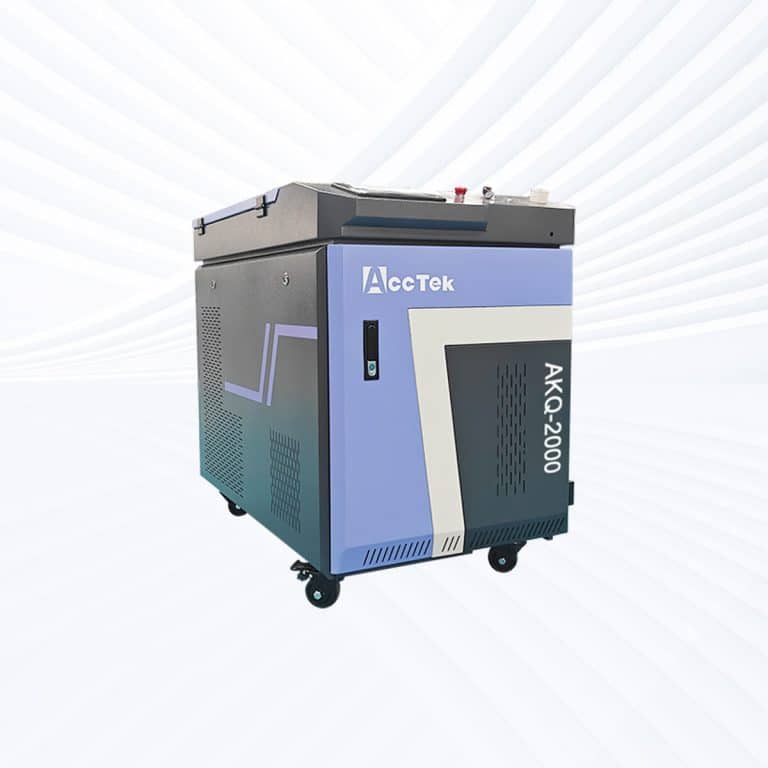
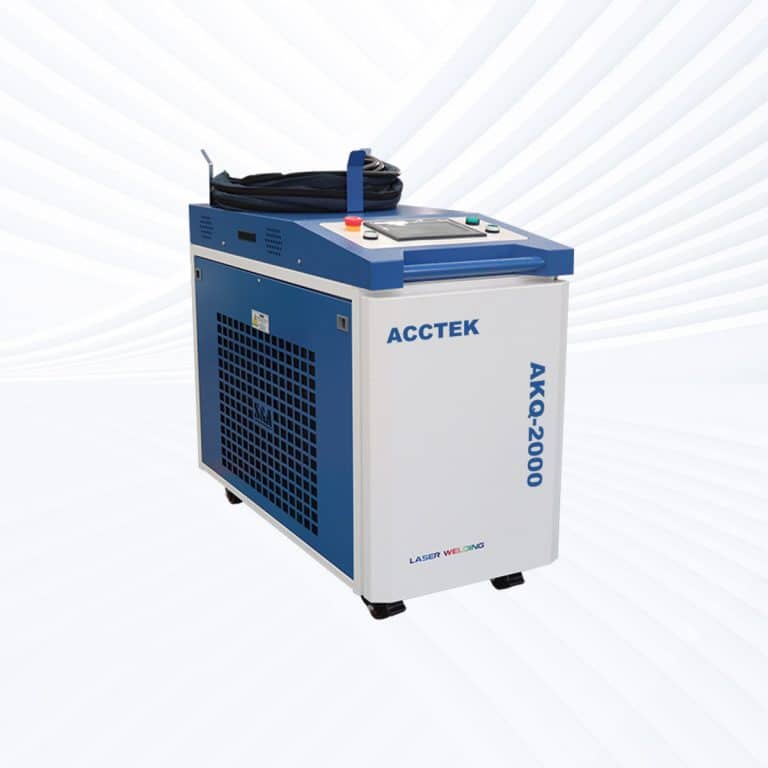
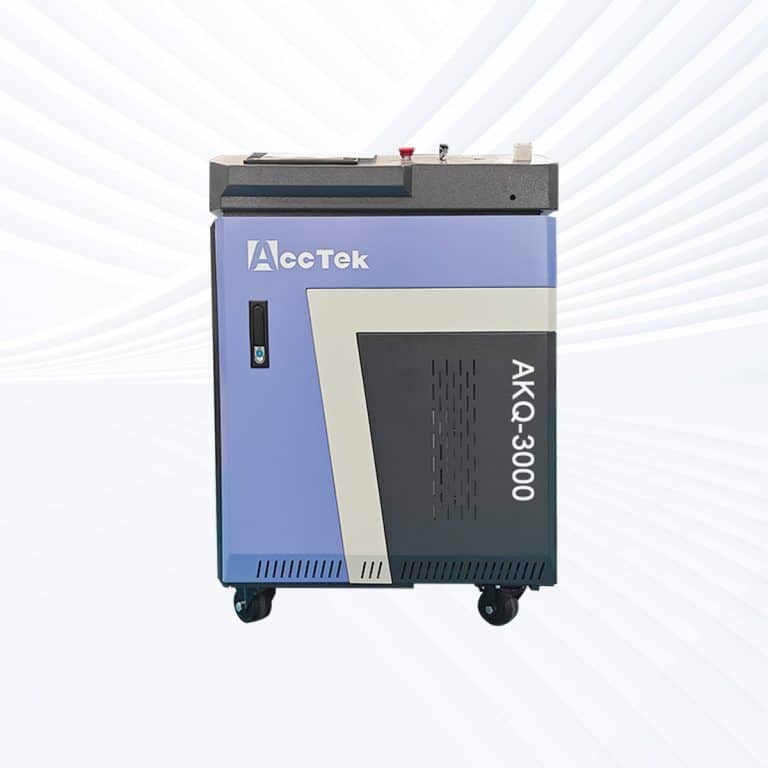
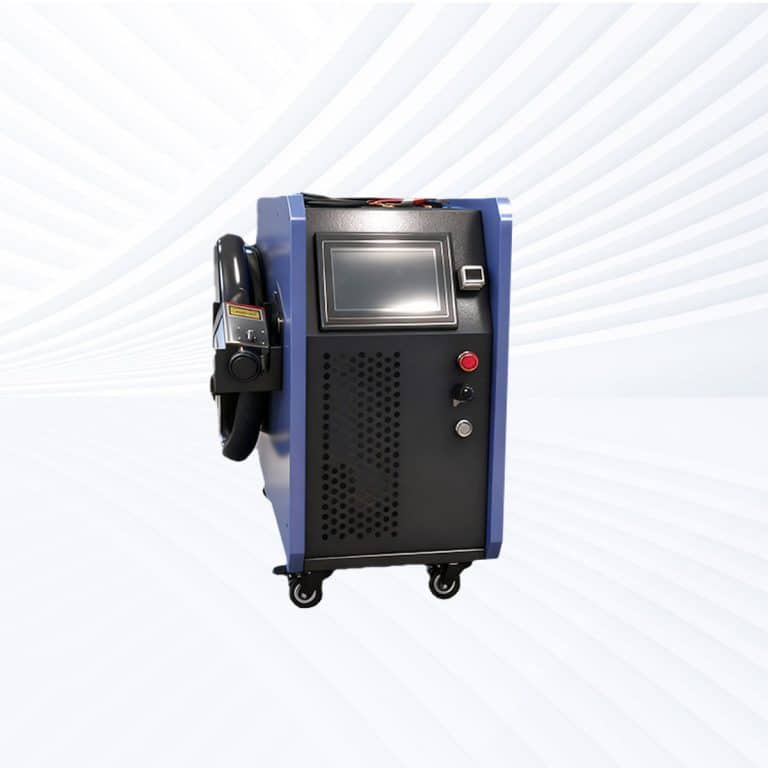
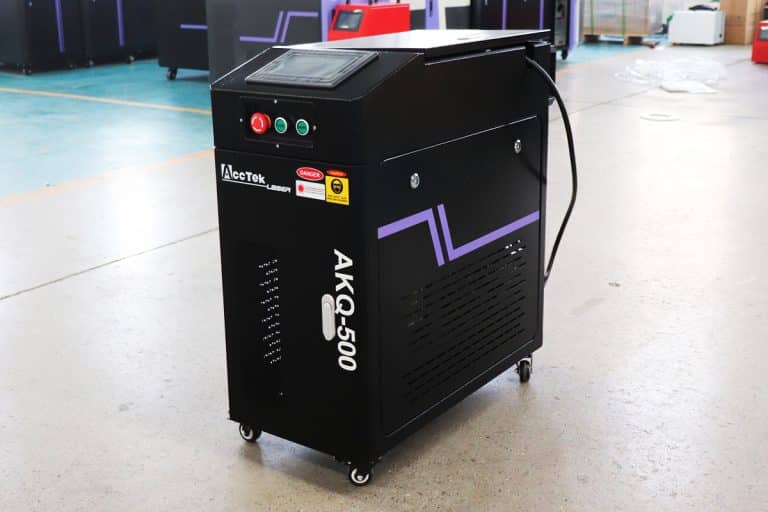
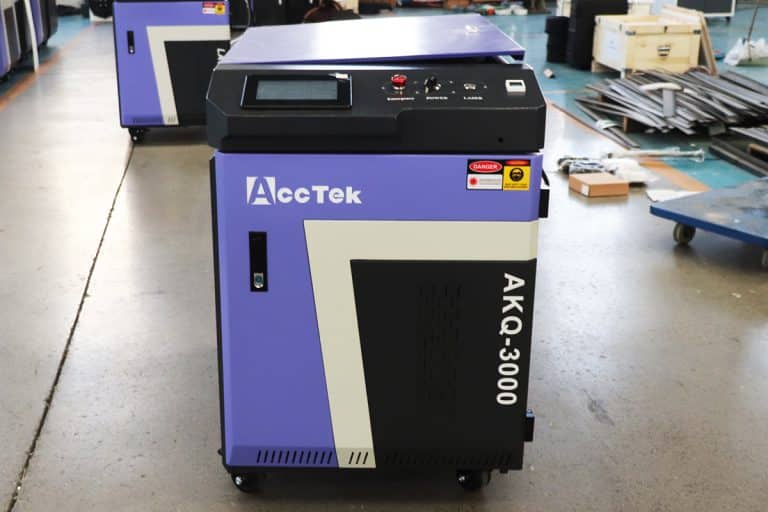
Types of Residue Laser Cleaning Machines
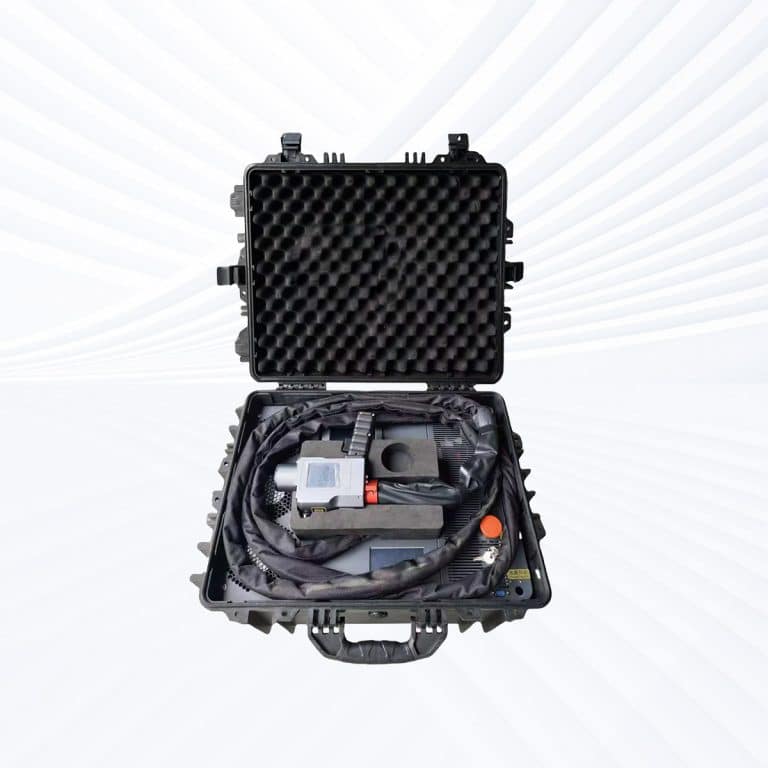
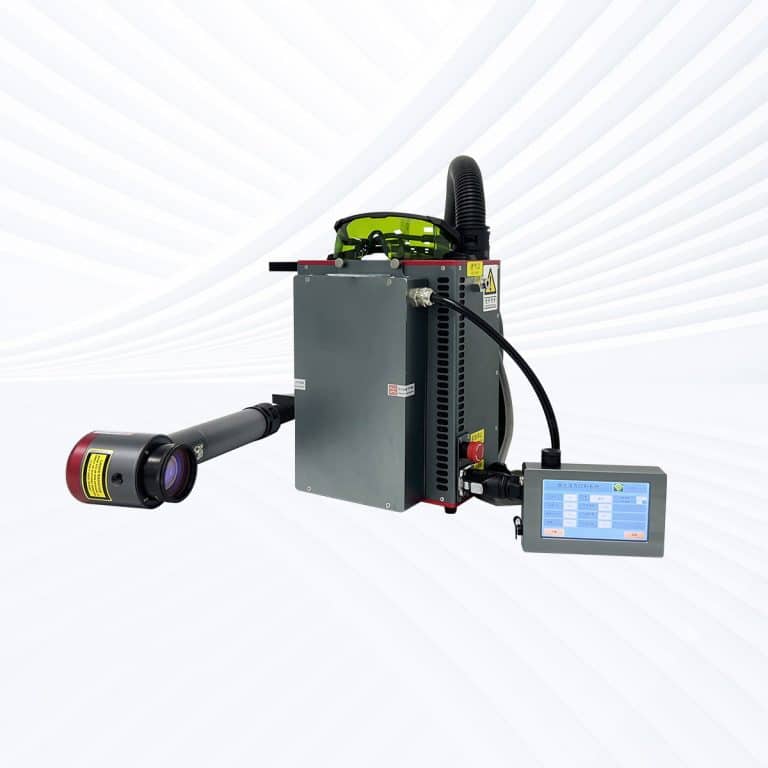
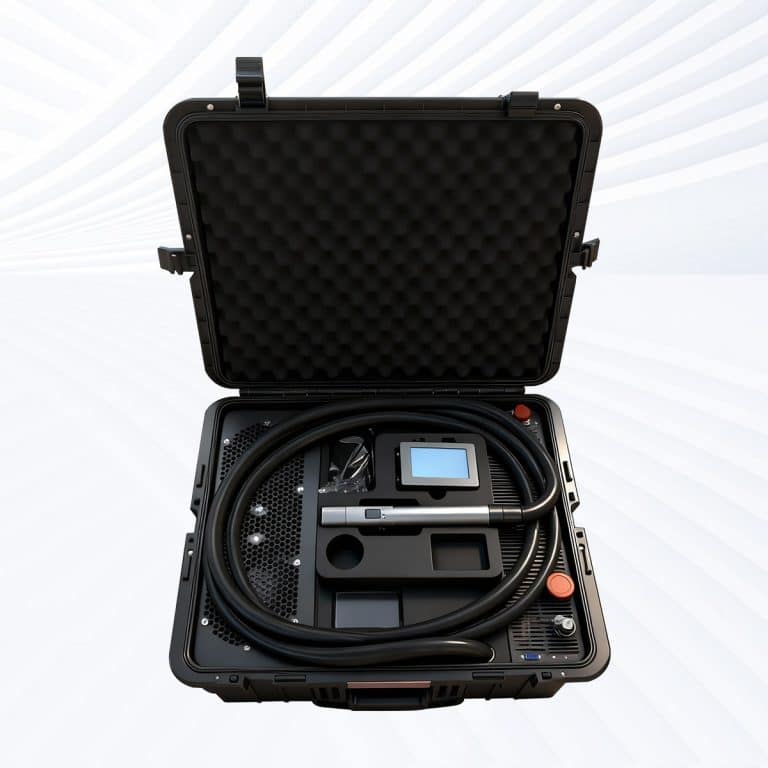
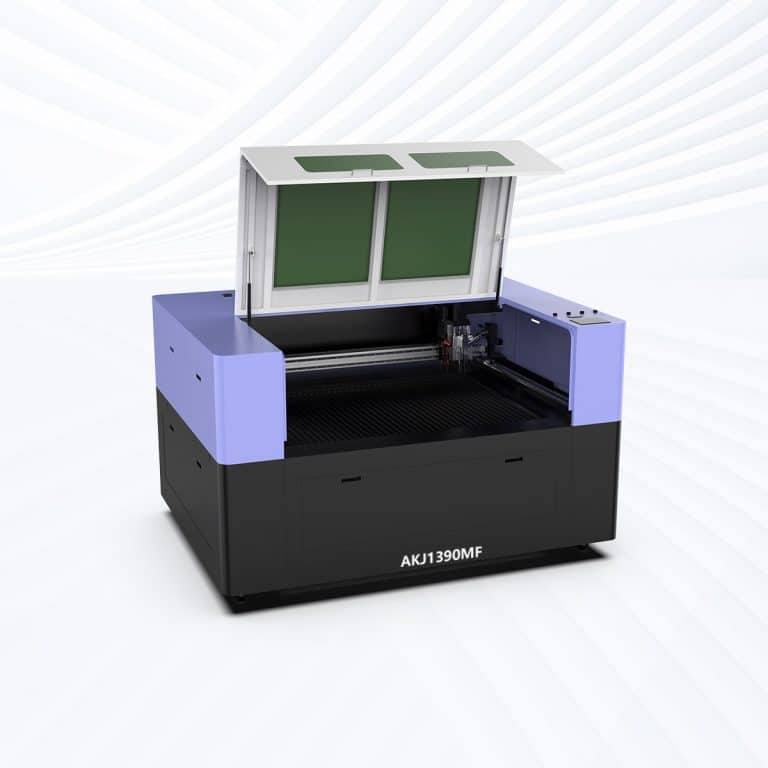
Benefits of Laser Cleaning Welding Residue
Precise Residue Removal Without Surface Damage
Laser cleaning removes adhesive residue, sealants, oils, and processing by-products with high precision. It targets only contaminants while preserving the base material’s structure, finish, and tolerances, even on delicate or high-value components.
Chemical-Free and Environmentally Friendly
Residue laser cleaning eliminates the need for solvents, detergents, or abrasive media. This reduces hazardous waste, lowers environmental impact, and helps manufacturers meet strict safety and environmental compliance requirements.
Improved Surface Quality for Next Processes
By fully removing residues, laser cleaning prepares surfaces for welding, coating, bonding, or inspection. Clean, residue-free surfaces improve adhesion, reduce defects, and enhance the reliability and durability of finished products.
High Efficiency and Consistent Results
Laser cleaning delivers fast, repeatable cleaning performance across different residue types and surface geometries. Adjustable parameters ensure stable results, reduce manual labor, and significantly improve overall production efficiency.
Lower Operating and Maintenance Costs
Without consumables such as chemicals or wipes, laser cleaning reduces ongoing costs. Minimal maintenance requirements and long service life provide a strong return on investment compared to traditional residue removal methods.
Easy Automation and Production Integration
Residue laser cleaning machines can be integrated with robotic systems and automated lines. This supports high-volume manufacturing, improves process control, and ensures consistent cleaning quality in modern industrial environments.
Compatible Surfaces
- Stainless Steel
- Carbon Steel
- Mild Steel
- Alloy Steel
- Tool Steel
- Hardened Steel
- Galvanized Steel
- Cast iron
- Aluminum
- Aluminum Alloys
- Copper
- Brass
- Bronze
- Titanium
- Titanium Alloys
- Nickel
- Nickel Alloys
- Magnesium Alloys
- Zinc Alloys
- Cobalt Alloys
- Chromium Alloys
- Molybdenum Alloys
- Tungsten Alloys
- Inconel
- Monel
- Hastelloy
- Structural Steel
- Sheet Metal
- Pipes and Tubing
- Machined Metal Parts
- Mold Surfaces
- Dies and Tooling
- Bearings and Shafts
- Gears and Transmission Parts
- Automotive Components
- Aerospace Components
- Electronic Metal Housings
- Precision Mechanical Parts
- Weld Preparation Surfaces
- Industrial Fabricated Parts
Application of Residue Laser Cleaning Machines

Customer Testimonials
Comparison VS Other Cleaning Technologies
| Comparison Item | Laser Cleaning | Sandblasting | Chemical Cleaning | Ultrasonic Cleaning |
|---|---|---|---|---|
| Cleaning Principle | Laser breaks down and removes residue | Abrasives strip surface | Chemicals dissolve residue | Cavitation loosens residue |
| Contact With Surface | Non-contact | Direct abrasive contact | Immersion contact | Liquid-based contact |
| Surface Damage Risk | None | High risk of erosion | Possible chemical attack | Low |
| Residue Removal Accuracy | Very high | Low | Medium | Medium |
| Precision & Selectivity | Very high | Low | Medium | Low |
| Surface Finish Quality | Original finish preserved | Roughened surface | Possible residue left | No finish improvement |
| Environmental Impact | Eco-friendly | Dust and waste | Hazardous chemicals | Wastewater |
| Consumables Required | None | Abrasives | Solvents and acids | Cleaning liquids |
| Operating Costs | Low long-term | Medium to high | High | Medium |
| Maintenance Requirements | Low | High | Medium | Medium |
| Automation Compatibility | Excellent | Limited | Limited | Limited |
| Complex Shape Cleaning | Excellent | Poor | Medium | Medium |
| Setup & Cleanup Time | Minimal | High | High | Medium |
| Operator Safety | High | Dust and noise risk | Chemical exposure | Liquid handling risk |
| Long-Term Cost Efficiency | Very high | Medium | Low | Medium |
Why Choose Us
Efficient Cleaning
Our machines offer fast, precise cleaning without chemicals or abrasion, making them ideal for delicate surfaces and complex materials across various industries.
Safe & Eco-Friendly
Laser cleaning eliminates the need for harsh chemicals and generates no secondary pollution, creating a safer and more environmentally friendly workspace.
Stable Performance
Built with high-quality components and advanced control systems, our machines ensure consistent cleaning results with minimal maintenance and long service life.
Custom Solutions
We provide flexible configurations and tailored options to match different cleaning requirements, helping customers achieve optimal performance for their specific applications.
Related Resources
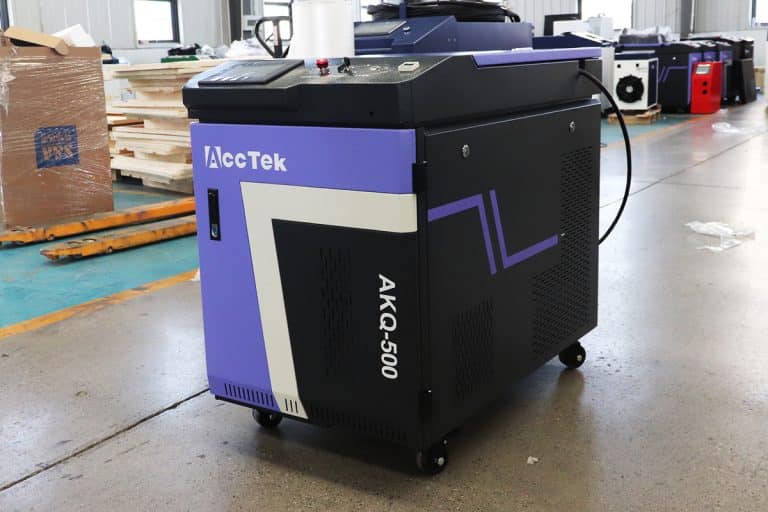
Comprehensive Guide to Choosing the Right Laser Cleaning Machines
This comprehensive guide provides essential insights into selecting the right laser cleaning machine, covering key factors like machine capabilities, cost, efficiency, and maintenance for optimal results.
How Effective Is Laser Cleaning At Removing Contaminants
This article explores how effective laser cleaning is at removing contaminants, covering mechanisms, materials, system types, real-world applications, limitations, and optimization factors for reliable results.
Will Laser Cleaning Damage The Substrate
This article explains whether laser cleaning damages substrates, examining damage mechanisms, material risks, process control, and verification methods for safe, effective laser cleaning.
Comprehensive Guides to Choosing the Right Laser Cleaning Parameters
This comprehensive guide explores the key factors in choosing the right laser cleaning parameters, including material types, contamination levels, and practical considerations for optimal results.
Frequently Asked Questions
What Laser Power Options Are Available For Residue Laser Cleaning Machines?
- Continuous Laser Power Options: Continuous residue laser cleaning machines are commonly available in 1000W, 1500W, 2000W, 3000W, and 6000W configurations. Lower-power options such as 1000W and 1500W are well-suited for light residues, thin surface contamination, or routine maintenance cleaning where controlled energy input is required. These systems are often used for removing oil films, light carbon deposits, or production residues without affecting the base material. Mid-range systems like 2000W and 3000W provide higher cleaning speeds and greater energy density, making them suitable for thicker or more stubborn residues commonly found in industrial equipment, molds, and metal components. The highest power option, 6000W, is designed for heavy-duty residue removal over large surface areas. These machines offer maximum throughput and efficiency and are typically used in high-volume production lines or demanding industrial environments.
- Pulse Laser Power Options: Pulse laser residue cleaning machines are available in 100W, 200W, 300W, 500W, 1000W, 1500W, and 2000W configurations. Lower-power pulse systems from 100W to 300W are ideal for precision residue removal, especially on sensitive components or fine surfaces where minimal thermal impact is critical. These machines are often used in electronics, precision tooling, and restoration applications. Mid-range pulse systems, such as 500W and 1000W, strike a balance between cleaning efficiency and surface protection, making them suitable for general industrial residue removal. Higher-power pulse options, including 1500W and 2000W, are capable of handling thicker residues while maintaining precise control through adjustable pulse width and frequency.
What Is The Power Consumption of Residue Laser Cleaning Machines?
- Continuous Laser Cleaning Machines
- Continuous residue laser cleaning machines are designed for high-speed, large-area cleaning, and their electrical consumption includes not only the laser source but also cooling systems, control electronics, and auxiliary components. A 1000W continuous laser cleaning machine typically consumes around 5 kW of electrical power. This level is suitable for light residue removal and routine maintenance tasks while maintaining relatively low energy demand.
- A 1500W continuous system generally requires approximately 6.5 kW, providing improved cleaning efficiency and faster coverage without a dramatic increase in power consumption. Moving to a 2000W continuous laser cleaning machine, total power consumption rises to about 8.5 kW, making it well-suited for moderate residue buildup in industrial applications.
- Higher-capacity systems consume more power due to stronger laser output and enhanced cooling needs. A 3000W continuous laser cleaning machine typically draws around 12 kW, while a 6000W system can require up to 20 kW. These machines are intended for heavy residue removal, large surface areas, and high-throughput production environments where cleaning speed and productivity are priorities.
- Pulse Laser Cleaning Machines
- Pulse residue laser cleaning machines are more energy-efficient and precise, as they deliver energy in controlled bursts rather than continuously. A 100W pulse laser cleaning machine usually consumes about 0.5 kW, making it ideal for precision cleaning and small-scale applications.
- As pulse power increases, consumption scales proportionally. A 200W pulse system typically uses around 1 kW, while a 300W unit consumes approximately 1.5 kW. Mid-range pulse machines such as 500W systems require about 2.5 kW, offering a balance between cleaning speed and low energy use.
- Higher-power pulse laser cleaning systems remain efficient relative to their output. A 1000W pulse laser cleaning machine consumes roughly 5 kW, and a 2000W pulse system uses about 8.5 kW, comparable to mid-range continuous systems but with greater control over thermal input.
What Is The Price of Residue Laser Cleaning Machines?
- Continuous Laser Cleaning Machines
- Continuous residue laser cleaning machines are generally the most cost-effective option and are widely used for large-area and high-speed residue removal. Entry-level continuous systems are typically priced around $3,500. These machines are usually lower-power configurations designed for light residues such as oil films, dust buildup, processing residues, or surface contaminants encountered during routine maintenance. They offer stable output, simple operation, and good value for small workshops or maintenance teams.
- More advanced continuous laser cleaning machines are commonly priced up to $7,500. These systems often feature higher laser output, improved cooling performance, and more durable industrial-grade components. They are capable of handling thicker or more stubborn residues and are suitable for longer operating cycles. The higher price reflects enhanced reliability, faster cleaning speed, and improved performance consistency in industrial environments.
- Pulse Laser Cleaning Machines
- Pulse residue laser cleaning machines are positioned at a higher price point due to their advanced energy control and precision cleaning capabilities. Entry-level pulse laser cleaning systems typically start at around $6,000. These machines are ideal for applications that require controlled heat input, such as residue removal on sensitive components, precision tools, molds, or high-value parts. They are commonly used where surface integrity must be preserved.
- High-end pulse laser cleaning machines can reach prices of up to $70,000. These premium systems offer high pulse power, adjustable pulse width and frequency, superior beam quality, and advanced control software. They are designed for demanding industrial applications, thick or complex residue layers, and situations requiring maximum precision and repeatability. The higher cost reflects cutting-edge laser technology, enhanced safety features, automation compatibility, and long-term operational stability.
How Does Laser Power Affect The Speed of Cleaning Residue?
- Higher Laser Power Increases Cleaning Speed: As laser power increases, more energy is delivered to the residue layer per unit of time. This allows contaminants such as oil films, grease, processing residues, oxides, or light coatings to be heated, vaporized, or detached more rapidly. High-power lasers can scan faster while still achieving effective removal, which significantly improves throughput in industrial environments. For large surfaces or thick residue layers, higher power enables fewer passes, reducing overall cleaning time.
- Low to Medium Power for Light Residue: Lower-power laser cleaning systems are well-suited for thin or loosely bonded residues. While these systems operate at slower cleaning speeds, they offer excellent control and reduced thermal impact on the substrate. This makes them ideal for delicate components, precision parts, or surfaces where overheating must be avoided. However, cleaning speed is slower because the laser must move more gradually or make multiple passes to achieve the desired result.
- Balance Between Speed and Surface Protection: Increasing laser power does not always mean better results if not properly controlled. Excessively high power can risk surface discoloration, micro-melting, or texture changes, especially on sensitive materials. For this reason, cleaning speed is optimized by balancing power, scanning speed, pulse frequency (for pulsed systems), and spot size. Skilled parameter adjustment allows higher-power lasers to clean quickly without damaging the base material.
- Continuous vs. Pulsed Laser Power Effects: Continuous-wave lasers rely on sustained power output to burn off or lift residues quickly, making them highly efficient for large-area cleaning. Pulsed lasers, on the other hand, use high peak power in short bursts. Although their average power may be lower, their high peak energy can remove residue effectively with minimal heat transfer, sometimes matching or exceeding cleaning speeds on stubborn or precision-sensitive residues.
- Residue Type and Adhesion Matter: Laser power affects speed differently depending on residue thickness, composition, and adhesion strength. Sticky oils, carbonized residues, or aged contaminants often require higher power or slower scanning speeds. Light dust or fresh residues can be removed rapidly, even at moderate power levels.
- Practical Optimization: In real-world applications, the fastest cleaning speed is achieved not by simply maximizing laser power, but by selecting the appropriate power level for the residue type and combining it with optimized scanning parameters. This approach ensures efficient residue removal while maintaining surface integrity and operational safety.
How To Select Residue Laser Cleaning Machines?
- Residue Type and Thickness: The first factor to consider is the nature of the residue being removed. Light residues such as oil films, grease, dust, or processing residues typically require lower laser power and can be handled efficiently by pulsed laser cleaning machines. Heavier, carbonized, or aged residues often adhere more strongly to the surface and may require higher power or continuous laser cleaning systems to ensure effective removal without excessive passes.
- Base Material Sensitivity: Different substrates respond differently to laser energy. Metals like steel, aluminum, and cast iron tolerate higher laser power, making continuous or high-power pulsed machines suitable. For delicate materials, thin metals, or components with fine tolerances, pulsed laser cleaning machines offer better control and reduced thermal impact. Selecting the correct laser type helps prevent surface melting, discoloration, or microstructural damage.
- Cleaning Speed and Production Volume: Production requirements strongly influence machine selection. For high-throughput industrial environments or large surface areas, higher-power continuous laser cleaning machines provide faster cleaning speeds and improved efficiency. For precision cleaning, maintenance tasks, or small-batch operations, lower-power pulsed machines offer flexibility and accuracy, even though cleaning speeds may be slower.
- Power Range and Adjustability: Good residue laser cleaning machines should offer adjustable power, scanning speed, and beam parameters. This flexibility allows operators to fine-tune settings for different residue levels without changing equipment. Machines with a wide power range are more versatile and future-proof for evolving cleaning needs.
- Environmental and Safety Considerations: Residue removal can generate fumes, vaporized contaminants, or fine particles. Machines should be compatible with fume extraction or filtration systems. Additionally, built-in safety features such as interlocks, shielding, and emergency stops are essential for operator protection and regulatory compliance.
- Portability and Automation Needs: Handheld laser cleaning machines are ideal for on-site maintenance, irregular surfaces, or hard-to-reach areas. Automated or robotic laser cleaning systems are better suited for repetitive tasks, consistent quality, and integration into production lines.
- Cost and Long-Term Value: Beyond initial purchase price, consider operating costs, energy consumption, maintenance requirements, and system lifespan. A higher upfront investment in a reliable, adaptable machine often results in lower long-term costs and improved productivity.
Does Laser Cleaning Residue Produce Fumes?
- Nature of the Residue: Residues such as oil, grease, adhesives, flux, paint remnants, carbon deposits, or organic contaminants are the primary sources of fumes during laser cleaning. When exposed to laser energy, these materials decompose, vaporize, or oxidize, creating smoke, vapors, and fine particulate matter. Light residues like oils or lubricants generally produce mild fumes, while thicker or aged residues can generate denser smoke.
- Organic vs. Inorganic Residues: Organic residues (oils, greases, polymers, or biological contaminants) tend to produce visible smoke and odor due to thermal decomposition. Inorganic residues, such as oxidation layers or fine dust, usually generate less smoke but may release microscopic particles into the air. While metallic substrates themselves do not vaporize during proper laser cleaning, surface contaminants attached to them are the main contributors to fumes.
- Laser Power and Cleaning Mode: Higher laser power and continuous laser cleaning machines typically produce more fumes because they remove material faster and over larger areas. Pulsed laser cleaning machines, which use controlled bursts of energy, often generate less smoke and allow better control of fume production. Adjusting scanning speed, pulse frequency, and power density can significantly reduce excessive fume generation.
- Health and Safety Considerations: Although laser cleaning is considered cleaner than chemical or abrasive methods, the fumes produced should not be ignored. Inhalation of vaporized oils, polymers, or fine particulates may pose respiratory risks if not properly managed. Odors and reduced visibility can also affect operator comfort and safety.
- Ventilation and Fume Extraction: Effective fume extraction systems are essential when laser cleaning residue. Local exhaust ventilation, integrated fume collectors, and filtration systems (such as HEPA and activated carbon filters) help capture smoke, vapors, and particles at the source. Proper airflow prevents fumes from dispersing into the workspace and ensures compliance with workplace safety standards.
- Environmental Impact: Compared to chemical solvents or blasting media, laser cleaning generates no secondary waste such as sludge or abrasive debris. The fumes are the primary byproduct, making proper filtration the key environmental control measure.
Does Laser Cleaning Residue Damage Material?
- Selective Interaction with Residue: Laser cleaning works by tuning the laser wavelength, pulse duration, and power density so that the residue absorbs the laser energy more readily than the substrate. Most residues have lower thermal resistance and different absorption characteristics compared to metals, ceramics, or engineered surfaces. As a result, the residue is vaporized or ejected before the base material reaches a damaging temperature.
- Minimal Mechanical Stress: Unlike abrasive blasting, grinding, or scraping, laser cleaning is a non-contact process. There is no physical force applied to the surface, which means there is no risk of scratches, deformation, or loss of dimensional accuracy. This makes laser cleaning especially suitable for precision components, thin materials, and surfaces with tight tolerances.
- Thermal Control and Surface Integrity: Modern laser cleaning systems—particularly pulsed laser cleaning machines—deliver energy in extremely short bursts. This limits heat transfer into the substrate and prevents warping, melting, or microstructural changes. Continuous laser cleaning machines can also be safe when power, scanning speed, and spot size are correctly adjusted. When parameters are optimized, the base material remains at near-ambient temperature.
- Material-Specific Performance: Laser cleaning is widely used on metals such as steel, aluminum, copper, and titanium without damaging the substrate. It is also effective on stone, composites, and certain plastics, provided the laser settings are matched to the material’s thermal sensitivity. Delicate surfaces, such as molds, electronic components, or historical artifacts, benefit greatly from this controlled, residue-only removal.
- Risk of Damage When Misused: Material damage can occur if laser power is set too high, dwell time is too long, or the wrong cleaning mode is used. Excessive energy may cause surface discoloration, micro-pitting, or localized melting, especially on thin metals or heat-sensitive substrates. However, these risks are procedural rather than inherent to laser cleaning itself.
- Comparison with Traditional Methods: Chemical cleaning can cause corrosion or leave harmful residues, while abrasive methods often remove base material along with contaminants. Laser cleaning avoids both issues by targeting only the residue layer.
What Are The Operating Environment Requirements for Residue Laser Cleaning Machines?
- Temperature and Humidity Control: Residue laser cleaning machines operate best in stable ambient temperatures, typically between 10℃ and 40℃. Extreme heat can reduce laser efficiency and strain cooling systems, while very low temperatures may affect electronics and optical alignment. Relative humidity should generally be kept below 70%, as excessive moisture can cause condensation on optical components, leading to beam distortion or internal corrosion. For high-power systems, climate-controlled rooms are strongly recommended.
- Ventilation and Fume Extraction: During residue removal, contaminants such as oil, grease, adhesives, or carbon-based deposits are vaporized, producing smoke, fine particles, and gaseous byproducts. A dedicated fume extraction and filtration system is essential to remove airborne contaminants and maintain air quality. Proper ventilation protects operators’ health, prevents residue redeposition on optics, and ensures compliance with workplace safety regulations.
- Clean and Dust-Controlled Workspace: The operating area should be relatively clean and free of excessive dust or airborne particles. Dust can settle on lenses, mirrors, and protective windows, reducing laser transmission efficiency and increasing the risk of optical damage. Regular housekeeping and, in sensitive applications, semi-cleanroom conditions help extend equipment lifespan and maintain consistent cleaning results.
- Stable Power Supply: Residue laser cleaning machines require a stable and reliable electrical supply that matches the machine’s rated voltage and power demand. Voltage fluctuations or unstable grounding can cause control system errors, laser output instability, or unexpected shutdowns. For high-power or continuous-use systems, voltage regulators or industrial-grade power distribution are often necessary.
- Cooling and Space Requirements: Most laser cleaning machines rely on air or water cooling. Adequate clearance around the machine must be provided to allow proper airflow and heat dissipation. Water-cooled systems require clean cooling water and regular monitoring to prevent scaling or blockages. Insufficient cooling can lead to overheating and premature component failure.
- Safety and Access Control: The operating environment must include laser safety measures, such as controlled access, warning signs, and protective enclosures where required. Operators should wear appropriate laser safety eyewear, and reflective surfaces near the cleaning area should be minimized to reduce the risk of stray reflections.