

Product Introduction
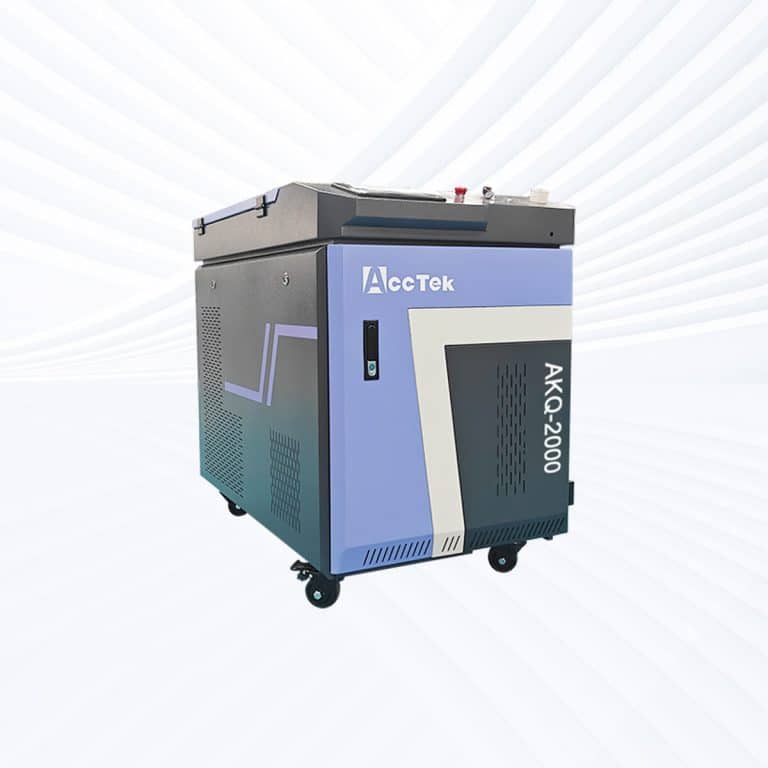
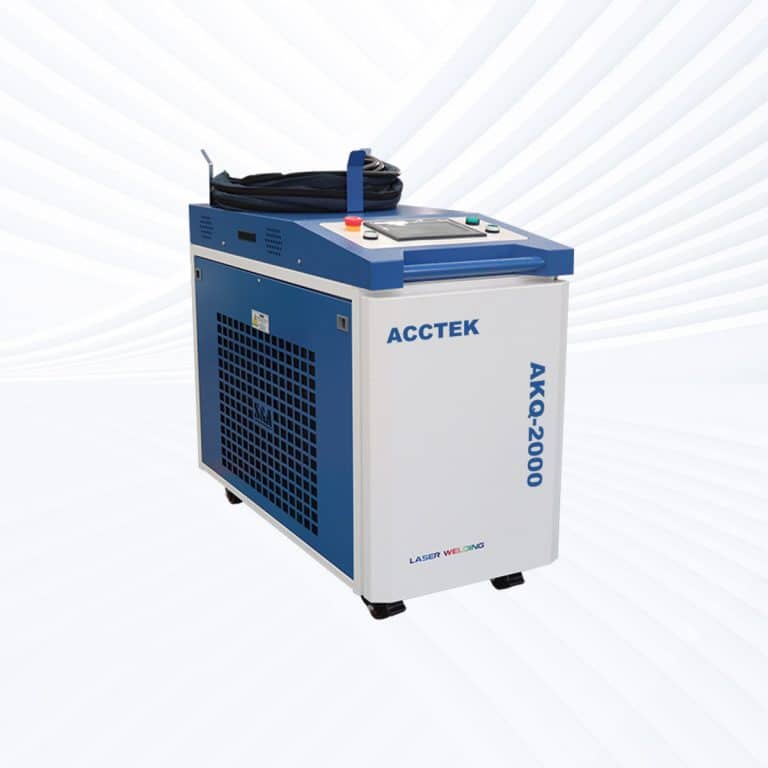
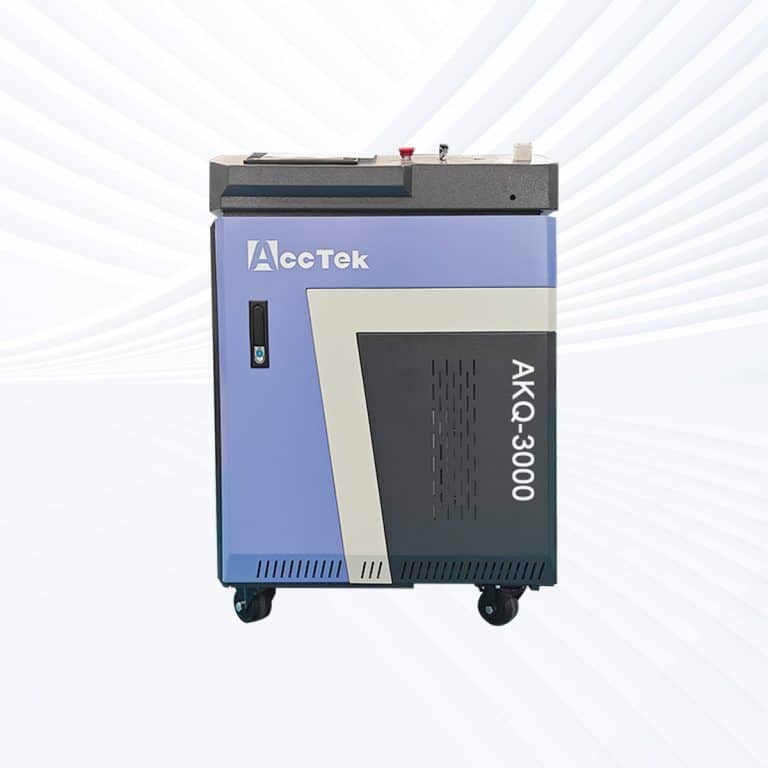
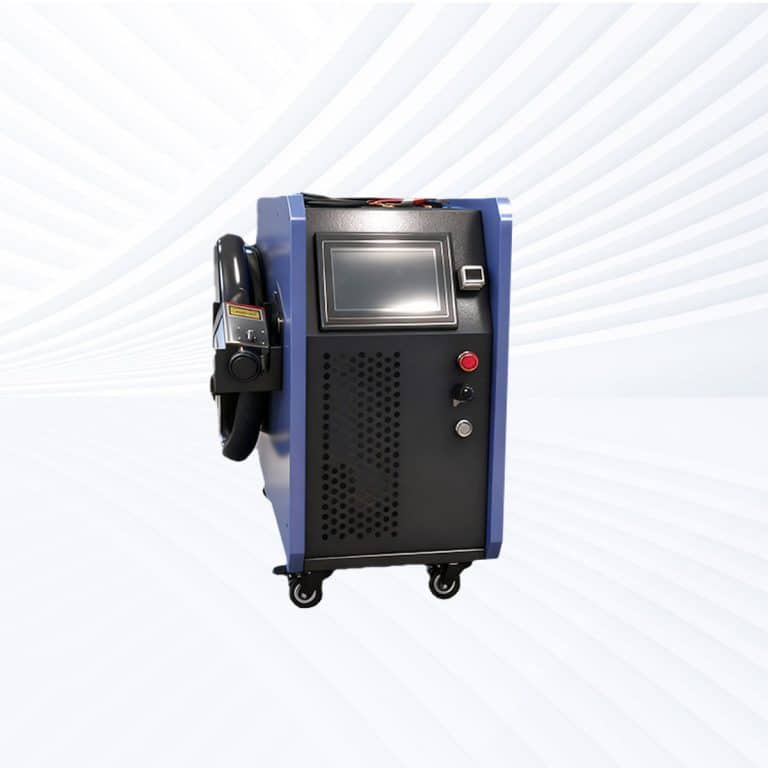
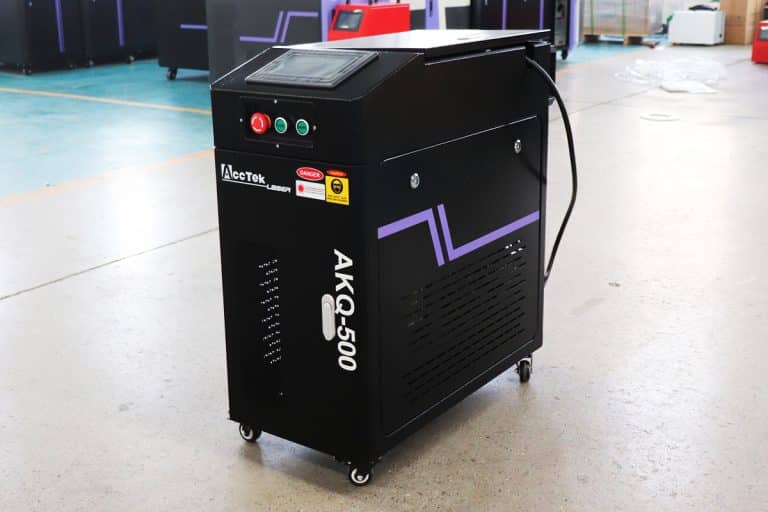
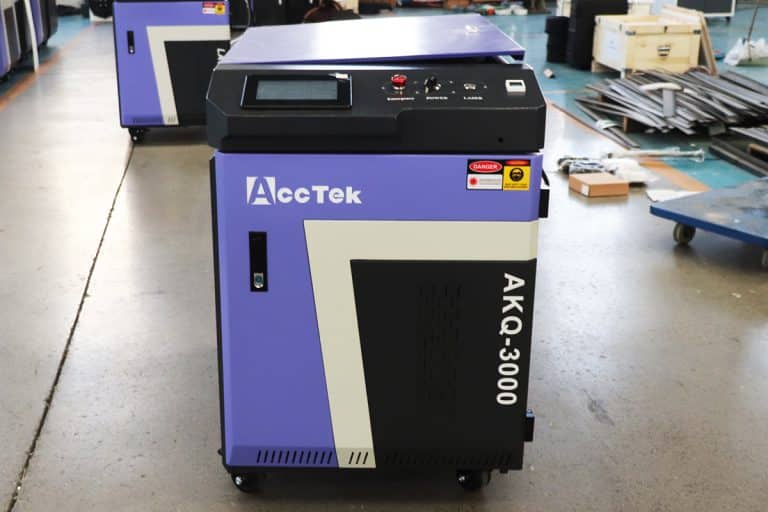
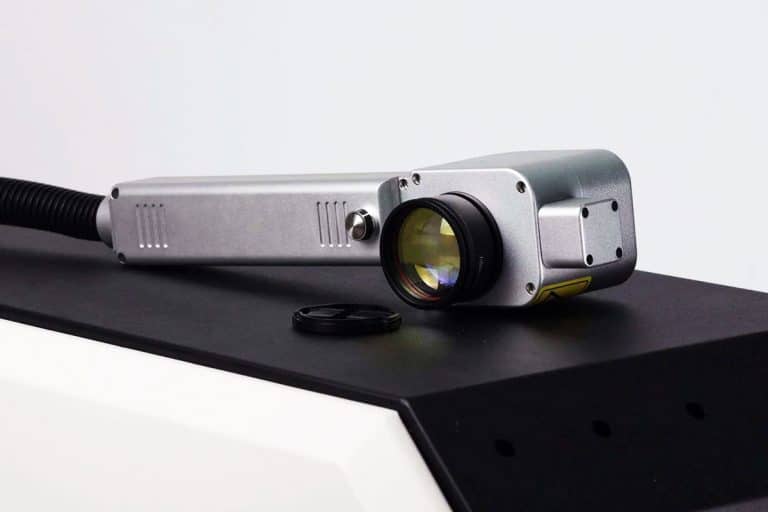
Types of Oil Laser Cleaning Machines
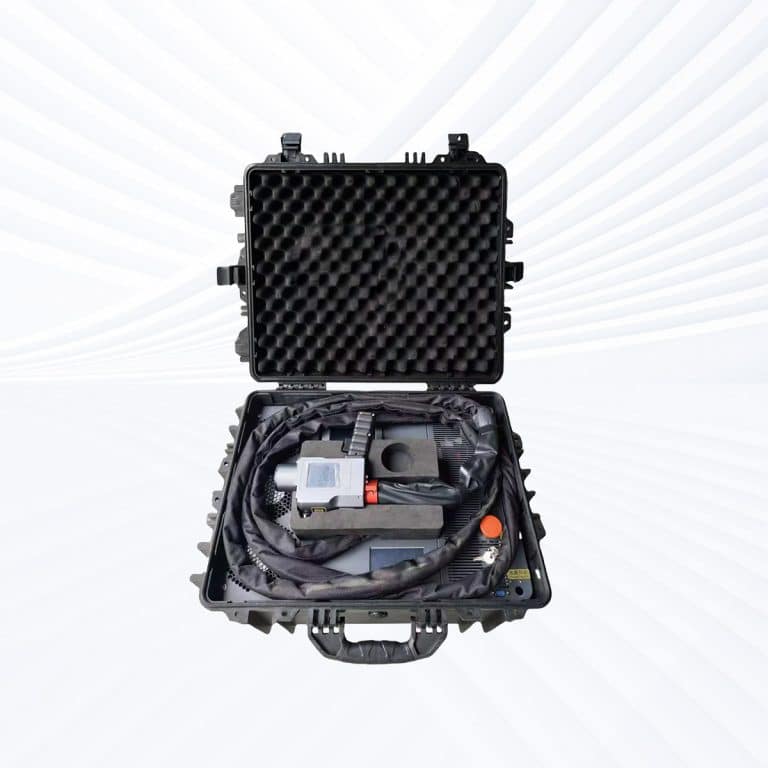
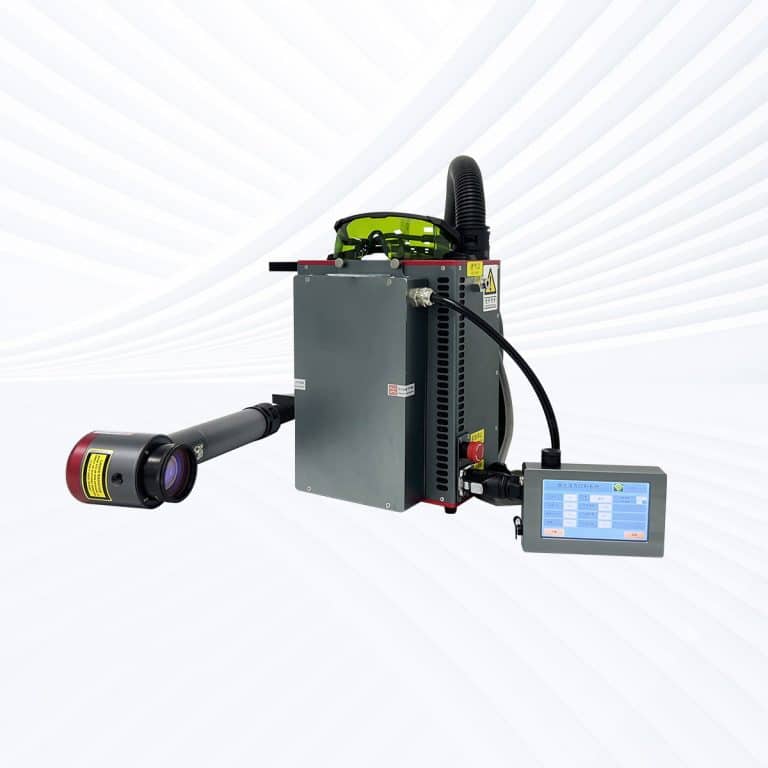
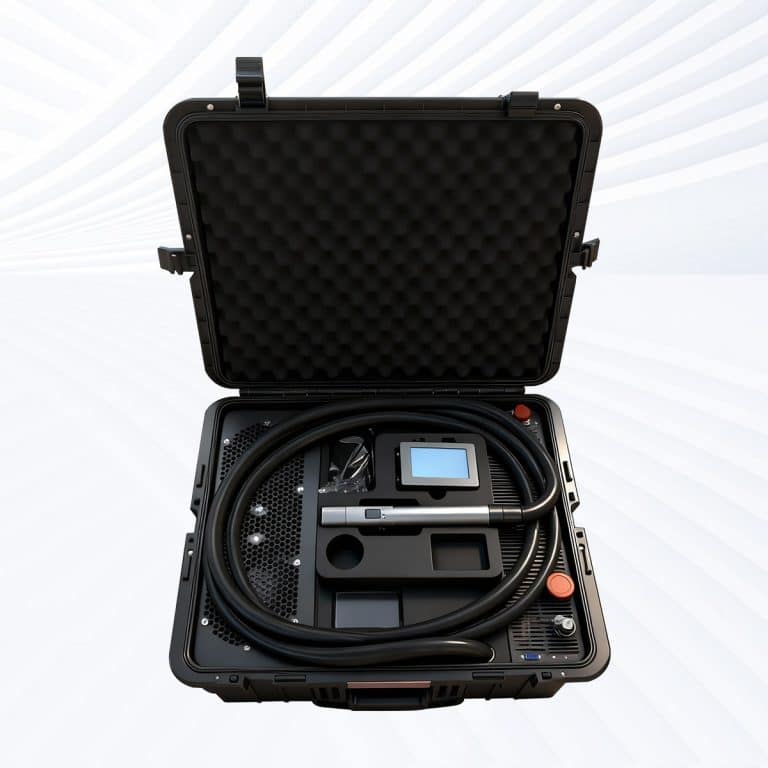
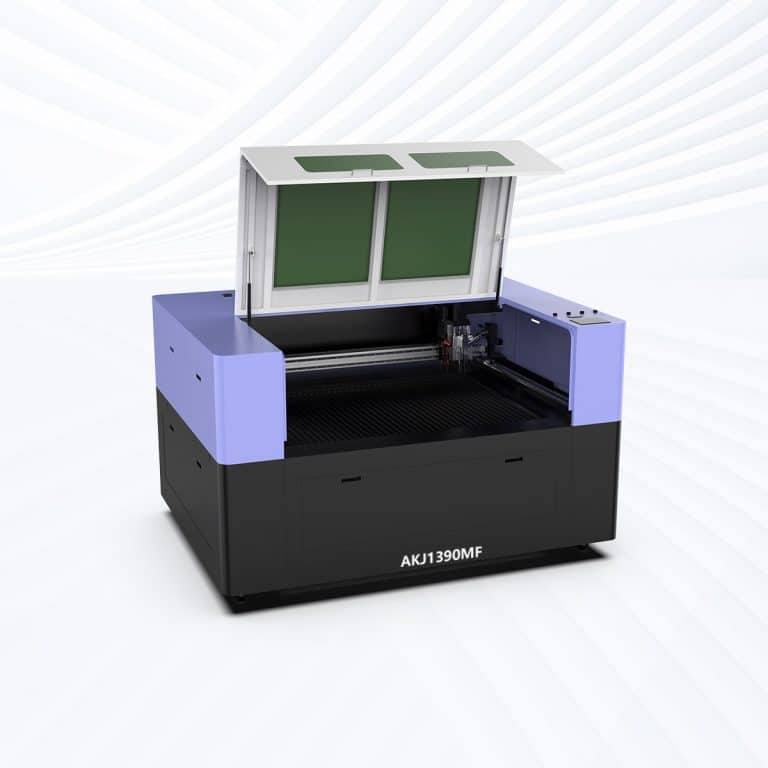
Benefits of Laser Cleaning Welding Oil
Thorough Oil and Grease Removal
Laser cleaning removes oil, grease, and lubricant residues completely from metal surfaces. It breaks down contaminants at the molecular level, leaving surfaces clean and dry, which improves welding, coating adhesion, and assembly quality.
Non-Contact and Surface-Safe Process
Laser cleaning works without physical contact, abrasives, or pressure. This protects delicate or precision components from scratches, deformation, or wear, ensuring the original surface finish and material properties remain unchanged.
Chemical-Free and Environmentally Friendly
Oil laser cleaning requires no solvents or detergents. This eliminates chemical waste, reduces environmental impact, and helps manufacturers meet strict safety and environmental regulations while maintaining a cleaner and safer workplace.
High Efficiency and Consistent Results
Laser cleaning delivers fast, repeatable cleaning performance across complex shapes and hard-to-reach areas. Adjustable parameters ensure consistent oil removal on different materials, improving productivity and reducing manual rework.
Lower Operating and Maintenance Costs
By eliminating consumables such as chemicals, wipes, and filters, laser cleaning significantly reduces long-term operating costs. The system requires minimal maintenance, offering reliable performance and a strong return on investment.
Easy Automation and Production Integration
Oil laser cleaning machines can be integrated with robotic systems and automated production lines. This supports high-volume manufacturing, improves process stability, and ensures consistent cleaning quality in modern industrial environments.
Compatible Surfaces
- Stainless Steel
- Carbon Steel
- Mild Steel
- Alloy Steel
- Galvanized Steel
- Aluminum
- Aluminum Alloys
- Copper
- Brass
- Bronze
- Titanium
- Titanium Alloys
- Nickel
- Nickel Alloys
- Cast Iron
- Tool Steel
- Hardened Steel
- Spring Steel
- Magnesium Alloys
- Zinc Alloys
- Cobalt Alloys
- Chromium Alloys
- Molybdenum Alloys
- Tungsten Alloys
- Inconel
- Monel
- Hastelloy
- Structural Steel
- Sheet Metal
- Pipes and Tubing
- Machined Metal Parts
- Mold Surfaces
- Dies and Tooling
- Bearings and Shafts
- Gears and Transmission Parts
- Automotive Components
- Aerospace Components
- Electronic Metal Housings
- Precision Mechanical Parts
- Weld Preparation Surfaces
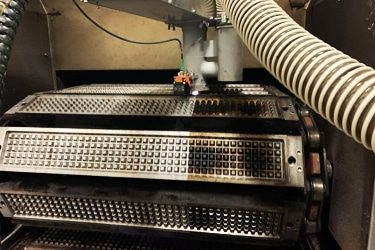
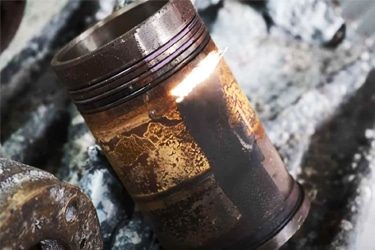
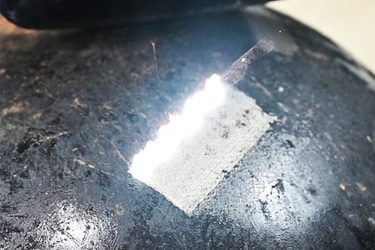
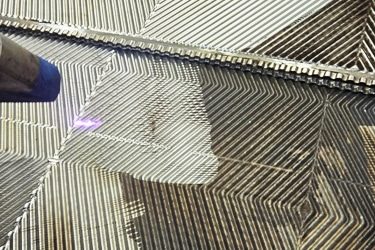
Application of Oil Laser Cleaning Machines

Customer Testimonials
Comparison VS Other Cleaning Technologies
| Comparison Item | Laser Cleaning | Sandblasting | Chemical Cleaning | Ultrasonic Cleaning |
|---|---|---|---|---|
| Cleaning Principle | Laser vaporizes oil and grease | Abrasives remove contaminants | Solvents dissolve oil | Cavitation removes oil |
| Contact With Surface | Non-contact | Direct abrasive contact | Immersion contact | Liquid-based contact |
| Surface Damage Risk | None | High risk of erosion | Possible chemical attack | Low |
| Oil Removal Effectiveness | Very high | Medium | High | Medium |
| Residue After Cleaning | None | Abrasive dust | Chemical residue possible | Liquid residue |
| Precision & Selectivity | Very high | Low | Medium | Low |
| Environmental Impact | Eco-friendly | Dust and waste | Hazardous chemicals | Wastewater |
| Consumables Required | None | Abrasives | Solvents and acids | Cleaning liquids |
| Operating Costs | Low long-term | Medium | High | Medium |
| Maintenance Requirements | Low | High | Medium | Medium |
| Automation Compatibility | Excellent | Limited | Limited | Limited |
| Cleaning of Complex Parts | Excellent | Poor | Medium | Medium |
| Setup & Cleanup Time | Minimal | High | High | Medium |
| Operator Safety | High | Dust and noise risk | Chemical exposure | Liquid handling risk |
| Long-Term Cost Efficiency | Very high | Medium | Low | Medium |
Why Choose Us
Efficient Cleaning
Our machines offer fast, precise cleaning without chemicals or abrasion, making them ideal for delicate surfaces and complex materials across various industries.
Safe & Eco-Friendly
Laser cleaning eliminates the need for harsh chemicals and generates no secondary pollution, creating a safer and more environmentally friendly workspace.
Stable Performance
Built with high-quality components and advanced control systems, our machines ensure consistent cleaning results with minimal maintenance and long service life.
Custom Solutions
We provide flexible configurations and tailored options to match different cleaning requirements, helping customers achieve optimal performance for their specific applications.
Related Resources
Comprehensive Guide to Choosing the Right Laser Cleaning Machines
This comprehensive guide provides essential insights into selecting the right laser cleaning machine, covering key factors like machine capabilities, cost, efficiency, and maintenance for optimal results.
How Effective Is Laser Cleaning At Removing Contaminants
This article explores how effective laser cleaning is at removing contaminants, covering mechanisms, materials, system types, real-world applications, limitations, and optimization factors for reliable results.
Will Laser Cleaning Damage The Substrate
This article explains whether laser cleaning damages substrates, examining damage mechanisms, material risks, process control, and verification methods for safe, effective laser cleaning.
Comprehensive Guides to Choosing the Right Laser Cleaning Parameters
This comprehensive guide explores the key factors in choosing the right laser cleaning parameters, including material types, contamination levels, and practical considerations for optimal results.
Frequently Asked Questions
What Laser Power Options Are Available For Oil Laser Cleaning Machines?
- Continuous laser cleaning machines deliver a steady laser beam and are commonly used for high-speed removal of oil, grease, and hydrocarbon residues from large metal surfaces. 1000W and 1500W continuous systems are suitable for light to medium oil contamination on steel parts, molds, mechanical components, and production equipment. These power levels provide reliable cleaning speed while maintaining good control over heat input.
- 2000W and 3000W machines are widely used in industrial environments where heavier oil buildup, machining fluids, or long-term grease deposits must be removed efficiently. These systems significantly increase cleaning speed and are ideal for production lines, automotive manufacturing, and heavy equipment maintenance.
- At the highest end, 6000W continuous laser cleaning machines are designed for large-scale, heavy-duty applications such as shipyards, refineries, and large machinery overhauls. These systems can rapidly clean extensive surface areas but are typically used on robust metal substrates that can tolerate higher thermal loads.
- Pulse laser cleaning machines remove oil by delivering energy in short, high-intensity pulses, allowing precise control with minimal heat accumulation. 100W to 300W pulsed systems are ideal for removing light oil films, fingerprints, and thin grease layers from precision components, electronic parts, and thin metal surfaces. Their gentle cleaning action minimizes the risk of surface discoloration or thermal effects.
- 500W and 1000W pulsed laser cleaning machines offer a balance between cleaning speed and precision. These power levels are commonly used for automotive parts, molds, tools, and components that require both efficiency and surface protection.
- Higher-powered pulsed systems, such as 1500W and 2000W, are capable of removing heavier oil residues and thicker grease layers while still maintaining better heat control than continuous lasers. These machines are often selected for applications where oil contamination is significant, but surface integrity remains critical.
What Is The Power Consumption of Oil Laser Cleaning Machines?
- Continuous Laser Cleaning Machines
- Continuous laser cleaning machines consume higher electrical power because they generate a steady laser beam designed for fast, large-area oil and grease removal. A 1000W continuous laser cleaning machine typically requires around 5 kW of electrical power. This includes energy for the laser source, cooling unit, scanning system, and control electronics. These machines are commonly used for removing light to medium oil contamination from metal parts, molds, and industrial equipment.
- As output power increases, overall power consumption rises accordingly. 1500W systems consume approximately 6.5 kW, while 2000W machines draw about 8.5 kW, making them suitable for heavier oil buildup and faster cleaning cycles.
- For demanding industrial environments, 3000W continuous laser cleaning machines require around 12 kW, enabling rapid removal of thick grease and machining fluids from large components. At the upper end, 6000W systems consume up to 20 kW, offering maximum throughput for shipyards, refineries, and heavy machinery maintenance. These high-power systems require stable industrial power supplies and robust cooling solutions to ensure reliable operation.
- Pulse Laser Cleaning Machines
- Pulse laser cleaning machines are generally more energy-efficient because they emit laser energy in short, high-intensity pulses rather than continuously. A 100W pulsed laser cleaning machine typically consumes only 0.5 kW, making it ideal for removing light oil films, fingerprints, and thin grease layers from precision components.
- Mid-range pulsed systems, such as 200W and 300W machines, consume about 1 kW and 1.5 kW, respectively. These machines are widely used where controlled oil removal and minimal heat input are required. 500W pulsed systems draw approximately 2.5 kW, offering a good balance between efficiency and productivity.
- Higher-powered pulsed machines include 1000W systems consuming around 5 kW and 2000W systems consuming about 8.5 kW. These provide faster oil removal while still offering better heat control than continuous lasers.
What Is The Price of Oil Laser Cleaning Machines?
- Continuous Laser Cleaning Machines ($3,500–$7,500): Continuous laser cleaning machines are typically the most economical choice for oil and grease removal. With prices ranging from $3,500 to $7,500, these systems are designed for users who prioritize cleaning speed, simplicity, and cost efficiency. Entry-level models at the lower end of the range are well suited for removing light oil films, machining fluids, and surface grease from steel parts, molds, and industrial components. Models priced closer to the upper end of this range often feature improved laser stability, stronger cooling systems, and enhanced safety protections. These upgrades support longer operating cycles and faster cleaning of larger surface areas. Continuous laser cleaning systems are widely used in manufacturing plants, automotive workshops, and heavy equipment maintenance because they can quickly remove oil contamination without consumables or chemicals. While they may introduce more heat than pulsed systems, their affordability and productivity make them ideal for robust metal surfaces where precision is not the primary concern.
- Pulse Laser Cleaning Machines ($6,000–$70,000): Pulse laser cleaning machines span a much broader and higher price range, starting at approximately $6,000 and extending up to $70,000. Entry-level pulsed systems are commonly used for precision oil removal on thin metals, electronic components, tools, and finished parts where surface integrity is critical. These machines use short, high-energy pulses to break down oil and grease with minimal heat transfer. Mid-range pulsed laser cleaning machines offer higher pulse energy, better beam quality, and advanced control software. These features make them suitable for automotive components, molds, and aerospace parts that require both efficiency and surface protection. At the premium end, pulsed laser cleaning machines priced near $70,000 are built for demanding industrial environments. They feature industrial-grade construction, exceptional reliability, automation compatibility, and consistent high-quality results. Such systems are often used in high-end manufacturing, aviation maintenance, and precision engineering applications.
How Does Laser Power Affect The Speed of Cleaning Oil?
- Higher Laser Power Increases Cleaning Speed: As laser power increases, more energy is delivered to the oil layer per unit of time. This accelerates the breakdown and vaporization of oil, grease, and hydrocarbon residues. High-power laser cleaning systems can scan surfaces faster while still achieving complete oil removal, significantly reducing overall cleaning time. This makes higher-power machines especially effective for large components, production lines, and heavy equipment where oil contamination is extensive and time efficiency is a priority.
- Lower Laser Power Enables Controlled Cleaning: Lower-power laser systems remove oil more gradually. Operators may need to slow the scanning speed or make multiple passes to fully clean the surface. While this increases cleaning time, lower power provides better control and reduces heat input to the substrate. This is particularly important for thin metals, precision parts, or components with sensitive finishes, where excessive heat could cause discoloration or surface changes.
- Continuous vs. Pulsed Laser Power Effects: Continuous laser cleaning machines deliver a steady energy stream, which typically results in faster oil removal on large, robust surfaces. However, continuous exposure can increase heat accumulation if not properly controlled. Pulsed laser cleaning systems concentrate energy into short bursts with high peak power. Although their average power may be lower, the pulsed interaction efficiently breaks oil adhesion while limiting heat buildup. This allows pulsed lasers to achieve effective cleaning speeds with greater surface protection.
- Influence of Oil Type and Thickness: The speed of oil removal is also influenced by the nature of the contamination. Light oil films, machining fluids, and fingerprints are removed quickly, even at low power levels. Thick grease layers, aged oil deposits, or carbonized residues require higher power, slower scanning, or multiple passes regardless of laser type. Adjusting power alone is not always sufficient; scanning speed and focus also matter.
- Optimizing Speed Without Compromising Quality: Maximum laser power does not always produce the best results. Excessive power can lead to unnecessary heat input or reduced control. The most efficient oil cleaning is achieved by matching laser power to oil thickness, surface area, and substrate properties.
Does Laser Cleaning Oil Damage Material?
- Selective Interaction With Oil Contaminants: Laser oil cleaning works through selective energy absorption. Oil, grease, and hydrocarbon films absorb laser energy much more readily than most solid base materials, especially metals. When the laser beam contacts the contaminated surface, the oil rapidly heats, vaporizes, and detaches from the substrate. The base material reflects or dissipates most of the laser energy, preventing cutting, erosion, or structural change.
- Low Mechanical and Chemical Stress: Unlike traditional degreasing methods such as chemical solvents, pressure washing, or abrasive cleaning, laser cleaning is a non-contact process. There is no mechanical friction, scraping, or blasting that could scratch or deform the surface. There are also no corrosive chemicals that could penetrate the material or weaken it over time. As a result, laser oil removal preserves original dimensions, surface texture, and material properties.
- Importance of Correct Laser Settings: Material safety depends heavily on using appropriate laser parameters. Proper adjustment of laser power, scanning speed, and focus ensures that energy is concentrated on the oil layer rather than the substrate. Pulsed laser cleaning systems are particularly effective for sensitive components, as they deliver energy in short bursts with minimal heat buildup. Continuous laser cleaning systems can also be used safely on robust materials when scanning speed and power are properly controlled.
- Potential Risks From Improper Operation: While laser cleaning is inherently gentle, damage can occur if incorrect settings are used. Excessively high power, slow scanning speed, or prolonged exposure in one area may cause localized heating, surface discoloration, or oxidation—especially on thin or heat-sensitive materials. For this reason, test cleaning on a small area is recommended before full-scale operation, particularly when working with new materials or unknown oil compositions.
- Comparison With Conventional Oil Removal Methods: Compared to solvent cleaning, ultrasonic baths, or abrasive methods, laser cleaning offers superior surface protection. Conventional methods can leave residues, cause corrosion, or create micro-abrasion. Laser cleaning removes only the oil layer, leaving the surface clean and unchanged.
- Best Practices for Damage-Free Cleaning: Starting with the lowest effective power, using adjustable parameters, and ensuring proper operator training are key to safe operation. Monitoring surface response during cleaning further minimizes risk.
Does Laser Cleaning Oil Produce Fumes?
- Why Fumes Are Generated During Oil Laser Cleaning: Laser oil cleaning works through rapid heating and vaporization of oil, grease, and hydrocarbon residues. When the laser beam contacts the contaminated surface, the oil absorbs the laser energy much more readily than the base material. This causes the oil layer to evaporate or decompose almost instantly, producing visible fumes and fine airborne particles. Unlike chemical degreasing, no solvents are involved, and unlike abrasive methods, there is no secondary media dust.
- Composition of the Fumes: The fumes generated during laser oil cleaning primarily consist of vaporized hydrocarbons, microscopic oil droplets, and carbon-based particles. The exact composition depends on the type of oil being removed. Light machining oils and lubricants typically produce minimal fumes, while thick grease, aged oil, or carbonized residues can generate denser vapor and fine particulate matter. Although these fumes are generally lower in volume than those produced by chemical stripping or burning, they should not be inhaled directly.
- Health and Safety Considerations: While laser oil cleaning fumes are usually less hazardous than chemical vapors or solvent emissions, prolonged exposure without protection may irritate the respiratory system or eyes. This is especially important in enclosed or poorly ventilated spaces. Operators should always follow recommended safety guidelines to minimize exposure and maintain a healthy work environment.
- Ventilation and Fume Extraction Requirements: Effective ventilation is essential during laser oil cleaning. Most professional laser cleaning setups are paired with fume extraction systems equipped with HEPA filters and activated carbon filters. These systems capture fine particles and absorb hydrocarbon vapors before air is released back into the workspace. In outdoor environments, natural airflow helps disperse fumes, but localized extraction is still strongly recommended for operator safety.
- Comparison With Traditional Oil Removal Methods: Compared to solvent cleaning, degreasing baths, or thermal burning, laser cleaning produces fewer and more controllable emissions. There is no chemical runoff, no contaminated wastewater, and no lingering solvent odor. The fumes are generated only at the point of cleaning and can be efficiently filtered.
- Best Practices to Minimize Fume Impact: Using proper laser settings, maintaining fume extraction systems, and wearing appropriate personal protective equipment further reduce exposure risks. Regular maintenance of filters ensures consistent airflow and effective fume capture.
Does Laser Cleaning of Oil Produce Harmful Byproducts?
- How Byproducts Are Formed During Laser Oil Cleaning: Laser oil cleaning works by rapidly heating oil, grease, and hydrocarbon residues until they vaporize or break down. When the laser energy is absorbed by the oil layer, it causes thermal decomposition and evaporation. This process converts the oil into fine airborne particles and gaseous compounds, which are the primary byproducts of laser oil cleaning.
- Composition of the Byproducts: The byproducts typically consist of microscopic carbon-based particles, vaporized hydrocarbons, and trace combustion-related gases. The exact composition depends on the type of oil being removed. Light machining oils and lubricants tend to generate minimal byproducts, while thick grease, aged oils, or carbonized residues may produce denser particulate matter. In some cases, trace amounts of volatile organic compounds (VOCs) can be released during thermal breakdown, but these are generally localized and short-lived.
- Health and Safety Considerations: While these byproducts are usually less hazardous than chemical solvents or abrasive dust, they should not be inhaled directly. Fine particles and vapors can irritate the respiratory system and eyes if proper controls are not in place, especially in enclosed spaces. However, compared to solvent degreasing, chemical stripping, or thermal burning, laser oil cleaning produces fewer toxic substances and eliminates liquid waste and chemical runoff.
- Ventilation and Filtration Requirements: Effective fume extraction is essential to manage byproducts safely. Professional laser oil cleaning systems are typically paired with fume extraction units equipped with HEPA filters to capture fine particles and activated carbon filters to absorb gaseous hydrocarbons. These systems prevent harmful byproducts from spreading into the work environment and allow filtered air to be safely discharged or recirculated.
- Environmental Impact Compared to Traditional Methods: Laser oil cleaning produces no wastewater, no chemical sludge, and no secondary cleaning media. The solid residue collected by filtration systems is usually dry and minimal, making disposal straightforward under standard industrial waste regulations. This significantly reduces environmental impact compared to solvent-based or chemical cleaning processes.
- Best Practices to Minimize Byproduct Risks: Using correct laser parameters, maintaining fume extraction systems, replacing filters on schedule, and ensuring proper operator training all help minimize byproduct exposure. Test cleaning and gradual parameter adjustment further reduce unnecessary emissions.
What Are The Operating Environment Requirements for Oil Laser Cleaning Machines?
- Temperature and Humidity Control: Oil laser cleaning machines perform best in stable ambient temperatures, typically between 5℃ and 40℃. Extreme cold can affect laser source stability, while excessive heat may reduce cooling efficiency and shorten component lifespan. Relative humidity should generally remain below 70%. High humidity can lead to condensation inside optical components, electrical cabinets, and laser heads, increasing the risk of corrosion or electrical faults. For indoor operations, climate-controlled workshops are ideal.
- Ventilation and Air Quality: Adequate ventilation is essential because oil laser cleaning vaporizes hydrocarbons and generates fine airborne particles. Operating environments should include localized fume extraction systems positioned close to the cleaning area. These systems should be equipped with HEPA and activated carbon filters to capture particulates and hydrocarbon vapors. Clean air circulation prevents the accumulation of fumes, improves operator comfort, and ensures compliance with workplace safety regulations.
- Power Supply Requirements: Oil laser cleaning machines require a stable and reliable power supply matched to the machine’s rated input voltage and capacity. Voltage fluctuations, power surges, or insufficient grounding can damage sensitive laser electronics. Industrial-grade power lines, proper grounding, and surge protection devices are strongly recommended. For higher-power systems, three-phase power may be required, and electrical infrastructure should be assessed in advance.
- Workspace Cleanliness and Safety: The operating area should be clean, dry, and free of excessive dust, oil mist, or corrosive chemicals. Although laser cleaning removes oil, excessive airborne contaminants in the environment can settle on optics or cooling components, reducing efficiency. Fire safety measures are also important, as vaporized oil can be flammable in poorly ventilated spaces. Fire extinguishers and clear emergency access should always be available.
- Lighting and Visibility: Good lighting improves operator accuracy and reduces the risk of uneven cleaning. Laser-safe protective barriers or curtains may be required to control reflected laser radiation, especially in shared workspaces. Operators should always wear appropriate laser safety eyewear.
- Mobility and Outdoor Use Considerations: Many oil laser cleaning machines are portable and can be used outdoors. In such cases, protection from rain, excessive dust, and direct sunlight is essential. Temporary enclosures or weather-resistant covers help maintain stable operating conditions.