

Product Introduction
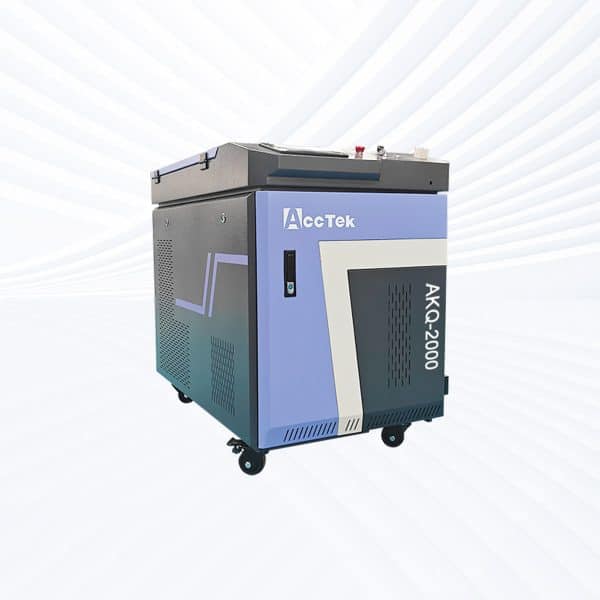
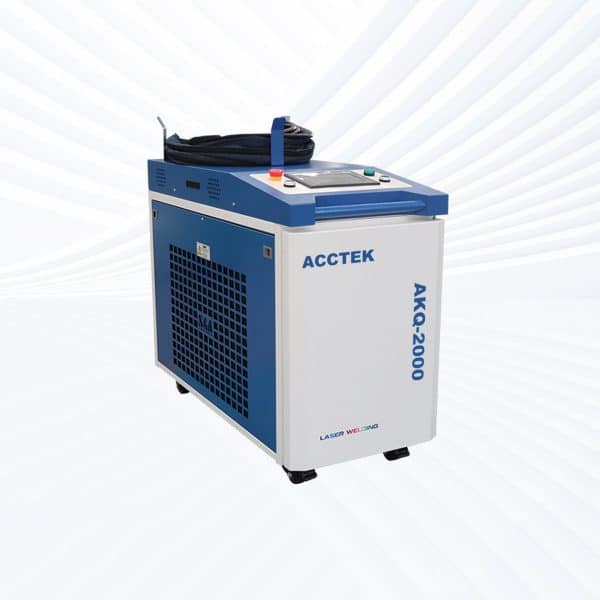
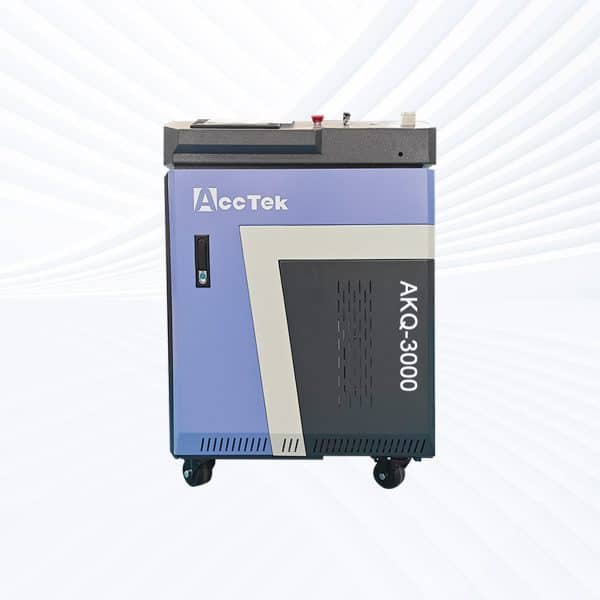
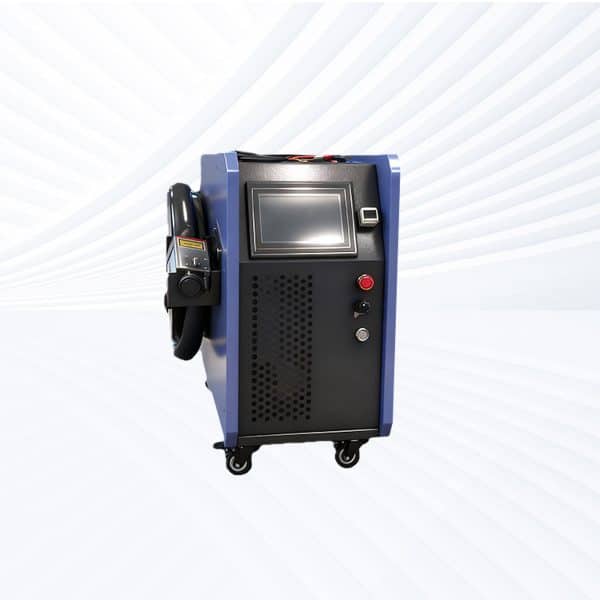
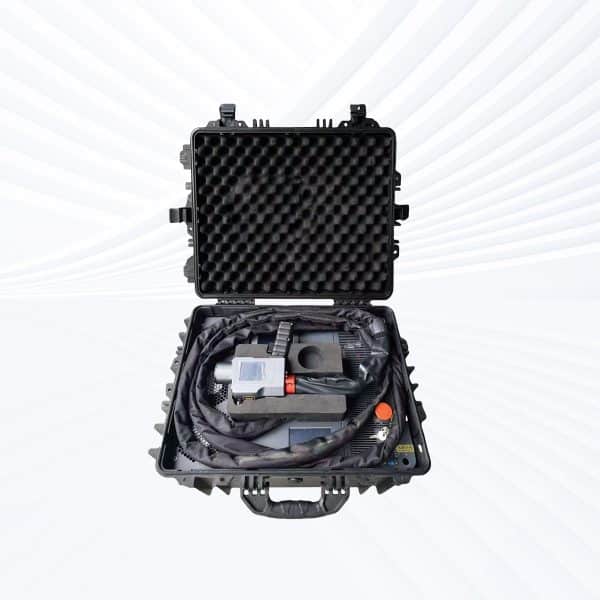
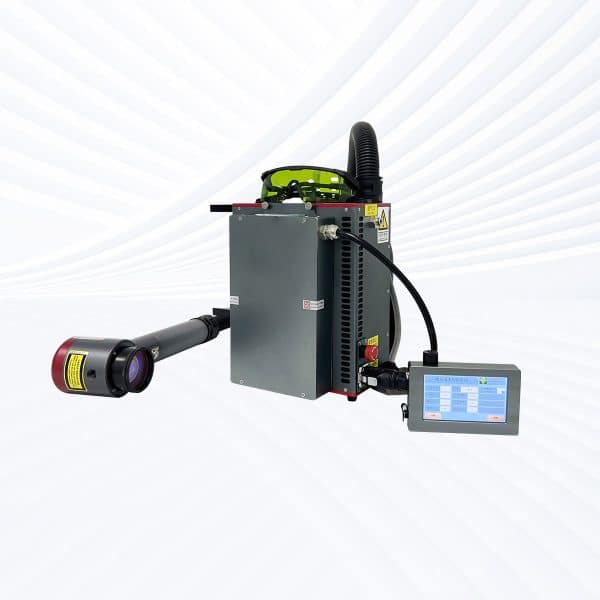
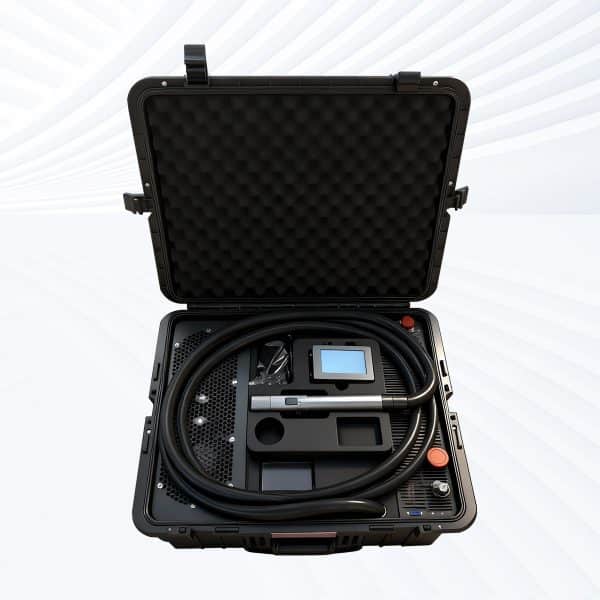
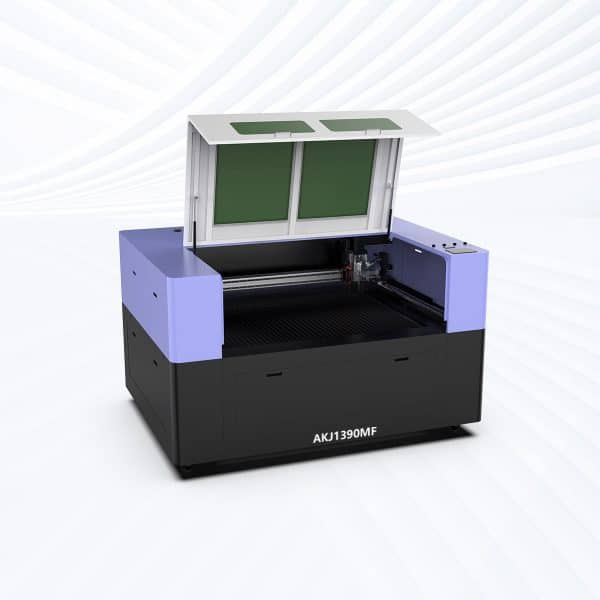
Types of Graffiti Laser Cleaning Machines
Benefits of Laser Cleaning Graffiti
Non-Damaging to Surfaces
Laser cleaning precisely targets graffiti layers without touching the base material. This non-contact process prevents scratching, erosion, or structural damage, making it ideal for delicate surfaces like stone, brick, metal, and historical facades.
Environmentally Friendly Process
Laser graffiti removal requires no chemicals, solvents, or abrasive media. It produces minimal waste and avoids secondary pollution, helping organizations meet environmental regulations while maintaining clean public and private spaces sustainably.
High Cleaning Precision and Control
Adjustable laser parameters allow operators to fine-tune power, frequency, and scanning width. This ensures accurate removal of graffiti without affecting coatings or textures underneath, delivering consistent, professional cleaning results every time.
Lower Operating and Maintenance Costs
With no consumables required, laser cleaning significantly reduces ongoing expenses. Minimal maintenance needs and long laser lifespan further lower the total cost of ownership compared to traditional graffiti removal methods.
Fast and Efficient Graffiti Removal
Laser cleaning machines remove graffiti quickly, even from complex or uneven surfaces. Faster cleaning speeds reduce labor time and downtime, making them ideal for municipalities and commercial property maintenance applications.
Safe and User-Friendly Operation
Modern laser cleaning systems feature intuitive controls and built-in safety protections. Operators can work efficiently with reduced risk, improving workplace safety while achieving reliable graffiti removal performance.
Compatible Surfaces
- Concrete
- Brick
- Natural Stone
- Granite
- Marble
- Limestone
- Sandstone
- Slate
- Ceramic Tiles
- Porcelain Surfaces
- Painted Walls
- Powder-Coated Surfaces
- Stainless Steel
- Carbon Steel
- Aluminum
- Copper
- Brass
- Bronze
- Galvanized Steel
- Iron
- Glass
- Tempered Glass
- Fiberglass
- Carbon Fiber Composites
- Plastics (ABS, PP, PE)
- PVC Surfaces
- Acrylic (PMMA)
- Polycarbonate
- Rubber Surfaces
- Asphalt
- Concrete Pavers
- Cladding Panels
- Building Facades
- Traffic Signs
- Public Art Sculptures
- Historical Monuments
- Industrial Machinery Surfaces
- Railings and Fences
- Public Transportation Interiors
- Architectural Decorative Panels
Application of Graffiti Laser Cleaning Machines





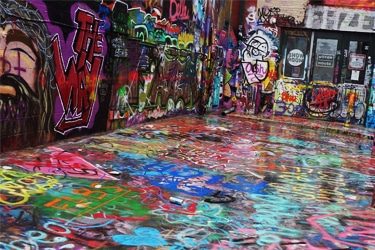

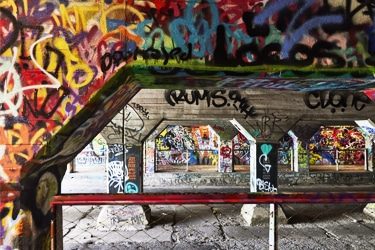
Customer Testimonials
Comparison VS Other Cleaning Technologies
| Comparison Item | Laser Cleaning | Sandblasting | Chemical Cleaning | Ultrasonic Cleaning |
|---|---|---|---|---|
| Cleaning Principle | Laser energy breaks graffiti bonds | Abrasive media impact | Chemical reaction dissolves paint | High-frequency vibration in liquid |
| Surface Damage Risk | Very low, non-contact process | High, abrasive erosion | Medium, chemical corrosion | Low to medium, immersion effects |
| Precision Control | Highly adjustable parameters | Limited control | Moderate control | Limited for large surfaces |
| Environmental Impact | Eco-friendly, no chemicals | Dust and media waste | Hazardous chemical waste | Requires liquid disposal |
| Consumables Required | None | Abrasive media | Chemicals and solvents | Cleaning fluids |
| Waste Generation | Minimal | High | Medium to high | Medium |
| Suitable for Heritage Surfaces | Excellent | Poor | Risky | Limited |
| Operating Costs | Low long-term | Medium to high | High ongoing costs | Medium |
| Maintenance Requirements | Low | High (nozzles, compressors) | Medium | Medium |
| Worker Safety | High, enclosed and controlled | Low, dust exposure | Medium, chemical handling | Medium |
| Portability | Portable and mobile options | Heavy equipment | Moderate | Limited |
| Setup Time | Fast | Time-consuming | Moderate | Long for large areas |
| Cleaning Speed | Fast and consistent | Fast but aggressive | Moderate | Slow for graffiti |
| Substrate Versatility | Very high | Limited | Surface-dependent | Component-dependent |
| Overall Graffiti Removal Quality | Clean, uniform, repeatable | Rough surface finish | Risk of staining | Inconsistent on walls |
Why Choose Us
Efficient Cleaning
Our machines offer fast, precise cleaning without chemicals or abrasion, making them ideal for delicate surfaces and complex materials across various industries.
Safe & Eco-Friendly
Laser cleaning eliminates the need for harsh chemicals and generates no secondary pollution, creating a safer and more environmentally friendly workspace.
Stable Performance
Built with high-quality components and advanced control systems, our machines ensure consistent cleaning results with minimal maintenance and long service life.
Custom Solutions
We provide flexible configurations and tailored options to match different cleaning requirements, helping customers achieve optimal performance for their specific applications.
Related Resources
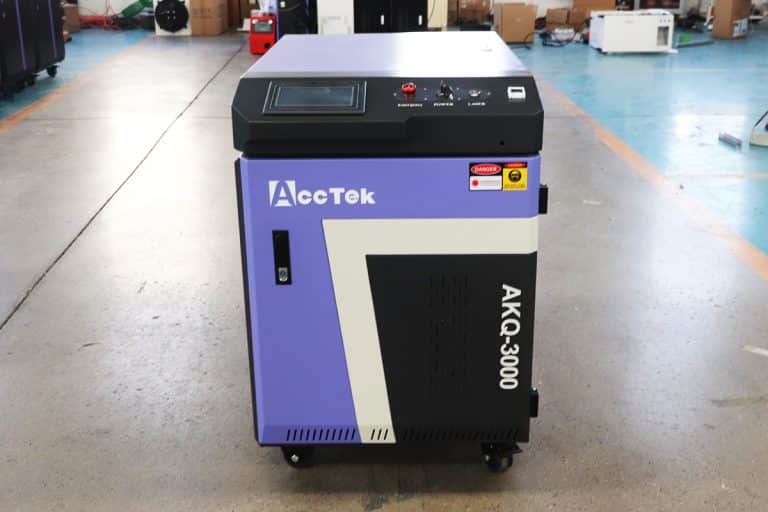
What Is Pulsed Laser Cleaning?
This article explores what pulsed laser cleaning is, how it works, key parameters, machine types, suitable materials, applications, advantages, limitations, and effects on surface quality.
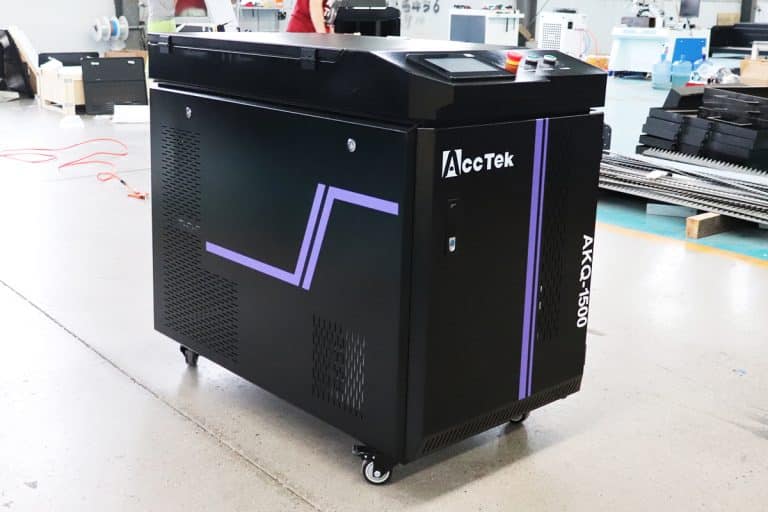
How Do Laser Parameters Affect The Cleaning Process?
This article explores how laser power, speed, pulse frequency, pulse width, fluence, focus, scanning settings, and material properties affect laser cleaning quality, efficiency, and surface protection.
Lifespan of Laser Cleaning Machines
This article explores the lifespan of laser cleaning machines, including component durability, influencing factors, maintenance practices, warning signs, application demands, and ways to extend service life.
Is Laser Cleaning Environmentally Friendly?
This article explains laser cleaning from an environmental perspective, covering how it works, waste reduction, energy use, emissions control, safety, applications, limitations, and responsible operation.
Frequently Asked Questions
What Laser Power Options Are Available For Graffiti Laser Cleaning Machines?
- Continuous Laser Cleaning Machines (1000W–6000W)
- Continuous wave laser cleaning machines deliver a steady, uninterrupted laser beam, making them ideal for high-speed, large-area graffiti removal. Lower power units, such as 1000W and 1500W, are well-suited for removing spray paint, markers, and light coatings from stone, concrete, brick, and metal surfaces. These machines offer good cleaning efficiency while minimizing heat impact on sensitive substrates.
- Mid-range systems, such as those with 2000W and 3000W power, offer faster cleaning speeds and greater depth control, making them effective for thicker paint layers, aged graffiti, and industrial coatings on steel structures, bridges, and public infrastructure.
- High-power models like 6000W are designed for heavy-duty applications, including large-scale urban cleanup, shipyards, and industrial environments. These systems excel at rapid graffiti removal over wide areas but require skilled operation to avoid surface overheating.
- Pulse Laser Cleaning Machines (100W–2000W)
- Pulsed laser cleaning machines emit short, high-energy bursts instead of a continuous beam. This makes them ideal for precision cleaning where surface preservation is critical. 100W to 300W pulsed lasers are commonly used for delicate substrates such as historic stone, sculptures, painted metals, and sensitive architectural surfaces. They remove graffiti with minimal thermal stress and high control.
- 500W and 1000W pulsed laser cleaning systems strike a balance between precision and productivity, making them popular for municipal graffiti removal, stainless steel surfaces, and decorative metals.
- Higher-powered pulsed laser cleaning machines, including 1500W and 2000W, are suitable for thicker paint layers, industrial environments, and faster cleaning while still maintaining superior surface protection compared to continuous lasers.
What Is The Power Consumption of Graffiti Laser Cleaning Machines?
- Continuous laser cleaning systems consume more electrical power because they deliver a constant laser beam and are designed for high-speed, large-area graffiti removal. A 1000W continuous laser cleaning machine typically requires about 5 kW of electrical power, accounting for the laser source, cooling system, control electronics, and safety components. This level is suitable for light-to-moderate graffiti removal on concrete, stone, and painted metal surfaces.
- As power output increases, consumption rises accordingly. 1500W systems consume around 6.5 kW, while 2000W machines require approximately 8.5 kW, making them ideal for thicker paint layers and faster cleaning cycles.
- High-capacity machines such as 3000W units draw about 12 kW, offering rapid graffiti removal for infrastructure projects, bridges, and industrial buildings. At the top end, 6000W continuous laser cleaning machines consume roughly 20 kW, designed for heavy-duty, large-scale operations where speed and productivity outweigh energy efficiency considerations. These systems typically require industrial-grade power supplies and advanced cooling.
- Pulsed laser cleaning machines are generally more energy-efficient because they emit laser energy in short bursts rather than continuously. 100W pulsed laser cleaning machines consume only about 0.5 kW, making them suitable for delicate graffiti removal on historic stone, sculptures, or sensitive architectural surfaces.
- Mid-range pulsed systems, such as 200W and 300W models, consume approximately 1 kW and 1.5 kW, respectively, offering a balance between precision and efficiency. 500W pulsed machines draw around 2.5 kW, making them popular for municipal graffiti removal and stainless steel surfaces.
- Higher-powered pulsed units, including 1000W systems at 5 kW consumption and 2000W systems at 8.5 kW, provide faster cleaning while still maintaining controlled heat input and surface protection.
What Is The Price of Graffiti Laser Cleaning Machines?
- Continuous Laser Cleaning Machines: Continuous laser cleaning machines are generally the most affordable option for graffiti removal. With prices ranging between $3,500 and $7,500, these systems are designed for users who prioritize speed, simplicity, and cost efficiency. Entry-level machines at the lower end of this range typically offer basic configurations suitable for light graffiti removal on concrete walls, brick surfaces, steel panels, and painted structures. Higher-priced continuous systems within this range often feature increased laser output stability, better cooling systems, improved safety enclosures, and longer service life. These machines are commonly chosen by small cleaning businesses, municipal maintenance teams, and facility managers who need a reliable tool for routine graffiti removal over large surface areas. While continuous lasers may generate more heat than pulsed systems, their affordability and fast cleaning rates make them attractive for general-purpose use.
- Pulse Laser Cleaning Machines: Pulse laser cleaning machines cover a much broader price spectrum, starting at around $6,000 and reaching up to $70,000 for high-end systems. Lower-cost pulsed machines are typically compact units designed for precision cleaning tasks, such as removing graffiti from sensitive stonework, monuments, sculptures, and decorative metal surfaces. These machines emphasize control and surface protection, which increases their overall value despite higher initial costs. Mid-range pulsed laser cleaning systems incorporate higher pulse energy, advanced control software, and improved beam quality, resulting in better cleaning accuracy and versatility. At the top end, premium pulsed laser cleaning machines command prices close to $70,000, offering industrial-grade components, automated operation options, superior durability, and exceptional cleaning consistency. These systems are often used by professional restoration firms, heritage conservation specialists, and industrial operators requiring maximum precision and reliability.
How Does Laser Power Affect The Speed of Cleaning Graffiti?
- Higher Laser Power and Faster Material Removal: As laser power increases, more energy is delivered to the graffiti per unit of time. This allows thicker paint layers, multiple coatings, or aged graffiti to be broken down and vaporized more rapidly. High-power laser cleaning systems can cover larger surface areas in less time, making them ideal for large walls, bridges, tunnels, and industrial structures. In practical terms, a higher-powered laser can move faster across the surface while still achieving complete paint removal, significantly improving productivity.
- Lower Laser Power and Slower, Controlled Cleaning: Lower-powered laser systems remove graffiti at a slower pace because less energy is applied with each pass. This often requires multiple passes to fully clean the surface, increasing total cleaning time. However, this slower speed is not necessarily a disadvantage. For delicate materials such as historic stone, decorative metals, or painted architectural features, lower power allows greater control and minimizes the risk of surface discoloration, etching, or thermal damage.
- Continuous vs. Pulsed Laser Power Effects: Continuous laser systems use steady power output, which generally results in faster cleaning speeds on robust surfaces. The constant energy delivery quickly heats and removes graffiti, but may require careful adjustment to avoid overheating sensitive substrates. In contrast, pulsed laser cleaning systems concentrate high energy into short bursts. Although their average power may be lower, each pulse delivers intense peak energy, making them highly effective at breaking paint adhesion. This often allows pulsed systems to achieve efficient cleaning speeds with fewer passes, even at lower average power levels.
- Material and Surface Condition Considerations: The type of surface being cleaned also affects how laser power translates into speed. Smooth metal surfaces clean faster than porous materials like concrete or sandstone, which absorb more energy. Heavily weathered or deeply penetrated graffiti may require reduced speed or multiple passes, even with high laser power.
How To Select Graffiti Laser Cleaning Machines?
- Surface Type and Sensitivity: The first consideration is the material being cleaned. Hard, durable surfaces such as concrete, brick, and structural steel can tolerate higher laser power and faster cleaning speeds. For these applications, higher-power or continuous laser systems are often effective. In contrast, sensitive surfaces like historical stone, sculptures, painted metals, or decorative architectural elements require greater control. Pulsed laser cleaning machines are better suited here, as they minimize heat transfer and reduce the risk of surface damage.
- Laser Type: Continuous laser cleaning machines are ideal for large-scale graffiti removal, where speed and coverage are priorities. They provide steady energy output and are typically more affordable. Pulsed laser cleaners, while more expensive, offer superior precision and surface protection. Selecting between the two depends on whether the priority is rapid removal or maximum surface preservation.
- Power Level and Cleaning Speed: Higher laser power generally results in faster graffiti removal, especially for thick or layered paint. However, more power also increases energy consumption and the potential for surface overheating. Choosing laser cleaning machines with adjustable power settings allows operators to balance speed and safety across different surfaces and graffiti types.
- Portability and Work Environment: Consider where and how the machine will be used. Portable, handheld laser cleaners are ideal for urban environments, public spaces, and mobile cleaning teams. Larger, stationary systems may be better suited for industrial facilities or workshops. Factors such as power supply availability, cooling requirements, and workspace size should influence the selection.
- Safety Features and Ease of Use: Modern graffiti laser cleaning machines should include safety interlocks, protective enclosures, and emergency stop functions. User-friendly interfaces, preset cleaning modes, and real-time monitoring improve operational efficiency and reduce training time.
- Budget and Long-Term Value: While upfront cost is important, long-term value matters more. Machines with higher build quality, reliable components, and manufacturer support often deliver lower maintenance costs and longer service life.
Does Laser Cleaning of Graffiti Produce Harmful Byproducts?
- Primary Byproducts of Laser Graffiti Cleaning: When a laser beam strikes graffiti paint, coatings, or inks, the material is rapidly heated and broken down through a process known as laser ablation. This process converts the graffiti into fine particulate matter, microscopic dust, and gaseous fumes. These byproducts are typically composed of vaporized paint pigments, binders, and small fragments of the original coating. In most cases, no liquid waste or chemical runoff is produced, which is a major advantage over solvent-based cleaning methods.
- Potential Health and Safety Concerns: While laser cleaning avoids harsh chemicals, the airborne particles and fumes generated can still pose health risks if inhaled. Certain paints may contain heavy metals, solvents, or other hazardous compounds that become airborne during ablation. Without proper controls, prolonged exposure could irritate the respiratory system or cause other health concerns. However, these risks are manageable with appropriate safety measures.
- Ventilation and Filtration Requirements: Effective ventilation is essential when performing laser graffiti removal. Most professional laser cleaning machines are used in conjunction with fume extraction systems equipped with HEPA and activated carbon filters. These systems capture fine particles and neutralize harmful gases before they enter the surrounding environment. In outdoor applications, natural airflow reduces risk, but localized extraction is still recommended for operator safety.
- Comparison with Traditional Cleaning Methods: Compared to chemical strippers or sandblasting, laser cleaning produces significantly fewer secondary pollutants. There is no contaminated wastewater, no abrasive residue, and minimal solid waste. The byproducts generated are localized and easier to control, making laser cleaning a cleaner and more sustainable option overall.
- Regulatory and Environmental Considerations: In some regions, regulations may apply to airborne emissions, especially when removing paints that contain hazardous substances. Operators should follow local occupational safety guidelines and ensure proper waste filtration and disposal procedures are in place.
Does Laser Cleaning Graffiti Damage Material?
- How Laser Cleaning Interacts with Materials: Laser cleaning works through controlled energy absorption. Graffiti materials such as paint and ink absorb laser energy more readily than most underlying surfaces. This difference allows the laser to break down and remove the graffiti layer while leaving the base material largely unaffected. Because there is no physical contact, laser cleaning avoids mechanical wear, scratching, or erosion commonly associated with abrasive methods.
- Surface Sensitivity and Power Control: Material damage is unlikely when laser power, pulse duration, and scanning speed are correctly adjusted. Delicate materials like historic stone, marble, sandstone, and decorative metals benefit from lower power or pulsed laser settings, which minimize heat transfer. These systems remove graffiti gradually and precisely, reducing the risk of discoloration, micro-cracking, or surface etching. For tougher materials such as concrete, brick, and steel, higher power levels can be used safely to achieve faster cleaning.
- Risks of Improper Settings: Damage can occur if incorrect parameters are applied. Excessive laser power, slow scanning speed, or prolonged exposure in one area may cause localized heating, leading to surface discoloration or texture changes. Porous materials are particularly sensitive if energy is not carefully controlled. This highlights the importance of trained operators and adjustable machine settings.
- Comparison with Traditional Cleaning Methods: Compared to sandblasting, chemical stripping, or high-pressure washing, laser cleaning is significantly gentler on surfaces. Abrasive techniques physically remove surface material, while chemicals can penetrate and weaken substrates. Laser cleaning targets only the unwanted layer, preserving structural integrity and original appearance.
- Best Practices for Damage Prevention: To prevent material damage, operators should conduct test cleaning on a small area, use the lowest effective power, and adjust parameters based on surface response. Proper training and equipment calibration are essential.
What Are The Operating Environment Requirements for Graffiti Laser Cleaning Machines?
- Temperature and Climate Conditions: Laser cleaning machines perform best within a controlled temperature range, typically between 5℃ and 40℃. Extreme heat can affect laser stability and cooling efficiency, while very low temperatures may impact electronic components and optical alignment. In outdoor applications, machines should be protected from direct sunlight, frost, and sudden temperature fluctuations. High-humidity environments should also be avoided, as moisture can damage sensitive optical and electrical components.
- Ventilation and Air Quality: Proper ventilation is critical during graffiti laser cleaning. The laser ablation process produces fine particles and fumes from vaporized paint and coatings. Indoor operations should always include effective fume extraction systems equipped with HEPA and activated carbon filters. In outdoor settings, natural airflow helps disperse byproducts, but localized extraction is still recommended to protect operators and nearby surfaces.
- Power Supply Stability: Graffiti laser cleaning machines require a stable and reliable power supply to operate correctly. Voltage fluctuations, unstable electrical connections, or inadequate grounding can lead to performance issues or equipment damage. Industrial-grade power sources and surge protection devices are recommended, especially for higher-power systems used in demanding environments.
- Workspace and Safety Zones: The operating area should be clean, dry, and free of unnecessary obstructions. Reflective surfaces near the cleaning zone should be minimized to reduce the risk of stray laser reflections. Clearly defined safety zones, warning signage, and controlled access help prevent accidental exposure. Operators and nearby personnel must use appropriate laser safety eyewear and protective equipment.
- Dust, Vibration, and Environmental Contaminants: Excessive dust, corrosive chemicals, or strong vibrations can negatively affect laser optics and mechanical components. Machines should not be operated in environments with heavy airborne dust or chemical fumes unless additional protective measures are in place. Stable positioning and vibration isolation improve cleaning accuracy and extend equipment lifespan.
- Mobility and Outdoor Considerations: For mobile graffiti removal, weather-resistant enclosures and protective covers are essential. Rain, snow, and strong winds can compromise safety and cleaning consistency.