

Product Introduction
Material Routing Capability
| Material Type | 1.5 kW | 2.2 kW | 3.0 kW | 3.2 kW | 3.5 kW | 4.5 kW | 5.5 kW | 6.0 kW | 7.5 kW | 9.0 kW |
|---|---|---|---|---|---|---|---|---|---|---|
| Softwood | Light Cutting | Standard Cutting | Fast Cutting | Fast Cutting | Fast Cutting | High-Speed Cutting | Heavy-Duty Cutting | Heavy-Duty Cutting | Industrial Cutting | Industrial Cutting |
| Hardwood | Light Duty | Standard Cutting | Stable Cutting | Stable Cutting | High-Precision | Heavy-Duty | Heavy-Duty | High-Torque Cutting | Industrial Cutting | Industrial Cutting |
| Plywood/MDF | Basic Cutting | Smooth Cutting | Fast, Clean Cutting | Fast Cutting | High-Precision | Heavy-Duty | Heavy-Duty | Industrial Smooth Cuts | High-Volume Cutting | High-Volume Cutting |
| HDF/Particle Board/Melamine | Light Cuts | Standard Cuts | Clean Cuts | Clean Cuts | High-Precision | Heavy-Duty | Heavy-Duty | Industrial | Industrial | Industrial |
| Acrylic(PMMA) | Thin Sheets | Clean Cutting | Fast, Clean Edges | High Clarity | High Clarity | Smooth Finishing | Smooth Finishing | Industrial Clarity | Industrial Clarity | Industrial Clarity |
| Polycarbonate/PETG | Thin Sheets | Clean Cutting | Stable Cutting | Stable Cutting | Precision Cutting | Heavy-Duty | Heavy-Duty | Industrial | Industrial | Industrial |
| ABS/PVC Foam Board | Light Duty | Standard | Fast Cutting | Fast Cutting | High Stability | Heavy-Duty | Heavy-Duty | Industrial | Industrial | Industrial |
| HDPE/LDPE/PP/Nylon | Light Cuts | Standard Cuts | Stable Cuts | Stable Cuts | Deep Routing | Heavy-Duty | Heavy-Duty | High-Torque | Industrial | Industrial |
| Delrin/UHMW | Light Duty | Standard | Accurate Routing | Accurate Routing | High-Precision | Heavy-Duty | Heavy-Duty | Industrial | Industrial | Industrial |
| Solid Surface (Corian) | Very Light | Standard | Strong Cutting | Clean Cutting | High-Precision | Heavy-Duty | Heavy-Duty | Industrial Cutting | Industrial Cutting | Industrial Cutting |
| Fiberglass/Carbon Fiber Sheet | Light Trimming | Standard | Precise Routing | Precise Routing | High-Precision | Heavy-Duty | Heavy-Duty | Industrial | Industrial | Industrial |
| Phenolic/Bakelite | Limited | Standard | Clean Routing | Clean Routing | Precision Routing | Heavy-Duty | Heavy-Duty | Industrial | Industrial | Industrial |
| Foam(EVA, XPS, EPS, PU) | Very Easy | Very Easy | Fast Cutting | Fast Cutting | Ultra-Fast | Ultra-Fast | Ultra-Fast | High-Speed | High-Speed | High-Speed |
| Rubber/Leather/Cork | Light Duty | Standard | Clean Edges | Clean Edges | Faster Routing | Heavy-Duty | Heavy-Duty | Industrial | Industrial | Industrial |
| Cardboard/Paperboard | Easy | Easy | Fast Cutting | Fast Cutting | Ultra-Fast | Ultra-Fast | Ultra-Fast | Industrial | Industrial | Industrial |
| ACP/ACM (Surface Routing Only) | Very Light | Standard | Clean Grooves | Clean Grooves | High Precision | Heavy-Duty | Heavy-Duty | Industrial | Industrial | Industrial |
Compatible Materials
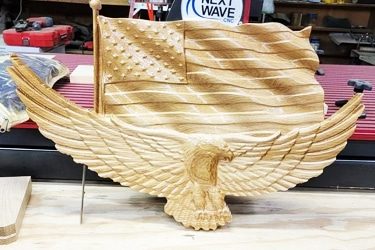
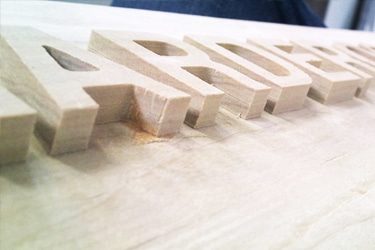
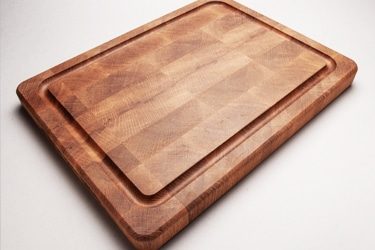
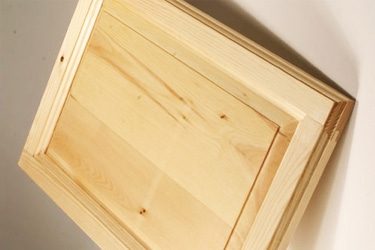
Application of 6090 CNC Routers



Customer Testimonials
Comparison VS Other Engraving Technologies
| Comparison Item | CNC Routing | Laser Engraving | Hand Engraving | Chemical Etching |
|---|---|---|---|---|
| Working Principle | Mechanical cutting with rotating tools | Vaporizing or melting material with laser beams | Manual carving with handheld tools | Chemical reaction removes material from surface |
| Material Compatibility | Wood, plastics, composites, foam | Wood, plastics, coated metals, some stones | Wood, metal, soft materials | Metals, glass, ceramics |
| Cutting Ability | Full-depth cutting, profiling, pocketing | Mostly engraving; cutting only on thin materials | Limited cutting; slow | No cutting capability |
| Engraving Depth | Deep engraving and 3D carving | Mostly shallow | Depends on skill | Shallow and uniform |
| Precision Level | High accuracy and repeatability | Extremely high precision | Low–moderate | Moderate |
| Detail Resolution | Good for small to complex features | Excellent for fine patterns | Skill-dependent | Good but limited by process |
| Production Speed | Fast for cutting and shaping | Fast for engraving, slow for deep cuts | Slow | Medium |
| Complexity of Designs | Handles 3D relief, contours, pockets | Excellent for detailed 2D/2.5D work | Limited | Works well for flat patterned designs |
| Setup Requirements | Medium (tooling, fixturing) | Low (mostly software) | None | Medium (chemical prep, masks) |
| Learning Curve | Moderate; requires training | Easy to moderate | High skill required | Moderate process knowledge |
| Operating Cost | Low (bits + electricity) | Low–medium (laser tube wear) | Very low | Medium–high (chemicals, disposal) |
| Maintenance Needs | Regular lubrication + tool changes | Optics care + tube replacement | Minimal | Chemical disposal + equipment cleaning |
| Safety Concerns | Debris, noise, tool hazards | Laser radiation, fumes | Very low | Chemical burns, toxic fumes |
| Best Applications | Cutting, shaping, 3D carving, prototyping | Fine engraving, marking, small detailing | Artistic, custom craftsmanship | Serial marking, metal patterns, surface textures |
| Ideal Use Case | Versatile machining for production & fabrication | High-precision engraving on many materials | Artistic, low-volume, handmade work | Uniform, shallow metal designs at scale |
Why Choose Us
High Precision & Efficiency
AccTek CNC routers deliver fast, accurate results with minimal errors, supporting intricate designs and mass production across the woodworking, plastic, rubber, and foam industries.
Robust and Durable Design
Our machines are built with high-quality frames and components, ensuring long service life, high load-bearing capacity, and stability during high-speed operations.
Intelligent Control Systems
Equipped with user-friendly interfaces and smart controllers, our routers offer smooth motion control, automatic toolpath optimization, and easy integration with various CAD/CAM software.
Flexible Customization
From machine size to spindle power and motor type, we offer flexible configurations to suit different production needs, budgets, and material requirements.
Related Resources
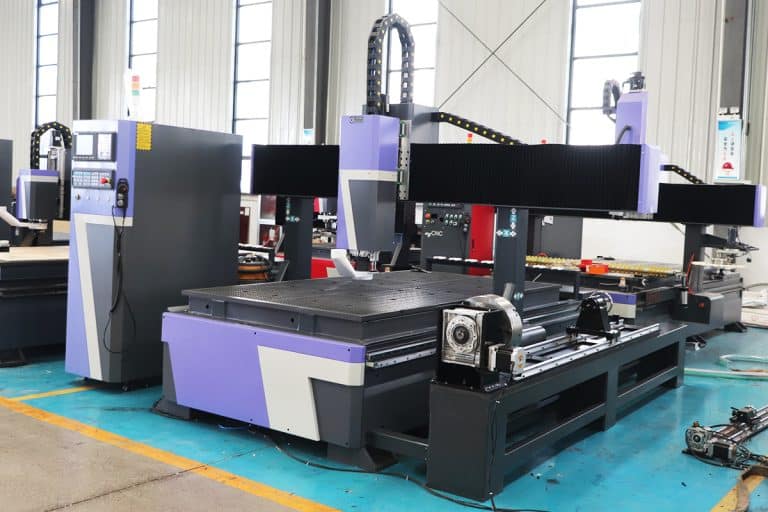
What Are 3D CNC Routers?
This article explores what 3D CNC routers are, how they operate, and the key types, components, software, materials, applications, benefits, limitations, safety practices, maintenance, and selection factors.
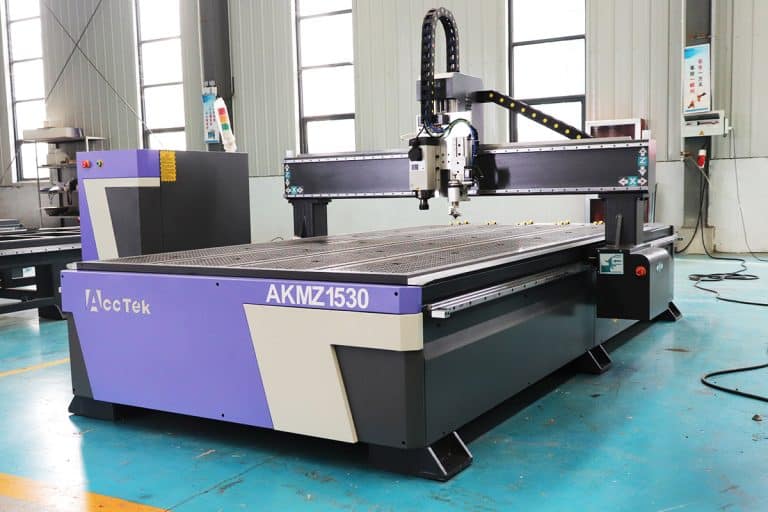
How To Program CNC Routers?
This article is a practical programming guide for CNC routers, covering CAD settings, CAM toolpaths, G-code basics, feed rate, workpiece clamping, safety checks, material settings, and troubleshooting.
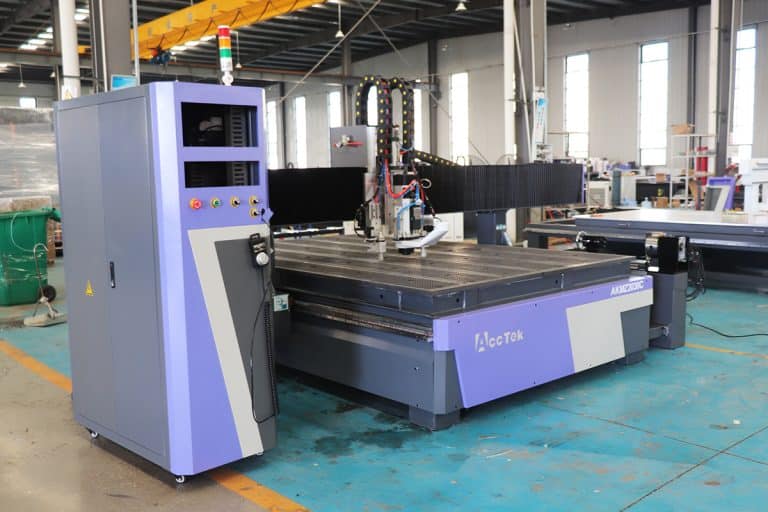
CNC Router Buying Guide
This CNC router buying guide explains machine types, spindle systems, software, tooling, maintenance, costs, and key factors for selecting the right CNC router.
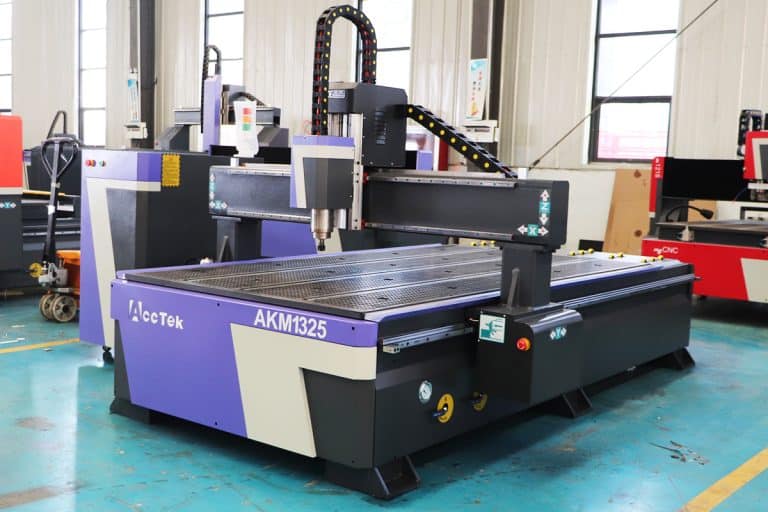
How To Perform Double-Sided Machining Using CNC Routers
This article helps discover how to perform double-sided machining using CNC routers, including setup methods, registration techniques, CAD/CAM programming, workholding, and accuracy control.
Frequently Asked Questions
What Is The Price Of 6090 CNC Routers?
What Factors Affect The Price Of 6090 CNC Routers?
- Spindle Power and Type: The spindle is one of the most important cost drivers. Lower-power 1.5 kW air-cooled spindles keep prices low, suitable for light wood and acrylic cutting. More powerful 2.2 kW or 3.0 kW water-cooled spindles raise the price due to higher torque, better durability, and improved cutting results on hardwood and plastics.
- Control System and Electronics: Entry-level CNC routers use basic Mach3 or USB controllers, reducing cost. More advanced models feature DSP handheld controllers or upgraded motion control cards, which offer smoother motion planning and higher accuracy. Professional-grade drivers, power supplies, and breakout boards add to the overall expense.
- Linear Motion Components: Machines with standard lead screws are cheaper but less precise. Higher-end options use ball screws on all axes along with precision linear guide rails, resulting in smoother movement, higher accuracy, and faster feed rates. These upgraded mechanical parts significantly increase the machine’s price.
- Frame Structure and Build Quality: Lightweight aluminum frames cost less but are suitable mainly for hobby or small-batch work. Heavier welded-steel frames are more stable, reduce vibration, and support long-term industrial use. Better construction quality and reinforced gantry structures raise the overall cost.
- Table Type and Workholding Options: Basic aluminum T-slot tables are budget-friendly. Adding a vacuum table, hybrid table, or more advanced clamping systems increases usability and production efficiency, pushing the machine toward a higher price range.
- Accessories and Upgrades: Optional items such as dust collectors, rotary attachments, tool-setters, water pumps, mist-cooling systems, and advanced software packages all impact the final cost. Machines bundled with more accessories naturally sit at the higher end of the price spectrum.
- Motor and Driver System: Stepper motors are common and cost-effective. Upgrading to hybrid steppers or servo motors improves speed, accuracy, and noise reduction, but also raises prices due to more advanced electronics.
- Brand Reputation and After-Sales Support: Reliable manufacturers typically charge more because they offer better build consistency, warranty coverage, spare-parts availability, and technical support.
What Is The Accuracy Of 6090 CNC Routers?
- Positioning Accuracy (±0.03–0.05 mm): Most well-built 6090 CNC routers offer positioning accuracy within this range. It reflects how close the machine head moves to the programmed coordinates. High-precision ball screws, rigid gantries, and quality control systems help maintain stable accuracy during repeated jobs.
- Repeatability (±0.02–0.03 mm): Repeatability refers to the machine’s ability to return to the same point multiple times with minimal deviation. Good linear guide rails, low-backlash couplings, and a stable frame design ensure consistent performance when cutting patterns, engraving text, or processing identical parts.
- Mechanical Rigidity and Vibration Control: Heavier steel-frame CNC routers maintain higher accuracy compared to lighter aluminum models. Extra rigidity reduces tool chatter and vibration, which improves surface finish and dimensional precision, especially when cutting harder materials like hardwood or aluminum.
- Ball Screws vs. Lead Screws: Machines equipped with ball screws on all axes tend to maintain tighter tolerances and smoother motion. Lead-screw systems are more affordable but introduce more backlash, affecting fine engraving or detailed 3D carving.
- Spindle Runout (≤0.01–0.03 mm): High-quality spindles reduce runout, ensuring the cutting tool rotates with precision. This directly impacts cutting-edge smoothness, fine engraving accuracy, and tool-life stability. Water-cooled spindles often deliver better runout performance than entry-level air-cooled units.
- Control System Accuracy: DSP and advanced motion-control cards calculate toolpaths more precisely than basic USB or Mach3 controllers. Improved algorithms reduce step loss, maintain stable acceleration, and deliver finer detail on complex curves or 3D reliefs.
- Tooling and Workholding Influence: Proper clamping, flat worktables, and sharp tools help maintain full-machine accuracy. A vacuum table or hybrid bed can reduce material shifting, essential for high-precision pattern cutting and repeatable production runs.
- Material-Specific Accuracy: Softer materials like MDF or foam allow extremely clean, accurate results. Harder or more flexible materials may require slower speeds or better tooling to maintain optimal precision.
What Are The Disadvantages Of Using 6090 CNC Routers?
- Limited Working Area: The 600×900 mm work zone restricts processing of larger panels, making it unsuitable for full-sheet woodworking, cabinet making, or large sign production. Users must cut oversized materials into smaller pieces, which increases workload and alignment difficulty.
- Lower Cutting Power Compared to Larger CNC Routers: While 6090 CNC routers work well for thin woods, acrylic, and soft materials, they may struggle with thick hardwood, aluminum blocks, or high-density engineering plastics unless equipped with a stronger spindle. This limits production capacity for heavy-duty industrial tasks.
- Machine Rigidity Varies by Build Quality: Entry-level aluminum-frame 6090 CNC routers can experience vibration during fast cuts or when using long tools. Reduced rigidity affects surface finish and dimensional accuracy, especially in deeper carving or harder materials.
- Lead Screws on Some Models Reduce Precision: Budget machines often use lead screws, which introduce backlash and reduce long-term accuracy. Users who require detailed 3D carving or tight tolerances may need to upgrade to ball-screw systems, increasing overall cost.
- Slower Machining Speeds: Compared to larger industrial CNC routers, 6090 CNC routers typically have lower feed rates and acceleration due to lighter frames and smaller motors. This can increase production time when processing multiple pieces or complex patterns.
- Material Limitations: Although capable of cutting soft metals, 6090 CNC routers are not ideal for continuous aluminum machining. Heat buildup, tool wear, and chatter may occur without proper cooling or rigidity enhancements. This limits use in metal-focused workshops.
- More Frequent Manual Adjustments: Smaller machines often require manual bed leveling, repeated clamping setups, and closer monitoring. Without a vacuum table or auto-tool features, workflow efficiency is lower compared to high-end industrial systems.
- Software and Controller Constraints: Basic Mach3 or USB control systems may struggle with very dense toolpaths, high-speed 3D reliefs, or complex G-code. Advanced controllers are available but raise the machine cost.
- Noise and Dust Production: Like all CNC routers, 6090 CNC routers generate significant dust, debris, and spindle noise. Without a dust-collection system, workspace cleanliness and operator comfort are affected.
What Are The Environmental Requirements For 6090 CNC Routers?
- Stable Temperature (15–30℃): CNC routers perform optimally in moderate temperatures. Extreme heat can affect electronics, spindle bearings, and lubrication, while very low temperatures may cause material contraction and reduce cutting accuracy. Maintaining stable thermal conditions minimizes dimensional drift.
- Controlled Humidity (40–70% RH): Excess humidity can lead to rust on guide rails, ball screws, and metal frames. Too little humidity increases static buildup, which can interfere with sensitive electronics and motion-control systems. Balanced humidity protects both mechanical parts and electrical components.
- Clean and Dust-Free Workspace: Dust accumulation affects moving parts, increases friction, and can enter electronic enclosures. Clean environments reduce maintenance needs and ensure smooth spindle movement, accurate positioning, and longer machine lifespan. Dust extractors or filtration systems are recommended.
- Adequate Ventilation: During cutting, especially for wood or plastics, fumes and debris can accumulate. Proper airflow helps remove heat, maintain equipment stability, and keep operators safe. Well-ventilated rooms also prevent overheating of control systems and drivers.
- Stable Power Supply: CNC routers require steady electrical input to prevent controller resets or spindle fluctuations. Voltage stabilizers or UPS devices are recommended in locations with inconsistent power, ensuring uninterrupted operation and protecting sensitive electronics.
- Solid, Vibration-Free Foundation: Uneven or unstable floors can transfer vibrations to the machine, affecting precision and surface finish. A level, rigid, and vibration-resistant surface is essential for accurate cutting, especially for detailed engraving or 3D carving.
- Sufficient Space Around the Machine: Adequate working clearance is needed for loading materials, moving gantries, and performing maintenance. Tight spaces increase operational difficulty and airflow limitations, reducing long-term efficiency.
- Proper Chip and Waste Management: Wood chips, plastic shavings, and metal fragments can interfere with mechanical movement if not removed promptly. Organized cleanup systems help maintain stable accuracy and smooth axis travel.
- Noise and Safety Considerations: CNC routers generate significant noise, so the workspace should accommodate hearing protection and a safe operator distance. Proper shielding or enclosures may be needed in shared environments.
What Is The Lifespan Of 6090 CNC routers?
- Overall Machine Lifespan (8–15 Years): Well-built 6090 CNC routers can operate for nearly a decade or more. Machines with reinforced steel frames, precision guide rails, and ball screws typically last longer than lightweight entry-level models. Proper care significantly extends structural longevity.
- Spindle Lifespan (3,000–10,000 Hours): Air-cooled spindles sit on the lower end of durability, often requiring replacement sooner due to heat buildup and bearing wear. Water-cooled spindles perform better under continuous operation and may achieve longer service hours with proper cooling and lubrication.
- Guide Rails and Ball Screws: High-quality linear rails and ball screws can last 5–10 years under normal use. Lifespan depends on lubrication frequency, dust exposure, and cutting load. If maintenance is neglected, wear increases, reducing accuracy and smoothness.
- Electronics and Controllers: Control cards, drivers, and power supplies usually last 5–8 years, provided they operate in stable temperature and humidity conditions. Voltage fluctuations or dusty environments shorten electronics’ lifespan.
- Frame and Mechanical Structure: Structural components rarely fail unless subjected to excessive vibration, moisture, or physical impact. A rigid steel frame maintains precision over many years, whereas lighter aluminum frames may gradually lose stiffness under heavy workloads.
- Motor and Driver System: Stepper motors typically last 5–7 years, while hybrid steppers or servo systems have longer service lives. Proper cooling and clean airflow help prevent overheating during long cutting sessions.
- Tooling and Consumables: Cutting tools, collets, and belts require regular replacement because they wear out faster than major components. Sharp tools reduce machine strain and protect mechanical parts from premature wear.
- Maintenance Influence: Well-maintained 6090 routers—lubricated regularly, cleaned of debris, and operated in a controlled environment—can easily exceed their expected lifespan. Poor maintenance dramatically reduces both accuracy and component life.
- Usage Intensity: Heavy daily production naturally shortens lifespan compared to occasional hobby use. Machines run at high speeds, deep passes, or continuous cycles require more frequent component replacements.
What Training Is Required To Operate 6090 CNC Routers?
- Basic Machine Operation Skills: Operators must learn how to start, stop, home, and manually jog the machine. Training covers loading materials, setting work coordinates, adjusting feed rates, and monitoring spindle performance. Understanding axis movement and machine limitations is necessary for safe operation.
- CAM Software and Toolpath Creation: Users must be trained to generate toolpaths using CAM software such as ArtCAM, VCarve, Aspire, or Fusion 360. This includes selecting cutting strategies, setting step-downs, defining tool types, and exporting accurate G-code. Knowledge of file formats and design preparation ensures smooth machining.
- G-Code Understanding: Although full programming expertise is not required, operators should understand basic G-code commands. Knowing how to interpret or adjust code helps resolve simple issues such as tool offsets, feed rate errors, or coordinate mistakes.
- Tool Selection and Handling: Proper training includes choosing appropriate end mills, collets, and cutting tools for different materials. Skills such as setting tool length, tightening collets correctly, and understanding tool wear prevent breakage and improve cutting quality.
- Material Preparation and Workholding: Operators must learn clamping methods, vacuum table setup, and positioning techniques. Proper material handling prevents shifting, vibration, or tool deflection during machining.
- Safety Procedures: Training emphasizes spindle safety, emergency stop usage, dust-collection operation, and safe handling of cutting tools. Understanding noise levels, protective equipment, and workplace organization minimizes accidents.
- Maintenance Knowledge: Routine lubrication, cleaning, dust removal, and checking belt tension or screw alignment are essential skills. Well-trained operators can identify early signs of mechanical issues before they cause downtime.
- Troubleshooting Skills: Operators should learn how to diagnose common problems such as missed steps, surface finish issues, machine vibration, or tool breakage. This includes understanding spindle load, feed-speed balancing, and machine behavior under stress.
- Controller Operation (Mach3/DSP/Offline Controllers): Training covers interface navigation, zero-point setting, file loading, and managing tool changes. Understanding controller functionality ensures efficient and error-free operation.
How Do I Maintain 6090 CNC Routers?
- Daily Cleaning and Dust Removal: Wood chips, plastic shavings, and debris must be removed after every operation. Dust buildup affects guide rails, ball screws, and bearings, leading to friction and accuracy loss. Regular cleaning prevents binding and helps maintain smooth motion across all axes.
- Lubrication of Moving Components: Linear rails, ball screws, and lead screws require periodic lubrication with appropriate grease or oil. This reduces mechanical wear, protects metal surfaces from corrosion, and ensures consistent positioning accuracy. Over-lubrication should be avoided to prevent dust accumulation.
- Spindle Maintenance: Air-cooled and water-cooled spindles need regular inspection. Water-cooled units require coolant replacement and pump checks to prevent overheating. Air-cooled spindles must be monitored for bearing noise or abnormal vibration, which indicates wear. Proper tool-clamp torque prevents runout.
- Checking Belt Tension and Couplings: Drive belts and motor couplings loosen over time due to vibration. Routine inspection ensures proper tension and alignment, preventing missed steps, reduced accuracy, and uneven cutting performance.
- Worktable and Fixture Care: The T-slot or vacuum table must remain clean and flat. Debris under material sheets can cause uneven cuts. Vacuum systems require filter cleaning and leak checks to maintain holding strength.
- Electrical and Controller Inspection: Periodically check wiring connections, grounding, and controller terminals. Dust-free control boxes reduce overheating risk. Voltage-stabilizing equipment should be maintained for steady power delivery.
- Tooling Maintenance: Cutting tools and collets wear out with use. Dull tools increase spindle load, generate heat, and degrade surface finish. Regular tool inspection and collet replacement ensure optimal cut quality.
- Calibration and Accuracy Checks: The CNC router should undergo periodic calibration of steps-per-unit, squareness, and axis alignment. Preventive checks ensure the machine maintains its original precision over long-term use.
- Cooling and Airflow Management: Ensure fans, vents, and coolant pumps operate correctly. Poor cooling reduces component lifespan and may cause spindle failure.
- Safety and Protective Measures: Emergency-stop buttons, limit switches, and protective covers should be inspected regularly. Ensuring functionality increases operator safety and prevents mechanical damage.