

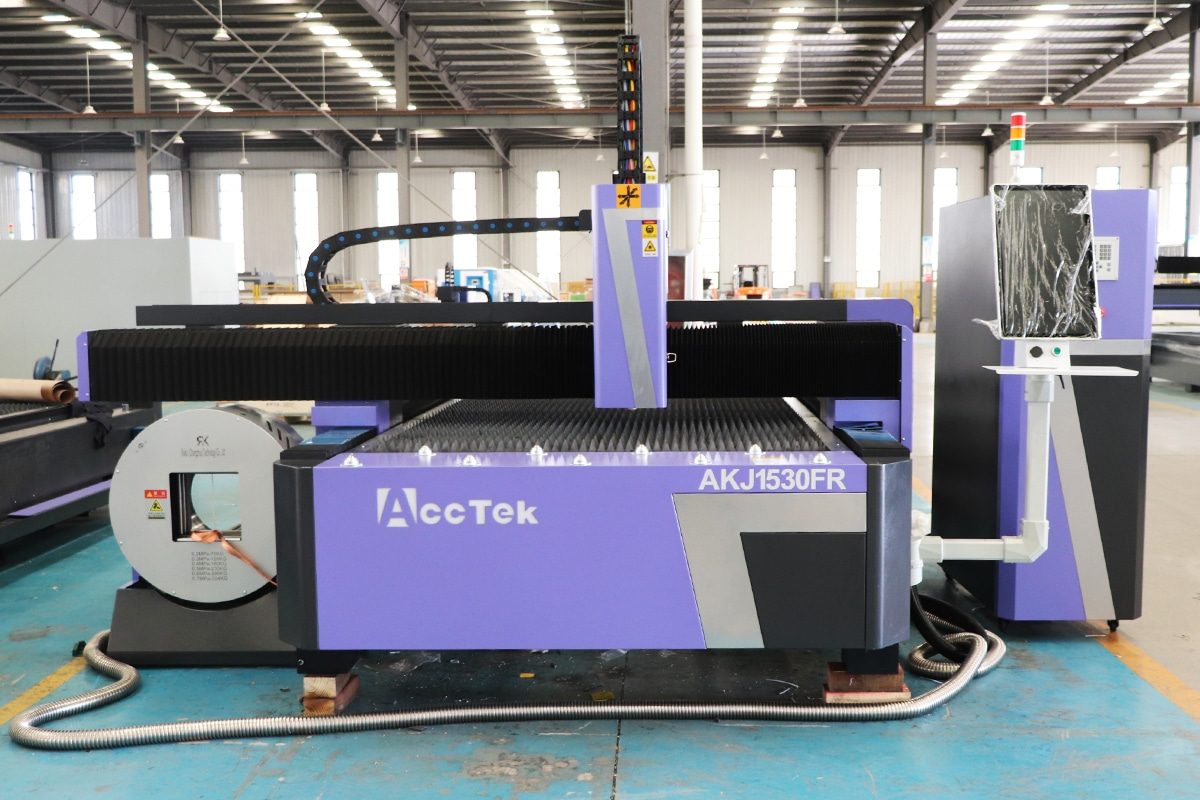
Open And Closed Bed Design in Laser Cutting Machines
Laser cutting has become one of the most widely used manufacturing processes for industries ranging from sheet metal fabrication to signage, automotive, and aerospace. The precision, speed, and versatility of laser technology make it indispensable for cutting metals, plastics, wood, and composites with high accuracy. However, the efficiency and safety of laser cutting machines are not defined by the laser source alone—machine design plays a crucial role. One of the most important aspects of this design is the configuration of the cutting bed. Broadly, laser cutting machines are built with either an open bed or a closed bed design, and the choice between them significantly impacts workflow, safety, and operating costs.
An open-bed laser cutting machine provides a more accessible working area, allowing operators to load and unload large or heavy sheets easily. It is often preferred in applications where flexibility and speed of material handling are priorities. In contrast, a closed bed design encloses the cutting area, offering better protection against laser radiation, fumes, and debris, while also supporting cleaner and more controlled cutting conditions. Understanding these two designs, their advantages, limitations, and use cases, is essential for businesses looking to optimize productivity, safety, and overall return on investment in laser cutting operations.
Table of Contents
What Do “Open-Bed” and “Closed-Bed” Mean?
When discussing laser cutting machines, the terms open-bed and closed-bed (or enclosed) describe how the cutting area is structured and how the operator interacts with it. The bed design affects accessibility, safety, ventilation, and even how the machine fits into a production workflow.
Open-Bed Design
An open-bed laser cutting machine has an exposed working area, typically with the laser source mounted above or on a gantry system. The material sheet is placed directly onto the cutting platform, and the operator has full access to load, position, and remove workpieces without barriers. This design is particularly practical for large sheets of metal or heavy materials that require crane loading or manual handling from multiple sides. Open beds are common in large-format industrial cutting machines, where productivity and ease of material handling take priority over containment. However, the absence of enclosure means higher exposure to laser light, fumes, and sparks, making operator safety precautions and external ventilation systems critical.
Closed-Bed (Enclosed) Design
In contrast, a closed-bed or enclosed laser cutting machine surrounds the cutting area with protective panels or a sealed enclosure. The operator places the material inside the machine, and the cutting process occurs behind safety glass or inside a sealed chamber. This design minimizes direct exposure to laser radiation, smoke, and debris, often integrating filtration and fume extraction systems within the enclosure. Closed-bed machines are generally more compact, quieter, and safer to operate, making them well-suited for environments where safety standards, cleanliness, and operator comfort are priorities. They are often found in workshops handling smaller sheet sizes, high-precision jobs, or where compliance with strict workplace safety regulations is required.
In essence, an open-bed machine emphasizes accessibility, speed of handling, and suitability for large, heavy materials, but requires stricter external safety measures. A closed-bed machine emphasizes safety, environmental control, and compliance, at the cost of slightly reduced accessibility. Understanding these core differences is the first step in evaluating which machine design best fits a given manufacturing need.
Safety Fundamentals and Laser Classifications
Safety is one of the most critical considerations when selecting and operating a laser cutting machine. Lasers are powerful light sources capable of cutting, burning, and vaporizing material, but without proper safeguards, they can also harm operators through exposure to radiation, fumes, or physical accidents. Machine design—whether open-bed or closed-bed—directly influences how safety risks are managed. To understand this, it is important to look at the fundamental safety measures and the laser classification system that governs their use.
Laser Classifications
Lasers are categorized into safety classes based on the level of hazard they present to the eyes and skin:
- Class 1: Completely safe under normal operation. In laser cutting machines, this classification is usually achieved when the laser is fully enclosed, preventing accidental exposure. Most closed-bed machines are designed to meet Class 1 standards.
- Class 2 and 2M: Safe for accidental exposure for very short periods, typically involving low-power visible lasers. Rare in industrial cutting applications.
- Class 3 (3R, 3B): Potentially hazardous if the eye is directly exposed. Limited use in cutting due to insufficient power
- Class 4: High-powered lasers capable of causing serious eye and skin injuries, igniting materials, and producing hazardous fumes. Almost all industrial open-bed and high-power cutting lasers fall into this category.
Safety Fundamentals
- Enclosures and Shields: Closed-bed machines integrate enclosures, protective glass, and interlocks to prevent accidental exposure, reducing the risk of Class 4 hazards to Class 1 levels.
- Ventilation and Filtration: Both open- and closed-bed designs must manage fumes and particulates. Closed systems often include built-in fume extraction, while open beds require external ventilation solutions.
- Operator Protection: With open beds, operators must rely on protective eyewear, barriers, and strict safety protocols. With closed beds, the machine design itself handles most of these protections.
- Fire and Material Safety: High-power lasers can ignite flammable materials. Machines are often equipped with flame sensors, emergency stops, and software safety limits to reduce risks.
Open-bed machines typically operate as Class 4 devices, requiring rigorous safety practices and protective gear. Closed-bed machines, by enclosing the cutting process, reduce exposure risks and often qualify as Class 1 devices under regulatory standards. Understanding laser classifications helps businesses not only comply with safety regulations but also choose a machine design that aligns with their operational environment and workforce safety requirements.
Airflow, Fume, and Particulate Management
Laser cutting is not only about precision and speed—it also produces byproducts that can impact health, machine performance, and the surrounding environment. When a laser beam interacts with material, it vaporizes and melts the substrate, releasing smoke, fumes, and fine particulates into the air. These byproducts can contain hazardous substances, especially when cutting coated metals, plastics, or composites. Effective airflow, fume, and particulate management is therefore essential for both operator safety and long-term machine reliability.
Airflow in Laser Cutting Machines
Both open-bed and closed-bed designs rely on airflow systems to remove contaminants from the cutting zone.
- Open-Bed Machines: With no enclosure, air management depends on external ventilation and localized exhaust systems. Powerful extraction units are typically placed near the cutting bed to capture fumes as they rise. The efficiency of these systems depends on airflow direction, duct placement, and overall workshop ventilation.
- Closed-Bed Machines: Enclosed systems often integrate dedicated airflow channels, negative pressure environments, and built-in extraction fans. This ensures that fumes are contained inside the machine and removed through filters before being released back into the environment or vented outside.
Fume and Particulate Filtration
- Primary Filtration: Dust collectors and pre-filters capture large particulates generated during cutting.
- HEPA and Activated Carbon Filters: High-efficiency filters remove fine particulates and toxic gases, which is especially important when cutting plastics or alloys containing zinc, chromium, or other hazardous compounds.
- Maintenance Considerations: Regular cleaning and replacement of filters are critical, as clogged systems reduce efficiency and allow contaminants to escape.
Health and Environmental Impact
Uncontrolled fumes can irritate the eyes, skin, and respiratory system. Long-term exposure to fine particulates and toxic gases may pose serious health risks, including lung disease and chemical sensitivity. Moreover, improper fume handling can lead to regulatory compliance issues in workplaces that must adhere to OSHA, ISO, or local environmental standards.
In open-bed machines, airflow and fume management require robust external extraction systems and careful workshop planning. Closed-bed machines, by contrast, provide built-in containment and filtration, offering a cleaner, safer working environment with less operator exposure. Ultimately, investing in effective fume and particulate management is not just about compliance—it is a safeguard for operator health, equipment longevity, and overall production quality.
Optics and Contamination Control
The performance of a laser cutting machine depends heavily on the condition of its optical components—lenses, mirrors, and protective windows that guide and focus the laser beam. These optics are highly sensitive to contamination from dust, fumes, and molten particles generated during cutting. Even a small layer of residue can scatter or absorb laser energy, reducing cutting efficiency, lowering beam quality, and increasing the risk of lens damage. For this reason, optics and contamination control are crucial factors in both open-bed and closed-bed machine design.
Optical Path and Vulnerability
- Open-Bed Machines: With no enclosure, optics are more exposed to airborne particulates, smoke, and spatter from the cutting process. While protective windows and covers can shield some components, regular cleaning and replacement are often required to maintain performance.
- Closed-Bed Machines: Enclosures reduce the amount of airborne debris reaching the optics. Controlled airflow and sealed optical housings provide an extra layer of protection, minimizing contamination and extending component lifespan.
Methods of Contamination Control
- Protective Windows: Replaceable cover glasses positioned before the focusing lens act as sacrificial layers, taking the brunt of debris and heat.
- Air Assist Systems: A jet of compressed air or nitrogen is directed at the cutting area to blow away smoke and molten material, preventing them from rising toward the optics.
- Sealed Beam Delivery Systems: In fiber laser cutting machines, the laser travels through a sealed fiber cable, reducing exposure to environmental contaminants compared to open-beam delivery.
- Routine Maintenance: Regular inspection, cleaning with specialized wipes, and timely replacement of optics are critical practices to prevent performance degradation.
Impact on Machine Efficiency and Cost
Dirty optics cause a chain reaction of problems: reduced cutting speed, inconsistent edge quality, increased energy consumption, and risk of permanent lens or mirror failure. Frequent optic replacement adds to maintenance costs and downtime. Therefore, effective contamination control directly translates into higher productivity, longer component life, and lower operating costs.
In open-bed systems, optics require more frequent monitoring and maintenance due to increased exposure to contaminants. Closed-bed machines benefit from better protection, integrated airflow management, and sealed optical paths, making them more reliable in terms of beam quality and component longevity. Regardless of machine type, disciplined contamination control practices are essential to keep the laser cutting machine operating at peak performance.
Ergonomics and Operator Access
Operator comfort and accessibility are often overlooked in the selection of laser cutting machines, but they play a significant role in productivity, safety, and long-term efficiency. Ergonomics refers to how well the machine’s design supports human interaction—loading materials, monitoring cuts, removing finished parts, and performing maintenance. The layout of the cutting bed, whether open or closed, directly impacts how easily and safely operators can carry out these tasks.
Open-Bed Machines
An open-bed design offers unrestricted access to the work area from multiple sides. This makes it much easier to load large, heavy sheets or oversized workpieces using forklifts, cranes, or manual handling. Operators can reach the material directly, align it quickly, and remove finished parts without obstruction. This accessibility is especially valuable in industries dealing with large-format sheets, such as shipbuilding or structural fabrication. However, open access also exposes operators to risks from heat, fumes, and stray reflections, so safety procedures must be strictly adhered to. Ergonomically, open beds reduce lifting strain but require greater attention to protective equipment and maintaining safe working distances.
Closed-Bed (Enclosed) Machines
Closed-bed systems limit direct access during operation, as the cutting area is sealed within an enclosure. Materials are typically loaded from the front or side through doors, sometimes with automated drawers or shuttle tables that slide the bed outward for easier handling. While this restricts the operator’s physical reach compared to open beds, it provides a safer and cleaner working environment. Enclosures also reduce noise and shield operators from fumes and debris. In modern closed-bed designs, ergonomic improvements such as automated loading systems, lift tables, and optimized viewing windows compensate for reduced direct access, allowing operators to monitor and manage cuts without unnecessary strain.
Balancing Access and Safety
Ergonomics in laser cutting design is about finding the balance between ease of handling and operator protection. Open beds favor accessibility at the cost of higher safety demands, while closed beds favor safety at the cost of reduced direct reach. For high-volume production, automation and handling systems often complement closed-bed machines, reducing manual effort altogether.
Open-bed machines maximize operator access, which improves handling of large or heavy materials but requires strict safety oversight. Closed-bed machines prioritize safety and environmental comfort, relying on enclosures and automation to maintain ergonomic efficiency. The choice depends on whether accessibility or protective containment is more important to the production environment.
Throughput, Cycle Time, and Automation
In laser cutting, productivity is measured not just by cutting speed but by the entire workflow—loading, cutting, unloading, and preparing for the next job. The design of the cutting bed—open or closed—affects throughput, cycle time, and how easily automation can be integrated into operations.
Throughput and Cycle Time
- Open-Bed Machines: Because operators have direct access to the work area, material loading and unloading can be performed quickly, especially for oversized sheets or custom jobs. However, cycle time can increase if frequent pauses are required for manual repositioning, fume clearance, or safety checks. In high-power laser cutting systems, where cutting speeds are fast, manual handling can become the bottleneck.
- Closed-Bed Machines: While the cutting area is less accessible, many closed-bed systems include shuttle tables or drawers that allow material to be prepared outside the enclosure while the machine continues cutting inside. This overlap reduces idle time, keeping the laser in continuous operation. The tradeoff is that setup may take slightly longer when handling large or awkward sheets, but automation features often compensate.
Automation Integration
- Open-Bed Systems: Automation is less common but still possible with overhead cranes, robotic arms, or conveyor-based loading. These solutions are typically customized for industries dealing with very large, heavy workpieces.
- Closed-Bed Systems: Automation is more seamlessly integrated. Many enclosed designs come with optional add-ons such as pallet changers, robotic loading/unloading, or fully automated material towers that can feed the machine 24/7. This makes closed beds particularly well-suited for high-volume, repetitive production where human intervention is minimized.
Balancing Flexibility and Productivity
Open-bed machines shine in environments requiring flexibility—large, non-standard jobs where human access and quick adjustments are critical. Closed-bed machines excel in repetitive, high-volume production where automation ensures consistent throughput and reduced cycle times. Choosing between the two often depends on whether the shop prioritizes adaptability or efficiency.
Open-bed designs offer faster manual handling and flexibility, but can struggle to match the cycle-time efficiency of closed-bed machines equipped with automation. Closed-bed systems, with shuttle tables and robotic loading, achieve higher throughput in continuous production environments. Ultimately, the decision rests on whether the production model emphasizes custom one-off jobs or automated high-volume manufacturing.
Cut Quality Considerations
The ultimate measure of a laser cutting machine is the quality of the finished part—sharp edges, minimal burrs, consistent kerf width, and a clean surface finish. While factors such as laser power, focus, assist gases, and material properties play primary roles, the design of the cutting bed—open or closed—also influences cut quality through its impact on stability, airflow, and contamination control.
Cut Stability and Precision
- Open-Bed Machines: With an exposed cutting environment, airflow is harder to control. Variations in ventilation and drafts from the workshop can disturb the molten material, leading to rougher edges or dross on the underside of cuts. Vibrations from manual loading or nearby activity can also affect precision during cutting. However, with skilled operators and proper setup, open beds are still capable of producing high-quality cuts, especially in large-scale structural work where minor imperfections are acceptable.
- Closed-Bed Machines: By enclosing the cutting area, closed-bed systems create a controlled environment. Stable airflow ensures consistent removal of molten material, while sealed enclosures prevent external drafts from disturbing the process. As a result, these machines are better suited for high-precision industries, such as aerospace, electronics, or medical device manufacturing, where cut accuracy and edge consistency are critical.
Assist Gas and Surface Finish
Both machine types rely on assist gases (oxygen, nitrogen, or air) to expel molten material from the kerf. In closed systems, gas delivery is often more consistent due to the stable environment, which reduces oxidation and improves edge smoothness. Open systems, in contrast, may require higher gas pressures to counteract less controlled airflow, potentially increasing gas consumption and operating costs.
Contamination and Optics Influence
Optical contamination directly affects beam quality, which in turn affects cut consistency. Open-bed machines are more prone to smoke and debris settling on optics and protective windows, degrading cut quality over time. Closed-bed machines, with integrated filtration and better shielding, reduce this risk, maintaining beam stability and cleaner cuts for longer intervals between maintenance cycles.
Material-Specific Considerations
- For thick steel plates and structural components, open-bed machines provide sufficient cut quality where minor finishing may be acceptable.
- For thin metals, stainless steel, or decorative applications, closed-bed machines provide the edge quality needed to minimize post-processing.
- For sensitive industries (aerospace, electronics), closed systems are typically mandatory due to their superior consistency and control.
Open-bed systems can achieve excellent cut quality but are more sensitive to external variables such as airflow and contamination, requiring careful operator control. Closed-bed systems, by maintaining a stable cutting environment, deliver higher consistency, smoother edges, and reduced post-processing, making them the preferred choice for precision-critical industries. Ultimately, the level of cut quality required by the application should guide the decision between open and closed bed designs.
Thermal Management, Noise, and Vibration
Beyond cutting power and precision, a laser cutting machine’s long-term performance depends on how well it manages heat, noise, and vibration. These factors influence not only the quality of the cut but also operator comfort, machine lifespan, and maintenance demands. Open-bed and closed-bed designs address these issues in different ways, with tradeoffs that should be considered when choosing the right machine for an application.
Thermal Management
- Open-Bed Machines: With an exposed work area, open beds allow heat to dissipate more freely into the surrounding environment. This natural ventilation reduces the risk of localized heat buildup but shifts the burden of managing heat away from the machine and onto the workshop environment. Supplemental cooling systems (chillers, airflow management) are often required for high-power lasers, and surrounding temperatures can rise significantly during continuous operation.
- Closed-Bed Machines: Enclosed systems concentrate heat within the chamber. While this could lead to localized hot spots, modern closed-bed machines are designed with integrated cooling channels, active airflow, and heat extraction systems to stabilize temperatures. This controlled environment not only protects machine components but also ensures more consistent cutting conditions across long production runs.
Noise
- Open-Bed Machines: Operators are directly exposed to the noise generated by the laser cutting process, including gas jets, fume extraction systems, and material vibrations. Prolonged exposure requires hearing protection and can contribute to operator fatigue in busy workshops.
- Closed-Bed Machines: Enclosures act as natural noise barriers, dampening operational sounds and creating a quieter work environment. This is particularly advantageous in workshops with multiple machines or in facilities where noise control is part of regulatory compliance.
Vibration
- Open-Bed Machines: Because operators interact directly with the machine during loading and unloading, vibrations from handling heavy materials can affect stability. Additionally, external factors such as forklifts or crane operations near the bed can transfer vibrations to the workpiece, potentially influencing cut accuracy.
- Closed-Bed Machines: The enclosed design often isolates the cutting chamber from external handling vibrations, especially when paired with automated shuttle tables or robotic loading. Reduced vibration exposure leads to better cut consistency and less wear on mechanical components.
Open-bed machines dissipate heat naturally and provide simplicity in design, but they expose operators to higher levels of noise and vibration. Closed-bed machines manage thermal conditions more actively, minimize operator noise exposure, and reduce vibration through isolation and automation. In environments where precision, comfort, and regulatory compliance are priorities, closed systems typically offer a more controlled and operator-friendly solution.
Maintenance, Serviceability, and Downtime
The efficiency of a laser cutting operation depends not only on cutting speed and quality but also on how easily the machine can be maintained and serviced. Poor serviceability can translate into extended downtime, higher operating costs, and reduced return on investment. The choice between an open-bed and a closed-bed design influences accessibility, cleaning requirements, and the overall service strategy.
Routine Maintenance Requirements
- Open-Bed Machines: With exposed cutting zones, open beds tend to accumulate slag, dust, and debris more quickly on the machine table and nearby components. While this requires frequent cleaning, the open layout makes it easy for operators to reach problem areas, replace consumables, and inspect optics or mechanical systems. Routine checks and minor servicing can be performed faster, though the frequency of interventions is typically higher.
- Closed-Bed Machines: Enclosures help contain debris, fumes, and particulates, reducing the spread of contamination. However, reaching internal components often requires opening access panels or removing protective barriers, which can make routine cleaning and inspections more time-consuming. Some enclosed designs integrate automated cleaning systems or removable trays to simplify maintenance, but these features can add to machine cost.
Serviceability of Critical Components
- Optics and Beam Delivery: Open-bed systems expose optics to more contamination, meaning lenses and protective windows may need more frequent replacement. On the other hand, operators can usually access and change them quickly. Closed-bed systems protect optics better, extending component life, but servicing them may require specialized procedures or service personnel.
- Filtration and Ventilation Systems: Open-bed machines rely on external extraction, so service mainly involves duct cleaning and filter changes in external units. Closed-bed machines often integrate multi-stage filtration systems, which require regular filter replacement and periodic inspection to maintain airflow efficiency.
- Mechanical Parts and Drive Systems: Both designs require lubrication, calibration, and alignment of mechanical drives. Enclosures can shield parts from dust, extending their lifespan, but also make them harder to reach during servicing.
Downtime Considerations
- Open-Bed Machines: More frequent cleaning and optics care can increase small interruptions, but repairs are generally quicker because of easier access.
- Closed-Bed Machines: Require less frequent maintenance overall, but when servicing is needed, downtime can be longer due to restricted access and, in some cases, dependence on certified technicians.
Open-bed machines are easier and quicker to maintain, but they demand more frequent interventions due to higher contamination exposure. Closed-bed machines reduce the frequency of service tasks and extend component life, but when downtime occurs, it can last longer and sometimes require specialized support. For shops prioritizing fast turnaround and operator-led servicing, open beds may be advantageous. For operations seeking reduced contamination and longer service intervals—even if repairs take more planning—closed beds provide greater reliability over time.
Footprint, Layout, and Building Constraints
When selecting a laser cutting machine, it’s not enough to evaluate cutting performance alone—practical installation considerations such as machine footprint, workshop layout, and building infrastructure often play a decisive role. Open-bed and closed-bed designs differ significantly in how they occupy space, how materials are handled around them, and what building modifications may be required for safe and efficient operation.
Footprint and Space Utilization
- Open-Bed Machines: These systems generally have larger footprints because the operator needs unobstructed access to multiple sides for loading and unloading. Additional clearance is often required to accommodate forklifts, cranes, or side-loading equipment for oversized sheets. While the open format makes them ideal for large materials, it also means they demand more floor space per unit of cutting capacity.
- Closed-Bed Machines: Enclosed systems are usually more compact, with defined loading zones (often at the front or side). They can be placed closer to walls or adjacent machines without compromising safety, since the enclosure contains laser radiation and debris. This makes them better suited to smaller workshops or facilities where floor space is at a premium.
Layout and Workflow Planning
- Open-Bed Systems: Their accessibility encourages flexible layouts but also requires careful planning to ensure safe operator pathways and clear access for material handling equipment. Workflows may need larger staging areas for raw sheets and finished parts, adding to the spatial requirements.
- Closed-Bed Systems: With restricted access points, workflow is more structured. Many closed-bed machines integrate shuttle tables that slide out for loading and unloading, streamlining the material flow. This allows tighter, more predictable layout planning, especially in automated production environments.
Building and Infrastructure Constraints
- Ventilation: Open-bed machines often need large, external ventilation systems with extensive ducting, which may require roof penetrations or dedicated exhaust rooms. Closed-bed machines, by contrast, often come with built-in filtration and smaller exhaust requirements, making them easier to install in facilities with limited modification options.
- Floor Load Capacity: Large open-bed machines for heavy plates may require reinforced flooring to handle the combined weight of the machine and materials. Closed systems designed for lighter sheets typically impose less structural demand.
- Ceiling Height and Access: Open beds loaded with cranes or overhead gantries require sufficient ceiling clearance. Closed systems usually require less vertical space, making them viable in standard industrial units.
Open-bed machines occupy more space, demand flexible layouts, and often require heavier building modifications to accommodate large materials and external ventilation systems. Closed-bed machines are more compact, easier to position in confined spaces, and generally less demanding on building infrastructure. The choice depends on whether the facility prioritizes handling oversized materials with maximum accessibility, or optimizing space efficiency and minimizing installation constraints.
Compliance and Certification Considerations
Laser cutting machines are not only technical investments but also regulated equipment that must meet safety, environmental, and industry standards. Compliance ensures legal operation, protects workers, and reassures customers that products are manufactured under controlled and safe conditions. The choice between open-bed and closed-bed designs has direct implications for which certifications are needed, how easily they are obtained, and what responsibilities fall on the machine operator or facility owner.
Laser Safety Standards
- Open-Bed Machines: Because they typically fall under Class 4 laser classification, open-bed systems present the highest potential hazards to eyes, skin, and fire safety. As a result, facilities must comply with strict safety regulations, including mandatory use of protective eyewear, restricted-access zones, interlock barriers, and safety training for operators. Certification often involves compliance with standards such as ANSI Z136 (U.S.) or EN 60825 (Europe).
- Closed-Bed Machines: Enclosures typically reduce risk to Class 1 operation, meaning the laser is safe during normal use. These machines are easier to certify and often come pre-certified by the manufacturer under standards such as IEC 60825-1, since the enclosure contains radiation, fumes, and debris.
Environmental and Emissions Compliance
- Open-Bed Machines: Relying on external fume extraction, open systems must comply with local environmental regulations regarding exhaust emissions. This may involve air quality permits, regular inspections, and documented filtration performance.
- Closed-Bed Machines: With integrated filtration, enclosed systems are often designed to meet emission standards more easily, reducing the burden of compliance on the operator. Filter certifications (e.g., HEPA, ISO 16890) may apply depending on the jurisdiction.
Workplace and Operator Standards
- Regulatory frameworks such as OSHA (U.S.), CE Marking (Europe), or ISO 11553 (international machine safety) dictate the minimum safety features for installation and operation.
- Open-bed systems usually place more responsibility on the facility to implement additional protective measures.
Closed-bed systems shift more of the compliance responsibility to the manufacturer, since the machine itself is delivered with built-in protections.
Industry-Specific Certifications
- Aerospace, automotive, and medical industries often impose stricter quality and process certifications (e.g., AS9100, IATF 16949, ISO 13485).
- Closed-bed machines, with better environmental control and traceable safety compliance, are more easily aligned with these requirements. Open-bed machines may still qualify, but only with added safety infrastructure and stricter process oversight.
Open-bed laser cutting machines demand higher levels of facility-based compliance, requiring protective infrastructure, stricter training, and environmental permits. Closed-bed machines, by containing hazards within an enclosure, often arrive pre-certified to Class 1 standards and simplify regulatory approval. For businesses operating in highly regulated industries or facilities with limited compliance resources, closed-bed systems offer a clearer path to certification and regulatory alignment.
Power Levels and Material Choices
The suitability of a laser cutting machine depends not only on its design but also on the combination of laser power output and the types of materials it is intended to process. Both open-bed and closed-bed systems are available across a wide range of power levels, from compact units for thin sheet work to high-power industrial machines capable of cutting thick plate steel. Understanding how machine design interacts with power capacity and material compatibility is critical for matching a system to its intended application.
Power Levels in Laser Cutting
- Low Power (≤2 kW): Common in compact, closed-bed systems used for cutting thin metals (≤6 mm), plastics, wood, and composite sheets. They are ideal for small workshops, signage, and prototyping where precision is more important than raw cutting strength.
- Medium Power (2–6 kW): A versatile range, available in both open and closed designs, capable of cutting stainless steel up to 15 mm, aluminum up to 12 mm, and carbon steel up to 20 mm. Closed systems in this range are favored for precision industries, while open systems support larger sheet handling.
- High Power (6–20 kW+): Typically associated with open-bed systems that handle very large sheets or thick plates (up to 50 mm in carbon steel). These machines are built for heavy industries like shipbuilding, construction, and energy, where maximum penetration and throughput matter more than enclosure. Closed-bed machines at these power levels exist but are usually more specialized and costly, with advanced cooling and containment systems.
Material Choices and Design Implications
- Metals:
- Carbon Steel and Stainless Steel: Can be cut on both open and closed systems. Open beds are common in heavy-duty plate processing, while closed beds provide higher cut quality for thin-to-medium sheets.
- Aluminum and Copper: Highly reflective, requiring fiber lasers with higher power and stable optics. Closed systems better contain reflections and improve operator safety, but open beds are used in large-format aluminum cutting.
- Non-Metals (Plastics, Wood, Composites): Often processed in lower-power closed-bed CO2 laser cutting machines, where enclosure helps control fumes and particulates that may be harmful when cutting polymers.
- Exotic Materials (Titanium, Alloys for Aerospace/Medical): Best handled in closed systems that maintain clean, controlled environments to meet quality and certification standards.
Interaction of Power and Design
- Open-bed designs scale more easily to higher power levels because of their accessibility and ventilation flexibility, making them the go-to choice for cutting thick, heavy plates.
- Closed-bed designs dominate in low- to mid-power ranges where precision, safety, and environmental control are critical. At very high powers, enclosed systems require advanced engineering (cooling, filtration, and safety glass), which adds cost but delivers unmatched cut consistency for sensitive industries.
Power and material compatibility often determine whether an open-bed or closed-bed system is the better fit. Open-bed machines excel in high-power, heavy-material applications that demand accessibility and throughput, while closed-bed machines are best for lower-to-medium power operations where precision, safety, and clean material processing are priorities. Matching the right combination ensures maximum productivity and the best return on investment for specific industries.
Cost of Ownership
The initial purchase price of a laser cutting machine is only part of the financial equation. Long-term costs—including ventilation systems, consumables, safety measures, and uptime—ultimately determine the total cost of ownership (TCO). Open-bed and closed-bed designs differ not just in how they operate, but also in the expenses and savings they bring over time.
Machine Price
- Open-Bed Machines: Typically more expensive in terms of base price, especially at higher power levels and larger cutting formats. Their larger size, heavier construction, and industrial-grade components drive up capital investment.
- Closed-Bed Machines: Often lower in upfront cost for small- to mid-power units designed for standard sheet sizes. However, high-power enclosed systems can become just as costly as open beds due to added cooling, filtration, and safety engineering.
Ventilation
- Open-Bed Machines: Require powerful external ventilation and dust collection systems to remove fumes, particulates, and gases. Installation costs can be significant, especially if ductwork, roof penetrations, or dedicated exhaust rooms are required.
- Closed-Bed Machines: Usually include integrated fume extraction and filtration, reducing installation costs and simplifying compliance with environmental regulations. Filter replacements, however, add ongoing operational expenses.
Consumables & Uptime
- Open-Bed Machines: Optics and lenses are more exposed to debris, requiring frequent cleaning and replacement. Consumable usage (assist gas, filters, nozzles) tends to be higher due to less controlled airflow. However, downtime for maintenance is often shorter since components are easier to access.
- Closed-Bed Machines: Protect optics and internal components better, extending their lifespan and reducing consumable use. Built-in filtration systems keep contaminants under control but require regular filter changes. While maintenance intervals are longer, downtime may be slightly extended when internal access is needed.
Safety Operations
- Open-Bed Machines: Classified as Class 4 lasers, they require additional safety investments, such as protective eyewear, safety barriers, restricted zones, and comprehensive operator training. These ongoing costs add to the total ownership burden.
- Closed-Bed Machines: By enclosing the cutting area, most are classified as Class 1 during normal operation, minimizing the need for external safety infrastructure. This reduces indirect costs associated with compliance, insurance, and operator protection measures.
Open-bed machines generally involve a higher total cost of ownership due to larger machine prices, heavy ventilation demands, higher consumable usage, and stricter safety operations. However, they offer faster access and easier servicing, which can reduce downtime in heavy-duty environments. Closed-bed machines, while sometimes costlier to maintain due to integrated filtration and longer service procedures, usually have lower ongoing safety and ventilation costs and longer component life, making them more economical for precision, medium-volume applications. Ultimately, evaluating TCO requires balancing upfront investment with long-term operating efficiency, consumable use, and safety compliance.
Choosing Between Open and Closed: A Decision Framework
Selecting between an open-bed and closed-bed laser cutting machine is not a one-size-fits-all decision. The optimal choice depends on technical, operational, and organizational factors that extend far beyond cutting speed or price. A structured decision framework helps manufacturers align machine design with their unique production environment, workforce, and business strategy.
- Part Envelope: Large-format parts or thick plate steel favor open-bed systems, which allow easier crane or forklift loading. Smaller or standardized sheet sizes align better with closed-bed designs and automated shuttle tables.
- Material Mix: If the workload includes a wide range of metals, reflective alloys, or plastics, a closed-bed system offers better containment of fumes and reflections. Open beds are preferred for heavy steel and structural materials where size trumps environmental control.
- Assist Gases: High-pressure nitrogen or oxygen cutting is more stable in enclosed machines due to controlled airflow. Open beds may require higher gas consumption to compensate for less predictable environments.
- Shift Model: Shops running multiple shifts or 24/7 operations benefit from closed systems with automation, filtration, and longer optic life. Open systems can keep pace in single-shift or heavy-industry environments where operators can perform regular manual checks.
- Safety Culture: An organization with strong safety protocols and training may effectively manage the risks of Class 4 open-bed machines. Facilities with frequent new hires or limited safety oversight gain from the built-in protections of closed-bed systems.
- Regulatory Context: Closed systems simplify compliance with Class 1 certification, emissions standards, and insurance requirements. Open systems may demand extra safety zones, permits, and inspections, raising compliance overhead.
- Floor Space: Open-bed machines require more clearance for loading and operator access. Closed-bed machines, with defined entry points and enclosures, allow denser layouts in smaller facilities.
- Operator Skill & Turnover: Open-bed machines rely heavily on skilled operators for safety, optics care, and setup. In facilities with high turnover or limited technical expertise, closed machines reduce training demands by automating safety and environmental controls.
- Fire Mitigation: Thicker plate cutting on open beds increases the risk of sparks and ignition. Closed systems often integrate fire sensors, extinguishing systems, and sealed chambers, reducing fire hazards.
- Optics Life & Cleaning Regime: Open beds expose optics to frequent contamination, requiring more cleaning and consumable replacements. Closed beds extend optic life, though servicing may take longer when access is required.
- Noise Environment: Open beds generate higher operator noise exposure, requiring protective equipment. Closed systems naturally dampen noise, creating a quieter, more compliant work environment.
- Integration Roadmap: Closed-bed systems support modular automation (robotic loaders, towers, pallet changers), making them ideal for scaling into “lights-out” operations. Open systems integrate better with heavy-duty, custom handling solutions for oversized materials.
- Service Access: Open systems allow faster access to mechanical and optical components, minimizing downtime per intervention. Closed systems reduce the frequency of interventions but may require longer service windows or manufacturer support.
- Budget Horizon: Open-bed machines may cost more upfront and require ongoing safety infrastructure and consumable spending, but they deliver flexibility for large-format, heavy-duty jobs. Closed-bed machines may appear costlier to maintain, but often offer lower long-term total cost of ownership through safety compliance, optics protection, and automation.
Choosing between open and closed beds is about balancing flexibility, safety, and scalability against cost, compliance, and precision. Open beds are ideal for heavy industry and oversized parts where access is essential, while closed systems suit precision, regulated, and automated environments. A clear evaluation of part envelope, workforce model, regulatory obligations, and long-term budget ensures that the chosen system aligns with both current operations and future growth plans.
Summary
Open-bed and closed-bed laser cutting machines represent two distinct approaches to balancing accessibility, safety, and productivity. Open-bed designs excel in handling oversized parts, thick plate materials, and heavy-duty applications where crane or forklift loading is essential. Their exposed layout enables faster manual handling and service access but comes with higher demands for safety measures, ventilation, and operator training. As Class 4 systems, they require strict oversight and frequent maintenance of optics and consumables, but they remain the go-to solution for industries where scale and flexibility outweigh environmental control.
Closed-bed machines, on the other hand, enclose the cutting area to provide a controlled environment that improves cut quality, reduces contamination, lowers noise, and enhances operator safety. They integrate fume extraction, filtration, and automation features that support compliance with strict regulatory standards and make them well-suited for precision industries such as aerospace, automotive, and electronics. Though internal servicing can take longer and upfront automation investments may raise costs, these systems offer long-term efficiency, reduced downtime, and safer daily operation.
Ultimately, the decision between open and closed bed designs depends on part size, production model, safety culture, compliance requirements, and future automation plans. Choosing wisely ensures optimal performance, cost efficiency, and operator well-being.
Get Laser Cutting Solutions
Choosing between open-bed and closed-bed laser cutting machines is not just a technical decision—it’s a strategic investment in the future of your business. Whether you need the flexibility and accessibility of an open-bed system for oversized materials or the safety, precision, and automation of a closed-bed design, selecting the right machine ensures higher productivity, consistent quality, and long-term cost savings.
AccTek Group specializes in providing intelligent laser equipment tailored to diverse industrial needs. With years of experience in research, development, and manufacturing, AccTek Group delivers both open and closed-bed laser solutions that combine advanced optics, robust structural design, and user-friendly automation. Each system is engineered with high-performance cutting capabilities, integrated safety features, and reliable after-sales support to keep your production running smoothly.
Our team works closely with customers to assess material requirements, production volumes, workshop constraints, and compliance obligations, ensuring you get a machine that fits your operation today and scales with your growth tomorrow. From initial consultation to installation, training, and lifetime service, AccTek Group provides end-to-end solutions for your cutting challenges.
If you are looking to optimize efficiency and stay competitive, AccTek Group’s laser cutting systems are ready to deliver precision, performance, and peace of mind.