

Product Introduction
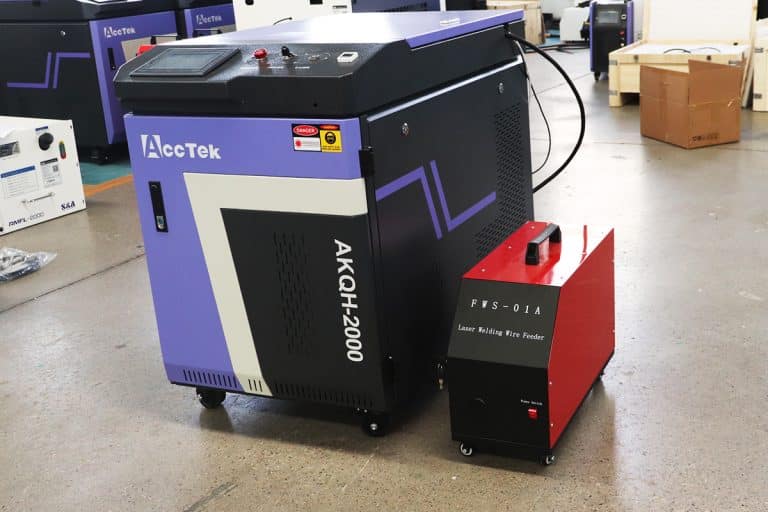
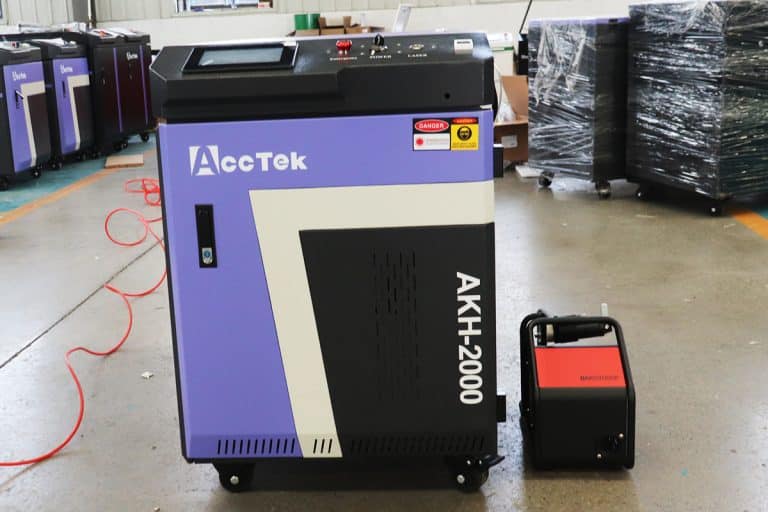
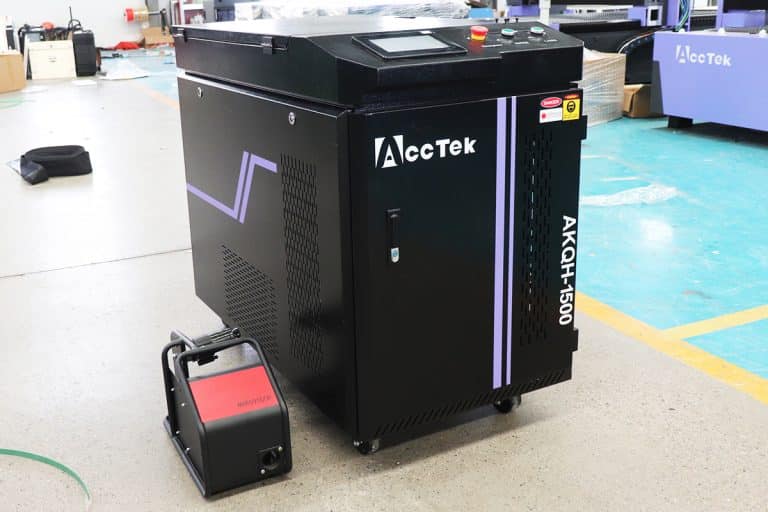
Types of 1kW Laser Welding Machines
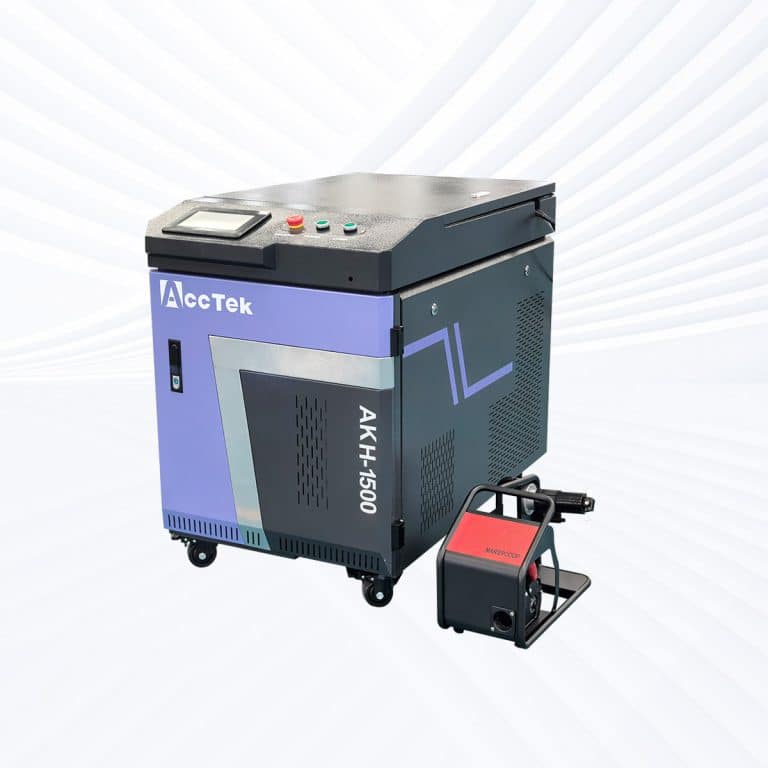
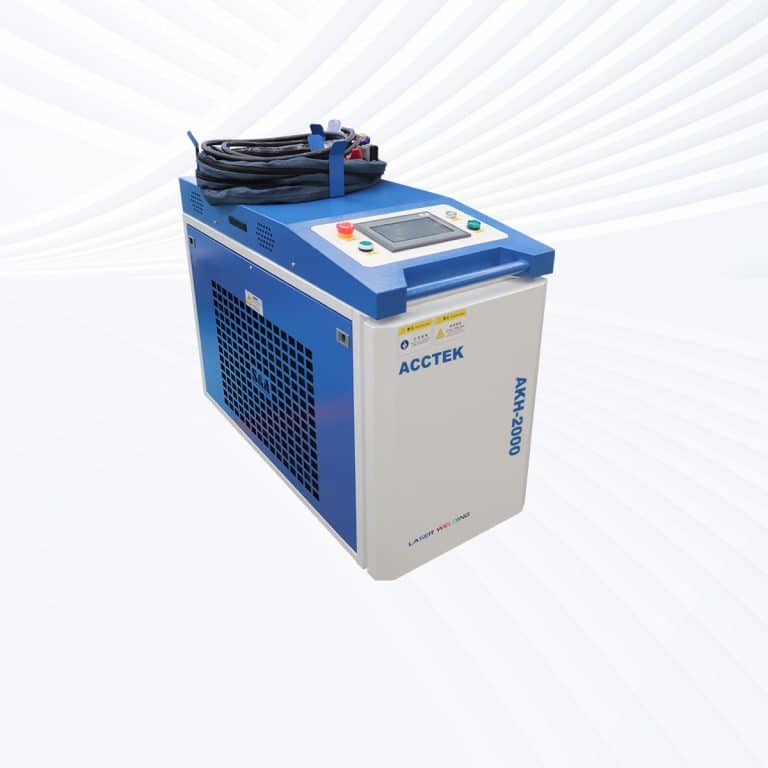
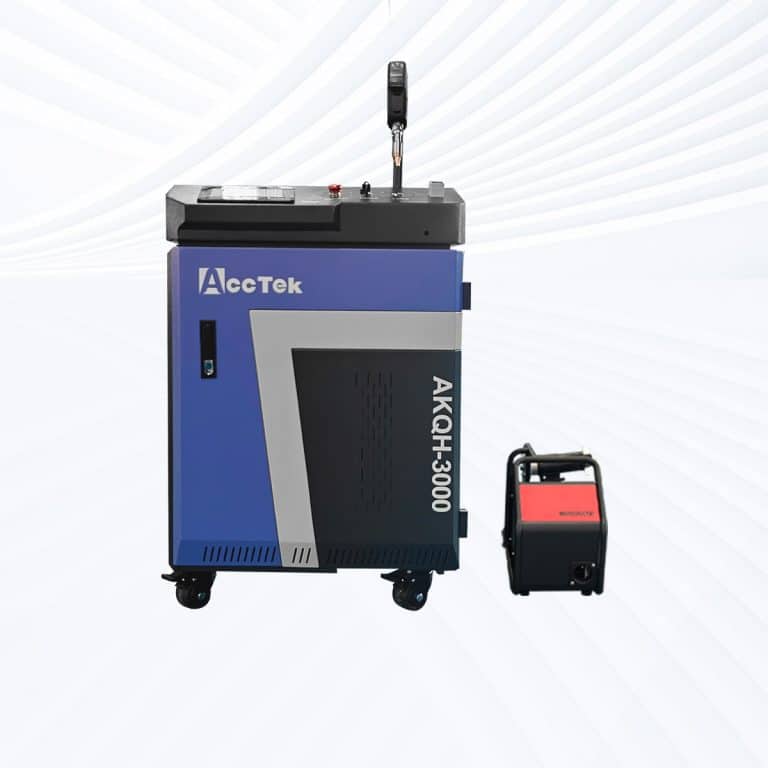
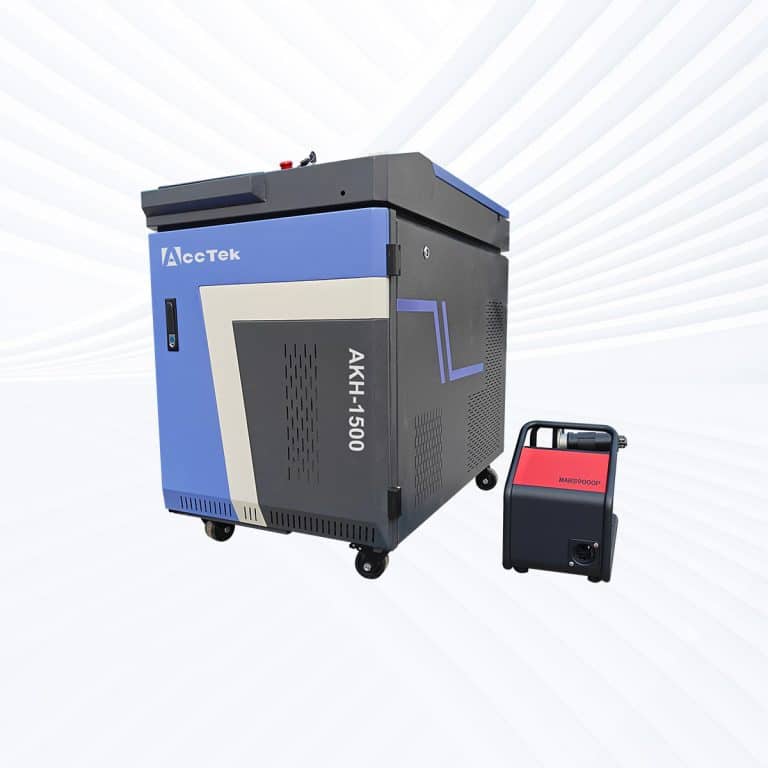
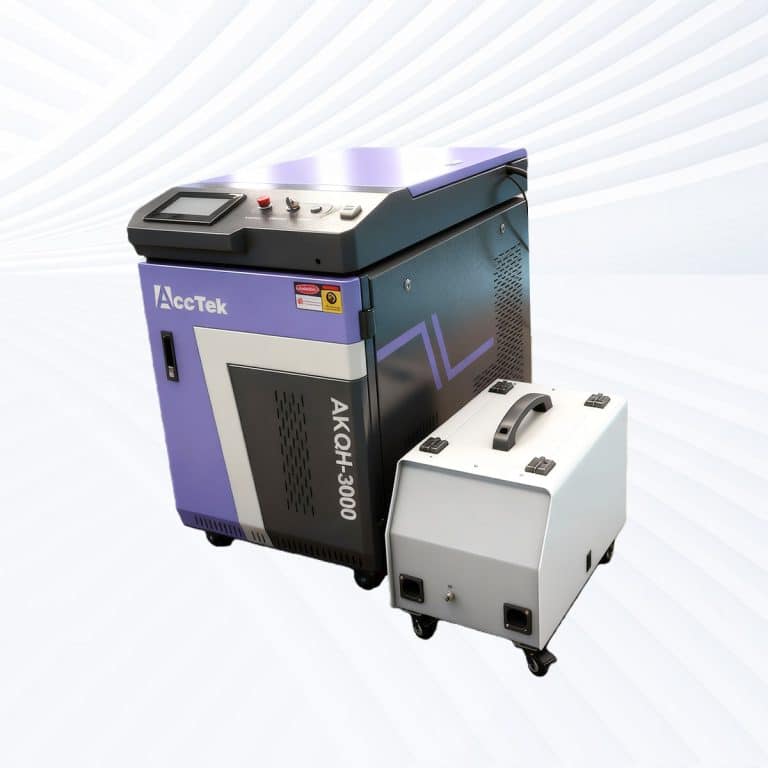
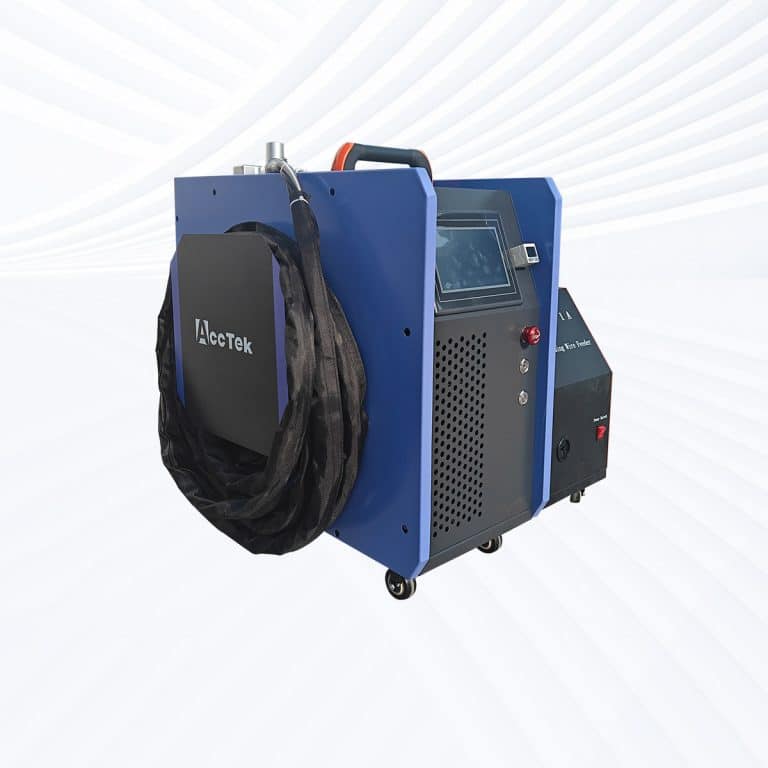
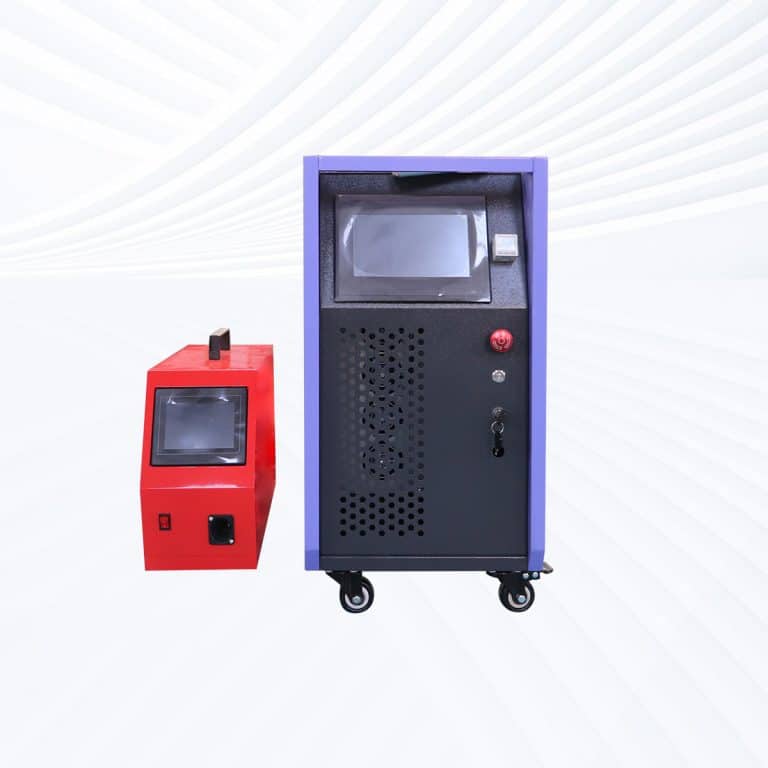
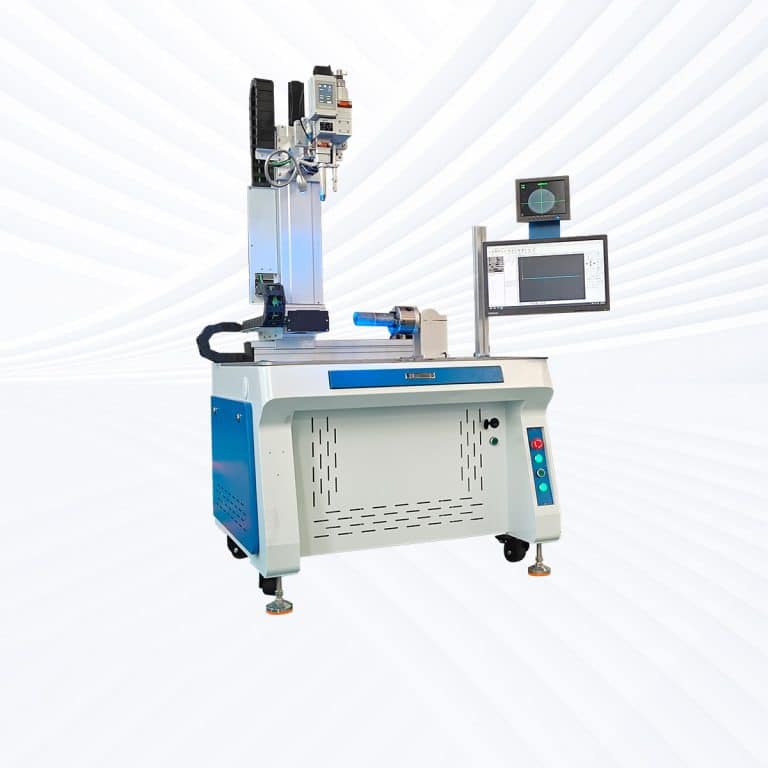
1kW Laser Welding Capacity
| Material Type | Welding Form | Thickness (mm) | Welding Speed (mm/s) | Defocus Amount | Protective Gas | Blowing Method | Flow (L/min) | Welding Effect |
|---|---|---|---|---|---|---|---|---|
| Carbon Steel (Q235B) | Butt Welding | 0.5 | 70~80 | -1~1 | Ar | Coaxial/Paraaxial | 5~10 | Welded Completely |
| Butt Welding | 1 | 50~60 | -1~1 | Ar | Coaxial/Paraaxial | 5~10 | Welded Completely | |
| Butt Welding | 1.5 | 30~40 | -1~1 | Ar | Coaxial/Paraaxial | 5~10 | Welded Completely | |
| Butt Welding | 2 | 20~30 | -1~1 | Ar | Coaxial/Paraaxial | 5~10 | Welded Completely | |
| Stainless Steel (SUS304) | Butt Welding | 0.5 | 80~90 | -1~1 | Ar | Coaxial/Paraaxial | 5~10 | Welded Completely |
| Butt Welding | 1 | 60~70 | -1~1 | Ar | Coaxial/Paraaxial | 5~10 | Welded Completely | |
| Butt Welding | 1.5 | 40~50 | -1~1 | Ar | Coaxial/Paraaxial | 5~10 | Welded Completely | |
| Butt Welding | 2 | 30~40 | -1~1 | Ar | Coaxial/Paraaxial | 5~10 | Welded Completely | |
| Brass | Butt Welding | 0.5 | 55~65 | -1~1 | Ar | Coaxial/Paraaxial | 5~10 | Welded Completely |
| Butt Welding | 1 | 40~55 | -1~1 | Ar | Coaxial/Paraaxial | 5~10 | Welded Completely | |
| Butt Welding | 1.5 | 20~30 | -1~1 | Ar | Coaxial/Paraaxial | 5~10 | Welded Completely | |
| 1-3 Series Aluminum Alloys | Butt Welding | 0.5 | 70~80 | -1~1 | Ar | Coaxial/Paraaxial | 5~10 | Welded Completely |
| Butt Welding | 1 | 50~60 | -1~1 | Ar | Coaxial/Paraaxial | 5~10 | Welded Completely | |
| Butt Welding | 1.5 | 30~40 | -1~1 | Ar | Coaxial/Paraaxial | 5~10 | Welded Completely | |
| Butt Welding | 2 | 20~30 | -1~1 | Ar | Coaxial/Paraaxial | 5~10 | Welded Completely | |
| 4-7 Series Aluminum Alloys | Butt Welding | 0.5 | 45~55 | -1~1 | Ar | Coaxial/Paraaxial | 5~10 | Welded Completely |
| Butt Welding | 1 | 35~45 | -1~1 | Ar | Coaxial/Paraaxial | 5~10 | Welded Completely | |
| Butt Welding | 1.5 | 20~30 | -1~1 | Ar | Coaxial/Paraaxial | 5~10 | Welded Completely |
Compatible Materials
- Carbon Steel
- Stainless Steel
- Mild Steel
- Galvanized Steel
- High-Strength Steel
- Tool Steel
- Spring Steel
- Alloy Steel
- Cast Iron
- Aluminum
- Aluminum Alloys
- Copper
- Brass
- Bronze
- Titanium
- Titanium Alloys
- Nickel
- Nickel Alloys
- Inconel
- Monel
- Hastelloy
- Cobalt
- Cobalt Alloys
- Magnesium
- Magnesium Alloys
- Molybdenum
- Tantalum
- Zirconium
- Tungsten
- Gold
- Gold
- Platinum
- Palladium
- Electrical Steels
- Duplex Stainless Steel
- Super Duplex Stainless Steel
- Nitinol
- Low-Alloy Steels
- Clad Metals
- Bimetallic Joints
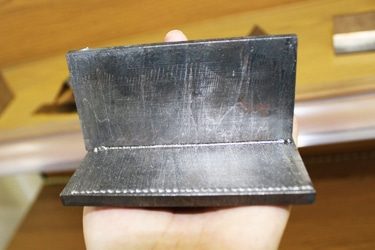
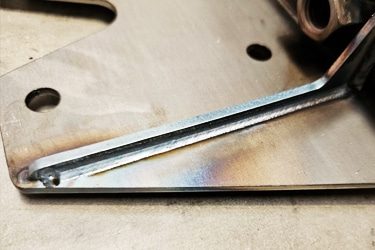
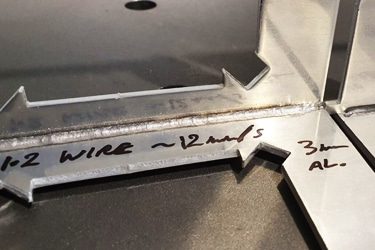
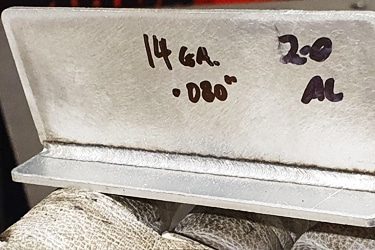
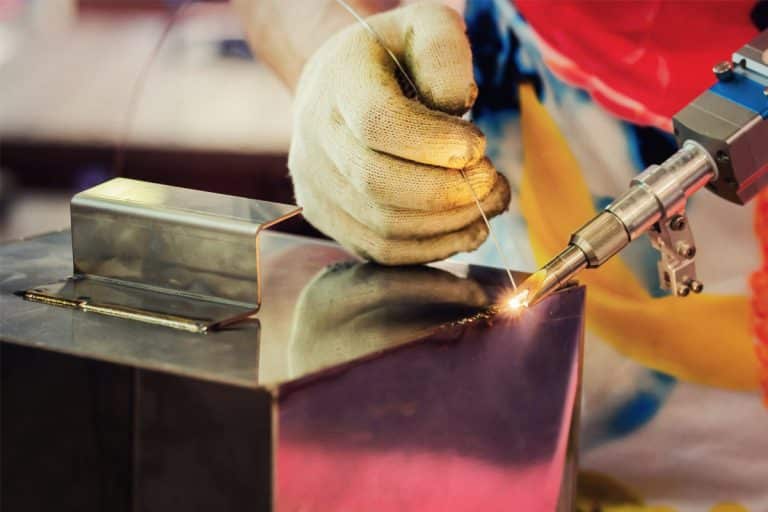
Application of 1kW Laser Welding Machines
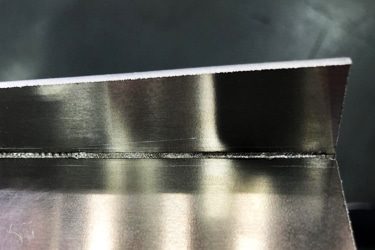
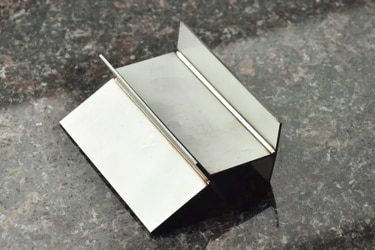
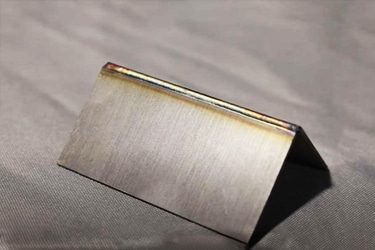
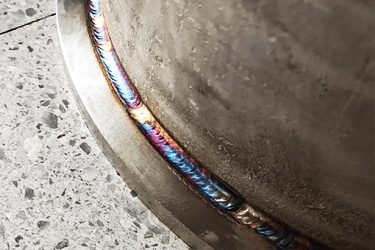
Customer Testimonials
Comparison VS Other WeldingTechnologies
| Features | Laser Welding | TIG Welding (GTAW) | MIG Welding (GMAW) | Plasma Arc Welding |
|---|---|---|---|---|
| Weld Quality | Superior precision, smooth, minimal defects | Excellent, very clean | Good, but prone to spatter | High, may need post-finishing |
| Heat Input | Very low, minimal distortion | Moderate, localized | Higher, risk of warping | Higher than laser, less than MIG |
| Welding Speed | Very fast | Slow | Faster than TIG | Moderate |
| Penetration Depth | High, effective on thin and medium materials | Shallow to moderate | Moderate, strong on thicker parts | Deep penetration possible |
| Automation Compatibility | Excellent, robotics integration | Limited automation | Compatible, less precise | Good automation potential |
| Material Versatility | Wide: stainless, aluminum, copper, titanium, alloys | Wide, but struggles on thin sheets | Wide, best on medium/thick metals | Wide, effective on conductive metals |
| Setup Time | Short with presets, quick changeover | Long, requires skill | Moderate | Longer than MIG |
| Skill Requirement | Low–moderate, user-friendly | High, operator expertise needed | Moderate | High, requires trained operators |
| Maintenance | Low, few consumables | High (electrode wear, gas usage) | Medium (wire + shielding gas) | Higher (gas + electrodes) |
| Consumables Cost | Very low | High (tungsten electrodes, gas) | Medium (wire, gas) | Medium (gas, electrodes) |
| Operational Cost | Low, energy-efficient, less rework | Medium | Medium | High, more energy-intensive |
| Welding Thickness Range | Best for thin to medium sections | Thin to medium | Medium to thick | Medium to very thick |
| Spatter & Cleanup | None or negligible | Minimal | Significant spatter, cleanup needed | Some spatter |
| Safety Considerations | Enclosed systems reduce exposure | High UV/IR exposure | High arc light + fumes | High UV, PPE required |
| Suitability for Mass Production | Excellent, scalable for automation | Poor | Good, common in production | Moderate |
Why Choose Us
High Precision
Our machines deliver accurate, clean welds with minimal heat input, reducing distortion and ensuring strong, consistent joints across a wide range of materials and thicknesses.
Easy Operation
Designed with intuitive controls and user-friendly interfaces, our systems allow both experienced operators and new users to achieve professional results with minimal training.
Durable & Reliable
Built with high-quality components and strict quality standards, our welding machines provide stable performance, long service life, and low maintenance requirements.
Custom Options
We offer a variety of models and customizable features to match specific production needs, helping businesses improve workflow and adapt to changing manufacturing demands.
Related Resources
Are Welding Masks Required For Laser Welding
This article explains laser welding safety, including laser hazards, standards, PPE requirements, and practical scenarios that determine when welding masks and laser-rated eye protection are needed.
How To Select Laser Welding Power
This article teaches you how to select laser welding power and provides clear guidance on materials, thickness, welding modes, beam settings, defects, testing methods, and process optimization to achieve stable, high-quality welds.
Laser Welding VS Arc Welding
This article explores the key differences between laser welding and arc welding, comparing their processes, advantages, limitations, and ideal applications across various industries.
What Welding Defects Can Occur In Laser Welding
This article helps to understand common laser welding defects, their causes, and effective prevention strategies to ensure consistent welding quality across different materials and applications.
Frequently Asked Questions
How Much Do 1kW Laser Welding Machines Cost?
- Entry-Level Models: At the lower end of the price range, around $3,800, you can expect basic models suitable for light-duty applications. These machines often have essential welding functions, manual parameter adjustments, and limited automation features. They are ideal for workshops, small businesses, and beginners looking for reliable performance at a reasonable cost.
- Mid-Range Machines: Machines priced closer to $5,000 generally come with advanced features such as touch-screen controls, integrated wire feeders, and intelligent parameter settings. These models offer greater precision, faster processing speeds, and enhanced safety mechanisms, making them well-suited for professional use in industries like electronics, automotive, and jewelry manufacturing.
- Additional Costs: Beyond the machine itself, buyers should consider expenses for accessories, consumables, and protective equipment such as laser safety goggles. Some suppliers may also offer training packages or extended warranties at an extra cost.
What Is The Power Consumption Of 1kW Laser Welding Machines?
- Laser Generator Power: The laser generator is the core of the machine, responsible for producing the focused laser beam needed for welding. 1kW laser welding machines typically have a laser generator power of around 3000W (3kW). This ensures a stable and continuous output for welding thin to medium-thickness metals, providing strong penetration and consistent weld quality.
- Chiller Power: To maintain optimal performance and prevent overheating, a separate cooling system is required. The chiller power is approximately 1640W (1.64kW). It circulates coolant to stabilize the laser generator and other sensitive components during prolonged operation, which is essential for precision and machine longevity.
- Overall Power Requirement: When combining the laser generator and chiller, the total electrical power requirement reaches around 4.64kW. Businesses should ensure they have a stable power supply with appropriate voltage and circuit protection to handle this demand.
Are 1kW Laser Welding Machines Easy To Operate?
- Ease of Operation: 1kW laser welding machines usually come with intuitive touchscreen interfaces, preset welding modes, and built-in monitoring systems. This allows operators to adjust parameters like power, speed, and beam focus with minimal manual input. Many modern models also include features like automatic wire feeding and real-time welding diagnostics, which reduce human error and increase consistency.
- Training Requirements: Although these machines are relatively simple to run, operators still need fundamental knowledge of laser safety, material behavior, and basic welding techniques. Most manufacturers provide initial training sessions that cover machine setup, maintenance, and safety protocols.
- Applications: 1kW laser welding machines are ideal for thin to medium-thickness metals such as stainless steel, carbon steel, aluminum, and titanium. They are commonly used in industries like electronics, automotive, jewelry, and precision manufacturing.
Is It Safe To Use 1kW Laser Welding Machines?
- Laser Radiation Safety: The high-intensity laser beam can cause serious eye and skin injuries. Operators should always wear certified laser safety goggles designed for the machine’s wavelength. Many machines include protective enclosures or shields to prevent accidental exposure.
- Electrical and Heat Risks: Since these machines run on powerful electrical systems, there is a risk of electric shock if the machine is improperly maintained or connected. The welding process also produces high heat, so proper cooling and ventilation are necessary to avoid overheating and equipment damage.
- Fume and Gas Emissions: Laser welding can release hazardous fumes or gases, especially when working with certain metals or coatings. A well-ventilated workspace or fume extraction system is essential to maintain a safe breathing environment.
What Problems May Occur When Using 1kW Laser Welding Machines?
- Welding Quality Issues: One common problem is poor weld penetration, which can occur if the laser power or speed is not properly adjusted for the material thickness. Conversely, excessive penetration or burn-through may happen when the power is too high. Improper focus settings can lead to weak, inconsistent welds or uneven seams.
- Material Compatibility Challenges: Some reflective materials, like aluminum or copper, can reflect the laser beam, causing unstable welding and potential damage to the machine’s optics. Additionally, contaminants such as oil, rust, or coatings on the workpiece may create porosity or spatter, affecting the final weld appearance and strength.
- Machine and Component Issues: Problems can also result from cooling system failures, leading to overheating and reduced performance. Misalignment of the laser beam or worn optical components can decrease accuracy and efficiency. Software glitches or incorrect parameter settings may disrupt automated processes.
- Safety and Environmental Concerns: Without proper fume extraction, toxic gases and smoke can build up, posing health risks to operators. Electrical faults or inadequate grounding can create safety hazards and equipment damage.
What Is The Service Life Of 1kW Laser Welding Machines?
- Laser Source Lifespan: The laser source is the heart of the machine and typically lasts 80,000 to 100,000 working hours under normal operating conditions. This translates to several years of continuous production, provided the equipment is kept in a clean, stable environment and operated within recommended parameters.
- Other Key Components: Supporting systems such as the cooling unit, optical lenses, and control electronics generally have a slightly shorter lifespan. Regular inspection and timely replacement of consumable parts—like protective lenses or nozzles—are essential to prevent performance decline.
- Impact of Maintenance and Usage: Machines used in high-volume production or under harsh conditions may experience faster wear. However, consistent maintenance, proper cleaning, and ensuring correct operating settings can significantly extend the machine’s service life.
What Assist Gases Can Be Used With 1kW Laser Welding Machines?
- Argon: Argon is the most commonly used inert gas for laser welding. It protects the molten weld pool from contamination by preventing contact with oxygen and nitrogen in the air. This results in smooth, high-quality welds with minimal spatter. Argon is especially suitable for stainless steel, titanium, and other reactive metals.
- Nitrogen: Nitrogen is often used when welding stainless steel and certain non-ferrous metals. It offers similar shielding benefits as argon but at a lower cost. In some cases, nitrogen can also increase weld penetration and improve joint strength. However, it may react with certain metals, so compatibility testing is recommended.
- Helium: Helium provides excellent heat transfer, allowing for deeper penetration and higher welding speeds. It is particularly useful for thicker materials or when precision and high strength are required. Although more expensive than other gases, helium is often mixed with argon to balance performance and cost.
- Mixed Gases: For specialized applications, a combination of gases such as argon-helium or argon-nitrogen may be used to optimize weld quality, reduce costs, and enhance specific material characteristics.
How Should 1kW Laser Welding Machines Be Maintained?
- Daily Cleaning and Inspection: Operators should clean the optical lenses and protective covers to prevent dust and debris buildup, which can weaken the laser beam and reduce weld precision. Checking the welding head and nozzle for residue or spatter is essential to maintain smooth gas flow and consistent weld quality. The work area should also be kept clean to avoid contamination.
- Cooling System Care: The chiller unit plays a vital role in preventing overheating. Regularly check coolant levels, clean the water filter, and ensure there are no leaks or blockages in the cooling lines. Using clean, high-quality coolant prevents corrosion and protects the laser source.
- Electrical and Software Checks: Inspect electrical connections and wiring for signs of wear or damage. Machine software and firmware should be updated as recommended by the manufacturer to improve functionality and fix potential issues.
- Preventive Component Replacement: Parts like nozzles, lenses, and seals experience natural wear over time. Replacing these components on schedule prevents performance degradation and protects more expensive parts, such as the laser source.