

Introduction
Key Advantages of Laser Welding
High Precision and Accuracy
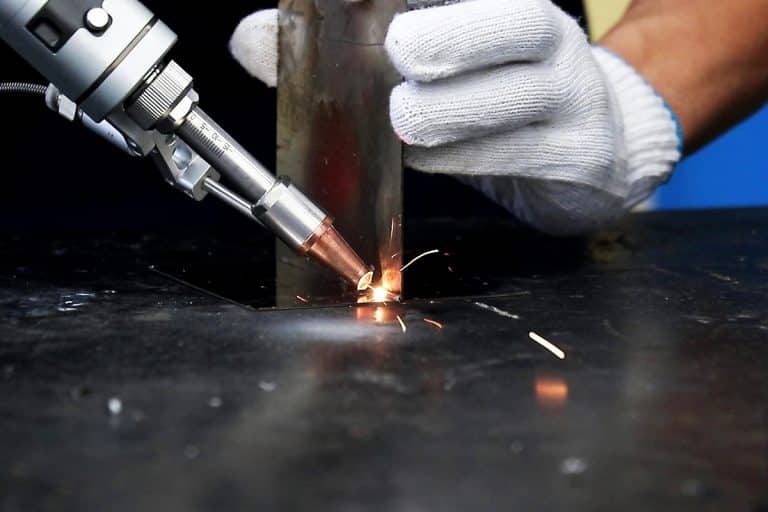
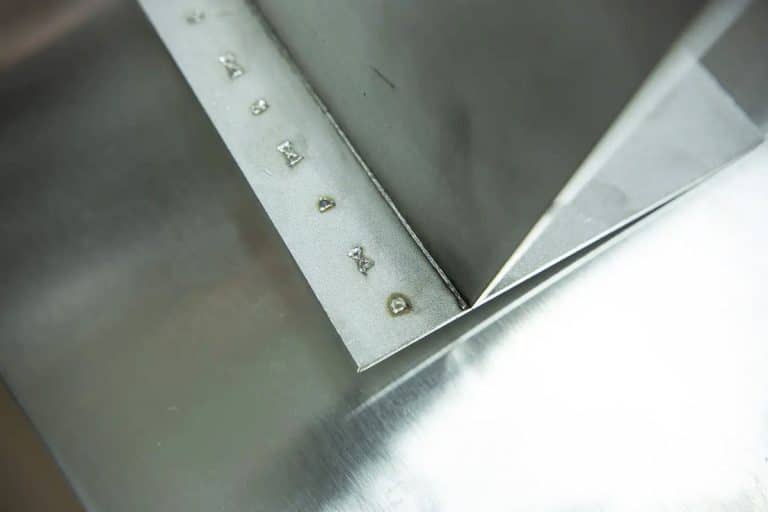
Laser welding delivers exceptional precision by concentrating energy into a very small focal spot. This allows for accurate weld placement, tight tolerances, and clean seams, making it ideal for complex geometries and miniature or delicate components.
Minimal Heat-Affected Zone
The focused laser beam produces a narrow heat-affected zone, reducing thermal distortion and residual stress. This helps preserve the mechanical properties of the surrounding material and minimizes post-weld correction, straightening, or finishing operations.
High Welding Speed and Productivity
Laser welding operates at significantly higher speeds than many conventional welding methods. Faster processing times improve throughput, reduce cycle times, and make the process highly suitable for automated, high-volume manufacturing environments.
Excellent Weld Quality and Appearance
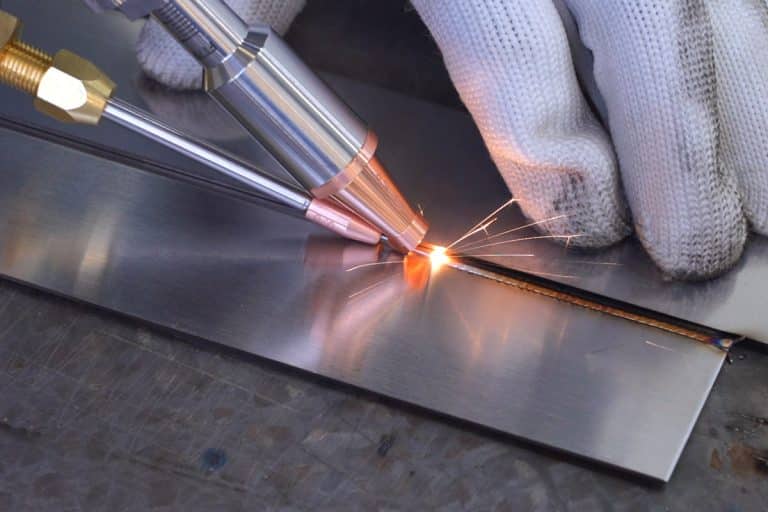
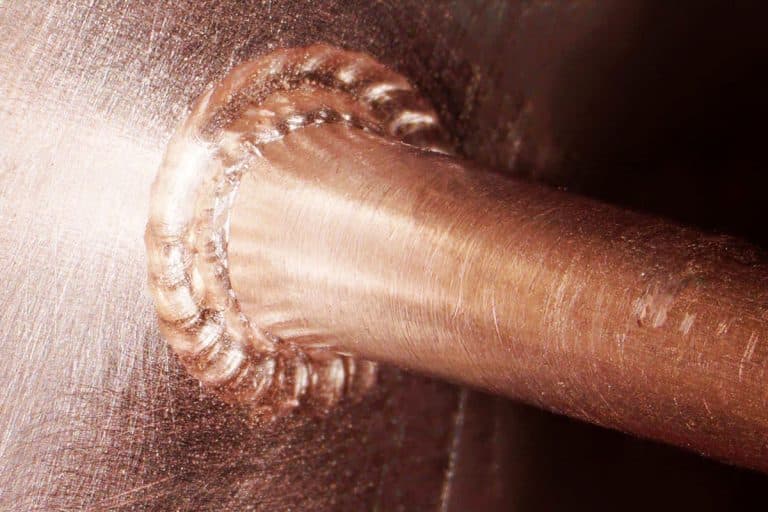
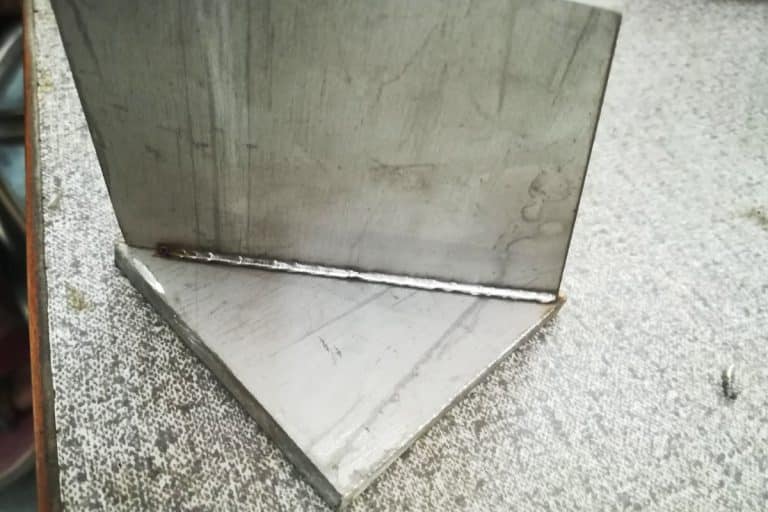
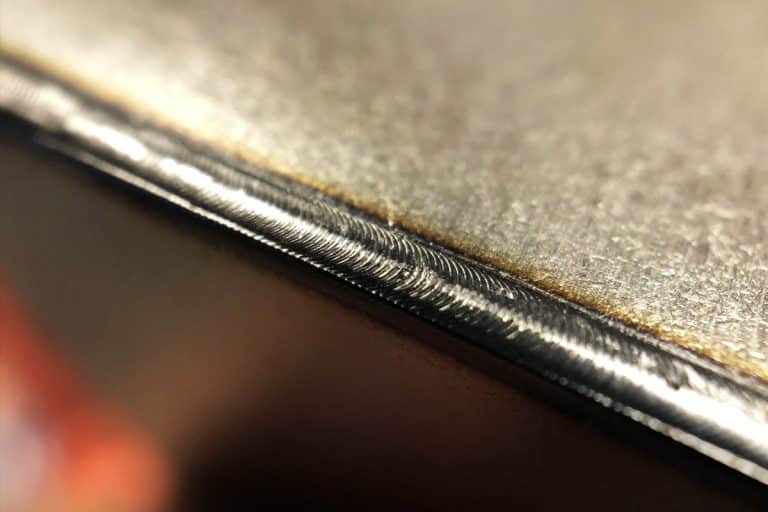
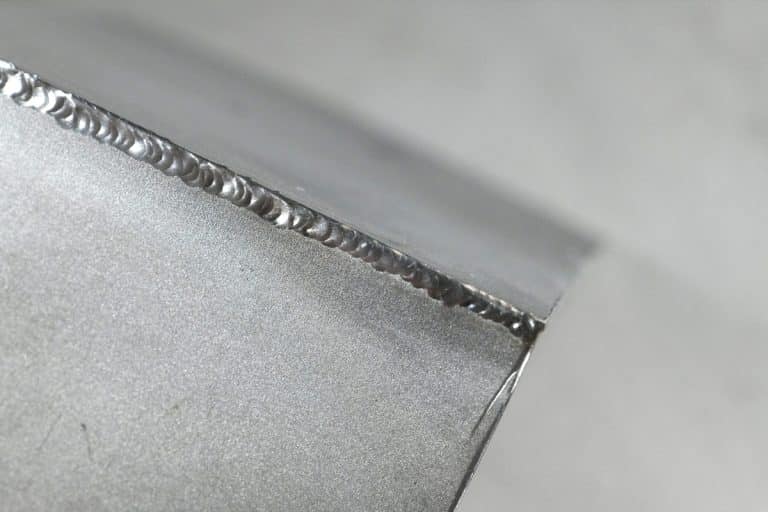
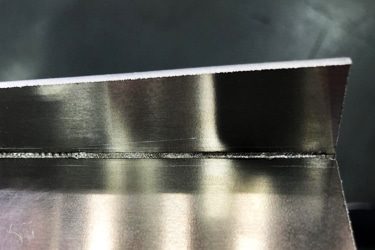
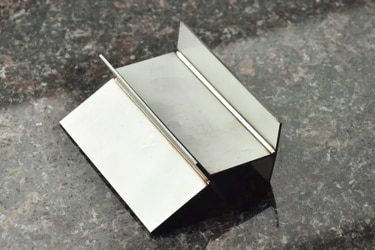
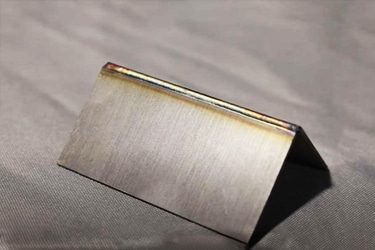
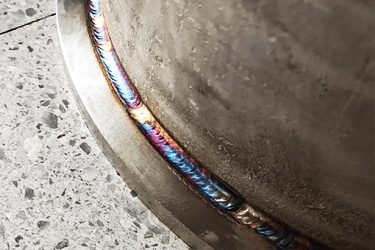
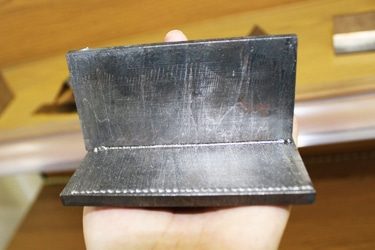
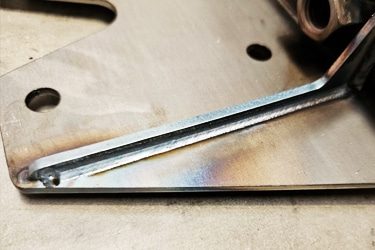
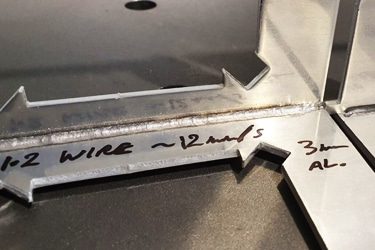
Laser welds are typically smooth, narrow, and visually clean, often requiring little or no post-processing. The process produces strong, consistent joints with low porosity, contributing to improved structural integrity and aesthetic quality.
Versatility Across Materials and Thicknesses
Laser welding can join a wide range of metals, including stainless steel, aluminum, titanium, and nickel alloys. It performs well on both thin and thick sections and can weld similar or dissimilar materials with proper parameter control.
Automation and Integration Friendly
Laser welding systems integrate easily with robotics, CNC machines, and production lines. This enables consistent, repeatable welds, reduces operator dependency, improves safety, and supports smart manufacturing and Industry 4.0 applications.
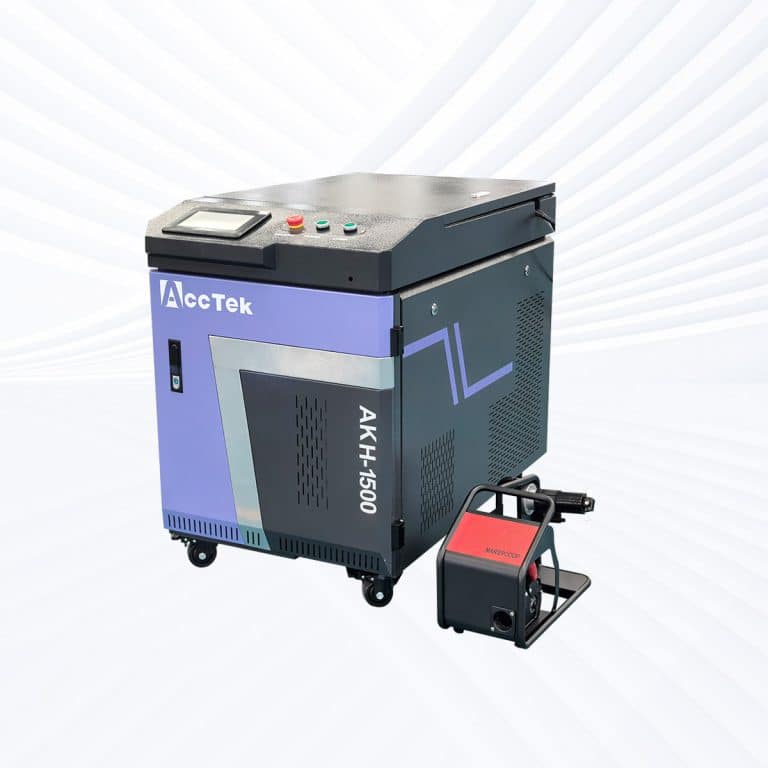
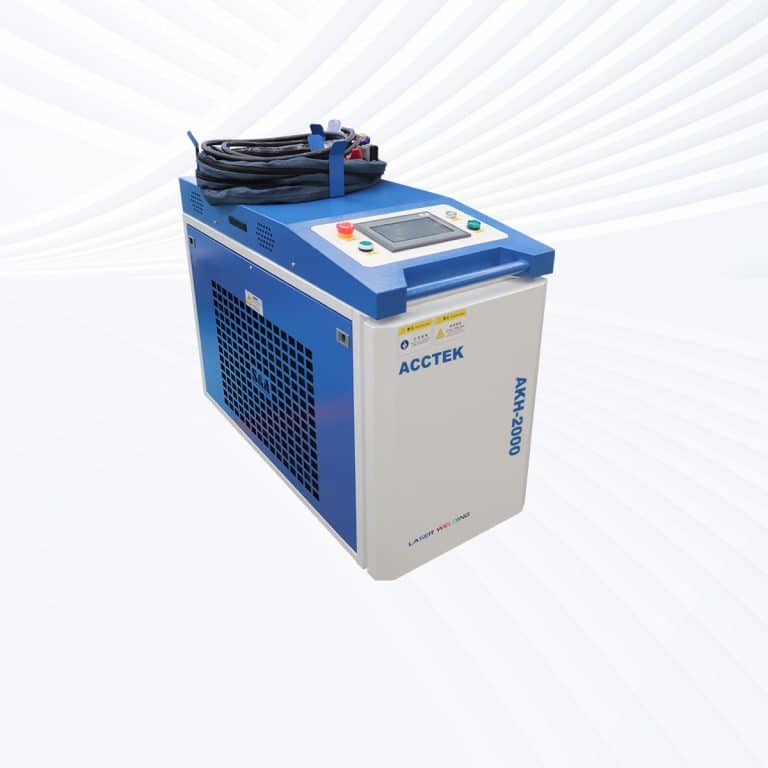
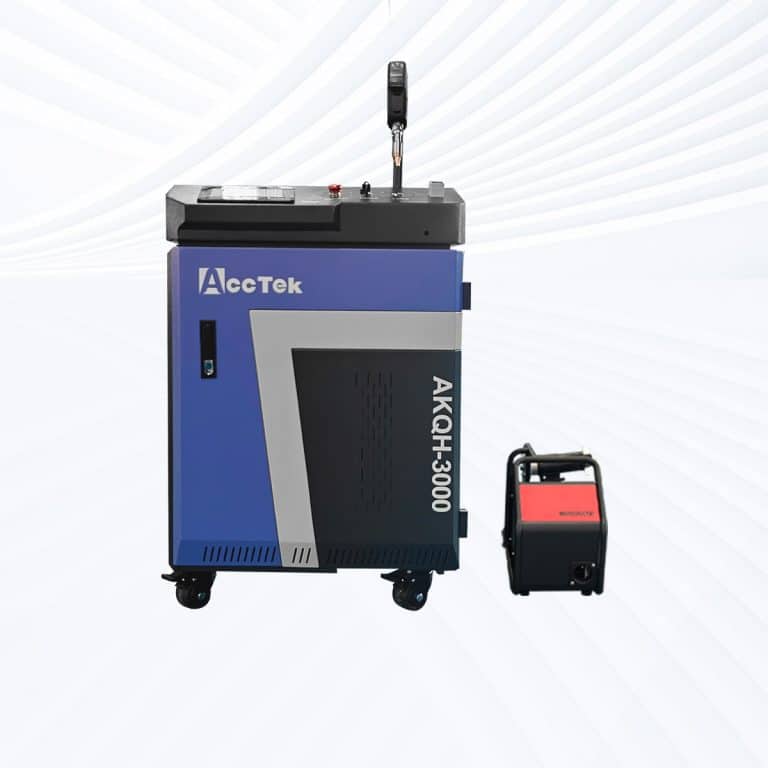
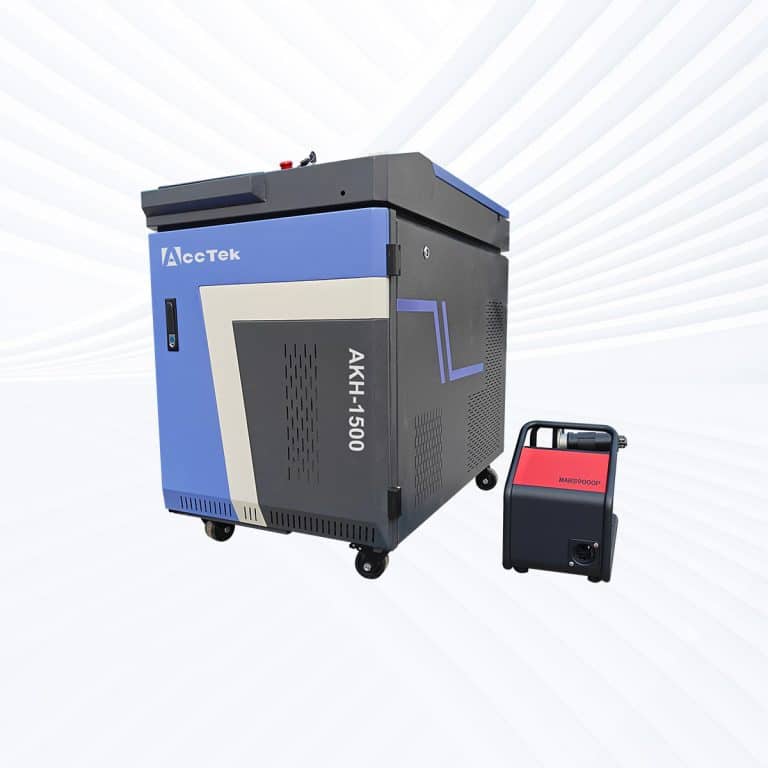
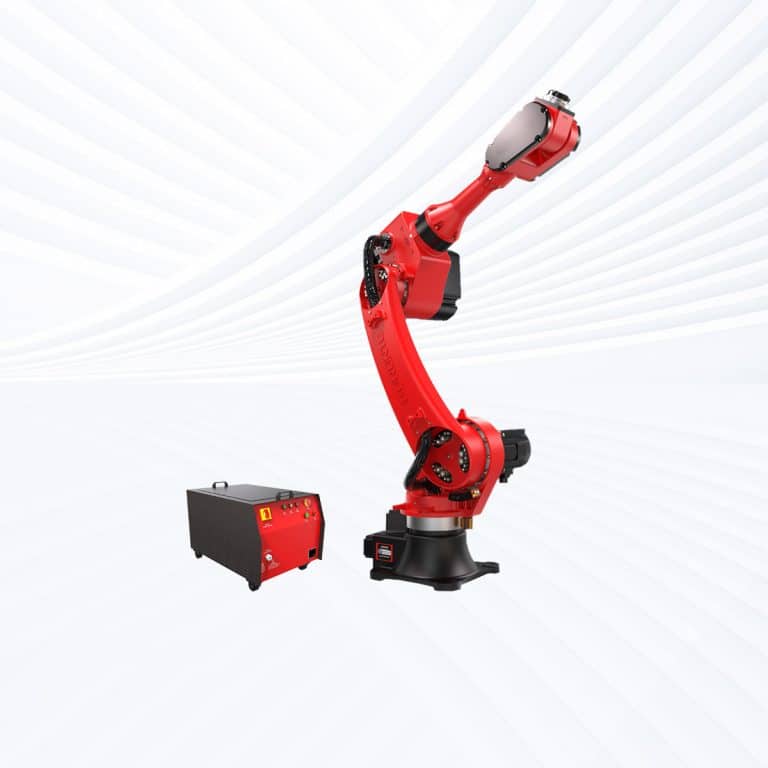
Laser Welding Machines
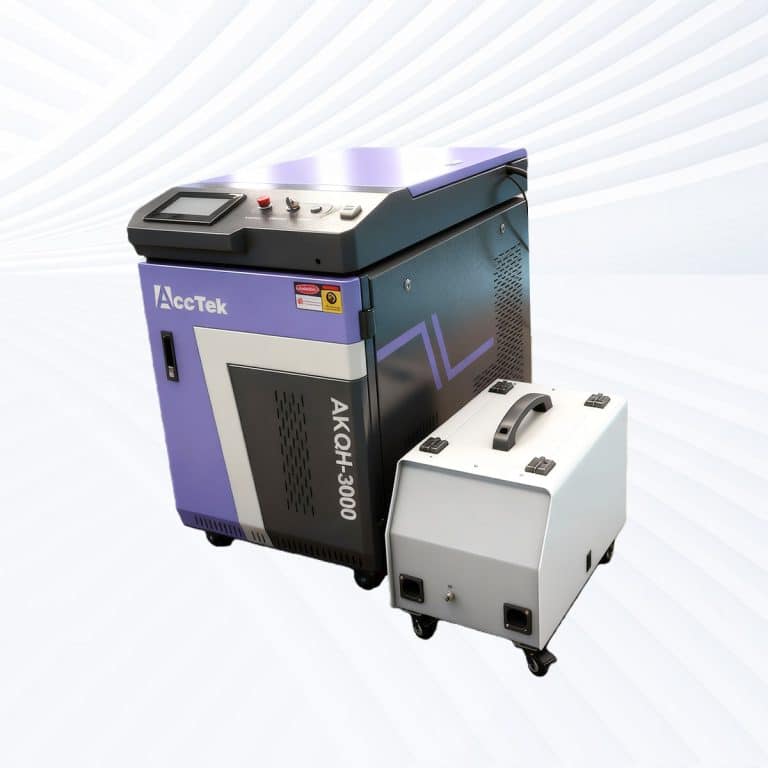
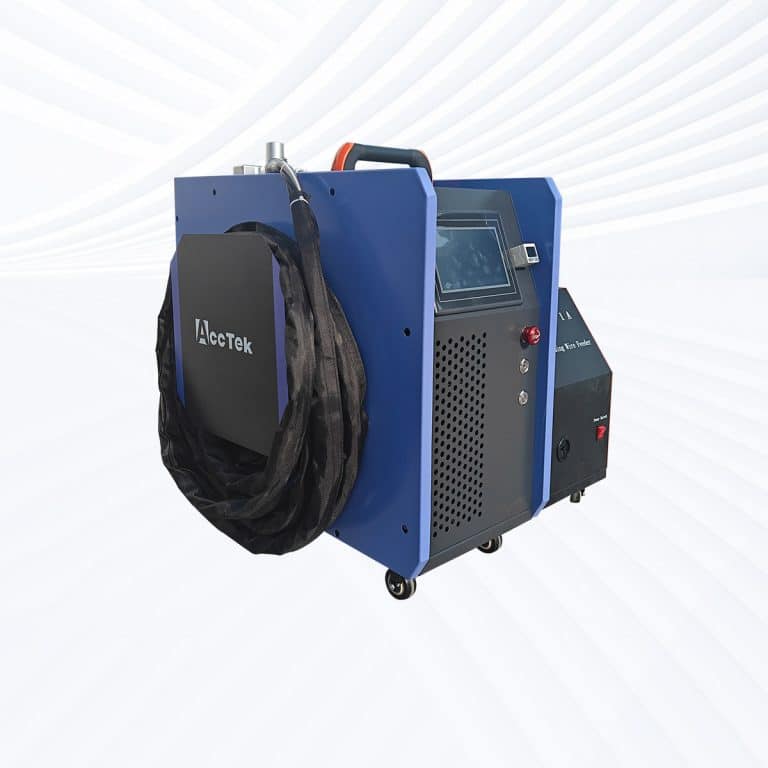
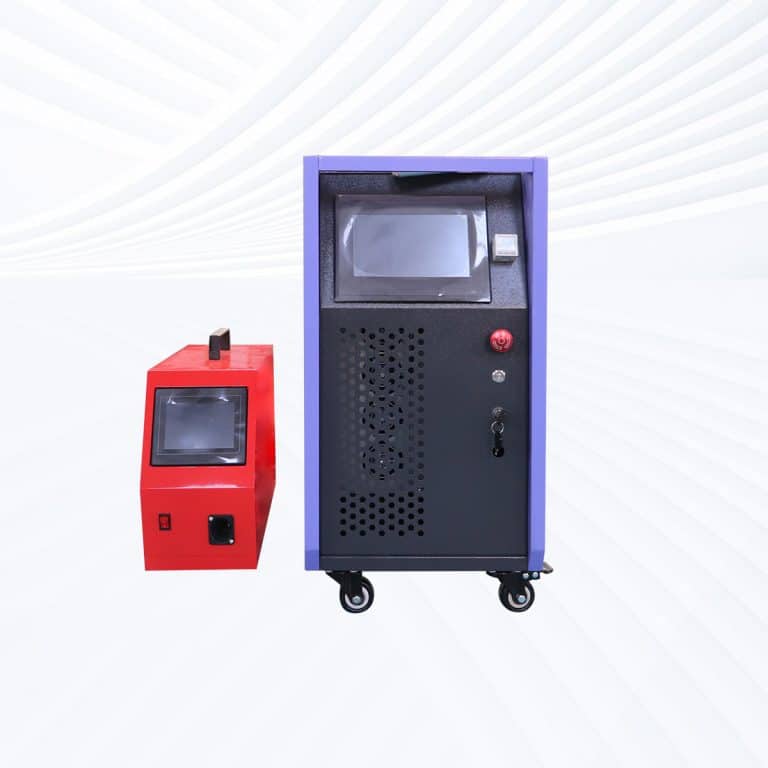
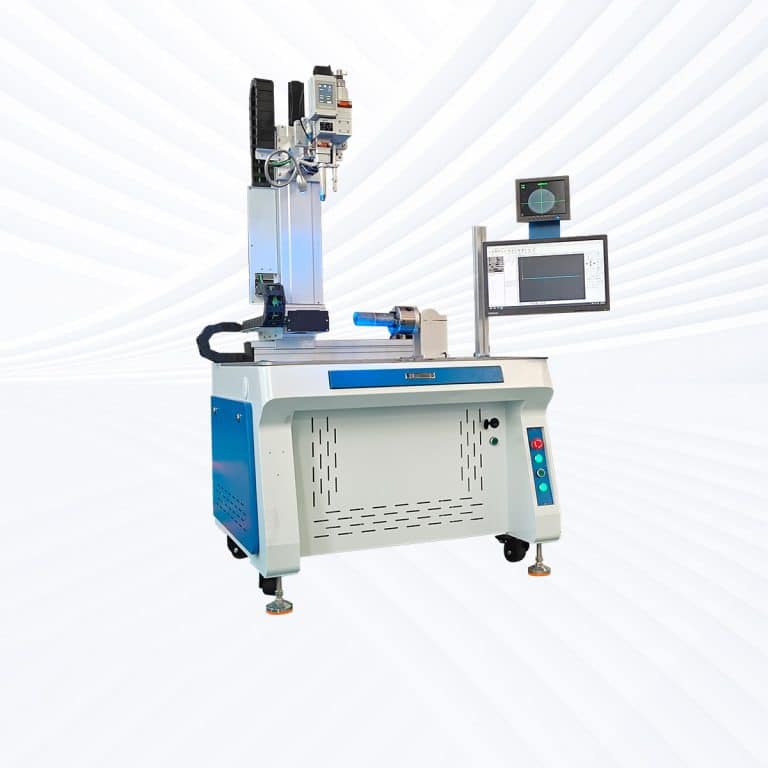
Applications of Laser Welding
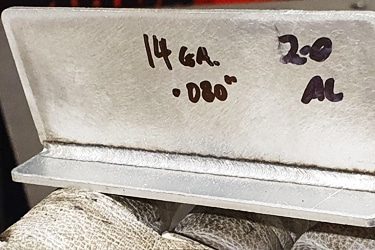
Why Choose Us
High Precision
Our machines deliver accurate, clean welds with minimal heat input, reducing distortion and ensuring strong, consistent joints across a wide range of materials and thicknesses.
Easy Operation
Designed with intuitive controls and user-friendly interfaces, our systems allow both experienced operators and new users to achieve professional results with minimal training.
Durable & Reliable
Built with high-quality components and strict quality standards, our welding machines provide stable performance, long service life, and low maintenance requirements.
Custom Options
We offer a variety of models and customizable features to match specific production needs, helping businesses improve workflow and adapt to changing manufacturing demands.
Related Resources
Are Welding Masks Required For Laser Welding
This article explains laser welding safety, including laser hazards, standards, PPE requirements, and practical scenarios that determine when welding masks and laser-rated eye protection are needed.
How To Select Laser Welding Power
This article teaches you how to select laser welding power and provides clear guidance on materials, thickness, welding modes, beam settings, defects, testing methods, and process optimization to achieve stable, high-quality welds.
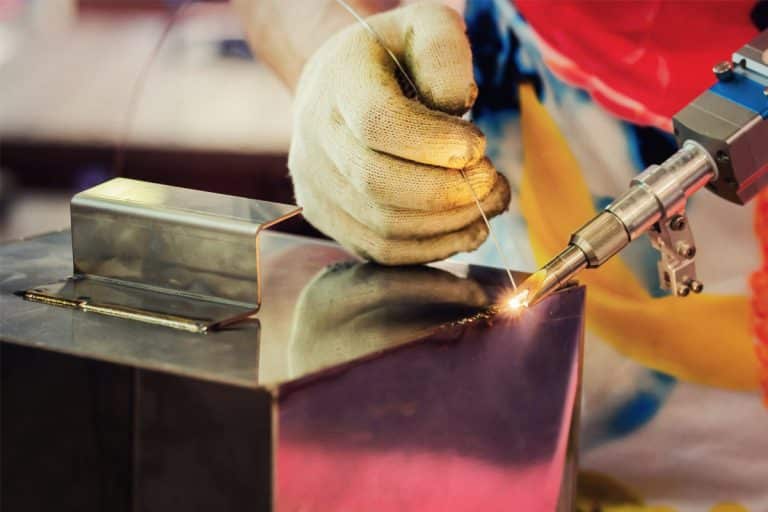
Laser Welding VS Arc Welding
This article explores the key differences between laser welding and arc welding, comparing their processes, advantages, limitations, and ideal applications across various industries.
What Welding Defects Can Occur In Laser Welding
This article helps to understand common laser welding defects, their causes, and effective prevention strategies to ensure consistent welding quality across different materials and applications.
Frequently Asked Questions
What Causes Porosity In Laser Welding?
- Contaminants on the Material Surface: Oil, grease, moisture, rust, paint, or oxide layers on the workpiece are among the most common causes of porosity. When exposed to the high energy density of a laser, these contaminants vaporize rapidly and release gases such as hydrogen, oxygen, or hydrocarbons. If the gases do not escape before solidification, they become trapped as pores.
- Moisture and Hydrogen Sources: Moisture on the surface or absorbed into materials and filler wires can decompose under laser heat and release hydrogen. Hydrogen has high solubility in molten metal but low solubility in solid metal, so it forms bubbles as the weld cools, leading to hydrogen porosity.
- Unstable Keyhole Formation: In deep-penetration laser welding, porosity often originates from an unstable keyhole. Fluctuations in laser power, improper focus position, or excessive welding speed can cause the keyhole to collapse intermittently. When this happens, vaporized metal and shielding gas can be trapped inside the molten pool.
- Inadequate Shielding Gas Control: Improper shielding gas type, flow rate, or nozzle position can introduce air into the weld zone. Turbulent gas flow may pull oxygen or nitrogen into the molten metal, while insufficient coverage allows atmospheric gases to dissolve into the weld, increasing porosity risk.
- Incorrect Welding Parameters: Excessively high welding speed can prevent gas bubbles from escaping before solidification, while overly low speed may cause excessive vaporization and keyhole instability. Incorrect laser power, pulse duration (for pulsed lasers), or spot size can also disrupt melt pool dynamics and promote pore formation.
- Material Composition and Metallurgy: Certain materials, such as aluminum alloys, zinc-coated steels, and some stainless steels, are especially prone to porosity. Aluminum readily absorbs hydrogen, while zinc coatings vaporize violently, generating gas faster than it can escape. Alloying elements and impurities can further affect gas solubility and solidification behavior.
- Joint Design and Fit-Up Issues: Poor joint fit-up, gaps, or trapped volumes in lap joints can prevent gases from escaping during welding. Complex joint geometries may also disturb melt flow, increasing the likelihood of gas entrapment.
Why Does Cracking Occur In Laser-Welded Joints?
- High Thermal Gradients and Residual Stresses: Laser welding produces extremely steep temperature gradients because the heat source is highly focused and localized. The molten weld metal cools and solidifies rapidly while the surrounding base material remains relatively cool. This uneven expansion and contraction generate high residual tensile stresses, which can initiate cracks either during solidification or after the weld has cooled.
- Solidification Cracking (Hot Cracking): Hot cracking occurs during the final stages of weld solidification when the metal is partially solid and partially liquid. In this vulnerable state, shrinkage strains cannot be adequately relieved. Materials with wide solidification temperature ranges or low-melting-point constituents at grain boundaries—such as sulfur, phosphorus, or certain alloying elements—are especially susceptible. These cracks typically form along the centerline of the weld.
- Liquation Cracking in the Heat-Affected Zone: Liquation cracking occurs in the heat-affected zone (HAZ) when grain boundary phases partially melt, but the surrounding grains remain solid. Upon cooling, these weakened boundaries cannot withstand the imposed thermal and mechanical stresses, leading to intergranular cracks. This is common in precipitation-hardened alloys and some stainless steels.
- Hydrogen-Induced Cracking (Cold Cracking): Hydrogen introduced from moisture, surface contamination, or shielding gas impurities can diffuse into the weld metal. As the joint cools, hydrogen accumulates in areas of high stress, such as the HAZ, and promotes delayed cracking. This mechanism is more prevalent in high-strength steels.
- Inappropriate Welding Parameters: Excessive welding speed, improper laser power, or incorrect focus position can produce narrow, deep welds with poor stress distribution. Insufficient heat input may also reduce ductility in the weld metal, increasing crack sensitivity. Conversely, excessive power can enlarge the molten pool and intensify shrinkage stresses.
- Material Brittleness and Metallurgical Factors: Some materials naturally have low ductility or undergo brittle phase transformations during rapid cooling. Martensitic transformation in certain steels, for example, increases hardness but reduces toughness, making the weld region more prone to cracking.
- Joint Design and Constraint Effects: Highly restrained joints limit the material’s ability to accommodate thermal contraction. Rigid fixturing, thick sections, or complex geometries can amplify tensile stresses, encouraging crack formation during cooling.
How Does Laser Power Affect Weld Penetration?
- Relationship Between Laser Power and Energy Density: As laser power increases, the energy density at the focal spot rises, allowing more heat to be concentrated into a small area. At low power levels, the laser may only melt the surface, producing shallow, conduction-mode welds with limited penetration. As power increases beyond a critical threshold, the material begins to vaporize locally, forming a keyhole. This keyhole enables the laser beam to penetrate deeper into the material, significantly increasing weld depth.
- Transition From Conduction to Keyhole Welding: In conduction-mode welding, penetration increases gradually with power because heat flows into the material mainly through thermal conduction. Once sufficient power is applied to sustain a stable keyhole, penetration increases much more rapidly. This is why relatively small increases in laser power can result in large changes in penetration once keyhole welding is established.
- Limits of Increasing Laser Power: Although higher laser power generally leads to deeper penetration, the relationship is not linear indefinitely. Excessive power can cause keyhole instability, violent metal vaporization, and spatter. These effects may actually reduce effective penetration and introduce defects such as porosity, undercut, or excessive melt expulsion. In extreme cases, excessive power can lead to burn-through, especially in thin materials.
- Interaction with Welding Speed: Laser power cannot be considered in isolation. At a fixed welding speed, increasing power increases penetration. However, at higher travel speeds, more power is required to maintain the same penetration depth because the interaction time between the laser and the material is reduced. Penetration is therefore governed by the balance between power and speed, often expressed as heat input per unit length.
- Material-Dependent Effects: Different materials respond differently to laser power. High-thermal-conductivity materials such as aluminum and copper require higher power to achieve the same penetration as steel. Reflective materials also reduce the effective absorbed power, further increasing the required laser output.
- Role of Focus Position and Beam Quality: The effect of laser power on penetration is strongly influenced by focus position and beam quality. Proper focusing ensures maximum power density at the weld zone. Even high laser power will not produce deep penetration if the beam is poorly focused or of low quality.
What Leads To Lacks Of Fusion In Laser Welding?
- Insufficient Heat Input: One of the primary causes of lack of fusion is inadequate heat input. If laser power is too low, welding speed is too high, or the beam is poorly focused, the material may not reach a sufficient melting temperature. As a result, the weld pool cannot fully penetrate the joint or melt the sidewalls, leaving unfused regions.
- Excessive Welding Speed: High travel speeds reduce the interaction time between the laser beam and the workpiece. Even with adequate laser power, the molten pool may be too small or shallow to wet and fuse both joint surfaces. This is especially problematic in thicker materials or joints with poor fit-up.
- Incorrect Focus Position or Beam Alignment: If the laser focal point is positioned too far above or below the joint, the power density at the weld interface decreases. Misalignment of the beam relative to the joint centerline can also cause one side of the joint to receive insufficient energy, leading to partial fusion.
- Surface Contamination and Oxides: Oxide layers, scale, oil, grease, or coatings on the base material act as barriers between the molten metal and the solid surface. In materials like aluminum or stainless steel, stable oxide films require additional energy to break down. If they are not removed or adequately melted, fusion is incomplete.
- Improper Joint Design and Fit-Up: Wide gaps, poor edge preparation, or mismatched joint geometry can prevent effective heat transfer and molten metal flow. In lap joints or thick butt joints, unfused regions may remain at the root or along the sidewalls if the joint is not designed for laser welding’s narrow fusion profile.
- Inadequate Shielding Gas Coverage: Poor shielding gas flow or incorrect nozzle positioning can allow oxidation of the molten pool. Oxidized metal has reduced wettability, making it difficult for the weld pool to spread and fuse properly to the base material.
- Material Properties and Reflectivity: Highly reflective or high-thermal-conductivity materials, such as aluminum and copper, reduce the amount of laser energy absorbed at the surface. This can result in shallow penetration and insufficient melting unless higher power or optimized parameters are used.
- Process Instability: Fluctuations in laser power, inconsistent wire feeding (if filler is used), or unstable keyhole behavior can interrupt continuous melting and fusion along the weld seam.
What Causes Excessive Spatter During Laser Welding?
- Excessive Laser Power or Energy Density: When laser power is too high or the beam is tightly focused, the energy density can become excessive. This causes intense metal vaporization within the weld pool, generating strong recoil pressure. The vapor pressure can violently expel molten metal from the keyhole or melt pool, leading to heavy spatter.
- Unstable Keyhole Behavior: In keyhole laser welding, a stable vapor channel is essential for controlled penetration. Fluctuations in laser power, incorrect focal position, or improper travel speed can cause the keyhole to oscillate or collapse intermittently. Each collapse can eject molten metal upward or outward, producing spatter.
- Improper Welding Speed: Welding speed that is too slow increases heat input per unit length, enlarging the molten pool and intensifying vaporization. Conversely, excessively high speed can destabilize the keyhole by reducing energy coupling time. Both conditions can increase melt pool turbulence and spatter formation.
- Incorrect Focus Position and Beam Alignment: If the laser is focused too far below the surface, vapor pressure may be trapped inside the molten metal, increasing the likelihood of explosive ejection. Poor beam alignment relative to the joint can also cause uneven heating, resulting in asymmetric melt flow and spatter.
- Surface Contamination and Coatings: Oil, grease, moisture, rust, paint, or zinc coatings can rapidly vaporize when exposed to the laser. The sudden release of gases disrupts the molten pool and increases internal pressure, promoting spatter. Zinc-coated steels are particularly prone to spatter due to zinc’s low boiling point.
- Shielding Gas Effects: Incorrect shielding gas type, excessive gas flow, or turbulent flow patterns can physically disturb the molten pool. In some cases, high gas velocity can blow molten droplets out of the weld zone, while inadequate shielding can lead to oxidation that destabilizes surface tension.
- Material Properties: Materials with high reflectivity or high thermal conductivity, such as aluminum and copper, can cause fluctuating energy absorption. This instability can result in erratic melting and increased spatter, especially if parameters are not optimized.
- Joint Fit-Up and Geometry: Gaps, uneven edges, or inconsistent joint geometry can alter melt pool flow and trap vapor beneath the surface. When the vapor escapes suddenly, molten metal may be expelled as spatter.
What Hazards Are Associated With Laser Welding Fumes?
- Metal Oxide Particulates: During laser welding, base metals and filler materials are vaporized and rapidly oxidized, forming ultrafine metal oxide particles. Common examples include iron oxide, aluminum oxide, chromium oxide, nickel oxide, and manganese compounds. These particles can penetrate deep into the lungs, where they may cause respiratory irritation, reduced lung function, or long-term pulmonary diseases. Hexavalent chromium fumes from stainless steel welding are particularly hazardous and are known carcinogens.
- Toxic Metal Vapors: Some materials release highly toxic vapors when welded. Welding zinc-coated steel produces zinc oxide fumes, which can cause metal fume fever, characterized by flu-like symptoms such as chills, fever, and muscle aches. Welding materials containing cadmium, lead, or beryllium can generate extremely dangerous fumes that pose severe risks even at low exposure levels.
- Harmful Gases: Laser welding can generate gases such as ozone (O₃), nitrogen oxides (NOₓ), and carbon monoxide (CO). Ozone forms when high-energy laser radiation interacts with oxygen in the air, while nitrogen oxides result from high-temperature reactions between nitrogen and oxygen. These gases can irritate the eyes and respiratory tract, cause chest tightness, and lead to long-term lung damage with prolonged exposure.
- Organic and Coating Decomposition Products: Paints, oils, adhesives, and surface coatings decompose under laser heat and release volatile organic compounds (VOCs) and other toxic gases. In some cases, these byproducts may include formaldehyde or other hazardous chemicals that contribute to headaches, dizziness, and nausea.
- Nanoparticle Health Risks: Laser welding fumes often contain nanoparticles that are small enough to cross biological barriers and enter the bloodstream. The long-term health effects of chronic nanoparticle exposure are still being studied, but evidence suggests potential links to cardiovascular and neurological issues.
- Visibility and Detection Challenges: Because laser welding fumes can be odorless and not immediately irritating, workers may underestimate exposure levels. Enclosed workspaces or poor ventilation greatly increase risk.
- Secondary Safety Hazards: Accumulated fumes and fine particles can contaminate optics, sensors, and nearby equipment, reducing system performance and increasing maintenance needs. In confined spaces, flammable gases or dust may also pose explosion or fire risks.
How Does Laser Welding Influence Corrosion Resistance?
- Microstructural Changes in the Weld and Heat-Affected Zone: The rapid cooling rates in laser welding often produce fine-grained microstructures in the weld metal. Fine grains can improve corrosion resistance by promoting more uniform passive film formation, particularly in stainless steels. However, in some alloys, rapid solidification can also lead to segregation of alloying elements at grain boundaries, creating localized compositional differences that may act as corrosion initiation sites.
- Element Depletion and Sensitization: In stainless steels, improper laser welding parameters can cause chromium depletion at grain boundaries in the heat-affected zone. This phenomenon, known as sensitization, reduces the material’s ability to form a protective chromium oxide layer and increases susceptibility to intergranular corrosion. While laser welding’s low overall heat input generally reduces sensitization risk compared to traditional welding, it does not eliminate it.
- Surface Oxidation and Scale Formation: If shielding gas coverage is inadequate, oxidation can occur on the weld surface. Oxide scale and discoloration disrupt the continuity of protective passive layers, especially in corrosion-resistant alloys. These oxidized regions are more vulnerable to pitting and crevice corrosion in aggressive environments.
- Residual Stresses and Stress Corrosion Cracking: Laser welding induces high residual stresses due to steep thermal gradients. Tensile residual stresses can accelerate stress corrosion cracking in susceptible materials when exposed to corrosive environments. Even if the base material has good inherent corrosion resistance, these stresses can reduce long-term durability.
- Porosity and Weld Defects: Defects such as porosity, lack of fusion, or microcracks can trap corrosive media like moisture, salts, or chemicals. These trapped agents create localized corrosion cells, leading to pitting or crevice corrosion that spreads from the weld region.
- Material-Specific Effects: For aluminum alloys, laser welding may disrupt the natural oxide layer and alter precipitate distribution, affecting corrosion performance. In nickel alloys and titanium, proper laser welding can preserve or even enhance corrosion resistance due to minimal contamination and controlled heat input, provided shielding is adequate.
- Post-Weld Surface Condition: Surface roughness and discoloration left after welding can negatively impact corrosion resistance. Post-weld cleaning, pickling, or passivation can restore protective oxide layers and significantly improve corrosion behavior.
How Does Oxidation Affect Laser Weld Appearance?
- Surface Discoloration and Heat Tint: One of the most common visual effects of oxidation is discoloration, often referred to as heat tint. As the hot metal reacts with oxygen, thin oxide layers form on the surface, producing colors such as straw, blue, purple, or dark brown, especially on stainless steels and titanium. The color depends on oxide thickness and temperature history. While visually undesirable in many applications, these colors also indicate changes in surface chemistry.
- Loss of Bright, Clean Weld Finish: Properly shielded laser welds typically have a smooth, metallic, and uniform appearance. Oxidation dulls the surface, creating a matte or rough finish. In severe cases, heavy oxide scale may form, giving the weld a dark, crusted appearance that reduces visual quality and increases the need for post-weld cleaning.
- Increased Surface Roughness: Oxide formation can disrupt the smooth flow of molten metal, resulting in uneven solidification. This may lead to a rougher weld bead with irregular edges. Spatter particles that oxidize on contact with air can also adhere to the weld surface, further degrading appearance.
- Color Non-Uniformity Along the Weld: Inconsistent shielding gas coverage often causes uneven oxidation along the weld seam. This results in patchy discoloration, where some areas appear bright while others show dark or colored oxide layers. Such non-uniformity is a clear visual indicator of unstable or inadequate shielding.
- Material-Specific Visual Effects: Different materials exhibit oxidation differently. Stainless steel develops distinct heat tint colors, aluminum forms a dull gray oxide layer, and titanium can show dramatic color changes from light gold to deep blue or purple. In titanium welding, even slight oxidation is considered unacceptable for high-quality applications.
- Indicator of Process Control Issues: From a quality perspective, oxidation-related appearance defects often signal underlying process problems, such as low shielding gas flow, poor nozzle positioning, drafts in the work area, or contaminated shielding gas. Thus, visual inspection of oxidation patterns is commonly used as a quick diagnostic tool.
- Impact on Post-Weld Requirements: Oxidized welds usually require additional finishing steps, such as brushing, pickling, or polishing, to restore an acceptable appearance. This increases production time and cost.