

Introduction
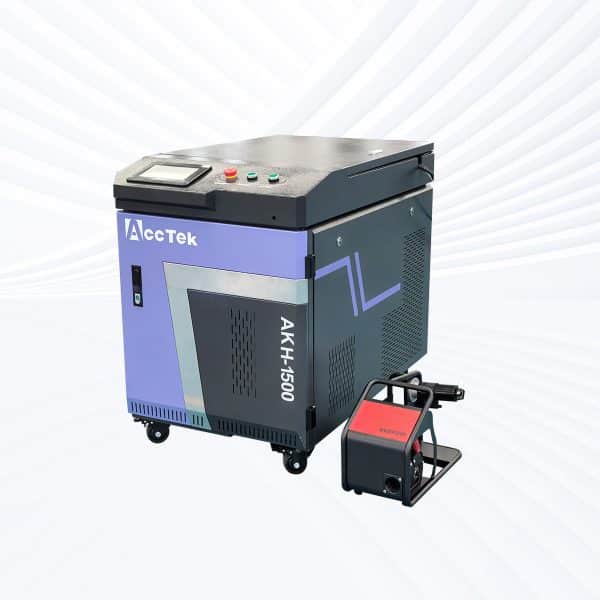
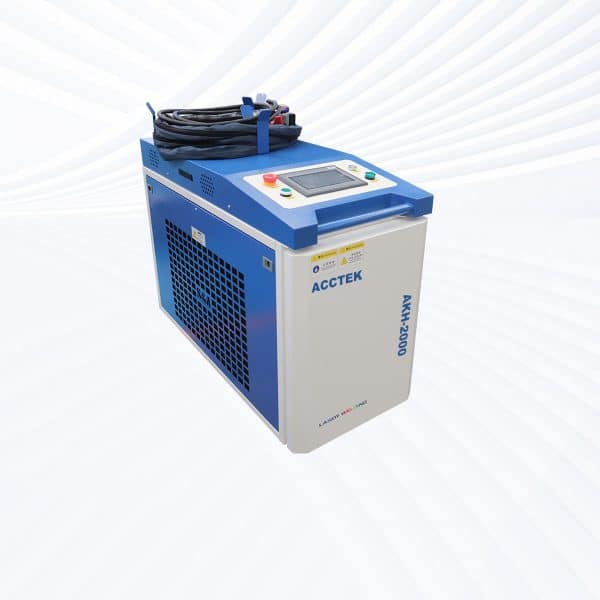
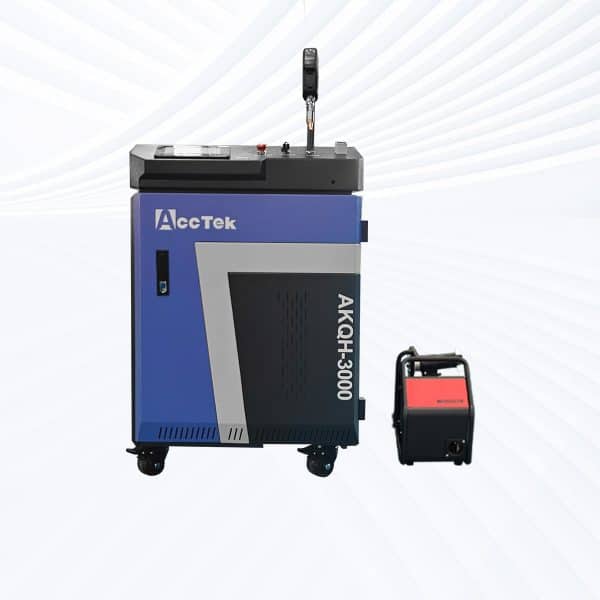
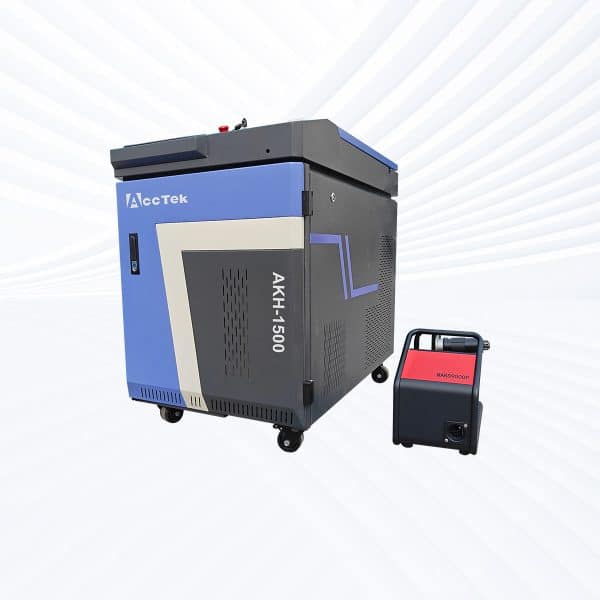
Laser Welding Machines Suitable For Galvanized Steel
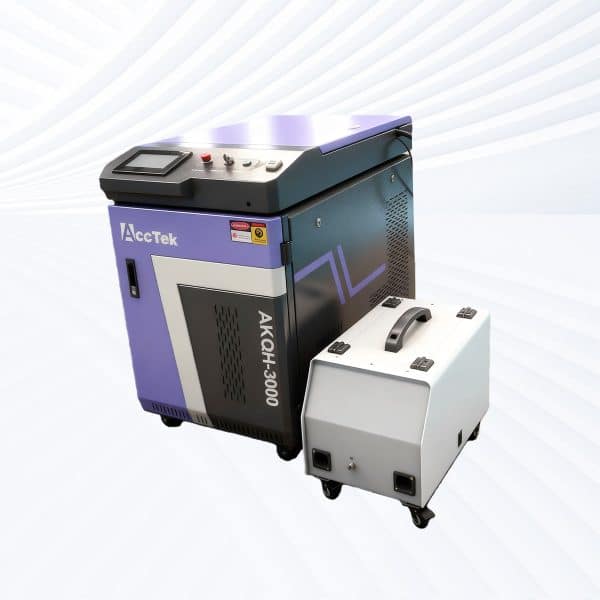
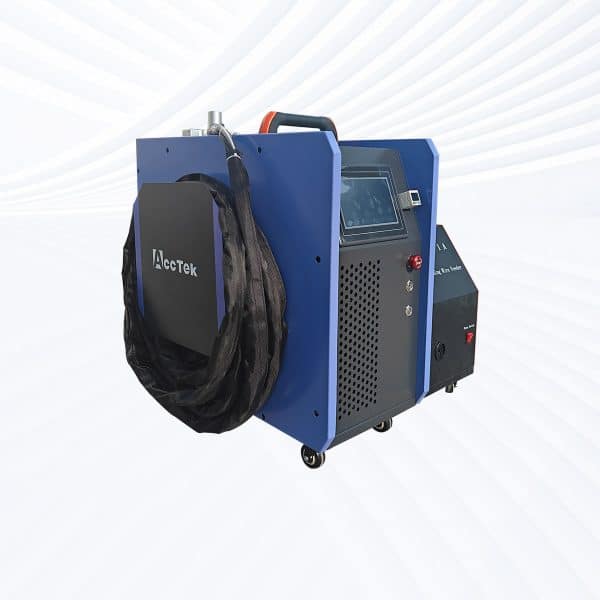
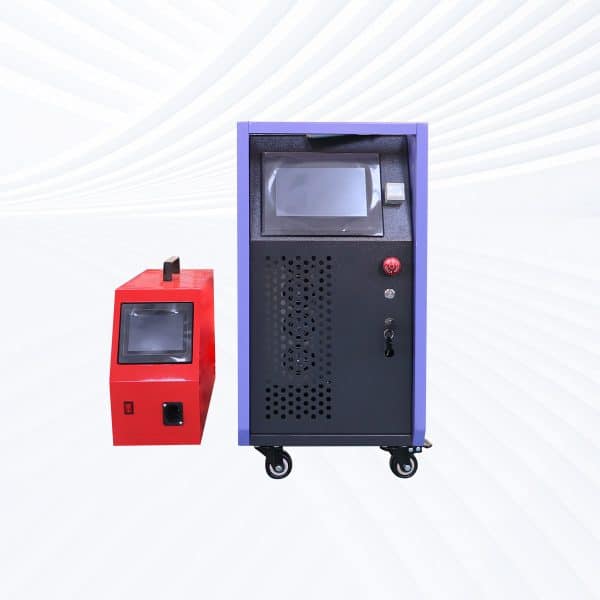
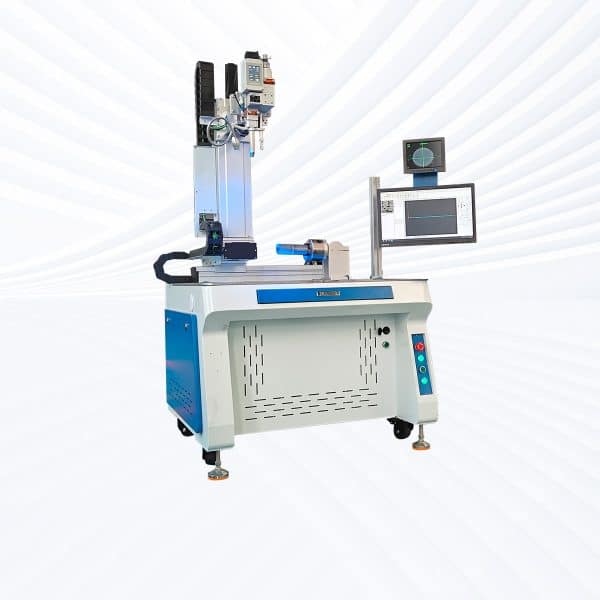
Advantages of Laser Welding Galvanized Steel
Reduced Zinc-Related Defects
Laser welding galvanized steel uses concentrated energy and fast heating, which helps control zinc vaporization. This significantly reduces common defects such as porosity, spatter, and cracking that often occur with traditional welding methods.
Small Heat-Affected Zone
The focused laser beam creates a narrow weld seam and a very small heat-affected zone. This minimizes thermal distortion, preserves the base steel’s mechanical properties, and limits damage to the surrounding zinc coating.
High Welding Speed and Efficiency
Laser welding operates at very high speeds, making it ideal for mass production. Faster cycle times improve productivity and reduce overall manufacturing costs, especially in automated and high-volume galvanized steel applications.
Minimal Post-Weld Finishing
Laser welding galvanized steel produces clean and smooth welds with little spatter. This reduces or eliminates the need for grinding, cleaning, or rework, saving time and lowering labor and finishing costs.
Excellent Automation Compatibility
Laser welding integrates easily with robotic systems and automated production lines. This ensures consistent weld quality, high repeatability, and stable performance for large-scale manufacturing of galvanized steel components.
Maintained Corrosion Resistance
With optimized parameters and joint design, laser welding can limit zinc loss near the weld area. This helps retain corrosion protection, extending the service life of galvanized steel parts in harsh environments.
Compatible Materials
- DX51D
- DX52D
- DX53D
- DX54D
- DX56D
- DX57D
- S220GD
- S250GD
- S280GD
- S320GD
- S350GD
- SGCC
- SGHC
- SGCD1
- SGCD2
- SGCD3
- A653 CS-A
- A653 CS-B
- A653 SS33
- A653 SS50
- A653 SS80
- A653 HSLAS50
- A653 HSLAS60
- A653 HSLAS80
- HX220GD
- HX260GD
- HX300GD
- HX340GD
- HX380GD
- HX420GD
- Z275 Steel
- Z180 Steel
- Z100 Steel
- GI Mild Steel
- GI Structural Steel
- HDG Low-Carbon Steel
- Electro-GI Steel
- Galvannealed Steel (GA)
- ZM-Coated Steel
- Auto Galvanized HSS
Laser Welding VS Other Welding Methods
| Comparison Item | Laser Welding | TIG Welding | MIG Welding | Arc Welding (Stick) |
|---|---|---|---|---|
| Heat Input Control | Extremely precise | Moderate, operator-dependent | Higher heat input | High and difficult to control |
| Zinc Evaporation Control | Excellent with proper setup | Limited | Poor | Very poor |
| Heat-Affected Zone (HAZ) | Very small | Medium | Large | Very large |
| Welding Speed | Very high | Slow | Moderate to high | Slow |
| Weld Precision | Excellent | High | Moderate | Low |
| Distortion Risk | Minimal | Moderate | Higher | Very high |
| Weld Appearance | Clean, narrow, smooth | Clean but wider | Wider with spatter | Rough, uneven |
| Porosity Risk | Low | Moderate | High | Very high |
| Automation Capability | Excellent | Limited | Good | Very limited |
| Repeatability | Extremely high | Operator-dependent | Moderate | Low |
| Thin Material Welding | Excellent | Good | Fair | Poor |
| Post-Weld Finishing | Minimal | Moderate | Moderate to high | High |
| Zinc Coating Preservation | Partial retention possible | Mostly removed | Mostly removed | Fully removed |
| Skill Requirement | Low after setup | Very high | Moderate | High |
| Production Efficiency | Very high | Low | Moderate | Low |
Laser Welding Capacity
| Laser Power | Welding Form | Thickness | Welding Speed | Defocus Amount | Protective Gas | Blowing Method | Flow | Welding Effect |
|---|---|---|---|---|---|---|---|---|
| 1000W | Butt Welding | 0.5mm | 70~80 mm/s | -1~1 | Ar | Coaxial/Paraaxial | 5~10 L/min | Welded Completely |
| Butt Welding | 1mm | 50~60 mm/s | -1~1 | Ar | Coaxial/Paraaxial | 5~10 L/min | Welded Completely | |
| Butt Welding | 1.5mm | 30~40 mm/s | -1~1 | Ar | Coaxial/Paraaxial | 5~10 L/min | Welded Completely | |
| Butt Welding | 2mm | 20~30 mm/s | -1~1 | Ar | Coaxial/Paraaxial | 5~10 L/min | Welded Completely | |
| 1500W | Butt Welding | 0.5mm | 80~90 mm/s | -1~1 | Ar | Coaxial/Paraaxial | 5~10 L/min | Welded Completely |
| Butt Welding | 1mm | 70~80 mm/s | -1~1 | Ar | Coaxial/Paraaxial | 5~10 L/min | Welded Completely | |
| Butt Welding | 1.5mm | 50~60 mm/s | -1~1 | Ar | Coaxial/Paraaxial | 5~10 L/min | Welded Completely | |
| Butt Welding | 2mm | 30~40 mm/s | -1~1 | Ar | Coaxial/Paraaxial | 5~10 L/min | Welded Completely | |
| Butt Welding | 3mm | 10~20 mm/s | -1~1 | Ar | Coaxial/Paraaxial | 5~10 L/min | Welded Completely | |
| 2000W | Butt Welding | 0.5mm | 90~100 mm/s | -1~1 | Ar | Coaxial/Paraaxial | 5~10 L/min | Welded Completely |
| Butt Welding | 1mm | 80~90 mm/s | -1~1 | Ar | Coaxial/Paraaxial | 5~10 L/min | Welded Completely | |
| Butt Welding | 1.5mm | 70~80 mm/s | -1~1 | Ar | Coaxial/Paraaxial | 5~10 L/min | Welded Completely | |
| Butt Welding | 2mm | 40~50 mm/s | -1~1 | Ar | Coaxial/Paraaxial | 5~10 L/min | Welded Completely | |
| Butt Welding | 3mm | 20~30 mm/s | -1~1 | Ar | Coaxial/Paraaxial | 5~10 L/min | Welded Completely | |
| 3000W | Butt Welding | 0.5mm | 100~110 mm/s | -1~1 | Ar | Coaxial/Paraaxial | 5~10 L/min | Welded Completely |
| Butt Welding | 1mm | 90~100 mm/s | -1~1 | Ar | Coaxial/Paraaxial | 5~10 L/min | Welded Completely | |
| Butt Welding | 1.5mm | 80~90 mm/s | -1~1 | Ar | Coaxial/Paraaxial | 5~10 L/min | Welded Completely | |
| Butt Welding | 2mm | 70~80 mm/s | -1~1 | Ar | Coaxial/Paraaxial | 5~10 L/min | Welded Completely | |
| Butt Welding | 3mm | 40~50 mm/s | -1~1 | Ar | Coaxial/Paraaxial | 5~10 L/min | Welded Completely | |
| Butt Welding | 4mm | 20~30 mm/s | -1~1 | Ar | Coaxial/Paraaxial | 5~10 L/min | Welded Completely | |
| 6000W | Butt Welding | 1mm | 110~120 mm/s | -1~1 | Ar | Coaxial/Paraaxial | 5~10 L/min | Welded Completely |
| Butt Welding | 1.5mm | 100~110 mm/s | -1~1 | Ar | Coaxial/Paraaxial | 5~10 L/min | Welded Completely | |
| Butt Welding | 2mm | 90~100 mm/s | -1~1 | Ar | Coaxial/Paraaxial | 5~10 L/min | Welded Completely | |
| Butt Welding | 3mm | 80~90 mm/s | -1~1 | Ar | Coaxial/Paraaxial | 5~10 L/min | Welded Completely | |
| Butt Welding | 4mm | 70~80 mm/s | -1~1 | Ar | Coaxial/Paraaxial | 5~10 L/min | Welded Completely | |
| Butt Welding | 5mm | 40~50 mm/s | -1~1 | Ar | Coaxial/Paraaxial | 5~10 L/min | Welded Completely | |
| Butt Welding | 6mm | 20~30 mm/s | -1~1 | Ar | Coaxial/Paraaxial | 5~10 L/min | Welded Completely |
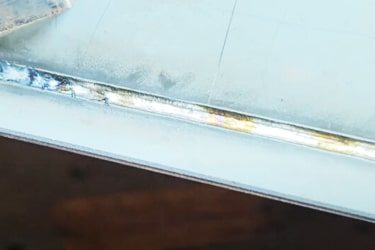
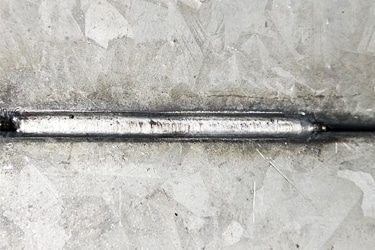
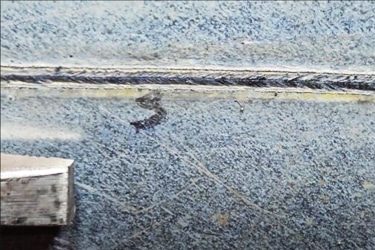
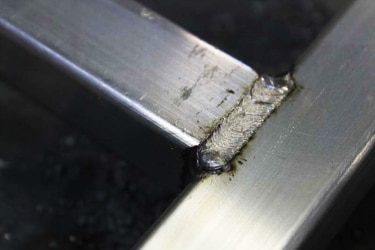
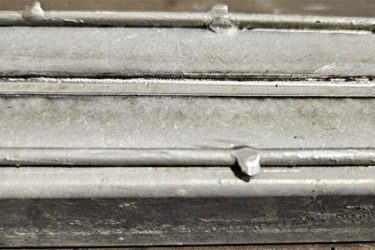
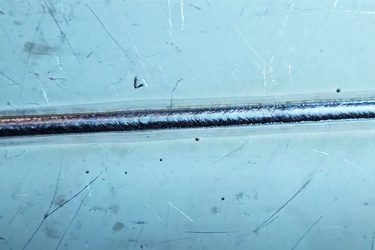
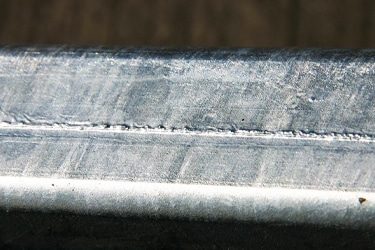
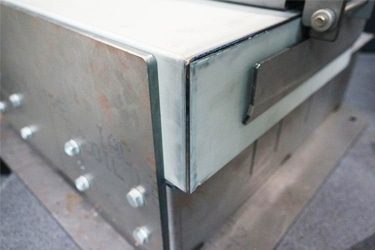
Applications of Laser Welding Galvanized Steel
Customer Testimonials
Related Resources
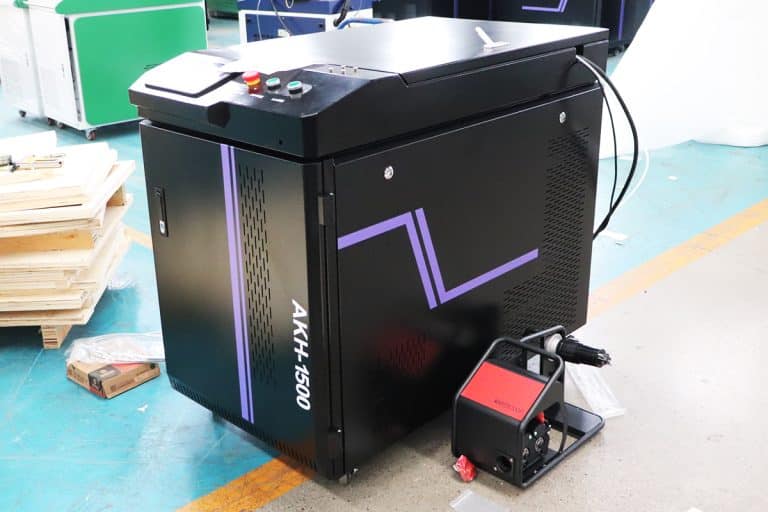
How To Ensure Consistent Weld Quality In Laser Welding?
This article explores the key factors that ensure consistent weld quality in laser welding, including material preparation, process parameters, beam control, inspection, and maintenance.
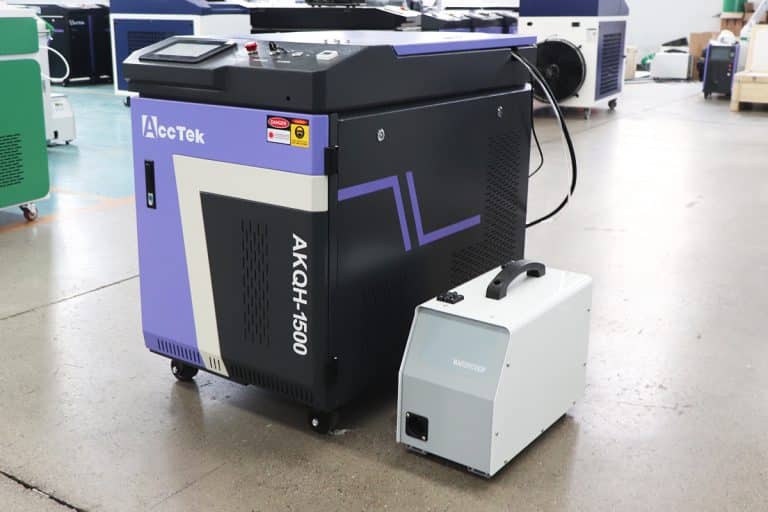
How To Maintain Laser Welding Machines?
This article explains how to maintain laser welding machines, covering safety checks, optics, cooling, wire feeding, electrical systems, troubleshooting, maintenance schedules, and long-term care.
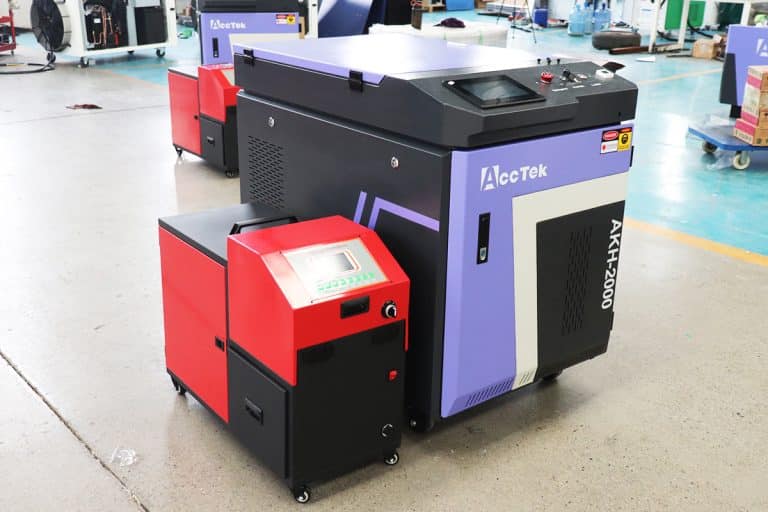
How To Choose Laser Welding Machines?
This article explains how to choose laser welding machines by evaluating materials, power, machine types, welding heads, safety, sample testing, total cost, and supplier support.
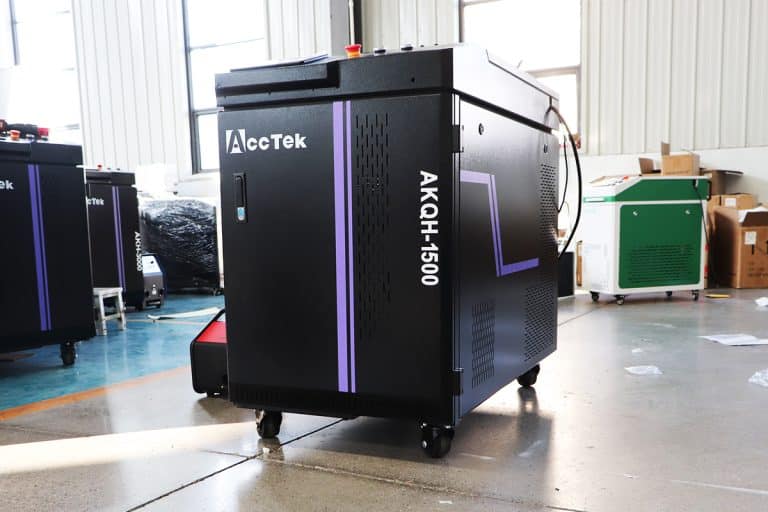
Laser Welding Spatter Guide
This article explores the causes, effects, welding defects, prevention techniques, and troubleshooting methods for laser welding spatter to improve weld quality and production stability.
Frequently Asked Questions
How Does The Zinc Coating Affect The Laser Welding Of Galvanized Steel?
- Low Boiling Point and Zinc Vaporization: Zinc has a much lower boiling point than steel. During laser welding, the zinc coating vaporizes rapidly as soon as it is exposed to the concentrated laser heat. This sudden vaporization generates high-pressure zinc vapor at the weld interface, which can disrupt the molten steel pool. If the vapor cannot escape easily, it leads to instability in the weld process.
- Porosity Formation: One of the most common effects of zinc coating is porosity. As zinc vapor forms beneath or within the molten steel, it may become trapped during rapid solidification. This results in gas pores inside the weld metal, reducing mechanical strength, fatigue performance, and leak-tightness. Porosity is especially problematic in lap joints where zinc vapor is trapped between overlapping sheets.
- Spatter and Weld Pool Instability: Zinc vapor can violently erupt through the molten steel pool, causing spatter and irregular bead geometry. This instability may lead to undercut, uneven penetration, or inconsistent weld appearance. Higher zinc coating thickness generally increases the severity of these effects.
- Effect on Penetration and Keyhole Stability: Zinc vapor interferes with keyhole formation during laser welding. Sudden pressure changes can partially collapse the keyhole or deflect the laser beam, resulting in fluctuating penetration depth. This makes it more difficult to achieve consistent, full-penetration welds, particularly at higher welding speeds.
- Health and Safety Considerations: The vaporization of zinc produces zinc oxide fumes, which are hazardous if inhaled and can cause metal fume fever. Effective fume extraction and ventilation are essential when laser welding galvanized steel to protect operators and maintain a safe working environment.
- Influence on Surface Condition and Absorption: The zinc coating can slightly alter laser energy absorption compared to bare steel. While steel generally absorbs laser energy well, the zinc layer may initially reflect or redistribute heat unevenly, contributing to unstable weld initiation.
- Mitigation Strategies: Several techniques are used to manage the effects of zinc coating. These include removing zinc locally at the weld area, using joint designs that allow vapor escape (such as small gaps or vent holes), adjusting laser parameters to control heat input, and employing beam oscillation or laser–arc hybrid welding. Proper shielding gas flow also helps remove zinc vapor from the weld zone.
What Problems Does Zinc Vaporization Cause During Laser Welding?
- Porosity Formation: One of the most common problems caused by zinc vaporization is porosity. As zinc rapidly vaporizes beneath or within the molten steel, high-pressure gas bubbles form. If these bubbles cannot escape before solidification, they become trapped in the weld metal. Porosity reduces mechanical strength, fatigue resistance, and leak-tightness, making it a critical defect in structural and sealed components.
- Weld Pool Instability and Spatter: Zinc vapor expands rapidly and can erupt through the molten weld pool. This leads to unstable molten metal flow, causing spatter and irregular bead formation. Spatter not only degrades surface quality but can also contaminate nearby components and optics, increasing maintenance requirements.
- Keyhole Disruption and Penetration Fluctuation: In laser welding, stable keyhole formation is essential for consistent penetration. Zinc vapor interferes with this process by creating sudden pressure changes beneath the keyhole. These pressure spikes can partially collapse or deflect the keyhole, resulting in fluctuating penetration depth, lack of fusion, or inconsistent weld geometry along the joint.
- Undercut and Bead Shape Defects: Violent zinc vapor release can push molten steel away from the joint edges, leading to undercut or uneven reinforcement. These bead-shaped defects act as stress concentrators and negatively affect fatigue life, even if internal fusion appears acceptable.
- Limited Joint Design Flexibility: Zinc vaporization severely restricts joint design options. In lap joints, zinc vapor becomes trapped between overlapping sheets, dramatically increasing porosity and spatter. This forces designers to introduce vent gaps, remove zinc locally, or redesign joints to allow vapor escape.
- Health and Safety Hazards: Zinc vapor oxidizes in air to form zinc oxide fumes, which are hazardous when inhaled and can cause metal fume fever. Without effective fume extraction and ventilation, operators are at risk of respiratory exposure, making safety controls essential during laser welding.
- Process Window Narrowing: Zinc vaporization narrows the usable process window. Small changes in laser power, speed, or focus can dramatically alter vapor behavior, making the process more sensitive and less forgiving compared to welding uncoated steel.
- Equipment and Optics Risk: Excessive spatter and vapor can contaminate protective windows and optics, reducing laser transmission and causing inconsistent weld quality over time.
What Shielding Gases Are Commonly Used for Laser Welding Galvanized Steel?
- Argon (Ar): Argon is the most commonly used shielding gas for laser welding galvanized steel. It is inert, widely available, and cost-effective. Argon provides reliable protection against oxygen and nitrogen, helping prevent oxidation and surface defects. For thin galvanized sheets and moderate laser power levels, argon is often sufficient. However, argon has a relatively low ionization potential, which means metal vapor and plasma can form above the weld pool at higher powers, potentially interfering with laser energy delivery.
- Helium (He): Helium is frequently used when welding galvanized steel at higher laser powers or when better control of zinc vapor effects is required. Its high ionization potential suppresses plasma formation, allowing more laser energy to reach the steel surface. This helps stabilize the keyhole and improve penetration consistency, especially when zinc vapor is present. Helium also assists in removing zinc vapor from the weld zone. The main disadvantages are higher cost and higher required flow rates due to helium’s low density.
- Argon–Helium Mixtures: Argon–helium blends are widely used in industrial laser welding of galvanized steel because they combine the benefits of both gases. Argon provides economical shielding, while helium improves penetration and plasma suppression. By adjusting the helium percentage, manufacturers can fine-tune weld stability and zinc vapor control while managing gas consumption and cost. These mixtures are often preferred for automotive body panels and structural galvanized components.
- Nitrogen (Limited and Controlled Use): Nitrogen is sometimes used as a shielding or backing gas in laser welding galvanized steel, particularly in cost-sensitive applications. While nitrogen can provide adequate shielding, it may react with molten steel to form nitrides, potentially reducing toughness. For this reason, nitrogen is typically avoided in safety-critical or high-performance joints.
- Role of Shielding Gas in Zinc Vapor Management: A key function of shielding gas in galvanized steel welding is to help zinc vapor escape from the weld zone. Proper gas flow direction and nozzle design are as important as gas type. Shielding gas must sweep vapor away without disturbing the molten pool.
- Trailing and Backside Shielding: In some applications, trailing or backside shielding is used to protect the solidifying weld metal and reduce oxidation and discoloration caused by zinc vapor residues.
What Joint Designs Are Best For Laser Welding Galvanized Steel?
- Butt Joints with Controlled Gaps: Square butt joints are widely used for laser welding galvanized steel, but unlike bare steel, they often benefit from a very small, intentional gap. This micro-gap allows zinc vapor to escape from the joint interface before it becomes trapped in the molten steel. When properly controlled, butt joints with small gaps can produce strong, consistent welds with minimal porosity. Excessive gaps, however, can lead to a lack of fusion, so precise fixturing is essential.
- Lap Joints with Venting Features: Lap joints are common in automotive and sheet metal applications, but they present challenges for galvanized steel because zinc vapor can be trapped between overlapping sheets. To make lap joints suitable, designers often include vent paths such as small gaps, embossed features, or offset edges. These features allow zinc vapor to escape without violently disrupting the weld pool. Without venting, lap joints are highly prone to porosity and spatter.
- Edge Joints: Edge joints can be effective for thin galvanized steel components, particularly in enclosures or non-structural applications. Laser welding works well here due to low heat input and precise energy control. Because edge joints naturally expose the zinc coating to the atmosphere, vapor escape is easier, reducing porosity risk. However, edge joints generally provide lower mechanical strength than butt or lap joints.
- T-Joints and Corner Joints: T-joints and corner joints can be laser-welded in galvanized steel but require careful design and beam positioning. Zinc vapor must be able to escape from the intersection area, which may require small gaps or partial zinc removal near the weld line. These joints are more sensitive to parameter variation and often benefit from beam oscillation or filler wire.
- Joints with Local Zinc Removal: In some applications, zinc is locally removed along the weld seam before welding. This allows the use of conventional butt or lap joints without excessive vapor-related defects. While this adds a processing step, it significantly improves weld stability and quality.
- Avoidance of Fully Sealed Joints: Fully sealed joints that trap zinc vapor should be avoided. Designs that prevent vapor escape almost always result in porosity, spatter, and inconsistent penetration during laser welding.
- Importance of Fit-Up and Fixturing: Regardless of joint type, a tight and consistent fit-up is essential. Laser welding has limited tolerance for misalignment, and zinc vapor effects amplify instability when fit-up is poor.
What Are The Most Common Defects In Laser-Welded Galvanized Steel?
- Porosity: Porosity is the most common defect in laser-welded galvanized steel. As the laser heats the joint, zinc vaporizes rapidly beneath or within the molten steel. If this vapor cannot escape before solidification, gas bubbles become trapped in the weld metal. Porosity reduces mechanical strength, fatigue life, and leak-tightness, making it especially problematic for structural or sealed components.
- Spatter and Metal Ejection: Zinc vapor can erupt violently through the molten weld pool, causing spatter and ejecting molten metal from the joint. This results in poor surface appearance, material loss, and contamination of surrounding areas and optics. Excessive spatter is often a sign of unstable zinc vapor release.
- Keyhole Instability and Penetration Variability: Stable keyhole formation is critical for laser welding, but zinc vapor disrupts this process. Sudden pressure from vaporized zinc can collapse or deflect the keyhole, leading to fluctuating penetration depth along the weld. This instability may cause sections of insufficient fusion or inconsistent weld geometry.
- Lack of Fusion: Lack of fusion occurs when zinc vapor interferes with proper melting and bonding at the joint interface. This defect is common in joints with poor fit-up or where zinc is trapped, such as unvented lap joints. Lack of fusion significantly weakens the weld and may not always be visible from the surface.
- Undercut and Irregular Bead Shape: The force of zinc vapor can push molten steel away from the weld edges, creating undercut or uneven bead profiles. These geometric defects act as stress concentrators and reduce fatigue performance, even if internal fusion appears adequate.
- Surface Oxidation and Discoloration: Zinc vapor reacts readily with oxygen, forming zinc oxide residues around the weld. Inadequate shielding gas coverage can lead to surface oxidation, discoloration, and oxide inclusions. While sometimes cosmetic, these issues often indicate poor shielding or unstable welding conditions.
- Cracking (Less Common but Possible): Cracking is less frequent in galvanized steel than porosity-related defects, but can occur due to high residual stresses, especially in higher-carbon base steels or highly restrained joints. Zinc-related instability can indirectly contribute by increasing stress concentration.
- Equipment Contamination and Quality Degradation: Excessive zinc vapor and spatter can contaminate protective windows and optics, reducing laser transmission and causing gradual deterioration in weld quality over time.
Can Filler Wire Be Used In Laser Welding Galvanized Steel?
- Why Filler Wire Is Used: Galvanized steel contains a zinc coating that vaporizes at a much lower temperature than the steel substrate. During laser welding, zinc vapor can cause porosity, spatter, and unstable keyhole behavior. Introducing filler wire increases the volume of molten metal in the weld pool, which helps absorb and dissipate zinc vapor pressure more smoothly. This reduces violent vapor eruptions and improves weld pool stability.
- Improved Gap Bridging and Fit-Up Tolerance: Laser welding has limited tolerance for joint gaps, and this limitation becomes more critical when welding galvanized steel. Filler wire helps bridge small gaps and compensate for minor fit-up variations that would otherwise lead to a lack of fusion or underfill. This is particularly beneficial in butt joints and T-joints, where precise alignment is difficult to maintain in mass production.
- Reduction of Porosity and Bead Defects: By enlarging the molten pool and slightly slowing solidification, filler wire provides zinc vapor more time and space to escape. This can significantly reduce internal porosity and surface defects such as undercut or uneven bead shape. Although filler wire does not eliminate zinc-related issues, it broadens the usable process window.
- Control of Weld Metal Composition: Filler wire allows some control over weld metal chemistry. In galvanized steel, the zinc coating may locally alter the weld pool composition. Using an appropriate steel filler wire helps dilute the zinc content in the weld metal and stabilize mechanical properties. This is especially useful in thicker sections or load-bearing joints.
- Hybrid and Advanced Welding Applications: In laser–arc hybrid welding of galvanized steel, filler wire is essential. The arc process supplies filler metal and improves gap tolerance, while the laser provides deep penetration and precise heat input. This combination is widely used in automotive and structural applications involving galvanized components.
- Equipment and Process Considerations: Using filler wire requires additional equipment, including a wire feeder and precise synchronization between wire feed rate, laser power, and travel speed. Incorrect wire positioning can cause spatter or incomplete melting, so careful parameter optimization is necessary. Adequate fume extraction remains critical due to zinc vapor generation.
- Limitations and Complementary Measures: Filler wire alone cannot fully solve zinc vaporization problems. It is most effective when combined with suitable joint design, controlled gaps for vapor escape, proper shielding gas flow, and, in some cases, local zinc removal along the weld seam.
What PPE Is Required For Lasers Welding Galvanized Steel?
- Laser Eye Protection: Laser-rated eye protection is mandatory for anyone working near laser welding operations. Galvanized steel surfaces can reflect laser radiation unpredictably, increasing the risk of eye injury from direct or reflected beams. Safety glasses or goggles must be specifically rated for the laser wavelength and power being used (fiber or CO2). Standard welding helmets or darkened lenses are not sufficient unless they are certified for laser protection.
- Respiratory Protection for Zinc Fumes: Zinc vaporizes during laser welding and rapidly oxidizes into zinc oxide fumes, which are hazardous when inhaled and can cause metal fume fever. Local exhaust ventilation and fume extraction are the primary safety measures, but respiratory PPE is often required as an added layer of protection. Approved respirators with appropriate particulate or metal fume filters should be used when ventilation alone cannot guarantee safe air quality, especially during setup, maintenance, or confined-space work.
- Protective Clothing: Operators should wear flame-resistant, long-sleeved clothing to protect against spatter, radiant heat, and hot metal fragments. Cotton or specially treated welding garments are preferred. Synthetic fabrics should be avoided, as they can melt and adhere to skin when exposed to heat or molten metal. Welding jackets or aprons are commonly used in open or semi-enclosed laser welding environments.
- Gloves and Hand Protection: Heat-resistant gloves are required to protect hands from hot workpieces, spatter, and sharp edges. Gloves should provide both thermal protection and sufficient dexterity for part handling. Galvanized steel parts may remain hot after welding, increasing burn risk during post-weld operations.
- Face and Skin Protection: In addition to laser eye protection, face shields may be used to protect against spatter and zinc vapor-related debris. Exposed skin should be minimized, as radiant heat and reflected laser energy can cause burns even without direct beam contact.
- Foot Protection: Safety footwear with protective toe caps and heat-resistant soles is recommended. Molten metal droplets or hot galvanized steel fragments can fall during welding, posing a risk to feet and lower legs.
- Hearing Protection (When Necessary): Laser welding itself is relatively quiet, but fume extraction systems, cooling units, and motion equipment can generate significant noise. Hearing protection may be required depending on measured sound levels.
- System-Level Safety Complements PPE: PPE must be used alongside engineering controls such as enclosed laser cells, interlocks, warning lights, and effective fume extraction. PPE alone should never be relied upon as the sole safety measure.
What Safety Concerns Exist When Laser Welding Galvanized Steel?
- Zinc Fume Exposure: The most significant safety concern is zinc vaporization. Zinc has a low boiling point and rapidly vaporizes when exposed to laser energy. In the presence of air, this vapor oxidizes into fine zinc oxide fumes. Inhalation of these fumes can cause metal fume fever, a flu-like illness characterized by fever, chills, headaches, and fatigue. Prolonged or repeated exposure may lead to more serious respiratory issues. Effective local exhaust ventilation and fume extraction are essential, and respiratory protection may be required in certain environments.
- Laser Radiation Hazards: High-power lasers used for welding pose a serious eye and skin hazard. Direct exposure or reflections from galvanized steel surfaces, which can be highly reflective, may cause severe eye injuries or skin burns. Proper laser enclosures, interlock systems, and wavelength-specific laser eye protection are mandatory to prevent accidental exposure.
- Spatter and Molten Metal Ejection: Zinc vapor can erupt violently through the molten steel pool, causing spatter and ejection of molten metal. These hot particles can cause burns, ignite flammable materials nearby, or damage equipment. Protective clothing, gloves, and face protection are necessary to reduce injury risk.
- Fire Risk: Laser welding generates extremely high localized temperatures. Combined with spatter and hot workpieces, this creates a fire hazard, especially in areas with flammable materials such as oils, packaging, or dust. Proper housekeeping, fire-resistant surroundings, and readily available fire suppression equipment are critical safety measures.
- Equipment and Optics Damage: Zinc vapor and spatter can contaminate laser optics, protective windows, and sensors. This not only degrades weld quality but may also lead to unexpected beam behavior or equipment failure, creating secondary safety risks. Regular inspection and maintenance are required to ensure safe operation.
- Electrical and Mechanical Hazards: Laser welding systems often include high-voltage power supplies, motion systems, and robotic equipment. Improper guarding or maintenance can expose operators to electrical shock or mechanical injury, especially during setup or servicing.
- Heat and Handling Risks: Galvanized steel parts remain hot after welding. Handling parts without proper gloves can result in burns. Sharp edges and distortion may further increase injury risk during post-weld handling.
- Process Sensitivity and Human Error: Zinc vaporization narrows the process window, making the operation more sensitive to parameter changes. Unstable welding conditions can lead to sudden spatter or unexpected behavior, increasing the importance of operator training and strict process control.