

Introduction
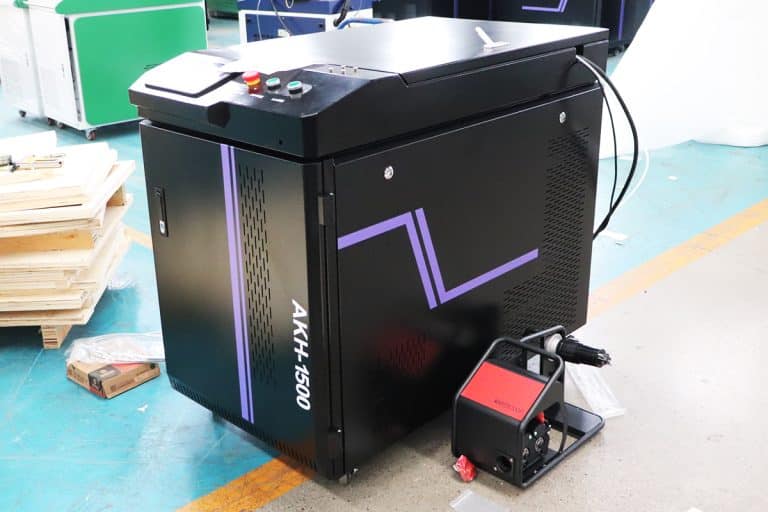
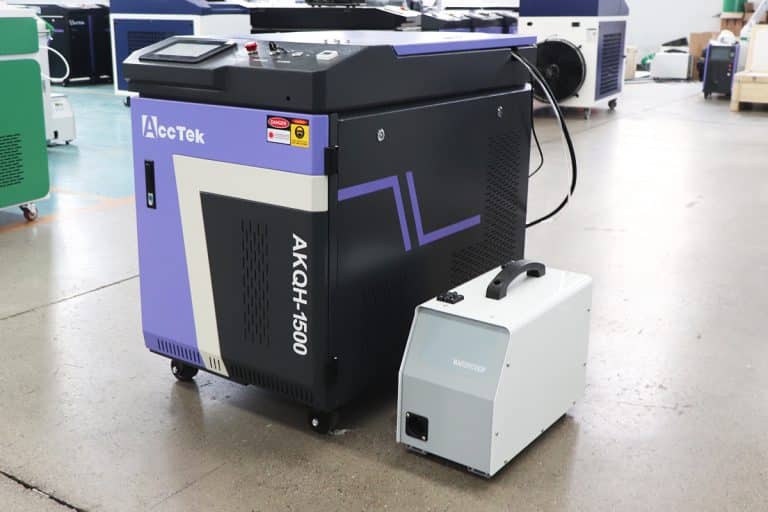
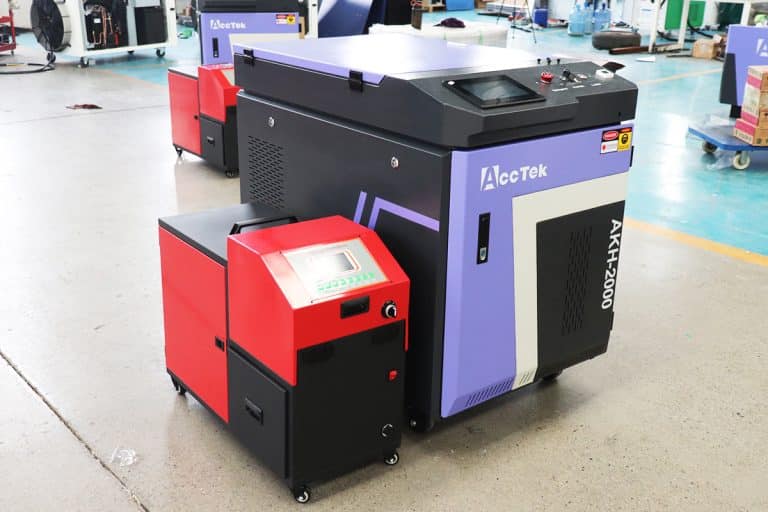
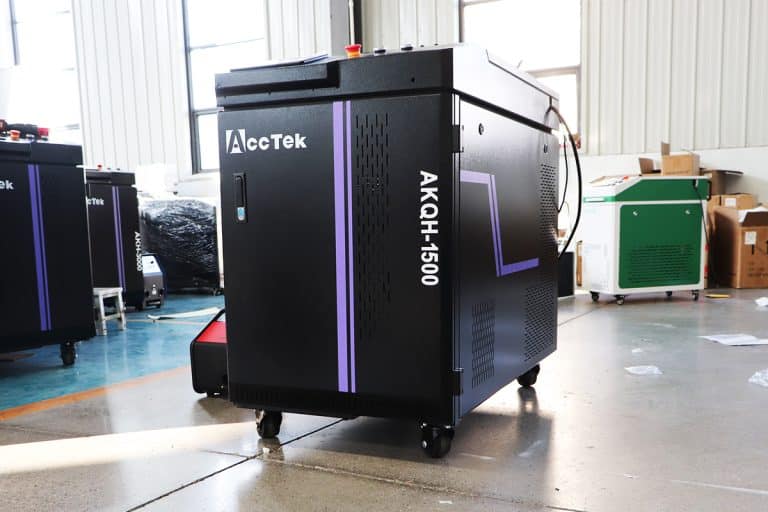
Laser Welding Machines Suitable For Copper
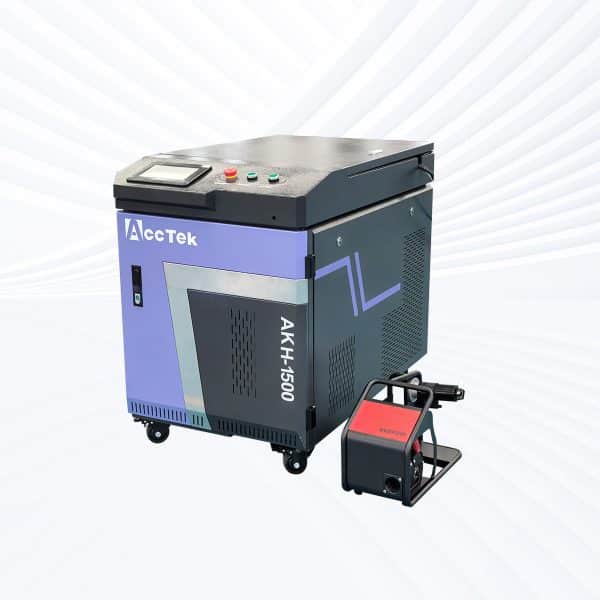
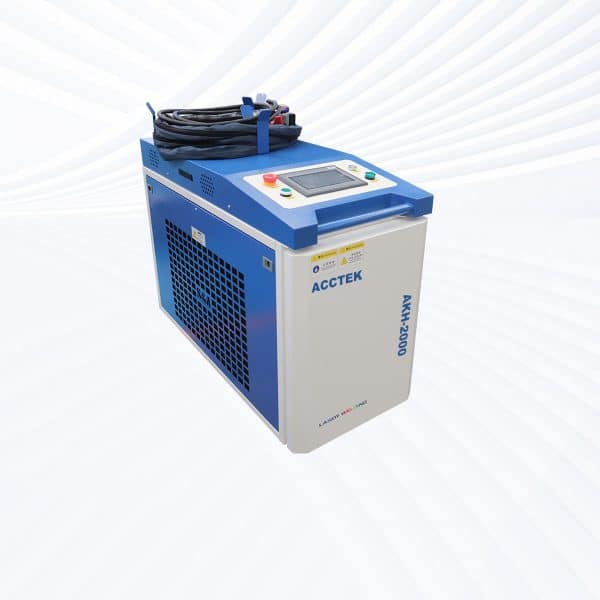
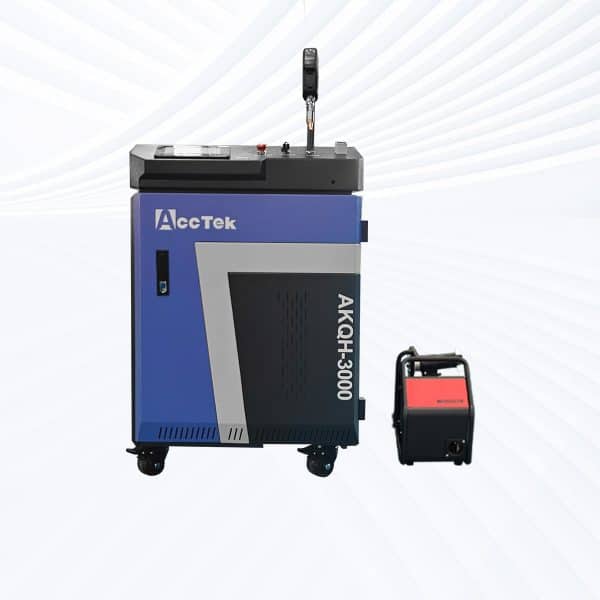
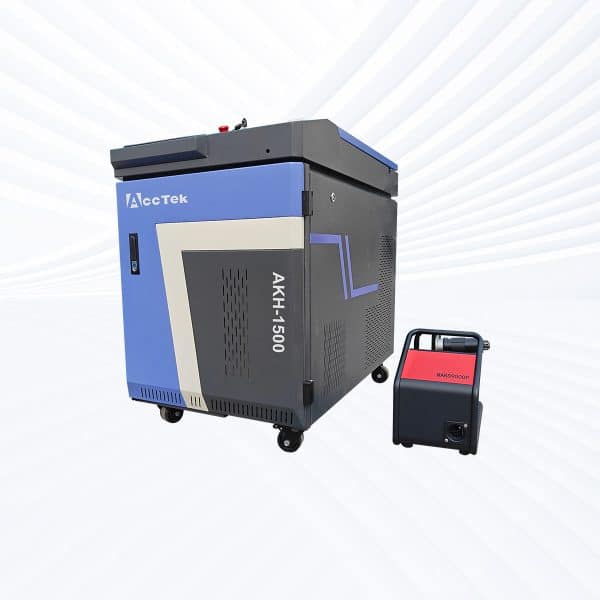
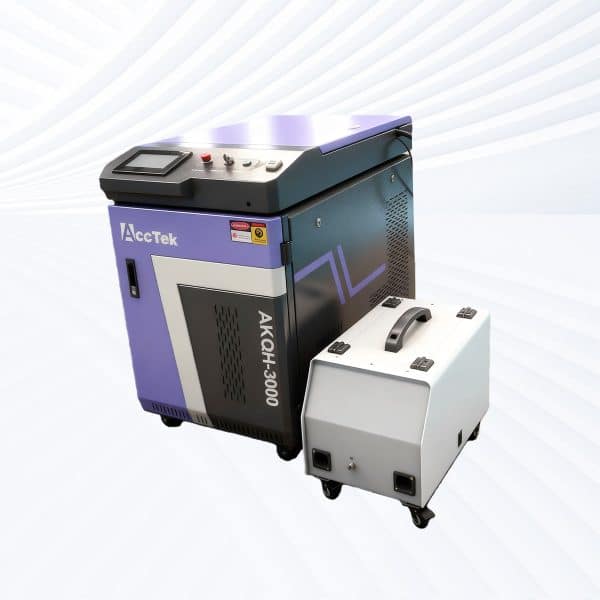
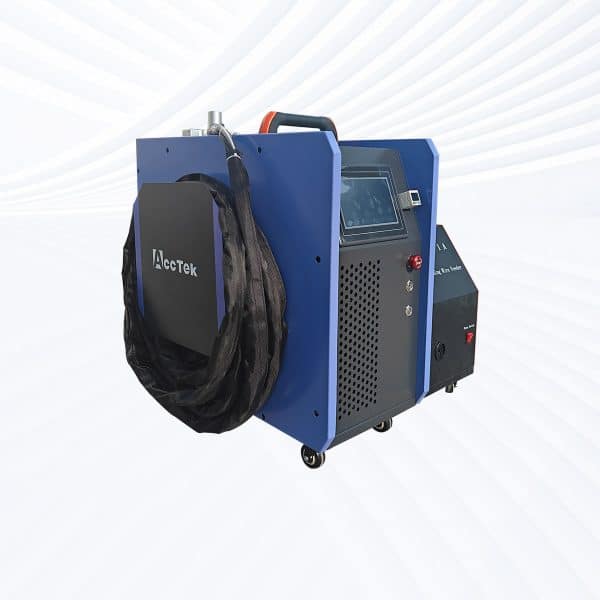
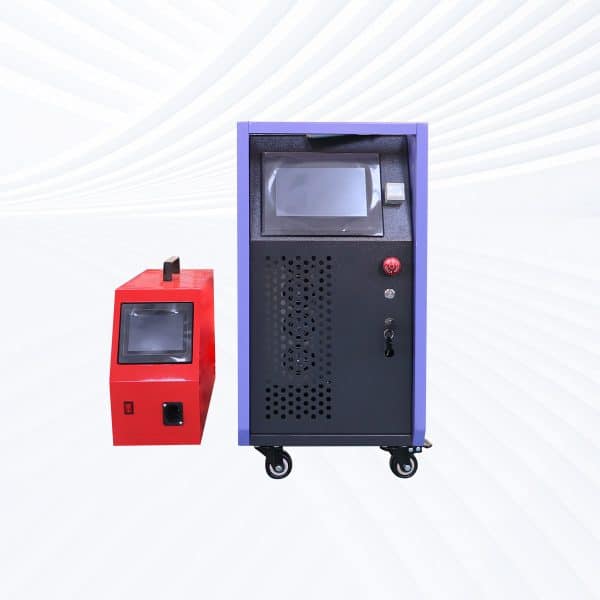
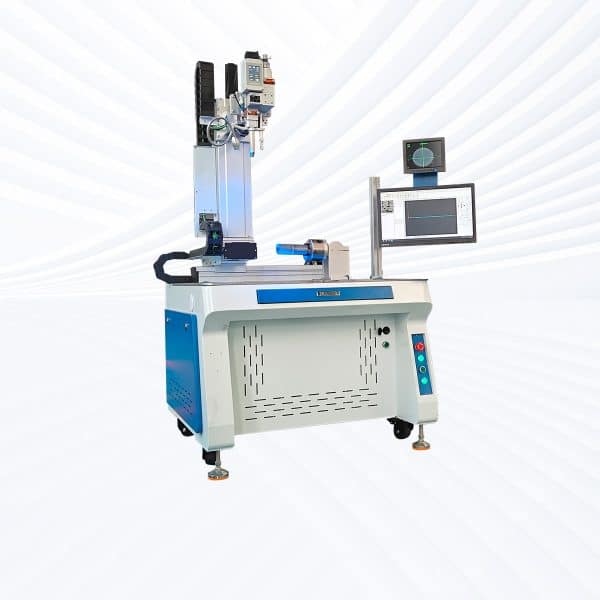
Advantages of Laser Welding Copper
Superior Heat Concentration
Laser welding copper delivers highly concentrated energy directly to the weld zone. This overcomes copper’s high thermal conductivity, enabling stable melting, improved penetration, and consistent weld quality compared to traditional welding methods.
Minimal Heat-Affected Zone
The focused laser beam creates a very small heat-affected zone when welding copper. This reduces thermal distortion, preserves electrical and mechanical properties, and maintains dimensional accuracy for precision components and assemblies.
High Weld Quality and Strength
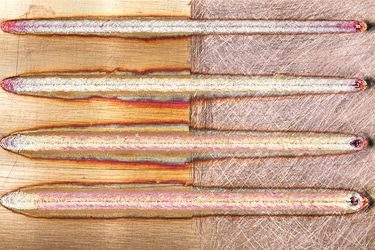
Laser welding copper produces dense, uniform weld seams with strong metallurgical bonding. When properly optimized, the process reduces porosity and cracking, resulting in reliable joints suitable for demanding electrical and mechanical applications.
High-Speed Welding Performance
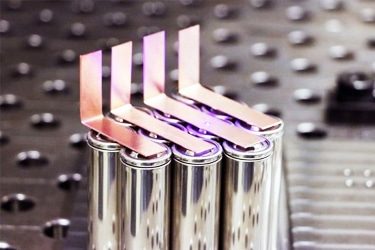
Laser welding copper operates at high speeds, significantly increasing production efficiency. Faster cycle times make it ideal for automated and high-volume manufacturing environments such as battery production and electrical component assembly.
Excellent Precision for Thin Materials
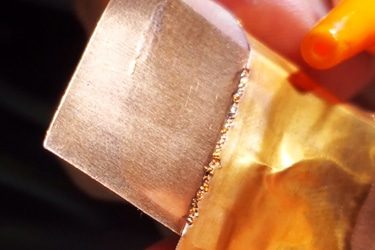
The precise control of laser energy allows accurate welding of thin copper sheets, foils, and small components. This minimizes burn-through and deformation, which are common challenges with conventional copper welding techniques.
Strong Automation Compatibility
Laser welding copper integrates seamlessly with robotic systems and automated production lines. This ensures high repeatability, consistent weld quality, reduced labor dependence, and improved process stability in modern industrial manufacturing.
Compatible Materials
- C10100
- C10200
- C10300
- C10400
- C10500
- C10600
- C10700
- C10800
- C10900
- C11000
- C11300
- C11400
- C11500
- C11600
- C12000
- C12200
- C12300
- C12500
- C13500
- C14500
- C14700
- C15000
- C15100
- C16200
- C17200
- C17300
- C17500
- C18100
- C18200
- C18400
- C18700
- C18900
- C19000
- C19200
- C19400
- C19500
- C19600
- C19700
- C19800
- C19900
Laser Welding VS Other Welding Methods
| Comparison Item | Laser Welding | TIG Welding | MIG Welding | Arc Welding (Stick) |
|---|---|---|---|---|
| Heat Input Control | Extremely precise and concentrated | Moderate, operator-dependent | Higher heat input | High and difficult to control |
| Heat-Affected Zone (HAZ) | Very small | Medium | Large | Very large |
| Ability to Handle High Thermal Conductivity | Excellent | Limited | Poor | Very poor |
| Welding Speed | Very high | Slow | Moderate | Slow |
| Weld Penetration Control | Excellent | Good | Moderate | Low |
| Weld Precision | Excellent | High | Moderate | Low |
| Distortion Risk | Minimal | Moderate | Higher | Very high |
| Weld Appearance | Clean, narrow, smooth | Clean but wider | Wider with spatter | Rough, uneven |
| Automation Capability | Excellent | Limited | Good | Very limited |
| Repeatability | Extremely high | Operator-dependent | Moderate | Low |
| Thin Material Welding | Excellent | Fair | Poor | Poor |
| Porosity Control | Excellent with proper settings | Moderate | Higher | High |
| Post-Weld Finishing | Minimal | Moderate | Moderate to high | High |
| Skill Requirement | Low after setup | Very high | Moderate | High |
| Production Efficiency | Very high | Low | Moderate | Low |
Laser Welding Capacity
| Laser Power | Welding Form | Thickness | Welding Speed | Defocus Amount | Protective Gas | Blowing Method | Flow | Welding Effect |
|---|---|---|---|---|---|---|---|---|
| 1500W | Butt Welding | 0.5mm | 40~50 mm/s | -1~1 | Ar | Coaxial/Paraaxial | 5~10 L/min | Welded Completely |
| 2000W | Butt Welding | 0.5mm | 60~70 mm/s | -1~1 | Ar | Coaxial/Paraaxial | 5~10 L/min | Welded Completely |
| Butt Welding | 1mm | 20~30 mm/s | -1~1 | Ar | Coaxial/Paraaxial | 5~10 L/min | Welded Completely | |
| 3000W | Butt Welding | 0.5mm | 60~70 mm/s | -1~1 | Ar | Coaxial/Paraaxial | 5~10 L/min | Welded Completely |
| Butt Welding | 1mm | 40~50 mm/s | -1~1 | Ar | Coaxial/Paraaxial | 5~10 L/min | Welded Completely | |
| Butt Welding | 1.5mm | 30~40 mm/s | -1~1 | Ar | Coaxial/Paraaxial | 5~10 L/min | Welded Completely | |
| Butt Welding | 2mm | 20~30 mm/s | -1~1 | Ar | Coaxial/Paraaxial | 5~10 L/min | Welded Completely | |
| 6000W | Butt Welding | 0.5mm | 60~70 mm/s | -1~1 | Ar | Coaxial/Paraaxial | 5~10 L/min | Welded Completely |
| Butt Welding | 1mm | 50~60 mm/s | -1~1 | Ar | Coaxial/Paraaxial | 5~10 L/min | Welded Completely | |
| Butt Welding | 1.5mm | 40~50 mm/s | -1~1 | Ar | Coaxial/Paraaxial | 5~10 L/min | Welded Completely | |
| Butt Welding | 2mm | 30~40 mm/s | -1~1 | Ar | Coaxial/Paraaxial | 5~10 L/min | Welded Completely |
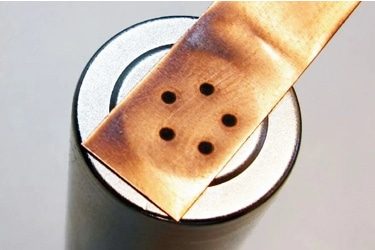
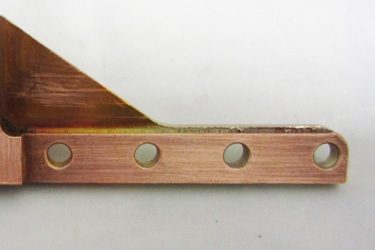
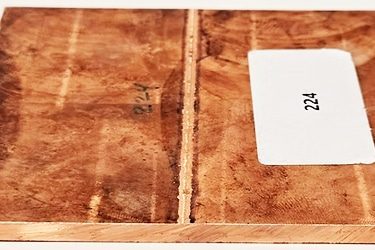
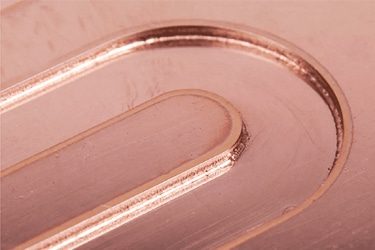
Applications of Laser Welding Copper
Customer Testimonials
Related Resources
How To Ensure Consistent Weld Quality In Laser Welding?
This article explores the key factors that ensure consistent weld quality in laser welding, including material preparation, process parameters, beam control, inspection, and maintenance.
How To Maintain Laser Welding Machines?
This article explains how to maintain laser welding machines, covering safety checks, optics, cooling, wire feeding, electrical systems, troubleshooting, maintenance schedules, and long-term care.
How To Choose Laser Welding Machines?
This article explains how to choose laser welding machines by evaluating materials, power, machine types, welding heads, safety, sample testing, total cost, and supplier support.
Laser Welding Spatter Guide
This article explores the causes, effects, welding defects, prevention techniques, and troubleshooting methods for laser welding spatter to improve weld quality and production stability.
Frequently Asked Questions
How Does Copper’s High Reflectivity Affect Laser Welding Efficiency?
- Low Initial Energy Absorption: At room temperature, copper reflects a very large percentage of incident laser energy, especially at common industrial laser wavelengths. For fiber lasers around 1 μm, polished copper can reflect well over 90% of the incoming beam during weld initiation. This means only a small fraction of the laser power is absorbed by the material, making it difficult to initiate melting and form a stable weld pool. As a result, higher laser power or higher power density is often required compared to steels.
- Wavelength Sensitivity and Laser Type: Copper’s reflectivity is wavelength-dependent. CO2 lasers (10.6 μm) are generally absorbed better by copper than near-infrared fiber lasers, but they still face efficiency limitations. Modern high-brightness fiber lasers can overcome some of these challenges by delivering extremely high power density, while emerging green and blue laser sources are specifically designed to improve copper absorption and welding efficiency.
- Unstable Weld Initiation: The transition from solid to molten copper causes a sudden change in absorption. Once the surface begins to melt, reflectivity drops sharply and absorption increases. This rapid change can lead to unstable energy coupling, resulting in spatter, excessive melt ejection, or inconsistent penetration at the start of the weld. These instabilities reduce process reliability and repeatability.
- Back-Reflection and Equipment Risk: High reflectivity increases the risk of laser back-reflection. Reflected energy can travel back into the optical system, potentially damaging fiber ends, collimators, or focusing lenses. This not only raises maintenance costs but also limits usable power levels unless back-reflection protection systems are installed.
- Reduced Process Efficiency: Because so much laser energy is reflected rather than absorbed, overall welding efficiency is lower. More electrical input power is required to achieve the same penetration depth compared to less reflective materials. This increases energy consumption and can reduce productivity, particularly in high-throughput manufacturing environments.
- Mitigation Strategies: To counter copper’s reflectivity, manufacturers use higher peak power, smaller focal spots, beam oscillation, or surface treatments that increase absorption. Preheating, use of filler wire, or welding copper alloys instead of pure copper can also improve efficiency. Advanced laser sources with shorter wavelengths significantly enhance absorption and stabilize the process.
How Does Copper’s Thermal Conductivity Influence Laser Weld Formation?
- Rapid Heat Dissipation from the Weld Zone: Copper conducts heat away from the laser interaction area extremely quickly. As soon as laser energy is absorbed at the surface, a large portion of that heat is rapidly transferred into the surrounding base material. This reduces the amount of thermal energy available to sustain a molten pool, making it harder to initiate melting and maintain stable weld formation, especially at the start of the weld.
- Higher Energy Demand for Melting and Penetration: Because heat is drawn away so efficiently, higher laser power or power density is required to reach and maintain copper’s melting temperature. Compared to carbon steel, copper often requires significantly more laser energy to achieve the same penetration depth. Without sufficient power density, welds remain shallow and operate in conduction mode rather than forming a deep, stable keyhole.
- Influence on Weld Pool Size and Shape: High thermal conductivity leads to a small and highly dynamic molten pool. Heat spreads laterally and downward faster than the laser can continuously replenish it, which limits pool width and depth. This results in narrow weld beads and makes the process sensitive to small changes in laser power, focus position, or travel speed.
- Keyhole Stability Challenges: Maintaining a stable keyhole in copper is difficult because rapid heat loss causes frequent keyhole collapse. When the keyhole becomes unstable, penetration depth fluctuates, and defects such as spatter, porosity, or inconsistent bead geometry may occur. This instability is more pronounced in thicker sections, where heat conduction away from the weld zone is even greater.
- Reduced Heat-Affected Zone: One positive effect of copper’s thermal conductivity is a relatively small heat-affected zone (HAZ). Heat does not remain localized long enough to significantly alter the surrounding microstructure. While this minimizes distortion and residual stress, it also contributes to the difficulty of achieving deep, consistent welds.
- Interaction with Reflectivity Effects: Copper’s high thermal conductivity works together with its high reflectivity to reduce welding efficiency. Even when absorption improves after melting begins, the absorbed energy is quickly dissipated, narrowing the process window and requiring precise control.
- Mitigation Strategies: To counter copper’s thermal conductivity, manufacturers use higher laser power, smaller spot sizes, slower travel speeds, or preheating to reduce heat loss. Advanced laser sources with improved absorption and beam oscillation techniques also help stabilize weld formation.
How Does Surface Condition Affect The Laser Welding Of Copper?
- Surface Reflectivity and Energy Absorption: Clean, polished copper surfaces reflect a very large portion of incident laser energy, especially at near-infrared wavelengths used by most fiber lasers. Highly reflective surfaces make weld initiation difficult and reduce process efficiency. In contrast, slightly roughened or oxidized surfaces absorb laser energy more effectively, allowing faster melt initiation and more stable weld formation. This is why surface condition has a greater impact on copper than on steel.
- Oxide Layers and Their Effects: Copper naturally forms oxide layers when exposed to air. Thin, uniform oxide films can actually improve laser absorption and help stabilize the start of welding. However, thick or uneven oxide layers can cause inconsistent absorption, leading to fluctuating penetration depth and unstable keyhole behavior. Oxides can also become trapped in the weld pool, forming inclusions that weaken the joint and reduce electrical or thermal conductivity.
- Contamination from Oils and Residues: Machining oils, grease, fingerprints, or cleaning residues strongly affect the laser welding of copper. These contaminants vaporize rapidly under laser heating, introducing gas into the molten pool and increasing the risk of porosity and spatter. Because copper weld pools are small and solidify quickly, trapped gases are more likely to remain in the weld metal if surfaces are not properly cleaned.
- Surface Roughness and Texture: Moderate, consistent surface roughness improves laser energy coupling by reducing reflectivity. Processes such as light brushing or controlled abrasion can enhance weld stability. However, excessive roughness is undesirable because it can trap contaminants, disrupt shielding gas flow, and lead to irregular melting or lack of fusion.
- Coatings and Plating: Any surface coatings, such as lacquers, paints, or plating layers, must be removed before laser welding copper. These materials interfere with energy absorption, contaminate the weld pool, and may generate hazardous fumes. In some specialized cases, thin absorptive coatings are intentionally applied to improve absorption, but these must be carefully controlled.
- Moisture Sensitivity: Moisture on copper surfaces contributes to hydrogen pickup in the weld pool, increasing porosity risk. Cleaned parts should be kept dry and welded promptly, especially in humid environments.
- Process Stability and Repeatability: Inconsistent surface condition leads to inconsistent weld results. Variations in oxidation, roughness, or cleanliness can cause sudden changes in penetration depth and keyhole stability, making the process difficult to control.
What Shielding Gases Are Commonly Used In Copper Laser Welding?
- Argon (Ar): Argon is the most commonly used shielding gas for laser welding copper. It is inert, widely available, and relatively economical. Argon provides effective protection against oxidation and is suitable for thin copper sheets and moderate laser power levels. For many standard applications, argon offers acceptable weld appearance and stability. However, argon has a relatively low ionization potential, which can allow plasma formation above the weld pool at higher laser powers, potentially reducing effective energy delivery.
- Helium (He): Helium is frequently preferred for high-power copper laser welding or when deeper penetration is required. Its high ionization potential significantly reduces plasma formation, allowing more laser energy to reach the copper surface. This is particularly beneficial for copper, where energy coupling is already limited by reflectivity. Helium also improves keyhole stability and penetration depth. The disadvantages are higher cost and the need for higher flow rates due to helium’s low density.
- Argon–Helium Mixtures: Mixtures of argon and helium are widely used to balance performance and cost. By adjusting the helium content, manufacturers can suppress plasma formation, improve penetration, and maintain reasonable gas consumption. These blends are common in industrial copper welding where consistent quality and process stability are required across varying thicknesses.
- Nitrogen (Limited and Cautious Use): Nitrogen is generally not recommended as a primary shielding gas for copper laser welding. While it is inexpensive and sometimes used as a backing gas, nitrogen can react at high temperatures and may influence weld metal properties. Its use is typically limited to non-critical applications or secondary shielding roles.
- Shielding Gas and Oxidation Control: Copper oxidizes readily at high temperatures, and even thin oxide layers can affect electrical and thermal conductivity. Proper shielding gas coverage is essential not only at the weld pool but also in the trailing area as the metal solidifies. Inadequate shielding leads to surface discoloration, oxide inclusions, and reduced joint performance.
- Gas Flow and Delivery Considerations: The effectiveness of shielding gas depends heavily on flow rate, nozzle design, and direction. Insufficient flow allows air ingress, while excessive flow can disturb the molten pool or draw in surrounding air. Laminar, well-directed shielding is especially important for copper due to its small, sensitive weld pool.
What Are The Most Common Defects In Laser-Welded Copper?
- Porosity: Porosity is one of the most common defects in laser-welded copper. It occurs when gases become trapped in the molten pool during rapid solidification. Surface contaminants such as oils, moisture, or oxides can release gas under laser heating. Because copper weld pools are small and cool quickly, there is limited time for bubbles to escape, leading to internal pores that reduce electrical conductivity and mechanical strength.
- Lack of Fusion: Lack of fusion happens when insufficient laser energy is absorbed to fully melt the joint interface. Copper’s high reflectivity at typical laser wavelengths makes this defect more likely, especially during weld initiation. Improper focus position, excessive welding speed, or poor joint fit-up further increase the risk, resulting in weak or incomplete bonding.
- Incomplete Penetration: Incomplete penetration is common in thicker copper sections or when the laser power density is too low. High thermal conductivity rapidly draws heat away from the weld zone, limiting penetration depth. This defect compromises joint strength and is critical in applications such as electrical connectors or heat exchangers.
- Keyhole Instability and Spatter: Unstable keyhole formation is a frequent issue in copper laser welding. Sudden changes in absorption as the surface transitions from solid to molten can cause keyhole collapse or violent metal ejection. This leads to spatter, irregular bead shape, and inconsistent penetration along the weld.
- Surface Oxidation and Discoloration: Copper oxidizes readily at high temperatures. Inadequate shielding gas coverage allows oxidation of the molten and solidifying weld metal, causing surface discoloration and oxide inclusions. While sometimes cosmetic, oxidation can significantly reduce electrical and thermal conductivity in functional components.
- Cracking (Less Common but Possible): Pure copper has high ductility, so cracking is less common than in many alloys. However, cracks may occur due to high residual stresses, impurities, or embrittlement from oxygen-rich copper grades. Rapid thermal cycling can aggravate these issues under restrained conditions.
- Excessive Undercut or Narrow Beads: Improper parameter balance can lead to undercut along the weld edges or excessively narrow beads. These defects act as stress concentrators and can reduce fatigue life, even if penetration appears sufficient.
- Back-Reflection-Related Damage Indicators: While not a weld defect in the joint itself, copper’s reflectivity can cause back-reflection damage to optics, indirectly leading to inconsistent weld quality and recurring defects.
What Joint Designs Are Best For Laser Welding Copper?
- Square Butt Joints: Square butt joints are generally the best and most widely used joint design for laser welding copper, particularly for thin to medium thickness materials. They allow direct laser access to the joint line and support efficient keyhole formation when sufficient power density is applied. Because laser welding copper tolerates very little gap, precise edge preparation and tight fit-up are essential. When properly aligned, square butt joints produce narrow, clean welds with minimal distortion.
- Lap Joints: Lap joints are well-suited for thin copper sheets and applications where welding from one side is required. The overlapping geometry increases the effective material thickness in the weld zone, which helps retain heat and stabilize the molten pool. This can partially offset copper’s rapid heat dissipation. However, lap joints can trap contaminants or gases between layers if surfaces are not clean, so careful preparation and adequate venting are important.
- Edge Joints: Edge joints are commonly used in thin copper components such as battery tabs, foils, and electrical connectors. Laser welding works well in these applications due to its precision and low heat input. Edge joints require excellent alignment and are generally limited to low-load or electrical applications, as their mechanical strength is lower than that of butt or lap joints.
- T-Joints: T-joints are more challenging for laser welding copper because of the complex heat flow and difficulty maintaining a stable keyhole at the intersection. They can be welded successfully with precise beam positioning, often slightly offset toward the thicker section. In some cases, filler wire or beam oscillation is used to improve fusion and reduce lack-of-fusion defects.
- Corner Joints: Corner joints are used in box or enclosure structures made from copper sheet. Laser welding can produce clean corner joints when fixturing is accurate and heat input is carefully controlled. These joints benefit from copper’s ductility but still require a tight fit-up to avoid penetration inconsistencies.
- Joint Designs with Minimal Gaps: Across all joint types, minimal gap tolerance is critical. Laser welding copper has a very limited ability to bridge gaps due to the small molten pool and rapid heat loss. Designs should avoid wide gaps, large bevels, or complex grooves, which increase the risk of lack of fusion and unstable weld formation.
- Avoidance of Complex Grooves: V-grooves and U-grooves are generally unsuitable for laser welding copper unless combined with hybrid welding techniques. Copper’s thermal conductivity makes it difficult to fill large grooves with laser energy alone.
Can Filler Wire Be Used In Laser Welding Copper?
- Autogenous Laser Welding of Copper: In thin copper sheets, foils, and precision electrical components, laser welding is frequently performed without filler wire. This approach relies on excellent joint fit-up and high power density to overcome copper’s high reflectivity and thermal conductivity. Autogenous welding offers maximum speed, minimal heat input, and very narrow welds, which is ideal for applications such as battery tabs and electronic connectors.
- When Filler Wire Is Advantageous: Filler wire is commonly used when joint gaps are difficult to control, when welding thicker copper sections, or when improved bead geometry is required. Laser welding has limited gap-bridging capability, especially in copper, where the molten pool is small and short-lived. Introducing filler wire helps bridge gaps and prevents underfill or lack of fusion in butt joints, T-joints, and corner joints.
- Improved Process Stability: Adding filler wire can stabilize the weld pool by increasing molten metal volume and moderating rapid heat loss. The wire absorbs part of the laser energy, which can improve energy coupling during weld initiation. This is particularly useful for copper, where initial absorption is poor, and weld start instability is common.
- Control of Weld Metal Properties: Filler wire allows control over weld metal chemistry and properties. Pure copper filler or alloyed copper wire can be selected to improve mechanical strength, electrical conductivity, or resistance to cracking. In some applications, alloyed filler wires are used to slightly modify weld behavior and reduce sensitivity to defects.
- Reduction of Defects: Using filler wire can reduce common copper welding defects such as undercut, lack of fusion, and excessively narrow beads. By enlarging and stabilizing the molten pool, filler wire helps achieve smoother bead profiles and more consistent penetration, especially in thicker materials.
- Equipment and Process Considerations: Laser welding with filler wire requires additional equipment, including a precise wire feeding system and careful synchronization between wire feed rate, laser power, and travel speed. Incorrect wire positioning or feeding can cause spatter, incomplete melting of the wire, or process instability. As a result, process optimization is essential.
- Hybrid Welding Applications: In thicker copper components, laser welding is sometimes combined with arc welding in a hybrid process. In these cases, filler wire is essential and provides excellent gap tolerance and deposition rate while maintaining laser precision.
Why Is The Heat-Affected Zone Small In Copper Laser Welding?
- Highly Concentrated Laser Energy: Laser welding delivers energy in a very small, focused spot with extremely high power density. This allows copper to reach melting or vaporization temperatures almost instantaneously at the joint line, without heating a large surrounding area. Because the energy is tightly localized, only a narrow region adjacent to the weld experiences significant thermal exposure, resulting in a small HAZ.
- Short Interaction Time: In laser welding, the laser beam interacts with any given point on the copper surface for a very short time due to high welding speeds. This brief exposure limits the time available for heat to conduct into the surrounding base material. Even though copper conducts heat very efficiently, the short dwell time prevents widespread temperature rise beyond the immediate weld zone.
- High Thermal Conductivity of Copper: Copper’s extremely high thermal conductivity plays a dual role. While it makes weld initiation and penetration more challenging, it also rapidly removes heat from the weld area once the laser passes. Heat does not remain concentrated long enough to significantly alter the microstructure of the surrounding material. This rapid heat dissipation confines thermal effects close to the fusion zone, keeping the HAZ narrow.
- Low Total Heat Input: Although peak temperatures in the weld zone are very high, the total heat input per unit length is relatively low compared to arc welding processes. Laser welding achieves fusion efficiently without sustained heating. Lower overall heat input directly translates into reduced thermal diffusion and a smaller HAZ.
- Efficient Keyhole Welding Mechanism: When keyhole welding is achieved in copper, laser energy is delivered deep into the material rather than spread across the surface. This allows deep penetration with minimal lateral heat flow. Energy is used primarily for melting and vaporization within the keyhole, not for heating adjacent material.
- Minimal Microstructural Change Outside the Weld: Because the HAZ is narrow, grain growth, softening, or recrystallization in copper is limited to a very small region near the fusion boundary. This helps preserve the base material’s original electrical conductivity, thermal conductivity, and mechanical properties.
- Precise Process Control: Modern laser welding systems allow precise control of power, focus, and travel speed. This precision prevents excessive overheating and further restricts heat spread, reinforcing the small HAZ characteristic.