

Introduction
Advantages of Laser Marking Glass
Permanent and Durable Markings
Laser marking creates permanent marks directly on the glass surface, ensuring long-lasting durability. These marks resist fading, scratching, and chemical exposure, making them ideal for product identification, branding, and traceability throughout the entire product lifecycle.
High Precision and Fine Detail
Laser technology enables extremely precise markings on glass surfaces. It can produce fine text, intricate logos, serial numbers, barcodes, and QR codes with excellent clarity, making it suitable for industries that require detailed and accurate product identification.
Non-Contact Processing
Laser marking is a non-contact process, meaning the laser beam does not physically touch the glass surface. This reduces the risk of surface damage, deformation, or contamination, making it ideal for fragile glass components and delicate glass products.
Clean and Environmentally Friendly Process
Unlike traditional marking methods that use inks, solvents, or chemicals, laser marking is a clean process. It produces minimal waste and eliminates the need for consumables, helping manufacturers maintain environmentally friendly and efficient production environments.
Versatility for Different Glass Types
Laser marking systems can mark a wide variety of glass materials, including soda-lime glass, borosilicate glass, tempered glass, and coated glass. Different laser types allow manufacturers to achieve optimal marking results across multiple glass applications.
High Efficiency and Automation Compatibility
Laser marking machines operate at high speeds and integrate easily with automated production lines. This allows manufacturers to mark large volumes of glass products quickly while maintaining consistent quality and improving overall production efficiency.
Compatible Materials
- Soda-Lime Glass
- Borosilicate Glass
- Tempered Glass
- Annealed Glass
- Fused Silica Glass
- Quartz Glass
- Lead Glass
- Crystal Glass
- Optical Glass
- Aluminosilicate Glass
- Low-Iron Glass
- Float Glass
- Colored Glass
- Frosted Glass
- Coated Glass
- Laminated Glass
- Heat-Strengthened Glass
- Chemically Strengthened Glass
- Gorilla Glass
- Display Glass
- Touchscreen Glass
- Photovoltaic (Solar) Glass
- Laboratory Glass
- Medical Glass
- Pharmaceutical Glass
- Container Glass
- Packaging Glass
- Bottle Glass
- Flat Glass
- Patterned Glass
- Mirror Glass
- Anti-Reflective Glass
- Low-E Glass
- Smart Glass
- Safety Glass
- Decorative Glass
- Art Glass
- Fiber Optic Glass
- Glass-Ceramic Materials
- Technical Glass
Laser Marking VS Other Marking Methods
| Comparison Item | Laser Marking | Screen Printing | Pad Printing | Digital Printing |
|---|---|---|---|---|
| Marking Method | Uses a focused laser beam to etch or modify the glass surface | Ink is pushed through a mesh screen onto the glass surface | Ink is transferred from an etched plate using a silicone pad | Ink is applied directly onto the surface using digital printers |
| Contact with Surface | Non-contact process | Contact process | Contact process | Contact process |
| Durability of Marks | Permanent and highly resistant to wear, heat, and chemicals | Moderate durability; ink may fade or peel over time | Moderate durability depending on ink quality | Lower durability; prints may wear with use |
| Use of Consumables | No inks, solvents, or consumables required | Requires inks, screens, and cleaning chemicals | Requires inks, pads, and plates | Requires ink cartridges and maintenance fluids |
| Environmental Impact | Clean and environmentally friendly process | Uses chemicals and inks that generate waste | Uses inks and solvents that require disposal | Ink waste and cartridges may impact the environment |
| Precision and Detail | Extremely high precision for fine text and codes | Good detail, but limited by screen resolution | Suitable for small graphics but limited detail | High-resolution images possible |
| Suitability for Barcodes/QR Codes | Excellent for machine-readable codes | Possible but limited by ink quality | Possible but less precise for small codes | Good for high-resolution codes |
| Surface Compatibility | Works well on flat or curved glass surfaces | Best suited for flat surfaces | Suitable for curved or irregular surfaces | Mostly suitable for flat surfaces |
| Setup Time | Minimal setup with digital design input | Longer setup due to screen preparation | Requires plate and pad preparation | Minimal setup time |
| Production Speed | High-speed marking suitable for automation | Moderate production speed | Moderate speed depending on the process | Fast for small batch printing |
| Maintenance Requirements | Low maintenance with few wear parts | Requires frequent screen cleaning | Pads and plates require replacement | Requires printer and ink system maintenance |
| Marking Consistency | Highly consistent due to digital laser control | Consistency depends on ink flow and screen quality | May vary with pad wear and pressure | Good consistency, but it depends on printer calibration |
| Long-Term Operating Cost | Low operating cost with minimal consumables | Ongoing cost for inks, screens, and solvents | Ongoing cost for inks and pad replacement | Continuous cost for ink cartridges |
| Material Stress Risk | Very low due to non-contact marking | Low risk, but ink adhesion may vary | Slight pressure applied to the surface | Low risk but may require surface preparation |
| Traceability and Industrial Use | Ideal for permanent industrial traceability | Limited durability for long-term traceability | Suitable for product labeling | Often used for decorative or temporary markings |
Laser Marking Capacity
| Item | Engraving | Annealing | Etching | Foaming | Deep Marking | Color Marking | QR Code Marking | Photo Marking |
|---|---|---|---|---|---|---|---|---|
| Ceramics | Yes | Yes | Yes | No | Yes | No | Yes | Yes |
| Glass | No | Yes | Yes | No | No | Yes | Yes | Yes |
| Leather | Yes | No | Yes | Yes | No | No | Yes | Yes |
| Stainless Steel | Yes | Yes | Yes | No | Yes | Yes | Yes | Yes |
| Carbon Steel | Yes | Yes | Yes | No | Yes | Yes | Yes | Yes |
| Aluminum | Yes | Yes | Yes | No | Yes | Yes | Yes | Yes |
| Titanium | Yes | Yes | Yes | No | Yes | Yes | Yes | Yes |
| ABS | Yes | No | Yes | Yes | No | No | Yes | Yes |
| Acrylic | Yes | No | Yes | Yes | No | No | Yes | Yes |
| Polycarbonate | Yes | No | Yes | Yes | No | No | Yes | Yes |
| Rubber | Yes | No | Yes | Yes | No | No | Yes | Yes |
| Marble | Yes | No | Yes | No | No | No | Yes | Yes |
| Granite | Yes | No | Yes | No | No | No | Yes | Yes |
| Wood | Yes | No | Yes | Yes | No | Yes | Yes | Yes |
| MDF | Yes | No | Yes | Yes | No | Yes | Yes | Yes |
| Paper | Yes | No | Yes | Yes | No | No | Yes | Yes |
| Cardboard | Yes | No | Yes | Yes | No | No | Yes | Yes |
| Textile | Yes | No | Yes | Yes | No | No | Yes | Yes |
| Ceramic-Coated Metal | Yes | Yes | Yes | No | Yes | Yes | Yes | Yes |
| Anodized Aluminum | Yes | Yes | Yes | No | Yes | Yes | Yes | Yes |
| Composite Materials | Yes | No | Yes | Yes | No | No | Yes | Yes |
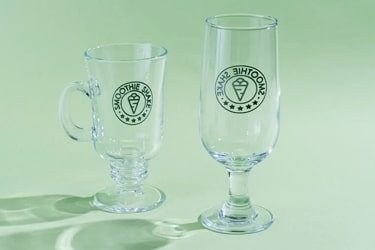
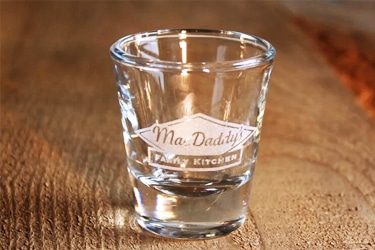
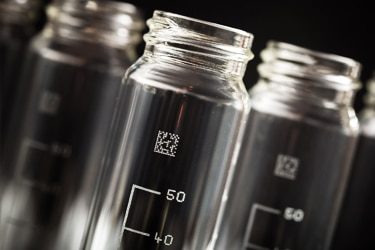
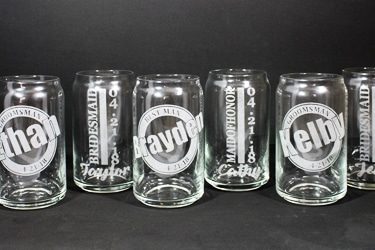
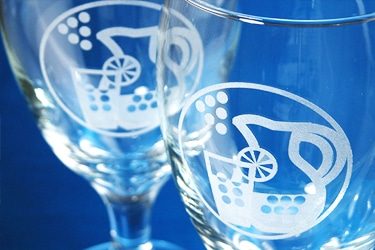
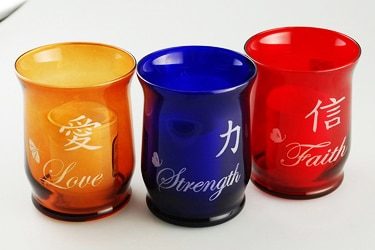
Applications of Laser Marking Glass
Customer Testimonials
Related Resources
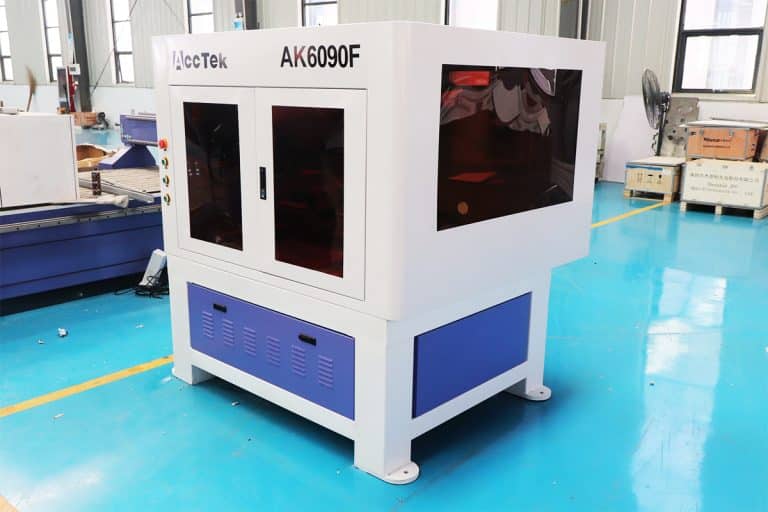
What Are The Design Limitations Of Laser Marking
This article explores the key design limitations of laser marking, including material compatibility, resolution, durability, cost, and integration challenges, with insights on optimizing performance in real-world applications.
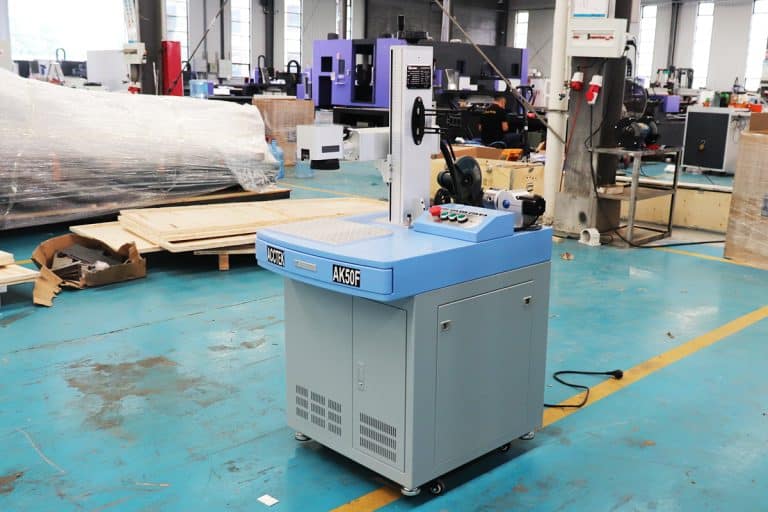
What Is The Cost Of Laser Marking Machines
This article explores what determines the cost of laser marking machines, including laser type, power, automation, accessories, hidden expenses, and total cost of ownership factors.
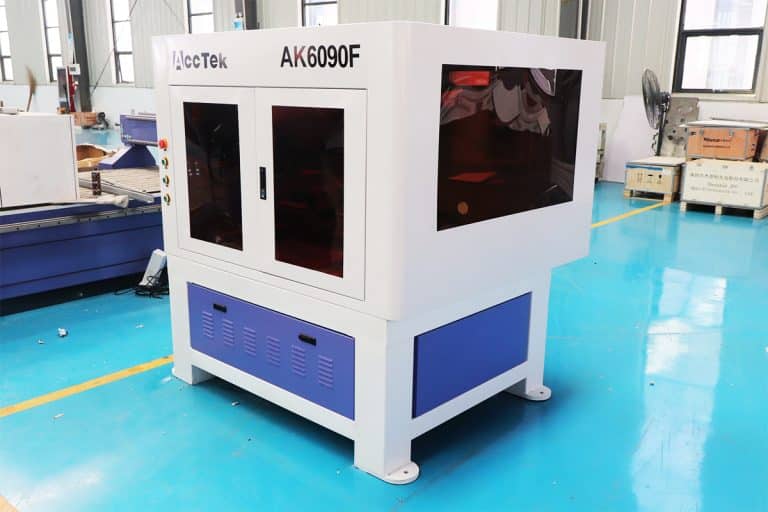
Can Lasers Be Used For Marking On Curved or Irregular Surfaces
This article explores the advantages and disadvantages of laser marking, including how it works, key technologies, applications, costs, and factors that determine when it is the right marking solution.
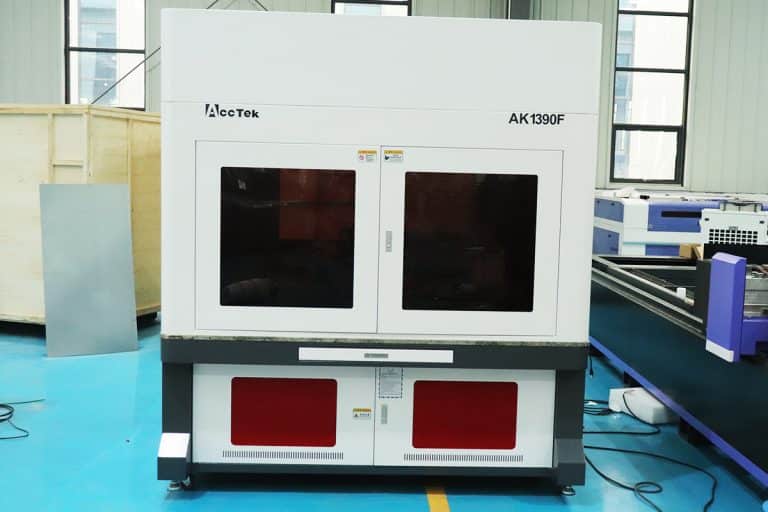
What Types of Laser Marking Machines Are There
This article explains the main types of laser marking machines, covering laser sources, marking methods, materials, applications, and how to choose the right system for production needs.
Frequently Asked Questions
How Does Laser Marking Work on Glass?
- How the Process Works: When a laser beam, most commonly from a CO2 laser, is directed onto glass, the material absorbs part of the energy and converts it into heat. This rapid, localized heating causes the surface to expand slightly. As the heat dissipates, the glass contracts, creating tiny fractures or micro-cracks on the surface. These micro-fractures scatter light, producing a frosted or white appearance that forms the visible mark.
- Surface Interaction and Mark Formation: Unlike metals or plastics, glass does not melt cleanly under a laser. Instead, the marking effect comes from controlled stress within the surface layer. The result is usually a matte, frosted finish rather than a deep engraving. The depth is minimal, but the contrast is sufficient for decorative designs, logos, or text.
- Laser Settings and Control: Power, speed, and focus must be carefully adjusted to avoid excessive stress. Too much energy can lead to large cracks or even shattering, while too little produces faint or inconsistent marks. A slightly defocused beam is often used to spread the energy more evenly and reduce the risk of damage.
- Types of Glass and Their Behavior: Different types of glass respond differently. Soda-lime glass (common in bottles and windows) marks relatively well. Borosilicate glass (such as laboratory glassware) is more resistant to thermal shock and may require different settings. Tempered glass is particularly challenging because internal stresses can cause it to shatter during marking.
- Use of Coatings or Additives: In some cases, coatings or marking compounds are applied to improve contrast or reduce surface damage. These materials can bond to the glass during laser exposure, creating darker and more defined marks.
How Does Glass Composition Affect Laser Marking Results?
- Energy Absorption and Wavelength Interaction: The chemical makeup of glass affects how well it absorbs laser energy. Standard soda-lime glass, which contains silica, sodium oxide, and calcium oxide, generally absorbs CO2 laser wavelengths effectively, producing clear frosted marks. In contrast, borosilicate glass, which includes boron oxide, has lower thermal expansion and different absorption characteristics. This makes it more resistant to marking and often requires adjusted settings to achieve visible results.
- Thermal Expansion and Stress Response: Glass composition influences how the material expands and contracts when heated. Soda-lime glass has a higher thermal expansion rate, making it more prone to stress and micro-fracturing during marking. This can enhance the frosted effect, but also increases the risk of cracking if not controlled. Borosilicate glass, with its lower expansion rate, is more resistant to thermal shock, reducing the risk of damage but also making marks less pronounced.
- Internal Structure and Strength: Tempered glass presents a unique challenge due to its internal stress profile. It is designed to be strong but can shatter completely when its surface is disturbed by laser-induced stress. As a result, it is generally not suitable for laser marking. Other specialty glasses, such as lead glass or fused silica, also respond differently depending on their internal structure and composition.
- Additives and Coatings: Glass may contain additives or surface coatings that affect marking results. Colored glass often absorbs more energy, improving contrast. Coatings, such as reflective or protective layers, can either enhance or hinder marking depending on how they interact with the laser. In some cases, coatings may need to be removed or modified during the process.
- Surface Finish and Clarity: Highly polished or transparent glass may produce less visible marks because light passes through rather than scattering. A composition that promotes micro-fracturing helps create better contrast by diffusing light at the surface.
What Are The Challenges In Laser Marking Glass?
- Risk of Cracking and Breakage: Glass is highly sensitive to rapid temperature changes. When a laser heats a small area, the surrounding cooler material creates internal stress. This can lead to micro-cracks or, in severe cases, full breakage. The risk is higher with improper power settings, slow speeds, or uneven heat distribution. Tempered glass is especially problematic because internal stresses can cause it to shatter completely during marking.
- Limited Control Over Mark Depth: Unlike metals or plastics, glass cannot be deeply engraved in a controlled way. The marking effect relies on surface micro-fracturing rather than material removal. Attempts to increase depth often result in larger cracks or surface damage, limiting the process to shallow, surface-level markings.
- Inconsistent Results Across Glass Types: Different glass compositions react differently to laser energy. Soda-lime glass, borosilicate glass, and specialty glasses all have unique thermal and optical properties. This variability makes it difficult to use a single set of parameters, requiring frequent testing and adjustments.
- Low Contrast on Clear Surfaces: Clear or highly transparent glass can produce low-visibility marks because light passes through rather than scattering. The frosted effect created by the laser may appear subtle, especially under certain lighting conditions. Achieving a strong contrast often requires precise parameter tuning or the use of marking compounds.
- Surface Chipping and Roughness: Instead of smooth, clean marks, the surface may develop rough or uneven textures due to uncontrolled fracturing. This can reduce visual quality and make fine details harder to achieve. Over-processing increases this risk.
- Heat-Affected Zone (HAZ): Heat can spread beyond the intended marking area, causing unwanted haze or discoloration around the mark. This reduces edge sharpness and overall clarity.
- Need for Precise Parameter Control: Small changes in power, speed, or focus can significantly affect the outcome. This sensitivity makes the process less forgiving and more dependent on operator experience.
What Role Does Glass Thickness Play In Laser Marking Quality?
- Heat Distribution and Thermal Stability: Thicker glass can absorb and distribute heat more gradually than thin glass. This reduces the intensity of localized thermal stress, making thicker material less prone to sudden cracking or breakage during marking. In contrast, thin glass heats up and cools down quickly, which increases the risk of stress fractures or warping. As a result, thicker glass generally offers more stable and predictable marking conditions.
- Risk of Cracking and Breakage: Thin glass is more fragile under laser exposure. Because it cannot dissipate heat effectively, even moderate laser energy can create stress that leads to cracks or complete failure. Thicker glass, with its greater mass, can better withstand thermal gradients, reducing the likelihood of damage when proper settings are used.
- Mark Visibility and Contrast: Glass thickness can also affect how visible the mark appears. On thicker glass, the frosted or etched mark tends to scatter light more effectively, which can improve contrast and readability. Thin glass may produce marks that appear lighter or less distinct, especially when viewed under certain lighting conditions.
- Focus and Beam Interaction: Maintaining proper focus is important regardless of thickness, but thicker glass provides a more forgiving surface for slight variations in focus. Thin glass requires more precise control because small deviations can lead to uneven marking or inconsistent results.
- Support and Handling Considerations: Thin glass often requires additional support during marking to prevent vibration or movement, which can affect precision. Thicker glass is generally more stable and easier to handle, contributing to more consistent marking quality.
- Parameter Adjustments: Different thicknesses may require adjustments in power and speed. Thin glass typically needs lower power and faster speeds to minimize heat buildup, while thicker glass can tolerate slightly higher energy input for clearer marks.
How Is Depth Controlled In Laser Marking Glass?
- Laser Power and Energy Input: Power is a primary factor in influencing how much the glass surface is affected. Higher power increases the intensity of thermal stress, which can create slightly deeper micro-fractures. However, unlike other materials, increasing power too much does not produce clean depth. Instead, it leads to uncontrolled cracking or surface damage. Therefore, power must be kept within a narrow range to maintain surface-level marking.
- Marking Speed: Speed determines how long the laser interacts with a specific area. Slower speeds allow more heat to build up, increasing the extent of surface disruption and slightly increasing depth. Faster speeds reduce exposure time, resulting in lighter and more superficial marks. Balancing speed with power is essential to control how pronounced the marking appears.
- Number of Passes: Depth can be adjusted by using multiple passes rather than a single high-energy pass. Each pass adds a small amount of surface modification, gradually increasing the perceived depth. This method provides better control and reduces the risk of large cracks compared to applying excessive energy in one pass.
- Focus and Beam Adjustment: A sharply focused beam concentrates energy in a small area, increasing the intensity of the interaction and slightly enhancing depth. In some cases, a slightly defocused beam is used to spread the energy and reduce stress, which limits depth but improves surface quality. Adjusting focus allows operators to balance depth and safety.
- Material Type and Thickness: Different types of glass respond differently. Soda-lime glass may show more pronounced surface effects, while borosilicate glass resists deeper marking. Thicker glass can tolerate slightly more aggressive settings, allowing better control over surface depth without breaking.
How Is Contrast Optimized On Laser-Marked Glass?
- Control of Laser Power and Speed: The balance between power and speed is the most important factor. Higher power or slower speeds increase thermal stress, producing more pronounced micro-fractures that enhance the frosted appearance. This improves contrast by scattering light more effectively. However, excessive energy can cause large cracks or rough surfaces, which reduce clarity. Lower power or faster speeds may result in faint marks that are difficult to see. Fine-tuning this balance is key to achieving strong but controlled contrast.
- Focus and Beam Adjustment: A properly focused beam produces sharper and more defined marks, which improves perceived contrast. In some cases, slightly defocusing the beam helps spread the energy over a wider area, creating a more uniform frosted effect. This can enhance visibility, especially for larger designs.
- Material Type and Surface Finish: Different types of glass respond differently. Soda-lime glass typically produces better contrast than borosilicate glass due to its higher thermal expansion and stronger surface reaction. Surface finish also matters. Smooth, polished glass may produce subtle marks, while textured or coated surfaces can enhance visibility.
- Use of Multiple Passes: Running multiple passes can gradually increase the intensity of the frosted effect, improving contrast without applying excessive energy in a single pass. This approach provides better control and reduces the risk of damage.
- Application of Marking Compounds: For applications requiring high contrast, marking compounds or sprays can be applied before laser processing. These materials bond to the glass when exposed to the laser, creating darker, more visible marks compared to the typical white frosted effect.
- Lighting and Viewing Conditions: Contrast on glass is also influenced by how light interacts with the surface. Marks may appear more visible under certain lighting angles. Designing marks with this in mind can improve readability in real-world use.
What Are The Common Defects In Laser Marking Glass?
- Cracking and Fractures: The most common defect is cracking. Because glass expands when heated and contracts when cooled, rapid temperature changes can create internal stress. If the stress exceeds the material’s strength, visible cracks or even complete breakage can occur. This is especially common with high power settings, slow speeds, or uneven heat distribution.
- Micro-Cracking (Excessive Frosting): While controlled micro-cracks create the desired frosted effect, excessive micro-cracking can lead to a rough, overly grainy surface. This reduces clarity and makes fine details look blurred or uneven. It often results from too much energy being applied in a single pass.
- Chipping and Edge Damage: Chipping occurs when small pieces of glass break away from the surface during marking. This can create jagged edges and reduce the precision of the design. It is usually caused by excessive thermal stress or poor focus.
- Low or Uneven Contrast: Glass is naturally transparent, so achieving consistent contrast can be difficult. Some areas may appear more visible than others due to uneven energy distribution or variations in the glass surface. This results in patchy or inconsistent markings.
- Surface Haze Beyond the Mark Area: Heat can spread beyond the intended marking zone, creating a hazy or cloudy area around the design. This heat-affected zone reduces edge sharpness and can make the mark look less defined.
- Distortion of Fine Details: If the laser parameters are not optimized, fine lines and small features may become distorted or merged. Excessive heat can cause the marking area to expand slightly, reducing the accuracy.
- Breakage of Tempered Glass: Tempered glass is particularly prone to catastrophic failure during laser marking. The internal stresses within the material can be released by localized heating, causing the entire piece to shatter.
What PPE Is Required For Laser Marking Glass?
- Laser Safety Eyewear: Protective eyewear is the most critical PPE. Laser safety glasses must be matched to the specific wavelength of the laser (such as CO2 lasers at 10.6 µm). These glasses protect the eyes from direct or reflected laser exposure, which can cause permanent damage. Even diffuse reflections from glass surfaces can pose a risk, especially with higher-powered systems.
- Eye and Face Protection from Debris: Because glass is brittle, laser marking can cause chipping or micro-fractures that release small particles. Safety goggles or a face shield provide additional protection against flying debris. This is particularly important in open systems or when working with thin or stressed glass.
- Respiratory Protection: Laser marking glass can generate fine dust and fumes, especially if coatings, paints, or contaminants are present on the surface. Proper ventilation or fume extraction systems are essential, but in some cases, respirators or dust masks may be required to prevent inhalation of harmful particles.
- Protective Clothing: Operators should wear non-flammable, close-fitting clothing to minimize exposure to heat and debris. Loose clothing should be avoided, as it may interfere with equipment or catch particles. Long sleeves can provide additional protection against minor fragments.
- Gloves and Heat Protection: Glass can become hot during and after marking. Heat-resistant gloves are useful when handling recently marked pieces to prevent burns. Cut-resistant gloves may also be beneficial when handling glass to reduce the risk of injury from sharp edges or breakage.
- Hearing Protection (If Applicable): While laser marking itself is usually quiet, associated equipment such as extraction systems may produce noise. In industrial environments, hearing protection may be necessary.
- Workplace Safety Measures: In addition to PPE, enclosed laser marking systems, interlocks, and proper training are essential. These controls help minimize exposure to hazards and reduce reliance on personal protection alone.