

Introduction
Materials Suitable for Laser Cleaning

Key Advantages of Laser Cleaning
Non-Contact and Damage-Free Process
Laser cleaning is a non-contact method, meaning there is no physical abrasion or tool wear. This eliminates the risk of scratching, deformation, or micro-cracks, making it ideal for delicate, high-precision, or high-value surfaces.
High Precision and Selectivity
The laser can be precisely controlled to remove only the unwanted contamination layer while leaving the base material intact. This selectivity allows for consistent results, even on complex geometries or components with tight tolerances.
Environmentally Friendly Technology
Laser cleaning requires no chemicals, solvents, or abrasive media. It produces minimal waste and emissions, significantly reducing environmental impact and eliminating the need for hazardous material handling, disposal, or regulatory compliance associated with traditional cleaning methods.
Low Operating and Maintenance Costs
Although the initial investment may be higher, laser cleaning systems have low ongoing costs. There are no consumables to replace, minimal maintenance requirements, and reduced downtime, resulting in long-term cost savings for industrial operations.
High Automation and Process Efficiency
Laser cleaning systems can be easily integrated into automated production lines or robotic systems. This enables fast, repeatable, and scalable cleaning processes, improving productivity and ensuring consistent quality across large production volumes.
Versatility Across Materials and Applications
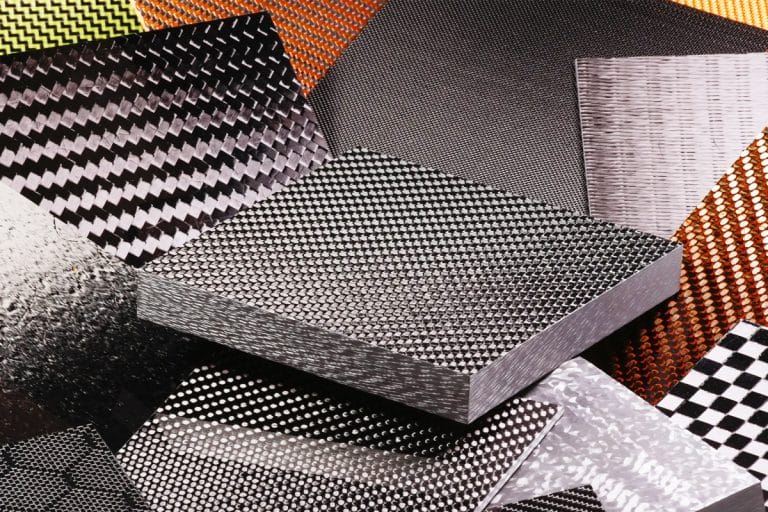
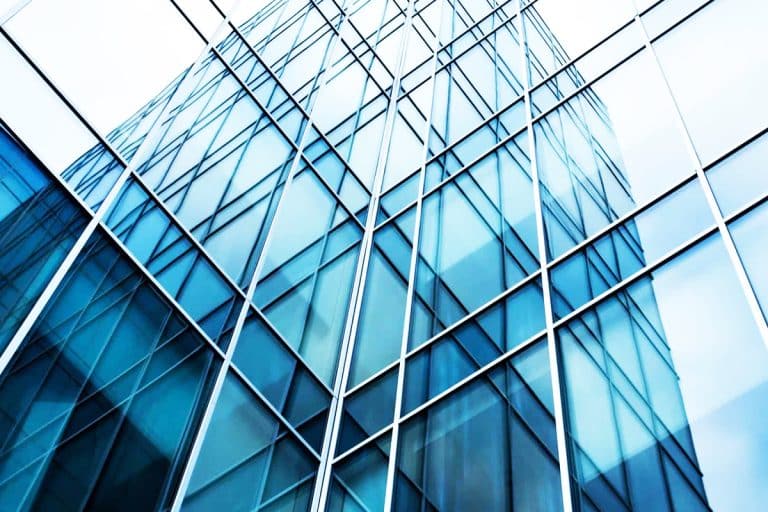
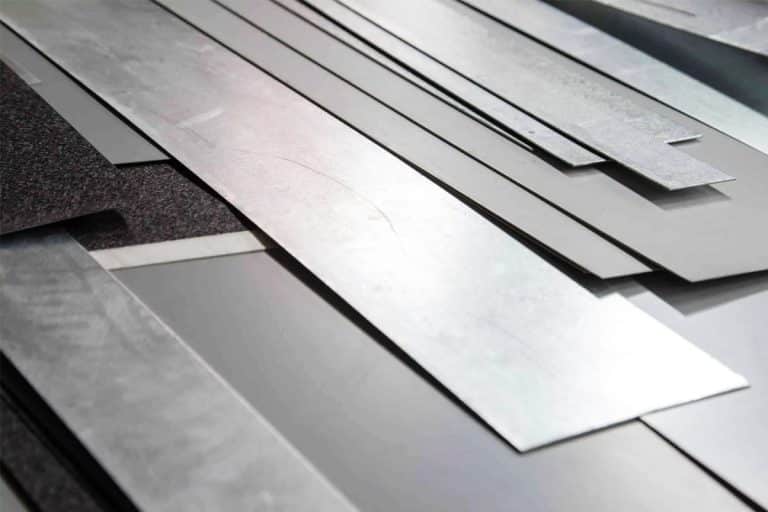
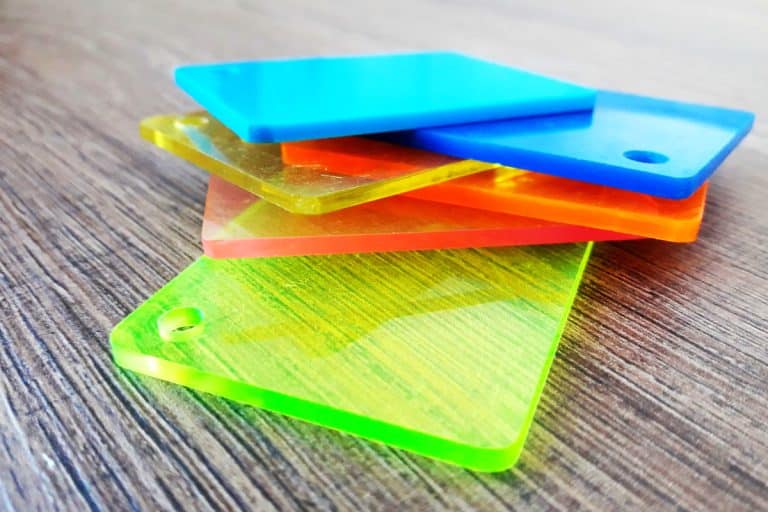
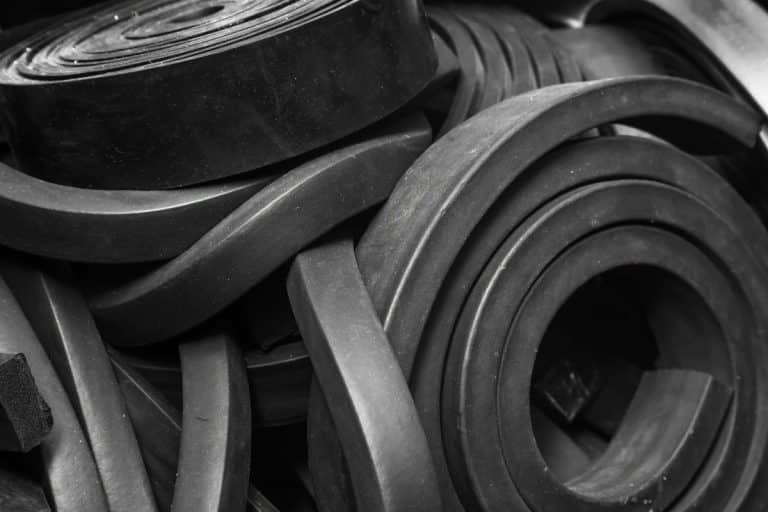
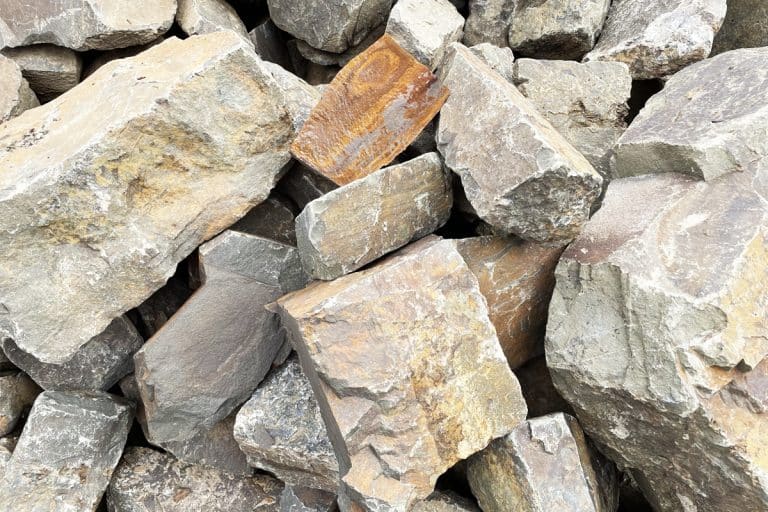
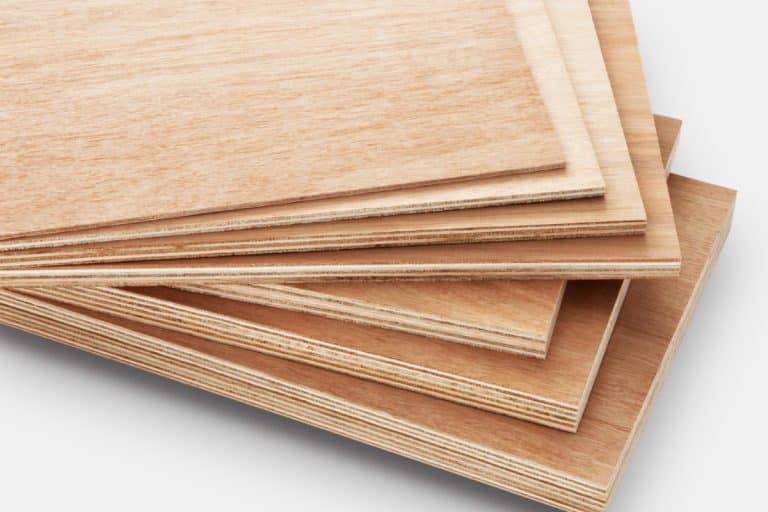
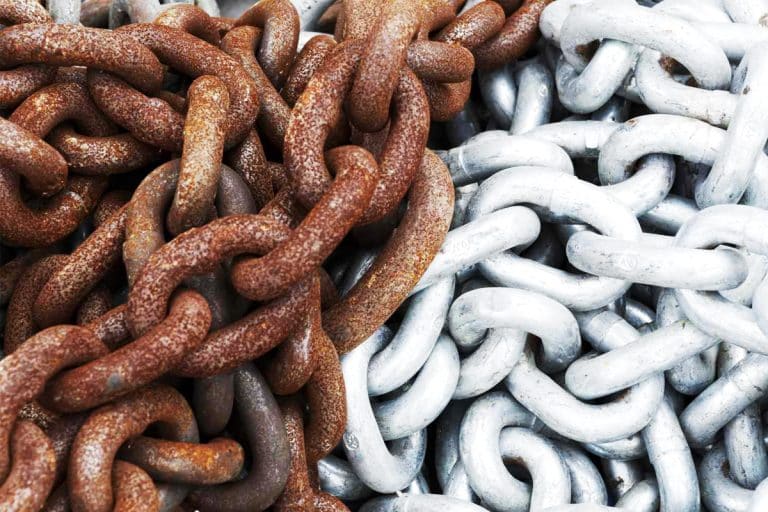
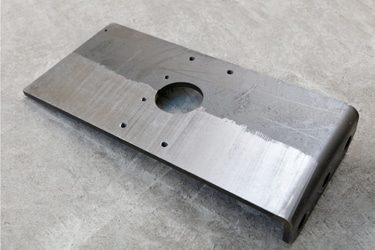
Laser cleaning is suitable for a wide range of materials, including metals, stone, composites, and certain polymers. It is used for rust removal, paint stripping, weld preparation, mold cleaning, and surface treatment across many industries.
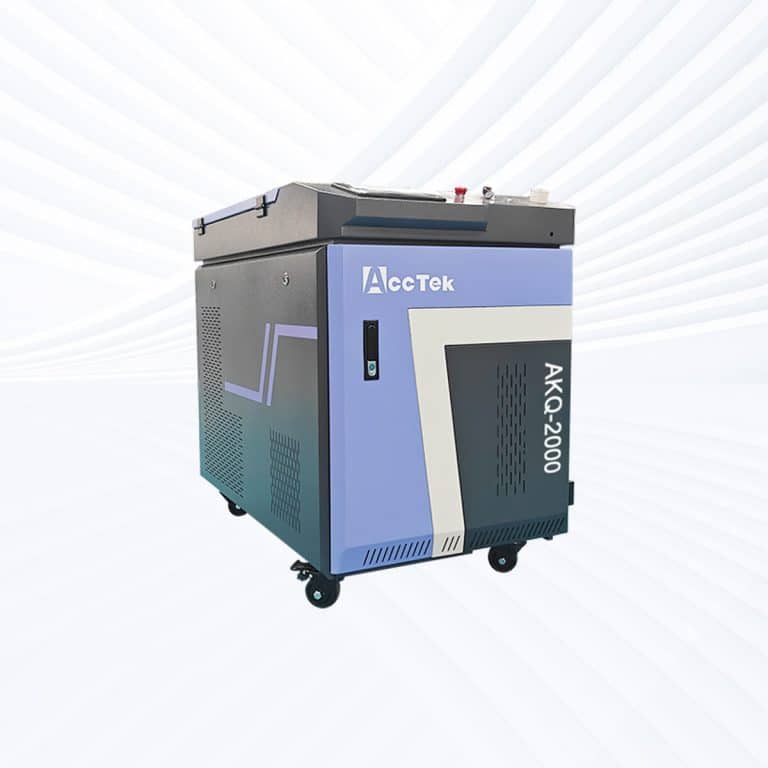
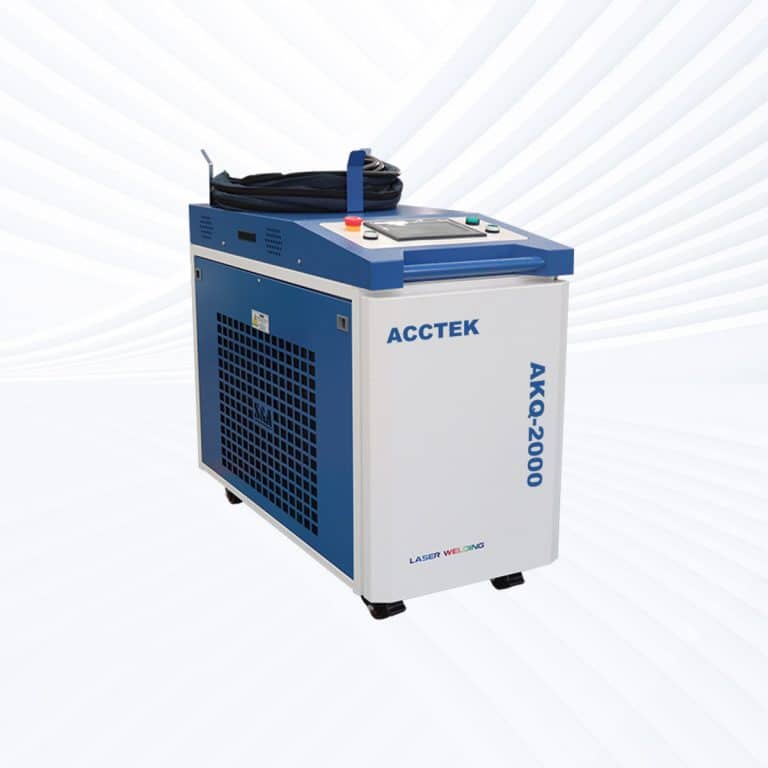
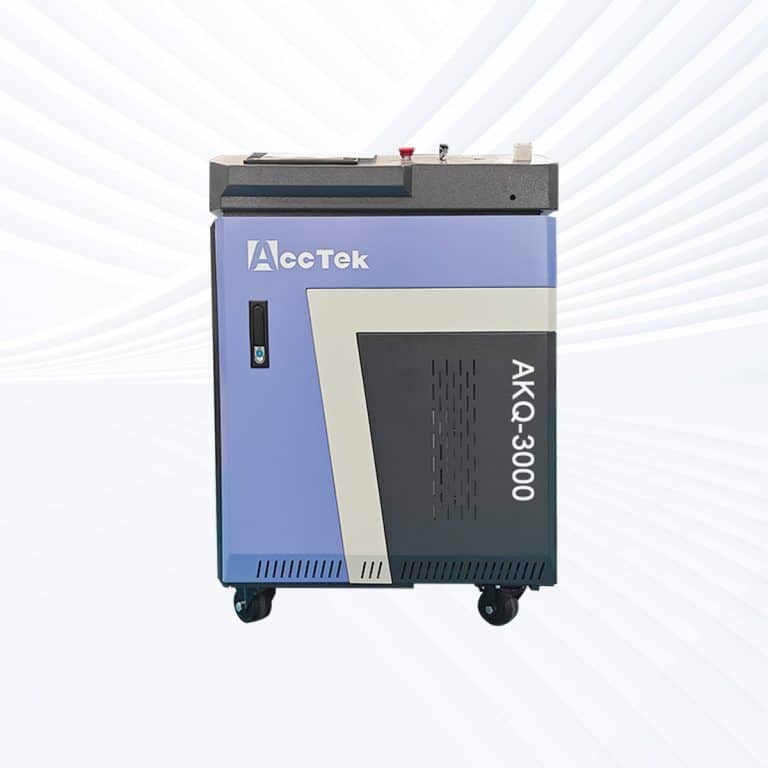
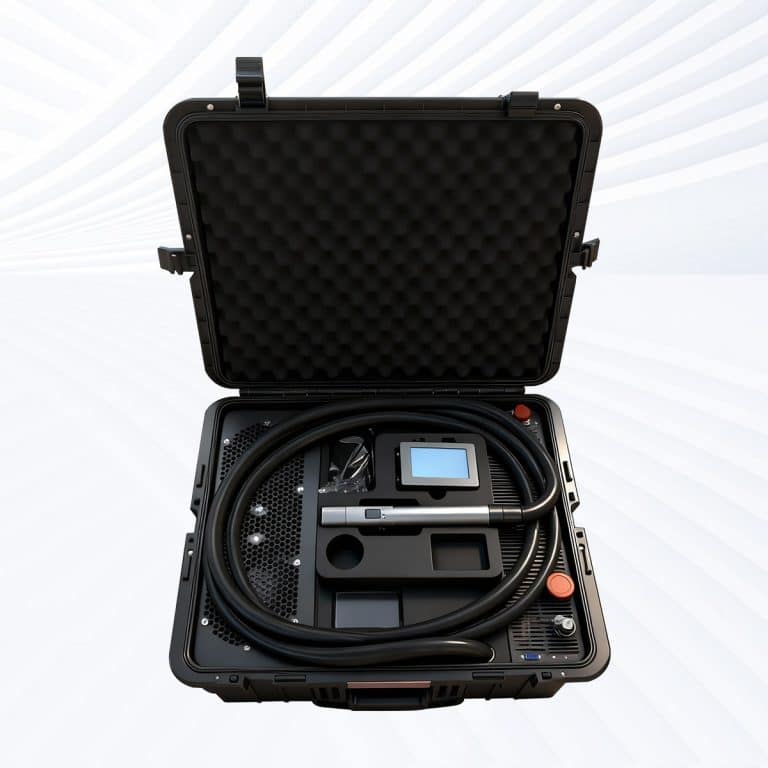
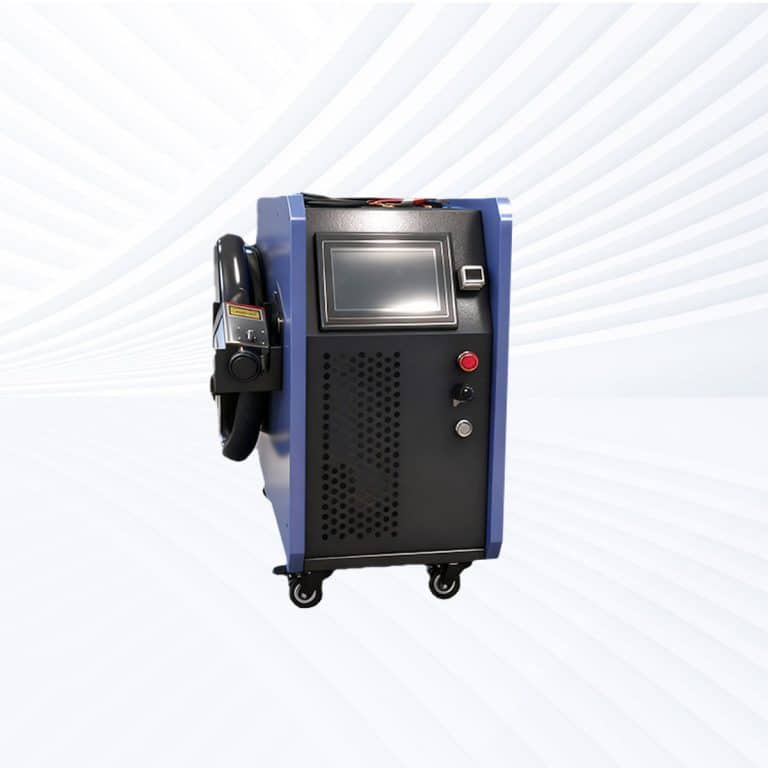
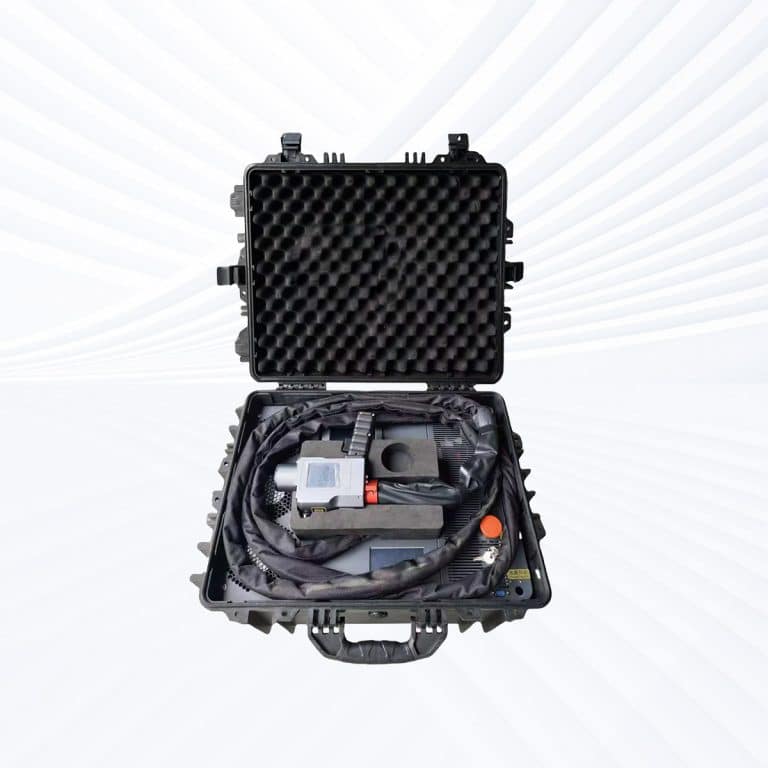
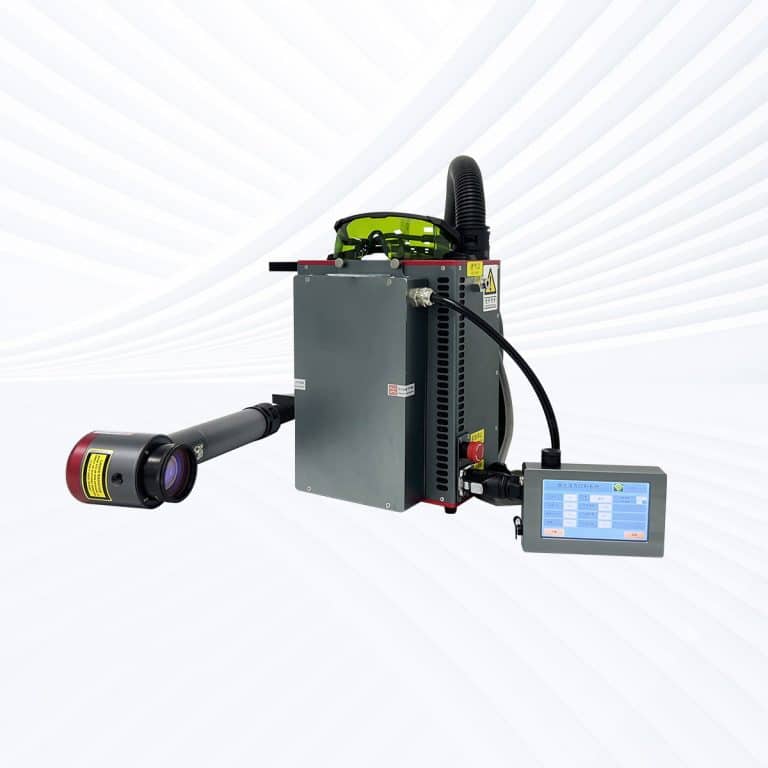
Laser Cleaning Machines
Applications of Laser Cleaning
Why Choose Us
Efficient Cleaning
Our machines offer fast, precise cleaning without chemicals or abrasion, making them ideal for delicate surfaces and complex materials across various industries.
Safe & Eco-Friendly
Laser cleaning eliminates the need for harsh chemicals and generates no secondary pollution, creating a safer and more environmentally friendly workspace.
Stable Performance
Built with high-quality components and advanced control systems, our machines ensure consistent cleaning results with minimal maintenance and long service life.
Custom Solutions
We provide flexible configurations and tailored options to match different cleaning requirements, helping customers achieve optimal performance for their specific applications.
Related Resources
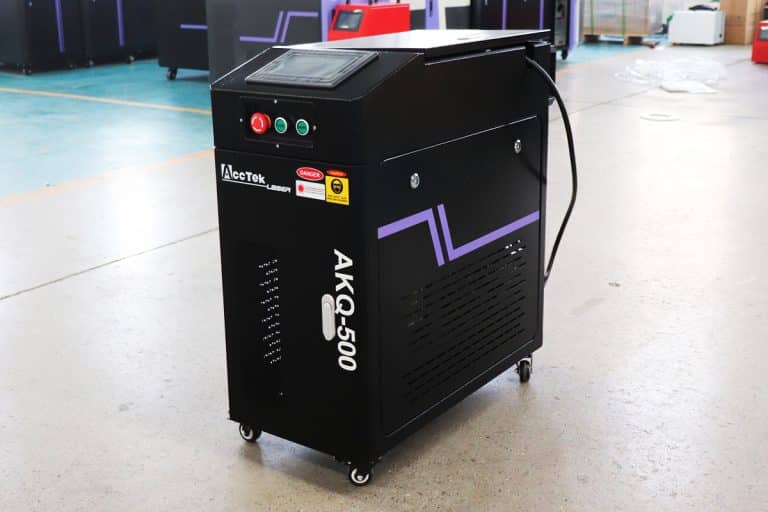
How Effective Is Laser Cleaning At Removing Contaminants
This article explores how effective laser cleaning is at removing contaminants, covering mechanisms, materials, system types, real-world applications, limitations, and optimization factors for reliable results.
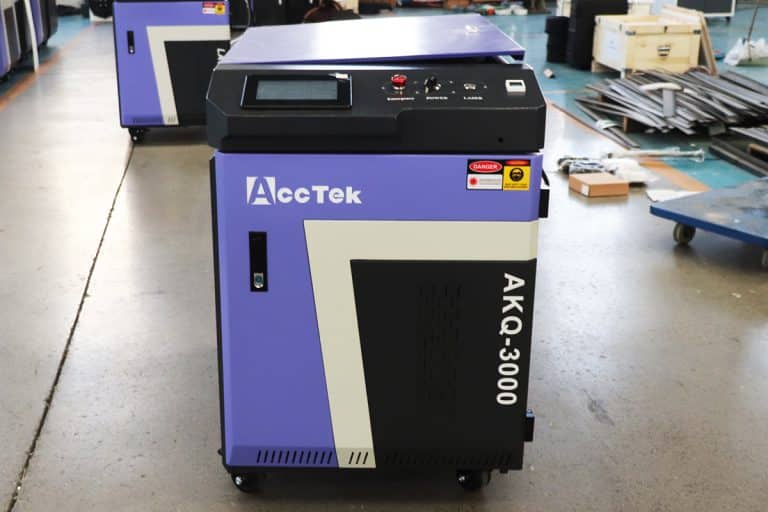
Will Laser Cleaning Damage The Substrate
This article explains whether laser cleaning damages substrates, examining damage mechanisms, material risks, process control, and verification methods for safe, effective laser cleaning.
Comprehensive Guides to Choosing the Right Laser Cleaning Parameters
This comprehensive guide explores the key factors in choosing the right laser cleaning parameters, including material types, contamination levels, and practical considerations for optimal results.

What Training Is Required to Operate Laser Cleaning Machines
This article is a comprehensive guide outlining the safety, operation, maintenance, and certification training required for operators of modern industrial laser cleaning machines.
Frequently Asked Questions
What Contaminants Can Laser Cleaning Remove?
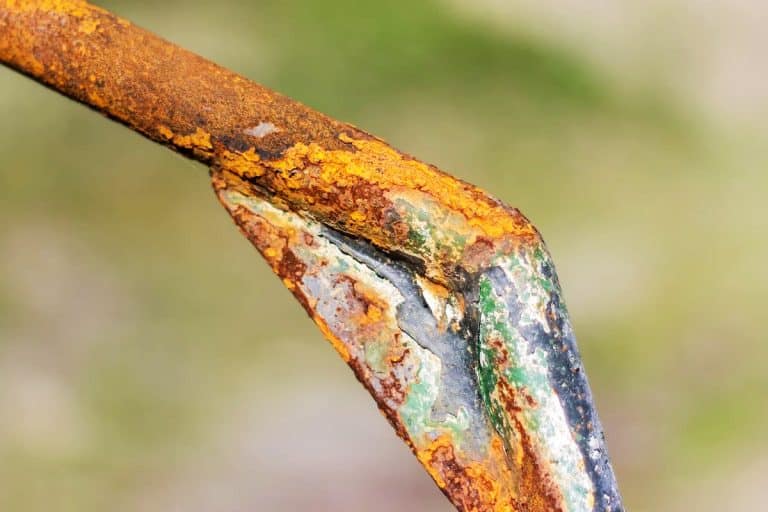
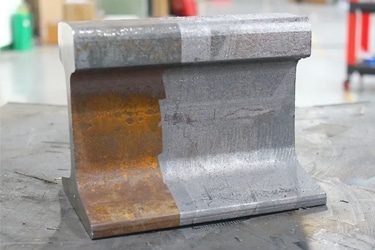
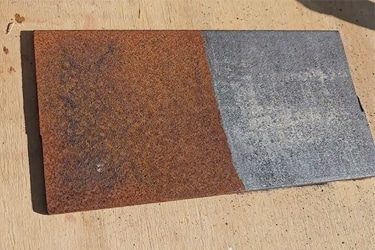
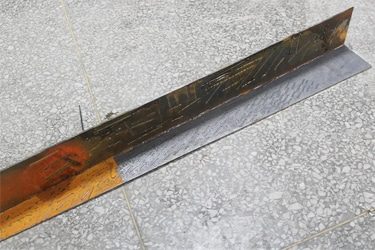
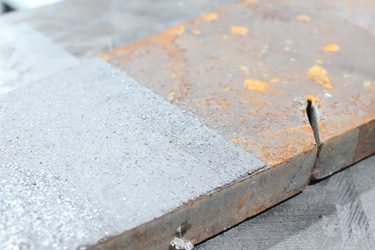
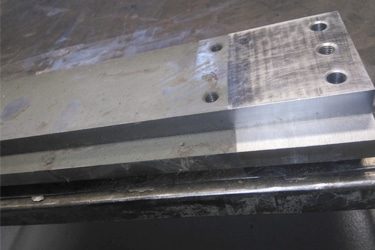
- Rust and Corrosion: Laser cleaning is widely used for removing rust and corrosion from metal surfaces such as steel, iron, and alloys. The laser energy is absorbed by the oxidized layer, breaking it down and leaving the base metal intact. This makes it ideal for maintenance, restoration, and surface preparation.
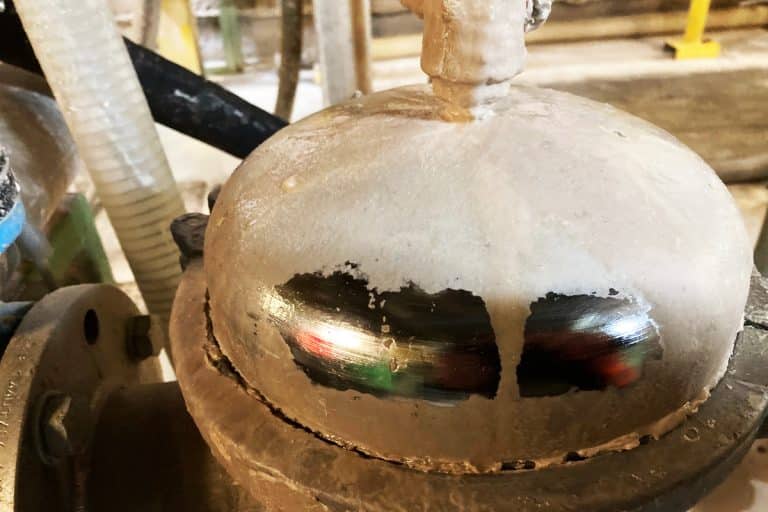
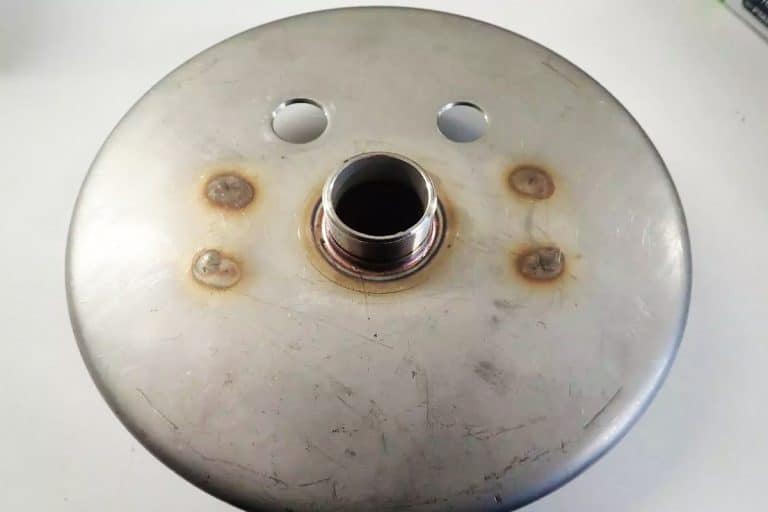
- Oxides and Heat Scales: During welding, heat treatment, or manufacturing, metals often develop oxide layers or heat scales. Laser cleaning efficiently removes these oxides, improving surface quality and ensuring better adhesion for coatings, paints, or welds without altering material dimensions.
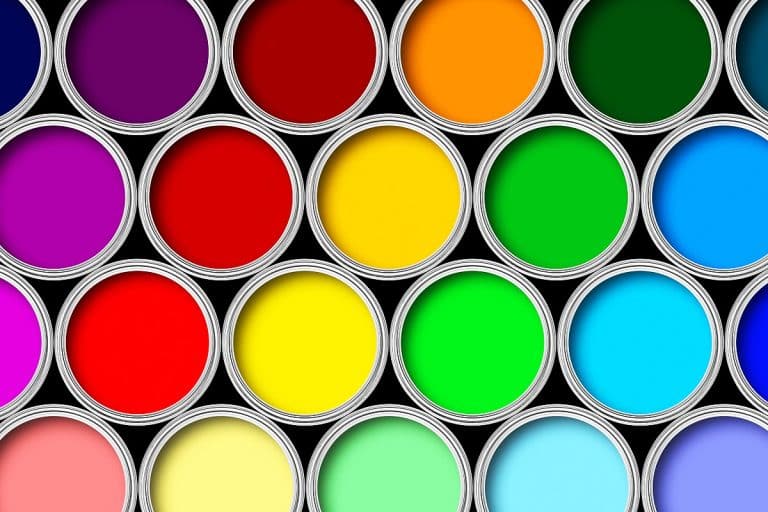
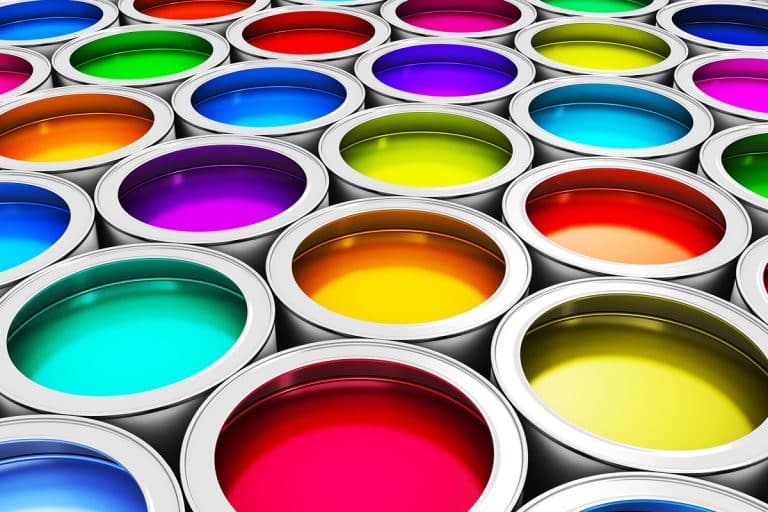
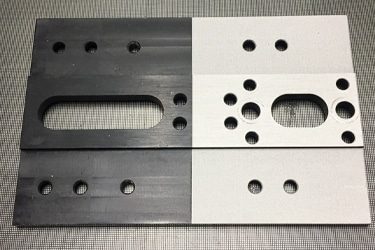
- Paints and Coatings: Old paint, powder coatings, protective layers, and surface finishes can be stripped using laser cleaning. This is especially useful in aerospace, automotive, and mold industries, where precise paint removal is required without harming the underlying surface.
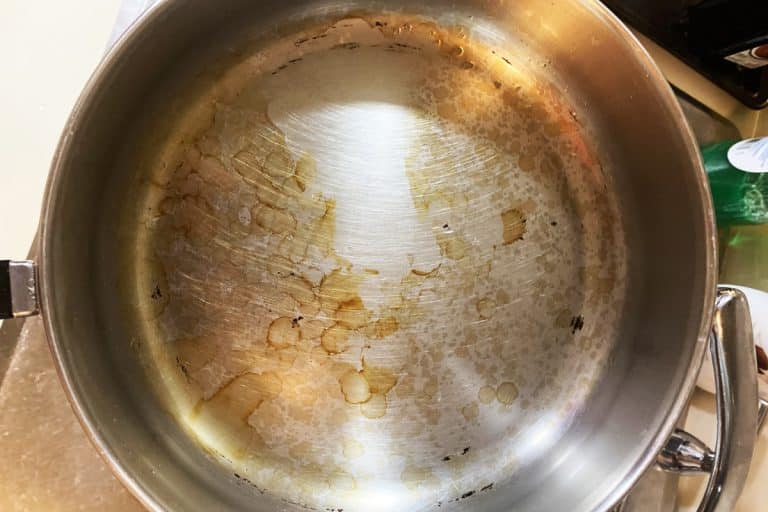
- Oil, Grease, and Organic Residues: Laser cleaning can eliminate oils, grease, lubricants, and organic films from surfaces. This is particularly important for pre-welding, bonding, or coating applications, where surface cleanliness directly affects joint strength and product quality.
- Dust, Particles, and Industrial Contaminants: Fine dust, debris, carbon deposits, and production residues can be removed from components and tools. Laser cleaning is effective even on complex geometries and hard-to-reach areas, ensuring consistent cleaning results.
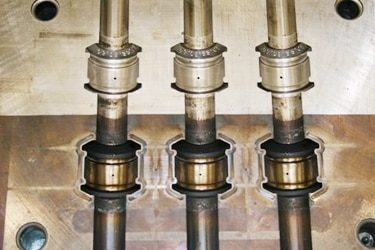
- Mold Release Agents and Process Residues: In injection molding and die casting, laser cleaning removes residue buildup from molds without disassembly. This extends mold life, reduces downtime, and maintains consistent product quality.
- Pollutants on Stone and Cultural Artifacts: Laser cleaning is also used to remove soot, pollution crusts, and biological growth from stone surfaces and historical artifacts. Its controlled nature makes it suitable for sensitive restoration work.
What Are The Common Hazards of Laser Cleaning?
- Laser Radiation Exposure: Laser cleaning systems use high-power laser beams that can cause serious eye and skin injuries if direct or reflected exposure occurs. Even indirect reflections from shiny metal surfaces can be dangerous, making protective eyewear and controlled work zones essential.
- Fumes and Airborne Particles: When contaminants such as rust, paint, oils, or coatings are vaporized, they produce fumes, smoke, and fine particulate matter. Some residues may contain toxic substances, requiring proper ventilation, fume extraction systems, and, in certain cases, respiratory protection.
- Fire and Ignition Risks: Laser energy can ignite flammable contaminants, coatings, or nearby materials. Oil residues, dust accumulation, and certain paints increase fire risk if not properly assessed before cleaning. Fire prevention measures and continuous monitoring are necessary during operation.
- Surface Reflection Hazards: Highly reflective surfaces, such as polished metals, can reflect laser beams unpredictably. These reflections may damage equipment or pose safety risks to operators and bystanders if shielding and beam containment are inadequate.
- Electrical Hazards: Laser cleaning systems rely on high-voltage electrical components. Improper installation, damaged cables, or inadequate grounding can lead to electrical shocks or equipment failure if safety standards are not followed.
- Noise Exposure: Some laser cleaning processes generate high noise levels due to rapid material ablation or associated extraction systems. Prolonged exposure without hearing protection may lead to hearing damage in industrial environments.
- Thermal Stress and Material Damage: Incorrect laser settings can cause excessive heat buildup, potentially leading to surface discoloration, micro-cracking, or thermal distortion of sensitive materials. Proper parameter selection and operator training are essential to prevent damage.
- Operator Skill and Training Risks: Untrained or inexperienced operators increase the likelihood of accidents, improper settings, and unsafe handling. Comprehensive training and strict operating procedures are critical for safe and effective laser cleaning.
Which Industries Use Laser Cleaning?
- Manufacturing and Metal Fabrication: In general manufacturing, laser cleaning is used for rust removal, oxide elimination, and surface preparation before welding, coating, or bonding. It improves product quality, reduces defects, and replaces abrasive or chemical-based cleaning methods.
- Automotive Industry: Automotive manufacturers use laser cleaning for weld preparation, paint stripping, mold cleaning, and removal of oils and coatings from components. Its precision supports automated production lines and helps ensure strong welds and consistent finishes.
- Aerospace Industry: The aerospace sector relies on laser cleaning for delicate and high-value components. It is used to remove coatings, oxides, and contaminants from aircraft parts while maintaining strict tolerances and material integrity required for safety-critical applications.
- Shipbuilding and Marine Industry: Laser cleaning is applied for corrosion and rust removal on ship components, hull sections, and marine equipment. Its non-contact nature reduces surface damage and supports maintenance in harsh environments.
- Energy and Power Generation: In power plants and energy facilities, laser cleaning is used to clean turbines, pipes, and heat exchangers. It helps remove oxides and deposits that affect performance, extending equipment lifespan and improving efficiency.
- Electronics and Precision Engineering: Laser cleaning is ideal for cleaning sensitive electronic components, circuit boards, and precision tools. It removes fine contaminants without mechanical stress, making it suitable for micro-scale and high-precision applications.
- Mold and Tooling Industry: Injection molds, die-casting molds, and rubber molds are cleaned using laser technology without disassembly. This reduces downtime, minimizes wear, and maintains consistent production quality.
- Construction and Infrastructure: Laser cleaning is used for surface preparation on steel structures, bridges, and pipelines. It removes corrosion and coatings efficiently while supporting long-term durability.
- Cultural Heritage and Restoration: Museums and conservation professionals use laser cleaning to restore stone sculptures, monuments, and historical artifacts. The controlled process allows for safe removal of soot, pollution, and corrosion without harming original surfaces.
How To Prevent Thermal Staining During Laser Cleaning?
- Optimize Laser Power and Energy Density: Using excessive laser power is one of the main causes of thermal staining. The laser should be set just high enough to remove contaminants without overheating the substrate. Lower energy density reduces heat accumulation and minimizes oxidation or discoloration.
- Adjust Pulse Duration and Frequency: Shorter pulse durations and appropriate pulse frequencies help limit heat transfer into the base material. Pulsed laser operation allows the surface to cool between pulses, preventing continuous heat buildup that leads to thermal staining.
- Increase Scanning Speed: A faster scanning speed reduces the amount of time the laser interacts with any single area. This minimizes localized heating while still effectively removing surface contaminants, especially on thin or heat-sensitive materials.
- Use Proper Wavelength Selection: Choosing a laser wavelength that is well absorbed by the contaminant but less absorbed by the base material improves selectivity. This ensures contaminants are removed efficiently without excessive heating of the underlying surface.
- Apply Controlled Overlapping and Passes: Avoid excessive overlap between laser passes, as this can lead to repeated heating of the same area. Using fewer, well-controlled passes is more effective than repeated exposure at high energy levels.
- Implement Effective Cooling and Ventilation: Active cooling systems, air assist, or inert gas shielding can help dissipate heat and reduce oxidation. Proper ventilation also removes hot particles and fumes that may contribute to surface discoloration.
- Conduct Material Testing and Calibration: Different materials respond differently to laser energy. Performing test runs and fine-tuning parameters before full-scale cleaning helps identify safe operating windows and prevents staining.
- Ensure Proper Operator Training: Skilled operators understand how to balance power, speed, and pulse settings for each application. Proper training significantly reduces the risk of thermal damage and improves overall cleaning quality.
How Does Reflectivity Affect Laser Cleaning Performance?
- Energy Absorption and Cleaning Efficiency: Laser cleaning works best when contaminants absorb laser energy more readily than the underlying substrate. On low-reflectivity surfaces, such as rusted steel or oxidized metals, the laser energy is efficiently absorbed, resulting in effective contaminant removal. In contrast, highly reflective materials like polished aluminum, copper, or stainless steel reflect a significant portion of the laser energy, reducing the cleaning effect.
- Impact on Required Laser Power: Reflective surfaces often require higher laser power or slower scanning speeds to achieve the same cleaning results as less reflective materials. However, increasing power can raise the risk of thermal effects, surface discoloration, or material damage if not carefully controlled.
- Safety Risks from Reflected Beams: Highly reflective materials can cause unpredictable laser reflections, posing risks to operators and surrounding equipment. These reflected beams may lead to eye or skin exposure if proper shielding, enclosures, and safety eyewear are not used.
- Role of Contaminant Layers: In many cases, the contaminant layer—such as rust, paint, oxide, or grease—is far less reflective than the base material. This difference is beneficial, as the laser energy is absorbed by the contaminant first, allowing it to be removed before significant energy reaches the reflective substrate.
- Wavelength and Laser Type Selection: Different materials reflect laser wavelengths differently. Selecting a wavelength that is better absorbed by the target contaminant improves cleaning efficiency on reflective substrates. Fiber and pulsed lasers are often optimized to manage reflectivity challenges more effectively.
- Surface Condition and Texture: Rough or oxidized surfaces scatter light and reduce reflectivity, improving laser absorption. Polished or smooth surfaces reflect more energy, making cleaning more difficult and requiring careful parameter adjustment.
- Process Optimization Techniques: To overcome reflectivity issues, operators may use angled beam incidence, controlled pulse settings, surface pre-treatment, or multiple low-energy passes. These techniques enhance absorption while minimizing thermal impact.
What Fume Extraction Equipment Is Needed For Laser Cleaning?
- Industrial Fume Extraction Units: The primary equipment used for laser cleaning is an industrial-grade fume extractor designed specifically for laser processes. These systems generate sufficient airflow to capture fumes directly at the source, preventing them from dispersing into the workspace.
- High-Efficiency Particulate Air (HEPA) Filters: HEPA filters are essential for trapping fine particulate matter generated during laser cleaning. They can capture particles as small as 0.3 microns, protecting operators from inhaling harmful dust, metal particles, and residue.
- Activated Carbon Filters: Activated carbon filters are used to absorb gaseous pollutants, odors, and volatile organic compounds released during the cleaning of paints, oils, or chemical coatings. These filters are especially important when cleaning coated or contaminated surfaces.
- Pre-Filters and Spark Arrestors: Pre-filters capture larger debris and extend the lifespan of HEPA and carbon filters. Spark arrestors are often included to prevent hot particles or sparks from entering the filtration system, reducing fire risks.
- Local Extraction Hoods or Nozzles: Source-capture hoods, flexible extraction arms, or nozzle-mounted systems are positioned close to the cleaning area. Capturing fumes at the point of generation greatly improves efficiency and minimizes airborne contamination.
- Ducting and Enclosure Systems: Proper ducting ensures safe transport of fumes from the work area to the extractor. For high-power or automated systems, enclosed laser cleaning cabins with integrated ventilation provide enhanced safety and compliance.
- Portable vs. Centralized Systems: Portable fume extractors are ideal for mobile or on-site laser cleaning applications, while centralized systems are better suited for fixed industrial installations with multiple laser stations.
- Airflow Monitoring and Maintenance: Modern fume extraction systems often include airflow monitoring, filter saturation indicators, and alarms. Regular maintenance, filter replacement, and performance checks are essential to ensure continuous protection.
What PPE Is Needed For Laser Cleaning Operators?
- Laser Safety Eyewear: Laser-rated safety glasses or goggles are the most critical PPE for laser cleaning operators. Eyewear must be specifically rated for the laser’s wavelength and power level to protect against direct and reflected laser radiation that can cause severe eye injuries.
- Protective Gloves: Heat-resistant and cut-resistant gloves protect hands from hot surfaces, sharp edges, and debris dislodged during cleaning. Gloves also reduce the risk of burns when handling freshly cleaned components.
- Respiratory Protection: Laser cleaning generates fumes, smoke, and fine particulates from vaporized contaminants. Depending on the material being cleaned, operators may require respirators with particulate filters or combination filters designed to protect against gases and organic vapors.
- Protective Clothing: Flame-resistant or laser-rated protective clothing helps shield skin from accidental laser exposure, sparks, and hot particles. Long-sleeved garments and full-length pants are recommended to minimize exposed skin.
- Face Shields: In addition to laser safety eyewear, face shields provide extra protection against flying debris, sparks, and splatter, particularly during high-power cleaning or when removing thick coatings or corrosion layers.
- Hearing Protection: Some laser cleaning processes generate significant noise due to rapid material ablation or associated extraction systems. Earplugs or earmuffs may be required to prevent long-term hearing damage in noisy environments.
- Safety Footwear: Steel-toe or safety-rated footwear protects feet from falling objects, heavy components, or hot debris. Slip-resistant soles are also beneficial in industrial work areas.
- Head Protection: In certain industrial environments, hard hats may be required to protect against overhead hazards, especially when laser cleaning is performed on large structures or machinery.
- Additional Safety Measures: PPE should be used alongside engineering controls such as enclosures, interlocks, and fume extraction systems. Proper training ensures operators understand when and how to use PPE effectively.
How To Avoid "Zebra Stripes" During Laser Cleaning?
- Optimize Scan Overlap and Line Spacing: Insufficient or inconsistent overlap between adjacent scan lines is one of the main causes of zebra striping. Ensuring proper line spacing and consistent overlap allows uniform energy coverage across the surface, preventing visible banding.
- Adjust Scanning Speed Consistency: Variations in scanning speed lead to uneven laser exposure. If the laser slows down or accelerates inconsistently, some areas receive more energy than others, resulting in stripes. Maintaining a stable and uniform scan speed is critical.
- Balance Laser Power and Pulse Energy: Excessive laser power or uneven pulse energy can create localized over-cleaning. Reducing power while increasing scan uniformity often produces smoother, more even cleaning results. Pulsed lasers should be carefully calibrated for consistent pulse output.
- Use Appropriate Pulse Frequency: Incorrect pulse frequency can lead to gaps or excessive overlap between laser spots. Matching pulse frequency to scanning speed ensures evenly distributed pulses and consistent surface treatment.
- Improve Beam Quality and Focus Control: An improperly focused beam or inconsistent spot size can cause variations in cleaning intensity. Maintaining correct focal distance and stable beam quality ensures uniform interaction with the surface.
- Apply Cross-Hatch or Multi-Directional Scanning: Using a cross-hatch pattern—where the surface is scanned in two perpendicular directions—helps average out minor inconsistencies from a single scan direction, significantly reducing the appearance of zebra stripes.
- Maintain Stable Motion Systems: Mechanical vibrations, backlash, or inaccuracies in robotic arms or gantry systems can cause irregular scan paths. Regular maintenance and calibration of motion systems are essential for smooth, repeatable cleaning.
- Perform Test Passes and Parameter Tuning: Before full-scale cleaning, conducting test passes allows operators to fine-tune parameters for the specific material and contamination type. Small adjustments often eliminate striping issues.
- Ensure Uniform Surface Conditions: Variations in contamination thickness or surface reflectivity can contribute to uneven cleaning. Pre-inspection and, if necessary, pre-cleaning help achieve more consistent results.