

Introduction
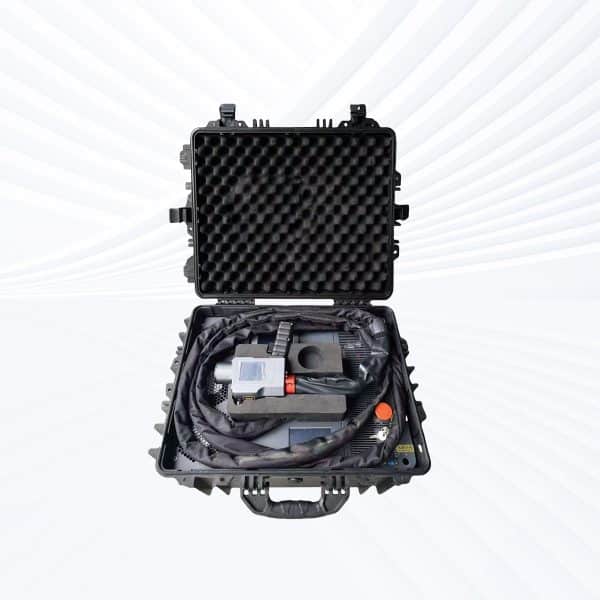
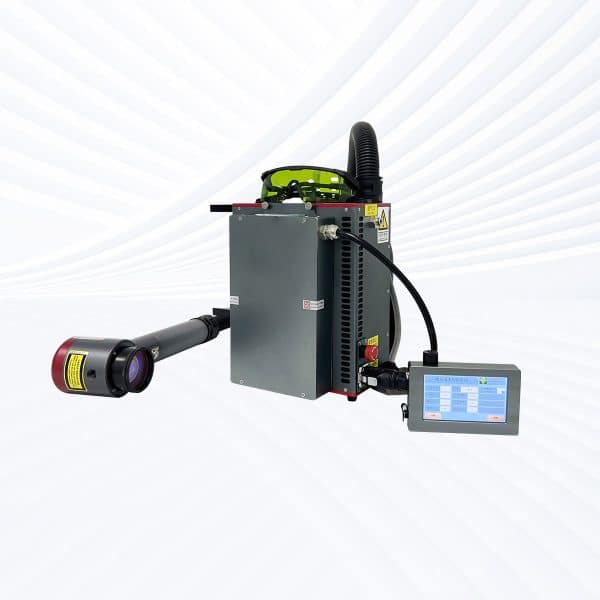
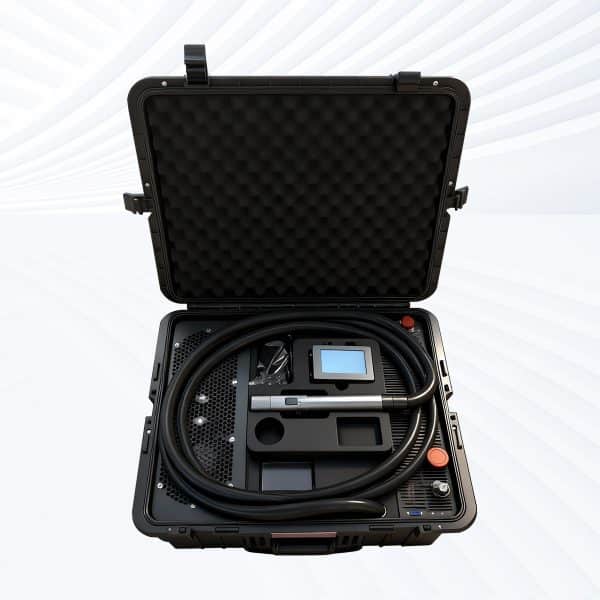
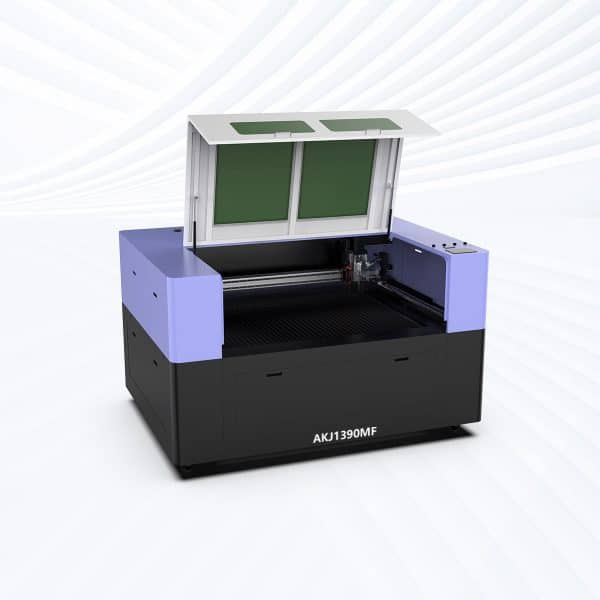
Laser Cleaing Machines Suitable For Composite
Advantages of Laser Cleaning Composite
Non-Contact and Fiber-Safe Cleaning
Laser cleaning of composite materials is a non-contact process that removes surface contaminants without physical abrasion. This prevents fiber breakage, delamination, or matrix damage, which are common risks when using sandblasting or mechanical cleaning methods on composites.
High Precision and Process Control
Laser parameters can be accurately adjusted to match different composite structures, fiber types, and resin systems. This allows selective removal of coatings, resins, or contaminants while maintaining consistent surface quality across complex geometries and thin laminate areas.
Improved Bonding and Coating Adhesion
By removing oils, release agents, oxidation layers, and aged coatings, laser cleaning creates an ideal surface for bonding, painting, or coating. This significantly improves adhesion strength, joint reliability, and long-term performance of composite assemblies.
No Chemicals or Abrasive Media Required
Laser cleaning composite materials eliminates the need for solvents, chemicals, or abrasive consumables. This reduces hazardous waste, lowers environmental impact, and simplifies compliance with workplace safety and environmental regulations.
Minimal Heat-Affected Zone
Short laser pulses and controlled energy delivery limit heat transfer to the composite substrate. This prevents thermal distortion, resin degradation, or fiber damage, ensuring structural integrity and dimensional stability during and after the cleaning process.
Automation and Repeatability
Laser cleaning systems can be easily integrated into automated production and repair lines. This ensures repeatable results, reduces operator dependency, and supports high-throughput composite manufacturing with consistent quality standards.
Compatible Materials
- Carbon Fiber Reinforced Polymer
- Glass Fiber Reinforced Polymer
- Aramid Fiber Reinforced Polymer
- Basalt Fiber Reinforced Polymer
- Carbon Fiber Reinforced Plastic
- Glass Fiber Reinforced Plastic
- Epoxy Matrix Composites
- Polyester Resin Composites
- Vinyl Ester Composites
- Phenolic Resin Composites
- Thermoset Matrix Composites
- Thermoplastic Matrix Composites
- Carbon Fiber/Epoxy Composites
- Glass Fiber/Epoxy Composites
- Carbon Fiber/PEEK Composites
- Carbon Fiber/PPS Composites
- Carbon Fiber/Nylon Composites
- Hybrid Carbon–Glass Fiber Composites
- Carbon–Aramid Hybrid Composites
- Fiber Metal Laminates
- Aluminum–Carbon Fiber Composites
- Titanium–Carbon Fiber Composites
- Ceramic Matrix Composites
- Polymer Matrix Composites
- Metal Matrix Composites
- Sandwich Panel Composites
- Honeycomb Core Composites
- Foam Core Composites
- Structural Laminate Composites
- Pultruded Fiber Composites
- Woven Fabric Composites
- Unidirectional Fiber Composites
- Short Fiber Reinforced Composites
- Long Fiber Reinforced Composites
- Aerospace-Grade Composite Laminates
- Automotive Composite Panels
- Wind Turbine Blade Composites
- Marine Composite Structures
- Sporting Goods Composites
- High-Performance Engineering Composites
Laser Cleaning Composite VS Other Cleaning Methods
| Comparison Item | Laser Cleaning | Sandblasting | Chemical Cleaning | Ultrasonic Cleaning |
|---|---|---|---|---|
| Cleaning Principle | Laser ablation selectively removes surface contaminants | Abrasive impact removes material mechanically | Chemicals dissolve or loosen contaminants | Cavitation in liquid dislodges contaminants |
| Contact With Surface | Non-contact | Direct abrasive contact | Immersion or direct chemical contact | Indirect contact through liquid |
| Risk to Fibers | Very low when properly controlled | High risk of fiber damage | Medium risk of resin attack | Low, but geometry dependent |
| Risk of Delamination | Minimal | High | Medium | Low |
| Precision and Control | Extremely high and adjustable | Low and aggressive | Medium, difficult to localize | Medium |
| Suitability for Thin Laminates | Excellent | Poor | Moderate | Good |
| Surface Selectivity | Removes contamination without cutting fibers | Removes both contamination and base material | Limited selectivity | Limited selectivity |
| Heat or Chemical Impact | Minimal heat-affected zone | No heat, but high mechanical stress | Chemical exposure to matrix | Possible moisture absorption |
| Consumables Required | None | Abrasive media | Solvents and chemicals | Cleaning fluids |
| Environmental Impact | Clean and eco-friendly | Dust and abrasive waste | Hazardous chemical waste | Wastewater disposal |
| Operating Cost | Low long-term cost | Continuous media replacement | High chemical and disposal costs | Moderate |
| Automation Capability | Highly suitable for automation | Difficult to automate precisely | Limited automation | Moderate automation |
| Process Consistency | Highly repeatable | Operator-dependent | Chemical concentration dependent | Batch-dependent |
| Complex Geometry Handling | Excellent | Poor | Limited | Limited in deep cavities |
| Post-Cleaning Residue | None | Abrasive residue possible | Chemical residue possible | Liquid residue possible |
Laser Cleaning Capacity
| Material | 100W Pulse | 200W Pulse | 300W Pulse | 500W Pulse | 1000W Pulse | 1500W Pulse | 2000W Pulse | 1000W Continuous | 1500W Continuous | 2000W Continuous | 3000W Continuous | 6000W Continuous |
|---|---|---|---|---|---|---|---|---|---|---|---|---|
| Ceramics | Good | Good | Good | Good | Limited | Limited | Limited | Not Recommended | Not Recommended | Not Recommended | Not Recommended | Not Recommended |
| Composite | Good | Good | Good | Good | Limited | Limited | Not Recommended | Not Recommended | Not Recommended | Not Recommended | Not Recommended | Not Recommended |
| Glass | Limited | Limited | Good | Good | Limited | Limited | Not Recommended | Not Recommended | Not Recommended | Not Recommended | Not Recommended | Not Recommended |
| Metal | Good | Good | Good | Best | Best | Best | Best | Good | Good | Best | Best | Best |
| Plastic | Limited | Good | Good | Limited | Not Recommended | Not Recommended | Not Recommended | Not Recommended | Not Recommended | Not Recommended | Not Recommended | Not Recommended |
| Rubber | Limited | Good | Good | Limited | Not Recommended | Not Recommended | Not Recommended | Not Recommended | Not Recommended | Not Recommended | Not Recommended | Not Recommended |
| Stone | Limited | Good | Good | Good | Limited | Limited | Not Recommended | Good | Good | Good | Best | Best |
| Wood | Limited | Good | Good | Limited | Not Recommended | Not Recommended | Not Recommended | Not Recommended | Not Recommended | Not Recommended | Not Recommended | Not Recommended |
| Concrete/Cement | Limited | Good | Good | Good | Limited | Limited | Not Recommended | Good | Good | Best | Best | Best |
| Brick/Masonry | Limited | Good | Good | Good | Limited | Limited | Not Recommended | Good | Good | Good | Best | Best |
| Carbon Steel | Good | Good | Best | Best | Best | Best | Best | Good | Best | Best | Best | Best |
| Stainless Steel | Good | Good | Best | Best | Best | Best | Best | Good | Good | Best | Best | Best |
| Aluminum | Good | Good | Good | Best | Best | Best | Best | Limited | Limited | Good | Good | Best |
| Copper/Brass | Limited | Good | Good | Good | Best | Best | Best | Limited | Limited | Good | Good | Best |
| Titanium | Good | Good | Best | Best | Best | Best | Best | Limited | Good | Good | Best | Best |
| Galvanized Steel | Limited | Good | Good | Good | Limited | Limited | Not Recommended | Not Recommended | Not Recommended | Not Recommended | Not Recommended | Not Recommended |
| Painted Metal | Good | Good | Best | Best | Best | Best | Best | Limited | Good | Good | Best | Best |
| Weld Seam Cleanup | Good | Good | Best | Best | Best | Best | Best | Good | Good | Best | Best | Best |
| Molds & Tools | Good | Good | Best | Best | Best | Best | Best | Good | Good | Best | Best | Best |
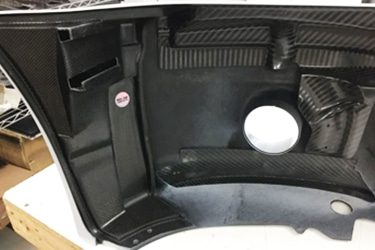
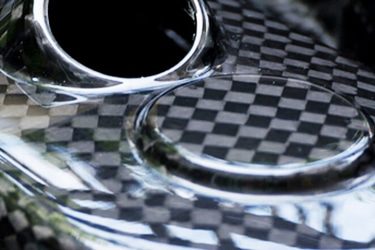
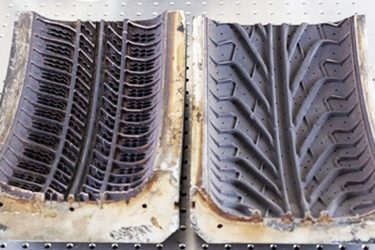
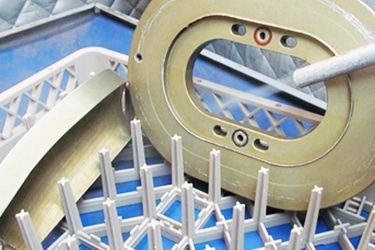
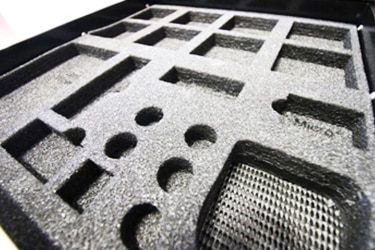
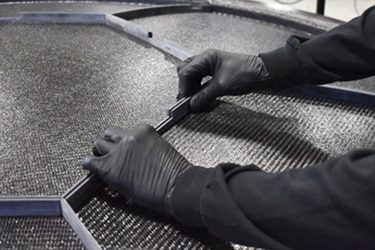
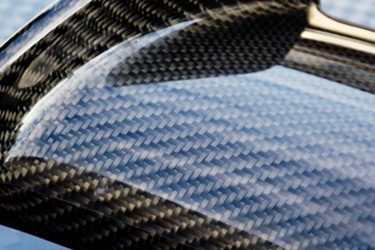
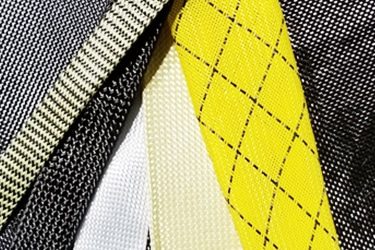
Applications of Laser Cleaning Composite
Customer Testimonials
Related Resources
How Do Laser Parameters Affect The Cleaning Process?
This article explores how laser power, speed, pulse frequency, pulse width, fluence, focus, scanning settings, and material properties affect laser cleaning quality, efficiency, and surface protection.
Lifespan of Laser Cleaning Machines
This article explores the lifespan of laser cleaning machines, including component durability, influencing factors, maintenance practices, warning signs, application demands, and ways to extend service life.
Is Laser Cleaning Environmentally Friendly?
This article explains laser cleaning from an environmental perspective, covering how it works, waste reduction, energy use, emissions control, safety, applications, limitations, and responsible operation.
How Efficient Is Laser Cleaning
This article explores the efficiency of laser cleaning, covering principles, industrial applications, cost, environmental impact, and strategies for optimizing precision surface treatment.
Frequently Asked Questions
What Contaminants Can Laser Cleaning Remove From Composite Surfaces?
- Oils and Greases: Manufacturing, machining, and handling often leave oils, lubricants, and grease residues on composite parts. Laser cleaning efficiently vaporizes these organic contaminants without spreading them across the surface, preparing composites for bonding, coating, or inspection.
- Release Agents and Mold Residues: Composites produced through molding processes frequently retain mold-release agents, waxes, or silicone residues. Lasers can selectively remove these thin films, improving surface energy and adhesion for secondary processes such as painting or adhesive bonding.
- Paints, Coatings, and Primers: Laser cleaning can strip paints, primers, varnishes, and protective coatings from composite surfaces for repair or rework. With proper parameter control, coatings can be removed while preserving underlying fibers and resin matrices.
- Adhesive Residues: Old or excess adhesives left from bonded joints can be removed using laser cleaning. This is especially useful in aerospace and automotive applications where composites must be re-bonded without damaging fibers.
- Carbon and Soot Deposits: Composite components exposed to high temperatures, exhaust, or combustion environments may accumulate carbonaceous deposits and soot. These contaminants absorb laser energy well and can be removed effectively at relatively low power levels.
- Dust and Particulate Contamination: Fine dust, sanding debris, fibers, and environmental particles can be removed without physical contact. This is critical for high-precision or high-cleanliness composite applications.
- Oxidized or Degraded Resin Layers: Surface oxidation or UV-degraded resin layers can be gently ablated to expose fresh material. This improves bonding strength and surface uniformity without aggressive mechanical abrasion.
- Biological Contaminants: In some outdoor or marine composite applications, laser cleaning can remove algae, biofilms, and organic growth without chemicals or water.
- Light Corrosion Products (Hybrid Composites): For composites that incorporate metal layers or inserts, laser cleaning can remove light oxidation or corrosion products without affecting adjacent polymer or fiber materials.
What Are The Risks Of Laser Cleaning Composite?
- Thermal Damage to Resin Matrix: Most composites rely on polymer resins that are far more heat-sensitive than metal or ceramic components. Excessive laser energy can cause resin softening, melting, charring, or decomposition, which weakens the composite structure and reduces mechanical strength.
- Fiber Damage or Exposure: Improper laser settings may erode the resin layer excessively, exposing or damaging reinforcing fibers such as carbon or glass. Damaged fibers compromise load-bearing capability and can lead to premature failure under stress.
- Delamination Between Layers: Composites are often laminated structures. Laser-induced thermal gradients can create internal stresses that cause separation between layers. Delamination is particularly dangerous because it may not be visible on the surface but significantly reduces structural integrity.
- Surface Roughening and Material Loss: Over-cleaning can remove not only contaminants but also part of the composite surface. Excessive roughness or uneven material removal may negatively affect aerodynamics, sealing performance, or subsequent coating adhesion.
- Uneven Cleaning Due to Material Heterogeneity: Different composite constituents absorb laser energy differently. This can lead to non-uniform cleaning, localized overheating, or selective damage to one material while others remain unaffected.
- Generation of Hazardous Fumes: Laser interaction with polymer resins can release toxic or irritating fumes, including volatile organic compounds (VOCs). Proper fume extraction and filtration are essential to protect operators and equipment.
- Fire and Ignition Risk: Some composite resins are flammable. Concentrated laser energy, especially at slow scan speeds or high repetition rates, can ignite the surface if not properly controlled.
- Reduced Bonding Performance: While laser cleaning often improves adhesion, excessive ablation or thermal degradation can lower surface energy or introduce microdamage, negatively impacting bonding or coating processes.
- Propagation of Pre-Existing Defects: Microcracks, voids, or weak interfaces in the composite may grow under laser-induced thermal stress, leading to hidden damage.
What Type Of Laser Is Best Suited For Cleaning Composite?
- Continuous-Wave (CW) Lasers – Limited Suitability: CW lasers emit a constant, uninterrupted beam of energy. While they can remove surface contaminants, they introduce sustained heat into the composite material. This continuous thermal input increases the risk of resin softening, melting, charring, or ignition. CW lasers also make it difficult to precisely control material removal, often leading to uneven cleaning, excessive surface roughening, or damage to reinforcing fibers. As a result, CW lasers are generally unsuitable for delicate composite cleaning and are used only in rare cases involving robust, high-temperature-resistant composites with careful parameter control.
- Pulsed Lasers – Best Suited for Composite Cleaning: Pulsed lasers emit energy in short bursts rather than a continuous stream. This allows contaminants to be removed through rapid ablation while minimizing heat transfer into the composite substrate. Pulsed operation significantly reduces the risk of resin degradation, delamination, and fiber damage. Nanosecond, picosecond, and femtosecond pulsed lasers are commonly used, with shorter pulse durations offering greater precision and lower thermal impact.
- Superior Thermal Control: The cooling time between pulses allows heat to dissipate, preventing thermal accumulation. This is especially important for polymer-based resins, which degrade at relatively low temperatures compared to metals or ceramics.
- Selective Contaminant Removal: Pulsed lasers can be tuned so that contaminants absorb the laser energy more readily than the composite matrix. This selectivity enables effective removal of oils, release agents, coatings, adhesives, and degraded resin layers without harming fibers.
- Improved Surface Quality: Properly configured pulsed lasers enhance surface activation for bonding or coating while avoiding excessive material loss. This results in consistent surface roughness and improved adhesion performance.
- Reduced Fire and Fume Risk: Because pulsed lasers limit prolonged heating, they lower the risk of ignition and reduce the volume of hazardous fumes generated during cleaning.
- Higher Process Control: Pulse energy, frequency, overlap, and scanning speed can be finely adjusted, providing excellent repeatability across complex composite geometries.
How Are Cleaning Parameters Adjusted for Laser Cleaning Of the Composite?
- Laser Type and Wavelength Selection: Pulsed lasers are preferred for composite cleaning due to their superior thermal control. The wavelength is chosen so that contaminants absorb more energy than the resin or fibers. Infrared (around 1064 nm) is commonly used for organic residues, while shorter wavelengths may be selected for delicate surfaces or thin contamination layers.
- Laser Power and Energy Density: Power levels are kept low to moderate to avoid resin softening or burning. The energy density (fluence) is set just above the contaminant ablation threshold but below the damage threshold of the composite. Incremental increases are applied only if contaminants persist.
- Pulse Duration and Repetition Rate: Short pulse durations (nanoseconds or shorter) minimize heat diffusion into the substrate. Repetition rates are adjusted to prevent heat accumulation between pulses, allowing the composite surface to cool adequately during cleaning.
- Scanning Speed and Beam Overlap: Higher scanning speeds reduce dwell time and lower thermal load on the composite. Pulse overlap is carefully controlled to ensure uniform cleaning while avoiding repeated heating of the same area. Raster or cross-hatch scanning patterns are often used for even energy distribution.
- Spot Size and Focus Control: A slightly defocused beam is frequently used to lower peak energy density and reduce the risk of fiber exposure or resin degradation. Smaller spot sizes are reserved for precision areas and require stricter energy control.
- Number of Passes: Composite cleaning typically uses fewer passes than metals. After each pass, the surface is inspected to determine whether contaminants are fully removed. Continuing beyond this point increases the risk of resin erosion or fiber damage.
- Material Type and Condition: Carbon fiber, glass fiber, and hybrid composites respond differently to laser energy. Thin laminates, aged composites, or surfaces with existing defects require more conservative settings.
- Use of Auxiliary Air or Inert Gas: Low-pressure air or nitrogen may be applied to remove debris and fumes, reducing redeposition and the need for higher laser energy.
- Monitoring and Testing: Trial runs on sample pieces are essential. Visual inspection, microscopy, or adhesion testing confirms effective cleaning without structural harm.
What Defects May Occur During The Laser Cleaning Of The Composite?
- Resin Degradation or Charring: Excessive laser energy or slow scanning speeds can overheat the polymer matrix, causing softening, charring, discoloration, or chemical breakdown. Degraded resin weakens the composite surface and reduces its mechanical and bonding performance.
- Fiber Exposure or Fiber Damage: Over-cleaning may remove too much resin, leaving reinforcing fibers partially or fully exposed. Carbon or glass fibers can also be damaged by direct laser interaction, leading to reduced load-bearing capacity and compromised structural integrity.
- Delamination Between Layers: Laser-induced thermal gradients can create internal stresses that separate laminate layers. Delamination is particularly dangerous because it may not be visible on the surface, but it significantly reduces strength and fatigue resistance.
- Surface Roughening and Material Loss: Improper parameter control can cause excessive ablation, resulting in uneven surfaces, pits, or grooves. While some surface roughness may improve adhesion, excessive roughening negatively affects aerodynamics, sealing, and coating uniformity.
- Uneven or Incomplete Cleaning: Due to differing absorption characteristics of fibers and resin, laser cleaning may occur unevenly across the surface. This can leave residual contamination in some areas while damaging others, leading to inconsistent surface quality.
- Thermal Cracking and Microcracks: Localized overheating can create microcracks in the resin matrix or at fiber–matrix interfaces. These cracks may propagate under mechanical or thermal loads, reducing long-term reliability.
- Heat-Affected Zones (HAZ): Continuous or high-energy laser exposure can create heat-affected zones where material properties are altered. These zones may have reduced strength, stiffness, or adhesion compared to untreated areas.
- Discoloration and Visual Defects: Laser exposure can cause color changes, burn marks, or surface haze, which may be unacceptable in visible or cosmetic composite components.
- Fume-Induced Residue Deposition: Inadequate fume extraction can allow vaporized resin or contaminants to redeposit on the surface, forming sticky or uneven residues that interfere with subsequent processing.
Does Laser Cleaning Of Composite Generate Fumes?
- Source of Fumes: During laser cleaning, contaminants such as oils, release agents, paints, adhesives, and degraded resin layers are rapidly heated and vaporized. In addition, partial thermal decomposition of the composite’s polymer matrix may occur, even when parameters are carefully controlled. This process releases gases, vapors, and fine particulates into the surrounding air.
- Types of Emissions Generated: Laser cleaning of composites can produce volatile organic compounds (VOCs), ultrafine particles, carbonaceous smoke, and condensed aerosols. The exact composition depends on the resin type (epoxy, polyester, phenolic, etc.), the nature of the contaminant, and the laser settings used. Carbon fiber composites may also release fine carbon particles.
- Health and Safety Concerns: Many of the fumes generated can be irritating or harmful if inhaled. Prolonged exposure may cause respiratory discomfort, eye irritation, or long-term health risks. Some decomposition products may also have unpleasant odors or be classified as hazardous air pollutants.
- Fire and Explosion Considerations: In confined spaces, accumulated fumes combined with heat sources may increase fire or ignition risk. This is particularly relevant when cleaning flammable polymer resins or carbon-based contaminants.
- Importance of Fume Extraction Systems: Effective local exhaust ventilation is essential during laser cleaning of composites. High-efficiency extraction systems with appropriate filters (HEPA and activated carbon) capture both particulates and gaseous byproducts, protecting operators and preventing contamination of optical components.
- Role of Auxiliary Gases: Low-pressure air or inert gases such as nitrogen are often used to direct fumes away from the cleaning zone and toward extraction inlets. While these gases do not eliminate fume generation, they help control dispersion and improve overall cleanliness.
- Regulatory and Environmental Compliance: Facilities must ensure that fume management systems comply with workplace safety and environmental regulations. Proper documentation, monitoring, and maintenance of filtration systems are part of responsible operation.
What PPE Is Required For The Laser Cleaning Of The Composite?
- Laser Safety Eyewear: Laser-rated protective glasses or goggles are mandatory. Eyewear must be specifically designed for the laser wavelength in use (infrared, visible, or ultraviolet) and have the appropriate optical density (OD) to block reflected or scattered laser radiation. Standard safety glasses are not sufficient for laser operations.
- Respiratory Protection: Laser cleaning of composites generates fumes, vapors, and ultrafine particles from resin decomposition and contaminant removal. Operators should wear respirators equipped with appropriate cartridges—typically a combination of particulate (P100 or equivalent) and organic vapor filters. In high-exposure environments, powered air-purifying respirators (PAPRs) may be required.
- Protective Gloves: Heat-resistant and chemical-resistant gloves protect against hot surfaces, sharp fibers, and contact with residues or debris. Nitrile or composite gloves are commonly used, sometimes layered with cut-resistant gloves when handling carbon fiber components.
- Protective Clothing: Flame-resistant (FR) lab coats or coveralls are recommended to protect against sparks, hot particles, and accidental laser reflections. Clothing should cover exposed skin to prevent irritation from composite dust or fibers.
- Face Shields and Eye Protection: In addition to laser eyewear, face shields may be used to protect against flying debris, fiber fragments, or splatter from ablated contaminants. Face shields should be compatible with laser safety requirements.
- Hearing Protection (If Required): While laser cleaning itself is typically quiet, associated extraction systems or compressed air may generate high noise levels. Hearing protection should be used if noise exceeds safe thresholds.
- Foot Protection: Safety shoes with non-slip soles protect against dropped components, sharp composite fragments, and hot debris.
- Skin and Fiber Protection: Composite fibers, especially carbon and glass fibers, can cause skin irritation. Long sleeves, gloves, and proper hygiene reduce the risk of fiber-related discomfort.
- Facility-Level Safety Measures: PPE complements, but does not replace, engineering controls such as laser enclosures, interlocks, fume extraction systems, and warning signage.
What Training And Certifications Are Required For Laser Cleaning Operators?
- Laser Safety Training: All operators must complete laser safety training appropriate to the laser class in use, typically Class 4 for industrial laser cleaning systems. Training covers laser radiation hazards, beam characteristics, controlled areas, signage, interlocks, and emergency shutdown procedures. Operators must understand both direct and reflected beam risks.
- Laser Safety Officer (LSO) Oversight: Many facilities require oversight by a designated Laser Safety Officer. While operators are not always required to be certified LSOs, they must be trained under an LSO-approved safety program and follow established laser safety protocols.
- Standards-Based Certification: Training aligned with recognized standards is commonly required. These include laser safety courses based on national or international guidelines, such as ANSI Z136 or equivalent regional standards. Certificates from accredited laser safety training providers are often mandated by employers or regulators.
- Equipment-Specific Training: Operators must be trained on the specific laser cleaning system they will use. This includes system startup and shutdown, parameter adjustment, scanning methods, maintenance checks, and troubleshooting. Manufacturer-provided training is often required before independent operation.
- Material and Process Training: Laser cleaning operators need a solid understanding of the materials being cleaned, especially composites, coatings, or sensitive substrates. Training includes recognizing material damage thresholds, contamination types, and proper parameter selection to avoid defects.
- Fume and Environmental Safety Training: Because laser cleaning generates fumes and particulates, operators must be trained in ventilation system use, filter maintenance, and air quality controls. Understanding hazardous emissions and exposure limits is a key part of safe operation.
- PPE and Workplace Safety Training: Operators must be trained in the correct selection and use of personal protective equipment, including laser eyewear and respiratory protection. General workplace safety training, including fire prevention and emergency response, is also required.
- Hands-On Practical Assessment: Most programs require supervised practical training and competency assessment before operators are authorized to work independently. This ensures operators can safely apply theoretical knowledge in real-world conditions.
- Ongoing Refresher Training: Periodic refresher courses are often required to maintain certification and stay current with safety standards, equipment upgrades, and regulatory changes.