

Product Introduction
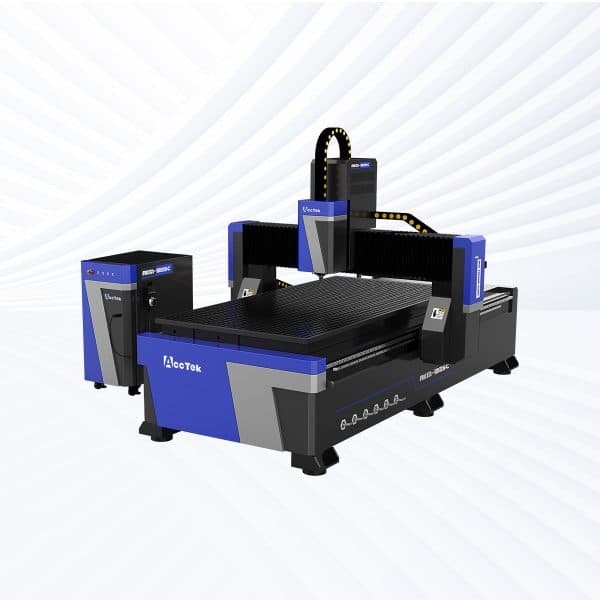
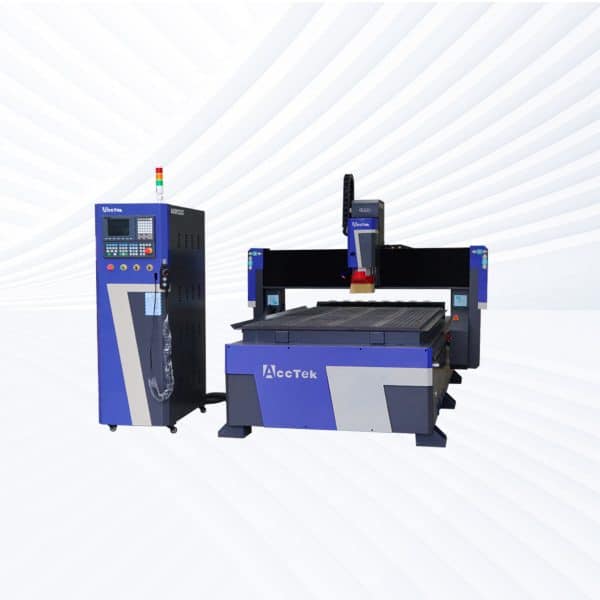
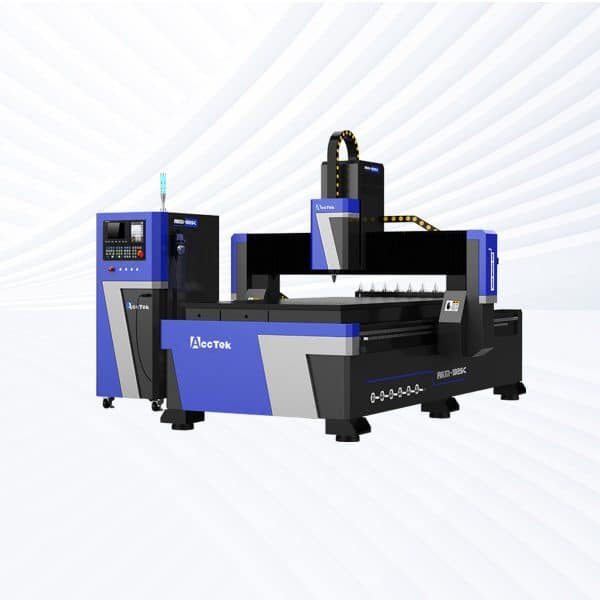
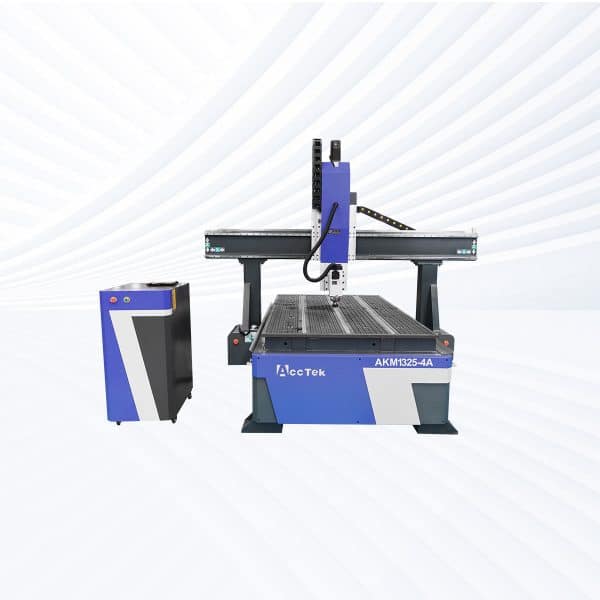
Types of 3060 CNC Routers
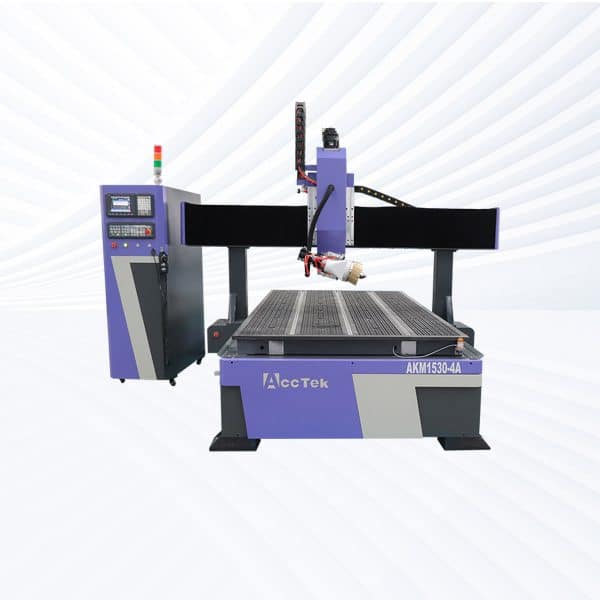
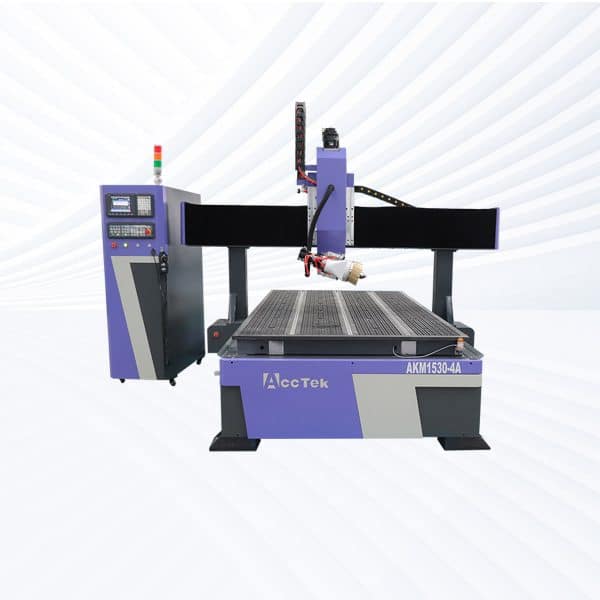
Material Routing Capability
| Material Type | 1.5 kW | 2.2 kW | 3.0 kW | 3.2 kW | 3.5 kW | 4.5 kW | 5.5 kW | 6.0 kW | 7.5 kW | 9.0 kW |
|---|---|---|---|---|---|---|---|---|---|---|
| Softwood | Light Cutting | Standard Cutting | Fast Cutting | Fast Cutting | Fast Cutting | High-Speed Cutting | Heavy-Duty Cutting | Heavy-Duty Cutting | Industrial Cutting | Industrial Cutting |
| Hardwood | Light Duty | Standard Cutting | Stable Cutting | Stable Cutting | High-Precision | Heavy-Duty | Heavy-Duty | High-Torque Cutting | Industrial Cutting | Industrial Cutting |
| Plywood/MDF | Basic Cutting | Smooth Cutting | Fast, Clean Cutting | Fast Cutting | High-Precision | Heavy-Duty | Heavy-Duty | Industrial Smooth Cuts | High-Volume Cutting | High-Volume Cutting |
| HDF/Particle Board/Melamine | Light Cuts | Standard Cuts | Clean Cuts | Clean Cuts | High-Precision | Heavy-Duty | Heavy-Duty | Industrial | Industrial | Industrial |
| Acrylic(PMMA) | Thin Sheets | Clean Cutting | Fast, Clean Edges | High Clarity | High Clarity | Smooth Finishing | Smooth Finishing | Industrial Clarity | Industrial Clarity | Industrial Clarity |
| Polycarbonate/PETG | Thin Sheets | Clean Cutting | Stable Cutting | Stable Cutting | Precision Cutting | Heavy-Duty | Heavy-Duty | Industrial | Industrial | Industrial |
| ABS/PVC Foam Board | Light Duty | Standard | Fast Cutting | Fast Cutting | High Stability | Heavy-Duty | Heavy-Duty | Industrial | Industrial | Industrial |
| HDPE/LDPE/PP/Nylon | Light Cuts | Standard Cuts | Stable Cuts | Stable Cuts | Deep Routing | Heavy-Duty | Heavy-Duty | High-Torque | Industrial | Industrial |
| Delrin/UHMW | Light Duty | Standard | Accurate Routing | Accurate Routing | High-Precision | Heavy-Duty | Heavy-Duty | Industrial | Industrial | Industrial |
| Solid Surface (Corian) | Very Light | Standard | Strong Cutting | Clean Cutting | High-Precision | Heavy-Duty | Heavy-Duty | Industrial Cutting | Industrial Cutting | Industrial Cutting |
| Fiberglass/Carbon Fiber Sheet | Light Trimming | Standard | Precise Routing | Precise Routing | High-Precision | Heavy-Duty | Heavy-Duty | Industrial | Industrial | Industrial |
| Phenolic/Bakelite | Limited | Standard | Clean Routing | Clean Routing | Precision Routing | Heavy-Duty | Heavy-Duty | Industrial | Industrial | Industrial |
| Foam(EVA, XPS, EPS, PU) | Very Easy | Very Easy | Fast Cutting | Fast Cutting | Ultra-Fast | Ultra-Fast | Ultra-Fast | High-Speed | High-Speed | High-Speed |
| Rubber/Leather/Cork | Light Duty | Standard | Clean Edges | Clean Edges | Faster Routing | Heavy-Duty | Heavy-Duty | Industrial | Industrial | Industrial |
| Cardboard/Paperboard | Easy | Easy | Fast Cutting | Fast Cutting | Ultra-Fast | Ultra-Fast | Ultra-Fast | Industrial | Industrial | Industrial |
| ACP/ACM (Surface Routing Only) | Very Light | Standard | Clean Grooves | Clean Grooves | High Precision | Heavy-Duty | Heavy-Duty | Industrial | Industrial | Industrial |
Compatible Materials
Application of 3060 CNC Routers
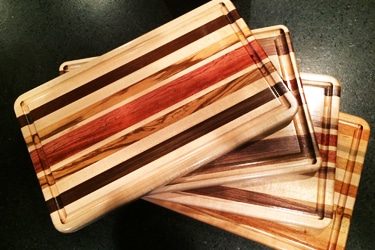
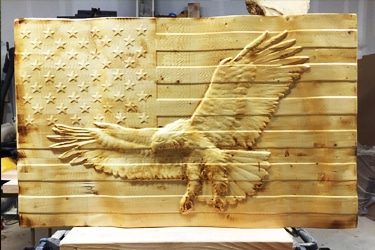


Customer Testimonials
Comparison VS Other Engraving Technologies
| Comparison Item | CNC Routing | Laser Engraving | Hand Engraving | Chemical Etching |
|---|---|---|---|---|
| Working Principle | Mechanical cutting with rotating tools | Vaporizing or melting material with laser beams | Manual carving with handheld tools | A chemical reaction removes material from the surface |
| Material Compatibility | Wood, plastics, composites, foam, soft metals | Wood, plastics, coated metals, and some stones | Wood, metal, soft materials | Metals, glass, ceramics |
| Cutting Ability | Full-depth cutting, profiling, pocketing | Mostly engraving; cutting only on thin materials | Limited cutting; slow | No cutting capability |
| Engraving Depth | Deep engraving and 3D carving | Mostly shallow | Depends on skill | Shallow and uniform |
| Precision Level | High accuracy and repeatability | Extremely high precision | Low–moderate | Moderate |
| Detail Resolution | Good for small to complex features | Excellent for fine patterns | Skill-dependent | Good, but limited by process |
| Production Speed | Fast for cutting and shaping | Fast for engraving, slow for deep cuts | Slow | Medium |
| Complexity of Designs | Handles 3D relief, contours, and pockets | Excellent for detailed 2D/2.5D work | Limited | Works well for flat-patterned designs |
| Setup Requirements | Medium (tooling, fixturing) | Low (mostly software) | None | Medium (chemical prep, masks) |
| Learning Curve | Moderate; requires training | Easy to moderate | High skill required | Moderate process knowledge |
| Operating Cost | Low (bits + electricity) | Low–medium (laser tube wear) | Very low | Medium–high (chemicals, disposal) |
| Maintenance Needs | Regular lubrication + tool changes | Optics care + tube replacement | Minimal | Chemical disposal + equipment cleaning |
| Safety Concerns | Debris, noise, tool hazards | Laser radiation, fumes | Very low | Chemical burns, toxic fumes |
| Best Applications | Cutting, shaping, 3D carving, prototyping | Fine engraving, marking, and small detailing | Artistic, custom craftsmanship | Serial marking, metal patterns, surface textures |
| Ideal Use Case | Versatile machining for production & fabrication | High-precision engraving on many materials | Artistic, low-volume, handmade work | Uniform, shallow metal designs at scale |
Why Choose Us
High Precision & Efficiency
AccTek CNC routers deliver fast, accurate results with minimal errors, supporting intricate designs and mass production across the woodworking, plastic, rubber, and foam industries.
Robust and Durable Design
Our machines are built with high-quality frames and components, ensuring long service life, high load-bearing capacity, and stability during high-speed operations.
Intelligent Control Systems
Equipped with user-friendly interfaces and smart controllers, our routers offer smooth motion control, automatic toolpath optimization, and easy integration with various CAD/CAM software.
Flexible Customization
From machine size to spindle power and motor type, we offer flexible configurations to suit different production needs, budgets, and material requirements.
Related Resources
CNC Router Safety Operation Guide
This article explains essential safety procedures, hazard prevention, PPE, tool setup, workholding, machine operation, maintenance, and emergency response.
How To Block Noise From CNC Routers?
This article explores practical ways to block CNC router noise, including cutting optimization, vibration control, sound enclosures, auxiliary equipment isolation, and workshop soundproofing.
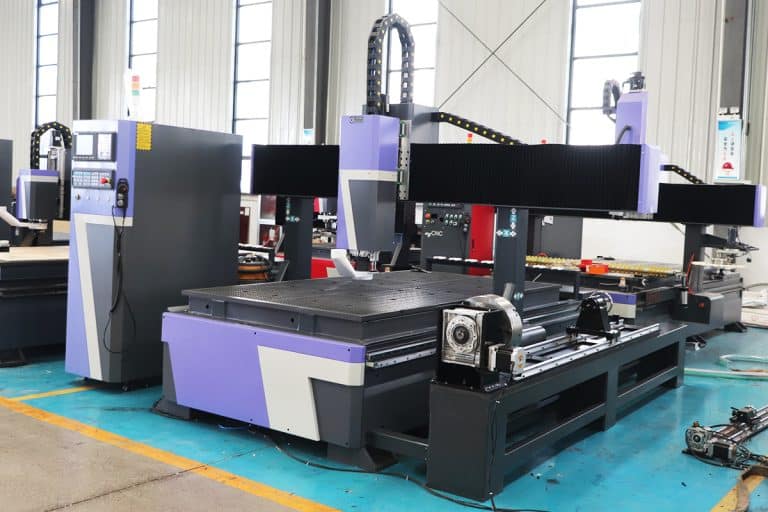
What Are 3D CNC Routers?
This article explores what 3D CNC routers are, how they operate, and the key types, components, software, materials, applications, benefits, limitations, safety practices, maintenance, and selection factors.
How To Program CNC Routers?
This article is a practical programming guide for CNC routers, covering CAD settings, CAM toolpaths, G-code basics, feed rate, workpiece clamping, safety checks, material settings, and troubleshooting.
Frequently Asked Questions
What Is The Price Of 3060 CNC Routers?
What Factors Affect The Price Of 3060 CNC Routers?
- Machine Frame and Structural Design: The rigidity, thickness, and build quality of the steel frame significantly affect pricing. Heavy-duty welded structures with reinforced gantries offer higher stability and precision but increase material and manufacturing costs. Larger-format 3060 machines require stronger frames, resulting in higher prices.
- Spindle Type and Power: The spindle is one of the most expensive components. Higher-powered 6 kW-12 kW spindles, automatic tool-change (ATC) spindles, and branded models such as HSD or HQD cost more than basic air-cooled versions. Spindle quality determines cutting capacity, speed, and durability, directly influencing overall machine pricing.
- Motion System and Drive Configuration: Linear guides, ball screws, rack-and-pinion systems, and servo motors all affect cost. Servo-driven systems are more expensive than stepper systems due to higher speed, torque, and positional accuracy. Premium brands like Yaskawa or Delta add to the price but improve long-term reliability.
- Control System and Electronics: Advanced controllers (Syntec, OSAI, NK, Weihong) cost more than entry-level DSP systems. Higher-end controllers support complex toolpaths, faster processing, and smoother motion. Inverters, drivers, and electrical components from reputable brands also raise the price but enhance machine stability.
- Table Type and Workholding Options: Vacuum tables with multi-zone suction systems increase cost compared to simple T-slot tables. High-capacity vacuum pumps, clamps, and auxiliary fixtures influence both functionality and price.
- Tool Changer System: ATC systems—carousel, linear, or swing-arm—significantly increase the cost of 3060 CNC routers. More tool positions and automated tool management improve efficiency but add mechanical and electronic complexity.
- Additional Features and Customization: Dust-collection systems, safety enclosures, oil-mist lubrication, rotary attachments, extended Z-axis height, and custom gantry reinforcements all add to the price. Industry-specific upgrades for aluminum, wood, composites, or foam also influence total cost.
- Brand Reputation and After-Sales Support: Manufacturers offering strong warranties, professional installation, and global service networks typically price their machines higher due to better long-term support and reliability.
What Type Of Spindle Do 3060 CNC Routers Use?
- Air-Cooled Spindles: 3060 CNC routers commonly feature air-cooled spindles that rely on built-in fans to dissipate heat. These spindles are simple, reliable, and require minimal maintenance, making them suitable for workshops without water-cooling systems. Air-cooled models perform well for wood, plastics, foam, and general-purpose machining. They handle high RPM operations efficiently, and their straightforward structure reduces potential leak risks.
- Water-Cooled Spindles: Water-cooled spindles are also widely used on 3060 CNC routers, especially in applications requiring long continuous runs or cutting hard materials. These spindles offer superior thermal stability and quieter operation because the circulating water absorbs heat more effectively. Their excellent cooling performance makes them ideal for aluminum, composite materials, and precision engraving tasks where temperature control is critical.
What Type Of Motor Do 3060 CNC Routers use?
- Stepper Motors: Many 3060 CNC routers come equipped with stepper motors, which are cost-effective, reliable, and suitable for standard woodworking, signmaking, and light-duty production. Stepper motors offer good positioning accuracy in low- to medium-speed applications and are ideal for users with moderate budgets. Although they may lose steps under heavy load, they perform efficiently for most general-purpose CNC tasks.
- Easy Servo Motors (Hybrid Servos): Easy servo motors combine the affordability of stepper motors with the benefits of servo technology. These motors include closed-loop feedback to prevent lost steps, improve torque output, and enhance running smoothness. They support higher speeds and increased machining stability while remaining more economical than full servo systems. Easy servos are well-suited for users who need accuracy and reliability without the cost of industrial-grade servo motors.
- Servo Motors: High-end 3060 CNC routers often use AC servo motors, such as Delta, Yaskawa, or Leadshine AC servo configurations. These motors deliver high torque, rapid acceleration, and excellent motion precision. They maintain accuracy even during complex toolpaths and heavy-duty cutting, making them ideal for aluminum machining, composite materials, and high-volume industrial workflows. Servo systems also offer quieter operation and smoother curves at high speeds.
What Type Of Worktable Do 3060 CNC Routers use?
- Vacuum Worktable: A vacuum worktable is widely used on 3060 CNC routers for high-efficiency production. It contains multiple suction zones that hold materials firmly using vacuum pressure, making it ideal for large sheets of wood, MDF, acrylic, or composite boards. This worktable enables fast loading, reduces manual clamping time, and ensures stable cutting without material shifting. A strong vacuum pump is required to maintain consistent suction, especially when handling porous or thin materials.
- T-Slot Worktable: The T-slot worktable provides flexible and secure clamping for irregularly shaped, heavy, or small workpieces. It uses mechanical clamps, fixtures, and bolts that attach directly to the aluminum T-slots. This type of table is especially suitable for thick hardwood, metal plates, stone, or parts that require precise positioning. The T-slot design allows users to customize material holding patterns based on the project’s shape and machining needs.
- Hybrid Vacuum + T-Slot Worktable: Many 3060 CNC routers feature a hybrid worktable that combines vacuum zones with T-slot tracks. This design offers maximum versatility: vacuum suction holds large panels securely, while T-slots provide additional mechanical clamping for small pieces or materials with low surface contact. Hybrid tables help users handle diverse machining tasks without switching equipment.
What Is The Lifespan Of 3060 CNC Routers?
- Machine Frame and Structural Durability: The heavy-duty welded steel frame of 3060 CNC routers typically lasts 10–15 years or more. Its reinforced gantry and large-format construction are designed to resist bending, vibration, and fatigue. A stable workshop environment helps prevent rust, thermal expansion issues, and long-term deformation.
- Linear Guides, Ball Screws, and Rack Systems: Depending on usage, linear guide rails and ball screws generally last 5–8 years under continuous production. Rack-and-pinion drive systems on the X and Y axes can last even longer when properly lubricated and kept free of dust. Regular cleaning and lubrication significantly extend component life and maintain cutting accuracy.
- Spindle Lifespan: Air-cooled and water-cooled spindles on 3060 CNC routers typically last 2–4 years under heavy use or 5–6 years with moderate operation. Spindle life depends on cooling efficiency, cutting load, and proper tool handling. Bearings can be replaced to restore performance and extend overall lifespan.
- Motors and Electronics: Stepper, easy servo, and servo motors can operate for 6–10 years with stable power and controlled environments. Controllers, drivers, and inverters usually last 8–12 years if protected from dust, moisture, and voltage fluctuations. Good grounding and ventilation improve longevity.
- Worktable and Vacuum System Longevity: Vacuum tables, T-slot tables, and their supporting pumps can last 5–10 years, depending on usage frequency. Proper sealing, periodic maintenance, and pump servicing help maintain strong material holding and consistent machining performance.
- Usage Intensity and Environmental Conditions: Machines running multiple shifts daily will experience faster wear than machines used occasionally. Clean, ventilated, and climate-controlled workshops extend machine lifespan, reduce corrosion, and protect sensitive electronics.
- Overall Lifespan Expectation: With standard maintenance, most 3060 CNC routers deliver 8–12 years of dependable performance. In clean environments with moderate workloads and timely component replacement, these machines often exceed 15 years of productive service.
What Training Is Required To Operate 3060 CNC Routers?
- Basic Machine Operation Training: Operators must learn the fundamental functions of the machine—powering on and off, homing axes, loading jobs, setting work coordinates, and monitoring machining progress. Understanding emergency stop procedures and safety protocols is essential before performing any cutting tasks.
- CNC Software and Toolpath Training: Training includes the use of CAD software for design and CAM software for generating toolpaths. Operators learn how to set cutting parameters such as feed rate, spindle speed, step-down, and tool selection. Proper toolpath creation ensures clean results, efficient machining, and reduced tool wear.
- Workpiece Setup and Fixturing Training: Operators must learn how to secure materials on different worktable types, including vacuum and T-slot tables. Training includes vacuum zoning, clamp placement, zero-point setting, and selecting appropriate tooling for wood, plastics, composites, and metals. Correct fixturing prevents workpiece shifting and improves accuracy.
- Tool Handling and Spindle Training: Training covers how to install, tighten, and check router bits, collets, and tool holders. Understanding spindle types—air-cooled, water-cooled, or ATC—helps operators manage cooling systems, monitor spindle load, and recognize signs of tool imbalance or wear.
- Maintenance and Daily Inspection Training: Operators must learn routine maintenance tasks such as cleaning dust, lubricating guide rails, checking screws, inspecting belts, and monitoring spindle performance. Proper daily care extends machine lifespan and reduces downtime.
- Material Cutting Knowledge: Training includes understanding the cutting characteristics of wood, aluminum, acrylic, foam, and composite boards. Operators must know how to choose tools, adjust parameters, and prevent burning, melting, or chipping based on material properties.
- Safety and Risk Prevention Training: Operators learn to identify hazards such as flying debris, vibration, electrical issues, and improper clamping. Training includes personal protective equipment, safe machine distances, and emergency shutdown procedures.
What Are The Special Requirements For The Workshop Floor For 3060 CNC Routers?
- Solid Concrete Foundation: 3060 CNC routers require a strong, load-bearing concrete floor, typically 150–200 mm thick, to support their substantial weight. Reinforced concrete is ideal because it prevents sagging, cracking, and uneven settling. Soft, flexible, or wooden floors are unsuitable as they reduce machine stability and cause accuracy issues.
- Perfectly Level Surface: The workshop floor must be flat and level before installation. Even slight unevenness can cause the machine’s frame to twist, leading to misalignment, premature wear on linear guides, and inconsistent cutting results. Precision leveling pads or adjustable feet are used during installation to ensure full machine stability.
- Vibration-Free Environment: Floors near heavy machinery, stamping equipment, or vehicular traffic can transmit vibration to the CNC router. Excessive vibration affects toolpath accuracy, surface finish quality, and motor performance. Positioning the machine on a stable floor away from vibration sources ensures smoother operation and prolongs component life.
- Dry and Clean Flooring Conditions: The floor should be kept dry to prevent rust on machine legs, deterioration of leveling pads, and electrical hazards. Oil spills, water leaks, and excessive dust reduce operator safety and may interfere with vacuum pumps or control cabinets. A clean working area supports smooth material handling.
- Load Distribution and Machine Footprint: The large footprint of 3060 CNC routers requires the floor to distribute weight evenly. Reinforced sections may be necessary for areas supporting heavy gantry systems. Proper load distribution helps maintain long-term structural integrity of both the machine and the workshop floor.
- Adequate Space Around the Machine: Although not part of the floor structure itself, the workshop layout must include sufficient walking space—typically 1–1.5 meters around the machine. This allows for safe operation, material loading, tool changes, and routine maintenance without obstruction.